Skip to content
Artwork for Open Source Startup Podcast

Open Source Startup Podcast

Robby (MTF); Tim (Essence VC)

The leading podcast on how to build a successful open source company.

Learn from the founders of HashiCorp, Chronosphere, Vercel, MongoDB, DBT, mobile.dev and more!

Play
  • 22 episodes
  • Avg 40 min
  • English
Counted on this page — what you have heard stays on this device, so it is not something the list can be paged by.
  • Wednesday · 37 min

    E203: From Sentry to Modem - Rethinking How Product Teams Listen

    In this episode, our co-hosts Robby and Tim talk with Modem Co-Founder Ben Vinegar who's building the AI product manager for software teams. He was previously a longtime engineering leader at open source application monitoring software platform Sentry. Ben reflects on his journey from Disqus to nearly a decade at Sentry, where he became the company’s first VP of Engineering and worked across product development, SDKs, acquisitions, and incubation. He shares how the rapidly falling cost of software development with AI led him to build Modem, an AI product teammate that helps teams understand what customers are saying and connect that feedback to what they’re shipping. The conversation explores why data and context, not just the agent, are the hard parts of building useful AI products, how conversational data creates a new kind of observability, and why these systems are harder to build internally than they appear. He also discusses open source, dogfooding, and how being deeply fluent with AI is changing the way he hires and builds teams.


  • September 3 · 36 min

    E202: How the Largest MLOps Community Was Built

    In our latest episode, co-hosts Robby and Tim talk with Demetrios Brinkmann, founder of the MLOps Community, the leading community for MLOps with over 90K developers in it today. He's also a Member of the Non-Technical Staff at the Agentic AI Foundation which is an open foundation advancing adoption of leading open source AI projects. This episode explores what it really takes to build a thriving community in a world where social media no longer provides the fast, meaningful feedback it once did. Drawing on lessons from growing the MLOps Community to tens of thousands of members, the conversation breaks down the difference between an audience and a true community, why consistency matters more than explosive growth, and why community-building is a marathon (not a sprint). The episode also covers the role of content, events, personal connections, and storytelling; why community shouldn’t be treated as another marketing channel; and why fostering community needs to be a company-wide effort rather than the responsibility of one community hire. Plus, it touches on the rapid growth of AI and agent communities, including MCP, and what founders can learn from them.

  • August 3 · 39 min

    E201: Building Your Agent Army with Paperclip

    In this episode, our co-hosts Robby and Tim talk with Paperclip Co-Founder Dotta (Nate) whose viral agent orchestration platform has taken off over the past several months as more teams adopt agents at work. Their open source, also called paperclip, has >75K stars on GitHub and is becoming the de facto way to manage a team of agents. This episode explores what it really means to build an “agent-led company.” Rather than thinking of AI agents as isolated tools, Paperclip treats them like employees working toward shared goals, with the platform acting as the company that coordinates them. We discuss why existing AI workflows (whether it’s dozens of Claude Code tabs or standalone coding agents) break down at scale, and how Paperclip provides a unified interface for managing projects, agents, tasks, context, and budgets across any model or AI harness. From marketing and documentation to customer support triage and software development, the conversation dives into how teams can assign the right agents to the right work while keeping humans in control through evaluation, reflection, and orchestration. We also unpack the challenges and opportunities of building an open source agent platform in one of AI’s fastest-moving markets. The discussion covers Paperclip’s explosive early growth, the realities of maintaining a ton of community pull requests, security risks in agentic systems, and why the future isn’t about replacing people with AI - it’s about enabling individuals and organizations to scale their impact through coordinated agents. Looking ahead, we explore Paperclip Cloud, enterprise workflows, governance, and why the next frontier for AI isn’t just better models, but better memory, context, and systems for managing an entire workforce of agents.

  • July 27 · 44 min

    E200: Open Sourcing Warp’s Terminal

    This episode has our co-hosts Robby and Tim in conversation with Warp founder Zach Lloyd as he shares the company story and decision to open source their core product: the terminal. They now provide an open source agentic development environment (born out of the terminal) which is also called warp and has almost 65K stars on GitHub. Zach discusses his frustration with the traditional terminal and how it inspired him to rebuild it from first principles. Originally conceived before ChatGPT as a more intuitive, collaborative command-line experience, Warp quickly resonated with developers and has since grown to 1 million users. Lloyd discusses the company’s decision to build Warp in Rust, its early reluctance to open source the product, and how the rise of coding agents transformed Warp from a modern terminal into a broader agentic development environment. The conversation also explores Warp’s evolving product vision: a terminal, agent harness, and cloud platform that can orchestrate different models and coding tools without locking companies into a single provider. Lloyd explains how Warp uses agents to triage issues, write and review code, test interfaces, and accelerate open source contributions while keeping humans involved in key decisions. Ultimately, the episode is about how AI is reshaping software development and Warp’s ambition to become the platform that turns ideas, community feedback, and company workflows into shipped software as efficiently as possible.

  • July 14 · 42 min

    E199: Rethinking Infra-as-Code for the AI Era

    This Open Source Startup Podcast episode has our co-hosts Robby and Tim in conversation with Pavlo Baron from Platform Engineering Labs - creators of open source infra-as-code platform formae. This podcast explores why traditional infrastructure-as-code tools like Terraform and Pulumi can struggle with state, drift, and the disconnect between code and real-world infrastructure. Pavlo shares lessons from building Instana and explains how those experiences led to Formae, an open-source approach that treats infrastructure state as accessible, executable code using Apple’s Pkl language. The conversation also looks at what infrastructure management needs in the AI era. By reducing low-level complexity and giving both humans and AI agents safer abstractions for discovering, modifying, and reconciling infrastructure, Formae aims to make infrastructure automation more reliable and less labor-intensive.

  • June 18 · 42 min

    E198: How Unikraft Launches AI Agents in

    This Open Source Startup Podcast episode has our co-hosts Robby and Tim in conversation with Dr. Felipe Huici, CEO of Unikraft - the compute layer for sandboxes, AI agents, or any workload with VM-grade isolation. Their open source, also called unikraft, has 4K stars on GitHub and provides a next-generation cloud native kernel. This episode explores how Unikraft is building infrastructure for the next generation of AI agents, arguing that agents should run in virtual machines rather than containers. The conversation focuses on the unique requirements of agentic workloads: fast startup times, the ability to pause and resume state, strong isolation, and efficient resource utilization at massive scale. Unikraft’s technology enables lightweight virtual machines that can start in under 10 milliseconds, helping companies reduce latency, lower infrastructure costs, and run large numbers of ephemeral agents on minimal hardware. The discussion also covers emerging AI infrastructure needs such as checkpointing, branching, headless browser automation, and GPU access. The podcast also traces Unikraft’s origins from an academic research project to an open-source Linux Foundation initiative and, eventually, a startup founded in 2022. The conversation examines customer adoption, the role of Unikraft as foundational infrastructure for AI platforms, competition and collaboration within the agent ecosystem, the future of GPUs and virtualization, and lessons learned from building a company in the rapidly evolving cloud and AI infrastructure market.

  • June 9 · 40 min

    E197: The Evolution of Building Open Source Businesses from HashiCorp to Flox

    This Open Source Startup Podcast episode has our co-hosts Robby and Tim in conversation with James Bayer, Chief Product Officer at software development platform Flox. Flox's open source, also called flox, provides a software environment platform powered by package manager Nix. In this episode, James shares lessons from his career across Cloud Foundry, Pivotal, and HashiCorp, where he helped turn widely adopted open-source projects like Terraform into sustainable businesses. His core takeaway is that support-only open source is difficult to scale; successful companies usually monetize the “multiplayer” capabilities that teams and enterprises need while keeping individual usage free. Now at Flox, James sees a similar opportunity built on top of Nix, a powerful but historically complex technology. He joined because Flox makes Nix dramatically easier to use, helping developers and AI agents manage software environments and dependencies. He also discussed the balance between open-source principles and commercial viability, and why he remains optimistic about the future of software development in the age of AI.

  • June 3 · 38 min

    E196: Shifting Developer Portals to Agent Portals with Port

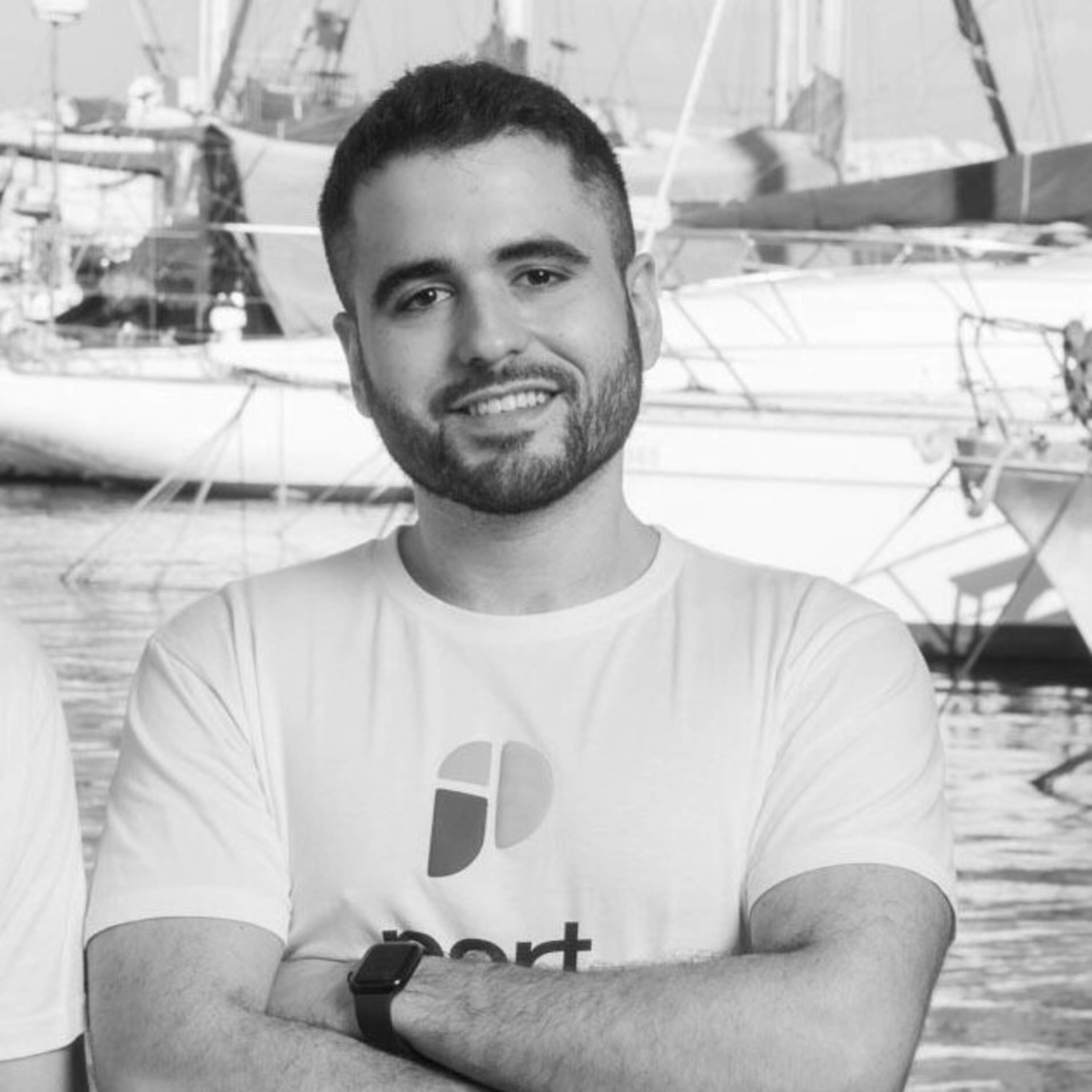
    This Open Source Startup Podcast episode has our co-hosts Robby and Tim in conversation with Zohar Einy the Co-Founder of agentic SDLC platform Port. They have a few open source projects including ocean which allows third-party systems to integrate with their developer portal. Port is positioning itself as the infrastructure layer for the agentic era, evolving the traditional internal developer portal into what its founders describe as a “system of record for agents.” The company believes the future belongs not to vertical point solutions, but to flexible platforms that organizations control themselves, enabling anyone, from developers to non-technical employees, to become builders. Rooted in the founders’ experience of overwhelming developer workflows and ticket volumes, Port aims to centralize engineering context while making both humans and AI agents more self-sufficient. Their hybrid approach combines openness and commercial software, with public roadmaps, community contributions, and open-source integrations helping customers extend the platform while maintaining governance and control. The conversation also explored how AI is reshaping engineering organizations. Port is focused on creating the infrastructure around agents rather than building the agents themselves, providing visibility, permissions, governance, and a unified “context lake” for agent activity. As companies deploy increasing numbers of coding, security, SRE, and product agents, leaders need a control plane to understand what agents are doing and ensure they operate safely. The team is already seeing customers use Port to automate large portions of engineering support workflows, and they believe enterprises are adopting AI-driven workflows as quickly as, or faster than, mid-market companies. Internally, this pace of change requires constant adaptation, particularly across go-to-market teams, where education and flexibility have become more important than rigid playbooks.

  • May 26 · 45 min

    E195: Taking on the New AI Attack Surface With Manifold: Runtime, Skills & Supply Chains

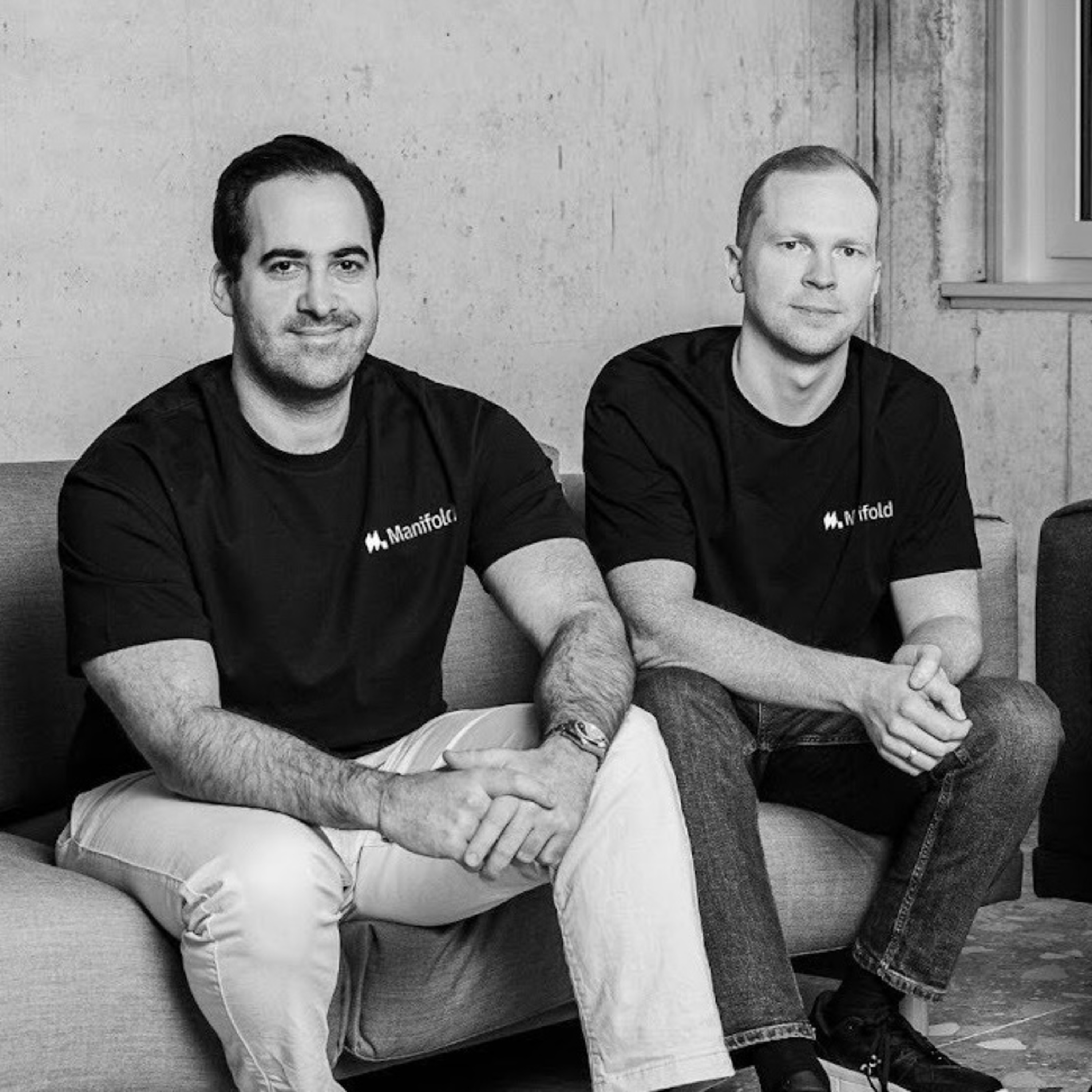
    The latest Open Source Startup Podcast episode has our co-hosts Robby and Tim in conversation with Neal Swaelens and Oleks Yaremchuk, 2 of the Co-Founders of runtime agent security company Manifold Security. Manifold recently released Manifest, their open-access, graph-based supply chain intelligence tool for users to scan skills and plugins to uncover any potential supply chain risks. In this episode, Neal and Oleks explain why AI agents are reshaping cybersecurity - shifting the focus from guardrails to runtime security. As tools like Claude Code and Codex spread rapidly, companies often have little visibility into the agents, plugins, skills, and external assets employees are using, creating major supply chain and runtime risks. Drawing on their experience building LLMGuard and leading security teams at Protect AI and Palo Alto Networks, they argue that runtime detection and response is still a wide-open market opportunity. They also discuss what it takes to build in the crowded AI security space, where buyers now expect real products instead of roadmap promises. The conversation highlights lessons from open projects like LLMGuard and Manifest, why reducing noise and false positives matters, and how open ecosystems can help establish trust and industry standards for securing AI agents and assets.

  • April 29 · 41 min

    E194: Fal's Bet on Generative Media

    The latest Open Source Startup Podcast episode has our co-hosts Robby and Tim in conversation with Batuhan Taskaya, the founding engineer and current Head of Engineering at generative media cloud Fal. Fal is a developer platform that allows builders to develop and fine-tune models with serverless GPUs and on-demand clusters. This episode explores how a small, highly technical team carved out a unique position in the AI boom by focusing on generative media - images, video, and audio - while most of the industry rushed toward language models. Early on, they recognized that image and video models operate very differently from LLMs. With no strong API-first players in image generation, they started there and doubled down on building reliable, high-performance infrastructure for running these models in the cloud, leveraging deep expertise in systems and performance engineering. Their strategy of embracing open-source models, then fine-tuning and optimizing them for real-world use cases, helped them quickly gain traction - growing from zero to $400M of revenue by 2026 and scaling rapidly as demand for generative media surged. The conversation also dives into how the company evolved into a full-stack generative media platform, expanding from images into video and audio as those markets matured, especially with video seeing explosive growth in 2024–2025. A key differentiator has been their relentless focus on inference performance, custom kernel optimization, and cost efficiency, which has driven strong customer retention. Rather than betting on a single model, they embrace rapid model turnover and ecosystem fragmentation, ensuring flexibility for developers and enterprises alike. Looking ahead, the biggest challenges lie in scaling video models and securing enough compute capacity in a supply-constrained GPU market. Throughout, the story highlights the power of small, focused teams with clear strategy and the ability to pivot quickly in a fast-moving AI landscape.

  • April 8 · 39 min

    E193: Managing 100s of Agents with Maestro

    In our latest Open Source Startup Podcast episode, co-hosts Robby and Tim talk with Pedram Amini, the creator of open source platform Maestro which allows users to run fleets of AI coding agents autonomously for long periods of time. Their project has 3K stars on GitHub. The episode explores how Maestro's multi-agent system overcame a key limitation in generative AI: context overload. After juggling many Claude sessions for different tasks, Pedram realized each problem needed its own isolated workflow. Maestro turns this into a system letting users run many agents and tabs in parallel, keeping tasks separate and avoiding context degradation during long or complex work. Maestro is designed for scale, enabling dozens or even hundreds of agents to handle complex projects simultaneously. It’s flexible, model-agnostic, and especially useful for breaking big problems into independent units. The project has quickly grown into a community-driven effort, reflecting a broader shift: instead of buying a bunch of tools, developers can build highly customized AI systems themselves, pointing toward a future of large-scale agent orchestration.

  • February 18 · 41 min

    E192: Creating Browser Use, Navigating Hyper Growth & Building in the Competitive Browser Automation Space

    In our latest Open Source Startup Podcast episode, co-hosts Robby and Tim talk with Magnus Müller, the Co-Founder & CEO of Browser Use - the platform that makes web agents come to life. Their open source, browser-use, has almost 80K stars on GitHub and is widely adopted. This episode dives into the unexpected rise of an open-source browser automation project that took off during Y Combinator - while many similar projects before and after it never gained traction. The founder reflects on why: delivering a “magical moment” fast. Early demos showing AI controlling a browser, inspired by trends like OpenAI’s Operator, and immediately clicked with people. What began as a developer-only Python library evolved into a hosted product as non-technical users - from sales teams to startups - wanted access. Along the way, the team leaned into controversial but compelling use cases, like AI applying for jobs on your behalf, which sparked conversation and accelerated growth. The core challenge they focused on solving was reliability: unlike deterministic automation scripts, AI agents can behave unpredictably, making trust and repeatability central problems to overcome. The long-term vision goes beyond UI automation toward agents that can skip the browser entirely and interact directly with website servers through structured actions. But the conversation isn’t just about infrastructure. The founder admits that early growth came mostly from building and talking to users, while recent months have been dedicated to storytelling and marketing rather than coding. A personal through-line emerges as well: learning to replace defensiveness with curiosity - questioning assumptions, staying open to feedback, and continuously refining both the technology and the narrative around it.

  • February 4 · 36 min

    E191: Super Fast Infra for Agents to Use the Internet

    In our latest Open Source Startup Podcast episode, co-hosts Robby and Tim talk with Catherine Jue, Co-Founder and CEO of browser infrastructure company Kernel. Their open source images acts as a browsers-as-a-service for automations and web agents. In this episode, we break down what Kernel is building today and why browser infrastructure has quietly become one of the most important layers for AI agents. We talk about Kernel’s focus on fast, low-latency cloud browsers, why performance matters more than people expect, and how developers can connect agents via APIs or MCP servers without spinning up heavy infrastructure themselves. We also explore the real-world use cases driving adoption - from a new wave of RPA for industries without APIs, to real-time web analysis, sales intelligence, and voice agents that need to respond instantly. Finally, we dig into Kernel’s open-source, developer-first DNA, the technical bets behind its control plane and unikernel-based browsers, and why the team believes agentic workflows are still early, but inevitable.

  • January 20 · 46 min

    E190: Open Sourcing AI Coding Platform Devin to Create OpenHands

    In our latest episode, co-hosts Robby and Tim talk with Robert Brennan, Co-Founder & CEO of OpenHands - the open platform for cloud coding agents. Their open source project, also called OpenHands, has 67K starts on GitHub and provides a software agent SDK, CLI, and local GUI. They also have OpenHands cloud - their paid, hosted version of the OpenHands GUI. This episode traces the rise of OpenDevin - now OpenHands - as an open-source alternative to closed AI coding agents like Devin. Open to anyone from day one, it attracted highly technical developers, academics, and eventually large enterprises that valued flexibility, privacy, and lack of model lock-in. Launched amid the 2024 surge of excitement around autonomous coding agents, OpenHands quickly built a massive community and differentiated itself by rejecting the idea of replacing engineers, instead focusing on empowering them through transparent, human-in-the-loop tooling. The discussion also covers the fragmented AI dev-tool landscape and why open source may define future standards. While many tools compete in the individual “inner loop” of coding, OpenHands emphasizes the collaborative “outer loop,” safety, and running agents at scale. Its organic growth, community-driven roadmap, and focus on real developer pain points highlight a future where AI accelerates software creation without removing human accountability.

  • January 15 · 39 min

    E189: Why Your Backup Platform Should Be Open Source with Plakar

    In our latest episode, co-hosts Robby and Tim talk with Julien Mangeard, Co-Founder of open source backup platform Plakar. Plakar's open source, also called plakar, has 1.5K stars on GitHub and provides a backup solution powered by open source, immutable data store Kloset. The podcast discusses why data backup remains a critical but unsolved problem, especially as the number of data sources has exploded across SaaS applications, cloud databases, and on-prem systems. For CISOs and CTOs, this complexity makes it increasingly difficult to ensure everything is done “the right way.” The core argument is that the only truly safe approach is maintaining an independent, secure copy of your data - without vendor lock-in and with guaranteed long-term access, sometimes for decades. End-to-end encryption, immutable storage, and compatibility with different storage backends are emphasized as essential foundations rather than optional features. The conversation contrasts hype-driven cloud-only backup companies like Eon with Plakar’s back-to-basics approach: an open source, resilience-focused system designed to handle large and diverse datasets securely. Built around an immutable storage engine (Kloset), Plakar aims to let individuals or small teams manage their own backups while also supporting collaboration at scale. The founder’s motivation is rooted in personal experience- having previously lost critical data as a CTO - which reinforced the need for security, openness, and community involvement to continuously add and validate new data sources in a rapidly evolving data landscape.

  • January 9 · 37 min

    E188: Building (And Spinning Out) Open Source Projects With Informal Systems

    In our latest episode, co-hosts Robby and Tim talk with Zarko Milosevic (CTO) & Arianne Flemming (COO) of Informal Systems. They've built a protocol design & cross-chain infrastructure platform to foster trust in software and money. This episode explores how open source infrastructure and security drive company-building in high-stakes financial software. Using Malachite - a consensus engine built for a customer and later acquired by Circle - as an example, the conversation highlights how verifiability and reliability are core to the team’s approach. Informal operates in a unique way. They have core products and ones that are spun out. Projects emerge organically from real user needs and are either kept in the core or spun out as independent companies, often as open source software with services. With a worker-owned structure and roots in crypto, the organization focuses on building trustworthy financial and software infrastructure while staying flexible through spin-outs and acquisitions.

  • Dec 17, 2025 · 42 min

    Exclusive: BYOC Vendor Nuon Goes Open Source!

    In our latest episode, our co-hosts Robby and Tim talk with Jon Morehouse, founder and CEO of infrastructure company Nuon which enables Bring Your Own Cloud (BYOC) for everyone. This is an exclusive podcast episode with Jon digging into their decision to open source Nuon! The episode discusses the industry’s growing shift toward Bring Your Own Cloud (BYOC), where SaaS products run directly inside a customer’s cloud account rather than the vendor’s. This model is especially attractive to enterprises because it improves security, data sovereignty, and trust, while enabling earlier pilots and shorter sales cycles. Infrastructure products like Nuon focus on making this practical by packaging applications so they work in customer environments without requiring vendor access, positioning BYOC as an enterprise-first approach that is likely to become the default way software is delivered. A key theme is open source as a trust and distribution strategy. In the infrastructure space, open sourcing lowers perceived risk, deepens customer collaboration, and builds community, which in turn acts as sales enablement for large enterprise deals. The conversation also connects BYOC to AI, highlighting patterns like bring-your-own-model, keys, and GPUs, and frames BYOC as a spectrum rather than a binary choice. The broader vision is to define and lead a BYOC movement by uniting vendors around shared standards, trust, and community-driven adoption.

  • Nov 20, 2025 · 42 min

    E186: Unlocking Your Unstructured Data with Typedef

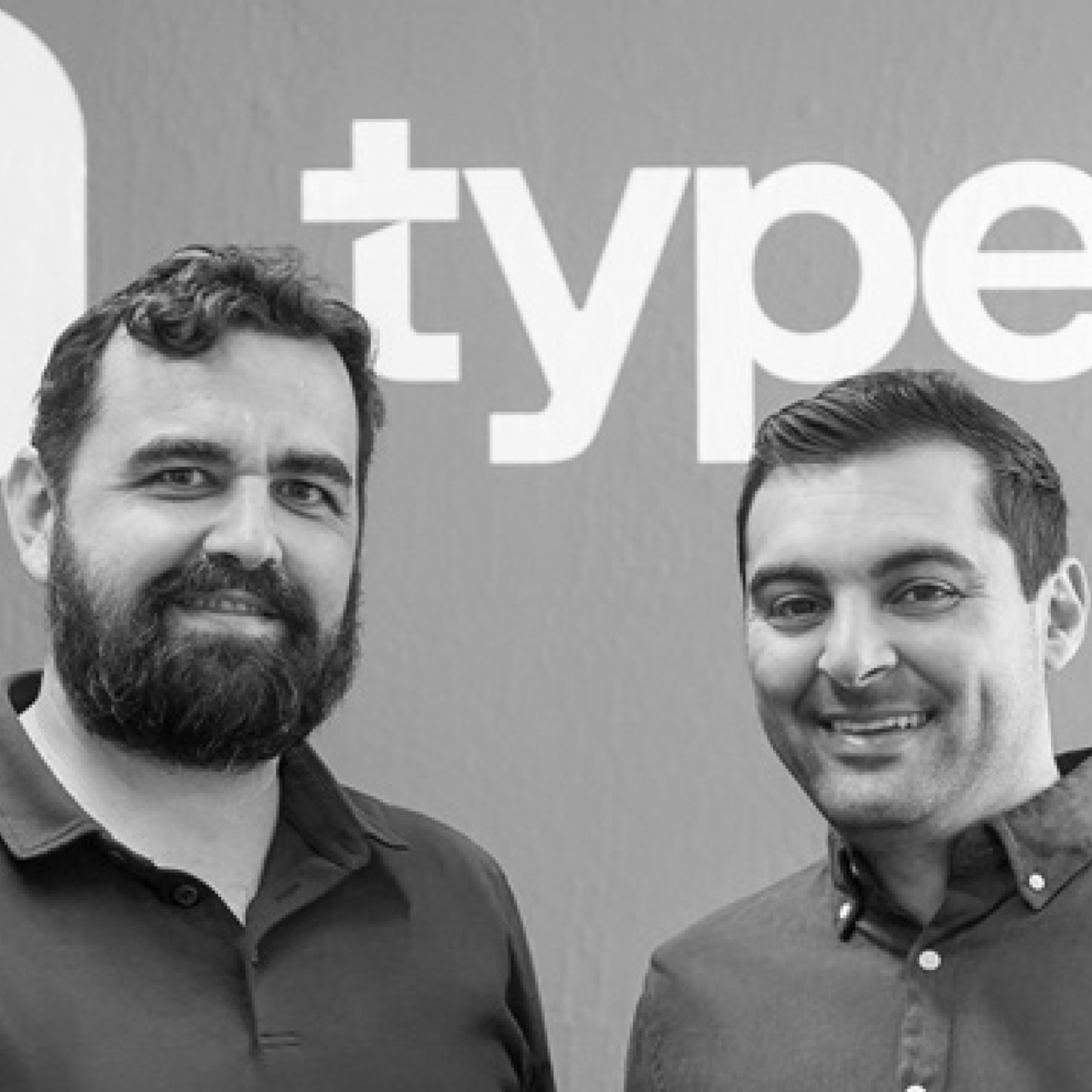
    In our latest episode, our co-hosts Robby and Tim talk with Yoni Michael and Kostas Pardalis, Co-Founders of Typedef. Both have deep backgrounds in data infrastructure (Starburst, Tecton, etc.) and, after meeting through a "blind date" at Blue Bottle Coffee, decided to team up to address the growing brittleness of large-scale data pipelines - issues made worse by the rise of AI. They explain how traditional systems like Spark weren’t designed for today’s AI workloads, especially unstructured data and LLM inference. Fenic was their answer: an open-source engine and DataFrame library built specifically for LLM workflows, multi-step reasoning, and agentic systems - without the operational complexity. Their biggest lessons: start GTM early, talk to as many data leaders as possible, and keep validating - insights that led directly to open-sourcing Fenic and building its MCP-powered developer experience.

  • Nov 4, 2025 · 34 min

    E185: The Challenges with Monetizing Open Source with the Creator of Rich + Textual

    In our latest episode, Robby and Tim talk with Will McGugan, creator of the Rich and Textual open source projects and founder of Textualize and Toad (not yet released), about the challenges of turning beloved open-source projects into real businesses. Despite Rich and Textual's huge adoption in the Python community, he says he waited too long to monetize, focused too much on technical perfection, and tried to build infrastructure before a killer product. He also burned himself out and wishes he had simplified and hired earlier. McGugan believes the terminal is a neglected but essential interface, prized for speed and flow. Rich and Textual modernized terminal output, but monetizing open-core dev tools proved difficult. His new project, Toad, aims to be a universal AI front-end for the terminal - open-source, protocol-driven, and able to plug into different agent back ends like Claude and others. The goal: seamless workflows and modern UX in the environment developers already live in. Big takeaways: monetize early, ship a killer app sooner, don’t overcomplicate structure, and avoid grinding yourself into the ground.

  • Oct 29, 2025 · 43 min

    E184: Building the Browser for AI - the Browserbase Story

    In this episode, we sit down with Paul Klein IV, Founder & CEO of Browserbase, to explore how his team is redefining the foundation of AI-driven browser automation. Browserbase provides the web browser infrastructure for AI agents and apps, and its open-source SDK, Stagehand, lets developers write automations using natural language - adapting seamlessly as websites evolve. Paul shares his belief that browser automation is a critical but underinvested primitive that future AI applications will depend on for years. He traces the journey from the limitations of traditional headless browsers and brittle RPA tools to the emergence of a cleaner, more adaptable framework built for the AI era. We dive into: Stagehand’s design philosophy: minimal feature bloat and strong abstractions. Developer-first community: TypeScript and Python support driven by user demand and open-source contributions prioritized through community PRs. Director, Browserbase’s new layer for non-technical users: “if v0 was for building websites, Director is for building automations.” How open source investment fuels both innovation and integration, and why Browserbase believes the next billion-dollar company will be built on top of its framework. The evolving relationship between AI agents and the web, touching on Cloudflare, automation ethics, and where the line lies between automation and scraping. Paul also reflects on inspiration from figures like Jeff Lawson, the importance of great abstractions for new developers, and the “moment of magic” when AI begins to work on your behalf.

Showing 1–20 of 22 episodes