Skip to content
Artwork for One Bite is Everything

One Bite is Everything

Dana DiPrima

We talk about food like it's just dinner. It never is. One Bite is Everything explores the people, practices, policies, and power that shape what's on your plate. Through 150+ conversations with farmers, chefs, scientists, historians, and policy thinkers, each episode pulls back the curtain on a food system most of us navigate without really understanding. Real stories, real stakes, no lectures. These conversations don't stop at your headphones. They ripple outward through the For Farmers Movement, a weekly letter, and a community of eaters who are connecting more deeply with the farmers who make their food possible. One Bite is Everything airs every Thursday.

Play
  • 22 episodes
  • weekly
  • Avg 37 min
  • English
Counted on this page — what you have heard stays on this device, so it is not something the list can be paged by.
  • #179
    Thursday · 26 min

    How a Wish List Changed Biscuitwood Farm

    Farmer Meg Despres of Biscuitwood Farm in Esperance, New York had a For Farmers Wish List that nobody had ever shopped. Not one item. So she left a comment on our Instagram asking a simple question: what can I do to make this list work for me? Here's what happened next. A few DMs, one small fix, a Tuesday morning letter, and a farm transformed almost overnight. Meg farms 50 acres in Schoharie County with a culinary focus: chef-quality vegetables, pastured eggs, black currant jam, and pierogi made from her own potatoes, a nod to her Polish roots. Her farm stand runs on the honor system with a free food pantry at its heart. She and her husband put everything they had into owning their land, and she tells us what it means to bootstrap a farm debt free, and why small farms can try things big farms never could. We recorded this conversation during a meeting of our For Farmers interns, so you'll also hear questions from Andrea and Raeesah on how to be a better farmers market customer and how a farm's challenges change over time. In this episode: Why a wish list is a story about a farm and what it needs The nomination that made Meg weep (we have more than 1,900 of them) Imposter syndrome, 15 years in Farming debt free as a deliberate choice Small farms as the experimenters of agriculture Here's Meg's Wish List for Biscuitwood Farm if you'd like to contribute. One Bite is Everything From your plate to the rest of the world, One Bite is Everything explores the connections between food, health, community, the environment, and the economy. Through conversations with farmers, chefs, researchers, advocates, and food system leaders, host Dana DiPrima examines how food touches every aspect of our lives and why understanding our food system has never mattered more. OBIE Facts Top 3% of all podcasts globally Top 100 food podcasts (22) Top 100 agriculture podcasts (87) More engagement than more than 88% of all podcasts on Spotify Five-star rating average Part of Heritage Radio Network, home of the top voices in food Connect Follow Dana at @xoxofarmgirl and learn more about the For Farmers Movement at forfarmersmovement.com. Co-production by Sonia Dhillon. Sound design and original music by Russell Chapa.
  • #178
    August 20 · 25 min

    The Strange Economics Behind Your $8 Hamburger

    Beef is expensive. Cattle prices are at historic highs. Ranchers are finally getting paid more for their animals. So why is the U.S. cattle herd still the smallest it’s been in 75 years? Why are giant meatpackers losing hundreds of millions of dollars and closing plants? And why are smaller ranchers still struggling to find somewhere to process their cattle? In this solo episode, Dana follows the beef supply chain from pasture to meat counter to understand a moment when almost every part of the system seems to be telling a different story. Years of drought shrank the herd. Rebuilding takes time, land is increasingly expensive, New World screwworm has disrupted cattle movement from Mexico, and enormous processing plants built for volume are suddenly competing for too few animals. But there’s another beef system operating alongside that one. Small and midsized ranchers can have cattle and customers and still lack access to the regional processing they need. The result is a strange American beef paradox: too much processing capacity in some places, not enough in others, record prices for cattle, record prices for consumers, and plenty of pressure in between. It’s a story about beef, but it’s also about what happens when efficiency, scale and resilience aren’t the same thing. Learn more and support farmer grants at For Farmers Movement. Follow along @xoxofarmgirl.

  • #177
    August 13 · 48 min

    When Growing the Farm Means Leaving the Field

    What happens when a farm grows to the point where the farmers can no longer do everything themselves? Maria Zordan and Max Morningstar own MX Morningstar Farm in Claverack, New York, where they grow about 40 acres of certified organic vegetables and operate a year-round farm store. Their business also reaches far beyond the farm through wholesale accounts, restaurants, distributors, other farms and CSA customers. In this episode, Maria and Max take us inside the less visible work of building a farm that can last. We talk about the transition from farmer to business owner and how they knew it was time to step away from some of the day-to-day production. Max explains how he thinks about delegation and why an owner's time should be spent solving the problems that don't have obvious answers. Maria talks about the growing complexity of managing employees, regulations, wholesale accounts and retail while still keeping a hand in production. We also get into the realities of selling local food. Restaurants may want to buy directly from farms, but consistency, volume and delivery can make those relationships difficult for both sides. Maria and Max explain how distributors, wholesale buyers, other farms and their own farm store help create a system that actually works. It's a practical conversation about growth, efficiency, hiring, infrastructure and what it takes to turn a farm into a durable business that can employ people, raise wages and keep moving forward. In this episode: How MX Morningstar Farm grew from leased land into a 40-acre vegetable operation When farmers need to start thinking like business owners How Maria and Max decide what to delegate Why efficiency matters as a farm grows The complicated reality of selling directly to restaurants Where distributors fit into a strong local food system How their farm store changed the business Growing a farm in a way that creates jobs and supports higher wages Why, as Max says, running the business “never ends” About Maria Zordan & Max Morningstar Maria Zordan and Max Morningstar are the owners of MX Morningstar Farm, a certified organic vegetable farm in Claverack, New York. The farm grows approximately 40 acres of vegetables and sells through wholesale channels, restaurants, distributors, CSA and its year-round farm store in New York's Hudson Valley. https://www.mxmorningstarfarm.com One Bite is Everything From your plate to the rest of the world, One Bite is Everything explores the connections between food, health, community, the environment, and the economy. Through conversations with farmers, chefs, researchers, advocates, and food system leaders, host Dana DiPrima examines how food touches every aspect of our lives and why understanding our food system has never mattered more. OBIE Facts Top 3% of all podcasts globally Top 100 food podcasts (22) Top 100 agriculture podcasts (87) More engagement than more than 88% of all podcasts on Spotify Five-star rating average Part of Heritage Radio Network, home of the top voices in food Connect Follow Dana at @xoxofarmgirl and learn more about the For Farmers Movement at forfarmersmovement.com. Co-production by Sonia Dhillon. Sound design and original music by Russell Chapa.

  • #176
    August 5 · 21 min

    Is the Food Supply Really Safe? Why Transparency Matters

    We're told the food supply is safe. And often, it is. But safe is a bigger word than it sounds, and it rests on things most of us never see. This episode looks at three outbreaks unfolding right now: Cyclospora in the lettuce, a parasite so hard to detect that the case was built on interviews, not lab tests New World screwworm, a flesh-eating pest eradicated 60 years ago, now back in Texas H5N1 bird flu, which leapt from poultry into dairy cattle and now turns up in the milk supply Every reassurance depends on people testing, tracing, and watching, and those people (and their jobs) are disappearing. It's part of why a shorter supply chain is a more transparent one, the small, local, diversified farms that make our food easier to see, and to trust. Food is never just about food. One Bite is Everything From your plate to the rest of the world, One Bite is Everything explores the connections between food, health, community, the environment, and the economy. Through conversations with farmers, chefs, researchers, advocates, and food system leaders, host Dana DiPrima examines how food touches every aspect of our lives and why understanding our food system has never mattered more. OBIE Facts Top 3% of all podcasts globally Top 100 food podcasts (22) Top 100 agriculture podcasts (87) More engagement than more than 88% of all podcasts on Spotify Five-star rating average Part of Heritage Radio Network, home of the top voices in food Connect Follow Dana at @xoxofarmgirl and learn more about the For Farmers Movement at forfarmersmovement.com. Co-production by Sonia Dhillon. Sound design and original music by Russell Chapa.
  • #175
    July 30 · 36 min

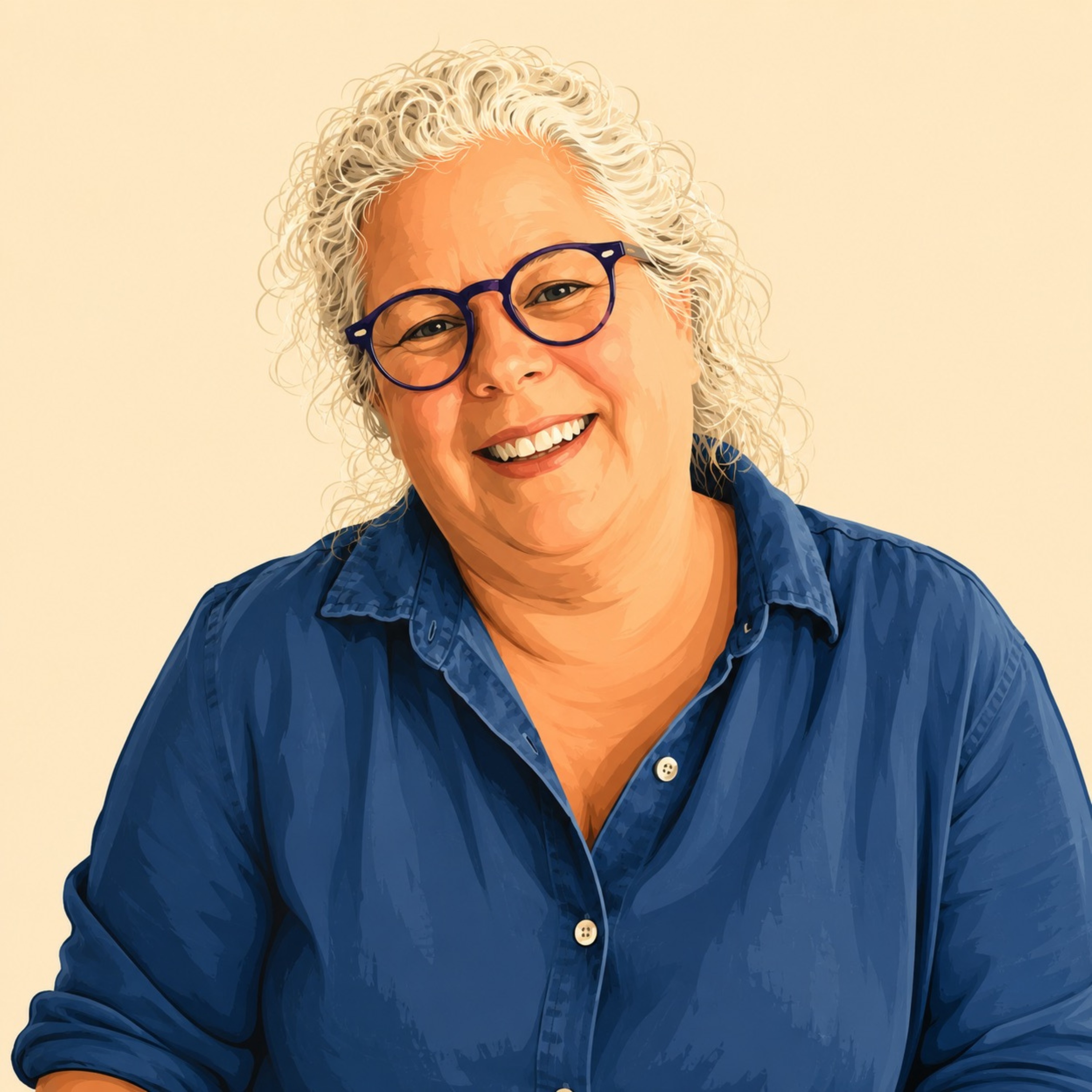
    Beyond Organic: Maria Rodale on Trust and Compassion

    What if the future of food depends less on winning arguments and more on rebuilding trust? Maria Rodale has spent a lifetime at the heart of the organic movement, carrying forward the work of one of agriculture's most influential families. But in this conversation, she looks beyond labels and certifications to something deeper: the relationships, compassion, and storytelling that create lasting change. Together we explore why facts alone rarely change minds, how trust has become one of the most valuable ingredients in our food system, what regenerative and organic mean in today's landscape, and why movements only succeed when people choose to move forward together. From the future of farming to the power of sharing a meal, this conversation offers a hopeful vision for how farmers, eaters, and communities can build something better together. In this episode: Why Maria believes the future isn't organic versus conventional, but finding ways to move forward together. The surprising role that storytelling plays in changing hearts and minds. Why trust has become one of the most important currencies in our food system. How the organic movement can inspire without relying on fear. The challenges and opportunities surrounding regenerative agriculture. What consumers can do every day to support healthier farms, healthier communities, and healthier food. Why compassion may be the missing ingredient we've been overlooking all along. One Bite is Everything From your plate to the rest of the world, One Bite is Everything explores the connections between food, health, community, the environment, and the economy. Through conversations with farmers, chefs, researchers, advocates, and food system leaders, host Dana DiPrima examines how food touches every aspect of our lives and why understanding our food system has never mattered more. OBIE Facts Top 3% of all podcasts globally Top 100 food podcasts (22) Top 100 agriculture podcasts (87) More engagement than more than 88% of all podcasts on Spotify Five-star rating average Part of Heritage Radio Network, home of the top voices in food Connect Follow Dana at @xoxofarmgirl and learn more about the For Farmers Movement at forfarmersmovement.com. Co-production by Sonia Dhillon. Sound design and original music by Russell Chapa.
  • #174
    July 23 · 38 min

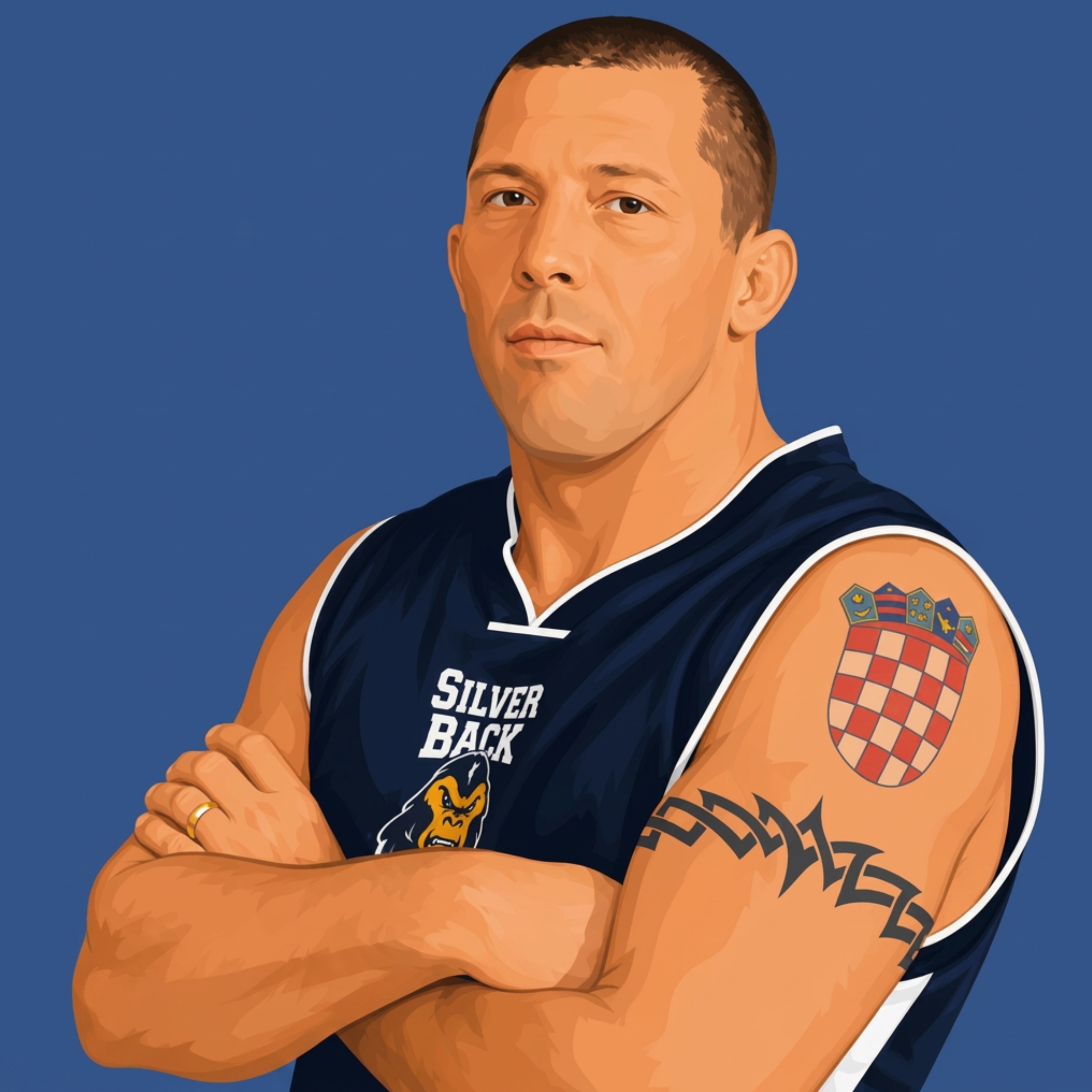
    Former UFC Champion Fights for Soil Health

    What do elite athletes, gardeners, and small farmers have in common? According to UFC Hall of Famer Pat Miletich, more than you might think. Known to many as the first-ever UFC Welterweight Champion and the coach behind 12 MMA world champions, Pat has spent the last four decades researching a different kind of performance: the connection between soil health, nutrient density, and human health. In this conversation, we explore why healthy soil may be the foundation of healthy food, why Pat believes biology beneath our feet deserves as much attention as nutrition on our plates, and how gardeners and homesteaders can begin rebuilding depleted soils. Along the way, we discuss regenerative agriculture, forever chemicals, compost, microbial life, and why meaningful change often starts in our own backyards. Whether you're a farmer, gardener, or simply someone who cares about where your food comes from, this episode offers a fascinating perspective on the invisible systems that support all life. In this episode we discuss: Pat's journey from UFC champion and coach to soil health educator The relationship between soil biology and human health Why nutrient density starts long before food reaches your plate Regenerative agriculture and where Pat believes it can go further Forever chemicals, glyphosate, and rebuilding depleted soils Compost, microbes, and the role of biology in healthy ecosystems Why Pat focuses on helping gardeners and homesteaders create change from the ground up What healthier soil could mean for healthier communities About Pat Miletich Pat Miletich is a UFC Hall of Famer, the first-ever UFC Welterweight Champion, and founder of Miletich Fighting Systems, where he coached 12 mixed martial arts world champions. Today he is the founder of Soil Saviors, an organization dedicated to helping gardeners, homesteaders, and land stewards restore soil health through education and biological approaches to growing nutrient-dense food. Resources Learn more about Soil Saviors: https://soilsaviors.org One Bite is Everything From your plate to the rest of the world, One Bite is Everything explores the connections between food, health, community, the environment, and the economy. Through conversations with farmers, chefs, researchers, advocates, and food system leaders, host Dana DiPrima examines how food touches every aspect of our lives and why understanding our food system has never mattered more. OBIE Facts Top 3% of all podcasts globally Top 100 food podcasts (22) Top 100 agriculture podcasts (87) More engagement than more than 88% of all podcasts on Spotify Five-star rating average Part of Heritage Radio Network, home of the top voices in food Connect Follow Dana at @xoxofarmgirl and learn more about the For Farmers Movement at forfarmersmovement.com. Co-production by Sonia Dhillon. Sound design and original music by Russell Chapa.
  • #173
    July 16 · 26 min

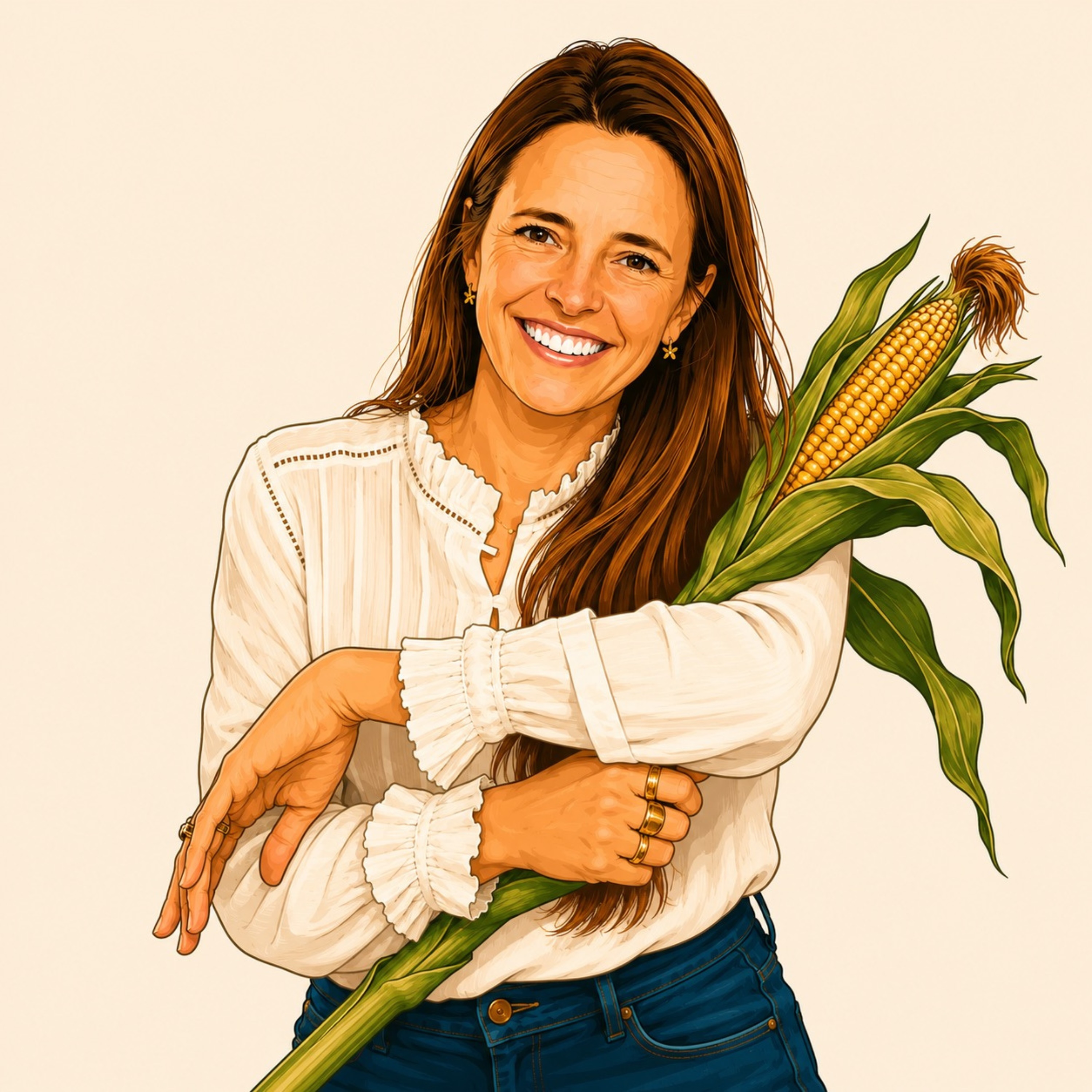
    Regenerative Gets Hijacked by Corn

    On June 25th, President Trump signed an executive order advancing regenerative agriculture. The same afternoon, the USDA quietly finalized a Regenerative Feedstock Rule that lets industrial corn claim the regenerative label to sell more ethanol. Sixty-eight percent of corn farmers already qualify, which means almost nothing has to change in the field. The word is doing the work. In this solo episode, Dana traces how a term that small farmers built with cover crops and real soil work got picked up and handed to industrial corn. Then she goes back fifty years to explain how we got here, starting at the gas pump. How ethanol is made, why we grow so much corn, the dead zone the size of New Jersey in the Gulf of Mexico, the war in Iran driving it all forward, and who actually pays the price. It's never just about food. One Bite is Everything From your plate to the rest of the world, One Bite is Everything explores the connections between food, health, community, the environment, and the economy. Through conversations with farmers, chefs, researchers, advocates, and food system leaders, host Dana DiPrima examines how food touches every aspect of our lives and why understanding our food system has never mattered more. OBIE Facts Top 3% of all podcasts globally Top 100 food podcasts (22) Top 100 agriculture podcasts (87) More engagement than more than 88% of all podcasts on Spotify Five-star rating average Part of Heritage Radio Network, home of the top voices in food Connect Follow Dana at @xoxofarmgirl and learn more about the For Farmers Movement at forfarmersmovement.com. Co-production by Sonia Dhillon. Sound design and original music by Russell Chapa.
  • #172
    July 9 · 1 hr 5 min

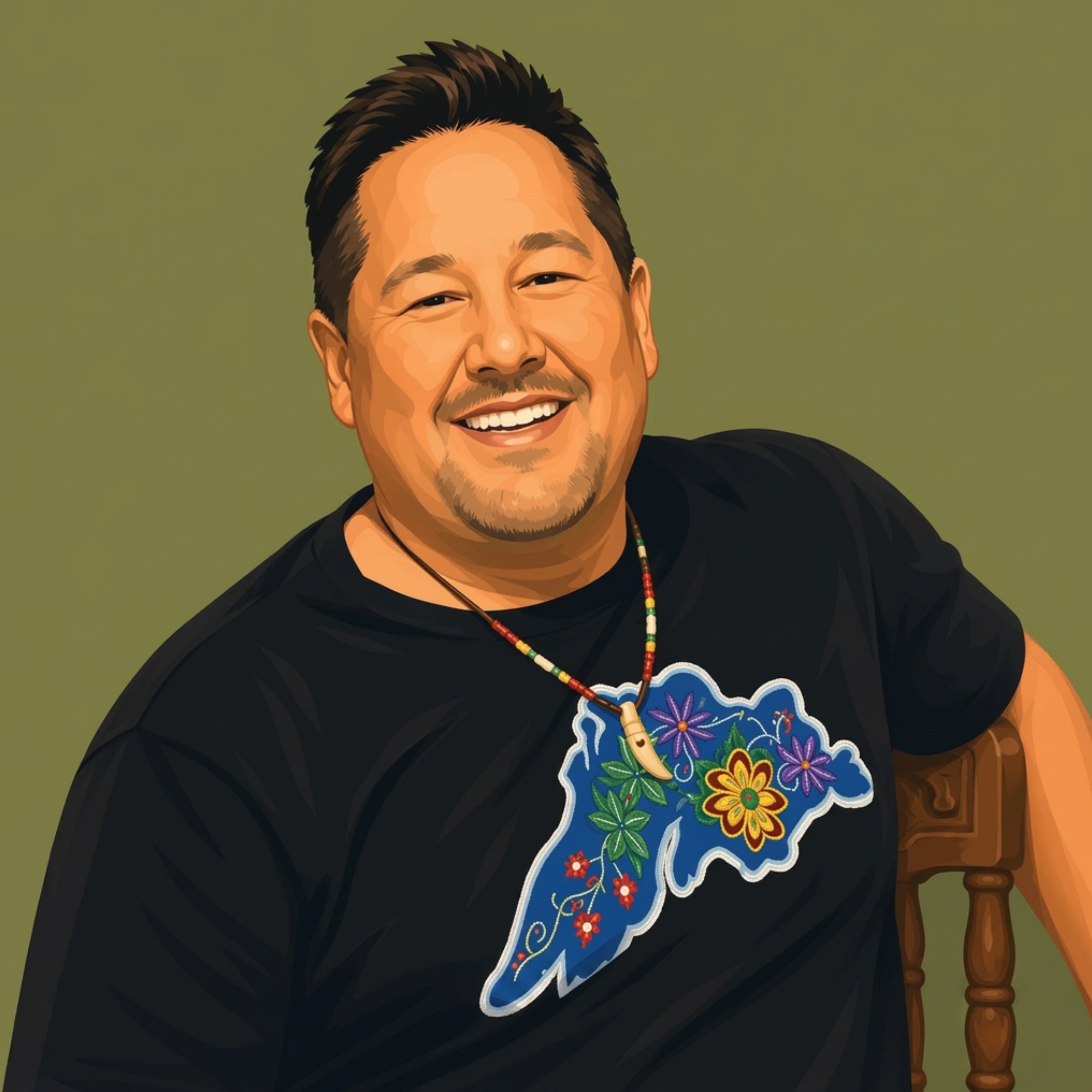
    Bringing Back the Bison: David Wise of Native Wise

    David Wise grew up on the Fond du Lac Reservation in Minnesota, where food followed the seasons and knowledge of the land was woven into daily life. Today, as the founder of Native Wise, he raises bison, harvests manoomin, or wild rice, and produces maple sugar, maple syrup, and honey. But his path to this work was anything but straightforward. In this episode, David joins host Dana DiPrima to talk about growing up Ojibwe, the knowledge passed through his family, his years working in forestry, conservation, and with the USDA, and the extraordinary story behind bringing bison back to his family ranch. They talk about the cultural and ecological importance of manoomin, why naturally growing wild rice is so dependent on clean water and healthy ecosystems, and what is lost when communities are separated from traditional foods. David also shares the practical realities of building Native Wise today, from growing a bison herd and creating markets to processing, supplying restaurants, and raising the next generation inside the work. It is a conversation about food, land, culture, community, and what it means to carry knowledge forward. It is also full of great stories, including a bull named Renegade, tipping canoes during wild rice harvest, and a truly staggering order for bison hot dogs. In this episode: Growing up with seasonal food on the Fond du Lac Reservation The knowledge David inherited from his family His work in forestry, conservation, and Native agriculture The story behind bringing bison back to the ranch Manoomin, traditional wild rice harvesting, and clean water The connection between traditional foods and health Building Native Wise and creating markets for Indigenous foods Raising bison on grass and building processing infrastructure Supplying chefs and restaurants, including Sean Sherman Passing knowledge and responsibility to the next generation About David Wise David Wise is the founder of Native Wise, an Ojibwe-owned farm and food business based on the Fond du Lac Reservation in Minnesota. His work centers on bison, manoomin, maple products, honey, and foods rooted in the land, culture, and traditions of his community. One Bite is Everything From your plate to the rest of the world, One Bite is Everything explores the connections between food, health, community, the environment, and the economy. Through conversations with farmers, chefs, researchers, advocates, and food system leaders, host Dana DiPrima examines how food touches every aspect of our lives and why understanding our food system has never mattered more. OBIE Facts Top 3% of all podcasts globally Top 100 food podcasts (22) Top 100 agriculture podcasts (87) More engagement than more than 88% of all podcasts on Spotify Five-star rating average Part of Heritage Radio Network, home of the top voices in food Connect Follow Dana at @xoxofarmgirl and learn more about the For Farmers Movement at forfarmersmovement.com. Co-production by Sonia Dhillon. Sound design and original music by Russell Chapa.
  • #171
    July 2 · 1 hr

    More Than a Bakery | Jonathan Bethony on Grain, Farmers & Connection

    What if the best bakery in town isn’t really in the bread business? Jonathan Bethony, founder of Seylou Bakery in Washington, D.C., has built one of the country’s most respected bakeries around a simple but profound idea: every loaf begins long before flour reaches the mixing bowl. It begins with healthy soil, thoughtful farmers, heritage grains, and relationships built on trust. In this episode, Jonathan shares an extraordinary personal journey that spans the Adirondacks, Senegal, Washington's Bread Lab, and ultimately the creation of Seylou. Along the way, we explore how faith, service, and curiosity shaped his approach to baking and why he believes a bakery can become a place that reconnects people not only with their food, but with one another. In this episode: Why Seylou is “more than a bakery” How regional grain farmers are rebuilding local food systems The importance of fresh-milled whole grains and heritage wheat What regenerative agriculture means from a baker’s perspective The unexpected journey that took Jonathan from music to Senegal to baking How partnerships between farmers and bakers create better food for everyone Why slowing down and knowing where our food comes from matters The role connection plays in building healthier communities through food About Jonathan Bethony Jonathan Bethony is the founder of Seylou Bakery in Washington, D.C., where every loaf is made with freshly milled whole grains sourced directly from regional farmers committed to regenerative agriculture. A former baker at the Bread Lab, Jonathan has spent his career exploring the relationship between grain, farming, nutrition, and community. Through Seylou, he demonstrates how food can become a bridge between farmers, bakers, and the people they nourish every day.

  • #170
    June 25 · 15 min

    Growing Community: It's Never Just About Food

    We often think of a farm as a place that grows food. But a small farm does so much more than that. It holds up a local economy, circulating dollars in a way no chain store can. It creates belonging, the feeling of being known by the person who grows your food. It carries the identity of a family and a town. And it quietly supports the mental health and the very future of the place it calls home. In this quick episode, we explore how small farms fortify our communities, drawing on research and the real voices of people across the country. We also look at what unravels, slowly and often invisibly, when a farm disappears. Because supporting a farm is never just about food. It's about the kind of town and world you want to live in. One Bite is Everything One Bite is Everything explores the connections between food, health, community, the environment, and the economy. Through conversations with farmers, chefs, researchers, advocates, and food system leaders, host Dana DiPrima examines how food touches every aspect of our lives and why understanding our food system has never mattered more. OBIE Facts Top 3% of all podcasts globally Top 100 food podcasts (22) Top 100 agriculture podcasts (87) More engagement than more than 88% of all podcasts on Spotify Five-star rating average Part of Heritage Radio Network, home of the top voices in food Connect Follow Dana at @xoxofarmgirl and learn more about the For Farmers Movement at forfarmersmovement.com.

  • #169
    June 18 · 17 min

    USDA 101: Who It Serves and Why It Matters

    What does the USDA actually do? Who does it serve? And why does it seem like some farmers receive support automatically while others struggle to access even basic resources? In this episode of One Bite Is Everything, Dana DiPrima takes listeners through a practical USDA 101. From its origins as Abraham Lincoln's "people's department" to its modern role overseeing everything from SNAP and school lunches to crop insurance, conservation programs, and rural development, this episode explores one of the most powerful and least understood agencies in American life. Dana examines the difference between programs that maintain the existing agricultural system and programs designed to build opportunities for the next generation of farmers. She explains why commodity crops like corn, soybeans, wheat, cotton, rice, and peanuts benefit from long-established safety nets, while many small, diversified, and beginning farmers operate without comparable protections. The conversation also looks at major USDA changes since 2025, including staffing reductions, program cancellations, shifts in conservation funding, trade-related assistance payments, and changes to nutrition programs. Along the way, Dana asks a larger question: if the USDA was created to serve farmers, which farmers is it serving today? This episode is not about politics. It's about understanding the systems that shape our food, our farms, and our future. In This Episode Why Abraham Lincoln called the USDA "the people's department" The USDA's role in food, farming, nutrition, conservation, and rural America The difference between commodity support programs and market-building programs How crop insurance, price supports, and farm safety nets work Why many small and diversified farms operate outside those systems Recent USDA staffing cuts and program changes Farm bankruptcies and what they reveal about the state of agriculture Why understanding the USDA matters to everyone who eats Because if we're going to talk about the future of food, we need to understand the institutions helping shape it. One Bite is Everything One Bite is Everything explores the connections between food, health, community, the environment, and the economy. Through conversations with farmers, chefs, researchers, advocates, and food system leaders, host Dana DiPrima examines how food touches every aspect of our lives and why understanding our food system has never mattered more. OBIE Facts Top 3% of all podcasts globally Top 100 food podcasts (22) Top 100 agriculture podcasts (87) More engagement than more than 88% of all podcasts on Spotify Five-star rating average Part of Heritage Radio Network, home of the top voices in food Connect Follow Dana at @xoxofarmgirl and learn more about the For Farmers Movement at forfarmersmovement.com.

  • #168
    June 11 · 38 min

    Getting Closer to the Source with Chef Gary Podesto

    What happens when people step out of the grocery store and onto a working farm? In this episode of One Bite is Everything, Dana sits down with chef and educator Gary Podesto of Climate Farm School, an organization that brings people directly to farms to learn about food systems, soil health, climate resilience, and regenerative agriculture. Through immersive, week-long experiences on farms around the world, participants gain a deeper understanding of where food comes from and the people responsible for producing it. Gary shares what draws people to these experiences, from health concerns and climate anxiety to parenthood and simple curiosity. Together, Dana and Gary explore why so many people feel disconnected from their food, what happens when they reconnect with the land, and why understanding food systems often changes the way people think about everything from farming to community to personal responsibility. The conversation also examines the unique role chefs play in our food system. With more than half of America's food dollars spent in restaurants, chefs have an opportunity not only to feed people, but to help consumers understand the farms, farmers, and choices behind every meal. Gary reflects on how food can become a powerful tool for education, storytelling, and connection, helping bridge the gap between the people who grow our food and the people who eat it. In This Episode What Climate Farm School is and how it works Why people are seeking a stronger connection to the land The role of soil health in food, climate, and resilience How regenerative agriculture differs from conventional systems Why local food systems matter The challenges and realities facing today's farmers How chefs can help reconnect consumers with agriculture The power of food as a tool for education and community About Gary Podesto Gary Podesto is a chef, educator, and facilitator with Climate Farm School. Drawing on decades of culinary experience, he helps participants explore the connections between food, farming, ecology, and community through immersive learning experiences on working farms. About Climate Farm School Climate Farm School is an educational nonprofit that helps people reconnect with the land through immersive learning experiences on working farms. Participants spend time with farmers, educators, and food system leaders exploring topics such as soil health, regenerative agriculture, climate resilience, local food systems, and the challenges facing modern agriculture. Operating on partner farms in the United States and internationally, Climate Farm School combines hands-on learning, discussion, and community-building to help participants better understand how food is produced and how farming intersects with environmental, economic, and social issues. The program brings together people from diverse backgrounds who share a curiosity about food, farming, and the future of our food system. Through its courses and alumni network, Climate Farm School seeks to shorten the distance between consumers and producers, creating opportunities for meaningful connection, practical education, and informed action. Learn more here: https://www.climatefarmschool.org One Bite is Everything One Bite is Everything explores the connections between food, health, community, the environment, and the economy. Through conversations with farmers, chefs, researchers, advocates, and food system leaders, host Dana DiPrima examines how food touches every aspect of our lives and why understanding our food system has never mattered more. OBIE Facts Top 3% of all podcasts globally Top 100 food podcasts (22) Top 100 agriculture podcasts (87) More engagement than more than 88% of all podcasts on Spotify Five-star rating average Part of Heritage Radio Network, home of the top voices in food Connect Follow Dana at @xoxofarmgirl and learn more about the For Farmers Movement at forfarmersmovement.com.

  • #167
    June 4 · 41 min

    What $200 Billion in Cuts Means for Hungry Kids

    What happens when food assistance programs lose funding? For millions of children and families, the effects can be immediate. Fewer meals. More strain on household budgets. More difficult choices between food, housing, healthcare, and transportation. In this episode of One Bite is Everything, Dana welcomes back Rachel Sabella, Director of No Kid Hungry New York, to discuss how recent and proposed funding cuts could impact children, families, schools, and communities. Together, they explore why hunger remains a persistent challenge in America and why many organizations are concerned that the problem could worsen in the months ahead. Rachel explains how programs that help feed children work behind the scenes, why schools play such an important role in food security, and what happens when support systems are reduced at a time when many families are already struggling with higher costs. The conversation also looks at the broader consequences of childhood hunger, from health and educational outcomes to long-term impacts on communities and the economy. Food is more than what's on our plate. It's opportunity. It's stability. And for millions of children, it's the foundation that makes everything else possible. In This Episode Why child hunger remains a growing concern What recent and proposed funding cuts could mean for families How schools help close the hunger gap The connection between food security, health, and education Why rising household costs are putting pressure on parents Common misconceptions about food assistance programs What No Kid Hungry is doing to help How listeners can get involved About Rachel Sabella Rachel Sabella is the Director of No Kid Hungry New York, where she works to ensure that every child has access to the food they need to learn, grow, and thrive. Her work focuses on strengthening school meal programs, expanding access to nutrition assistance, and advocating for policies that help families put food on the table. About OBIE Top 3% of all podcasts globally Top 100 food podcasts (22) Top 100 agriculture podcasts (87) More engagement than more than 88% of all podcasts on Spotify Five-star rating average Part of Heritage Radio Network, home of the top voices in food Connect Learn more about No Kid Hungry and the work being done to end childhood hunger. Follow Dana at @xoxofarmgirl and learn more about the For Farmers Movement at forfarmersmovement.com.

  • #166
    May 28 · 45 min

    The Invisible Work Behind Great Food | Chef Chris Stam of Alchemy

    What does it actually take to create a truly great restaurant experience — not just once, but every single night? In this episode of One Bite is Everything, Dana sits down with Chef Chris Stam of Alchemy on Martha's Vineyard to talk about the invisible systems, relationships, and standards behind great food. Chris’s path took him from culinary school outside Boston to some of the most intense kitchens in the country, including Spice Market and the restaurant groups of Jean-Georges Vongerichten and Daniel Boulud. Along the way, he learned not just how to cook, but how to lead teams, maintain quality at scale, and build systems that can deliver excellence under pressure. But this conversation goes far beyond restaurant culture. Dana and Chris explore the connection between chefs and farmers, what sourcing looks like on an island shaped by conservation land, and how local food systems are strengthened through long-term relationships. Chris shares the story of working with farmer Jo Douglas of Fork to Pork, whose farm collects vegetable scraps from restaurants to feed pigs that eventually return to the menu — creating a deeply local, circular food relationship most diners never get to see. This episode is about craftsmanship, consistency, mentorship, hospitality, and the reality that every plate of food carries an entire network of people behind it. Because food is never just food. It’s relationships and labor. It’s land, standards, and it’s trust. And sometimes, it’s a chef and a farmer building something together one meal at a time. Visit Alchemy on Martha's Vineyard and follow them on IG @alchemymv Connect & Support Learn more about the For Farmers Movement at For Farmers Movement Read Bite Sized on Substack Follow Dana on Instagram at @xoxofarmgirl If you enjoyed this episode, please rate and review One Bite is Everything on Apple Podcasts. It helps more people find the show and supports independent food storytelling that connects the dots between farming, food, and the bigger systems shaping both.

  • #165
    May 21 · 11 min

    The Surprise of What Small Farmers Really Need

    What do small farmers actually need? After reviewing nearly 900 farmer grant applications through the For Farmers Movement — along with 45 new project submissions from the Friend of a Farmer Choice Awards — a very different picture of American farming begins to emerge. One you might not expect. In this solo episode of One Bite is Everything, Dana pulls back the curtain on the hidden infrastructure quietly holding small farms together and explores what farmers are actually asking for help with. Because it’s probably not what most people think. Consumers often imagine small farms needing better marketing, more exposure, prettier packaging, or social media support. But the applications reveal something far more practical — and far more revealing about the state of food in America today. Farmers are asking for water systems, fencing, walk-in coolers, irrigation, processing equipment, high tunnels, rotational grazing infrastructure, feed systems, and the operational tools that make survival possible. Again and again, the applications point to one thing: small farms are often operating one missing piece of infrastructure away from real vulnerability. Dana shares what surprised her most after reading hundreds and hundreds of applications from farms across nearly every state in the country — and why these requests reveal a much bigger story about resilience, climate adaptation, local food systems, and the invisible mechanics behind the food we eat every day. The conversation explores the disconnect between the romanticized version of farming and the operational reality behind it. It looks at why water keeps showing up as one of the biggest issues farmers face, how farmers are quietly adapting to climate pressures without necessarily calling it “climate work,” and why so many projects center around systems that consumers rarely see but rely on constantly. The episode also examines how fragile local food systems can be, how isolated many farmers feel while trying to build infrastructure in systems that weren’t designed for small farms, and why seemingly modest projects can have ripple effects throughout entire communities. At the center of this episode is a bigger realization: food is not just food. It’s infrastructure, labor, weather, logistics, land, economics, and resilience — all held together by people solving problems most of us never even realize exist. And through these applications, farmers are giving us an unusually honest window into what it actually takes to keep producing food in America right now. The For Farmers Movement is a national movement supporting small farmers through storytelling, nominations, direct grants, and community connection. Since 2022, the movement has funded projects across 48 states and Puerto Rico while helping connect eaters more directly to the people producing their food. If you enjoyed this episode, please rate and review One Bite is Everything on Apple Podcasts. It helps more people find the show and supports independent food storytelling that connects the dots between farming, food, and the systems shaping both.

  • #164
    May 14 · 34 min

    Land Isn’t Enough: How a Goat Farmer Built a Farm From Scratch

    Show Notes What does it actually take to become a farmer today if you didn’t grow up on a farm, inherit land, or have a roadmap? In this episode of One Bite is Everything, Dana sits down with first-generation goat farmer Emma Smalley to talk about the reality of building a farm from scratch in modern America. Emma’s path into farming started with a Craigslist ad and an aging goat farmer named Roger who needed help caring for his herd. What followed was mentorship, loss, land searches, commuting hours to support the farm with an off-farm job, and eventually building a goat operation of her own in rural New York. But this conversation goes far beyond goats. It explores the growing crisis around farmland access, succession planning, first-generation farming, and the emotional complexity behind keeping land in agriculture. Emma shares what it feels like to compete with developers for farmland, why so many farms depend on off-farm income to survive, and how isolation has quietly become one of the defining realities of farming today. Dana and Emma also discuss: why land can be “available” but still inaccessible how mentorship shapes new farmers the hidden emotional side of farmland transitions rotational grazing and regenerative practices why goat meat demand is growing in immigrant communities the role of community in keeping farmers going how organizations like American Farmland Trust are helping support land access and transition planning why farming today often depends on people operating at their absolute limit At the center of this episode is a bigger question: If millions of acres of farmland are expected to change hands in the coming decades, who actually gets the opportunity to farm? Emma’s story offers a deeply personal look at that question—and at the people trying to build a future inside a system that often wasn’t designed for them. In This Episode Emma’s unexpected path into goat farming The reality of first-generation farming Competing with developers for land Farming while working a full-time job Goat farming, halal markets, and immigrant food systems Why community matters more than people realize The emotional weight of farmland succession Building a farm that can outlast you About Emma Smalley Emma Smalley is a first-generation goat farmer in New York State raising meat goats on a former dairy farm in Allegheny County. She manages her farm while also working full-time off-farm and has been involved in farmer community-building efforts including the Good Farmers Guild of Western New York. Emma also worked with American Farmland Trust to navigate land access and farm transition planning. About American Farmland Trust and Farmland for a New Generation Farmland for a New Generation New York (FNG-NY), coordinated by American Farmland Trust in partnership with New York State and regional organizations, helps connect farmland seekers with landowners looking to keep land in agriculture. Through a statewide network of Regional Navigators, the program provides guidance, resources, and transition support for both new farmers and retiring landowners. https://farmland.org/farmland-for-a-new-generation-new-york Connect & Support Learn more about the For Farmers Movement at For Farmers Movement Read Bite Sized on Substack Follow Dana on Instagram at @xoxofarmgirl If you enjoyed this episode, please rate and review One Bite is Everything on Apple Podcasts. It helps more people find the show and supports independent food storytelling that connects the dots between farming, food, and the bigger systems shaping both.

  • #163
    May 7 · 1 hr 4 min

    Farmers Markets Aren’t as Simple as You Think

    Inside the hidden systems, rules, economics, and realities shaping America’s farmers markets. Most people think they understand farmers markets. You show up. You buy produce, eggs, cheese, meat, flowers, or honey from a farmer. You support local food. Done. But behind every stand is an entire system most consumers never see. In this episode, Dana sits down with Catt Fields White for a fascinating conversation about what’s really happening behind the scenes at farmers markets across America and why the details matter far more than most of us realize. Catt has spent decades managing markets, training vendors, advising market managers nationwide, and helping shape conversations around farmers markets both nationally and globally. What emerges in this episode is a much more complex, and much more important, picture of local food than the charming Saturday morning version many people imagine. Together, Dana and Catt unpack: why farmers markets operate so differently from state to state the surprising history of farmers markets in America how regulations quietly shape what foods and businesses survive the hidden labor of managing a farmers market why some markets allow resellers and others ban them entirely how convenience influences consumer behavior more than we admit the tension between purity, practicality, access, and survival what “local food” actually means in different settings why farmers can earn dramatically more selling directly to consumers how policy and economics shape the food system in ways most people never see The conversation also explores a deeper question underneath all of it: What happens when the systems shaping our food become invisible to the people eating it? Because food is never just food. It’s economics. It’s regulation. It’s labor. It’s land. It’s culture. And it’s community. It’s also a set of decisions quietly shaping what survives and disappears from our food system every day. Whether you shop at farmers markets every weekend or only stop by a few times each summer, this episode will change the way you think about what’s happening behind the tables. In This Episode Why the same tomato can create completely different outcomes depending on where you buy it The difference between “local” at a grocery store and “local” at a farmers market Why many consumers misunderstand how farmers markets work The economics behind direct-to-consumer food systems The role of resellers, aggregators, and producer-only markets How market managers juggle safety, permits, logistics, politics, and farmer relationships Why some foods can legally be sold in one county but not another The hidden pressures facing small farmers and local markets Why taste may be one of the most powerful tools for reconnecting people to local food About the Guest Catt Fields White is the co-founder of Farmers Market Pros and a longtime farmers market manager, consultant, educator, and advocate. She works with markets and vendors across the country and participates in broader conversations shaping farmers markets nationally and internationally. Connect & Learn More Find Farmers Market Pros here and on Substack. Learn more about the For Farmers Movement at For Farmers Movement Follow Dana on Instagram at @xoxofarmgirl or Substack/Bite Sized Listen to this and more episodes of One Bite is Everything wherever you get podcasts If this episode changed the way you think about farmers markets, share it with someone who shops one. Or someone who should.

  • #162
    April 30 · 39 min

    Best Available: Sam Sifton on What We Eat and Why

    What does “best available” actually mean when it comes to food? In this conversation, Dana sits down with Sam Sifton of The New York Times to unpack how we got here. Not just what we eat, but why we eat the way we do, and how much of that is shaped by systems most of us never see. Sam has spent more than two decades helping shape how Americans cook, think about ingredients, and make decisions in their kitchens. Through his work at The New York Times and his role building New York Times Cooking, he has influenced behavior at a scale few people ever reach. That perspective makes this conversation different. It moves beyond trends and into the mechanics of how habits actually form. At the center of it is a simple but complicated idea: most of us are not choosing the best possible food. We are choosing the best available. And what is available is determined by a system built for consistency, scale, and convenience. That system has improved in real ways. Access is broader. Ingredients that were once hard to find are now standard. In some places, people are closer to their food than they have been in decades. But at the same time, the underlying structure has not changed as much as it appears. Much of what we eat still moves through centralized networks that prioritize sameness, making it difficult for better food to reach more people in a meaningful way. This is where the tension lives. Because once people experience something different, something that tastes better, behaves differently, or comes with a clear sense of where it came from, their expectations begin to shift. And once that shift happens, it is hard to go back. The challenge is that the system is not designed to make those experiences easy, consistent, or widely accessible. The conversation moves through that tension. From the real progress we have made in how we eat, to the limits of a system that still prioritizes efficiency over connection. From the role of cooking in building confidence and changing behavior, to the way restaurants can either reinforce sameness or act as a bridge between farmers and eaters. From the friction between chefs and small farms trying to work together, to the reality that better food does not always scale cleanly. What emerges is not a simple answer, but a clearer understanding of the trade-offs. We have built a system that delivers food reliably and at scale. At the same time, we are seeing a growing desire for something more connected, more specific, and more reflective of where food actually comes from. Understanding that gap is the first step. If you want to take that one step further, start by finding a farmer near you. Even just knowing who they are changes how you see what’s on your plate. A simple way to do that is here. And if you already have someone in mind, nominate them through the For Farmers Movement. It’s one of the most direct ways to support the people doing this work: Nominate here. If you enjoyed this episode, take a moment to rate and review One Bite is Everything. It helps more people find these conversations and become part of the shift. And next steps for going deeper into food systems issues from an easy starting place, try Bite Sized on Substack. A new one drops on Mondays. No fire hose, but just a snack to get you thinking. --- One Bite is Everything connects the food on your plate to the bigger system behind it—health, community, environment, and economy. Through the For Farmers Movement, those connections turn into action, supporting small and mid-sized farms across the country. And on Bite Sized, Dana breaks down what’s actually happening behind the food we see every day. Because food isn’t just food. And the more you understand it, the more everything changes. Learn more at www.forfarmersmovement.com

  • #161
    April 23 · 15 min

    Earth Day, Reconsidered: What Farmers Actually Do

    In honor of Earth Day, this episode takes a closer look at something often missing from the environmental conversation: the role farmers actually play. We tend to hear about agriculture in broad strokes—greenhouse gas emissions, water use, soil erosion. And those concerns are real. But agriculture is not one thing. It varies widely depending on how it’s done, and that difference matters more than most people realize. Drawing from nearly 300 farm projects funded through the For Farmers Movement, a different picture starts to emerge. One that isn’t theoretical or ideological, but grounded in what farmers are actually doing on the ground. Across these farms: 134 are investing directly in soil health 80 are improving pastures through rotational grazing 54 are extending growing seasons with protected infrastructure 31 are strengthening water systems 11 are rebuilding after climate disasters Most of these farmers didn’t set out to “do climate work.” They set out to run viable farms. But in doing so, many are strengthening the land itself. This episode looks at: Why agriculture has a reputation problem The difference between farming systems and why it matters What small and mid-size farms reveal about environmental stewardship Why farmers are often the first to see environmental change How everyday food choices connect back to land, water, and resilience Because food is not just food. It reflects the condition of the land it comes from. Call to Action: If this episode changes how you think about food, take the next step: Nominate a farmer → Here Support a farmer grant → Here Follow along → Instagram @xoxofarmgirl Rate and review this podcast on Apple podcasts

  • #160
    April 16 · 36 min

    The Hidden Work of Keeping Farmland in Farming

    There are about 2 million farms in the United States. Every year, a significant number of the farmers running them are approaching retirement age with no clear plan for what happens to their land when they're done. Farmland doesn't just disappear when a farmer retires. It gets sold, subdivided, converted, or absorbed into larger operations. And in a lot of cases, that means the end of a working farm, a community food source, and sometimes four generations of family work. In this episode, Dana sits down with Molly Johnston Heck and Olivia Fuller from American Farmland Trust's Farmland for a New Generation program, a New York State initiative that connects retiring farmers with the next generation of land stewards. Olivia isn't just a program staffer. She's a fourth-generation farmer who used AFT's own tools to navigate her family's transition out of dairy and into direct-to-consumer beef, pork, and sheep. She knows this story from the inside. They cover: What conservation easements actually do (and what they don't) The Farmland Protection Implementation Program and how it puts real money in a farmer's hands Preemptive purchase rights and why they matter in high-pressure real estate markets like the Hudson Valley The land-linking platform connecting farmers who have land with farmers who need it Why a "bad match avoided" counts as a success The invisible crisis of farm transitions that wait until there's a foreclosure to begin The role of navigators, mediators, and social workers in the hardest conversations farm families face This episode is a companion to a fuller story Dana is building. If you're a farmer thinking about what comes next, or a landowner who wants to see your land stay in production, this conversation is for you. Resources mentioned: Farmland for a New Generation: farmlandforanewgeneration.org American Farmland Trust: farmland.org NY Farmland Protection Implementation Program (FPIG) Agricultural Conservation Easement Program (ACEP) – federal Farm Net (New York farm counseling and financial support) New York State Agricultural Mediation Program AFT's current advocacy action alert (linked at farmland.org) Production credits: Co-produced by Sonia Dhillon with sound design and original music by Russell Chapa. Your Support for the Show Matters 1️⃣ Become an OBIE Insider Stay connected, get behind-the-scenes updates, and explore more ways to eat and drink like it matters. Sign up here. 2️⃣ Leave a 5-star rating and written review Written reviews on Apple Podcasts help more people like you find these conversations. But if that's not your thing, you can leave one here. 3️⃣ Share the episode Screenshot it, share it, and tag @xoxofarmgirl on IG. Use #OneBiteIsEverything
Showing 1–20 of 22 episodes