
Skip to content
Artwork for Off Christopher Street
Society & CultureHealth & FitnessSexuality

Off Christopher Street

David Sessions and Blake Smith

Historians David Sessions and Blake Smith gossip through the archives of the magazine Christopher Street as a window onto the gay life of the past and the gay discourses of the present.

Play
  • 10 episodes
  • fortnightly
  • Avg 1 hr 10 min
  • English
  • #10
    August 19 · 1 hr 25 min

    The Scandalous History of Circumcision (w/ Ben Bernard)

    We’re back from our summer vacation and ready, naturally, to talk about dicks. We’re joined for our tenth episode by fellow historian Ben Bernard to talk about the strange career of circumcision in America, which the writer Edward Wallerstein in 1980 called “a solution in search of a problem.” Wallerstein’s book made an appearance in a Christopher Street dialogue between George Stambolian and Larry Mass at a time when gay men–and increasingly, Americans writ large–were skeptical of medical expertise. We learn that circumcision was recommended in the late 19th century as a masturbation-prevention technique; when this sort of moralism fell out of fashion, it was outfitted with new (but equally dubious) medical justifications. We talk about how our evangelical and Jewish backgrounds shaped our awareness of circumcision, Ben and Blake's experiences of uncut cocks in France, how gay guys think about their own dicks and other guys’ dicks, how sameness and difference can be eroticized in different ways, and why circumcision has never really become a major political issue despite people vigorously objecting to it. Click here to subscribe to the Off Christopher Street newsletter. Benjamin S. Bernard is a historian whose work focuses on education, gender and sexuality, and the culture of early modern France. His writing has appeared in The Hedgehog Review, Public Seminar, Inside Higher Ed, the Princeton Alumni Weekly, and others. Sources George Stambolian and Lawrence D. Mass, “The Unkindest Cut of All,” Christopher Street, May 1982. Edward Wallerstein, Circumcision: An American Health Fallacy (1980). Ben Bernard, “The University’s Never-Ending Crisis,” The Hedgehog Review, Summer 2026. Lawrence D. Mass, “The New Narcissism and Homosexuality: The Psychiatric Connection,” Christopher Street, January 1980. George Stambolian, “Paris and Poppers,” New York Native, 1983. Todd Shepard, Sex, France and Arab Men, 1962-1979 (2017) Todd Shepard, “Against Vanilla History: Why and How Histories of Sexual Acts Could Matter to Intellectual Historians,” The Routledge Handbook of the History and Sociology of Ideas (2023). Danielle Spencer, Metagnosis: Revelatory Narratives of Health and Identity (2020). Alan Hollinghurst, The Folding Star (1994). John Powers, A Bull of a Man: Images of Masculinity, Sex, and the Body in Indian Buddhism (2012).

    • Transcript
  • #9
    June 30 · 1 hr 9 min

    Are Straight Women Gay Men? (w/ Phoebe Maltz Bovy)

    In this episode we talk about gay men and women: friendships, commonalities, and the often overlooked sexual tensions. We’re joined by Phoebe Maltz Bovy, who deals with some of these issues in her book, The Last Straight Woman: On Desiring Men, from bachelorettes at gays bars to straight girls on Grindr to the women who fall in love with their gay besties. We talk about how some of these themes appeared in the past, in Christopher Street, and also how Phoebe uses them in her book to think about our cultural understandings of gender and desire. We talk about some famous intellectual straight women who were problematically horny for gay men and some gay men who were oblivious to the fact that their women friends were horny for them. We recover the core commonality that gay men and straight women have—being horny for men—and note how new cultural ideas about sexual fluidity and queerness mistakenly suggest that gender doesn’t matter in who we desire, leading to discourses that are strangely detached from reality. Chapters (00:00) Introducing the last straight woman (08:40) Being bloggers and bad grad students (12:39) Gay men and straight women in Christopher Street (20:55) The fake lesbian straight woman who got Me Tooed (24:18) Are straight women and gay men really platonic friends? (31:39) How we came to think all women are queer (37:34) Phoebe’s concept of “frumpy but horny” (43:02) Are that many people really bisexual? (59:38) You can’t figure out your identity online Follow Off Christopher Street on Instagram for video clips from our episodes and subscribe to our newsletter to get new episodes and bonus content. Phoebe Maltz Bovy is an editor at the Canadian Jewish News and a columnist for the Globe and Mail. She co-hosts the podcast Feminine Chaos with Kat Rosenfield and writes on Substack. Her new book, The Last Straight Woman, was released in May 2026. Mentioned Seymour Kleiberg, “Friendship: Gay Men and Women,” Christopher Street, October-November 1979. Phoebe Maltz Bovy, The Perils of “Privilege”: Why Injustice Can’t Be Solved by Accusing Others of Advantage (2017). Blake Smith, “The Ethics of Self-Interpretation,” Tablet, November 18, 2024. Melissa de la Cruz and Tom Dolby, Girls Who Like Boys Who Like Boys: True Tales of Love, Lust, and Friendship Between Straight Women and Gay Men (2007). Randall Jarrell, Pictures from an Institution (1954). Zoe Greenberg, “What Happens to #MeToo When a Feminist is the Accused?” New York Times, August 13, 2018. Rachel Aviv, “Martha Nussbaum’s Moral Philosophies,” The New Yorker, July 18, 2016. Rachel Aviv, “Agnes Callard’s Marriage of the Minds,” The New Yorker, March 6, 2023. Cartoons Hate Her, “I Dress for My Personality, and My Personality is Annoying,” June 16, 2026. Avital Ronell, The Telephone Book: Technology, Schizophrenia, Electric Speech (1989) Phoebe Maltz Bovy, “Lena Dunham’s Frumpiest-Horniest Scandal, Revisited,” May 13, 2026.

    • Transcript
  • #8
    June 16 · 1 hr 6 min

    What is Pride For?

    Down with corporate Pride! Pride is a protest! Stonewall was a riot! Pride month has become as much about social media discourse as anything else, and in this episode, we try to look beyond posturing slogans and history-distorting morality tales to confront the many possible meanings and feelings one might have about Pride. We read Andrew Holleran’s 1984 Christopher Street essay, “We Must March, My Darlings,” which suggests a cultural politics of Pride that preserves it as an annual ritual with shifting audiences and meanings, one that need not always be stridently political but which can gather a solidaristic charge in particular political moments. Chapters (00:00) Intro (03:34) What we’re doing for Pride (05:40) David’s ex-wife took his first Pride photo (10:18) Twitter gays trying to improve Pride discourse (14:31) Andrew Holleran’s Proustian Pride essay (23:59) Blake’s high horse about Bernie Sanders (29:11) How “normie” gays feel about Pride politics (36:01) Who is Pride addressed to? (43:00) Why Holleran is a deeply political writer (52:00) Bernie and David’s crisis of being a left intellectual (55:00) How 2020 rewrote the Stonewall narrative (59:43) Why gays being “normal” is what we’re fighting for Sources Andrew Holleran, “We Must March, My Darlings,” Christopher Street, November 1984. Walt Whitman, “Pioneers! O Pioneers” (1865). Lillian Faderman, The Gay Revolution: The Story of the Struggle (2016). Andrew Holleran, “In the Age of Christopher Street,” Gay & Lesbian Review, May-June 2026. Carmen Maria Machado, “What Does Pride Mean Today?” New York Times, June 16, 2020. Andrew Sullivan, “How the Gay Rights Movement Radicalized and Lost Its Way,” New York Times, June 26, 2025. David Carter, Stonewall: The Riots that Sparked the Gay Revolution (2004).

    • Transcript
  • #7
    June 2 · 1 hr 32 min

    Gay Love in the Age of Dating Slop

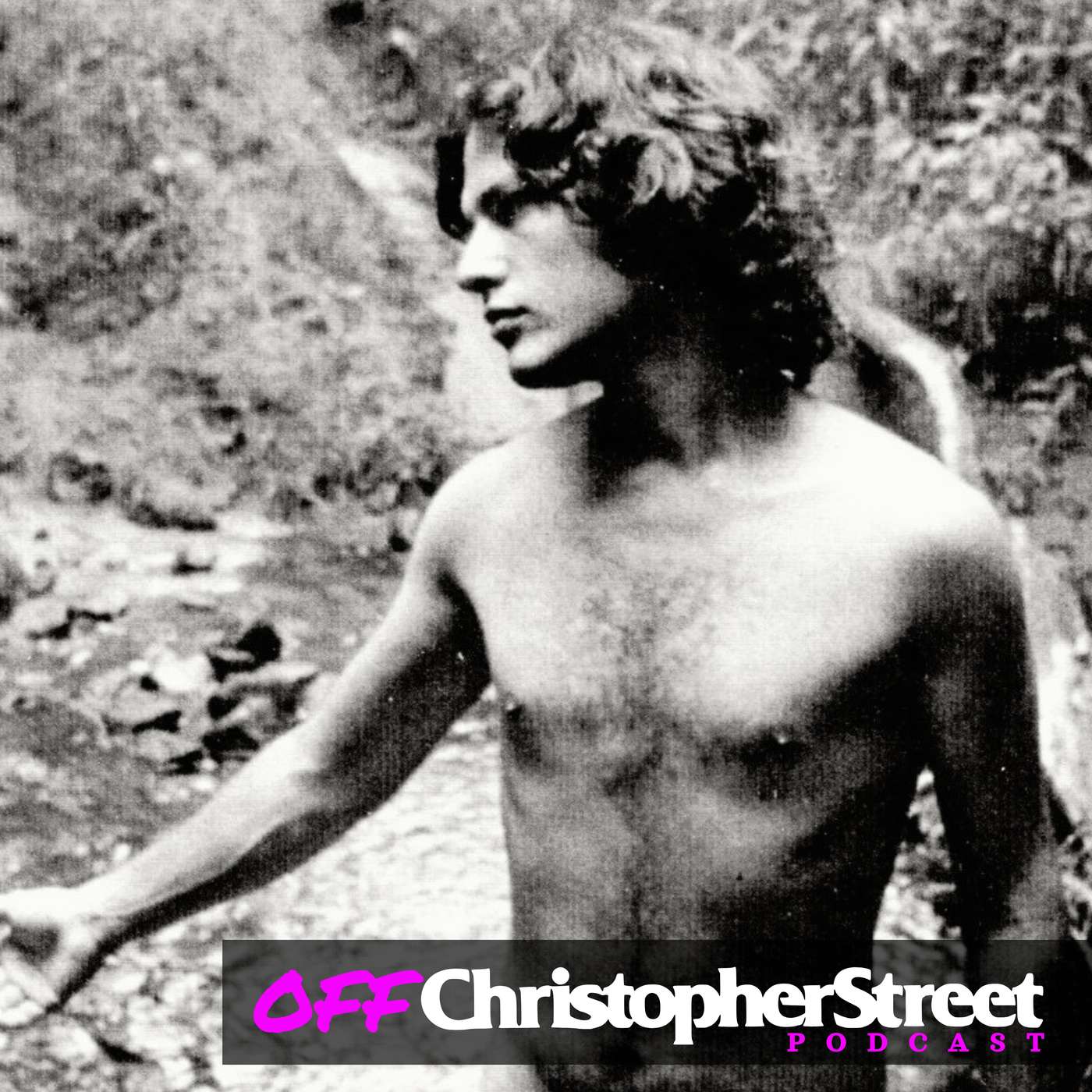
    We’re drowning in algorithm-optimized relationship slop, social media sob stories about the supposedly toxic gay dating scene, and ragebait on worn-out subjects like monogamy vs. open relationships. It can feel surprisingly hard to find real gay men talking honestly about what it’s actually like to be in a relationship. Even in the history of gay writing and thinking we talk about on this podcast, it’s easier to find depictions of sex, yearning obsession, or doomed love than of two men figuring out what it means to be together. In this episode, we talk about one exception to the rule: A groundbreaking 1978 feature in CHRISTOPHER STREET that interviewed two men, Philip and Neil, about the drama and power dynamics of their relationship. The article included the beautiful—and sexy—photos they took of each other while they were together. We revisit Philip and Neil’s story a half-century later as a springboard for talking about our own relationships and experiences, and cover topics including: How sex is different in a relationship vs. as a single person How sexual positions and gender expectations shape gay relationship dynamics What’s unique about the male-male couple How gay lovers are different than gay friends What you should NOT talk to your boyfriend about Click here to subscribe to the Off Christopher Street newsletter. Chapters (00:00) Why love is a perfect topic for Pride (06:50) A groundbreaking look at a gay couple (22:27) Philip and Neil’s images of each other (30:10) Cruising and hookups vs. relationship sex (42:24) How neuroticism and overanalysis kills desire (48:00) What’s unique about the male-male couple (56:44) Boyfriend twins, similarity, and competition (01:04:34) Sexual attraction vs. common interests (01:09:54) How we decided Philip is the villain (01:17:32) Should your partner be your "best friend"? (01:22:44) Sometimes your feelings are boring and stupid Sources Michael Denneny, Philip Gefter, and Neil Alan Marks, “Anatomy of a Love Affair,” Christopher Street, February 1978. Michael Denneny, Lovers: The Story of Two Men (1979). Michael Denneny, Decent Passions: Real Stories About Love (1984). Adam Mars-Jones, Box Hill (2020) and Waters of Thirst (1994). Renaud Camus and Farid Tali, Incomparable (1999) Jackson Davidow, “Two Lovers,” The Baffler, September 7, 2023. Adelle Waldman, The Love Affairs of Nathaniel P. (2010). Pillion, directed by Harry Lighton. Don Jon, directed by Joseph Gordon-Levitt. Annie Hall, directed by Woody Allen.

    • Transcript
    • Chapters
  • #6
    May 19 · 1 hr 7 min

    Why Gays Tried to Cancel ‘Cruising’ (w/ Domenic DeSocio)

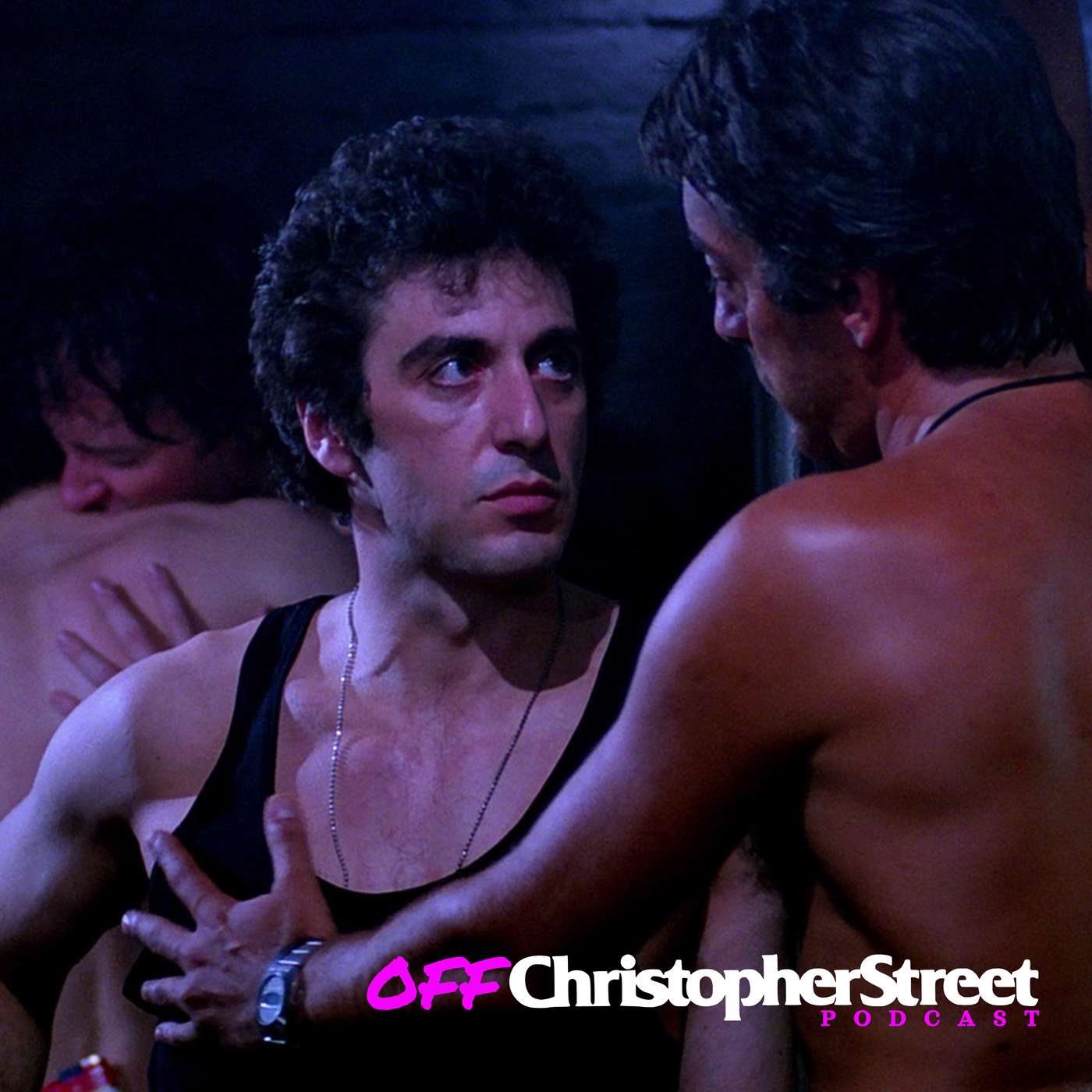
    Did gay men invent cancel culture? Even before it was filmed, William Friedkin’s gay serial-killer thriller Cruising (1980) attracted massive publicity and protests from gay writers in New York, who feared it depicted the gay men of the city’s leather bar

    • Transcript
  • #5
    May 5 · 54 min

    The Age-Old Gay Angst About Casual Sex

    We read gay novelist Andrew Holleran’s 1979 column “Fast-Food Sex,” in which he performs a playful exhaustion with gay promiscuity. Now cheap and abundantly available, gay sex has supposedly lost its power to thrill or even to signify. Already at the peak

    • Transcript
  • #4
    April 21 · 1 hr 19 min

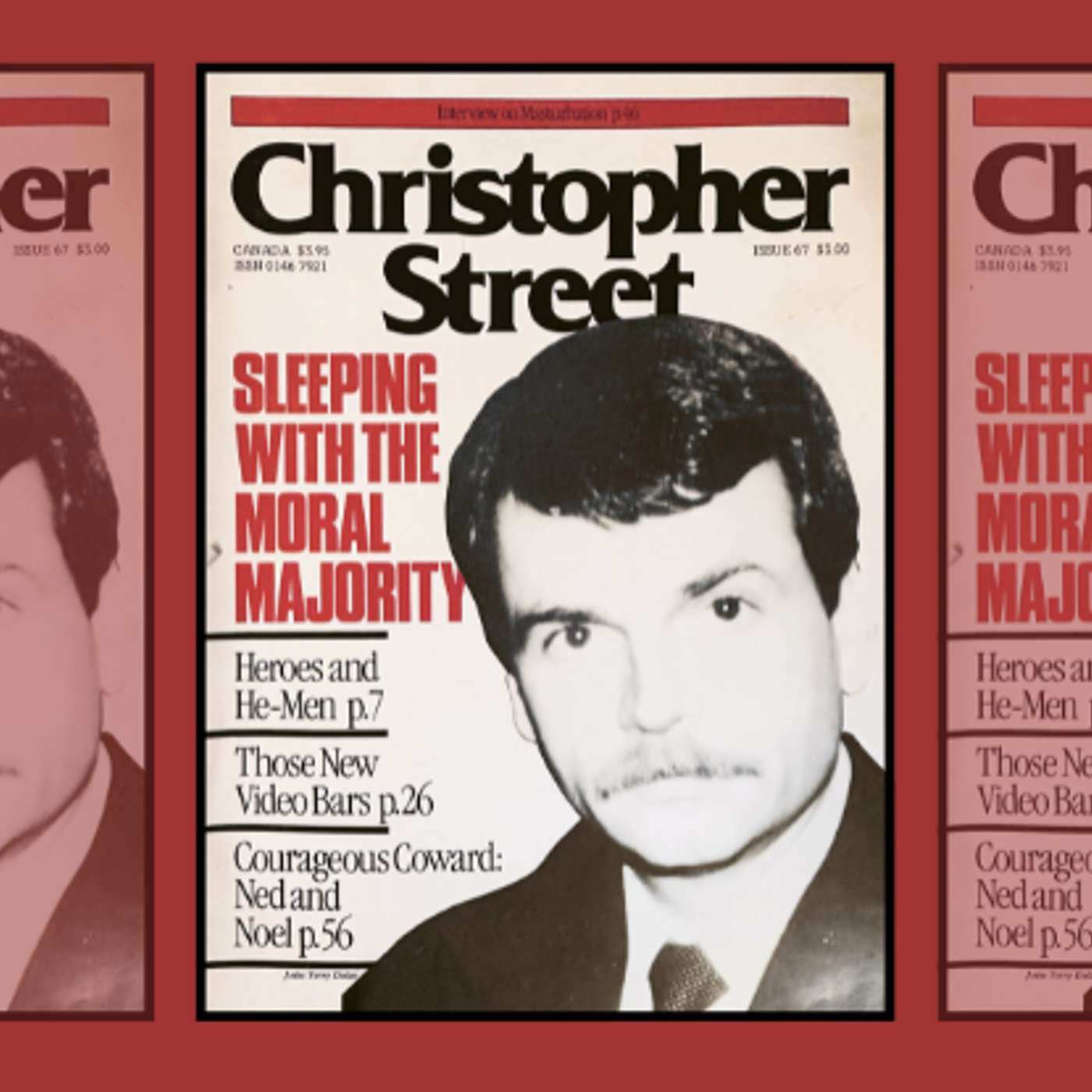
    The Messy, Sordid Spectacle of Gay Republicans (w/ Daniel Lefferts)

    By day Terry Dolan coordinated the fusion of free-market radicalism and evangelical fundamentalism known as the New Right. By night he cruised DC's steamrooms and gay bars. In 1982, his face appeared on the cover of Christopher Street with an article abou

    • Transcript
  • #3
    April 7 · 1 hr 2 min

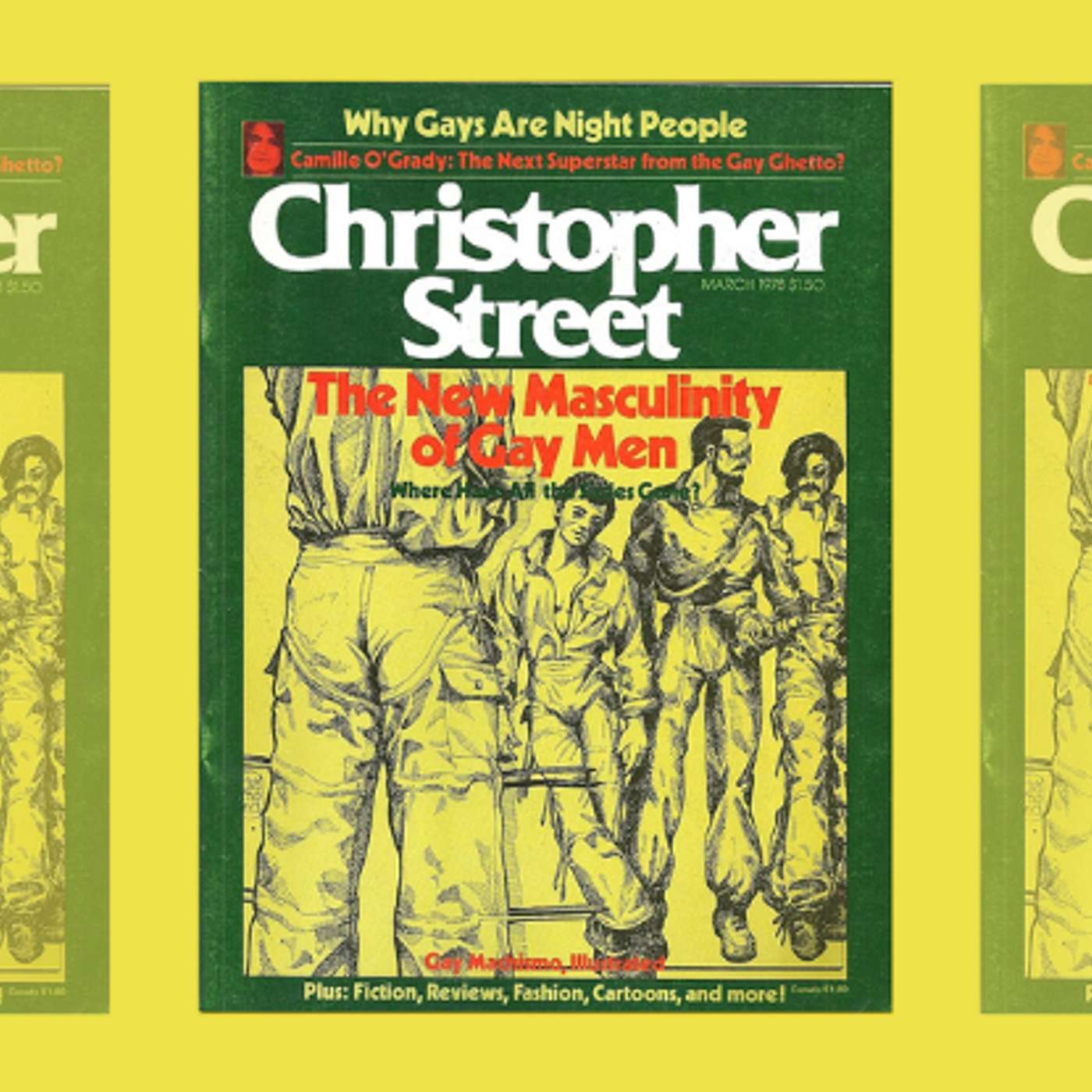
    Gay Masculinity and Its Discontents

    Gays being masc has been making people mad for half a century now, and in this episode, we read Seymour Kleinberg’s 1978 Christopher Street essay, “Where Have All the Sissies Gone?” to find out why. We discuss the rise of “gay macho” in the 1970s, exempli

    • Transcript
  • #2
    March 24 · 56 min

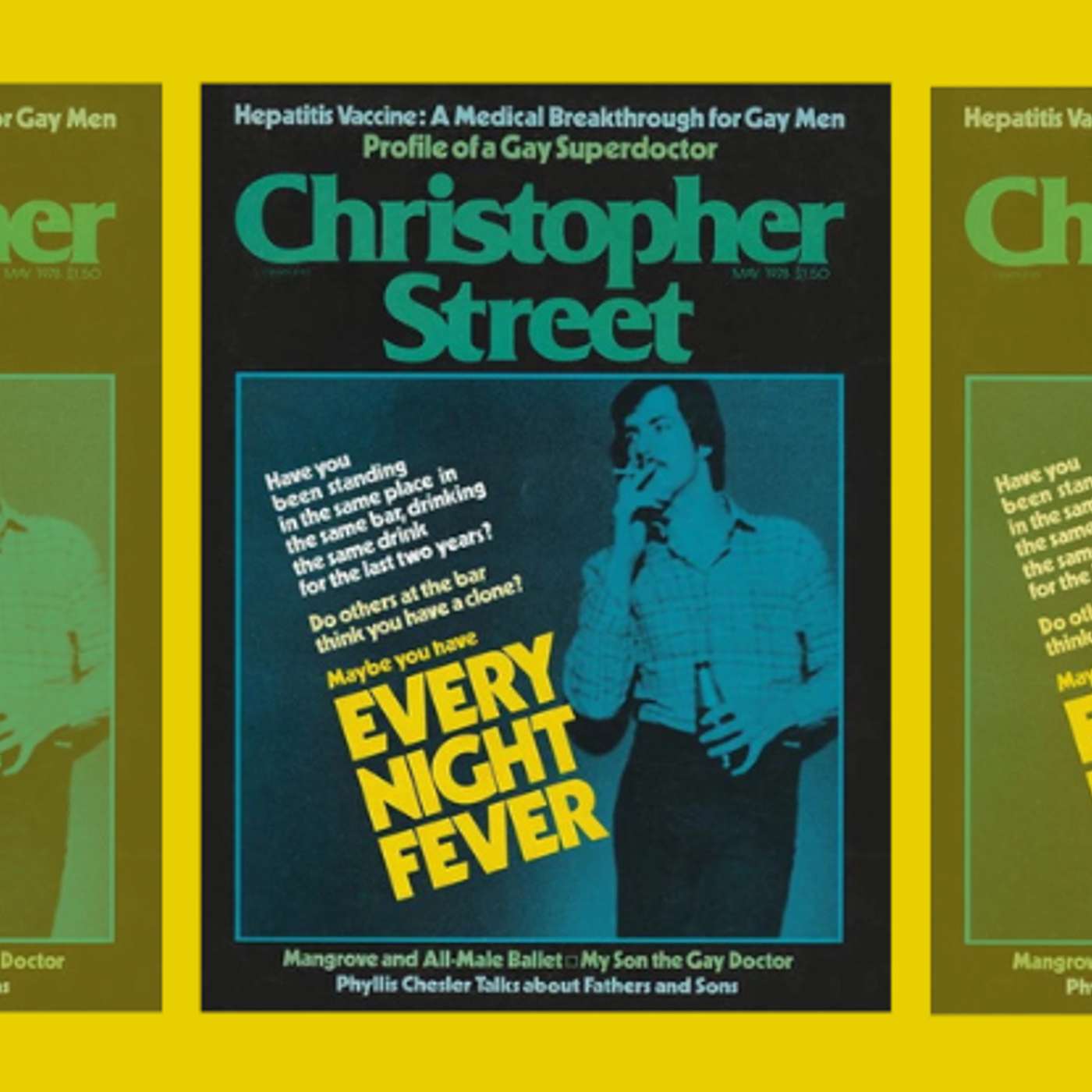
    Why Gays Love (and Hate) the Club

    We read Michael Musto’s 1978 Christopher Street cover story “Every Night Fever,” about the gays who go to the disco every night of the week, an example of a journalism genre that fascinates us—cultural trend stories that simultaneously report and constitu

    • Transcript
  • #1
    March 10 · 1 hr 7 min

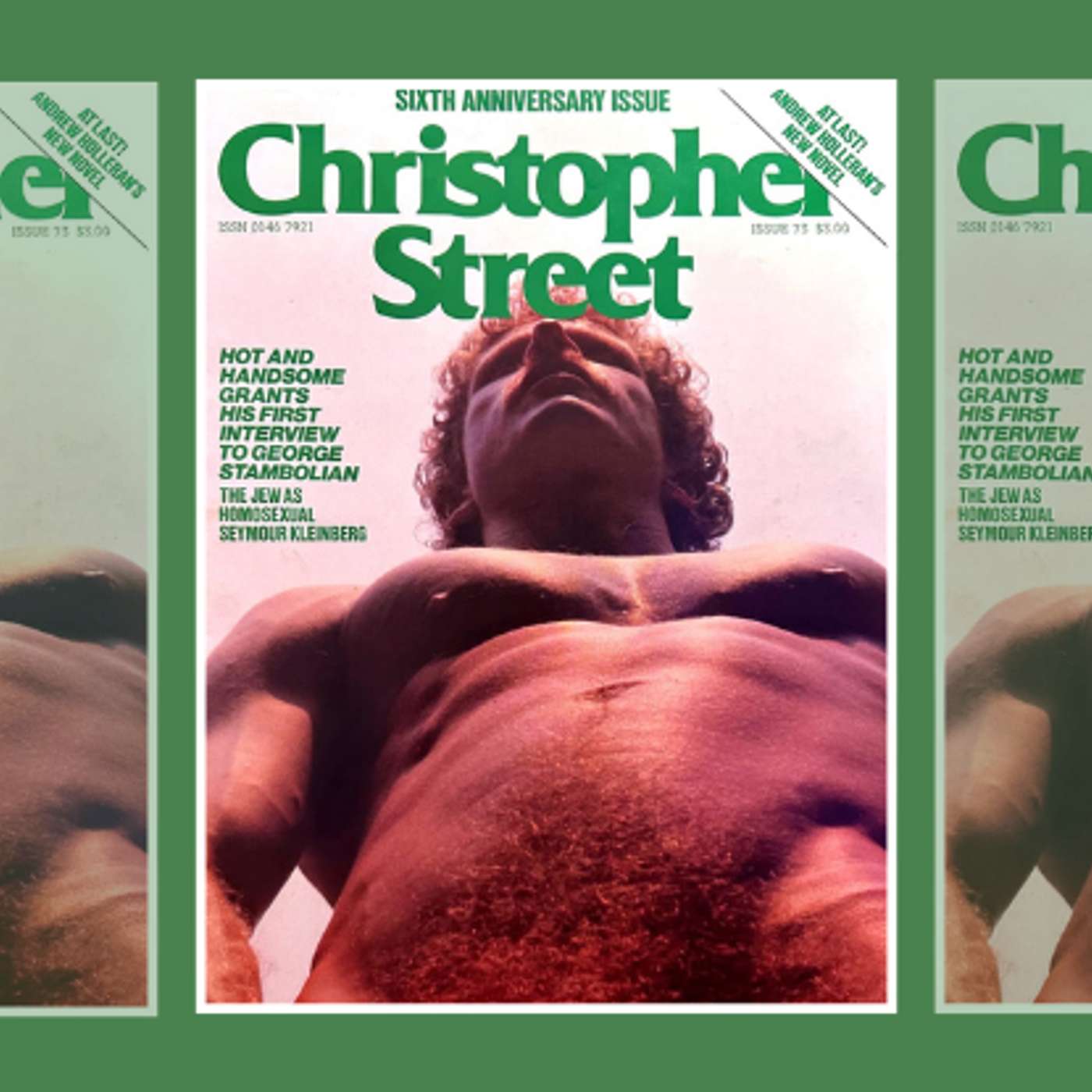
    Gay Men and the Politics of Hotness

    We read George Stambolian's "Interview With a Hot Man" from the February 1983 issue of Christopher Street and talk about the central, yet perennially controversial, role that physical beauty plays in gay culture. We compare notes on our own experiences of

    • Transcript
Showing 1–10 of 10 episodes