Skip to content
Artwork for Myself With Others
ArtsSociety & Culture

Myself With Others

Adam Shatz

Myself with Others is a podcast about the life of ideas, featuring conversations with creative minds in arts, culture and writing. Each of these conversations is a portrait, exploring the place “between thought and expression,” in the words of Lou Reed, where life is lived, creation begins and new worlds are imagined.

Play
  • 13 episodes
  • Avg 58 min
  • English
  • S1 · E10
    Jan 25, 2022 · length unknown

    Arto Lindsay, part 2

    Arto Lindsay is a singer-songwriter who divides his time between Sao Paolo and New York City, and one of the most influential figures in the New York Downtown scene that emerged in the early 1980s. A member of the “No Wave” band DNA and of the avant-pop group Ambitious Lovers, Lindsay went on to become an almost romantic crooner of samba, on albums like Mundo Civilizado – even as he continues to make deliberately disruptive noises on his guitar, an instrument he’s deliberately never learned to play. This combination of pop intuition and brash experimentalism has made him a darling of the art world. In our conversation, Lindsay spoke to me about his youth in Brazil as the son of progressive American missionaries; about living under the military dictatorship and about his early years in New York City and his friendship with Jean-Michel Basquiat. He also explained why religion, like music, is all about sex, and why he still refuses to take music lessons. Links and References: Downtown 81 - Kino Lorber Ambitious Lovers / Envy Mundo Civilizado Crossing Music’s Borders in Search of Identity - New York Times Heiner Goebbels: The Man in the Elevator - ECM
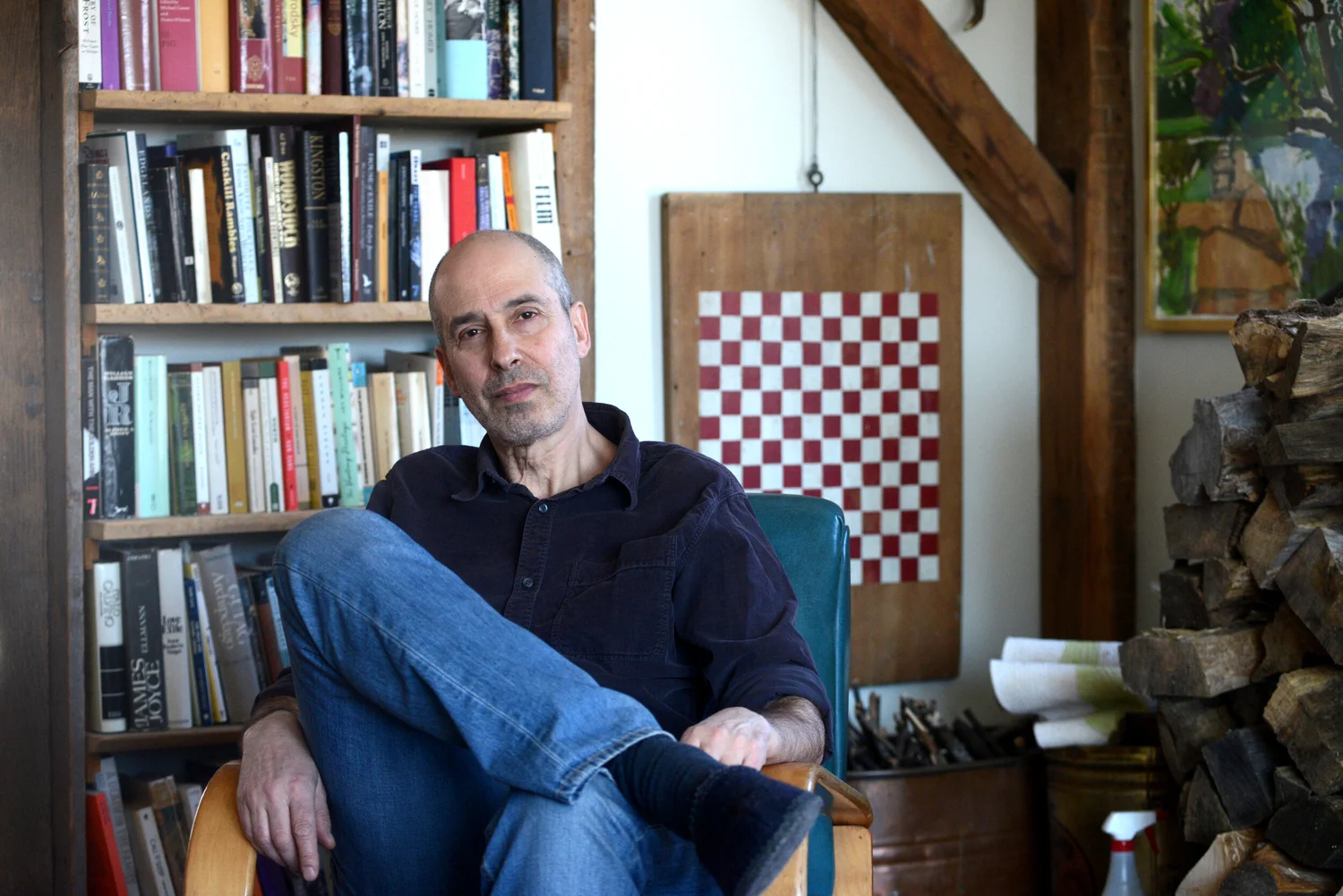
  • S1 · E10
    Jan 25, 2022 · 47 min

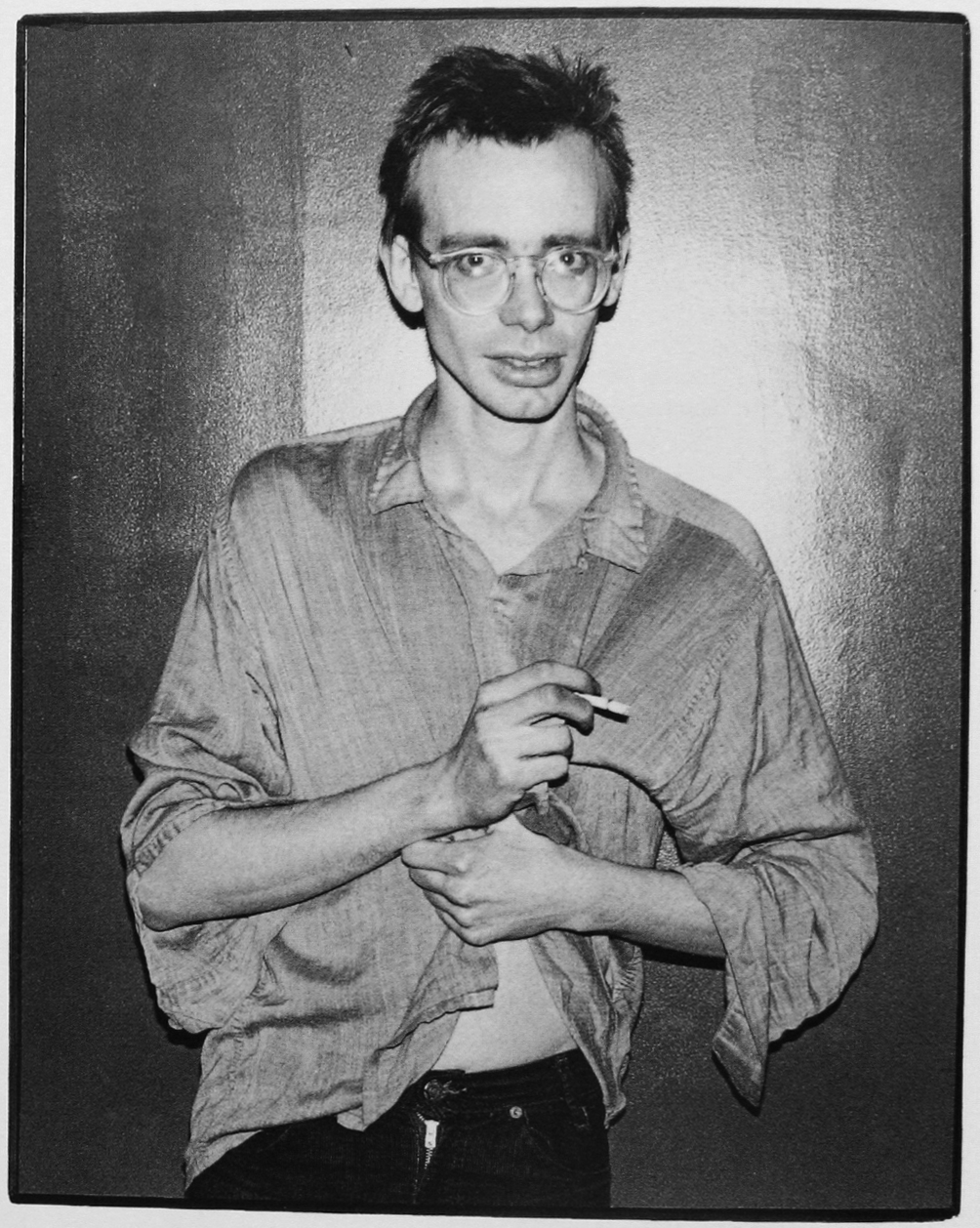
    Arto Lindsay, part 1

    Arto Lindsay is a singer-songwriter who divides his time between Sao Paolo and New York City, and one of the most influential figures in the New York Downtown scene that emerged in the early 1980s. A member of the “No Wave” band DNA and of the avant-pop group Ambitious Lovers, Lindsay went on to become an almost romantic crooner of samba, on albums like Mundo Civilizado – even as he continues to make deliberately disruptive noises on his guitar, an instrument he’s deliberately never learned to play. This combination of pop intuition and brash experimentalism has made him a darling of the art world. In our conversation, Lindsay spoke to me about his youth in Brazil as the son of progressive American missionaries; about living under the military dictatorship and about his early years in New York City and his friendship with Jean-Michel Basquiat. He also explained why religion, like music, is all about sex, and why he still refuses to take music lessons. Links and References: Downtown 81 - Kino Lorber Ambitious Lovers / Envy Mundo Civilizado Crossing Music’s Borders in Search of Identity - New York Times Heiner Goebbels: The Man in the Elevator - ECM
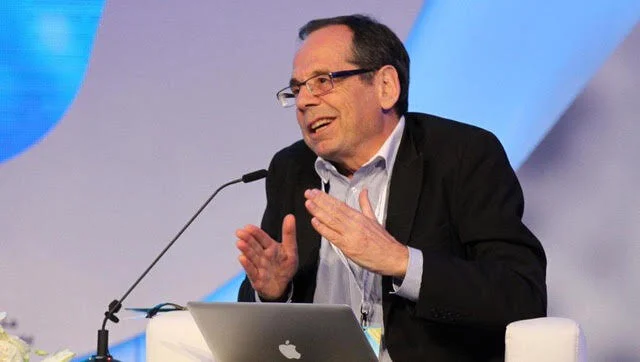
  • S1 · E9
    Jan 11, 2022 · 1 hr 8 min

    James Lasdun

    A novelist, memoirist, critic, poet and screenwriter, James Lasdun has created a memorable body of work exploring the themes of existential dread, reputational damage and surveillance. The son of a well-known British architect, Lasdun is perhaps best known for his 2013 memoir about being stalked by one of his writing students, Give Me Everything You Have. In our conversation, James spoke to me about his childhood in London, as the son of Jews who had converted to Anglicanism without ever quite managing to become Christians; about his love of mythology; and about the dark fears and obsessions that run through his fiction and his non-fiction. This episode is a co-presented with the London Review of Books Links and References: Besieged Afternoon of a Faun Give Me Everything You Have Crazy In Love - Book Forum He Said, She Said - The New Republic James Lasdun Website András Schiff, Franz Schubert, ECM Records András Schiff, Franz Schubert - Sonatas and Impromptus, ECM Records András Schiff, Franz Schubert - Fantasien, ECM Records

  • S1 · E8
    Jan 4, 2022 · 57 min

    Alain Gresh

    Alain Gresh, a French journalist, was the editor of Le Monde Diplomatique and is now the director of Orient XXI, an online journal about Middle East affairs. Gresh’s writing on Israel-Palestine and on the battles over Islam and secularism have made him one of the most important voices on the left in France. Born in Cairo in 1948, Gresh learned in his late 20s that a man he knew in Paris as a family friend, the Egyptian-Jewish revolutionary exile Henri Curiel, was his biological father. In 1978, Curiel was assassinated in his apartment building – a crime that remains unresolved to this day. In our conversation, Gresh talked to me about his trajectory as a radical commentator on the Middle East, his upbringing in Egypt on the eve of decolonization, his relationship to Curiel, and his ongoing search for the truth about Curiel’s murder. Henri Curiel, citizen of the third world - Le Monde diplomatique When Palestine captured a generation’s dreams - Le Monde diplomatique French Law on Separation of Church and State - Orient XXI PLO: The Struggle Within Anouar Brahem - Blue Maqams

  • Dec 21, 2021 · 44 min

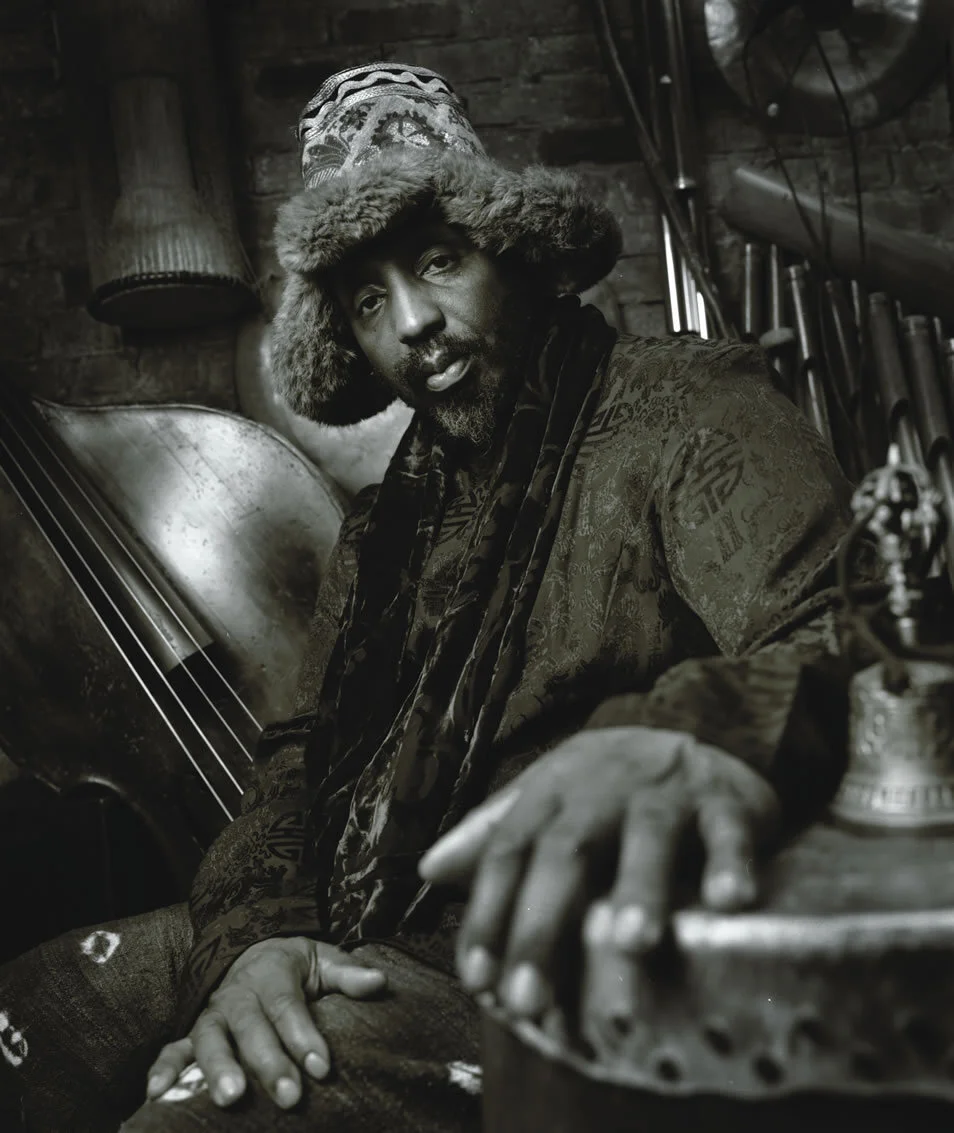
    William Parker, part 2

    The bassist, composer and poet William Parker is the soul of the Lower East Side free jazz scene. A veteran of ensembles led by Cecil Taylor, Bill Dixon, Billy Bang and David S. Ware, Parker is also remarkable leader in his own right. In 2021 he released a ten-disc boxed set, The Music of William Parker: Migration of Silence into and out of the Tone World, Volumes 1-10, featuring compositions in a dizzying range of styles. With his wife and collaborator, the dancer Patricia Nicholson Parker, Parker has turned the annual Vision Festival into one of the defining events in New York creative music. In our conversation, William spoke to me about his early years in the Bronx, how he rose up in the “Loft scene” of the 1970s, his experiences with Cecil Taylor, and his understanding of music as a force of revolutionary social transformation. Links and References: recordings in this episode Migration of Silence into and out of the Tone World I Plan to Stay a Believer: The Inside Songs of Curtis Mayfield Piercing The Veil Farmers by Nature: Love and Ghosts Cecil Taylor Unit: The Eighth Blue Lime Light: A Tribute to Cecil Taylor David S. Ware Quartet - Surrendered James Brandon Lewis: Jesup Wagon links and additional music Universal Tonality - Cisco Bradley Arts for Art / Vision Festival William Parker Tone World - New York Times The Life and Music of William Parker - Brooklyn Rail Lisa Sokolov David S. Ware & Apogee David S. Ware - Passage to Music Amiri Baraka - Black Music (re: Jazz and the White Critic) Art Taylor - Notes and Tones

  • Dec 21, 2021 · 56 min

    William Parker, part 1

    The bassist, composer and poet William Parker is the soul of the Lower East Side free jazz scene. A veteran of ensembles led by Cecil Taylor, Bill Dixon, Billy Bang and David S. Ware, Parker is also remarkable leader in his own right. In 2021 he released a ten-disc boxed set, The Music of William Parker: Migration of Silence into and out of the Tone World, Volumes 1-10, featuring compositions in a dizzying range of styles. With his wife and collaborator, the dancer Patricia Nicholson Parker, Parker has turned the annual Vision Festival into one of the defining events in New York creative music. In our conversation, William spoke to me about his early years in the Bronx, how he rose up in the “Loft scene” of the 1970s, his experiences with Cecil Taylor, and his understanding of music as a force of revolutionary social transformation. Links and References: recordings in this episode Migration of Silence into and out of the Tone World I Plan to Stay a Believer: The Inside Songs of Curtis Mayfield Piercing The Veil Farmers by Nature: Love and Ghosts Cecil Taylor Unit: The Eighth Blue Lime Light: A Tribute to Cecil Taylor David S. Ware Quartet - Surrendered James Brandon Lewis: Jesup Wagon links and additional music Universal Tonality - Cisco Bradley Arts for Art / Vision Festival William Parker Tone World - New York Times The Life and Music of William Parker - Brooklyn Rail Lisa Sokolov David S. Ware & Apogee David S. Ware - Passage to Music Amiri Baraka - Black Music (re: Jazz and the White Critic) Art Taylor - Notes and Tones

  • S1 · E6
    Dec 14, 2021 · length unknown

    Claudia Roden

    Claudia Roden is the author of cookbooks that revolutionized eating in the United Kingdom, including The Book of Jewish Food and Arabesques. Raised in a Jewish family in Cairo, Roden began to collect Middle Eastern recipes after her family and families like her own fled Egypt in 1956. By chronicling the cuisines of the Middle East, Spain, the Mediterranean, and the Jewish diaspora, Roden has produced an extraordinary Book of Memory, as rich in history as it is in flavors and aromas. In our conversation, Roden talked to me about her Cairo childhood and her youth in Paris; about how collecting recipes became her obsession; about the sexist prejudices against cookbooks; about how politics informs her understanding of food; about the secret Jewish origins of fish and chips; and about how she discovered why the Spanish roast their pork with cumin seeds. Links and References: The Book of Jewish Food Med

  • S1 · E5
    Dec 7, 2021 · 1 hr 3 min

    Marilyn Crispell

    The pianist Marilyn Crispell works in jazz and improvised music. Crispell started out in classical music, but when she heard Coltrane’s spiritual suite A Love Supreme, she experienced an epiphany that led her to jazz. A member of Anthony Braxton’s classic quartet in the 1980s, Crispell has established herself since then as one of the most lyrical and introspective voices in avant-garde jazz, especially in her work on ECM records. In our conversation, Marilyn spoke to me about her childhood in Baltimore, the revelation she had listening to A Love Supreme, her work with Braxton and the ECM producer Manfred Eicher, and the restorative effects of contemplation and silence on her art. Links and Reference: Storyteller Amaryllis For John Coltrane A Jazz Supreme - Raphaël Imbert Creative Music Studio - Archive Selections Vol 2 Creative Orchestra Music - Anthony Braxton Nothing Ever Was, Anyway Sibanye (We Are One) MUSIC; A Chosen Calm After the Avant-Garde Storm - New York Times Camilla Nebbia Benedicte Maurseth Lena Willemark The Adornment of Time - Tyshawn Sorey J.S. Bach: Six sonatas for Violin and Piano - Michelle Makarski & Keith Jarrett

  • S1 · E4
    Nov 30, 2021 · 1 hr 13 min

    Joe Sacco

    Joe Sacco is a Portland-based cartoonist and graphic novelist who has reported from Bosnia, Palestine, India, and Iraq. His powerful chronicles of modern-day political atrocities – in such books as Safe Area Gorazde, Footnotes in Gaza, and Paying the Land – have earned him comparison with Goya. In our conversation, Joe spoke to me about his childhood as the son of immigrants from Malta, about how he became politicized at the end of the Cold War, about his travels in the Middle East and the former Yugoslavia, about how he sees his art of witness -- and why he rejects the idea that he is “giving voice to the voiceless.” Footnotes in Gaza Paying the Land Safe Area Goražde Palestine Days of Destruction, Days of Revolt How To Read Donald Duck - Ariel Dorfman

  • Nov 17, 2021 · 41 min

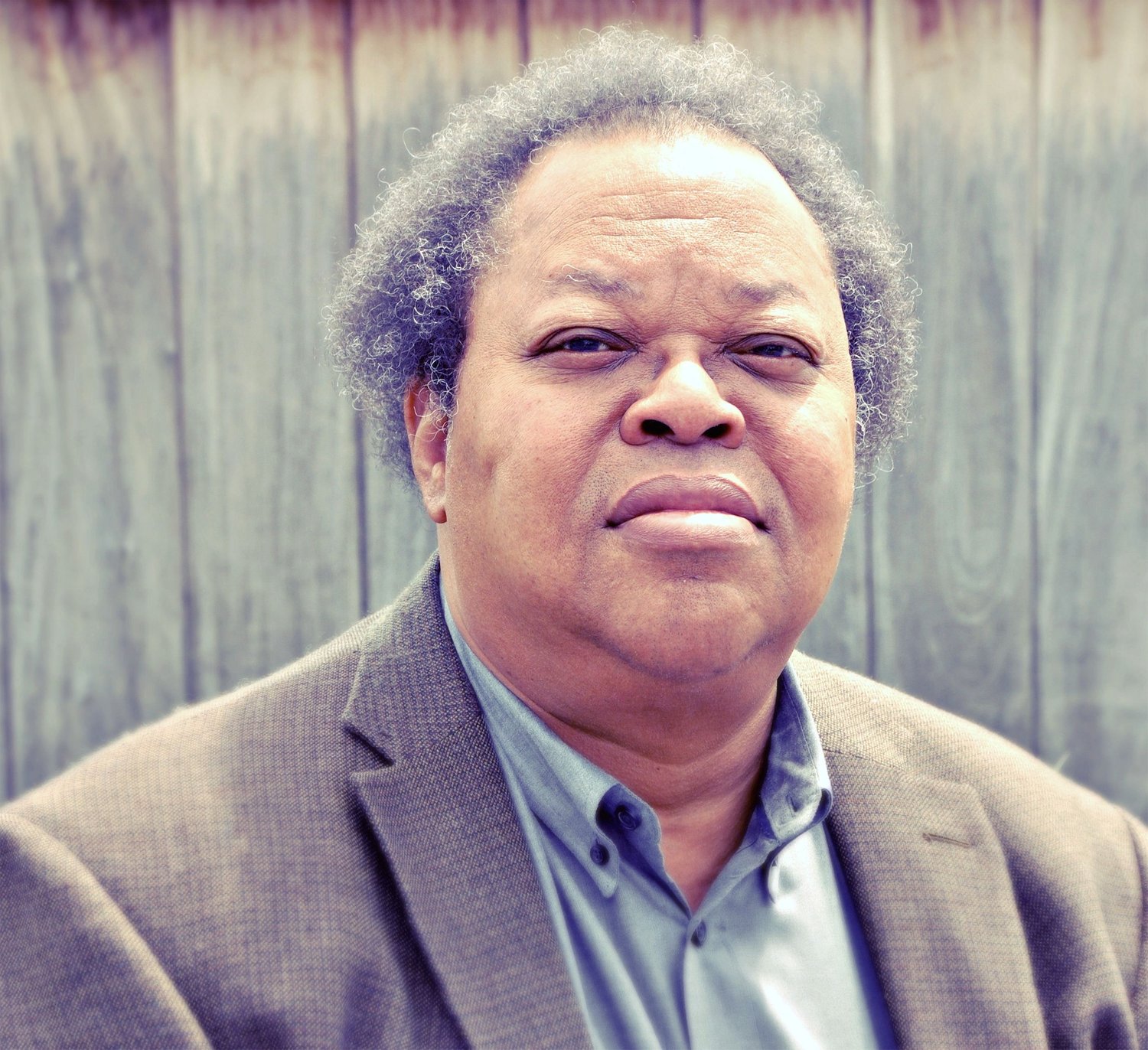
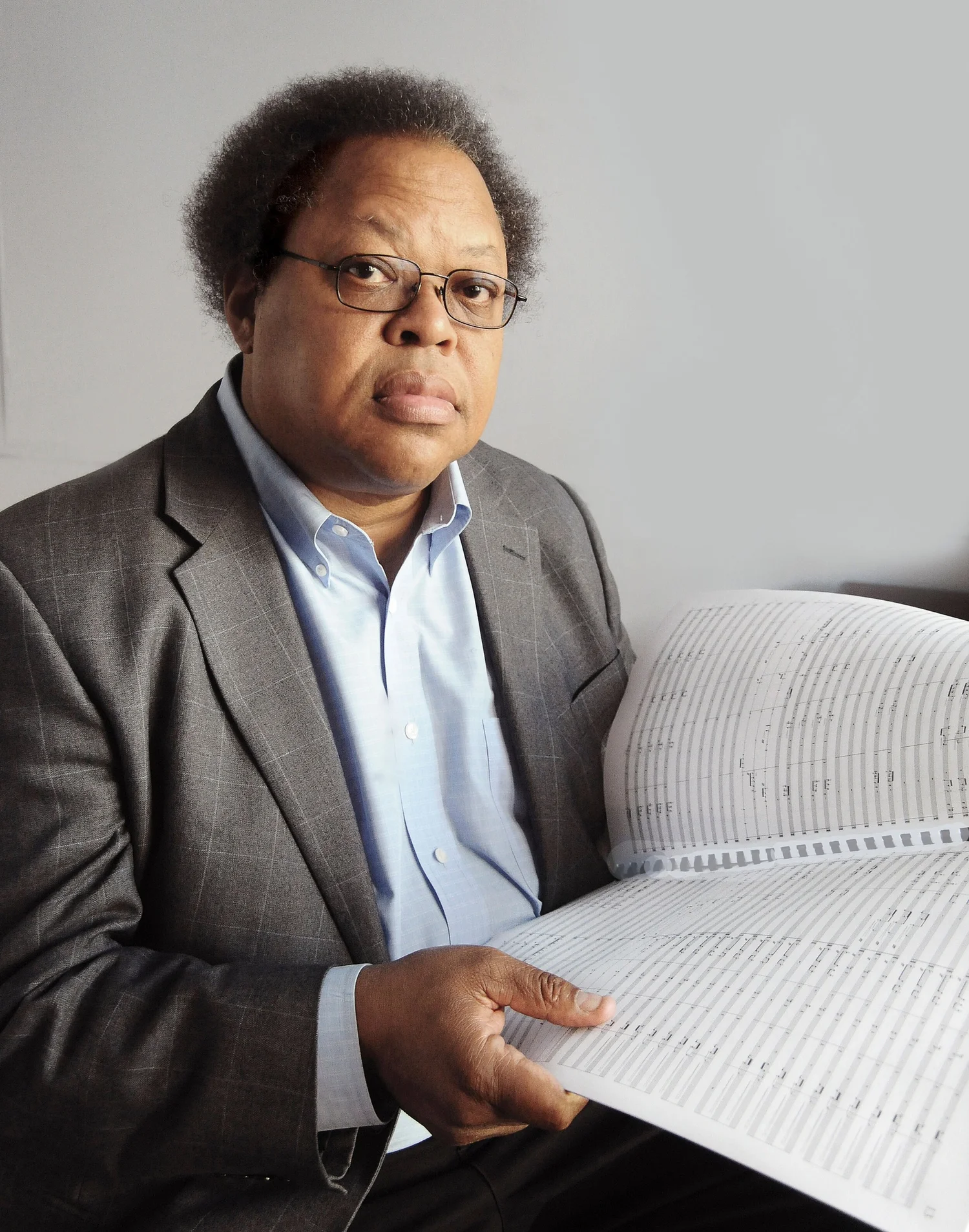
    George Lewis, part 2

    George Lewis is a composer of contemporary classical music, an avant-garde jazz trombonist, an electronic sound artist, an essayist, and the author of A Power Stronger than Itself, the definitive history of the Association for the Advancement of Creative Musicians (AACM), a black composers’ collective based in Chicago, where he grew up. A dazzling polymath, he moves between the worlds of new music, jazz, academia, computer science, philosophy and visual art with extraordinary ease and humility. In our conversation, George talked about his working-class Chicago roots, his experiences at Yale and in Europe, his views on “cultural appropriation,” his ambivalence about being seen as a trombonist, why he thinks about John Coltrane more than John Cage, and why he’s proud to be considered an Afro-futurist. A Power Stronger Than Itself The Recombinant Trilogy Rainbow Family The Will to Adorn Improvised Music After 1950: Afrological and Eurological Perspectives Jessica Ekomane Seth Parker Woods Dana Reason - The Myth of Absence Savvy Contemporary - Anton Wilhelm Amo

  • Nov 16, 2021 · 51 min

    George Lewis, part 1

    George Lewis is a composer of contemporary classical music, an avant-garde jazz trombonist, an electronic sound artist, an essayist, and the author of A Power Stronger than Itself, the definitive history of the Association for the Advancement of Creative Musicians (AACM), a black composers’ collective based in Chicago, where he grew up. A dazzling polymath, he moves between the worlds of new music, jazz, academia, computer science, philosophy and visual art with extraordinary ease and humility. In our conversation, George talked about his working-class Chicago roots, his experiences at Yale and in Europe, his views on “cultural appropriation,” his ambivalence about being seen as a trombonist, why he thinks about John Coltrane more than John Cage, and why he’s proud to be considered an Afro-futurist. A Power Stronger Than Itself The Recombinant Trilogy Rainbow Family The Will to Adorn Improvised Music After 1950: Afrological and Eurological Perspectives Jessica Ekomane Seth Parker Woods Dana Reason - The Myth of Absence

  • S1 · E2
    Nov 9, 2021 · 1 hr 13 min

    Margo Jefferson

    Writer and culture critic, Margo Jefferson, in conversation with Adam Shatz

  • S1 · E1
    Nov 2, 2021 · 1 hr 5 min

    Vivian Gornick

    Myself With Others: Adam Shatz and Vivian Gornick Vivian Gornick is a writer of essays, criticism, and literary nonfiction, a fierce feminist, and a proud New Yorker. Her 1987 book about her relationship with her mother, Fierce Attachments, was recently chosen by the book critics of the New York Times as the finest memoir of the last 50 years. In our conversation, Vivian reflected on growing up among working-class Jews in the Bronx, her struggles with her mother, her journey through the women’s liberation movement, and her relationship to desire, love, and work. Links and References: Fierce Attachments The Odd Woman and the City The Press of Freedom: An Ofay’s Indirect Address to LeRoi Jones Radical Chic: That Party at Lenny’s - Tom Wolfe

Showing 1–13 of 13 episodes