Skip to content
Artwork for Mostly Awesome

Mostly Awesome

Center for Digital Technology and Management (CDTM)

Mostly Awesome is a podcast about the personal journeys of innovators. We talk to the doers and thinkers of our time to understand what motivates them and why they do what they do. Together we reflect upon their decisions, wins, and setbacks. Meet our inspiring yet relatable guests from the world of entrepreneurship and technology to find out what may help you to become an innovator of tomorrow!

Get ready for bi-weekly episodes on Wednesdays. We are looking forward to our guests and your feedback to podcast@cdtm.de.

Mostly Awesome is brought to you by the Center for Digital Technology and Management (CDTM) in Munich. For more information, check www.cdtm.de/podcast.

And now lean back, listen in, and learn from the thought leaders of our time!

Play
  • 20 episodes
  • Avg 41 min
  • English
  • August 12 · 40 min

    #53 Seb Hapte-Selassie: On Voice AI, the Agent Era, High Agency and Why Speed Beats Planning

    In this episode, we talk to Seb Hapte-Selassie, co-founder and CTO of telli, a Berlin-based startup building AI agents that run a company's customer-facing operations. Seb studied computer science at Stanford and built product at N26, Pitch and BCG Digital Ventures before starting telli, which went through Y Combinator and recently raised a $15 million seed round led by Redalpine. telli's voice agents already handle millions of conversations for companies like Sky, Enpal and Vaillant. We start with the person he credits most, his mother, who fled Ethiopia, made it to Europe and went on to Harvard Business School. Seb describes her as the most high agency person he has ever met, someone who simply did not accept that things were impossible, and he still catches himself asking what she would have done in a given situation. He also reflects on what surprised him at Stanford, where professors gave students the benefit of the doubt rather than trying to make them fail, and where he learned that the people building huge companies are not from another universe. A neighbor in his freshman dorm casually mentioned he had just raised half a million dollars from Y Combinator, which was the moment startups stopped feeling abstract. On finding co-founders, Seb is clear about what actually matters. The idea matters somewhat, the market matters somewhat, complementary skills matter somewhat, but what really counts is whether you enjoy spending enormous amounts of time together, because everything else can change. He and his co-founders Finn zur Mühlen and Philipp Baumanns worked on projects for six months before committing, and used explicit time boxes rather than open-ended deliberation. They agreed to work together until October 2024 and then reevaluate. By that point they had the idea for telli, their first three customers and a place at Y Combinator. We get into how the product actually works. telli started with energy companies, an insight that came from his co-founders scaling a 150 person phone team at Enpal, and has expanded into pre-qualification, reminder calls and inbound support. Under the hood it is a harder engineering problem than it looks. telli runs seven models in parallel in a single conversation, falls back automatically when a provider degrades, and switches models mid-call for tasks like address collection, where LLMs struggle. Seb also introduces Charlie, their new agent for customer-facing teams, which lives in Slack, Teams, HubSpot and Salesforce rather than inside telli's own app. On the business side he is unusually direct about limits. telli does not do cold calling and turns down the revenue that would come with it. He tells us about the call where an agent stayed patient with a furious customer long enough to calm them down, and makes the case that agents free call center teams for the work that is actually human. He also explains why he does not think the big model labs will simply absorb the application layer: a model provider does well when you consume more tokens, an application company does well when it finds the cheapest model that solves the problem. We close on telli's principles, including hell yes or no, never blocked, and what he calls calm urgency, plus why he would advise most people not to found straight out of university. We wrap up with a rapid fire round covering everything from Berlin versus Silicon Valley to LinkedIn flexing and whether AI creates or destroys jobs.
  • May 13 · 45 min

    #52 Sarah Fleischer: On Battery Recycling, Deep Tech, Growing Up Between Cultures and Lessons from Failure

    In this episode, we talk to Sarah Fleischer, 3x founder and Co-founder & CEO of tozero, a Munich-based startup that recovers lithium and graphite directly from battery waste. Sarah is a mechanical engineer and CDTM alum who has raised over $20 million and recently launched tozero's industrial demo plant in Germany. We get into her path to tozero, which includes two earlier ventures that did not survive. At 22 she dropped out of CDTM to sell German baby milk formula to Chinese mothers, a bootstrapped e-commerce business that worked commercially but fell apart over a founder split. Her second company helped Chinese tourists purchase luxury goods across Europe and ultimately had to close. She talks about the three months it took to climb out of that hole, and the realization that both ventures had been driven by money rather than mission, which she now sees as the reason many founders fail. She also opens up about growing up as a third culture kid, half German and half Chinese, moving between Canada, Hong Kong and Shanghai as her father took computer science professorships around the world. She reflects on watching Shanghai transform in just a few years, what it means to never quite fit into a single culture, and how that shaped her resilience as a founder. We get into how the technology actually works. Her co-founder Xenia developed a method to extract over 97% of the lithium from spent batteries using organic additives instead of harsh chemicals, functioning somewhat like a coffee filter for critical raw materials. Sarah breaks down why lithium and graphite have remained the unsolved challenge in battery recycling, why almost 99% of refined lithium currently comes from a single country, and what the looming supply deficit from 2030 onwards means for European industry. On the business side she is refreshingly grounded. She makes the case for why owning and operating your own plants beats licensing, and explains how tozero built an industrial demo plant with just 17 million in total funding. She also talks about why Honda, Intel and Japan's JGC ended up on the cap table, and what strategic investors unlock that pure financial VCs cannot. We wrap up with a rapid fire round covering everything from deep sea versus deep space to leather jackets and late nights.

  • #51
    February 25 · 40 min

    #51 Pip Klöckner: On Tech, Podcasting, AI and Building in Germany

    In this episode, we talk to Pip Klöckner, tech analyst, angel investor, and host of Doppelgänger, Germany's leading tech podcast. Pip started doing data entry at Idealo, climbed through marketing and product, advised Rocket Internet and KKR, and now invests his own money and breaks down tech for a living. We get into how he actually never wanted to start a podcast and kept saying no until his co-host found a way to get him to do it anyway. He talks about why podcasting works surprisingly well for introverts, how he processes 115 newsletters without burning out, and what his inbox management has in common with social media. On AI he's refreshingly pragmatic. He makes a case for why doing nothing might actually be the smart move for most companies right now, and has a pretty blunt take on whether Europe has any realistic shot at competing with US labs spending 50 billion a year. He also opens up about growing up in East Germany, what selling vegetables with his grandma taught him about economics, and why he thinks there's an integration problem in Germany that nobody really talks about. We ask him what single skill matters most in a world where AI makes intelligence cheap. We wrap up with a rapid fire round covering everything from dropping out of uni to Munich's reputation.

  • Dec 20, 2025 · 33 min

    #50 Magnus Grünewald: On AI Sovereignty, Deep Tech Infrastructure and Building High-Performance Teams

    In this episode, we sit down with Magnus Grünewald, the 23-year-old founder and CEO of Lyceum, who recently raised a massive €10.3M pre-seed round to challenge US hyperscalers. Rather than just a story about a young founder raising capital, this conversation offers a revealing look into what it takes to build "impossible" deep tech from Europe. Magnus shares how his tenure as Chief of Staff at Enpal served as a crucial lesson in losing the fear of "heavy assets." He candidly admits that starting out required a healthy dose of "delusion" to dare compete with established Tech Giants. He argues that while software is often about rapid iteration, building industrial infrastructure demands a fundamental mindset shift from tweaking buttons to moving mountains. We explore Lyceum’s core thesis of transitioning from "renting computers" to "consuming compute." Magnus breaks down his "power socket" philosophy, where AI engineers manage server uptime no more than a smartphone user manages the electrical grid. He also outlines why digital sovereignty is far more than a regulatory checkbox, becoming a critical competitive necessity for industries like BioTech. Finally, Magnus opens up about his leadership style of "extreme delegation" and how he unites PhDs and industry veterans behind a shared mission by hiring for a unique blend of "high urgency" and "conscientiousness." He concludes with a sharp perspective on the AI market, arguing that we should ignore the funding bubble and focus entirely on enterprise adoption.

  • #49
    Nov 26, 2025 · 48 min

    #49 André Petry: On Agency, Ambition, and Building Europe’s Industrial Future

    In this episode, André Petry, co-founder and CEO of Tacto, joins us for a wide-ranging conversation about ambition, agency, and what it means to build from Europe. We trace André’s journey from a 400-person village to CDTM, Berkeley, and eventually to founding one of Germany’s rising industrial software companies. Along the way, he shares how discovering a community of optimistic, self-directed peers at CDTM reshaped his sense of what’s possible and why that shift in mindset ultimately led him to entrepreneurship. André reflects on his early experiments building websites, online marketing projects as unlikely training grounds for developing self-reliance and problem-solving. He explains why agency, rather than pedigree, is often the defining factor in whether people actually change things, and how this belief guides Tacto’s culture today. We dive deep into Europe’s industrial backbone and why André believes the continent’s greatest opportunity lies in doubling down on manufacturing, robotics, and industrial AI. He challenges the narrative that ambitious founders must leave for the U.S., arguing instead that the strongest companies are built where domain expertise, customers, and talent are closest. He also opens up about the responsibility he feels toward the system that supported him, how ambition can be cultivated through narrative, and why optimism must shape Europe’s strategy.

  • Sep 8, 2025 · 40 min

    #48 Julia Gottfriedsen: On Future of Space Tech, AI in Climate Resilience, and Leadership

    In this episode, Julia Gottfriedsen, Head of Data Science & AI at OroraTech, shares how space and artificial intelligence come together to address one of the most pressing challenges of our time. We follow Julia’s journey and explore how technology, leadership, and vision can shape the future. She reflects on how seeing Earth from orbit, with its atmosphere and absence of borders, influences her perspective on responsibility, innovation, and collaboration. Julia also discusses how OroraTech is building the world’s first thermal-infrared satellite constellation to detect and monitor wildfires in real time, providing critical insights for climate resilience and communities across the globe. She explains how running AI models directly on satellites enhances data quality and why vertical integration is essential for success in space technology. Beyond innovation, Julia emphasizes the importance of leadership, diversity, and inclusion, sharing how she builds high-performing teams in a fast-scaling deep-tech environment, why vulnerability and trust are central to her approach, and how she works to create more opportunities for women in tech and space.

  • Aug 20, 2025 · 51 min

    #47 Judith Dada and Hanno Renner: 11 years later - on what makes CDTM special

    In this special guest episode, Judith Dada (General Partner at La Famiglia) and Hanno Renner (Co-founder & CEO of Personio) join us to reflect on their time at CDTM and how it shaped their journeys over the past decade. They talk about what made CDTM so formative, how it created a culture of ambition and trust, and why it continues to be a launchpad for some of Europe’s most impactful founders and investors. Judith shares how CDTM influenced her approach to backing early-stage companies, while Hanno reflects on how the program supported the earliest days of building Personio. This episode is a celebration of community, curiosity, and what happens when driven people are given the space to think big - together.

  • Aug 2, 2025 · 59 min

    #46 Erik Muttersbach: On building ambitiously, scaling wisely, and betting on Europe

    Erik Muttersbach, co-founder of Forto and now Zauber AI, joins us to talk about what it takes to build globally competitive tech companies from Europe. A CDTM Spring 2013 alumnus, Erik reflects on his journey from being the first employee at DailyDeal, to launching and scaling Forto into one of Europe’s leading digital freight forwarders, and now starting over with Zauber AI. We dive into why most startups scale too early, how product-market fit is often misunderstood, and why AI agents are finally making it possible to automate the chaotic workflows behind global logistics. Erik shares what he’s doing differently this time around — from hiring and fundraising to focusing relentlessly on building something indispensable. He also opens up about life after Forto, the decision to return to zero-to-one, and how becoming a parent reshaped his relationship to time, focus, and ambition. If you're building in logistics, AI, or Europe, or just want an honest look at the highs and lows of company-building, this episode is for you.

  • Jun 26, 2025 · 36 min

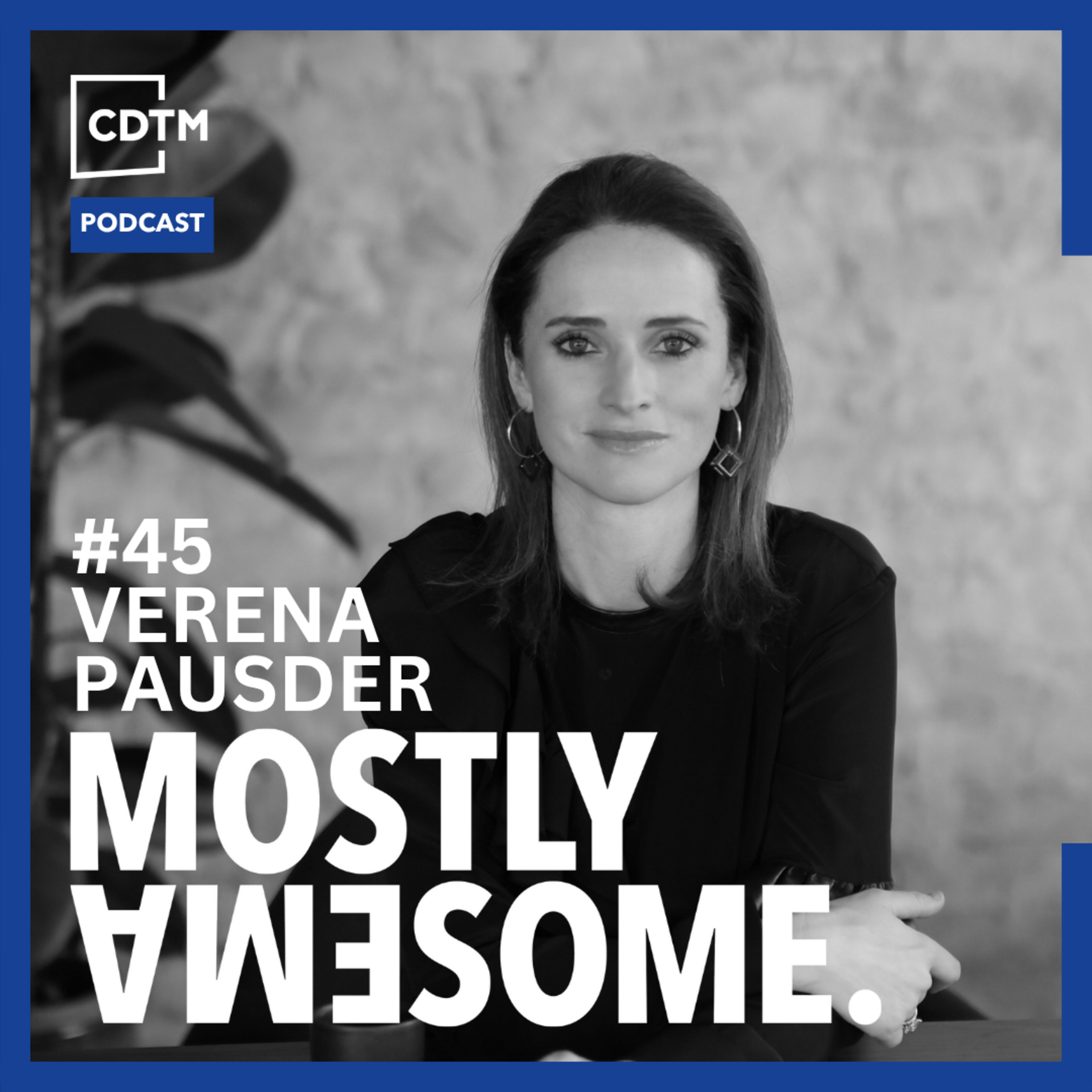
    #45 Verena Pausder: Why Germany must bet on bold founders and digital education

    Verena Pausder joins us to talk about what Germany needs to truly scale innovation. We dive into how the next generation of founders is redefining work, what’s broken in the startup ecosystem, and how AI can bridge the gap in digital education. She shares lessons from leading the German Startup Association, building companies, and investing in women’s football. This episode is about mindset shifts, modern leadership, and why we need to stop underestimating young builders. 🎧 Topics include: The risk-aversion problem in German entrepreneurship How AI can transform classrooms and tutoring Why Verena is optimistic about the new generation #Startups #AI #Germany #Education #Leadership #VerenaPausder #Podcast #CDTM

  • Jun 3, 2025 · 48 min

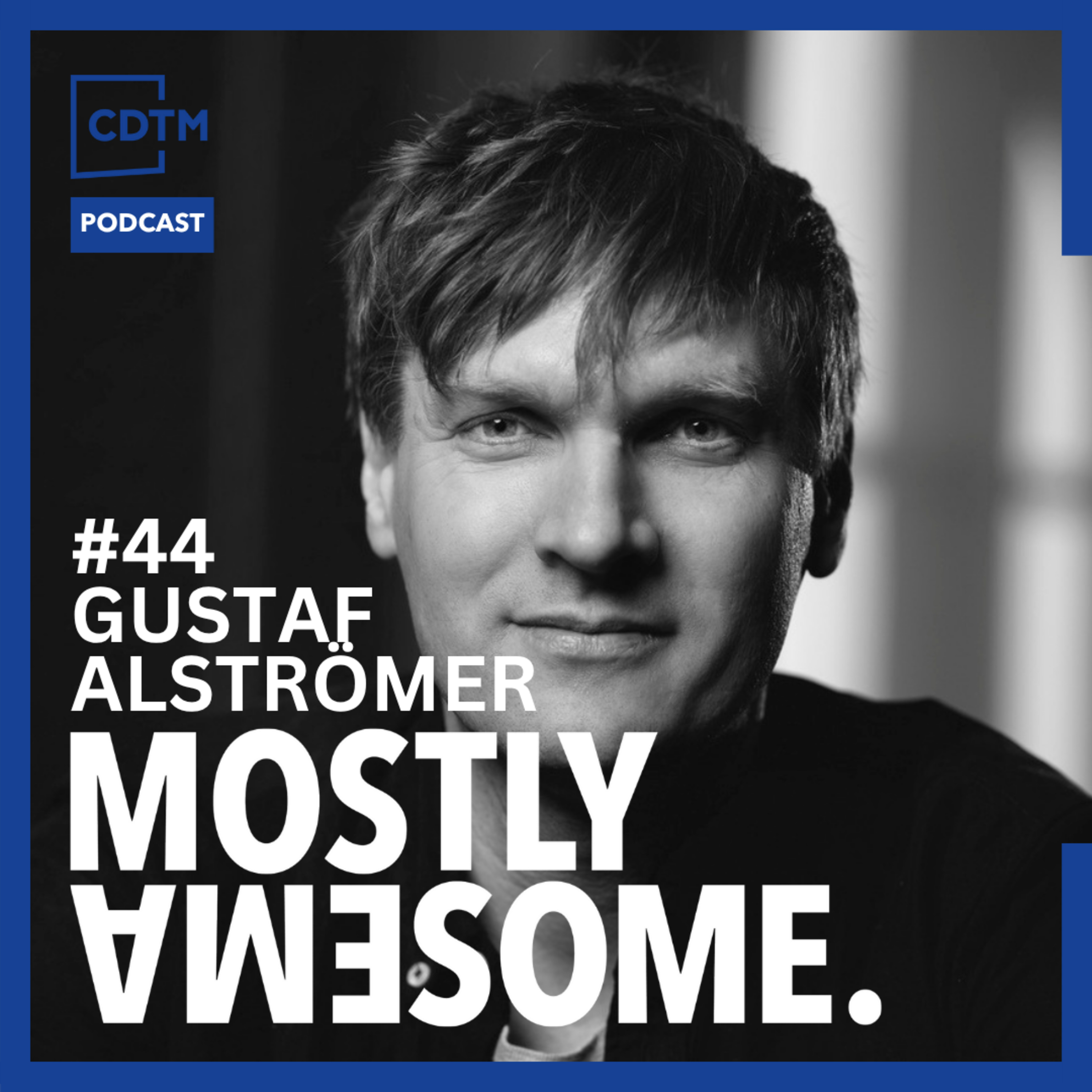
    #44 Gustaf Alströmer: What AI changes about startup wisdom from the last 20 years

    In this episode, we sit down with Gustaf Alströmer, YC Partner and former Head of Growth at Airbnb, to explore how AI is rewriting the playbook for early-stage startups. From why output matters more than effort, to what truly defines exceptional founders today, Gustaf shares lessons from working with hundreds of companies. We also dive into the European startup ecosystem, building ambition at scale, and why immigrant founders consistently outperform. If you’re building in the AI era - or just want to understand what’s changed in startup land over the last two decades.

  • #43
    May 28, 2025 · 39 min

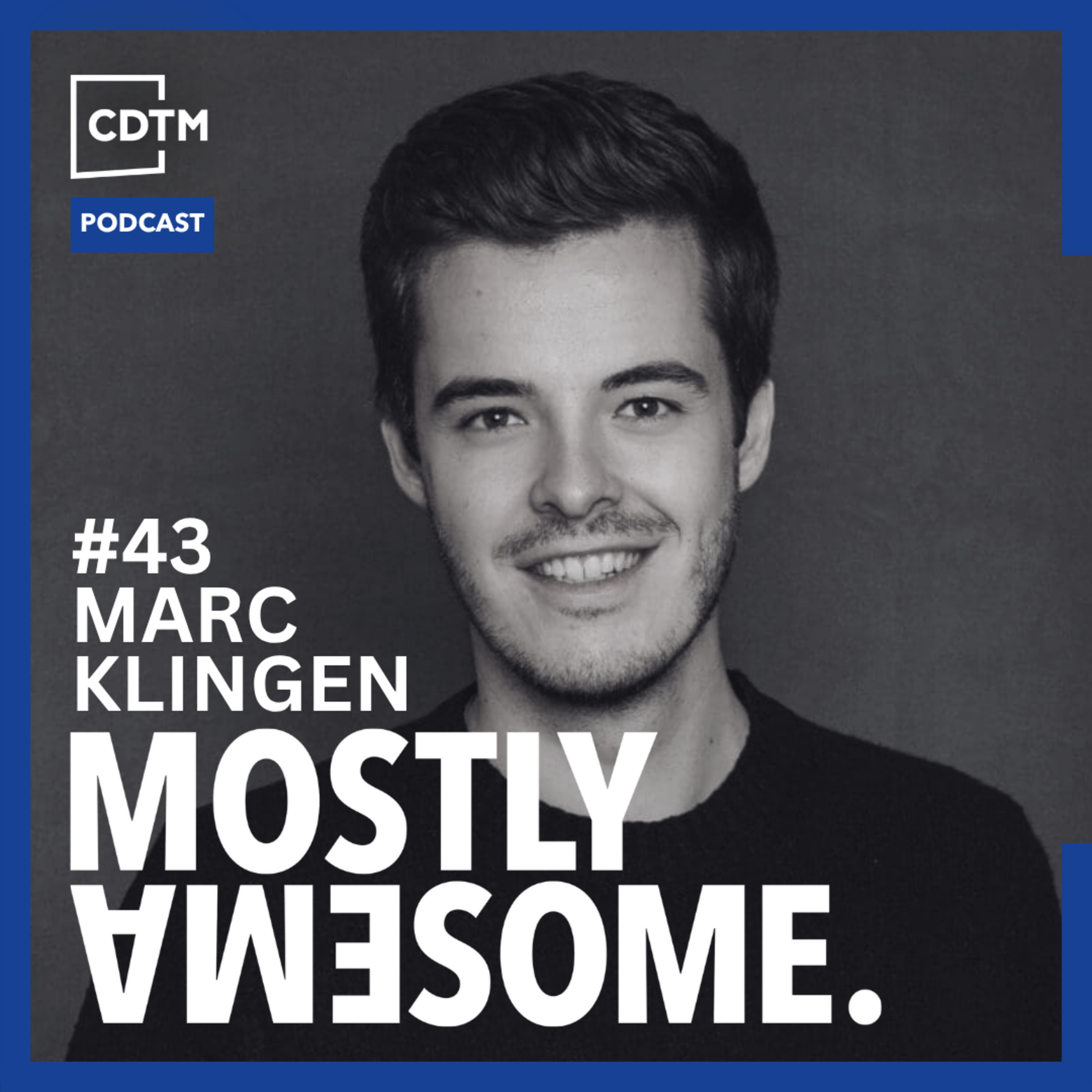
    #43 Marc Klingen: On Building Trust, Shipping Fast, and Staying Open in AI

    Insights from Marc Klingen CEO and co-founder of Langfuse, the open-source LLM observability platform. In this episode, we dive Marc shares his journey of moving back to Europe post-YC and establishing a high-agency, high-trust team culture. We delve into the complexities of building an open-source community, the hurdles in exciting developers about your product, and strategies for monetization. Marc also shares observations on the current state of AI applications, highlighting common use cases like customer support, market research, and software development. 00:36 - The "WHY" of decisions 02:27 - The Langfuse Story 04:18 - Pivoting 05:09 - The "YC" effect 08:14 - Building high trust and high talent team 10:02 - Team Motivation 11:01 - Reasons not to start a company 12:21 - Building a Company in Europe 14:01 - Speed and Progress in AI 15:50 - Why open source? 19:49 - Creating a developer community 22:51 - Patterns in AI teams 26:58 - What do teams get wrong? 28:43 - Moats in AI applications 30:56 - Missing in Stack 34:08 - Afraid of and optimistic about.... 35:01 - Running from and running towards

  • #42
    Apr 8, 2025 · 36 min

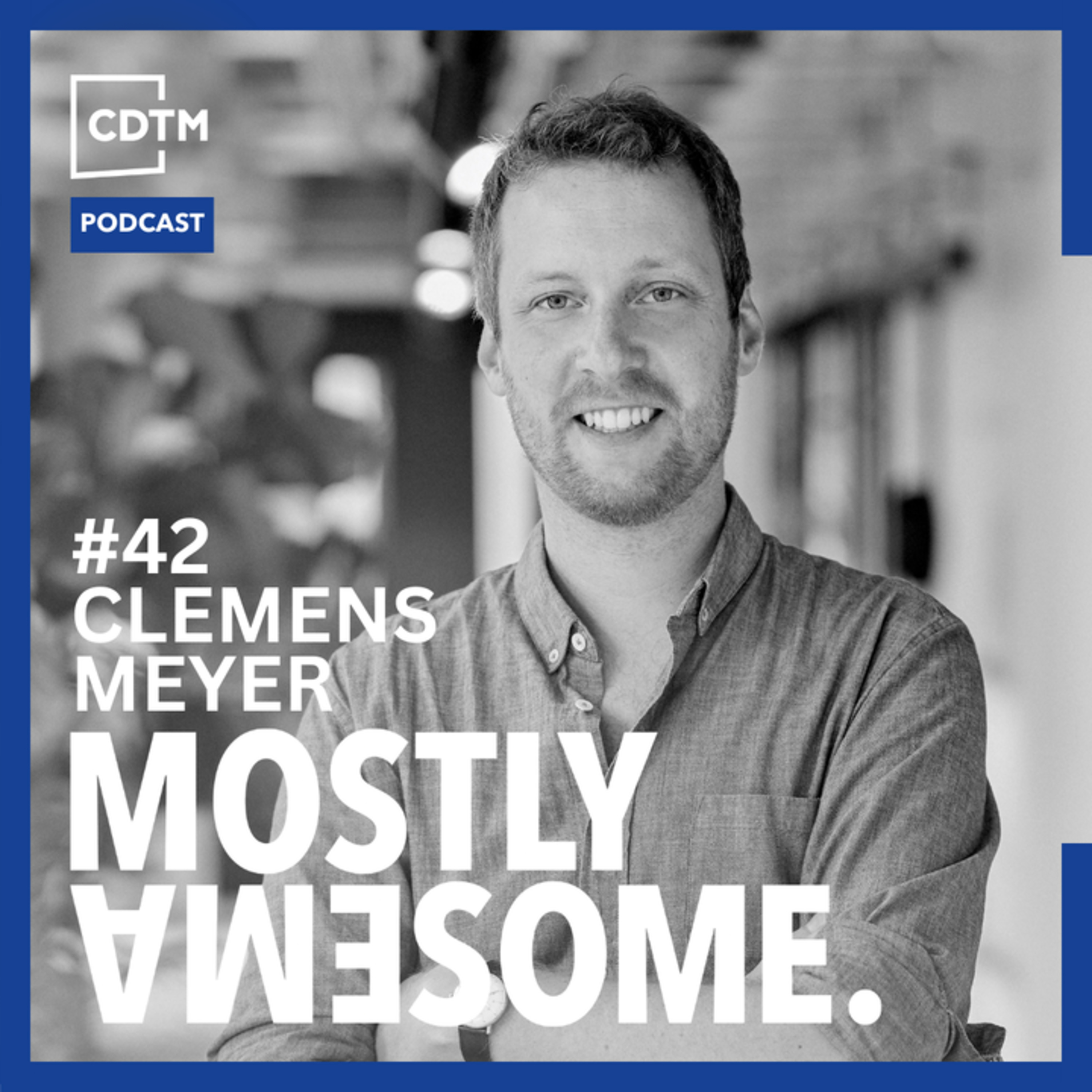
    #42 Clemens Meyer: On supporting nobel prize winning research teams

    In conversation with Clemens Meyer, Technical Director @ Google DeepMind. This time we first dive into Clemens’ journey from startups to joining DeepMind and making an impact in interdisciplinary teams. Then how to balance exploitation and exploration in research, with a focus on measurable progress tracking and finally Google’s early role in the AI race, and reflections on the exponential nature of AI progress. Clemens also shares behind-the-scenes insights into AlphaFold’s success—how it began and how ongoing team efforts helped shape its impact. 00:30 Clemens's responsibilities @ DeepMind 01:53 The shift from startups to managing research teams 07:17 Teams @DeepMind 09:55 How to make sure that teams are making progress 11:28 Exploration vs Exploitation 12:48 Communication is key 14:11 The DeepMind team structure 15:29 The AlphaFold story 24:55 The Gemini story 27:07 Google joining the transformer race 29:11 What to look for in people when making a team? 30:29 The AI hype and what people are missing 32:31 Advice to create impact 35:05 Final thoughts on what should be changed or encouraged @ CDTM

  • Jan 22, 2025 · 27 min

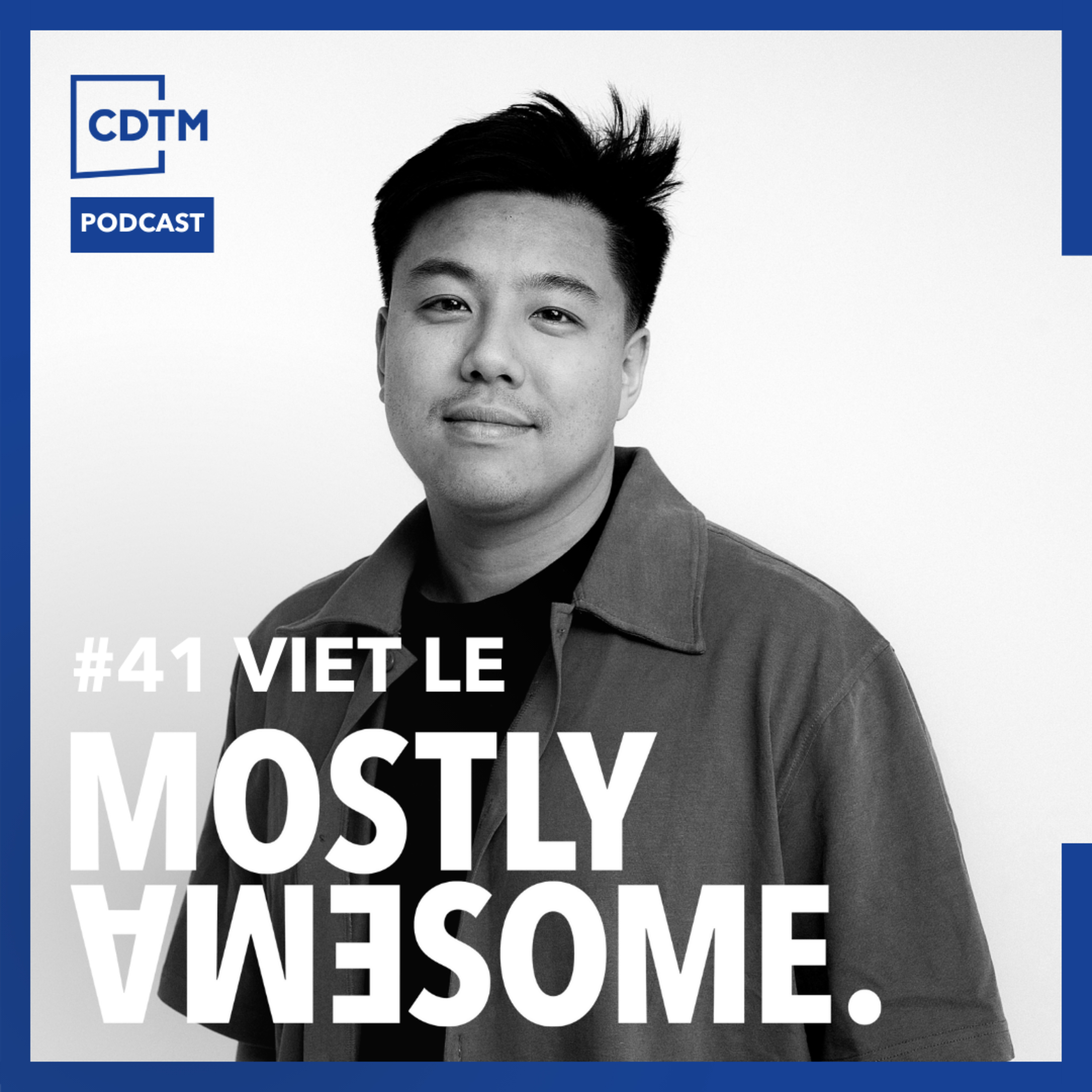
    #41 Viet Le: Building, selling, and investing at the application layer of AI

    Insights from Viet Le, an Early-Stage VC and Partner @ General Catalyst: Betting on Young, Naive Founders and Navigating the AI Hype In this episode, we dive into a conversation with Viet who shares his unique investment philosophy focused on young, naive first-time founders. The discussion covers controversial opinions on the current AI hype and the importance of building and selling efficiently in the early stages. Viet also provides personal background on transitioning from a founder to a VC and offers insights on making independent investment decisions. Various topics such as defensibility in AI software, opportunities in the application layer of AI, and the importance of a bias for action in building startups are explored, along with the potential for AI-native companies to disrupt traditional industries. 00:00 Diving Right In: No Introductions Needed 00:30 Controversial Opinions in AI and VC 01:48 Founder Preferences: Young vs. Experienced 02:56 The Importance of Building and Selling 03:22 From Founder to VC: A Personal Journey 04:33 Making Independent Decisions in a FOMO Market 04:59 Investing in Gen AI: Insights and Examples 07:10 Defensibility in AI Software 09:23 The Future of AI in Coding and Applications 15:52 Consumer AI: Opportunities and Challenges 16:51 Essential Skills for Founders 22:37 Startup Advice: Action Over Whiteboards 25:56 Rapid Fire Questions and Final Thoughts

  • Jun 10, 2024 · 57 min

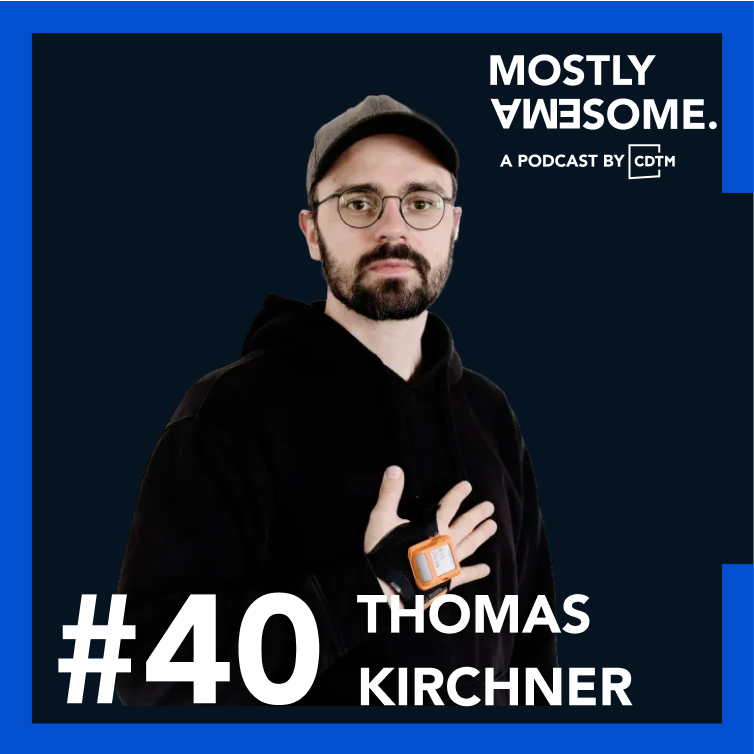
    #40 Thomas Kirchner: How to scale up a hardware startup and sell it for hundreds of millions

    In this episode, we are talking to Thomas Kirchner. Thomas is an entrepreneur and founder of ProGlove, a company that sells smart gloves used in countless German and international companies for speeding up the manufacturing process. The idea of ProGlove is simple, yet brilliant: every time you scan a barcode of a part when you assemble, for example, a car, you have to pick up a scanner from your pocket, scan the barcode of the item, and put back the scanner. This is frustrating and time-consuming. So what if you could just... wear the scanner? In this episode, we talk to Thomas about his life, his previous ventures, how he and his cofounders came up with the idea, how they scaled up the company from zero to millions in revenue, how they sold it for lots of money and how he's now giving back to other founders. Stay with us, because you're not gonna want to miss this episode! This is the CDTM Mostly Awesome Podcast.

  • Jan 15, 2024 · 56 min

    #39 Hamza Tahir: From indie-hacking in Pakistan to raising $6.4 Million for his AI startup in Germany

    Hamza Tahir is a software developer turned ML engineer. An indie hacker by heart, he loves ideating, implementing, and launching data-driven products. His previous projects include PicHance, Scrilys, BudgetML, and you-tldr. Based on his learnings from deploying ML in production for predictive maintenance use-cases in his previous startup, he co-created ZenML, an open-source MLOps framework for creating production grade ML pipelines on any infrastructure stack. In this podcast, we dive into Hamza's initial projects, how he got into entrepreneurship, as well as his struggles with balancing his entrepreneurial career and personal responsibilities. We also talk about his outlook on the AI space, limits to current model architectures, existential risks, and much more. We hope you enjoy the episode!

  • May 26, 2023 · 37 min

    #38 Gyri Reiersen: Secure a future for generations by achieving net zero emissions

    We just released a brand new episode of our podcast featuring an in-depth conversation with the co-founder and chief product officer of Tanso, Gyri Reiersen, a groundbreaking company revolutionizing carbon accounting and emission reduction processes. Join us as we delve into the world of sustainability and technology, exploring how Tanso automates processes in carbon accounting while building the analytical basis for effective emission reduction. Discover their innovative solutions that are helping organizations make a tangible impact on climate change. Tune in to this enlightening episode to learn more about Tanso's mission, their success stories, and the future of carbon accounting and emission reduction. Whether you're an entrepreneur, a climate enthusiast, or simply curious about the intersection of technology and sustainability, this conversation is a must-listen! Don't miss out on this incredible opportunity to gain insights from a visionary leader in the field. Listen now on Spotify, Apple Podcast or wherever you listen to us and let us know your thoughts in the comments below. Together, let's create a greener, more sustainable future!

  • May 4, 2023 · 2 min

    Teaser Season 5 with our hosts Ruby, Claudia, and Ali!

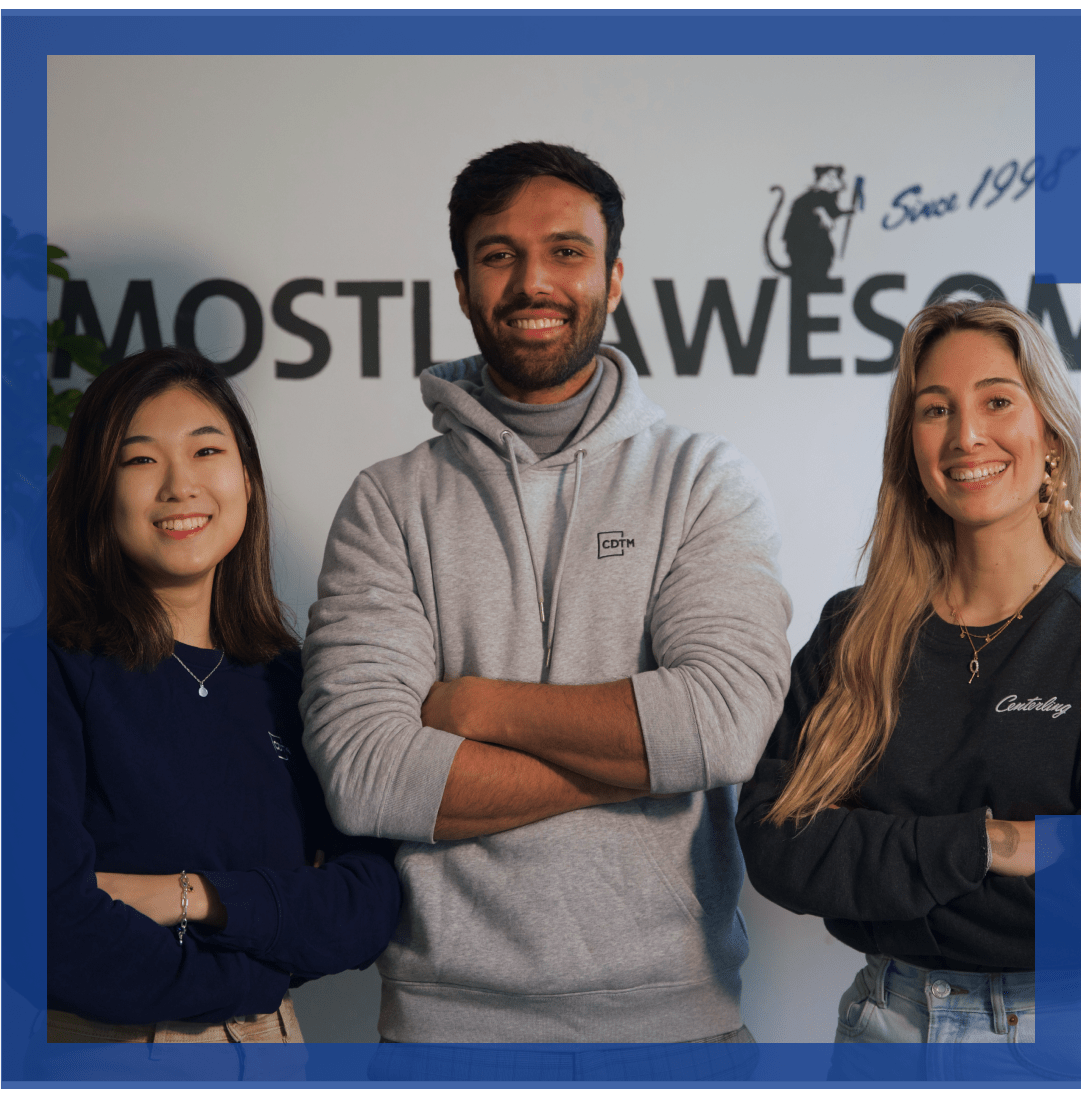
    Welcome to the new season of the Mostly Awesome podcast! Our first episode will drop on May 10, but before that we wanted to give you all a sneak preview of what season 5 is all about. Over this season, we will be chatting with different changemakers and innovators – we can’t wait for you to hear! We’re also stoked to have Ruby Zhang, Claudia Dalmau, and Ali Raza as our fearless hosts.

  • Nov 15, 2022 · 48 min

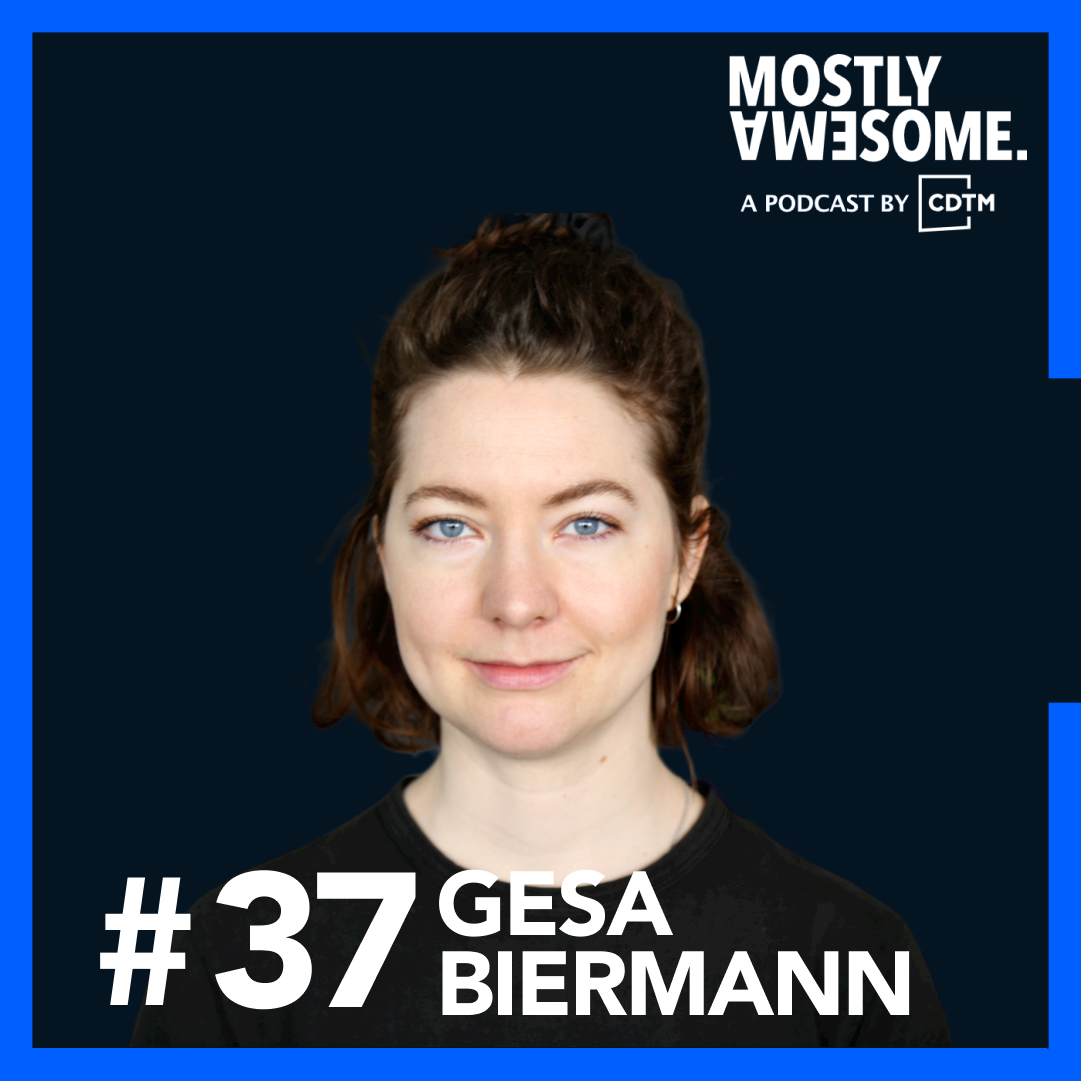
    #37 Gesa Biermann: Enabling sustainable forestry and making your grandma proud

    When you think about trees, what comes to mind? In most of our heads, they are probably the prime example of “something good for the environment”. Even though it is by far not the only way to capture carbon, there is an increasing trend to quantify and enhance the environmental benefit of sustainable forestry. We are happy to have Gesa Biermann as our guest today. Gesa is a Co-Founder of Pina, a startup that quantifies and rewards sustainable forestry. Before founding Pina she was a Center Assistant at CDTM, did her Ph.D. in the area of sustainable food consumption, and co-founded the Munich Branch of 180 Degrees Consulting. Over the course of the episode, we will dive deeper into Gesa's journey in the field of sustainability and social impact. We will hear how the CDTM shaped her and also how both the idea and founding team for Pina were impacted by the Center. Finally, we will deep dive into Gesa's view on the future of sustainability and the voluntary carbon market. As always, we end the episode by getting insights into Gesa's personal toolbox.

  • Nov 2, 2022 · 36 min

    #36 Johannes Hussak: Automating privacy related processes

    Today we welcome Johannes Hussak in our podcast, one of the co-founders of Kertos, a platform that automates data privacy operations. Always fascinated by technology, Johannes did his bachelor and master at Technical University of Munich in Energy and Process Technology and went to an abroad semester at Indian Institute of Technology in Mumbai. It was during his studies when one of his friends drew Johannes attention to Manage and More - an entrepreneurship scholarship by UnternehmerTUM in Munich. At Manage and more Johannes discovered his passion to build products and teams around them. Together with Kilian Schmidt on the legal side and Alexander Prams on the tech side, he found a perfect team match for Kertos. Over the course of the episode, we speak to Johannes about his experience of founding a company in the middle of the pandemic, the story of how the Kertos founding team came to be, Johannes's take on the future of the compliance industry, and his personal advise on maintaining work-life balance. As always, at the end of episode, you will hear Johannes's prompt answers and recommendations to our toolbox.

  • Oct 25, 2022 · 51 min

    #35 Eva Spannagl: On leadership, angel investing and women's empowerment

    This week we are excited to welcome Eva Spannagl, head of Strategy & Business Development at Moss, founder of Femstory, business angel, and personal inspiration to both of us. Eva studied at ESCP Business school and the Universidad Carlos tercero de Madrid. She held a variety of internships during her studies and ultimately joined McKinsey full time when she graduated from her masters. During that time, Eva founded Femstory, a nonprofit focused on connecting women to professional mentors. For the past 2 years, Femstory has empowered a variety of women to make impactful career moves. I'm personally happy to be part of the last Femstory batch and am already getting a lot of insights from my mentor and the network. After spending 3 years with McKinsey Eva joined Moss, a fintech startup focused on smart corporate credit cards, digital invoice management, and automated accounting. Over the course of the episode, we speak to Eva about her early career trajectory, her experience at Moss, her experience with founding Femstory and angel investing, and finally, we ask her about work-life balance & managing multiple projects without burnout. Needless to say, Eva is a pro – the following episode is full of game-changing career and time management tips. As always, to finish out the podcast, we are also thrilled to add Eva's personal toolbox to our resources for the innovators of tomorrow.

Showing 1–20 of 20 episodes