Skip to content
Artwork for Missing Pages
HistoryGovernment

Missing Pages

Scott McWilliams

Missing Pages is a podcast that explores the history of the United States and critically examines the high school AP US History curriculum. Through deep dives into key events, people, narratives, and themes, I seek to uncover the fascinating stories and overlooked perspectives that make up America's rich and complex past. From colonial times to the present day, no topic is off-limits as we explore the triumphs, tragedies, and everything in between. Get ready for a journey through the missing pages of history.

missingpages.substack.com
Play
  • 20 episodes
  • monthly
  • Avg 1 hr 4 min
  • English
  • S3 · E6
    Friday · 1 hr 9 min

    Episode 30: The American Cause

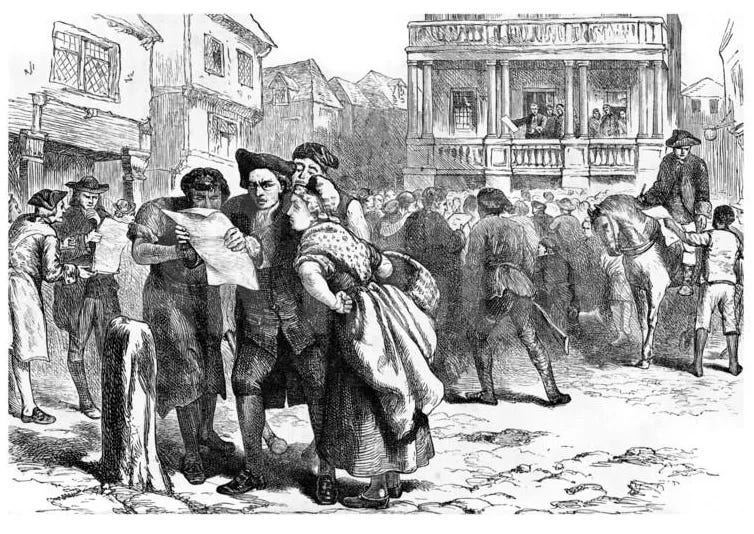
    For the first half of this season I have been skirting around the overall reason the American colonists decided to raise their own banner against England. This episode is meant to rectify that by detailing the traditions fought against and the new philosophy fought for. Before “independence” became a common word spoken in American coffeeshops, there was a hope that Britain was on the precipice of becoming a vast, transatlantic empire, and the American colonists hoped to indulge in the comin riches. They had long respected, and even venerated, their English heritage and hoped that the victory over France would bring these two lands closer together, at least spiritually. However, that was not how things shook out. Rather, the British government hoped to reign in the wily colonists at the same time that the colonists asked for a seat at the table. Over the next decade this political disagreement morphed into a disagreement about philosophy and culture, and the question began to be asked by many of the great colonial thinkers: why should we remain in Britain at all? This episode explores the transition in America from subordinate colonies to angry rebels to fledgling republic. I also describe the traditions they were rebelling against, and which they were merely using for their own purpose. As is often the case, the AP notes contain the broad strokes, but are missing the details. So, let’s fill in those missing pages… Join me on my journey through American History and help fill in those missing pages by subscribing below. Music Intro: Fractured Timeline - Sémø Outro: Its Gonna Be Alright - The Hazelnuts Sources The Radicalism of the American Revolution - Gordon S. Wood The Ideological Origins of the American Revolution - Bernard Bailyn Our First Civil War - H. W. Brands The Glorious Cause - Robert Middlekauff Get full access to Missing Pages at missingpages.substack.com/subscribe
  • S3 · E5
    September 4 · 1 hr 10 min

    Episode 29: The Contradiction

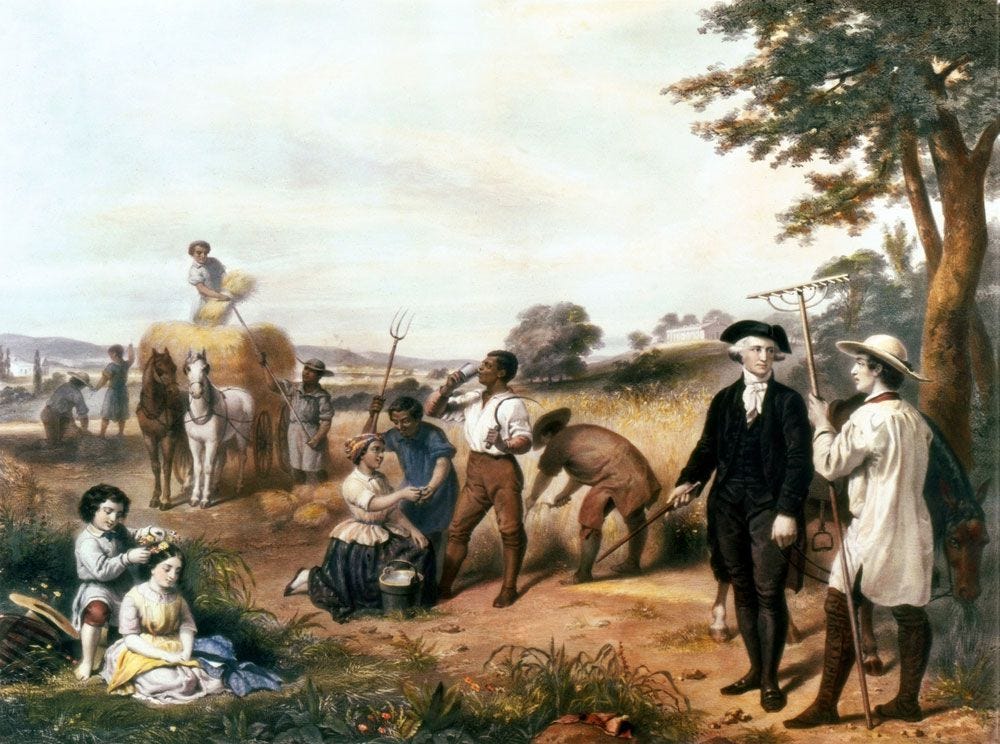
    While the American Revolution provided a voice to a people who longed to break free from the toke of the British Government. However, while they decried the slavery they faced from the King, hundreds of thousands of men, women and children remained in chains. This contradition was well understood, but the response to this knowledge did not provide a clear path towards its remedy. It would take nearly a century for this moral stain to begin to be addressed. As has been discussed in previous eras, slavery in the American colonies did not have a universal character even if it was universally accepted as an institution. In each region, the relations between owners and slaves, slaves and free blacks, and slaves themselves reflected those differences. This would have a profound impact on how slavery was viewed as an institution as disruptions from the war settled in. In some new states, emancipation came easier the language of the revolution made it clear that slavery had no place. However, even in these northern states, pragmatism often won out, thus postponing the death of slavery into the next century. In the south, principles were used in the opposite direction to ensure the institution thrived. With each of these argumenst, men would twist in knots trying to recocile their own calls for liberty while depriving others of theres. Throughout it all, blacks, free and in bondage, dealt with the constantly changing winds to find any path towards freedom possible. Whether it was through escape, the courtroom, or paying for one’s own freedom, slaves throughout the colonies found freedom. But they were few when compared to those who remained, and those who just arrived. Depsite the blatant contradiction, slavery was no closer to ending than before the war. Just like last episode, my highschool notes cover the broad changes in this era, but is lacking any detail. So, there are many missing pages to fill in… Join me on my journey through American History. Help fill in those missing pages. Music Intro: Fractured Timeline - Sémø Outro: With the Earth - Narrow Skies Sources Many Thousands Gone - Ira Berlin Death or Liberty - Douglas R. Egerton The Glorious Cause - Robert Middlekauff Get full access to Missing Pages at missingpages.substack.com/subscribe
  • S3 · E4
    August 7 · 50 min

    Episode 28: Revolutionary Women

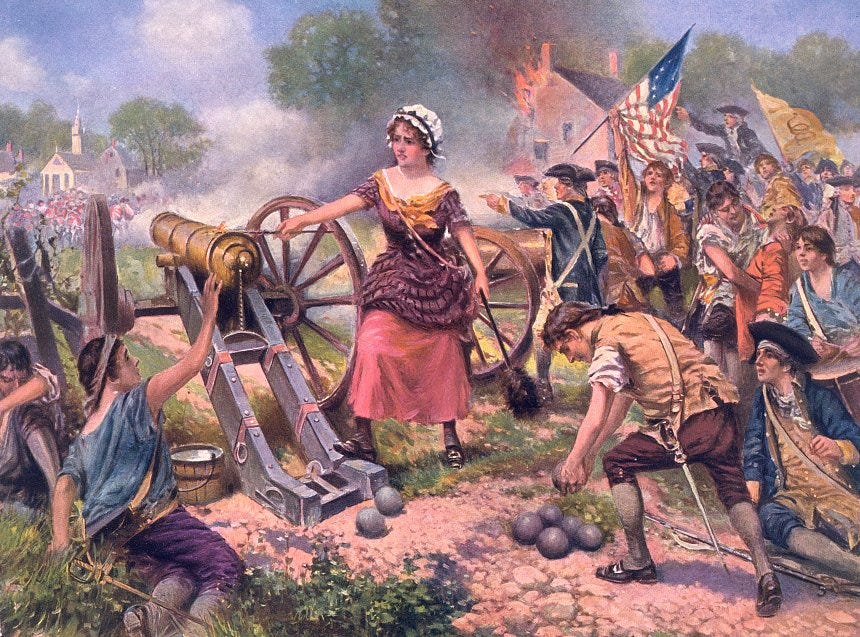
    As the war branched out away from Boston and New York, several fronts—and several major battles—were being fought simultaneously. Meanwhile, there were several cultural dynamics at play away from the battlefield. This is the first episode where I try to address both. I start with major battles to ensure there is continuity throughout the season, then transition to the impacts away from the front. When telling the story of a war, the battles, troop movements, and diplomacy often supersede the impacts at home. For much of history, it was women who faced the full effects of the war away from the front. This episode covers the women who were pivotal in the success of the Revolution from their homes—and on the battlefield. Prior to the Revolution, strict hierarchies on the basis of sex abounded in the colonies. Women were subordinate to their husbands and bound to the confines of the home. There were exceptions to this, but they only proved the rule. Furthermore, any women who tried to act outside their station were often shunned and looked down upon. As pressure from the colonies on the empire ramped up in the 1760s, women began to join in on the fight, though still in a limited fashion. But once war broke out, the chaos throughout the colonies brought the war to the women’s doorsteps and forced them to adapt, flee, or join a cause. This disruption gave women a larger role and often a voice, though it was not a simple advancement. My AP notes cover this era, though only in the broadest sense, so there are many missing pages that need to be filled… Join me on my journey through American history. Help fill in those missing pages. Music Intro: Fractured Timeline - Sémø Outro: Moon Mother - Richard Farrell Sources Liberty’s Daughters — Mary Beth Norton Revolutionary Mothers — Carol Berkin The Glorious Cause — Robert Middlekauff Get full access to Missing Pages at missingpages.substack.com/subscribe

  • July 4 · 27 min

    The Argument for America

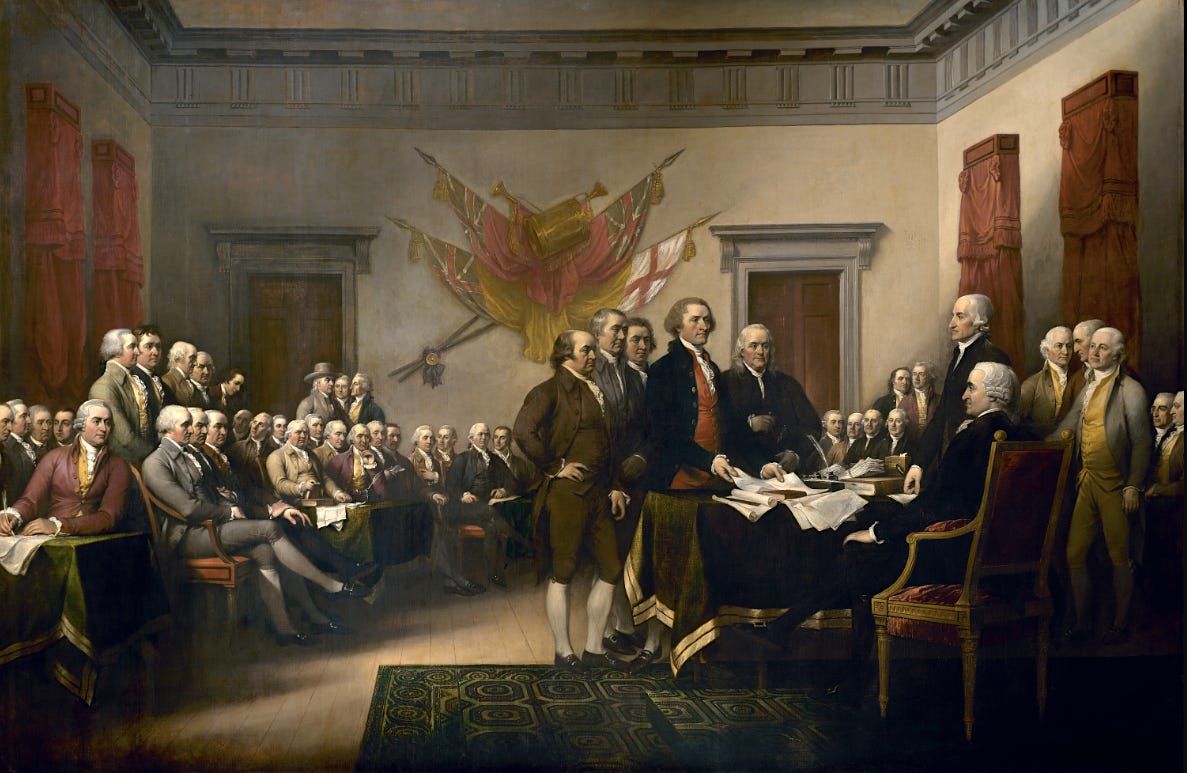
    This is a special bonus episode in celebration of the 250th anniversary of the signing (at least by some) of the Declaration of Independence. Every American knows these words and the unalienable rights written out in the Declaration of Independence. We are taught from our earliest school years about life, liberty, and the pursuit of happiness. Looking back into history, the Declaration marks the beginning. Its signing marked for all time the creation of a nation with a certain set of beliefs as its backbone. It was also a beginning for the men who signed it, but this document was also an end. It was the final statement of colonists who had grown disillusioned with their mother country. For the men at the Second Continental Congress, this was also an opportunity to convince the rest of the colonial world that independence was necessary. So we ought to, as good Americans, understand its arguments and purpose, not only for us today, but for the original readers in 1776. Afterward, I also reflect on America today and why I find it difficult to write about what it was, is, and ought to be, but still think it is a wonderful place worth celebrating. Missing Pages is a reader-supported publication. To receive new posts and support my work, consider becoming a free or paid subscriber at missingpage.substack.com. Get full access to Missing Pages at missingpages.substack.com/subscribe

  • S3 · E3
    July 3 · 1 hr 13 min

    Episode 27: The Spirit of '76

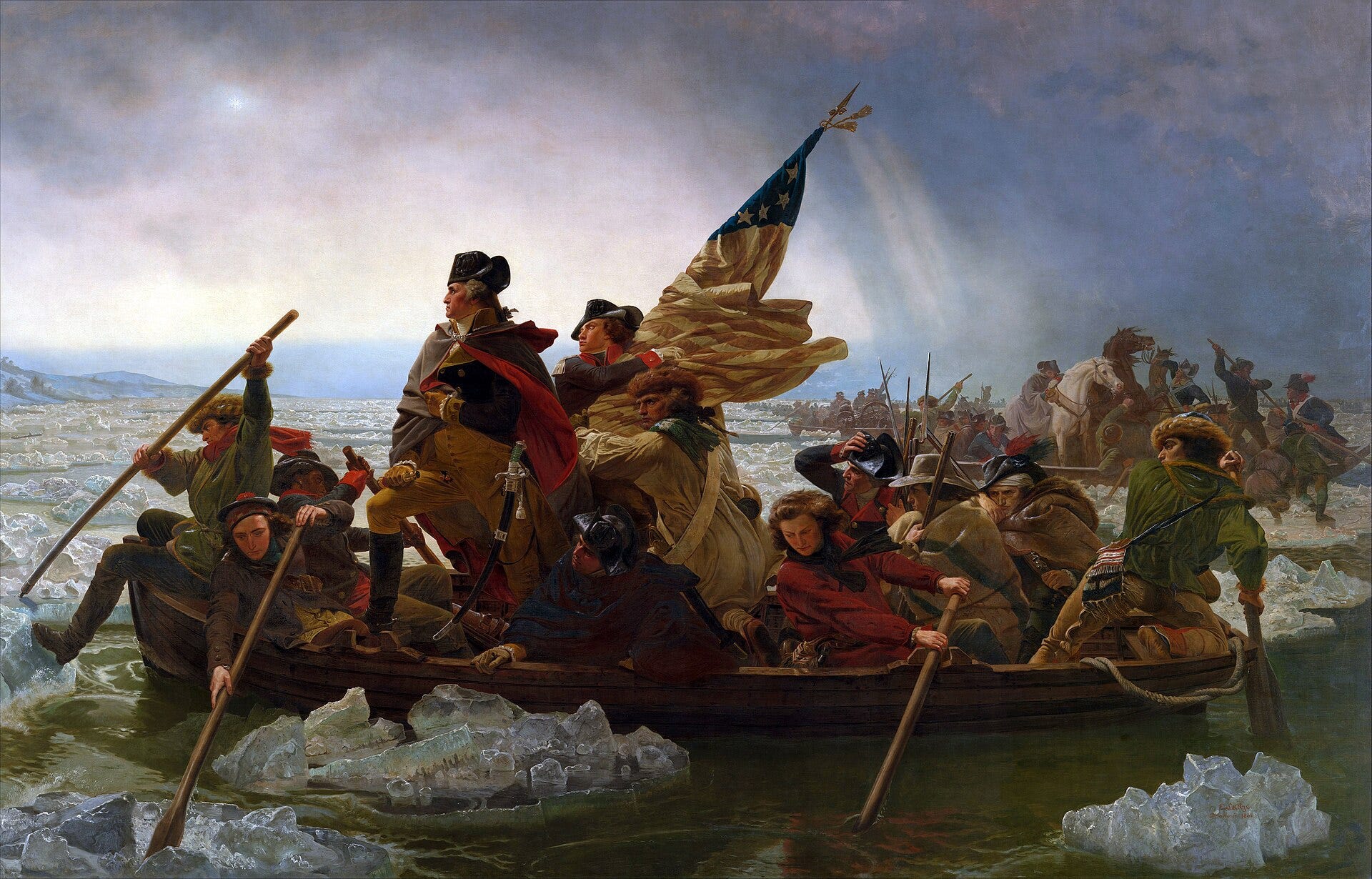
    I try my best to resist Romanticism and hagiography when discussing American history. It is vital to discuss history honestly, with warts and all. But, this season is really putting me to the test, especially this episode. The idea of these amateur militias standing up to the greatest army in the world, surviving trials and setbacks along the way, added together with the brutal stoicism of Washington and the conflicted genius of Jefferson, it can be difficult to look at this without a glint of the Romantic. Still, despite my clear bias and occasional dip into admiration this episode, I promise there are many warts to discuss throughout the rest of this era. After the British were driven back to the safety of Boston, the rebels needed to find a way to press their advantage before major reinforcements came from across the sea. The only problem was, this rebel “army” was really just a conglomeration of militias. They held their own against the British at Bunker Hill, but it was clear this wouldn’t last. Each militia represented their colony alone, not any greater American project, so leadership was weak and battles chaotic. The Second Continental Congress understood this when they met in May 1775, and they believed they knew someone steady enough to unite these men: George Washington. Washington had his work cut out for him. His army was a mess—untrained, undisciplined, and unsanitary—and he had to transform these militias before the war began in earnest. After imposing reforms, Washington tested the army by laying siege to Boston before moving to New York City to await the larger British invasion. It was here that the newly formed Continental Army could truly prove its worth. It did not go well. After a devastating defeat on Long Island, Washington retreated throughout New York and New Jersey before finally settling on the banks of the Delaware River. It was here, his army in shambles, that he would need to take his final stand if the revolution was going to last. Meanwhile, after months of debates and many attempts to find a way to reconcile with the British government, the Second Continental Congress finally agreed to declare independence. Thomas Paine’s words were floating throughout the colonies, and it had become necessary to follow through with his conclusions. A committed was formed, and the young statesmen Thomas Jefferson was chosen to write the declaration. After weeks of drafting, revising, and editing, the document was approved. Fifty-six men signed the Declaration of Independence, and if the war went south, their death warrants. The final separation revived the revolutionary spirit, but how long could it last? While the notes cover portions of this story, there are many key events and details absent. So grab your flag of thirteen stripes and join me as I fill in those missing pages... Join me on my journey through American History. Help fill in those missing pages. Music Intro: Fractured Timeline - Sémø Outro: American Dream - The Talbott Brothers Sources 1776 - David McCullough Redcoats and Rebels - Christopher Hibbert A Revolutionary Friendship - Francis B. Cogliano The Glorious Cause - Robert Middlekauff Get full access to Missing Pages at missingpages.substack.com/subscribe
  • S3 · E2
    June 5 · 1 hr 5 min

    Episode 26: The Long Slide to Rebellion

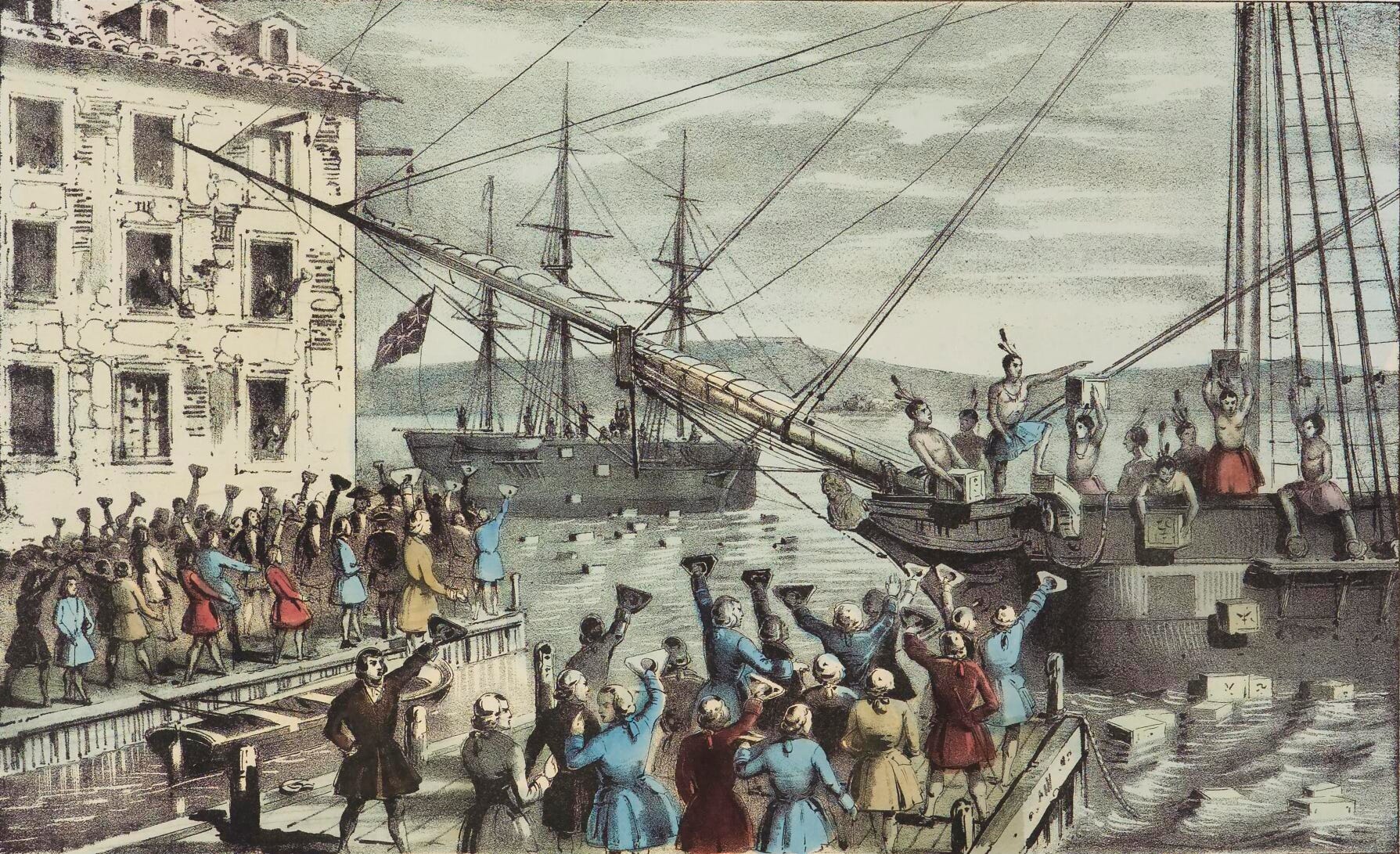
    There are many moments, and historians often disagree on these, that make war inevitable. It’s like stones rolling down a hill. At some point, gravity just takes over. This is the story of that long slide to rebellion. Between 1766 and 1775, there are a dozen or more moments that could be pointed to as the true start of the American Revolution. Over time minor differences are amplified until the conflict rips the two apart. So, as the calendar flipped to 1775, after more than a decade of these small moments building up, war in America had become inevitable. This starts with the Townshend Duties which reignite the embers that had only settled after the Stamp Act was repealed. As Britain crackdown on the protests, especially in Boston, tensions between soldiers and civilians rose to a fever pitch. It all exploded on a late night in March when eleven people were shot, and five killed. Despite a sudden calm, the financial crisis that Great Britain faced, especially regarding the East India Company’s tea business, brought the colonies into focus again. The eventual standoff over the tea trade in America brought with it direct acts of rebellion. The rebel network continued to grow and eventually, the first shots rang out on Lexington Green: the war was on. Join me as I lay out the slow slide towards rebellion, and help fill in those missing pages… Join me on my journey through American History. Help fill in those missing pages. Music Intro: Fractured Timeline - Sémø Outro: Don’t Tell Me What to Do - Katrina Stone Sources An Empire on the Edge - Nick Bunker Voices of 1776 - Richard Wheeler The Glorious Cause - Robert Middlekauff Get full access to Missing Pages at missingpages.substack.com/subscribe
  • S3 · E1
    May 1 · 1 hr 5 min

    Episode 25: A Conflict of Visions

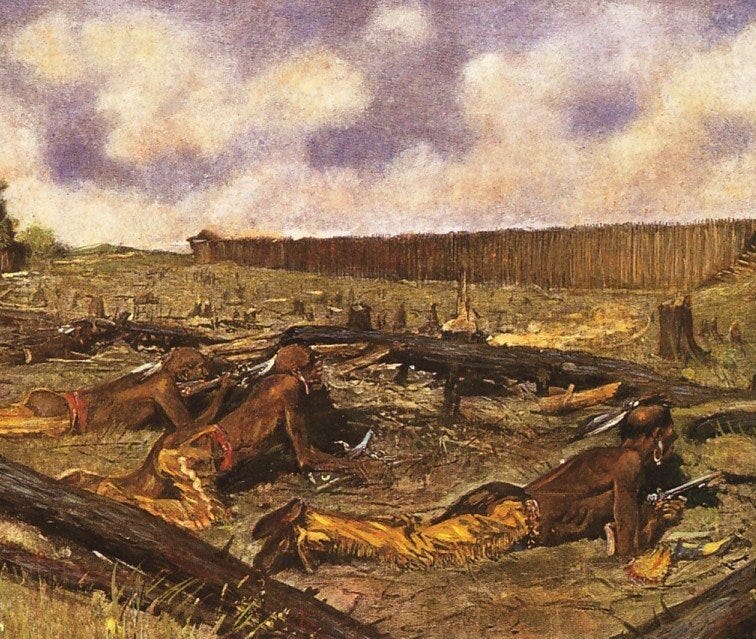
    Welcome to the third era of Missing Pages: the Revolution. In this 250th anniversary I will be exploring the events, people, and ideas—both well-known and more hidden—to provide a comprehensive picture of America’s founding. This first episode deals with the frontier wars and the acts that started the slide towards war. While the war with France in North America was over by 1760, war in the west between the English and the Natives was just beginning. Starting in South Carolina, before moving north to the Ohio Valley, this conflict pulled the attention of the colonial and—once peace was signed—British governments alike. The conflicts marked the beginning of the conflict of visions between the two sides of the Atlantic. Once the wars subsided, that philosophical conflict stole the focus. Britain was dealing with economic and political crises at home. There was hope that the colonies would help alleviate some of that woe since a war had just been fought on their behalf. For their part, the American colonists were hoping to get a seat at the table of the now-expanded empire. These goals, while seemingly harmonious, caused a rift to form. It is this rift that would continue to grow from 1765 until the connection between Britain and America was severed entirely. Even after the events of this episode, war was not inevitable, but the mutual digging of trenches in this conflict made the no man’s land more impossible to cross by the day. Note: This season will include shorter episodes diving into the writings and speeches of both the Rebels and the Redcoats. These are exclusive to subscribers on Substack. Join me on my journey through American History. Help fill in those missing pages Music Intro: Fractured Timeline - Sémø Outro: Letting Go - Sun Tailor Sources Crucible of War - Fred Anderson The Glorious Cause - Robert Middlekauff Before the Revolution: America’s Ancient Pasts - Daniel K. Richter American Colonies - Alan Taylor Get full access to Missing Pages at missingpages.substack.com/subscribe
  • S2 · E12
    Dec 12, 2025 · 41 min

    Episode 24: Era 2 Recap

    Just like last season—and from here on out—this episode acts as a recap and reflection of this era. I provide a brief summary of the episodes released this season, explore some of the themes that stuck out to me, discuss some of my previously held misconceptions, and explore how well the AP notes hold up to scrutiny. Finally, I provide a short preview into the next era: the American Revolution. As this late colonial era concludes, I would like to thank all of you that have supported me on this continued journey through history. I have been looking forward to getting to actual American history (I say in jest), so I hope to make next season my very best so far. The lining up of the the Revolutionary era with the Semiquincentennial is serendipitous, but fortunate. Because of the anniversary, I am going to be trying something slightly different next season to fully dive into the Revolution. Next season will debut May 1, 2026. All extra content in the interim—and throughout next season—will be posted to Substack only. So, if you want all the extra stuff, to read all of the essays I have written, or comment on any of the episodes, please head to missingpages.substack.com. Thanks for listening to Missing Pages! Subscribe for free to receive every new episode right in your inbox. Music Intro: Fractured Timeline - Sémø Outro: Talk - Con Davidson Get full access to Missing Pages at missingpages.substack.com/subscribe
  • S2 · E11
    Nov 7, 2025 · 1 hr 28 min

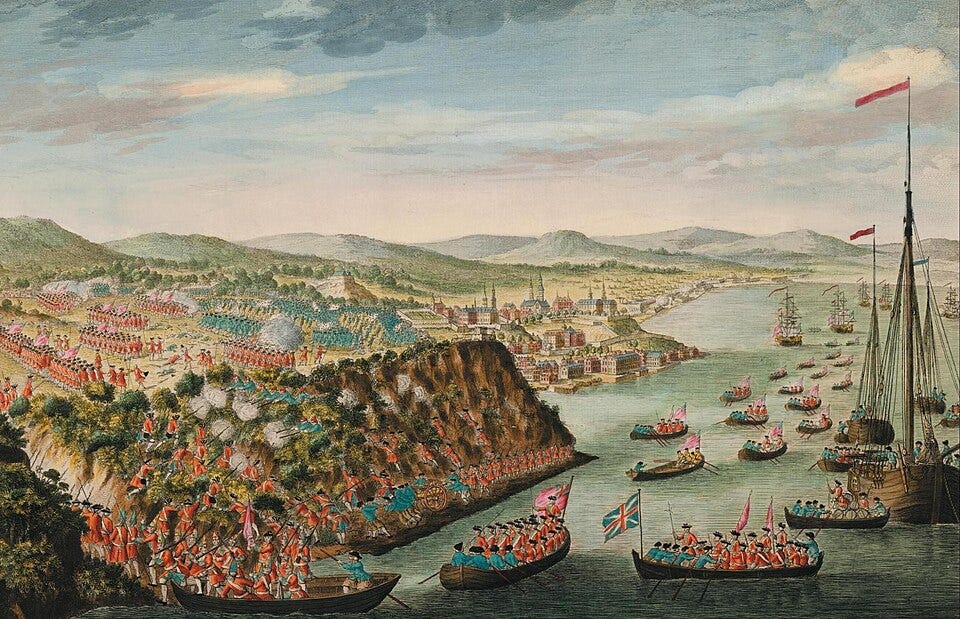
    Episode 23: The Fall of Canada

    After the first two wars for empire dominated the attention of the colonies throughout North America, both the English and French were able to focus on growth. For the English colonists, this respite allowed their financial position to rival, and even surpass, Great Britain. In New France, the fort and trading post network continued to expand, allowing them to encircle the British. However, the diverging populations by the French and British would eventually be too much for New France to handle. While the tenacious military action by France endured, their place in North America was secured Eventually, though, the sheer weight of numbers would prove too much to bear for the French. But, that doesn't mean it would be easy for the English. They would be forced to throw everything they could muster at Canada, including more active participation from the colonies. This combined force drove a wedge between British and American leadership. But, it also reinforced the rising colonial stature within the British Empire. By war end, it could be anyone's guess whether this would start a golden age, or slide to rebellion. While the second of this set of conflicts is heavily covered in the notes, the first is barely mentioned. So let's fill in those missing pages… Thanks for listening to Missing Pages! Subscribe for free to receive every new episode right in your inbox. Music Intro: Fractured Timeline - Sémø Outro: River of Doubt - Sean Solo Sources The War of Jenkins’ Ear - Robert Gaudi Crucible of War - Fred Anderson Before the Revolution: America’s Ancient Pasts - Daniel K. Richter American Colonies - Alan Taylor Get full access to Missing Pages at missingpages.substack.com/subscribe
  • S2 · E10
    Oct 3, 2025 · 58 min

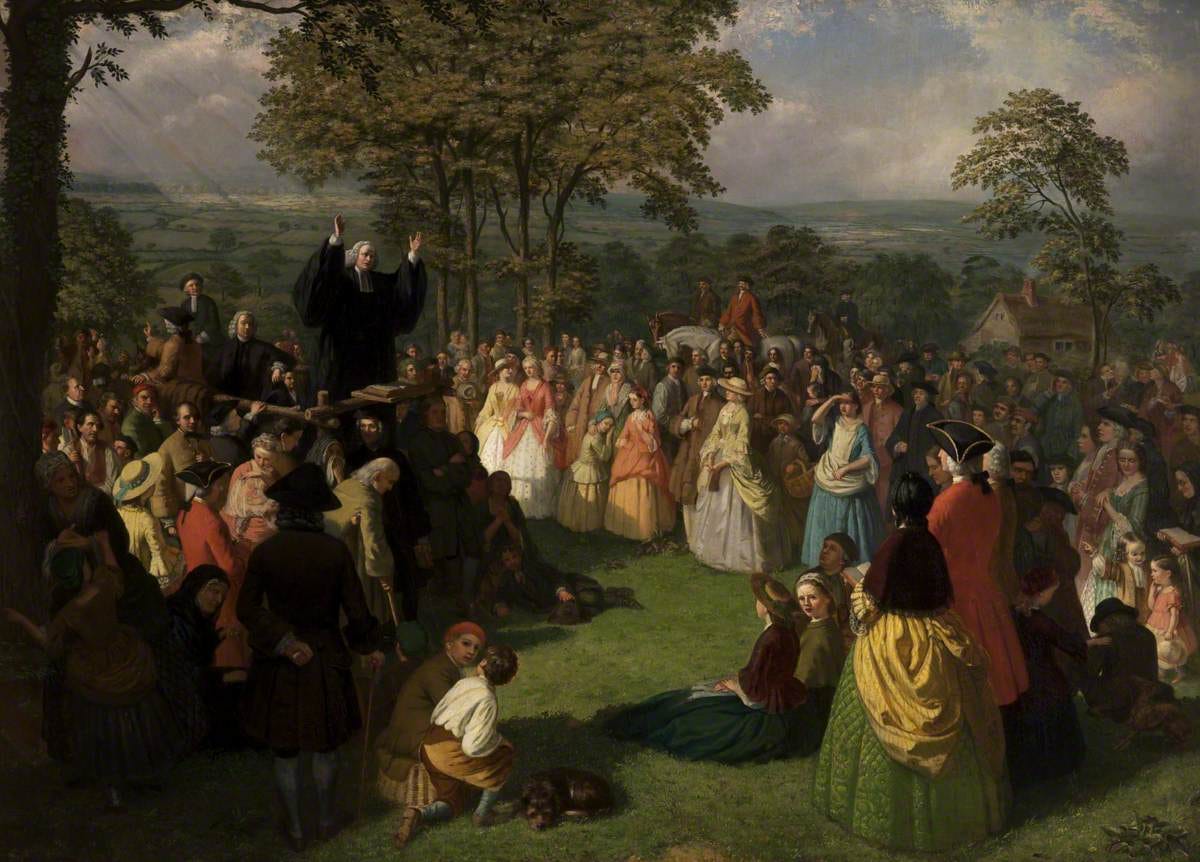
    Episode 22: American Revival

    There are many events in history that remain controversial far after there happening. But most revolves around the causes and effects. In this case, though, the controversy is over its existence at all. The Great Awakening was a period of religious revival that swept throughout the colonies between 1730 and 1750. It was ignited during a period of spiritual malaise in the aftermath of imperial wars, and during the upending of religion during the Enlightenment. Or… the “Great” Awakening was an amalgamation of a few small-scale revivals in Connecticut and New Jersey that were connected by force by those who would most benefit. It was merely invented by a few preachers trying to sow chaos and create a new religious order. Needless to say, the notes do not go into the details of this fight for the truth, so join me to try to fill in those missing pages… Thanks for listening to Missing Pages! Subscribe for free to receive every new episode right in your inbox. Music Intro: Fractured Timeline - Sémø Outro: Carried Away - Honeysuckle Sources Inventing the “Great” Awakening - Frank Lambert Scotland and Its First American Colony - Ned C. Landsman Before the Revolution: America’s Ancient Pasts - Daniel K. Richter American Colonies - Alan Taylor Get full access to Missing Pages at missingpages.substack.com/subscribe
  • S2 · E9
    Sep 5, 2025 · 46 min

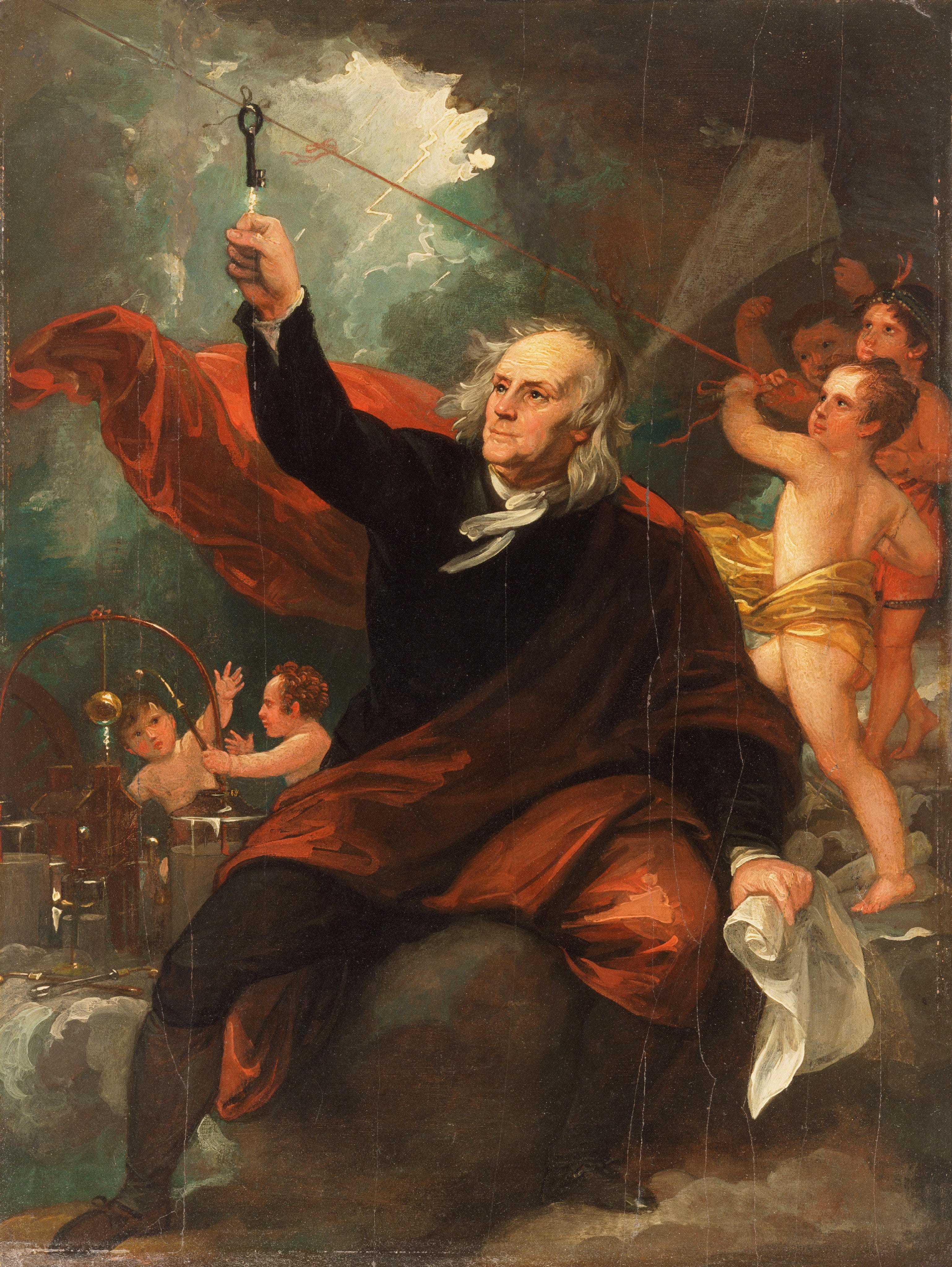
    Episode 21: The Pursuit of Happiness

    While this is not an episode strictly following a historical event, it is still vital to the story of the American colonies, and America itself. I only scratch the surface in this episode, and focus mostly on the aspects that carried over to the Americans, but this era was filled with growth in the sciences, political theory, and economics, but also the arts, interpersonal relationships, education, and community. If there is an aspect of life that existed prior to the Enlightenment, it was challenged or promoted during it. In America, the Enlightenment was key to the growth of ideals like liberty, and natural rights, which became vital to the revolutionary effort. Beyond that, the colonies became more literate, more connected via mass printing, thus allowing for the great awakening (the topic for the next episode) to take hold. The colonial elites followed along with the work of their European peers, and even expand upon the work across the Atlantic. By the middle of the 18th century, there was a strong roster of American enlighteners. My AP notes cover this era with some good depth, but there is always more to say. So grab your quills and paper, and let’s fill in those missing pages… Thanks for listening to Missing Pages! Subscribe for free to receive every new episode right in your inbox. Music Intro: Fractured Timeline - Sémø Outro: Revolution - Willow McKenna Sources The Enlightenment - Ritchie Robertson The Enlightenment in America - Henry F. May Crucible of War - Fred Anderson American Colonies - Alan Taylor Get full access to Missing Pages at missingpages.substack.com/subscribe
  • S2 · E8
    Aug 1, 2025 · 1 hr 24 min

    Episode 20: The First Imperial Wars

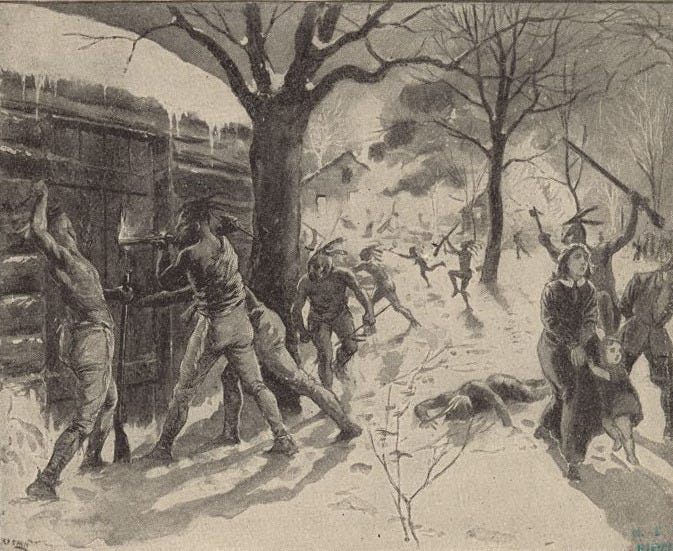
    As we continue on through the late colonial period, it has become glaringly obvious that this era is largely overlooked. Between Bacon’s Rebellion, and the French and Indian War, is nearly 100 hundred years of colonial progress, and colonial struggle. The latter is where the lack shows up most clearly. The American story is largely a British story. To deny that would require substantial evidence to the contrary, or immense bias. However, the other empires involved, the tapestry of Native nations, and of course the slaves, add important complexity, and nuance, to that narrative. The conflicts involving all of these people are as important to the colonial story as the founding of Pennsylvania. We discussed the slave conflicts earlier in the season, so now we must discuss the inter-empire wars. In this episode, I will be covering the first two (at least that touch the colonies in a meaningful way): King William’s War and Queen Anne’s War. These are mentioned in the notes, though only briefly. So I had a lot of work to do to detail the significance of these conflicts. So grab your muskets and cannons, and let’s fill in those missing pages… Thanks for listening to Missing Pages! Subscribe for free to receive every new episode right in your inbox. Music Intro: Fractured Timeline - Sémø Outro: Rise Fall - Eldar Kedem Sources King William’s War - Michael G. Laramie Queen Anne’s War - Michael G. Laramie American Colonies - Alan Taylor Get full access to Missing Pages at missingpages.substack.com/subscribe
  • S2 · E7
    Jul 4, 2025 · 59 min

    Episode 19: The Golden Age of Piracy

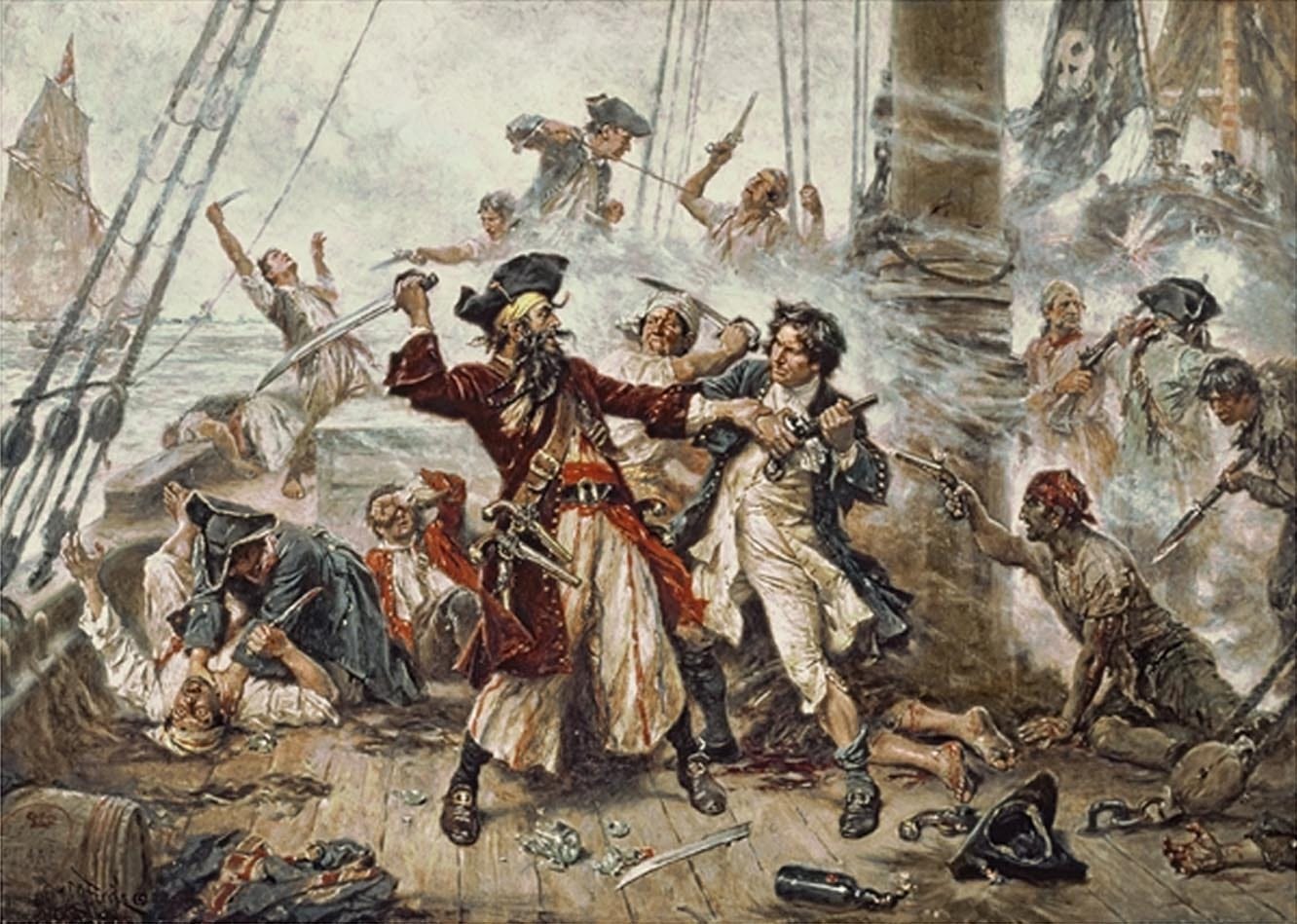
    This is Part Two of this short series on piracy in the American colonies. If you would like to learn more about the origins of piracy and the average life of a pirate, please check out Episode 18. Piracy arose quickly in the American colonies as a menace to polite society. From plantation raids, to ships taken at sea, and even a blockade of a whole colony, the pirates had their way. This rise came after the chaos of the two early wars left thousands of sailors adrift. With nothing to offer the economy, they turned to what they knew best: the sea. Under the tutelage of Benjamin Hornigold, a whole cadre of pirates—Charles Vane, John Rackham, Sam Bellamy, and even Blackbeard himself—began to prowl the seas. They took what they wanted and never looked back. That is, until the English crown realized the damage they had wrought. There are stories abound throughout the Caribbean during this golden age of piracy. Now hoist your sails, grab your muskets, and raise your colors and join me as we fill in those missing pages… Thanks for reading Missing Pages! Subscribe for free to receive new posts and support my work. Music Intro: Fractured Timeline - Sémø Outro: Spanish Ladies - HillTopTrio Sources Under the Black Flag - David Cordingly Black Flags, Blue Waters - Eric Jay Dolin The Republic of Pirates - Colin Woodard American Colonies - Alan Taylor Get full access to Missing Pages at missingpages.substack.com/subscribe
  • S2 · E6
    Jun 6, 2025 · 55 min

    Episode 18: Raising the Black Flag

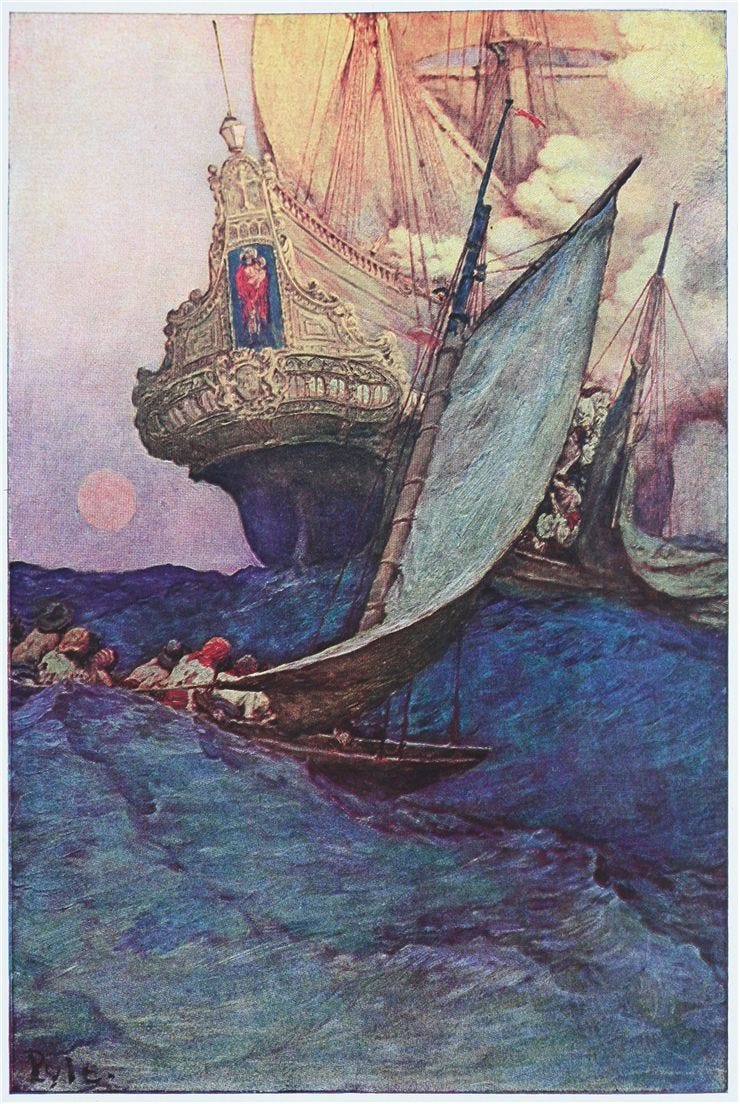
    This is part one of a two-part series on the rise and fall of piracy. This episode covers the rise. It’s not often that the myths and stories we tell ourselves about history are accurate (more or less). This is one of those times. The collective imagination surrounding piracy, though far more brutal and dangerous than how it is portrayed in movies, especially in the Pirates of the Caribbean series, is accurate to history. There were drunken, stumbling, grimy, treasure loving men scouring the West Indies in search of prizes at sea and on shore. They flew the black flag, boarded and raided ships, and engaged in naval battles. Everything we see pirates do in the movies, they did in real life. It is a wonder, then, that this topic is completely overlooked in my AP history notes. Not a single mention. So, grab your swords and lower your sails as we have a lot of ground to cover to fill in those missing pages… Thanks for reading Missing Pages! Subscribe for free to receive new posts and support my work. Music Intro: Fractured Timeline - Sémø Outro: Water - ARYEH Sources Under the Black Flag - David Cordingly Black Flags, Blue Waters - Eric Jay Dolin The Republic of Pirates - Colin Woodard American Colonies - Alan Taylor Get full access to Missing Pages at missingpages.substack.com/subscribe
  • S2 · E5
    May 2, 2025 · 1 hr 11 min

    Episode 17: Breaking the Chains

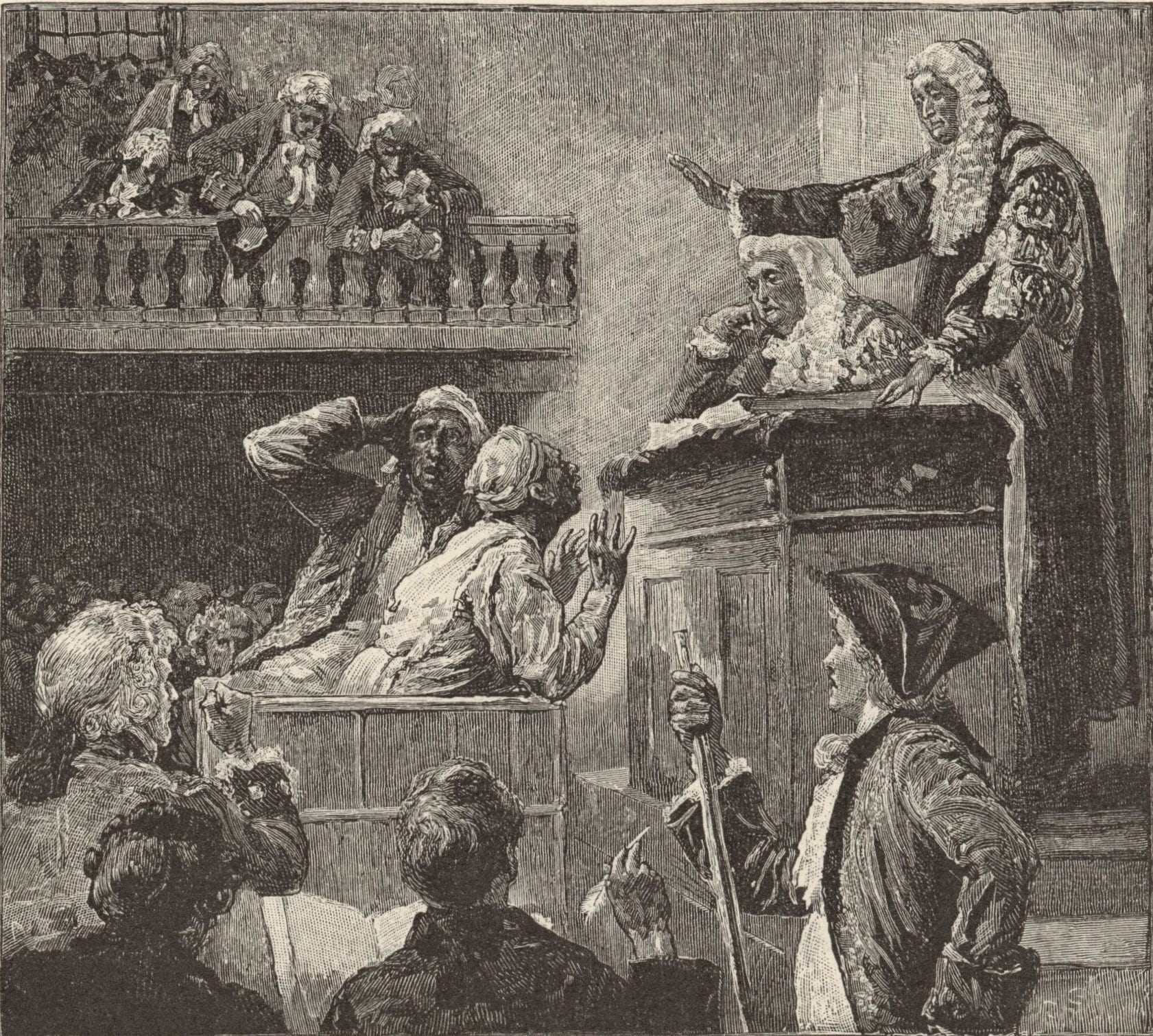
    As we saw last month, the slavery story was not static. Nor were the victims passive. They pressed every advantage they could. However, this was not enough. The miniscule freedoms granted did not offer much of an escape from the drudgery they faced. This was especially true of many of the new arrivals, who saw the horrors of slavery in the English colonies and were quick to protest. This episode, I will be covering three slave revolts and their aftermath in detail. One along the Stono River in South Carolina, and two others in New York City. These revolts played off the threat of war with the Spanish, and a general mistrust between rivals, and, of course, the ever-present fear among the European settlers of slave revolt. The reaction often far outpaced the actual revolt, and for one of them, conspiracies were alleged implicating every corner of society. The notes do not touch on these revolts much, so grab your weapon of choice—or your gavel, if you’d prefer—and let’s fill in these missing pages… Thanks for listening to the Missing Pages Podcast! Subscribe for free to receive new episodes every month. Music Intro: Fractured Timeline - Sémø Outro: Smoke - Michael Witt Sources Stono - ed. Mark M. Smith New York Burning - Jill Lepore When I Die, I Shall Return to My Own Land - Ben Hughes Many Thousand Gone - Ira Berlin Gotham - Edwin G. Burrows, Mike Wallace American Colonies - Alan Taylor Before the Revolution - Daniel K. Richter Get full access to Missing Pages at missingpages.substack.com/subscribe
  • S2 · E4
    Apr 4, 2025 · 1 hr 22 min

    Episode 16: Agency Amidst Oppression

    The image of slavery that is pervasive in media—the black man in raggedy clothes, with a scarred back, hunched over low-lying plants in a field—is a correct version of the life of a slave. But it’s only a version. There is also the rope maker that works alongside a white servant and master artisan. Or the woman tending to her chickens then sewing linen clothes for her husband. Or even the man in a powdered wig, his silver buttons on his newly purchased jacket, walking the streets on a Sunday morning. Slavery as an institution was horrendous and vile. But that did not mean the slaves were going to accept their position without protest. This protest was most often not violent, but rather a silent protest of seeking the best life possible despite the consequences. The story of this episode covers the more nuanced version of slavery than is typically described in popular discourse. No doubt, the story of the tortured man in the fields is an important one, but so is the story of the man who understands he has agency and acts on it in any way he can. The notes are relatively sparse for this one (kind of…) so there is quite a bit of work to do to fill in the missing pages… Thanks for listening to Missing Pages! Subscribe for free to receive new posts and support my work. Music Intro: Fractured Timeline - Sémø Outro: Rise Again - EV! Sources Many Thousand Gone - Ira Berlin Gotham - Edwin G. Burrows, Mike Wallace American Colonies - Alan Taylor Before the Revolution - Daniel K. Richter American Slavery, American Freedom - Edmund S. Morgan Colonial South Carolina, A History - Robert M. Weir Get full access to Missing Pages at missingpages.substack.com/subscribe
  • S2 · E3
    Mar 7, 2025 · 1 hr 8 min

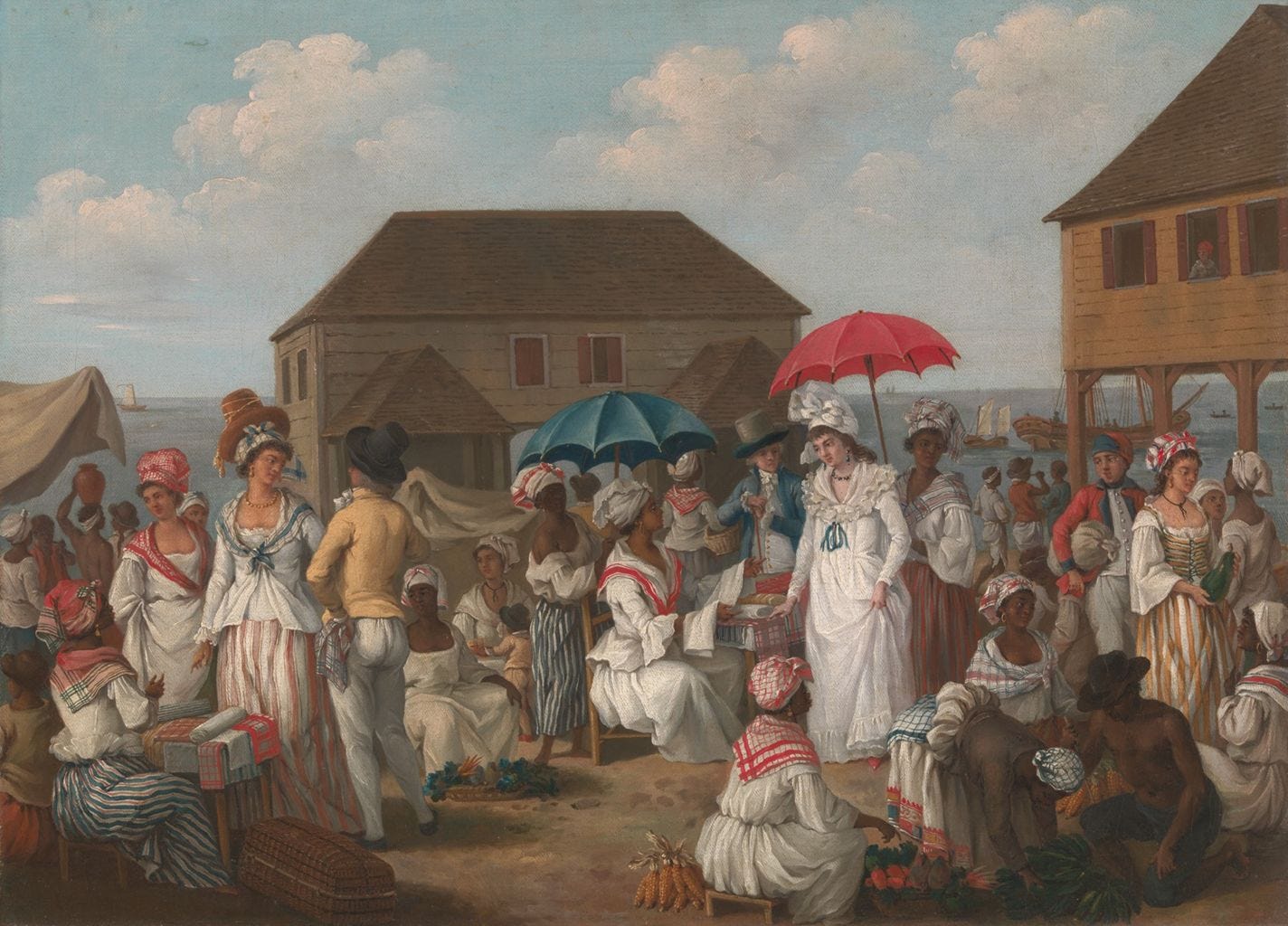
    Episode 15: A Crisis in Salem

    Puritan scholar Perry Miller called what occurred in Salem in 1692 a non-event which had “no effect on the ecclesiastical or political situation, [and] does not figure in the institutional development.” The causes of this event are far more important to us now than the effects. However, it has had an effect in our understanding of human psychology. There was no single thinker that revolutionized our understanding of the mind, but we can put ourselves in the shoes of these paranoid people who were beyond terrified that the Devil was loose in their town. It displays the dangers when accepting a child’s word, defending family, and social hierarchies are pushed to their extremes. Furthermore, it reinforced the necessity of presumed innocence and physical evidence. There’s a reason “witch-hunt” is still so common in our lexicon. These events were shameful for those involved, so much so that the governor tried to ban any publication of the events. Scant few recanted their claims or apologized for their conduct that led to the accusation of over 200 people and the death of over 20. And all of this may have started by girls seeking a little attention. There’s much to explore in this story. So let’s unwind this complex, albeit small, knot, and fill in those missing pages… Music Intro: Fractured Timeline - Sémø Outro: Dancing in the Fire - Frank Schlimbach Sources A Storm of Witchcraft - Emerson W. Baker Six Women of Salem - Marilynne K. Roach Get full access to Missing Pages at missingpages.substack.com/subscribe
  • S2 · E2
    Feb 7, 2025 · 1 hr 19 min

    Episode 14: American Growth

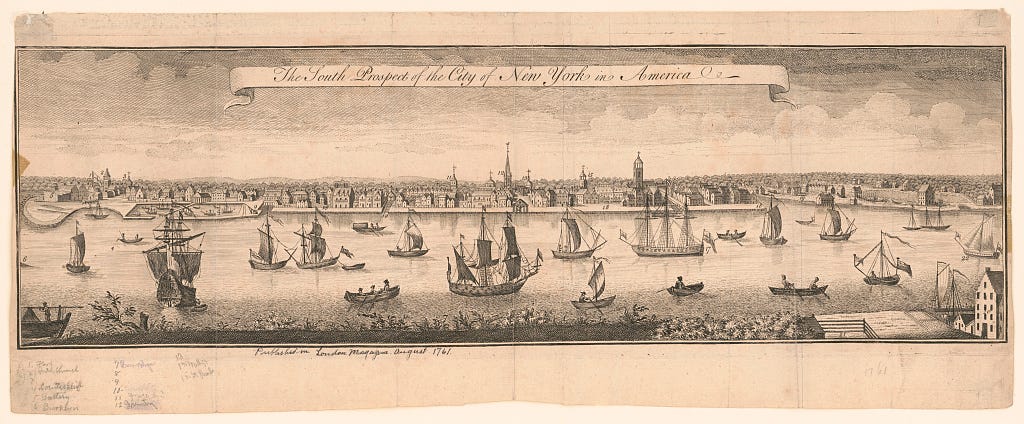
    This episode is a bit unorthodox, I will be jumping around a bit through time and space to explore the various facets of the changing American life in the later colonial period. This includes the creation of new social classes and the rise of a distinct culture in the British colonies. These changes are brought about via rapid population expansion, and rapid growth in the economy and trade. This multifaceted growth coincided with a relative independence within the British colonies from meddling from the Crown, Parliament, or the Board of Trade. Thus, the isolated colonists were able to forge their own identity and remake the class structure. In the end, most found themselves much better off than their counterparts across the ocean. I also discuss the similar, though much less rapid, growth in the French and Spanish colonies in order to set the stage for the rest of this era. The sparce nature of these colonies gives far less to discuss, so I go into less depth here, but they will return when the three empires in North America spar throughout the century. With all of that said, I have some work to do to dive more into depth than the notes do, so let’s fill in those missing pages… Thanks for listening to Missing Pages! Subscribe for free to receive new posts and support my work. Music Intro: Fractured Timeline - Sémø Outro: Crooked Dream - Jamison Dewlen Sources William Penn, Politics and Conscience - Mary Maples Dunn Scotland and Its First American Colony - Ned C. Landsman The French in North America - W. J. Eccles Colonial Maryland, A History - Aubrey C. Land Colonial South Carolina, A History - Robert M. Weir Albion’s Seed - David Hackett Fischer El Norte - Carrie Gibson Gotham: A History of New York City to 1898 - Edwin G. Burrows & Mike Wallace American Colonies: The Settling of North America - Alan Taylor Before the Revolution: America’s Ancient Pasts - Daniel K. Richter Get full access to Missing Pages at missingpages.substack.com/subscribe
  • S2 · E1
    Jan 3, 2025 · 1 hr 21 min

    Episode 13: The Thirteen

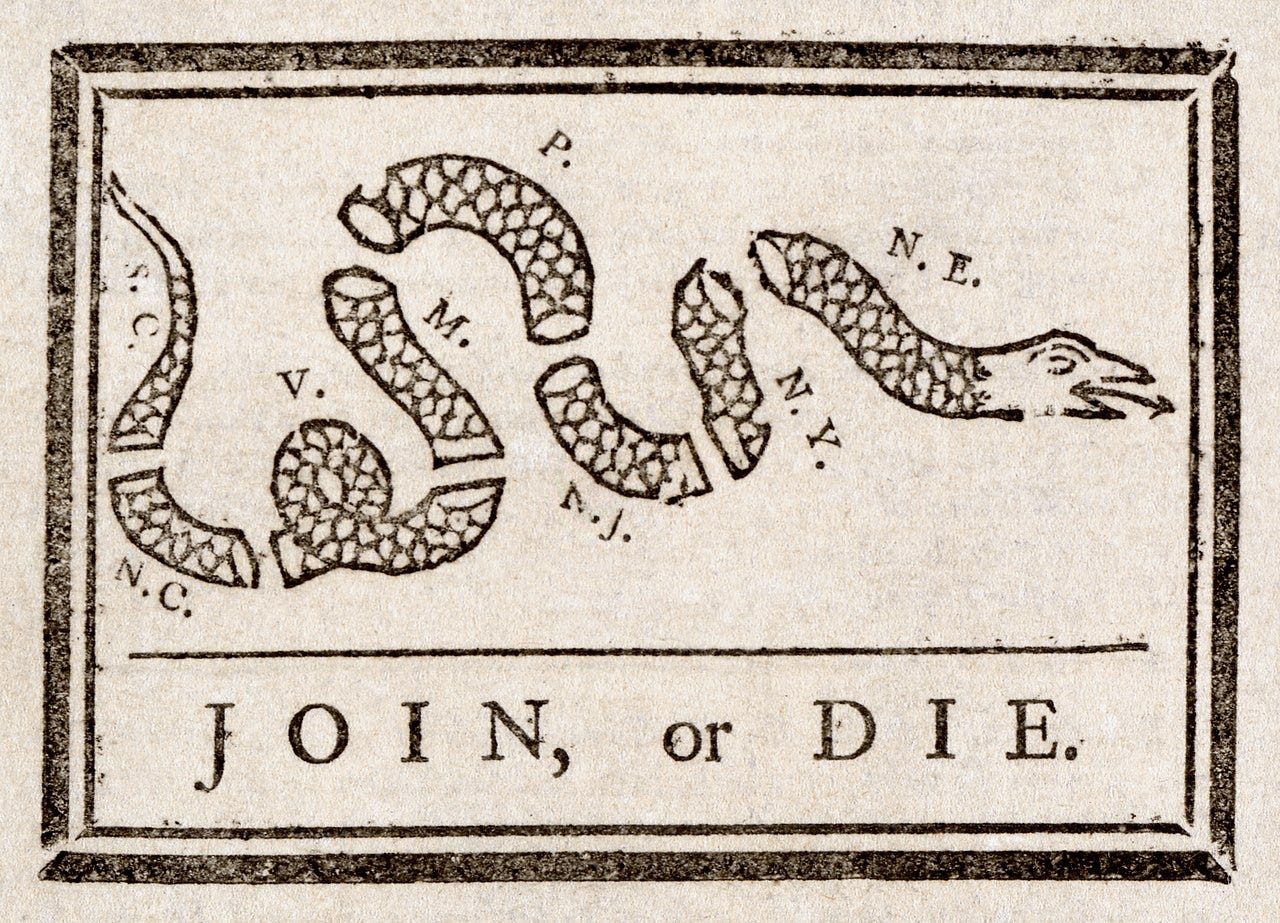
    Welcome to Era 2! To kick off this season, I will be completing the list of the thirteen British colonies that will rebel in 1775. This includes showing the aftermath of the events of 1676, the merging and unmerging of various colonies, as well as the creation of completely new colonies. This is just the first episode, so this acts as more of a bird’s-eye view. But don’t worry, each of these colonies will be explored more in depth in later episodes as I dive into local events and the far-reaching, era-spanning phenomena. I will not be neglecting the non-British colonies, as those are pivotal to the history of America, and have their own side of the story to tell. This era of history is largely overlooked in the AP notes, though it dives deeply into certain aspects of it, but it was vital in the formation of new identities that lead to conflict between the mother countries and the colonies. So, I have my work cut out for me to fill in those missing pages… Subscribe below to be notified of every new episode release! Music Intro: Fractured Timeline - Sémø Outro: Join the Ride - Magnetic Buzz Sources William Penn, Politics and Conscience - Mary Maples Dunn Scotland and Its First American Colony - Ned C. Landsman The French in North America - W. J. Eccles Colonial Maryland, A History - Aubrey C. Land Colonial South Carolina, A History - Robert M. Weir Albion’s Seed - David Hackett Fischer El Norte - Carrie Gibson Gotham: A History of New York City to 1898 - Edwin G. Burrows & Mike Wallace American Colonies: The Settling of North America - Alan Taylor Before the Revolution: America’s Ancient Pasts - Daniel K. Richter Get full access to Missing Pages at missingpages.substack.com/subscribe
  • S1 · E12
    Aug 2, 2024 · 52 min

    Episode 12: Era 1 Recap

    This episode will be a little bit different than all of the previous episodes this season. This is a recap and reflection episode. I will provide a brief summary of all of the previous episodes, explore some of the themes that I found, correct some of the misconceptions that I had, and explore how well the AP notes hold up to scrutiny. At the end I also provide a preview for what to expect for the next season. As this era concludes, I would like to thank all of you that have supported me on this journey on Substack and all other platforms. I hope that as I get better at this podcasting thing that I can continue to provide more and more value to you as listeners. This is a personal project, but seeing the support has definitely made it easier to keep going. I appreciate it, truly. Next season is slated for January 3, 2025. All extra content in the interim will be posted to Substack only. So, if you want extra content, to read all of the essays I have written, or comment on any of the episodes, please head to missingpages.substack.com. Thanks for reading Missing Pages! Subscribe for free to receive new posts and support my work. Music Intro: Fractured Timeline - Sémø Outro: Talk - Con Davison Get full access to Missing Pages at missingpages.substack.com/subscribe
Showing 1–20 of 20 episodes