Skip to content
Artwork for Mind & Matter
ScienceSociety & CultureEducation

Mind & Matter

Nick Jikomes

Whether food, drugs or ideas, what you consume influences who you become. Learn directly from the best scientists & thinkers alive today about how your mind-body reacts to what you feed it.

The weekly M&M podcast features conversations with the most interesting scientists, thinkers, and technology entrepreneurs alive today.


Not medical advice.

At M&M, we are interested in trying to figure out how things work, not affirming our existing beliefs. We prefer consulting primary rather than secondary sources and independent rather than institutional voices. If we encounter uncomfortable truths or the evidence suggests unfashionable ideas may be valid, so be it.


As the host, my aim is to help you better understand how the body & mind work by curating & synthesizing information in a way that yields science-based insights that you can choose to use or disregard in your own life. Taking ownership of your health starts with taking ownership of your information diet.


I am motivated to connect the dots and distill general principles from what I learn, preferring to ask questions and play devil’s advocate to debating or incessantly pushing my own viewpoint.


My beliefs:


Sometimes modern discoveries teach us we must unlearn received wisdom. Other times, modern information overload & historical chauvinism cause us to forget ancient wisdom which stills applies. The framework for learning that I embody is inspired by three Ancient Greek maxims inscribed in the Temple of Apollo at Delphi:

  • “Γνῶθι σεαυτόν” (Know thyself)
  • “Μηδὲν ἄγαν” (Nothing in excess)
  • “Ἐγγύα πάρα δ Ἄτα” (Certainty brings insanity)
Play
  • 22 episodes
  • weekly
  • Avg 1 hr 32 min
  • English

Support the show

Goes straight to the publisher. podnod takes nothing.

Counted on this page — what you have heard stays on this device, so it is not something the list can be paged by.
  • S6 · E306
    Friday · 1 hr 45 min

    Human Brain Evolution & Development | Christopher Walsh | Episode 306

    Send us Fan Mail How genomics is used to study what makes a human brain, and how genetically damaged neurons get removed. TOPICS DISCUSSED: Scale & Size: A human brain is about three times a chimpanzee brain by mass, but the larger change is extra association cortex and extra upper-layer circuits that talk mostly to other cortex. When Development Ends: Most cortical neurons are born before birth. Myelin and other glia keep forming into the twenties. Synapses keep changing after that. Broken Genomes Get Edited: Walsh describes forthcoming work in which ~25–30% of late-fetal cortical neurons carry genetic defects, falling to ~5% by birth, with smaller defects still being removed through adult life. Regulation vs. New Genes: Humans and mice both have ~20,000 genes. Most human-specific change is in when and where those genes turn on, not in inventing new proteins. Human Accelerated Regions: About half of HARs involve the brain. Rare mutations in them show up more often in kids with intellectual disability and autism. ASPM & Microcephaly: Loss of one conserved cell-division gene can shrink a human brain toward chimpanzee volume and shape. The same knockout barely shrinks a mouse. Heritability of Genetic Disorders: Autism is highly heritable in twin studies. A whole-genome test today still finds a specific cause in only about a quarter to a third of kids. Support the show Support my work: Good Chemistry: Personalized, science-based health consulting. Work with Dr. Nick Jikomes directly. Affiliate Partners: Visit this link to see my affiliate partners and get discounts codes for products & services to support health. For all the ways you can support my efforts.

  • S6 · E305
    August 20 · 1 hr 40 min

    Endocannabinoid Biology in Health & Disease | Nephi Stella | Episode 305

    Send us Fan Mail The biology of endogenous cannabinoids & history of cannabinoid-based therapeutics TOPICS DISCUSSED: Anandamide vs 2-AG: The two major endocannabinoids with a shared arachidonic acid backbone but distinct head groups biological roles. On-demand production: Calcium-dependent enzymes release cannabinoids from membranes in response to neuronal activity patterns. Trafficking: Fatty acid binding proteins and extracellular microvesicles traffic endocannabinoids within and between cells. Adolescent THC: Global receptor activation during circuit wiring may contribute to cannabis use disorder and psychosis vulnerability in susceptible individuals. Enzyme inhibitors: Early FAAH clinical trial halted by off-target toxicity; MAGL inhibitors advancing in phase 2 for anxiety and addiction. Peripheral CB1: Liver receptors regulate metabolism; restricted antagonists aim to reduce weight without central psychiatric risks of the weight loss drug rimonabant. ABOUT THE GUEST: Nephi Stella, PhD is a professor at the University of Washington School of Medicine. He has studied endocannabinoid signaling for more than 25 years, focusing on therapeutic strategies that separate beneficial effects from side effects of cannabinoid-system modulation. Support the show Support my work: Good Chemistry: Personalized, science-based health consulting. Work with Dr. Nick Jikomes directly. Affiliate Partners: Visit this link to see my affiliate partners and get discounts codes for products & services to support health. For all the ways you can support my efforts.

  • S6 · E304
    August 12 · 1 hr 46 min

    Mitochondria Peptides: MOTS-c, Humanin, Genetic Variation in Health & Disease | Pinchas Cohen | 304

    Send us Fan Mail Mitochondrial peptides act as stress signals that regulate metabolism, muscle mass, and neurodegeneration. TOPICS DISCUSSED: Mitochondria as Communication Hubs: Beyond ATP production, mitochondria encode peptides that regulate cell death, immunity, and inter-organ communication. Humanin Discovery: Identified independently by three labs; neuroprotective, longevity-linked, and capable of neutralizing APOE4 effects via a rare Jewish variant. Ethnic Genetic Variants: Ancestry-specific mutations in MOTS-c, MENTSH, and SHMOOSE influence diabetes, obesity, sarcopenia, and Alzheimer’s risk. MOTS-c & Muscle Preservation: Exercise-induced peptide prevents atrophy and may offset muscle loss seen with GLP-1 drugs. Peptide Classes: Fragments of larger proteins, endogenous microproteins from small genes, and emerging AI-designed artificial peptides. Diet Modulation: Mediterranean diet adherence raises circulating levels of the peptides humanin and SHMOOSE. Clinical Reality Check: Early MOTS-c trials showed metabolic benefits; unregulated products often contain inaccurate doses. ABOUT THE GUEST: Pinchas Cohen, MD is Dean of the USC Leonard Davis School of Gerontology and a leading researcher on mitochondrial peptides in aging, metabolism, and neurodegeneration. RELATED CONTENT: Article | Metabolic Stress & the Peptide MOTS-c: How Much is Too Much? Podcast | MOTS-c & Mitochondrial Peptides in Health & Aging | David Lee Support the show Support my work: Good Chemistry: Personalized, science-based health consulting. Work with Dr. Nick Jikomes directly. Affiliate Partners: Visit this link to see my affiliate partners and get discounts codes for products & services to support health. For all the ways you can support my efforts.

  • S6 · E303
    August 5 · 1 hr 44 min

    Neuro-Immune Interactions: Pain, Inflammation, Peptides & Healing | Isaac Chiu | 303

    Send us Fan Mail How the nervous and immune systems communicate, using peptides and other signals, to regulate pain, itch, and inflammation. TOPICS DISCUSSED: Nociception & Pathogens: Sensory neurons detect bacterial toxins within seconds, enabling rapid host-defense coordination ahead of immune-cell recruitment. CGRP & neutrophils: Nociceptor-release the peptide CGRP, which blocks neutrophil (immune cell) recruitment; pathogens exploit this in necrotizing fasciitis and meningitis. Pain sensitization: Inflammation can lower neuronal thresholds for pain, which sometimes becomes a chronic problem. Gut barrier protection: CGRP from gut nociceptors drives goblet-cell mucus secretion, supporting the protective “weep and sweep” response. Skin-to-gut allergy priming: Early skin exposure to allergens plus scratching may promote food allergies. Vagus nerve circuits: Distinct vagal sensory neurons selectively suppress TNF or induce IL-10, allowing precise inflammatory control. Brain inflammatory memory: Insular neurons encode site-specific immune responses that can later be recalled by reactivating those circuits. The brain remembers past inflammatory events. ABOUT THE GUEST: Isaac Chiu, PhD is a professor in the Department of Immunology at Harvard Medical School. His lab studies nervous-immune system crosstalk in pain, itch, infection, and inflammatory disease. RELATED CONTENT: Article | Inflammation Regulation by Omega Fats: How High ω-6 Intake Impacts ω-3 Levels Support the show Support my work: Good Chemistry: Personalized, science-based health consulting. Work with Dr. Nick Jikomes directly. Affiliate Partners: Visit this link to see my affiliate partners and get discounts codes for products & services to support health. For all the ways you can support my efforts.

  • S6 · E302
    July 30 · 1 hr 50 min

    MOTS-c & Mitochondrial Peptides in Health & Aging | David Lee | Episode 302

    Send us Fan Mail Mitochondrial peptide MOTS-c is a stress-induced signal that reprograms cell metabolism. TOPICS DISCUSSED: Mitochondrial Roles: Not just ATP production, but “speaker of the house” via communication molecules that “talk” to the rest of the cell. Origin of Communication: Mitochondrial peptides were likely co-opted from ancient antimicrobial factors to synchronize nuclear and mitochondrial genomes. MOTC Discovery: Identified in mitochondrial ribosomal RNA regions linked to interferon responses. Stress Induction: MOTS-c is produced in response to exercise, immune activation, and nutrient withdrawal; circulates as a mitokine. Nuclear Regulation: MOTS-c translocates to the nucleus under stress and acts as a nonspecific cofactor that shapes chromatin accessibility and gene expression. Metabolic Effects: Prevents diet-induced obesity and fatty liver in mice without altering baseline weight; engages AMPK and suppresses anabolic pathways. Immune Modulation: Shifts immune cell programs to reduce autoimmune attack in type 1 diabetes models. Aging Phenotypes: Daily or intermittent dosing doubles running capacity and preserves walking ability in old mice. ABOUT THE GUEST: Changhan David Lee, PhD is Associate Professor at the University of Southern California Leonard Davis School of Gerontology. His laboratory investigates mitochondrial communication and microproteins in the biology of aging. RELATED CONTENT: Article | MOTS-c & Cellular Energy Homeostasis Support the show Support my work: Good Chemistry: Personalized, science-based health consulting. Work with Dr. Nick Jikomes directly. Affiliate Partners: Visit this link to see my affiliate partners and get discounts codes for products & services to support health. For all the ways you can support my efforts.

  • S6 · E301
    July 22 · 50 min

    Peptides & GHK-Copper in Skin Health | Rahi Sarbaziha | Episode 301

    Send us Fan Mail GHK-Copper and peptides in skin care, aging, and general health. TOPICS DISCUSSED: Endogenous Decline: GHK-copper levels peak in young adulthood then fall with age, reducing natural support for skin repair and collagen maintenance. Skin Penetration: Effective topical delivery depends on molecular size under and fat solubility, often improved by procedures such as microneedling that briefly disrupt the barrier. Mechanisms of Action: The peptide upregulates fibroblasts and vascular endothelial growth factor, stimulates glycosaminoglycan production, and alters expression of genes involved in tissue regeneration and oxidative stress reduction. Lasting Remodeling: Gene expression changes produce sustained collagen rebuilding that develops over weeks to months rather than delivering only transient effects. Administration Routes: Topical use is accessible and pairs well with hyaluronic acid for hydration; injectables may reach higher local concentrations but lack extensive human trial data and FDA approval for this purpose. Safety & Protocols: The compound is generally well tolerated with mild transient injection-site reactions; typical approaches use daily microgram doses for one to two months followed by off periods. Hair & Other Uses: Clinical observations indicate potential for hair shaft strengthening comparable to minoxidil with a favorable side-effect profile, alongside exploratory work in wound healing and neurological contexts. Research Needs: Expanded human studies are required to standardize dosing, confirm long-term safety, and evaluate value in neurodegeneration, lung repair, and related areas. ABOUT THE GUEST: Rahi Sarbaziha, MD is a physician in Beverly Hills, California whose practice focuses on regenerative aesthetics, hormone therapies, peptides, and interventions that support vitality, tissue repair, and overall wellness. Support the show Support my work: Good Chemistry: Personalized, science-based health consulting. Work with Dr. Nick Jikomes directly. Affiliate Partners: Visit this link to see my affiliate partners and get discounts codes for products & services to support health. For all the ways you can support my efforts.

  • S6 · E300
    July 15 · 1 hr 44 min

    Peptides & Blood-Brain Barrier in Health & Disease | William Banks | Episode 300

    Send us Fan Mail Blood-brain barrier as a dynamic interface allowing selective passage of nutrients, peptides, and gut hormones. TOPICS DISCUSSED: Blood-Brain Barrier Structure: Capillary endothelial cells with tight junctions, absent fenestrae, and minimal vesicles create a selective interface; supported by astrocytes and pericytes. Crossing Mechanisms: Lipid-soluble small molecules diffuse passively; glucose, amino acids, and regulatory peptides use saturable transporters whose rates vary by need. Peptide Transport: Many peptides cross via lipid solubility or specific transporters; rate, not all-or-none presence, determines biological relevance; efflux systems remove some (e.g. certain enkephalins). Dynamic Regulation: Transporters for leptin and insulin are modulated by epinephrine, triglycerides, and brain demand; changes occur in aging and Alzheimer’s (reduced glucose uptake, impaired Aβ efflux). Circumventricular Organs: Leaky capillary regions allow rapid sampling of blood signals while tanycytes limit spread to surrounding brain tissue. Drug Delivery Challenges: Small lipid-soluble drugs, barrier disruption (e.g. focused ultrasound), and “Trojan-horse” strategies each have limitations; intranasal delivery shows rapid brain distribution. Peptides & Brain Effects: Gut peptides like GLP-1 analogs, insulin, and ghrelin influence cognition and memory; brain entry predicts central effects. GUEST: William Banks, MD is a physician-scientist and leading researcher on the blood-brain barrier. He has focused on humoral brain-body communication, peptide transport, and the barrier’s role in health and disease. RELATED CONTENT: M&M 298 | GLP-1s & Novel Peptides in Obesity, Diabetes & Metabolic Health | Katrin Svensson Support the show Support my work: Good Chemistry: Personalized, science-based health consulting. Work with Dr. Nick Jikomes directly. Affiliate Partners: Visit this link to see my affiliate partners and get discounts codes for products & services to support health. For all the ways you can support my efforts.
  • S6 · E299
    July 8 · 1 hr 42 min

    Iron Overload & Lipid Peroxidation in Cell Death & Neurodegenerative Disease | Pamela Maher | Episode 299

    Send us Fan Mail Ferroptosis, an iron-dependent cell death pathway driven by lipid peroxidation; chronoferoptosis, in which chronic stress sensitizes neurons gradually. TOPICS DISCUSSED: Cell Death Pathways: Apoptosis proceeds through regulated steps with surface “eat me” signals that enable non-inflammatory clearance by phagocytes, whereas ferroptosis and related pathways release cellular contents that can amplify local damage and inflammation. Ferroptosis Discovery: Work on glutamate toxicity in neuronal cell lines first identified a glutathione-depletion pathway termed oxytosis; parallel studies in cancer cells renamed and generalized it as ferroptosis to highlight iron’s catalytic role. Lipid Peroxidation: Polyunsaturated fatty acids in membranes are oxidized non-enzymatically when ferrous iron reacts with hydrogen peroxide in the Fenton reaction, generating hydroxyl radicals that produce toxic lipid peroxides and reactive carbonyls that modify proteins. GPX4 & Glutathione: Glutathione peroxidase-4 is an enzyme that reduces lipid peroxides within membranes and requires glutathione as cofactor; depletion of either component removes this critical line of defense. Chronoferoptosis: Nine-day treatment of differentiated neuronal cells with chronic iron or glutathione synthesis inhibitor reduced GPX4 protein, raised basal lipid peroxidation, and increased cell death after addition of otherwise sublethal secondary stressors. Protective Compounds: Screening identified flavonoids such as fisetin and sterubin plus synthetic molecules J-147 and CMS-121 that block lipid peroxidation directly or indirectly and, in several cases, also raise glutathione levels. Human Disease Evidence: Postmortem brain tissue from Alzheimer’s and Parkinson’s patients shows elevated lipid peroxidation markers and altered iron handling in vulnerable regions; similar changes appear in animal models of multiple diseases. Dietary & NRF2 Links: Compounds that activate the NRF2 transcription factor, including sulforaphane from broccoli and certain flavonoids, upregulate antioxidant enzymes including GPX4 and may support long-term cellular resilience. ABOUT THE GUEST: Pamela Maher, PhD is a research professor at the Salk Institute for Biological Studies in La Jolla, California. Her laboratory studies ferroptosis mechanisms in neurodegenerative diseases and works to identify compounds that inhibit iron-dependent lipid peroxidation. Support the show Support my work: Good Chemistry: Personalized, science-based health consulting. Work with Dr. Nick Jikomes directly. Affiliate Partners: Visit this link to see my affiliate partners and get discounts codes for products & services to support health. For all the ways you can support my efforts.

  • S6 · E298
    June 30 · 1 hr 34 min

    GLP-1s & Novel Peptides in Obesity, Diabetes & Metabolic Health | Katrin Svensson | Episode 298

    Send us Fan Mail Endogenous peptide diversity, GLP-1 drugs, and methods for novel peptide discovery. TOPICS DISCUSSED: Peptide Structure & Production: Short amino acid chains (3-50 residues) cleaved from larger precursors by PCSK enzymes, stored in dense-core vesicles, and released upon stimuli rather than acting as folded enzymes like proteins. Tissue-Specific Processing: The same precursor yields different peptides by tissue; preproglucagon produces glucagon in pancreas but GLP-1 in gut L-cells due to distinct cleavage patterns. Signaling Timescales: Peptides act over minutes via GPCRs and can drive longer transcriptional changes such as FOS expression, yet are cleared rapidly by proteases and kidneys. Endogenous GLP-1: Meal-stimulated incretin from gut that boosts insulin secretion with a half-life of only minutes, limiting primary action to periphery rather than deep brain structures. GLP-1 Engineering for Brain Access: DPP4 site mutations plus lipid conjugation enable albumin binding, extend half-life, and raise brain exposure. Dose-Dependent Effects: Low GLP-1 doses mainly lower blood glucose via pancreas; higher doses engage hindbrain and hypothalamic neurons to suppress appetite and alter food preference. Novel Peptide Discovery: Computational scans across the genome flag hundreds of uncharacterized precursors, facilitating new peptide discovery. BRP Peptide: This newly discovered brain-derived peptide suppresses feeding in GLP-1 receptor knockout mice, activates non-overlapping neurons, and does not slow gastric emptying. ABOUT THE GUEST: Katrin Svensson, PhD, is a biochemist and physiologist who leads a laboratory at Stanford University focused on peptide hormone physiology and the regulation of energy balance. PRACTICAL TAKEAWAYS: GLP-1 drugs require higher doses to engage brain satiety circuits for meaningful weight loss; lower doses primarily improve glucose control with little effect on appetite. Response varies widely across individuals, with some losing over 25% body weight while others see minimal change. Emerging peptides under study may suppress appetite via brain pathways that avoid the gastric slowing responsible for common GI side effects of current GLP-1 drugs. Research peptides purchased online frequently show variable purity below pharmaceutical standards and may contain unsafe formulation components or aggregates. Support the show Support my work: Good Chemistry: Personalized, science-based health consulting. Work with Dr. Nick Jikomes directly. Affiliate Partners: Visit this link to see my affiliate partners and get discounts codes for products & services to support health. For all the ways you can support my efforts.

  • S6 · E297
    June 18 · 1 hr 33 min

    Deuterium, Metabolic Water & Cancer | Gábor Somlyai | Episode 297

    Send us Fan Mail The possible role of deuterium (heavy isotope of hydrogen) in regulating cell division, mitochondrial metabolism & cancer. TOPICS DISCUSSED: Deuterium Basics: Deuterium is twice as massive as regular hydrogen; natural water contains ~150 ppm, with stronger oxygen-deuterium bonds slowing reactions compared to oxygen-hydrogen. Mitochondrial Role: Healthy mitochondria produce deuterium-depleted metabolic water (~110 ppm from fat oxidation vs. ~150 ppm from carbs), helping maintain low cellular D:H ratios. Cell Growth Regulation: Lower deuterium slows cell division in vitro; cells sense small D:H changes, with higher levels (near/above 150 ppm) promoting growth. In Vitro Evidence: DDW (e.g., 25-125 ppm) can reduce proliferation and alters cancer-related gene expression. Animal Models: DDW caused tumor regression in mice with transplanted human cancers and showed possible efficacy in veterinary use for dogs and cats. Human Prostate Cancer: Phase 2 randomized study showed greater Prostate-Specific Antigen (PSA) reduction, tumor shrinkage, and better 1-year survival with DDW plus standard therapy vs. placebo. Dietary Modulation: Ketogenic/high-fat diets lower body deuterium from lipid oxidation. Broader Implications: Potential in neurodegeneration models; larger trials needed for registration as adjunct cancer therapy. ABOUT THE GUEST: Gábor Somlyai, PhD is a molecular biologist who pioneered deuterium depletion studies at the National Institute of Oncology in Hungary. His primary work focuses on the role of deuterium in living organisms and the development of deuterium-depleted water for cancer therapy. Support the show Support my work: Good Chemistry: Personalized, science-based health consulting. Work with Dr. Nick Jikomes directly. Affiliate Partners: Visit this link to see my affiliate partners and get discounts codes for products & services to support health. For all the ways you can support my efforts.

  • S6 · E296
    June 11 · 57 min

    Do Antioxidant Supplements Promote Cancer? | Isaac Harris | Episode 296

    Send us Fan Mail New research finds that excess antioxidants can support tumor growth in preexisting cancers. TOPICS DISCUSSED: Oxidative Stress: Reactive oxygen species (ROS) generated by mitochondrial metabolism cause damage; context determines whether they promote or suppress cancer. Glutathione Biology: Primary cellular antioxidant made from cysteine, glycine, and glutamate; works with peroxidase enzymes to protect against ROS. Antioxidant Paradox: Clinical trials (SELECT vitamin E, beta-carotene) showed supplements increased cancer rather than preventing it. Cancer Antioxidant Hijacking: Tumors ramp up antioxidant systems to handle high metabolic rates and survive stress including metastasis. Extracellular Glutathione Catabolism: Cancer cells break down external glutathione into amino acids, particularly cysteine, to fuel growth (new findings). Therapeutic Window: Blocking glutathione breakdown slows tumors in models while sparing normal cells. Diet vs Supplements: Balanced diets support glutathione needs; excess isolated antioxidants may enrich the tumor microenvironment. ABOUT THE GUEST: Isaac Harris, PhD is a biologist working on the role of antioxidants in health, disease, and cancer metabolism. Support the show Support my work: Good Chemistry: Personalized, science-based health consulting. Work with Dr. Nick Jikomes directly. Affiliate Partners: Visit this link to see my affiliate partners and get discounts codes for products & services to support health. For all the ways you can support my efforts.

  • S6 · E295
    June 4 · 1 hr 36 min

    Fructose Metabolism in Obesity, Dementia, Evolution | Richard Johnson | Episode 295

    Send us Fan Mail Fructose survival hypothesis: how fructose metabolism in the liver triggers ATP depletion, uric acid production, oxidative stress, lipogenesis & leptin resistance. TOPICS DISCUSSED: Glucose vs Fructose Metabolism: Fructose is rapidly metabolized in the liver by fructokinase without feedback, causing ATP depletion and uric acid production, unlike glucose metabolism. Liver Effects: Fructose induces uric acid production, NADPH oxidase activation, mitochondrial oxidative stress, and de novo lipogenesis even under caloric restriction. Fructose Survival Hypothesis: Fructose signaling promotes fat storage, leptin resistance, foraging behavior, and metabolic syndrome as adaptations for hibernation or starvation, including metabolic water production. Brain Impacts: Endogenous fructose production from glucose (polyol pathway) triggered by high glucose, salt, or stress leads to insulin resistance, mitochondrial damage, and neuroinflammation in Alzheimer’s-vulnerable regions. Evolutionary Context: Human uricase mutation ~12 million years ago enhanced fructose effects for fat storage during seasonal starvation but increases vulnerability today. Modern Triggers: Added sugars, high fructose corn syrup, salt-sugar combinations, and omega-6 fats synergize with fructose to amplify inflammation, appetite, and disease risk. Alzheimer’s Link: Fructose-driven brain changes mirror Alzheimer’s pathology, with high brain fructose in patients and potential for fructokinase inhibitors as therapy. ABOUT THE GUEST: Richard Johnson MD, is a professor of medicine who has conducted clinical practice and NIH-funded research on sugar metabolism since the late 1990s. His work focuses on the role of fructose in metabolic syndrome, obesity, and related diseases. RELATED CONTENT: Article | Dietary Fructose & Metabolic Health: An Evolutionary Perspective M&M 249: Fructose, Microglia, Anxiety & Brain Development | Justin Perry | 249 Support the show Support my work: Good Chemistry: Personalized, science-based health consulting. Work with Dr. Nick Jikomes directly. Affiliate Partners: Visit this link to see my affiliate partners and get discounts codes for products & services to support health. For all the ways you can support my efforts.

  • May 27 · 1 hr 12 min

    How to Lie With Science: Seed Oils & Inflammation | Livestream 1

    Send us Fan Mail Deep-dive into a 2026 cardiology review paper claiming seed oils reduce inflammation, exposing misrepresentations of cited clinical trials, and detailing how oxidized Ω-6 fats trigger inflammation. Companion article: Click HERE TOPICS DISCUSSED: Seed Oil Profiles: Typical seed oils like sunflower are high in linoleic acid (omega-6 PUFA), while canola is higher in monounsaturated fats and resembles olive oil. Review Paper Critique: The 2026 JACC review falsely claims sunflower oil reduce inflammation like olive oil, citing an RCT that showed benefits only for canola and olive. RCT Analysis: In Iranian women with metabolic issues, switching to canola or olive oil lowered CRP by increasing MUFA and decreasing PUFA intake; sunflower oil produced no change. CRP Biology: CRP responds to oxidized lipids and cellular damage patterns, rising with exercise or infection and marking oxidized Ω-6 metabolites in modern diets. Oxidized Lipids: Ω-6 fats in LDL and cardiolipin oxidize easily, generating 4-HNE, MDA, and other signals that trigger immune clearance, similar to bacterial threats. Sterile Inflammation: High dietary linoleic acid causes chronic immune activation without pathogens, potentially contributing to metabolic and cardiovascular issues. PRACTICAL TAKEAWAYS: Prioritize monounsaturated fats from olive or avocado oil over high-linoleic seed oils like standard sunflower or soybean for lower oxidative stress potential. Check labels for high-oleic versions of sunflower oil, which shift the profile toward monounsaturated fats. Evaluate nutrition claims by examining original studies and fatty acid compositions rather than accepting review summaries at face value. Support the show Support my work: Good Chemistry: Personalized, science-based health consulting. Work with Dr. Nick Jikomes directly. Affiliate Partners: Visit this link to see my affiliate partners and get discounts codes for products & services to support health. For all the ways you can support my efforts.

  • S6 · E294
    May 22 · 1 hr 51 min

    Ancestry & Genetic Diversity in Human Fat Metabolism: Seed Oils & Omega Fats | Floyd Chilton | Episode 294

    Send us Fan Mail Human genetic variation in dietary fat metabolism and its implications for health & disease. TOPICS DISCUSSED: Linoleic Acid Rise: Linoleic acid now comprises 6-8% or more of energy in Western diets. Metabolic Pathways: Omega-6 linoleic acid converts to arachidonic acid and pro-inflammatory oxylipins; omega-3 ALA converts via shared enzymes to EPA/DHA with anti-inflammatory effects. FADS Genetic Variants: Ancestry-linked haplotypes in the FADS cluster create large “pipe” size differences, altering fatty acid by up to 40% between ancestral and derived versions. Population Differences: African ancestry populations often have high-conversion “big pipe” genotypes; Indigenous American ancestry populations have low-conversion “small pipe” genotypes; European ancestry comes with a mix of both. Omega-3 Deficiency: High linoleic intake suppresses EPA production, especially in small-pipe populations, contributing to hypertriglyceridemia and fatty liver in Mexican cohorts. Clinical Evidence: Reanalysis of VITAL trial showed 83% reduction in myocardial infarction with omega-3 supplementation in African Americans; Mexican data link low EPA to unique diabetes forms. Methodological Issues: Compositional data (from GC-FID measurements) versus absolute concentration measurements can flip relationships between linoleic acid and key biomarkers. ABOUT THE GUEST: Floyd Chilton PhD is Professor and Director of the Center for Precision Nutrition and Wellness at the University of Arizona. His research focuses on functional genomics, fatty acid metabolism, and precision nutrition, particularly how genetic ancestry influences responses to dietary fats. RELATED EPISODE: M&M 291: Omega Polyunsaturated Fats & Inflammation | Philip Calder Support the show Support my work: Good Chemistry: Personalized, science-based health consulting. Work with Dr. Nick Jikomes directly. Affiliate Partners: Visit this link to see my affiliate partners and get discounts codes for products & services to support health. For all the ways you can support my efforts.

  • S6 · E293
    May 15 · 1 hr 1 min

    Pregnenolone & Corticosteroids in Brain Health | Sherwood Brown | Episode 293

    Send us Fan Mail Pregnenolone, a neurosteroid derived from cholesterol, affects brain activity and shows promise for treating mood and substance abuse disorders. TOPICS DISCUSSED: Steroid Biosynthesis: Cholesterol converted to pregnenolone, the precursor for all steroid hormones including cortisol, aldosterone, and sex hormones. Corticosteroids: Synthetic versions like prednisone primarily target glucocorticoid receptors for anti-inflammatory uses but can impact mood and cognition. Pregnenolone Mechanisms: Positive allosteric modulator of NMDA receptors for cognition and negative allosteric modulator of CB1 cannabinoid receptors. Allopregnanolone: GABAergic derivative of pregnenolone; its IV form Brexanolone is FDA-approved for postpartum depression. Clinical Trials: Pregnenolone at 100-500 mg improved depressive symptoms in placebo-controlled studies of bipolar disorder patients. Cannabis Interaction: THC robustly induces brain pregnenolone production; supplementation may reduce cannabis and alcohol use. Corticosteroid Brain Impact: Prednisone use associated with smaller hippocampal volumes and memory deficits. ABOUT THE GUEST: Sherwood Brown, MD, PhD is Vice Chair for Clinical Research in the Department of Psychiatry at the University of Texas Southwestern Medical Center in Dallas. With a background in chemistry, his research focuses on steroids and comorbidities in people with mood disorders. RELATED EPISODE: M&M 124: Hormonal Contraception, Sex Hormones, Menstruation, Pregnancy, Puberty, Estrogens, Androgens, Effects of Birth Control on Cognition | Adriene Beltz Support the show Support my work: Good Chemistry: Personalized, science-based health consulting. Work with Dr. Nick Jikomes directly. Affiliate Partners: Visit this link to see my affiliate partners and get discounts codes for products & services to support health. For all the ways you can support my efforts.

  • S6 · E292
    May 8 · 1 hr 46 min

    Omega Fats & ω-3 Supplements in Human Health | Bill Harris | Episode 292

    Send us Fan Mail How omega-3 fats in human health, including dietary intake needs, supplements, & omega fat testing. TOPICS DISCUSSED: ω-3 chemistry: EPA and DHA differ from plant ALA in chain length and double-bond count, making them structurally and biologically distinct — and largely irreplaceable by ALA conversion. ALA-to-EPA/DHA conversion: A small percentage of dietary ALA converts to EPA, and conversion to DHA is even lower; vegans rely on this inefficient pathway for all long-chain omega-3s. Cardiovascular mechanisms: ω-3s lower triglycerides, reduce platelet stickiness, improve endothelial function, and slow resting heart rate, reducing cardiovascular risk. ω-3 Index: Defined as red blood cell EPA+DHA as a percent of total fatty acids; 8–12% is the target range, while most Americans sit around 4–5%. Brain & dementia risk: Higher DHA blood levels are associated with significantly lower risk of dementia and Alzheimer’s in large cohorts including the UK Biobank and Framingham. Linoleic acid nuance: Higher blood levels of dietary linoleic acid (omega-6) associate with lower dementia and cardiovascular risk; downstream omega-6 metabolites — not linoleic acid itself — associate with adverse outcomes. Supplementation practicalities: Most people need 1–2 g/day of EPA+DHA to reach an ω-3 Index >8%; oxidation concerns with fish oil supplements may be overstated. ABOUT THE GUEST: Bill Harris, PhD is founder of both OmegaQuant Laboratory and the Fatty Acid Research Institute (Sioux Falls, SD), where his work centers on blood fatty acid biomarkers as predictors of disease risk in large population cohort studies. KNOW YOURSELF: OmegaQuant: At-home blood testing to see fatty acid profiles, including omega-3 fatty acids. Use link to see options and support M&M. RELATED EPISODE: M&M 134: Omega Fats, Vegetable & Seed Oils, Sugar, Processed Food, Metabolic Health & Dietary Origins of Chronic Inflammatory Disease | Artemis Simopoulos Support the show Support my work: Good Chemistry: Personalized, science-based health consulting. Work with Dr. Nick Jikomes directly. Affiliate Partners: Visit this link to see my affiliate partners and get discounts codes for products & services to support health. For all the ways you can support my efforts.

  • S6 · E291
    May 1 · 1 hr 55 min

    Omega Polyunsaturated Fats in Inflammation | Philip Calder | Episode 291

    Send us Fan Mail How dietary fatty acids regulate the initiation, propagation, and resolution of inflammation. TOPICS DISCUSSED: Parenteral nutrition history: IV nutrition evolved from soybean oil alone in the 1960s to complex blends including fish oil as the biology of ω-3s became understood. Three phases of inflammation: Initiation, propagation (driven by ω-6–derived prostaglandins and leukotrienes), and active resolution (driven by ω-3-derived resolvins and protectins). Pro-resolving mediators: Resolution is an active biological process, not passive; EPA and DHA generate resolvins and protectins that actively terminate inflammation. Aspirin’s ω-3 mechanism: Aspirin inhibits arachidonic acid metabolism but allows EPA/DHA to access COX-2, upregulating pro-resolution mediators — a likely underappreciated mechanism of action. Cell membrane competition: EPA and DHA physically displace arachidonic acid in membranes, shifting the balance of mediators produced and improving resolution capacity. Linoleic acid & EPA synthesis: High linoleic acid intake saturates shared desaturase enzymes, inhibiting the body’s conversion of ALA to EPA — meaning reducing ω-6 can raise ω-3 levels without supplementation. Dose & timing of ω-3 incorporation: ~2g/day of EPA+DHA shifts the arachidonic acid-to-EPA ratio enough to measurably reduce prostaglandin E2 production; white blood cells reflect changes within a month. ABOUT THE GUEST: Philip Calder, PhD is Professor of Nutritional Immunology in the Faculty of Medicine at the University of Southampton. His research focuses on how dietary fatty acids — particularly omega-3s — modulate immune responses and inflammatory processes across clinical and healthy populations. RELATED EPISODE: M&M 200: Dietary Fats & Seed Oils in Inflammation, Colon Cancer & Chronic Disease | Tim Yeatman & Ganesh Halade Support the show Support my work: Good Chemistry: Personalized, science-based health consulting. Work with Dr. Nick Jikomes directly. Affiliate Partners: Visit this link to see my affiliate partners and get discounts codes for products & services to support health. For all the ways you can support my efforts.
  • S6 · E290
    April 24 · 1 hr 24 min

    Reversing Alzheimer's & Neurodegeneration: Latest Science | Andrew Pieper | Episode 290

    Send us Fan Mail A metabolic view of Alzheimer's disease & the recent discovery of compounds that reverse advanced disease symptoms in mouse models by restoring mitochondrial health. TOPICS DISCUSSED: Classic Alzheimer’s pathology: amyloid plaques and tau tangles identified over 120 years ago, long assumed to drive irreversible neuron loss. Limitations of amyloid focus: plaques appear in some cognitively normal brains; antibody therapies have shown limited clinical benefit. Metabolic perspective: brain energy failure as a tipping point where repair mechanisms are overwhelmed, linking genetics, injury, and aging. Neuroprotection via P7C3 compounds: discovered through hippocampal neurogenesis screen; preserves mitochondrial function and normalizes NAD/NADH ratio without elevating NAD excessively. Recovery in models: treatment after symptom onset reversed cognitive deficits, blood-brain barrier damage, oxidative stress, and axon issues in amyloid and tau mouse models, despite persistent plaques. Broader implications: energy restoration enables surviving neurons to function; similar protective effects seen in TBI and other organs under stress. ABOUT THE GUEST: Andrew Pieper, MD, PhD, is a board-certified psychiatrist and neuroscientist, professor at Case Western Reserve University, and director of the Brain Health Medicines Center at the Harrington Discovery Institute. He directs a research group focused on neuroprotection after brain injury and neurodegenerative disease. RELATED EPISODE: M&M 208: Glyphosate, Choline & Alzheimer’s: Toxins & Nutrition to Prevent Neurodegeneration | Ramon Velazquez Support the show Support my work: Good Chemistry: Personalized, science-based health consulting. Work with Dr. Nick Jikomes directly. Affiliate Partners: Visit this link to see my affiliate partners and get discounts codes for products & services to support health. For all the ways you can support my efforts.

  • S6 · E289
    April 17 · 50 min

    How Parental Exercise Effects Offspring Health | Kristin Stanford | Episode 289

    Send us Fan Mail How exercise in parents can improve the metabolic and cardiovascular health of their offspring through epigenetic mechanisms. TOPICS DISCUSSED: Parental exercise & offspring metabolic health: exercise before and during pregnancy improves glucose tolerance and reduces fat gain in offspring. Paternal effects via sperm: moderate voluntary wheel running alters small non-coding RNAs, especially tRNA fragments, in sperm and enhances glucose clearance, with stronger benefits in female offspring. Maternal exercise mechanisms: benefits arise from in utero environment, placental changes, and breast milk composition rather than major oocyte alterations. Human milk oligosaccharides: exercise increases 3’-sialyllactose in milk, linked to better offspring microbiome and metabolic outcomes. Sex-biased & intergenerational effects: maternal exercise impacts male offspring metabolism more; effects can transmit to F2 generation depending on the transmitting parent’s sex. ABOUT THE GUEST: Kristin Stanford, PhD is an associate professor in the Department of Physiology and Cell Biology at The Ohio State University Wexner Medical Center, where she serves as associate director of the Diabetes and Metabolism Research Center. Her lab investigates molecular mechanisms by which exercise enhances metabolic and cardiovascular health, with a focus on intergenerational effects. RELATED EPISODE: M&M 145: Epigenetics, Endocrine Disruptors, Obesogens & Obesity, Inheritance of Acquired Characteristics | Bruce Blumberg Support the show Support my work: Good Chemistry: Personalized, science-based health consulting. Work with Dr. Nick Jikomes directly. Affiliate Partners: Visit this link to see my affiliate partners and get discounts codes for products & services to support health. For all the ways you can support my efforts.

  • S6 · E288
    April 10 · 1 hr 59 min

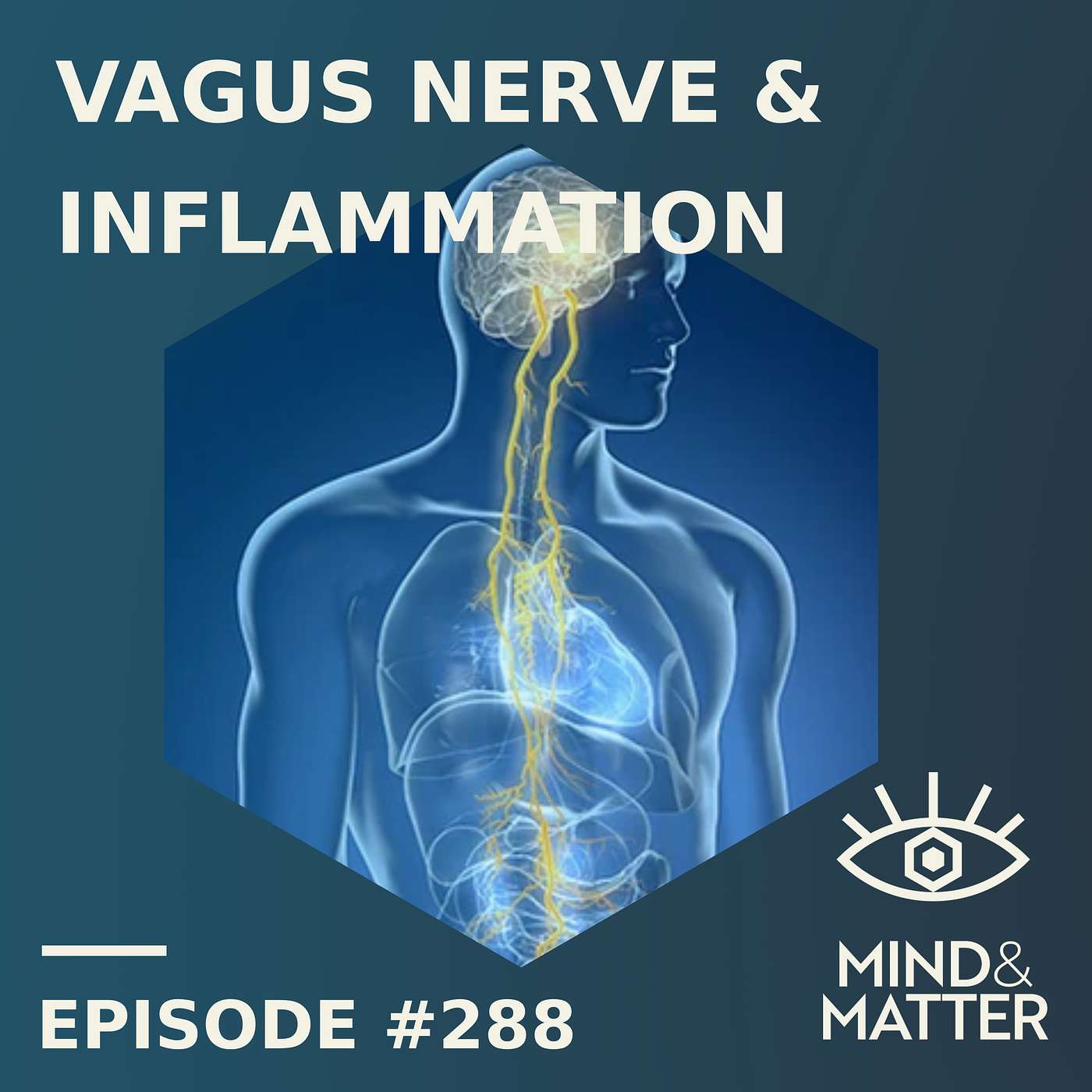
    Vagus Nerve Stimulation & Inflammation | Kevin Tracey | Episode 288

    Send us Fan Mail How the vagus nerve regulates inflammation; bioelectronic therapies to treat inflammatory conditions. Nick speaks with Dr. Kevin Tracey about inflammation as a major driver of modern diseases, the vagus nerve’s role in balancing immune responses via reflexes, limitations of anti-cytokine drugs, and emerging bioelectronic medicine using targeted nerve stimulation. TOPICS DISCUSSED: Inflammation is related to diseases that contribute to most deaths today: heart disease, diabetes, neurodegeneration, and cancer. Molecular signals involved in inflammation, such as cytokines. Homeostasis is maintained by push-pull mechanisms, with excitatory and inhibitory responses co-deployed in ways that maintains balance. The vagus nerve’s anatomy, sensory/motor fibers, and the inflammatory reflex that suppresses cytokine production in the spleen via acetylcholine and norepinephrine. Vagus nerve stimulation devices delivering brief daily pulses to reduce inflammation without broad immunosuppression, now FDA-approved for refractory rheumatoid arthritis. Challenges in measuring inflammation and oversimplifications online about “stimulating” the vagus nerve. ABOUT THE GUEST: Kevin Tracey, MD is a neurosurgeon, president and CEO of the Feinstein Institutes for Medical Research at Northwell Health, and professor of molecular medicine and neurosurgery. He discovered the inflammatory reflex, showing how the vagus nerve controls immune responses, and co-founded SetPoint Medical to develop FDA-approved vagus nerve stimulation for rheumatoid arthritis. RELATED EPISODE: M&M 143: Gut-Brain Communication, Vagus Nerve, Fats & Sugars, Food Addiction, Gut Hormones & Weight Loss Drugs | Will de Lartigue Support the show Support my work: Good Chemistry: Personalized, science-based health consulting. Work with Dr. Nick Jikomes directly. Affiliate Partners: Visit this link to see my affiliate partners and get discounts codes for products & services to support health. For all the ways you can support my efforts.

Showing 1–20 of 22 episodes