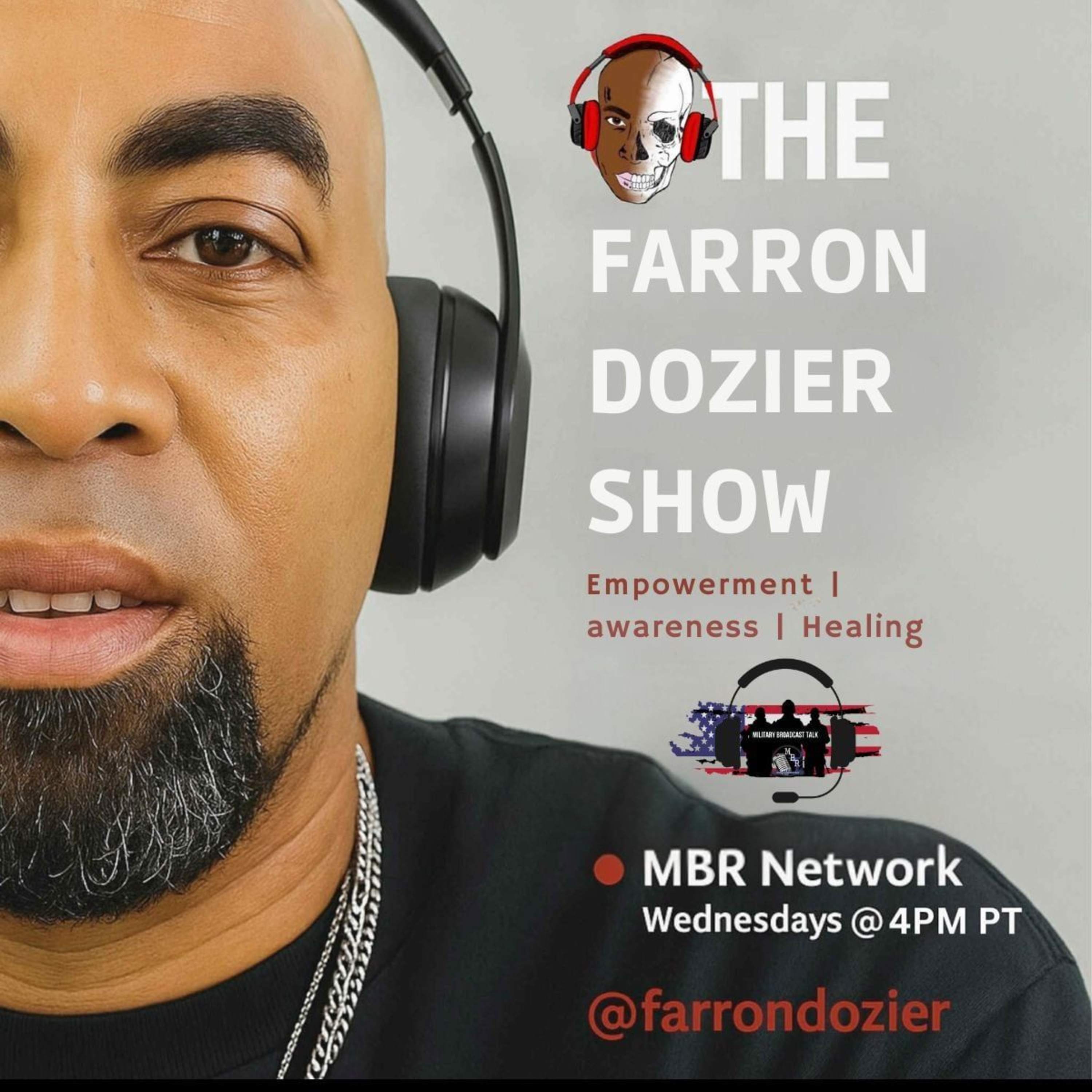
ASPECTS OF SICKLE CELL TRAIT:QUALITY OF LIFE vs. A CUREJoin Farron Dozier and a special guest panel for an important conversation examining the different aspects of Sickle Cell Trait (SCT) and what they can mean for health, safety, testing, medical care, and quality of life.Sickle cell trait is not sickle cell disease, and most people with SCT live normal, healthy lives. However, SCT is associated with several recognized health risks and complications that deserve awareness—not fear. These include exertional rhabdomyolysis, kidney disease, blood in the urine (hematuria), renal medullary carcinoma (RMC), splenic infarction, pulmonary embolism, and complications associated with extreme exertion, dehydration, heat, low-oxygen environments and high altitude.The discussion will look beyond simply knowing your trait status and ask a larger question: How do we improve quality of life for people living with SCT while research continues to advance?Guest Panel: Dr. Maisha will address medical issues and patient care.Ms. Ritchie, Retired Nurse, will discuss a rare, kidney cancer; Renal Medullary Carcinoma (RMC).Dr. Paul Dabney will discuss white blood cells and what blood testing can tell us about inflammation.Lupita of MediLab / Botanica-Herbal Co. will discuss mobile testing and holistic approaches; and Farron Dozier will address SCT health and safety, exertion, awareness, education and prevention.The CDC has fact sheets about sickle cell trait and specifically advises that blood in the urine in someone with SCT requires medical evaluation because, although uncommon, it can be associated with serious conditions, including the rare kidney cancer RMC.Wednesday, September 23, 2026 | 4 PM PT / 7 PM ET | LIVE on MBRadio / TVWatch and listen on Roku TV, YouTube, X, TikTok, Facebook, Spotify, Apple Podcasts & more.MBRadio.us | FarronD.com | @farrondoziershowYour Story Still Matters.Free Consultation with Dr Maishahttps://api.leadconnectorhq.com/.../rSMI5UZlO9shuSdkcDrlWDConSCT.org#sicklecelltraitThis program is for awareness and education and does not replace individualized medical advice, diagnosis, or treatment.