Skip to content
Artwork for Marxist Voice
NewsPolitics

Marxist Voice

Revolutionary Communist Party

Marxist Voice is the official podcast of the Revolutionary Communist Party (RCP) in Britain. We discuss Marxist theory, revolutionary history, and current events.

Head to our website for daily news and analysis, as well as links to join and support the party, and to subscribe to our various publications.

Play
  • 22 episodes
  • weekly
  • Avg 47 min
  • English
Counted on this page — what you have heard stays on this device, so it is not something the list can be paged by.
  • Tuesday · 37 min

    The English Materialists | A Revolution in Philosophy

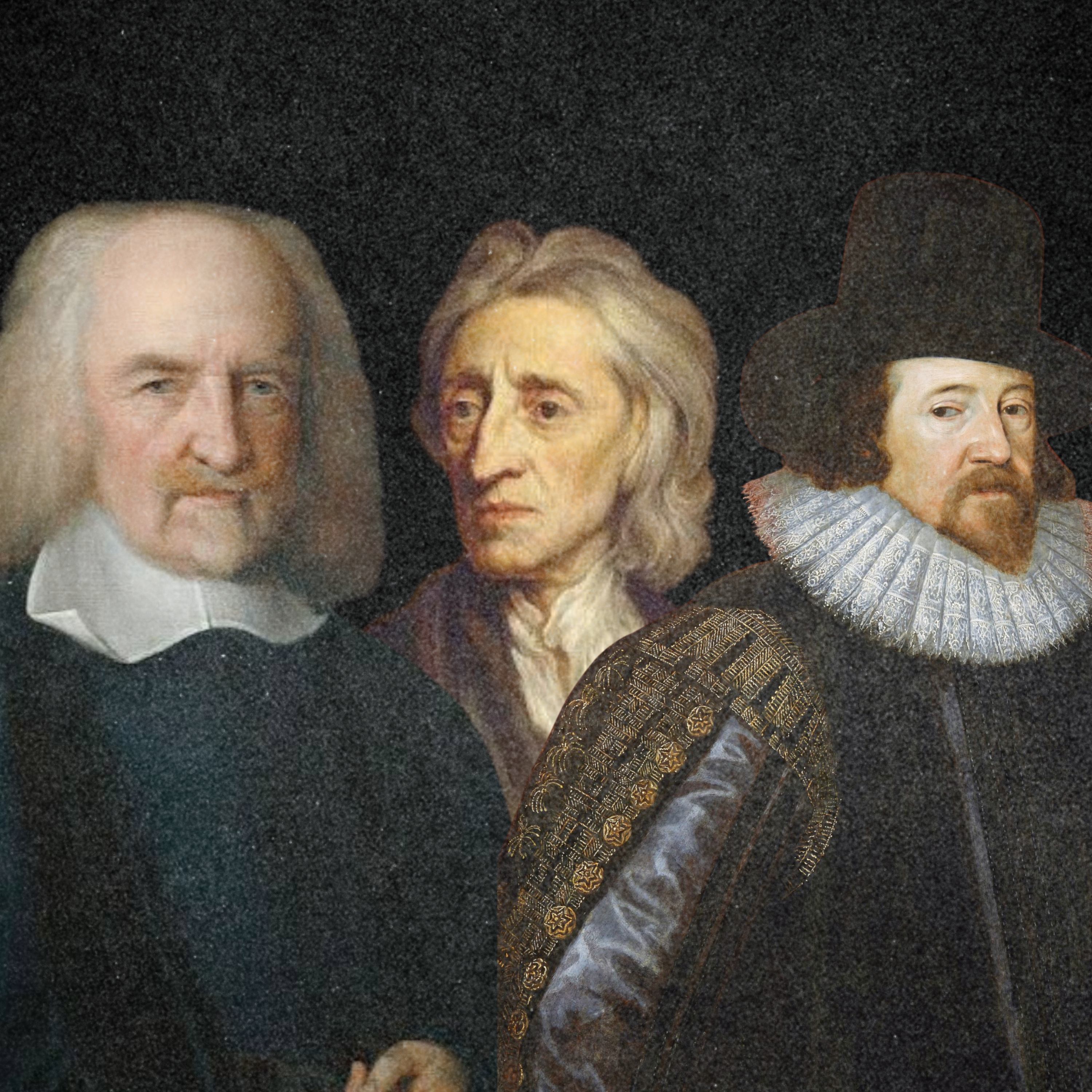
    Marx and Engels didn't develop their ideas in a vacuum. They built on centuries of philosophical development, including the ideas of the English materialists. Georgina Ryan explores how thinkers like Francis Bacon, Thomas Hobbes and John Locke challenged religious explanations of the world and helped lay the foundations for modern science and, ultimately, Marxism. At the same time, she explains why Marxism goes beyond the limitations of mechanical materialism.

  • August 18 · 40 min

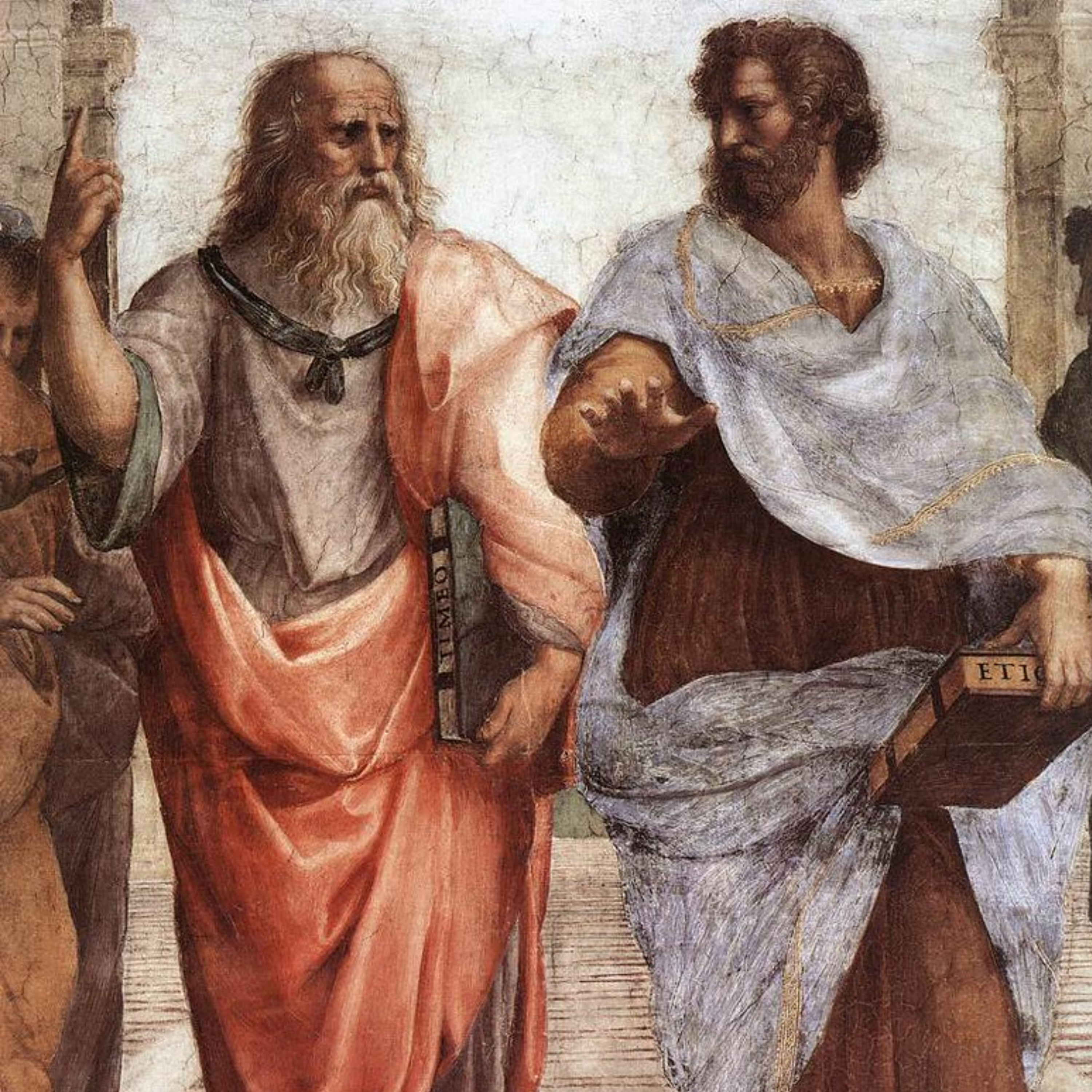
    Plato, Aristotle & the Origins of Philosophy

    How did philosophy begin? And why are arguments from over 2,000 years ago still central to Marxism today? In this episode of Marxist Voice, Khaled Malachi traces the origins of materialism and idealism in Ancient Greece. From Plato's world of perfect ideas to Aristotle's more grounded approach, we explore the philosophical roots of dialectical materialism and why Marxists continue to study these thinkers. Whether you're new to Marxist philosophy or looking to deepen your understanding, this is an ideal introduction to one of the biggest debates in human history. Books to delve deeper: History of Philosophy

  • August 11 · 35 min

    Can art change the world?

    Art is a necessity of life which is kept shackled by the profit motive. Art is something which workers yearn for. But what really is art? And can it change the world? What is the relationship between art and revolution, and revolutionaries? In this talk from the RCP summer camp, Nelson Wan discusses all these questions. Books to delve deeper: Art and Revolution, The necessity of art

  • August 4 · 42 min

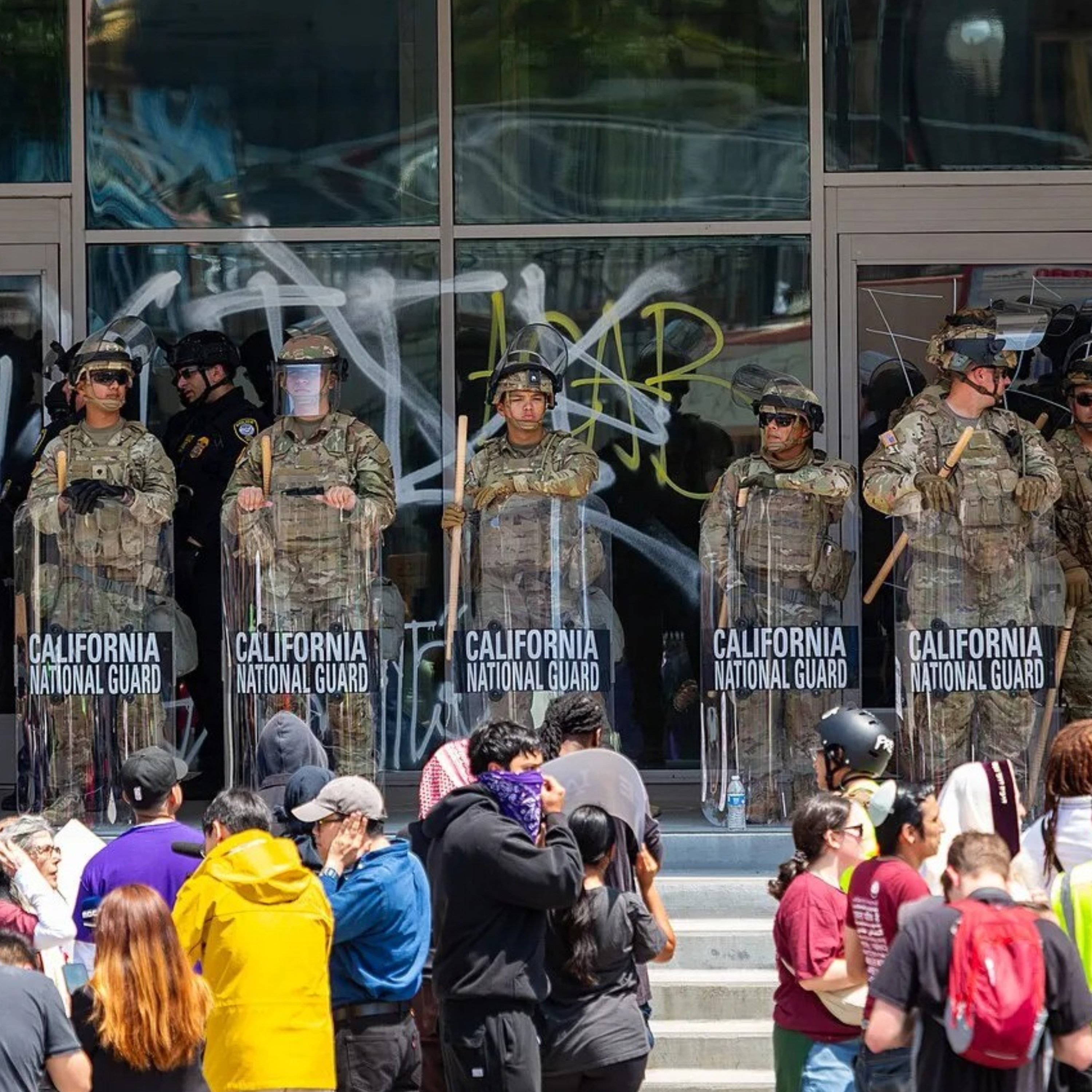
    Will America go Communist?

    The United States has existed as the dominant imperialist power for over 80 years. In that time it has meddled in countries across the entire globe, setting the world order. Now that is coming to an end. The American Empire is collapsing and the anger of the workers in the US is growing. In this talk from the RCP summer camp, Will Collins discusses the prospects of a 3rd American Revolution. Books to delve deeper: America: Revolution and Counter Revolution, Colossus: The Rise and Fall of US Imperialism, Marxism and the USA

  • July 28 · 38 min

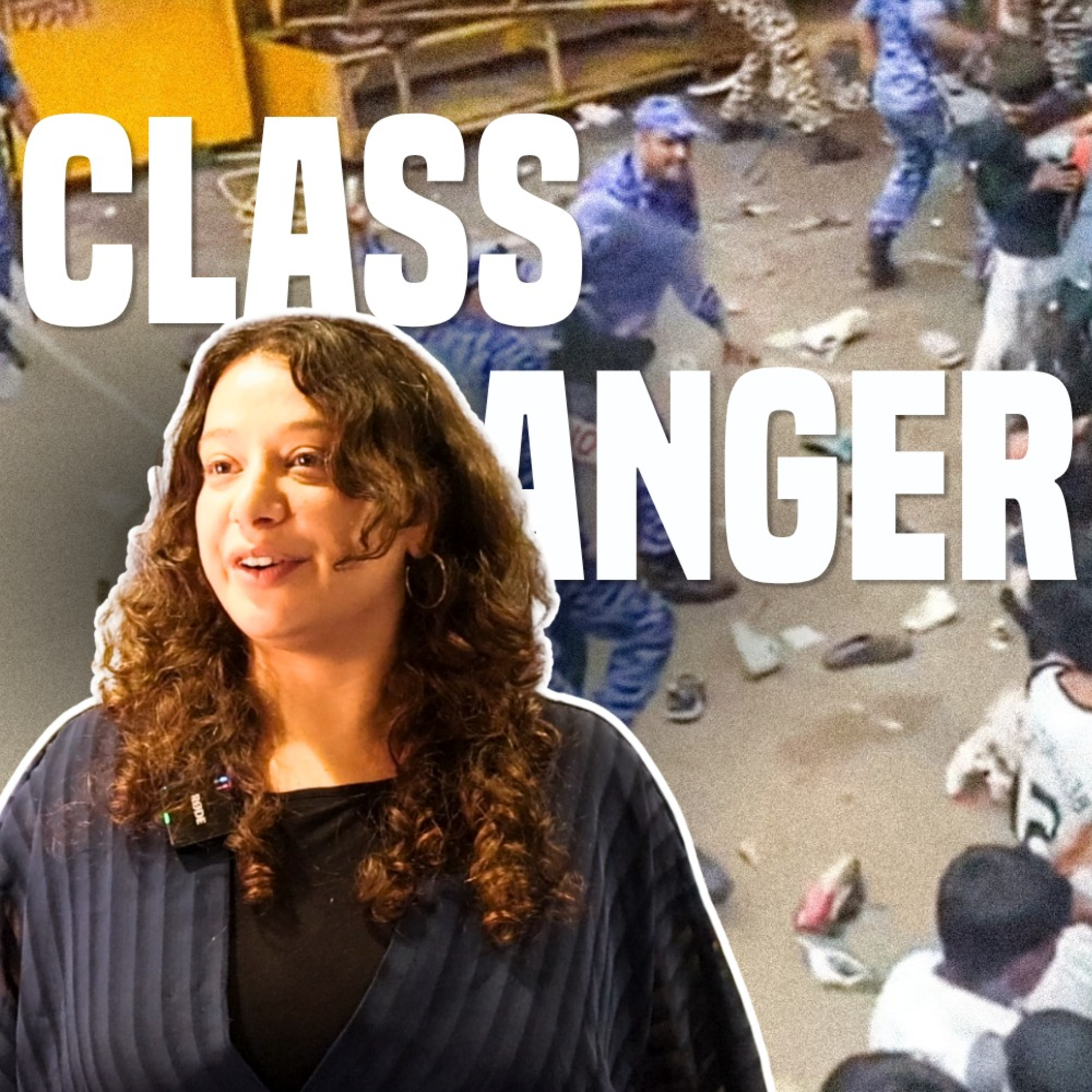
    What Are The Prospects for World Revolution?

    Despite vast technological progress, modern society has yet to achieve abundance. Instead, global capitalism continues to drive deepening contradictions, regional conflicts, and an accelerating crisis of imperialism. In this talk from the RCP Summer School, Lubna Badi explores the main forces shaping today’s world: from the relative decline of US hegemony and the fracturing of Western alliances, to Europe's severe industrial downturn and the surge of class anger worldwide as working people seek a revolutionary way forward.

  • July 21 · 56 min

    Traore, Sankara's legacy and imperialism in West Africa

    Since he came to power in September 2022, the leader of Burkina Faso’s military government, Ibrahim Traore, has attracted attention all over the world. Echoing Thomas Sankara, the leader of the Burkinabé Revolution of 1983-87, Traore has used radical anti-imperialist and pan-Africanist rhetoric, calling for a determined struggle for genuine sovereignty and development for the people of Africa. In the Western media, Traore is often portrayed as a brutal dictator, who is rapidly losing control of the situation. However, on social media, you can find a huge amount of support for Traore and his programme. What is the reality? In this talk, Josh Holroyd discuses what has been achieved in Burkina Faso since Traore came to power, and the way forward for the fight against imperialism in West Africa.

  • July 14 · 44 min

    How China became capitalist

    Whilst the Chinese Communist Party rule over China, it works with a capitalist mode of production. This is a historic peculiarity which originates with the successful Chinese Revolution in 1949. This revolution overthrew capitalism, but without workers power. This meant a slow return to capitalism was inevitable without successful revolutions internationally. But how did they return to capitalism while keeping the CCP in place? In this talk, RCP Central Committee member Tom Crozier, explains the process.

  • July 7 · 1 hr 5 min

    Rise and fall of US Imperialism

    The relative decline of US imperialism is a process having enormous effects on every corner of the globe and every capitalist market. The US is struggling through its death agony which is resulting in a deeply unpredictable world. From wars to trade wars, to foreign policy on truth social, anger is building towards the US government rapidly. This exists in countries imperially dominated by the US, but has now spread to the US and its allies. Huge social explosions have begun, and the RCI is trying to take this process to its logic conclusion: revolution. In this talk, given at the Central Committee meeting of the RCP last weekend, Fred Weston explains these processes.

  • June 30 · 54 min

    The failures of 'lesser evilism' and the popular front

    Those on the left are increasingly being pushed the idea that we must support, vote for and publicly defend the 'lesser evil' in politics. Many liberal politicians orient their campaign around the idea that they are not as bad as the other candidate. This is not a new phenomenon but a rehashing of the ideas of the Popular Front, popularised by Stalin in the 1920s/30s to excuse his distaste for international revolution. Importantly, it has never worked in defeating either fascism or the right wing populists of today such as Trump or Farage. In fact, the left aligning themselves with the liberals, ie. the representatives of capitalist crisis, has only opened the road further to those on the right presenting themselves as the anti-establishment candidates. In this talk, delivered to the newly elected RCP Central Committee this weekend, Rob Sewell discusses different examples of lesser evilism and the popular front and their failures, linking this to how this bankrupt idea has informed the political situation in the West today. Rob Sewell is a member of the Executive Committee of the RCP and the International Secretariat of the RCI.

  • June 23 · 40 min

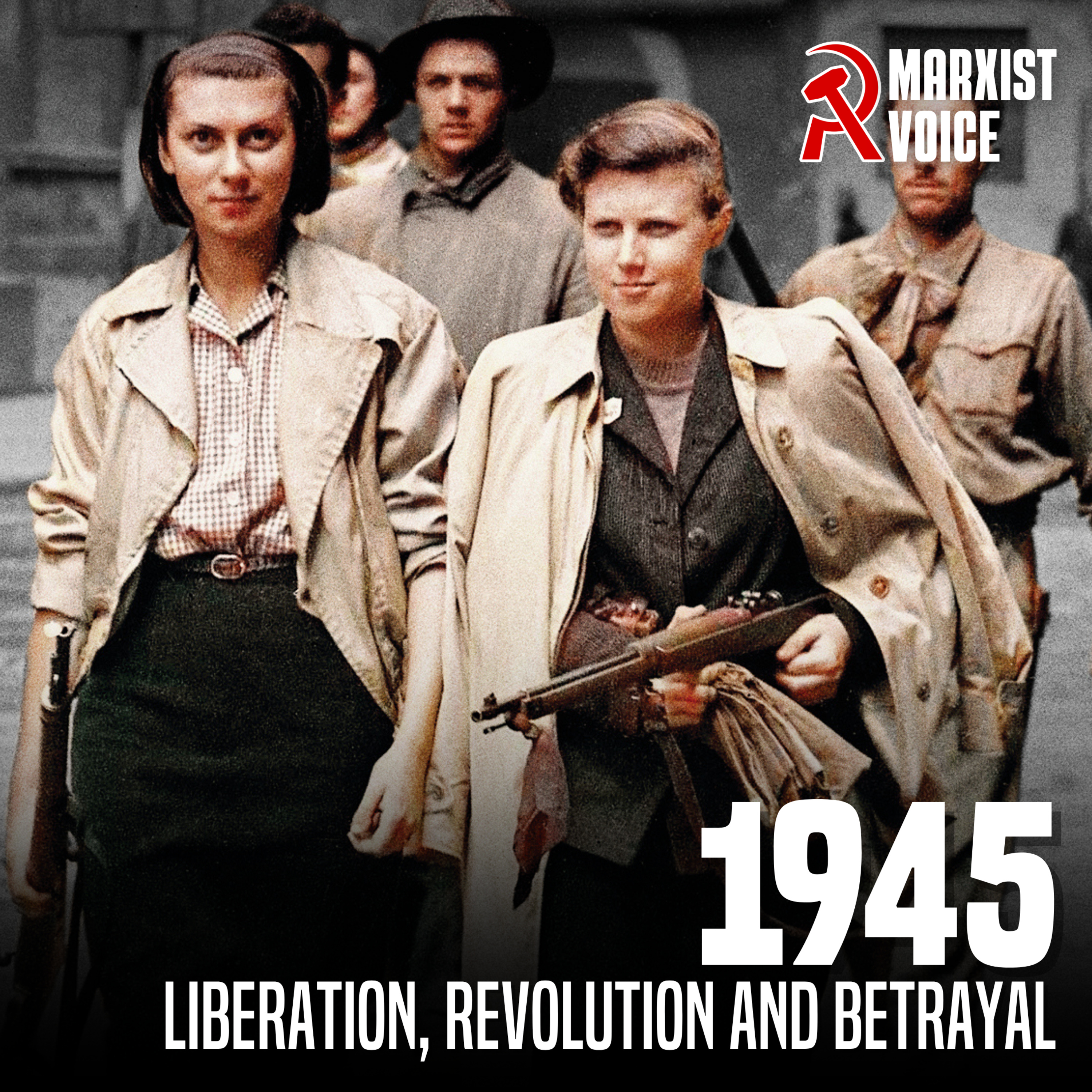
    1945: Liberation, revolution and betrayal

    A revolutionary wave swept through Europe towards the end of the Second World War. In France, communists formed the backbone of the armed resistance to fascism. In Italy, workers occupied the factories, peasants took over the land, and communists led a mass armed partisan force. In Greece, the communist party led the resistance movement, and was in a strong position to take power. But in all these countries, capitalism survived. In this session, leading member of the RCI James Kilby, will explain the revolutionary process that developed towards the end of the war. He will explore how and why the Stalinists in one country after another betrayed these incredible movements, thus setting back the world revolution by decades.

  • June 16 · 40 min

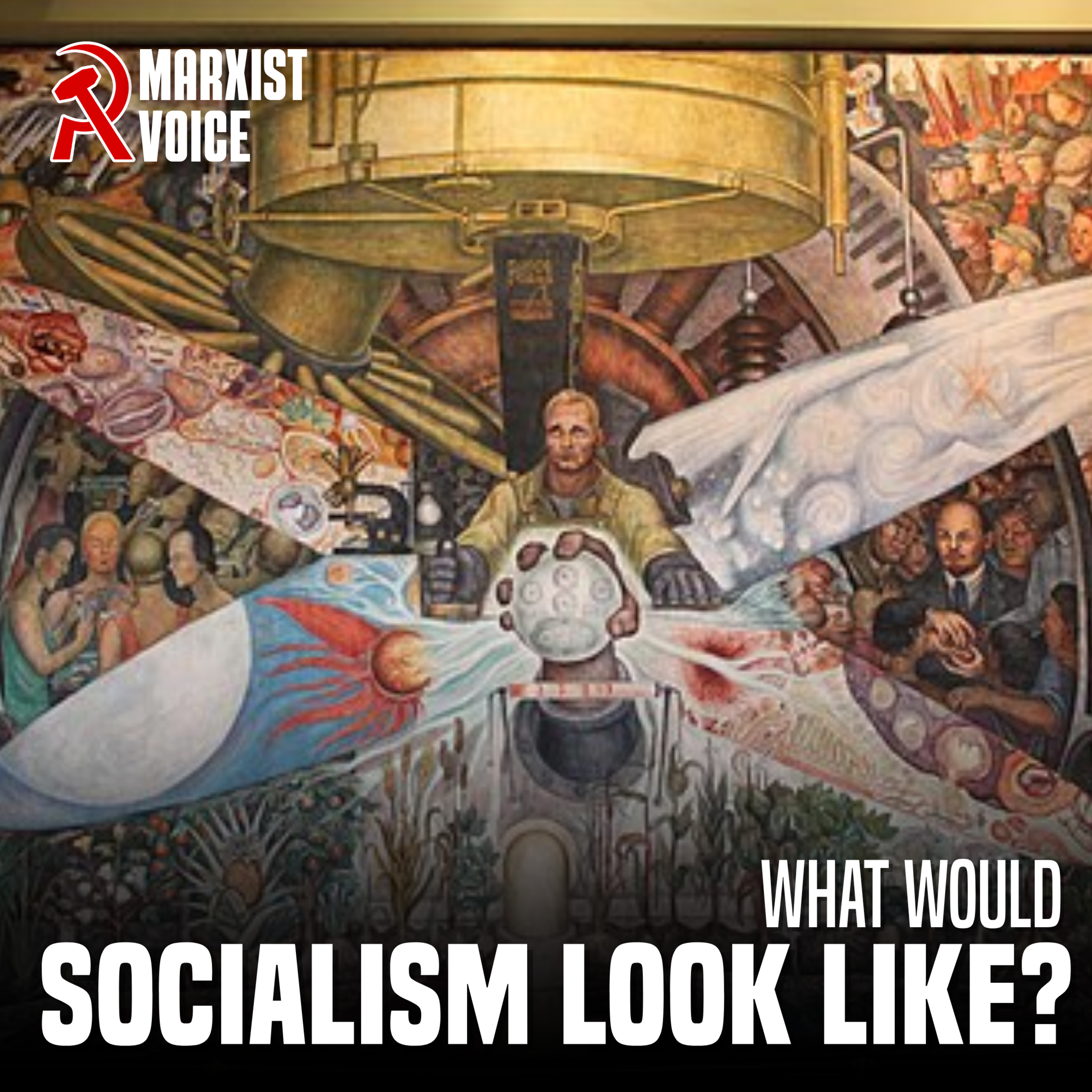
    What would socialism look like?

    Most people today are well aware of what they are against, poverty, austerity, racism, imperialism and much more. However, very few people have an idea of what they are fighting for. Politics promises things it can never achieve, demoralising people in the process. This is where Marxism is different. Instead of starting with what we want, we begin with what is possible and what is getting in our way. In this talk, Sarah Vedrovitch explains the world which communists are fighting for and how to get to it from what exists today.

  • June 9 · 48 min

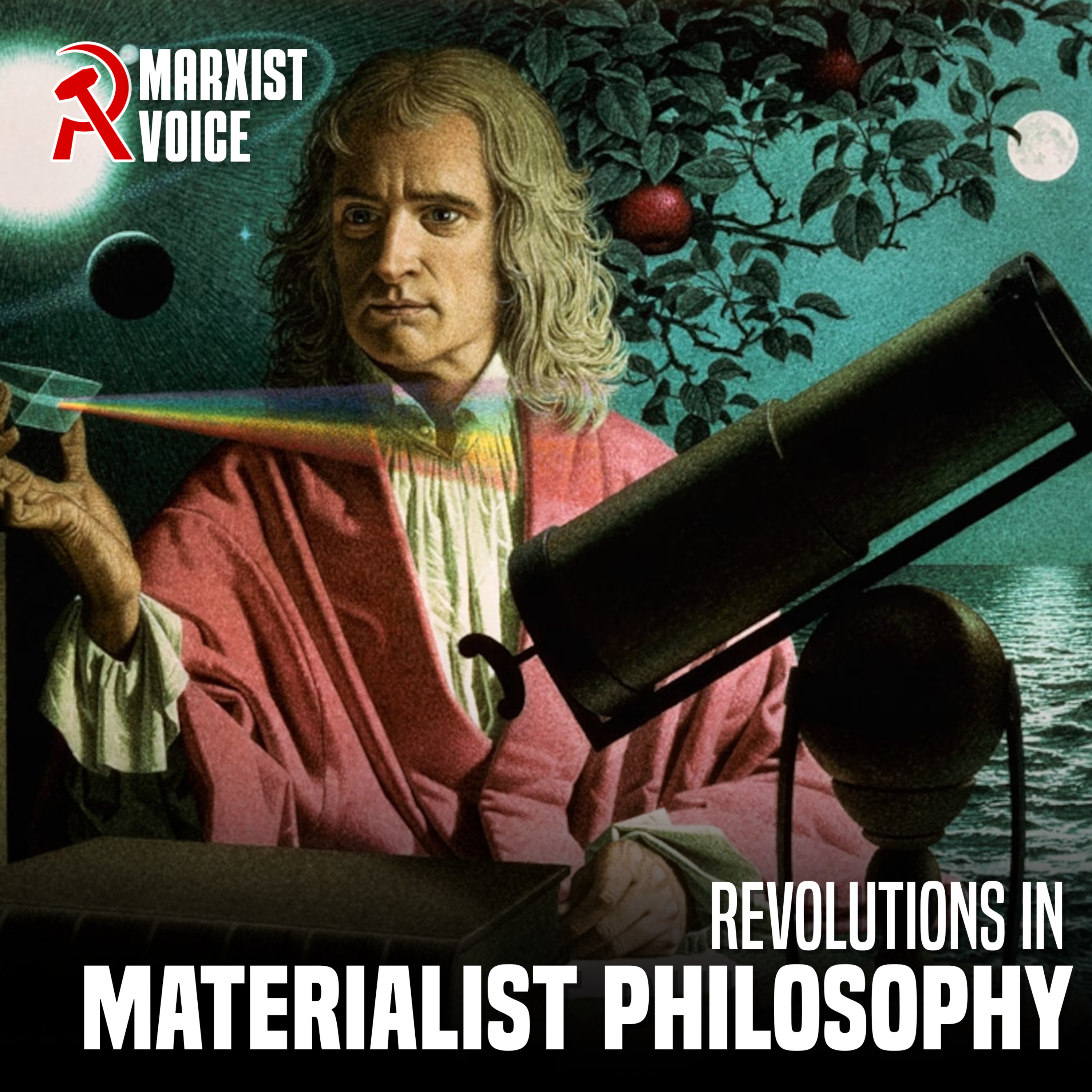
    Revolutions in Materialist Philosophy

    From the Renaissance to Marx, this talk from the London Marxist School traces the revolutionary developments of materialist philosophy. Beginning with the scientific breakthroughs of figures like Francis Bacon and Isaac Newton, it explores how humanity fought to understand the world through reason, science, and experience. The talk examines the limits of English empiricism, explaining the triumph of Marx and Engels in using dialectics to elevate materialism onto a higher plane. In doing so, they uncovered the laws of historical development and the contradictions of capitalism itself. As Khaled Malachi explains, Marxist philosophy is a guide to revolutionary action: a method for understanding society, exposing the roots of class exploitation, and fighting consciously for a socialist future.

  • June 2 · 49 min

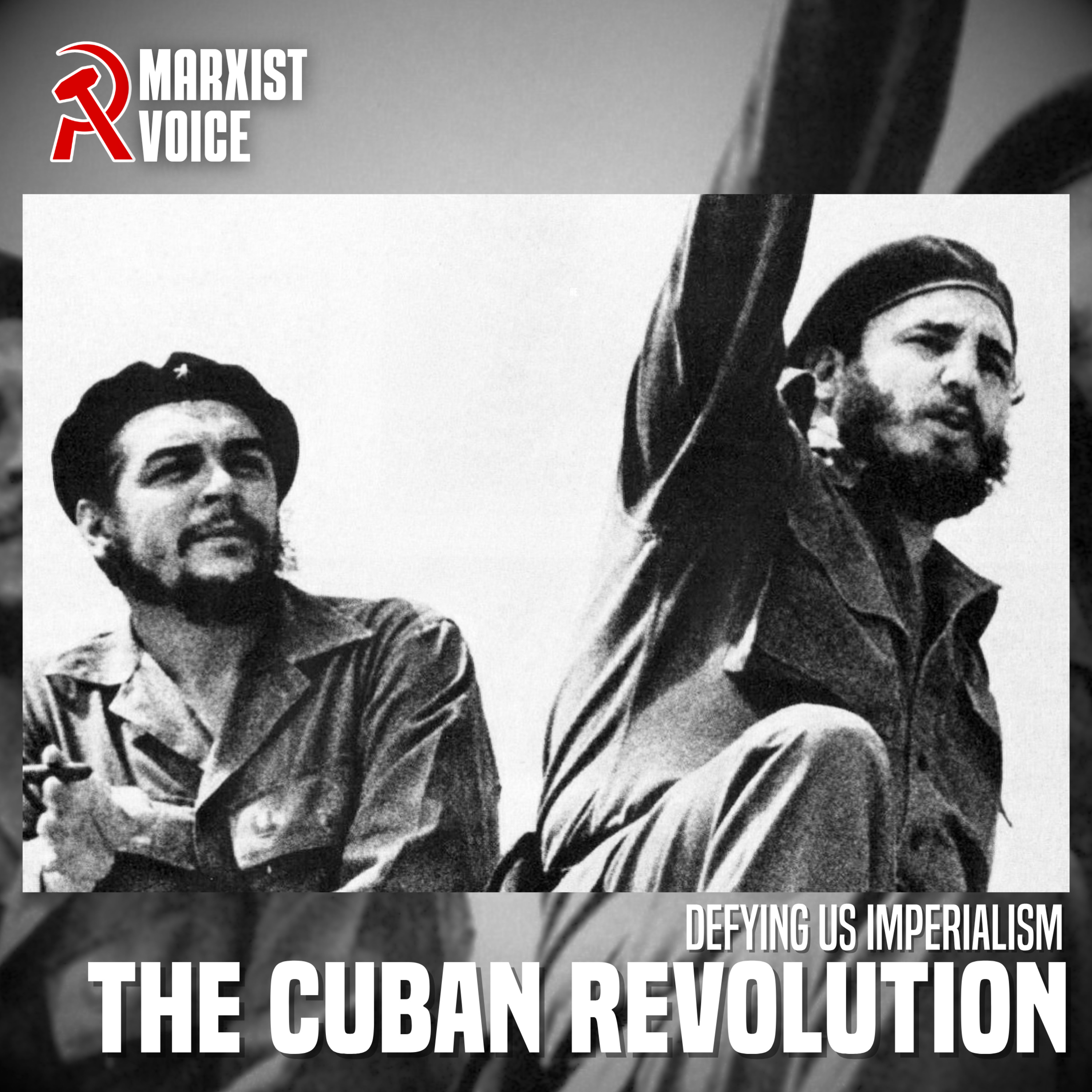
    Defying US imperialism: Fidel Castro and the Cuban Revolution

    The Cuban Revolution stands as one of the most revered revolutions in the history of capitalism. Fidel Castro and Che Guevara began as anti-imperialists and did not initially consider the revolution to be socialist. However, in the course of the struggle, they realised that the fight against imperialism, if it was to succeed, also had to be a fight against capitalism. With this understanding, they heroically ended capitalism on the island, leading to a long list of gains for Cuban workers. With the struggle against imperialism taking on renewed importance today, the lessons of the Cuban Revolution should be studied by all those who want to end the barbarism created by imperialism. In this talk, RCP Central Committee member Keelan Kellegher will draw out the lessons of the Cuban Revolution, explaining the most important conclusions we can take from this inspiring event.

  • May 26 · 44 min

    Feuerbach, philosophy, and the birth of Marxism

    Dialectical materialism, the philosophy of Marxism, did not fall from the sky. Nor was it just a ‘good idea’ that Marx came up with one afternoon. As Marxists we owe an immense debt to the philosophers of the past, in particular the German idealist Hegel. Before Marx was a ‘Marxist’, he was a student of Hegel, and was amongst those who saw in Hegelian philosophy a revolutionary method of understanding the world: the Young Hegelians. This talk will explain the contributions of Hegel and the Young Hegelians in developing philosophy. In particular, the work of Ludwig Feuerbach, whose attempt to critique Hegel showed the way forward, even if it ultimately failed to go all the way. Of the Young Hegelians, it was Marx and Engels alone who fully grasped the revolutionary spirit of Hegel’s philosophy. This talk, given by leading RCP comrade Nye Shaw, will explain what set these two giants apart from the rest, and how, on this basis, the revolutionary philosophy of Marxism was born.

  • May 19 · 48 min

    100 years of Malcolm X: From Nation to Revolution

    The name Malcolm X is synonymous with the black liberation movement internationally. His life was dedicated to this struggle, ultimately leading to his murder in 1965. His view that liberation should be fought for 'by any means necessary' was a battle cry to the oppressed masses globally, who could see the limits of peaceful protest and abiding by a law set up to oppress you. Beginning as black nationalist and member of the Muslim Brotherhood, in his life he experienced the development of the civil rights movement in the US and saw a series of revolutions against colonialism in Africa. These experiences moved him towards socialist and international and anti-capitalist ideas. Later in his life he proclaimed 'you cannot have capitalism without racism'. In this talk Fiona Lali, RCP Executive Committee member, will discuss the life and ideas of Malcolm X and how we can honour his legacy by overthrowing the oppression and exploitation which still plagues the world today.

  • May 12 · 1 hr 9 min

    World Perspectives 2026

    In order to change the world, you must first understand it. This is why communists discuss politics, economics and the state of class consciousness. In a world defined by economic collapse, political turmoil and growing anger at the establishment, the 3rd Congress of the Revolutionary Communist Party met to discuss this. Here we share the introduction on World Perspectives given by Alan Woods.

  • April 28 · 54 min

    Science, the crisis in cosmology and the Big Bang

    Men and women have looked up at the night sky and speculated about the nature of the universe since prehistoric times. Those speculations were the first gropings towards science. But science was bound up with myth; cosmology with cosmogeny; astronomy with astrology. Since the scientific revolution of the 16th century, however, myth has been squeezed in cosmology. But in the last century, a century of capitalist decline, it has made a comeback under the guise of a new Creation myth, the Big Bang. Since the 1990s, this has ossified into the so-called Standard Model. Today, advances in observational astronomy are fatally undermining that model. In this discussion, Ben Curry, leading member of the Revolutionary Communist International, will look at how the philosophical thought of an age impinges on this science where a clear philosophy is above all necessary if we are to relate the finite sphere of our observations to the infinite cosmos beyond, and the little sliver of time we are able to study its magnificent unfolding to the whole eternity that stretches behind us and ahead of us.

  • April 21 · 53 min

    Mao Zedong: His life, legacy, and limits

    There is no doubt that the Chinese revolution is one of the greatest events in human history. It freed China from the shackles of imperialism after a heroic, decades-long struggle. This revolution was the fruit of the tremendous determination and spirit of sacrifice of the Chinese masses. And at the head of this movement was Mao Zedong. Since Mao’s death, capitalism in China has been gradually restored by the Chinese Communist Party (CCP) bureaucracy. Mao is seen to have led a struggle against ‘capitalist roaders’ in the CCP in his final years. Thus many revolutionaries both inside and outside China have understandably looked towards the ideas of Mao as a guide to action in the struggle towards a new revolution. However, just as much as he achieved incredible things, there were not a few tragedies and horrors under his leadership that must be explained, such as the famines of the Great Leap Forward and China’s de facto alliance with the USA against the USSR. Is there a connection between these serious errors and crises, and the CCP’s eventual return to capitalism? And do communists need to make use of the best of Mao’s ideas to abolish once again capitalism in China? In this talk, Daniel Morley, from the RCP Central Committee, will answer these questions.

  • April 14 · 52 min

    The Chartist Revolution

    “Let there be no blinking the question. These are not the times to be nice about mere words: the fact is that there is but one mode of obtaining the Charter, and that is by insurrection.” George Julian Harney Chartism was the first time ever that British workers fixed their eyes on the seizure of political power: in 1839, 1842 and again in 1848. In this struggle, they conducted a class war that at different times involved general strikes, battles with the state, mass demonstrations and even armed insurrection. They forged weapons, illegally drilled their forces, and armed themselves in preparation for seizing the reins of government. Such were the early revolutionary traditions of the British working class, deliberately buried beneath a mountain of falsehoods and distortions. In this talk given at the London Marxist School, Rob Sewell draws out the lessons of the Chartist movement. You can get your copy of Rob's book here https://wellredbooks.co.uk/product/chartist-revolution/

  • April 7 · 42 min

    The Easter Rising of 1916

    The Easter Rising of 1916 is one of the most inspiring events in Irish revolutionary history. The rising saw Europe’s first Red Army, the Irish Citizen’s Army, fight the forces of British Imperialism on the streets of Dublin and sacrifice their lives for the cause of a free Ireland for the Irish workers and poor. When Lenin got news of the Rising, he criticised those who wrote it off as a ‘putsch’ saying ‘Whoever expects a ‘pure’ social revolution will never live to see it. Such a person pays lip-service to revolution without understanding what revolution is.’ These comments still ring true today with the history of the rising falling victim to all kinds of distortions. In this talk from Revolution Festival 2025, Orla Thomas from the RCP Central Committee will set the record straight on the history of the Rising, discuss its lessons , and explain the importance of the Irish national question for communists in Britain today.

Showing 1–20 of 22 episodes