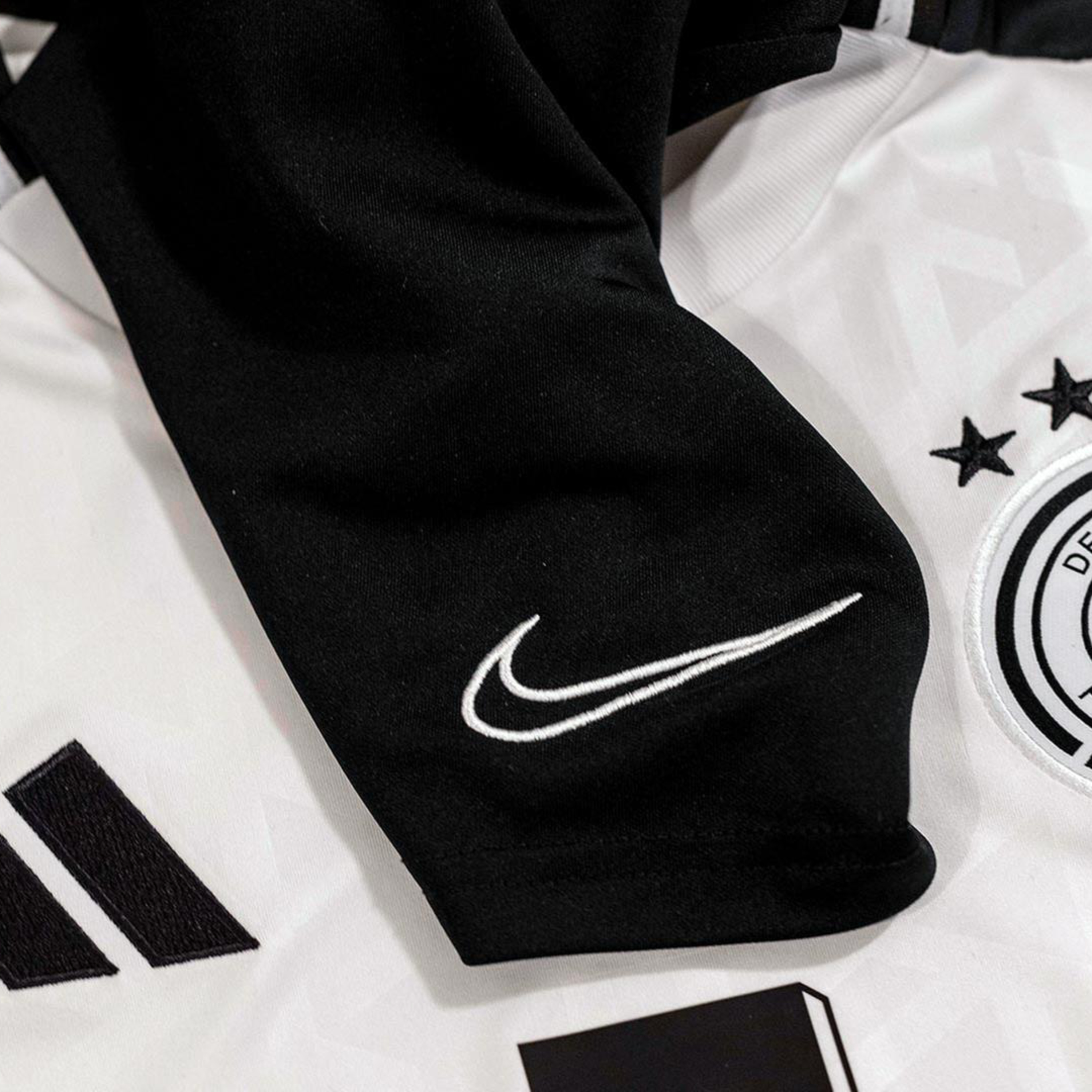
Adidas, Nike and the Price of Breaking a Legacy
Can you put a price on 70 years of brand equity? In 2027, the German national football team will wear Nike instead of Adidas for the first time in more than seven decades. A commercial partnership that began around the 1954 World Cup triumph — the legendary Miracle of Bern — is coming to an end. And the decision triggered something much bigger than a sponsorship debate. It triggered an emotional reaction across Germany. Politicians, football supporters and even prominent figures from the business community questioned how the DFB could abandon such an iconic relationship in favour of a higher commercial offer from an American competitor. But here's where the story becomes strategically interesting. The DFB wasn't necessarily making an irrational decision. Nike reportedly submitted the strongest financial proposal in a competitive tender, alongside commitments to grassroots football, women's football and sustainability. The additional resources would help the DFB finance the wider German football ecosystem, including thousands of amateur clubs. From a procurement perspective, the decision makes sense. From a brand perspective, things are considerably more complicated. Because Adidas wasn't simply supplying football shirts. It had become part of the story. Think about it: The three stripes were present during Germany's World Cup victories in 1954, 1974, 1990 and 2014. Generations grew up associating Adidas with the national team. The brand wasn't just visible on the players. It was embedded in collective memories, national identity and sporting culture. That is a very different kind of commercial asset. And here's the strategic dilemma: The DFB optimized the financial value of the partnership. But what about its accumulated emotional value? This raises three important questions for business leaders: – Are we measuring the full value of a partnership, or simply its immediate financial return? – Can a new partner compensate for the symbolic capital accumulated by the previous one? – When does commercial optimization start destroying intangible value? This is particularly relevant to companies managing long-standing sponsorships, strategic alliances, customer relationships and heritage brands. Sometimes, the value of a relationship goes far beyond what appears on a balance sheet. 💡 The strategic principle: The Legacy Premium The accumulated emotional, cultural and symbolic value of a relationship that cannot easily be replicated — even with a substantially better commercial offer. The lesson isn't that organizations should never change partners. It's that not every valuable relationship should be evaluated as a procurement decision. Some partnerships are worth more than the sum of their contractual rights.