Skip to content
Artwork for Machine Learning Tech Brief By HackerNoon
NewsTech News

Machine Learning Tech Brief By HackerNoon

HackerNoon

Learn the latest machine learning updates in the tech world.

Play
  • 91 episodes
  • Avg 12 min
  • English
Counted on this page — what you have heard stays on this device, so it is not something the list can be paged by.
  • Today · 39 min

    Do AI Agents Really Need MCP Servers? Here's What the Numbers Say

    This story was originally published on HackerNoon at: https://hackernoon.com/do-ai-agents-really-need-mcp-servers-heres-what-the-numbers-say. MCP or CLI? A practical look at Jira, GitHub and Playwright, separating tool access, permissions and response shaping from token-cost claims. Check more stories related to machine-learning at: https://hackernoon.com/c/machine-learning. You can also check exclusive content about #model-context-protocol, #cli, #software-development, #ai-agent-loop, #ai-agent-benchmarking, #llm-tool-execution, #ai-agent-architecture, #tool-calling, and more. This story was written by: @kaanbobac. Learn more about this writer by checking @kaanbobac's about page, and for more stories, please visit hackernoon.com. MCP or CLI? A practical look at Jira, GitHub and Playwright, separating tool access, permissions and response shaping from token-cost claims.


  • Today · 3 min

    Rethinking Computer Science Education: Why Students Should Build Before They Master Theory

    This story was originally published on HackerNoon at: https://hackernoon.com/rethinking-computer-science-education-why-students-should-build-before-they-master-theory. Computer science students learn theory before building real software. In the AI era, should we reverse the curriculum and teach through practical experience? Check more stories related to machine-learning at: https://hackernoon.com/c/machine-learning. You can also check exclusive content about #ai-in-education, #computer-science-education, #ai-coding-assistants, #software-engineering-education, #project-based-learning, #ai-assisted-programming, #computer-science-fundamentals, #learning-to-code, and more. This story was written by: @sashaapartsin. Learn more about this writer by checking @sashaapartsin's about page, and for more stories, please visit hackernoon.com. Computer science education is outdated, prioritizing foundational knowledge over practical skills, whereas the industry demands hands-on experience with modern tools and technologies. By flipping the order, teaching students to build useful software first and then introducing deeper computer science concepts, educators can better prepare students for the demands of the job market.

  • Yesterday · 11 min

    The AI Velocity Paradox: Faster Code, More Specification Drift

    This story was originally published on HackerNoon at: https://hackernoon.com/the-ai-velocity-paradox-faster-code-more-specification-drift. Explore a proposed approach to tracking software requirements across AI-generated code and tests using StrictDoc, Tracey, and CI validation. Check more stories related to machine-learning at: https://hackernoon.com/c/machine-learning. You can also check exclusive content about #ai-coding-agents, #software-verification, #strictdoc, #tracey, #ai-code-review, #software-intent-graph, #requirements-as-code, #ai-assisted-development, and more. This story was written by: @programmingcentral. Learn more about this writer by checking @programmingcentral's about page, and for more stories, please visit hackernoon.com. AI coding agents write code 10x faster than humans can verify it. Passing tests and green PRs often hide silent specification drift. Here is how to build a deterministic, Git-native Software Intent Graph using StrictDoc and Tracey to mechanically govern coding agents.

  • Sunday · 12 min

    Open-Sourcing All Day AI: The Playbook for a 12,000+ Attendee Conference

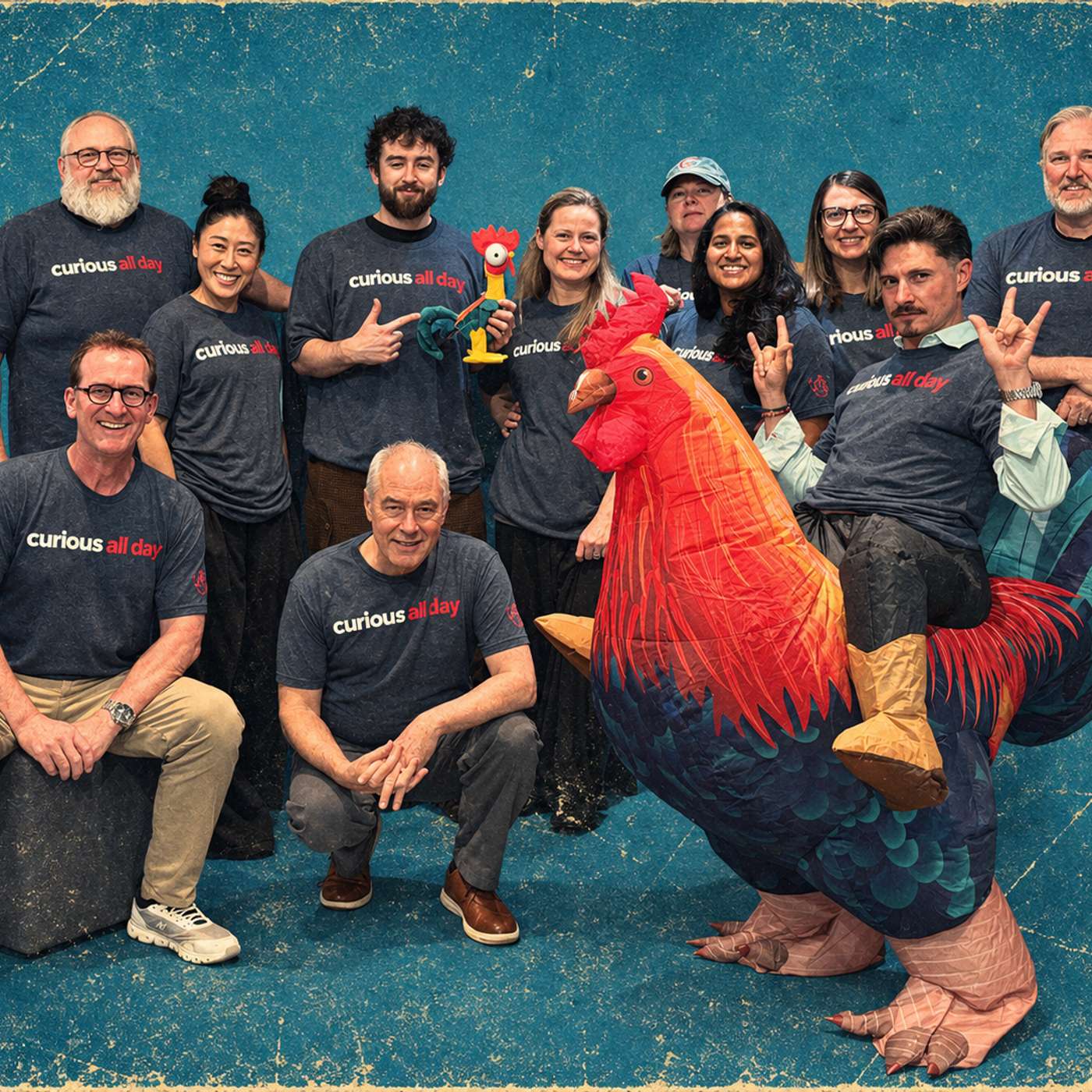
    This story was originally published on HackerNoon at: https://hackernoon.com/open-sourcing-all-day-ai-the-playbook-for-a-12000-attendee-conference. How we built All Day AI, a free 16-hour online AI event, in two months: 12,313 registrants, 140 speakers, a $5 website, and the AI agents behind speaker ops. Check more stories related to machine-learning at: https://hackernoon.com/c/machine-learning. You can also check exclusive content about #ai, #alldayai, #conference, #tech-events, #event, #open-sourcing, #open-sourcing-all-day-ai, #open-source, and more. This story was written by: @bturcotte. Learn more about this writer by checking @bturcotte's about page, and for more stories, please visit hackernoon.com. All Day AI was a free, online, 16-hour marathon event with zero vendor pitches. We pulled it together in about two months, saw 12,313 participants and 140 speakers, and people stayed and watched for an average of more than 6 hours. An event of this scale doesn’t come together that fast without some serious sprinting, trial and error, and audible-calling. Plenty of people have asked how we did it, so this article open-sources the whole playbook: the goals, the team, the tools, the timeline, and the parts we’d change.

  • Sunday · 6 min

    Microduck, the Robot Pet That Imitates Life: Can We Really Grow Attached to a Machine?

    This story was originally published on HackerNoon at: https://hackernoon.com/microduck-the-robot-pet-that-imitates-life-can-we-really-grow-attached-to-a-machine. Can robots become emotional companions? Microduck raises questions about artificial intelligence, simulated emotions, and our attachment to machines. Check more stories related to machine-learning at: https://hackernoon.com/c/machine-learning. You can also check exclusive content about #artificial-intelligence, #robotics, #emotional-ai, #reinforcement-learning, #human-robot-interaction, #microduck, #robot-pet, #machines, and more. This story was written by: @enigma. Learn more about this writer by checking @enigma's about page, and for more stories, please visit hackernoon.com. Microduck is a small robotic pet that imitates animal movements, sounds, and emotions using AI. Its technology highlights advances in robotics, digital twins, and reinforcement learning, while raising a deeper question: can humans form meaningful emotional bonds with machines that simulate life without actually experiencing it?

  • Friday · 6 min

    When AI Can Write Its Own Software, Will We Still Need Apps?

    This story was originally published on HackerNoon at: https://hackernoon.com/when-ai-can-write-its-own-software-will-we-still-need-apps. AI-generated code and negotiated collaboration rules could replace fixed apps, shifting work from operating software to defining and verifying outcomes. Check more stories related to machine-learning at: https://hackernoon.com/c/machine-learning. You can also check exclusive content about #artificial-intelligence, #software-development, #futurism, #ai-generated-software, #autonomous-ai, #software-automation, #ai-software-development, #future-of-applications, and more. This story was written by: @gemron. Learn more about this writer by checking @gemron's about page, and for more stories, please visit hackernoon.com. AI-generated code and negotiated collaboration rules could replace fixed apps, shifting work from operating software to defining and verifying outcomes.

  • Friday · 10 min

    PR Pros Are “Vibe-Coding” AI Visibility Workflows When They Could Rely on a Modern Newswire

    This story was originally published on HackerNoon at: https://hackernoon.com/pr-pros-are-vibe-coding-ai-visibility-workflows-when-they-could-rely-on-a-modern-newswire. PR pros are building their own AI visibility trackers. Here’s what to look for in a press release distribution service that tracks AI citations for you. Check more stories related to machine-learning at: https://hackernoon.com/c/machine-learning. You can also check exclusive content about #ai, #news, #press-release, #reddit, #aeo, #generative-engine-optimization, #answer-engine-optimization, #good-company, and more. This story was written by: @eznewswire. Learn more about this writer by checking @eznewswire's about page, and for more stories, please visit hackernoon.com. Legacy newswires don’t provide PR practitioners with the AI visibility insights they need to deliver to their clients, so many are building their own from scratch. A modern press release distribution partner does that work already, showing where releases on premium publishers get cited by ChatGPT, Perplexity, and other AI platforms.

  • Thursday · 6 min

    What Is Claude Duet? Inside Anthropic's Always-On AI Assistant

    This story was originally published on HackerNoon at: https://hackernoon.com/what-is-claude-duet-inside-anthropics-always-on-ai-assistant. Claude Duet runs on a cloud VM, checks your apps every few hours and asks before anything irreversible. How it works and when a DIY agent wins. Check more stories related to machine-learning at: https://hackernoon.com/c/machine-learning. You can also check exclusive content about #ai-agents, #anthropic, #artificial-intelligence, #claude-duet, #autonomous-ai-agents, #ai-agent-automation, #ai-agent-development, #ai-workflow-automation, and more. This story was written by: @sebuzdugan. Learn more about this writer by checking @sebuzdugan's about page, and for more stories, please visit hackernoon.com. Anthropic's Claude Duet is a proactive agent: it runs on its own cloud VM with a browser, checks your connected apps every few hours, drafts work on its own and stops at an approval gate before sending, paying, signing or deleting. It ships in Pro and Max at no extra cost but shares their usage limits. A Claude Code plus cron setup still wins if you need custom intervals, niche connectors or full visibility.

  • Thursday · 10 min

    Grok Bot vs Claude Duet vs Dots vs Muse: Which AI Agent Should You Use?

    This story was originally published on HackerNoon at: https://hackernoon.com/grok-bot-vs-claude-duet-vs-dots-vs-muse-which-ai-agent-should-you-use. Claude Duet, Grok Bot, Muse and Dots compared on price, availability, approvals and connectors, with hands-on tests of the one I could use from India. Check more stories related to machine-learning at: https://hackernoon.com/c/machine-learning. You can also check exclusive content about #ai, #ai-agents, #llms, #artificial-intelligence, #productivity, #always-on-ai-agents, #grok-bot-review, #claude-duet-pricing, and more. This story was written by: @ishankdev. Learn more about this writer by checking @ishankdev's about page, and for more stories, please visit hackernoon.com. Claude Duet, Grok Bot, Muse and Dots compared on price, availability, approvals and connectors, with hands-on tests of the one I could use from India.

  • Wednesday · 18 min

    How the EU AI Act Regulates Agentic AI

    This story was originally published on HackerNoon at: https://hackernoon.com/how-the-eu-ai-act-regulates-agentic-ai. The EU AI Act regulates agents as AI systems, with obligations determined by their intended purpose and use. Check more stories related to machine-learning at: https://hackernoon.com/c/machine-learning. You can also check exclusive content about #agentic-ai, #eu-ai-act, #agentic-systems, #agentic-ai-governance, #agentic-ai-architecture, #agentic-ai-risks, #agentic-ai-protocols, #agentic-engineering, and more. This story was written by: @giovannicoletta. Learn more about this writer by checking @giovannicoletta's about page, and for more stories, please visit hackernoon.com. The EU AI Act regulates agents as AI systems, with obligations determined by their intended purpose and use. Their underlying models face separate GPAI requirements. Organisations repurposing agents for high-risk uses may take on provider duties. Effective compliance requires clear accountability, human oversight, cybersecurity and ongoing monitoring, alongside other applicable EU laws.

  • Wednesday · 6 min

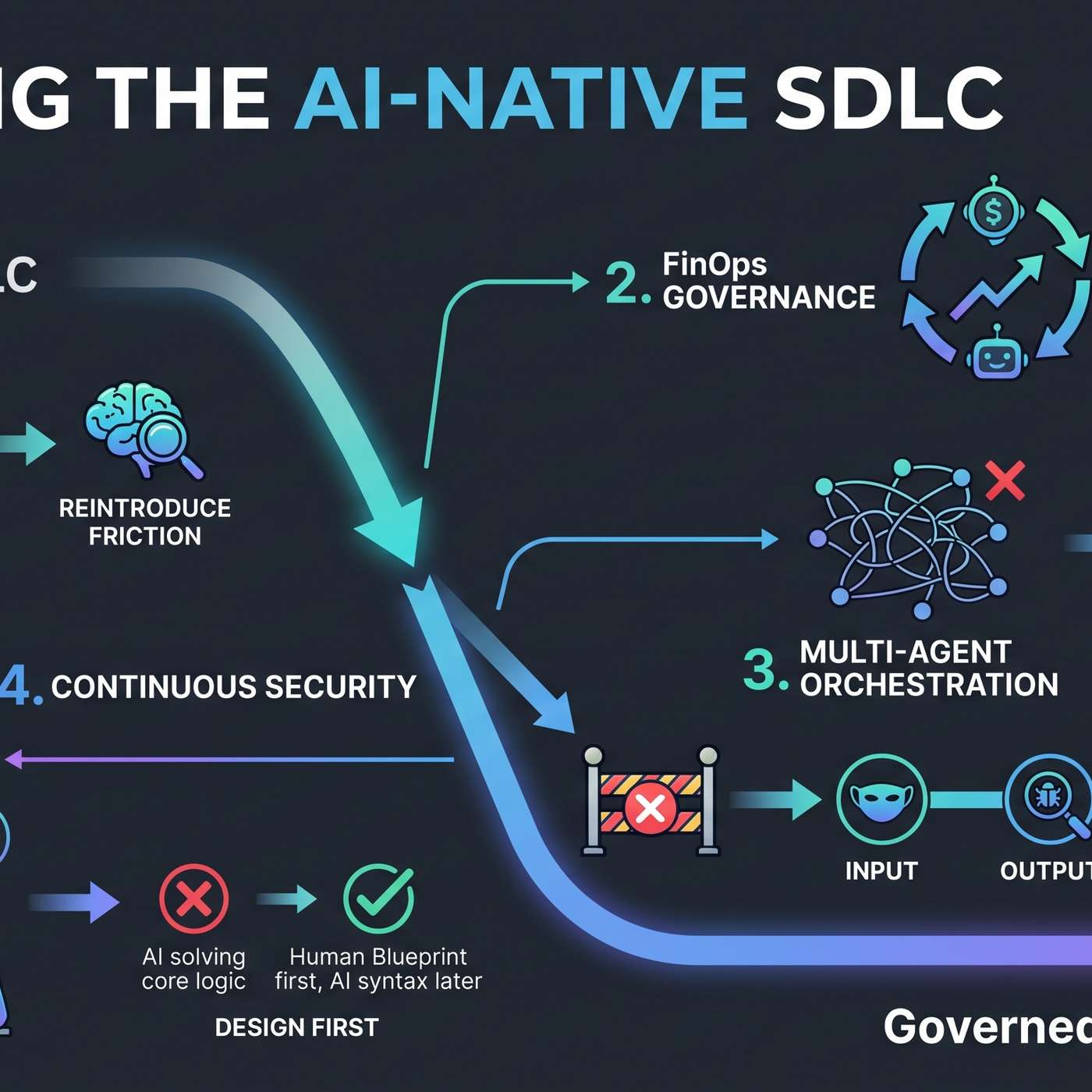
    Architecting AI-SDLC: Five Lessons For DevSecFinOps Teams

    This story was originally published on HackerNoon at: https://hackernoon.com/architecting-ai-sdlc-five-lessons-for-devsecfinops-teams. Using AI in enterprises is challenging due to issues like cognitive debt, unpredictable token consumption, and the need for strict governance. Check more stories related to machine-learning at: https://hackernoon.com/c/machine-learning. You can also check exclusive content about #ai, #artificial-intelligence, #software-architecture, #devsecops, #devops, #cloud-computing, #sdlc, #ai-sdlc-intelligence, and more. This story was written by: @krishnaduttpanchagnula. Learn more about this writer by checking @krishnaduttpanchagnula's about page, and for more stories, please visit hackernoon.com. Using AI in enterprises is challenging due to issues like cognitive debt, unpredictable token consumption, and the need for strict governance. To succeed, teams must overhaul their SDLC, prioritize deep comprehension, and implement FinOps, live hooks, and a hierarchical topology to manage AI-induced complexity.

  • October 27 · 18 min

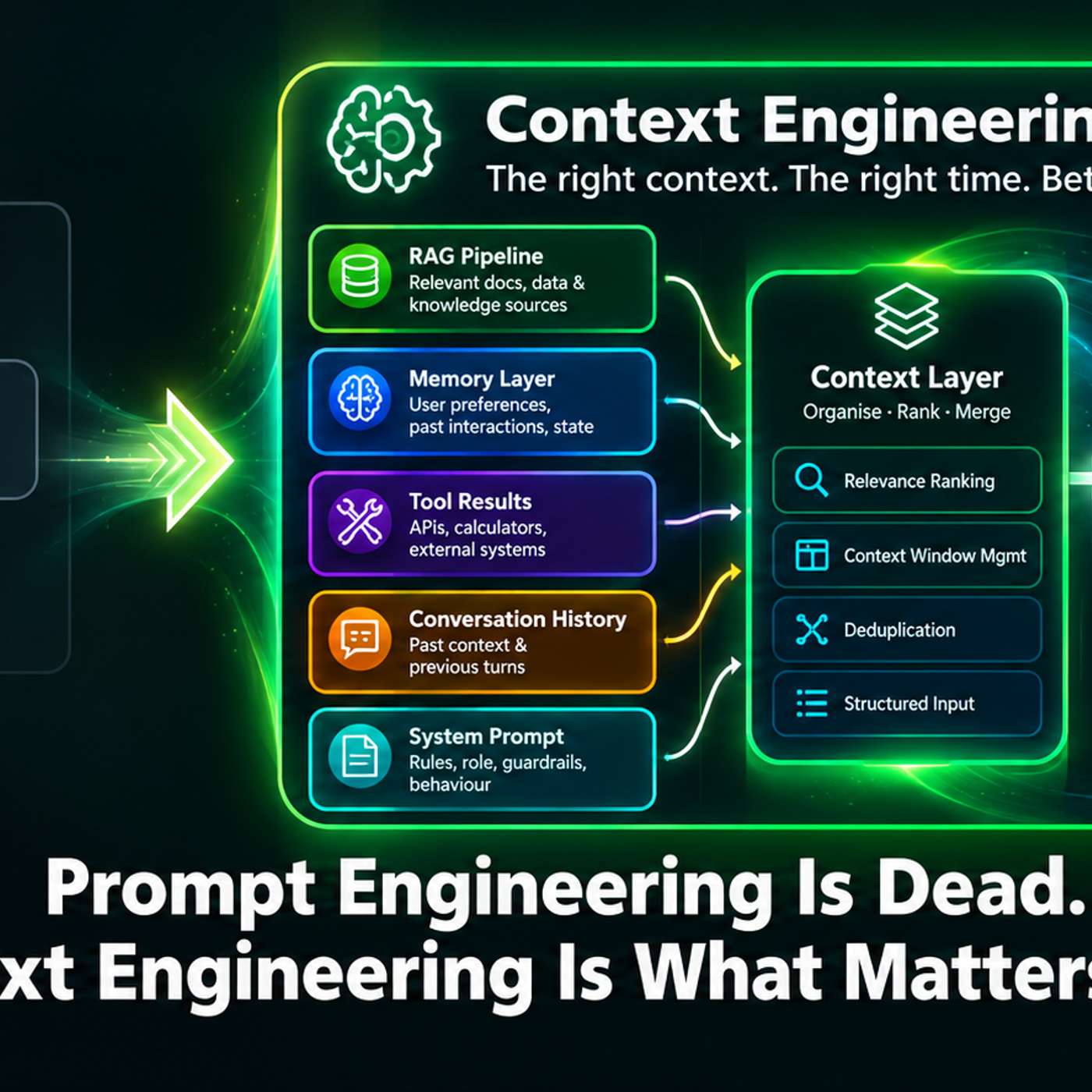
    Prompt Engineering Is Dead. Context Engineering Is What Actually Matters Now.

    This story was originally published on HackerNoon at: https://hackernoon.com/prompt-engineering-is-dead-context-engineering-is-what-actually-matters-now. Here is the complete guide, what it is, why it matters, and exactly how to do it. Check more stories related to machine-learning at: https://hackernoon.com/c/machine-learning. You can also check exclusive content about #prompt-engineering, #llm, #artificial-intelligence, #tutorial, #developer-experience, #beginners, #ai-agents, #context-engineering, and more. This story was written by: @cloudsavant. Learn more about this writer by checking @cloudsavant's about page, and for more stories, please visit hackernoon.com. Context engineering is the discipline of designing everything a model sees when it generates a response, not just the prompt. It involves understanding what information the model needs to answer correctly and where in the context window that information lives.

  • October 27 · 5 min

    Open-Source Models Are Ready for Enterprise…Here's How to Deploy Them Safely

    This story was originally published on HackerNoon at: https://hackernoon.com/open-source-models-are-ready-for-enterpriseheres-how-to-deploy-them-safely. The key to safe deployment lies in self-hosting open models, controlling data transmission, and ensuring model provenance, patch cadence, and access controls. Check more stories related to machine-learning at: https://hackernoon.com/c/machine-learning. You can also check exclusive content about #open-source-ai, #enterprise-ai, #sovereign-ai, #ai-security, #enterprise-ai-security, #secure-ai-deployment, #deepseek-security, #good-company, and more. This story was written by: @aphanarc-ai. Learn more about this writer by checking @aphanarc-ai's about page, and for more stories, please visit hackernoon.com. The global AI market share of DeepSeek and Qwen has surged to 15% from 1% in just a year, with enterprises now focusing on deploying these models safely without creating liabilities. The key to safe deployment lies in self-hosting open models, controlling data transmission, and ensuring model provenance, patch cadence, and access controls.

  • October 25 · 9 min

    Immutable Architecture: Why the Future of AI Models Demands Permanent Storage

    This story was originally published on HackerNoon at: https://hackernoon.com/immutable-architecture-why-the-future-of-ai-models-demands-permanent-storage. If an AI model lives on a centralized server, it can be altered, censored, or deleted at the whim of a single company, and that is a problem for AI models today Check more stories related to machine-learning at: https://hackernoon.com/c/machine-learning. You can also check exclusive content about #ai, #ai-models, #ai-model-training, #decentralized-ai, #ai-training-data, #ai-architecture, #future-of-ai-models, #open-weights-model, and more. This story was written by: @vishwagw. Learn more about this writer by checking @vishwagw's about page, and for more stories, please visit hackernoon.com. Most open model weights live on one platform. A license that lets you use a model does not guarantee you can still download it next year.

  • October 25 · 11 min

    Before You Blame the Model, Check the Stack

    This story was originally published on HackerNoon at: https://hackernoon.com/before-you-blame-the-model-check-the-stack. Why AI models seem to get dumber overnight, and what to check before blaming the weights. Lessons from Claude Code, GPT-5.6 Sol, and GPT-6 Astra. Check more stories related to machine-learning at: https://hackernoon.com/c/machine-learning. You can also check exclusive content about #artificial-intelligence, #llms, #llm-evaluation, #ai-reliability, #mlops, #ai-models, #ai-troubleshooting, #llm-troubleshooting, and more. This story was written by: @spurthitallam. Learn more about this writer by checking @spurthitallam's about page, and for more stories, please visit hackernoon.com. When an AI product suddenly feels less capable, the weights are only one suspect. Routers, serving bugs, reasoning settings, system prompts, context limits, SDK upgrades, and retrieval defaults can all change the answer while the model stays the same. Check the diff before you blame the model.

  • October 23 · 8 min

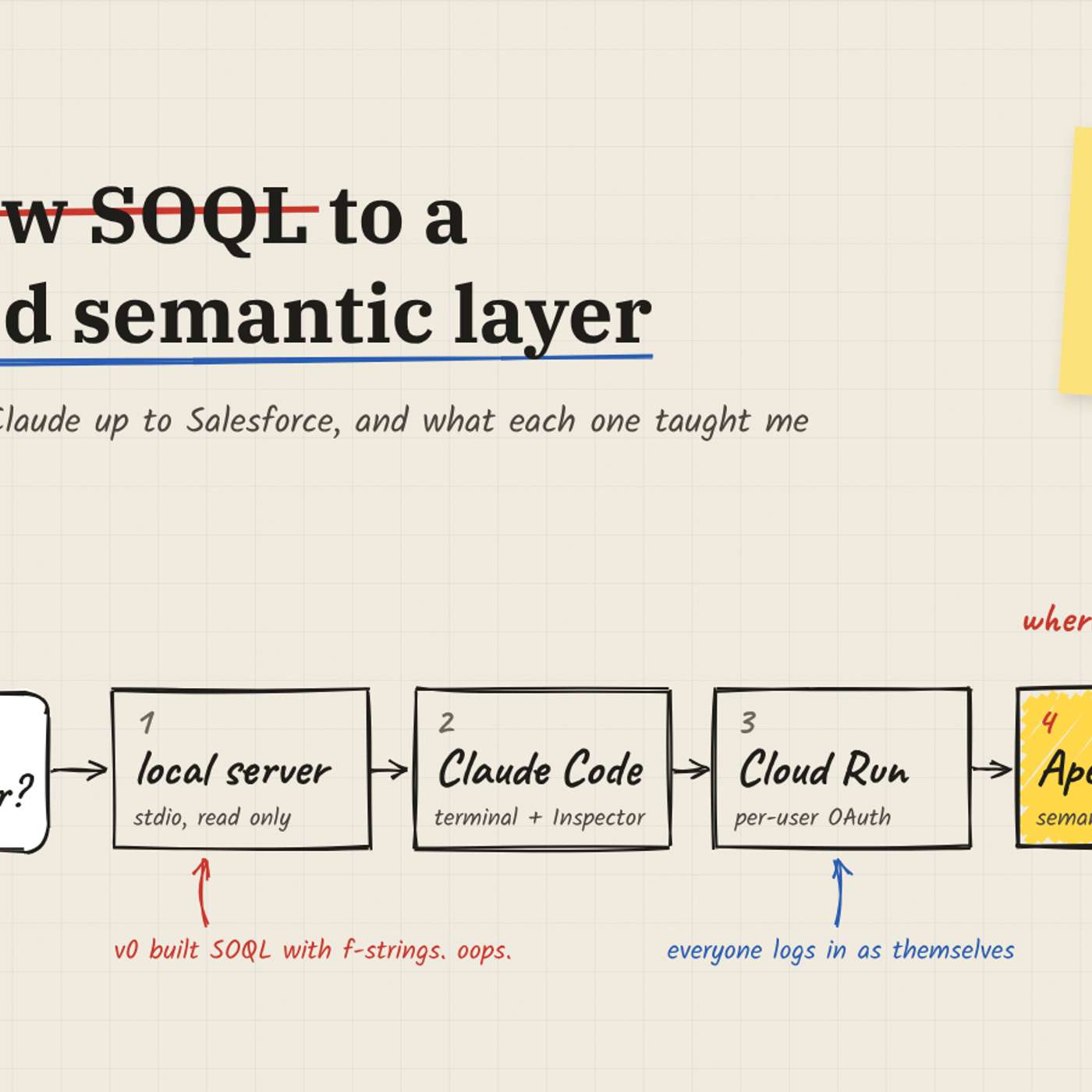
    From Raw SOQL to a Governed Semantic Layer: Four Ways I Connected Claude to Salesforce

    This story was originally published on HackerNoon at: https://hackernoon.com/from-raw-soql-to-a-governed-semantic-layer-four-ways-i-connected-claude-to-salesforce. Four ways I connected Claude to Salesforce with MCP, from a local server to Apex tools, and why agents should get business answers, not raw SOQL. Check more stories related to machine-learning at: https://hackernoon.com/c/machine-learning. You can also check exclusive content about #ai, #gtm-engineering, #gtm, #mcp, #salesforce, #claude-salesforce, #model-context-protocol, #salesforce-oauth, and more. This story was written by: @nareshg. Learn more about this writer by checking @nareshg's about page, and for more stories, please visit hackernoon.com. Four ways I connected Claude to Salesforce with MCP, from a local server to Apex tools, and why agents should get business answers, not raw SOQL.

  • October 23 · 18 min

    Qwen3.8-27B Defiance: An Uncensored AI Model With 40 Modes

    This story was originally published on HackerNoon at: https://hackernoon.com/qwen38-27b-defiance-an-uncensored-ai-model-with-40-modes. Learn how Qwen3.8-27B Defiance works, including its uncensored weights, custom AI personas, GPU requirements, performance, and limitations. Check more stories related to machine-learning at: https://hackernoon.com/c/machine-learning. You can also check exclusive content about #machine-learning, #legal, #programming, #api, #artificial-intelligence, #business, #gguf-models, #qwen-model-performance, and more. This story was written by: @aimodels44. Learn more about this writer by checking @aimodels44's about page, and for more stories, please visit hackernoon.com. Learn how Qwen3.8-27B Defiance works, including its uncensored weights, custom AI personas, GPU requirements, performance, and limitations.

  • October 22 · 11 min

    Is Software Really Dead? The Rise of AI-Powered Reverse Engineering

    This story was originally published on HackerNoon at: https://hackernoon.com/is-software-really-dead-the-rise-of-ai-powered-reverse-engineering. An open-source tool called REA hit 100,000 GitHub stars in days. Here's what it does, the good and bad it's causing, and why the regulation fight is messy. Check more stories related to machine-learning at: https://hackernoon.com/c/machine-learning. You can also check exclusive content about #ai, #open-source-technology, #reverse-engineering, #ai-reverse-engineering, #reverse-engineer-anything, #rea-ai, #software-development, #ai-software-development, and more. This story was written by: @mendoncamaria. Learn more about this writer by checking @mendoncamaria's about page, and for more stories, please visit hackernoon.com. AI-assisted reverse engineering is a double-edged sword, offering benefits to both defenders and pirates. It accelerates security research and analysis, but also enables the rapid creation of clones and potentially undermines software vendors' pricing and lock-in strategies.

  • October 22 · 5 min

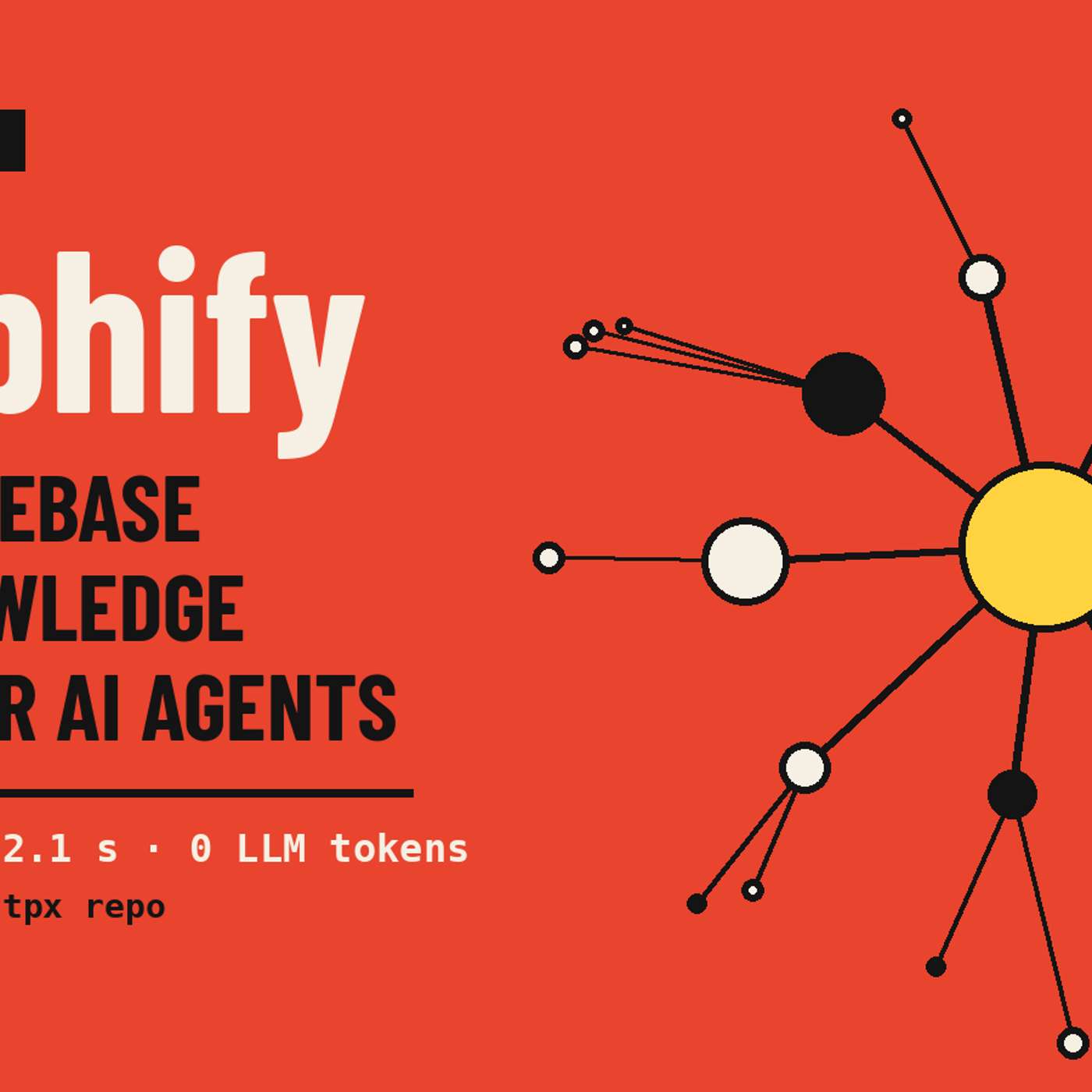
    I Tested Graphify on a Real Python Repo. Here's What Happened

    This story was originally published on HackerNoon at: https://hackernoon.com/i-tested-graphify-on-a-real-python-repo-heres-what-happened. Hands-on with graphify on httpx: a 2,233-node code graph in 2.1 s with zero LLM tokens, and explain at 628 tokens vs 13,659 to read the file. Check more stories related to machine-learning at: https://hackernoon.com/c/machine-learning. You can also check exclusive content about #ai-agents, #knowledge-graph, #developer-tools, #open-source, #python, #graphify-testing, #graphify-token-savings, #codebase-visualization, and more. This story was written by: @ishankdev. Learn more about this writer by checking @ishankdev's about page, and for more stories, please visit hackernoon.com. Hands-on with graphify on httpx: a 2,233-node code graph in 2.1 s with zero LLM tokens, and explain at 628 tokens vs 13,659 to read the file.

  • October 20 · 9 min

    End-to-End AI vs. Traditional Self-Driving Systems

    This story was originally published on HackerNoon at: https://hackernoon.com/end-to-end-ai-vs-traditional-self-driving-systems. Tesla, Wayve, and Waymo are advancing AI-driven cars. Explore the challenges of debugging neural drivers, verifying safety, and regulating autonomy. Check more stories related to machine-learning at: https://hackernoon.com/c/machine-learning. You can also check exclusive content about #autonomous-vehicle-safety, #end-to-end-autonomous-driving, #wayve-ai-driver, #tesla-cybercab, #vision-language-action-models, #nvidia-alpamayo, #neural-network-explainability, #autonomous-vehicle-regulation, and more. This story was written by: @vishwagw. Learn more about this writer by checking @vishwagw's about page, and for more stories, please visit hackernoon.com. Autonomous driving is increasingly powered by learned models rather than traditional rule-heavy software pipelines. Drawing on developments at Tesla, Wayve, Waymo, and NVIDIA, this article examines the trade-offs between end-to-end learning and modular systems, the difficulty of debugging neural drivers, and the role of simulation, independent safety controls, and regulatory evidence. The author's central argument is that the industry must now prove these systems are safe, not simply demonstrate that they can drive.

Showing 1–20 of 91 episodes