Skip to content
Artwork for Let The Record Show

Let The Record Show

ACLU

Let The Record Show is a U.S. history podcast that looks back on legal precedent to make sense of our ever-evolving future. On every episode we explore the people, places and stories behind major court cases that shape how we live our lives today.


Play
  • 24 episodes
  • fortnightly
  • Avg 50 min
  • English
Counted on this page — what you have heard stays on this device, so it is not something the list can be paged by.
  • Wednesday · 32 min

    Which Children Get to Attend Public School?

    In 1975, Texas amended its education code to target one group of students: undocumented children. What Texas lawmakers didn’t anticipate is that even if school administrators tried turning these students away or charging their parents tuition, one group of families wouldn’t give up. And together, with the Mexican American Legal Defense and Educational Fund (MALDEF), they’d make the case that all children, regardless of their immigration status, deserve an education. To help us make sense of the 1982 Supreme Court case Plyler v. Doe, we’re speaking with Thomas A. Saenz, president and general counsel of the Mexican American Legal Defense and Educational Fund (MALDEF), Alfredo Lopez — whose parents joined the class action lawsuit — and his daughter Kassie.
  • November 4 · 31 min

    The Parents Who Defended Religious Liberty in Public Schools

    In the 1950s, New York state officials introduced a prayer into public schools. It was optional, it was short, and it was, as the Supreme Court ruled in 1962, unconstitutional. This week, we’re headed to the suburbs to cover that case, Engel v. Vitale. And there, we’ll meet a group of parents who were determined to teach their children — and, ultimately, the nation — that freedom of religion, and freedom from religion, are fundamental rights. Joining us is Dan Mach, director of the ACLU Program on Freedom of Religion and Belief.

  • October 21 · 34 min

    The Lawyer Who Changed the Way We Look at Discrimination

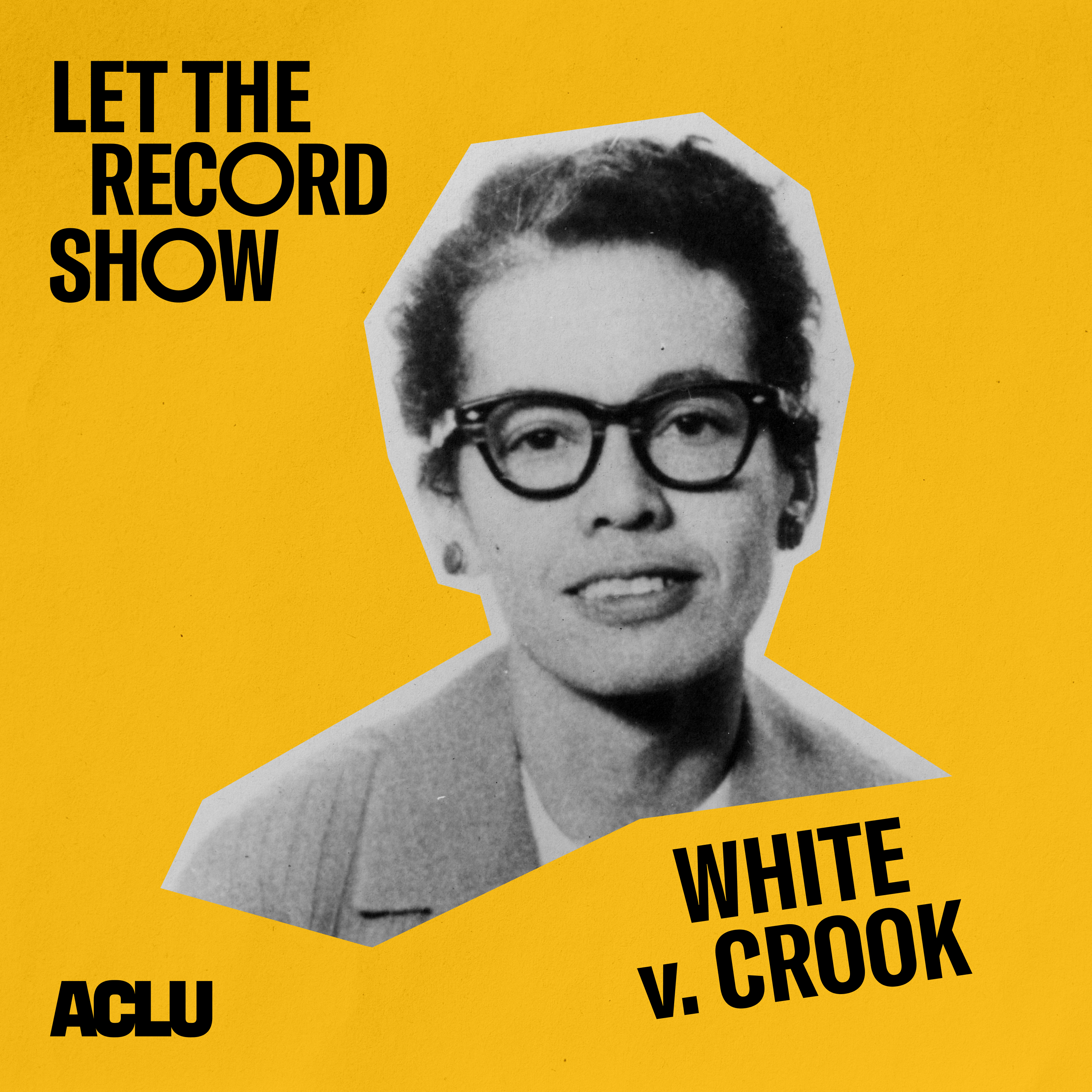
    Years before the Supreme Court recognized its first sex discrimination claim, a visionary lawyer named Pauli Murray was building a case that said the 14th Amendment protects against both race and sex discrimination. The case showed how these forms of discrimination work together to protect the same power structure. This week, we’re exploring the first major instance of this argument being used in court, in the 1966 Alabama case White v. Crook. On its surface, it’s a case about who gets to sit on a jury, but as we’ll learn, it’s really about who the Constitution protects. Along the way, we’ll hear from Chase Strangio, co-director of the ACLU’s LGBTQ & HIV Rights Project, and ReNika Moore, the director of the ACLU's Racial Justice Program. Rev. Dr. Pauli Murray’s recitation of "Dark Testament" featured in this episode is courtesy of the Pauli Murray Foundation. Find more information at the Pauli Murray Foundation here. We accessed the "Dark Testament" audio via the “Papers of Pauli Murray”, Harvard Radcliffe Institute's Schlesinger Library.

  • October 7 · 29 min

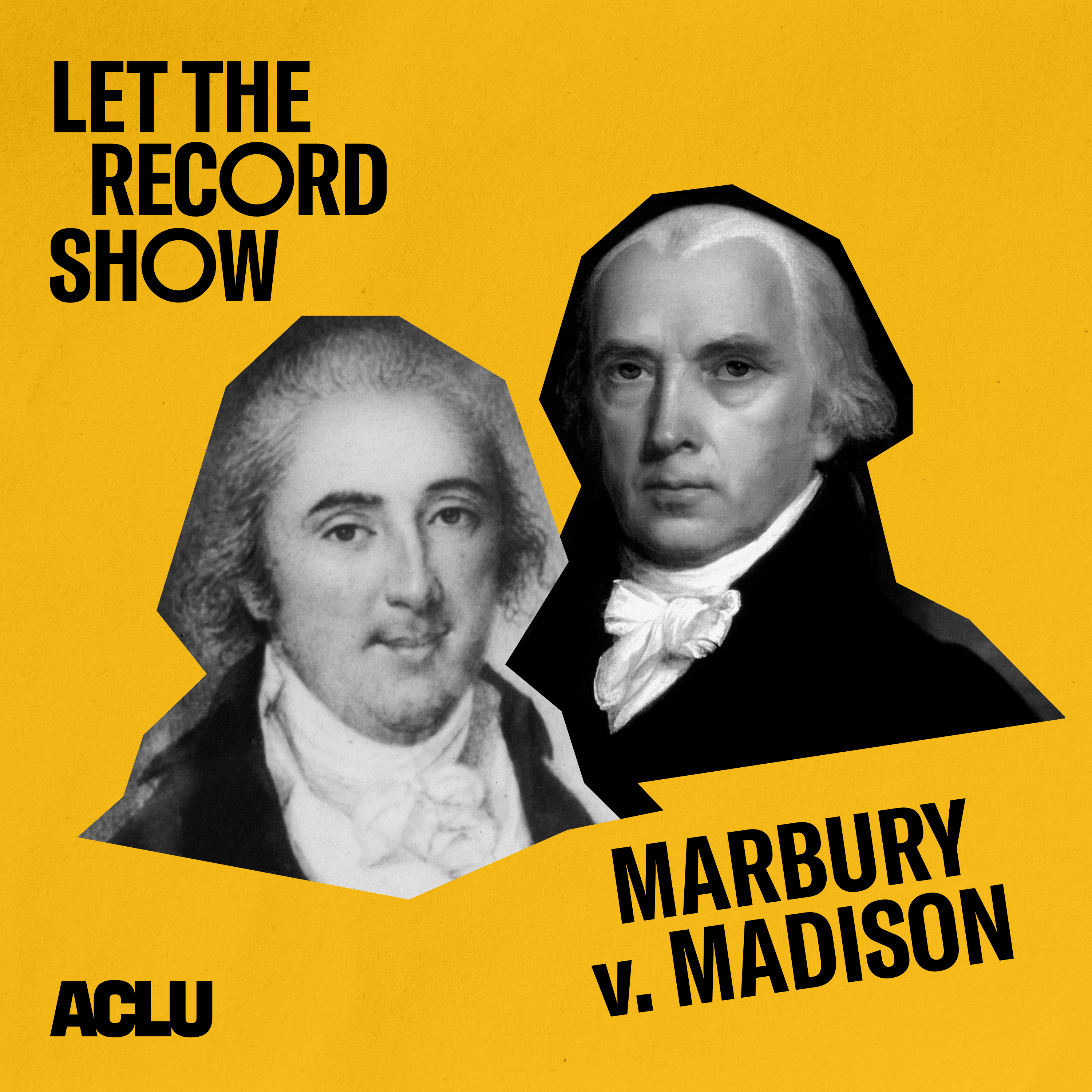
    The Case That Gave the Modern Supreme Court Its Power

    Did you know that today’s justice system in the United States originated from a hiring dispute? This week, Matt and Shereen are taking us back to the early 1800s to explore the origins of judicial review — and all the gossip, intrigue, and spilled ink that brought us our modern U.S. courts. Joining us to make sense of it all is Louise Melling, a deputy legal director at the ACLU and the director of the ACLU’s Ruth Bader Ginsburg Center for Liberty.

  • September 23 · 21 min

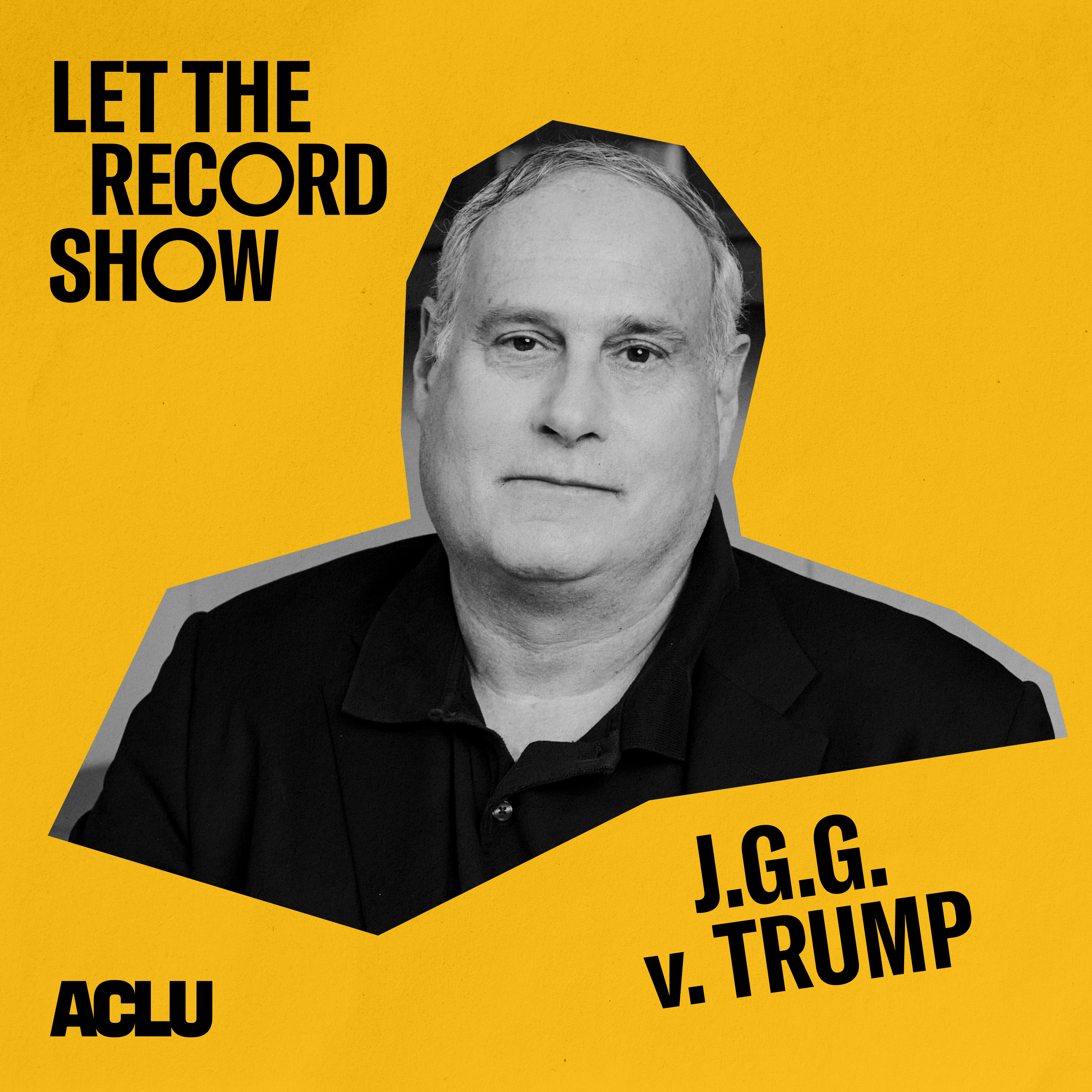
    What Happens When the President Defies a Judge?

    On March 15, 2025, the Trump administration deported more than 100 people to a notoriously brutal prison in El Salvador — in defiance of a federal judge’s orders. They hadn’t been found guilty of being gang members. They never got their day in court. That blatant disregard for due process should concern us all. This week, on our premiere episode, Shereen and Matt are exploring J.G.G. v. Trump and the related lawsuits that emerged from that fateful day in March. They’re some of the most important cases making their way through the courts today: referenda on the current state of executive overreach, due process, and judicial review. In this episode we’ll be speaking with the ACLU immigration expert Lee Gelernt to investigate what this case means for our civil liberties and how we can fight back.

  • September 22 · 1 min

    Introducing: Let The Record Show

    Marbury v. Madison. Brown v. Board of Education. Obergefell v. Hodges. These face-offs aren’t just part of legal history, they’re still shaping our lives today. On every episode of “Let The Record Show,” a new podcast from the American Civil Liberties Union, hosts Shereen Marisol Meraji and Matt Beat are taking major U.S. court cases off the shelf to learn about the people and stories behind them — and the precedents they’ve set. We’ll meet plaintiffs like Wong Kim Ark, who we can thank for birthright citizenship. Lawyers like Pauli Murray, who made it the nation’s business to take both racial and gender equality seriously. And other brave individuals who spoke up for their rights and the rights of their neighbors. Our first episode drops Wednesday, September 23, and you can join us every other week for a new featured case.

Showing 1–20 of 24 episodes