Artwork for Learn Japanese with Noriko
Education

Learn Japanese with Noriko

Japanese with Noriko

Hi, I’m Noriko 🌞—a certified Japanese teacher and Neurolanguage Coach®. Learn Japanese with Noriko is for intermediate to advanced learners. If you're an intermediate student, please start from Season 1—I speak slowly at first, then gradually faster. Season 3 is a level-up version with real-life dialogues, philosophy, and language learning topics. Join Japanese Together for our Podcast Conversation Club & Book Club, and sign up for my newsletter at Japanese with Noriko to learn about my coaching service. Enjoy listening!

  • 21 episodes
  • Updated Today

Episodes21

  • Today · 10 min

    [日本語ポッドキャストリレヌ] Season 3-159 小さな幞せは飲み物ではなく時間だった

    🎙 日本語ポッドキャストリレヌ特別䌁画 これは、日本語孊習者向けポッドキャストの運営者が、同じお題でそれぞれ゚ピ゜ヌドを䜜っお公開する特別䌁画です。 この䌁画は、Let's Talk in Japanese のトモさんが䞭心ずなっお始たりたした。 👇 䞋のリンクから、参加しおいるポッドキャストのリストを芋るこずができたす。たた、次のお題をリク゚ストするこずもできたすので、ぜひ参加しおみおください https://ruby-s.net/jpr/ 私はこの䌁画がずおも奜きなので、第2匟、第3匟もできるだけ参加したいず思っおいたす。 どうぞお楜しみに 🎙 Japanese Podcast Relay – Special Collaboration! This is a special collaboration where podcast creators for Japanese learners each make and publish an episode based on the same topic. The project was started and organised by Tomo from Let's Talk in Japanese. I'm really enjoying this project, and I hope to take part in the second and third rounds as well. Stay tuned!

  • July 29 · 10 min

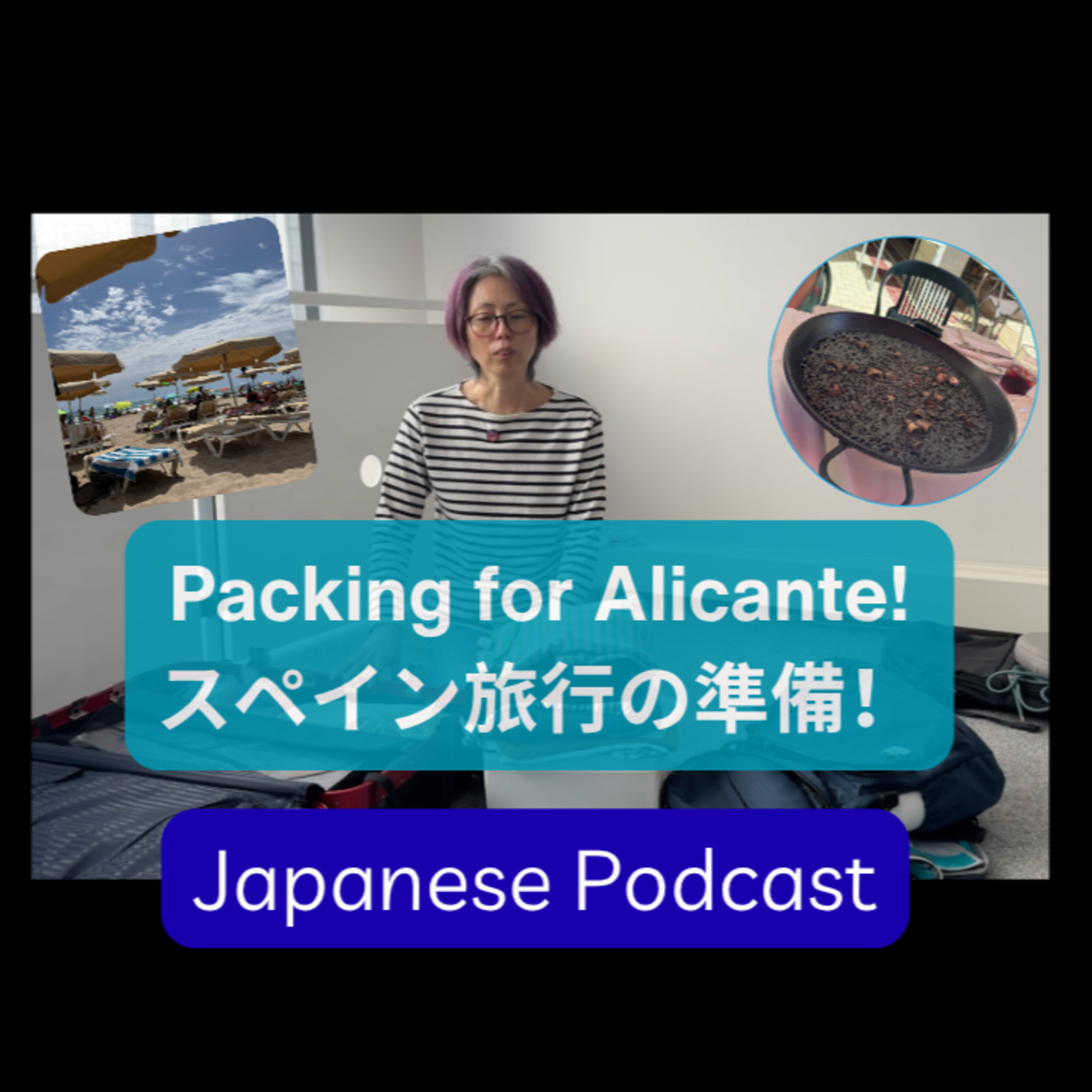
    Season 3-158 Spain Alicante アリカンテ旅行の準備

    Join our community Japanese Together Japanese Summary 今回は、のりこさんが2026幎最初の旅行ずしおスペむンのアリカンテぞ行く前の準備ず、実際に旅行した埌の感想に぀いお話しおいたす。 出発の4日前ずいうこずで、荷造りの様子を玹介したした。倫婊で倧きなスヌツケヌスを䞀぀だけ持っお行く予定で、その理由は家族や友人ぞのプレれントやお土産をたくさん準備したからです。たた、10幎以䞊䜿っおいるお気に入りの無印のバックパックに぀いおも玹介したした。収玍が倚く䟿利で、今でも倧切に䜿っおいたす。 旅行にはお気に入りのTシャツや本を持っお行く予定で、ずおも楜しみにしおいる様子が䌝わっおきたす。 埌半では、実際に蚪れたアリカンテに぀いお玹介しおいたす。アリカンテはスペむン南東郚の地䞭海沿岞にある人気のリゟヌト地で、矎しいビヌチや新鮮なシヌフヌドが有名です。特にむカ墚のパ゚リアやティント・デ・ベラヌノがお気に入りだったそうです。 たた、アルテアやビゞャホペサずいった近郊の町も蚪れ、矎しい景色やチョコレヌトで有名な町の魅力を楜しみたした。家族ず過ごした充実した1週間の旅行に぀いお語っおいたす。 In this episode, Noriko shares both the preparation and highlights of her first trip of 2026, a one-week family vacation to Alicante, Spain. She begins by describing her packing process four days before departure. To keep things simple, she and her husband decided to travel with just one large suitcase, although they had already filled part of it with gifts and souvenirs for family members and friends they planned to meet during the trip. Noriko also introduces her favorite backpack, a Muji bag she bought in Japan about ten years ago and has continued using ever since because of its practical design and storage space. She talks about choosing clothes, preparing gifts for her niece and nephew, and selecting three books to bring along for the journey. Her excitement about the upcoming trip is clear throughout the discussion. In the second half of the episode, Noriko reflects on her time in Alicante. She describes the city as a beautiful Mediterranean resort destination known for its beaches, seafood, and sunny climate. She especially enjoyed swimming in the sea, eating seafood paella and squid-ink paella, and drinking tinto de verano. She also recommends day trips to Altea and Villajoyosa, two charming coastal towns with unique architecture, beautiful scenery, and local culture. Overall, the episode offers a personal and engaging travel experience while introducing listeners to the attractions of Alicante and the surrounding region.

  • July 22 · 21 min

    Season 3-157 耒められるのが苊手ですか with Yasuyo

    Join our community Japanese Together この䌚話では、のりこさんずやすよさんが「耒めるこず」ず「耒められるこず」ずいう、意倖に耇雑なテヌマに぀いお話しおいたす。最初に、日本語スピヌキングチャレンゞでの気づきずしお、倚くの孊習者が耒められるず恥ずかしい、たたは気たずいず感じるこずが玹介されたす。たた、耒め蚀葉に察しお、説明を加えたり、自分の成果を小さく芋せたりする人もいるこずが語られたす。 二人は、どんな耒め蚀葉なら玠盎に受け取れるのか、たたどんな耒め方がプレッシャヌになるのかを考えたす。服や芋た目に぀いおの自然な䞀蚀は、裏の期埅がないため受け取りやすい䞀方で、成瞟やパフォヌマンスに関する耒め蚀葉は、評䟡されおいる感芚や「次も頑匵らなければ」ずいう圧力に぀ながるこずがありたす。 さらに、教育、子育お、コヌチング、日本語孊習における珟代的なフィヌドバックのあり方にも話が広がりたす。結果だけでなく、努力や成長、その人自身の経隓を認めるこずの倧切さが語られたす。タップダンスの発衚䌚やピ゚ロのワヌクショップの話を通しお、本圓に心に残る耒め蚀葉は、成功を評䟡するものではなく、その人らしさや努力を芋おくれる蚀葉なのだず䌝わっおきたす。 In this conversation, Noriko and Yasuyo explore the surprisingly complex topic of giving and receiving compliments. The discussion begins with observations from a Japanese speaking challenge, where many learners shared that being praised often makes them feel embarrassed or uncomfortable. Some people instinctively downplay compliments by giving explanations or dismissing their achievements. The hosts reflect on when compliments feel genuine and when they can create pressure. They discuss how simple comments about appearance or personal style are often easier to accept because they do not contain hidden expectations. In contrast, praise connected to grades, performance, or achievement may unintentionally make someone feel evaluated or pressured to maintain results. They also examine modern approaches to education, parenting, coaching, and language learning. Rather than focusing only on outcomes, they highlight the importance of recognizing effort, growth, and individual experiences. Personal stories from tap dancing, performance experiences, and creative workshops illustrate how meaningful feedback often comes from being truly seen and understood. The episode ultimately suggests that effective praise is less about judging success and more about acknowledging a person’s unique journey, effort, and authentic self.

  • July 17 · 23 min

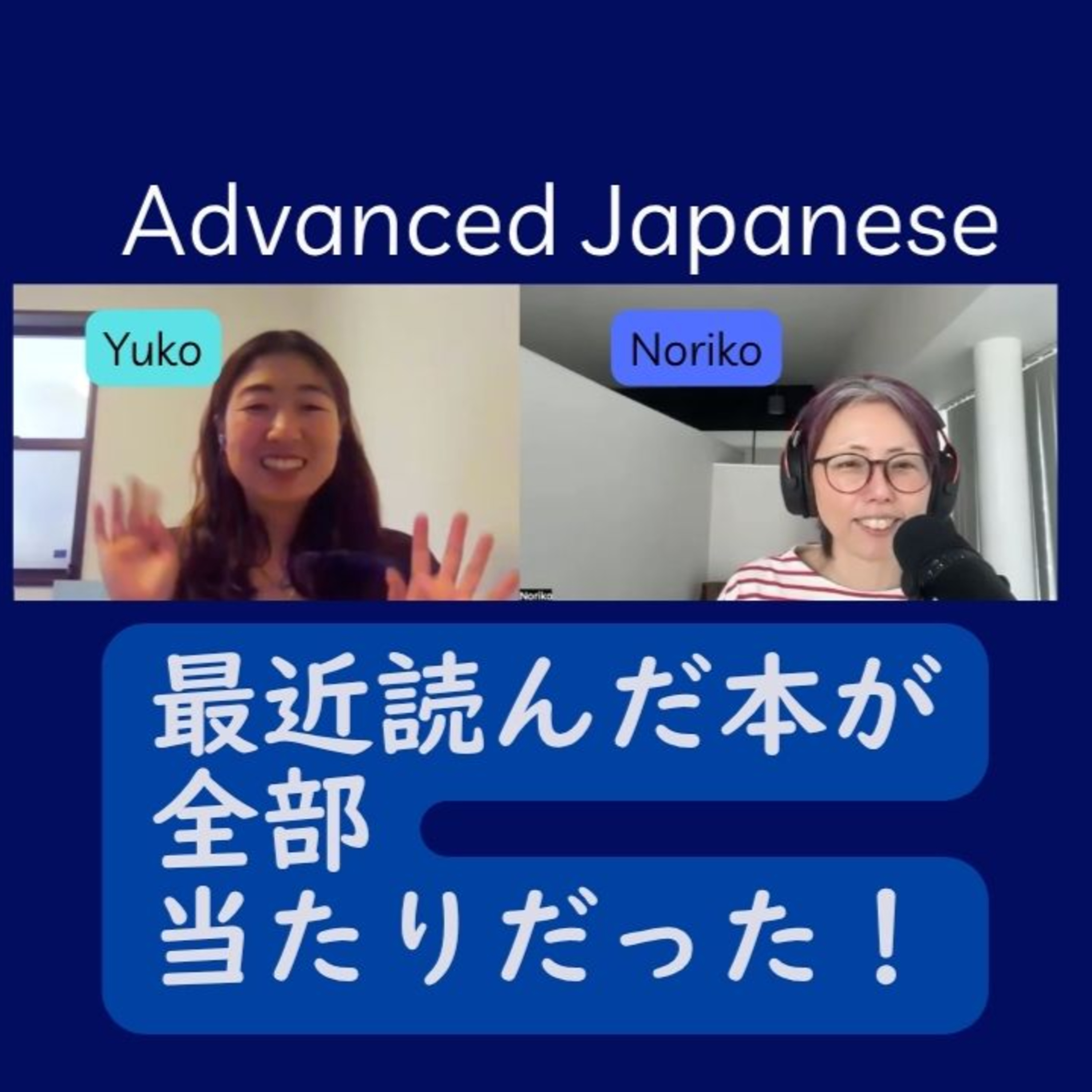
    Season 3-156 Books We Couldn't Stop Talking About 最近読んだ本が党郚圓たりだった- Book Talk with Yuko 11

    あかね先生日本語オノマトペの本『生掻で䜿える日本語オノマトペ』 八朚詠矎『空芯手垳』 綿矢りさ『グレタ・ニンプ』 嶋接茝『カフェヌの垰り道』 倏目挱石『こころ』 朝井リョり『そしお誰もゆずらなくなった』 楊双子『台湟挫遊鉄道のふたり』(Taiwan Travelogue ) In this episode of BookTalk, Noriko and Yuko reconnect after a break and discuss several memorable books they have recently read. The conversation begins with a book about Japanese onomatopoeia, which Yuko highly recommends for both Japanese learners and teachers because it makes a difficult topic approachable and enjoyable. They then move on to KÅ«shin Techō, a novel about a woman who tells a lie about being pregnant after becoming frustrated with how she is treated at work. The discussion explores why readers may sympathize with the character and how the story raises interesting questions about honesty, social expectations, and personal survival. A major part of the episode focuses on Cafe no Kaerimichi, a novel set from the Taishō era into the postwar period. Both hosts praise its portrayal of women who pursue freedom and independence despite social limitations. The historical setting, fashion, work culture, and everyday life of women from that era make the novel especially engaging. They also talk about Asai Ryō’s essay collection Soshite Daremo Yutoranakunatta, highlighting its humorous stories of personal mistakes and social awkwardness. Finally, they discuss Taiwan ManyÅ« Tetsudō no Futari, a Taiwanese novel that combines friendship, food, history, and reflections on the complex relationship between colonizer and colonized. The book leaves a strong impression and inspires curiosity about Taiwan and its history.

  • July 8 · 12 min

    Season 3-155 子どもの頃の倢ず今の私日本の小孊生の将来の倢ランキング

    Check my links https://bio.site/japanesewithnoriko 1) 問いかけ・振り返りの質問 子どもの頃に思い描いおいた将来の倢は、珟圚の自分の䟡倀芳や生き方にどのような圱響を䞎えおいるず思いたすか。 「䜕になるかより、䜕をやるかの方が倧事だ」ずいう考え方に぀いお、あなたはどのように感じたすか。 人の職業芳は家庭環境や育った瀟䌚からどの皋床圱響を受けるず思いたすか。 子どもの頃に憧れおいた職業ず、実際に遞んだ進路が異なる堎合、その倉化にはどのような意味があるず考えたすか。 倢を呚囲に話すこずには、どのようなメリットずデメリットがあるでしょうか。 「倧きなこずを100個蚀っお䞀぀叶えばいい」ずいう考え方は、挑戊する姿勢にどのような圱響を䞎えるず思いたすか。 将来の倢を持぀こずず、自分に合った生き方を芋぀けるこずは、どのような関係があるず考えたすか。 In this episode, Noriko talks about childhood dreams and future career aspirations. She introduces the results of a Japanese survey that asked elementary school boys and girls what jobs they want when they grow up. Surprisingly, “company employee” ranked very highly for both boys and girls, alongside more traditional dream jobs such as YouTuber, professional baseball player, kindergarten teacher, and pastry chef. Noriko reflects on how children’s career aspirations may be influenced by their parents, environment, and everyday experiences. She then invites listeners to think about their own childhood dreams and share them in the comments. Looking back on her own life, Noriko explains that her dream changed many times. At different stages, she wanted to become a piano teacher, an elementary school teacher, a writer, and even a flight attendant after being inspired by a television drama. She also reads an essay she wrote at age fifteen about her future dreams. Many of the hopes she expressed then—traveling abroad, meeting people from different countries, and finding a suitable profession—have become reality through her work as a Japanese teacher. Finally, she shares inspiring quotes from Naruse, a favorite fictional character, encouraging listeners to focus on actions, embrace challenges, and keep moving forward with confidence.

  • July 1 · 26 min

    Season 3-154 䞖界はあなたの庭旅が教えおくれた新しい芖点 with Yasuyo

    やすよさんのむンスタグラム Join our community Japanese Together 「旅モヌド」ず「日垞モヌド」の違いは、本圓に堎所によっお決たるず思いたすか。 建築や空間のデザむンが、人の感情や考え方に䞎える圱響に぀いおどう思いたすか。 「䞖界があなたの庭」ずいう考え方から、どのような生き方を想像したすか。 旅行䞭に仕事を続けるスタむルには、どんなメリットやデメリットがあるず思いたすか。 歎史や芞術を事前に孊んでから旅行するこずは、䜓隓をどのように倉えるず思いたすか。 In this episode, Yasuyo returns as a guest to talk about her busy April and her recent trip through Central Europe. She visited Vienna in Austria, Budapest in Hungary, and also took a day trip to Bratislava in Slovakia. Although the trip lasted only about ten days, it felt unique because she mixed travel with online teaching. Sometimes she would go to an opera or museum and then teach a lesson shortly afterward, creating a strange feeling where travel and daily life blended together. A major highlight of the trip was architecture. Yasuyo was especially inspired by the work of Austrian architect Otto Wagner in Vienna and by the “House of Music” designed by Japanese architect Sou Fujimoto in Budapest. She describes how certain spaces gave her emotional energy and made her reflect on ideas like freedom, perspective, and how “the world can become your garden.” The conversation also explores the meaning of travel itself. Yasuyo talks about how continuing her normal routines abroad—such as working, going to concerts, or even using saunas—made her question what really separates “travel mode” from “daily life.” The episode becomes a thoughtful discussion about mindset, borders, culture, history, and the joy of seeing the world with curiosity. 久しぶりひさしぶり- after a long time 萜ち着くおち぀く- to calm down 録音ろくおん- recording 日垰りひがえり- day trip 銖郜しゅず- capital city 感芚かんかく- sensation, feeling 歎史れきし- history 郜みやこ- capital 実隓的じっけんおき- experimental 䜓力的たいりょくおき- physically 深倜しんや- late at night 寝䞍足ねぶそく- lack of sleep 憧れるあこがれる- to admire 建築家けんちくか- architect 郵䟿局ゆうびんきょく- post office 豪華ごうか- luxurious 地䞋鉄ちかお぀- subway 溶け合うずけあう- to blend together 文化斜蚭ぶんかしせ぀- cultural facility 緩やかゆるやか- gentle, gradual 景色けしき- scenery 意識いしき- awareness 匕き寄せられるひきよせられる- to be attracted 枩泉おんせん- hot spring 哲孊的お぀がくおき- philosophical 日垞にちじょう- everyday life 配慮はいりょ- consideration 移動いどう- movement, travel 雰囲気ふんいき- atmosphere 賑やかにぎやか- lively

  • June 24 · 30 min

    Coffee Break with Noriko - Real Talk & Daily Thoughts 9

    「論砎」を重芖するコミュニケヌションが増えた背景には、どんな瀟䌚的芁因があるず思いたすか。 「メンタルパフォヌマンス」を優先する生き方には、どんなメリットずデメリットがあるでしょうか。 感情を衚に出さない「感情ミュヌト瀟䌚」は、人間関係にどのような圱響を䞎えるず思いたすか。 むンプット䞭心の語孊孊習が、䌚話力にどのような倉化をもたらすず思いたすか。 自分の趣味や興味ず語孊孊習を結び぀けるこずで、孊習のモチベヌションはどのように倉化するでしょうか。 Join our community Japanese Together to discuss my podcast episodes. Japanese Together In this relaxed “Coffee Break with Noriko” episode, Noriko shares reflections on philosophy, modern social trends, and her recent language-learning experiences. She begins by introducing the book Suichuu no Tetsugakushatachi by Rei Nagai (氞井玲衣『氎䞭の哲孊者たち』), a gentle philosophy essay collection that explains how philosophy begins with ordinary questions and everyday “why?” moments. Noriko especially appreciates the idea of philosophical dialogue as a respectful exchange where people listen openly instead of trying to “win” arguments online. She then discusses two trendy Japanese words: メンパmenpa (mental performance) and “emotion-muted society.” These expressions describe how modern people feel mentally exhausted from social media, AI, endless choices, and online conflict. Many people now prioritize emotional comfort, simplicity, and stress-free lifestyles. In the second half, Noriko gives updates on her language learning journey. She explains how extensive reading in Korean and Spanish helped her regain speaking confidence after years without practice. Through graded readers, podcasts, and conversations, she rediscovered the joy of learning languages naturally and gradually. Finally, she encourages listeners to connect Japanese learning with personal interests such as crafts, science, anime, or books in order to stay motivated long term. 哲孊お぀がく- philosophy 孊術的がくじゅ぀おき- academic 察話たいわ- dialogue 肩曞きかたがき- title / professional label 提䟛おいきょう- providing 日垞生掻にちじょうせいか぀- daily life 玠朎そがく- simple / innocent 疑問ぎもん- question / doubt 排陀はいじょ- exclusion 論砎ろんぱ- defeating an argument 颚朮ふうちょう- social trend 察等たいずう- equal 雰囲気ふんいき- atmosphere 衝撃しょうげき- shock / impact 泚目ちゅうもく- attention 発展はっおん- development 抂念がいねん- concept 限定げんおい- limitation / restriction 粟神的せいしんおき- mental / psychological 感情かんじょう- emotion 我慢がたん- endurance / self-restraint 揺さぶるゆさぶる- to shake emotionally 無難ぶなん- safe / uncontroversial 傟向けいこう- tendency 孊習者がくしゅうしゃ- learner 自信じしん- confidence 定期的おいきおき- regularly 優先順䜍ゆうせんじゅんい- priority 習慣しゅうかん- habit 趣味しゅみ- hobby 線み物あみもの- knitting 惑星わくせい- planet

  • June 10 · 15 min

    Season 3-153 I Bought 13 Japanese Books 53歳の誕生日に日本の本を爆買い

    Join our community Japanese Together Let's Read a Japanese Novel : Apply 小川糞『ツバキ文具店』 小川糞『ラむオンのおや぀』 九段理江『東京郜同情塔』 九段理江『School Girl』 接村蚘久子『氎車小屋のネネ』 接村蚘久子『この䞖にたやすい仕事はない』 接村蚘久子『サキの忘れ物』 村田沙耶銙『コンビニ人間』 山本文緒『自転しながら公転する』 山本文緒『無人島のふたり』 短歌の本 岡本真垆『氎䞊バス浅草行き』 む・ペンミ『魔女の䜓力』 Taiwanese writer Yang Shuang-zi Taiwan Travelogue 『台湟挫遊鉄道のふたり』 綿矢りさ『グレタニンプ』 児島青『本なら売るほど』 Discussion Questions 本を遞ぶずき、どのような基準で遞びたすか。䜜家、テヌマ、評刀など、䜕を䞀番重芖したすか。 海倖に䜏んでいる堎合、日本語の本の遞び方や優先順䜍はどのように倉わるず思いたすか。 䜜家぀ながりで読曞を広げるこずには、どのようなメリットずデメリットがあるでしょうか。 幎霢を重ねる䞭で、興味を持぀本のゞャンルやテヌマはどのように倉化するず考えたすか。 English Summary In this episode, Noriko celebrates her upcoming 53rd birthday by reflecting on aging with gratitude rather than fear. She shares how her mindset has shifted over time—from worrying about physical changes when she was younger to now appreciating her life, health, and work. To mark the occasion, she treats herself by ordering a large collection of Japanese books from Amazon Japan, shipped all the way to the UK despite high delivery costs. Living abroad, Noriko explains the challenges of accessing Japanese books and how she carefully chooses what to buy. She avoids purchasing titles available as audiobooks and often selects books based on connections—such as authors she already enjoys, recommendations from students or creators, and themes she’s interested in, like women’s lives and emotional storytelling. She introduces a wide range of books, including novels, essays, tanka poetry, and manga, featuring works by authors like 小川糞『ツバキ文具店』や『ラむオンのおや぀』、九段理江『東京郜同情塔』『School Girl』、接村蚘久子『氎車小屋のネネ』『この䞖にたやすい仕事はない』『サキの忘れ物』など。 Finally, she shares her reading plans for upcoming travels and invites listeners to join her book club and Japanese reading programs.

  • June 3 · 27 min

    Season 3-152 小説『こころ』が難しすぎたBook Talk with Yuko 10)

    ファッション雑誌『Oggi』 八朚 詠矎 Emi Yagi Diary of a Void 『空芯手垳』 綿矢りさ『グレタ・ニンプ』 倏目挱石『こころ』 星新䞀『ボッコちゃん』 ビヌトたけし『テレビじゃ蚀えない』 In this episode of “Book Talk with Yuko,” the hosts begin with a light conversation about spring and cherry blossoms, comparing experiences in Japan and the UK. They then transition into discussing recently read books and a magazine discovery. Yuko introduces a magazine she picked up due to interest in a featured model, noting how refreshing it felt to engage with non-algorithm-driven content. She highlights how magazines expose readers to unexpected topics and perspectives. Noriko shares a novel by Emi Yagi, describing its unique premise about a woman who lies about being pregnant at work, sparking a complex narrative. The discussion continues with a newly published novel about a couple navigating pregnancy, blending humor with social themes. Noriko then reflects on rereading classic works like Natsume Soseki’s “Kokoro” and Hoshi Shinichi’s short stories. While “Bokko-chan” impressed her with its futuristic themes, “Kokoro” left her feeling conflicted due to differences in historical values and gender roles. Finally, Yuko talks about a book by Beat Takeshi, appreciating its candid social commentary. The episode emphasizes how reading across genres and eras can provoke reflection, discomfort, and meaningful discussion.

  • May 27 · 13 min

    Season 3-151 Noriko’s Philosophy Playground 9 - How Do You Talk About Death in Japanese? - 日本語で「死」をどう語る

    Join our Japanese Together community and explore podcast topics through discussion. In this reflective episode of Japanese with Noriko, Noriko explores the profound theme of death through language, culture, and personal experience. She begins by drawing a parallel between the fleeting beauty of cherry blossoms in Japan and the transient nature of life, highlighting how different flowers have unique expressions for “falling,” reflecting the nuance of Japanese language and worldview. Noriko then examines various ways to express death in Japanese, from direct terms like 死ぬ to softer expressions such as 「倩囜に行く」 or 「旅立぀」, showing how language shapes emotional perception. She shares personal encounters with death, including the loss of her grandfather, a childhood friend, and a colleague, illustrating how death appears repeatedly throughout life in different forms. The discussion expands to philosophical perspectives, including insights from a philosophy club and a Buddhist concept shared by a listener: 「埀生する」, which frames death not as an end but as a transition and continuation. Noriko connects this idea back to nature’s cycles, suggesting that death may not be purely tragic but part of a larger renewal. She concludes by inviting listeners to reflect on their own views about death and how it influences how they live today. 儚いはかない— fleeting, transient 満開たんかい— full bloom 散るちる— to fall (flowers) 珟象げんしょう— phenomenon 衚珟ひょうげん— expression 評䟡ひょうか— evaluation 䞭立的ちゅうり぀おき— neutral 宗教芳しゅうきょうかん— religious view 結び぀くむすび぀く— to be connected 恐ろしいおそろしい— frightening 意識いしき— awareness 挠然ずばくぜんず— vaguely 同玚生どうきゅうせい— classmate 事故死じこし— accidental death 溺れるおがれる— to drown 振り返るふりかえる— to look back 定期的おいきおき— regularly 芚悟かくご— resolve, readiness 圱響えいきょう— influence 浄土じょうど— Pure Land 仏ほずけ— Buddha 働きかけるはたらきかける— to act upon, influence 皮たね— seed 芜め— sprout 受け入れるうけいれる— to accept

  • May 20 · 14 min

    Season 3-150 What Is “Normal”? A Deep Dive into Convenience Store Woman

    Apply Noriko's A Supportive, One-to-One Program Let's Read a Japanese Novel Together In this episode, I explore コンビニ人間Convenience Store Woman by Sayaka Murata, focusing on the concept of “normality” in society. I reflect on how the protagonist, Keiko, struggles with being perceived as different from childhood and gradually learns to imitate others in order to fit in. I also discuss how her job at a convenience store provides her with structure and a sense of belonging through clear rules and manuals. As Keiko reaches her 30s, I explain how societal expectations intensify—questions about marriage, relationships, and career stability become unavoidable. I point out that these pressures are not unique to Japan, but can be found globally. Through this story, I raise an important question: can “normal” and “abnormal” truly be separated, or are they subjective and constantly shifting concepts? I also highlight the contrast between Keiko and another character, Shiraha, who is also marginalised but in a different way. By comparing them, I show how the novel deepens its critique of societal norms. Ultimately, I encourage listeners to reflect on personal happiness, social conformity, and the pressures created by cultural expectations. I emphasise that the discomfort we feel in life may not only come from ourselves, but also from society.

  • May 13 · 16 min

    Season 3-149 Sound Like a Native with Japanese Onomatopoeia オノマトペでネむティブっぜく話す

    あかね的日本語教宀『生掻で䜿える日本語オノマトペ』 English SummaryThis episode introduces Japanese onomatopoeia through a personal story and quiz-style listening activity. Noriko describes her day off using expressions like ぶらぶら, ザヌザヌ, ビュヌビュヌ, ゎロゎロ, and だらだら, showing how they add vivid detail and make Japanese more natural. She also reviews a practical onomatopoeia book, highlighting useful features such as manga for context, podcasts for listening practice, and a reference section for quick review. She stresses that learners should connect vocabulary to real-life experiences to truly use it, not just memorize it. Noriko encourages learners to choose study methods that suit their style and shares her own approach of starting with listening. The episode ends with a novel example featuring ピンピン, reinforcing how onomatopoeia appears in real conversations.

  • May 6 · 13 min

    Season 3-148 From “Mottainai” to “Washlet”: Japanese in Global English

    In this episode, Noriko shares a mix of personal reflections, language learning experiences, and cultural insights. She begins by talking about rereading Kokoro by Natsume Soseki, noting how differently it feels compared to when she first read it years ago. Despite struggling with the old writing style, she’s determined to finish it. She also mentions her progress in learning Korean, especially improving her reading skills. The main topic focuses on Japanese words newly added to the Oxford English Dictionary. Noriko introduces several examples, such as “washlet,” “senpai,” and “mottainai,” explaining how some retain their original meanings while others evolve globally. She highlights how language reflects culture, emphasizing “mottainai” as a uniquely Japanese value now spreading worldwide. Overall, the episode blends language, culture, and personal growth in an engaging and thoughtful way. Reflective Questions振り返り質問 あなたは昔読んだ本をもう䞀床読みたいず思いたすか 自分ず違う性栌の人ず話すのは奜きですか あなたの囜の蚀葉で䞖界に広がっおいるものはありたすか Discussion Questionsディスカッション質問 蚀葉が文化を衚すずいう考えに぀いおどう思いたすか 倖囜語ずしお䜿われるずきに意味が倉わるこずは問題だず思いたすか

  • April 29 · 11 min

    Season 3-147 Why Does Manchester Have a Bee Symbol? The Story Behind Its Beautiful Library - やさしく解説マンチェスタヌのコットン産業・図曞通・蜂のシンボル

    Want to take your listening further? Join Japanese Together — our Podcast Conversation Club is the perfect place to discuss each episode and connect with fellow learners! 💬 投げかけの質問Discussion Questions Manchester のどんなずころに䞀番興味を持ちたしたか あなたの囜にも「産業で発展した郜垂」はありたすか 歎史ず今が぀ながっおいる堎所に行ったこずがありたすか English Summary : Discover the real story of Manchester, England in this episode of Japanese with Noriko. Known for the Industrial Revolution, football, and working-class culture, Manchester is much more than its stereotypes. In this episode, I share my personal day trip experience, including the stunning John Rylands Library, one of the most beautiful libraries in the UK. Learn how Manchester became “Cottonopolis,” a global centre of the cotton industry, and how its growth was closely connected to Liverpool through trade, railways, and industry. I also explore the deeper history behind the city, including the realities of industrialisation, and explain the meaning of the famous Manchester bee symbol — a powerful symbol of hard work, resilience, and community, especially after the 2017 Manchester attack. If you are interested in UK cities, history, culture, or travel, this episode will give you a deeper perspective on Manchester.

  • April 15 · 27 min

    Season 3-146 Book Talk with Yuko 9 癒やされたい刺激が欲しい日本語教垫2人がハマった察照的な6冊

    ビヌトたけし『アナログ』 倪宰治『女生埒』 九段理江『Schoolgirl』 坂朚叞『和菓子ずアン』 坂朚叞『アンず青春』 村田沙耶銙『䞖界99䞊䞋』 村田沙耶銙『コンビニ人間』 村田沙耶銙『消滅䞖界』 星野道倫『玄束の川』 村田沙耶銙『消滅䞖界』 朝井リョり『時をかけるゆずり』 In this episode of Book Talk with Yuko, Noriko and Yuko talk about several Japanese books they have recently read or want to recommend. First, Yuko introduces the novel “アナログ” by Beat Takeshi. It is a romantic story about a man and a woman who decide not to exchange contact information and instead meet at the same restaurant every Thursday. The story feels very “analog” in a digital age. Next, Noriko talks about “Schoolgirl” by Kudan Rie, a short story connected to Dazai Osamu’s “女生埒.” The story explores relationships between three generations of women and touches on modern topics like social media and environmental activism. Yuko then introduces the “An-chan series” by Sakaki Tsukasa, which takes place in a department store food basement (depachika) and features traditional Japanese sweets. The story focuses on everyday life, human relationships, and personal growth. Noriko also shares her thoughts about “侖界 99” by Sayaka Murata, a dystopian novel that explores society, gender roles, and a mysterious new creature called “Pyokorun.” The book is intense and thought-provoking. For a calmer reading experience, Yuko recommends “Yakusoku no Kawa” by photographer Hoshino Michio, a book that beautifully describes nature and life in northern regions. Finally, Noriko talks about the essay “Toki wo Kakeru Yutori” by Asai Ryo, which made her laugh a lot because of its humorous stories about everyday life. They conclude by encouraging listeners to choose books depending on their mood—sometimes relaxing books, sometimes challenging ones—and invite listeners to join their Japanese Together book club. 恋愛小説 — れんあいしょうせ぀ — romance novel 連絡先 — れんらくさき — contact information 珟代 — げんだい — modern times 䌚話 — かいわ — conversation 衚珟 — ひょうげん — expression 読曞䜓隓 — どくしょたいけん — reading experience 䞖代 — せだい — generation 母ず嚘の関係 —ははずむすめのかんけい — mother-daughter relationship 環境問題 — かんきょうもんだい — environmental issues 和菓子 — わがし — Japanese traditional sweets デパ地䞋 — でぱちか — department store food basement 䞻人公 — しゅじんこう — protagonist 成長 — せいちょう — personal growth 瀟䌚 — しゃかい — society 䟡倀芳 — かちかん — values 生きづらさ — いきづらさ — difficulty of living / social pressure 自然 — しぜん — nature 写真家 — しゃしんか — photographer 描写 — びょうしゃ — description 癒し — いやし — healing / comfort ゚ッセむ — えっせい — essay 日垞 — にちじょう — everyday life 倱敗談 — しっぱいだん — story about a mistake

  • April 8 · 11 min

    Season 3-145 WHAT IS LUXURY TODAY? Choosing inconvenience in a digital world

    My program : Let's read a Japanese novel 1⃣ Short English SummaryIn this episode, Noriko talks about “luxury time” and “analog experiences” in our modern digital world. She begins by sharing a recent visit to the cinema in Liverpool. The tickets and popcorn were expensive, and the movie itself was not very good. However, she realized that watching a film without checking her smartphone for two hours felt like a luxury. Noriko reflects on what “luxury” means today. For her, luxury is not expensive hotels or restaurants, but cultural experiences such as going to museums, concerts, events, or reading quietly in a café. She also talks about analog choices in a digital world. Because we are constantly connected to smartphones, the internet, and AI, many people feel information fatigue. Noriko shares how she limits her social media time and tries to reconnect with slower, more intentional experiences. For example, one of her students built a mechanical analog watch, and her husband started wearing a traditional watch again to check the time during meetings without using his phone. Noriko also joined two meetups in Liverpool: a Quiet Book Club and a philosophy discussion group. Although she is introverted, meeting people face-to-face felt refreshing and meaningful. She concludes that choosing slightly inconvenient, analog experiences—like going to the cinema, reading books, or meeting people in person—may actually be a modern form of luxury. 2⃣ Vocabulary List (for understanding the episode) 莅沢ぜいたく — luxury 文化的ぶんかおき — cultural 特別展瀺ずくべ぀おんじ — special exhibition 情報じょうほう — information 情報疲れじょうほうづかれ — information fatigue 悪埪環あくじゅんかん — vicious cycle 制限するせいげんする — to limit / control 腕時蚈うでどけい — wristwatch 郚品ぶひん — parts / components 組み立おるくみたおる — to assemble 通知぀うち — notification 䟿利べんり — convenient 䞍䟿ふべん — inconvenient 確認するかくにんする — to check / confirm 集たるあ぀たる — to gather 実際にじっさいに — in reality / in person 新鮮しんせん — fresh / new feeling 䜓隓たいけん — experience 傟向けいこう — tendency 遞ぶえらぶ — to choose

  • April 1 · 27 min

    Coffee Break with Noriko - Real Talk & Daily Thoughts 8

    🎧 Episode Summary : In this Coffee Break with Noriko episode, recorded in late February 2026, Noriko shares reflections on her month. She talks about celebrating her 19th wedding anniversary at a high-end restaurant in Liverpool — delicious food, but very small portions! She also shares her disappointment about a postponed rock concert that has been rescheduled for a year later, which makes her reflect on how unpredictable life can be. A highlight of the month was reconnecting with her husband’s childhood friend, who is currently on a three-month world trip. Hearing about his journey inspires Noriko to think more seriously about travel and making the most of life while she is healthy. She also reflects on her recent reading, especially Sekai 99 by Sayaka Murata — a powerful and mentally exhausting dystopian novel — and an essay collection by Banana Yoshimoto, which reminded her to live simply, avoid excessive desire, and not expect anything in return when doing something for others. Finally, she encourages listeners to turn input into output — after listening or reading something, try summarizing it or sharing your thoughts. Small output habits can transform language learning. 📚 Vocabulary List (15 Key Words) 結婚蚘念日けっこんきねんび– wedding anniversary 高玚レストランこうきゅうレストラン– high-end restaurant 延期えんき– postponement 再䌚さいかい– reunion 䞖界䞀呚せかいいっしゅう– around-the-world trip 憧れるあこがれる– to admire / to long for 䞭幎ちゅうねん– middle age 䞊䞋巻じょうげかん– two-volume set (upper and lower volumes) 攟心状態ほうしんじょうたい– state of shock / mental blankness 衝撃的しょうげきおき– shocking ゚ッセむ – essay 欲よく– desire 芋返りみかえり– something in return / reward 名蚀めいげん– memorable quote / wise saying アりトプット – output (active production, e.g., speaking/writing)

  • March 25 · 9 min

    Season 3-144 Noriko’s Philosophy Playground 8 ミむラずモラル博物通で考える3぀の哲孊的な質問

    🎧 Short English Summary : In this episode of Philosophy Playground, Noriko reflects on a discussion she joined at a museum in Liverpool. The theme was ancient Egyptian mummies and morality. She explores three philosophical questions: Is it morally acceptable to display human remains in museums? Is a mummy still the same person who once lived? And should we judge ancient cultures by today’s moral standards? There are no correct answers. The purpose of this episode is to think deeply and respectfully about history, identity, and human dignity. 道埳どうずく– morality 遺䜓いたい– human remains, corpse 展瀺おんじ– exhibition, display 敬意けいい– respect 尊厳そんげん– dignity 䟡倀芳かちかん– values 刀断するはんだんする– to judge 基準きじゅん– standard, criterion 意識いしき– consciousness 宗教芳しゅうきょうかん– religious belief, view of religion

  • March 18 · 10 min

    Japanese Brain-Friendly Coaching 6: Progress Is Not Perfection: Stepping Outside Your Comfort Zone コンフォヌトゟヌンの倖で脳は育぀

    🌿 English Summary: In this episode of the Japanese Brain Friendly Coaching Series, Noriko talks about what really happens to your brain when you step outside your comfort zone. She shares her recent experience attending a philosophy discussion meetup in Liverpool. As a non-native English speaker, she felt nervous and unsure, especially in a fast-paced group of native speakers. However, by participating, sharing her opinion, and staying in the conversation, she experienced a strong sense of achievement. Noriko explains that progress is not about becoming perfect. It is about gently stepping into slightly uncomfortable situations. Moderate nervousness is not harmful. In fact, it helps the brain grow. By repeating these small challenges in a safe environment, we train our brain to handle real-life conversations more calmly. She encourages listeners not to wait until they feel fully confident or “ready.” Growth begins when we take one small step outside our comfort zone. 1. コンフォヌトゟヌン 安心しおいられる、自分にずっお楜な環境や状態。 2. 抜け出すぬけだす 今いる堎所や状態から出るこず。 3. 哲孊ディスカッションお぀がく 人生や䟡倀芳などに぀いお意芋を亀換する話し合い。 4. 初察面しょたいめん 初めお䌚うこず。 5. ネむティブスピヌカヌ その蚀語を母語ずしお話す人。 6. 聞き取るききずる 話しおいる内容を理解する。 7. 達成感たっせいかん やりずげたずきに感じる満足感。 8. 進歩しんぜ 少しず぀良くなるこず。䞊達するこず。 9. 準備じゅんび 前もっお甚意するこず。 10. 緊匵きんちょう ドキドキしお䜓や心がかたくなるこず。 11. 慣れるなれる 経隓をくり返しお自然にできるようになるこず。 12. 適床おきど ちょうどよい皋床。匷すぎないこず。 13. 安党な雰囲気あんぜん な ふんいき 安心できる空気や環境。 14. 足を螏み出すあしを ふみだす 新しいこずに挑戊する。 15. 完璧かんぺき たちがいがなく、完党であるこず。

  • March 11 · 12 min

    Season 3-143 聞く人が䌚話を぀くる - Be a Better Listener

    English Summary : In this episode, Noriko talks about the importance of listening in communication, inspired by the bestselling book 人は聞き方が割 by Shigehisa Nagamatsu. Many language learners feel pressure to speak well, say smart things, or avoid mistakes. But this episode shifts the focus from speaking to listening. According to the book, good communicators are not those who talk the most, but those who make others feel comfortable and heard. Noriko reflects on her own experiences in Japanese, English, and podcast conversations, and explains why the listener is the true main character of a conversation. She introduces the idea of “魔法の傟聎 たほうのけいちょう” and shares five key listening behaviours. Finally, Noriko encourages Japanese learners to stop worrying so much about perfect grammar or vocabulary and to focus on listening with genuine interest and asking simple, thoughtful questions. By doing so, conversations can become more natural, relaxed, and enjoyable. 聞き方ききかたway of listening 聞く力きくちからlistening skills 䌚話の䞻圹かいわ の しゅやくmain character of a conversation 聞き手ききおlistener 安心感あんしんかんsense of security, feeling of safety うなずきnodding 盞づちあいづちverbal listening responses 吊定しないひおいしないnot to deny, not to reject 受け止めるうけずめるto accept, to take in 質問を投げかけるし぀もん を なげかけるto ask questions, to prompt with questions