IAE chief Fatih Birol on how to navigate the age of electricity
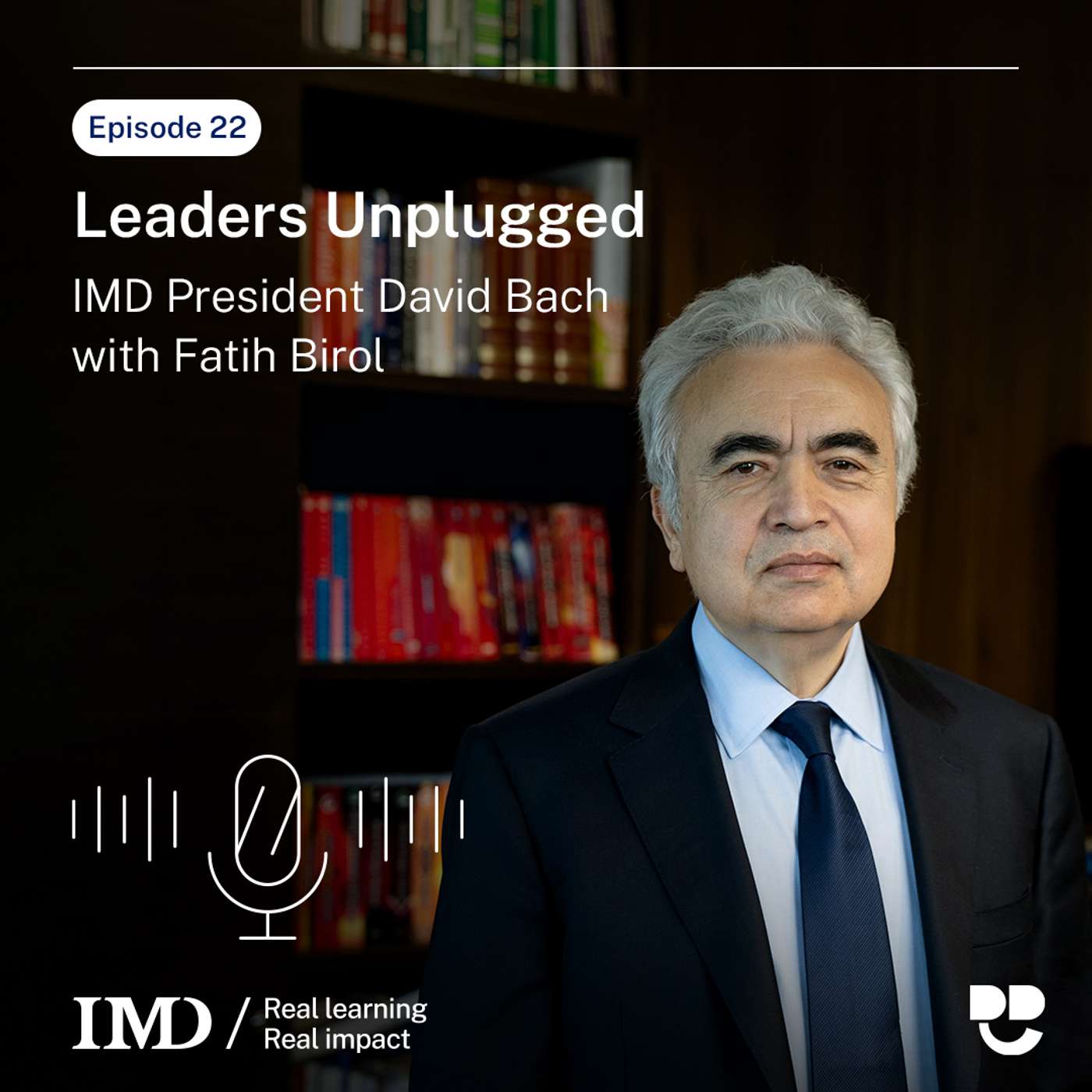
We are entering what Fatih Birol describes as “the age of electricity”: AI and data centers, electric vehicles and surging demand for air conditioning are reshaping energy consumption – and turning access to reliable power into a question of competitiveness and geopolitical influence. As Birol, who leads the International Energy Agency (IEA), puts it: “Whoever wins the AI race will get the upper hand in the geopolitics and global economy as well.” In our new episode of Leaders Unplugged, hosted by IMD President David Bach, Birol makes a powerful case that energy policy has moved far beyond climate. For Europe, electrification “is a sovereignty issue.” For governments and companies, diversification is becoming essential. And as geopolitical tensions expose vulnerabilities from Russia to the Strait of Hormuz, Birol argues that “the most scarce commodity in the energy world today is trust.” The result: leaders may increasingly pay a premium for secure, reliable, and politically trusted energy relationships. From Africa's energy poverty to Europe's solar giveaway to China – this conversation is built for executives who need to understand energy risk not as a utility bill, but as a strategic issue. Our guest Fatih Birol is Executive Director of the International Energy Agency (IEA), one of the world’s most influential institutions on energy security, markets, and the clean-energy transition. Since taking the helm in 2015, the Turkish economist has broadened the IEA from its traditional focus on oil security into a global authority spanning electricity, renewables, critical minerals, and the energy transition, while expanding its reach into major emerging economies. Birol joined the IEA as a junior analyst in 1995 and rose to Chief Economist, overseeing its flagship World Energy Outlook; before that, he spent six years at OPEC in Vienna. Today, his counsel is sought by governments and business leaders navigating the increasingly fraught intersection of energy, competitiveness, and geopolitics; a role that has earned him a place on TIME’s list of the world’s 100 most influential people in both 2021 and 2026.