Skip to content
Artwork for Kunstmaffia
True CrimeArtsHistory

Kunstmaffia

Rik Bouman & Robert Tetteroo

Kunstmaffia is een podcast over roof, vervalsing en zwendel in de internationale Kunst- en Antiekwereld. Door Rik Bouman en Robert Tetteroo.

Instagram: @Kunstmaffia

Luister je graag naar onze podcast serie? Je kunt ons een fooi (elk gewenst bedrag, anoniem, eenmalig of maandelijks) geven via:
https://fooienpod.com/kunstmaffia

Play
  • 28 episodes
  • fortnightly
  • Avg 16 min
  • Dutch
Counted on this page — what you have heard stays on this device, so it is not something the list can be paged by.
  • S1 · E48
    November 8 · 11 min

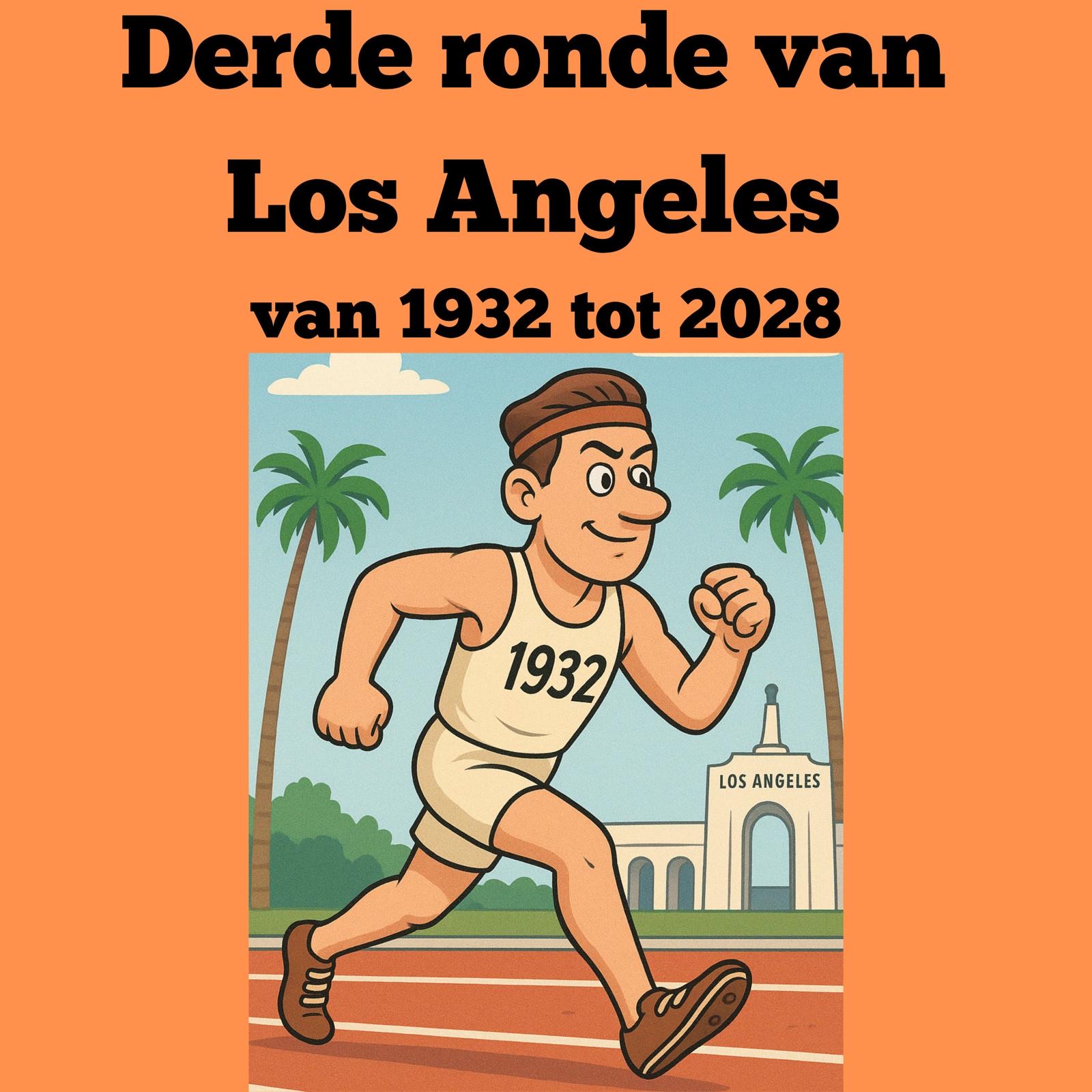
    Derde Ronde van Los Angeles van 1932 tot 2028: Deel 48: Evert Kroon: de 'octopus' van Montreal 1976

    We present Evert Kroon as the pivotal figure who secured the Dutch men’s water polo team a bronze medal at the 1976 Montreal Olympics. We recount his singular performance against the Soviet Union that earned him the sobriquet “the octopus.” We describe his background, including his birth in 1946, his play for H.Z.C. De Robben, eight national titles, and his work as a tax official and later a sports shop owner. We explain how the team reached Montreal after Nigeria withdrew and how coach Ivo Trumbits guided the squad. We relay teammates’ accounts of Kroon’s strict training standards and his calm authority in goal. We conclude by noting his lasting legacy in Dutch water polo and the high regard in which we continue to hold his achievements. We recount with measured admiration the odyssey of the Dutch waterpolo squad in Montreal in 1976, wherein Evert Kroon emerged as the preeminent fulcrum of our collective endeavour. I describe the decisive administrative and ceremonial choices that framed the tournament: the IOC limitation to six participants at the closing ceremony, Bram Leeuwenhoek’s principled refusal to accept the flagbearing due to competitive obligations, and the subsequent, unanimous selection of Kroon to shoulder the national standard. I detail the climactic confrontation with the Soviet juggernaut, during which Kroon’s goalkeeping elicited astonishment and consternation among the opposition; I recount how his prodigious interventions—aptly encapsulated in the sobriquet “the octopus”—precipitated a psychological reverberation that unsettled a team accustomed to dominance. The narrative culminates in the final pool proceedings, wherein our resilience yielded a bronze medal after a sequence of tightly contested matches, including a recuperative victory over Yugoslavia and a decisive draw against Italy, the latter producing the podium allocation determined by goals scored and conceded. Throughout, I emphasize the technical brilliance and implacable temperament of Kroon as the axis upon which our achievement turned. Takeaways: I recount Evert Kroon as the decisive goalkeeper who inspired national pride and carried our flag at the closing ceremony. We explain how the Dutch team gained entry to Montreal after Nigeria withdrew, which allowed us to compete and ultimately win an Olympic bronze medal. I describe the match in which Kroon's extraordinary saves earned him the 'octopus' epithet and shifted momentum against the favored Soviet team in the tournament. We note coach Ivo Trumbits' leadership, which solidified tactics and resilience and led to international recognition after securing Olympic bronze for the Netherlands. I reflect on the broader significance: water polo's status as a rigorous international Olympic sport, our Dutch cultural roots in local pools, and the narrow tiebreaker that placed Italy above us in goal differential. Companies mentioned in this episode: International Olympic Committee (IOC) HZC De Robben Netflix Koninklijke Nederlandse Zwembond (KNZB) NOS (Nederlandse Omroep Stichting) Club Natació Sabadell

    • Transcript
  • S1 · E47
    November 1 · 15 min

    Derde Ronde van Los Angeles van 1932 tot 2028: Deel 47: De legendes Ard Schenk en Kees Verkerk!

    Ard Schenk figureert als centrale figuur in ons gesprek, waarbij wij zijn Olympische trajecten uit 1964, 1968 en 1972 nauwgezet reconstrueren. Ik vertel hoe hij als jonge vlaggendrager in Innsbruck bescheiden presteerde op de 1500 meter en hoe zijn loopbaan zich vervolgens ontwikkelde. Wij bespreken de cruciale momenten in Grenoble, waar Verkerk hem de 1500 meter afsnoepte, en de ommekeer richting de vroege jaren zeventig, met wereldtitels en talrijke wereldrecords. Wij geven concrete details over tijden en omstandigheden, waaronder de moeilijke ijscondities in Sapporo en de volgorde van de races die zijn toernooi bepaalden. Ik ga in op de beslissende dagen in Sapporo: het goud op de 5000 meter, de mislukte 500 meter na een val en de herstelrace op de 1500 meter die uitmondde in een olympisch record. Ik verbind deze resultaten met zijn bijzondere tactiek op de 10.000 meter, waarbij hij dicht bij de sneeuwrand bleef rijden en een tijd neerzette die Verkerk net achterliet. Wij schetsen hoe die opeenvolging van prestaties Schenk positioneerde als de dominante schaatser van die Winterspelen, en hoe wij de betekenis van zijn overwinningen in historisch perspectief plaatsen. De rivaliteit tussen Art Schenk en Kees Verkerk vormt het hart van mijn tweede samenvatting. Ik leg uit hoe de twee aanvankelijk als onafscheidelijk duo werden gezien, samen trainden en hotelkamers deelden, en hoe coach Leen Vrommer later ingreep om hen te scheiden. Wij behandelen de verschuiving in dynamiek: Verkerk had aanvankelijk mentaal de overhand; Schenk leerde in de loop van de jaren zijn eigen mentale veerkracht te ontwikkelen. Ik bespreek hoe die mentale ommekeer zijn resultaten beïnvloedde en hoe psychologische strategieën onderdeel werden van zijn succes. Wij belichten tevens Schenks methoden om verwachtingen te temperen en tegenstanders te ontregelen. Ik citeer zijn latere reflecties dat hij vooraf rekening hield met drie gouden medailles, maar naar buiten toe twijfel wekte. Verder behandel ik zijn sportieve verheffing in de vroege jaren zeventig, zijn wereldkampioenschappen allround en zijn baanbrekende wereldrecords, waaronder het onder de twee minuten schaatsen op de 1500 meter. De samenvatting verklaart de rol van coaching, training en mentale voorbereiding in het vormen van een kampioen en hoe deze aspecten het samenspel met Verkerk bepaalden. De maatschappelijke en institutionele context vormt het zwaartepunt van mijn derde samenvatting. Ik bespreek de overgang van amateurisme naar professionalisme die Schenk meemaakte en zijn rol bij de oprichting van de International Speed Skating League in 1972. Wij analyseren de weerstand van traditionele schaatsbonden, de boycott van wedstrijden en de uiteindelijke instorting van het profcircuit in 1974, waardoor Schenks Olympische successen feitelijk het sluitstuk van zijn amateurcarrière vormden. Ik ga in op zijn kritische kijk op commerciële vormen van de sport en zijn bedenkingen bij de ontwikkeling van het moderne Olympisch model. Daarnaast behandel ik de culturele impact: de enorme radio‑luisteraars tijdens de nachtwedstrijden, de rol van verslaggevers en de mediahype rond Sapporo. Ik vertel ook over Schenks persoonlijke houding tot zijn prijzen—zijn beslissing afstand te doen van medailles en zijn nuchtere omgang met publiciteit—en reflecteer op zijn nalatenschap als een van de grootste schaatsers in de Nederlandse sportgeschiedenis. Wij sluiten af met een waardering voor zijn betekenis en de blijvende echo van zijn prestaties in de schaatssport. We emphasize that Art Schenk rose to dominance and won three gold medals at the 1972 Sapporo Olympic Games. I describe his long rivalry with Kees Verkerk, which helped shape Dutch speed skating in the 1960s and 1970s. We recount his early Olympic years, including his role as flag bearer in Innsbruck 1964 and the 1500 m silver in Grenoble 1968. I note his three world allround titles from 1970 to 1972, his many world records, and his feat of skating the 1500 m in under two minutes. We explain how he managed pressure and used race tactics, notably in the 10,000 m in Sapporo. I also outline his move to the professional International Speed Skating League in 1972 and how that decision ended his Olympic career while furthering the sport’s professionalization. Takeaways: We explain that Art Schenk changed Dutch speed skating and became a national legend. I describe the rivalry and friendship between Schenk and Kees Verkerk that drove public interest. We recount in detail how Schenk won three Olympic gold medals in Sapporo, improved world records dramatically, and dominated long distances despite poor ice conditions. I note that Schenk preferred allround titles and criticized commercialization and the International Olympic Committee's strict rules. We explain that he joined the professional ISSL, which led to boycotts, loss of Olympic eligibility, and the end of that era. I recall how Schenk managed pressure by hiding confidence and using psychological tactics against his competitors. Companies mentioned in this episode: NOS Solo Mars Ford International Speed Skating League (ISSL) Koninklijke Nederlandse Schaatsenrijdersbond (KNSB) Internationaal Olympisch Comité (IOC)

    • Transcript
  • S1 · E1
    October 4 · 18 min

    Damen Innovation Talks : 1. AUTONOMOUS SAILING

    We explore the next steps toward autonomous sailing and emphasize that the principal aim is to convert present technological capabilities into safe, efficient, and commercially viable operations. I speak with Fokke van der Veen and Jochen Nonhebel about what is possible today and what ships might look like by 2035. We identify drivers such as rising transport demand, a shortage of skilled seafarers, the need for greater safety, and the pursuit of lower operating costs. We outline the staged path from autopilot and decision support to supervised decision making and full autonomy, and we stress that vessels must operate within a smart, connected ecosystem to realise true benefits. We address regulatory hurdles, the need for secure data sharing and goal‑based rules, and we highlight demonstrators like the autonomous Interceptor as working proofs of concept. We urge suppliers to test systems in the field and to align on digital interfaces so that we can advance safely and at scale. We explore the next steps toward autonomous sailing and emphasize that the principal aim is to convert present technological capabilities into safe, efficient, and commercially viable operations. I speak with Fokke van der Veen and Jochen Nonhebel about what is possible today and what ships might look like by 2035. We identify drivers such as rising transport demand, a shortage of skilled seafarers, the need for greater safety, and the pursuit of lower operating costs. We outline the staged path from autopilot and decision support to supervised decision making and full autonomy, and we stress that vessels must operate within a smart, connected ecosystem to realise true benefits. We address regulatory hurdles, the need for secure data sharing and goal‑based rules, and we highlight demonstrators like the autonomous Interceptor as working proofs of concept. We urge suppliers to test systems in the field and to align on digital interfaces so that we can advance safely and at scale. I moderated a focused dialogue on the strategic rationale and long term drivers for autonomous sailing. I set the scene by introducing Fokke van der Veen and Jochen Nonhebel and by framing the central question of why autonomy matters. We identify three core drivers: the rising demand for transport capacity, the declining availability and skill level of maritime professionals, and the imperative to improve safety and operational efficiency. I describe the staged pathway to autonomy that Jochen outlined: from long established autopilot systems to decision support, to supervised decision making, and ultimately to full autonomy where vessels can complete missions without human intervention. We stress that autonomy is a means, not an end, and that the mission concept—ferries transporting people, survey vessels mapping seabeds—must remain central. I conclude by emphasizing the need for balance between human expertise and technological augmentation, and the importance of industry alignment on a shared vision for vessels in 2035. I recount our examination of practical challenges, regulatory barriers, and the ecosystem needed for scaled autonomous operations. I listened as Fokke articulated that autonomy must solve real problems and deliver a viable business case. We discussed the dependence of smart vessels on ambient data and third party inputs, such as traffic management, pilots, and port authorities. I note the serious security risks we addressed, including spoofing and jamming, and the consequent need for robust redundancy and secure communication. We detailed regulatory gaps: most rules assume people aboard, so questions about responsibility and remote operator qualification remain unresolved. I emphasize that the Netherlands permits experimental trials, but full commercial implementation will require a shift toward goal-based regulation. We advocate for multi‑stakeholder collaboration among industry, government, and knowledge institutes to avoid lagging regulation and to accelerate safe, scalable adoption. I summarize our survey of current technologies and concrete demonstrations that illustrate progress toward autonomous sailing. I describe Damen’s autonomous Interceptor and the C Falcon platforms that were presented at the festival. We relate operational tests such as NATO interoperability exercises in Portugal, successful mine and submarine hunting trials, and the use of modular autonomy layers and resilient connectivity by partners. I press the imperative voiced by Jochen to take solutions into the field rather than confine them to design rooms. We call on suppliers to be proactive, to engage in field trials, and to align digital interfaces so systems can interoperate. I end with a clear operational challenge: we must prove safety through testing, validate economic benefit for operators, and coordinate standards and interfaces so that autonomous vessels can be integrated responsibly and effectively into maritime operations. I moderated a focused dialogue on the strategic rationale and long term drivers for autonomous sailing. I set the scene by introducing Fokke van der Veen and Jochen Nonhebel and by framing the central question of why autonomy matters. We identify three core drivers: the rising demand for transport capacity, the declining availability and skill level of maritime professionals, and the imperative to improve safety and operational efficiency. I describe the staged pathway to autonomy that Jochen outlined: from long established autopilot systems to decision support, to supervised decision making, and ultimately to full autonomy where vessels can complete missions without human intervention. We stress that autonomy is a means, not an end, and that the mission concept—ferries transporting people, survey vessels mapping seabeds—must remain central. I conclude by emphasizing the need for balance between human expertise and technological augmentation, and the importance of industry alignment on a shared vision for vessels in 2035. I recount our examination of practical challenges, regulatory barriers, and the ecosystem needed for scaled autonomous operations. I listened as Fokke articulated that autonomy must solve real problems and deliver a viable business case. We discussed the dependence of smart vessels on ambient data and third party inputs, such as traffic management, pilots, and port authorities. I note the serious security risks we addressed, including spoofing and jamming, and the consequent need for robust redundancy and secure communication. We detailed regulatory gaps: most rules assume people aboard, so questions about responsibility and remote operator qualification remain unresolved. I emphasize that the Netherlands permits experimental trials, but full commercial implementation will require a shift toward goal-based regulation. We advocate for multi‑stakeholder collaboration among industry, government, and knowledge institutes to avoid lagging regulation and to accelerate safe, scalable adoption. I summarize our survey of current technologies and concrete demonstrations that illustrate progress toward autonomous sailing. I describe Damen’s autonomous Interceptor and the C Falcon platforms that were presented at the festival. We relate operational tests such as NATO interoperability exercises in Portugal, successful mine and submarine hunting trials, and the use of modular autonomy layers and resilient connectivity by partners. I press the imperative voiced by Jochen to take solutions into the field rather than confine them to design rooms. We call on suppliers to be proactive, to engage in field trials, and to align digital interfaces so systems can interoperate. I end with a clear operational challenge: we must prove safety through testing, validate economic benefit for operators, and coordinate standards and interfaces so that autonomous vessels can be integrated responsibly and effectively into maritime operations. Takeaways: I explain that autonomy aims to shift human roles toward supervision to increase operational effectiveness. We note that automation progresses in stages from autopilot to decision support to full autonomy. I state that ecosystem connectivity and secure data sharing are essential for efficient autonomous vessel operation. We warn that current regulations do not yet accommodate unmanned commercial operations and need goal based adaptation. I point out economic drivers such as rising operating costs and reduced skilled crew that motivate adoption of autonomy. We urge suppliers to test systems in the field early and to align digital interfaces for rapid integration. Companies mentioned in this episode: Smash Smart Shipping Damen Diamond Digital Zebus

    • Transcript
  • S1 · E46
    September 27 · 24 min

    Derde Ronde van Los Angeles: Deel 46: Wij analyseren het Olympisch voetbal van 1900 tot LA 2028

    Wij bespreken de geschiedenis en de actuele status van het olympische voetbal en ik benadruk dat Nederland mogelijk niet kwalificeert voor Los Angeles 2028 vanwege zwakke prestaties en een gebrek aan prioriteit van de bond. Ik leg uit dat voetbal in 1900 debuteerde op de Spelen met clubteams en dat pas vanaf 1908 nationale elftallen deelnamen. We behandelen de overgang van amateurregels naar professionele deelname, de invoering van het U23-toernooi in 1992 met drie oudere spelers toegestaan, en dat het vrouwenvoetbal pas vanaf 1996 officieel meedoet. Ik wijs erop dat Uruguay in de jaren twintig sterk was en dat Brazilië de meeste olympische voetbalmedailles heeft. Ik vertel dat Nederland weinig medailles heeft, dat de mannen in 2008 de kwartfinale bereikten en dat de Oranjevrouwen in Tokio 2020 debuteerden en eveneens de kwartfinale bereikten. Ik besluit dat deelname waardevolle ervaring biedt voor jonge spelers en dat wij zouden willen dat de KNVB hier meer prioriteit aan geeft. Takeaways: I outline how Olympic football evolved from club participation to national teams, with the IOC initially overseeing the international competition. We explain the shifting eligibility rules: early tournaments required amateurs, professionals were permitted from 1984 under conditions, and since 1992 the men's event is under-23 with three permitted overage players. I note that the women's Olympic football tournament began in 1996, that the United States asserted early dominance, and that participation had expanded by the Tokyo 2020 games. We highlight historical achievements: Uruguay secured early Olympic football gold medals in the 1920s, while Brazil ultimately amassed the greatest total of Olympic football medals across both genders. I express concern that the KNVB does not prioritize Olympic qualification, which restricts important development and international experience for emerging Dutch players. Companies mentioned in this episode: International Olympic Committee (IOC) Fédération Internationale de Football Association (FIFA) Koninklijke Nederlandse Voetbalbond (KNVB)

    • Transcript
  • S1 · E45
    September 6 · 27 min

    Derde Ronde van Los Angeles van 1932 tot 2028: Aflevering 45: De rijke geschiedenis van estafettes in de Olympische Spelen, van medailles tot innovaties en de impact op Nederlandse atleten.

    De rijke geschiedenis van estafettes in de Olympische Spelen, van medailles tot innovaties en de impact op Nederlandse atleten. The primary focus of this podcast episode revolves around the historical evolution and significance of relay races in Olympic competitions. We delve into the origins of the relay event, tracing its inception back to the University of Pennsylvania in 1893, and its subsequent formal introduction in Olympic history starting from the swimming events in 1904 and the track events in 1908. Notably, we examine the impressive achievements of the Netherlands in relay events, which have culminated in a total of 19 medals across both summer and winter Olympic Games. Furthermore, we explore the gradual inclusion of women's relay events, highlighting the disparities in their recognition and opportunities throughout Olympic history. This episode serves to illuminate the intricacies of relay races, their impact on national pride, and the ongoing innovations that continue to shape these exhilarating competitions. Takeaways: The history of relay races is rich and dates back to the early 20th century. The introduction of the relay format was aimed at making athletic competitions more engaging. In the 2028 Olympics, a mixed relay event will debut, highlighting gender equality in sports. The Netherlands has achieved significant success in relay events, securing many medals over the years. Historically, women's participation in relay events lagged behind men, reflecting societal changes over time. The evolution of relay events has made them a critical component of Olympic competitions, showcasing teamwork.

    • Transcript
  • S1 · E44
    August 31 · 17 min

    Derde Ronde van Los Angeles van 1932 tot 2028: aflevering 44 : De Historische Marathon van 1960: Een bijzondere Olympische gebeurtenis in Rome

    De Historische Marathon van 1960: Een bijzondere Olympische gebeurtenis in Rome. The 1960 Olympic Marathon in Rome marked a pivotal moment in athletic history, distinguished by its unprecedented course and the remarkable performance of Ethiopian runner Bikila Abebe. This episode delves into the details of this iconic marathon, highlighting the unique circumstances that set it apart from previous events, including its early start time and the absence of a traditional stadium finish. We explore the chaotic pre-race environment, which culminated in Abebe's historic victory, achieved while running barefoot—an act that resonated deeply with spectators and transformed him into a global symbol of endurance and excellence. Furthermore, we reflect on the implications of his triumph for Ethiopia and the broader African continent, as Abebe's success heralded a new era for African athletes on the world stage. The narrative not only celebrates Abebe's athletic prowess but also examines the socio-political context surrounding his achievements, solidifying his legacy as one of the greatest marathon runners in history. The year 1960 marks a significant juncture in the history of athletic competition, particularly highlighted by the distinctive features of the Rome Olympic Marathon. Notably, this marathon diverged from its predecessors in its early scheduling, moving away from the confines of the Olympic Stadium for the first time since the inception of the modern Olympics in 1896. The marathon's path wound through the historic streets of Rome, culminating at the monumental Arco di Constantino, providing a breathtaking backdrop that elevated the event's grandeur. However, the commencement of the race was marred by a chaotic delay, attributed to a disorganized throng of eager participants, which necessitated intervention from the officials to restore order before the race could finally begin. Despite this tumultuous start, the marathon unfolded into a spectacular event that captivated millions of viewers across Europe and the United States, thanks to the burgeoning reach of television. The race featured an unprecedented number of 69 competitors from 35 nations, setting the stage for an unforgettable contest of endurance and strategy. Bikila's victory in the marathon not only secured him a place in sports history but also served as a powerful emblem of national pride for Ethiopia. The aftermath of his triumph was marked by a fervent reception upon his return, orchestrated by Emperor Haile Selassie, who bestowed upon Bikila honors befitting a national hero. This celebration underscored the broader implications of his victory, as it symbolized a triumph over historical grievances, particularly those stemming from Italy's past colonial endeavors in Ethiopia. Furthermore, Bikila's subsequent achievements, including his remarkable performance in the 1964 Tokyo Olympics, where he again claimed the gold medal, solidified his legacy as one of the greatest marathon runners in history. Tragically, his career was cut short due to a severe accident, which left him wheelchair-bound, yet his indomitable spirit and the impact of his achievements continue to inspire athletes and nations alike, evidencing the transformative power of sport. Takeaways: The 1960 Rome Olympic Marathon distinguished itself with a record number of participants. Bikila Abebe's victory in the marathon marked a significant achievement for Ethiopian athletics. Abebe notably ran the marathon barefoot, showcasing his unique approach to the competition. The event was televised, allowing millions to witness the marathon for the first time. The historical context of the marathon reflects the political and cultural environment of the time. Abebe's journey from a humble background to Olympic champion illustrates the power of determination. Companies mentioned in this episode: Volkswagen New York Times Belg van Dendriessen

    • Transcript
  • S1 · E43
    August 16 · 21 min

    Derde Ronde van Los Angeles van 1932 tot 2028: Deel 43: Ellen van Langen en Femke Bol hebben na 36 jaar samen het Nederlands record op de 800 meter.

    This podcast episode delves into the recent developments in athletics, particularly the notable performance of Dutch athlete Foppe during the 10,000 meters at the European Championships. We examine the circumstances surrounding Foppe's decision to withdraw from the race, despite being positioned among the leaders, and the implications of such a choice on both his career and the broader context of Dutch athletics. Furthermore, we draw parallels to historical instances, including the experience of Anilis Joseph at the 1972 Olympics, to elucidate the psychological and competitive pressures faced by athletes at this elite level. The discussion also extends to the impressive achievements of contemporary athletes, including Femke Bol, who has made remarkable strides in her transition from the 400 meters to the 800 meters. This episode encapsulates the intricate dynamics of competitive athletics, highlighting both individual struggles and collective triumphs within the sport. The podcast delves into a detailed analysis of recent athletic events, particularly focusing on the European Championships in athletics. The speakers critically examine the performance of Dutch athletes, highlighting the intense competition and the implications of their results. A significant portion of the discussion centers around the 10,000-meter race, where a Dutch athlete named Foppe made the controversial decision to withdraw from the race despite being in a competitive position. This decision raises questions about mental fortitude and the pressures athletes face during high-stakes competitions. The speakers reflect on the psychological aspects of competing at such a level, noting how the mind can influence performance outcomes just as significantly as physical abilities. Additionally, they draw parallels between Foppe's experience and historical instances of athletes withdrawing from events, providing a broader context to the pressures of elite competition. In a juxtaposition of past and present, the podcast offers insights into the legacy of Dutch athletics, particularly through the lens of Ellen van Langen, a celebrated athlete who won gold in the 800 meters at the 1992 Olympics. The speakers recount her remarkable journey, emphasizing her strategic approach to racing and the mental resilience that characterized her performance. They draw connections between her era and the current crop of athletes, including Femke Bol, who is making waves in the 800 meters after transitioning from hurdles. The discussion underscores the evolution of athletics, showcasing how contemporary athletes are building on the foundations laid by their predecessors. The speakers appreciate the enduring nature of records and achievements in athletics, noting how they serve as benchmarks for future generations while simultaneously fostering a sense of pride and continuity in Dutch sports culture. The podcast delves into a detailed analysis of recent athletic events, particularly focusing on the European Championships in athletics. The speakers critically examine the performance of Dutch athletes, highlighting the intense competition and the implications of their results. A significant portion of the discussion centers around the 10,000-meter race, where a Dutch athlete named Foppe made the controversial decision to withdraw from the race despite being in a competitive position. This decision raises questions about mental fortitude and the pressures athletes face during high-stakes competitions. The speakers reflect on the psychological aspects of competing at such a level, noting how the mind can influence performance outcomes just as significantly as physical abilities. Additionally, they draw parallels between Foppe's experience and historical instances of athletes withdrawing from events, providing a broader context to the pressures of elite competition. In a juxtaposition of past and present, the podcast offers insights into the legacy of Dutch athletics, particularly through the lens of Ellen van Langen, a celebrated athlete who won gold in the 800 meters at the 1992 Olympics. The speakers recount her remarkable journey, emphasizing her strategic approach to racing and the mental resilience that characterized her performance. They draw connections between her era and the current crop of athletes, including Femke Bol, who is making waves in the 800 meters after transitioning from hurdles. The discussion underscores the evolution of athletics, showcasing how contemporary athletes are building on the foundations laid by their predecessors. The speakers appreciate the enduring nature of records and achievements in athletics, noting how they serve as benchmarks for future generations while simultaneously fostering a sense of pride and continuity in Dutch sports culture. Takeaways: In the current episode, we discussed recent developments in athletics, particularly focusing on the European Championships. We examined the perplexing decision of a Dutch athlete to withdraw from the 10,000-meter race, which raised many questions. The historical context of athletes withdrawing from races at significant events, such as the Olympics, was also explored in detail. We highlighted the impressive achievements of current athletes, including Femke Bol and her remarkable transition from hurdles to middle-distance running. The discussion included a retrospective analysis of Ellen van Lange's 1992 Olympic victory, drawing parallels with contemporary athletes. Finally, we emphasized the importance of mental resilience in sports, as evidenced by the performances of both historical and current competitors.

    • Transcript
  • S5 · E10
    Jul 6, 2025 · 22 min

    # 10 - Zaak 58: Murf de Surf rooft de edelstenen van J.P. Morgan

    Podcasttip van Kunstmaffia: De podcastserie 'De mannen van Michelangelo' van zeer fijne collega's is nu te beluisteren op Spotify, op je iPhone via Apple Podcasts en alle andere podcastapps. Dit is de laatste aflevering van onze vijfde serie, zijnde: Zaak 58: Murf de Surf rooft de edelstenen van J.P. Morgan In oktober 2026 komen we weer terug met de zesde serie maar ter overbrugging kunt u regelmatig een gratis Nieuwsbrief van KUNSTMAFFIA lezen op https://kunstmaffia.substack.com/ En leuk uiteraard indien u ons zou willen ondersteunen voor onze zesde serie via: https://fooienpod.com/kunstmaffia Zeer veel dank mochten jullie iets voor onze podcast over hebben! Vergeet niet je gratis te abonneren op de podcast, zodat je voorlopig op het gemak alle eerdere 58 afleveringen kan beluisteren! Bekijk ook graag: https://instagram.com/Kunstmaffia Alright, folks, buckle up because we’re diving into a wild caper that went down on October 29, 1964, in the heart of New York City. Picture this: two dudes scaling walls and shimmying down ropes to snag a treasure trove of jewels from the American Museum of Natural History, including the legendary Star of India and the Dilong Star Ruby. This isn't just your average heist—it's a tale of audacity with our main man, Murf the Surf, leading the charge, all while the museum's security was snoozing away. As we wrap up Season 5 of Kunstmaffia, we’ll not only relive the thrilling escapade of these jewel thieves but also peek into what's next for us. Spoiler alert: we’re not disappearing entirely; we’ve got plans for a newsletter to keep you in the loop, so don’t go anywhere! Imagine two surf-loving bandits pulling off a heist in the heart of New York City. This episode of Kunstmaffia tells the wild story of Jack Murphy, aka Murf the Surf, who, in a quest for thrill and riches, orchestrated the theft of the American Museum of Natural History's most prized gemstones. We’re talking about a heist so smooth, it could make a dolphin jealous! On the night of October 29, 1964, Murphy and his crew executed a plan that involved climbing walls, sneaking through half-open windows, and slicing through glass display cases like it was a hot knife through butter. The gems they stole were valued at over 450,000 dollars—back in the day, mind you! That’s a staggering amount, and today, it would be worth millions! But this isn’t just a tale of theft; it’s a deep dive into the personalities involved. Murphy was not only a skilled surfer but also a charismatic figure who could charm his way into any situation. The episode juxtaposes the thrill of the heist with the absurdity of the characters involved, from Murphy’s carefree attitude to the bumbling museum security that left the doors wide open for these mischief-makers. We’ll also touch on the after-effects of the heist, including how the FBI caught wind of their escapades and how the trio’s downfall was as dramatic as their rise. Keep your ears perked for some hilarious anecdotes and unexpected twists that will have you laughing as much as you’re gasping! Takeaways: In deze aflevering duiken we in de spectaculaire edelstenenroof van het American Museum of Natural History, die in 1964 plaatsvond. De dieven, bekend als Murf the Surf en zijn vrienden, waren niet zomaar amateurs, maar strategische plannenmakers met een goed doordacht plan. De waarde van de gestolen edelstenen, zoals de Star of India en de Dilong Star Ruby, is vandaag de dag moeilijk te schatten, maar ze zijn enorm. We bespreken hoe de FBI hen uiteindelijk te pakken kreeg en de terugkeer van sommige gestolen juwelen, maar niet allemaal. Murphy's verhaal is fascinerend: van surfkampioen tot dief en uiteindelijk een evangelist die zijn leven beterde na zijn gevangenisstraf. De aflevering laat zien hoe de kunst- en antiekwereld vol verrassingen zit, zelfs decennia na de diefstal van deze unieke edelstenen. Companies mentioned in this episode: American Museum of Natural History J.P. Morgan

    • Transcript
  • S5 · E9
    Jun 22, 2025 · 16 min

    # 9 - Zaak 57: De Afhaal Rembrandt

    Shownotes: Zaak 57: De Afhaal Rembrandt Of het nu groot of klein is, anoniem of niet, eenmalig of maandelijks, elke bijdrage helpt ons om dit fascinerende verhaal voort te zetten en meer verborgen verhalen aan het licht te brengen: https://fooienpod.com/kunstmaffia Zeer veel dank mochten jullie iets voor onze podcast over hebben! Vergeet niet je gratis te abonneren op de podcast, zodat je geen enkele aflevering mist! Bekijk ook graag: https://instagram.com/Kunstmaffia Alright, folks, buckle up because we’re diving into some seriously wild art heist tales! First off, did you know that one painting can get stolen not just once, but four times? Yup, we’re talking about the infamous "Takeaway Rembrandt" that’s been on more adventures than your average globetrotter! Picture this: a sneaky thief sawed a hole in a museum door and made off with priceless masterpieces during a New Year’s Eve party, and that’s just the tip of the iceberg. We’ll be riffing on how this little piece of art history has been whisked away not once, not twice, but three times before finally settling down on the wall where it’s been safe and sound since ’86, earning its quirky nickname in the process. So grab your favorite snack and settle in as we spill the beans on art theft, clever crooks, and all the shenanigans that come with it in this episode of Kunstmaffia! Buckle up, folks, because we’re diving headfirst into a world where art meets crime in the most outrageous ways! This episode is all about the *Takeaway Rembrandt*, a painting that’s practically a celebrity in the art theft scene. We start our journey in 1966 with a heist that’s more like a scene from a movie. A thief, armed with nothing but a plan and a saw, gains entry to the Dulwich Picture Gallery during the festivities of New Year’s Eve. It’s a heist done with finesse; we’re talking Rubens, Rembrandt, and more—a jackpot of Dutch Golden Age brilliance! But hang on, the plot thickens. As we journey through the timeline of thefts, including a young man who thought borrowing the painting for a quick doodle was a good idea, we can’t help but chuckle at the absurdity of it all. Picture the art world’s reaction as this portrait earns the title of most stolen artwork ever! With each twist and turn, we’re left pondering—how can one painting be so beloved and so elusive? The humor, the drama, the sheer audacity—it’s all here, making this episode a delightful romp through art history that blends laughs with a touch of crime intrigue! Takeaways: Art heists have been happening for centuries, and some masterpieces have been stolen multiple times, which is just wild! One famous painting, the Vermeer in Ireland, was stolen twice by different thieves, once in '74 and again in '86! The infamous 'Laughing Boys' by Frans Hals has been stolen three times, and it's still missing – talk about a hot commodity! Can you believe a single artwork has been stolen four times? That’s some serious bad luck for the gallery! The Dulwich Picture Gallery heist in 1966 was executed so smoothly that there were no witnesses or security cameras – sneaky, right? After a massive search effort, the stolen art pieces were found hidden in a car trunk, proving crime doesn't pay... unless you're really, really sneaky!

    • Transcript
    • Chapters
  • S5 · E8
    Jun 8, 2025 · 13 min

    # 8 - Zaak 56: Een Frans Hals, Twee Lachende Jongens, Drie keer gestolen

    Zaak 56: Een Frans Hals, Twee Lachende Jongens, Drie keer gestolen Of het nu groot of klein is, anoniem of niet, eenmalig of maandelijks, elke bijdrage helpt ons om dit fascinerende verhaal voort te zetten en meer verborgen verhalen aan het licht te brengen: https://fooienpod.com/kunstmaffia Zeer veel dank mochten jullie iets voor onze podcast over hebben! Alright, folks, buckle up because today we’re diving into the wild world of art heists with a twist that’ll leave you chuckling and gasping. Our main gig today? The infamous “Two Laughing Boys” by Frans Hals—yup, that same masterpiece has been swiped not once, not twice, but three times! We’re talking about a tale that stretches from the late '80s to the present, where these cheeky chaps have become the poster boys for art theft drama. You’ll hear about the shenanigans of a guy in a ski mask who broke in and held a couple hostage just to snag those paintings—talk about a paint job gone wrong! And as we navigate through these theatrical escapades, we’ll also sprinkle in some fun facts about Hals and why his work still cracks us up four centuries later. So grab your snacks, sit back, and let’s unravel this artful comedy of errors together! Get ready for a rollercoaster of a podcast episode that’ll have you laughing, gasping, and maybe even a little bit outraged. We're diving deep into the wild saga of 'De Twee Lachende Jongens', a masterpiece by Frans Hals that just can’t seem to stay put! Over the years, this cheeky painting has been swiped from the Hofje van Mevrouw van Aarde in Leerdam three times, and let me tell you, the stories behind each theft are juicier than a ripe Dutch cheese! We start with a thrilling recounting of the very first heist in 1988, where a masked bandit, armed and ready, decides that art should be free—his way! The audacity! And if you think that was the end of it, think again. Fast forward to 2011, and our beloved boys are off on another escapade, and then again in 2020! It’s like they’re the most wanted criminals in the art world, and we’re here for the drama! But what makes this episode truly fascinating is how we weave in the rich history of Frans Hals. He was no ordinary painter; he’s part of the elite club of Dutch masters who defined an entire era. We get into the nitty-gritty of his life, his style, and how his art reflects the jovial spirit of his time. It’s not just about the thefts—oh no! We’re exploring the broader implications of art theft on culture and heritage, asking tough questions about how we protect our treasures when even the most secure museums aren’t safe. And let’s not forget the humor—because if you can’t laugh about a little art theft, what’s the point? With a mix of humor, insightful commentary, and a dash of crime drama, this episode will keep you on the edge of your seat. Who knew art could be this exciting? So sit back, relax, and let’s unravel the tale of those two laughing boys who just can’t stop getting into trouble. Takeaways: In deze aflevering bespreken we de drie verschillende diefstallen van het schilderij 'De Twee Lachende Jongens' van Frans Hals, dat een waar kunstmaffia-drama is. Frans Hals, geboren in Antwerpen maar opgegroeid in Haarlem, wordt vaak vergeten in de schaduw van Vermeer en Rembrandt, maar zijn kunst blijft onvergetelijk. De gestolen schilderijen gingen voor miljoenen over de toonbank, maar de complicaties van verzekering en losgeld maken het een complexe zaak. De kunstwereld heeft een schimmige kant, waar criminelen zoals Klaas Bruinsma zelfs als culturele beschermers worden gezien, hoe bizar is dat? De terugkeer van de schilderijen na jaren van onduidelijkheid laat ons vragen over hoe vaak dit eigenlijk voorkomt in de kunstwereld en waarom. De huidige ontwikkelingen rondom de diefstal van 'De Twee Lachende Jongens' maken het verhaal nog spannender, met nieuwe verdachte connecties in de onderwereld. Companies mentioned in this episode: Hofje van Mevrouw van Aarde Ter Leerdam Frans Hals Rijksmuseum Vincent van Gogh Van Gogh Museum Actueel Jacob van Ruisdael Niels M. Arthur Brand

    • Transcript
    • Chapters
  • S5 · E7
    May 25, 2025 · 18 min

    # 7 - Zaak 55: John Drewe , De Grootste Kunstzwendelaar van de 20e Eeuw!

    Zaak 55: John Drewe, de Grootste Kunstzwendelaar van de 20e Eeuw! Of het nu groot of klein is, anoniem of niet, eenmalig of maandelijks, elke bijdrage helpt ons om dit fascinerende verhaal voort te zetten en meer verborgen verhalen aan het licht te brengen: https://fooienpod.com/kunstmaffia Zeer veel dank mochten jullie iets voor onze podcast over hebben! We duiken deze keer in het leven van John Myatt, de man die de kunstwereld op stelten zette met zijn vervalsingen. Je gelooft het niet, maar deze dude was gewoon een doodgewone kunstschilder die ineens in de spotlight belandde toen hij werd opgepakt door Scotland Yard in 1995. En laat me je vertellen, het verhaal dat volgt is zo vol wendingen dat je denkt dat je naar een spannende thriller kijkt! Myatt maakte talloze vervalsingen voor een man genaamd John Drewe, die hem in zijn web van oplichting trok met beloftes die hij nooit kon waarmaken. Terwijl Myatt probeerde rond te komen als alleenstaande vader, werd hij een onbedoelde medeplichtige in een van de grootste kunstfraudes van de 20ste eeuw. En geloof me, we hebben het hier niet over een stel amateuristische knoeiers; de duo heeft zelfs kunstwerken verkocht voor miljoenen! Dus leun achterover en bereid je voor op een verhaal vol drama, intrige en een flinke dosis kunstzinnige misleiding. Prepare for a rollercoaster of deception as we delve into one of the 20th century's most notorious art forgeries. The episode kicks off with the shocking police raid on John Myatt’s studio, a moment that would unravel a multi-million-pound fraud scheme. Myatt, the man behind the brush, initially just wanted to escape the monotony of farm life, but fate had other plans for him. His incredible talent for mimicking famous artists caught the eye of John Drewe, a man whose name could easily be mistaken for a comic book villain, but whose schemes were all too real. The duo's partnership is a thrilling testament to the lengths people will go to for a quick buck, with Myatt painting the fakes and Drool crafting elaborate tales of provenance, turning their works into hot commodities in the art world. As the episode unfolds, we learn about the intricate fabrications that Drewe wove to sell these forgeries as genuine masterpieces. From fake documents to fictitious histories, the creativity behind their fraud is almost impressive—if it weren’t so illegal. Rick and Robert guide us through the twists and turns of their partnership, emphasizing how Myatt’s struggle to make a living as an artist led him down this treacherous path. But the story doesn’t end there. As Myatt’s world crumbles around him, we witness the impact of their actions on the art community and the eventual fallout when their scheme is exposed. The episode culminates in a courtroom drama that reveals the true cost of their deception, with Myatt receiving a surprisingly lenient sentence compared to Drewe’s lengthy prison term. It’s a gripping conclusion that raises questions about justice, morality, and the fine line between art and fraud. Kunstmaffia invites listeners to reflect on the nature of authenticity in art and the lengths to which individuals will go to chase their dreams—no matter how murky the path may be. Takeaways: In 1995, Scotland Yard raided a London studio and arrested artist John Myatt for art forgery, leading to a wild tale of deception. John Myatt's journey from a struggling artist to an infamous forger is a rollercoaster of creativity and desperation, highlighting the thin line between art and fraud. The partnership between Myatt and John Drewe resulted in one of the largest art frauds of the 20th century, showcasing the dark side of the art world. Drewe's manipulation of provenance documents and the art market reveals how easily trust can be exploited in the high-stakes world of art dealing. The podcast dives deep into the moral complexities of forgery, asking whether Myatt's talent makes him a victim or a villain in his own story. Ultimately, Myatt transformed his life after prison, using his skills for good, while Drewe's continuous deceit underscores the ongoing battle against art fraud.

    • Transcript
    • Chapters
  • S5 · E6
    May 12, 2025 · 17 min

    # 6 - Zaak 54: De Franse Kunstroof in Nederland

    Zaak 54: De Franse Kunstroof in Nederland Of het nu groot of klein is, anoniem of niet, eenmalig of maandelijks, elke bijdrage helpt ons om dit fascinerende verhaal voort te zetten en meer verborgen verhalen aan het licht te brengen: https://fooienpod.com/kunstmaffia Zeer veel dank mochten jullie iets voor onze podcast over hebben! Alright, folks! Today we're diving deep into the wild world of art heists, and let me tell ya, this one's a doozy! We're kicking things off with the audacious French art theft in the Netherlands back in 1795, when revolutionary troops rolled in like they owned the place—spoiler alert: they kinda did! Picture this: stadhouder Willem V, in a mad dash to save his royal skin, leaves behind a treasure trove of masterpieces that would make any museum curator weep. The French, under the banner of “liberty, equality, fraternity,” turned out to be art thieves in disguise, scooping up Dutch cultural gems to beef up the Louvre. So grab your popcorn and settle in, ’cause we’re unraveling a tale of stolen art, bold escapes, and how history sometimes gets a bit... sticky! Let’s turn the clock back to January 1795, a time when Willem V was sprinting for his life, leaving behind a stunning collection of Dutch masterpieces that would soon become the spoils of war. Our hosts, Rick and Robert, guide us through the whirlwind of events that led to the French army marching into the Netherlands with one mission: to collect the cultural jewels and ship them off to Paris. They paint a vivid picture of how the French soldiers, armed with a list of coveted artworks, transformed into an elite squad of art thieves, all while the Dutch were left in a state of disbelief. It’s like a heist movie, but set in the 18th century! The conversation takes a humorous turn as they poke fun at the absurdity of the situation, contrasting the grandiose ideals of revolution with the grim reality of cultural looting. We hear about the shenanigans of the French art experts who, under the guise of cultural enlightenment, dismantled Dutch identity piece by precious piece. The narrative is rich with anecdotes, exploring how paintings were rolled up and shipped off, while the Dutch were left with empty frames and bitter memories. And let’s not forget the elephant in the room—literally! The story of the stolen elephants adds a whimsical touch to the somber tale of loss, proving that history can be both tragic and delightfully bizarre. As they wrap up, the hosts reflect on the ongoing implications of this artistic heist, connecting the dots to today’s conversations around cultural heritage and restitution. It’s a thought-provoking discussion that challenges us to think about who owns history and art, and how we’re still grappling with the consequences of these past actions. Spoiler alert: the road to restoring stolen art is still bumpy, and it seems France is holding onto its treasures like a kid clutching their candy on Halloween. So, grab your headphones and get ready for a deep dive into art, history, and a dash of hilarity! Takeaways: The French Revolution sparked a cultural upheaval, leading to the plundering of artworks across Europe, especially in the Netherlands. In 1795, the French Republican army invaded the Netherlands, causing the Dutch stadtholder to flee, leaving behind invaluable art collections. The infamous French art theft was a well-organized operation, not just random looting by soldiers, showcasing a calculated approach to seizing cultural treasures. Despite the return of some artworks after the Napoleonic Wars, a significant portion of Dutch art remains missing in French collections even today. The legacy of colonial art theft continues to affect museums and cultural institutions across Europe, igniting debates about restitution and ownership. Many precious artworks taken during the French invasion have never been returned, highlighting ongoing tensions in art restitution discussions.

    • Transcript
    • Chapters
  • S5 · E5
    Apr 27, 2025 · 14 min

    # 5 - Zaak 53: Koninklijke Roofkunst

    Zaak 53: Koninklijke Roofkunst Of het nu groot of klein is, anoniem of niet, eenmalig of maandelijks, elke bijdrage helpt ons om dit fascinerende verhaal voort te zetten en meer verborgen verhalen aan het licht te brengen: https://fooienpod.com/kunstmaffia Zeer veel dank mochten jullie iets voor onze podcast over hebben! Show notes – Eind 18e eeuw vlucht stadhouder Willem V het land uit en neemt een uiterst kostbaar 534-delig porseleinen servies mee. In Engeland moet hij dat verkopen om in zijn kosten te voorzien. Een eeuw later belandt een deel van het exclusieve servies in de verzameling van een Duits-Joodse bankier, die gedwongen wordt zijn kunstcollectie te verkopen aan de nazi’s. Lange tijd blijft dit servies spoorloos, tot Kunstdetective Arthur Brand het in 2014 op het spoor komt. Picture this: the late 1930s, where a German-Jewish banker finds himself in a real pickle thanks to the Nazis, who are insisting he sell off his prized art collection just to snag a visa outta dodge. Among the treasures was a super exclusive porcelain set that once graced the tables of a Dutch stadtholder. Fast forward to post-war chaos, and guess what? That exquisite porcelain goes missing, poof, just like my last good pair of socks after laundry day. But hold onto your hats, because in 2014, an eagle-eyed researcher spots a plate from that fabled collection in a Dutch museum, sparking a thrilling chase to uncover the lost pieces of history. This episode of Kunstmafia takes us on a wild ride through art theft, deception, and the ongoing quest for restitution as we unravel the story of a rare 18th-century Meissen porcelain service. It’s not just about the china; it’s about the legacy, the families torn apart by war, and the relentless pursuit of what was stolen. Buckle up as we venture into the murky waters of art history, where each piece tells a tale of loss and recovery, and where every auction catalog holds secrets waiting to be discovered. https://www.femkefataal.nl/roofkunst-paleis-het-loo-moet-terug-naar-joodse-familie/ Takeaways: In de jaren '30 dwongen de nazi's een Duits-Joodse bankier zijn waardevolle kunstcollectie te verkopen voor een visum. De zoektocht naar verloren kunstvoorwerpen uit de Tweede Wereldoorlog blijft doorgaan, met meer dan 100.000 items nog steeds spoorloos. Tijdens deze aflevering bekijken we de geschiedenis van een uniek 18de-eeuws Meissen servies dat onlangs werd teruggevonden. Herbert Gutmann, een grootverzamelaar, werd door de nazi's gedwongen zijn kunstcollectie te verkopen en vluchtte naar Engeland. De ontdekking van roofkunst in musea heeft geleid tot een hernieuwde zoektocht naar gerechtigheid voor de erfgenamen. Het Meissen servies, dat ooit toebehoorde aan Willem de Vijfde, onthult de complexe geschiedenis van kunstroof en restitutie.

    • Transcript
    • Chapters
  • S5 · E4
    Apr 13, 2025 · 16 min

    # 4 - Zaak 52: De Kunstroof in de Kunsthal van Rotterdam

    Zaak 52: de kunstroof in de Kunsthal van Rotterdam Of het nu groot of klein is, anoniem of niet, eenmalig of maandelijks, elke bijdrage helpt ons om dit fascinerende verhaal voort te zetten en meer verborgen verhalen aan het licht te brengen: https://fooienpod.com/kunstmaffia Zeer veel dank mochten jullie iets voor onze podcast over hebben! We're diving into the wild world of art heists today, folks, and let me tell ya, it's a doozy! Picture this: it's October 15, 2012, and the Kunsthal in Rotterdam is buzzing with excitement over the Avant Garde exhibition showcasing the stunning Triton Foundation collection. But hold on to your paintbrushes, because that very night, two not-so-masterful thieves break in through a back door and make off with seven priceless masterpieces, including works by the likes of Picasso and Matisse! We’re talking about a heist worth millions – and spoiler alert, it’s not as slick as it sounds. As we unravel this tale, we’ll explore the bumbling antics of the crooks, the frantic police investigation, and the shocking twist involving Radu Dogaru’s mother burning the evidence in her bathroom heater – yeah, you heard that right! So grab your favorite beverage, kick back, and let’s get into the messy, hilarious, and downright outrageous world of art crime! Picture this: it’s the fall of 2012 and the Kunsthal in Rotterdam is buzzing with the excitement of the Avant Garde exhibition, showcasing the dazzling collection from the Triton Foundation. The mastermind behind this collection? None other than the fabulously wealthy Willem Cordia, a big-shot collector who’s finally decided to reveal all his prized possessions. But hold onto your hats, folks, because just as this glamorous show is in full swing, disaster strikes! In the dead of night, two bumbling thieves break in through a back fire door and in a flash, they’ve made off with seven priceless pieces, including works by legends like Picasso and Matisse. Talk about a plot twist! So, what do the police do? They throw together a special task force of 25 detectives. That’s right, folks, 25! They scour the scene for evidence, only to find minimal clues – just some fingerprints and a couple of footprints. They even check the security footage from the one camera in the gallery. Spoiler alert: the thieves look like they’ve just walked off a heist film set, moving faster than I can decide what to binge-watch on Netflix. But here’s the kicker: as the police chase down leads and sift through over 100 tips, they realize they’re up against a wall. The thieves’ identities remain a mystery and it seems like the art heist of the century might just slip through their fingers. As the investigation unfolds, we dive deep into the world of art theft, where high stakes, big money, and a sprinkle of chaos reign supreme. The thieves turn out to be not the sophisticated criminals everyone assumed, but rather young Romanians dabbling in petty crime. It’s a rollercoaster of a story that leaves us questioning not only the fate of the stolen artworks but the very nature of crime and consequence in the art world. Will the masterpieces resurface? Or have they vanished into the black market forever? This episode is a wild ride through theft, deception, and a touch of dark humor, making you wonder just how far people will go for a piece of art. Takeaways: The Kunsthal Rotterdam hosted the Avant Garde exhibition displaying the Triton Foundation collection, which got stolen during the event. Willem Cordia, a wealthy collector, owned the collection, showcasing it for the first time publicly before the heist occurred. The robbery on October 15-16, 2012, resulted in the theft of seven masterworks, including pieces by Picasso and Matisse, which left the art world in shock. Despite the initial police investigation involving 25 detectives, identifying the thieves proved to be a massive challenge due to the lack of solid leads. The thieves were not professionals but rather young Romanians, who stumbled upon the easy-to-open emergency exits of the Kunsthal. In a twist, the fate of the stolen paintings remained uncertain, as they were reportedly burned by the mother of one of the thieves to cover up the crime.

    • Transcript
    • Chapters
  • S5 · E3
    Mar 30, 2025 · 17 min

    # 3 - Zaak 51: De Ierse Maffia en de gestolen Vermeer

    Zaak 51: De Ierse Maffia en de gestolen Vermeer Of het nu groot of klein is, anoniem of niet, eenmalig of maandelijks, elke bijdrage helpt ons om dit fascinerende verhaal voort te zetten en meer verborgen verhalen aan het licht te brengen: https://fooienpod.com/kunstmaffia Zeer veel dank mochten jullie iets voor onze podcast over hebben! Alright folks, buckle up because we’re diving into the wild world of art heists! Picture this: it’s the dead of night on May 21, 1986, and a gang of crafty burglars is plotting a major score at Rosborough House, the biggest mansion in Ireland. Their target? A treasure trove of masterpieces, including a Vermeer and a Goya, with a jaw-dropping estimated value of 45 million dollars! But here’s the kicker—these aren’t your run-of-the-mill thieves; they’re led by none other than the notorious Martin Cahill, a gangster with a flair for the dramatic and a history that reads like a crime novel. We'll unravel how Cahill’s clever schemes and uncanny ability to outsmart the cops led to an epic art heist that gave him a taste of infamy, and we’ll throw in some laughs along the way, because who doesn’t love a good caper? So grab your favorite beverage and let’s get to it! As the clock struck midnight on May 21, 1986, the art world held its breath—little did they know, a gang of thieves was about to pull off a heist that would leave them gasping for air! They say art is worth dying for, but what about stealing for? Meet Martin Cahill, a name that strikes fear and admiration in equal measure throughout Dublin. With a mind as sharp as a tack, he plotted the theft of 18 priceless paintings, including a Vermeer, from the lavish Rosborough House. We unravel the layers of Cahill’s life, from his humble beginnings to his rise as a criminal mastermind. The planning involved is nothing short of genius—he even built a secret bunker to stash the loot! However, all’s fair in love and war, and the aftermath of this heist reveals a tangled mess of police investigations and underworld dealings that would make even the most seasoned detective shake their head. As we navigate through this thrilling tale, we’ll share laughs, insights, and maybe even a few puns about art and crime. Buckle up, because this story isn’t just about stolen paintings; it’s about the larger-than-life characters who lived life on the edge, and how one mistake could lead to their downfall! Companies mentioned in this episode: Rosborough House Johannes Vermeer Goya Sir Alfred Bight Martin Cahill IRA Scotland Yard Interpol Dublin Wicklow Mountains National Park National Gallery van Ierland The General

    • Transcript
    • Chapters
  • S5 · E2
    Mar 16, 2025 · 18 min

    # 2 - Zaak 50: De IRA en de Gestolen Vermeer.

    Podcasttip van Kunstmaffia: De podcastserie 'De mannen van Michelangelo' van zeer fijne collega's is nu te beluisteren op Spotify, op je iPhone via Apple Podcasts en alle andere podcastapps. Of het nu groot of klein is, anoniem of niet, eenmalig of maandelijks, elke bijdrage helpt ons om dit fascinerende verhaal voort te zetten en meer verborgen verhalen aan het licht te brengen: https://fooienpod.com/kunstmaffia Zeer veel dank mochten jullie iets voor onze podcast over hebben! Dank voor alle reacties: “De kunstverhalen wekken mijn interesse” “Dit is echt een favorite potcast. Crime én kunst gecombineerd, fantastisch! Helaas altijd te kort natuurlijk. Van mij mag een aflevering wel 2 uur duren.” “Grote klasse.” “Erg interessant en ook knap wat mensen toch durfde te doen als verzet en als behoeder van kunst.” “Prachtig zoals altijd met mooie rolverdeling en kennis” “Ik had nog nooit van jullie podcast gehoord maar ben sinds vorige week alles achter elkaar aan het beluisteren en wat een mooie afleveringen stuk voor stuk. Ga zo door heren! 👏🏻” “Geweldige serie ! Ik hoop dat er nog meer afleveringen komen!” “Geweldige aflevering, keep up the good work” “Geweldige podcast aflevering van jullie, The Monuments Men. Zoveel kunst en wat een verhaal. Dan zie je pas de waarde van kunst!” “Ik kijk er al weer naar uit. Morgen op weg naar mijn werk alweer een spannend verhaal.” “Zelfs van wijn maken jullie een spannend verhaal” “Jullie uitspraak van ver-valsing, zoooooo grappig” “Vandaag begonnen aan jullie reeks, super interessant” “Wat leer ik toch ontzettend veel over kunst, door jullie podcast” “De aflevering over Rose Valland beschouw ik als een zeer mooi kunstwerk” “Het was weer een feest. Geweldig om dit soort kunstwerken te ontdekken in de file!” “Gefeliciteerd mannen! Voor mij is jullie podcast de nummer 1. Educatief, meeslepend en de juiste dosis humor!” Wij maken momenteel geen gebruik van adverteerders! Mocht u een interessante adverteerder weten, laat het ons graag horen! We duiken vandaag in een echt sappig verhaal van kunstroof dat je niet wilt missen! Op 26 april 1974 stormt een bende gemaskerde overvallers Rushborough House binnen, het grootste landhuis van Ierland, en ja, het gaat er heftig aan toe! Sir Alfred Beit en zijn vrouw worden uit bed getrokken terwijl de overvallers de meest waardevolle schilderijen, inclusief een meesterwerk van Vermeer, meenemen. Wat deze zaak extra spannend maakt, is dat de politie vermoedt dat de IRA hierachter zit, midden in de tumultueuze Troubles. We praten over de chaos die volgt, de bizarre eisen van de overvallers, en hoe de lokale bevolking uiteindelijk een cruciale rol speelt in de ontrafeling van dit kunstzinnige drama! Dus leun achterover en bereid je voor op een wild ritje door de wereld van kunstcriminaliteit, want dit verhaal heeft alles: drama, actie en een flinke dosis geschiedenis! The allure of art, the thrill of rebellion, and the chaos of politics intertwine in this captivating episode. We’re introduced to the audacious Rose Dugdale, who, spurred by her radical beliefs, orchestrates the theft of Sir Beit's illustrious art collection. But this isn’t just a heist; it’s a calculated move to draw attention to the plight of the Irish people. The episode deftly explores Dugdale's transformation from a privileged upbringing to a fierce activist, shedding light on her motivations and the ideological rifts within her faction. As the police scramble to recover the stolen masterpieces, we witness the collision of personal ambition and political ideology. The narrative crescendos with a thrilling chase to retrieve the art, highlighting the power of cultural heritage in shaping national identity. Through anecdotes, humor, and a touch of whimsy, we’re left pondering the lengths people will go for their beliefs and how art can become a battleground for political ideals. Get ready for a rollercoaster of emotions as we uncover the world of art heists, where every brushstroke tells a story! Takeaways: On April 26, 1974, a band of masked raiders stormed Rushborough House, showcasing the audacity of art thieves in Ireland. The infamous Vermeer painting, 'Girl Writing a Letter,' was one of nineteen masterpieces stolen during the largest art heist since World War II. Rose Dugdale emerged as a fascinating figure, a wealthy heiress turned activist who led a heist to support the IRA's political aims. The Irelands' public sentiment towards their cultural heritage played a crucial role in the swift recovery of the stolen art pieces. The FBI's meticulous investigation into the art heist unveiled the intricate connections between politics, art theft, and revolutionary movements. This episode highlights how art theft can intertwine with historical conflicts, making it a unique blend of culture and crime.

    • Transcript
    • Chapters
  • S5 · E1
    Mar 1, 2025 · 21 min

    # 1 - Zaak 49: Okkie Durham en de Van Gogh Roof 2002 - Start van seizoen 5

    Zaak 49: Okkie Durham en de Van Gogh Roof 2002 - Start van seizoen 5 Of het nu groot of klein is, anoniem of niet, eenmalig of maandelijks, elke bijdrage helpt ons om dit fascinerende verhaal voort te zetten en meer verborgen verhalen aan het licht te brengen: https://fooienpod.com/kunstmaffia Zeer veel dank mochten jullie iets voor onze podcast over hebben! Wij maken momenteel geen gebruik van adverteerders! Mocht u een interessante adverteerder weten, laat het ons graag horen! The primary focus of this podcast episode is the audacious theft of two Van Gogh paintings from the Van Gogh Museum in Amsterdam, which occurred on the night of December 7, 2002. In a meticulously orchestrated heist, two men utilized a ladder to gain access, breaking a window with a sledgehammer and absconding with the priceless artworks while evading immediate capture. The episode delves into the intricacies of this crime, exploring the background of the perpetrators and the subsequent investigation by law enforcement. We discuss the criminal methodologies employed, including the use of anonymity and strategic planning, as well as the challenges faced by authorities in tracing the stolen masterpieces. Ultimately, this episode not only recounts the events surrounding the art theft but also examines the broader implications for the international art and antiquities market. The episode culminates in a poignant reflection on the broader ramifications of the Van Gogh theft, situating it within the context of international art crime. The hosts engage in a thoughtful discourse surrounding the eventual recovery of the stolen paintings and the legal ramifications faced by the perpetrators. Through a thorough examination of Okkie Durham's life post-heist, including his attempts at rehabilitation and the consequences of his criminal past, the episode invites listeners to ponder the moral complexities surrounding art theft and its repercussions. The discussion extends to the role of the art market in facilitating or hindering the recovery of stolen works, highlighting the ethical dilemmas faced by collectors and institutions. Ultimately, the podcast serves as a compelling narrative that not only recounts a thrilling heist but also challenges listeners to consider the intricate relationship between art, crime, and redemption. Takeaways: In the realm of art theft, the audacity exhibited by criminals is astonishing and deeply unsettling. The Van Gogh Museum has significantly improved its security measures since past heists, making it a formidable challenge for thieves. The intersection of art crime and organized crime reflects a complex landscape where cultural heritage is at risk. The eventual recovery of the stolen Van Gogh paintings underscores the intricate dynamics of law enforcement and criminal networks.

    • Transcript
    • Chapters
  • Feb 26, 2025 · 1 min

    Trailer van de nieuwe serie: Epische Reizen

    Shownotes: In de nieuwe podcast Epische Reizen nemen historici je mee langs vergeten zeeslagen, ontdekkingsreizen en landexpedities. Luister naar nooit eerder vertelde avonturen uit eeuwenoude reisjournalen van reizigers uit vervlogen tijden. Nieuwe afleveringen verschijnen twee wekelijks in alle podcast apps, of volg de link naar: Spotify: https://open.spotify.com/episode/2NjxgbAg3Vyl94DtjTP25L?si=a25d3d56644640a5 Apple podcast: https://podcasts.apple.com/nl/podcast/epische-reizen/id1776368760 Of: https://epische-reizen.captivate.fm/ Deze podcast komt wordt gemaakt door Robert Tetteroo in samenwerking met de Linschoten Vereeniging. Instagram @epischereizen en @linschotenvereeniging

  • S4 · E10
    Jan 26, 2025 · 17 min

    # 10 - Zaak 48: De Spiderman van Parijs.

    Zaak 48: De Spiderman van Parijs Dit is de laatste aflevering van seizoen 4. De eerste aflevering van seizoen 5 begint in maart 2025 ! Of het nu groot of klein is, anoniem of niet, eenmalig of maandelijks, elke bijdrage helpt ons om dit fascinerende verhaal voort te zetten en meer verborgen verhalen aan het licht te brengen: https://fooienpod.com/kunstmaffia Zeer veel dank mochten jullie iets voor onze podcast over hebben! Wij maken momenteel geen gebruik van adverteerders! Zaak 48: De Spiderman van Parijs De podcast behandelt het fascinerende verhaal van Vjeran Tomic, beter bekend als de 'Spiderman van Parijs', die in 2011 werd betrapt tijdens een inbraak in een dure wijk van de stad. Tomic, die opgroeide in een gebroken gezin en al op jonge leeftijd de criminaliteit inging, ontwikkelde een unieke stijl van inbreken door gebruik te maken van zijn klimvaardigheden die hij tijdens zijn diensttijd verwierf. De aflevering onthult hoe hij zich specialiseerde in het stelen van waardevolle schilderijen en uiteindelijk betrokken raakte bij een van de meest spraakmakende kunstroven in de geschiedenis, waarbij hij vijf meesterwerken uit het Museum voor Moderne Kunst stal. Ondanks zijn slimme aanpak en het gevoel een legende te zijn, leidde zijn trots en onvoorzichtigheid tot zijn arrestatie, waarbij hij niet alleen zichzelf, maar ook zijn medeplichtigen verried. De gevolgen van zijn daden resulteren in zware straffen, en het mysterie rond de verdwenen schilderijen blijft bestaan, waardoor het verhaal van Tomic een blijvende impact heeft op de kunstwereld. De aflevering neemt de luisteraars mee in het fascinatievolle verhaal van Vjeran Tomits, de man die de kunstwereld op zijn kop zette met zijn gedurfde inbraken in Parijs. Gedreven door een moeilijke jeugd, waar hij al op jonge leeftijd moest overleven in de straten van Parijs, ontwikkelde Tomic zijn vaardigheden tot een meester-inbreker. De podcast schetst een gedetailleerd beeld van zijn transformatie van een simpele dief naar een slimme crimineel die zich richtte op antieke schilderijen, en zijn opkomst als een legendarische figuur in de onderwereld. De aflevering onderzoekt ook het psychologische aspect van Tomic, zijn rechtvaardiging voor zijn daden en hoe hij zichzelf zag als een soort held, ondanks de feiten dat hij nooit geweld gebruikte en zijn slachtoffers zwaar beschadigde. De climax van het verhaal is de spectaculaire kunstroof in het Museum voor Moderne Kunst, waar Tomic vijf waardevolle schilderijen steelt. De politie, die al enige tijd achter hem aan zat, had moeite om hem te vangen, totdat hij uiteindelijk werd gepakt bij een overdracht van de gestolen kunstwerken. Het verhaal van Tomic eindigt met een rechtszaak die de gevolgen van zijn daden belicht, waarbij hij en zijn medeplichtigen zware straffen krijgen opgelegd. De aflevering biedt niet alleen een spannend verslag van zijn criminele activiteiten, maar werpt ook licht op de bredere thema's van kunstroof, morele ambiguïteit en de aantrekkingskracht van de criminele onderwereld. De afsluiting van de podcast laat de luisteraars nadenken over de impact van Tomic' acties en de blijvende mysterie rondom de verdwenen schilderijen. Takeaways: In 2011, the police caught notorious burglar Vjeran Tomic during a heist in Paris. Tomic specialized in stealing valuable antiques and artworks rather than cash or jewelry. He climbed buildings and broke into luxury apartments, considering himself a 'thief with principles'. Despite his Robin Hood-like justifications, Tomic kept all the stolen wealth for himself. His infamous heist from the Museum of Modern Art showcased his audacity and skill. After his arrest, the story of the 'Spiderman of Paris' captivated the public's imagination.

    • Transcript
    • Chapters
Showing 1–20 of 28 episodes