Skip to content
Artwork for Kasterborous Classic TV: Exploring Doctor Who & Classic Sci-Fi
TV & FilmAfter ShowsTV ReviewsFilm Interviews

Kasterborous Classic TV: Exploring Doctor Who & Classic Sci-Fi

Christian Cawley (host, producer) | James McLean (host) | Brian Terranova (host)

Regular podcast featuring unique and in-depth discussions covering Doctor Who and other classic TV and movies, usually in the sci-fi and sci-fantasy fields. 

Launched in 2007, we've lost count of how many episodes we've actually done. Special episodes include interviews with creatives, writers, actors, and notable commentators in the cult TV field. 

Your regular hosts are Christian Cawley, James McLean, and Brian Terranova.

Play
  • 26 episodes
  • weekly
  • Avg 43 min
  • English
Counted on this page — what you have heard stays on this device, so it is not something the list can be paged by.
  • #544
    Monday · 22 min

    Doctor Who's Future: Who takes over, and what role will AI play?

    Who will make Doctor Who next? And after the Disney+ experiment, could the programme be heading for its biggest reinvention since 2005? In this edition of Kasterborous, Christian Cawley and James McLean discuss the uncertain future of Doctor Who, from the BBC's search for a new production company to the controversy surrounding AI-generated Doctor Who. We start with the BBC's search for a new production partner. With Jed Mercurio, World Productions, ITV Studios and STV Studios among the names being discussed, Christian and James consider what a change of production company could mean for the series. Could Doctor Who move to Scotland? Would a smaller, more character-driven approach work better? And does the programme need to rediscover what made it successful in the first place? Then, we move onto the AI comments from new BBC Director-General Matt Britton. They've led to concerns within the organization and beyond about the implications for actors, writers and the wider television industry. Is artificial intelligence a useful creative tool, or does it threaten the very people who make television worth watching? In this episode Jed Mercurio and the companies interested in producing the next era. The possibility of ITV Studios or STV Studios taking over production. Whether Doctor Who needs a new creative direction as well as a new production company. The controversy surrounding AI-generated television and the BBC's response. Join the conversation! Who would you like to see producing Doctor Who? Should the programme embrace a completely new direction, or return to the approach that made it successful? Share your thoughts with us! Leave a comment, or email podkasterborous@gmail.com Kasterborous is presented by Christian Cawley and James McLean, bringing you conversations about Doctor Who, science fiction, classic television and popular culture. This edition was released with additional materal for our Patreon members. Support Kasterborous on Patreon for extended video editions and archive content.
  • #543
    October 8 · 45 min

    Streaming, Doctor Who, and 1970s superheroes

    Hello! Another Kasterborous chat for you this week with the full team of Christian Cawley, James McLean, and Brian Terranova. This time, we're bringing together three conversations about television past and present — from the frustrations of streaming to Doctor Who edits and the decidedly different world of 1970s superheroes. First, has streaming actually made it harder to discover good television? With programmes scattered across an ever-growing collection of services, we look at how finding something to watch has changed — and whether we've lost something from the days when you could simply stumble across a great programme. Then we turn to Doctor Who. If you could go back to the original material and make your own edit, what would you change? Which stories could benefit from a little judicious cutting, rearranging or reconsideration? Finally, it's back to the 1970s and two very different attempts to bring Marvel superheroes to television: Spider-Man and The Incredible Hulk. Long before the MCU established what audiences expect from live-action superheroes, television had its own ideas about how these characters should work. Three conversations, one extended edition of Kasterborous. In this edition: Has streaming killed the accidental discovery of great television? The problem with programmes being scattered across multiple services What would we re-edit in classic Doctor Who? Looking back at television with the benefit of hindsight The strange world of 1970s live-action Spider-Man Bill Bixby, Lou Ferrigno and The Incredible Hulk How superhero television changed long before the MCU With Christian Cawley, James McLean and Brian A. Terranova. This edition is available as a video on our Patreon, with shorter videos on our YouTube channel.

  • #542
    September 28 · 38 min

    From Blackadder to Red Dwarf: What makes British comedy different?

    Why did radio drama and comedy remain such a strong part of British broadcasting — while largely disappearing from American radio? In this edition of Kasterborous, Christian Cawley and Brian A. Terranova start with the very different audio traditions on either side of the Atlantic. Along the way, they encounter The Hitchhiker's Guide to the Galaxy, Star Wars on radio, Big Finish, and some almost-forgotten Doctor Who radio productions. That leads to the peculiar British tradition of bringing television comedy to radio, including Dad's Army, Fawlty Towers and Blackadder. But why did The Black Adder change so dramatically after its first series? Christian and Brian discuss the huge scale of Rowan Atkinson's original medieval comedy, the reduced budget that helped reshape the programme, the transformation of Blackadder and Baldrick, and whether moving comedy into the studio actually made it better. There's also Red Dwarf, live studio audiences, Jeeves and Wooster, Not Going Out, Fawlty Towers, panel shows, and the question of why British and American sitcoms developed such different approaches to comedy. In this episode: Why radio drama survived in Britain Doctor Who before Big Finish The British tradition of comedy on radio The Black Adder vs Blackadder II What happened when the budget disappeared Do sitcoms need a live audience? Red Dwarf: Back to Earth British vs American sitcoms When sitcoms start becoming dramas Presented by Christian Cawley with Brian A. Terranova. Kasterborous: Doctor Who, classic television and science fiction conversation since 2007.

  • #541
    September 21 · 48 min

    Doctor Who's future: new producers, no showrunner... and AI?

    The BBC has formally begun looking for the production team that will take Doctor Who into its next era — and some of the details suggest the series could be made rather differently in future. This week, Christian Cawley and James McLean examine the BBC's new Invitation to Tender for Doctor Who, including its emphasis on high-concept science fiction, distinctively British storytelling and episodic writers — and the intriguing suggestion that the programme may no longer follow the traditional showrunner model. Does the tender represent a genuine fresh start for Doctor Who? What does the BBC's instruction not to consult previous BBC Studios or Bad Wolf production teams tell us about its intentions? And with a new production unlikely to reach television until 2028 or 2029, what happens in the meantime? That leads to something rather more controversial: Doctor Who Reboot, a fan project using generative AI to create an unofficial continuation of the series. Christian and James discuss the results, the potential intellectual-property problem, and the much bigger question of whether using AI to recreate Doctor Who is fundamentally at odds with the programme itself. After all, if the Doctor is a character who repeatedly champions human creativity, individuality and freedom over technological conformity, is AI-generated Doctor Who a particularly strange contradiction? Plus: the Master's latest trick may have nothing on the Kasterborous YouTube channel finally passing 200 subscribers. With Christian Cawley and James McLean.

  • #540
    September 14 · 37 min

    Who is the definitive Master? Doctor Who's greatest villain

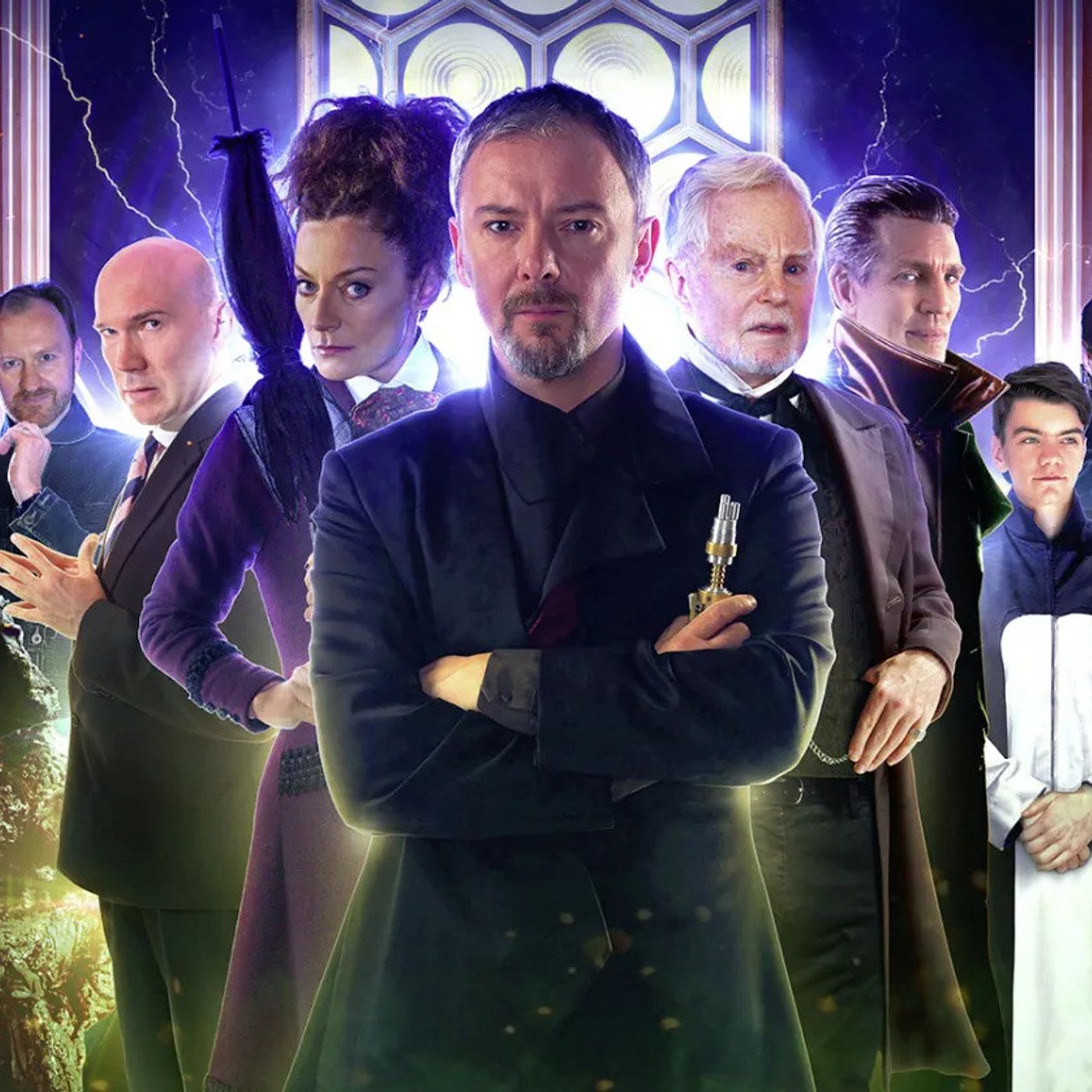
    The Master has been cheating death almost as long as the Doctor has been saving the universe — but can all those different incarnations actually be fitted into a coherent timeline? Christian Cawley and Brian A. Terranova take a trip through the Master's complicated history, from Roger Delgado and the decaying Master to Anthony Ainley, Eric Roberts, Derek Jacobi, John Simm and Michelle Gomez. Along the way, they revisit an old theory connecting the Master of the 1996 Doctor Who TV Movie with The Deadly Assassin, examine Big Finish's rather more elaborate attempt to make sense of the Master's regenerations, and consider what Eric Roberts has brought to the role on audio. ---------------------------------------------------------------- You can watch this week's episode on YouTube: https://www.youtube.com/watch?v=UUCImw-B1Cc ---------------------------------------------------------------- But continuity is only half the story. Was Doctor Who robbed of a potentially definitive Master by giving Derek Jacobi so little screen time? How does his colder interpretation compare with Delgado's original? And did John Simm effectively get a second chance to play the Master when he returned opposite Peter Capaldi? It's an attempt to untangle one of Doctor Who's most complicated characters — and work out what actually makes a great Master. With Christian Cawley and Brian A. Terranova.

  • #539
    September 7 · 44 min

    Who wants Doctor Who — and what happens next?

    What happens next to Doctor Who — and who might actually make it? Christian Cawley and James McLean discuss the latest speculation surrounding the programme's future, including Netflix's apparent lack of interest and Amazon's much more welcoming response to the prospect of getting involved. Could Amazon do for Doctor Who what it once did for Ripper Street? Would moving further into the streaming world give the programme greater creative freedom, or would something important be lost along the way? Then there's the small matter of Billie Piper. With Mark Gatiss discussing the unresolved ending to the most recent series, Christian and James consider whether a future production team really needs to explain what happened — or whether Doctor Who should simply move forward. From Sherlock and Dallas to Blake's 7, Sapphire & Steel and the Seventh Doctor's final adventure, we look at the peculiar power of an unresolved ending — and wonder whether Doctor Who's controversial cliffhanger might actually be helping to keep the series alive in the public imagination. With Christian Cawley and James McLean.

  • #538
    August 31 · 29 min

    The X-Files, Star Wars and the problem with director's cuts

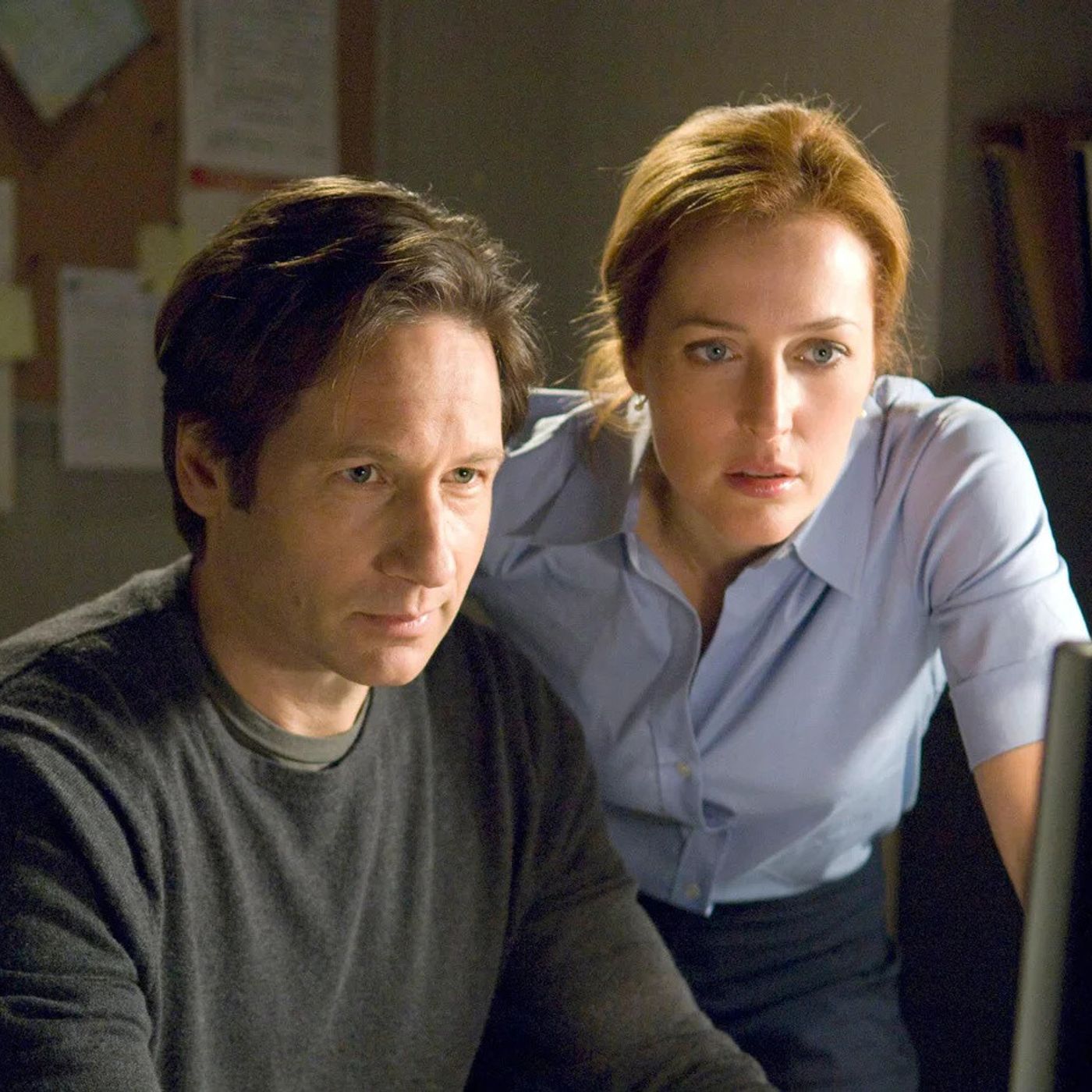
    Chris Carter has returned to 2008's The X-Files: I Want to Believe and created a new director's cut — but unusually, his preferred version is shorter than the film we already had. James McLean and Brian Terranova have watched the new cut and join Christian Cawley to discuss what's changed, including its renewed emphasis on horror, alterations to Mulder and Scully's relationship, and whether Carter has actually made I Want to Believe a better movie. But that raises a bigger question: when should creators stop changing their own work? From Chris Carter and The X-Files, the conversation moves to Ridley Scott's Blade Runner, George Lucas and Star Wars, fan edits and the very idea of a definitive version. Films and television are collaborative works involving writers, directors, actors, editors, composers, and producers. So when somebody returns decades later to create their preferred cut, whose work are they actually changing? And does being the director necessarily give them the final word? With Christian Cawley, James McLean and Brian Terranova.

  • #537
    August 24 · 28 min

    Does Doctor Who need another fresh start?

    What should Doctor Who do next? We look to its uncertain future — and back to the BBC's memorable Doctor Who Night in 1999. Christian Cawley, James McLean and Brian Terranova discuss Dean Devlin's recent comments about Doctor Who, the prospect of another David Tennant return, and whether the programme might benefit from something resembling the clean break it received in 2005. Should a future producer embrace decades of continuity, or give new viewers an easier way in? Could Tennant's Fourteenth Doctor provide a bridge to another incarnation? And has Doctor Who become too reliant on its own past? Then we head back to 1999, when Doctor Who faced a very different uncertain future, to revisit BBC Two's Doctor Who Night. Featuring Tom Baker, specially made sketches, documentaries and a showing of the 1996 TV movie, the evening arrived at a fascinating point in Doctor Who history: ten years after the original series ended and several years before its eventual return. Was Doctor Who Night simply a nostalgic celebration — or, looking back, can we see the beginnings of the rehabilitation that eventually brought the Doctor back to Saturday-night television?

  • #536
    August 17 · 44 min

    Are we watching the same films and TV shows anymore?

    What happens when the films and TV programmes we grew up with aren't quite the same things we remember? This week, a mix of Doctor Who and Star Wars, with Christian Cawley, James McLean and Brian Terranova beginning with some surprising discoveries about Luke Skywalker's decidedly ordinary trousers and Han Solo's blaster, changing lightsaber props, and the surprisingly problematic dimensions of the Millennium Falcon. That leads us into the world of film and television restoration. What can modern transfers reveal that VHS and old television broadcasts concealed? And why might the Peter Cushing Doctor Who movies never make the jump to true 4K? Doctor Who presents another puzzle. The series has always contained changing props, models, sets, and continuity, yet fans seem remarkably willing to accept them. More recent projects such as The War Games in Colour take things further, effectively creating alternative versions of familiar stories. Then things get personal. James reveals that he edits songs he likes into what he considers their "correct" versions, leading to a discussion about fan edits, remixing, copyright and whether audiences have always customised the media they consume. As CGI, AI and increasingly powerful editing tools become available to everyone, could personalised versions of films and television become commonplace? And if we can all "fix" the things we don't like, are we still watching the same thing?

  • #535
    August 12 · 50 min

    When does Doctor Who fan fiction become canon?

    What actually counts as Doctor Who canon—and who gets to decide? Christian Cawley, James McLean and Brian Terranova head down the rabbit hole of Doctor Who fan productions, unofficial spin-offs and alternative continuities, beginning with Brian's experiences developing his own Orville fan production. That leads us to Doctor Who projects such as Downtime, and The Stranger, where familiar actors and characters could appear in productions that existed somewhere between fan fiction and the television programme they were inspired by. An additional "aftershow" section for subscribers: https://www.patreon.com/cw/kasterborous/membership But things become even more complicated once officially licensed Doctor Who enters the equation. Does Big Finish "count?" What happens when established continuity contradicts something that was previously accepted? And is our obsession with arranging television, audio, comics and other media into a hierarchy of "canon" itself part of the problem? We also discuss different approaches to shared fictional universes, why people create fan films and fiction in the first place, and how working within an established universe can help develop creative skills. Finally, there's the curious case of Richard E. Grant: announced as the official Ninth Doctor for Scream of the Shalka—only for the return of Doctor Who to television to rewrite his place in the programme's history. So perhaps the real question isn't simply what counts as Doctor Who canon, but whether canon matters as much as we think it does. Shownotes Downtime on Amazon Prime: https://amzn.to/4xoikps

  • #534
    August 3 · 24 min

    From Tracy Island to Wonky Donkey: remembering '90s children's TV

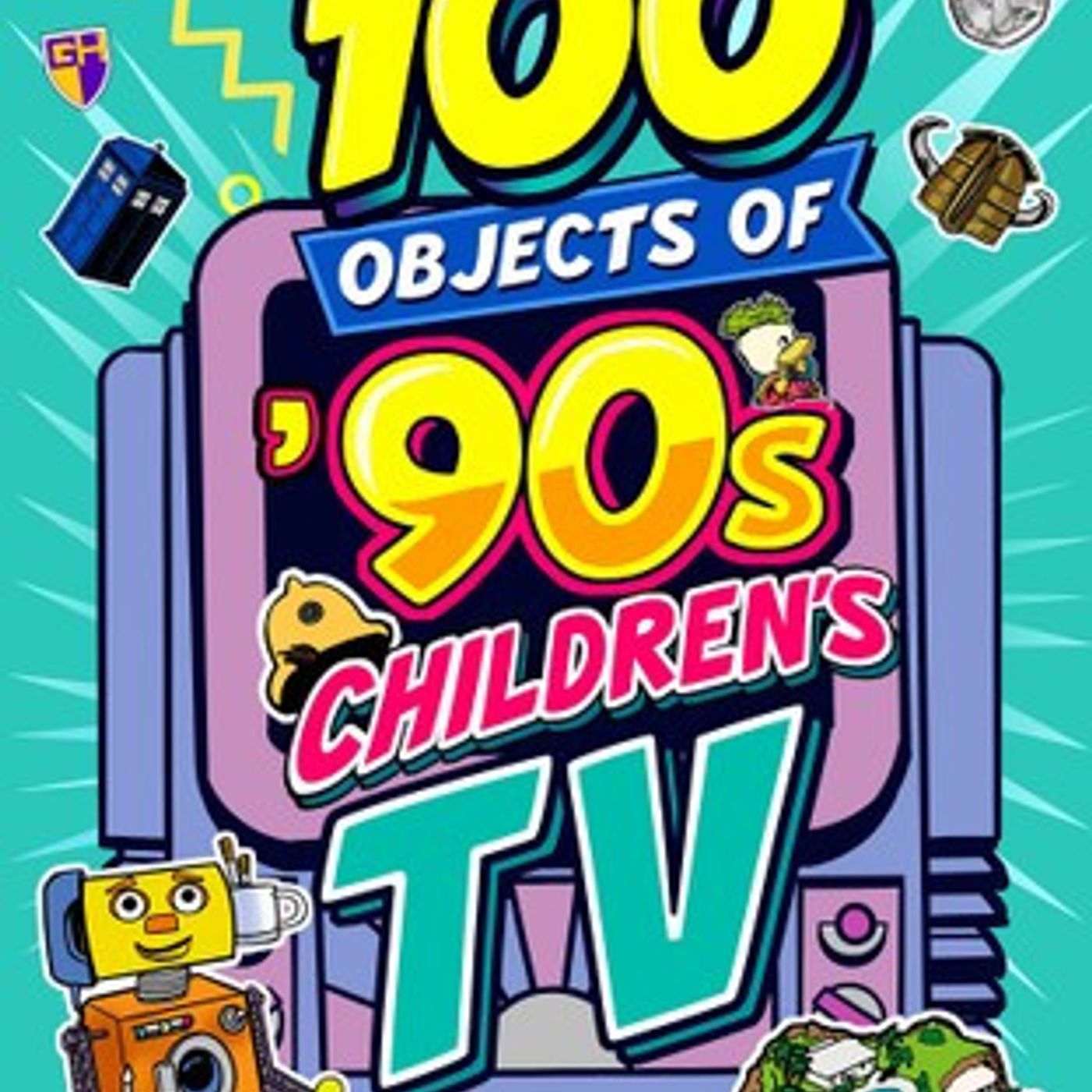
    What can Tracy Island, Wonky Donkey and a TARDIS tell us about growing up with television in the 1990s? Well, Christian Cawley is about to find out. He chats with author Thom Gray about 100 Objects of '90s Children's TV, his celebration of a decade of CBBC, CITV, Saturday morning shows and programmes that have since slipped from memory, which is out now from Candy Bar Books. Thom explains how the book came together, the challenges of researching children's television from the period, and his conversations with around 35 people who helped make it, including Pat Sharp, Anne Wood and Tony Robinson. We also delve into some of the 100 objects themselves, including Anthea Turner's famous Blue Peter Tracy Island, Wonky Donkey from SM:TV Live, the MicroSoap Rubik's Cube, and the TARDIS. Doctor Who might have been absent from television for most of the 1990s, but it wasn't entirely absent from children's TV. Thom explains how the TARDIS continued appearing elsewhere during the Wilderness Years, prompting a wider discussion about Doctor Who's curious place in the decade. Plus: forgotten programmes, VHS tapes, YouTube archaeology, and why '90s children's television is ripe for rediscovery. Links 100 Objects of '90s Children's TV on Amazon: https://amzn.to/4fMhmwi

  • #533
    July 27 · 49 min

    What Doctor Who should learn from Marvel and DC

    This week’s podcast explores what the future might hold for Doctor Who—and whether the problems facing the BBC’s flagship series are really part of a much bigger shift across television and film. Hosted by Christian Cawley and James McLean, the show discusses Sylvester McCoy’s surprise appearance in the Commonwealth Games trailer, what it tells us about the BBC’s continuing commitment to Doctor Who, and the implications of the programme’s move to open tender. From there, the conversation broadens into Marvel fatigue, Netflix’s audience drop-offs, Spider-Noir, Chris Chibnall’s attempts to reinvent Doctor Who, and whether modern audiences still want long-running serialised storytelling—or something completely different. Talking points: Sylvester McCoy and the Commonwealth Games trailer BBC Studios and Doctor Who’s future What happens after Bad Wolf? Why Marvel’s current strategy may no longer work Spider-Noir and character-first storytelling Reassessing Chris Chibnall’s era What Netflix’s viewing figures tell us Why Doctor Who may need a completely different release strategy Let us know what you think, and if you have any thoughts on how Doctor Who should end, get in touch! Meanwhile, Patreon supporters can enjoy some exclusive “after show” chat…

  • #532
    July 20 · 52 min

    Doctor Who Series 2 isn't what you remember

    This week, Christian Cawley, James McLean, and a returning Brian Terranova revisit Doctor Who Series Two (2006)! Twenty years after Doctor Who Series Two first aired, we look back at the stories that established David Tennant as the Doctor and cemented the modern series as a television phenomenon. From New Earth and Tooth and Claw to School Reunion, The Girl in the Fireplace and the return of the Cybermen, we revisit our original reactions, discuss how our opinions have changed over the years, and ask whether this celebrated run of episodes deserves its reputation. The conversation also broadens into a look at modern Doctor Who as a whole, from the Chibnall era to Russell T Davies' recent return, considering which stories have stood the test of time and how fandom's views continue to evolve. In this episode Looking back at Doctor Who Series Two (2006) First impressions versus twenty years of hindsight New Earth and the strengths (and weaknesses) of the opening story Tooth and Claw and the evolving Doctor/Rose relationship Why School Reunion remains one of the defining stories of the era Revisiting The Girl in the Fireplace The Cybermen's return in Rise of the Cybermen and The Age of Steel Which episodes have improved with age—and which haven't Flux, the Whittaker era and recent Doctor Who highlights Why every era of Doctor Who has both classics and disappointments What are your memories of Series Two? Has your opinion changed over the last twenty years, or does it still represent the high point of modern Doctor Who? Let us know in the comments, or get in touch: podkasterborous@gmail.com You can support the podcast via our Patreon, which features a full unedited discussion about this topic and others. You'll also find the Kasterborous archive, which resurfaces old interviews and other material from the old Kasterborous website.

  • #531
    July 13 · 51 min

    From Transformers to the TARDIS: Lee Sullivan on drawing Doctor Who

    Doctor Who artist Lee Sullivan joins Christian Cawley to look back on a career that has spanned Transformers, Marvel UK, Doctor Who Magazine, and some of the most memorable comic strips of the Seventh and Eighth Doctor eras. Beginning with his childhood love of comics and Gerry Anderson, Lee explains how an ambition to become a comic strip artist eventually led him from British Aerospace to Marvel UK, where he cut his teeth drawing Transformers before unexpectedly becoming one of Doctor Who's defining artists. The unedited interview is available on our Patreon. The conversation explores the creative process behind classic Doctor Who Magazine strips, the challenges of sequential storytelling, and the evolution of the comic throughout the Wilderness Years and beyond. Along the way, Lee discusses: How Transformers became his first professional comic strip work. Breaking into Marvel UK and working with editors including Richard Starkings. Becoming a Doctor Who artist during the programme's 25th anniversary. The enduring popularity of the Seventh Doctor comic strips. Bringing the Eighth Doctor to life in comic form. Storytelling techniques, page layouts and visual pacing. Working on graphic novels, illustrations and Doctor Who publications beyond the comic strip. Why Doctor Who has remained such a constant throughout his career. Whether you discovered Lee Sullivan's artwork through Doctor Who Magazine, Marvel UK's Transformers, or later Doctor Who books and illustrations, this interview offers a fascinating insight into one of the franchise's most recognisable artists. Learn more about Lee Sullivan and his work: https://leesullivanart.co.uk/

  • #530
    July 6 · 44 min

    From cinemas to Steam: who really owns entertainment anymore?

    The conversation continues beyond Doctor Who this week as Christian Cawley and James McLean turn their attention to the changing world of film, gaming, and digital entertainment. Starting with the prospects for DC Studios’ Supergirl and the current state of superhero cinema, the discussion broadens into the future of the cinema experience, the decline of physical media, and what it really means to own the films and games we pay for. Along the way, they consider whether streaming has changed our relationship with entertainment forever, why Blu-rays and boxed games still have a place on the shelf, and whether services like Steam have fundamentally altered consumer expectations. Also discussed: Is superhero fatigue really to blame for declining cinema audiences? DC Studios, Marvel Studios and the challenge of rebuilding franchises. Why some films still deserve to be seen on the big screen. The continuing appeal of Blu-ray and other physical media. Sony’s changing approach to physical PlayStation releases. Steam, digital ownership and the risks of an all-digital future. Evercade and the resurgence of physical retro gaming. Windows 11, ageing hardware and planned obsolescence. The full uncut edition of this week’s podcast discussions can be found on our Patreon, along with the Kasterborous Archive.

  • #529
    July 6 · 13 min

    Remembering Justin Richards and Doctor Who's literary legacy

    The Doctor Who world lost one of its most important creative voices with the passing of Justin Richards. This week, Christian Cawley and James McLean celebrate his remarkable contribution to the Whoniverse and discuss why his work mattered to generations of fans. From the Virgin New Adventures to BBC Books, Big Finish audio dramas, comics, and countless reference works, Justin Richards helped define Doctor Who during the years it was off television—and continued shaping the franchise long after its return. Christian and James both experienced the books when they were released, back when there was no Doctor Who on TV. Pre-Big Finish, these titles were the only tangible Doctor Who stories beyond the comic strip and the short-lived TV Movie, and were vital to positioning Doctor Who as a serious brand. Along the way, the conversation explores favourite novels, the evolution of Doctor Who publishing, and the enduring importance of books in keeping the series alive between 1989 and 2005. Also in this episode: Updates from the growing Kasterborous Archive on Patreon. A preview of an upcoming interview with Doctor Who artist Lee Sullivan. Our favourite Justin Richards novels and recommendations for new readers. The transition from Virgin Books to the BBC Books range. Justin Richards’ editorial influence on Doctor Who publishing. Why the Wilderness Years remain one of Doctor Who’s most creative periods. Whether you discovered Justin Richards through his novels, his audio dramas, or his work behind the scenes, this episode celebrates a writer whose influence on Doctor Who is difficult to overstate. The full uncut edition of this week’s podcast discussions can be found on our Patreon, along with the Kasterborous Archive. Kasterborous Archive on Patreon Look out for our main chat, landing later.

  • #528
    June 29 · 52 min

    The “ersatz” Doctor: Why fandoms are obsessed with deleting the past

    Christian Cawley and James McLean address some recent show reviews and consider a growing trend in major fandoms: the desire to rewind the clock, and remove episodes, or movies, that don’t align. Following a surprising Apple Podcasts review that labelled certain eras of Doctor Who as “ersatz,” they dive into the psychology of canon, the reality of “brand positivity,” and why big studios might actually consider wiping the slate clean. This episode first aired on our Patreon. Support the Kasterborous Archive on Patreon, and unlock interviews and "lost" items from our old website. Our topics this week The “professional” fans: Christian reads out a selection of listener reviews, including a three-star critique that calls out the “modern abomination” of Doctor Who. Defining “ersatz” Who: Where do you draw the line? Is everything off-screen fake? We discuss the subjective nature of what “counts” as real Doctor Who. The Star Wars sequel trilogy erasure rumours: Addressing the recurring social media storm that Disney is planning to “delete” the Star Wars sequels. Is it a legitimate business move or just fan wish-fulfilment? Canon as an audience construct: James argues that while fans obsess over timelines, producers only care about IP utility. Does “canon” even exist to the people making the movies? There’s also time to consider how shows like Scrubs and Roseanne used “light-touch revisionism” to ignore unpopular final seasons and return to familiar status quos, and the 1990s Timothy Zahn-penned Star Wars novels. Let us know what your thoughts are on this matter -- is it useful to remove or ignore multimillion dollar movies from a timeline? Can the same be done to Doctor Who -- or is it simply not necessary? Email us: podkasterborous@gmail.com

  • #527
    June 22 · 55 min

    Confessions of a 90s fan: How we survived the Doctor Who wilderness years

    In this episode of Kasterborous, Christian Cawley and James McLean take a trip down memory lane to discuss the infamous "wilderness years" of Doctor Who. Inspired by current industry headlines and the recent status of the series, they recall and reflects on how they—and the wider fandom—navigated the period following the show's 1989 cancellation. Key topics this week The "Cancellation" Conversation: We break down the current state of Doctor Who and explore whether rumors of cancellation are merely a strategic attempt to generate discourse or a genuine reflection of industry instability. 1989 vs. Now: Comparing the experience of the late 80s with the modern era, and why it is so difficult for fans to determine the actual status of a production in today’s "post-truth" media landscape. The 90s Wilderness Years: James and Christian recall how they stayed engaged with the show during the hiatus, focusing on the rise of the Virgin New Adventures novels, VHS releases, and the importance of specialist shops like Forbidden Planet. Canonicity and Cash Cows: A deep dive into the 90s obsession with "official" canon and the changing perception of tie-in merchandise—from "crass commercial cash cows" to the more integrated, sophisticated marketing seen in modern franchise media. The Power of Independent Media: We highlight the opportunities for creativity in the "digital wild west," referencing the work of people like Gareth Kavanagh and Cutaway Comics as a blueprint for how fans and creators can keep a franchise alive. Mentions and links Substack: Follow our latest writing and discussions at gamingretro.substack.com. Cutaway Comics: Check out the excellent work being done by Gareth Kavanagh and the team at Cutaway Comics. Support our work in bringing lost and forgotten interviews and features from our old website to the Kasterborous Archive

  • #526
    June 12 · 1 hr 9 min

    From CSO to space stations: ranking the best and worst of classic Doctor Who effects

    Christian, Brian, and James dive into the complex, hodgepodge world of special effects in Classic Doctor Who. From the creative ingenuity required to mask limited budgets to the philosophical debate between practical effects and modern CGI, the team explores what makes certain classic effects timeless while others fall short. Key Discussion Points: The Art of "Classic" FX: Discussion on why classic Doctor Who effects often feel more engaging than seamless modern CGI, specifically the audience's enjoyment in understanding the "how-to" behind the curtain. Practical vs. CGI: Why practical effects, such as elaborate alien suits, maintained a sense of reality through consistent lighting and physical interaction, whereas some modern CGI struggles with aging and believability. The "Rubber Nose" Trope: Examining the shift in alien design from elaborate, ambitious suits to the more common Star Trek: TNG-inspired humanoid-with-a-prosthetic approach, and whether this was due to budget constraints, audience expectations, or actor comfort. CSO (Chroma Key) Analysis: A deep dive into the use of CSO in Classic Doctor Who, highlighting the technical ambition of stories like Underworld—despite its flaws—and comparing it to the near-seamless work in Silver Nemesis. The Best and Worst Effects: We offer our thoughts on what are the best and worst special effects in classic Doctor Who. Let us know what you think, as we really only skimmed the surface in this episode. Plus, there is also mention of: Doctor Who: Death to the Daleks, Silver Nemesis, The Five Doctors, Underworld, Revenge of the Cybermen, Invasion of the Dinosaurs, Trial of a Time Lord. Blake’s 7: Discussion on the recent release with updated VFX. Star Trek: Comparisons between its alien designs and the riskier, more varied approach taken by Doctor Who. Random Acts of Hopkirk (Deceased): Tom Baker’s interaction with extensive green screen work. Thanks for watching, and don't forget, joining our Patreon as a paid subscriber gives you access to the Kasterborous Archive, a growing collection of material that was either unused, or forgotten, from the days of the old Kasterborous website.

  • #525
    June 10 · 27 min

    The end of an era: Russell T Davies out, no 2026 Christmas special, and a new future for Doctor Who

    The TARDIS is changing hands—or at least, the keys might be. In a massive shake-up, the BBC has officially put Doctor Who out to tender, signaling a potential end to the current Russell T Davies era. While the show is far from cancelled, the search for a new production house to take the helm has sent shockwaves through the fandom. Join Christian Cawley and James McLean as they break down the implications of this news. What does it mean for the future of the series? Could this open the door for a radical creative shift, or are we looking at a period of uncertainty as the show prepares for its next phase? We also weigh in on whether the festive hiatus is a temporary blip or a sign that the BBC’s priorities are shifting away from appointment viewing. Tune in as we dissect the headlines and try to make sense of one of the biggest Doctor Who news stories of the year. As ever, let us know what you think.

Showing 1–20 of 26 episodes