Skip to content
Artwork for John Sandoe Books
ArtsBooks

John Sandoe Books

John Sandoe Books

'Quite simply the best bookshop anyone could wish for' - Edna O'Brien. Independent bookshop (est. in 1957) Chelsea, London.

Play
  • 21 episodes
  • Avg 44 min
  • English
Counted on this page — what you have heard stays on this device, so it is not something the list can be paged by.
  • #90
    Friday · 29 min

    Neil Price: The Sea-King and the Sorceress

    When you think of the Vikings – if you ever do – where do you think your information comes from? If we tend to think of them all as marauders, it’s probably because the sources of information have generally been outsiders. Since the Vikings had no written records of their own (the Icelandic Sagas were hundreds of years later), it’s only with the advent of modern archaeological techniques using DNA, isotopes and other microdata that we can begin to get a fuller picture. One of the foremost historians of the Vikings to have benefited from recent archaeology is Neil Price. In his new book The Sea-King and the Sorceress: Life and Death in the Viking Age, Neil looks at twenty-five grave sites to present an utterly riveting account of the Viking world, including vikings (pirates, with a small v), traders, slaves, men, women and children from all strata of society from Greenland to the Volga. Interviewed by John de Falbe Edited by Magnus Rena

  • #89
    July 8 · 33 min

    Andrea Wulf: The Traveller

    A month before Cook was intending to embark on his second voyage, he took his ship, the Resolution, for a test run on the Thames. He had a particular reason for concern: Joseph Banks, the naturalist on the Endeavour, had grandly assembled a staff of fifteen and built a superstructure on the ship. Finding that it rendered the ship hopelessly top-heavy and unsuitable, Cook instructed that it be removed – whereupon Banks threw his toys out of the pram and said he wouldn’t come. His replacement, engaged at very short notice, was a German-born botanist called Reinhold Forster. His field experience came from a trip in Central Asia, on which he was accompanied by his 10-year-old son George. This magnificent book is about that son, who – aged 17 – accompanied his father on the Resolution. Where his father was a difficult man, detested by everyone, George delighted all who met him. Clever, a fine linguist, draughtsman, botanist and writer, he was also unusually interested in others. Time and again on the voyage, he noted that the contact between indigenous people and Europeans did not go well for the indigenous people, and he was dismayed. An observant man interested in connections rather than divisions, he was lionized on his return and spent his subsequent years engaging with contemporaries and arguing for what might later be held to fall within the phrase ‘universal human rights’ – including equal rights for women. (He believed that a society could be judged according to how it behaved towards the women.) Wulf is a fine writer, immersed in the eighteenth century from previous books and also in what came to be called ecology, thanks to Alexander von Humboldt, the subject of one of her earlier books, The Invention of Nature. It is no surprise to learn that von Humboldt was himself deeply influenced by George Forster. He may not be so well known to history, but Wulf is moved by this man and – on this podcast as well as in the book itself– persuades us that we should know him better. Signed copies are available.

  • #88
    June 11 · 35 min

    Catherine Ostler: The Renoir Girls

    It is impossible to tell from Renoir’s celebrated portrait of two delightful, pampered-looking girls that its subject — and their family at large — are destined for a horrible end; one of the girls would be murdered in Auschwitz, by then an elderly lady. The world of Catherine Ostler's The Renoir Girls is that of the super-rich Jewish bankers of late C19th France, great patrons of the arts and apparently assimilated, whose position was shown by the Dreyfus Affair to be fragile and reached its appalling conclusions under Vichy. It is the world of Proust and, of course, The Hare With Amber Eyes, whose characters were cousins of the Renoir girls and whose author (Edmund de Waal) soundly endorses this book on its cover. The book is excellent and has received some terrific reviews, which word-of-mouth responses so far have unequivocally supported. Interviewed by John de Falbe Edited by Magnus Rena

  • #87
    April 18 · 35 min

    Suzanne Simard: When the Forest Breathes

    Simard is a genius of modern forest ecology. Her first book, Finding the Mother Tree, was at the vanguard of humanity’s understanding of the interconnectedness of trees and we were honoured that she could come to Sandoe’s to talk to us on our podcast. In this second book, When the Forest Breathes, published in March this year, the Canadian scientist recounts her ongoing research, with profound lessons on environmental degradation and methods of restoration. Once again, her narrative is both compelling and moving. Suzanne has kindly signed copies of her book; please email or call to reserve one. Interviewed by Arabella Friesen Edited by Magnus Rena

  • February 27 · 40 min

    Jane Rogoyska: Hotel Exile

    Our first podcast for 2026 is with Jane Rogoyska, the author of Hotel Exile: Paris in the Shadow of War. Divided into three parts, it tells the story of the influx of mostly German refugees into Paris following the rise of the Nazis, and how the Hotel Lutetia, a grand hotel on the Left Bank, became a focus for them in organizing some kind of resistance to the regime at home. After the German Occupation, the same hotel became the headquarters of Military Intelligence, the Abwehr; and then, after the Liberation, the hotel mutated into a reception centre for deportees returning from the concentration camps. The book has received superb reviews across the media and is immensely readable. The book is available now at £25 and Jane has kindly signed copies for us. Email, call or order online if you would like a copy. Interviewed by Johnny de Falbe Edited by Magnus Rena

  • #86
    Nov 3, 2025 · 40 min

    Juliet Nicolson: The Book of Revelations

    We are delighted to have Juliet back on our podcast. Her books have been regular bestsellers at Sandoe’s: The Perfect Summer, A House Full of Daughters, Frostquake, which she spoke about on the podcast in 2020. Her new book looks at the dynamics of corrosive secrets that women have been obliged to keep, how those secrets fit into a broader social context and how exposing them has been a release for many. Her own family is the starting point for her investigation; numerous case studies follow. Interviewed by Johnny de Falbe Edited by Magnus Rena

  • #85
    Sep 28, 2025 · 41 min

    Charles Darwent: Monsieur Ozenfant's Academy

    A mentor to Le Corbusier, Ozenfant was an artist and critic who ran art schools in Paris and London in the 1920s and ’30s. Highly regarded, he knew everyone; Leonora Carrington was a student, Henry Moore worked for him, Paolozzi admired him. Despite his connections, energy and talent, his star dimmed and he passed into obscurity. This short, beautifully written book is a superb resuscitation of a fascinating individual whose influence was – and is – far-reaching. Johnny speaks to its author, Charles Darwent — art critic and reviewer. Photo: Ozenfant (left) and Le Corbusier launching their new magazine, L'Esprit nouveau, in 1920, from a fake hot air balloon. Interviewed by Johnny de Falbe Edited by Magnus Rena

  • #84
    Sep 3, 2025 · 41 min

    Jonas Hassen Khemiri: The Sisters

    We are delighted to bring you a new episode of our podcast: a conversation with Jonas Hassen Khemiri. He is a Swedish novelist and playwright, a teacher on the creative writing course at NYU and a finalist for the National Book Award. His writing is warm and playful, often concerned with his own Swedish-Tunisian heritage and with the joys and exasperations of being a writer, a father and a partner — rarely in that order. The Sisters is his latest novel, and his first to be written originally in English. It’s a wonderful, expansive book set between Tunis, Stockholm, Paris, Berlin and New York, beginning in 1999 and ending several decades later, the three sisters of the title having grown from adolescence into middle age. He spoke to Magnus about his approach to fiction, about place, ambition, migration and home, as well as David Foster Wallace, the Rockefeller Building, IKEA bags and the strange relief that comes from writing your own family into a novel. Interviewed and edited by Magnus Rena

  • #83
    Jun 1, 2025 · 32 min

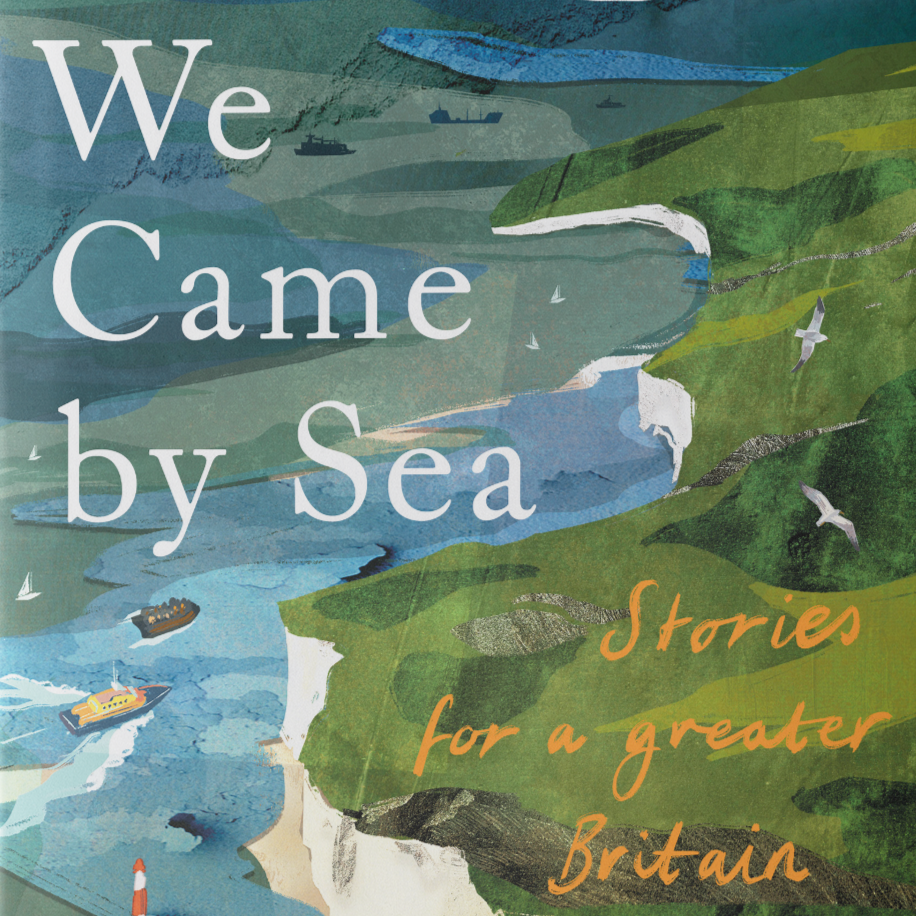
    Horatio Clare: We Came By Sea

    Horatio is an outstanding writer of literary non-fiction. He’s written before about life on a container ship and on an icebreaker, three memoirs, two important books on acute mental crisis, a glorious book on Bach, a book on curlews and swallows, three delightful books for young children and a couple more on Welsh myths — all in addition to regular journalism. With the small boats crisis as its focus, We Came By Sea is an exemplary work of reportage, motivated by curiosity and a suspicion of prevailing narratives. This short book began ‘with a feeling of deep disquiet’ brought on by reading the reports (suspiciously consistent in tone and agenda) of people coming to Britain’s south coast in small boats from France since 2020. Sceptical of the single narrative and cautious of the political winds of recent years, Clare visited Dover, Calais, Cornwall and Merseyside, where some refugees were housed as they waited for their applications to be processed. He also talks to people involved with the crisis in every kind of capacity. Observant and careful, he writes what he sees; exposes hypocrisy, corruption, lies, political cynicism and undue profit at the taxpayer’s expense – while celebrating the extraordinary courage and tenacity of the search and rescue teams and charities involved. Interviewed by Johnny de Falbe Edited by Magnus Rena

  • #82
    Apr 17, 2025 · 50 min

    Tim Bouverie: Allies at War

    Bouverie's first book, Appeasing Hitler, was a tremendous success. His second — a history of the alliance that won the war — is once again fascinating and beautifully written. He spoke to Johnny about the destruction of the French fleet by the British (they had been allies months earlier), the betrayal of Poland, and the significance of public opinion for democracies at war; offensives that would stir a sense of patriotism back home were as important as those which were strategically necessary. Interviewed by John de Falbe Edited by Magnus Rena

  • #81
    Jan 15, 2025 · 54 min

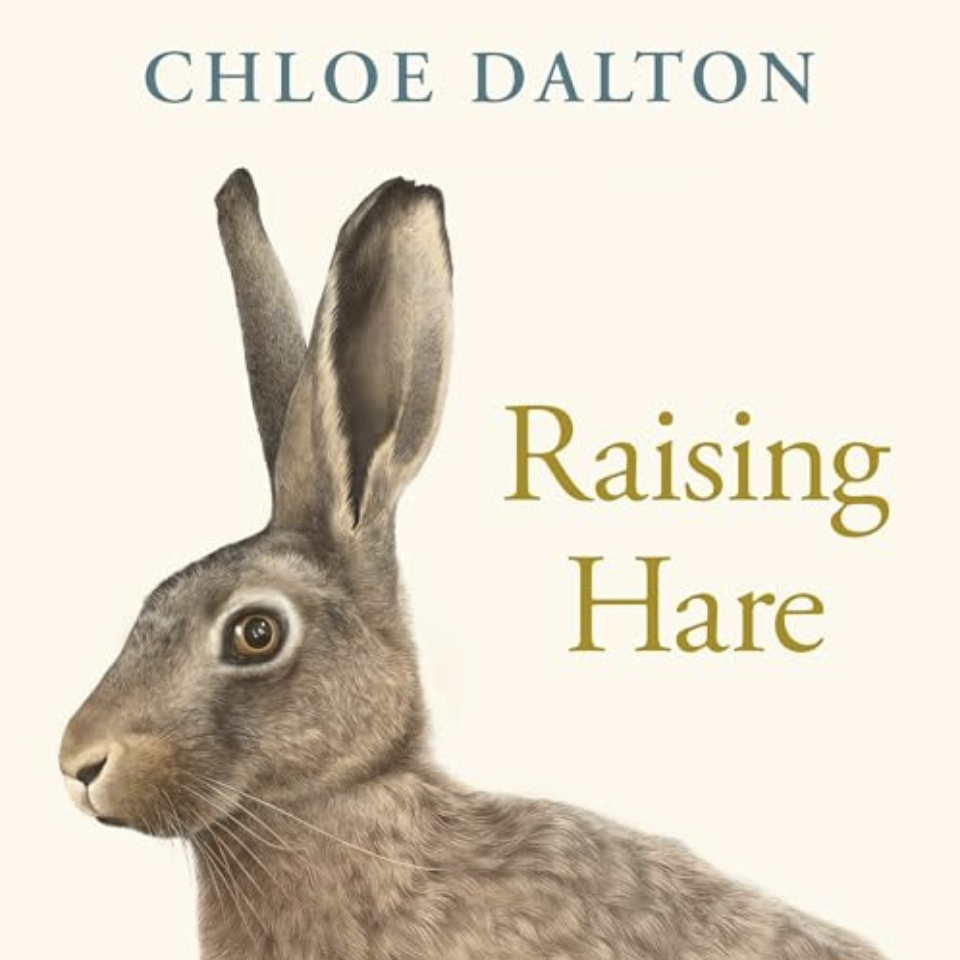
    Chloe Dalton: Raising Hare

    Dalton, who has worked for over a decade as a parliamentary and Foreign Office policy advisor and speech-writer, found herself raising a leveret in lockdown. Her approach was to intervene as little as possible and allow the animal to remain wild – yet it still comes to snooze in her house, and has now raised leverets that treat Dalton’s small converted barn as their own. She spoke to Arabella about this improbable experience, about swapping the city for the country, and writing her first book – which has just been shortlisted for the Hatchards First Biography Prize. Interviewed by Arabella Friesen Edited by Magnus Rena

  • #80
    Nov 20, 2024 · 58 min

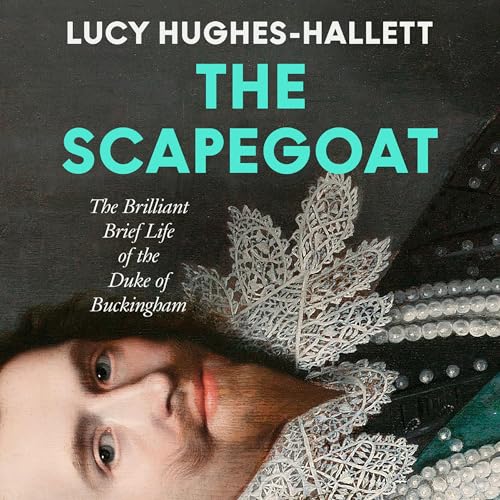
    Lucy Hughes-Hallett: The Scapegoat

    The scapegoat in question is the Duke of Buckingham: favourite and lover of James I and beloved friend of his son; husband, father, art collector, tireless statesman… The cost of his pearl-spilling outfit when he went to meet Henrietta Maria would have paid the mercenary army for four months. He was hated so fiercely by the time of his stabbing in a Portsmouth inn that his murderer was cheered en route to London. This biography of the fabulously handsome skimbleshanks is a scintillating portrait of a complex man and his tumultuous times. Interviewed by Johnny de Falbe Edited by Magnus Rena

  • #79
    Nov 20, 2024 · 55 min

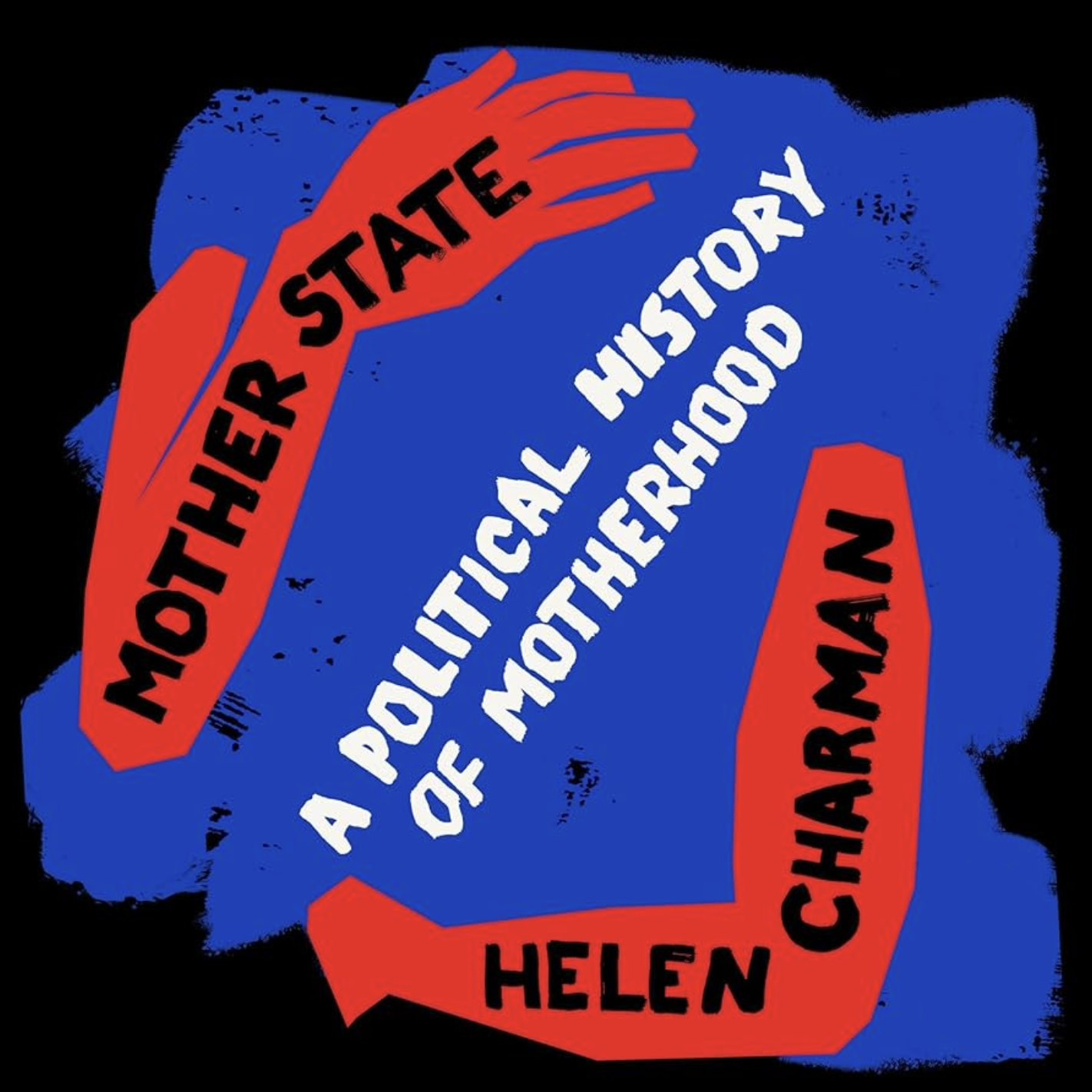
    Mother State: Helen Charman in Conversation with Kate Briggs

    'motherhood is frequently politicised, but rarely acknowledged in all its fullness to be political' We were delighted that Helen Charman, a Fellow at Clare College, Cambridge, whose writing has been published in The Guardian, The White Review, Another Gaze and The Stinging Fly, came to the shop to speak about her new book, Mother State. The impetus behind the book — a history of motherhood in the UK and Ireland — is that motherhood is an inherently political state of being, and should be considered in terms of collective responsibilities as well as individual. The communities that she is interested in — anti-nuclear campaigners, lesbian squatters, the wives of striking miners... — present a world in which mothering is a powerful, radical act. She was joined in conversation by Kate Briggs (The Long Form and This Little Art, both published by Fitzcarraldo). To hear about upcoming events in the shop and new episodes on our podcast, please click here. Edited by Magnus Rena

  • #78
    Sep 10, 2024 · 58 min

    William Dalrymple: The Golden Road

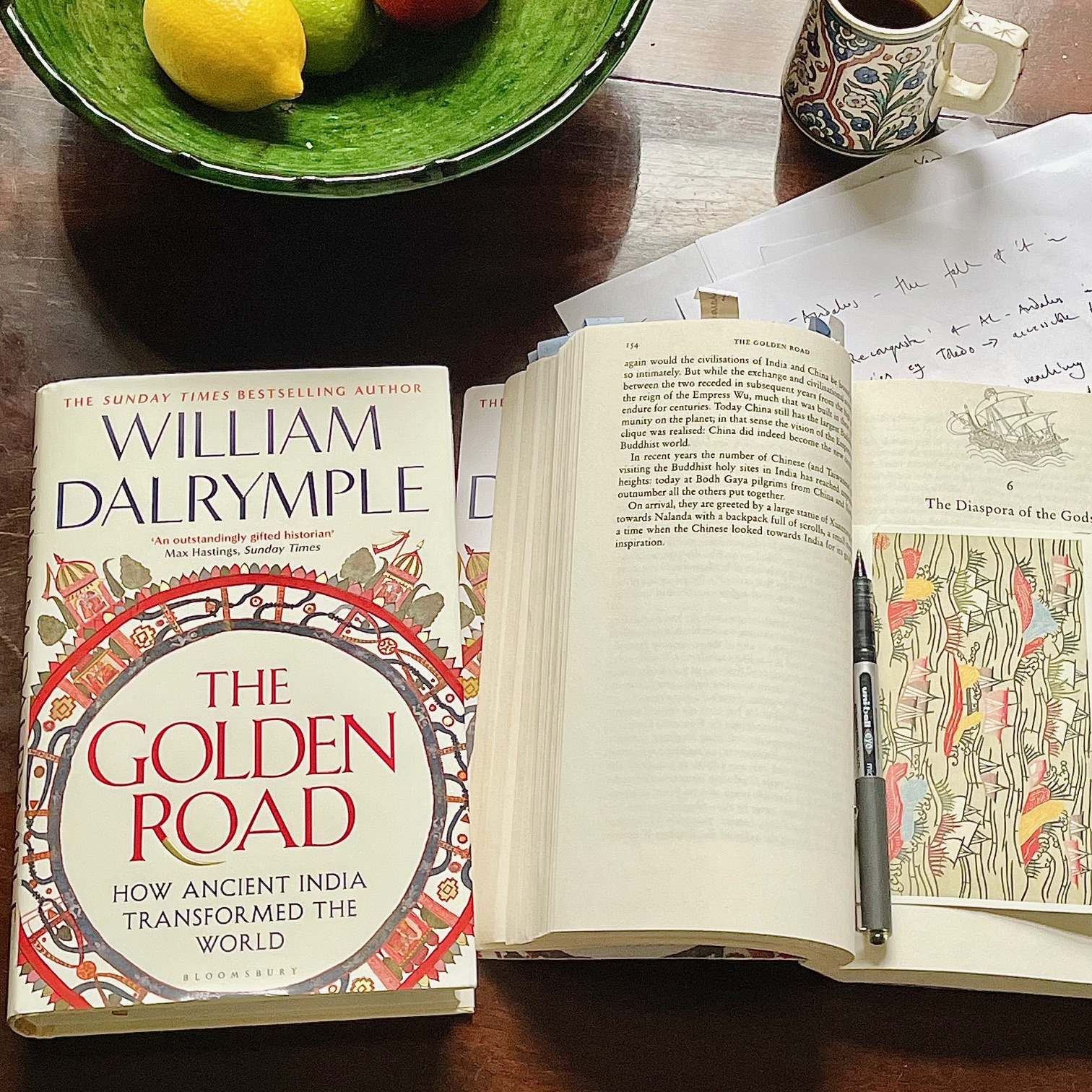
    Five years - almost to the day - since the first episode of the Sandoe's podcast, we welcome back the very first author to have graced our airwaves: William Dalrymple. In September 2019 he came to discuss The Anarchy; he returns, on our 80th episode, for The Golden Road: How Ancient India Transformed the World. He traces the rise and spread of Buddhism from its roots, showing the dominance of Indian culture in the ancient and early medieval worlds. WD's customary grace, zest and elegance render unfamiliar names and ideas both accessible and compelling. There's a limited number of signed copies so please give us a ring, email or order through our website if you'd like one. Interviewed by Arabella von Friesen Edited by Magnus Rena

  • #77
    Aug 23, 2024 · 35 min

    Rupert Thomson: How to Make a Bomb

    Rupert Thomson has attracted the kind of critical acclaim which would flatter any rockstar, let alone writer. He's been compared to Dickens, Kafka and Grace Jones; The Insult was chosen by David Bowie as one of his 100 favourite novels of all time; and his first novel, Dreams of Leaving - one of the earliest books to be published by Bloomsbury soon after it was established in 1986 - found fans in everyone from the drummer of Souxsie and the Banshees to the New Statesman, who said, “When someone writes as well as Thomson does, it's a wonder other people bother”. His latest book is called How to Make a Bomb (or Dartmouth Park in its American edition). It's a heady, swirling novel about a writer's psychic collapse which begins in Norway and takes him to Cadiz and Crete. There are shades of John Fowles's The Magus to it: acute, sensitive, eerie but compulsively readable. Interviewed and edited by Magnus Rena

  • #76
    Jul 15, 2024 · 33 min

    Giles Milton: The Stalin Affair

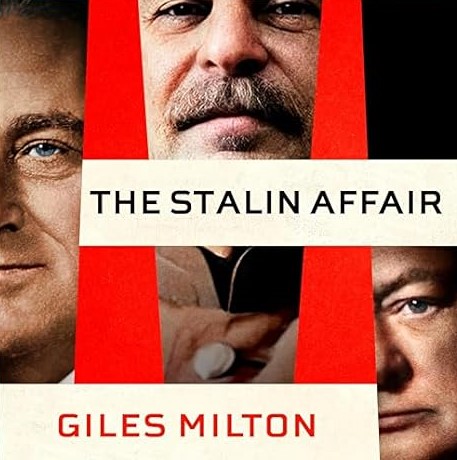
    Acclaimed historian Giles Milton (Checkmate in Berlin, Nathaniel's Nutmeg, Paradise Lost) talks to Johnny about his new book on the US and Britain's diplomatic mission to brace Stalin against the Germans and bring him into WW2 as an ally. Edited by Magnus Rena

  • #75
    Apr 29, 2024 · 50 min

    Es Devlin on the Art of Set Design

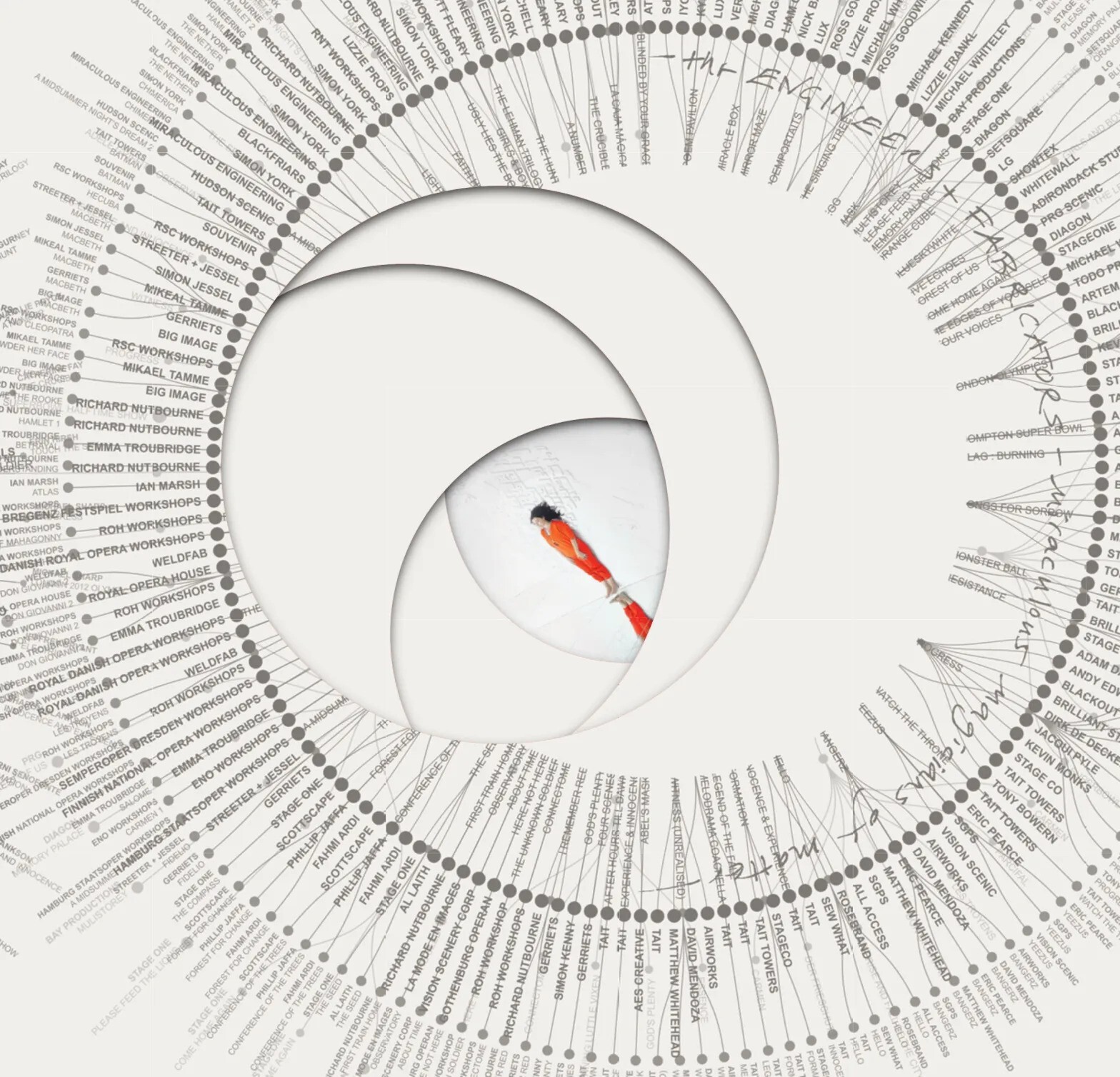
    Es Devlin's name will be familiar to some; many will have seen her work without realising it. Winner of three Olivier awards, her work ranges from small theatres to vast stadiums, from Adele to Don Giovanni and Sir John Soane. She designed the set for Sam Mendes’s ‘The Lehman Trilogy’ at the National Theatre; she’s collaborated with the physicist Carlo Rovelli; has worked with Complicité, Florence + the Machine, Beyoncé, U2; designed installations at Tate Modern, the Serpentine, the V&A, Trafalgar Square, the Imperial War Museum and the UN General Assembly; sets for the ROH, the Met and La Scala. Etc. Etc. She spoke to Magnus about her recent book, An Atlas of Es Devlin, published by Thames & Hudson in conjunction with the eponymous exhibition at Cooper Hewitt, Smithsonian Design Museum. It is a miracle of book design and making, exceptional for its production values, careful artistry and sheer technical whizz and exuberance. Thames & Hudson’s commissioning editor called it “the most complex book production” he’s seen in his 28 years with the publishing house. Interviewed and edited by Magnus Rena Music: U2, Beautiful Day, performed live in 2001 at the Fleet Center, Boston, MA, USA Stormzy, Blinded By Your Grace, Pt.2, performed live in 2018 at the BRIT Awards, London

  • #74
    Apr 12, 2024 · 52 min

    Roland Philipps on Roger Casement

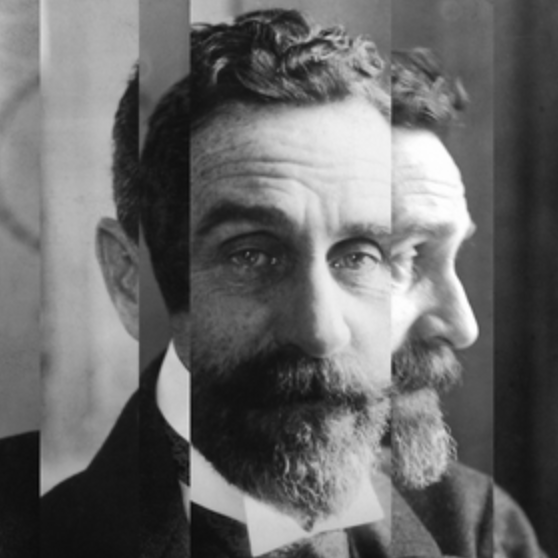
    Casement was one of the first to expose the horrors of the Belgian Congo and the Peruvian rubber industry. In 1911 he was knighted; five years later he would be executed in Pentonville Prison for conspiring with the Germans to provide arms for the Easter Rising. His fraught life — as a humanitarian, a closeted queer man and an Irish Nationalist — is the subject of Roland Philipps' fantastic new biography, Broken Archangel. We are delighted that he has returned to the podcast for a second time (after Victoire in 2021) to speak to Johnny about the book. Interviewed by Johnny de Falbe Edited by Magnus Rena Music: Damien Dempsey, Banna Strand

  • #73
    Feb 16, 2024 · 52 min

    Anna Reid: A Nasty Little War

    A conversation with Anna Reid. Many will know her from Borderland, a brilliant history of Ukraine. Her new book, A Nasty Little War, is a fascinating, grisly and often witty account of the Allied intervention in Revolutionary Russia. After the Armistice in 1918, the Allies’ support for anyone contra-German mutated into anti-Bolshevik Intervention. Forces were deployed in Archangel, the Caucasus, the Far East and elsewhere. Interviewed by Johnny de Falbe Edited by Magnus Rena Music: The Song of the Stakhanovite Unit

  • #72
    Sep 20, 2023 · 1 hr 4 min

    Thomas Harding on George Weidenfeld

    The Maverick: George Weidenfeld and the Golden Age of Publishing is a brilliant biography of a complicated man. It's not a cradle-to-grave doorstopper, but the story of the publisher's life through twelve books, including his mother's diary and Lolita. Interviewed by Johnny de Falbe Edited by Magnus Rena Music: Kleine Dreigroschenmusik: II. Die Moritat von Mackie Messer

Showing 1–20 of 21 episodes