Skip to content
Artwork for InPrincipio Podcast

InPrincipio Podcast

InPrincipio

Books, readings, and historical studies with a Catholic perspective

Play
  • 41 episodes
  • daily
  • Avg 22 min
  • English
Counted on this page — what you have heard stays on this device, so it is not something the list can be paged by.
  • Thursday · 19 min

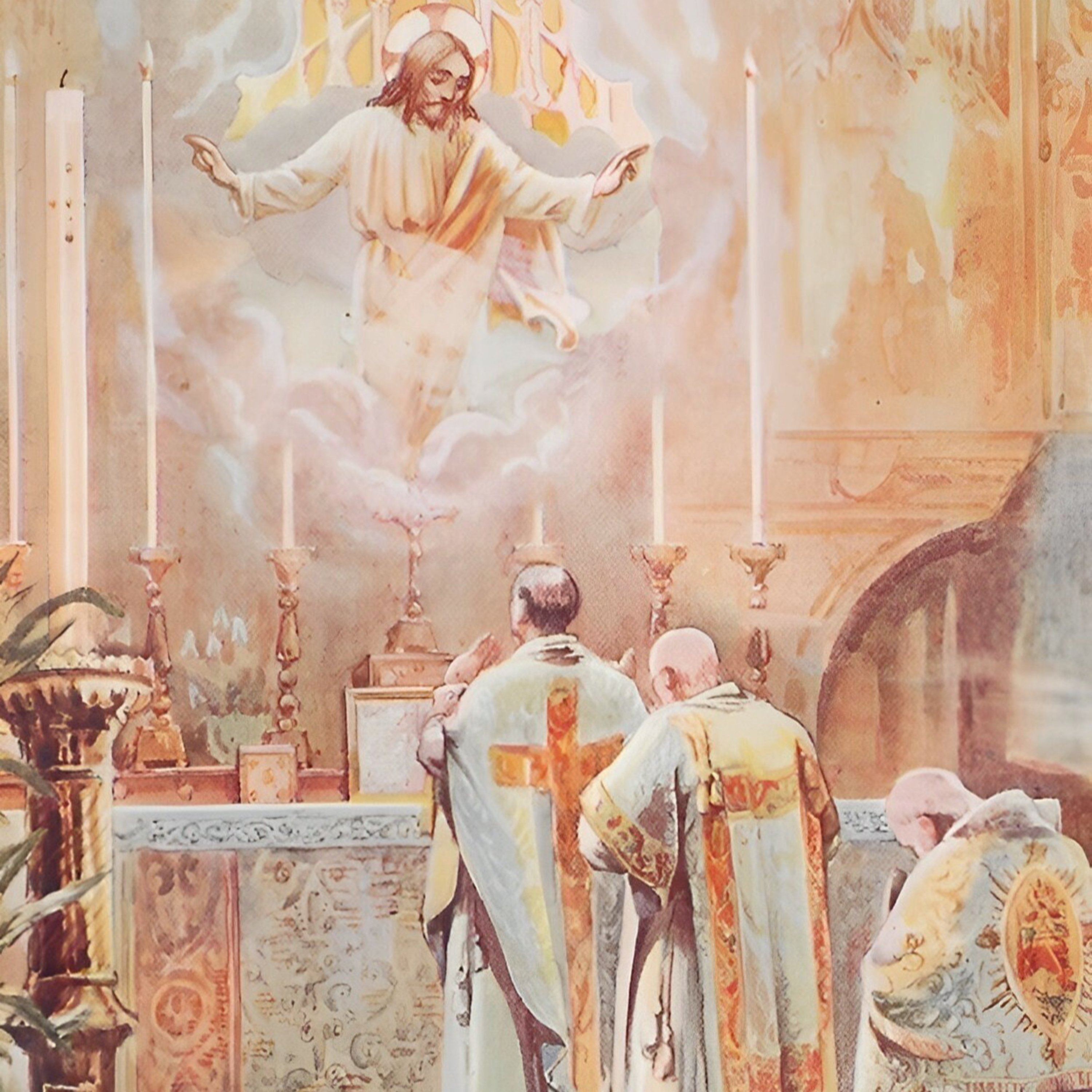
    Christ Renews His Life in the Mass — Fr. Martin von Cochem (Audiobook, Ch. 6)

    Chapter 6 of the Explanation of the Holy Mass by Fr. Martin von Cochem: In the Holy Mass Christ Renews His Life.'Explanation of the Holy Sacrifice of the Mass' by Fr. Martin von Cochem is a classic 17th-century Catholic devotional work that passionately and engagingly explains the immense spiritual value, mystery, and supernatural power of the Holy Sacrifice of the Mass. Drawing on Scripture, the Church Fathers, and mystical theology, Cochem portrays the Mass as a re-presentation of Christ’s sacrifice on Calvary, a source of infinite grace, and the highest act of worship that unites heaven and earth. Through vivid anecdotes, historical insights, and practical exhortations, von Cochem urges Catholics to attend Mass with fervent attention, revealing its "incredible" merits such as remission of sins, protection from evil, and heavenly rewards, ultimately transforming routine participation into a life-altering encounter that divides one's existence into "before" and "after" this revelation, fostering a renewed zeal for Eucharistic worship.Father Martin von Cochem (1634–1712) was a German Capuchin friar, preacher, and spiritual writer renowned for his deep piety and his ability to explain the Catholic faith in clear and fervent language accessible to ordinary people. Born in Cochem on the Moselle River, he entered the Capuchin Order as a young man and devoted his life to pastoral work, preaching missions throughout Germany, and combating religious indifference in the wake of the Thirty Years’ War. His writings, composed in both Latin and German, include the Explanation of the Holy Sacrifice of the Mass, The Four Last Things, and The Life of Christ, all of which reflect his profound devotion to the Eucharist and his zeal for the salvation of souls. His works became spiritual classics, widely read among clergy and laity alike for their vivid imagery, theological clarity, and heartfelt appeal to deeper faith and reverence toward the mysteries of God. Note: The modern title of this work is "The Incredible Catholic Mass", published by TAN books, and currently under copyright. The original German title, published in the 17th century, was "Erklärung des heiligen Meßopfers", commonly translated as "Explanation of the Holy Sacrifice of the Mass" in English in the 18th and 19th centuries. This is the title that we will be using for this audiobook series on InPrincipio Podcast (at times abbreviated to 'Explanation of the Holy Mass' or other variations), and the text is that of the Benziger Brothers, New York, 1896. Link to the ‘Explanation of the Holy Sacrifice of the Mass’ Audiobook playlist: https://www.youtube.com/playlist?list=PLZKdyYnV_bkgm1BUAsp5JndFfo4WZABrFIf you would like to support this channel:  Patreon: https://www.patreon.com/cw/InprincipioPodcast PayPal: https://www.paypal.com/donate/?hosted_button_id=U5EZ9X2CE2V7W Venmo: https://venmo.com/u/InPrincipioPodcast Zelle: inprincipiopodcast@gmail.com; or search for Zelle tag “inprincipiopodcast”  Checks may be written out to ‘InPrincipio Podcast’ and mailed to: P.O. Box 117 Cedar Ridge, CA 95924Sincere thanks to all who are able to contribute, by your prayers, your patronage, or otherwise. Your support sustains this work and helps make these readings available to others.Artwork: “The Holy Mass” by Thomas Noyes-Lewis
  • Wednesday · 14 min

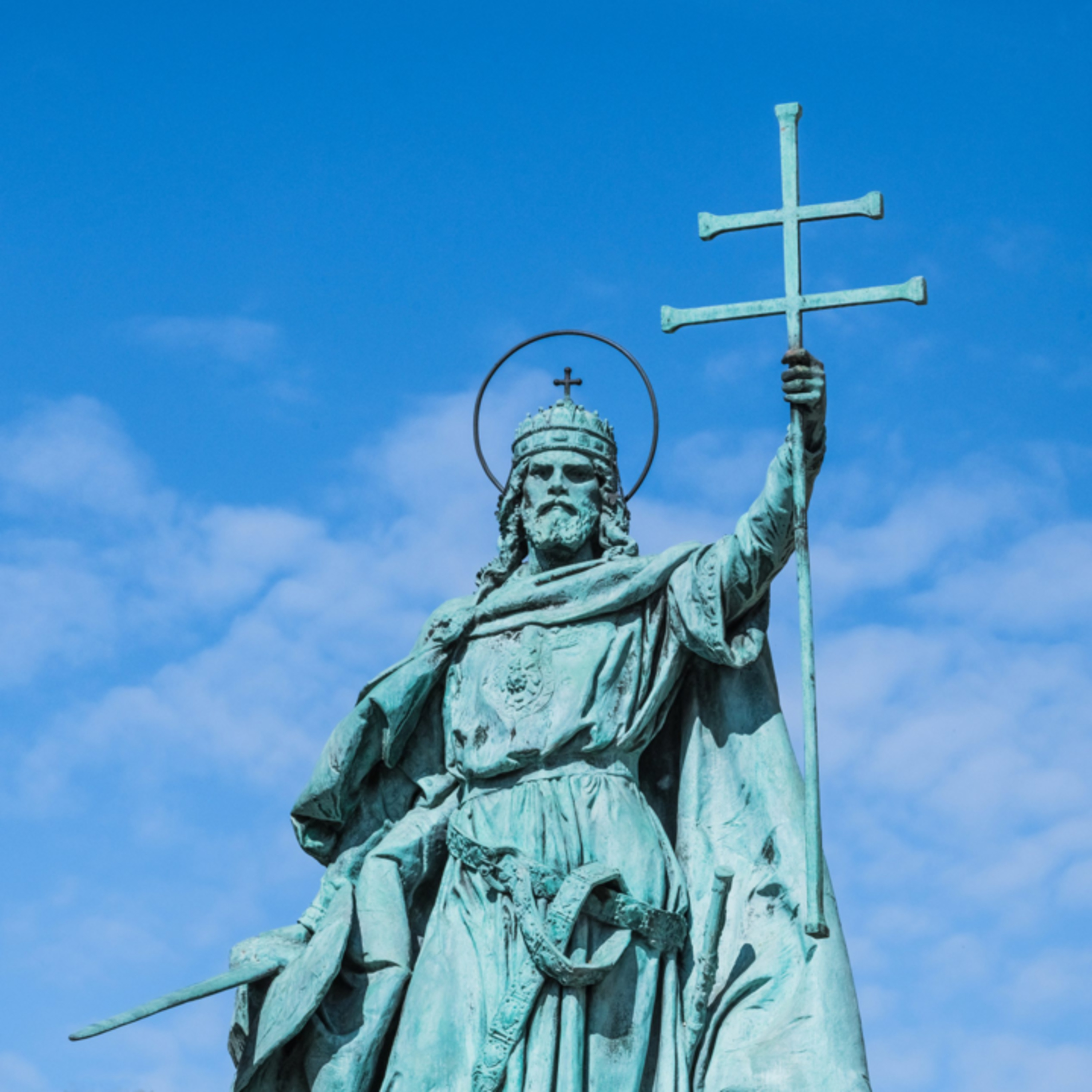
    King St. Stephen of Hungary (September 2) — From Dom Guéranger’s Liturgical Year

    A meditation for the Feast of King Saint Stephen of Hungary, from Dom Guéranger’s “The Liturgical Year”, Volume V of the Time after Pentecost.King Saint Stephen of Hungary (c. 975–1038) was the first King of Hungary and the great apostle of the Hungarian nation. Baptized as a Christian and crowned king around the year 1000, he devoted his reign to establishing Christianity throughout his kingdom, founding dioceses, monasteries, and churches while organizing Hungary according to Christian law and governance. He invited missionaries and clergy from throughout Europe and worked tirelessly to suppress pagan practices and establish the Catholic faith among his people. Known for his wisdom, justice, charity, and devotion to the Blessed Virgin Mary, Saint Stephen regarded his kingdom as entrusted to God and sought to rule as a Christian king rather than merely a worldly sovereign. He died in 1038 and was canonized in 1083, becoming the patron and enduring national saint of Hungary.Please note that Servant of God Dom Prosper Guéranger went to his eternal reward in 1875; at this point, Volumes I-IX (Advent to Pentecost Saturday) had been completed, but Volumes X-XV (Trinity Sunday to Advent) had not yet been completed. Thus, the remaining readings of the Liturgical Year, from Trinity Sunday until Advent, were not directly authored by Dom Prosper, but were the work of his disciple Dom Lucien Fromage. Dom Prosper Guéranger's The Liturgical Year, a monumental fifteen-volume work, offers a comprehensive exploration of the Catholic Church’s liturgical calendar, guiding readers through the spiritual and historical richness of the Church’s worship. Written in the 19th century, the series provides daily meditations, historical context, and liturgical texts for the Mass and Divine Office, covering the entire cycle of seasons—Advent, Christmas, Lent, Passiontide, Easter, and the Time after Pentecost—as well as feast days of saints. Guéranger’s work, rooted in a deep contemplative spirit, aims to immerse the faithful in the Church’s prayerful life, emphasizing the unity of faith through the axiom lex orandi, lex credendi ("the law of prayer is the law of belief"), and remains a cherished resource for Catholics seeking to deepen their spiritual lives. Dom Prosper Guéranger (1805–1875) was a French Benedictine monk, liturgical scholar, and founder of the Solesmes Abbey, renowned for his pivotal role in reviving the Benedictine Order in France and restoring the Roman liturgy after the disruptions of the French Revolution. Born in Sablé-sur-Sarthe, he entered the priesthood in 1827 and, inspired by a vision to restore monastic life, reestablished the Benedictine community at Solesmes in 1833, becoming its first abbot. A staunch defender of ultramontanism and traditional Catholic worship, he also championed the revival of Gregorian chant, significantly influencing the liturgical renewal movement.Link to the Dom Guéranger's Liturgical Year playlist (updated daily): https://www.youtube.com/playlist?list=PLZKdyYnV_bkh7rH6piW0ShgsdcefFoOvJIf you would like to support this channel:  Patreon: https://www.patreon.com/cw/InprincipioPodcast PayPal: https://www.paypal.com/donate/?hosted_button_id=U5EZ9X2CE2V7W Venmo: https://venmo.com/u/InPrincipioPodcast Zelle: inprincipiopodcast@gmail.com; or search for Zelle tag “inprincipiopodcast”  Checks may be written out to ‘InPrincipio Podcast’ and mailed to: P.O. Box 117 Cedar Ridge, CA 95924Sincere thanks to all who are able to contribute, by your prayers, your patronage, or otherwise. Your support sustains this work and helps make these readings available to others.Artwork: “The Baptism of Vajk [King St. Stephen]”, by Gyula Benczúr, 1875; Statue of King St. Stephen in the Millennium Monument, Heroes' Square, Budapest, Hungary.

  • Tuesday · 11 min

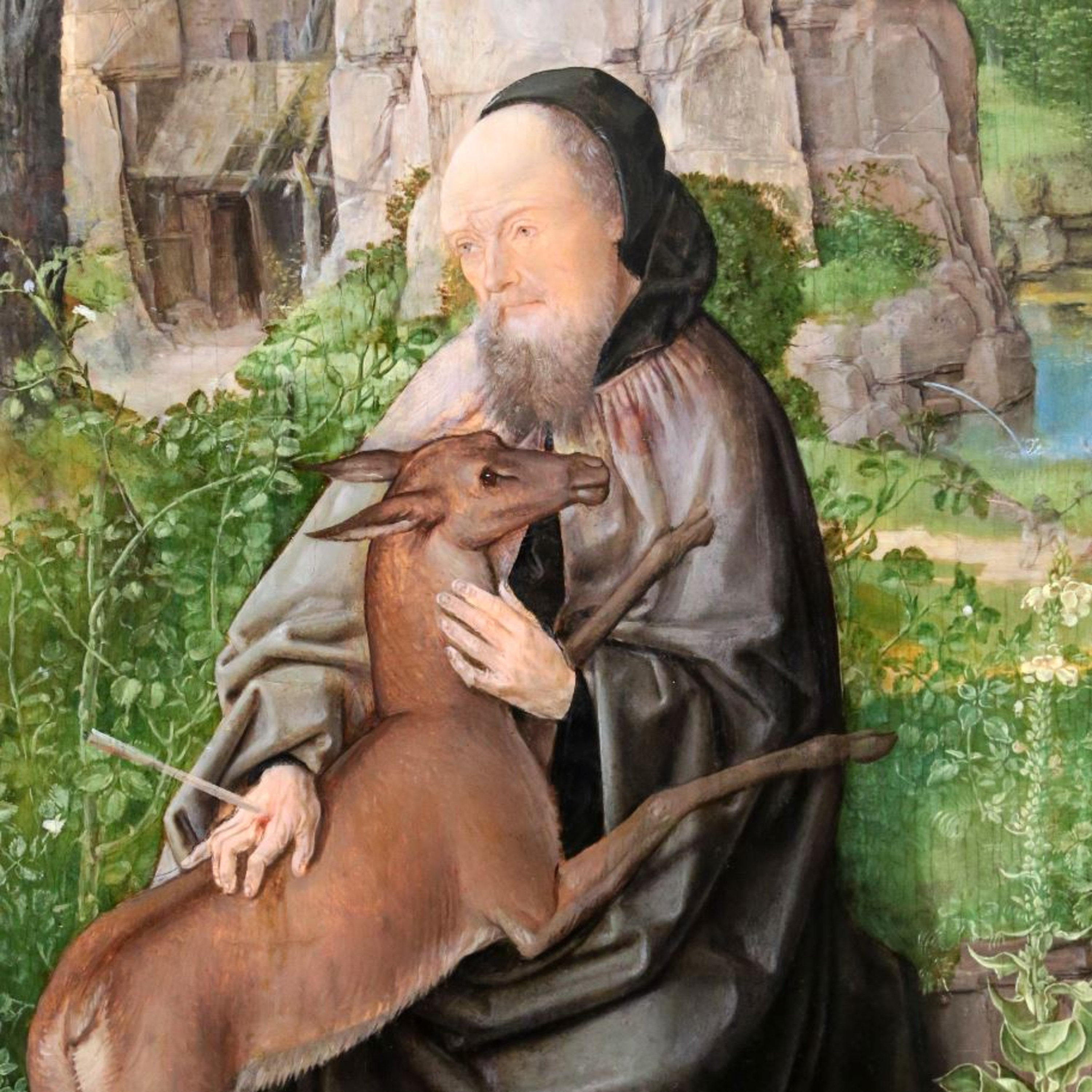
    St. Giles (September 1) — From Dom Guéranger’s Liturgical Year

    A meditation for the Feast of St. Giles, from Dom Guéranger’s “The Liturgical Year”, Volume V of the Time after Pentecost.Saint Giles (c. 650–c. 724) was a Greek-born hermit and abbot who lived a life of profound solitude and prayer in the forests of southern Gaul, near the Rhône. According to tradition, he lived for many years in a cave, sustained by the milk of a hind, until the animal was pursued by hunters and sought refuge with Giles. When the king's hunters discovered him, Giles was accidentally wounded by an arrow, and the king, moved by his holiness, gave him land on which he founded a monastery that became the celebrated Abbey of Saint-Gilles. Giles became renowned for his humility, charity, and miracles, and his shrine attracted pilgrims throughout the Middle Ages. He was especially invoked as a protector against illness and physical afflictions, and he became one of the Fourteen Holy Helpers. His feast is traditionally celebrated on September 1.Please note that Servant of God Dom Prosper Guéranger went to his eternal reward in 1875; at this point, Volumes I-IX (Advent to Pentecost Saturday) had been completed, but Volumes X-XV (Trinity Sunday to Advent) had not yet been completed. Thus, the remaining readings of the Liturgical Year, from Trinity Sunday until Advent, were not directly authored by Dom Prosper, but were the work of his disciple Dom Lucien Fromage. Dom Prosper Guéranger's The Liturgical Year, a monumental fifteen-volume work, offers a comprehensive exploration of the Catholic Church’s liturgical calendar, guiding readers through the spiritual and historical richness of the Church’s worship. Written in the 19th century, the series provides daily meditations, historical context, and liturgical texts for the Mass and Divine Office, covering the entire cycle of seasons—Advent, Christmas, Lent, Passiontide, Easter, and the Time after Pentecost—as well as feast days of saints. Guéranger’s work, rooted in a deep contemplative spirit, aims to immerse the faithful in the Church’s prayerful life, emphasizing the unity of faith through the axiom lex orandi, lex credendi ("the law of prayer is the law of belief"), and remains a cherished resource for Catholics seeking to deepen their spiritual lives. Dom Prosper Guéranger (1805–1875) was a French Benedictine monk, liturgical scholar, and founder of the Solesmes Abbey, renowned for his pivotal role in reviving the Benedictine Order in France and restoring the Roman liturgy after the disruptions of the French Revolution. Born in Sablé-sur-Sarthe, he entered the priesthood in 1827 and, inspired by a vision to restore monastic life, reestablished the Benedictine community at Solesmes in 1833, becoming its first abbot. A staunch defender of ultramontanism and traditional Catholic worship, he also championed the revival of Gregorian chant, significantly influencing the liturgical renewal movement.Link to the Dom Guéranger's Liturgical Year playlist (updated daily): https://www.youtube.com/playlist?list=PLZKdyYnV_bkh7rH6piW0ShgsdcefFoOvJIf you would like to support this channel:  Patreon: https://www.patreon.com/cw/InprincipioPodcast PayPal: https://www.paypal.com/donate/?hosted_button_id=U5EZ9X2CE2V7W Venmo: https://venmo.com/u/InPrincipioPodcast Zelle: inprincipiopodcast@gmail.com; or search for Zelle tag “inprincipiopodcast”  Checks may be written out to ‘InPrincipio Podcast’ and mailed to: P.O. Box 117 Cedar Ridge, CA 95924Sincere thanks to all who are able to contribute, by your prayers, your patronage, or otherwise. Your support sustains this work and helps make these readings available to others.Artwork: “Saint Giles and the Hind" by the Master of Saint Giles c. 1500

  • Sunday · 9 min

    St. Raymond Nonnatus (August 31) — From Dom Guéranger’s Liturgical Year

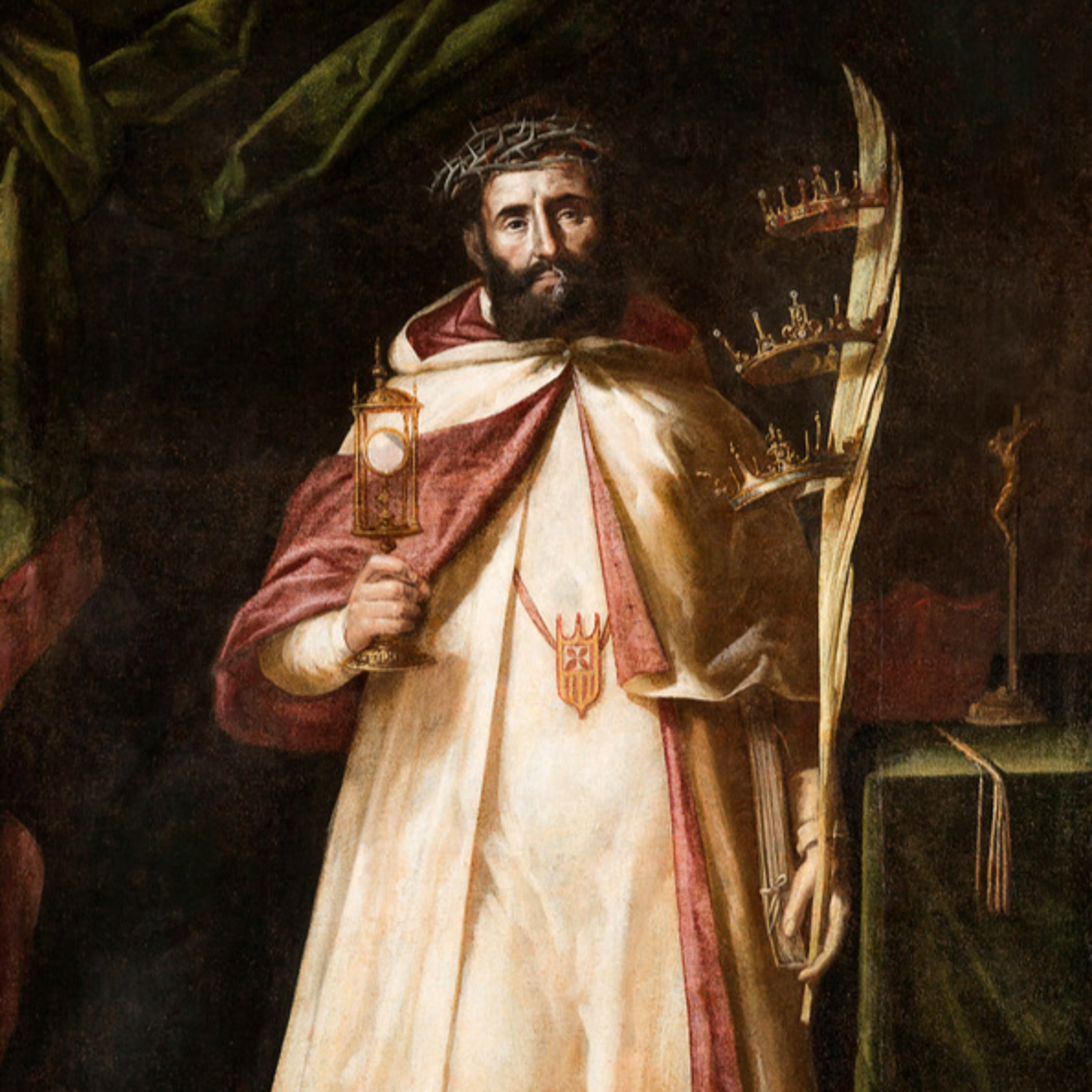
    A meditation for the Feast of St. Raymond Nonnatus, from Dom Guéranger’s “The Liturgical Year”, Volume V of the Time after Pentecost.Saint Raymond Nonnatus (c. 1204–1240) was a Spanish Mercedarian religious renowned for his devotion to the redemption of Christians held captive by the Moors. Born in Portell, Catalonia, he joined the newly founded Order of the Blessed Virgin Mary of Mercy and traveled to North Africa, where he ransomed numerous captives and eventually offered himself in exchange for their freedom. While imprisoned, he endured severe torture and suffering for preaching the Catholic faith, and according to tradition, his captors pierced his lips and fastened them with a padlock to prevent him from preaching. After his release, he was called to Rome by Pope Gregory IX, but died on the journey in 1240. His extraordinary charity, courage, and willingness to suffer for the salvation of others made him one of the great saints of the Mercedarian Order, and he is traditionally invoked as a patron of childbirth and expectant mothers.Please note that Servant of God Dom Prosper Guéranger went to his eternal reward in 1875; at this point, Volumes I-IX (Advent to Pentecost Saturday) had been completed, but Volumes X-XV (Trinity Sunday to Advent) had not yet been completed. Thus, the remaining readings of the Liturgical Year, from Trinity Sunday until Advent, were not directly authored by Dom Prosper, but were the work of his disciple Dom Lucien Fromage. Dom Prosper Guéranger's The Liturgical Year, a monumental fifteen-volume work, offers a comprehensive exploration of the Catholic Church’s liturgical calendar, guiding readers through the spiritual and historical richness of the Church’s worship. Written in the 19th century, the series provides daily meditations, historical context, and liturgical texts for the Mass and Divine Office, covering the entire cycle of seasons—Advent, Christmas, Lent, Passiontide, Easter, and the Time after Pentecost—as well as feast days of saints. Guéranger’s work, rooted in a deep contemplative spirit, aims to immerse the faithful in the Church’s prayerful life, emphasizing the unity of faith through the axiom lex orandi, lex credendi ("the law of prayer is the law of belief"), and remains a cherished resource for Catholics seeking to deepen their spiritual lives. Dom Prosper Guéranger (1805–1875) was a French Benedictine monk, liturgical scholar, and founder of the Solesmes Abbey, renowned for his pivotal role in reviving the Benedictine Order in France and restoring the Roman liturgy after the disruptions of the French Revolution. Born in Sablé-sur-Sarthe, he entered the priesthood in 1827 and, inspired by a vision to restore monastic life, reestablished the Benedictine community at Solesmes in 1833, becoming its first abbot. A staunch defender of ultramontanism and traditional Catholic worship, he also championed the revival of Gregorian chant, significantly influencing the liturgical renewal movement.Link to the Dom Guéranger's Liturgical Year playlist (updated daily): https://www.youtube.com/playlist?list=PLZKdyYnV_bkh7rH6piW0ShgsdcefFoOvJIf you would like to support this channel:  Patreon: https://www.patreon.com/cw/InprincipioPodcast PayPal: https://www.paypal.com/donate/?hosted_button_id=U5EZ9X2CE2V7W Venmo: https://venmo.com/u/InPrincipioPodcast Zelle: inprincipiopodcast@gmail.com; or search for Zelle tag “inprincipiopodcast”  Checks may be written out to ‘InPrincipio Podcast’ and mailed to: P.O. Box 117 Cedar Ridge, CA 95924Sincere thanks to all who are able to contribute, by your prayers, your patronage, or otherwise. Your support sustains this work and helps make these readings available to others.Artwork: “Saint Raymond Nonnatus” by Antonio del Castillo y Saavedra, 1640Music: “Ave Maria” (Gregorian chant)Performed by Schola Gregoriana, Pallottine Seminary (Ołtarzew, Poland) | Conductor: Fr. Dariusz Smolarek

  • Sunday · 35 min

    The Fourteenth Sunday after Pentecost — From Dom Guéranger’s Liturgical Year

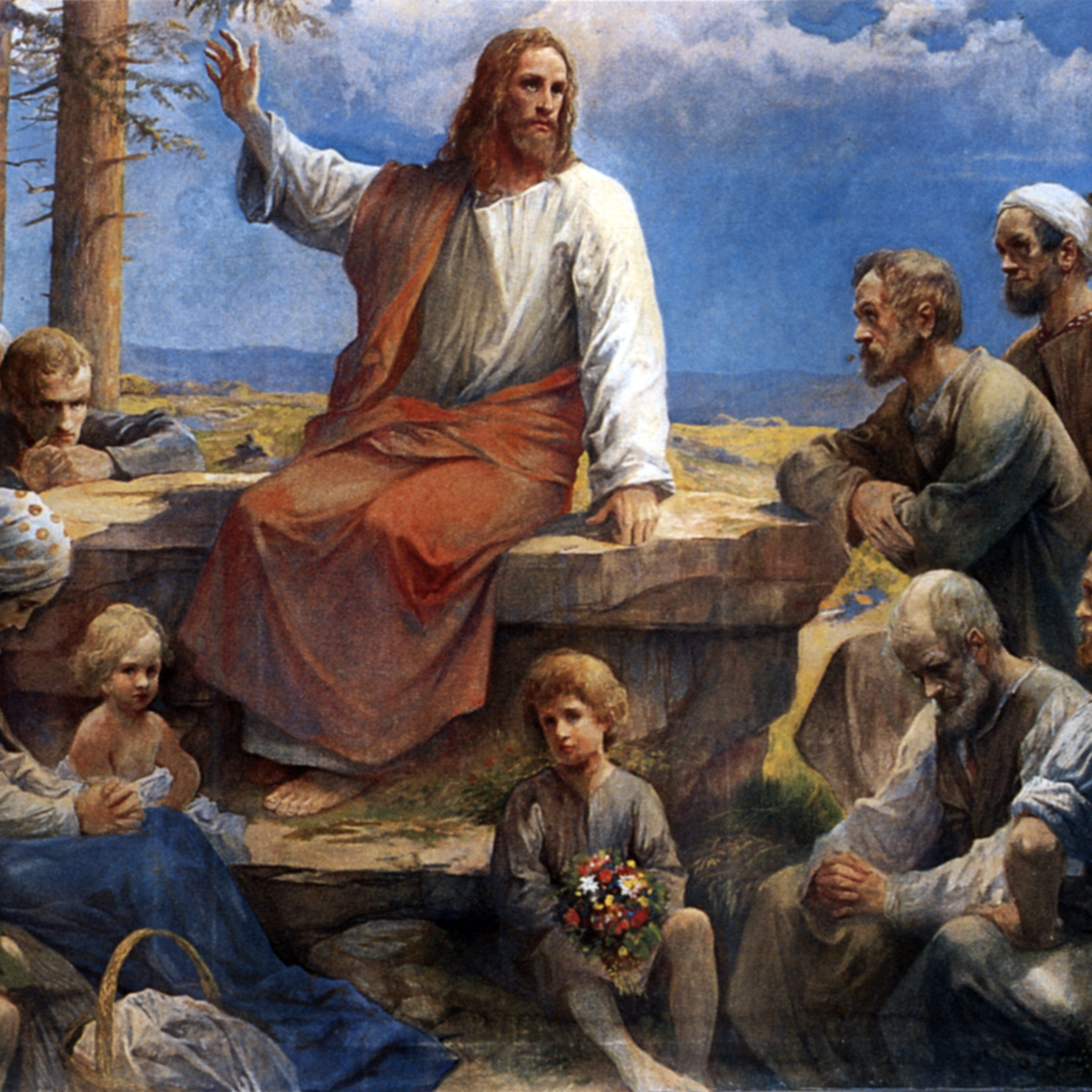
    A meditation for the Fourteenth Sunday after Pentecost, from Dom Guéranger’s “The Liturgical Year”, Volume II of the Time after Pentecost. Please note that Servant of God Dom Prosper Guéranger went to his eternal reward in 1875; at this point, Volumes I-IX (Advent to Pentecost Saturday) had been completed, but Volumes X-XV (Trinity Sunday to Advent) had not yet been completed. Thus, the remaining readings of the Liturgical Year, from Trinity Sunday until Advent, were not directly authored by Dom Prosper, but were the work of his disciple Dom Lucien Fromage. Dom Prosper Guéranger's The Liturgical Year, a monumental fifteen-volume work, offers a comprehensive exploration of the Catholic Church’s liturgical calendar, guiding readers through the spiritual and historical richness of the Church’s worship. Written in the 19th century, the series provides daily meditations, historical context, and liturgical texts for the Mass and Divine Office, covering the entire cycle of seasons—Advent, Christmas, Lent, Passiontide, Easter, and the Time after Pentecost—as well as feast days of saints. Guéranger’s work, rooted in a deep contemplative spirit, aims to immerse the faithful in the Church’s prayerful life, emphasizing the unity of faith through the axiom lex orandi, lex credendi ("the law of prayer is the law of belief"), and remains a cherished resource for Catholics seeking to deepen their spiritual lives. Dom Prosper Guéranger (1805–1875) was a French Benedictine monk, liturgical scholar, and founder of the Solesmes Abbey, renowned for his pivotal role in reviving the Benedictine Order in France and restoring the Roman liturgy after the disruptions of the French Revolution. Born in Sablé-sur-Sarthe, he entered the priesthood in 1827 and, inspired by a vision to restore monastic life, reestablished the Benedictine community at Solesmes in 1833, becoming its first abbot. A staunch defender of ultramontanism and traditional Catholic worship, he also championed the revival of Gregorian chant, significantly influencing the liturgical renewal movement.Link to the Dom Guéranger's Liturgical Year playlist (updated daily): https://www.youtube.com/playlist?list=PLZKdyYnV_bkh7rH6piW0ShgsdcefFoOvJIf you would like to support this channel:  Patreon: https://www.patreon.com/cw/InprincipioPodcast PayPal: https://www.paypal.com/donate/?hosted_button_id=U5EZ9X2CE2V7W Venmo: https://venmo.com/u/InPrincipioPodcast Zelle: inprincipiopodcast@gmail.com; or search for Zelle tag “inprincipiopodcast”  Checks may be written out to ‘InPrincipio Podcast’ and mailed to: P.O. Box 117 Cedar Ridge, CA 95924Sincere thanks to all who are able to contribute, by your prayers, your patronage, or otherwise. Your support sustains this work and helps make these readings available to others.Artwork: “Sermon on the Mount in the Black Forest” by Rudolf Yelin the Elder, 1912Music (Intro): “Sacred Garden” by Guilherme BernardesSource: Pixabay | License: Pixabay Content License — https://pixabay.com/service/license-summary/Changes: noneMusic: “Ave Maria” (Gregorian chant), from Vesperae de Confessore non Pontifice in honor of Saint Vincent PallottiPerformed by Schola Gregoriana, Pallottine Seminary (Ołtarzew, Poland) | Conductor: Fr. Dariusz SmolarekLicense: CC BY-SA 3.0 — https://creativecommons.org/licenses/by-sa/3.0/Changes: noneExcept where otherwise noted, original content © InPrincipio Podcast.

  • August 29 · 14 min

    The Decollation of St. John the Baptist (August 29) — From Dom Guéranger’s Liturgical Year

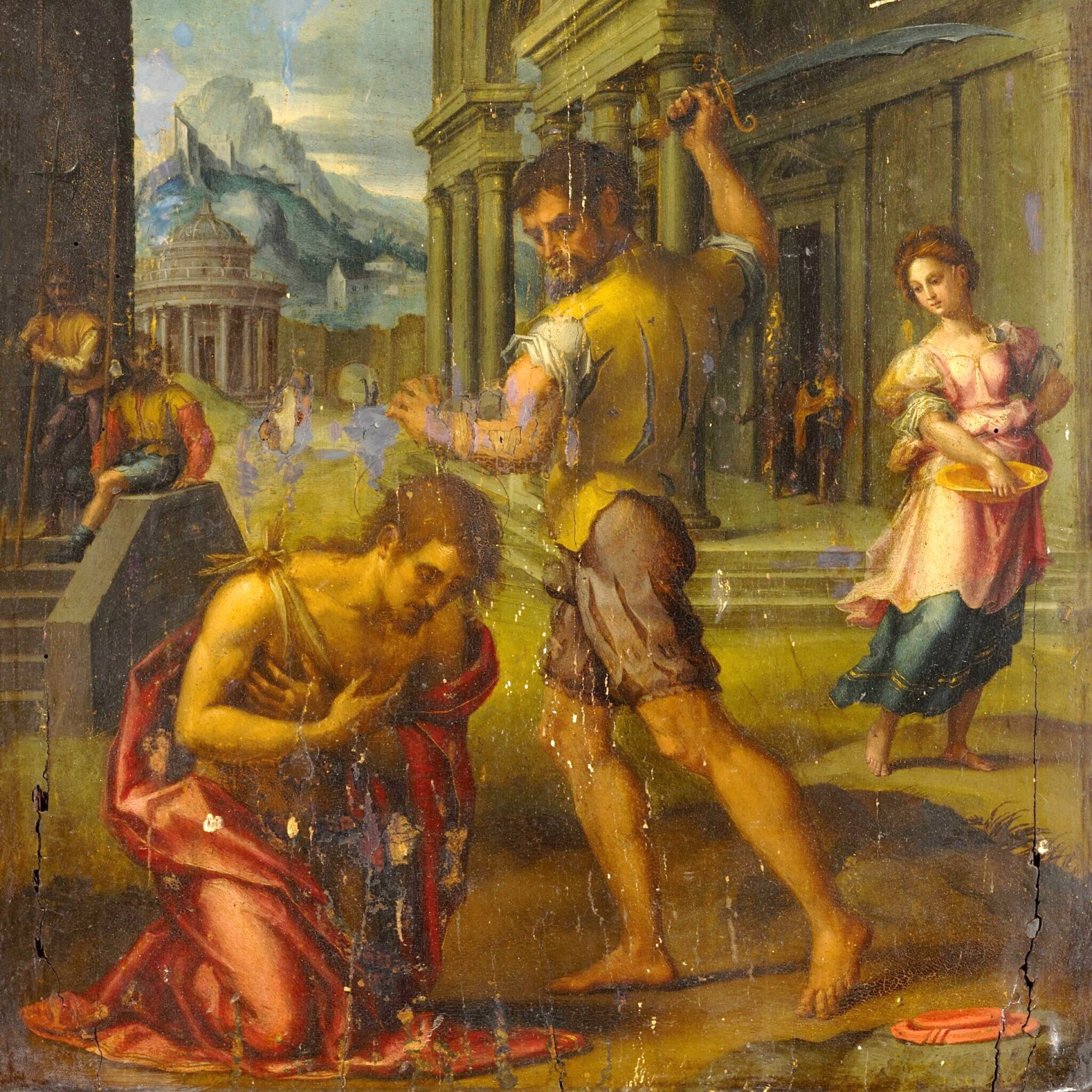
    A meditation for the Feast of the Decollation (Beheading) of St. John the Baptist, from Dom Guéranger’s “The Liturgical Year”, Volume V of the Time after Pentecost.The Feast of the Decollation of St. John the Baptist, traditionally celebrated on August 29, commemorates the martyrdom of St. John the Baptist, the Precursor of Christ, who was beheaded at the command of King Herod Antipas. John had boldly rebuked Herod for taking Herodias, the wife of his brother, as his own, declaring that such a union was unlawful. Herodias therefore harbored a bitter hatred against John, and when her daughter Salome pleased Herod with her dancing at a banquet, he rashly promised to grant her whatever she requested. At her mother's urging, she asked for the head of John the Baptist on a platter. Though Herod was distressed by the request, he ordered John's execution rather than break his oath. Thus John, who had fearlessly proclaimed the coming of Christ and called sinners to repentance, sealed his testimony with his blood. The Church honors him as a great prophet and martyr, whose death reminds Christians of the cost of fidelity to God's law and of the courage required to speak the truth before the powerful.Please note that Servant of God Dom Prosper Guéranger went to his eternal reward in 1875; at this point, Volumes I-IX (Advent to Pentecost Saturday) had been completed, but Volumes X-XV (Trinity Sunday to Advent) had not yet been completed. Thus, the remaining readings of the Liturgical Year, from Trinity Sunday until Advent, were not directly authored by Dom Prosper, but were the work of his disciple Dom Lucien Fromage. Dom Prosper Guéranger's The Liturgical Year, a monumental fifteen-volume work, offers a comprehensive exploration of the Catholic Church’s liturgical calendar, guiding readers through the spiritual and historical richness of the Church’s worship. Written in the 19th century, the series provides daily meditations, historical context, and liturgical texts for the Mass and Divine Office, covering the entire cycle of seasons—Advent, Christmas, Lent, Passiontide, Easter, and the Time after Pentecost—as well as feast days of saints. Guéranger’s work, rooted in a deep contemplative spirit, aims to immerse the faithful in the Church’s prayerful life, emphasizing the unity of faith through the axiom lex orandi, lex credendi ("the law of prayer is the law of belief"), and remains a cherished resource for Catholics seeking to deepen their spiritual lives. Dom Prosper Guéranger (1805–1875) was a French Benedictine monk, liturgical scholar, and founder of the Solesmes Abbey, renowned for his pivotal role in reviving the Benedictine Order in France and restoring the Roman liturgy after the disruptions of the French Revolution. Born in Sablé-sur-Sarthe, he entered the priesthood in 1827 and, inspired by a vision to restore monastic life, reestablished the Benedictine community at Solesmes in 1833, becoming its first abbot. A staunch defender of ultramontanism and traditional Catholic worship, he also championed the revival of Gregorian chant, significantly influencing the liturgical renewal movement.Link to the Dom Guéranger's Liturgical Year playlist (updated daily): https://www.youtube.com/playlist?list=PLZKdyYnV_bkh7rH6piW0ShgsdcefFoOvJIf you would like to support this channel:  Patreon: https://www.patreon.com/cw/InprincipioPodcast PayPal: https://www.paypal.com/donate/?hosted_button_id=U5EZ9X2CE2V7W Venmo: https://venmo.com/u/InPrincipioPodcast Zelle: inprincipiopodcast@gmail.com; or search for Zelle tag “inprincipiopodcast”  Checks may be written out to ‘InPrincipio Podcast’ and mailed to: P.O. Box 117 Cedar Ridge, CA 95924Sincere thanks to all who are able to contribute, by your prayers, your patronage, or otherwise. Your support sustains this work and helps make these readings available to others.Artwork: “The Beheading of Saint John the Baptist” by Giovanni Antonio Sogliani (1492–1544)

  • August 28 · 33 min

    St. Augustine (August 28) — From Dom Guéranger’s Liturgical Year

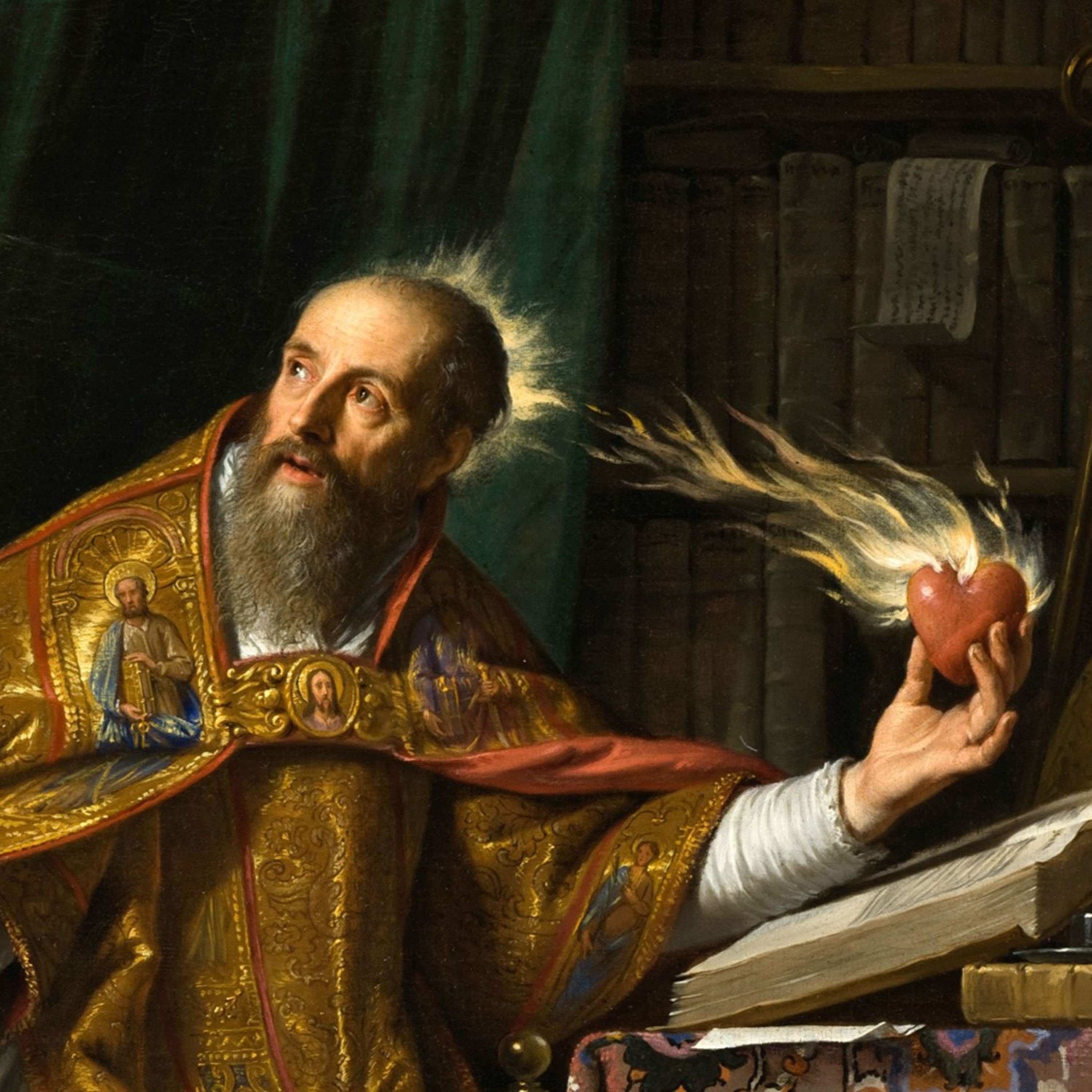
    A meditation for the Feast of St. Augustine of Hippo, from Dom Guéranger’s “The Liturgical Year”, Volume V of the Time after Pentecost.St. Augustine of Hippo (354–430) was one of the greatest Fathers and Doctors of the Catholic Church and one of the most influential theologians in Christian history. Born in Tagaste in North Africa, he spent his early life pursuing worldly ambitions and following various philosophical and religious teachings before his conversion to Christianity through the prayers of his mother, St. Monica, and the preaching of St. Ambrose of Milan. Baptized in 387, Augustine returned to Africa, became a priest, and in 395 became Bishop of Hippo, where he devoted himself to preaching, pastoral work, and the defense of the Catholic faith. He wrote extensively against heresies including Manichaeism, Donatism, and Pelagianism, and his profound works such as Confessions and The City of God have shaped Christian thought for centuries. He died at Hippo in 430 while the city was under siege by the Vandals, and is honored as a Doctor of the Church, with his feast traditionally celebrated on August 28.Please note that Servant of God Dom Prosper Guéranger went to his eternal reward in 1875; at this point, Volumes I-IX (Advent to Pentecost Saturday) had been completed, but Volumes X-XV (Trinity Sunday to Advent) had not yet been completed. Thus, the remaining readings of the Liturgical Year, from Trinity Sunday until Advent, were not directly authored by Dom Prosper, but were the work of his disciple Dom Lucien Fromage. Dom Prosper Guéranger's The Liturgical Year, a monumental fifteen-volume work, offers a comprehensive exploration of the Catholic Church’s liturgical calendar, guiding readers through the spiritual and historical richness of the Church’s worship. Written in the 19th century, the series provides daily meditations, historical context, and liturgical texts for the Mass and Divine Office, covering the entire cycle of seasons—Advent, Christmas, Lent, Passiontide, Easter, and the Time after Pentecost—as well as feast days of saints. Guéranger’s work, rooted in a deep contemplative spirit, aims to immerse the faithful in the Church’s prayerful life, emphasizing the unity of faith through the axiom lex orandi, lex credendi ("the law of prayer is the law of belief"), and remains a cherished resource for Catholics seeking to deepen their spiritual lives. Dom Prosper Guéranger (1805–1875) was a French Benedictine monk, liturgical scholar, and founder of the Solesmes Abbey, renowned for his pivotal role in reviving the Benedictine Order in France and restoring the Roman liturgy after the disruptions of the French Revolution. Born in Sablé-sur-Sarthe, he entered the priesthood in 1827 and, inspired by a vision to restore monastic life, reestablished the Benedictine community at Solesmes in 1833, becoming its first abbot. A staunch defender of ultramontanism and traditional Catholic worship, he also championed the revival of Gregorian chant, significantly influencing the liturgical renewal movement.Link to the Dom Guéranger's Liturgical Year playlist (updated daily): https://www.youtube.com/playlist?list=PLZKdyYnV_bkh7rH6piW0ShgsdcefFoOvJIf you would like to support this channel:  Patreon: https://www.patreon.com/cw/InprincipioPodcast PayPal: https://www.paypal.com/donate/?hosted_button_id=U5EZ9X2CE2V7W Venmo: https://venmo.com/u/InPrincipioPodcast Zelle: inprincipiopodcast@gmail.com; or search for Zelle tag “inprincipiopodcast”  Checks may be written out to ‘InPrincipio Podcast’ and mailed to: P.O. Box 117 Cedar Ridge, CA 95924Sincere thanks to all who are able to contribute, by your prayers, your patronage, or otherwise. Your support sustains this work and helps make these readings available to others.Artwork: “Saint Augustine” by Philippe de Champaigne, c.1650Music: Ave Maria (Gregorian chant)Performed by Schola Gregoriana, Pallottine Seminary (Ołtarzew, Poland)

  • August 27 · 15 min

    St. Joseph Calasanz (August 27) — From Dom Guéranger’s Liturgical Year

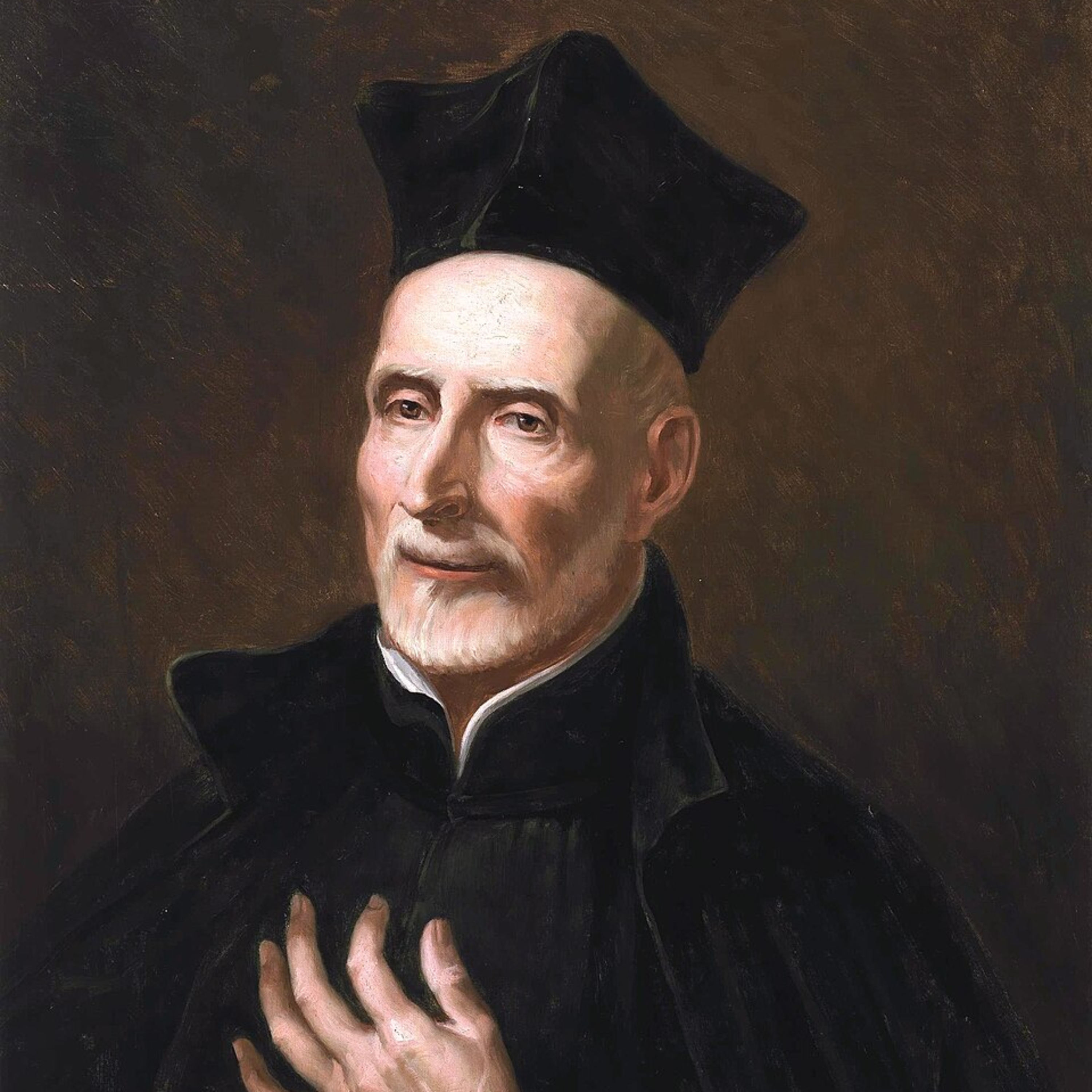
    A meditation for the Feast of St. Joseph Calasanz (also known by his Latin name, ‘Calasanctius’), from Dom Guéranger’s “The Liturgical Year”, Volume V of the Time after Pentecost.St. Joseph Calasanz (1557–1648) was a Spanish priest and educator who devoted his life to the Christian education of poor children, especially in Rome, where he founded the Piarist Fathers, formally known as the Clerics Regular Poor of the Mother of God of the Pious Schools. Convinced that education was a powerful means of bringing children to God and improving society, he established free schools that provided both religious and practical instruction to children who otherwise had little opportunity for education. His work encountered opposition and internal difficulties, particularly during the later years of his life, but he remained humble and steadfast in his vocation. He died in Rome in 1648 and was canonized by Pope Clement XIII in 1767. He is honored as the patron saint of Catholic schools and Christian education, and his feast is traditionally celebrated on August 27.Please note that Servant of God Dom Prosper Guéranger went to his eternal reward in 1875; at this point, Volumes I-IX (Advent to Pentecost Saturday) had been completed, but Volumes X-XV (Trinity Sunday to Advent) had not yet been completed. Thus, the remaining readings of the Liturgical Year, from Trinity Sunday until Advent, were not directly authored by Dom Prosper, but were the work of his disciple Dom Lucien Fromage. Dom Prosper Guéranger's The Liturgical Year, a monumental fifteen-volume work, offers a comprehensive exploration of the Catholic Church’s liturgical calendar, guiding readers through the spiritual and historical richness of the Church’s worship. Written in the 19th century, the series provides daily meditations, historical context, and liturgical texts for the Mass and Divine Office, covering the entire cycle of seasons—Advent, Christmas, Lent, Passiontide, Easter, and the Time after Pentecost—as well as feast days of saints. Guéranger’s work, rooted in a deep contemplative spirit, aims to immerse the faithful in the Church’s prayerful life, emphasizing the unity of faith through the axiom lex orandi, lex credendi ("the law of prayer is the law of belief"), and remains a cherished resource for Catholics seeking to deepen their spiritual lives. Dom Prosper Guéranger (1805–1875) was a French Benedictine monk, liturgical scholar, and founder of the Solesmes Abbey, renowned for his pivotal role in reviving the Benedictine Order in France and restoring the Roman liturgy after the disruptions of the French Revolution. Born in Sablé-sur-Sarthe, he entered the priesthood in 1827 and, inspired by a vision to restore monastic life, reestablished the Benedictine community at Solesmes in 1833, becoming its first abbot. A staunch defender of ultramontanism and traditional Catholic worship, he also championed the revival of Gregorian chant, significantly influencing the liturgical renewal movement.Link to the Dom Guéranger's Liturgical Year playlist (updated daily): https://www.youtube.com/playlist?list=PLZKdyYnV_bkh7rH6piW0ShgsdcefFoOvJIf you would like to support this channel:  Patreon: https://www.patreon.com/cw/InprincipioPodcast PayPal: https://www.paypal.com/donate/?hosted_button_id=U5EZ9X2CE2V7W Venmo: https://venmo.com/u/InPrincipioPodcast Zelle: inprincipiopodcast@gmail.com; or search for Zelle tag “inprincipiopodcast”  Checks may be written out to ‘InPrincipio Podcast’ and mailed to: P.O. Box 117 Cedar Ridge, CA 95924Sincere thanks to all who are able to contribute, by your prayers, your patronage, or otherwise. Your support sustains this work and helps make these readings available to others.Artwork: (Thumbnail) Portrait by Francisco Jover y Casanova, 1879. (Video) “St. Joseph Calasanz Resuscitating a Child” by Domenico Corvi, 1767Music: Ave Maria Performed by Schola Gregoriana, Pallottine Seminary (Ołtarzew, Poland)

  • August 26 · 5 min

    Pope St. Zephyrinus (August 26) — From Dom Guéranger’s Liturgical Year

    A meditation for the Feast of Pope St. Zephyrinus, from Dom Guéranger’s “The Liturgical Year”, Volume V of the Time after Pentecost.Pope Saint Zephyrinus, who served as Bishop of Rome from about 199 to 217, succeeded Pope Saint Victor I during a period when the Church faced persecution and serious theological disputes. He is especially remembered for defending the Catholic faith in the divinity of Christ and the unity of God against various forms of early Trinitarian error, while also supporting the doctrine that the Father and the Son are distinct Persons of the one God. His pontificate was closely associated with Saint Callixtus, who served as his adviser and later succeeded him as pope. Zephyrinus also strengthened the Church's discipline and administration in Rome and continued to encourage the faithful during periods of persecution. According to ancient tradition, he suffered martyrdom for the faith, although the the precise circumstances of his death are uncertain. He was buried in the cemetery of Callixtus on the Via Appia and is honored as a martyr and saint of the early Roman Church.Please note that Servant of God Dom Prosper Guéranger went to his eternal reward in 1875; at this point, Volumes I-IX (Advent to Pentecost Saturday) had been completed, but Volumes X-XV (Trinity Sunday to Advent) had not yet been completed. Thus, the remaining readings of the Liturgical Year, from Trinity Sunday until Advent, were not directly authored by Dom Prosper, but were the work of his disciple Dom Lucien Fromage. Dom Prosper Guéranger's The Liturgical Year, a monumental fifteen-volume work, offers a comprehensive exploration of the Catholic Church’s liturgical calendar, guiding readers through the spiritual and historical richness of the Church’s worship. Written in the 19th century, the series provides daily meditations, historical context, and liturgical texts for the Mass and Divine Office, covering the entire cycle of seasons—Advent, Christmas, Lent, Passiontide, Easter, and the Time after Pentecost—as well as feast days of saints. Guéranger’s work, rooted in a deep contemplative spirit, aims to immerse the faithful in the Church’s prayerful life, emphasizing the unity of faith through the axiom lex orandi, lex credendi ("the law of prayer is the law of belief"), and remains a cherished resource for Catholics seeking to deepen their spiritual lives. Dom Prosper Guéranger (1805–1875) was a French Benedictine monk, liturgical scholar, and founder of the Solesmes Abbey, renowned for his pivotal role in reviving the Benedictine Order in France and restoring the Roman liturgy after the disruptions of the French Revolution. Born in Sablé-sur-Sarthe, he entered the priesthood in 1827 and, inspired by a vision to restore monastic life, reestablished the Benedictine community at Solesmes in 1833, becoming its first abbot. A staunch defender of ultramontanism and traditional Catholic worship, he also championed the revival of Gregorian chant, significantly influencing the liturgical renewal movement.Link to the Dom Guéranger's Liturgical Year playlist (updated daily): https://www.youtube.com/playlist?list=PLZKdyYnV_bkh7rH6piW0ShgsdcefFoOvJIf you would like to support this channel:  Patreon: https://www.patreon.com/cw/InprincipioPodcast PayPal: https://www.paypal.com/donate/?hosted_button_id=U5EZ9X2CE2V7W Venmo: https://venmo.com/u/InPrincipioPodcast Zelle: inprincipiopodcast@gmail.com; or search for Zelle tag “inprincipiopodcast”  Checks may be written out to ‘InPrincipio Podcast’ and mailed to: P.O. Box 117 Cedar Ridge, CA 95924Sincere thanks to all who are able to contribute, by your prayers, your patronage, or otherwise. Your support sustains this work and helps make these readings available to others.Artwork: “Pope Saint Zephyrinus receiving the repentant heretic bishop Natalis”, by Diodore Rahoult, 1886Music: Ave Maria (Gregorian chant)Performed by Schola Gregoriana, Pallottine Seminary

  • August 25 · 28 min

    St. Louis IX (August 25) — From Dom Guéranger’s Liturgical Year

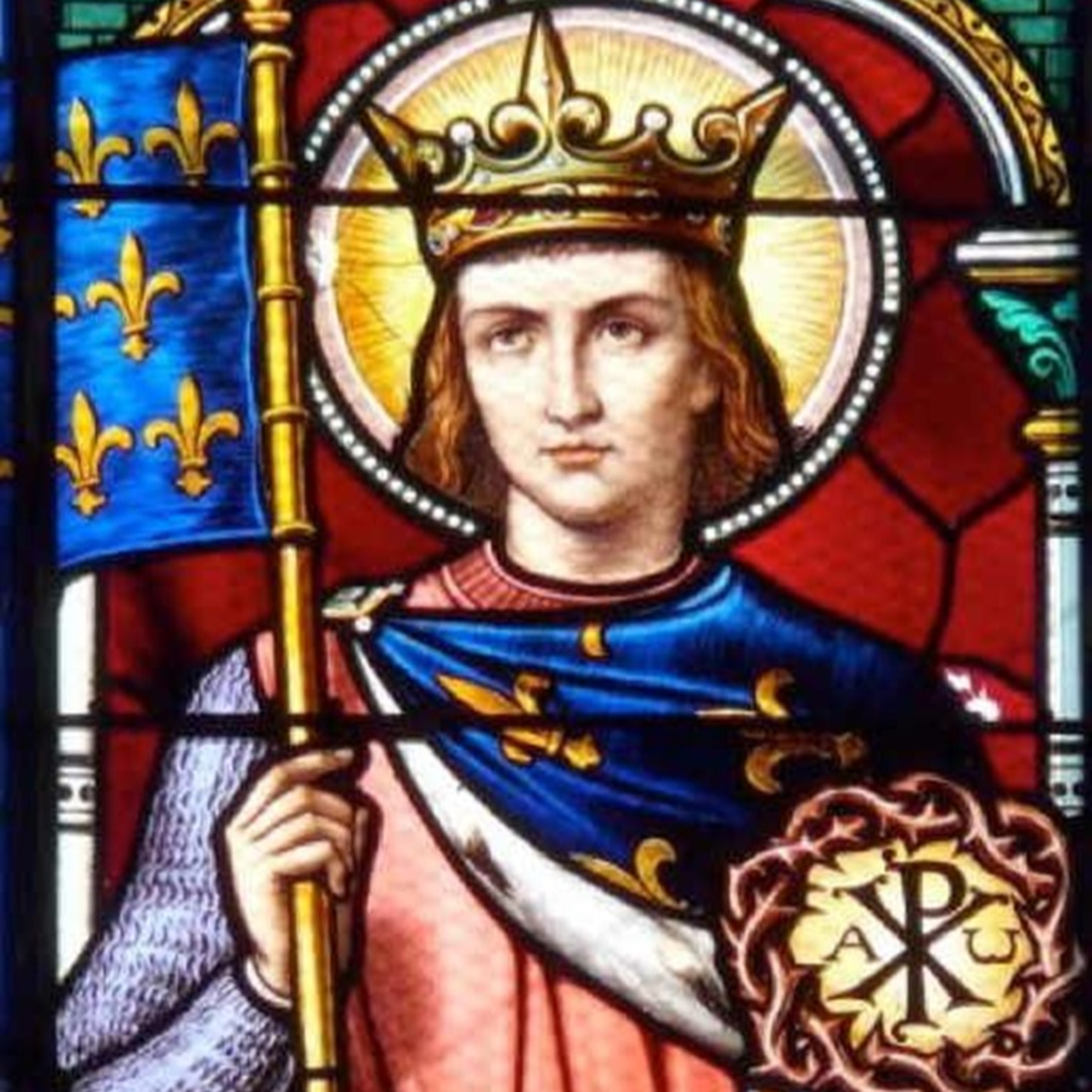
    A meditation for the Feast of Saint Louis IX, King of France, from Dom Guéranger’s “The Liturgical Year”, Volume V of the Time after Pentecost.Saint Louis IX (1214–1270), King of France, was one of the most renowned Christian rulers of the Middle Ages and a model of the Catholic prince. Ascending the throne as a child, he was formed under the guidance of his devout mother, Blanche of Castile, and throughout his reign sought to govern according to justice, charity, and the law of God. He was known for his personal austerity, frequent prayer, care for the poor, and devotion to the Holy Eucharist and the Passion of Christ. He supported the building of the Sainte-Chapelle in Paris to house the Crown of Thorns and other relics of Christ's Passion, and he undertook two Crusades to defend and recover the Holy Land. During his second Crusade, he died of disease near Tunis in 1270. Canonized in 1297 by Pope Boniface VIII, Saint Louis remains a particularly celebrated example of holiness in public life, showing that royal authority could be exercised in the service of Christ, His Church, and the poor.Please note that Servant of God Dom Prosper Guéranger went to his eternal reward in 1875; at this point, Volumes I-IX (Advent to Pentecost Saturday) had been completed, but Volumes X-XV (Trinity Sunday to Advent) had not yet been completed. Thus, the remaining readings of the Liturgical Year, from Trinity Sunday until Advent, were not directly authored by Dom Prosper, but were the work of his disciple Dom Lucien Fromage. Dom Prosper Guéranger's The Liturgical Year, a monumental fifteen-volume work, offers a comprehensive exploration of the Catholic Church’s liturgical calendar, guiding readers through the spiritual and historical richness of the Church’s worship. Written in the 19th century, the series provides daily meditations, historical context, and liturgical texts for the Mass and Divine Office, covering the entire cycle of seasons—Advent, Christmas, Lent, Passiontide, Easter, and the Time after Pentecost—as well as feast days of saints. Guéranger’s work, rooted in a deep contemplative spirit, aims to immerse the faithful in the Church’s prayerful life, emphasizing the unity of faith through the axiom lex orandi, lex credendi ("the law of prayer is the law of belief"), and remains a cherished resource for Catholics seeking to deepen their spiritual lives. Dom Prosper Guéranger (1805–1875) was a French Benedictine monk, liturgical scholar, and founder of the Solesmes Abbey, renowned for his pivotal role in reviving the Benedictine Order in France and restoring the Roman liturgy after the disruptions of the French Revolution. Born in Sablé-sur-Sarthe, he entered the priesthood in 1827 and, inspired by a vision to restore monastic life, reestablished the Benedictine community at Solesmes in 1833, becoming its first abbot. A staunch defender of ultramontanism and traditional Catholic worship, he also championed the revival of Gregorian chant, significantly influencing the liturgical renewal movement.Link to the Dom Guéranger's Liturgical Year playlist (updated daily): https://www.youtube.com/playlist?list=PLZKdyYnV_bkh7rH6piW0ShgsdcefFoOvJIf you would like to support this channel:  Patreon: https://www.patreon.com/cw/InprincipioPodcast PayPal: https://www.paypal.com/donate/?hosted_button_id=U5EZ9X2CE2V7W Venmo: https://venmo.com/u/InPrincipioPodcast Zelle: inprincipiopodcast@gmail.com; or search for Zelle tag “inprincipiopodcast”  Checks may be written out to ‘InPrincipio Podcast’ and mailed to: P.O. Box 117 Cedar Ridge, CA 95924Sincere thanks to all who are able to contribute, by your prayers, your patronage, or otherwise. Your support sustains this work and helps make these readings available to others.Artwork: "King St. Louis IX", stained glass, unknown locationMusic: Ave Maria (Gregorian chant)Performed by Schola Gregoriana, Pallottine Seminary (Ołtarzew, Poland)

  • August 24 · 12 min

    St. Bartholomew (August 24) — From Dom Guéranger’s Liturgical Year

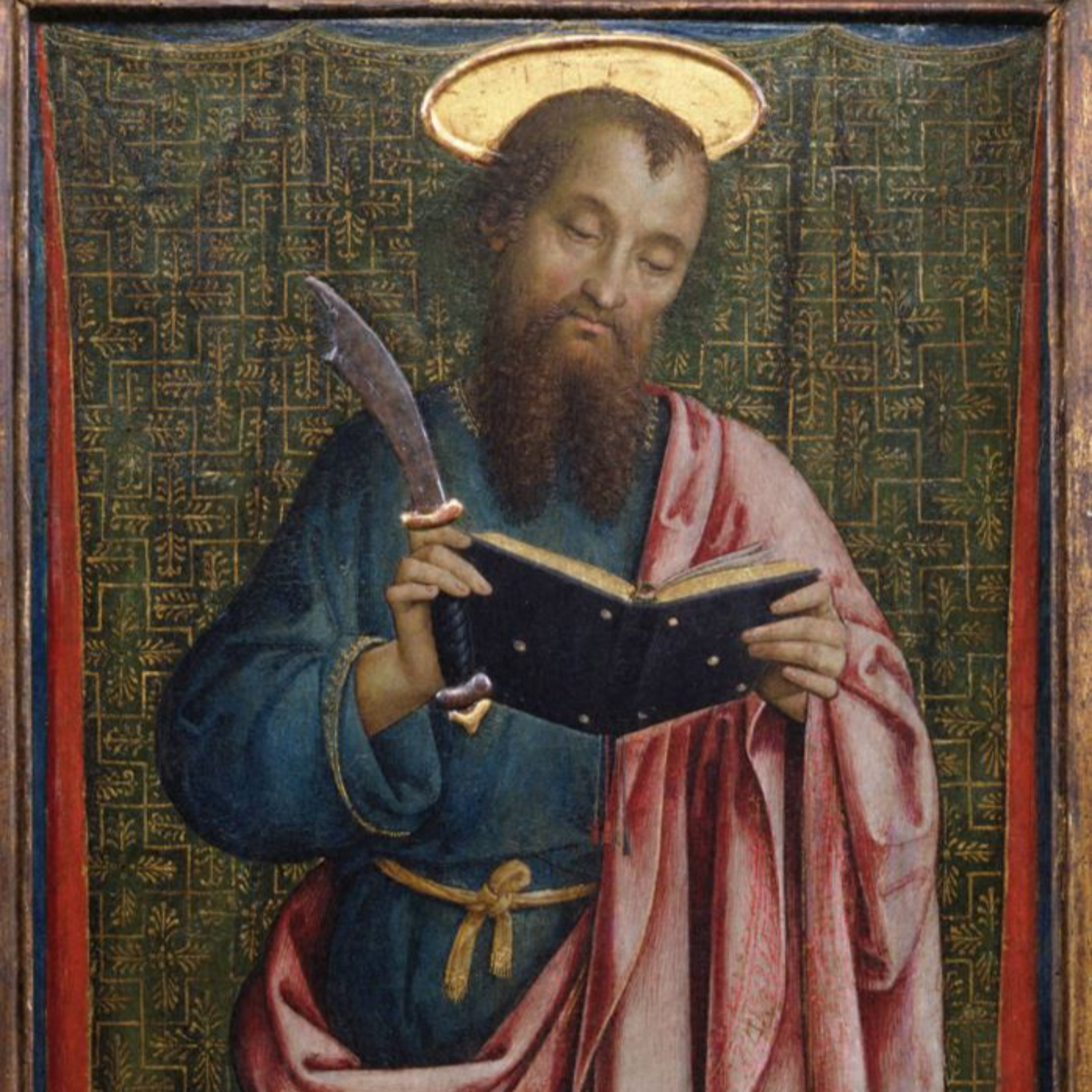
    A meditation for the Feast of Saint Bartholomew, Apostle, from Dom Guéranger’s “The Liturgical Year”, Volume V of the Time after Pentecost.Saint Bartholomew, also known as Nathanael in the Gospel tradition, was one of the Twelve Apostles chosen by Our Lord Jesus Christ. A native of Cana in Galilee, he was introduced to Christ by the Apostle Philip, who told him that they had found the Messiah. Initially skeptical, Bartholomew was immediately convinced when Jesus revealed that He had seen him under the fig tree, and he responded with a profound profession of faith, proclaiming Christ to be the Son of God and King of Israel. After Pentecost, tradition holds that Bartholomew preached the Gospel in distant lands, particularly Armenia and regions of the East, where he converted many to Christianity. According to ancient tradition, he was martyred in Armenia by being flayed alive and then beheaded, making his martyrdom one of the most horrific suffered by any of the Apostles. His feast is celebrated on August 24 in the traditional Roman calendar.Please note that Servant of God Dom Prosper Guéranger went to his eternal reward in 1875; at this point, Volumes I-IX (Advent to Pentecost Saturday) had been completed, but Volumes X-XV (Trinity Sunday to Advent) had not yet been completed. Thus, the remaining readings of the Liturgical Year, from Trinity Sunday until Advent, were not directly authored by Dom Prosper, but were the work of his disciple Dom Lucien Fromage. Dom Prosper Guéranger's The Liturgical Year, a monumental fifteen-volume work, offers a comprehensive exploration of the Catholic Church’s liturgical calendar, guiding readers through the spiritual and historical richness of the Church’s worship. Written in the 19th century, the series provides daily meditations, historical context, and liturgical texts for the Mass and Divine Office, covering the entire cycle of seasons—Advent, Christmas, Lent, Passiontide, Easter, and the Time after Pentecost—as well as feast days of saints. Guéranger’s work, rooted in a deep contemplative spirit, aims to immerse the faithful in the Church’s prayerful life, emphasizing the unity of faith through the axiom lex orandi, lex credendi ("the law of prayer is the law of belief"), and remains a cherished resource for Catholics seeking to deepen their spiritual lives. Dom Prosper Guéranger (1805–1875) was a French Benedictine monk, liturgical scholar, and founder of the Solesmes Abbey, renowned for his pivotal role in reviving the Benedictine Order in France and restoring the Roman liturgy after the disruptions of the French Revolution. Born in Sablé-sur-Sarthe, he entered the priesthood in 1827 and, inspired by a vision to restore monastic life, reestablished the Benedictine community at Solesmes in 1833, becoming its first abbot. A staunch defender of ultramontanism and traditional Catholic worship, he also championed the revival of Gregorian chant, significantly influencing the liturgical renewal movement.Link to the Dom Guéranger's Liturgical Year playlist (updated daily): https://www.youtube.com/playlist?list=PLZKdyYnV_bkh7rH6piW0ShgsdcefFoOvJIf you would like to support this channel:  Patreon: https://www.patreon.com/cw/InprincipioPodcast PayPal: https://www.paypal.com/donate/?hosted_button_id=U5EZ9X2CE2V7W Venmo: https://venmo.com/u/InPrincipioPodcast Zelle: inprincipiopodcast@gmail.com; or search for Zelle tag “inprincipiopodcast”  Checks may be written out to ‘InPrincipio Podcast’ and mailed to: P.O. Box 117 Cedar Ridge, CA 95924Sincere thanks to all who are able to contribute, by your prayers, your patronage, or otherwise. Your support sustains this work and helps make these readings available to others.Artwork: “Saint Bartholomew” by Pinturicchio c.1497Music: Ave Maria (Gregorian chant)From Vesperae de Confessore non Pontifice Performed by Schola Gregoriana, Pallottine Seminary (Ołtarzew, Poland)Conductor: Fr. Dariusz Smolarek

  • August 23 · 38 min

    Thirteenth Sunday after Pentecost — From Dom Guéranger’s Liturgical Year

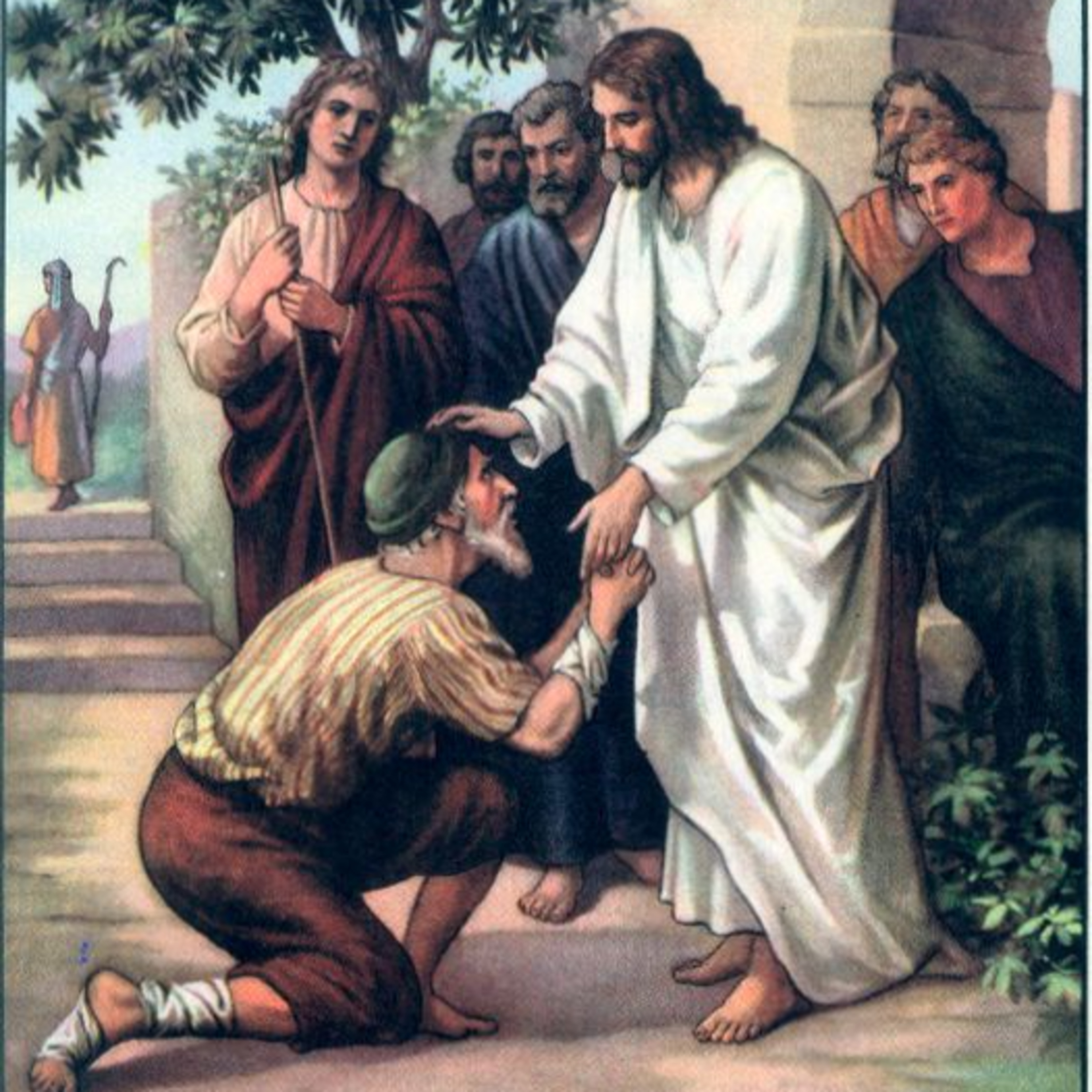
    A meditation for the Thirteenth Sunday after Pentecost, from Dom Guéranger’s “The Liturgical Year”, Volume II of the Time after Pentecost. Please note that Servant of God Dom Prosper Guéranger went to his eternal reward in 1875; at this point, Volumes I-IX (Advent to Pentecost Saturday) had been completed, but Volumes X-XV (Trinity Sunday to Advent) had not yet been completed. Thus, the remaining readings of the Liturgical Year, from Trinity Sunday until Advent, were not directly authored by Dom Prosper, but were the work of his disciple Dom Lucien Fromage. Dom Prosper Guéranger's The Liturgical Year, a monumental fifteen-volume work, offers a comprehensive exploration of the Catholic Church’s liturgical calendar, guiding readers through the spiritual and historical richness of the Church’s worship. Written in the 19th century, the series provides daily meditations, historical context, and liturgical texts for the Mass and Divine Office, covering the entire cycle of seasons—Advent, Christmas, Lent, Passiontide, Easter, and the Time after Pentecost—as well as feast days of saints. Guéranger’s work, rooted in a deep contemplative spirit, aims to immerse the faithful in the Church’s prayerful life, emphasizing the unity of faith through the axiom lex orandi, lex credendi ("the law of prayer is the law of belief"), and remains a cherished resource for Catholics seeking to deepen their spiritual lives. Dom Prosper Guéranger (1805–1875) was a French Benedictine monk, liturgical scholar, and founder of the Solesmes Abbey, renowned for his pivotal role in reviving the Benedictine Order in France and restoring the Roman liturgy after the disruptions of the French Revolution. Born in Sablé-sur-Sarthe, he entered the priesthood in 1827 and, inspired by a vision to restore monastic life, reestablished the Benedictine community at Solesmes in 1833, becoming its first abbot. A staunch defender of ultramontanism and traditional Catholic worship, he also championed the revival of Gregorian chant, significantly influencing the liturgical renewal movement.Link to the Dom Guéranger's Liturgical Year playlist (updated daily): https://www.youtube.com/playlist?list=PLZKdyYnV_bkh7rH6piW0ShgsdcefFoOvJIf you would like to support this channel:  Patreon: https://www.patreon.com/cw/InprincipioPodcast PayPal: https://www.paypal.com/donate/?hosted_button_id=U5EZ9X2CE2V7W Venmo: https://venmo.com/u/InPrincipioPodcast Zelle: inprincipiopodcast@gmail.com; or search for Zelle tag “inprincipiopodcast”  Checks may be written out to ‘InPrincipio Podcast’ and mailed to: P.O. Box 117 Cedar Ridge, CA 95924Sincere thanks to all who are able to contribute, by your prayers, your patronage, or otherwise. Your support sustains this work and helps make these readings available to others.Artwork: “Jesus Healing a Leper” by unknown artist (possibly Heinrich Hoffmann?)Music: Ave Maria (Gregorian chant)From Vesperae de Confessore non Pontifice in honor of Saint Vincent PallottiPerformed by Schola Gregoriana, Pallottine Seminary (Ołtarzew, Poland)Conductor: Fr. Dariusz SmolarekLicense: CC BY-SA 3.0 — https://creativecommons.org/licenses/by-sa/3.0/Changes: noneExcept where otherwise noted, original content © InPrincipio Podcast.Chant audio used under CC BY-SA 3.0.

  • August 22 · 16 min

    The Octave of the Assumption (August 22) — From Dom Guéranger’s Liturgical Year

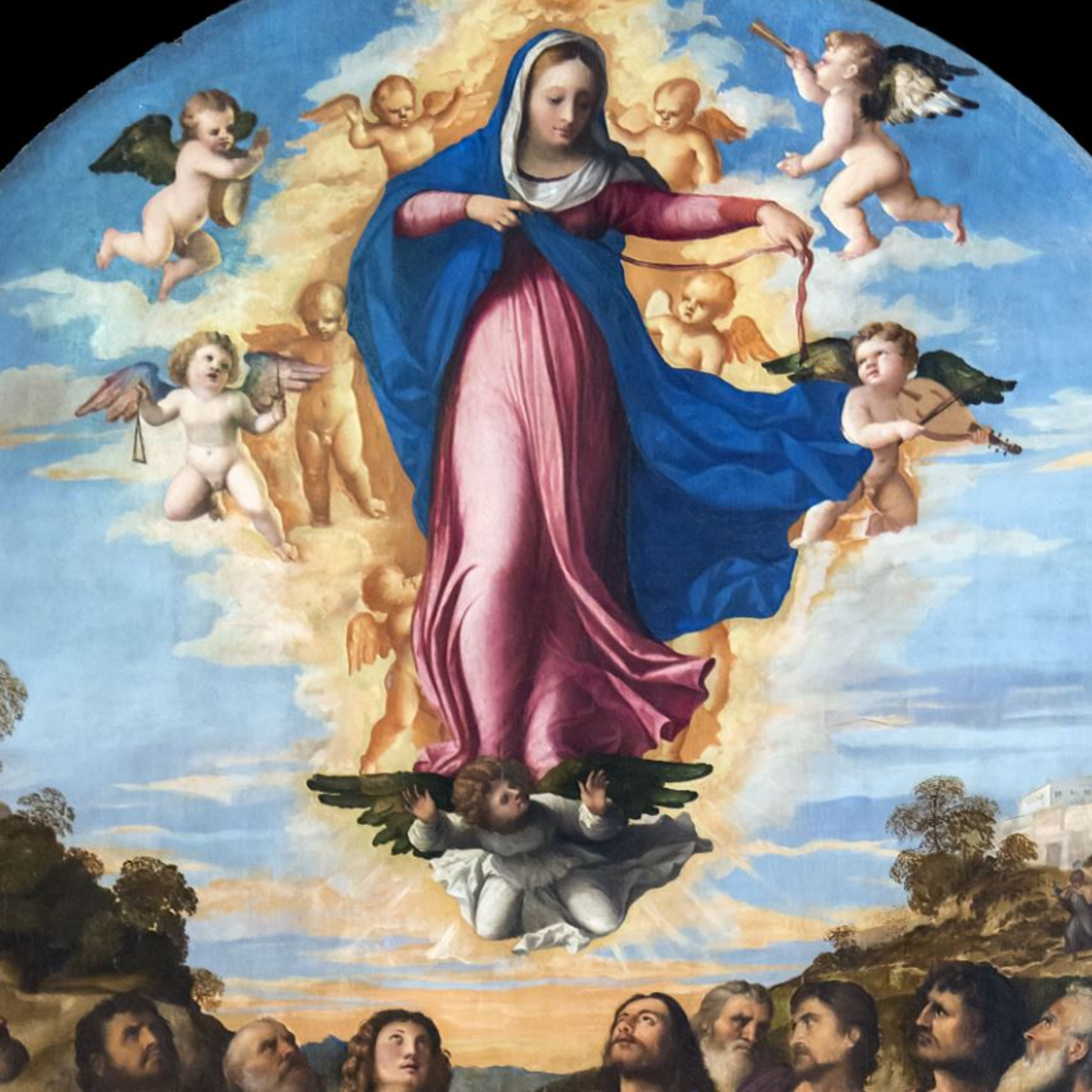
    A meditation for the Octave of the Assumption, from Dom Guéranger’s “The Liturgical Year”, Volume IV of the Time after Pentecost.Please note that Servant of God Dom Prosper Guéranger went to his eternal reward in 1875; at this point, Volumes I-IX (Advent to Pentecost Saturday) had been completed, but Volumes X-XV (Trinity Sunday to Advent) had not yet been completed. Thus, the remaining readings of the Liturgical Year, from Trinity Sunday until Advent, were not directly authored by Dom Prosper, but were the work of his disciple Dom Lucien Fromage. Dom Prosper Guéranger's The Liturgical Year, a monumental fifteen-volume work, offers a comprehensive exploration of the Catholic Church’s liturgical calendar, guiding readers through the spiritual and historical richness of the Church’s worship. Written in the 19th century, the series provides daily meditations, historical context, and liturgical texts for the Mass and Divine Office, covering the entire cycle of seasons—Advent, Christmas, Lent, Passiontide, Easter, and the Time after Pentecost—as well as feast days of saints. Guéranger’s work, rooted in a deep contemplative spirit, aims to immerse the faithful in the Church’s prayerful life, emphasizing the unity of faith through the axiom lex orandi, lex credendi ("the law of prayer is the law of belief"), and remains a cherished resource for Catholics seeking to deepen their spiritual lives. Dom Prosper Guéranger (1805–1875) was a French Benedictine monk, liturgical scholar, and founder of the Solesmes Abbey, renowned for his pivotal role in reviving the Benedictine Order in France and restoring the Roman liturgy after the disruptions of the French Revolution. Born in Sablé-sur-Sarthe, he entered the priesthood in 1827 and, inspired by a vision to restore monastic life, reestablished the Benedictine community at Solesmes in 1833, becoming its first abbot. A staunch defender of ultramontanism and traditional Catholic worship, he also championed the revival of Gregorian chant, significantly influencing the liturgical renewal movement.Link to the Dom Guéranger's Liturgical Year playlist (updated daily): https://www.youtube.com/playlist?list=PLZKdyYnV_bkh7rH6piW0ShgsdcefFoOvJIf you would like to support this channel:  Patreon: https://www.patreon.com/cw/InprincipioPodcast PayPal: https://www.paypal.com/donate/?hosted_button_id=U5EZ9X2CE2V7W Venmo: https://venmo.com/u/InPrincipioPodcast Zelle: inprincipiopodcast@gmail.com; or search for Zelle tag “inprincipiopodcast”  Checks may be written out to ‘InPrincipio Podcast’ and mailed to: P.O. Box 117 Cedar Ridge, CA 95924Sincere thanks to all who are able to contribute, by your prayers, your patronage, or otherwise. Your support sustains this work and helps make these readings available to others.Artwork: “Assumption of the Virgin” by Palma Vecchio, c.1514Music: Ave Maria (Gregorian chant)From Vesperae de Confessore non Pontifice in honor of Saint Vincent PallottiPerformed by Schola Gregoriana, Pallottine Seminary (Ołtarzew, Poland)Conductor: Fr. Dariusz SmolarekLicense: CC BY-SA 3.0 — https://creativecommons.org/licenses/by-sa/3.0/Changes: noneExcept where otherwise noted, original content © InPrincipio Podcast.Chant audio used under CC BY-SA 3.0.

  • August 21 · 21 min

    St. Jane Frances de Chantal (August 21) — From Dom Guéranger’s Liturgical Year

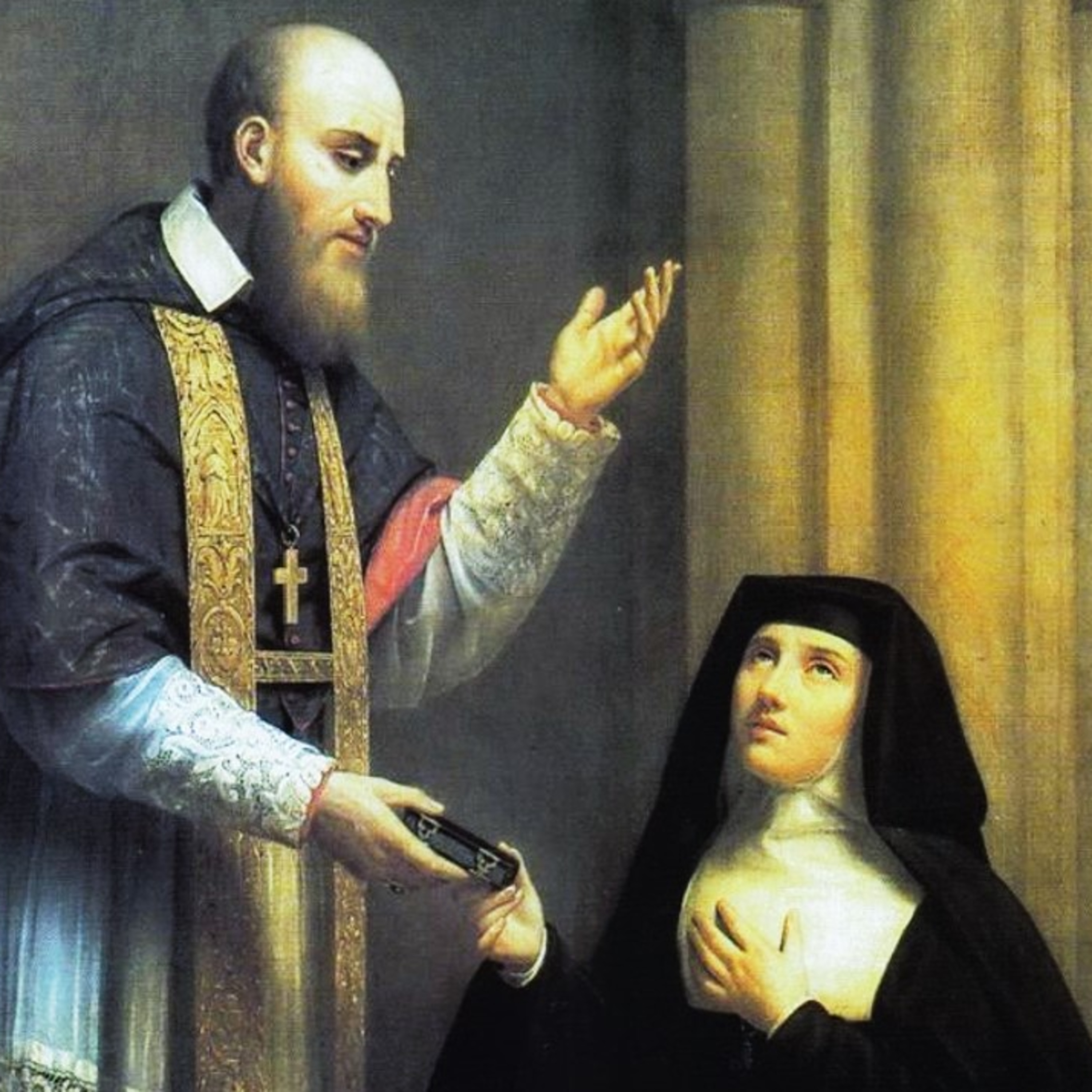
    A meditation for the Feast of St. Jane Frances de Chantal, from Dom Guéranger’s “The Liturgical Year”, Volume IV of the Time after Pentecost.Saint Jane Frances de Chantal (1572–1641) was a French noblewoman, wife, mother, widow, and religious foundress who became one of the great models of Christian charity and patient suffering. Widowed at the age of twenty-eight, she devoted herself to raising her children and serving the poor, while placing herself under the spiritual direction of Saint Francis de Sales, with whom she formed a profound spiritual friendship. Together they founded the Order of the Visitation of Holy Mary in 1610, intended especially for women who could not endure the austerities of stricter religious orders. As superior of the growing community, Jane Frances endured misunderstanding, bereavement, and many interior trials with extraordinary humility and trust in God. She died in 1641 and was canonized in 1767. Her feast is traditionally celebrated on August 21, and she is particularly remembered for her gentle charity, perseverance amid suffering, and complete abandonment to Divine Providence.Please note that Servant of God Dom Prosper Guéranger went to his eternal reward in 1875; at this point, Volumes I-IX (Advent to Pentecost Saturday) had been completed, but Volumes X-XV (Trinity Sunday to Advent) had not yet been completed. Thus, the remaining readings of the Liturgical Year, from Trinity Sunday until Advent, were not directly authored by Dom Prosper, but were the work of his disciple Dom Lucien Fromage. Dom Prosper Guéranger's The Liturgical Year, a monumental fifteen-volume work, offers a comprehensive exploration of the Catholic Church’s liturgical calendar, guiding readers through the spiritual and historical richness of the Church’s worship. Written in the 19th century, the series provides daily meditations, historical context, and liturgical texts for the Mass and Divine Office, covering the entire cycle of seasons—Advent, Christmas, Lent, Passiontide, Easter, and the Time after Pentecost—as well as feast days of saints. Guéranger’s work, rooted in a deep contemplative spirit, aims to immerse the faithful in the Church’s prayerful life, emphasizing the unity of faith through the axiom lex orandi, lex credendi ("the law of prayer is the law of belief"), and remains a cherished resource for Catholics seeking to deepen their spiritual lives. Dom Prosper Guéranger (1805–1875) was a French Benedictine monk, liturgical scholar, and founder of the Solesmes Abbey, renowned for his pivotal role in reviving the Benedictine Order in France and restoring the Roman liturgy after the disruptions of the French Revolution. Born in Sablé-sur-Sarthe, he entered the priesthood in 1827 and, inspired by a vision to restore monastic life, reestablished the Benedictine community at Solesmes in 1833, becoming its first abbot. A staunch defender of ultramontanism and traditional Catholic worship, he also championed the revival of Gregorian chant, significantly influencing the liturgical renewal movement.Link to the Dom Guéranger's Liturgical Year playlist (updated daily): https://www.youtube.com/playlist?list=PLZKdyYnV_bkh7rH6piW0ShgsdcefFoOvJIf you would like to support this channel:  Patreon: https://www.patreon.com/cw/InprincipioPodcast PayPal: https://www.paypal.com/donate/?hosted_button_id=U5EZ9X2CE2V7W Venmo: https://venmo.com/u/InPrincipioPodcast Zelle: inprincipiopodcast@gmail.com; or search for Zelle tag “inprincipiopodcast”  Checks may be written out to ‘InPrincipio Podcast’ and mailed to: P.O. Box 117 Cedar Ridge, CA 95924Sincere thanks to all who are able to contribute, by your prayers, your patronage, or otherwise. Your support sustains this work and helps make these readings available to others.Artwork: “Saint Francis de Sales giving Saint Jane de Chantal the rule of the Order of the Visitation of Holy Mary” by unknown artist.

  • August 21 · 25 min

    St. Bernard of Clairvaux (August 20) — From Dom Guéranger’s Liturgical Year

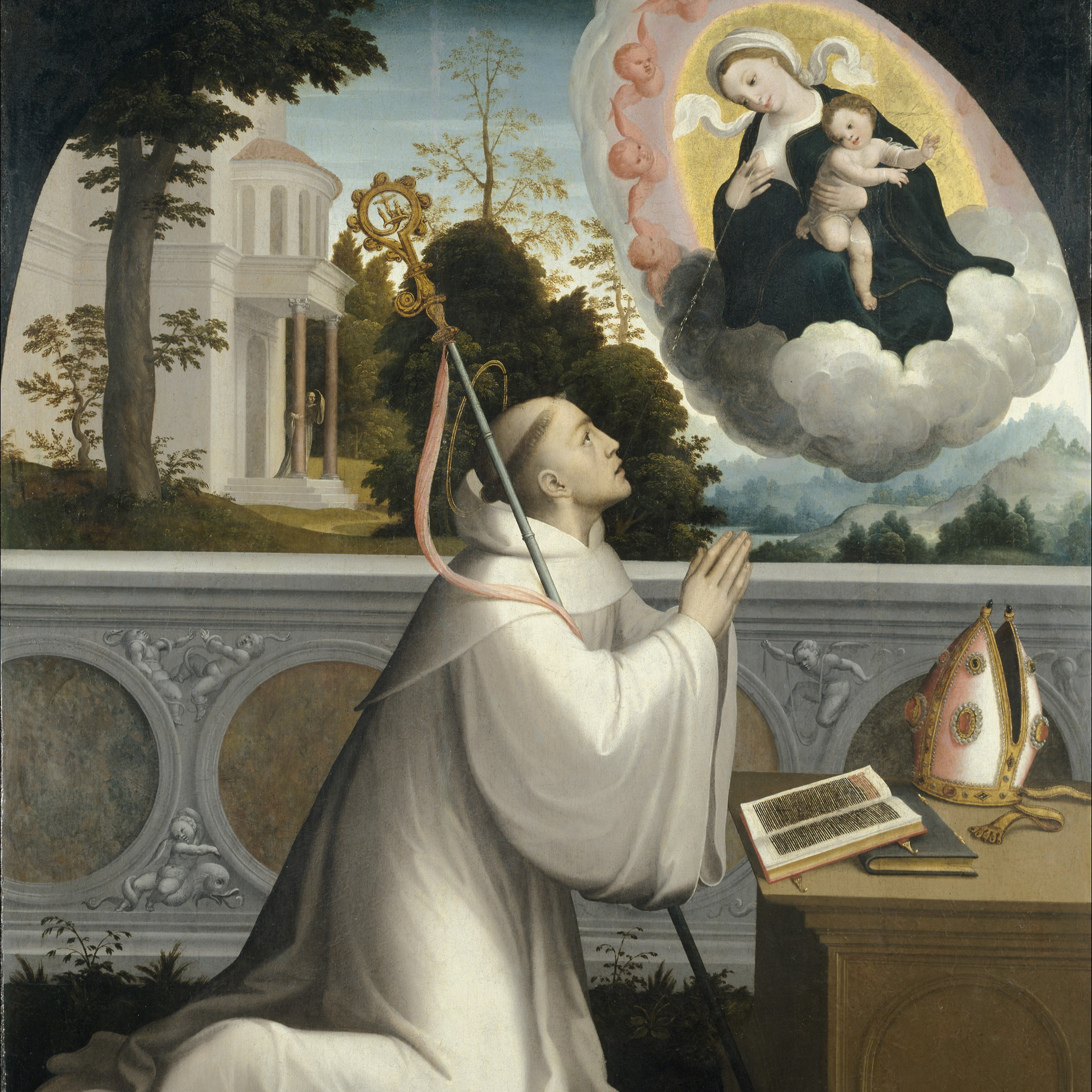
    A meditation for the Feast of St. Bernard of Clairvaux, from Dom Guéranger’s “The Liturgical Year”, Volume IV of the Time after Pentecost.Saint Bernard of Clairvaux (1090–1153) was a French Cistercian monk, abbot, mystic, theologian, and one of the most influential saints of the twelfth century. Born into a noble family of Burgundy, he entered the newly founded Cistercian monastery at Cîteaux in 1112, bringing with him a large group of companions, including several of his brothers. He later founded the monastery of Clairvaux and became its abbot, making it a great center of Cistercian spirituality and reform. Renowned for his preaching, eloquence, and profound devotion to Christ and the Blessed Virgin Mary, Bernard traveled extensively to defend the Church, reconcile disputes, combat heresy, and preach the Second Crusade. He was also a prolific writer, especially celebrated for his sermons on the Canticle of Canticles and his works on the love of God and the spiritual life. Though deeply contemplative, he was drawn into the great ecclesiastical affairs of his age and became an important adviser to popes and kings. He died at Clairvaux in 1153 and was canonized in 1174; in 1830, Pope Pius VIII declared him a Doctor of the Church, giving him the title Doctor Mellifluus, the “Honey-Sweet Doctor,” in honor of the sweetness and eloquence of his teaching.Dom Prosper Guéranger's The Liturgical Year, a monumental fifteen-volume work, offers a comprehensive exploration of the Catholic Church’s liturgical calendar, guiding readers through the spiritual and historical richness of the Church’s worship. Written in the 19th century, the series provides daily meditations, historical context, and liturgical texts for the Mass and Divine Office, covering the entire cycle of seasons—Advent, Christmas, Lent, Passiontide, Easter, and the Time after Pentecost—as well as feast days of saints. Guéranger’s work, rooted in a deep contemplative spirit, aims to immerse the faithful in the Church’s prayerful life, emphasizing the unity of faith through the axiom lex orandi, lex credendi ("the law of prayer is the law of belief"), and remains a cherished resource for Catholics seeking to deepen their spiritual lives. Dom Prosper Guéranger (1805–1875) was a French Benedictine monk, liturgical scholar, and founder of the Solesmes Abbey, renowned for his pivotal role in reviving the Benedictine Order in France and restoring the Roman liturgy after the disruptions of the French Revolution. Born in Sablé-sur-Sarthe, he entered the priesthood in 1827 and, inspired by a vision to restore monastic life, reestablished the Benedictine community at Solesmes in 1833, becoming its first abbot. A staunch defender of ultramontanism and traditional Catholic worship, he also championed the revival of Gregorian chant, significantly influencing the liturgical renewal movement.Link to the Dom Guéranger's Liturgical Year playlist (updated daily): https://www.youtube.com/playlist?list=PLZKdyYnV_bkh7rH6piW0ShgsdcefFoOvJIf you would like to support this channel:  Patreon: https://www.patreon.com/cw/InprincipioPodcast PayPal: https://www.paypal.com/donate/?hosted_button_id=U5EZ9X2CE2V7W Venmo: https://venmo.com/u/InPrincipioPodcast Zelle: inprincipiopodcast@gmail.com; or search for Zelle tag “inprincipiopodcast”  Checks may be written out to ‘InPrincipio Podcast’ and mailed to: P.O. Box 117 Cedar Ridge, CA 95924Sincere thanks to all who are able to contribute, by your prayers, your patronage, or otherwise. Your support sustains this work and helps make these readings available to others.Artwork: “The Virgin Appears to Saint Bernard” by Juan Correa de Vivar c. 1545

  • August 19 · 12 min

    Fifth Day within the Octave of the Assumption (August 19) — From Dom Guéranger’s Liturgical Year

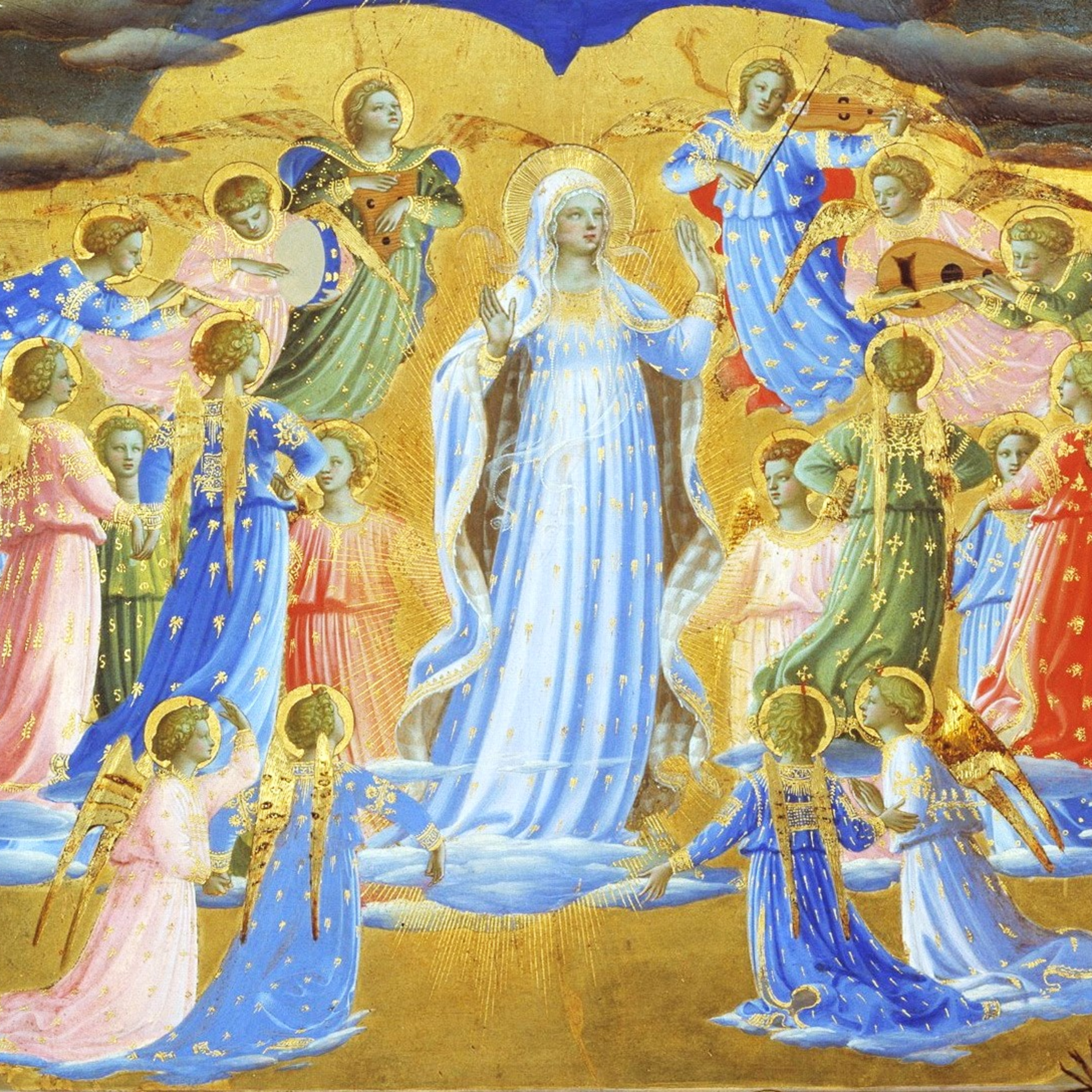
    A meditation for the Fifth day within the Octave of the Assumption of the Blessed Virgin Mary, from Dom Guéranger’s “The Liturgical Year”, Volume IV of the Time after Pentecost.Please note that Servant of God Dom Prosper Guéranger went to his eternal reward in 1875; at this point, Volumes I-IX (Advent to Pentecost Saturday) had been completed, but Volumes X-XV (Trinity Sunday to Advent) had not yet been completed. Thus, the remaining readings of the Liturgical Year, from Trinity Sunday until Advent, were not directly authored by Dom Prosper, but were the work of his disciple Dom Lucien Fromage. Dom Prosper Guéranger's The Liturgical Year, a monumental fifteen-volume work, offers a comprehensive exploration of the Catholic Church’s liturgical calendar, guiding readers through the spiritual and historical richness of the Church’s worship. Written in the 19th century, the series provides daily meditations, historical context, and liturgical texts for the Mass and Divine Office, covering the entire cycle of seasons—Advent, Christmas, Lent, Passiontide, Easter, and the Time after Pentecost—as well as feast days of saints. Guéranger’s work, rooted in a deep contemplative spirit, aims to immerse the faithful in the Church’s prayerful life, emphasizing the unity of faith through the axiom lex orandi, lex credendi ("the law of prayer is the law of belief"), and remains a cherished resource for Catholics seeking to deepen their spiritual lives. Dom Prosper Guéranger (1805–1875) was a French Benedictine monk, liturgical scholar, and founder of the Solesmes Abbey, renowned for his pivotal role in reviving the Benedictine Order in France and restoring the Roman liturgy after the disruptions of the French Revolution. Born in Sablé-sur-Sarthe, he entered the priesthood in 1827 and, inspired by a vision to restore monastic life, reestablished the Benedictine community at Solesmes in 1833, becoming its first abbot. A staunch defender of ultramontanism and traditional Catholic worship, he also championed the revival of Gregorian chant, significantly influencing the liturgical renewal movement.Link to the Dom Guéranger's Liturgical Year playlist (updated daily): https://www.youtube.com/playlist?list=PLZKdyYnV_bkh7rH6piW0ShgsdcefFoOvJIf you would like to support this channel:  Patreon: https://www.patreon.com/cw/InprincipioPodcast PayPal: https://www.paypal.com/donate/?hosted_button_id=U5EZ9X2CE2V7W Venmo: https://venmo.com/u/InPrincipioPodcast Zelle: inprincipiopodcast@gmail.com; or search for Zelle tag “inprincipiopodcast”  Checks may be written out to ‘InPrincipio Podcast’ and mailed to: P.O. Box 117 Cedar Ridge, CA 95924Sincere thanks to all who are able to contribute, by your prayers, your patronage, or otherwise. Your support sustains this work and helps make these readings available to others.Artwork: “Assumption of the Virgin” by Fra Angelico c.1434Music: Ave Maria (Gregorian chant)From Vesperae de Confessore non Pontifice in honor of Saint Vincent PallottiPerformed by Schola Gregoriana, Pallottine Seminary (Ołtarzew, Poland)Conductor: Fr. Dariusz SmolarekLicense: CC BY-SA 3.0 — https://creativecommons.org/licenses/by-sa/3.0/Changes: noneExcept where otherwise noted, original content © InPrincipio Podcast.Chant audio used under CC BY-SA 3.0.

  • August 18 · 13 min

    Fourth Day within the Octave of the Assumption (August 18) — From Dom Guéranger’s Liturgical Year

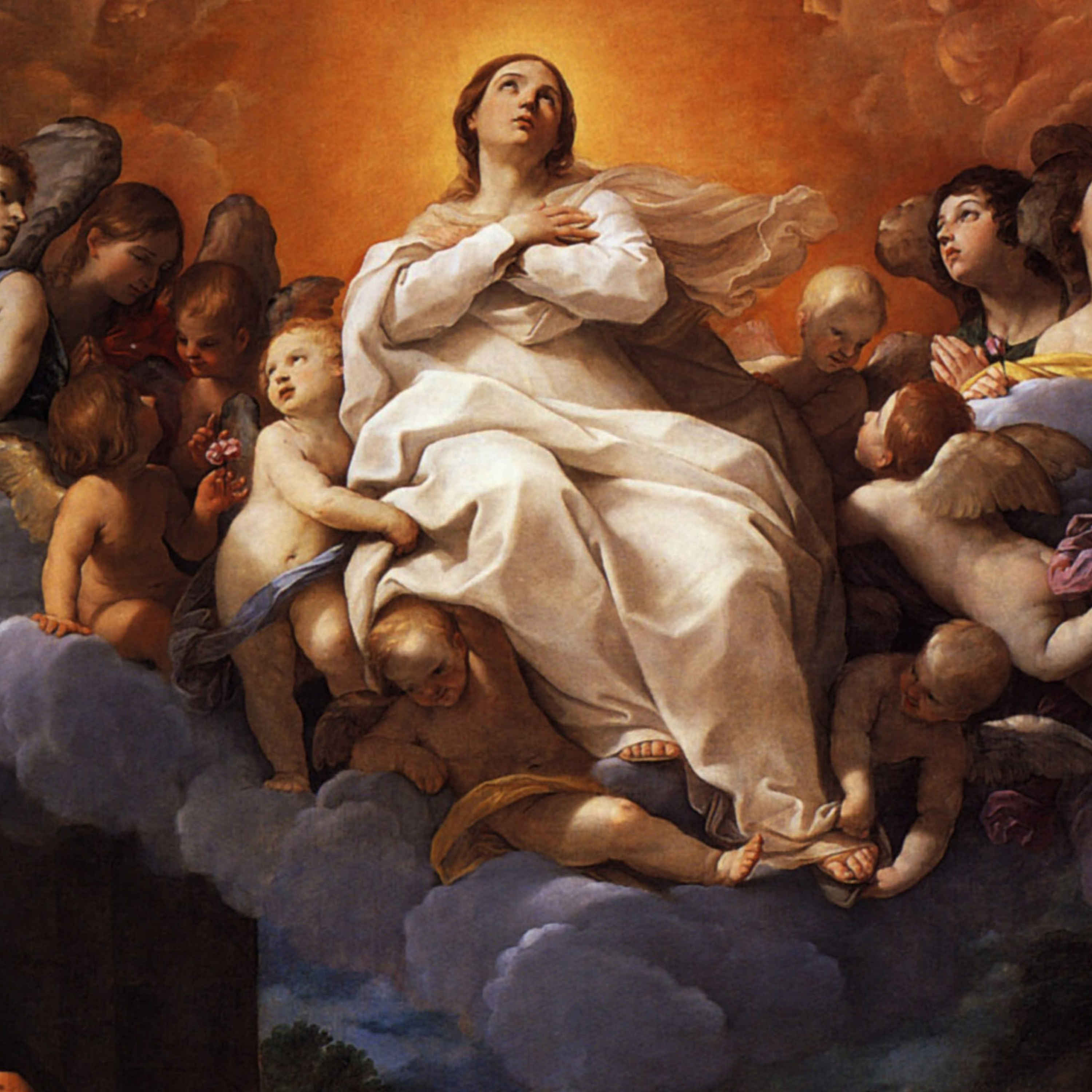
    A meditation for the Fourth day within the Octave of the Assumption of the Blessed Virgin Mary, from Dom Guéranger’s “The Liturgical Year”, Volume IV of the Time after Pentecost.Please note that Servant of God Dom Prosper Guéranger went to his eternal reward in 1875; at this point, Volumes I-IX (Advent to Pentecost Saturday) had been completed, but Volumes X-XV (Trinity Sunday to Advent) had not yet been completed. Thus, the remaining readings of the Liturgical Year, from Trinity Sunday until Advent, were not directly authored by Dom Prosper, but were the work of his disciple Dom Lucien Fromage. Dom Prosper Guéranger's The Liturgical Year, a monumental fifteen-volume work, offers a comprehensive exploration of the Catholic Church’s liturgical calendar, guiding readers through the spiritual and historical richness of the Church’s worship. Written in the 19th century, the series provides daily meditations, historical context, and liturgical texts for the Mass and Divine Office, covering the entire cycle of seasons—Advent, Christmas, Lent, Passiontide, Easter, and the Time after Pentecost—as well as feast days of saints. Guéranger’s work, rooted in a deep contemplative spirit, aims to immerse the faithful in the Church’s prayerful life, emphasizing the unity of faith through the axiom lex orandi, lex credendi ("the law of prayer is the law of belief"), and remains a cherished resource for Catholics seeking to deepen their spiritual lives. Dom Prosper Guéranger (1805–1875) was a French Benedictine monk, liturgical scholar, and founder of the Solesmes Abbey, renowned for his pivotal role in reviving the Benedictine Order in France and restoring the Roman liturgy after the disruptions of the French Revolution. Born in Sablé-sur-Sarthe, he entered the priesthood in 1827 and, inspired by a vision to restore monastic life, reestablished the Benedictine community at Solesmes in 1833, becoming its first abbot. A staunch defender of ultramontanism and traditional Catholic worship, he also championed the revival of Gregorian chant, significantly influencing the liturgical renewal movement.Link to the Dom Guéranger's Liturgical Year playlist (updated daily): https://www.youtube.com/playlist?list=PLZKdyYnV_bkh7rH6piW0ShgsdcefFoOvJIf you would like to support this channel:  Patreon: https://www.patreon.com/cw/InprincipioPodcast PayPal: https://www.paypal.com/donate/?hosted_button_id=U5EZ9X2CE2V7W Venmo: https://venmo.com/u/InPrincipioPodcast Zelle: inprincipiopodcast@gmail.com; or search for Zelle tag “inprincipiopodcast”  Checks may be written out to ‘InPrincipio Podcast’ and mailed to: P.O. Box 117 Cedar Ridge, CA 95924Sincere thanks to all who are able to contribute, by your prayers, your patronage, or otherwise. Your support sustains this work and helps make these readings available to others.Artwork: “Assumption of the Virgin” by Guido Reni c.1617Music: Ave Maria (Gregorian chant)From Vesperae de Confessore non Pontifice in honor of Saint Vincent PallottiPerformed by Schola Gregoriana, Pallottine Seminary (Ołtarzew, Poland)Conductor: Fr. Dariusz SmolarekLicense: CC BY-SA 3.0 — https://creativecommons.org/licenses/by-sa/3.0/Changes: noneExcept where otherwise noted, original content © InPrincipio Podcast.Chant audio used under CC BY-SA 3.0.

  • August 17 · 13 min

    St. Hyacinth (August 17) — From Dom Guéranger’s Liturgical Year

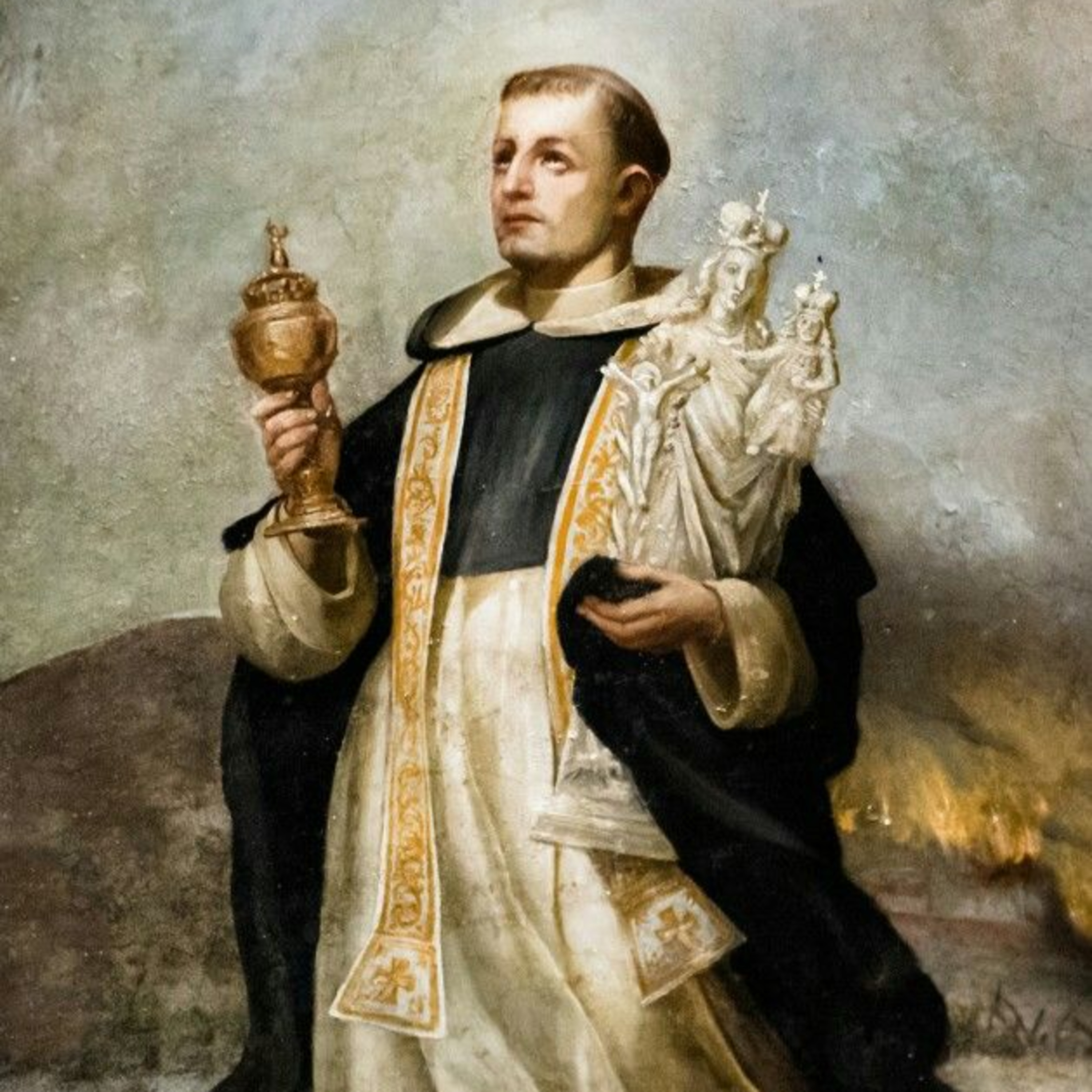
    A meditation for the Feast of St. Hyacinth, from Dom Guéranger’s “The Liturgical Year”, Volume IV of the Time after Pentecost.Saint Hyacinth of Poland (c. 1185–1257), known as the “Apostle of the North,” was a Polish Dominican friar and one of the great missionaries of medieval Europe. Born into a noble family, he studied at Kraków, Paris, and Bologna before becoming a canon of Kraków. He accompanied Saint Dominic at Rome and received the Dominican habit from him, returning afterward to Poland to establish the Order of Preachers there. Hyacinth traveled tirelessly through Poland, Prussia, Lithuania, Bohemia, Moravia, and Russia, preaching the Gospel and founding monasteries. He is especially remembered for his devotion to the Blessed Sacrament and the Blessed Virgin Mary. According to tradition, when the Tartars attacked Kraków, Hyacinth was about to flee the Dominican church when he heard a voice from a statue of the Blessed Virgin urging him to take her with him; he carried the statue and the Blessed Sacrament to safety, despite their great weight. Saint Hyacinth died in Kraków on August 15, 1257, and was canonized by Pope Clement VIII in 1594.Please note that Servant of God Dom Prosper Guéranger went to his eternal reward in 1875; at this point, Volumes I-IX (Advent to Pentecost Saturday) had been completed, but Volumes X-XV (Trinity Sunday to Advent) had not yet been completed. Thus, the remaining readings of the Liturgical Year, from Trinity Sunday until Advent, were not directly authored by Dom Prosper, but were the work of his disciple Dom Lucien Fromage. Dom Prosper Guéranger's The Liturgical Year, a monumental fifteen-volume work, offers a comprehensive exploration of the Catholic Church’s liturgical calendar, guiding readers through the spiritual and historical richness of the Church’s worship. Written in the 19th century, the series provides daily meditations, historical context, and liturgical texts for the Mass and Divine Office, covering the entire cycle of seasons—Advent, Christmas, Lent, Passiontide, Easter, and the Time after Pentecost—as well as feast days of saints. Guéranger’s work, rooted in a deep contemplative spirit, aims to immerse the faithful in the Church’s prayerful life, emphasizing the unity of faith through the axiom lex orandi, lex credendi ("the law of prayer is the law of belief"), and remains a cherished resource for Catholics seeking to deepen their spiritual lives. Dom Prosper Guéranger (1805–1875) was a French Benedictine monk, liturgical scholar, and founder of the Solesmes Abbey, renowned for his pivotal role in reviving the Benedictine Order in France and restoring the Roman liturgy after the disruptions of the French Revolution. Born in Sablé-sur-Sarthe, he entered the priesthood in 1827 and, inspired by a vision to restore monastic life, reestablished the Benedictine community at Solesmes in 1833, becoming its first abbot. A staunch defender of ultramontanism and traditional Catholic worship, he also championed the revival of Gregorian chant, significantly influencing the liturgical renewal movement.Link to the Dom Guéranger's Liturgical Year playlist (updated daily): https://www.youtube.com/playlist?list=PLZKdyYnV_bkh7rH6piW0ShgsdcefFoOvJIf you would like to support this channel:  Patreon: https://www.patreon.com/cw/InprincipioPodcast PayPal: https://www.paypal.com/donate/?hosted_button_id=U5EZ9X2CE2V7W Venmo: https://venmo.com/u/InPrincipioPodcast Zelle: inprincipiopodcast@gmail.com; or search for Zelle tag “inprincipiopodcast”  Checks may be written out to ‘InPrincipio Podcast’ and mailed to: P.O. Box 117 Cedar Ridge, CA 95924Sincere thanks to all who are able to contribute, by your prayers, your patronage, or otherwise. Your support sustains this work and helps make these readings available to others.Artwork: “St. Hyacinth” by unknown artist Music: Ave Maria (Gregorian chant)Performed by Schola Gregoriana, Pallottine Seminary

  • August 16 · 37 min

    Twelfth Sunday after Pentecost — From Dom Guéranger’s Liturgical Year

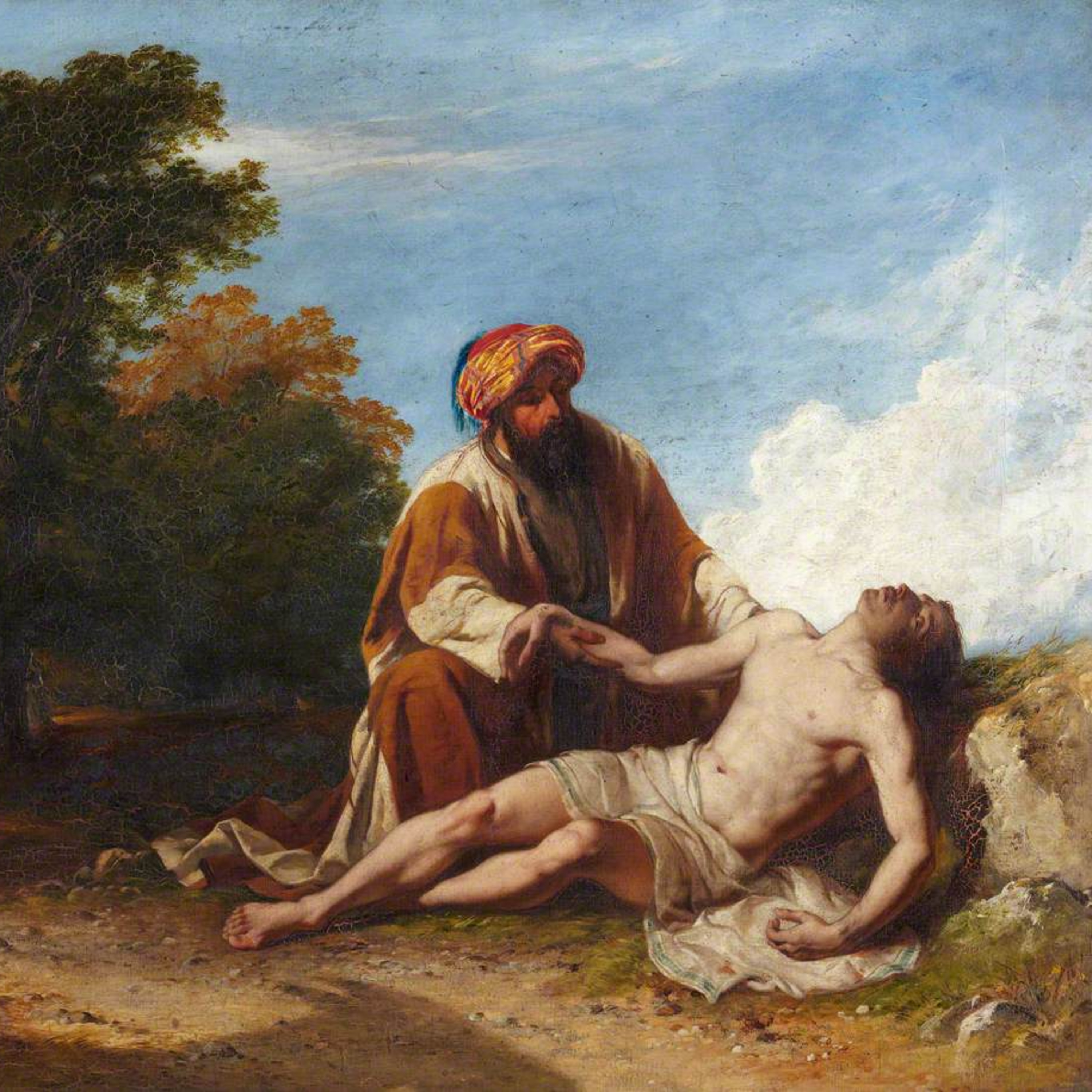
    A meditation for the Twelfth Sunday after Pentecost, from Dom Guéranger’s “The Liturgical Year”, Volume II of the Time after Pentecost. Please note that Servant of God Dom Prosper Guéranger went to his eternal reward in 1875; at this point, Volumes I-IX (Advent to Pentecost Saturday) had been completed, but Volumes X-XV (Trinity Sunday to Advent) had not yet been completed. Thus, the remaining readings of the Liturgical Year, from Trinity Sunday until Advent, were not directly authored by Dom Prosper, but were the work of his disciple Dom Lucien Fromage. Dom Prosper Guéranger's The Liturgical Year, a monumental fifteen-volume work, offers a comprehensive exploration of the Catholic Church’s liturgical calendar, guiding readers through the spiritual and historical richness of the Church’s worship. Written in the 19th century, the series provides daily meditations, historical context, and liturgical texts for the Mass and Divine Office, covering the entire cycle of seasons—Advent, Christmas, Lent, Passiontide, Easter, and the Time after Pentecost—as well as feast days of saints. Guéranger’s work, rooted in a deep contemplative spirit, aims to immerse the faithful in the Church’s prayerful life, emphasizing the unity of faith through the axiom lex orandi, lex credendi ("the law of prayer is the law of belief"), and remains a cherished resource for Catholics seeking to deepen their spiritual lives. Dom Prosper Guéranger (1805–1875) was a French Benedictine monk, liturgical scholar, and founder of the Solesmes Abbey, renowned for his pivotal role in reviving the Benedictine Order in France and restoring the Roman liturgy after the disruptions of the French Revolution. Born in Sablé-sur-Sarthe, he entered the priesthood in 1827 and, inspired by a vision to restore monastic life, reestablished the Benedictine community at Solesmes in 1833, becoming its first abbot. A staunch defender of ultramontanism and traditional Catholic worship, he also championed the revival of Gregorian chant, significantly influencing the liturgical renewal movement.Link to the Dom Guéranger's Liturgical Year playlist (updated daily): https://www.youtube.com/playlist?list=PLZKdyYnV_bkh7rH6piW0ShgsdcefFoOvJIf you would like to support this channel:  Patreon: https://www.patreon.com/cw/InprincipioPodcast PayPal: https://www.paypal.com/donate/?hosted_button_id=U5EZ9X2CE2V7W Venmo: https://venmo.com/u/InPrincipioPodcast Zelle: inprincipiopodcast@gmail.com; or search for Zelle tag “inprincipiopodcast”  Checks may be written out to ‘InPrincipio Podcast’ and mailed to: P.O. Box 117 Cedar Ridge, CA 95924Sincere thanks to all who are able to contribute, by your prayers, your patronage, or otherwise. Your support sustains this work and helps make these readings available to others.Artwork: “The Good Samaritan” by John Adam Houston, c.1845 Music: Ave Maria (Gregorian chant)From Vesperae de Confessore non Pontifice in honor of Saint Vincent PallottiPerformed by Schola Gregoriana, Pallottine Seminary (Ołtarzew, Poland)Conductor: Fr. Dariusz SmolarekLicense: CC BY-SA 3.0 — https://creativecommons.org/licenses/by-sa/3.0/Changes: noneExcept where otherwise noted, original content © InPrincipio Podcast.Chant audio used under CC BY-SA 3.0.

  • August 15 · 1 hr 23 min

    The Assumption of the Blessed Virgin Mary (August 15) — From Dom Guéranger’s Liturgical Year

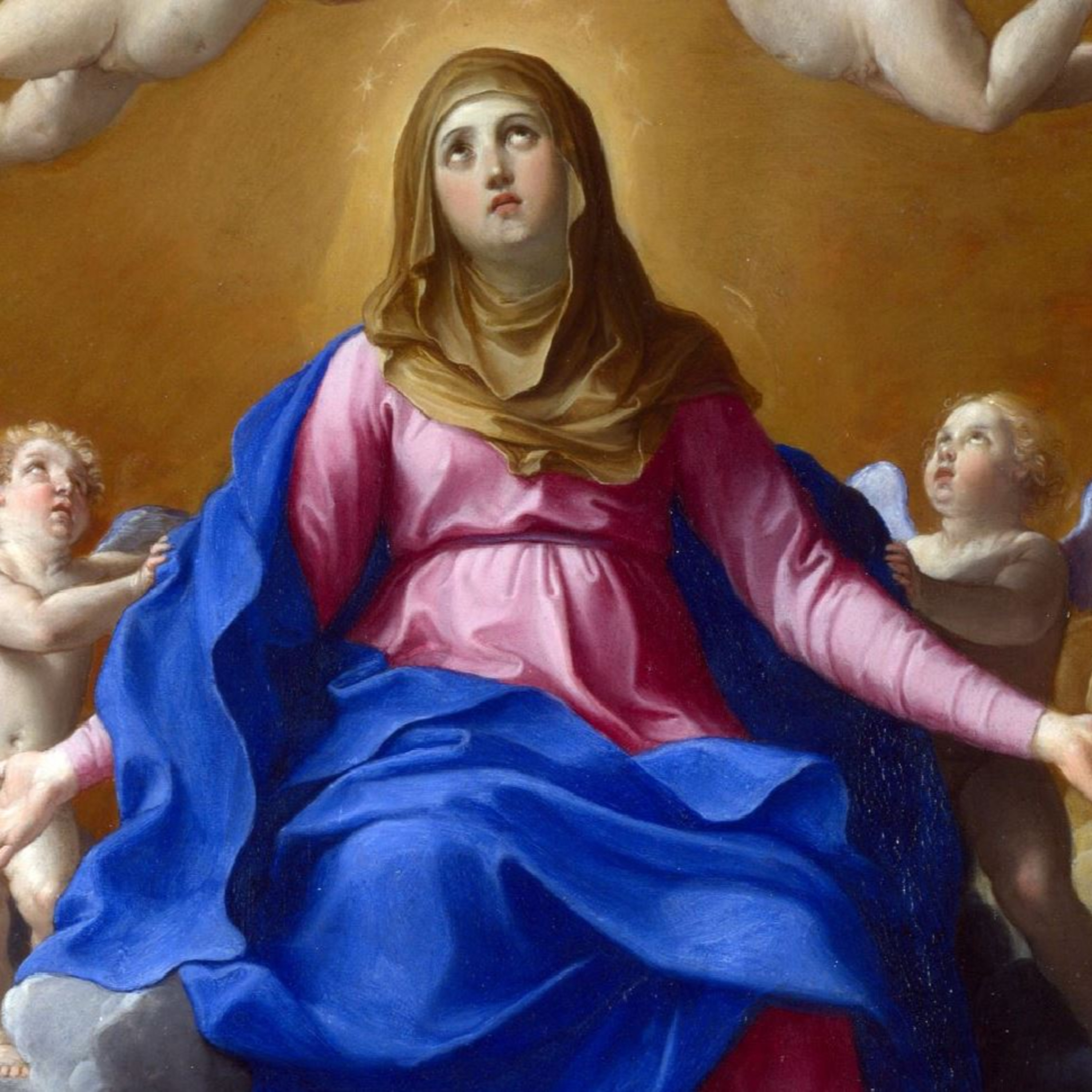
    A meditation for the Feast of the Assumption of the Most Blessed Virgin, from Dom Guéranger’s “The Liturgical Year”, Volume IV of the Time after Pentecost.The Feast of the Assumption of the Blessed Virgin Mary celebrates the glorious truth that, at the end of her earthly life, the Blessed Virgin Mary was taken body and soul into heavenly glory by the power of God. Because she was the Mother of God and uniquely preserved from sin, Mary was granted a share in the victory of her Son over sin and death, so that her body would not remain in the tomb to undergo corruption. The feast, ancient in the Church and solemnly defined as a dogma by Pope Pius XII in 1950, reveals the destiny awaiting the faithful who persevere in grace: the resurrection and glorification of the body. Mary, already reigning with Christ in heaven, is thus both the highest fruit of Christ's redemption and a sure sign of the glory that God has prepared for those who belong to Him.Please note that Servant of God Dom Prosper Guéranger went to his eternal reward in 1875; at this point, Volumes I-IX (Advent to Pentecost Saturday) had been completed, but Volumes X-XV (Trinity Sunday to Advent) had not yet been completed. Thus, the remaining readings of the Liturgical Year, from Trinity Sunday until Advent, were not directly authored by Dom Prosper, but were the work of his disciple Dom Lucien Fromage. Dom Prosper Guéranger's The Liturgical Year, a monumental fifteen-volume work, offers a comprehensive exploration of the Catholic Church’s liturgical calendar, guiding readers through the spiritual and historical richness of the Church’s worship. Written in the 19th century, the series provides daily meditations, historical context, and liturgical texts for the Mass and Divine Office, covering the entire cycle of seasons—Advent, Christmas, Lent, Passiontide, Easter, and the Time after Pentecost—as well as feast days of saints. Guéranger’s work, rooted in a deep contemplative spirit, aims to immerse the faithful in the Church’s prayerful life, emphasizing the unity of faith through the axiom lex orandi, lex credendi ("the law of prayer is the law of belief"), and remains a cherished resource for Catholics seeking to deepen their spiritual lives. Dom Prosper Guéranger (1805–1875) was a French Benedictine monk, liturgical scholar, and founder of the Solesmes Abbey, renowned for his pivotal role in reviving the Benedictine Order in France and restoring the Roman liturgy after the disruptions of the French Revolution. Born in Sablé-sur-Sarthe, he entered the priesthood in 1827 and, inspired by a vision to restore monastic life, reestablished the Benedictine community at Solesmes in 1833, becoming its first abbot. A staunch defender of ultramontanism and traditional Catholic worship, he also championed the revival of Gregorian chant, significantly influencing the liturgical renewal movement.Link to the Dom Guéranger's Liturgical Year playlist (updated daily): https://www.youtube.com/playlist?list=PLZKdyYnV_bkh7rH6piW0ShgsdcefFoOvJIf you would like to support this channel:  Patreon: https://www.patreon.com/cw/InprincipioPodcast PayPal: https://www.paypal.com/donate/?hosted_button_id=U5EZ9X2CE2V7W Venmo: https://venmo.com/u/InPrincipioPodcast Zelle: inprincipiopodcast@gmail.com; or search for Zelle tag “inprincipiopodcast”  Checks may be written out to ‘InPrincipio Podcast’ and mailed to: P.O. Box 117 Cedar Ridge, CA 95924Sincere thanks to all who are able to contribute, by your prayers, your patronage, or otherwise. Your support sustains this work and helps make these readings available to others.Artwork: “The Coronation of the Virgin” by Guido Reni c.1607 Music: Ave Maria (Gregorian chant)From Vesperae de Confessore non Pontifice in honor of Saint Vincent PallottiPerformed by Schola Gregoriana, Pallottine Seminary (Ołtarzew, Poland)Conductor: Fr. Dariusz SmolarekLicense: CC BY-SA 3.0 —

Showing 1–20 of 41 episodes