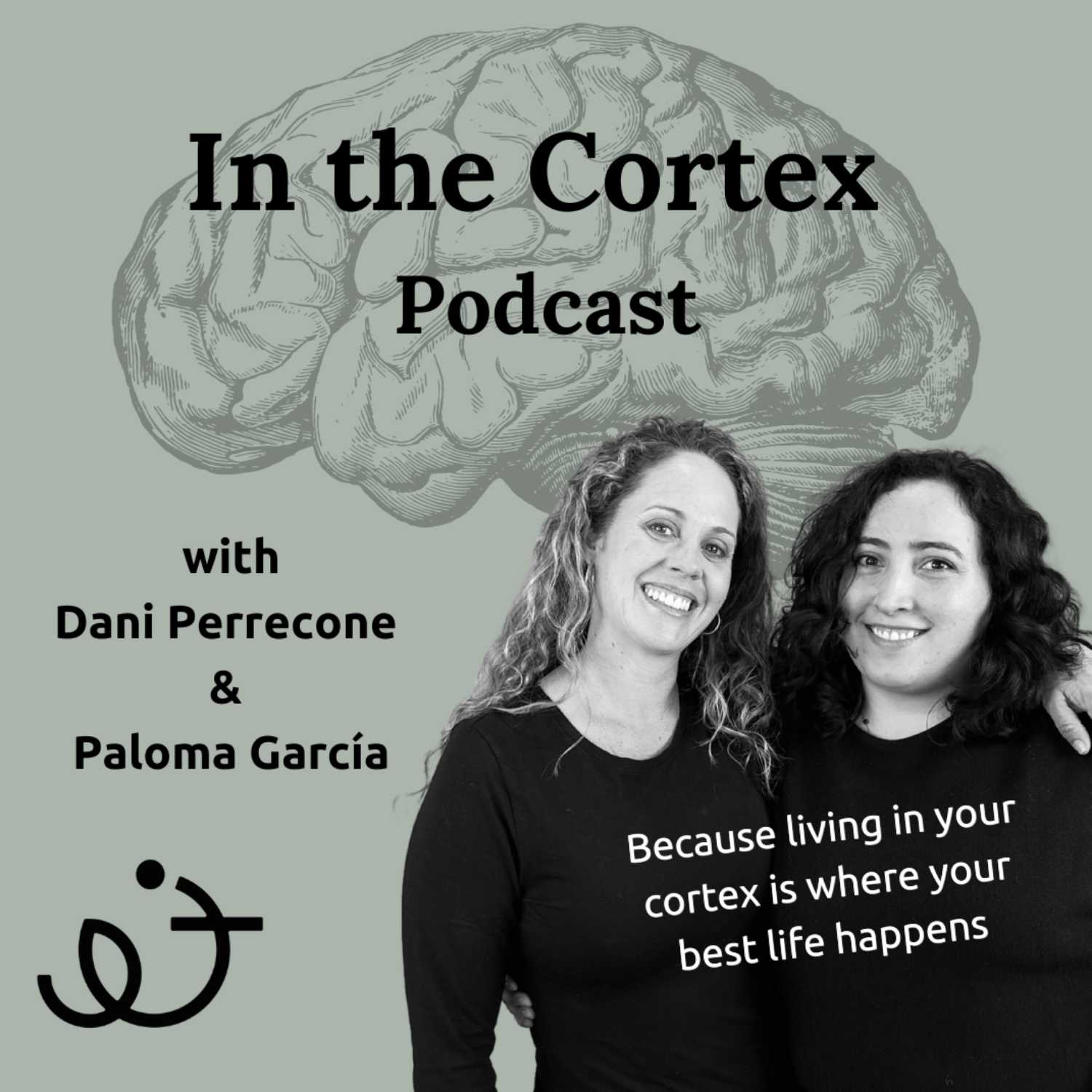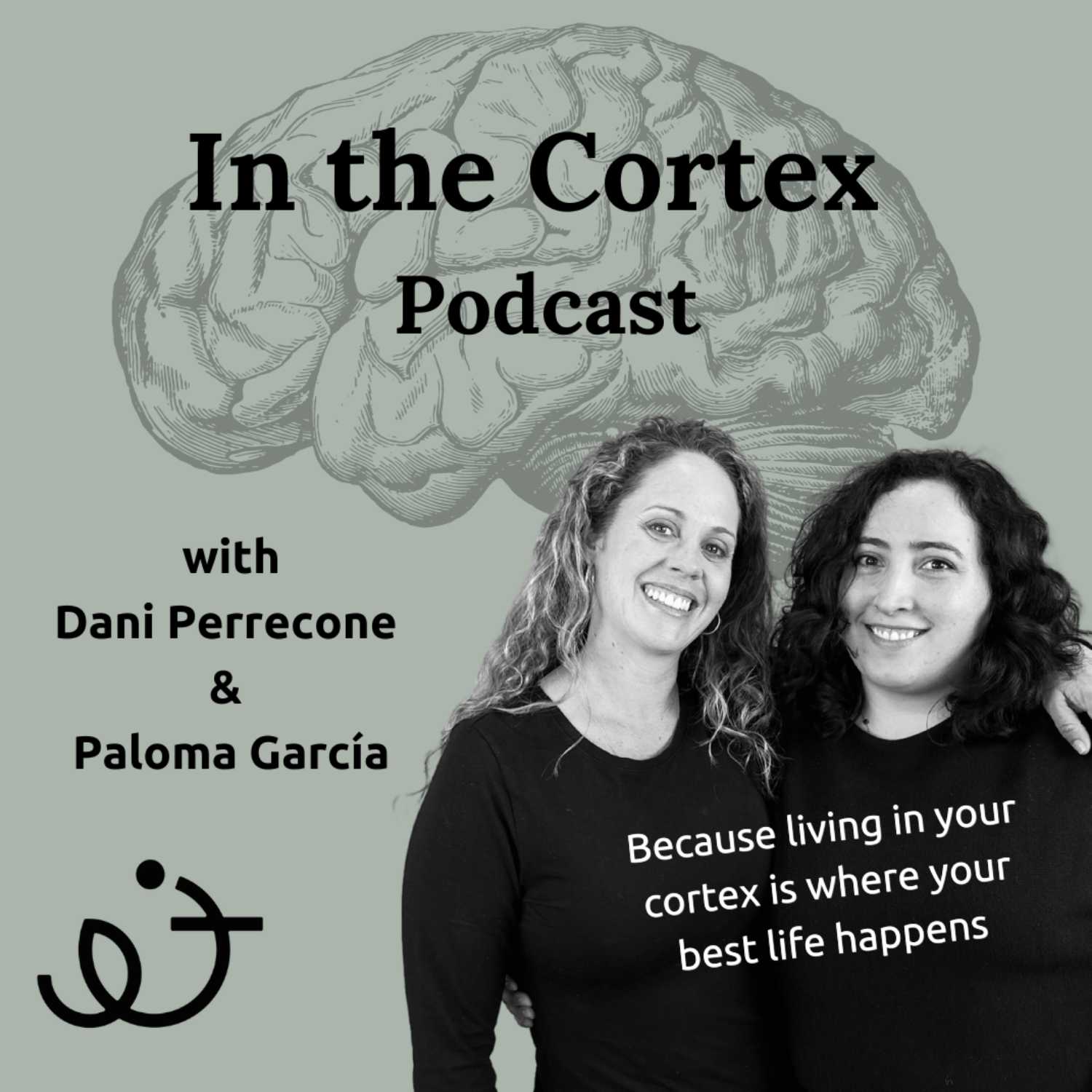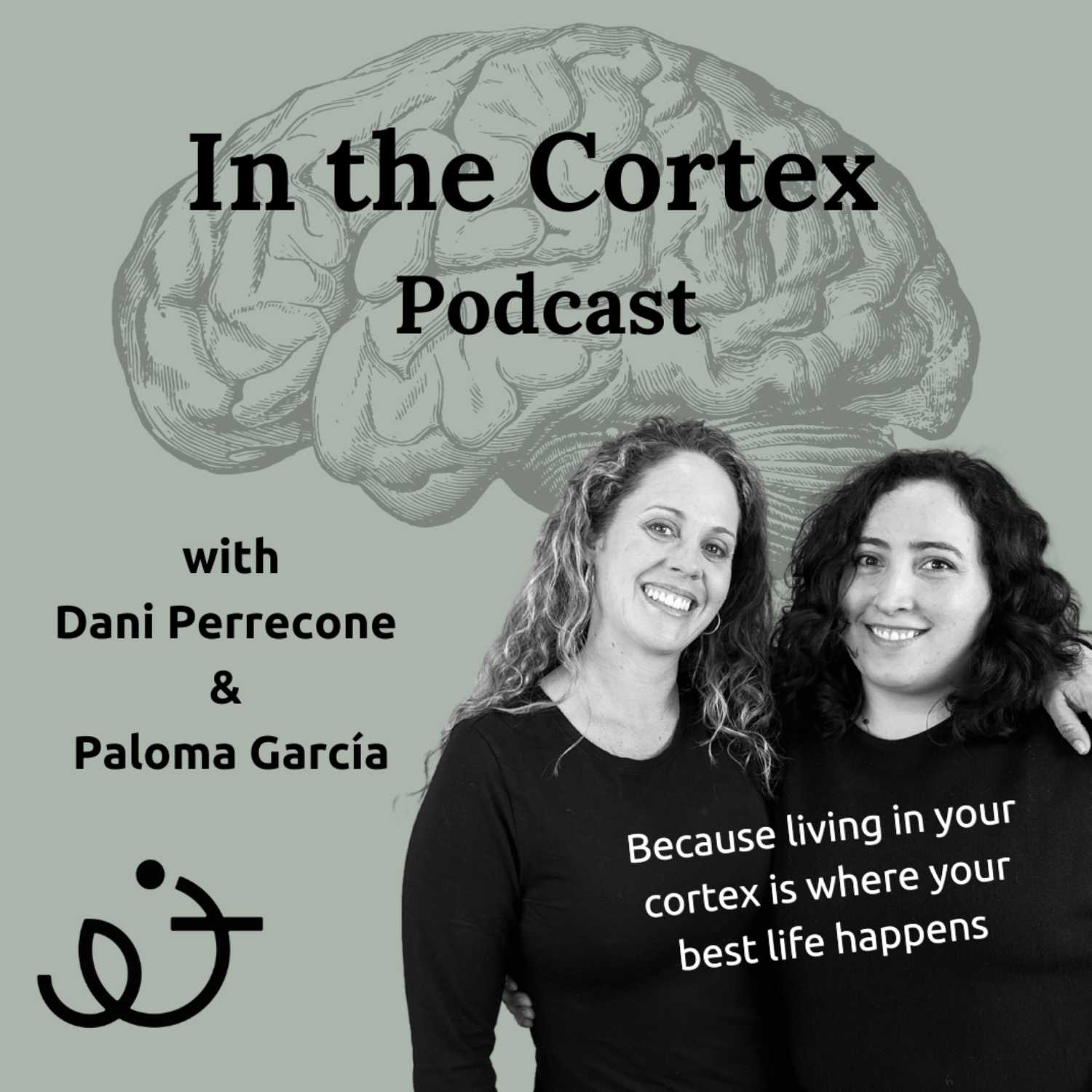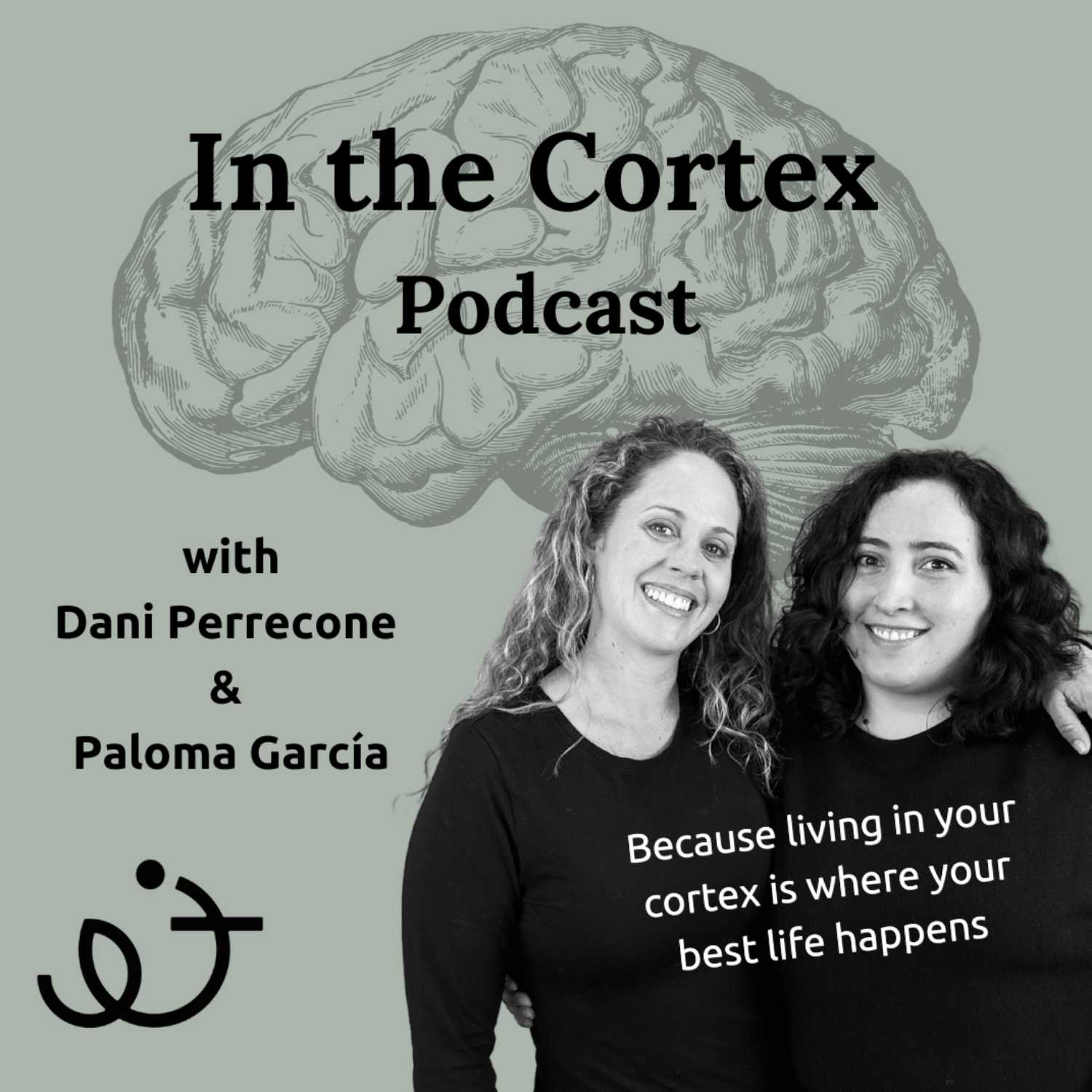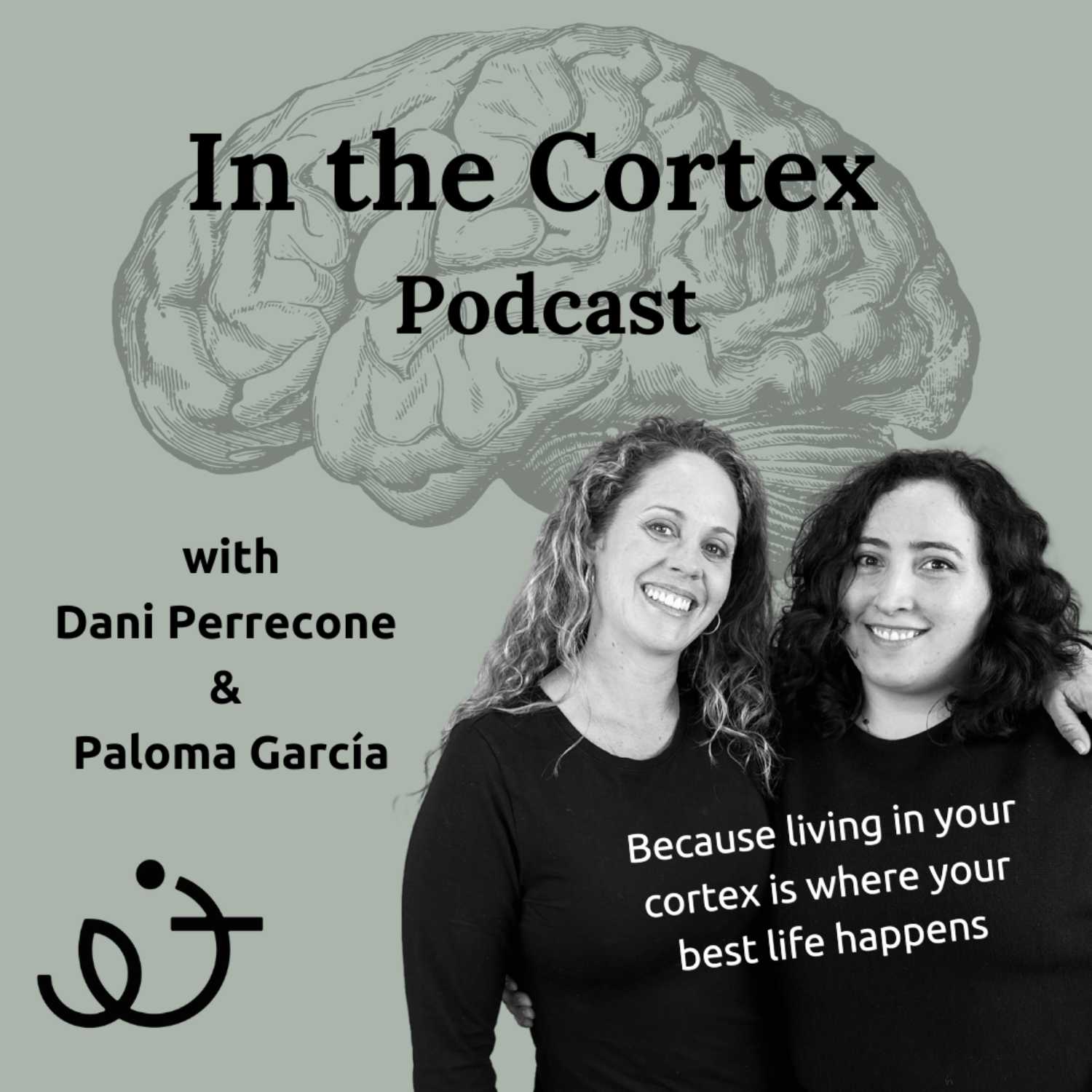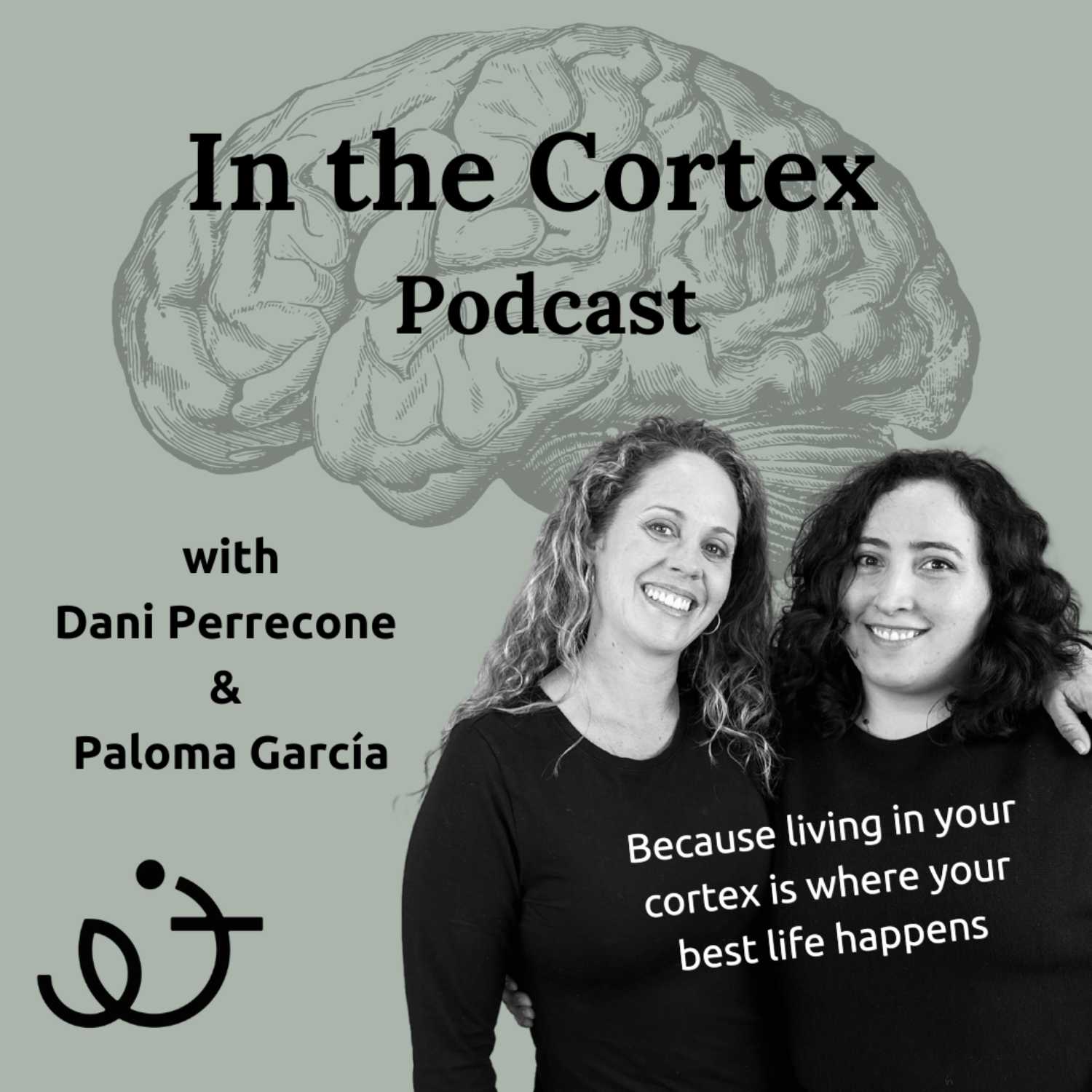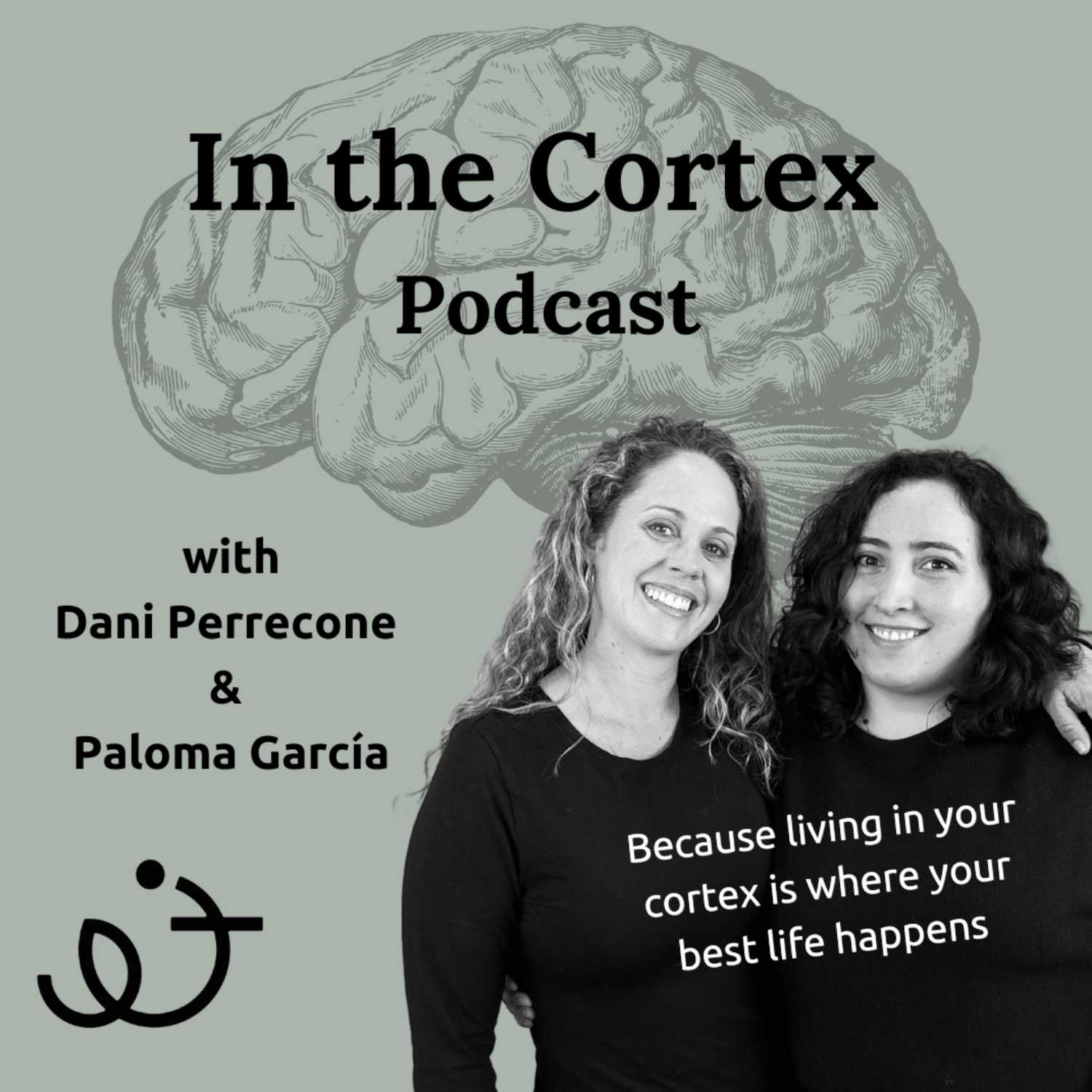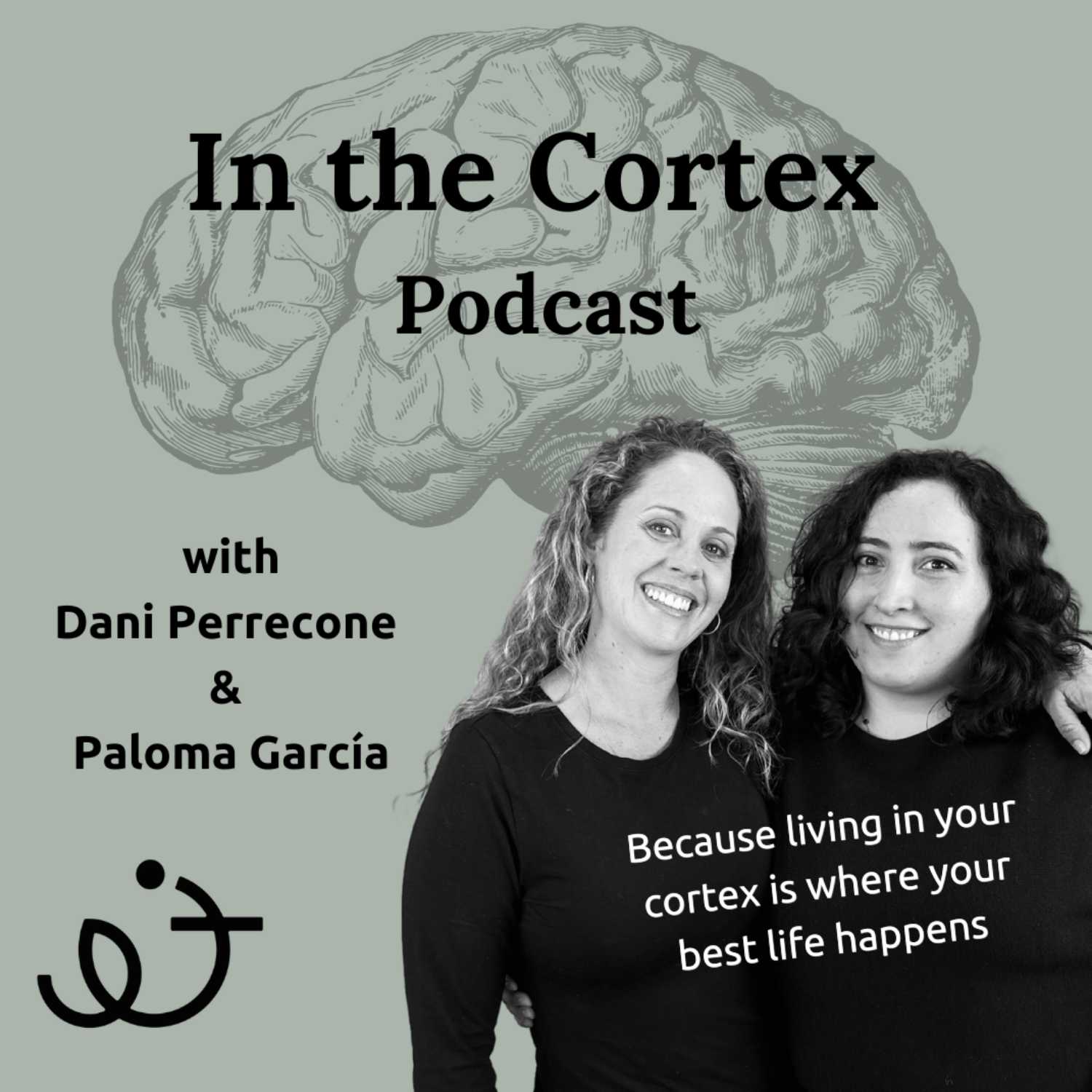
Artwork for In the Cortex Podcast
Education

In the Cortex Podcast

In the Cortex

In the Cortex is an online community with programs that show people the tools they need to change their lives through brain reorganization. In this podcast, we talk about what life can be like when you live in the cortex - the rational, fun part of the brain where we have logic, a sense of humor, language, and our higher functions. Join us to talk about brainy concepts, subconscious beliefs, and all the amazing things that the brain and mind can do!

  • 20 episodes
  • Updated April 6

Episodes20

  • April 6 · 45 min

    Why Connection Matters More Than Control in Parenting

    In this episode, Paloma and Danielle reflect on how parenting norms are changing and question the traditional idea that children must always push through, stay busy, and finish everything they start. They explore how many parenting decisions are shaped by inherited social programming rather than by what each child actually needs. A major theme is deprogramming: learning to separate old beliefs about discipline, performance, and “good parenting” from a more intuitive, connected, and individualized approach. They discuss how nervous system regulation, brain organization, and even tools like human design can help parents better understand their children’s needs instead of forcing them into rigid expectations. The conversation also focuses on the importance of communication. Rather than parenting through fear, control, labels, or punishment, they advocate for talking openly with children, explaining the “why” behind decisions, and treating them with respect and presumed competence. They argue that this builds trust, emotional safety, and stronger long-term connection. They also critique broader social systems such as schooling, age-based expectations, and the pressure placed on young people before their brains are fully developed. Throughout the episode, they return to the idea that true change begins with the parent: when adults regulate their own nervous systems and examine their own triggers, they create healthier relationships with their children. The episode ends by connecting these ideas back to In the Cortex’s broader message: nervous system regulation is foundational, and movement-based brain reorganization can help people shift out of survival mode and into a more grounded, connected way of living. Sign up for a free call with the Founders! $20 off your first payment- Sign up today!
  • March 30 · 43 min

    Why Kids Mirror Our Stress: Parenting Through Regulation, Not Reaction

    In this episode, Paloma and Danielle explore how brain reorganization can transform parenting, nervous system regulation, and everyday life. Through personal stories about homeschooling, co-parenting, stress responses, and emotional triggers, they reflect on what it means to stay regulated in hard moments, model healthy communication for kids, and move away from fear-based reactions. The conversation also dives into secure attachment, overstimulation, consumerism, rest, meditation, and the importance of creating space to simply be. Together, they share how reconnects, movement, and self-reflection can help both parents and children shift out of survival mode and into a calmer, more empowered way of living. Sign up for our 28-day Brain Reorganization Starter Program OR a Free 15 min discovery call to see if ITC is a good fit for you.

  • March 23 · 37 min

    Stop Holding the Weight: Letting Go of Emotional Narratives

    In this episode, Paloma and Danielle explore how the mind creates narratives that shape the way we see ourselves, others, and what we believe we’re ready for. They talk about how overthinking, emotional coping patterns, and survival-mode responses can keep us stuck in familiar cycles, even when we’re trying to grow. Through personal stories about meditation, relationships, parenting, binge eating, and healing, they unpack the importance of curiosity, self-awareness, and compassion. Instead of judging ourselves for falling back into old patterns, they invite listeners to pause and ask where those reactions are really coming from. The conversation also touches on childhood wounds, the pressure to “fix” ourselves, and the subtle ways language affects how we carry emotional weight. Paloma and Danielle reflect on parenting with honesty, listening to children more deeply, and creating space for growth without force. At its core, this episode is about meeting yourself where you are, releasing shame, and remembering that real transformation happens naturally when you stop trying to control every part of the process. Sign up for our programs with $20 off your first payment! Have questions? Sign up for a free 15 min phone call with one of us!

  • March 16 · 34 min

    Brainwork + Reconnects: How to Regulate Your Nervous System and Trust Yourself Again

    In this episode, we’re talking about what the healing process actually looks like inside our program—especially when it comes to brain work, reconnects, and the deeper emotional shifts that happen along the way. We share how the first part of the program focuses on reorganizing the brain and regulating the nervous system so you can get out of survival mode, even if you don’t realize you’ve been living there. We also talk about how healing is different for everyone. Some people need to start with the brain work, while others are more ready to begin with the subconscious and emotional side first. We dive into how reconnects work, how they help you process emotional patterns without having to relive trauma, and why having practical tools matters so much. For us, this work has never been about creating dependency on an expert—it’s about helping you become your own expert, so you can understand what’s happening in your brain, body, and subconscious and know what to do when life feels intense. Throughout the episode, we share personal examples of what this work has changed in our own lives—from anxiety, codependency, and overwhelm to sensory issues, emotional triggers, and old survival patterns that used to feel normal. We also talk about why community matters, why healing doesn’t have to look rigid or perfect, and how important it is to trust your own timing. This episode is really about empowerment. We want you to know that healing can be practical, flexible, and simple—and that with the right tools and support, real change is possible. Sign-up today for $20 off your first payment :) Sign-up for a free 15-min free call

  • March 9 · 40 min

    The Programming Behind How We Parent, Show Up, and See Ourselves

    In this episode of the In the Cortex Podcast, Paloma and Danielle explore how deeply our “programming” shapes the way we think, parent, relate to ourselves, and move through everyday life. From beauty standards and people-pleasing to parenting habits and emotional reactions, they unpack how many of our beliefs are inherited from society, family, and past experiences rather than chosen consciously. Using real-life examples, they reflect on how something as simple as wearing makeup can reveal much deeper patterns around self-acceptance, authenticity, and the need to be perceived a certain way. They also connect this idea to parenting, showing how the small choices we make with our children can either reinforce old survival-based patterns or help create healthier, more flexible ways of being. The conversation highlights the importance of questioning automatic beliefs, finding balance instead of swinging between extremes, and building the internal safety needed to trust your own intuition. Paloma and Danielle also share how In the Cortex tools help people identify the root of a program, reconnect the brain, and create lasting change in a practical, doable way. This episode is a reminder that awareness is the first step. When you begin to notice your programming without judgment, you create space to choose differently for yourself and for the next generation. What You’ll Hear in This Episode: How social and family programming affects self-image and identity The deeper meaning behind everyday habits like wearing makeup Why balance matters more than extremes How parenting patterns are often passed down unconsciously The link between nervous system regulation and authentic decision-making Why questioning old beliefs can open the door to real change How In the Cortex tools help uncover and rewire limiting programs Why healing does not have to be perfect or overwhelming Key Takeaway: You do not have to keep living from old programs that no longer serve you. With awareness, practical tools, and small consistent shifts, it is possible to feel more regulated, more authentic, and more connected to your own inner guidance. Sign up for a free 15 minute call here. Sign up for lifetime access to our self-paced, online Brain Reorganization Program + get $20 off your first payment!

  • March 2 · 39 min

    Start With the Parent: The Fastest Path to Helping Your Child

    In this episode, Paloma Garcia and Danielle Perrecone unpack one of the most common questions they receive: Why does In the Cortex often start with parents when the child is the one struggling? They explain that while kids may show symptoms like attention challenges, sensory overload, anxiety, or social struggles, real, lasting change happens faster when the parent’s nervous system becomes regulated first—because children constantly “match” and learn from the nervous system states of the adults around them. Paloma and Danielle describe co-regulation as a feedback loop: parents and kids continually send (and receive) safety cues through tone, body language, energy, and “vibes.” Even if a parent is acting calm on the outside, a child can sense what’s happening underneath. The hosts explain this through the lens of neuroception—the brain’s built-in scanning system that detects safety or danger in the environment and in relationships. Danielle shares a real-life example from homeschooling, where her son struggled with long division until he used a regulating movement tool (crawling). Once his brain reconnected across the midline, his comprehension clicked quickly—showing how movement-based brain work can restore flexibility, learning, and emotional resilience in the moment. Both hosts emphasize that the goal is not “perfect parenting,” but practical tools that help families shift out of survival mode and into a calmer, more connected state. They also explore how modern parents often feel overwhelmed by endless “expert advice” and social media tips, leading to analysis paralysis. ITC’s message is to return to basics: start with the nervous system, build consistency with small daily movements, and trust that 10 seconds of brain work is better than none. Over time, regulation becomes a new baseline—making it easier to handle stress, reduce reactivity, and improve overall health and well-being. The episode closes with encouragement: change is possible, readiness matters, and support helps. Paloma and Danielle invite listeners to join the ITC community, book a free 15-minute call, and reach out if cost is a barrier—because, as they say, “everyone with a brain will benefit from this.” Key Takeaways Kids often reflect what’s happening in the parent’s nervous system (co-regulation). “Looking calm” isn’t the same as being regulated—kids can sense underlying stress. Regulation supports learning, flexibility, and resilience—especially during challenges. Small, consistent movement tools can create big change over time. Community support matters, especially when change feels unfamiliar. Mentioned in the Episode ITC’s 12-module program and daily movement-based brain work The idea of familiar vs. unfamiliar (instead of “hard vs. easy”) Bringing back live weekly brain work sessions Free 15-minute call + support options if cost is a barrier

  • February 22 · 38 min

    From Dysregulation to Repair: Helping Kids Handle Conflict

    Paloma and Danielle break down how their micro-school handles conflict by prioritizing the nervous system first. They explain that conflict isn’t “bad”—it’s a normal part of life and a chance to learn. Their process is: regulate before you talk (co-regulation + simple brain/body tools), then let each child share their perspective without interruption, name the feelings/needs underneath, and finish with a quick “reconnect” repair (like “I’m heard” or “I matter”) plus a friendly gesture (high-five, hug) before returning to play. The big takeaway: clear boundaries and practiced regulation make conflict neutral, fast to repair, and a skill kids can carry into real life—especially when parents use the same approach at home. Sign up today! Use this link to save on your first payment!

  • February 9 · 37 min

    Letting Go of Being Right: Growth, Conflict, and Connection

    In this conversation, Paloma and Danielle explore themes of personal growth, the importance of disagreement, and the power of empathy in communication. They discuss the significance of releasing the need to prove oneself, navigating conflict, and understanding triggers. The conversation emphasizes the role of neuroplasticity in fostering change and the importance of teaching emotional intelligence to children. Through their dialogue, they highlight the journey towards self-awareness and the potential for healing through connection and open conversations. Sign up today and receive $20 off your first payment!

  • February 2 · 1 hr 6 min

    The Sneaky Real-Life Signs of Fight-or-Flight (and Nervous System Dysregulation)

    In this episode, Paloma and Danielle break down how nervous system dysregulation can show up in real life—often in ways that don’t look like “classic” fight-or-flight. They cover the four survival responses (fight, flight, freeze, and fawn), share relatable examples (from control and conflict to procrastination, ghosting, dissociation, and people-pleasing), and explain why these patterns aren’t a personal flaw—they’re your brain trying to keep you safe. The goal: notice the signs sooner, shift the pattern, and get back to a more regulated, cortex-led state. Sign up today and join the brain reorganization movement! (Pssst there is a coupon code in this link) Book a free 15 min phone call with one of the founders!

  • January 26 · 45 min

    Making Sense of the Struggle: Being the Voice for Disorganized Brains

    We're Back! Season 4 of the In the Cortex Podcast is Here! After a long break, Paloma and Danielle are back on the mic! In this kickoff episode, the founders of In the Cortex dive deep into the real-life challenges of growing up — and parenting — with a disorganized brain. Through personal stories, school experiences, and relatable parenting moments, they unpack how brain organization (or lack thereof) shows up in daily life, from classrooms to grocery stores. They explore: Why some kids seem “lazy” or “unmotivated” (hint: it’s not what you think) How personal compensations in childhood can shape adult identity The emotional toll of being constantly measured and compared The real meaning of empathy — and how it ties to brain function What actually helps when your child is mid-meltdown (and it’s not “just breathe”) Why it’s possible to change the brain — and how ITC’s program helps This episode sets the tone for the season ahead: honest, personal, funny, and packed with insight for parents, teachers, and anyone navigating life with a disorganized brain. Welcome back to In the Cortex — where healing, growth, and connection happen, one movement at a time. Sign up today! Here's a promo code link to join the ITC online

  • Jul 29, 2024 · 38 min

    What is a Reconnect?

    In this episode, we delve into the concept of Reconnect, a powerful method we love for uncovering and addressing subconscious beliefs that might be holding you back from reaching your full potential. Reconnect helps identify and transform these limiting beliefs, enabling you to embrace and fulfill your true self. Sign up today to make Reconnects a part of your everyday life! Use promo code: BRAINIAC to save $10 on your first month's payment.

  • Jul 22, 2024 · 32 min

    Getting to the Root of Our Challenges

    In this episode, we talk about how the In the Cortex method works when you're looking at getting to the root of your challenges, difficulties, and behaviors. We used one of Dani's current challenges and worked through it using exactly the processes that make up ITC!

  • Jul 8, 2024 · 32 min

    What We Judge

    When I am sharply judgmental of any other person, it's because I sense or see reflected in them some aspect of myself that I don't want to acknowledge. - Gabor Maté, In the Realm of Hungry Ghosts In this episode, we explore judgment and discernment and how that can support your ITC journey. Judgment is outward-focused: it is about what other people do, say, or think. Discernment, on the other hand, is your ability to know for yourself what is right and wrong, what you want or not, what works for you or doesn't, what you do or not do. It's about you. Before we talk about judgment, we want to be clear that judgment is very different from discernment. Judgment is the act of forming opinions or conclusions about something based on available information or personal beliefs. It often involves a quick assessment of a situation or a person's actions, which can sometimes lead to snap decisions or stereotypes. On the other hand, discernment involves a more thoughtful and deliberate approach to evaluating situations or people. It usually entails careful observation, analysis, and consideration of many different factors before arriving at a well-reasoned conclusion. Discernment emphasizes the use of critical thinking and open-mindedness, always looking to understand nuances and complexities to create a more balanced and insightful perspective. While judgment may be influenced by biases and preconceptions, discernment aims to rise above such limitations, fostering a more objective and accurate understanding of the world around us. Here's a little secret: what we judge says a lot about ourselves. It's like a mirror reflecting back our own beliefs, values, and insecurities. When we find ourselves pointing fingers or passing judgments, it's an opportunity to take a closer look within. You see, what triggers us or makes us critical often reveals the areas we need to work on ourselves. So instead of getting caught up in judgment, we invite you to approach it with curiosity and compassion. Let's use it as a chance for self-reflection and growth. Embracing this mindset allows us to learn more about ourselves, deepen our empathy, and foster greater understanding. So, the next time you catch yourself judging, remember, it's an invitation to explore your own inner landscape and become a kinder, more compassionate version of yourself. Want to become an ITC member and reorganize your brain? Click here. Use Coupon code: BRAINIAC to get $10 off your first month. Want to learn more about Brain Reorganization? Click here. Want to talk to one of us for 15 min for free? Click here.

  • Jul 1, 2024 · 35 min

    Navigating Resistance with ITC

    In this episode, we talk about resistance to the work. We've all been there! We want to keep going, we want to create a positive change in our lives, we want to feel better, but...there's just part of us that doesn't want to! Join us to talk about why this happens, what to do, and a few strategies for when you're in that resistant mode. Along with a few tangents, of course :)

  • Jun 17, 2024 · 44 min

    What's Possible with ITC

    In today's episode, we chat with one of our ITC Members, Melissa Johnson. She has been reorganizing her brain since September 2023 and it's safe to say she's living in her cortex these days :) Join us as she shares all the changes her and her family have experienced in less than a year.

  • Jun 14, 2024 · 27 min

    Cultivating Awareness with ITC

    In this episode of the podcast, we delve into the concept of awareness and its critical importance in our daily lives. We look into the various dimensions of awareness, especially when it comes to doing the program. We discuss how being mindful of our thoughts, emotions, and surroundings can enhance our mental well-being, improve relationships, and lead to a more cortex life!

  • Jun 10, 2024 · 27 min

    Cultivating Awareness with ITC

    In this episode of the podcast, we delve into the concept of awareness and its critical importance in our daily lives. We look into the various dimensions of awareness, especially when it comes to doing the program. We discuss how being mindful of our thoughts, emotions, and surroundings can enhance our mental well-being, improve relationships, and lead to a more cortex life!

  • Jun 3, 2024 · 33 min

    What We Focus On

    We'll discuss how the topics we choose to focus on not only shape our learning but also expand and grow in significance. We'll also delve into the importance of gratitude, reframing our experiences to see the amazing opportunities they present. Don't miss our recommendation for the Gratitude episode from the Hidden Brain podcast for further insights. Understanding the mind's power is crucial, so we'll discuss the article "Pain is a Message: How Our Brains Try to Protect Us" from Psychology Today, emphasizing how redirection and getting someone into their cortex can be key. We'll address the difference between nurturing and coddling, particularly in parenting. How can we balance teaching independence without enabling dependency? This topic is geared toward parents and caregivers. Finally, we'll confront the challenges of starting brainwork and examine why we sometimes focus on pain and injury. Are we stuck in a victim mentality? What needs are being met by constantly discussing our injuries? Join us for an enlightening conversation on harnessing the power of focus, gratitude, and the mind.

  • May 27, 2024 · 25 min

    The Importance of Noticing

    In this episode, we dive into the theme of Module 1 of the program: what we notice. Life is made up of the small moments, but do we even notice our thoughts, patterns, ideals, and even our changes? In this episode we dive deeper into the importance of noticing on your brainwork journey.

  • May 20, 2024 · 25 min

    Hitting a Plateau

    In this episode, we talk about how hitting a plateau is a big part of growth. So many of us expect to always be growing when we're doing the hard work and we're reminding you that a feeling a plateau is still growth! Tune in as we reframe what you might be feeling right now in the program or in life is you're not yet an ITC member. For anyone looking to join our program, don't forget we have a special discount code for you for $10 off your first month's payment.