Skip to content
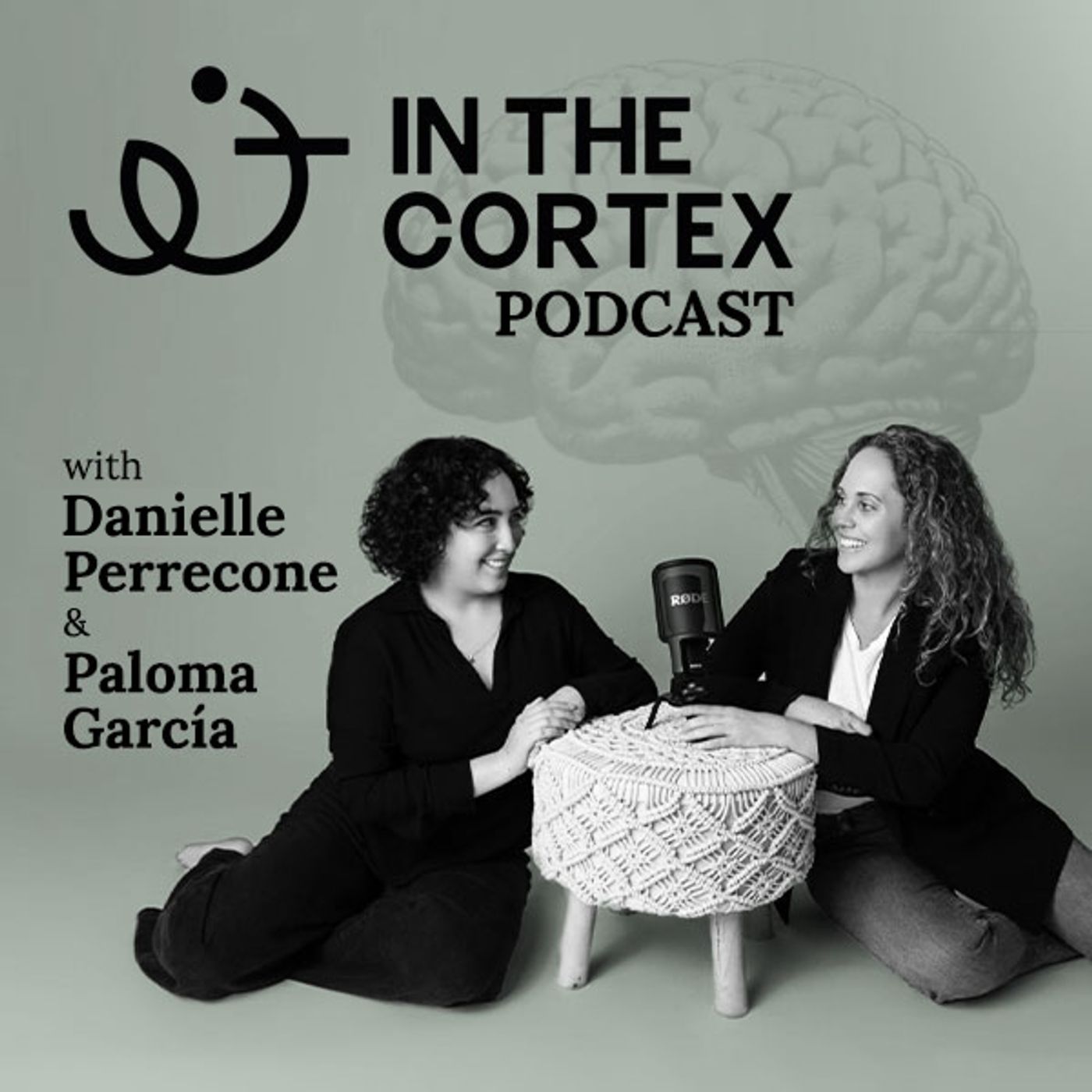
Artwork for In the Cortex Podcast
In the Cortex Podcast · February 22 · 38 min

From Dysregulation to Repair: Helping Kids Handle Conflict

Paloma and Danielle break down how their micro-school handles conflict by prioritizing the nervous system first. They explain that conflict isn’t “bad”—it’s a normal part of life and a chance to learn. Their process is: regulate before you talk (co-regulation + simple brain/body tools), then let each child share their perspective without interruption, name the feelings/needs underneath, and finish with a quick “reconnect” repair (like “I’m heard” or “I matter”) plus a friendly gesture (high-five, hug) before returning to play. The big takeaway: clear boundaries and practiced regulation make conflict neutral, fast to repair, and a skill kids can carry into real life—especially when parents use the same approach at home. Sign up today! Use this link to save on your first payment!

0:00-38:21

transcript

No transcript — this publisher did not publish one.

show notes

Paloma and Danielle break down how their micro-school handles conflict by prioritizing the nervous system first. They explain that conflict isn’t “bad”—it’s a normal part of life and a chance to learn. Their process is: regulate before you talk (co-regulation + simple brain/body tools), then let each child share their perspective without interruption, name the feelings/needs underneath, and finish with a quick “reconnect” repair (like “I’m heard” or “I matter”) plus a friendly gesture (high-five, hug) before returning to play. The big takeaway: clear boundaries and practiced regulation make conflict neutral, fast to repair, and a skill kids can carry into real life—especially when parents use the same approach at home.

Sign up today! Use this link to save on your first payment!

links1