transcript
show notes
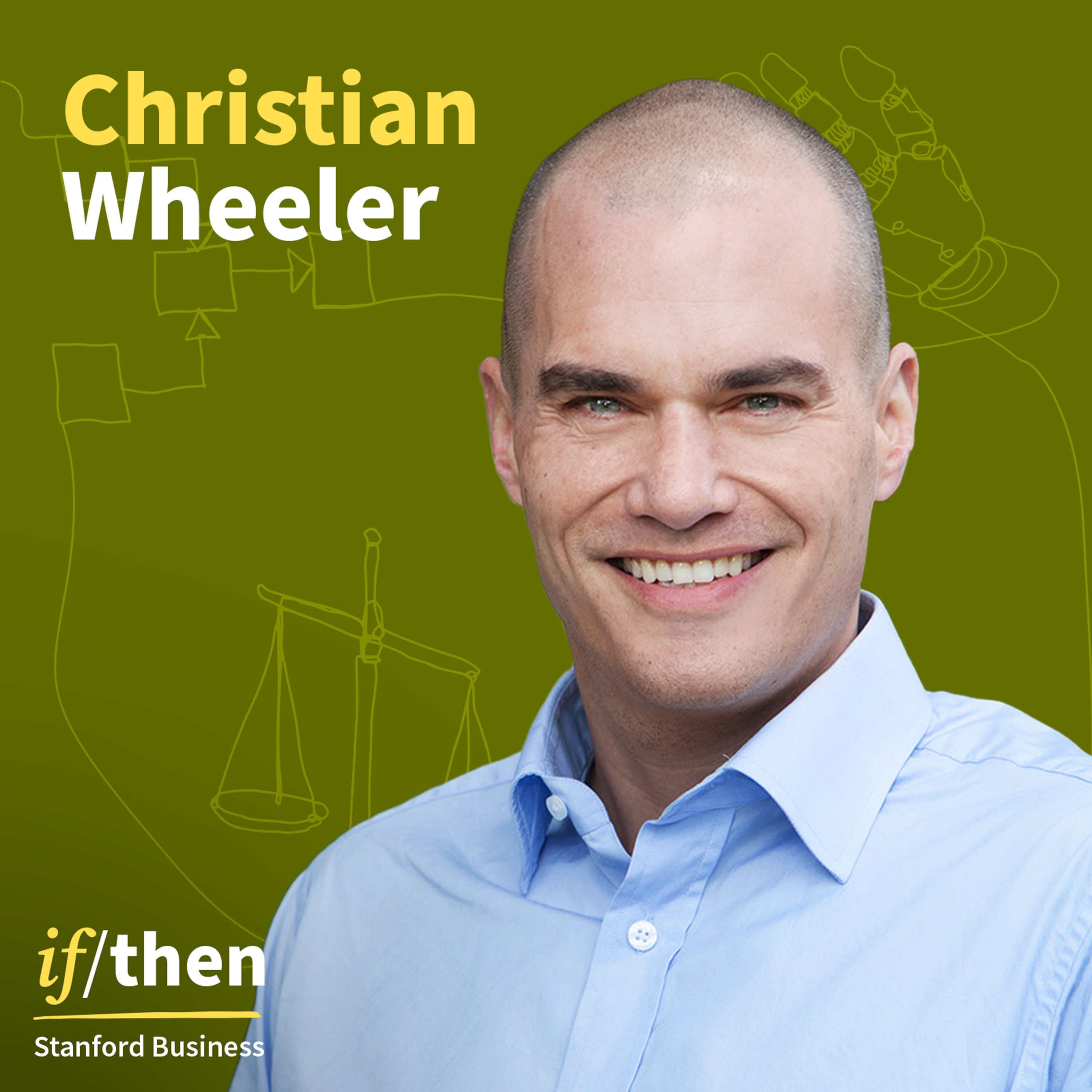
“When people come to view attitudes and opinions towards, say, political policies or issues as relevant to their identities, they become more extreme in their attitudes,” says Christian Wheeler, the StrataCom Professor of Management and Professor of Marketing at Stanford Graduate School of Business. “I become more positive or negative towards an issue the moment it becomes relevant to who I view myself as being.”
Wheeler’s research offers insight into our increasingly polarized politics. However, his work has also yielded ideas for bridging divisions — beginning with how we listen to each other and how we see the people we disagree with.
The moment we see someone as an individual rather than a category, we become more likely to find common ground. “Instead of viewing you as a Democrat or a Republican, I can view you as an individual,” Wheeler recommends. “Anything that humanizes you and moves you away from this simple category will help me to view you as an individual and less as just an interchangeable member of a category.”
How much do your opinions define who you are? Tell us more at ifthenpod@stanford.edu.
Related Content:
- Christian Wheeler faculty profile
- In a Polarized World, an Open Mind Can Hurt Your Reputation
- You May Not Be Who You Think You Are
- Class Takeaways — How to Build Connection Through Better Listening
Chapters:
00:00:02 Tattoos, identity, & personal evolution
00:03:26 Introduction
00:03:59 Why identity matters
00:04:56 Identity relevance & its implications
00:08:03 Why openness to the other side gets punished
00:10:57 Identities vs. opinions
00:13:53 The power of individuation
00:15:53 How to break the cycle of polarization
00:19:41 Organizational applications
00:23:26 Conclusion
If/Then, from Stanford GSB, features conversations with faculty that explore how their research deepens our understanding of business and leadership.
See Privacy Policy at https://art19.com/privacy and California Privacy Notice at https://art19.com/privacy#do-not-sell-my-info.