
Skip to content
Artwork for How Do We Manage?
Health & FitnessEducationScience

How Do We Manage?

Auddy

The world is changing more rapidly than we ever thought possible. Technology and lifestyle solutions are our new normal; from the workplace to our social lives, how we monitor our wellbeing to how we raise our children. Whether it's AI, wearable devices, superfoods or biotechnology, there's rarely time for us to catch a breath before the next innovation is unveiled. But are we emotionally, physically and spiritually wired to thrive amidst such rapid change?

How Do We Manage? seeks to answer just that. Each week host Stephanie von Bismarck sits down with some of the world’s best thinkers, trailblazers and extraordinary people. They explore how to navigate some of life's complexities and find a balance in this fast-moving world, without feeling overwhelmed and losing sight of what truly matters.

From the challenges of digital transformation to personal resilience, from sustainability to innovation. Across the series we'll share practical tools and uncover inspiring ways to help us all keep up - and even thrive - while answering the simple question "How Do We Manage".

Host: Stephanie von Bismarck

Producer: Tory Pope

Production Manager: Angela Crago

Executive Producer: Ellie Di Martino

This series was produced by Auddy and recorded and edited at Pod Shop studios.

@HowDoWeManage 

Play
  • 20 episodes
  • weekly
  • Avg 40 min
  • English
  • Monday · 36 min

    How Do We Manage Parenting Styles?

    Parenting has never come with more advice than it does today. Social media is full of people claiming that their style of raising a child is the right one, commenting on everything from discipline to nutrition to education. So how do you work out what to listen to? Dr Aliza Pressman is a developmental psychologist, podcast host and author of the book, ‘The 5 Principles of Parenting: Your Essential Guide to Raising Good Humans’. In this episode Dr Pressman joins Stephanie to talk about how we overcome parenting mistakes, the five principles of parenting that lead to resilient kids, and setting good boundaries. Resources & Links Buy Dr Aliza Pressman’s book ‘The 5 Principles of Parenting’ Follow Dr Aliza Pressman on Instagram Host: Stephanie von Bismarck Guest: Dr Aliza Pressman Producer: Holly Fisher Production Manager: Angela Crago Executive Producer: Ellie Di Martino The series was recorded and edited at PodShop studios
  • August 3 · 40 min

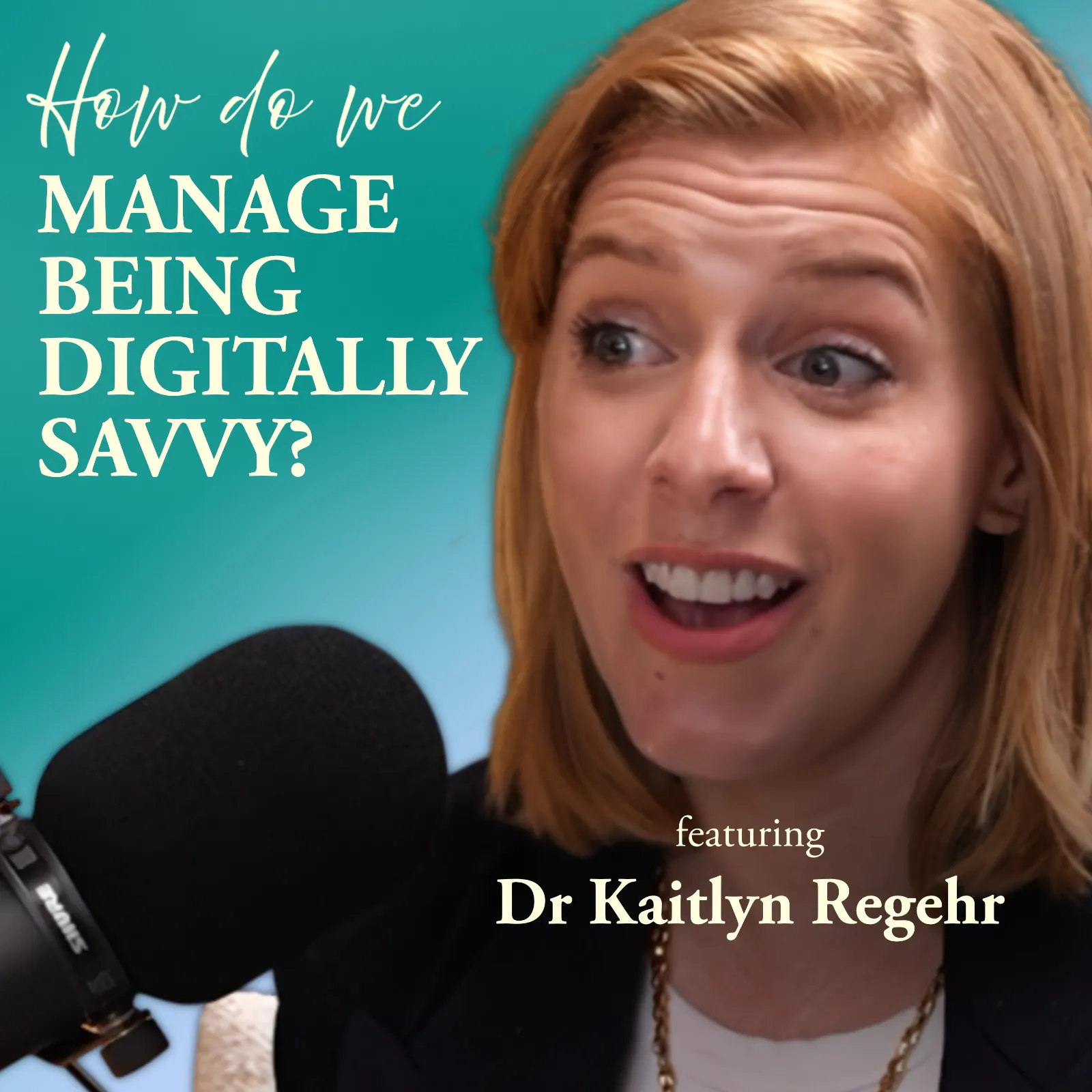
    How Do We Manage Being Digitally Savvy?

    Navigating the online world for ourselves is hard enough, but trying to keep it safe for our children feels near impossible. We’ve talked a lot on the show lately about the dangers of posting pictures of our families, how children as young as three are using social media, and the sort of content that is being fed to our kids online. One thing that keeps coming up over and over is: how do we keep it under control? ‘Smartphone Nation: Why We’re All Addicted to Screens and What Your Family Can Do About It’ is a new book by Dr Kaitlyn Regehr, associate professor at UCL. It’s a toolkit for families to become more savvy about the ways that they use online technology. Dr Regehr is a world-leading expert on the cultural impacts of social media and is working on the guidelines accompanying the UK Government’s new social media ban for under 16s. In this episode Dr Kaitlyn Regehr joins Stephanie in the studio to give us tips on activities we can do with our children to become more intentional about algorithms, and how we can navigate the online world with our kids in a way that feels less overwhelming. Resources & Links Buy ‘Smartphone Nation’ by Dr Kaitlyn Regehr Follow Dr Kaitlyn Regehr on Instagram Host: Stephanie von Bismarck Guest: Dr Kaitlyn Regehr Producer: Holly Fisher Production Manager: Angela Crago Executive Producer: Ellie Di Martino The series was recorded and edited at PodShop studios
  • July 27 · 40 min

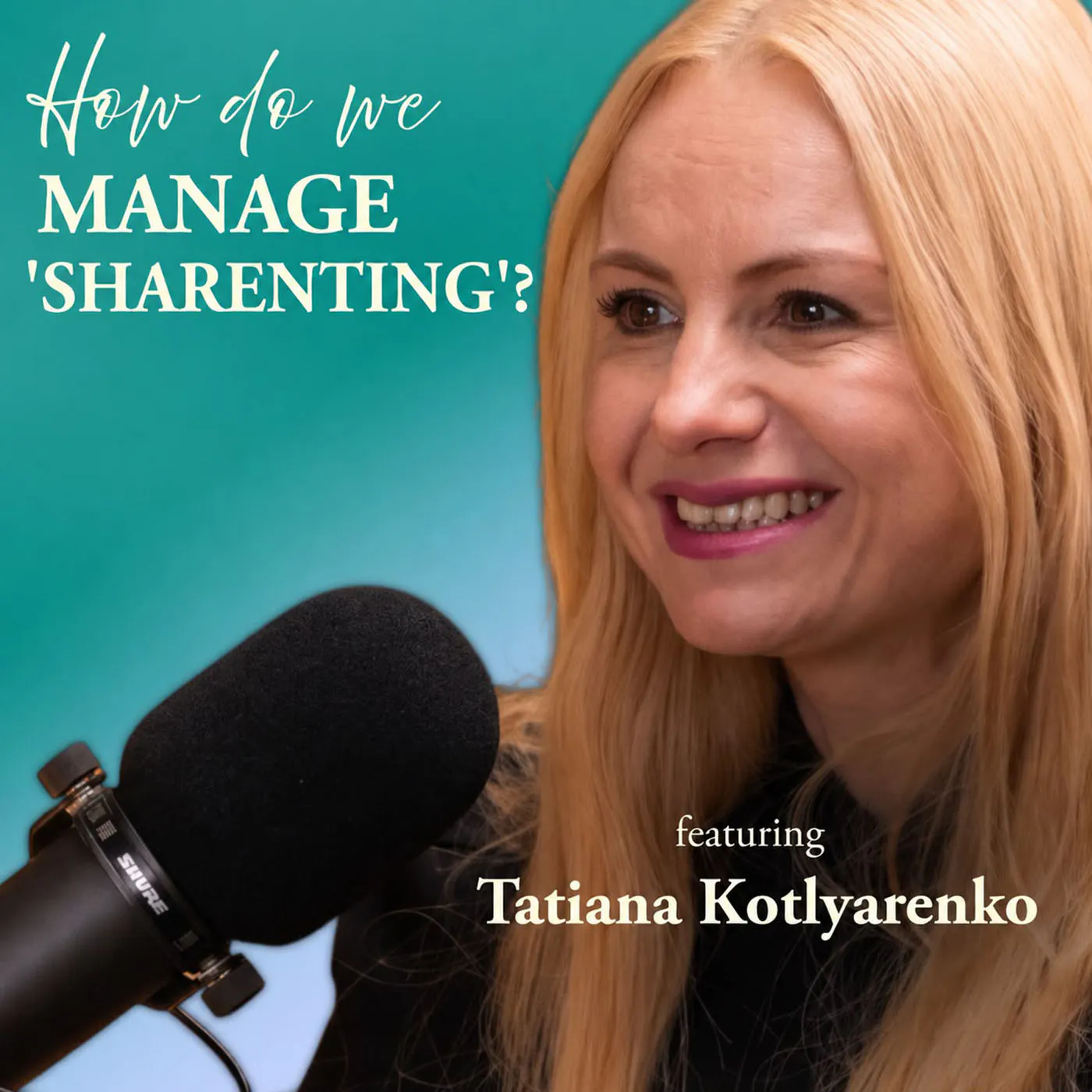
    How Do We Manage ‘Sharenting’?

    The term ‘sharenting’ describes the act of posting photos of your children on social media, something that many of us do today. In fact, it’s predicted that by 2030 two thirds of online fraud in young people will be caused by what their parents have uploaded about them. In a world where sharing images of your child to your social media account to celebrate a milestone, birthday or family holiday has become so normal, how do we challenge ourselves to really consider the longterm dangers of sharing these moments on the internet? Today’s guest is Tatiana Kotlyarenko, an international human rights expert who specialises in human trafficking and gender-based violence. She answers questions such as: what sort of risks are we putting our children in by ‘sharenting’? Is it ok to post on a private profile? What about sending pictures on WhatsApp? Plus, she tells us what information you’re giving the world when you post a picture of your child’s birthday; and whether there is a safe way to share family moments online with friends and loved ones. Resources & Links If you think your pictures have been misused online use trusted removal services such as NCMEC's Take It Down and the UK's Report Remove, which help remove or prevent the sharing of sexual images of children online. (iwf.org.uk). Do not repeatedly search for the image, as this can unintentionally increase exposure and may be distressing for families. Contact the police if necessary. Host: Stephanie von Bismarck Guest: Tatiana Kotlyarenko Producer: Holly Fisher Production Manager: Angela Crago Executive Producer: Ellie Di Martino The series was recorded and edited at PodShop studios

  • July 20 · 40 min

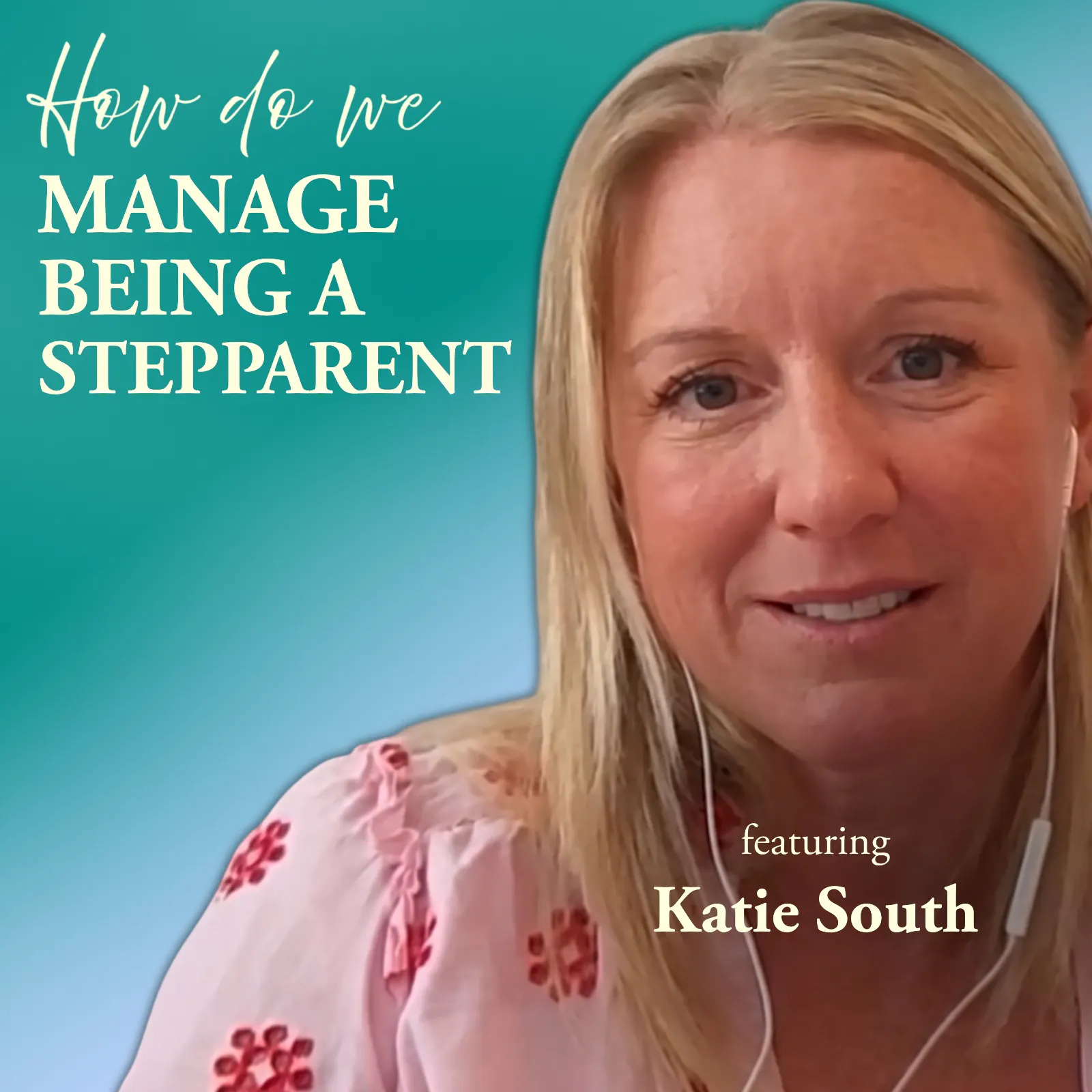
    How Do We Manage Being a Stepparent?

    Across Europe it’s estimated that around 10% of children live with a step parent. But the step-family journey can be a rocky one — what if your partner’s child rejects you? What if you have a tricky relationship with their ex? How do you make peace with the fact that as a step parent you may have to make more compromises than anyone else in the family? When Katie South became a stepmum she realised it wasn’t going to be an easy journey. Looking for support she found that there wasn’t much for women in her position. Her experience prompted her to found Stepmum Space, an organisation that runs support programmes for women and their partners going through the stepfamily process. Today she joins Stephanie to give us tips on how to navigate the stepfamily journey: what fathers need to do to help stepmothers; respecting the ex-partner; parenting your own kids alongside theirs, and having different sets of rules in different houses; and acknowledging the tricky feelings that come with integrating into another family. Resources & Links Find out more about Stepmum Space Follow Stepmum Space on social media Host: Stephanie von Bismarck Guest: Katie South Producer: Holly Fisher Production Manager: Angela Crago Executive Producer: Ellie Di Martino The series was recorded and edited at PodShop studios

  • July 13 · 47 min

    How Do We Manage Our Children’s Mental Health?

    According to the World Health Organisation, one in seven adolescents globally experiences a mental health disorder. Depression and anxiety are some of the leading causes of illness in teenagers. But what can we do as parents to help? Dr Beth Mosley is a consultant clinical psychologist who works with children, young adults and their families everyday. Her book ‘Happy Families’ is a guide to supporting your child’s mental health. She joins Stephanie on this week’s episode to tell us how we can support a child through anxiety; how to communicate with teenagers to help them feel confident; and how to set boundaries. Resources & Links Buy Beth’s book ‘Happy Families: How To Protect And Support Your Child’s Mental Health’ If you are concerned about your child’s mental health it is always best to contact your GP. You can also seek guidance through charities such as YoungMinds and Barnardos (UK) and Child Mind Institute (US). Host: Stephanie von Bismarck Guest: Dr Beth Mosley Producer: Holly Fisher Production Manager: Angela Crago Executive Producer: Ellie Di Martino The series was recorded and edited at PodShop studios

  • July 6 · 50 min

    How Do We Manage Childbirth?

    Childbirth is something that many women will experience, and yet if you speak to them you’ll find their experiences vary wildly, from stories of pure elation to ones that are far more traumatic. Women are told to plan for the birth they want and yet they rarely get to have it. So what are we getting wrong? Megan Rossiter is the founder of Birth Ed - an antenatal programme that is designed to help women have more agency in the birthing process. Her recent book, ‘Birth Power’ is a guide to what happens in your body during pregnancy and childbirth; the maternity healthcare system; and how to think critically about the care you are offered. She doesn’t advocate for a particular type of birth, but rather that women should be able to have the birth that they want. In this episode Megan explains the history of maternity care and why it’s getting worse, and she helps us understand how we can have power in the birthing process by being confident in knowing what our bodies need, and how to navigate when things don’t go to plan. Resources & Links The Birth Ed Method: https://birth-ed.co.uk/ Buy Megan’s book ‘Birth Power’ Host: Stephanie von Bismarck Guest: Megan Rossiter Producer: Holly Fisher Production Manager: Angela Crago Executive Producer: Ellie Di Martino The series was recorded and edited at PodShop studios

  • June 29 · 37 min

    How Do We Manage Our Medication?

    Did you know that, according to a study by the University of Liverpool, as many as 16.5% of hospital admissions in the UK are caused by adverse reactions to medication? Or that most prescription drugs work for less than half the population? We can be very willing to take the medicines that are prescribed for us, but how much do we really know about what we are ingesting? Dr Nick Barber is Emeritus Professor of Pharmacy at UCL, and the author of a new book called, ‘How To Take Drugs: A New Approach to Medication for Better Results and Fewer Side Effects’, in which he looks at the flaws in the prescription system and how you, as a patient, can have the utmost agency to decide which drugs are right for you to take. Today he joins Stephanie in the studio to tell us about the efficacy of prescription drugs; the systems we can use to determine if what we’re taking is working for us; when we should be worried about the side effects; and whether the expensive painkillers really do any better than the cheap ones. Resources & Links If you are taking prescription drugs and have any queries about what you are taking, it is important that you seek out professional medical help from your doctor. Buy ‘How To Take Drugs’ by Dr Nick Barber here Host: Stephanie von Bismarck Guest: Dr Nick Barber Producer: Holly Fisher Production Manager: Angela Crago Executive Producer: Ellie Di Martino The series was recorded and edited at PodShop studios
  • June 22 · 47 min

    How Do We Manage Banning Social Media?

    In recent weeks the British government has announced that social media will be banned for under 16s. Australia implemented their own ban last year. Social media bans have attracted mixed reviews; some say that they will keep children safe, others say it takes the responsibility away from the big tech companies. Our guest today helps us to understand what social media bans are, and what the effects of them could be. Harry Dyer is a digital sociologist and lecturer at the University of East Anglia. He researches the impact of social media on identity and education - particularly in children. We live in a world that has adopted social media as a part of daily life - so is completely removing it from our kid’s lives just delaying their digital education? And kids are savvy, does banning it mean they won’t find a way to use it? In this episode we’ll learn what it means to be a ‘digital native’ - and why that term is unhelpful; why digital education isn’t currently up to scratch; and what children are doing to get around social media bans in the countries that have already put them in place. Resources & Links Information on the upcoming UK social media ban Host: Stephanie von Bismarck Guest: Harry Dyer Producer: Holly Fisher Production Manager: Angela Crago Executive Producer: Ellie Di Martino The series was recorded and edited at PodShop studios

  • June 15 · 36 min

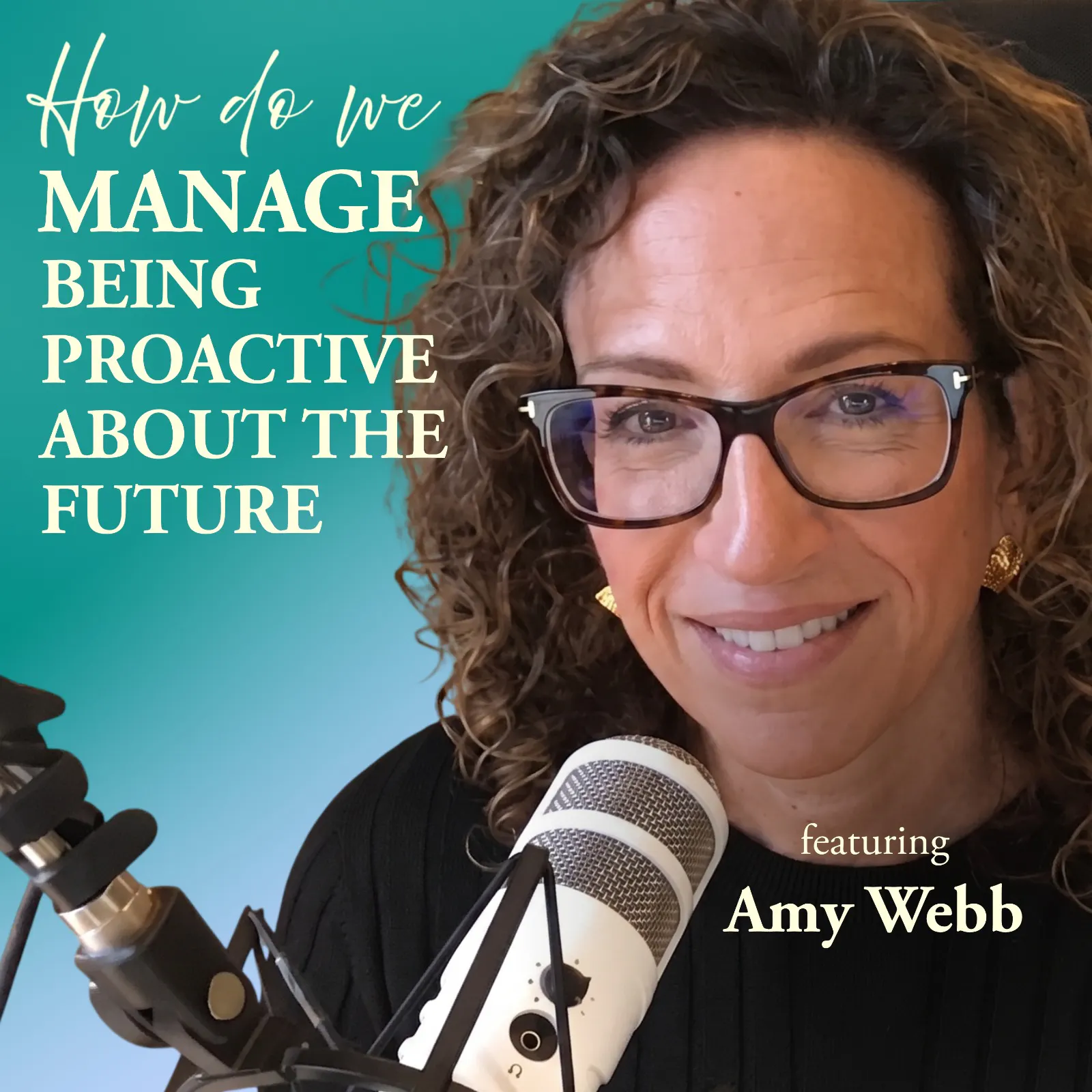
    How Do We Manage Being Proactive About the Future?

    How we navigate the future in an uncertain world is tricky. But for this week’s guest it is her job. Amy Webb is a futurist; someone who uses data, evidence and methodology to predict multiple plausible outcomes for the future. Amy is the CEO of Future Today Strategy Group, who advise leaders and businesses on how to strategise for potential outcomes. She publishes an annual ‘Convergence Outlook’; a report that looks at the multitude of trends, how they collide and the storms they might create. So what can we learn from a futurist about how to weather any upcoming storms? Stephanie speaks to Amy Webb about how AI might affect both our professional and personal lives; what the safest jobs and skills of the future are; and the importance of remaining curious about life. Resources & Links Future Today Strategy Group: https://ftsg.com/ Host: Stephanie von Bismarck Guest: Amy Webb Producer: Holly Fisher Production Manager: Angela Crago Executive Producer: Ellie Di Martino The series was recorded and edited at PodShop studios

  • June 8 · 44 min

    How Do We Manage Understanding The Power of Motherhood?

    Motherhood has created social and political change for centuries, so why has the act of growing, birthing and nurturing children been so overlooked as something that women just ‘do’? Elinor Cleghorn is a historian and author, whose first book ‘Unwell Women’ documented the ways in which women’s health has been treated throughout the ages. Her latest book ‘A Woman’s Work: Reclaiming The Radical History of Mothering’ looks at how the documentation of motherhood in history has largely been stories of domesticity told by men, rather than the incredible impact that the role of the mother has had on everything from social reform to medicine. In this episode Elinor will explain how the very basis of women’s healthcare in history stemmed from them being vessels for carrying children, and little else; the incredible women of the past who documented the realities of mothering; and the patterns in history that we can learn from today while navigating parenthood alongside the image of the ‘perfect mother’ on social media. Resources & Links Buy Elinor’s books: ‘A Woman’s Work: Reclaiming The Radical History of Mothering’ and ‘Unwell Women’ Follow Elinor on Instagram: https://www.instagram.com/elinorcleghorn/ Host: Stephanie von Bismarck Guest: Elinor Cleghorn Producer: Holly Fisher Production Manager: Angela Crago Executive Producer: Ellie Di Martino The series was recorded and edited at PodShop studios

  • June 1 · 39 min

    How Do We Manage Learning Through Movement?

    Did you know that playing on the monkey bars could help improve your child’s writing skills? It’s reported all over the world that our lives are becoming more sedentary than ever before, and the knock-on effects for children extend far beyond health issues. Movement is key for cognitive development in children, and when a Christchurch-based teacher called Gill Connell recognised this in her classroom, she decided to do something about it. Gill is the founder of Moving Smart International. She has developed programmes that help children to develop the physical skills they need to help them learn, as well as learning language and other key skills through movement. Her programmes have been adopted by 30% of primary schools in New Zealand to support the way that children learn in the classroom. She is also the author of A Moving Child Is a Learning Child; and she facilitates online training for teachers. In this episode Gill Connell will tell us why movement and learning are so intrinsically linked, exercises you can do with your children to help them with their cognitive development, and the importance of free play and letting your imagination go for a wander. Resources & Links Moving Smart website: http://movingsmart.com Facebook: https://www.facebook.com/MovingSmartNow Instagram: https://www.instagram.com/movingsmart_nz/ Movement Matters Foundation Course: https://movingsmart.com/movement-matters-foundation-course/ Host: Stephanie von Bismarck Guest: Gill Connell Producer: Holly Fisher Production Manager: Angela Crago Executive Producer: Ellie Di Martino The series was recorded and edited at PodShop studios

  • May 25 · 40 min

    How Do We Manage Supporting Domestic Abuse Victims?

    According to the charity Women’s Aid, statistics show that nearly a third of women in the UK have experienced domestic abuse in some form. Ministers have called it a ‘national emergency’ and yet women who decide to press charges against their abuser can find themselves in an extremely precarious position once they are in court. Dr Charlotte Proudman is a renowned barrister and activist who has vast experience representing female victims of domestic abuse and sexual assault in family court, which she has detailed in a book called ‘He Said She Said’. The book looks at some of the shocking findings for cases she has worked on - and their detrimental effects on mothers and children, as well as some of the landmark wins - getting the term ‘gaslighting’ defined as a form of domestic abuse in court, for example. Today she joins Stephanie to talk about where the family court system fails to support victims and to understand the nuances of what domestic abuse can look like - and in turn, how this has a huge knock on effect for the safety of any children involved. Please note: this episode contains topics of domestic abuse, sexual assault and child sexual abuse. Resources & Links If you are a victim of domestic abuse or know someone is, you can find a list of resources provided by Right To Equality - Dr Charlotte Proudman’s non-profit organisation - here: https://righttoequality.org/survivor-resources/ Right To Equality: https://righttoequality.org/ Proudmans law firm: https://www.proudmans.com/ Follow Charlotte: https://www.instagram.com/drproudman/ For more from How Do We Manage you can follow us on Instagram https://www.instagram.com/howdowemanage https://www.instagram.com/stephanievonbismarck Host: Stephanie von Bismarck Guest: Dr Charlotte Proudman Producer: Holly Fisher Production Manager: Angela Crago Executive Producer: Ellie Di Martino The series was recorded and edited at PodShop studios

  • May 18 · 35 min

    How Do We Manage A Good Mental Health Routine?

    For years the conversation around mental health has been framed in a negative way. People often ask you ‘what’s wrong?’ but do they ever ask you ‘what’s right?’ In a new book What’s Going Right: A Powerful New Method for Optimizing Your Mental Health, celebrity-endorsed psychiatrist, renowned author and president of Pacific Premier Group, Dr Paul Conti flips the lens on mental health to arm us with the tools we need on a daily basis to explore ourselves from a positive standpoint. In this episode, Dr Conti teaches Stephanie about something called the ‘generative drive’ - the thing inside all of us that helps us get things done, help others, solve problems and connect to others; and how tapping into that can lead us away from the unhelpful thought processes that make us feel stuck or worried. Please note: the information in this episode is not designed for people who are currently suffering with acute mental illness. If you are struggling with your mental health there is support out there; we have listed some charities below. Resources & Links For more from How Do We Manage you can follow us on Instagram! https://www.instagram.com/howdowemanage https://www.instagram.com/stephanievonbismarck Mental health charities: https://www.samaritans.org/ https://www.mind.org.uk/ Links to Dr Paul Conti’s work: https://drpaulconti.com/ https://pacificpremiergroup.com/ Buy Dr Paul Conti’s new book, What’s Going Right: A Powerful New Method for Optimizing Your Mental Health (US) Buy Dr Paul Conti’s new book, What’s Going Right: A Powerful New Method for Optimizing Your Mental Health (UK) For more from Dr Paul Conti why not listen back to our other episode with him all about trauma Host: Stephanie von Bismarck Guest: Dr Paul Conti Producer: Holly Fisher Production Manager: Angela Crago Executive Producer: Ellie Di Martino The series was recorded and edited at PodShop studios. Follow @HowDoWeManage

  • May 11 · 38 min

    How Do We Manage Running Out of Water?

    How many times have you used your water supply today? To brush your teeth? Flush the toilet? Perhaps you gave your apple a quick rinse at breakfast while the kettle was boiling for your coffee. For many of us around the world we take for granted that when we turn a tap on water appears. But what if that basic resource suddenly disappeared? A scenario where we're left with no water is referred to as a 'Day Zero' - it's nearly happened in a few countries already - like South Africa - and here in the UK it's predicted that London could run out of water by 2050. That's just over two decades away. So why aren't we talking about it? Lucy Easthope is an international disaster recovery adviser, and visiting Professor at Manchester Metropolitan. She’s also the author of two books: ‘When The Dust Settles’ and ‘Come What May’. She has vast amounts of experience working in the aftermath of many of the biggest catastrophes of this century, from terrorist attacks to natural disasters. Today she tells Stephanie why running out of water is a very real problem for places that might not think of themselves at risk, how you can be best prepared, and what it means to be someone who has spent a lifetime thinking about the worst case scenario. Resources & Links Lucy’s website: https://whatevernext.info/ Order ‘Come What May’ Disasters Avoided: https://disastersavoided.com/ Government guidance for preparing for an emergency: https://prepare.campaign.gov.uk/ Host: Stephanie von Bismarck Guest: Lucy Easthope Producer: Holly Fisher Production Manager: Angela Crago Executive Producer: Ellie Di Martino The series was recorded and edited at PodShop studios. Follow @HowDoWeManage

  • May 4 · 32 min

    How Do We Manage Chronic Pain?

    Pain is something we all experience in some shape or form. However, 19% of adults in Europe and the US live with chronic pain, and almost half say they don’t get proper relief - so what are we getting wrong? To understand the nuances of pain - whether chronic, acute or emotional - and its treatment, this week we speak to Dr Kirsty Bannister, Principal Investigator of the Central Modulation of Pain laboratory at Imperial University in London. She tells Stephanie what is happening in the body and the brain when we feel pain, why our mental health and socio-economic status could affect the levels of pain we feel, and what we still need to understand to better treat people with chronic pain. Host: Stephanie von Bismarck Guest: Dr Kirsty Bannister Producer: Holly Fisher Production Manager: Angela Crago Executive Producer: Ellie Di Martino The series was recorded and edited at Pod Shop studios. Follow @HowDoWeManage

  • April 27 · 44 min

    How Do We Manage Raising Good Men?

    Since the release of Louis Theroux’s documentary on the ‘Manosphere’ we have heard a lot of noise about influencers who are promoting potentially dangerous and misogynistic lifestyles and attitudes to young men. But when we know that our sons will see content like this whether we like it or not, how do we talk to them about it? Ben Hurst is an educator who works with boys and young men to talk about masculinity. He provides workshops in schools to get them talking about sex, relationships, what they’ve seen online, and most importantly how to think critically about it. In this episode he joins Stephanie to talk about how to meet teenagers on their level to offer them alternative narratives to what they’re given online. Resources & Links https://www.instagram.com/therealbenhurst/ Host: Stephanie von Bismarck Guest: Ben Hurst Producer: Holly Fisher Production Manager: Angela Crago Executive Producer: Ellie Di Martino The series was recorded and edited at Pod Shop studios. Follow @HowDoWeManage

  • April 20 · 36 min

    How Do We Manage Male Fertility?

    Fertility issues in a heterosexual couple generally fall into a 50/50 split between men and women. So why then, when we talk about infertility in a couple trying to conceive, does the focus often fall to the woman? Even in a world of increased research and technology around having a baby, men’s fertility is still an under-discussed topic. Dr. Anand Patel is a UK-based GP and leading specialist in men’s fertility. He tells Stephanie just how underresearched it is in medicine, and walks us through what getting your fertility tested properly looks like, how to change your lifestyle to optimise your sperm, and to remove some of the stigma around male infertility. Resources & Links https://www.instagram.com/drana.nd/ https://dranand.com/ Host: Stephanie von Bismarck Guest: Dr Anand Patel Producer: Holly Fisher Production Manager: Angela Crago Executive Producer: Ellie Di Martino The series was recorded and edited at Pod Shop studios. Follow @HowDoWeManage

  • April 13 · 40 min

    How Do We Manage Living Longer?

    Scrolling through social media we’re presented with all sorts of methods to live longer: supplements, bio-hacking, optimisation. All this speaks to a very individualistic approach to health, but actually one of the biggest factors to maximise your longevity is where you live. Today’s guest, Dr Devi Sridhar is a professor and Chair of global public health at Edinburgh University. She’s written a book called ‘How Not To Die (Too Soon)’ that looks at how governments handle food, education, healthcare systems - even policy around gun violence, clean water and safe roads - can have a huge impact on life expectancy. She poses the idea of making longevity a collective thing, rather than putting the pressure on individuals. Your postcode can have a huge impact on your health; whether that’s to do with food, education, or healthcare systems; or even policy around gun violence, safe roads and clean water. In this episode Dr Sridhar tells Stephanie about the state of health around the world, the countries that we can learn from and the things you can change in your life right now to help you live longer. Resources & Links www.instagram.com/profdevisridhar Buy ‘How Not To Die (Too Soon) Host: Stephanie von Bismarck Guest: Dr Devi Sridhar Producer: Holly Fisher Production Manager: Angela Crago Executive Producer: Ellie Di Martino The series was recorded and edited at Pod Shop studios. Follow @HowDoWeManage

  • April 6 · 42 min

    How Do We Manage The True Price of Bread?

    In 2015 the UN warned us that there are only 60 harvests left until the earth’s soil is too degraded to support efficient food production. Our food systems are weak and something needs to change for more sustainable modes of farming. But how realistic is that on a large scale? Today we’re tackling the issue with George Lamb. During a break from his successful career as a TV and radio presenter, George met the music producer Andy Cato, who had become aware of the issues with agriculture and food and wanted to do something about it. Together they founded Wildfarmed, a producer of bread and flour made by farms using regenerative methods that protect wildlife and keep the soil healthy enough for us to keep growing for longer. Today he tells Stephanie about his journey, how everyone can choose a better food system through where they put their money, and why we need to be better educated about where our food comes from. Resources & Links Wildfarmed: https://wildfarmed.com/ Follow Wildfarmed on Instagram: instagram.com/wildfarmed/ Follow George on Instagram: https://www.instagram.com/georgemlamb/ Host: Stephanie von Bismarck Guest: George Lamb Producer: Holly Fisher Production Manager: Angela Crago Executive Producer: Ellie Di Martino The series was recorded and edited at Pod Shop studios. Follow @HowDoWeManage

  • March 30 · 47 min

    How Do We Manage Love and Fidelity?

    Why do we love who we love? Why do we stay when we know it’s over? And how do some couples stay madly in love? These are just some of the questions Dr Justin Garcia has been exploring in a new book called ‘The Intimate Animal’. Justin is an evolutionary biologist and executive director at the Kinsey Institute for Research in Sex, Gender, and Reproduction. He’s been studying how humans have evolved to love, how that can sometimes be at odds with what we desire - and what that means for monogamy and fidelity. In this episode Justin tells Stephanie about his research into everything from the ways we commit to casual sex throughout human evolution, and how we can apply this knowledge to the modern world of relationships. Resources & Links Buy The Intimate Animal: The Science of Love, Fidelity and Connection by Dr Justin Garcia (published by Penguin Life) Host: Stephanie von Bismarck Guest: Dr Justin Garcia Producer: Holly Fisher Production Manager: Angela Crago Executive Producer: Ellie Di Martino The series was recorded and edited at Pod Shop studios. Follow @HowDoWeManage

Showing 1–20 of 20 episodes