Skip to content
Artwork for Hotel Tech Insider
TechnologyBusinessManagement

Hotel Tech Insider

HotelTechReport

The HotelTechInsider podcast interviews the top leaders at the convergence of hotels, travel and technology. Guests include founders, executives, top hoteliers and industry organization leadership. Find all of the episodes at hoteltechreport.com

Play
  • 22 episodes
  • fortnightly
  • Avg 25 min
  • English
Counted on this page — what you have heard stays on this device, so it is not something the list can be paged by.
  • #86
    Monday · 25 min

    How VAI Resort Built 12 Custom AI Apps

    What happens when an experienced hotel technology leader uses AI to extend what his team can build, analyze, and improve? In this episode, Bill Legrand, Executive Director of Commercial Applications at VAI Resort in Glendale, Arizona, shares how he has used AI-assisted development to build roughly a dozen internal applications while preparing one of the industry’s most ambitious new resorts for opening. VAI combines hotel operations with a 14,000-person amphitheater, water attractions, and entertainment experiences, creating an unusually complex technology environment. For experienced hoteliers, the takeaway is not about replacing established hotel systems. It is about using AI as an augmentation layer around the existing tech stack—helping teams build specialized tools faster, connect data more effectively, improve workflows, and solve problems that may not justify a standalone enterprise platform. In this episode we cover: See what AI-assisted development looks like in practice. Bill shares how he built tools to extract and centralize data from Salesforce, Marketing Cloud, and Mailchimp, giving his team more control over how that information can be analyzed and used. Learn how VAI is turning SOPs into usable AI-ready data. One of the most compelling projects started as an effort to make operating procedures conversationally searchable. Bill quickly discovered that inconsistent source material was the real problem, so he built a system that restructures, standardizes, versions, and improves SOPs before making them available to AI. Understand why data quality and judgment matter more than the model. Bill’s key lesson is that AI on poorly structured data can produce answers that sound authoritative but are wrong. Clean, integrated, governed data is what makes AI genuinely useful inside hotel operations. Bill also discusses how his team implemented Microsoft single sign-on in roughly four hours, how VAI isolates AI development environments for security, why it is experimenting with internal LLMs for confidential information, and how open APIs make it easier to create custom workflows and interfaces around existing hotel technology. For hotel executives who already understand the fundamentals of the tech stack, this episode offers a practical look at how AI can give internal teams significantly more leverage - without changing the role of the core systems they already rely on. Subscribe to Hotel Tech Insider for more conversations with hotel leaders applying technology in practical ways to improve operations, commercial performance, and decision-making.

    • Transcript
  • #85
    August 17 · 33 min

    Highgate Technology Ventures on the Agentic Hotel Stack

    What if the biggest opportunity in hotel technology isn’t making your team more efficient - but removing entire workflows from the equation? Kurien Jacob (KJ) of Highgate Technology Ventures argues that nearly every major hotel software category is now vulnerable to AI-driven disruption. Few people have had a better vantage point on that shift. Before helping lead Highgate Technology Ventures, KJ spent roughly 15 years building Highgate’s revenue management capabilities and ultimately served as Chief Revenue Officer. Today, he evaluates hotel technology from both sides of the table: as an investor looking for scalable businesses and through Highgate’s operating portfolio, where products can be tested against real hotel needs. Key Takeaways: Rethink what “AI-native” actually means. KJ explains why simply adding AI features to an existing SaaS product isn’t enough. The winners will redesign both their products and their own operations around AI, while leveraging the integrations, workflows, and infrastructure they’ve already spent years building. Expect major hotel software categories to collapse or converge. From PMS and CRS to RMS, CRM, financial reporting, payments, and distribution, KJ outlines where agentic workflows could eliminate manual steps - and in some cases eliminate the need for entire software layers. One surprising example: if an RMS can intelligently manage pricing and distribution mix, why should hotels still need a separate CRS for rate management? Look beyond copilots toward autonomous execution. The most important shift isn’t software helping employees perform tasks faster; it’s software completing the underlying job itself. For experienced operators, that means evaluating technology based on which workflows it can fully execute—from guest check-in and room assignment to revenue posting, reconciliation, marketing personalization, and task management. The episode also explores what the next hotel tech stack may actually look like. Rather than 20 or 30 disconnected systems, KJ expects the market to consolidate around a smaller number of powerful operating, commercial, financial, and marketing platforms - while still leaving room for a handful of exceptional best-of-breed products. One of the most unexpected ideas comes from the guest experience side: instead of separate AI tools for voice, messaging, concierge, and service requests, KJ sees the opportunity for a single “brain” that remembers the guest across every interaction - from booking through checkout - and uses that context to orchestrate hotel operations behind the scenes. For hotel leaders deciding where to invest, what to replace, and which emerging vendors deserve attention, this conversation offers a practical framework: focus less on AI features and more on whether the technology can own and execute a meaningful business outcome.

    • Transcript
  • #84
    August 3 · 23 min

    Skift Editor-in-Chief on Why Hotels Are Going Independent

    What if the biggest competitive advantage for the next generation of hotel owners is knowing when not to fly a flag? In this episode, Skift Editor-in-Chief Sarah Kopit - formerly a managing editor at Bloomberg - joins Hotel Tech Insider to unpack why more hotel owners are questioning the economics of traditional franchise relationships. Her reporting reveals a surprising shift: while actual de-flagging remains relatively limited, the conversation around independence has moved from fringe idea to legitimate strategic option for owners evaluating expiring franchise agreements. For experienced hoteliers, the episode goes beyond the usual “brand vs. independent” debate and gets into the operational mechanics making independence more viable. What you’ll learn: How technology is changing the franchise value equation. Modern PMS platforms, distribution tools, digital marketing, AI, and third-party management companies increasingly allow owners to assemble capabilities that were once difficult to replicate outside a major brand ecosystem. How to evaluate whether your brand is actually generating enough demand. One franchise attorney Sarah interviewed suggests owners should closely examine how much business the brand and loyalty ecosystem truly deliver—and reconsider affiliation if that contribution doesn’t justify the economics. What hotel owners need to replace when they deflag. The episode breaks down the practical transition: financing, PMS selection, distribution, branding, digital presence, Google reviews, and customer acquisition. One owner even unlocked an entirely new demand channel through Airbnb after becoming independent. One of the most surprising insights is that the motivation to leave a franchise isn’t always about eliminating fees. For one owner profiled by Sarah, independence was primarily about gaining control over the product, brand, and guest experience - and using that freedom to grow revenue rather than simply cut costs. The episode also explores where the major brands still retain meaningful advantages, particularly loyalty programs, and why improved access to financing could further accelerate the independent hotel movement. For owners approaching a franchise renewal, this conversation offers a practical framework for asking a more important question than “Should I deflag?”: What capabilities does my brand provide today that I could - or could not - recreate myself? Subscribe to Hotel Tech Insider for more conversations with the leaders, operators, and innovators reshaping how hotels compete, operate, and grow.

    • Transcript
  • #83
    July 20 · 26 min

    Lark Hotels CEO on Building an AI-Ready Hotel Portfolio

    How do you modernize the technology behind 70 hotels without overwhelming the people responsible for running them? In this episode, Peter Twachtman, CEO of Lark Hospitality, explains how one of the fastest-growing independent hotel management groups is building a scalable technology and operating model across more than 70 properties in 22 states, Mexico, and Canada. Lark specializes in independent and branded hotels with fewer than 150 rooms. After growing from roughly 20 hotels and merging with Life House, Peter and his team consolidated the portfolio around a core technology stack that includes Mews, Akia, Toast, and Hotel Investor Apps. The surprising lesson is that selecting the technology may be the easy part. The harder challenge is determining which data should serve as the source of truth, introducing change at a pace hotel teams can absorb, and remaining willing to replace systems that stop evolving with the business. In this episode we go through: How to establish a reliable hotel data foundation. Peter explains why Lark prioritized clean financial, PMS, and point-of-sale data before attempting more advanced analytics or AI applications. How to manage technology change across a large hotel portfolio. Learn how Lark communicates upcoming initiatives, gathers frontline feedback, adjusts implementation timelines, and prevents technology projects from disrupting hotel operations. How to evaluate vendors as long-term innovation partners. Peter shares why hotel companies should continuously assess whether their PMS, ERP, POS, loyalty, booking, and guest-journey platforms are keeping pace—and why loyalty to a vendor should not become technology lock-in. How Lark is approaching AI with both urgency and discipline. The conversation covers internal AI experimentation, data-access guardrails, information security, and the importance of slowing down at the right moments while still taking calculated risks. Why traditional hotel metrics may no longer be enough. Peter discusses moving beyond RevPAR and cost per occupied room toward more revealing measurements such as revenue per square foot, revenue per guest, and guest lifetime value. Peter also challenges the common prediction that hotel technology will consolidate into fewer platforms. He believes the opposite may occur: lower barriers to software development could produce even more specialized systems, increasing both innovation and complexity for hotel operators. Throughout the conversation, Peter makes the case that curiosity, empathy, strong listening skills, and ego-free leadership are essential to successful hotel technology transformation. The best insights often come not from senior leadership, but from the employees closest to the guest and the daily operation. Subscribe to Hotel Tech Insider for more conversations with hotel executives using technology, data, and operating strategy to grow stronger hospitality businesses.

    • Transcript
  • #82
    July 7 · 25 min

    CEO of Frontline Performance Group on Scaling Hotel Upselling with AI

    What if your front desk could generate millions in incremental revenue - without adding staff or compromising the guest experience? In this episode, Geoffrey Toffetti, CEO of Frontline Performance Group (FPG), shares how his company evolved from a hospitality consulting firm into a SaaS platform now used by nearly 3,000 hotels to improve frontline performance, increase guest satisfaction, and unlock measurable revenue through AI-driven coaching. Geoffrey also makes a bold prediction that may challenge how experienced hotel leaders think about the future of hotel software: AI won't just enhance software - it could replace much of it. Key Takeaways: How top-performing hotels create millions in incremental revenue at the front desk. Learn the practical frameworks luxury hotels are using to increase upsells, improve frontline engagement, and achieve ROI as high as 50:1, including why personalized conversations consistently outperform scripted offers. Why AI coaching - not just AI automation - is the next competitive advantage. Discover how AI can analyze frontline performance data, identify individual coaching opportunities for every employee, and recommend targeted actions that help managers develop stronger teams at scale. Lessons from leading a hospitality company through massive transformation. Geoffrey shares candid insights from FPG's journey from an on-site consulting business to a SaaS company, including the leadership practices, communication strategies, and experimentation mindset required to successfully navigate disruptive technologies like AI. A surprising vision for the future of hotel technology. Geoffrey argues that many reporting and business intelligence tools may eventually disappear altogether as AI agents become capable of interrogating hotel data directly and delivering actionable answers without traditional software interfaces. Whether you oversee revenue management, operations, commercial strategy, or hotel technology, this conversation offers actionable ideas for increasing incremental revenue, developing higher-performing frontline teams, and preparing your organization for the next generation of AI-powered hotel operations. If you enjoyed this episode of Hotel Tech Insider, subscribe wherever you listen to podcasts, leave a review, and share this episode with a colleague who's thinking about the future of AI, hotel operations, and commercial performance. For more interviews with the industry's top innovators, visit HotelTechReport.com. Hotel Tech Insider is a leading global podcast focused exclusively on hotel technology, digital transformation, revenue strategy, AI, operations, guest experience, and hospitality innovation. The show features long-form interviews with industry leaders, hotel executives, and technology founders to help experienced hoteliers stay ahead of the trends shaping the future of hospitality.

    • Transcript
  • #81
    June 22 · 25 min

    $1.6B Hotel Portfolio CEO on Who Wins the AI Era

    What happens when the biggest threat to hotel owners isn't brands, OTAs, or labor costs—but AI? In this episode, Sloan Dean, former CEO of one of the largest hotel management companies in the United States, shares why he believes the hospitality industry's incentives are fundamentally broken, which hotel technologies actually move the needle, and why many operators may be underestimating the disruptive force of AI. During his tenure as CEO of Remington Hospitality, Sloan Dean helped grow the company from roughly 80 hotels to more than 150 properties generating over $1.6 billion in annual hotel revenue. With a background in engineering, asset management, and hotel operations, Sloan brings a rare perspective that spans ownership, management, technology, and investment. What we cover in this episode: • The hotel industry's incentive problem is reaching a breaking point. Sloan explains how value has steadily shifted away from hotel owners toward brands, OTAs, management companies, and increasingly venture-backed software providers—and why that trend may not be sustainable. • The technology investments that delivered the highest ROI. From labor management systems to revenue management platforms, Sloan shares the specific technologies that generated measurable operational and financial improvements across a portfolio of more than 150 hotels. • Why AI could radically reshape hotel operations. Most industry leaders view AI as a tool to improve their existing businesses. Sloan argues something more disruptive may happen: AI could fundamentally change who captures value in hospitality and create entirely new operating models that challenge today's incumbents. • The surprising lesson from leading large-scale digital transformation. Rather than chasing revolutionary technology, Sloan reveals why his first major wins came from fixing basic operational systems and how experienced operators can avoid one of the most common technology adoption mistakes. • Where robotics will impact hotels first. Sloan outlines why housekeeping, laundry, engineering, and food & beverage may look dramatically different over the next decade—and what owners should be preparing for today. Whether you're an owner, operator, asset manager, or hotel technology executive, this conversation offers a candid look at where hospitality is heading and what industry veterans should be doing now to stay ahead. Enjoyed the episode? Subscribe to Hotel Tech Insider for more conversations with the leaders shaping the future of hospitality technology, hotel operations, revenue strategy, and guest experience. Share this episode with a colleague and visit Hotel Tech Report for additional insights, research, and technology resources.

    • Transcript
  • #80
    May 5 · 26 min

    CEO of Yanolja on AI Agents Running Hotels

    What if your hotel ran itself - an “army of AI agents” handling everything from reservations to check-in - while your staff focused entirely on guests? In this episode, Aejaz Sodawala, CEO of Yanolja Cloud Solution, shares a forward-looking blueprint for how hotel tech is evolving - from fragmented systems to unified, AI-driven platforms powering over 33,000 hotels globally. Takeaways: Why data silos are quietly killing your AI strategy — and how to restructure your tech stack around a shared data layer to unlock real-time decision-making and automation. How leading operators are driving 20%+ direct bookings — using integrated booking engines, pricing transparency vs OTAs, and content-driven websites that convert. What “agentic PMS” actually means in practice — and how AI agents will replace repetitive roles (reservations, check-in, pricing) to free staff for higher-value guest interaction. Aejaz has spent 15+ years scaling hotel tech from on-premise systems to cloud platforms now used in 170+ countries. His perspective cuts through the AI hype: most hotels aren’t ready - not because of tools, but because of fragmented infrastructure. The surprising insight? The winners won’t be those adopting more tools—but those consolidating into fewer, more intelligent platforms. If you’re rethinking your tech stack or planning your next phase of growth, this episode is required listening. Subscribe to Hotel Tech Insider for more operator-level insights—and share this episode with a colleague who’s still managing disconnected systems.

    • Transcript
  • #79
    April 20 · 20 min

    Amano Group Managing Director on Scaling Hotels with Automation

    In this episode, Amano Group Managing Directors share how a 1,300-room urban hotel operator executed a full-stack overhaul—switching PMS, rethinking integrations, and redesigning the guest journey around automation, not tradition. This isn’t theory. It’s a live case of what happens when you treat your tech stack as infrastructure, not tooling. Key Takeaways: How to rebuild your tech stack around integrations, not vendors. Why Amano replaced nearly every core system—and how they evaluated PMS integrations (not marketplaces) to reduce manual workflows and eliminate operational bottlenecks. The operational playbook for removing the front desk. How kiosk + online check-in enabled a full shift to “ground floor staff,” cutting admin work and reallocating labor toward revenue-driving F&B and guest interaction. Where automation actually delivers ROI in high-occupancy hotels. Why top-line impact is hard to isolate—and where they did see gains: task speed, error reduction, and process efficiency across housekeeping, CRM, and guest messaging. What most hotels get wrong about AI adoption. Amano’s view: AI won’t just optimize workflows—it will fundamentally shift hotel roles from executing tasks to steering systems. The implication is organizational, not just technical. Most operators talk about adding tools. Amano rebuilt the system underneath—and made structural changes (like eliminating the front desk) that most hotels won’t seriously consider. Subscribe to Hotel Tech Insider for operator-led breakdowns of what’s actually working in hotel tech—and share this episode with a colleague rethinking their stack.

    • Transcript
  • #78
    April 6 · 25 min

    Nomse Founder on Fixing Hotel Data Before AI Adoption

    Most hotels are trying to deploy AI on top of broken data. In this episode, the founder of Nomse—managing 26 independent hotels—explains why fixing your data layer is the real prerequisite to turning insights into daily decisions. Why AI fails in most hotels: Without clean, connected data across PMS, marketing, finance, and operations, AI outputs lack context and produce little value. How to turn data into daily decisions: Using pickup, pace, and on-the-books performance to guide pricing, marketing, and operational actions in real time—not just reporting. How to track true revenue performance: Linking every booking source—including OTAs, direct, and offline B2B deals—to acquisition cost for a complete, actionable view of profitability.

    • Transcript
  • #77
    March 23 · 20 min

    CEO of MEHR Consultancy on Building Cross-Platform Hotel Ops

    Most hotel tech stacks are overbuilt and underused. This one isn’t. In this episode, Harmeet Mann—CEO and cofounder of a 30+ property management firm—breaks down how her team runs high-performing hotels using simple systems, tight workflows, and a stack that’s largely not hotel-specific. Key Takeaways: • How to eliminate operational silos across properties by structuring communication and task ownership into one shared system—so nothing gets lost between departments. • A repeatable method for turning everyday operational mistakes (missed payments, duplicate vendors, dropped leads) into permanent process fixes using permissions, workflows, and SOPs. • Why most hotel tech investments fail after implementation—and how to drive real ROI through training, adoption, and accountability (not more software).

    • Transcript
  • #76
    March 10 · 18 min

    COO of Nuvho on Automating Hotel Revenue Strategy

    What if the biggest mistake hotels make with technology isn’t adopting it too slowly—but using it to reinforce outdated assumptions about how guests want to interact with your property? In this episode, Matt Dybing, Co-Founder and COO of Nuvho, shares a candid look at how leading operators are using automation, revenue systems, and smarter distribution strategies to outperform competitors. Nuvho advises nearly 200 hotels across Australia and the UK, ranging from small regional properties to world-class luxury boutiques. With a unique vantage point across hundreds of tech stacks and revenue strategies, Matt brings a practical operator’s perspective on what actually drives performance - not just what vendors promise. Why “luxury equals human interaction” is often wrong: Matt challenges a common hospitality assumption: that removing friction with automation hurts the guest experience. Instead, he argues that luxury today is about choice—letting guests decide whether they want a frictionless mobile check-in or a high-touch arrival. How top hotels use OTAs strategically instead of fighting them: Rather than avoiding OTAs, Matt explains how smart operators optimize listings to rank on page one, where nearly all bookings occur—then convert that visibility into direct bookings using better booking engines and websites. A real example of technology-driven turnaround: Hear how a struggling luxury lodge increased revenue by 50% and returned to profitability after implementing automated revenue management, proactive marketing, and improved financial visibility—demonstrating how technology works best when paired with the right operational philosophy. Subscribe to Hotel Tech Insider for more conversations with the operators and innovators shaping the future of hospitality technology.

    • Transcript
  • #75
    February 23 · 27 min

    President of Plusgrade on Agent-Ready Hotel Revenue

    What if 70% of your guests are willing to upgrade—but your pricing strategy is leaving that revenue on the table? In this episode, Erik Tengen, President of Hospitality at Plusgrade and former co-founder of Oaky, explains why the future of hotel profitability isn’t RevPAR—it’s total revenue, frictionless upselling, and becoming “agent-ready." Experienced hotel operators, GMs, commercial leaders, and ownership groups focused on driving profit—not just topline revenue—in an increasingly AI-driven distribution landscape. Erik brings a rare combination of entrepreneurial grit and global scale. After building Oaky into one of hospitality’s leading upsell platforms and selling it to Plusgrade—a global leader in ancillary revenue across airlines, cruise, and rail—he now oversees hospitality strategy for one of the most advanced ancillary monetization engines in travel. His vantage point spans independent hotels to major global brands actively modernizing their tech stacks. • Why TrevPAR Beats RevPAR in 2026 and Beyond Erik breaks down the industry’s post-COVID shift toward total revenue management and explains why pairing a Revenue Management System with dynamic upselling technology unlocks meaningful profit growth across parking, F&B, spa, upgrades, and more. • Dynamic Pricing Isn’t Just for Rooms Flat pricing for parking, late checkout, or room upgrades? That’s profit leakage. Learn the core data inputs required to dynamically price ancillaries—inventory, forecasted occupancy, and scarcity—and how to operationalize this without overwhelming your team. • “Commercial Empathy” as a Competitive Moat A surprising insight: personalization isn’t about more data—it’s about small, meaningful actions that remove friction at micro-moments across the guest journey. Erik explains why “big data is useless without small actions” and shares real-world examples of hotels training frontline staff to turn service moments into revenue opportunities. • What It Means to Be Agent-Ready With agentic AI poised to transform how travelers search and book, Erik outlines why structured data and open APIs will matter more than flashy AI features. Vendors—not hotels—must become agent-ready, but operators need to choose partners that are. • Scaling Upselling Without Nickel-and-Diming Guests The episode dives into seamless fulfillment—from PMS integrations to housekeeping workflows—and how top-performing brands debundle strategically without eroding guest trust. If you’re serious about driving profitable travel and future-proofing your hotel’s tech strategy, subscribe to Hotel Tech Insider, share this episode with your commercial team, and follow along for more operator-level insights from the leaders shaping hospitality’s next chapter.

    • Transcript
  • #73
    February 9 · 25 min

    CEO of QDI USA on OTA-to-Direct Booking Plays

    What if your busiest check-in nights didn’t require a front-desk line at all—even when most guests booked through OTAs? In this episode, Fabio Passos, Owner & CEO of QDI USA Developments (a multi-property operator with hotels across Florida and Brazil) breaks down the practical playbook he’s used to modernize arrivals, improve security, and squeeze more signal out of property data—without waiting for a brand to catch up. Key Takeaways: How to eliminate peak-arrival bottlenecks with mobile keys + self-service check-in (including the exact pre-arrival cadence: timed emails, app adoption, and how to handle ID/vehicle info requirements without clogging the desk). How to keep security tight when guests bypass the front desk: Fabio shares the operational counterweights—staff training plus “smart camera” monitoring for common loopholes (like propped stairwell doors) so automation doesn’t mean losing control. How to turn messaging into a direct channel—then scale it with AI: A surprisingly simple WhatsApp-led approach starts human-first, captures demand, and then gets trained into an AI agent to handle volume without needing staff online 24/7. Fabio’s operator mindset spans two very different markets (Florida + Brazil), and he brings a distribution-aware view of tech—specifically solving for OTA-heavy demand where brand-only mobile keys don’t help. He also shares a practical “aha” moment using ChatGPT to consolidate multi-hotel financials and dashboards from CSV exports—an unusually pragmatic, owner-level use case that goes beyond the typical “AI for marketing” talk. If you’re looking for tactics you can test this quarter—share this episode with your ops lead or GM, and subscribe to Hotel Tech Insider for more operator-grade playbooks on using technology to run leaner, safer, higher-performing hotels.

    • Transcript
  • #74
    January 26 · 26 min

    Linchris Hotel Corporation on Rewriting Hotel Marketing Playbooks

    What if the fastest way to improve service, upsells, and loyalty isn’t adding staff—but redesigning how guests communicate with your hotel? In this episode, Greg Nawrocki, Director of Online Marketing at Linchris Hotel Corporation (30+ hotels across urban, resort, branded, and independent properties), delivers a rare, operator-level breakdown of how modern hotel marketing actually works in the wild—where technology has to prove ROI and still feel human. Key Takeaways: How to operationalize SMS at scale without losing hospitality: Greg shares how some Linchris properties see 50–80% guest adoption of text messaging, and exactly where SMS outperforms email before, during, and after the stay. Turning “old-school” marketing into measurable channels: Learn how Linchris tracks ROI on billboards, newspapers, and drive-market advertising using Google Analytics, geo lift, and direct URL behavior. Smarter segmentation using PMS-connected data: Practical examples of how email + PMS data enables targeting top spenders, low-value guests, OTA bookers, and drive markets—with real tactics to increase direct bookings and repeat stays. Greg doesn’t talk in abstractions. He explains how to phrase messages differently by property type, why influencer marketing often fails (and when it works), and how independent hotels can compete with global brands by orchestrating tech vendors—not stacking them. If you’re rethinking how technology fits into hospitality—not replacing it—this episode is a must-listen. Subscribe to Hotel Tech Insider, share this episode with your leadership team, and explore more operator-led insights at HotelTechReport.com

    • Transcript
  • #72
    January 13 · 20 min

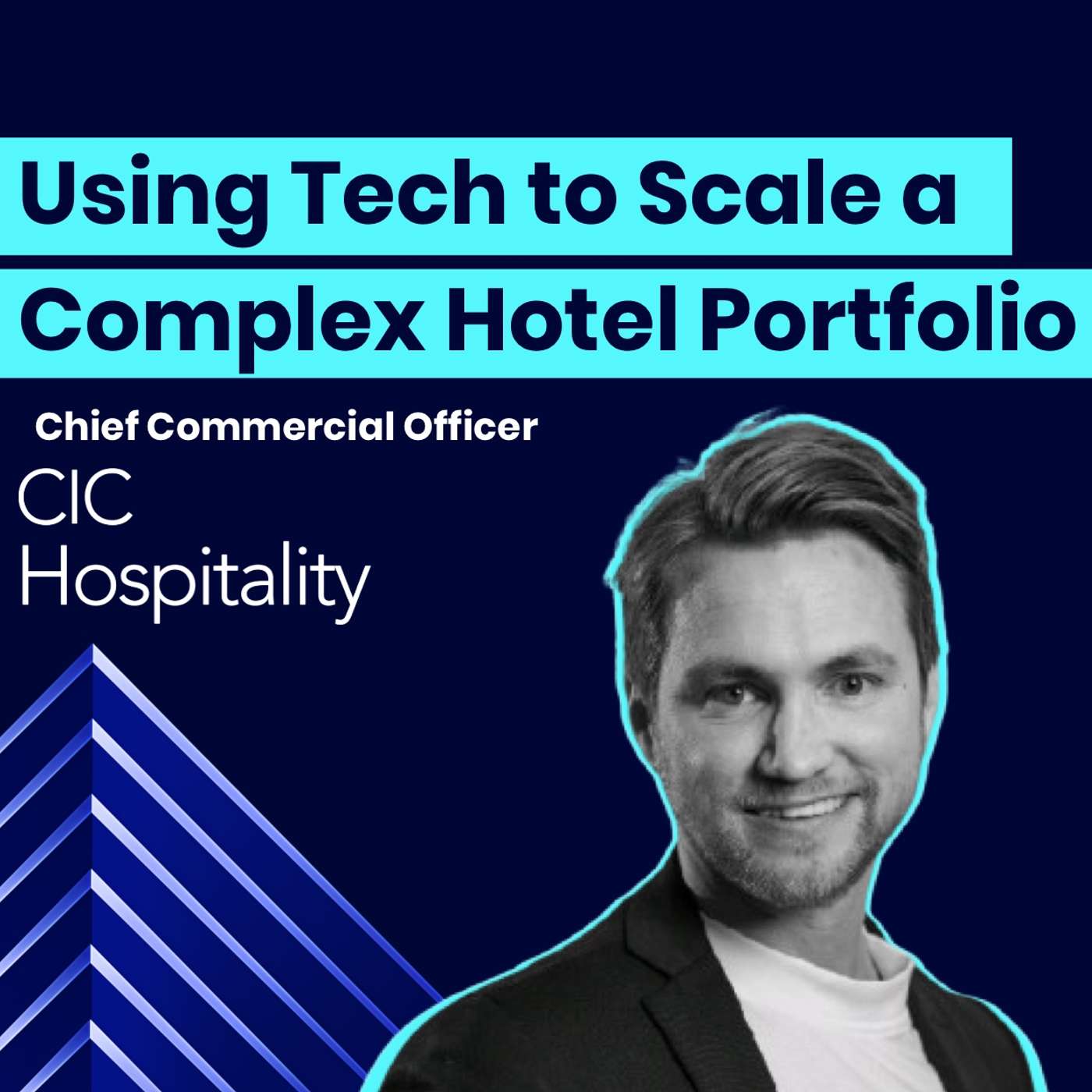
    CCO of CIC Hospitality on Using Tech to Scale a Complex Hotel Portfolio

    How do you scale hotel operations across brands, countries, and systems - without losing control or culture? In this episode of Hotel Tech Insider, we sit down with Øyvind Bøhm Frisak, Chief Commercial Officer at CIC Hospitality, to unpack how a fast-growing Nordic hotel operator is using AI, data, and unconventional guest-facing tech to drive efficiency, improve service, and prepare teams for the future. This conversation is especially relevant for hotel owners, operators, GMs, and commercial leaders managing multi-property portfolios, complex tech stacks, or brand-franchise environments—and anyone navigating the real-world impact of AI on hotel operations and staffing. Key takeaways from this episode: How CIC Hospitality standardizes performance across 30+ hotels using multiple PMS platforms, a centralized data lake, and consistent KPIs to enable scalable growth. Where AI actually delivers value today—from cutting guest response times from 24 hours to minutes, to freeing revenue managers to focus on strategy instead of manual pricing. Why guest-facing innovation doesn’t have to mean less human service, including lessons learned from deploying hologram reception and centralized service teams. Along the way, Øyvind shares candid insights on AI adoption, tech stack integration, revenue management evolution, guest communication automation, and preparing hotel teams for change—without fear-mongering or hype. 👉 Subscribe to Hotel Tech Insider for more conversations with hotel leaders shaping the future of hospitality technology. If you found this episode useful, share it with a colleague or visit HotelTechReport.com for deeper research, reviews, and industry insights.

    • Transcript
  • #71
    Dec 29, 2025 · 27 min

    CEO of TrustYou on AI Agents and Hotel CDPs

    Guest reviews aren’t just social proof anymore—they’re quietly becoming the backbone of pricing power, AI-driven discovery, and automated guest communication. In this episode of Hotel Tech Insider, Ben Jost, Founder and CEO of TrustYou, shares how nearly two decades of working with the world’s largest hotel brands has shaped his view on where reputation management is headed next—and why many hoteliers are still underestimating its impact. Ben walks through TrustYou’s evolution from an early consumer review startup to the world’s leading guest feedback and reputation intelligence platform, including its acquisition by Recruit Holdings (Indeed, Glassdoor) and subsequent management buyout. That journey set the foundation for what TrustYou is building today: a unified platform that combines guest feedback, transactional data, and AI agents into a continuous, two-way conversation with guests across every channel. For experienced hoteliers, the insights are practical and sharp. Ben explains why even small improvements in review scores can directly unlock higher ADR, how reputation management has become the long-term counterpart to revenue management, and why up to 50% of a hotel’s total reviews can now come from its own first-party surveys. He also breaks down a major shift already underway: guests are no longer asking simple yes-or-no questions like “Does the hotel have a pool?”—they’re asking AI long-tail questions that reward hotels with rich, structured review content and strong brand voice. The conversation goes further into what’s surprising many industry veterans: CDPs, guest messaging, and chatbots are collapsing into a single AI-driven conversation layer that can answer questions, personalize responses using PMS data, and soon execute tasks like upgrades and add-ons in real time. Ben makes the case that the hotel tech stack is about to shrink—not grow—and that the hotels who adapt early will have a structural advantage in both direct bookings and guest satisfaction. If you want to understand how guest feedback, AI agents, and hotel data are converging—and what that means for pricing, distribution, and operations—this episode is essential listening. Subscribe to Hotel Tech Insider for more conversations with the leaders shaping the future of hospitality, and share this episode with anyone who still thinks reviews are just about responding on OTAs.

    • Transcript
  • #70
    Dec 15, 2025 · 25 min

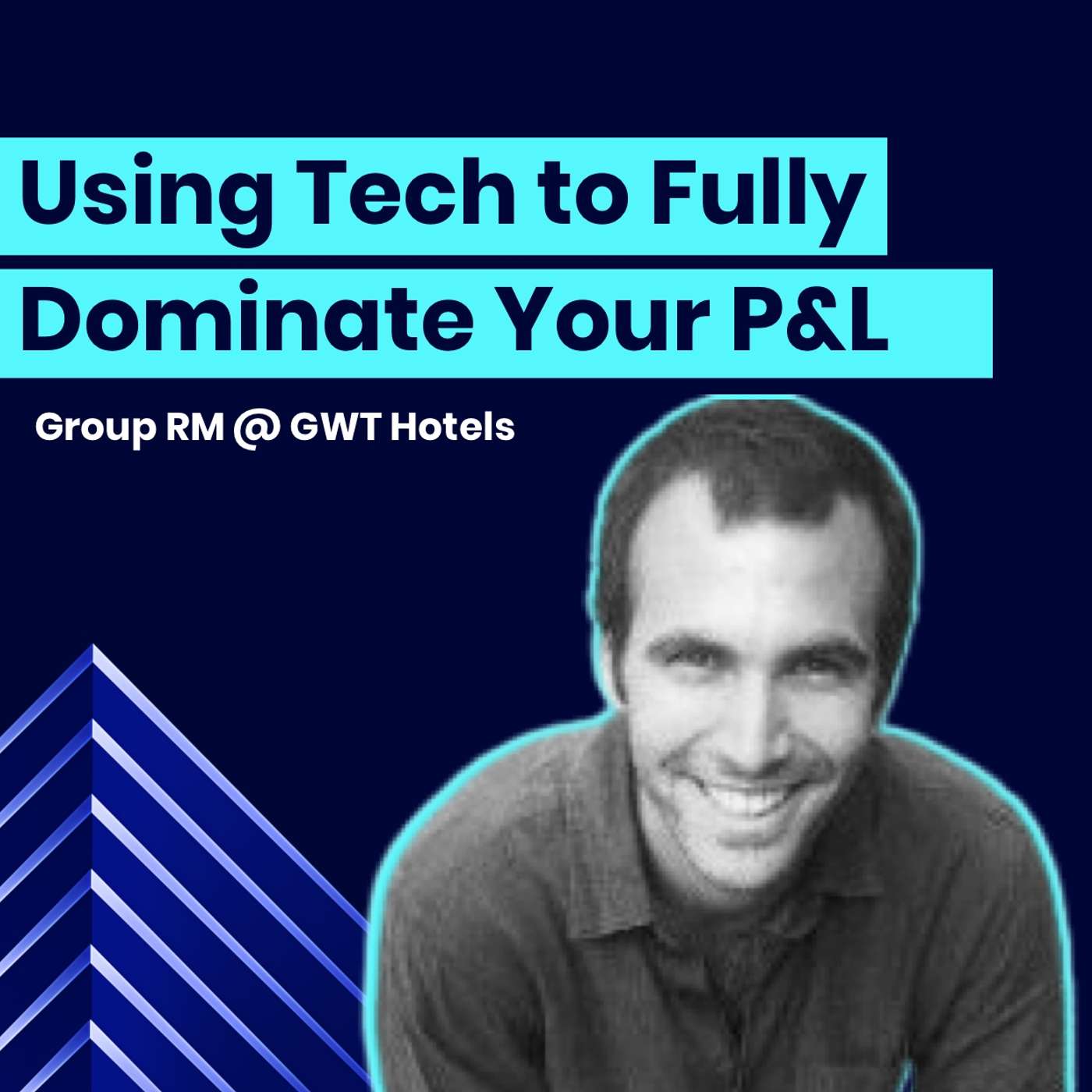
    GWT Hotels' Revenue Leader on Total P&L Ownership

    What if removing your front desk—and doubling down on the right integrations—was the key to keeping your hotel profitable after COVID? In this episode of Hotel Tech Insider, Roberto Pacaccio, Revenue & Expense Manager at GWT Hotels, shares how a five-property independent hotel group in San Francisco survived near-shutdown, rebuilt its operating model, and lowered its breakeven point by rethinking technology from the ground up. How GWT Hotels eliminated traditional front desks without sacrificing service: Roberto breaks down the exact tech stack—including PMS, digital keys, guest messaging, and centralized support—that allows four independent hotels to operate front-desk-free while still offering 24/7 guest assistance. Why integration matters more than “best-of-breed” tools: Learn how choosing tightly integrated systems (PMS + digital keys + messaging + dynamic pricing) reduced staff workload, training complexity, and operational errors—and why fragmented tools nearly derailed adoption early on. The revenue lesson most hoteliers miss: lowering breakeven beats chasing ADR: Roberto explains how automation and labor-light operations materially lowered per-room breakeven costs—and how dynamic pricing rules tied to occupancy replaced manual rate shopping entirely. GWT Hotels didn’t modernize to “innovate”—they modernized to survive. From replacing physical metal keys to centralizing five hotels under one operational hub, this episode offers a rare, honest look at what tech adoption actually looks like for small independent hotels with no margin for error. If you’re rethinking how your hotel operates in a labor-constrained world, this episode is a must-listen. Subscribe to Hotel Tech Insider for more real-world insights from hoteliers who’ve actually done the work—and share this episode with a peer who’s questioning whether their current tech stack is holding them back.

    • Transcript
  • #69
    Dec 2, 2025 · 27 min

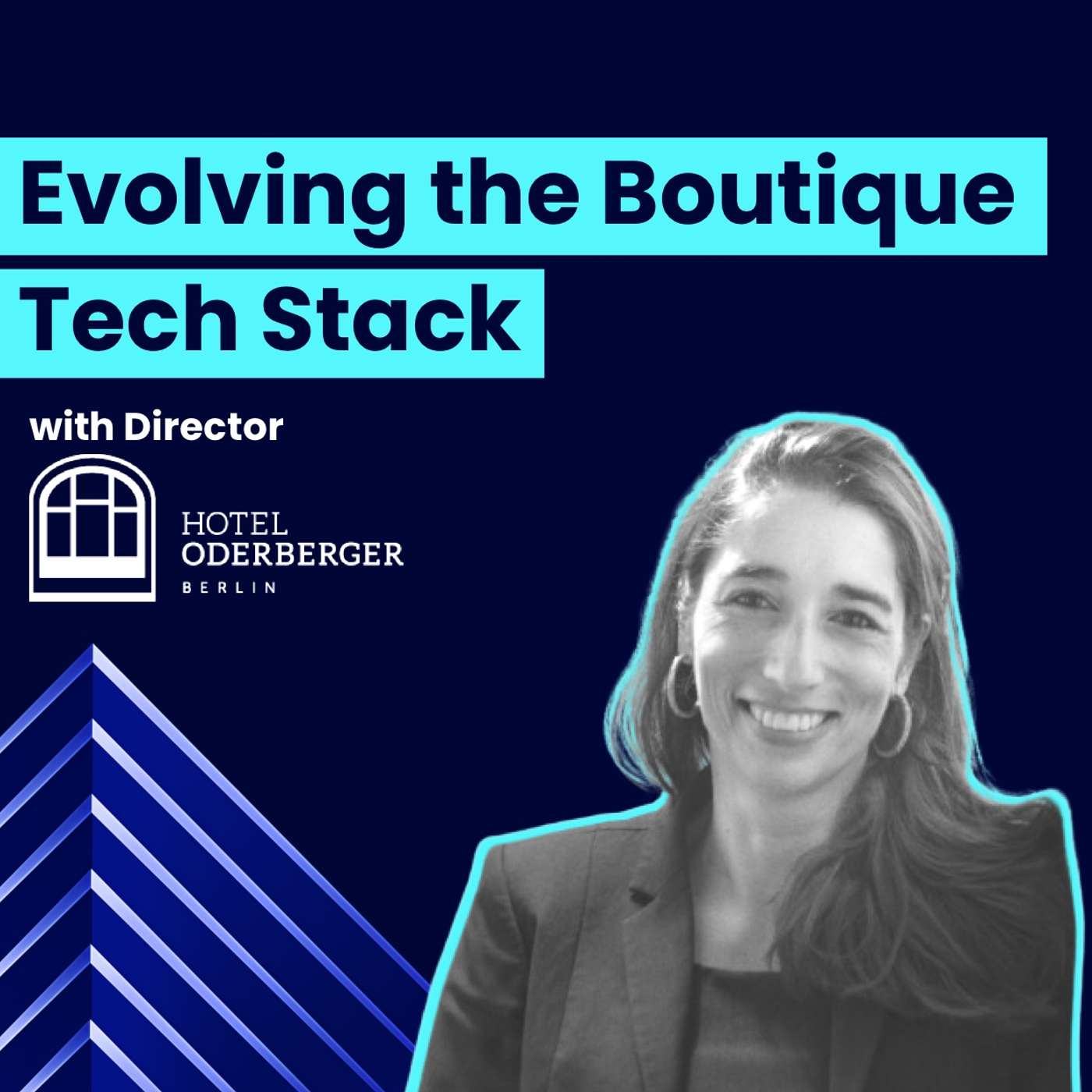
    Hotel Oderberger's Director on Building Her Tech Stack from Scratch

    What happens when a boutique hotel director builds a fully personalized “signature tech stack” from the ground up—and proves you don’t need to be a tech native to run one of the most digitally advanced 70-key properties in Berlin? In this episode, Tini Diekmann, Hotel Director at the acclaimed Hotel Oderberger, reveals the real-world tools, workflows, and mindsets that transformed her operations. This episode is designed for experienced hoteliers, GMs, and department heads who have lived through multiple system overhauls, survived legacy tech, and are looking for practical, proven strategies to modernize their operations without the chaos. Takeaways: • How a boutique hotel built a high-performing, revenue-focused tech stack—piece by piece. Learn how Tini turned a self-built legacy PMS into a fully integrated ecosystem using Mews, SiteMinder, RoomPriceGenie, TrustYou, and more. • Surprising operational wins you wouldn’t expect. Discover why installing a guest tablet actually slashed heating costs—thanks to a three-way integration between the PMS, in-room devices, and IoT-connected radiators. • A realistic blueprint for evaluating, selecting, and phasing in new tools. Tini explains why you should never implement more than one or two solutions per year, how to measure ROI, when to cut a tool, and how to keep staff empowered (not overwhelmed) throughout the transition. • AI in guest communication that actually works. Hear why their call volume collapsed overnight after adopting a chatbot—and how AI email responses now handle 98% of inquiries while maintaining brand tone and reducing workload.

    • Transcript
  • #68
    Nov 17, 2025 · 31 min

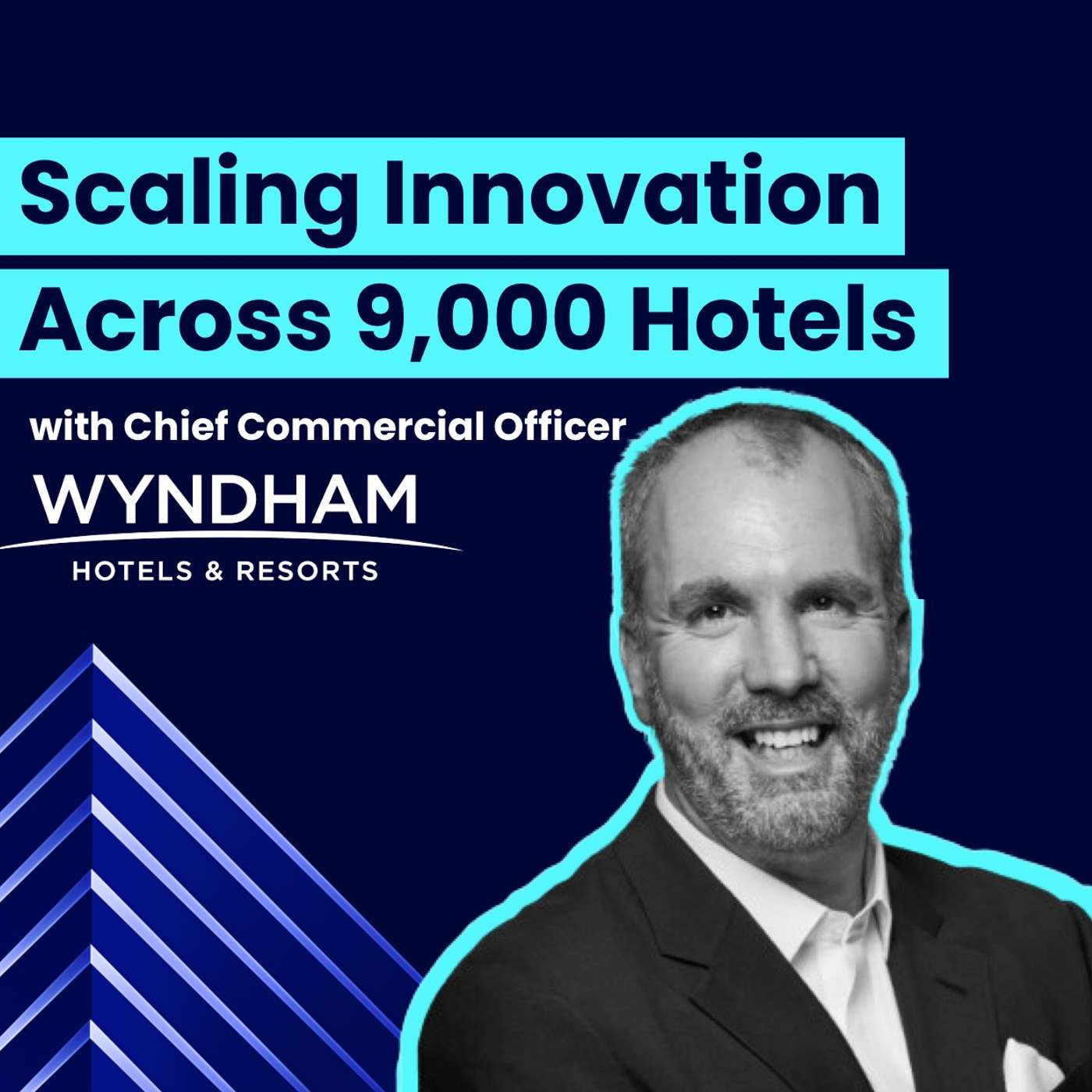
    CCO of Wyndham on Scaling Innovation Across 9,000 Hotels

    What happens when the Chief Commercial Officer of the world’s largest hotel franchisor rethinks the entire guest-to-tech relationship? In this episode, Wyndham CCO Scott Strickland reveals how a single global tech stack, empathetic AI, and vendor co-development are quietly reshaping hotel operations at a scale few brands on earth can match. Key Takeaways: How Wyndham uses one global tech stack across 9,000 hotels—and why standardizing CRS, PMS, loyalty, CRM, and marketing systems unlocks speed, cost efficiency, and innovation (including a surprising 25% drop in handle time from a co-built tool). Actionable strategies for building high-trust vendor partnerships—including why Wyndham gives Canary Technologies, Oracle, Salesforce, Sabre, Hapi, and Adobe physical office space inside their HQ, and how that accelerates co-innovation. The real-world playbook for operational AI—from empathetic, multi-language AI agents that guests have literally asked out on dates to omnichannel reservation automation and hyper-personalized offers that adapt to guest behavior in real time. Lessons from other industries hoteliers rarely study—how retail, manufacturing, and airlines provide blueprints for automation, app-based journeys, and guest-centric digital experiences. If you’re serious about future-proofing your tech strategy, don’t miss an episode—subscribe to Hotel Tech Insider and share this one with a colleague who’s shaping the next generation of hotel operations.

    • Transcript
  • #60
    Nov 4, 2025 · 28 min

    Canary Technologies CEO on Reimagining the Digital Guest Journey

    Did you know 30–40% of guest calls to hotels go unanswered? In this episode, Harman Singh Narula, CEO and co-founder of Canary Technologies, shares how his team is tackling this operational gap while redefining the entire digital guest journey—backed by $80M in funding and multiple HotelTechAwards wins. This episode is for veteran hoteliers, brand executives, and asset managers who want to understand where guest-facing technology is headed and how AI-driven innovations, tipping solutions, and digital workflows can translate into higher revenue and better guest satisfaction. Key Takeaways: • How Canary evolved from solving a niche payments problem to building an end-to-end guest journey platform—and what that means for tech adoption across hotel portfolios. • Why AI voice is set to eliminate missed calls and improve upsell potential—plus insights on how independents can deploy it just as effectively as enterprise brands. • The surprising shift in how major hotel chains evaluate tech partners, moving toward best-in-breed guest-facing solutions rather than relying on slow in-house builds.

    • Transcript
Showing 1–20 of 22 episodes