Skip to content
Artwork for Home Care Strategy Lab
BusinessManagement

Home Care Strategy Lab

Miriam Allred

Is there a single right way to run a home care agency? We sure don’t think so. That’s why we’re interviewing home care leaders across the industry and asking them tough questions about the strategies, operations, and decisions behind their success. Join host Miriam Allred, veteran home care podcaster known for Home Care U and Vision: The Home Care Leaders’ Podcast, as she puts high-growth home care agencies under the microscope to see what works, what doesn’t, and why. Get ready to listen, learn, and build the winning formula for your own success. In the Home Care Strategy Lab, you are the scientist.

Play
  • 22 episodes
  • weekly
  • Avg 56 min
  • English
Counted on this page — what you have heard stays on this device, so it is not something the list can be paged by.
  • #72
    Wednesday · 58 min

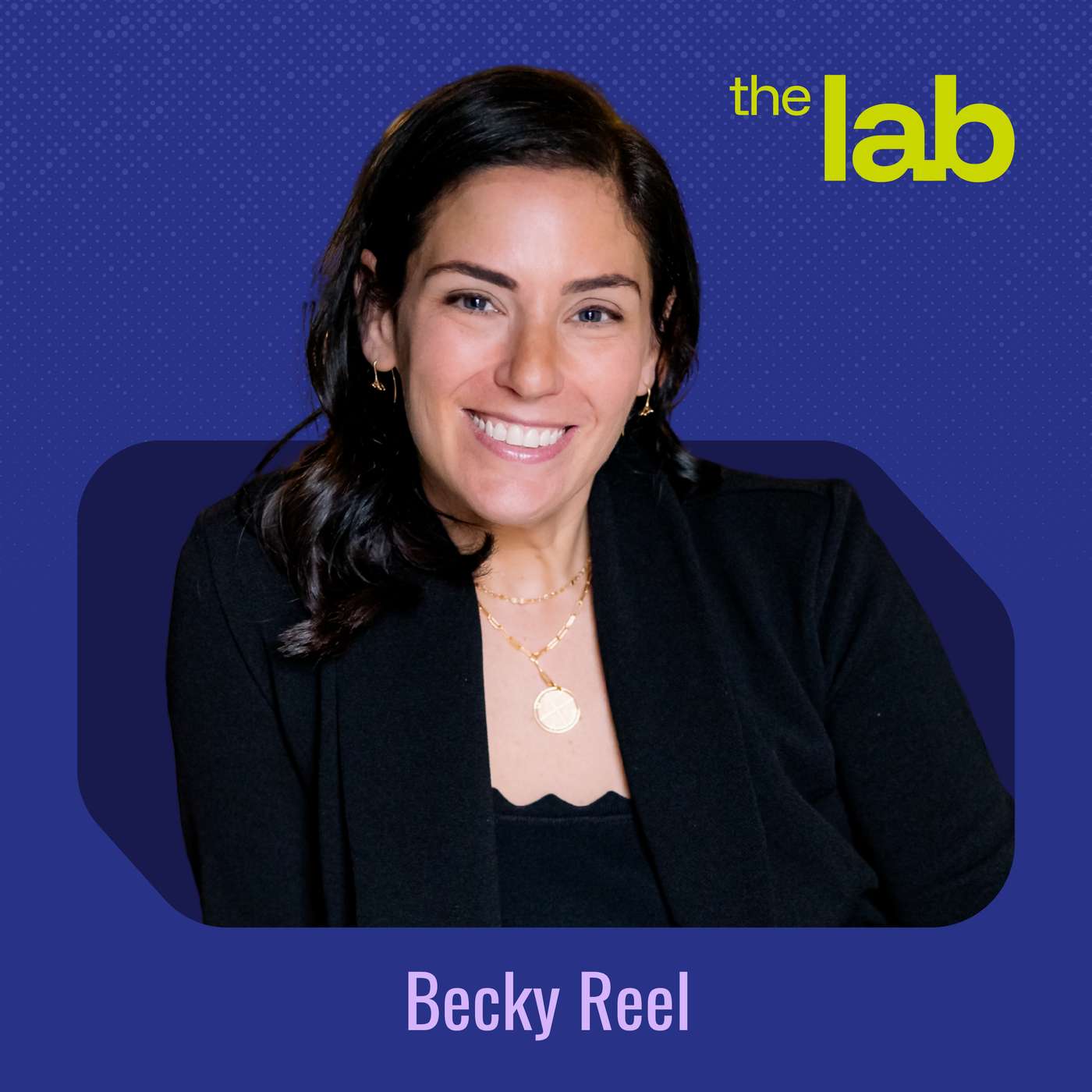
    You Can’t Afford to Say Yes to the Wrong Client (Becky Reel)

    #72 Saying yes to every family might increase revenue, but one wrong-fit client can cost your agency caregivers, reputation, and weeks of scheduling headaches. Becky Reel explains the waitlist mindset she used to protect her team, strengthen the client experience, and create demand—and why a true waitlist is fundamentally different from a staffing problem. She shares the hard lines her agency established around shift minimums, geography, caregiver safety, unrealistic expectations, and families who began negotiating from the first conversation. We also break down what a hospitality-driven intake call sounds like and why every office employee should be prepared to handle one. Becky closes with four super powerful mindset shifts that will help your agency become easier to refer, more memorable, and impossible to confuse with the competition. Becky Reel on LinkedIn becky@reelhomecareconsulting.com Reel Home Care Consulting Becky’s Dinner Series Sponsors: Vitable Health - https://learn.vitablehealth.com/lab

    • Transcript
  • #71
    August 18 · 1 hr 8 min

    Three Workforce Development Programs That Actually Support Caregivers (Daniel Stringer)

    #71 Total Care Connections CEO Daniel Stringer shares how his team supports a workforce of roughly 1,000 active employees delivering 17,000 hours of care each week. He breaks down a paid-leave program that provides six weeks after childbirth plus two weeks of parental leave for birth, foster, and adoptive parents. He explains the company’s employee relief fund and how it has awarded 264 grants totaling more than $200,000, with employees eligible for up to $1,000 annually. Daniel also shares how moving to self-funded health insurance helped the company keep employee costs flat despite receiving a 76% renewal increase—and reduced some employees’ prescription costs from $500–$700 per month to $50 or even zero. This episode gives home care owners three tangible ways to invest in caregivers and start building benefits that meet our workforce needs. Connect with Daniel Daniel Stringer on LinkedIn Daniel’s email: DStringer@totalcareconnections.com Total Care Connections Employee Relief Fund Total Care Connections Grant Circle powered by Canary Canary—emergency relief fund solution to aide your team members in times of crisis Self-Insured Health Care Partners To set up Self Insured Health Plan Options: https://www.thegibsonedge.com/services/employee-benefits Vendors they use in the health plan: SHARX: https://sharxplan.com/ Auxient: https://www.auxiant.com/ Pareto: https://paretohealth.com/ Procedures/Imaging: https://www.valenzhealth.com/ Pharmacy Benefits Manager: https://truerx.com/ Sponsors: Vitable Health Helper Heroes—mention the LAB

    • Transcript
  • #70
    August 13 · 1 hr 3 min

    A Financial Framework to Run Before Your Next Growth Move (Adam Shriver)

    #70 A typical $4-5M home care agency usually has the team, infrastructure, and capital to consider their next growth move—opening a new office, adding a new payer contract, or investing in a strategic leader. Adam Shriver, Client CFO at The Home Care CPAs works with dozens of agencies to evaluate revenue, profitability, and operational stability going into making these large growth decisions. He walks through the evaluation he conducts, the questions he asks, gross margin vs operating margin, and the other factors agencies should consider before going down a specific growth path—if you’re considering a new office or new payer contract, this episode is highly relevant. Adam Shriver on LinkedIn Adam’s email: ashriver@thehomecarecpas.com The Home Care CPAs Margin Matters—a home care-specific online financial community for owners or finance roles (free until the end of ’26) Sponsors: Phoebe—best AI scheduling agent for home care Vitable Health—health plans for home care that your team will actually use

    • Transcript
  • #69
    July 28 · 1 hr 10 min

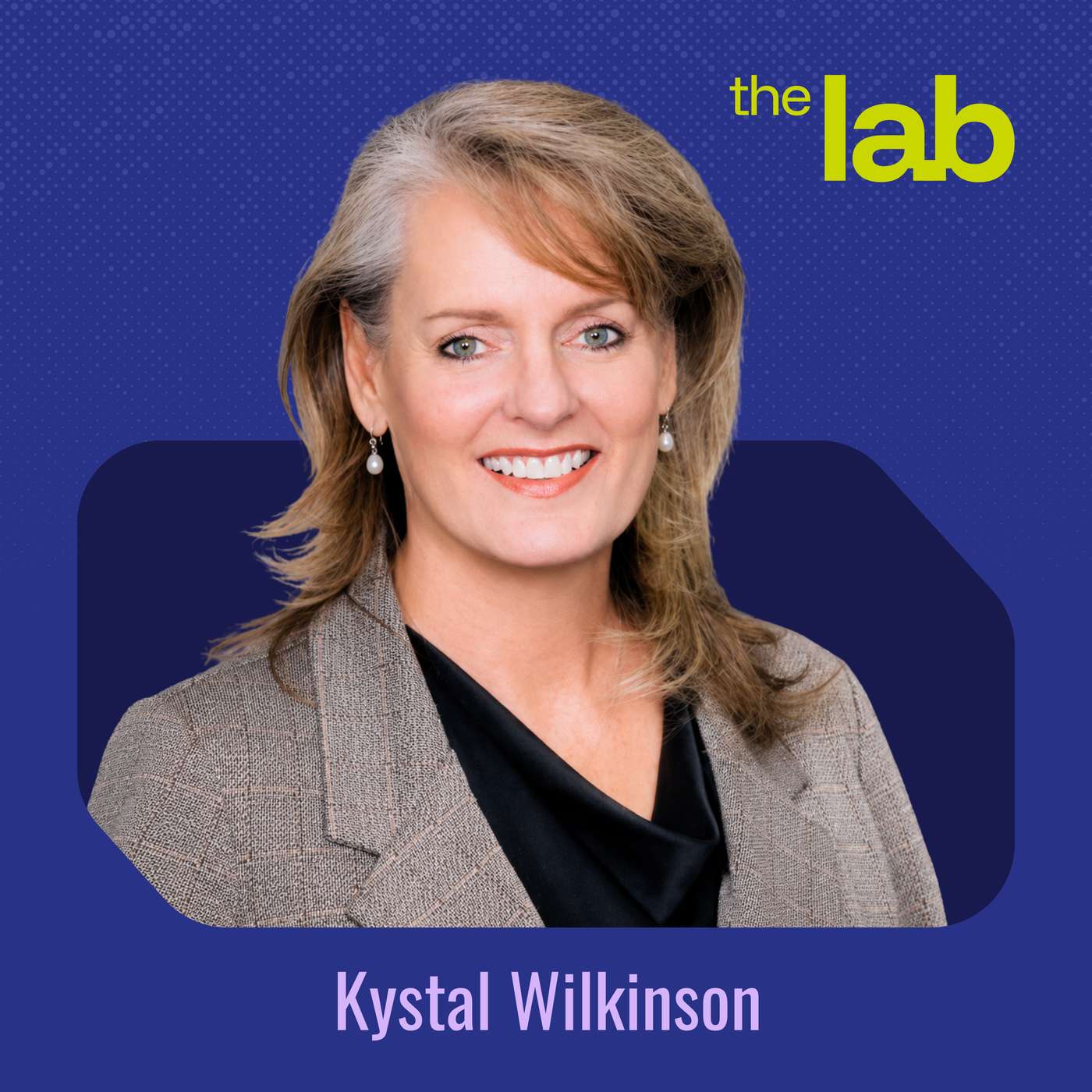
    The Only Home Care Scorecard You Need (Krystal Wilkinson)

    #69 Most home care agencies are drowning in reports but still struggling to identify problems before they impact growth. Krystal Wilkinson, President of Adultcare Assistance Home Care, shares the 18 core KPIs she and her leadership team review every week across recruiting, scheduling, care management, sales, and HR & finance—and explains why leading indicators matter far more than monthly reports. You'll learn why her agency targets a 25–27 hour average client census, aims to hire caregivers in under 7 days (currently averaging 9 days), tracks 25 meaningful referral visits per week, and uses data to predict staffing needs, revenue dips, and referral trends before they happen. Krystal also explains how her team uses AI-powered dashboards, why every department owns specific numbers, and how they've refined their scorecard over 15 years of trial and error. Krystal Wilkinson / KDW@adultcareassistance.com Adultcare Assistance Sponsors: Vitable Health - learn.vitablehealth.com/lab

    • Transcript
  • #68
    July 21 · 1 hr 3 min

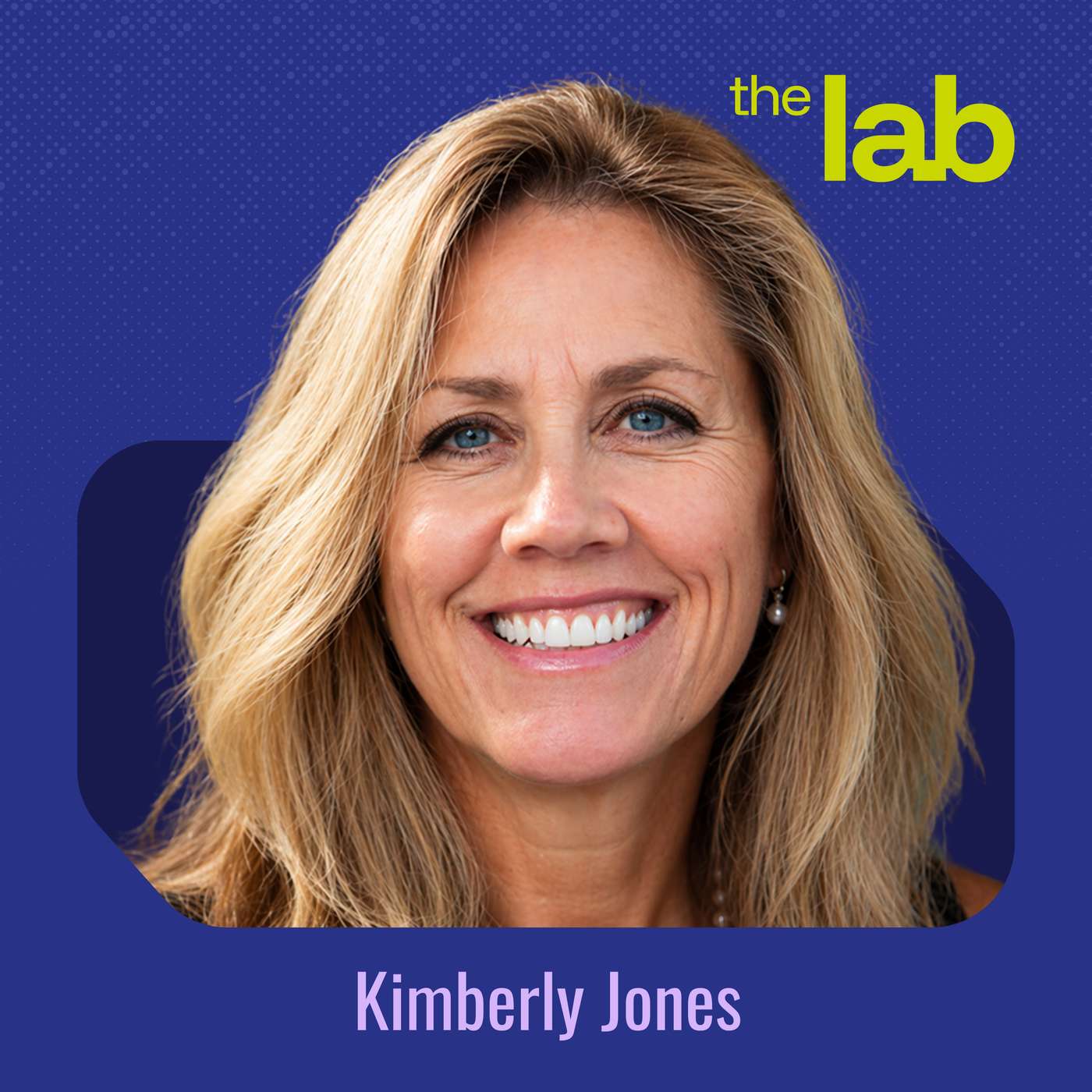
    Four Ways for Caregivers to Increase Their Pay Rate (Kimberly Jones)

    #68 When a caregiver asks, “when do I get my next raise?”, do you have a good answer? Kimberly Jones, Vice President of Help at Home Senior Care, shares the transparent four-part compensation framework her team uses to reward skill development, specialized training, long-term commitment, and leadership. We break down hands-on competency evaluations, dementia skill assessments, certification pathways, longevity bonuses, and why clear career progression has helped the agency retain caregivers for many years. Kimberly also shares the retention data behind the program, including why 66% of their caregivers have stayed for more than two years and why their highest-paid caregivers average 6.5 years with the company. Kimberly Jones Help at Home Senior Care Grade Us—feedback loop tool Sponsor: Vitable Health - learn.vitablehealth.com/lab

    • Transcript
  • #67
    July 14 · 58 min

    How to Build an Advanced Dementia Care Program (Ryan Whittington)

    #67 Ryan Whittington, CEO of Seniors Home Care in St. Louis, shares how one struggling dementia client led his team to build Sage In-home Memory Care—a completely separate brand dedicated to serving advanced dementia clients with a fundamentally different care model. Instead of treating dementia as another service line, Ryan explains how specialized caregivers, weekly care management visits, life story assessments, individualized activity calendars, and intensive training have created better outcomes for clients, families, and caregivers alike. We also discuss why consistency matters more than flexibility, how to overcome resistance to care, why advanced dementia clients require a true team approach, and the business decisions that make this model sustainable. Ryan Whittington Seniors Home Care Sage In-home Memory Care Life Story Assessment - provided by Sage Best Practices Booklet--Dementia Home Care (Alzheimer’s Association) Teepa Snow’s 6 GEMS You Need to Know For A Positive Approach to Dementia Care

    • Transcript
  • #66
    July 7 · 1 hr 3 min

    What It Looks Like to Sell to a Home Care Roll-Up And Stay On

    #66 Adam Berry built As Close as Family over nearly a decade before realizing the business had outgrown what he could sustainably manage on his own. Rather than walking away, he sold the agency to Avenues Home Care and stayed on to focus on the work he enjoys most while gaining the back-office support he was missing. In this episode, Adam and Avenues CEO Doug Markham break down how they found the right acquisition fit, what due diligence actually looked like, and why culture mattered more than valuation. They also share how they divide responsibilities after the sale, which functions are centralized versus kept local, and why giving operators autonomy has been critical to continued growth. Adam Berry / adam@ascloseasfamily.com As Close as Family Doug Markham / doug.markham@avenueshomecare.com Avenues Home Care Sponsors: Phoebe.work - A self-driving alternative that fills shifts in minutes

    • Transcript
  • #65
    June 30 · 51 min

    Why You Might Be Headed For 6-Figure Fines (And How to Avoid Them)

    #65 Many home care agencies don't realize they've crossed the Affordable Care Act threshold until the IRS comes knocking. Brendan Mullins, CRO of Vitable Health, explains why agencies with as early as $1–2M in annual revenue can already qualify as Applicable Large Employers, how 30 hours per week (not 40) triggers eligibility, and why variable caregiver schedules make ACA compliance especially difficult. We break down how the 50 Full-Time Equivalent (FTE) threshold is calculated, the misconceptions that lead agencies into trouble, and why penalties can quickly climb into the six figures. Brendan also walks through how ACA audits typically unfold, why compliance issues often surface years later, and the common mistakes agencies make along the way. Brendan Mullins on LinkedIn Vitablehealth.com ACA Penalty Calculator

    • Transcript
  • June 25 · 23 min

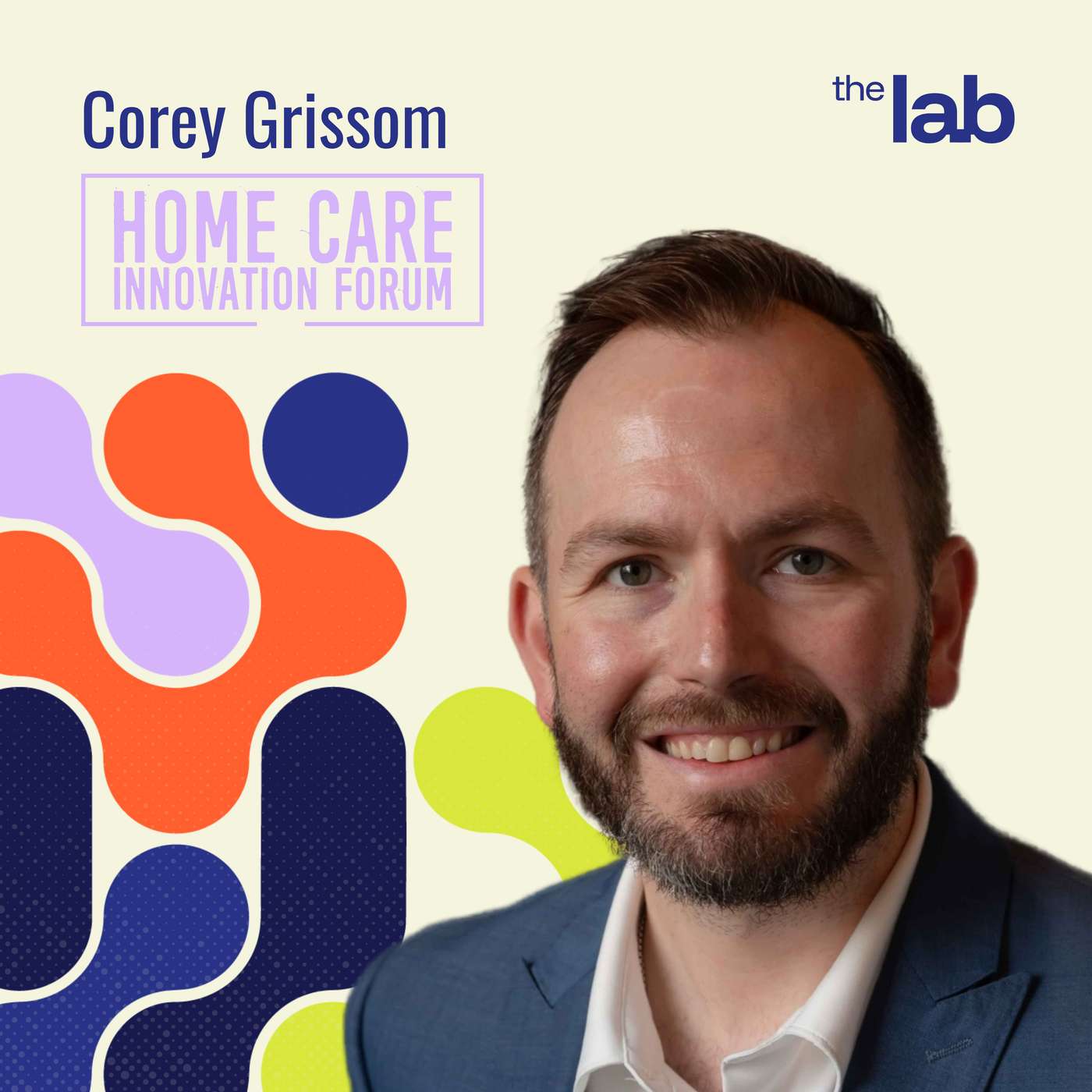
    Can Your Agency Survive Losing Its Best Scheduler? (Corey Grissom)

    We cover: Why home care leaders are moving from AI exploration to real-world adoption. The buy-vs-build debate and why many agencies are choosing AI partnerships. Helping schedulers spend less time chasing call-outs and more time supporting people. Supporting owner-operators as they scale from zero schedulers to their first hire. How AI can fill open shifts in minutes instead of hours. Moving from reactive scheduling to planning weeks in advance. Capturing caregiver preferences and scheduling knowledge through AI memory. Preventing tribal knowledge from walking out the door with staff turnover. Why AI works best as an amplifier—not a replacement—for great schedulers. Lessons learned from overcoming office-team skepticism and driving adoption. The surprising ways caregivers are embracing AI-powered communication. How AI is creating more proactive and human-centered operations. Extras: Connect with Corey Grissom / corey@phoebe.work See how Phoebe can transform your scheduler’s daily life

    • Transcript
  • June 23 · 22 min

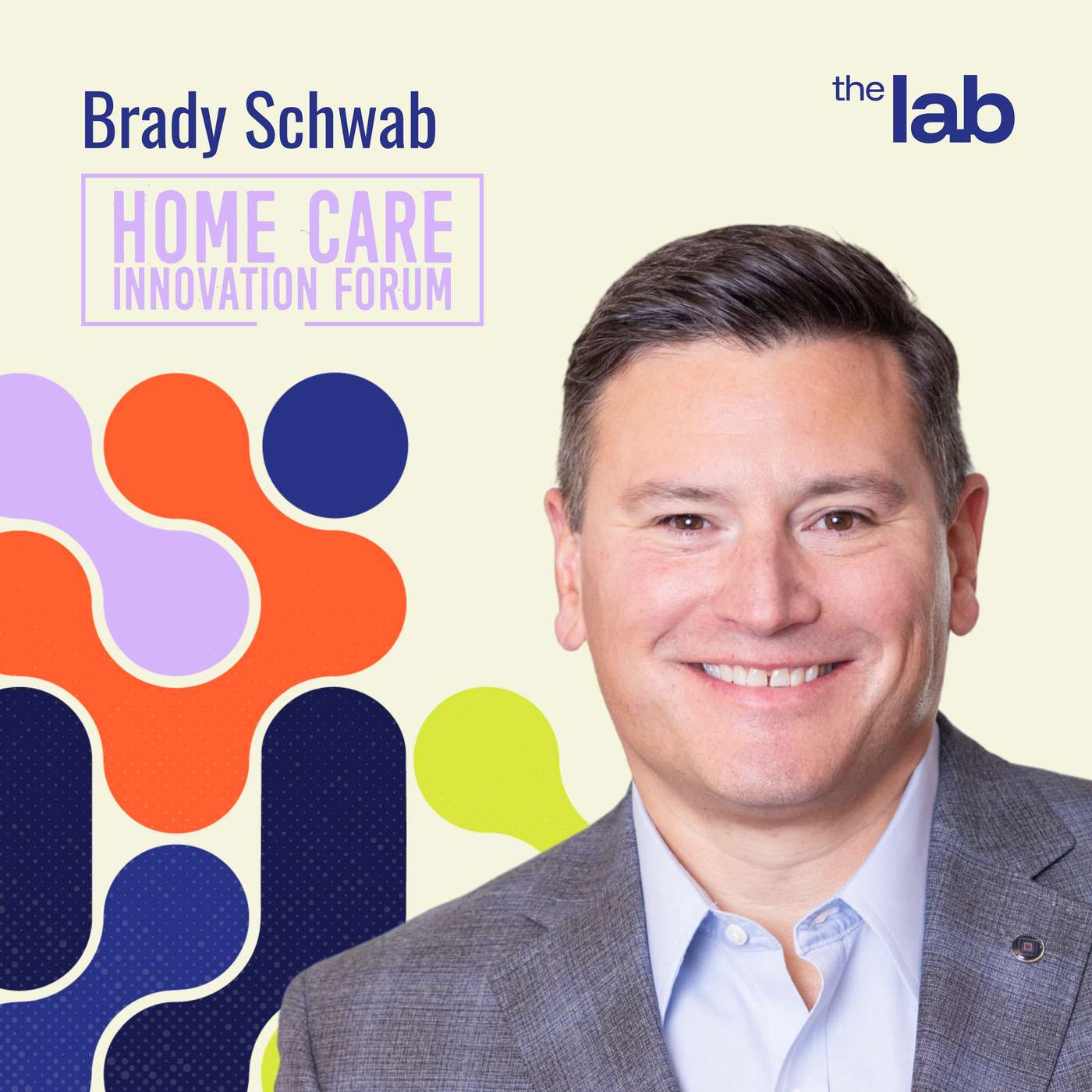
    The Hidden Cost of Bad Data in Home Care (Brady Schwab)

    We cover: Brady's journey from audiology to home care innovation. Right at Home's growth to 600+ franchises across four countries. Staying focused on non-medical home care. Why AI is exposing long-standing data quality issues. The importance of data hygiene and integrity. How bad data can erode trust and create risk. Common gaps in referral tracking, scheduling, and workflows. Making care documentation easier through voice-to-text technology. Aligning caregiver incentives with better documentation. Combining in-home observations with vital sign data. Moving from documentation to predictive care. Piloting RespirAI to identify COPD exacerbations earlier. Using technology to reduce avoidable hospitalizations. Why strong documentation is the foundation for predictive analytics. Solving for affordability, workforce shortages, and chronic disease. How home care can become the preferred model for aging in place. Navigating the realities of aging while embracing innovation. Some extras: Connect with Brady Schwab / bschwab@rightathome.net Learn more about Right at Home RespirAI—the COPD pilot that Right at Home is conducting See how Phoebe AI can eliminate missed clock in/outs and save your team hours each week

    • Transcript
  • June 18 · 21 min

    How Team Select Is Predicting Readmissions Before They Happen (Meghan Willson)

    We cover: Team Select's growth across 15 states, 9,000 employees, and 5,000 patients. Meghan's transition from physical therapist to technology leader. Using operational technology to reinvest dollars into patients and caregivers. Building a new enterprise data warehouse from the ground up. Why successful AI starts with a strong data foundation. The launch of CareSight AI and Team Select's partnership with Questa. Using AI to identify patient deterioration sooner. Predicting potential readmissions 3–5 days in advance. Combining vitals, documentation, and AI-driven insights. Reducing avoidable hospitalizations through earlier intervention. How clinician buy-in accelerated adoption. Lessons learned from implementing AI at scale. Overcoming AI skepticism and technology resistance. Why clinicians should lead healthcare innovation. Start: Put clinicians first and solve their biggest workflow challenges. Stop: Boiling the ocean—focus on one problem at a time. Some Extras: Connect with Meghan Willson / mwillson@tshc.com Learn more about Team Select Home Care See how Phoebe AI can nearly eliminate scheduling call-outs

    • Transcript
  • June 16 · 31 min

    Why Response Time is Your Most Important Sales Metric (Brad Gilmore)

    Bonus episode recorded live @ Home Care Innovation Forum in Palm Springs, CA Key topics include: Why weekly new revenue is the most important sales measurement and how it provides a real-time view of where new business is coming from. Ensuring sales activity stays aligned with referral accounts that are actively generating new business. What success looks like for new sales reps, including tracking the number of new referral accounts established. Brad's "controlled shotgun" approach to account management: Tier A: 10 key accounts Tier B: 10–15 growth accounts Tier C: 15–20 contingency or "just in case" accounts The role of sales, operations, and branch leadership in building referral partner relationships and ensuring smooth transitions to start of care. Why great sales professionals focus on being present, not just visible, when engaging referral partners. How leaders can better equip sales teams with meaningful data that supports conversations and decision-making. The growing complexity of patient care and why sales professionals need a stronger understanding of clinical and complex-care scenarios. Positioning home care organizations as outcome-driven partners who help referral sources solve patient care challenges. Why organizations with service models that solve the widest range of problems are positioned to win. What to stop and start measuring: Stop: Overloading sales teams with insignificant data. Start: Viewing revenue as a measurement of performance rather than the sole metric of success. How experienced reps focus on long-term referral source retention and relationship management. Why response time may be the most important quality assurance metric in home care sales—and why speed matters. Extras: Connect with Brad Gilmore on LinkedIn or via email: brad.gilmore@familytreecares.com Learn more about Family Tree Private Care See how Phoebe AI can double your scheduling output Home Care Innovation Forum 2027 / Pasadena, CA on May 16-18 for Orgs $30M+

    • Transcript
  • #64
    June 9 · 1 hr 21 min

    Nearly 100% Show Rates When AI Handles 830 Caregiver Touches a Week (Nate West)

    #64 Most home care agencies are still operating the old way: phone calls, spreadsheets, reactive scheduling, and constant firefighting. Nate West, owner of Heritage Home Care in Arizona, joins me to discuss how he's transformed a well-established agency from what he jokingly calls "the Stone Age" into a modern, tech-enabled operation in just two years. He talks about eliminating edge cases, transitioning from reactive scheduling to proactively filling shifts days and weeks in advance, and the role AI is playing in caregiver communication, shift confirmations, and open shift management. And maybe more importantly, we discuss what happens when technology frees schedulers from constant firefighting and allows them to focus on relationships, retention, and the overall client/caregiver experience. Nate explains the results Heritage has seen after six months of using Phoebe, including: • Median open shift fill time of just 9.7 minutes • No-call/no-shows reduced from 8 to just 1 year-over-year • 830 caregiver touch points per week handled by AI • 2,800+ shifts confirmed with a 97.8% confirmation rate Nate West / nate@heritagehomecareaz.com Heritage Home Care Phoebe—AI scheduling assistant for home care, mention the ‘LAB’ for a discount

    • Transcript
  • #63
    June 2 · 1 hr 13 min

    The Gold Standard for Dementia Home Care (Jim Kimzey)

    #63 Most home care agencies treat dementia care as a service line. Full Bloom built an entire company around it. Jim Kimzey, Co-Founder of Full Bloom Home Care, shares the systems, training, and care philosophy that allow his team to successfully serve some of the most challenging dementia clients while helping caregivers, families, and staff thrive. Jim breaks down the three levers that drive better dementia outcomes, an eight-step process for overcoming care refusal, and the gold standard for supporting complex dementia clients at home. He also explains how a dementia-first approach can reduce caregiver burnout, ease operational strain, and create better experiences for clients and families. This conversation is a practical roadmap for delivering better care to anyone serving dementia clients and families. Jim Kimzey Full Bloom Memory Care Breakthrough: The Full Bloom Method for Overcoming Resistance to Care Best Practices Booklet—Dementia Home Care (Alzheimer’s Association) Danny Meyer's Salt Shaker Theory of Leadership Sponsors: Mertz Taggart—Home Care M&A Experts

    • Transcript
  • #62
    May 26 · 1 hr

    Top Five Sales Activities that Drive Home Care Referrals (Sean Reiley)

    #62 Most home care sales reps stay busy—but very few generate high-quality referrals consistently. Sean Reiley, CTO at 52 Weeks Marketing, breaks down the specific sales activities, scorecards, benchmarks, and accountability systems that separate top-performing reps from everyone else. Sean shares the five sales activities that actually drive referrals, how many referral sources a rep should manage, what productivity should look like week-to-week, and the biggest mistakes operators and sales leaders make when managing referral accounts. Sean Reiley / Sean@hmstechsystems.com 52 Weeks Marketing & CRM Sponsors: GUIDE-Ready Respite Provider Program (Debbie Miller + Harmonic Health) CMS GUIDE Participant List (spreadsheet download)

    • Transcript
  • #61
    May 19 · 1 hr 4 min

    The Real Barrier to Aging-in-Place Technology Isn’t Families (Paula Marks)

    #61 90% of home care calls still happen in crisis mode—after the fall, hospitalization, or cognitive decline has already escalated. Paula Marks, VP of At Home Caregivers, explains why the industry must move from reactive “sick care” to preventative wellness models before the caregiver shortage reaches a breaking point. From the growing demand for in-home monitoring technology to the surprising resistance coming from referral sources themselves, Paula breaks down what’s actually preventing families from aging safely at home—and why quality, prevention, and trusted partnerships will dictate the future of home care. Paula Marks paulam@athomecaregivers.com At Home Caregivers Sponsors: Phoebe.work

    • Transcript
  • #60
    May 12 · 1 hr 1 min

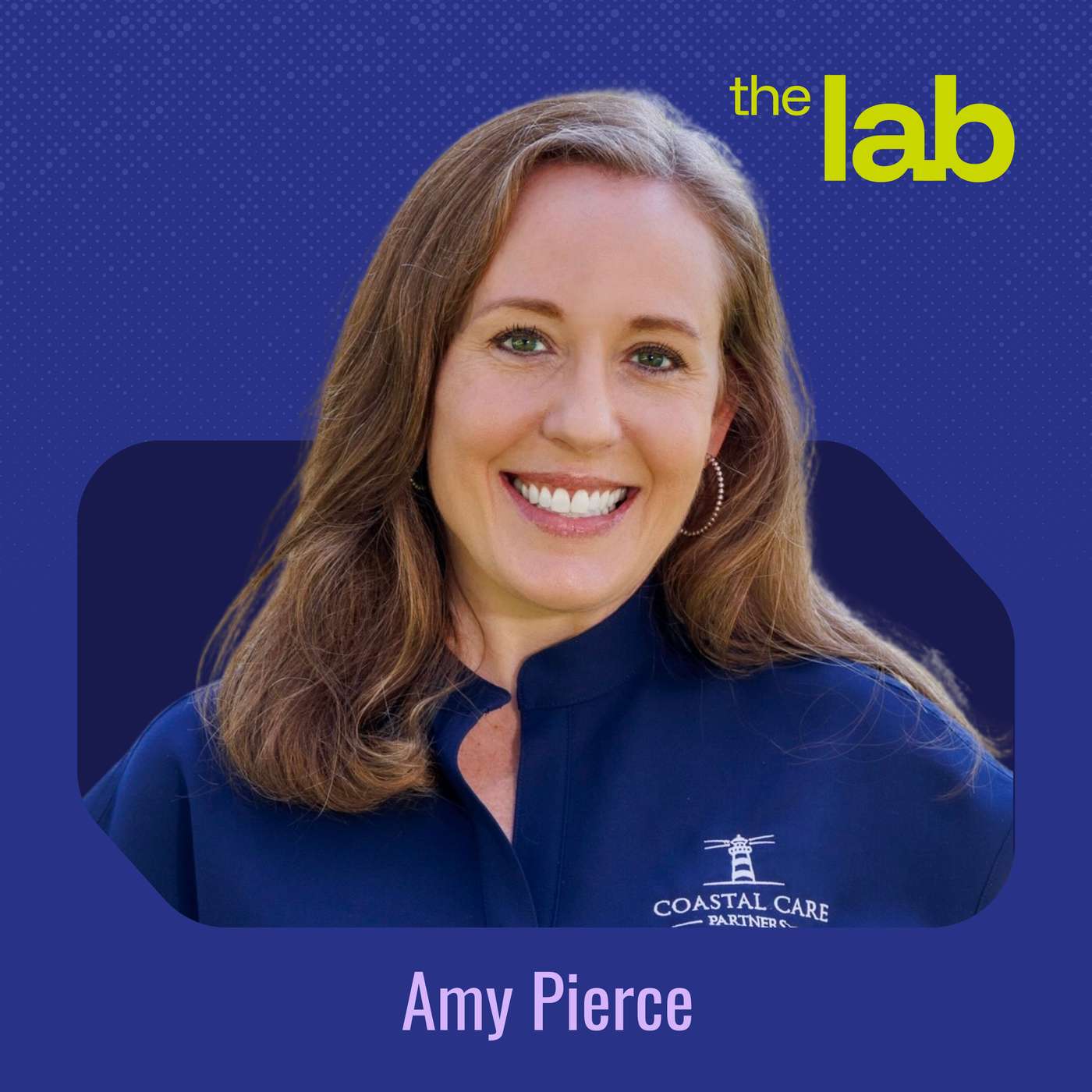
    How Coastal Care Partners Built a One-of-a-kind Integrated Care Model (Amy Pierce)

    #60 Amy Pierce spent more than 20 years as a nurse and saw firsthand how fragmented healthcare makes it incredibly difficult—especially for older adults—to navigate. In 2018, she and her husband Scott set out to fix that. They started with nurse-led care management, quickly growing to ~10 clients before expanding the team—and within just six months realized they needed to bring caregiving in-house to control quality and outcomes. About 1–2 years later, they added clinical oversight so they could handle situations like a 4pm Friday change in condition without sending clients to the ER. Fast forward 8 years, Coastal Care Partners has grown to 340+ employees and become the largest single-site home care company in Georgia, with an integrated team that includes physicians, nurse practitioners, nurses, and therapists—even operating multiple primary care practices and specialty services. Their caregivers go through a 100-hour internal training program, reinforcing their reputation as “elite” providers in their market. Amy shares how they built this model step-by-step—“building the airplane while flying it”—why hiring and communication are everything, and how integration allows them to manage rising conditions like dementia, Parkinson’s, and heart disease more effectively at home. She also breaks down the operational lessons, leadership challenges, and why she believes integrated care is the future of aging services. Show Notes: Amy Pierce on LinkedIn Coastal Care Partners Book: The Aging Care Blueprint for Families by Amy Pierce EOS—Entrepreneurial Operating System for businesses Sponsors: Mertz Taggart—Value Accelerator Program

    • Transcript
  • #59
    May 5 · 1 hr 8 min

    Scaling to $13M Without Investors, Diversified Payers, or Traditional Playbooks (Scott Pierce)

    #59 Scott Pierce didn’t come from home care—he came from broadcasting and healthcare software. But after navigating his parents’ complex health needs, he and his wife Amy built something entirely different in Savannah, Georgia. Eight years later, Coastal Care Partners is doing nearly $13M in revenue and 7,000 hours of care per week—all from a single location. Scott breaks down some of the unconventional decisions behind their growth: Why he focused on hours and Google reviews—not margins or EBITDA How staying 100% private pay shaped their model The early bets on caregiver pay, training, and infrastructure Lessons from distractions, failed ideas, and scaling without outside capital And why most agencies stay stuck—and what it actually takes to break through Scott Pierce on LinkedIn Coastal Care Partners Book: The Aging Care Blueprint for Families by Amy Pierce Book: Unreasonable Hospitality by Will Guidara

    • Transcript
  • #58
    April 28 · 1 hr 4 min

    The Office Team, SOPs, and Networking that Took Him from 700 to 3,000 Hours/Week (Conant Schoenly)

    #58 His father founded the first home care company in Connecticut in 1985. After leaving to pursue a career in finance and private equity, Conant rejoined the family business in 2018. What he walked into? Whiteboards, minimal systems, and plenty of opportunity. In less than eight years, he’s helped 4x the business, driven by thoughtful change management, stronger office staff, and continuous process improvement. Conant breaks down how he hires and develops his office team, how they approach micro vs. macro SOP changes, and why regularly visiting other home care operators has been a game-changer for challenging his thinking and bringing fresh ideas back to the business. Conant Schoenly Charter Oak Home Care Sponsors: Phoebe

    • Transcript
  • #57
    April 21 · 58 min

    The 6 Preventable Gaps Driving 30-Day Readmissions (Ethan Guerrieri)

    #57 The federal government invested $500 million to understand why seniors are readmitted to the hospital within 30 days—and uncovered six key “preventable” gaps driving the problem. Ethan Guerrieri, VP of Operations at Preferred Care at Home, breaks down the research, explains each gap, and shares how his team turned these insights into their Smooth Transition Care Program. Designed for hospitals and SNFs, this evidence-based approach equips case managers and discharge planners with the tools and education they need to reduce readmissions—and shows why home care is the missing link in keeping clients safely at home. Ethan Guerrieri Preferred Care at Home Smooth Transition Care BROCHURE Smooth Transition Care FLYER Smooth Transition Care PERSONAL HEALTH RECORD Sponsors: GUIDE-Ready Respite Provider Program (Debbie Miller + Harmonic Health) CMS GUIDE Participant List (spreadsheet download)

Showing 1–20 of 22 episodes