transcript
show notes
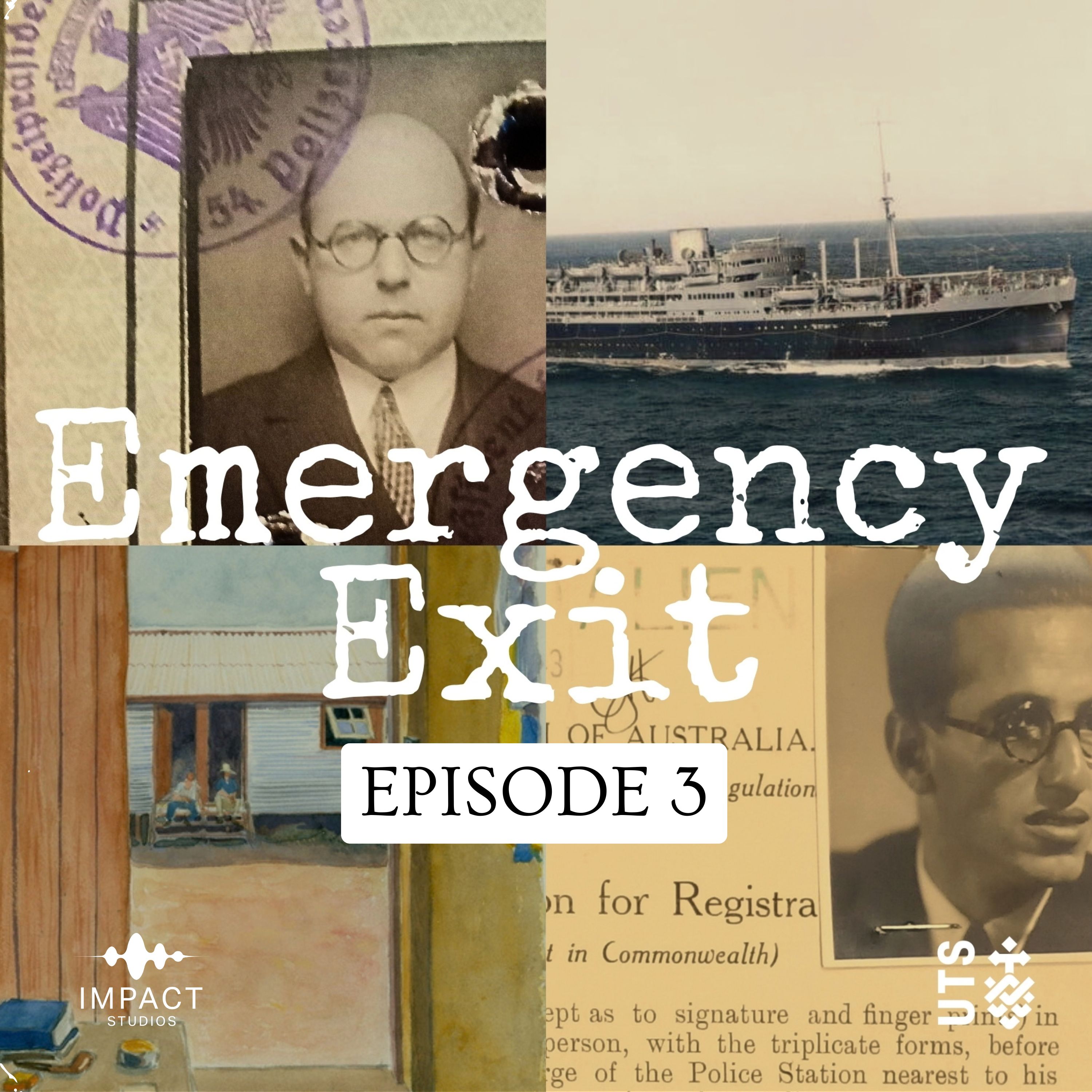
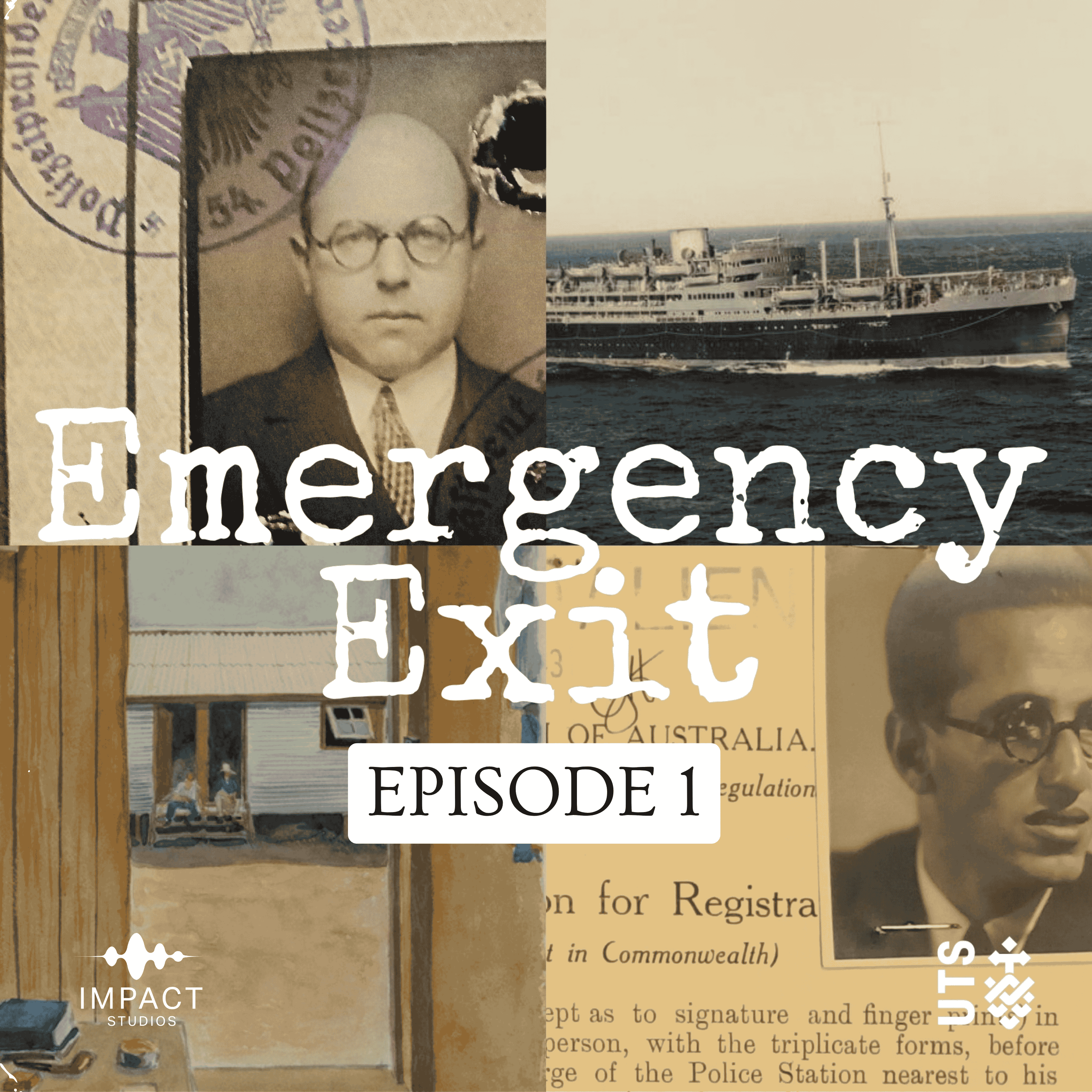
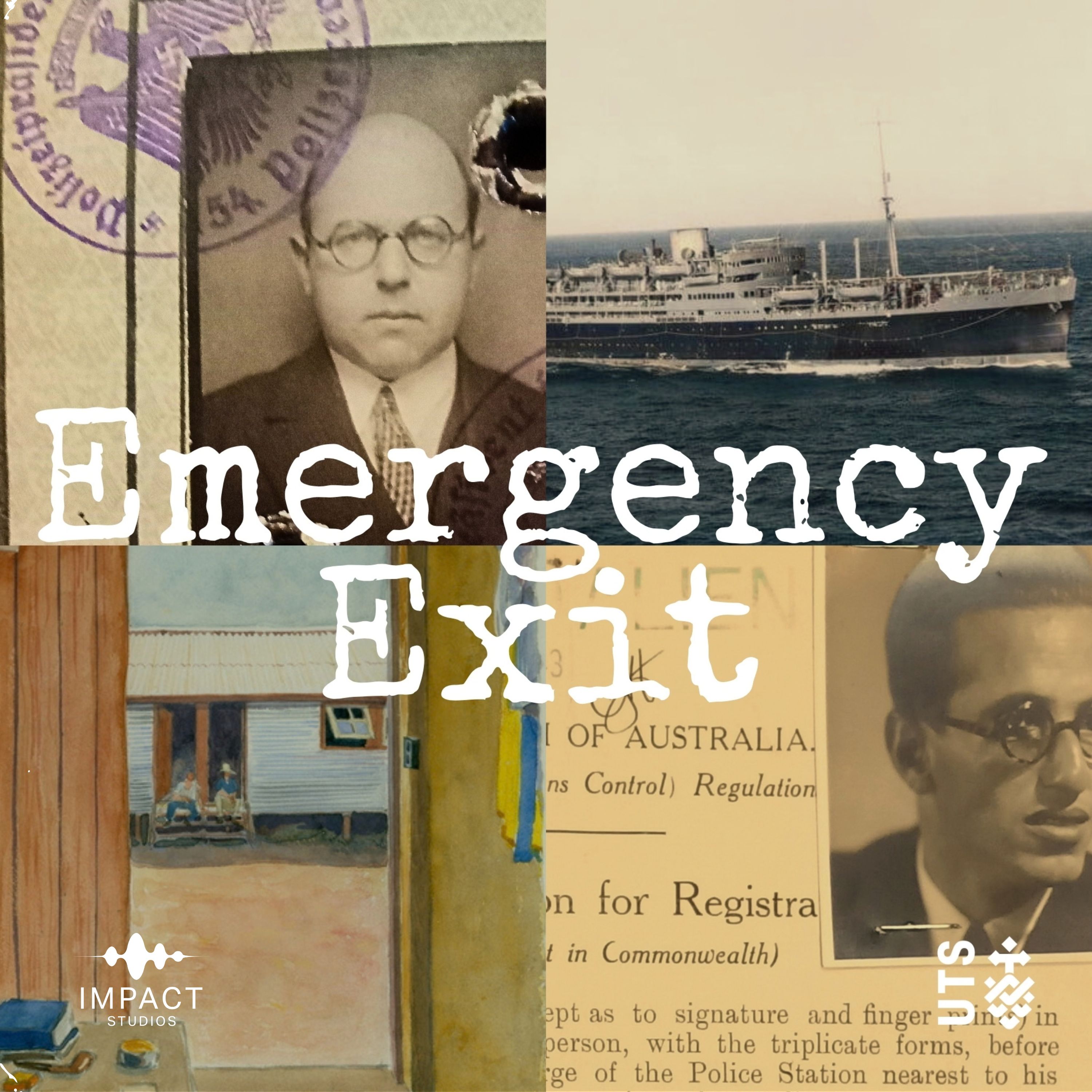
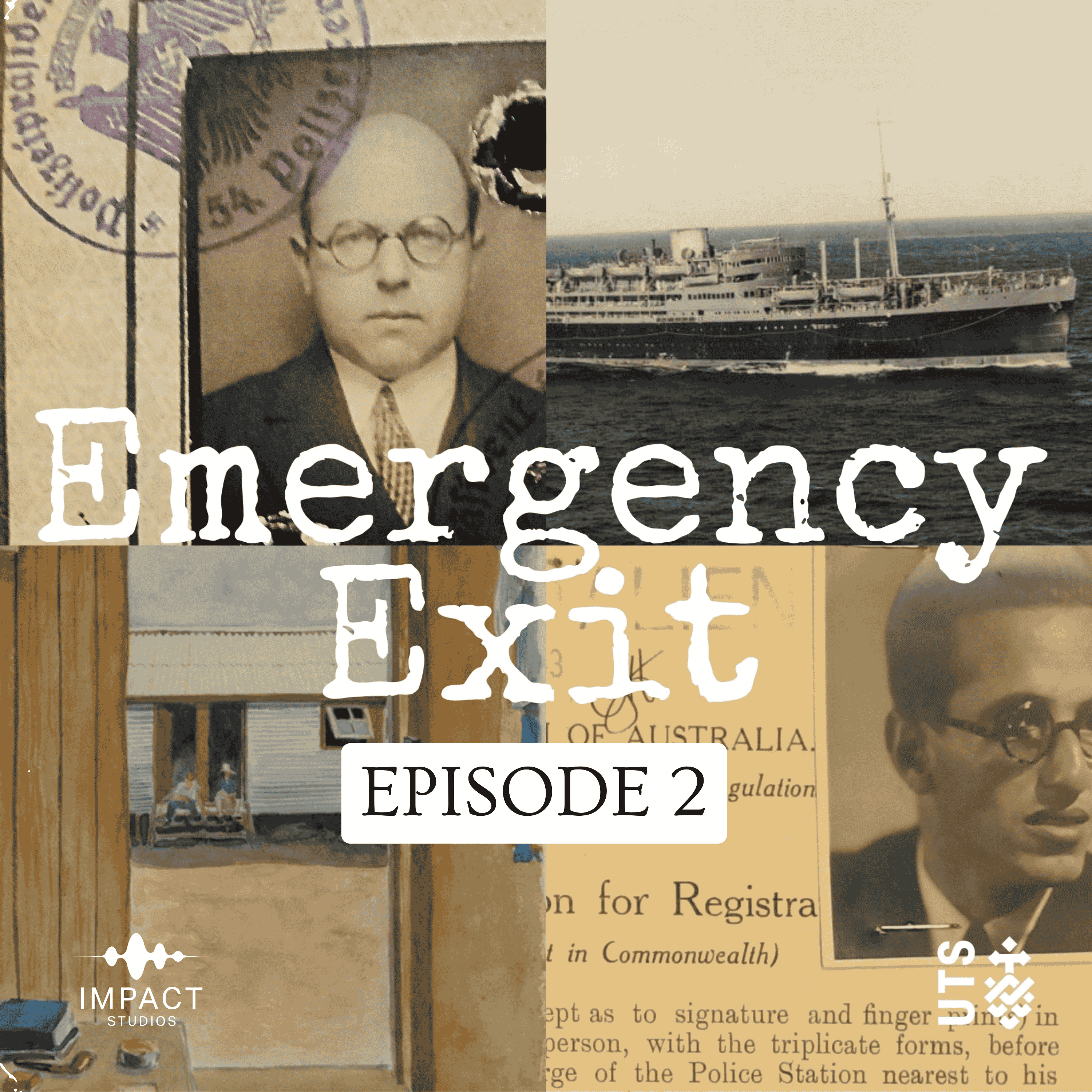
Leonhard Adam’s life was twice transformed by bureaucratic categories. Declared a “non-Aryan” by Nazi rules, he was forced out of his career and from his home in Germany. He fled to England in search of safety, only to be classified as an “enemy alien”, a category formed in panicked haste as Europe descended into war. Adam was swept up in a wave of mass internment that made little distinction between refugees and real threats.
From there, his world shrank to barbed wire and bureaucracy. Arrested, detained, and then deported on the infamous HMT Dunera, Adam was transported across the world to an internment camp in rural Australia. Yet even within the confines of captivity, Adam refused to be defined by the labels imposed on him. He taught, lectured, and helped build a vibrant intellectual community among fellow internees.
Through Adam’s extraordinary journey, this episode reveals how abstract legal categories can upend lives and how, even in the harshest conditions, people resist, adapt, and hold onto their humanity.
Voices
Josh Bornstein is a lawyer who specialises in employment and labour relations law, and author of the book, Working for the Brand: how corporations are destroying free speech (Scribe, 2024). Josh’s grandparents fled Poland, arriving in Australia in 1938.
Katherine Biber is a legal scholar, criminologist and historian and Professor of Law at UTS. Her latest book is The Last Outlaws (Simon & Schuster Australia, 2025). Her podcast of the same name is featured on History Lab.
Sara Dehm is Associate Professor of Law at UTS, where she teaches and researches in the areas of public international law, legal history, international migration and refugee law, and the law of international organisations. She is also a co-convener of the advocacy network Academics for Refugees.
Ana Filipa Vrdoljak is UTS Professor of Law and the UNESCO Chair in International Law and Cultural Heritage. She is co-coordinator of the UNESCO-UNITWIN Network on Culture in Emergencies.
The voice of Leonherd Adam was performed by Thorsten Kostulski, Carl Wehner by Andreas Bork, Robert Ranulph Marett by Alistair Senior, and Esther Simpson by Toni Johnson. Winston Churchill's voice was generated by a bot. Olivia Rosenman reads the news articles.
Credits
This special History Lab series was made on Gadigal land, in Sydney.
Writer and Producer: Olivia Rosenman
Collaborating scholars: Katherine Biber, Sara Dehm, and Ana Filipa Vrdoljak
Additional research: Eloise Chandler
Sound design and audio engineering: Melissa May
Thank you to everyone we interviewed and all the voice actors for this episode. Mary-Clare Adam, Andreas Bork, Alistair Senior, Toni Johnson, and Thorsten Kostulski who also provided invaluable assistance as a talent scout.
The music in this episode included recordings of the Dunera Mass, composed by Max-Peter Meyer on the ship as it sailed for Australia. It was performed by the Luminescence Chamber Singers and The Oriana Chorale, directed by Roland Peelman A.M. with sound engineering and production Jim Atkins. It was recorded at the Wesley Music Centre Chapel in Canberra in 2024 with the support of Creative Australia.
Additional music from Blue Dot Sessions.
Emergency Exit was supported by funding from the Australian Research Council.
History Lab is an Impact Studios podcast. Its executive producer is Sarah Gilbert.