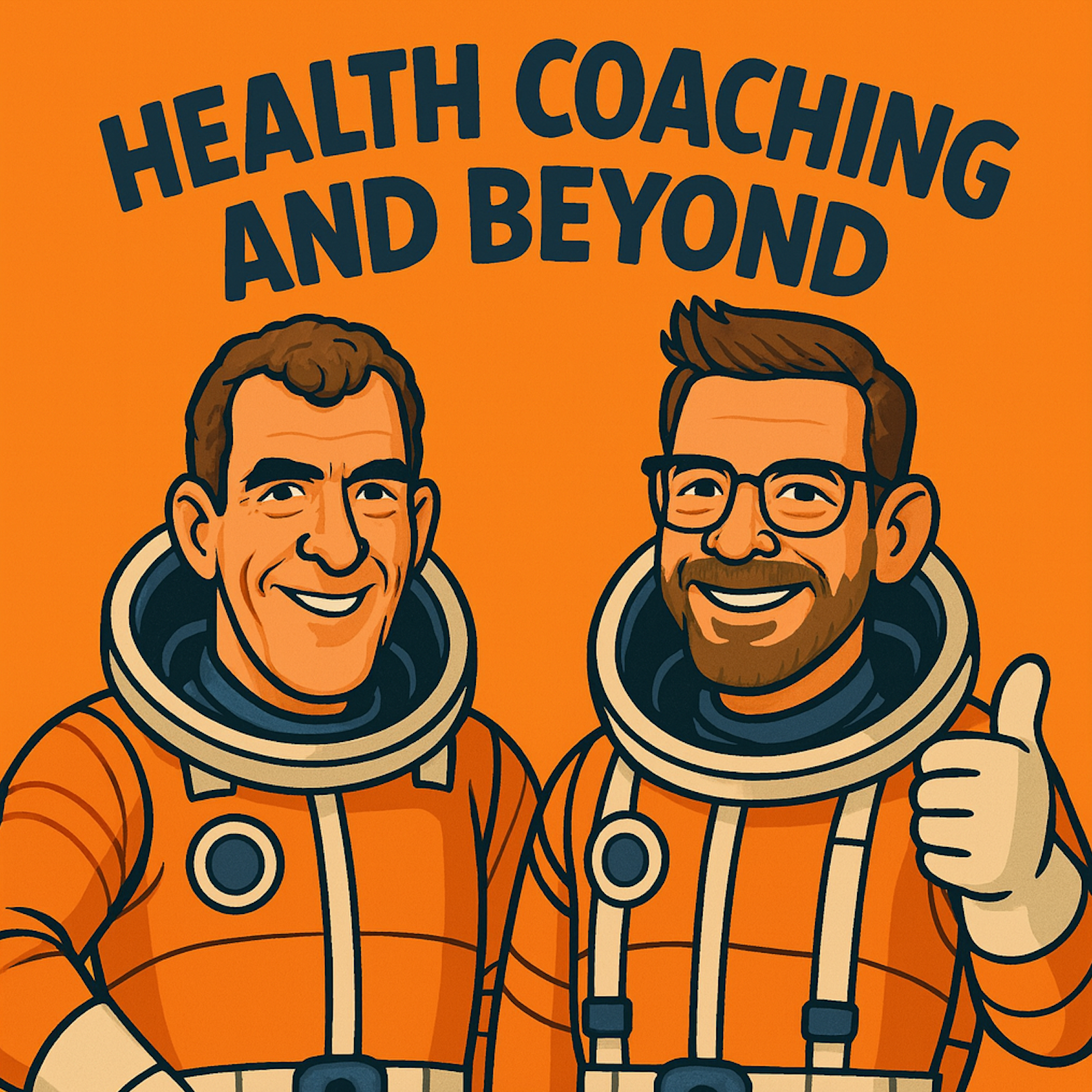
Episode 29 - What the New NHS Musculoskeletal Guidance Could Mean for Health Coaching
Streams straight from the publisher. podnod never proxies or re-hosts episode audio.
Summary
In this episode, Ollie and Tim explore NHS England's newly published Adult Community Musculoskeletal Service Specification and what it could mean for the future of musculoskeletal care.
Rather than simply summarising the guidance, they reflect on the wider shift it represents. The conversation explores how the document places greater emphasis on person-centred care, self-management, prevention and supporting people to build the confidence and skills to manage their own health, principles that closely align with health coaching.
They discuss why this change matters, not just for clinicians working in MSK services, but for anyone interested in improving health outcomes through better conversations and more collaborative care.
Ollie and Tim consider what these changes might look like in practice, the opportunities they create for health coaches and some of the challenges that services may face as they move from policy into implementation.
Throughout the episode, they reflect on the importance of moving beyond traditional models of care, where success is measured purely by appointments and interventions, towards approaches that help people become more active participants in their own health. The discussion offers a hopeful perspective on the direction of travel within the NHS and why this latest guidance feels like another positive step towards more personalised, preventative healthcare.
Takeaways
NHS England's new MSK service specification signals a continued move towards person-centred care.
Supporting self-management is becoming a core expectation of modern MSK services.
Health coaching principles are increasingly reflected within national NHS guidance.
Building people's confidence, knowledge and skills is just as important as delivering treatment.
Prevention and early intervention remain central to improving long-term outcomes.
Collaborative conversations can help people take a more active role in managing their health.
Implementing these changes will require cultural as well as organisational change.
Clinicians may need new skills and support to deliver more person-centred care consistently.
Policy documents provide direction, but meaningful change depends on how they are put into practice.
The future of MSK care is likely to rely on stronger partnerships between professionals and the people they support.
NHS England - Adult Community Musculoskeletal (MSK) Service Specification: https://www.england.nhs.uk/long-read/adult-community-musculoskeletal-service-specification/