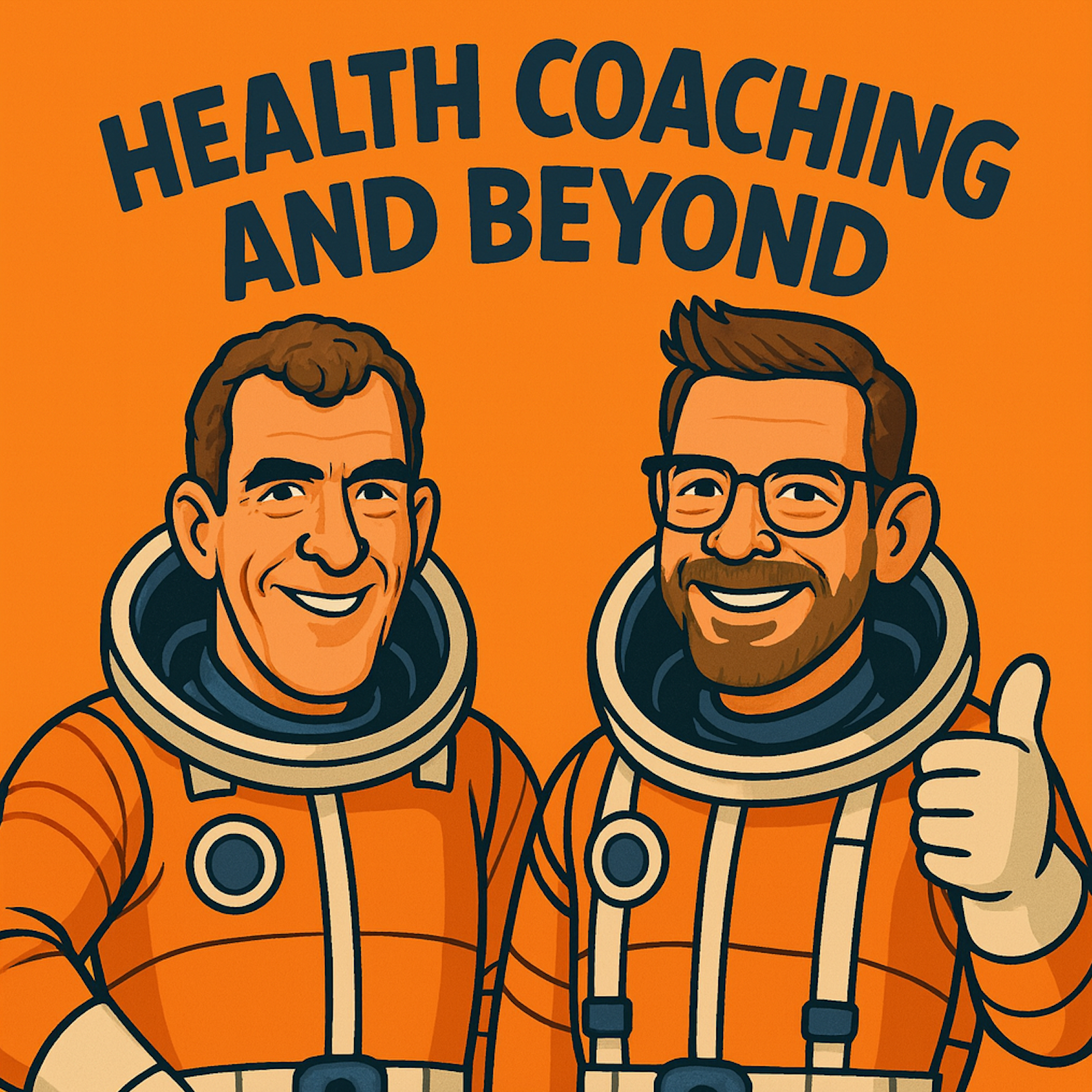
Episode 28 - The Foundations of Great Coaching
Streams straight from the publisher. podnod never proxies or re-hosts episode audio.
In this episode, Ollie is joined by executive coach, researcher and author Dr Rob Kemp to explore one of the biggest questions facing the coaching profession: what makes health coaching different from coaching more broadly?
Drawing on over two decades of coaching experience across leadership, higher education and organisational development, Rob reflects on the core principles that underpin all forms of coaching. Together, Ollie and Rob discuss where health coaching naturally sits within the wider coaching landscape, arguing that many of the skills, values and approaches are shared, even if the context and focus may differ.
The conversation explores why health and wellbeing are often overlooked in leadership and workplace coaching, despite being fundamental to performance, resilience and sustainable change. They discuss the importance of agency, self-awareness, trust and person-centred conversations, and why lasting change rarely comes from advice alone.
The episode also tackles one of the biggest emerging topics in coaching: artificial intelligence. Rob explains why he believes AI can become a powerful tool to support coaches, while questioning whether it should ever be described as an "AI coach". Together they explore the importance of relationships, ethics, trust and human connection, and consider what these developments might mean for the future of coaching.
Takeaways
Health coaching shares many of the same foundations as coaching in leadership, business and education.
Strong coaching is built on trust, partnership and meaningful human relationships.
Sustainable performance depends on health and wellbeing, not just knowledge or technical skills.
Lasting behaviour change comes through agency, reflection and person-centred conversations rather than advice-giving.
Leadership coaching naturally includes discussions about wellbeing, work-life balance and resilience.
Health is shaped by far more than medical treatment alone.
Coaches need to recognise the boundaries between coaching and therapy while working alongside people experiencing health challenges.
AI has significant potential to support coaching practice but should be introduced thoughtfully and ethically.
Human qualities such as trust, shared inquiry and ethical judgement remain central to effective coaching.
Greater collaboration between health coaching and the wider coaching profession would benefit both fields.
No links were found in this episode’s notes.