Skip to content
Artwork for Half Marathon Training Plan Podcast

Half Marathon Training Plan Podcast

Coach Chris

The Half Marathon Training Plan Podcast helps beginners train smarter, stay healthy, and finish strong.

Hosted by Coach Chris and Coach Maya, each episode breaks down the science of running into simple, practical strategies for building mileage safely, avoiding injury, fueling properly, and staying consistent from week one to race day.

Whether you're training for your first 13.1 or coming back after burnout, this podcast teaches the system behind injury-free half marathon training — without hype, guesswork, or wasted miles.

Start here → halfmarathontrainingplan.com/start

Play
  • 20 episodes
  • fortnightly
  • Avg 15 min
  • English
  • #29
    Wednesday · 17 min

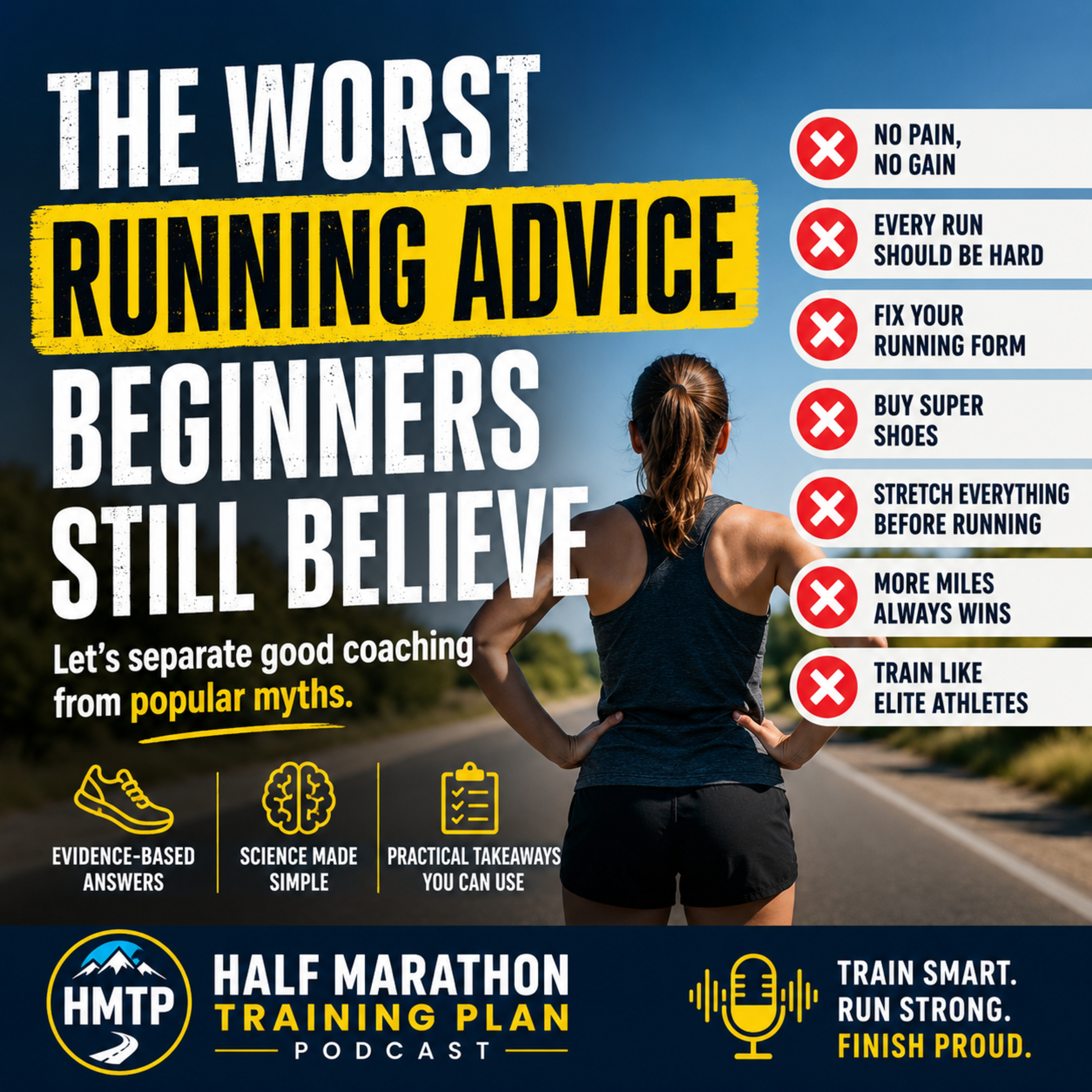
    The Worst Running Advice Beginners Still Believe

    Running advice is everywhere. Unfortunately, a lot of it is outdated, oversimplified, or just plain wrong. In this episode, Coach Chris and Coach Maya separate popular running myths from evidence-based coaching to help beginner runners train smarter, avoid injuries, and enjoy the process. We tackle everything from "no pain, no gain" and forcing your running form to stretching myths, carbon-plated super shoes, chasing mileage, and why trying to copy elite athletes can actually hold you back. In this episode, you'll learn: Why "no pain, no gain" is one of the worst pieces of running advice Why easy runs are essential for building endurance Why most beginners don't need to overhaul their running form How a small cadence adjustment can improve running efficiency When carbon-plated racing shoes actually make sense - and when they don't Why dynamic warm-ups beat static stretching before a run Why sudden long-run increases matter more than chasing weekly mileage Why consistency beats perfection every time The truth is that successful runners aren't usually the ones chasing every new trend—they're the ones who consistently follow the fundamentals. Related Resources: Why Running Feels Hard: The Zone 2 Secret Every Beginner Should Know How to Avoid Shin Splints Beginner Running Gear Checklist Start Your Free Half Marathon Training Plan If you enjoyed this episode, please follow the podcast and leave a review. It helps more runners discover the show and supports our mission of helping beginners run 13.1 miles injury-free. Train Smart. Run Strong. Finish Proud.
  • #28
    July 27 · 16 min

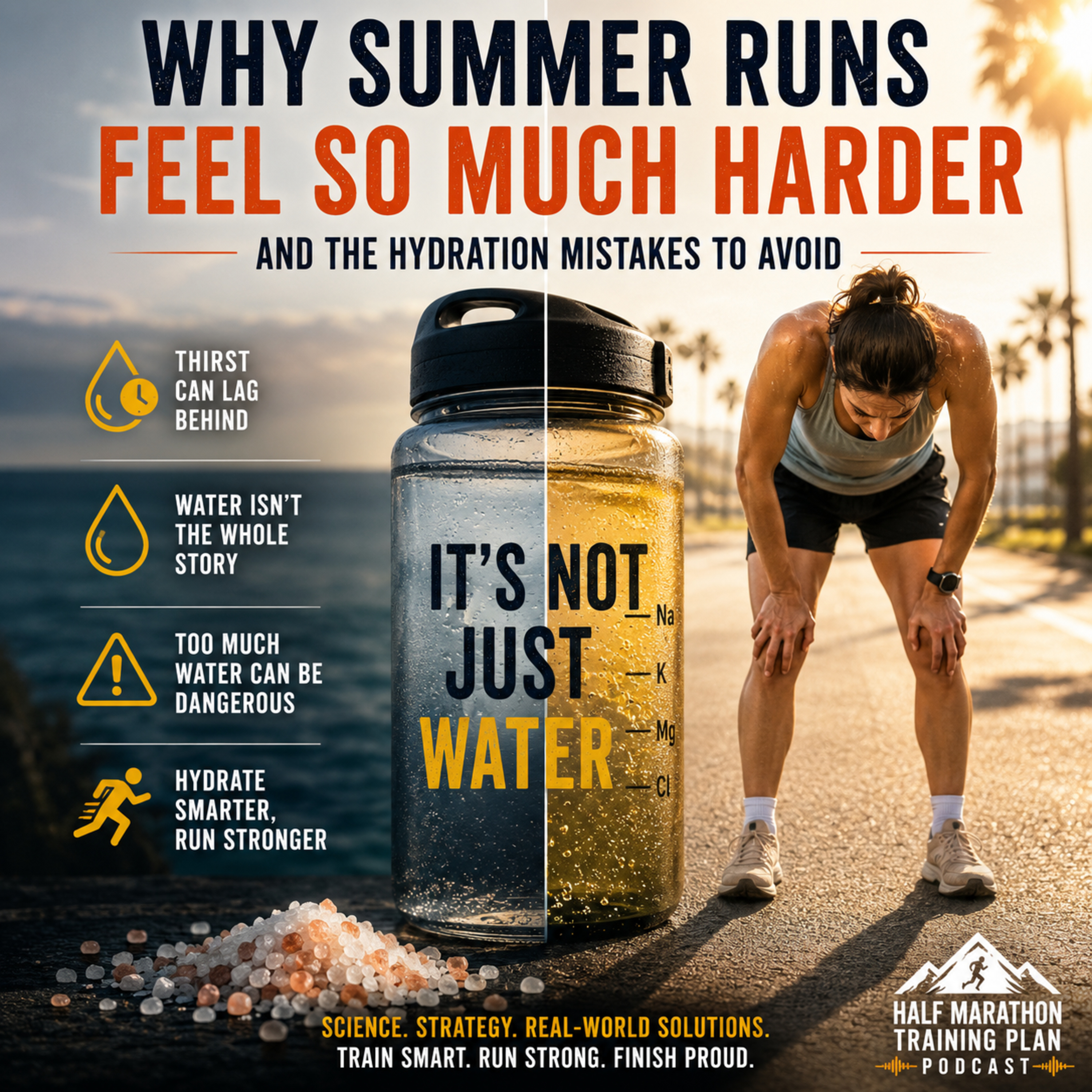
    Why Summer Runs Feel So Much Harder (And the Hydration Mistakes to Avoid)

    Why does your normal easy run suddenly feel impossible when the temperature rises? If you've ever wondered why your heart rate climbs, your legs feel heavy, or your pace slows dramatically during the summer, this episode explains the science—and the simple hydration strategies that can help. Coach Chris and Coach Maya break down what really happens inside your body when you run in the heat, why hydration is about more than just drinking water, and how common mistakes can leave runners feeling sluggish, fatigued, or even lead to serious medical issues during longer races. In this episode, you'll learn: ☀️ Why hot and humid weather makes every run feel harder ❤️ What cardiovascular drift is—and why your heart rate climbs in the heat 💧 Why drinking only when you're thirsty isn't always enough on longer runs 🧂 Why sodium matters just as much as water during long or hot runs ⚠️ The surprising dangers of drinking too much plain water (exercise-associated hyponatremia) 🏃 Practical hydration strategies for long runs, races, and summer training 🥤 When electrolyte drinks actually make sense—and when plain water is perfectly adequate Whether you're training for your first half marathon or simply trying to survive summer running, this episode will help you hydrate smarter, run more comfortably, and avoid some of the most common mistakes runners make. 🚀 Start your free half marathon training plan:https://halfmarathontrainingplan.com/start/ 💧 We've recently been enjoying the sugar-free electrolyte mixes from Key Nutrients during longer summer runs. If you're looking for another hydration option, you can learn more here If you enjoyed this episode, please follow the podcast and leave a review—it helps more runners discover the show. Train Smart. Run Strong. Finish Proud.
  • #27
    July 6 · 19 min

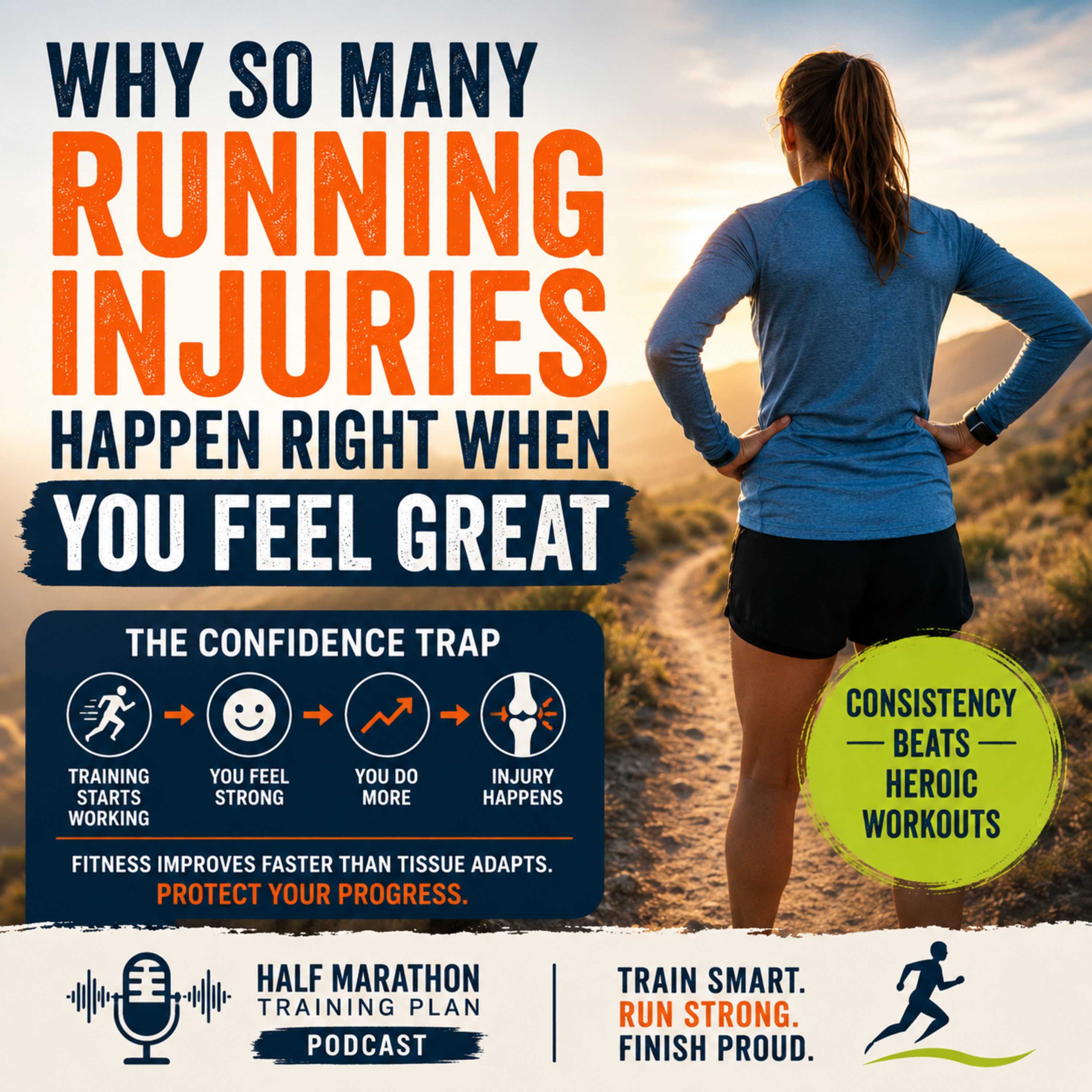
    Why So Many Running Injuries Happen Right When You Feel Great

    Why do runners often get hurt right when training finally starts working? There is a dangerous moment in beginner running: the point where your breathing feels easier, your confidence rises, and you start thinking, “Maybe I can do a little more.” That is often when runners accidentally increase mileage, pace, hills, or training frequency too quickly. In this episode, Coach Chris and Coach Maya explain the confidence trap: why your heart and lungs often adapt faster than your tendons, bones, and connective tissue. You’ll learn: Why feeling good does not always mean your body is ready for more How small increases in mileage, speed, and hills can stack up quickly Why shoes and form changes rarely fix training load mistakes How confidence can lead to “too much, too soon” injuries The better question to ask before adding more training Start Here: Download our free 14-week Half Marathon Training Plan and learn how to build endurance gradually while reducing your risk of common running injuries: https://halfmarathontrainingplan.com/start Related Resources Achilles Pain in Runners: What Actually Works How to Avoid Shin Splints Heavy Legs While Running: Causes & Fixes This has been a production of the Half Marathon Training Plan Podcast. Visit HalfMarathonTrainingPlan.com for science-based training guidance, injury prevention articles, and beginner-friendly half marathon coaching.

  • #26
    June 22 · 19 min

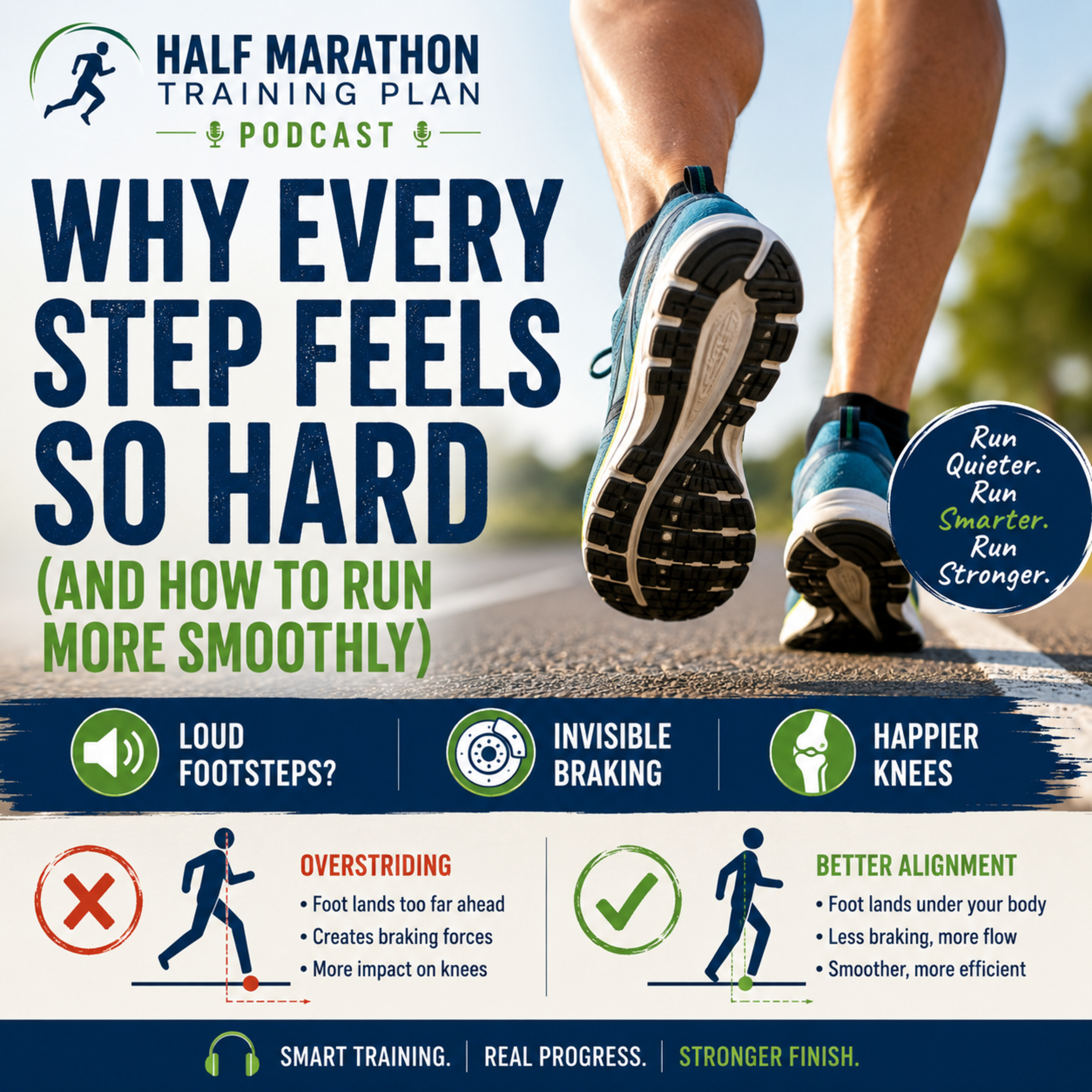
    Why Every Step Feels So Hard (And How to Run More Smoothly)

    Do your feet sound loud when you run? If every step feels heavy, jarring, or harder than it should, the issue may not be your fitness. It may be the way your foot is landing. In this episode, Coach Chris and Coach Maya explain overstriding in simple, beginner-friendly language: why landing too far in front of your body creates a braking effect, why that can make running feel harder, and how small changes can help you run more smoothly. You’ll learn: Why loud footsteps can be useful feedback How overstriding creates invisible braking forces Why your knees and shins may absorb more impact than necessary Why the “180 cadence rule” is misleading for beginners How shorter, quicker steps can help reduce braking without running faster Start Here: Download our free 14-week Half Marathon Training Plan and learn how to train smarter while reducing your risk of common running injuries: https://halfmarathontrainingplan.com/start Related Resources How to Avoid Shin Splints Beginner Running Gear Checklist This has been a production of the Half Marathon Training Plan Podcast. Visit HalfMarathonTrainingPlan.com for science-based training guidance, injury prevention articles, and beginner-friendly half marathon coaching.

  • #25
    June 8 · 21 min

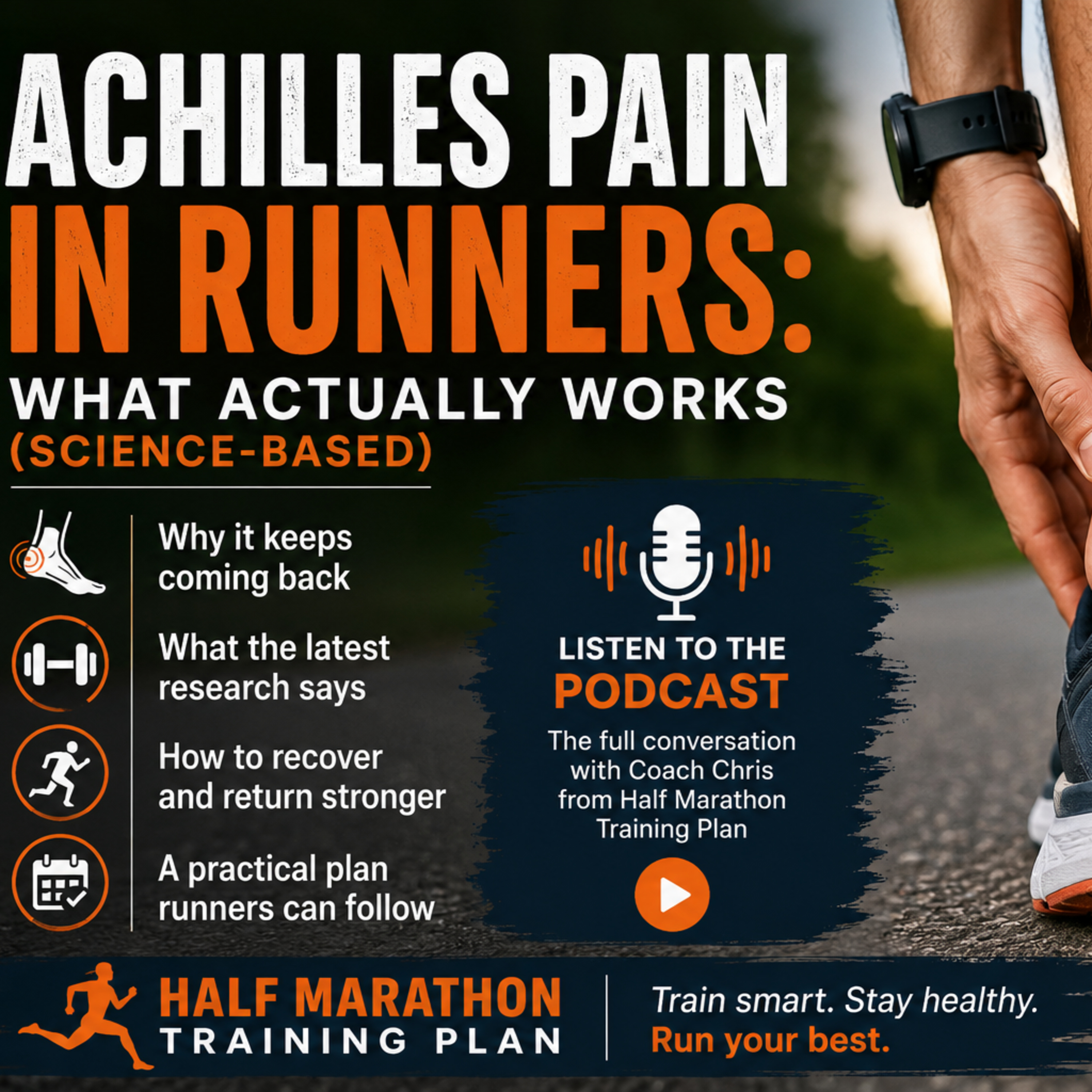
    Achilles Pain in Runners: What Actually Works (Science-Based)

    Why does Achilles pain keep coming back, even after taking time off? For many runners, the cycle is frustratingly familiar: your Achilles starts hurting, you rest until it feels better, then the pain returns as soon as you start running again. In this episode, Coach Chris and Coach Maya explain what the latest sports medicine research says about Achilles tendinopathy, tendon loading, calf strength, recovery, and how to safely return to running without restarting the injury cycle. You'll learn: Why rest alone often isn't enough How tendons adapt differently than muscles The role of progressive loading in recovery When walking helps—and when it doesn't The 24-hour rule for monitoring your progress Common myths that keep runners stuck in the injury cycle Read the complete science-based article: Achilles Pain in Runners: What Actually Works Start Here: Download our free 14-week Half Marathon Training Plan and learn how to train smarter while reducing your risk of injury: https://halfmarathontrainingplan.com/start Related Resources How to Avoid Shin Splints Heavy Legs While Running: Causes & Fixes Electrolytes for Runners This has been a production of the Half Marathon Training Plan Podcast. Visit HalfMarathonTrainingPlan.com for more evidence-based training guides, injury prevention articles, and beginner-friendly half marathon coaching.

  • #24
    May 25 · 20 min

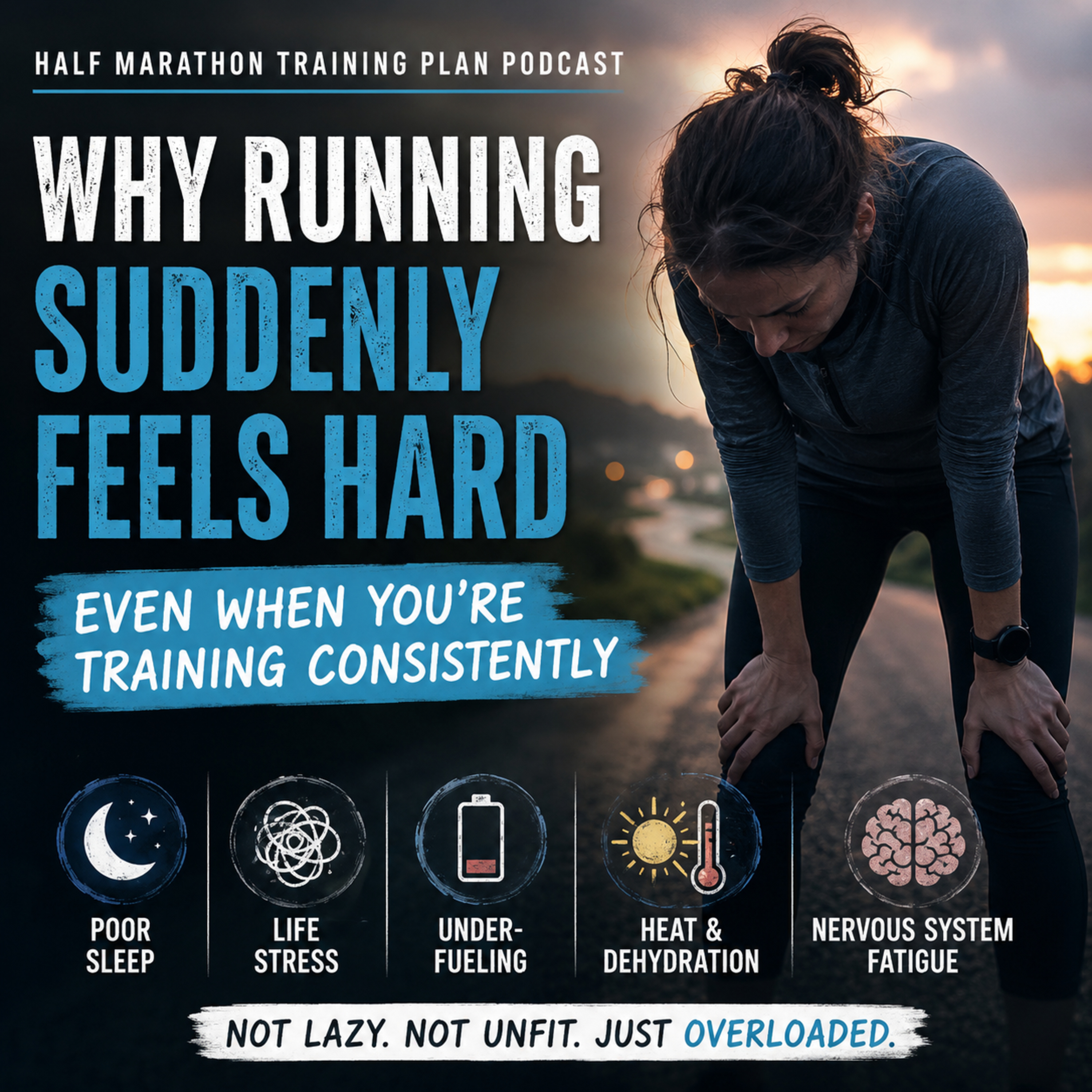
    Why Running Suddenly Feels Hard (Even When You’re Training Consistently)

    Why do some runs suddenly feel terrible… even when your training hasn’t changed? Your legs feel heavy. Your pace falls apart. Your heart rate is unusually high. And suddenly you start wondering if you lost all your fitness overnight. In reality, most bad runs are not caused by lost fitness at all. They are caused by accumulated stress your body has not fully recovered from yet. In this episode, Coach Chris and Coach Maya break down the hidden factors that quietly make running feel harder than it should: Poor sleep and nervous system fatigue Life stress and recovery debt Heat and dehydration Chronic under-fueling Why your brain sometimes forces your body into “low power mode” This episode is designed to help runners stop panicking during rough training weeks and better understand how recovery, stress, and adaptation actually work. Start Here: The Injury-Proof Running System Download our free 14-week training plan and learn how to build endurance without burnout or injury: halfmarathontrainingplan.com/start Related Articles: Heavy Legs While Running: Causes & Fixes Electrolytes for Runners This has been a production of the Half Marathon Training Plan Podcast. Visit HalfMarathonTrainingPlan.com for more science-based training guidance.

  • #23
    May 11 · 15 min

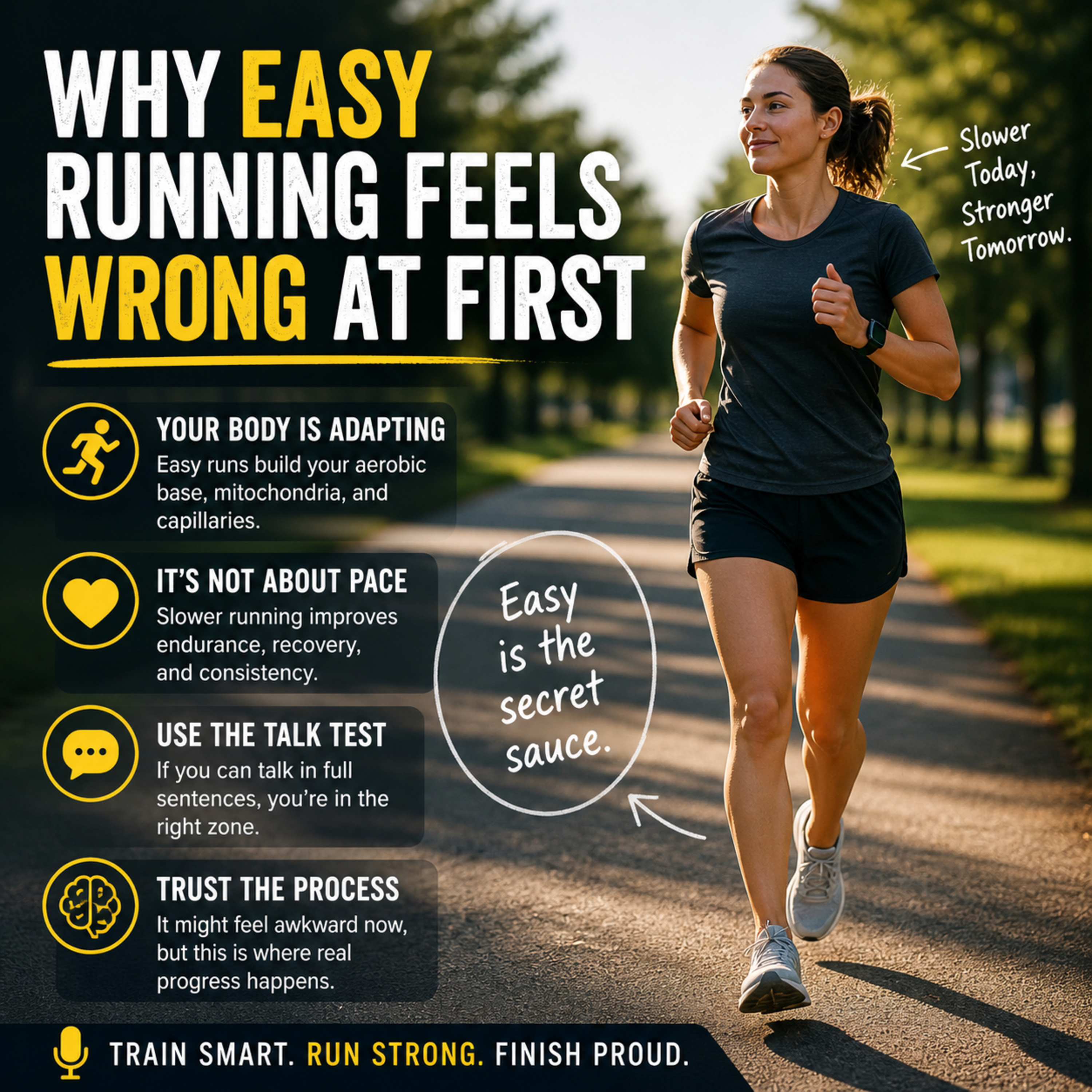
    Why Easy Running Feels Wrong at First

    Why does running slower feel so uncomfortable at first? If easy running makes you feel awkward, out of shape, or like you are somehow “doing it wrong,” you are not alone. Most beginner runners accidentally spend every run stuck in the middle: too hard to properly recover, but not easy enough to build a true aerobic base. In this episode, Coach Chris and Coach Maya break down why slower running feels mentally difficult, why pace anxiety holds runners back, and how easy running quietly builds the endurance engine that actually makes you faster over time. We cover: Why easy running feels awkward and ineffective at first The “moderate intensity trap” that keeps runners exhausted How conversational pace training actually improves endurance Why constantly chasing pace can sabotage progress How to build confidence while running slower 🔗 Start Here: The Injury-Proof Running SystemDownload our Free 14-Week Training Plan and learn how to build endurance without burnout or injury: halfmarathontrainingplan.com/start ⌚ Simple Gear Mentioned: Garmin Forerunner This has been a production of the Half Marathon Training Plan Podcast. Visit HalfMarathonTrainingPlan.com for more science-based training guidance.

  • #22
    April 27 · 15 min

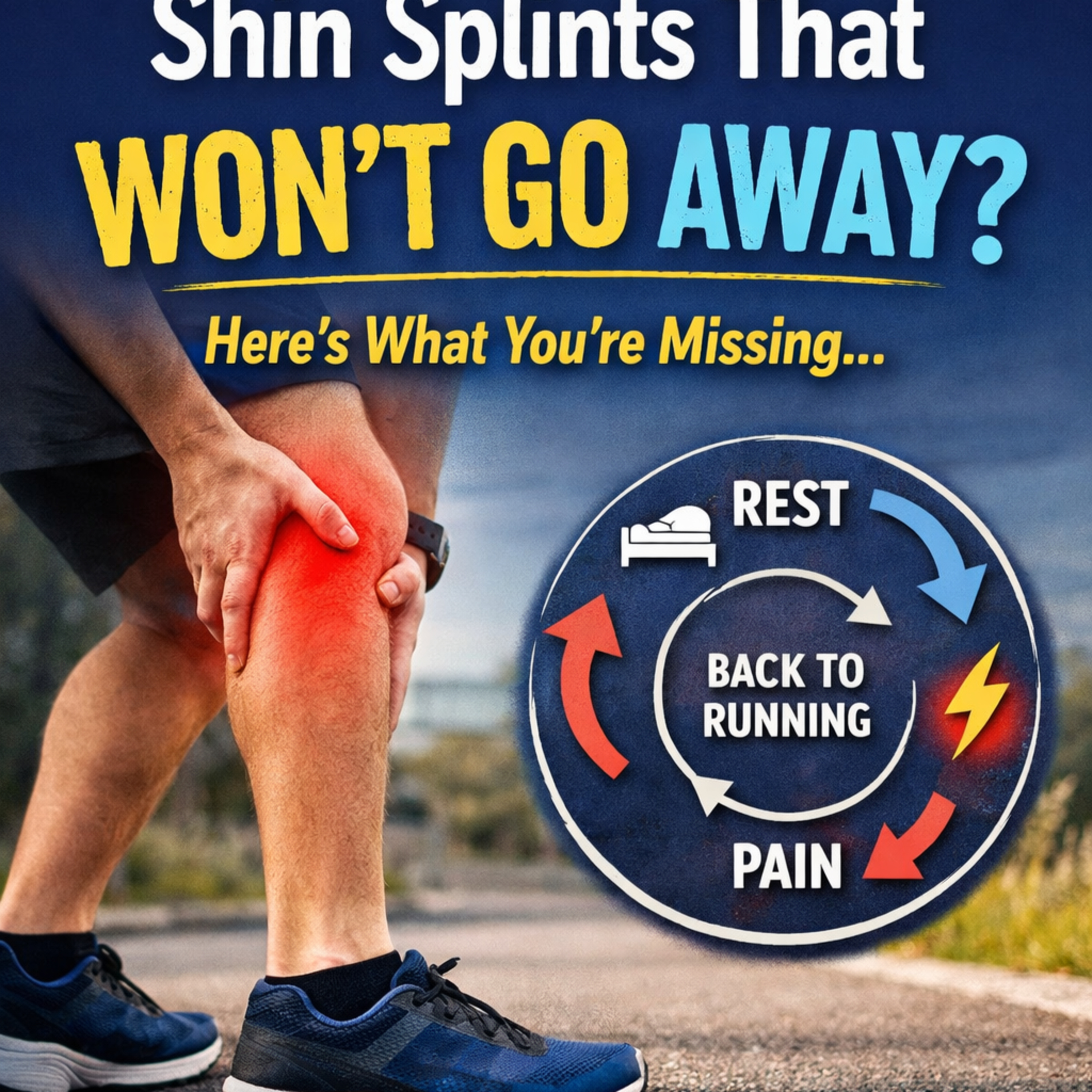
    Shin Splints That Won’t Go Away? Here’s What You’re Missing

    Do your shin splints keep coming back every time you start running again? You rest. The pain goes away. You feel good. Then you run… and it comes right back. If that cycle sounds familiar, you are not alone—and you are not doing anything wrong. In this episode, Coach Chris and Coach Maya break down why shin splints (medial tibial stress syndrome) keep returning, and why the common advice to “just rest until it feels better” doesn’t actually fix the problem. We cover: 🔁 The “injury loop” that keeps runners stuck in recurring pain 🦴 Why pain going away does NOT mean your tissue is healed ⚠️ The biggest mistake runners make when returning to training 🏃‍♂️ A simple, practical system to safely get back to running ⚙️ How a small cadence adjustment can reduce stress on your shins 🔗 Start Here: The Injury-Proof Running System Download our Free 14-Week Training Plan and get the step-by-step system we use with beginner runners: halfmarathontrainingplan.com/start 📚 Related Reading: How to Avoid Shin Splints This has been a production of the Half Marathon Training Plan Podcast. Visit HalfMarathonTrainingPlan.com for more science-based training guidance.

  • #21
    April 15 · 17 min

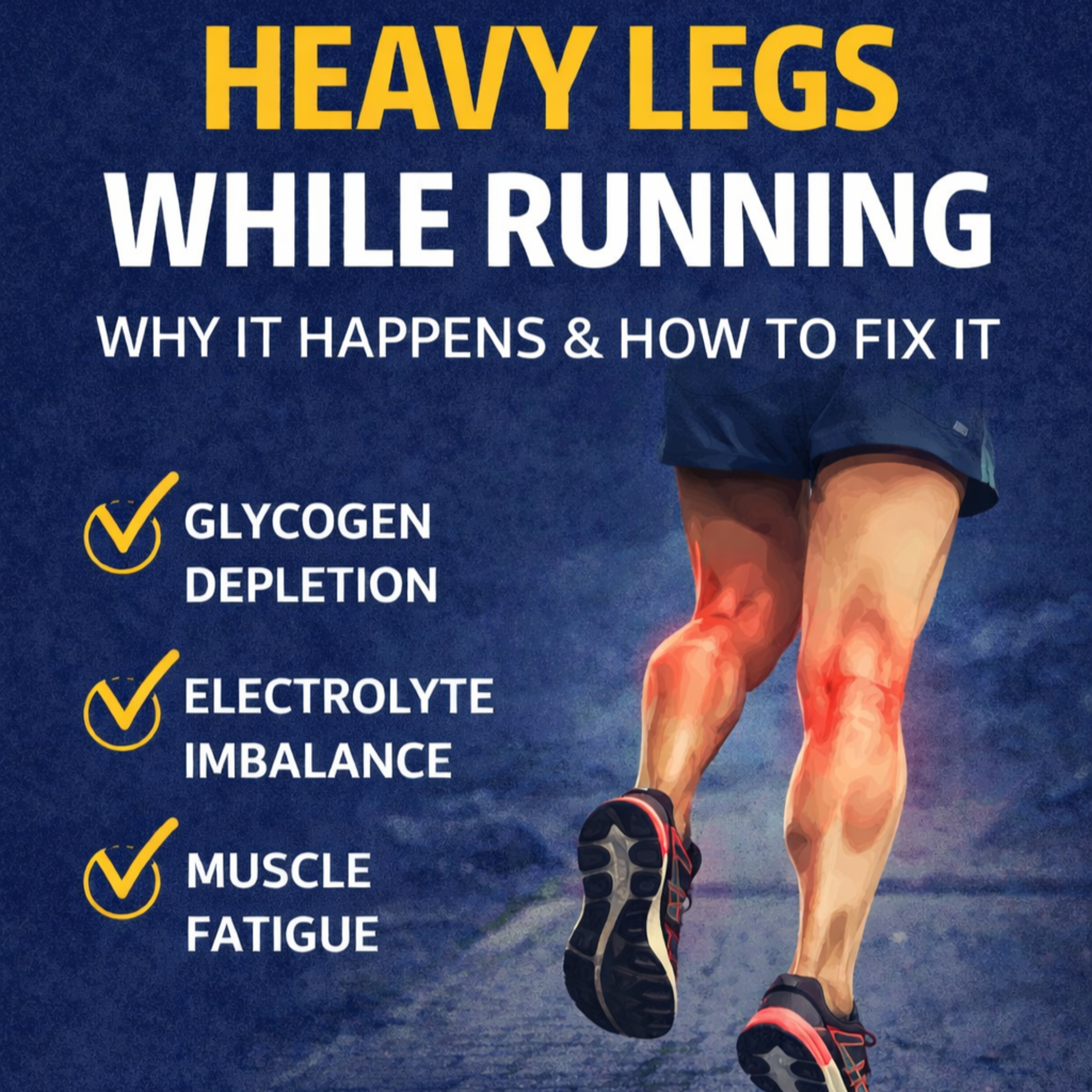
    Heavy Legs While Running: Why It Happens (And How To Fix It)

    Why do your legs suddenly feel heavy during a run—even when your fitness is improving? This is one of the most frustrating and misunderstood experiences in running. One minute you feel smooth and in control… and the next, your legs feel like bricks. This episode is grounded in exercise physiology and real-world training principles. In this episode, Coach Chris and Coach Maya break down exactly why this happens—and how to fix it. We cover: ⚡ How glycogen depletion impacts muscle force and perceived effort 💧 Why electrolyte imbalance (especially sodium) disrupts muscle contraction 🧠 The role of neuromuscular fatigue and the brain’s “central governor” 🔧 A simple system to prevent heavy legs before, during, and after your runs 🔗 Start Here: The Injury-Proof Half Marathon System Download our free 14-week training plan and learn how to structure your training, fueling, and recovery: halfmarathontrainingplan.com/start 📚 Learn More: How to Avoid Shin Splints Fueling Long Runs Electrolytes for Runners This has been a production of the Half Marathon Training Plan Podcast. Visit HalfMarathonTrainingPlan.com for more science-based training guidance.

  • #20
    March 30 · 20 min

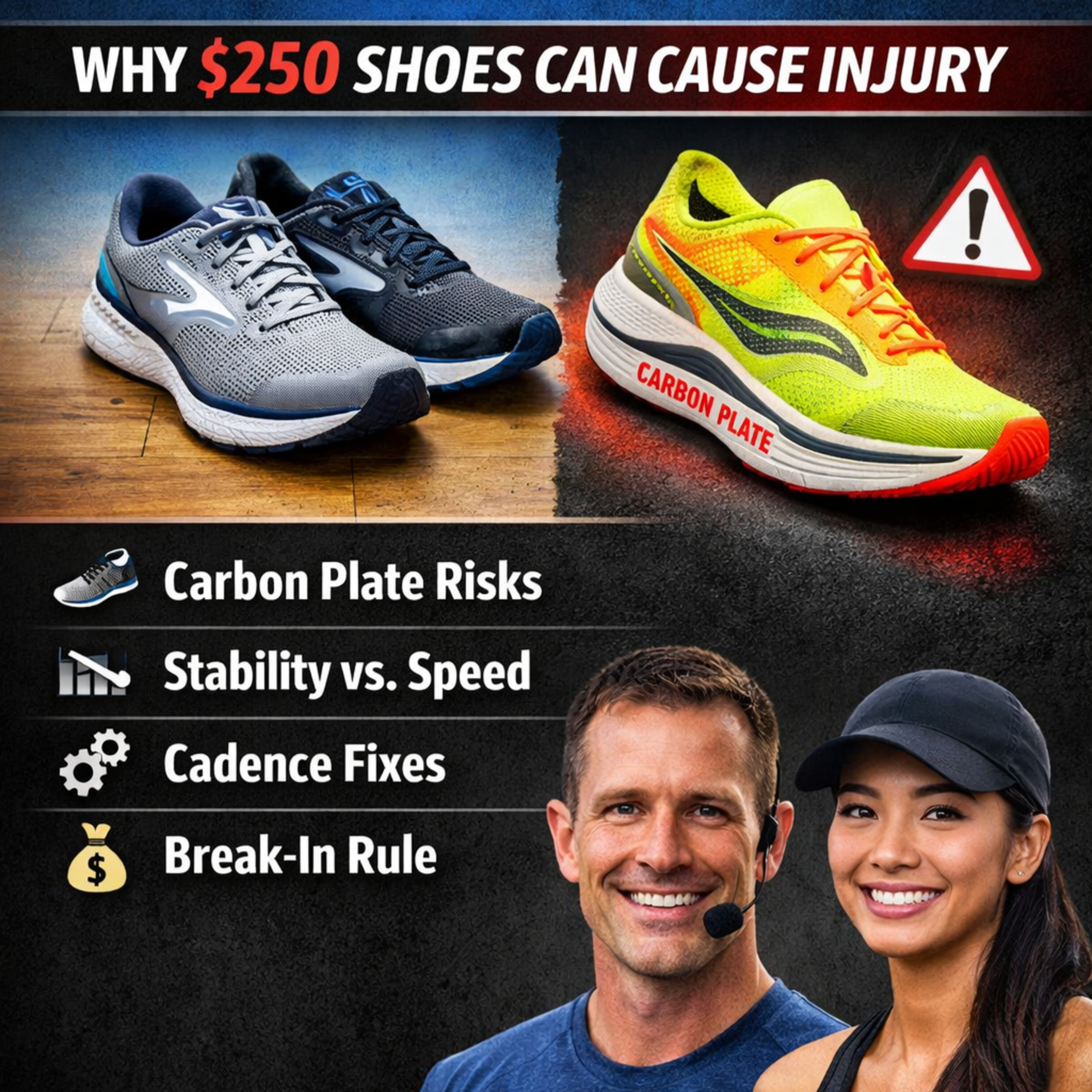
    The Only Running Shoes Beginners Actually Need (And Why $250 Shoes Can Cause Injury)

    Do you really need $250 carbon-plated super shoes to run a half marathon? If you walk into a running store and feel completely overwhelmed by the "wall of neon," you are not alone. The running shoe industry wants you to think you are broken so they can sell you an expensive fix. But the truth is, the wrong "advanced" shoe can actually contribute to shin splints and knee pain. This episode is grounded in sports biomechanics research and real-world training data. In this episode, Coach Chris and Coach Maya cut through the marketing hype to tell you exactly what kind of shoes a beginner needs — and what you should completely ignore. We cover: 👟 Why carbon-plated race shoes can increase injury risk for beginners. 📉 The "Stability vs. Speed" debate (and why boring shoes win). ⚙️ How increasing your cadence does more for your knees than any shoe. 💰 The "2-Week / 20-Mile" break-in rule to protect your race day. 🔗 Start Here: The Injury-Proof Half Marathon System Download our Free 14-Week Training Plan and get the exact gear checklist we recommend: halfmarathontrainingplan.com/start 📍 The "Boring but Safe" Daily Trainers We Recommend: Brooks Ghost Saucony Ride Read our full guide to the best running shoes for half marathon beginners This has been a production of the Half Marathon Training Plan Podcast. Visit HalfMarathonTrainingPlan.com for more science-based training guidance.

  • #19
    March 16 · 11 min

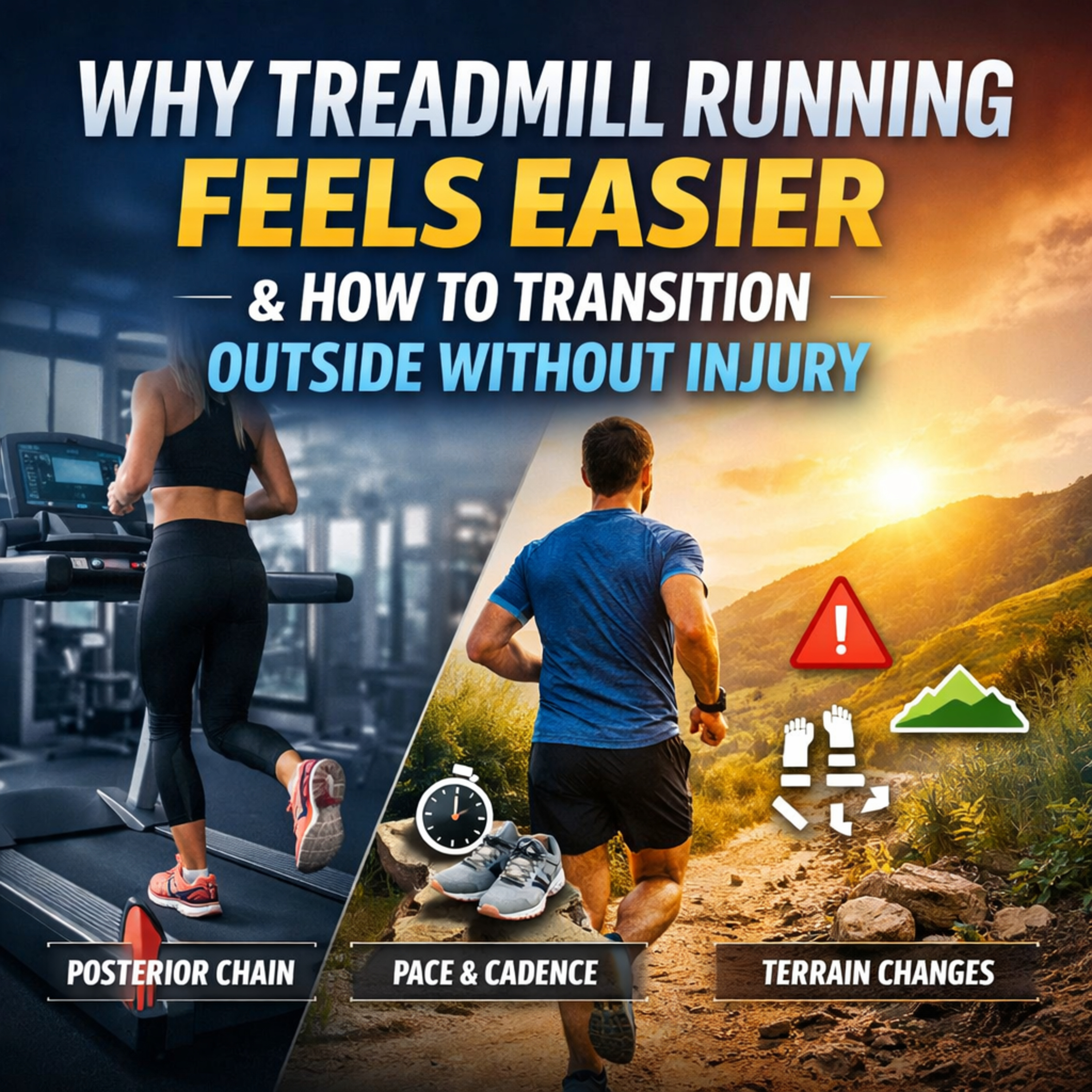
    Why Treadmill Running Feels Easier (And How to Transition Outside Without Injury)

    Why does running outside feel so much harder than running on a treadmill? If you’ve ever felt strong indoors but struggled the moment you hit the pavement, you’re not imagining it. The difference isn’t mental — it’s physiological and biomechanical. In this episode, Coach Chris and Coach Maya explain exactly why treadmill running feels easier, what changes when you move outdoors, and how to transition safely without injury. We cover: 🏃 Why treadmill running often feels easier (and the science behind it) ⚙️ The biggest difference: posterior chain demand outdoors 📉 How cadence and stride change when you leave the treadmill ⏱️ The pacing mistake almost every runner makes outside ⚠️ Why the first 2–3 weeks outdoors carry the highest injury risk ✅ A simple, step-by-step plan to transition safely This episode is especially helpful if you're coming off a winter of treadmill training or preparing for an outdoor race. 🔗 New to the podcast? Start here → The Injury-Proof Half Marathon System 📚 Helpful Resources: How to Avoid Shin Splints Why Consistency Beats Motivation in Half Marathon Training 📘 Want the full system step-by-step? It’s built directly into the Half Marathon Training Plan book (Kindle & Paperback). This has been a production of the Half Marathon Training Plan Podcast. Visit HalfMarathonTrainingPlan.com for more science-based training guidance.

  • S1 · E18
    February 23 · 28 min

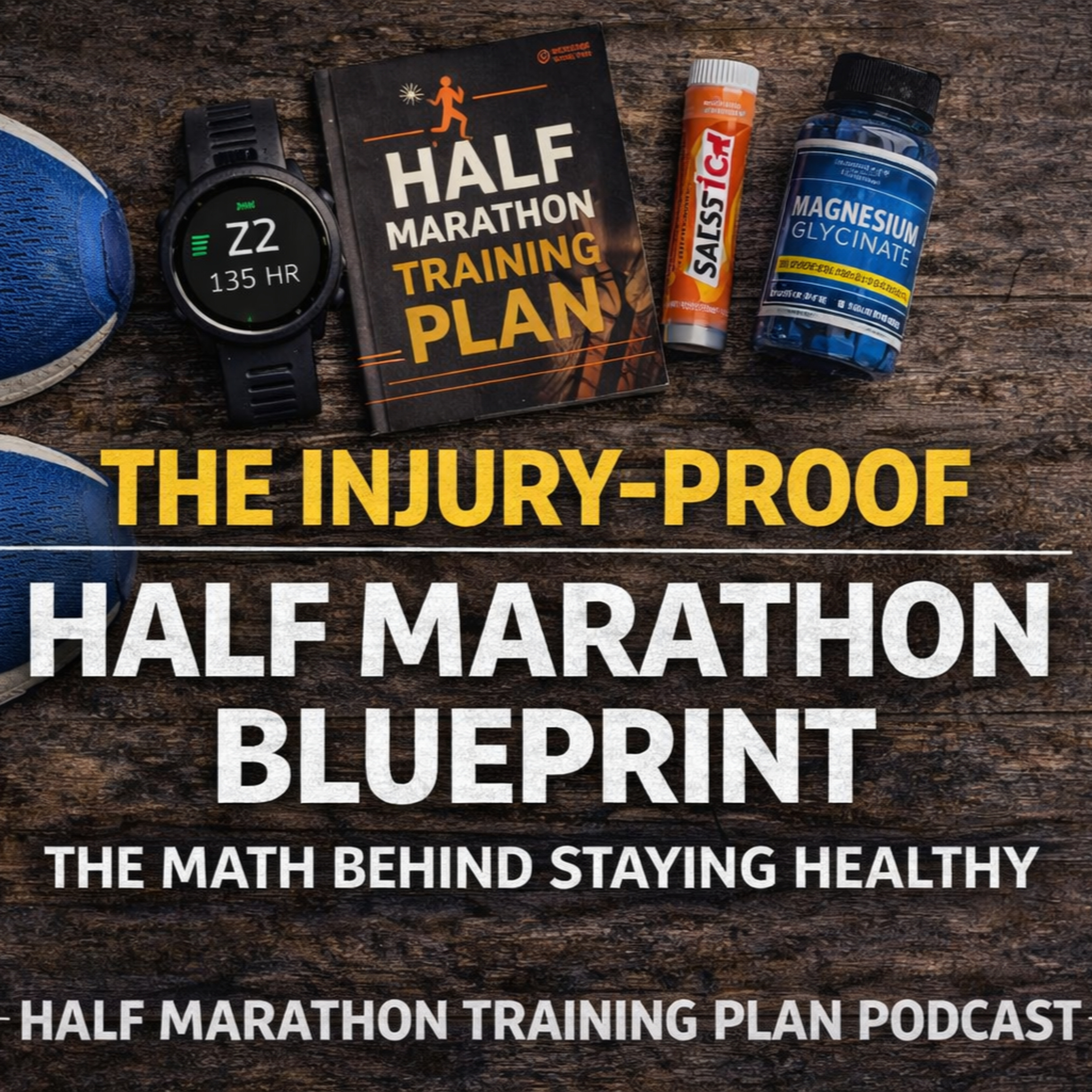
    The Injury-Proof Half Marathon Blueprint (The Math Behind Staying Healthy)

    New to the podcast? Start here → ⁠The Injury-Proof Half Marathon System This is the episode that ties everything together. Most runners think injury is random. That shin splints just happen. That bonking is inevitable. It’s not. In this season-anchor episode, Coach Chris and Coach Maya consolidate the entire Half Marathon Training Plan system into one clear, practical framework designed to keep you healthy from Week 1 to race day. The 5-Layer Injury-Proof Blueprint: 📉 Layer 1: The Load — Why training structure matters more than your shoes. 💓 Layer 2: The Engine — How Zone 2 protects your tendons and aerobic base. ⚙️ Layer 3: The Mechanics — Why cadence and comfort beat carbon plates. ⛽ Layer 4: The Chemistry — How fueling and magnesium reduce breakdown. 🧠 Layer 5: The Mind — Why burnout is the most common “injury” in training. Build Your System: The Plan 📘 The Half Marathon Training Plan Book The Gear & Tools ⌚ Garmin Forerunner 55 👟 Daily Trainer (Brooks Ghost) 🧦 Balega Running Socks The Recovery & Fuel 💊 Magnesium Guide ⚡ Electrolytes The Mental Edge 🎧 The Audio Companion Runner Tip: Don’t be a hero this week. Be a runner for the next 10 years. Visit HalfMarathonTrainingPlan.com for the full article library and training resources.

  • S1 · E17
    February 16 · 14 min

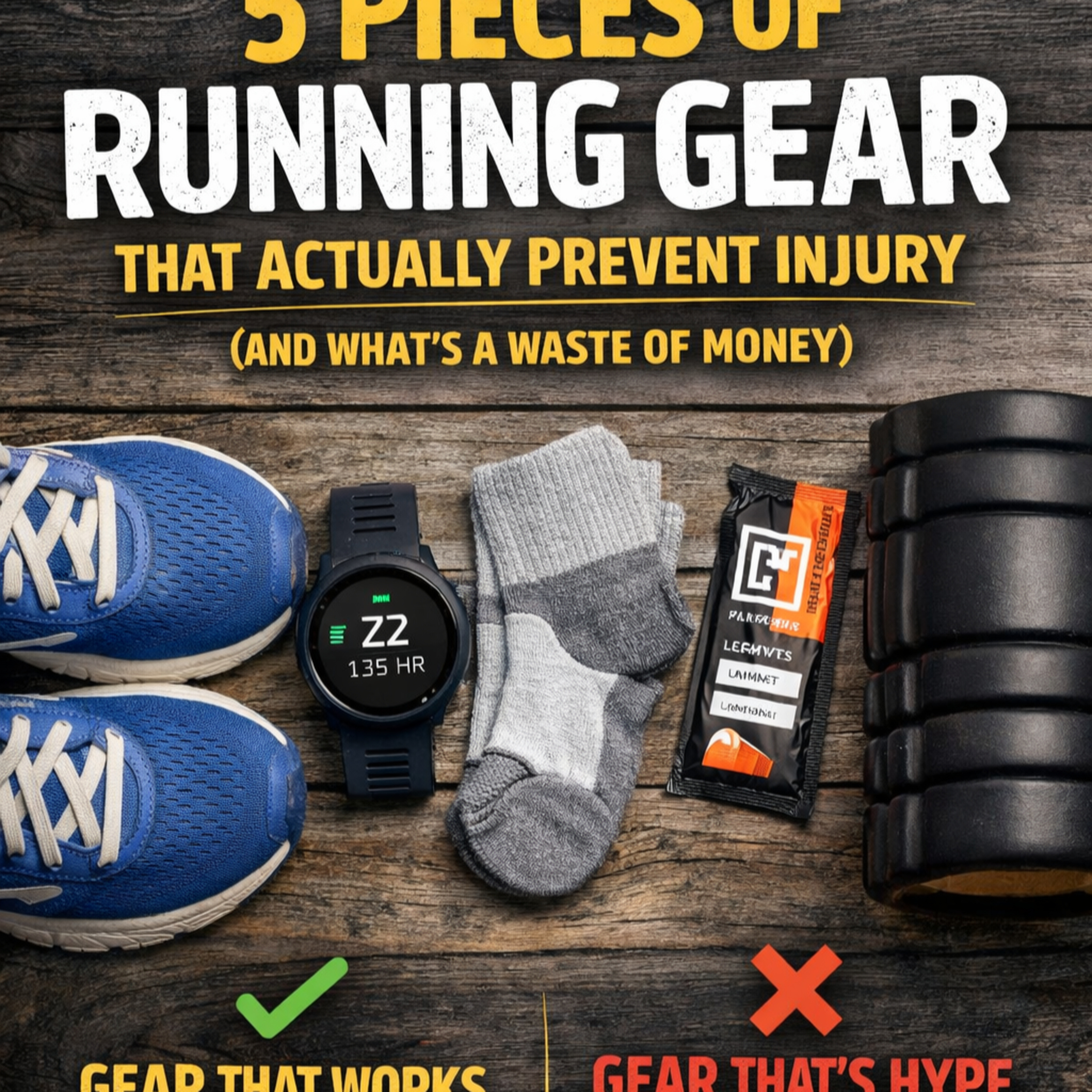
    The Only 5 Pieces of Running Gear That Actually Prevent Injury (And What’s a Waste of Money)

    New to the podcast? Start here → ⁠The Injury-Proof Half Marathon System Do you actually need carbon-plated shoes, recovery boots, and $300 gadgets to avoid injury? Or is most of it just smart marketing? In this episode, Coach Chris and Coach Maya break down the only five pieces of running gear that truly reduce injury risk — and explain why most expensive upgrades don’t fix the real problem. We cover: 🏃 Why training load — not gear — is the #1 injury driver 👟 Why daily trainers beat carbon shoes for base training ⌚ How a basic GPS watch protects you from running too hard 🧦 How blisters alter gait mechanics and increase injury risk 🧂 Why electrolytes matter more than most runners realize 🌀 Why 5 minutes of foam rolling beats expensive recovery gadgets This episode also introduces the concept of “mental gear” — because burnout is the most common injury in endurance training. 📍 Featured Resources: How to Avoid Shin Splints (Science-Based Guide) Best Electrolytes for Runners Best Magnesium for Runners 🎧 Want coaching in your ear during tough miles? Our Audio Companion gives you guided long-run mental anchors and race-week focus tracks. 👉 Get the Audio Companion ($9) 📘 Want the full system? The Half Marathon Training Plan book includes built-in pacing, fueling, recovery, and injury-prevention strategy. 👉 Get the Book (Kindle & Paperback) This has been a production of the Half Marathon Training Plan Podcast. Visit HalfMarathonTrainingPlan.com for more science-based training tools and resources.

  • S1 · E16
    February 9 · 11 min

    Fueling Long Runs: Why You Bonk (and How to Fix It with Gels, Timing & Gut Training)

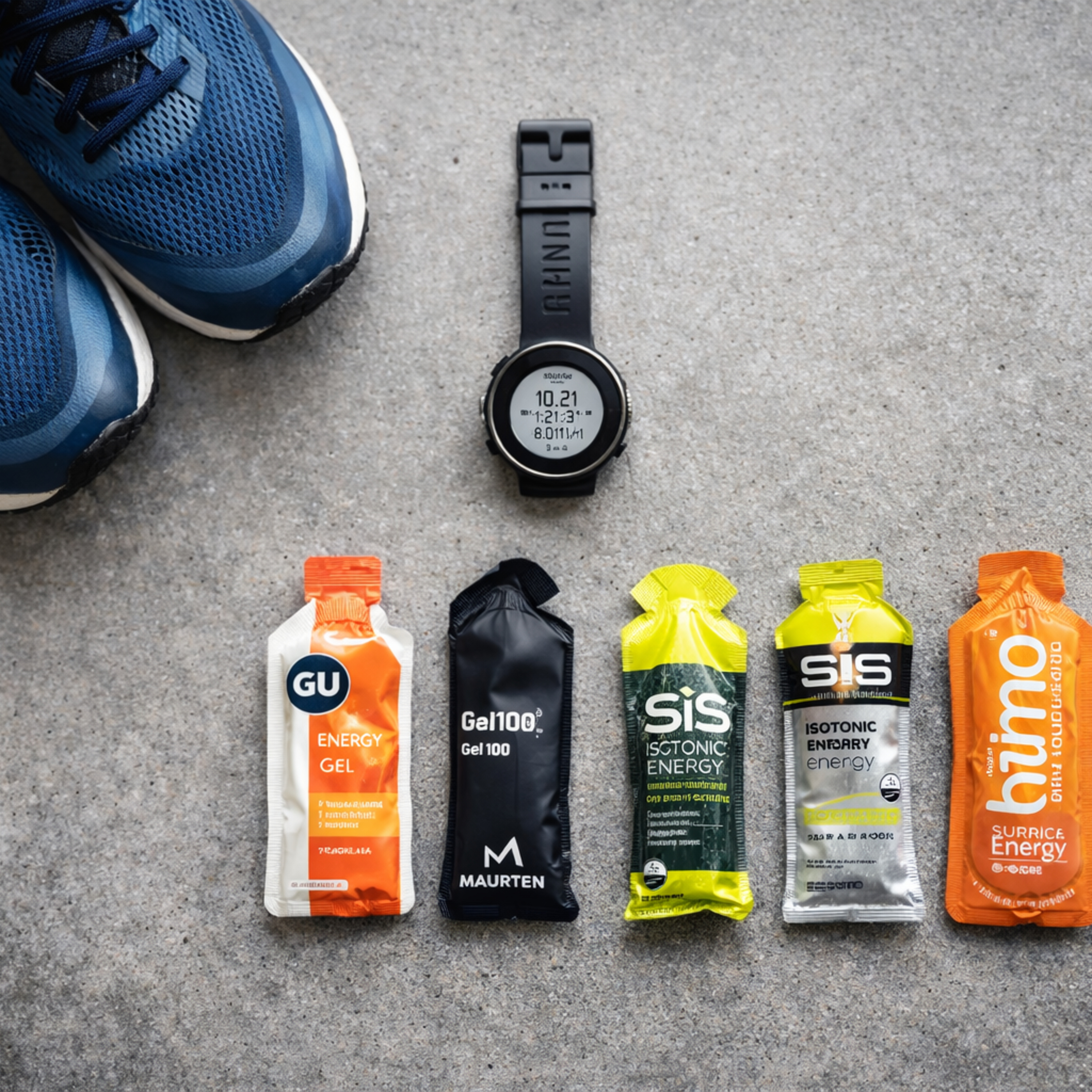
    New to the podcast? Start here → ⁠The Injury-Proof Half Marathon System Have you ever felt great on a long run… until everything suddenly fell apart? Heavy legs. Brain fog. Emotional crash. Walking when you planned to run. That’s not a lack of fitness or mental toughness. It’s called bonking — and it’s a predictable, fixable fueling problem. In this episode, Coach Chris and Coach Maya break down the real physiology behind the bonk and explain exactly how to fuel long runs so it never happens again. We cover: 🧠 What bonking actually is (acute glycogen depletion) ⏱️ Why most runners wait too long to fuel 🍌 How many carbs you really need per hour (and why body weight doesn’t matter) 💧 Why water and electrolytes don’t prevent bonking 🤢 The science of gut training (and how to avoid GI distress) 🚀 Why glucose + fructose fuels absorb better than single-source carbs 🏃‍♂️ How fueling strategy changes for runs under 60, 90, and 120+ minutes This episode also explains why long runs are not just about surviving the distance — they are practice for your fueling strategy. ⚡ Featured Resources & Links: Best Energy Gels for Sensitive Stomachs (Our Top Picks) Best Electrolytes for Runners (Science-Based Guide) Best Magnesium for Runners (Sleep & Recovery) 🎧 Need a Coach in Your Ear? Struggling mentally during your long run? Our Audio Companion includes a specific "Race Week Anchor" track to get you through the hardest miles.👉 Get the Audio Companion ($9) 🏃‍♂️ Runner Tip of the Week: Never try something new on race day. Fuel during training first — your long runs are the lab, the race is the demonstration. 📘 Want the full fueling framework built directly into a training plan? It’s all laid out step by step in the Half Marathon Training Plan book (Kindle & Paperback). This has been a production of the Half Marathon Training Plan Podcast. Visit us at HalfMarathonTrainingPlan.com for more in-depth articles, training tools, and gear recommendations.

  • S1 · E15
    February 2 · 14 min

    Nutrition & Injury Prevention: Fix Heavy Legs, Poor Sleep & Hidden Fueling Gaps

    New to the podcast? Start here → ⁠The Injury-Proof Half Marathon System Do your legs feel heavy even when your training plan looks right? By week five of half marathon training, many runners hit a wall—not from mileage, but from invisible fueling mistakes that quietly sabotage recovery and increase injury risk. In this episode, Coach Chris and Coach Maya break down the science behind nutrition and injury prevention, explaining why many overuse injuries don’t start in your shoes—they start in the kitchen. In this episode, we cover: Why many running injuries are actually under-recovery injuries The concept of Low Energy Availability (LEA) and how it suppresses tissue repair Why magnesium is essential for ATP energy, muscle relaxation, and sleep Why blood tests often miss magnesium deficiency in runners How drinking only water during long runs can worsen fatigue and heavy legs The role of sodium and electrolytes in neuromuscular function and endurance How fueling mistakes elevate cortisol and increase stress fracture risk 📌 Recommended Guides Mentioned in This Episode: Best Magnesium for Runners (Forms & Brands) Best Electrolytes for Runners The Runner’s Recovery Supplement Guide Runner Tip of the Week: If your sleep quality declines as training volume increases, nutrition—not mileage—is the first variable to fix. Related Episodes: How to Avoid Shin Splints Before They Start Why Consistency Beats Motivation This episode is part of our science-based Half Marathon Training series. 📘 Want the full framework? The Half Marathon Training Plan book is now available on Amazon (Kindle & Paperback)

  • S1 · E14
    January 26 · 9 min

    Why Consistency Beats Motivation: Stop Trying to Catch Up Missed Runs

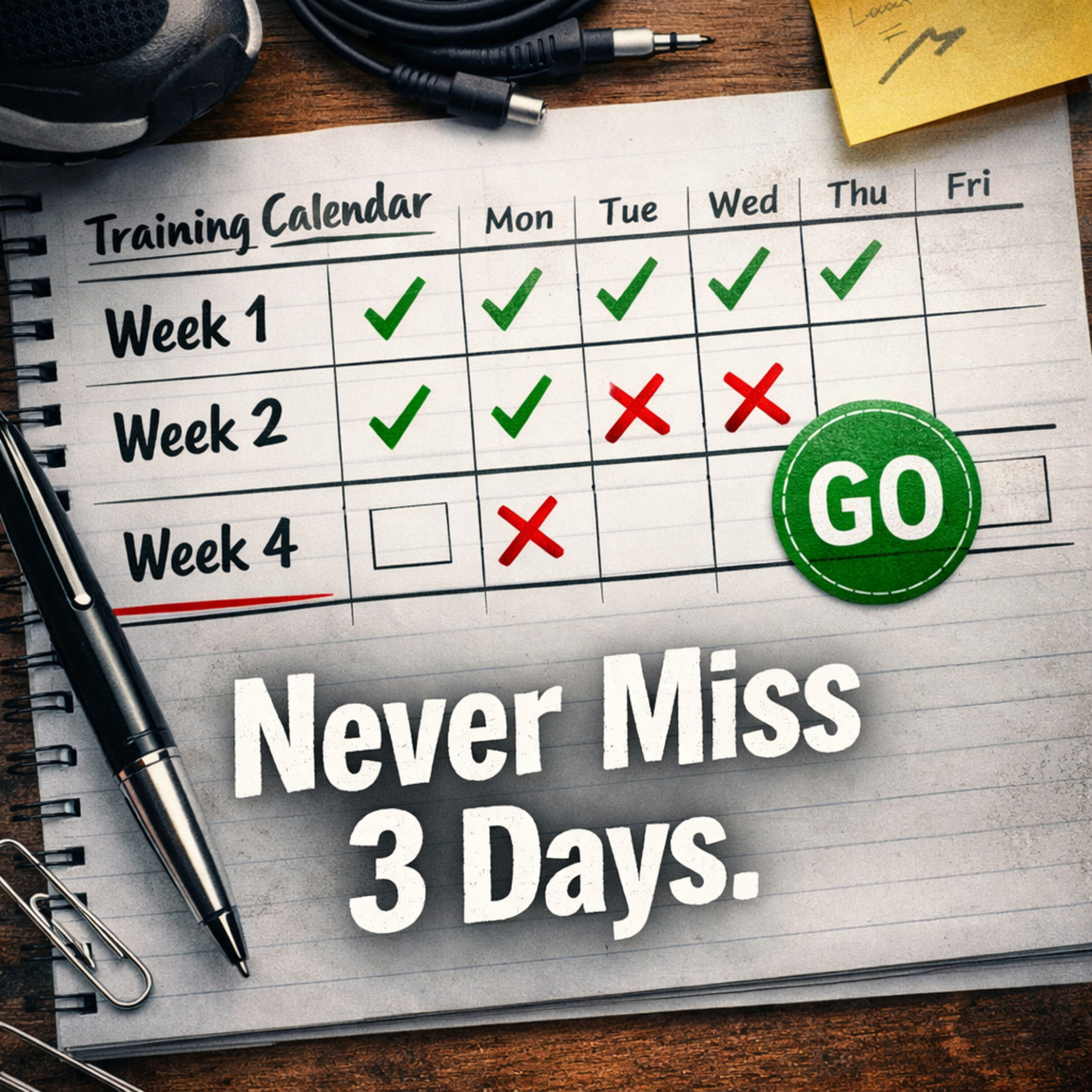
    New to the podcast? Start here → ⁠The Injury-Proof Half Marathon System Missed a run this week and feeling behind? You’re not lazy. You’re human. And trying to “catch up” on missed mileage is one of the fastest ways runners get injured. In this episode, Coach Chris and Coach Maya break down the science of consistency—why missing a run doesn’t erase your fitness, but panic almost always does. We cover: 🚫 Why “make-up runs” dramatically increase injury risk 📊 The training load ratio that predicts when injuries happen 😰 Why guilt-driven running pushes you into the Zone 3 “grey zone” 🥩 The truth about missed protein timing and the anabolic window 🚴 Why cross-training keeps your fitness without beating up your legs 🧠 Why motivation fails—and how systems keep you consistent Key Insight: Fitness is lost over weeks, not days. Consistency beats intensity every time. We also reference: 🎧 Episode 12 – Why Running Feels Hard (The Zone 2 Cheat Code) 🎧 Episode 13 – How to Avoid Shin Splints Before They Start Runner Tip of the Week: Never miss more than two days of planned training in a row. One day is recovery. Two days is a reset. Three days is when quitting starts. Want a plan built for real life? Our Half Marathon Training Plan is designed to keep you consistent—even when life gets messy. 📘 Get the Half Marathon Training Plan Book on Amazon 🌐 Visit HalfMarathonTrainingPlan.com This has been a production of the Half Marathon Training Plan Podcast. And remember our motto: Train Smart. Run Strong. Finish Proud.
  • S1 · E13
    January 19 · 12 min

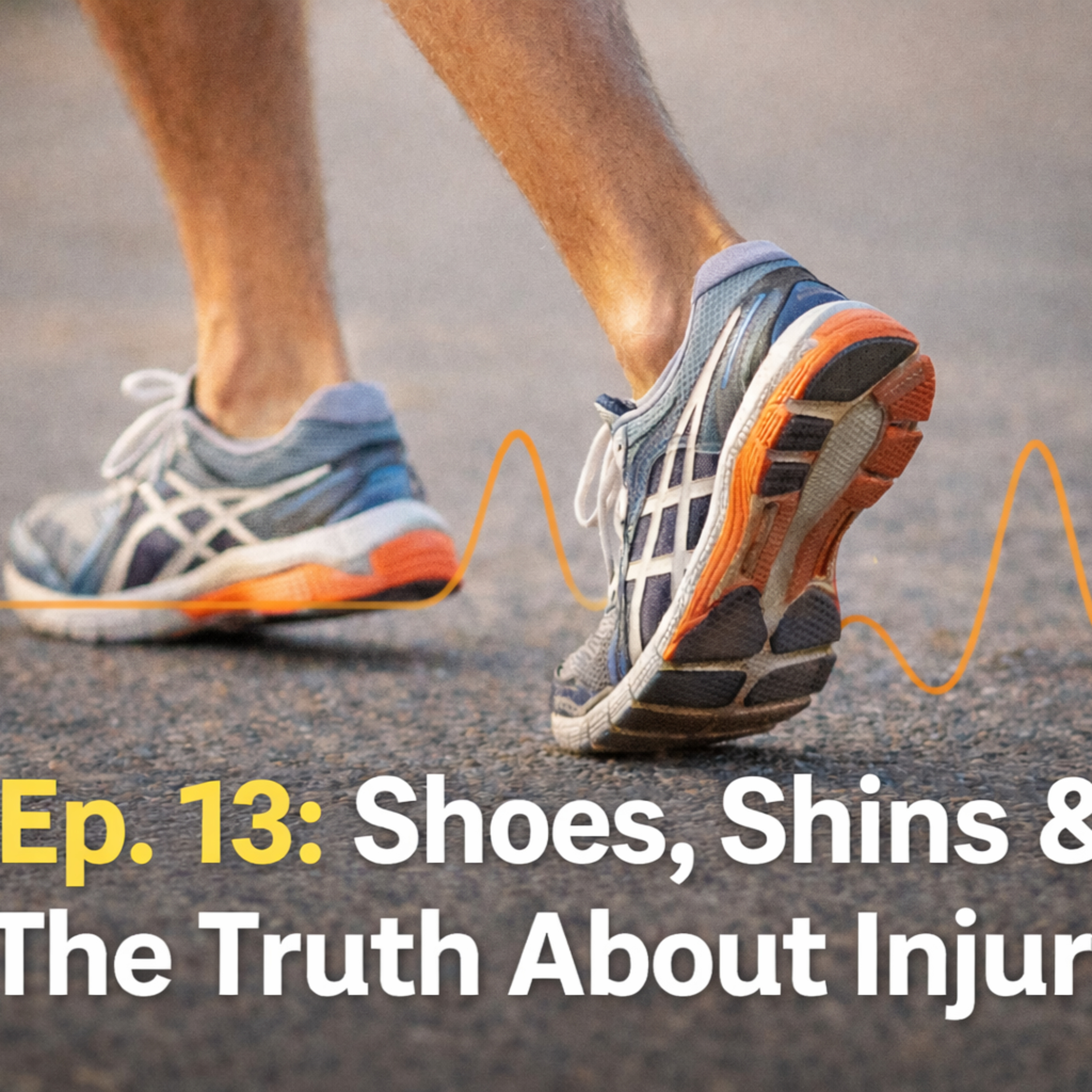
    How to Avoid Shin Splints Before They Start: The Shoe Myth, Cadence Fix & 3-Step Plan

    New to the podcast? Start here → ⁠The Injury-Proof Half Marathon System Shin pain in Weeks 2–4? You’re not broken — you’re right on schedule. In this episode, Coach Chris and Coach Maya bust the biggest shin splints myths (including the “you need stability shoes if you pronate” advice) and explain what the research actually points to: shin splints are usually a training-load problem, not a shoe problem. What you’ll learn: 👟 The “Shoe Type” Myth: Why foot shape (pronation/flat feet) isn’t the injury predictor most people think it is. 🦶 Orthotics (Custom vs. Store-Bought): What inserts can help with — and what they can’t. 📈 The Root Cause: Why sudden spikes in mileage and training load are the real shin-splints trigger. ⏱️ Cadence Fix: How increasing step rate by 5–10% can reduce stress on the lower leg. 🩹 KT Tape & Treatments: What’s legit, what’s hype, and what actually works. ✅ Coach’s 3-Step Action Plan (if your shins hurt right now): 1) Reduce training load temporarily (smart adjustments, not panic rest) 2) Increase cadence slightly (5–10%) to reduce tibial stress 3) Choose comfortable daily trainers (comfort & consistency beat “corrective” shoes) 📘 Book mention: Our new book, The Half Marathon Training Plan (paperback + Kindle), walks you through the full system — training, pacing, injury prevention, and gear — so you can build fitness without breaking down. 📕 Get the book: The Half Marathon Training Plan — Paperback & Kindle on Amazon Read the companion article: How to Avoid Shin Splints Before They Start Runner Tip: If your shin pain gets worse as the run goes on, stop chasing pace. End the run early and live to train tomorrow. This has been a production of the Half Marathon Training Plan Podcast. Visit us at HalfMarathonTrainingPlan.com for more in-depth articles, training tools, and gear recommendations. And remember our motto: Train Smart. Run Strong. Finish Proud.
  • January 15 · 11 min

    Bonus Episode: Recovery Supplements That Actually Work (and What to Skip)

    New to the podcast? Start here → ⁠The Injury-Proof Half Marathon System Recovery supplements are confusing on purpose. Search “runner recovery” and you’re told you need magnesium, BCAAs, tart cherry, collagen, fish oil, and a dozen powders you can’t pronounce. In this bonus episode of the Half Marathon Training Plan Podcast, Coaches Chris and Maya cut through the noise and explain what actually helps runners recover — and what most people can skip. We start with the foundation of recovery: Why sleep, calories, and training load matter more than any supplement Why supplements support good habits but can’t fix bad ones Then we break down the simple, science-backed "Runner's Recovery Stack": Magnesium: For sleep quality, muscle relaxation, and nervous system support Protein: For muscle repair, with a food-first approach and smart use of powders Electrolytes: For long, hot, or high-sweat runs Omega-3s (EPA & DHA): How high doses can reduce muscle damage and speed functional recovery We also explain why popular supplements like BCAAs are often redundant, and why promising new compounds should be approached cautiously. 📍 The Specific Products We Recommend: Stop guessing at the drug store. Here are the specific brands and dosages we trust: The Full Guide: The Best Recovery Supplements for Runners (Read the Article) Magnesium: Best Magnesium for Runners Review Protein: Best Protein for Recovery Runner Tip of the Week: If you’re looking for a supplement to fix poor sleep, under-eating, or stacked hard training days — that supplement doesn’t exist. Fix recovery first. This episode is designed to help runners simplify recovery, avoid wasted money, and focus on what actually works.

  • S1 · E12
    January 12 · 10 min

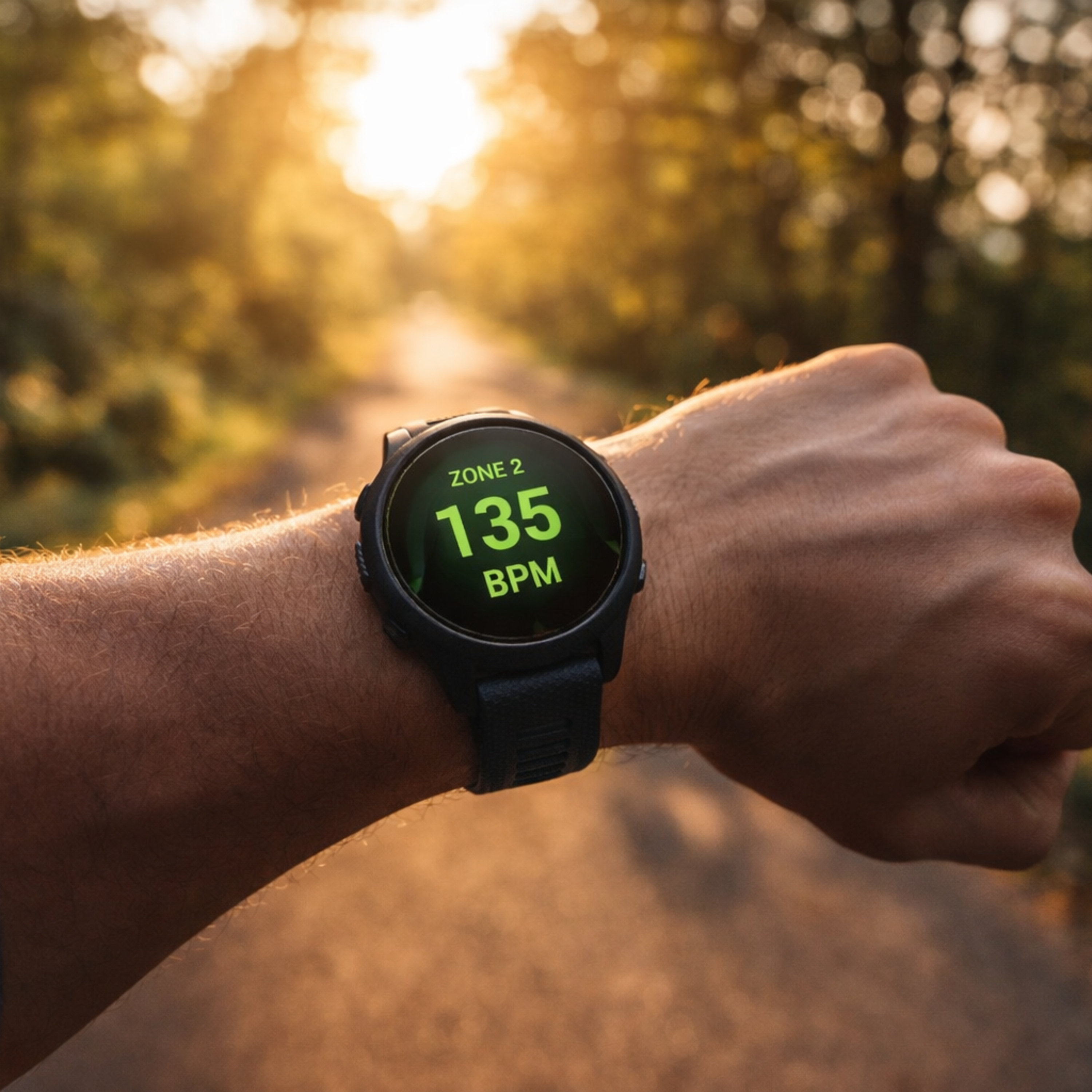
    Why You Must Run Slower to Go Faster (The Zone 2 Cheat Code)

    New to the podcast? Start here → ⁠The Injury-Proof Half Marathon System Does running already feel harder than you expected? If you’re in Week 2 of training and questioning whether you’re cut out for running, you’re not failing — you’re right on schedule. In this episode of the Half Marathon Training Plan Podcast, Coaches Chris and Maya explain why most beginner runners struggle early on, why it usually has nothing to do with fitness, and how running too fast puts you into the dreaded “grey zone.” You’ll learn: Why the “kind of hard” pace sabotages endurance What Zone 2 actually feels like (without confusing jargon) How to use the simple talk test to stay aerobic Why Zone 2 builds mitochondria and improves fat burning How slowing down now leads to faster running later Coach Chris breaks down the physiology behind aerobic base training, while Coach Maya asks the exact questions most runners are thinking — including how to manage ego, whether walk breaks are okay, and how to know if you’re truly running easy. We also discuss how a GPS watch with heart rate alerts can remove the guesswork from pacing and help keep easy runs easy. 📍 The "Zone 2" Tool Mentioned: You don't need an expensive watch, but you do need one that buzzes when you run too fast. Here is the exact model Coach Chris uses and recommends for beginners: The "Speed Cop" Watch: Garmin Forerunner 55 Review (Why it's better than Apple for runners) Runner Tip of the Week: If you can’t speak in full sentences during an easy run, you’re running too fast. This episode is designed to help you avoid burnout, stay consistent, and make running feel sustainable — especially during the critical early weeks of training.

  • S1 · E11
    January 5 · 10 min

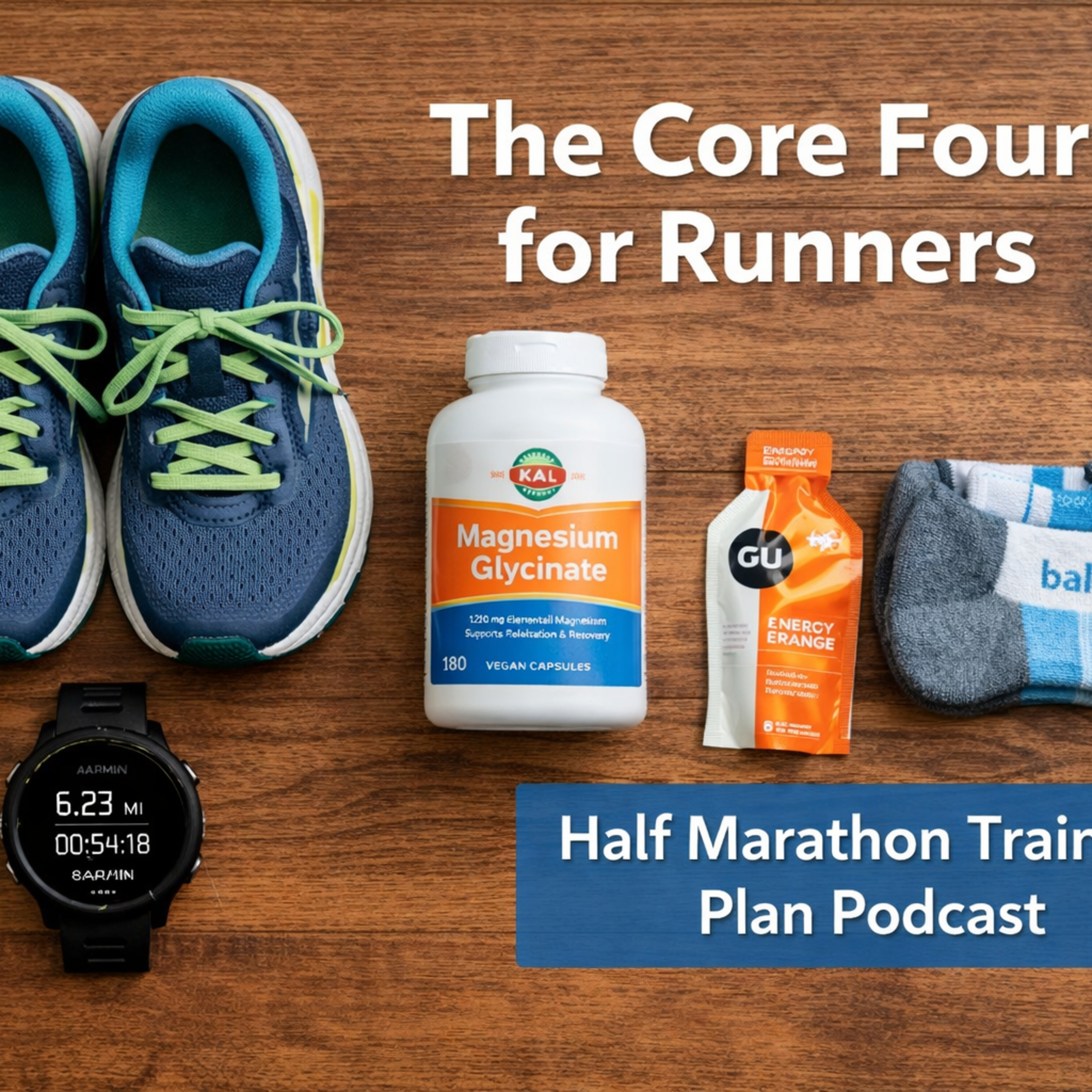
    The Core Four: What Runners Actually Need in 2026 (And What to Skip)

    New to the podcast? Start here → ⁠The Injury-Proof Half Marathon System It’s the start of a new year — and runners are being flooded with ads for expensive shoes, supplements, and “must-have” gear. In this episode, Coaches Chris and Maya cut through the noise and perform a true runner gear audit: what actually improves performance and recovery, and what most runners can safely skip. We break down the Core Four essentials that matter for half marathon training: Why magnesium plays a critical role in sleep, recovery, and nervous system balance How electrolytes (especially sodium) support hydration and performance Fueling strategies to avoid bonking and train your gut early The one recovery tool most runners need — and why expensive gadgets aren’t necessary We also cover what’s mostly hype, including fat burners, BCAAs, and carbon-plated shoes for beginners — and explain why simplicity beats overbuying. 🎯 Runner Tip of the Week: Never race in brand-new shoes. Use the 2-week break-in rule to stay injury-free. 🔗 Resources & Coach Picks: We’ve put our exact recommendations in one place so you don’t have to guess: Magnesium (Sleep/Recovery): The Best Magnesium for Runners (Review) Shoes (Daily Trainers): Beginner's Guide to Half Marathon Shoes The Plan: Download the FREE 14-Week PDF This episode builds on earlier conversations about magnesium, fueling, and recovery — perfect for runners starting the year focused on training smarter. This has been a production of the Half Marathon Training Plan Podcast. Visit us at HalfMarathonTrainingPlan.com for in-depth articles, training tools, and gear recommendations. Train Smart. Run Strong. Finish Proud.
Showing 1–20 of 20 episodes