Skip to content
Artwork for Growing up WEIRD Podcast
Kids & FamilyHealth & Fitness

Growing up WEIRD Podcast

Guen Bradbury and Greg Dickens

WEIRD cultures are Western, Educated, Industrialised, Rich, and Democratic. Us WEIRD adults get allergy, diabetes, arthritis, etc – and these are shaped by how we’re raised. Traditional cultures show us how to give children better adult health.

guenbradbury.substack.com
Play
  • 21 episodes
  • fortnightly
  • Avg 39 min
  • English
Counted on this page — what you have heard stays on this device, so it is not something the list can be paged by.
  • August 25 · 40 min

    How to reduce parental frustration [PODCAST]

    If you like to listen - hit play. If you prefer to read, click the transcript button top right on the web version. In this episode, Greg Dickens and I discuss recent news on how a child’s exposure to interparental violence is linked to their risk of cancer in adulthood. We talk about the effects of early life sleep deprivation and sugar restriction on the risk of dementia, and then review a paper on the skills required for children to stay home alone. We then talk about frustration tolerance - what it is, why it’s important, and why we might try avoiding modelling frustration behaviours for children. Finally, we talk about how we try to set children up to not want sugar. For more information on how to reduce parental frustration, see this article: https://guenbradbury.substack.com/p/making-children-unfrustratable-part For more information on helping children to not want sugar, see this article: https://guenbradbury.substack.com/p/raising-children-who-dont-want-sugar My veterinary degree taught me about mammalian body systems. My career in health research taught me about Western health and Western bodies. Spending 18 months living with my three children in remote African and South American communities taught me about human health and human bodies in other cultural environments. I share what I’ve learned about child physical health and development in bi-weekly articles and podcast episodes. Everything is free, but if you find my work useful and would like to show your support, you can now upgrade – completely optional, always appreciated. Topics covered * How does exposure to interparental violence affects a child’s later cancer risk? * How does early-life sleep deprivation affect a mouse’s risk of dementia? * How does sugar restriction in infancy affect later brain health? * Why should we raise children who aren’t easily frustrated? * How can we reduce our own frustration? * How much sugar do our own children eat? Recent episodes Notes “Long-term impact of childhood exposure to interparental physical violence on cancer risk in adulthood: a prospective cohort study” https://www.tandfonline.com/doi/pdf/10.1080/20008066.2026.2708407 “Effects of early adulthood chronic sleep disruption on late life cognition, brain pathology, and microglial reactivity in the PS19 mouse model of tauopathy” https://www.nature.com/articles/s41598-026-63866-5 “Association of Sugar Restriction in Utero Through Age 2 Years on Dementia Risk Later in Life” https://pubmed.ncbi.nlm.nih.gov/42525901/ “Home alone: aligning childhood supervision guidelines with child neurodevelopment” Full article here: https://academic.oup.com/pch/advance-article-abstract/doi/10.1093/pch/pxag059/8732036 and commentary from the author here: https://theconversation.com/when-can-your-child-stay-home-alone-neuroscience-suggests-were-asking-the-wrong-question-288575 Get full access to Growing up WEIRD at guenbradbury.substack.com/subscribe
  • July 28 · 39 min

    Why do toddlers need to fall over so much? [PODCAST]

    If you like to listen - hit play. If you prefer to read, click the transcript button top right on the web version. In this episode, Greg Dickens and I discuss recent news on how outdoor play in preschoolers predicts their risk of mental health problems in later childhood. We talk about biological aging in different generations, and how that influences people’s risk of disease. We then talk about toddlers falling over - why it’s so vital for body and brain health and why toddlers don’t fall down as much as they should. We talk about how we can set toddlers up to fall more in early life so they fall less in adulthood. Finally we talk about tree climbing - why it’s important, and what simple rules support safe climbing. For more information on how toddlers learn from falling, see this article: https://guenbradbury.substack.com/p/dont-stop-your-child-falling-over For more information on helping children develop upper body strength, see this article: https://guenbradbury.substack.com/p/why-hanging-by-the-arms-helps-children My veterinary degree taught me about mammalian body systems. My career in health research taught me about Western health and Western bodies. Spending 18 months living with my three children in remote African and South American communities taught me about human health and human bodies in other cultural environments. I share what I’ve learned about child physical health and development in weekly articles and podcast episodes. Everything is free, but if you find my work useful and would like to show your support, you can now upgrade – completely optional, always appreciated. Topics covered * How outdoor play in early life affects children’s risk of mental health problems * Why different generations age at different speeds, and what affects this * Why falling over is so important for toddlers * Why toddlers don’t fall over enough * How to help toddlers fall over more * Whether children should climb trees Recent episodes Notes Early outdoor play predicts trajectories of child mental health in a population-based cohort: https://acamh.onlinelibrary.wiley.com/doi/10.1111/jcpp.70175 Biological aging and generational shifts in early-onset cancer risk: https://www.nature.com/articles/s41591-026-04448-w Get full access to Growing up WEIRD at guenbradbury.substack.com/subscribe
  • June 23 · 37 min

    How to help kids learn to feel full [PODCAST]

    If you like to listen - hit play. If you prefer to read, click the transcript button top right on the web version. In this episode, Greg Dickens and I discuss recent news on how children’s willingness to take risks during play affects how they take risks when crossing the road. We talk about air pollution and about the recently renamed ‘PCOS’ (now Polyendocrine Metabolic Ovarian Syndrome). We talk about how ultraprocessed food reprograms taste preferences, and how certain probiotics affect that. We then discuss our recent article on satiety - helping children to feel full. Finally, we discuss what to do if your toddler doesn’t want to consume anything other than milk. For more information on how to set children up to recognise when they are full, see this article: https://guenbradbury.substack.com/p/how-do-we-help-children-stop-eating For more information on picky eating, see this article: https://guenbradbury.substack.com/p/why-arent-all-children-picky-eaters My veterinary degree taught me about mammalian body systems. My career in health research taught me about Western health and Western bodies. Spending 18 months living with my three children in remote African and South American communities taught me about human health and human bodies in other cultural environments. I share what I’ve learned about child physical health and development in weekly articles and podcast episodes. Everything is free, but if you find my work useful and would like to show your support, you can now upgrade – completely optional, always appreciated. Topics covered * How children’s risk willingness affects their ability to cross roads * When air pollution affects children most, and what we can do * Why PCOS has been renamed * How ultraprocessed food affects taste preferences in children, and what probiotics do to this * How children learn to feel full * How to help older babies satisfy their hunger with food rather than milk Recent episodes Notes The developmental importance of risky play: A cross-national virtual reality study: https://www.sciencedirect.com/science/article/pii/S0272494426001635 Prenatal and early life exposure to air pollution and lung function development aged 8-24 years: The ALSPAC study: https://www.sciencedirect.com/science/article/pii/S0013935126006080 Polyendocrine metabolic ovarian syndrome, the new name for polycystic ovary syndrome: a multistep global consensus process: https://www.thelancet.com/journals/lancet/article/PIIS0140-6736(26)00717-8/fulltext Early Exposure to High-Sucrose Diet Leads to Deteriorated Ovarian Health: https://pmc.ncbi.nlm.nih.gov/articles/PMC8092397/ Bifidobacterium longum and prebiotic interventions restore early-life high-fat/high-sugar diet-induced alterations in feeding behavior in adult mice: https://www.nature.com/articles/s41467-026-68968-2 Get full access to Growing up WEIRD at guenbradbury.substack.com/subscribe
  • May 26 · 39 min

    Laundry, skin, and lungs

    In this episode, Greg Dickens and I discuss recent news on how environmental exposures in early childhood affect adulthood health, and on the link between low socioeconomic status in childhood and worse physical health in adulthood. We talk about muscular strength and how it influences cognitive and psychological health. We then discuss last week’s article on laundry and health. Finally, we discuss the tradeoffs between washing harmful chemicals off the skin and damaging the skin barrier. For more information on how to do laundry in a way that reduces harms to health, see this article: https://guenbradbury.substack.com/p/weird-laundry-habits-can-increase For more information on how often to wash children, see this article: https://guenbradbury.substack.com/p/how-clean-should-children-be My veterinary degree taught me about mammalian body systems. My career in health research taught me about Western health and Western bodies. Spending 18 months living with my three children in remote African and South American communities taught me about human health and human bodies in other cultural environments. I share what I’ve learned about child physical health and development in weekly articles and podcast episodes. Everything is free, but if you find my work useful and would like to show your support, you can now upgrade – completely optional, always appreciated. Topics covered * Why are environmental effects in early life so important to a child’s risk of future disease? * What mediates the link between low socioeconomic status in childhood and chronic disease in adulthood? * Why is muscular strength important for brain health in old age? * Why do we do laundry, what are the health effects, and how can we do it better? * How should we weigh up the risks of environmental toxins with the risks of washing clothes and skin? Recent episodes Notes Understanding environmental exposures in early life for lifelong health (Nature Comment paper): https://www.nature.com/articles/s44360-026-00130-0.epdf Breastfeeding may lessen socioeconomic disparities in child health through differences in the infant gut microbiome: https://www.sciencedirect.com/science/article/pii/S2666379126001722 Kicking Back Cognitive Ageing: Leg Power Predicts Cognitive Ageing after Ten Years in Older Female Twins https://pmc.ncbi.nlm.nih.gov/articles/PMC4789972/ The Association between Lower Extremity Muscular Strength and Cognitive Function in a National Sample of Older Adults https://pmc.ncbi.nlm.nih.gov/articles/PMC6239135/ Investigating the mediating effect of myokines on exercise-induced cognitive changes in older adults: A living systematic review and meta-analysis https://pubmed.ncbi.nlm.nih.gov/40998287/ Get full access to Growing up WEIRD at guenbradbury.substack.com/subscribe
  • May 5 · 55 min

    Childhood exploration

    If you like to listen - hit play. If you prefer to read, click the transcript button top right on the web version. In this episode, Greg Dickens and I discuss recent news on how hanging and swinging from the arms affects the length and strength of our upper body muscles. We discuss how SSRI antidepressants alter gut function, and how new drug targets may better help new mothers. We then talk about the links between sugar and metabolic syndrome, and how the scientific understanding is evolving. We then discuss children’s independent mobility and exploration - what it is, why it’s important, and why it’s hard to provide in our culture. We then talk about how we navigate this, and how we reassure other adults in our community. Finally, we talk about what movements are important for setting up abdominal muscles that are the right length and strength. * For more information on childhood exploration and independent mobility, see this article: https://guenbradbury.substack.com/p/children-love-to-get-lost-what-happens * For more information on how sucking in your belly affects your health, see this article: https://guenbradbury.substack.com/p/should-kids-suck-their-bellies-in My veterinary degree taught me about mammalian body systems. My career in health research taught me about Western health and Western bodies. Spending 18 months living with my three children in remote African and South American communities taught me about human health and human bodies in other cultural environments. I share what I’ve learned about child physical health and development in weekly articles and podcast episodes. Everything is free, but if you find my work useful and would like to show your support, you can now upgrade – completely optional, always appreciated. Topics covered * How does hanging and swinging from the arms (or ‘brachiating’) affects the length and strength of our upper body muscles? * How do SSRI antidepressants affect gut function in babies, and how can we reduce the risk of depression in mothers? * What do we know about sugar and metabolic syndrome? * Why do children need to explore, and why is this hard to enable in our culture? * How do we reassure other adults in our community? * What movements are important for setting up abdominal muscles that are the right length and strength? Recent episodes Notes “This theoretical paper proposes that brachiation-based movements—particularly unilateral hanging with oscillatory perturbation—may offer a biomechanically optimal approach for addressing Upper Crossed Syndrome and related postural dysfunctions by restoring muscle activation patterns consistent with our evolutionary heritage.” https://www.sciencedirect.com/science/article/abs/pii/S1360859226000148 “These findings provide fundamental insights into how the gastrointestinal tract modulates emotional behaviors, reveal a novel gut-targeted therapeutic approach for mood modulation, and suggest a new link in humans between in utero SSRI exposure and DGBI development.” https://www.gastrojournal.org/article/S0016-5085(24)05751-2/fulltext Guardian article on Barnardo’s and baby boxes to reduce stress on families: https://www.theguardian.com/lifeandstyle/2026/apr/09/four-in-10-uk-parents-struggle-to-afford-newborn-babies-essentials-study-barnardos “Under modern conditions of overnutrition, chronic excess fructose drives features of metabolic syndrome. Emerging evidence further links fructose to cancer and dementia.” https://www.nature.com/articles/s42255-026-01506-y Get full access to Growing up WEIRD at guenbradbury.substack.com/subscribe
  • April 21 · 31 min

    Children's bellies

    If you like to listen - hit play. If you prefer to read, click the ‘transcript’ button top right. In this episode, Greg Dickens and I discuss recent news on risk factors for food allergies in babies and children and on the cost of raising children in the US. We then talk about bellies - what they are, how they shape our health, and why we need to avoid sucking them in. Finally, we talk about sunscreen - does sunscreen increase the risk of cancer more than sunlight does? And what other risks might we want to consider? * For more information on setting children up for better belly health, see this article: https://guenbradbury.substack.com/p/should-kids-suck-their-bellies-in * For more information on setting children’s guts up for better long-term health, see this article: https://guenbradbury.substack.com/p/gut-feelings * Interested in why children need enough sunlight? https://guenbradbury.substack.com/p/throwing-shade My veterinary degree taught me about mammalian body systems. My career in health research taught me about Western health and Western bodies. Spending 18 months living with my three children in remote African and South American communities taught me about human health and human bodies in other cultural environments. I share what I’ve learned about child physical health and development in weekly articles and podcast episodes. Everything is free, but if you find my work useful and would like to show your support, you can now upgrade – completely optional, always appreciated. Topics covered * What factors in a child’s early life increase their risk of food allergy? * How much does it cost to raise a child in the US, and at what point do parents spend that money? * What are bellies and why should we care about their size? * How can we set children up for better relationships with their bellies? * Does sunscreen increase the risk of skin cancer more than sunlight does? Recent episodes Notes “In this meta-analysis, the most credible risk factors associated with development of childhood food allergy are a combination of major and minor risk factors, including early allergic conditions (atopic march/diathesis), delayed allergen introduction, genetics, antibiotic exposure, demographic factors, and birth-related variables.” https://pubmed.ncbi.nlm.nih.gov/41661638/ “Average per-child investments from birth to age 18 total $502,152 (2024 USD), with overall disparities by household income and race/ethnicity of 6% to 15%. Early childhood shows the largest gaps—often over 50%—driven mainly by housing and child care.” https://www.nature.com/articles/s41467-026-70316-3 Possible Explanations for Rising Melanoma Rates Despite Increased Sunscreen Use over the Past Several Decades: https://www.mdpi.com/2072-6694/15/24/5868 Get full access to Growing up WEIRD at guenbradbury.substack.com/subscribe
  • April 7 · 26 min

    Microbes and monsters

    In this microbiome-heavy episode, recorded on the bike, Greg Dickens and I discuss recent news on how fathers shape children’s long-term health, on how early-life stress affects the development of the gut-brain axis, and on how fecal microbiome transplants affect Autism Spectrum Disorders in children. We then talk about microbes - why they are important, why children need to look after them, and why they are like Santa Claus. Finally, we talk about how we understand repetitive behaviours in animals and children. For more information on how to help children care for their microbiomes, see this article: For more information on setting children’s guts up for better long-term health, see this article: https://guenbradbury.substack.com/p/gut-feelings Topics covered * How young men’s experiences shape their own and their partners’ health behaviours during pregnancy and beyond * How early-life stress affects IBD, GERD, and other disorders of the gut-brain axis * How fecal microbiome transplants affect symptoms of Autism Spectrum Disorder * Why microbiomes are important * How to help children care for their microbiomes * How we understand repetitive disorders in children and animals Recent episodes Some of my subscribers have been urging me for a while to turn on the paid option to increase my Substack visibility. I’ve quietly turned on the paid option for this newsletter. Everything stays free, but you’d like to support my work, you can now upgrade – completely optional, always appreciated. Notes “Across biological and behavioural research, young men's early life course experiences have been shown to shape their own and their partner's preconception physical, emotional, and behavioural health.” https://www.thelancet.com/journals/lancet/article/PIIS0140-6736(26)00148-0/abstract “In humans, significant associations between maternal mental health problems and pediatric disorders of gut-brain interaction (DGBI) were observed in both cohorts, mirroring preclinical findings.” https://www.gastrojournal.org/article/S0016-5085(26)00205-2/abstract “This novel hydrogen nanobubble water–based FMT method was safe and effective, reducing both core and peripheral symptoms of ASD and suggesting broad benefits via the gut microbiota–brain axis.” https://www.frontiersin.org/journals/pediatrics/articles/10.3389/fped.2026.1767346/full “While most often described in children with autism spectrum disorder (ASD) and intellectual disability (ID), stereotypies can also present without developmental delay and persist into adulthood.” https://pmc.ncbi.nlm.nih.gov/articles/PMC5370241/ Get full access to Growing up WEIRD at guenbradbury.substack.com/subscribe
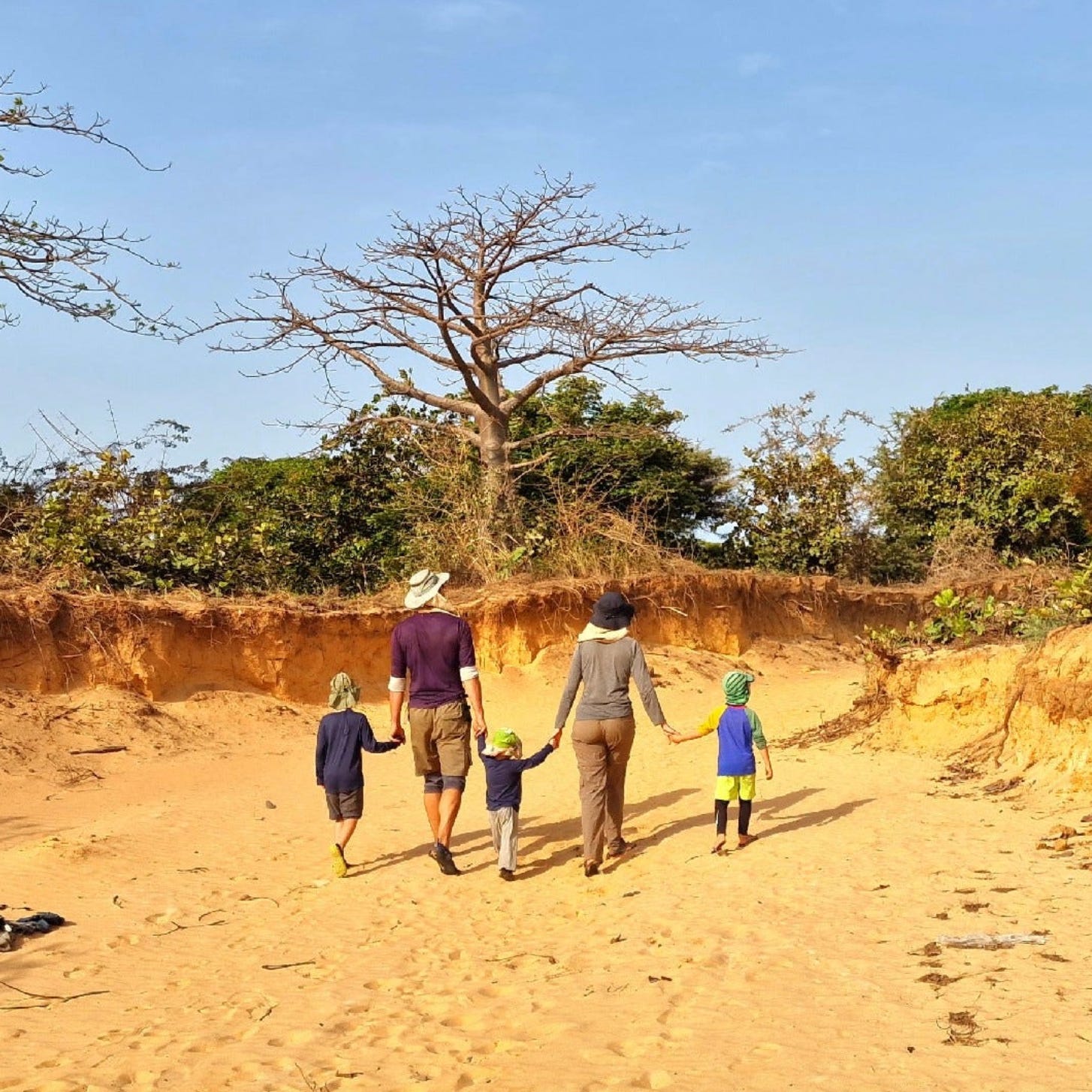
  • March 25 · 38 min

    Mattresses

    In this episode, Greg Dickens and I discuss recent news on how melatonin supplements affect children’s sleep and development, and why putting all drugs in gummies is a bad idea. We talk about early childhood caries, why it’s linked to prolonged breastfeeding, and why this may have a more negative effect in today’s society. We then talk mattresses - what they are, why they are used, and why we might want to consider other alternatives. Finally, we talk about co-sleeping bed attachments - what they aim to do, and why they may influence child and mother sleep in different ways to closer co-sleeping practices.. For more information on how mattresses affect child health, see this article: Topics covered * How do melatonin supplements affect a child’s development? * Why does breastfeeding older children at night increase their risk of dental disease? * What’s the deal with mattresses and health? * Do co-sleepers give the same sleep-synchronising benefits of co-sleeping? You may be interested in these other episodes: Some of my subscribers have been urging me for a while to turn on the paid option to increase my Substack visibility. I’ve quietly turned on the paid option for this newsletter. Everything stays free, but if you find these episodes useful, you can now upgrade – completely optional, always appreciated. Notes “Exclusive breastfeeding for up to six months is associated with reduced ECC risk, while prolonged and nocturnal feeding after eruption of primary teeth elevates risk.” https://www.mdpi.com/2227-9067/13/1/102 “Our data suggest that the consumption of an HFCS-sweetened beverage increased breast milk fructose concentrations, which remained elevated up to five hours post-consumption.” https://www.mdpi.com/2072-6643/10/6/669 https://www.colorado.edu/today/2023/11/13/melatonin-use-soars-among-children-unknown-risks “Due to a number of concerns regarding inappropriate use, lack of efficacy and safety data across pediatric populations and variability in actual content, melatonin should be used with caution in children and only under medical supervision.” https://link.springer.com/article/10.1007/s12519-025-00896-5 “These findings suggest a global rise in prescriptions without efficacy data on use in children with typical development, underscoring the need to identify strategies to prevent and reduce melatonin use in young children, as well as to improve adherence by pediatricians to evidence-based practice standards.” https://jamanetwork.com/journals/jamanetworkopen/fullarticle/2843284 Get full access to Growing up WEIRD at guenbradbury.substack.com/subscribe
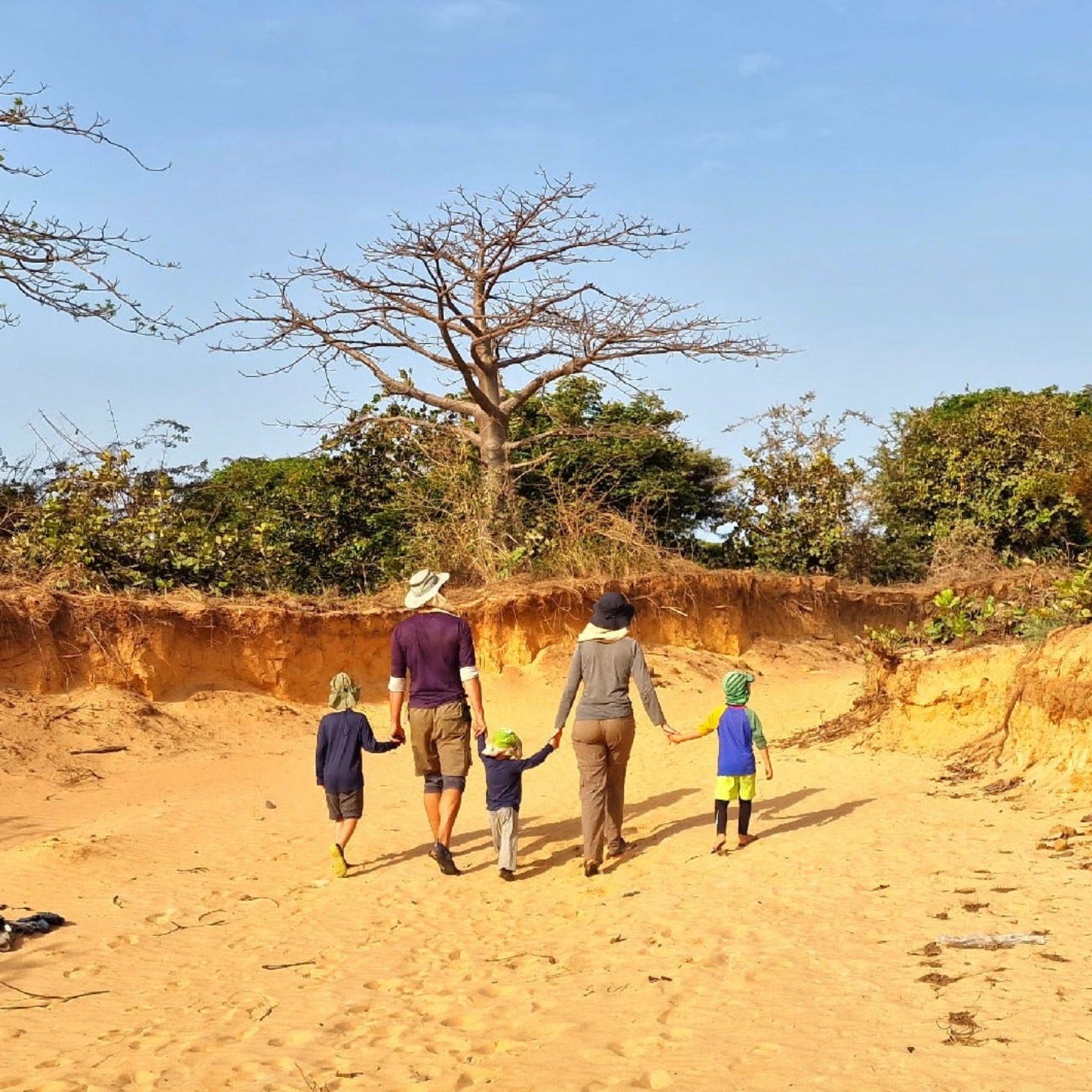
  • March 10 · 36 min

    How should kids play football?

    In this episode, Greg Dickens and I discuss recent news on how antibiotics during labour affect a child’s long-term health, on how our brains continue to develop into our early thirties, on how astringent flavours help us learn, and on how adverse childhood experiences affect fitness in adulthood. We then talk about football - why it’s great for children, why industrialised football poses some very specific risks, and how parents can navigate the risks so children can get the benefits of sports. Finally, we talk about why high-salt diets contribute to metabolic syndrome. For more information on the long-term health effects of industrialised sport in childhood, see this article: https://guenbradbury.substack.com/p/do-children-need-protection-from For more information on why childhood cruciate ruptures are up 2000% since the year 2000, see this article: https://guenbradbury.substack.com/p/cruciate-ruptures-are-up-2000-in Topics covered * How does in-labour antibiotic prophylaxis for Group B Strep affect the baby’s long-term health? * How does your brain continue to develop into your early thirties? * How do astringent flavours affect learning? * How do adverse childhood experiences affect adult physical fitness? * What’s good and bad about industrialised football? * How does salt contribute to metabolic syndrome? These other podcasts cover related topics: Some of my subscribers have been urging me for a while to turn on the paid option to increase my Substack visibility. I’ve quietly turned on the paid option for this newsletter. Everything stays free, but you’d like to support my work, you can now upgrade – completely optional, always appreciated. Notes Intrapartum Antibiotic Prophylaxis and Child Health Outcomes: A Systematic Review and Meta-Analysis of Observational Studies: https://obgyn.onlinelibrary.wiley.com/doi/10.1111/1471-0528.70015 UK recommendations on GBS testing: https://www.rcog.org.uk/for-the-public/browse-our-patient-information/group-b-streptococcus-gbs-in-pregnancy-and-newborn-babies/ “In the United Kingdom, where universal screening is not currently implemented and the background rate is much lower than it was in the United States before screening was implemented, it is estimated that 440 women need to receive IAP to prevent 1 case of EOD, and 3000 to prevent 1 case of EOD leading to death or severe disability.” https://www.ajog.org/article/S0002-9378(22)00622-6/fulltext Brain not sealed until early thirties: https://www.nature.com/articles/s41467-025-65974-8 Astringent FLAVOURS help you learn: http://sciencedirect.com/science/article/pii/S2665927125002266 Another big "ACEs cause adulthood dysfunction" study: https://www.researchgate.net/publication/400839476_Adverse_childhood_experiences_and_ad[…]e_Brazilian_Longitudinal_Study_of_Adult_Health_ELSA-Brasil High salt intake causes leptin resistance and obesity in mice by stimulating endogenous fructose production and metabolism: https://www.pnas.org/doi/10.1073/pnas.1713837115 Get full access to Growing up WEIRD at guenbradbury.substack.com/subscribe
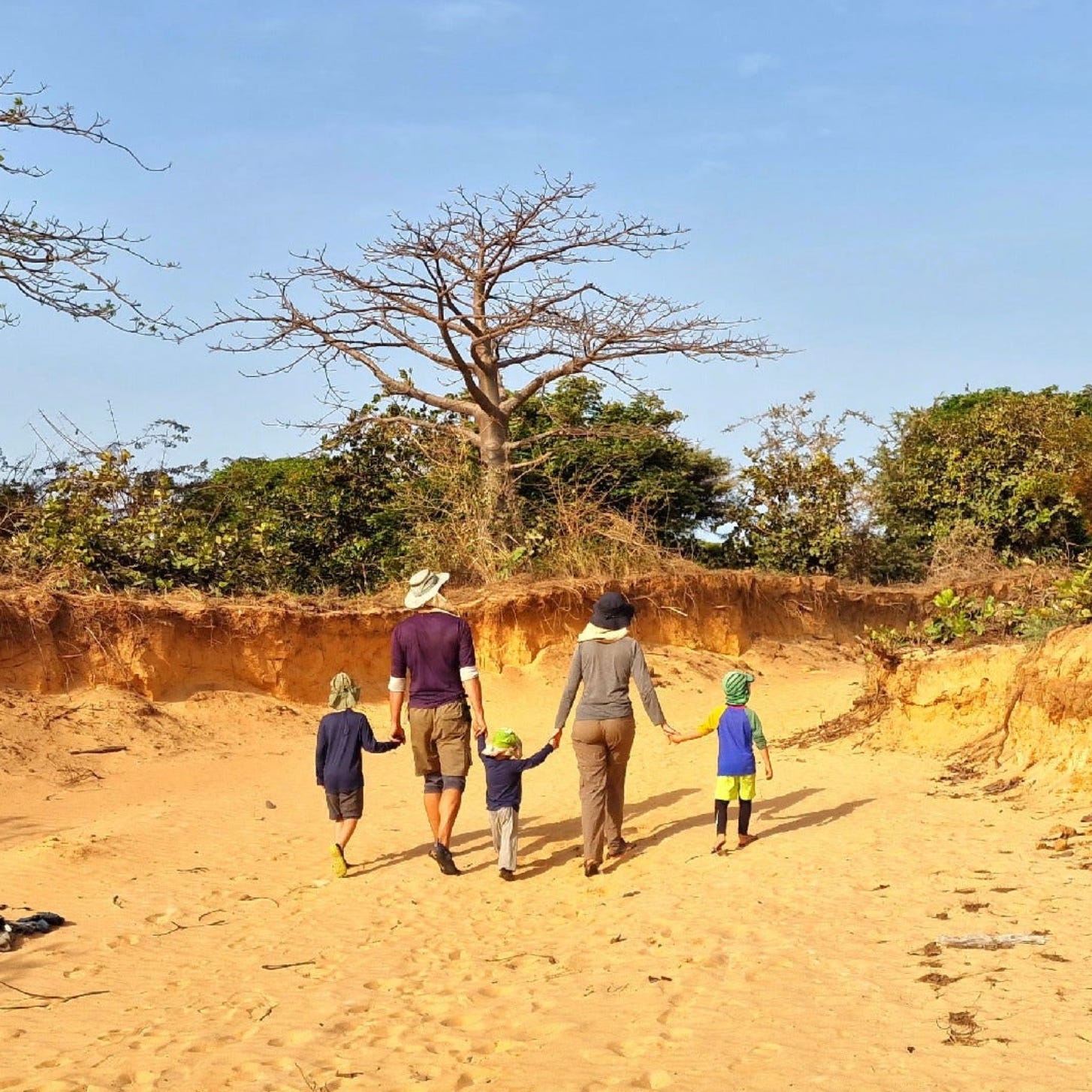
  • February 24 · 33 min

    How bad is salt?

    In this episode, Greg Dickens and I discuss recent news on how the artificial sweetener sorbitol affects liver health, and how gut microbes influence this. We discuss how early-life adversity affects cardiovascular health, and why it’s so challenging to really understand this. We then talk about salt - why it’s important, why it can be harmful, and how we should limit salt consumption in babies. Finally, we talk about motor milestones in different cultures. For more information on salt consumption in babies, see this article: https://guenbradbury.substack.com/p/how-bad-is-salt-for-babies Topics covered * How does eating sorbitol affect the liver, and how do your microbes help? * Does early-life adversity affect later-life health, and how does this differ in different cultures? * What does salt do in the body? * Why is too much salt bad for babies? * What foods do we need to limit for babies? * Do babies still roll in cultures in which they are never put down on the floor? These other podcasts cover related topics: Some of my subscribers have been urging me for a while to turn on the paid option to increase my Substack visibility. I’ve quietly turned on the paid option for this newsletter. Everything stays free, but you’d like to support my work, you can now upgrade – completely optional, always appreciated. Notes Intestine-derived sorbitol drives steatotic liver disease in the absence of gut bacteria https://www.science.org/doi/10.1126/scisignal.adt3549 Early life adversity and physical health implications in adulthood: The Multi-Ethnic Study of Atherosclerosis https://www.sciencedirect.com/science/article/pii/S030645302500397X Get full access to Growing up WEIRD at guenbradbury.substack.com/subscribe
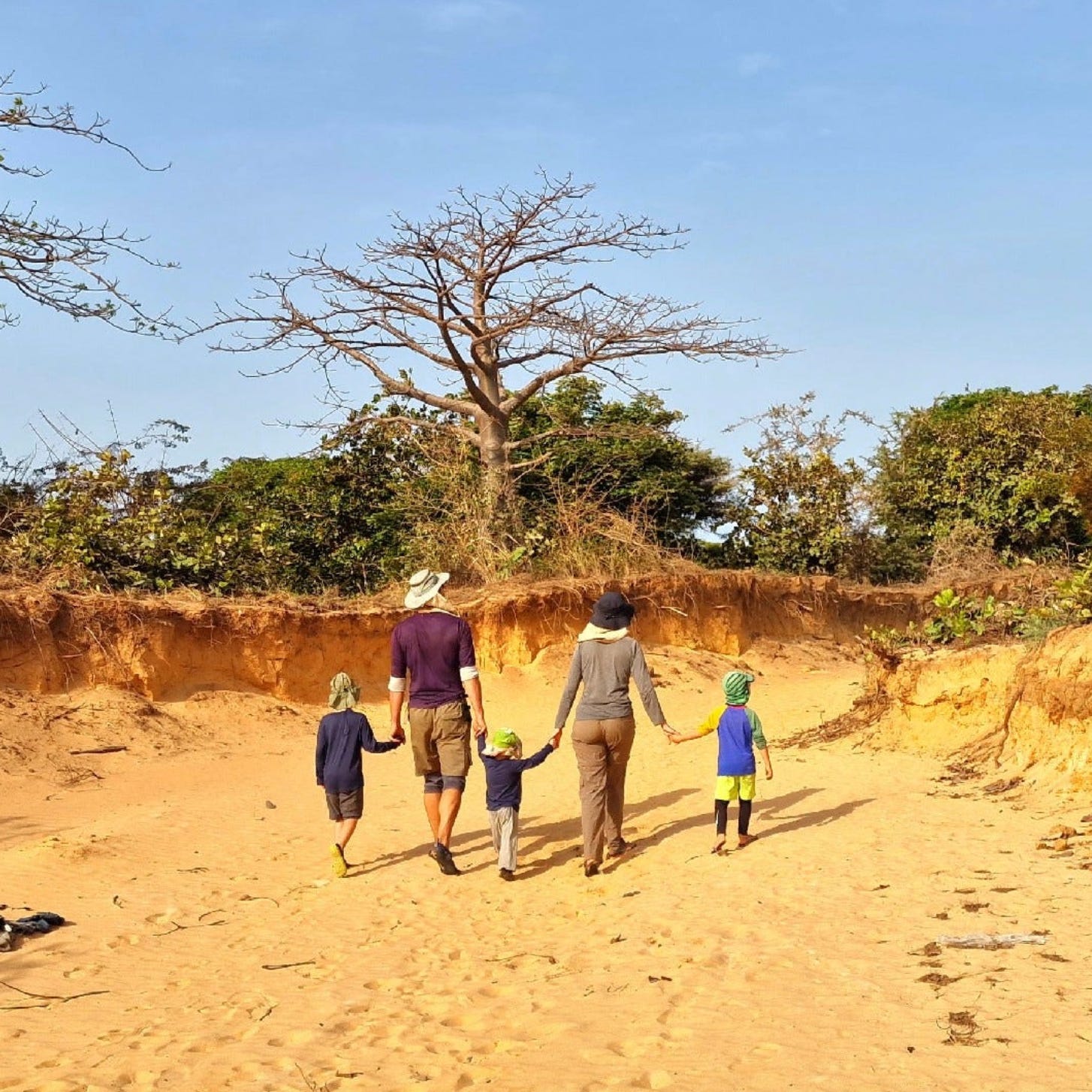
  • February 10 · 28 min

    First hundred hours of life

    In this episode, Greg Dickens and I discuss recent news on how young chimpanzees take risks, on how certain types of dishwasher detergents may affect the gut, and on how gaming affects university students. We then talk about the first hundred hours of life - why it’s more important than the second, what baby bodies expect, and how we can set ourselves and others up for a better postnatal period. Finally, we talk about giving fruit as gifts. For more information on the early postnatal period, see this article: https://guenbradbury.substack.com/p/getting-the-first-hundred-hours-right Topics covered * How does risk taking in young chimpanzees vary with age? * How worried should we be about dishwasher detergents? * What’s the effect of video gaming on university students? * Should teens sleep in on the weekends? * How does your gut microbiome affect your risk of cancer and your response to anticancer drugs? * How does your weight in childhood affect your likelihood of disease in adulthood, and how does this alter if your weight changes in adulthood? * What’s important in the early postnatal period, and what can we do to set things up for success? * If everyone gave fruit as gifts, would it lose its appeal? These other podcasts cover related topics: Some of my subscribers have been urging me for a while to turn on the paid option to increase my Substack visibility. I’ve quietly turned on the paid option for this newsletter. Everything stays free, but you’d like to support my work, you can now upgrade – completely optional, always appreciated. Notes “We found that physical risk-taking correlated with age, peaking in infancy and decreasing gradually thereafter through juvenility and adolescence. We hypothesize that a similar pattern would be exhibited in humans if oversight were relaxed earlier in childhood, as it is among chimpanzees.”https://www.cell.com/iscience/fulltext/S2589-0042(25)02713-0 “The expression of genes involved in cell survival, epithelial barrier, cytokine signaling, and metabolism was altered by rinse aid in concentrations used in professional dishwashers.” (NB - professional, not home dishwashers)https://pubmed.ncbi.nlm.nih.gov/36464527/ “High-frequency gamers (>10 h/wk) demonstrated significantly poorer diet quality, higher body mass index, and impaired sleep quality compared to low-frequency gamers.”https://www.sciencedirect.com/science/article/pii/S0899900725003685 “Weekend catch-up sleep reduced daily depression risk by 41 % in late adolescents and young adults.”https://www.sciencedirect.com/science/article/abs/pii/S0165032725020555 “The gut microbiome is a central determinant of immunotherapy efficacy, particularly in patients treated with immune checkpoint inhibitor drugs.”https://www.nature.com/articles/s41422-025-01212-6 “Both plumper and thinner body sizes during childhood are associated with an increased risk of developing NCDs later in life. However, adherence to a healthier lifestyle in adulthood may partially mitigate these long-term health risks, especially for individuals with larger childhood body size.”https://www.nature.com/articles/s43856-025-01129-6 Get full access to Growing up WEIRD at guenbradbury.substack.com/subscribe
  • January 27 · 39 min

    Tummy time

    In this episode, Greg Dickens and I discuss recent news on how overstimulating babies with lots of toys can affect their learning, and on how vegetarian and vegan diets affect children’s health. We then talk about tummy time - what it is, why it was developed, why it’s problematic, and how babies can get similar benefits in other ways. We finish by talking about why different women have different levels of risk when birthing at home or in hospital, and why you might want to weigh up risks beyond mortality. For more information on tummy time, see this article: https://guenbradbury.substack.com/p/is-tummy-time-necessary Topics covered * How do Christmas presents affect children? * Do vegetarian and vegan diets affect children’s health and growth? * What is tummy time? * Why is tummy time problematic, and what else can we do? * Why are the risks of maternal mortality in home vs hospital birth equivalent in the UK? These other podcasts cover related topics: Some of my subscribers have been urging me for a while to turn on the paid option to increase my Substack visibility. I’ve quietly turned on the paid option for this newsletter with a January special offer. Everything stays free, but you’d like to support my work, you can now upgrade – completely optional, always appreciated. Notes “Repetition is key to early learning as parents are warned not to stimulate babies with too much information.” https://www.telegraph.co.uk/news/2026/01/02/the-secret-to-making-your-child-clever/ “In conclusion, this systematic review and meta-analysis suggests that lacto-ovo-vegetarian and vegan diets in childhood can be nutrient-rich and support healthy growth when carefully planned. These diets may confer health benefits, including greater consumption of plant foods and improved cardiovascular risk profiles, while also aligning with ethical and environmental values. However, they pose a higher risk of specific nutrient deficiencies if key nutrients are not supplied through fortified foods or supplements.” https://www.tandfonline.com/doi/10.1080/10408398.2025.2572983? “The evidence for the global agreement on the association between the prevalence of stunting and chronic undernutrition in modern and historic populations is weak. We find overwhelming evidence to support the vision that stunting is the natural condition of human height also in the affluent and well-nourished social strata of feudal rural and urban societies.” https://onlinelibrary.wiley.com/doi/full/10.1002/ajhb.23693 References on home and hospital birth in this article: Hello! My name’s Guen. I’m a veterinarian by background and I’ve worked in health innovation for a decade. I spent eighteen months living in traditional villages across Africa and South America, learning from communities that raise children in very different ways. My passion is helping parents, doctors, and teachers identify small things they can do to set children up for better long-term physical health. If you’re interested in this area, drop your email below and I’ll send you bi-weekly articles and podcast episodes with stories from other cultures and deep scientific dives on different aspects of child development and health. It’s free, easy, and you can unsubscribe at any time. Get full access to Growing up WEIRD at guenbradbury.substack.com/subscribe
  • January 13 · 45 min

    Better treats for children

    In this episode, Greg Dickens and I discuss how a baby’s experience of labour shapes their stress responses in childhood, and why that matters. We talk about how a few minutes of movement affect how children perform in school. We then talk about treats - what they are, what they could be, and how we can set them up differently. Finally, we answer a listener question about how we respond to research that suggests that we or our children might be at higher risk of health problems in the future. To read more about creating better treats, see here: https://guenbradbury.substack.com/p/how-to-get-kids-to-crave-healthy Topics covered * Does a child’s experience of labour affect their later response to stress? * How does a few minutes of movement affect children’s school performance? * What makes a treat? * Why might we want to think differently about treats? * How might we respond to research that suggests that we are at higher risk of health problems? These other podcast episodes cover related topics: Notes Evolved birth physiology meets modern birth practice: Sustained effects of planned cesarean delivery on child hair cortisol in Brazil https://www.pnas.org/doi/abs/10.1073/pnas.2519365122 The behavioural, cognitive, and neural corollaries of blunted cardiovascular and cortisol reactions to acute psychological stresshttps://www.sciencedirect.com/science/article/abs/pii/S0149763416304614 Acute 3.5-minute light-intensity exercise enhances executive function and psychological mood in children: https://www.nature.com/articles/s41598-025-27358-2 Hello! My name’s Guen. I’m a veterinarian by background and I’ve worked in health innovation for a decade. I spent eighteen months living in traditional villages across Africa and South America, learning from communities that raise children in very different ways. My passion is helping parents, doctors, and teachers identify small things they can do to set children up for better long-term physical health. If you’re interested in this area, drop your email below and I’ll send you bi-weekly articles and podcast episodes with stories from other cultures and deep scientific dives on different aspects of child development and health. It’s free, easy, and you can unsubscribe at any time. Get full access to Growing up WEIRD at guenbradbury.substack.com/subscribe
  • January 1 · 38 min

    Moving women in labour

    In this episode, Greg Dickens and I discuss a set of recent papers summarising the evidence on ultra-processed food. We talk about the effect of childhood stress in rats, and how their gut microbes influence this. We then explore the problems that arise when women are transported during labour, and how this disrupts the normal hormonal processes of birth. We finish by talking about why drinking a smoothie has very different effects on the body from eating the same fruit whole, and why just focusing on the individual nutrients isn’t enough to understand the complexity of the system. For more information on why moving labouring women disrupts their hormones, see this article: https://guenbradbury.substack.com/p/donkeys-cars-or-boats-why-transporting For more information on how birth should work in humans, try this talk: https://guenbradbury.substack.com/p/veterinary-perspectives-on-childbirth Topics covered * What do we know now about ultra-processed foods, and what should society do? * How do probiotics help stressed rats? * What is physiological birth and why should we care about it? * What can we do to enable physiological birth? * Why is whole fruit better than smoothies? These other podcasts cover related topics: Notes “The rise of ultra-processed foods (UPFs) in human diets is damaging public health, fuelling chronic diseases worldwide, and deepening health inequalities. Addressing this challenge requires a unified global response that confronts corporate power and transforms food systems to promote healthier, more sustainable diets, according to a new Lancet Series on UPFs and human health, published on Nov 19.” https://www.thelancet.com/journals/lancet/article/PIIS0140-6736(25)02322-0/fulltext Mild environmental stress inoculation promotes resilience to anxiety in female rats: https://www.nature.com/articles/s41598-025-24717-x Processing Apples to Puree or Juice Speeds Gastric Emptying and Reduces Postprandial Intestinal Volumes and Satiety in Healthy Adults: https://www.sciencedirect.com/science/article/pii/S0022316622023586 Hello! My name’s Guen. I’m a veterinarian by background and I’ve worked in health innovation for a decade. I spent eighteen months living in traditional villages across Africa and South America, learning from communities that raise children in very different ways. My passion is helping parents, doctors, and teachers identify small things they can do to set children up for better long-term physical health. If you’re interested in this area, drop your email below and I’ll send you bi-weekly articles and podcast episodes with stories from other cultures and deep scientific dives on different aspects of child development and health. It’s free, easy, and you can unsubscribe at any time. Get full access to Growing up WEIRD at guenbradbury.substack.com/subscribe
  • Dec 19, 2025 · 45 min

    High-movement homes

    In this episode, Greg Dickens and I are joined by biomedical scientist and international touch rugby player Anna Wilson. We discuss recent papers on early induction of labour, on artificial sweeteners and early puberty, on learning and hearing loss in rats, on dog ownership and teen microbiomes, and on repurposing drugs for previously fatal conditions. We then talk about the effects of early movement on child musculoskeletal development, and how simple tweaks to your home can set up both you and your children to move more. Finally, we answer a listener question on giving sugar to children when they are ill. To see photos of our home, try this article: https://guenbradbury.substack.com/p/come-look-around-our-high-movement Topics covered * Does induction of labour at term reduce the number of Caesarean sections in the real world? * Might some artificial sweeteners affect early puberty? * How does deafening rats at different ages affect their learning ability? * Is living with a dog good for teens? * Can we repurpose existing drugs for a fatal skin disease? * How do we create a home that makes us move? * Should we give foods containing sugar to sick children? These other podcast episodes cover related topics: Notes Induction of Labor at 40 Weeks of Gestation after Dissemination of the ARRIVE Trial: https://pubmed.ncbi.nlm.nih.gov/41106401/ Deafening rats at different ages: https://www.nature.com/articles/s41598-025-26704-8 Early puberty and artificial sweeteners: https://link.springer.com/article/10.1007/s40618-025-02677-3 Effects of dog ownership on teen microbiomes: https://www.cell.com/iscience/fulltext/S2589-0042(25)02209-6 Can we repurpose existing drugs for a fatal skin disease?https://www.nature.com/articles/s41586-024-08061-0 JNK pathway signalling and fructose : https://pmc.ncbi.nlm.nih.gov/articles/PMC3523093/ Hello! My name’s Guen. I’m a veterinarian by background and I’ve worked in health innovation for a decade. I spent eighteen months living in traditional villages across Africa and South America, learning from communities that raise children in very different ways. My passion is helping parents, doctors, and teachers identify small things they can do to set children up for better long-term physical health. If you’re interested in this area, drop your email below and I’ll send you bi-weekly articles and podcast episodes with stories from other cultures and deep scientific dives on different aspects of child development and health. It’s free, easy, and you can unsubscribe at any time. Get full access to Growing up WEIRD at guenbradbury.substack.com/subscribe
  • Nov 25, 2025 · 39 min

    Child health win #3 – Sunshine

    In this episode, Greg Dickens and I discuss recent papers on high blood pressure in children. We talk about recent evidence untangling the strength of the link between acetaminophen exposure in pregnancy and autism and ADHD. We talk about how disposable diapers affect how a child behaves when urinating. We then talk about why getting children outside is a really efficient way of giving their bodies what they need for physical and mental development. Finally, we answer a listener question on salt recommendations for young children. For more information on the health benefits of being outside, try this article: https://guenbradbury.substack.com/p/how-to-get-children-outside Topics covered * What’s happening to children’s blood pressure and why? * What’s the evidence for maternal paracetamol/acetaminophen intake during pregnancy and autism or ADHD? * How do diapers affect the urination behaviour of children who are not potty trained? * Why is being outside so good for children? * Should we avoid all salt in foods for toddlers? These other podcasts cover related topics: Notes Global prevalence of hypertension among children and adolescents aged 19 years or younger: an updated systematic review and meta-analysis (Lancet paper) https://www.thelancet.com/journals/lanchi/article/PIIS2352-4642(25)00281-0/abstract Hypertension in children and adolescents: emerging global evidence and clinical implications (Nature paper) https://www.nature.com/articles/s41440-025-02459-7#Sec6 Maternal paracetamol (acetaminophen) use during pregnancy and risk of autism spectrum disorder and attention deficit/hyperactivity disorder in offspring: umbrella review of systematic reviews (BMJ) https://www.bmj.com/content/391/bmj-2025-088141 Do disposable diapers reduce urination elimination signals in non-toilet-trained children? https://link.springer.com/article/10.1007/s00431-025-06542-6 Dietary Intake of Sodium during Infancy and the Cardiovascular Consequences Later in Life: A Scoping Review https://pubmed.ncbi.nlm.nih.gov/32259824/ Contribution of inappropriate complementary foods to the salt intake of 8-month old infants: https://www.nature.com/articles/ejcn2011137 Hello! My name’s Guen. I’m a veterinarian by background and I’ve worked in health innovation for a decade. I spent eighteen months living in traditional villages across Africa and South America, learning from communities that raise children in very different ways. My passion is helping parents, doctors, and teachers identify small things they can do to set children up for better long-term physical health. If you’re interested in this area, drop your email below and I’ll send you bi-weekly articles and podcast episodes with stories from other cultures and deep scientific dives on different aspects of child development and health. It’s free, easy, and you can unsubscribe at any time. My agent is currently approaching publishers with my book, so if you like, comment, share, or subscribe, you’ll help publishers to see that people are interested in helping children grow healthier adult bodies and minds. Thank you! Get full access to Growing up WEIRD at guenbradbury.substack.com/subscribe
  • Nov 11, 2025 · 48 min

    Child health win #2 - Sugar

    In this episode, Greg Dickens and I discuss a recent paper on the effects of recent guidelines about early introduction of food allergy. We discuss how much activity is needed to set children up for longer telomeres and better health. We then talk about sugar - how it affects metabolic health and how we can set children up for healthier lives. Greg talks about his experience with sugar addiction. Finally, we talk about the Pikler approach - what we agree with, and where we think the evidence doesn’t fully support this approach. For more information on sugar’s effects on child health, try this article: https://guenbradbury.substack.com/p/helping-children-avoid-sugar For more information on why sugar affects every part of health, try this article: https://guenbradbury.substack.com/p/the-biggest-return-on-investment For more information on raising children who don’t want sugar, try this article: https://guenbradbury.substack.com/p/raising-children-who-dont-want-sugar Topics covered * How have recent guidelines on food allergen introduction affected rates of food allergy? [01:54] * How much activity sets children up with longer telomeres? [07:10] * How does sugar affect a child’s long-term health? [12:19] * Why do we recommend avoiding sugar in early childhood? [29:40] * What does it feel like to quit sugar as an adult on a high-sugar diet? [33:24] * What does the Pikler approach say about helping children move, and what’s our perspective? [40:24] Hello, I’m so glad you’re here! I need a hand… I’m trying to find a publisher for my book at the moment, and they use ‘number of subscribers’ as a proxy for value of writing. I want to keep my writing on Substack free so it’s available for all parents, but Substack’s algorithm seems to now hide a lot of unpaywalled writing. I’m struggling to get much reach. If you find my writing or podcasts useful, please would you consider forwarding this email or podcast to someone you know who might be interested? Or liking, sharing, or commenting if you read it on the Substack app? My agent is approaching publishers in the next month or two, so your help would be SO appreciated. 😊 Thank you so much! These other podcasts cover related topics: Notes “We detected decreased rates of peanut or any IgE-FA in the period following the publication of early introduction guidelines and addendum guidelines. Our results are supportive of the intended effect of these landmark public health recommendations.” https://publications.aap.org/pediatrics/article/156/5/e2024070516/204636/Guidelines-for-Early-Food-Introduction-and Telomeres and extracurricular physical activity: https://www.nature.com/articles/s41390-025-04445-8 Get full access to Growing up WEIRD at guenbradbury.substack.com/subscribe
  • Oct 28, 2025 · 31 min

    Child health win #1 - Shoes

    In this episode, Greg Dickens and I discuss a recent paper on the effects of different parenting practises on a child’s brain volume… when they are seventy. We discuss a study investigating whether induction of labour reduces the risk of stillbirth in migrant women. We then discuss shoes - why we should care about the shoes that we put our children in, and what we can do with their shoes to set them up for healthy feet and bodies throughout life. Finally, we discuss what parents of older children can do to help their jaws grow enough to make space for their teeth. For more information on selecting shoes for children, try this article: For more information on why children should go barefoot, try this article: https://guenbradbury.substack.com/p/why-barefoot-running-isnt-possible For more information on helping children avoid having crooked teeth, try this article: https://guenbradbury.substack.com/p/biting-off-less-than-we-can-chew Topics covered * How does brain volume at seventy correlate with a person’s relationship with their mother? [01:14] * How does induction of labour affect the risk of stillbirth in migrant women? [05:02] * How do shoes affect a child’s long-term health? [13:30] * What should a child wear on their feet? [20:35] * What can parents do to help older children grow jaws that fit their teeth? [26:22] Hello, I’m so glad you’re here! I need a hand… I’m trying to find a publisher for my book at the moment, and they use ‘number of subscribers’ as a proxy for value of writing. I want to keep my writing on Substack free so it’s available for all parents, but Substack’s algorithm seems to now hide a lot of unpaywalled writing. I’m struggling to get much reach. If you find my writing or podcasts useful, please would you consider forwarding this email to someone you know who might be interested? Or liking, sharing, or commenting if you read it on the Substack app? My agent is approaching publishers in the next month or two, so your help would be SO appreciated. 😊 Thank you so much! These other podcast episodes cover related topics: Notes “Associations between perceived excessive maternal control in childhood, well-being, and dorsal striatum volume in older adults” https://www.nature.com/articles/s41598-025-20526-4 “There was no improvement in the perinatal mortality rate with IOL at any gestation for non-Australian region of birth groups.” https://onlinelibrary.wiley.com/doi/10.1111/birt.70003 Get full access to Growing up WEIRD at guenbradbury.substack.com/subscribe
  • Oct 14, 2025 · 41 min

    Keeping mouths closed

    In this episode, Greg Dickens and I discuss recent papers on crooked teeth in the Amazon rainforest and on how plastics affect children’s health in adulthood. We then explore open-mouth posture in children - what it is, why it’s a problem, and what we can do to help them keep their mouth closed. Finally, Greg gives his perspective on how he models assessing and mitigating risk for his children. For more information on helping children keep their mouths closed, try this article: https://guenbradbury.substack.com/p/how-to-help-children-keep-their-mouths For more information on why children start to hold their mouths open, try this article: https://guenbradbury.substack.com/p/breathtaking For more information on why we don’t sleep with mattresses, try this article: https://guenbradbury.substack.com/p/sleeping-like-a-log Topics covered * What do the indigenous people of the Amazon have to teach us about the etiology of dental malocclusion? * How are plastics driving a health crisis? * Why shouldn’t children hold their mouths open? * What can we do to help them keep their mouths closed? * How can we better manage the risks of ‘risky play’? These other podcast episodes cover overlapping topics Notes What do the indigenous people of the Amazon have to teach us about the etiology of dental malocclusion? https://www.sciencedirect.com/science/article/abs/pii/S1073874625000635 Lancet article on plastics and child development: https://www.thelancet.com/journals/lanchi/article/PIIS2352-4642(25)00212-3/abstract Thanks for reading Growing up WEIRD! Subscribe for free for a weekly dose of information on raising children for better long-term health. Get full access to Growing up WEIRD at guenbradbury.substack.com/subscribe

  • Sep 30, 2025 · 45 min

    Facilitating fertility

    In this episode, Greg Dickens and I are joined by Kirsten Karchmer, a health-tech pioneer and women’s health expert, and the founder and CEO of Conceivable Technologies. After helping more than 10,000 women in her clinic, she built one of the first AI-driven fertility platforms to tackle the hidden factors that keep women from getting and staying pregnant. Named one of the most innovative health startups, her work has been featured everywhere from TechCrunch to Fox News, and she’s built a community of over 300,000 women on TikTok. Greg, Kirsten and Guen discuss period stigma, early-life influences on fertility, and how we can set children up for better fertility in adulthood. We discuss why menstrual health is such a sensitive marker of whole-body health, and how AI-based diagnostics and tracking enable more effective improvement of reproductive health. We discuss Kirsten’s technology, Conceivable OS, a science-backed digital platform that helps people optimize their fertility and overall well-being. It uses personalized tracking, evidence-based recommendations, and expert support to demystify reproductive health and make real improvements accessible to everyone. For more information on setting children up for better fertility - try this article: https://guenbradbury.substack.com/p/raising-fertile-daughters Topics covered * Does moisturising babies reduce their risk of eczema? [01:40] * Should we all be taking lignan supplements? [07:06] * How is AI doing at detecting breast tumours on mammograms? [09:15] * Who is Kirsten Karchmer? [10:59] * How is fertility built on a childhood foundation? [19:21] * When should couples opt for IVF? [39:14] These other podcast episodes cover overlapping topics Notes Simpson, Eric L., et al. "Emollients to prevent pediatric eczema: a randomized clinical trial." JAMA dermatology 161.9 (2025): 957-965. https://pmc.ncbi.nlm.nih.gov/articles/PMC12287936/ - Kirsten’s socials: * IG: https://instagram.com/conceivable.official * LinkedIn: https://linkedin.com/in/kirstenkarchmer * TT @yourfertilityexpert Get full access to Growing up WEIRD at guenbradbury.substack.com/subscribe

Showing 1–20 of 21 episodes