Skip to content
Artwork for Garlic & Pearls

Garlic & Pearls

Muriel Zagha and Suzanne Raine

Suzanne and Muriel examine a series of very different things – from a film to a kitchen utensil, a model train to a bar of soap – that define British or French attitudes, each explaining her cultural background to the other and trying to get to the essence of what makes the British British and the French French.

Hosted on Acast. See acast.com/privacy for more information.

Play
  • 20 episodes
  • weekly
  • Avg 46 min
  • English
  • S1 · E116
    September 4 · 40 min

    Summer Postcards: Ginger Beer

    Lashings of ginger beer all around and nostalgia galore as Suzanne explains the refreshing drink's quasi-parodic Famous Fives connection and unpicks the origins and history of ginger beer, taking in the trading of the exotic ginger root, its feeding into the British obsession with beer, fermenting and experimentation, some Victorian tales of temperance leagues, brown bottles, scoby and vinaigrières, the investigations of distinguished botanist Henry Marshall Ward into the alien entity of the ginger plant, the great split between ginger beer and ginger ale, Henry Crabbe's brewing dynasty and its connection to whisky, and finally, above and beyond nostalgia, the irrepressible resurgence of the craft and savoir-faire of ginger-beer brewing today. Anyone for a Moscow Mule? Hosted on Acast. See acast.com/privacy for more information.
  • S1 · E115
    August 28 · 34 min

    Summer Postcards: Bonjour Tristesse

    Muriel faces up to the melancholy that comes to us all towards the end of summer, and find a Gallic expression of it in the 1954 novel Bonjour Tristesse, a huge bestseller and succès de scandale set on the French Riviera. The book launched the career of its teenage author Françoise Sagan – herself an iconic forerunner of the rebellious French youthquake of the 1960s. Is the story – a timeless Greek-style tragedy charting the catastrophic consequences of deregulated insouciance – immoral or was Sagan actually a moralist? And then there is the book's 1958 Hollywood film adaptation by Otto Preminger starring Jean Seberg. which, with its mix of Technicolor and black-and-white, brings to life a dark story set in the sunniest, most colourful place. Hosted on Acast. See acast.com/privacy for more information.
  • S1 · E114
    August 21 · 33 min

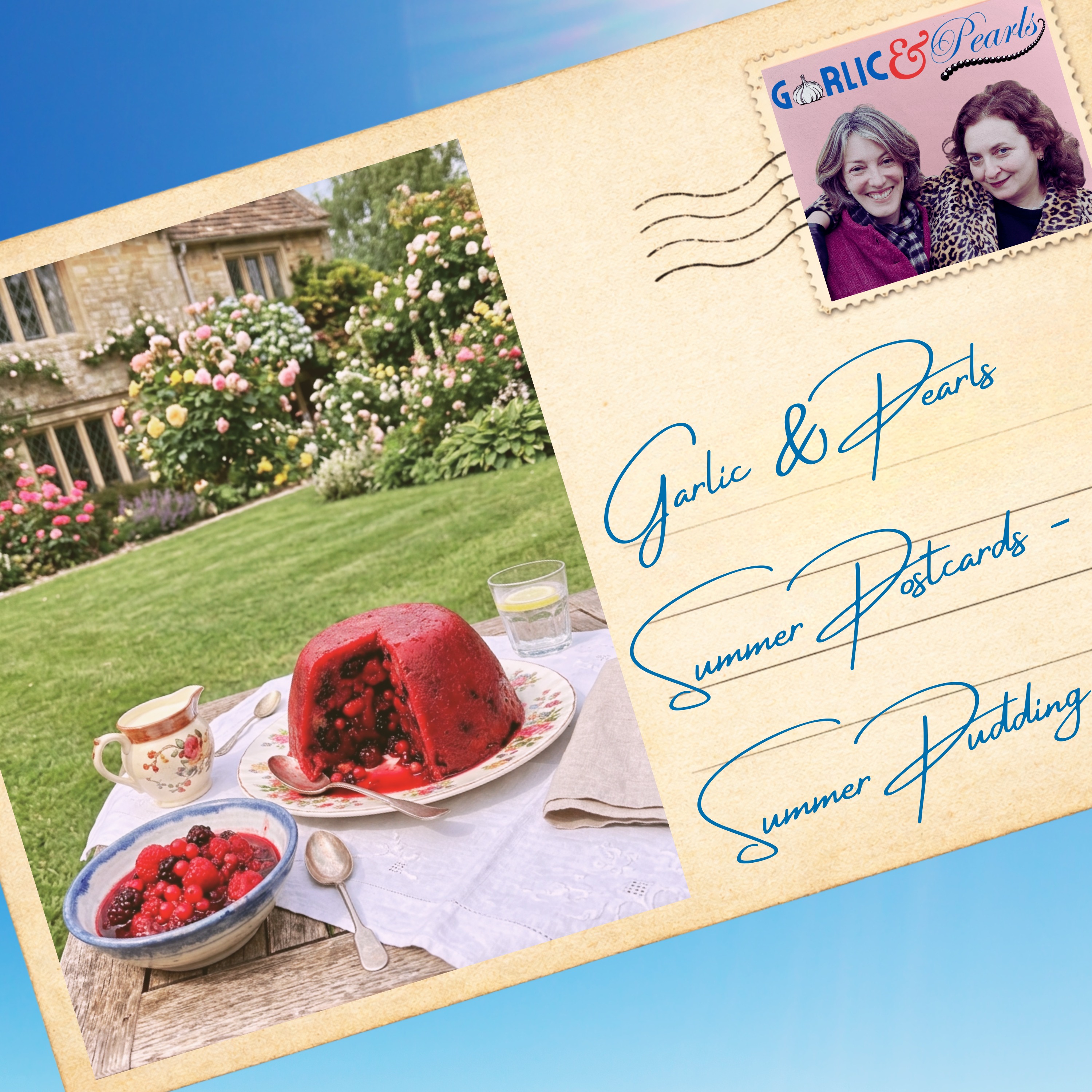
    Summer Postcards: Summer Pudding

    Suzanne presents Muriel with the magnificent dome of scarlet studded with berries that is summer pudding and reveals the dessert's intriguing origins, which lie in 19th-century hydropathy. What inspired the British to deploy a plain, uncompromising pudding made of bread and native fruit as a health food? Suzanne seeks out the original recipe of the pudding, which turns out to be the tip of the iceberg of a history of spa towns and hydropathic hotels powered by the idea of water as a cure-all, and its eccentric and sometimes fanatical Victorian promoters. Fashionable in the 1920s, summer pudding then fell into obscurity until its triumphant restoration to the British repertoire in the 1980s. An asphalt inventor, a knitwear manufacturer and a colonial missionary guest star. Hosted on Acast. See acast.com/privacy for more information.
  • S1 · E113
    August 14 · 32 min

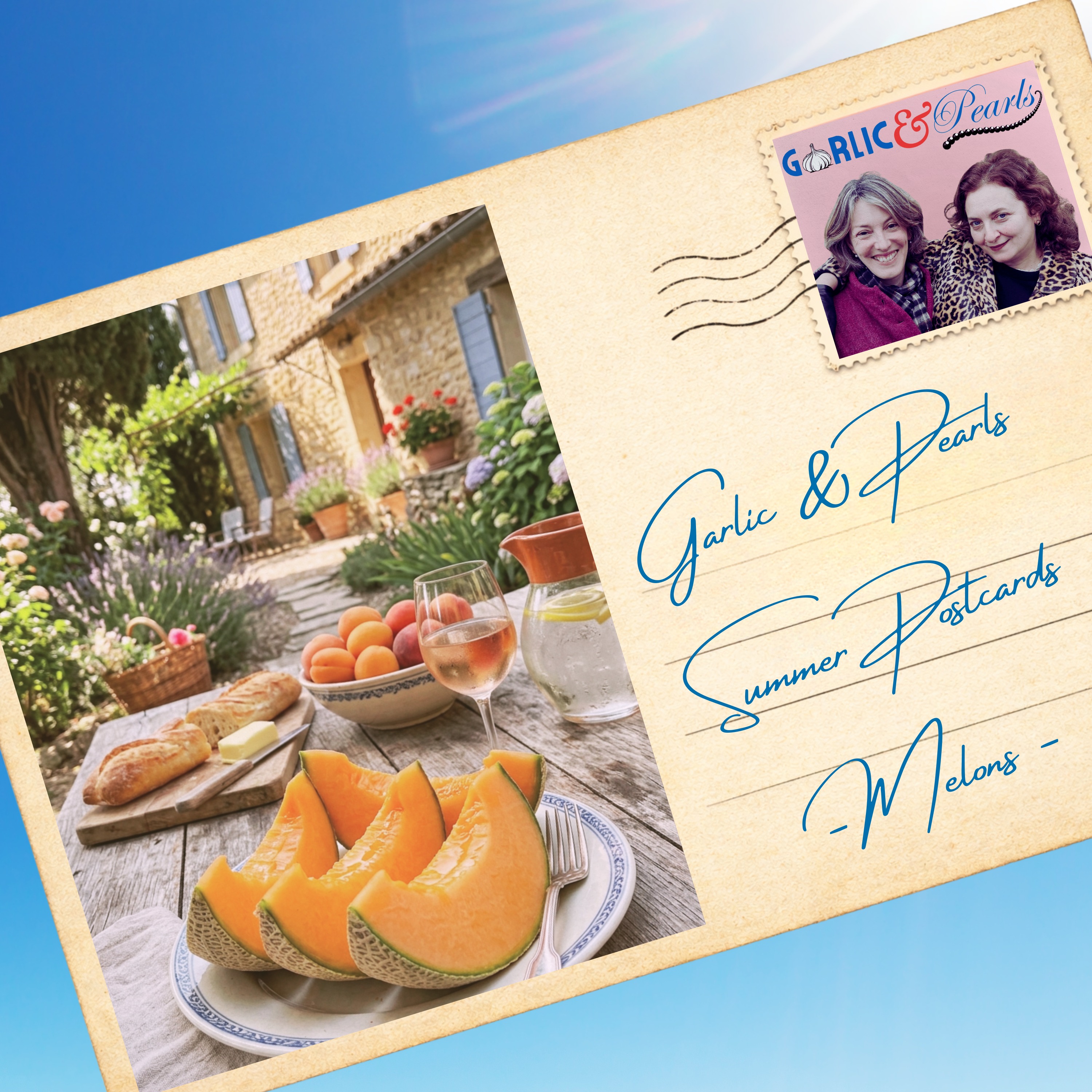
    Summer Postcards: Melons

    What is the quintessential French summer food? Melon, of course, of the orange-fleshed and deeply aromatic variety. In the summer, Muriel explains, the French go into a sort of melon frenzy, chasing the perfect ambrosial experience, and this brings with it the agony of choice. Selecting the right melon is an inexact science, at once thrilling and anxious-making. Weighing up a melon in the palm of your hand is a Gallic ritual as old as time. Melons also come with a rich cultural hinterland: they have long inspired poets and moralists. To the French, there is something subtly existential about the promise of delight and the repeated quest for excellence in a sea of indifferent fruit. Hosted on Acast. See acast.com/privacy for more information.
  • S1 · E112
    August 7 · 32 min

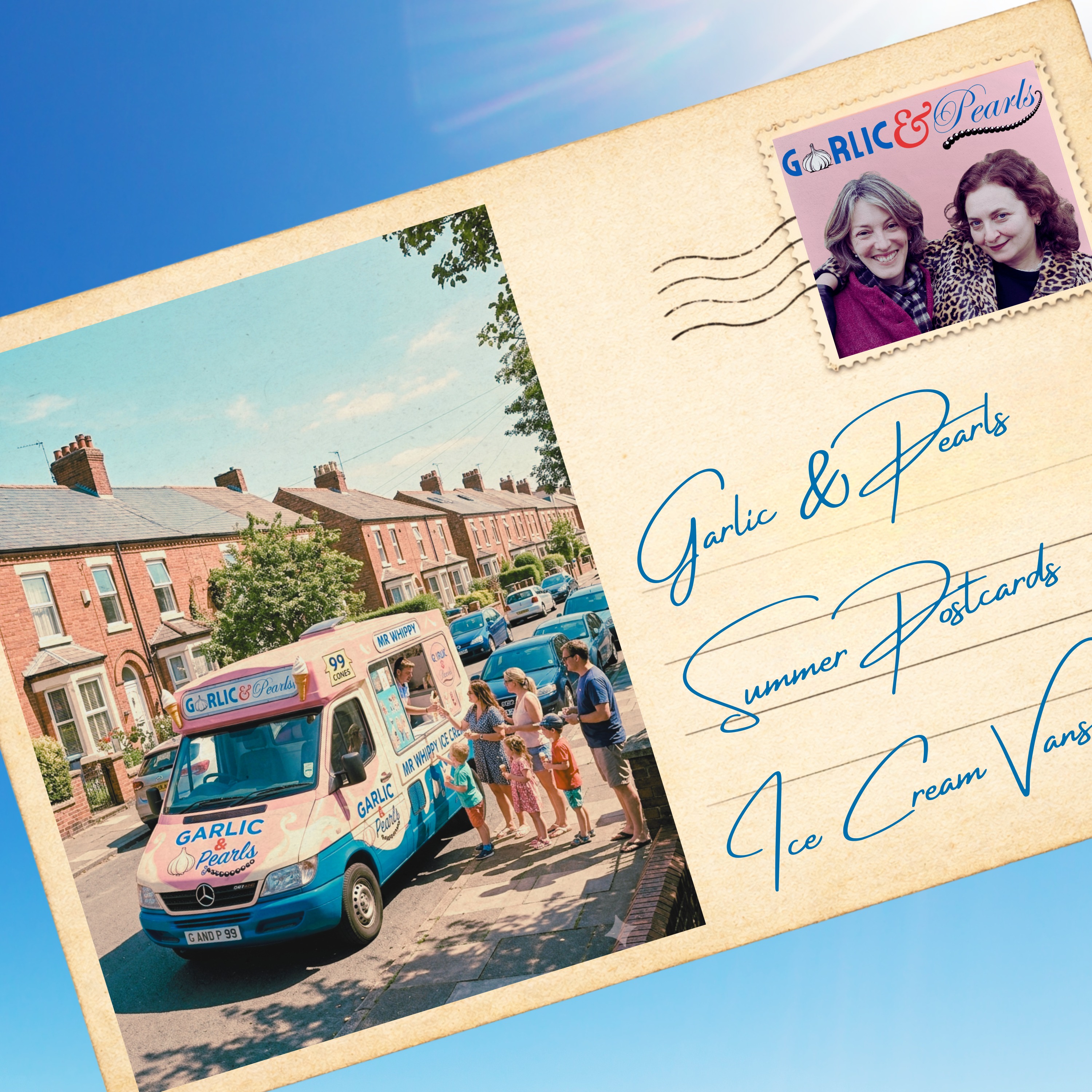
    Summer Postcards: Ice Cream Vans

    Can you hear the clarion call of a tinny version of 'Green Sleeves'? That familiar cheery chime is calling us to the ice cream van, plying its way all over the UK in the summer. Suzanne explores its history, its British-American mash-up of creativity, crucial Italian connection, technical challenges and complex regulations. Who invented Mr Whippy? How did the 99 chocolate flake come to be? Who is best at converting an ordinary van into a magical driving machine that dispenses ice cream? And should Suzanne and Muriel consider an alternative career ? The Garlic & Pearls theme tune would make an irresistible chime for their van... Hosted on Acast. See acast.com/privacy for more information.
  • S1 · E111
    July 31 · 33 min

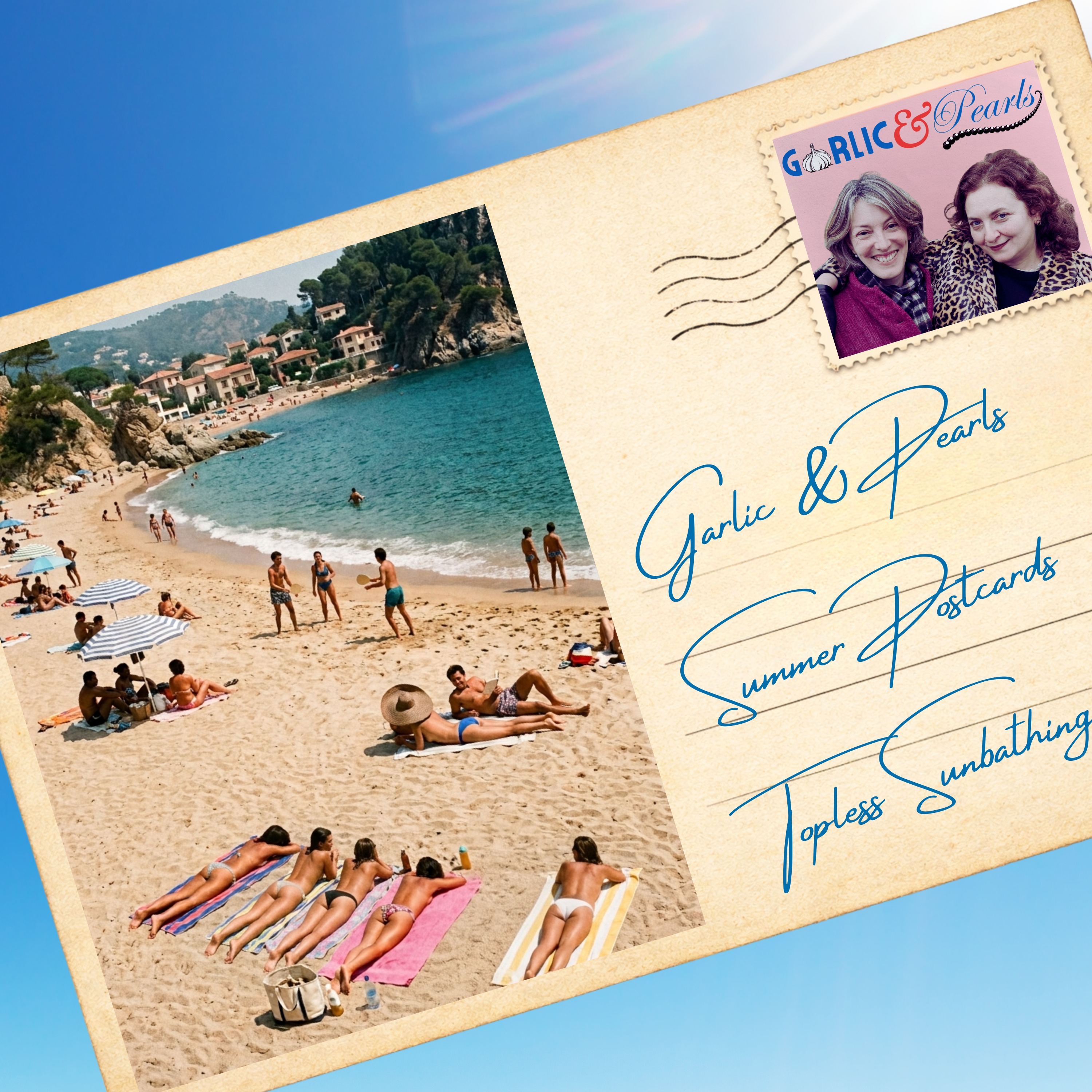
    Summer Postcards: Topless Sunbathing

    The golden age of topless sunbathing in France lasted a little over a decade, from the 1970s to the tail end of the 1980s. French women pioneered it and were also first to abandon it. But how and why? Muriel retraces the story of a particular aspect of Gallic art de vivre which was highly codified and attempted to recast the social contract between women and society. How natural was it? How cultural? Did it have more to do with feminism – of the French kind – or with fashion? And what would Coco Chanel have made of it? Hosted on Acast. See acast.com/privacy for more information.
  • S1 · E110
    July 24 · 30 min

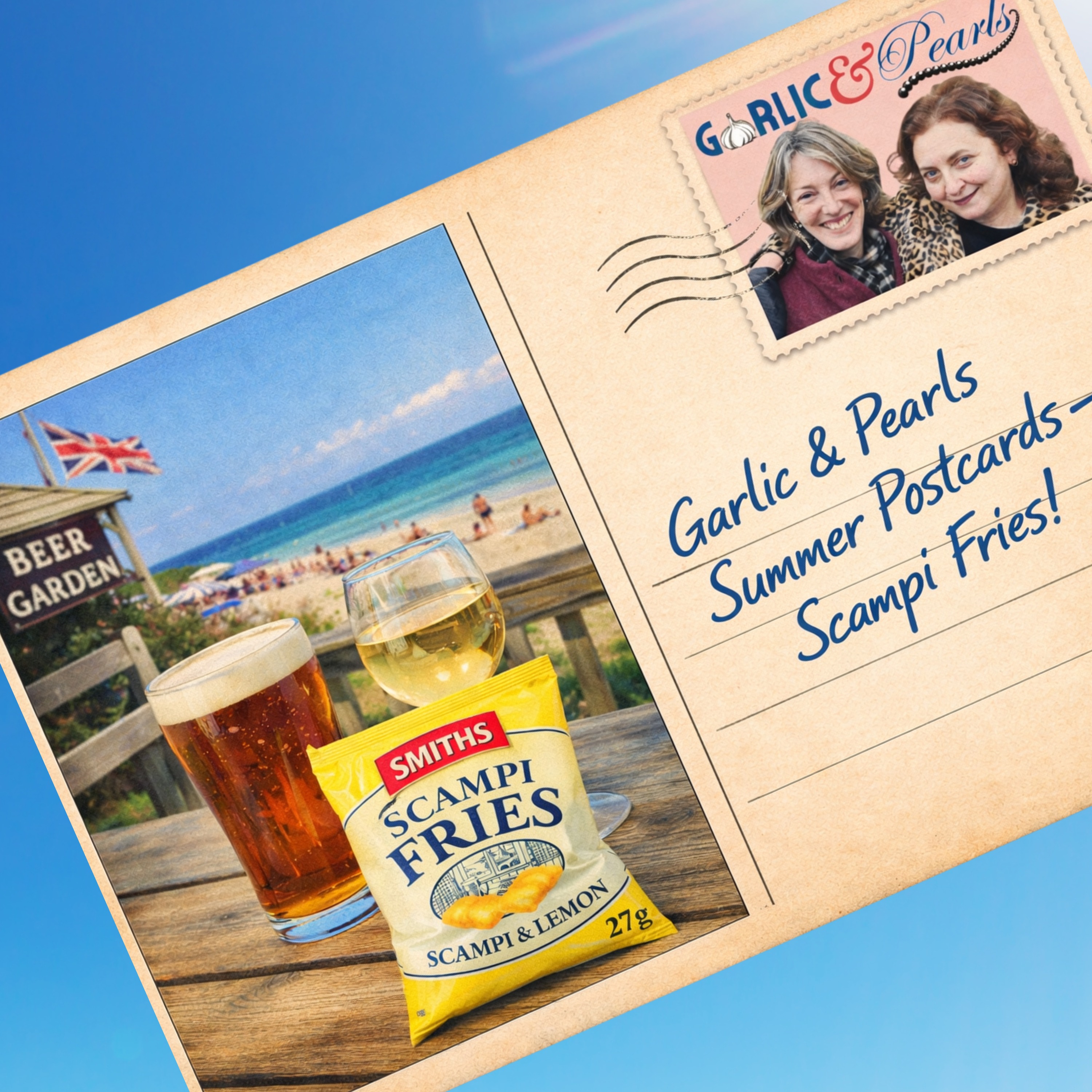
    Summer Postcards: Scampi Fries

    Another case of Suzanne pinpointing the essence of Britain; another first-time taste experience for Muriel! What are scampi fries but fish and chips, pubs and the British seaside holiday all condensed into a tiny mouthful of fishy saltiness. Covering ground from Georgian recipes of Italianate dishes of langoustines to extruded snacks of the 1980s, Suzanne tells the story of how the whole of Britain was fitted into a small crunchy bag. Hosted on Acast. See acast.com/privacy for more information.
  • S1 · E109
    July 17 · 29 min

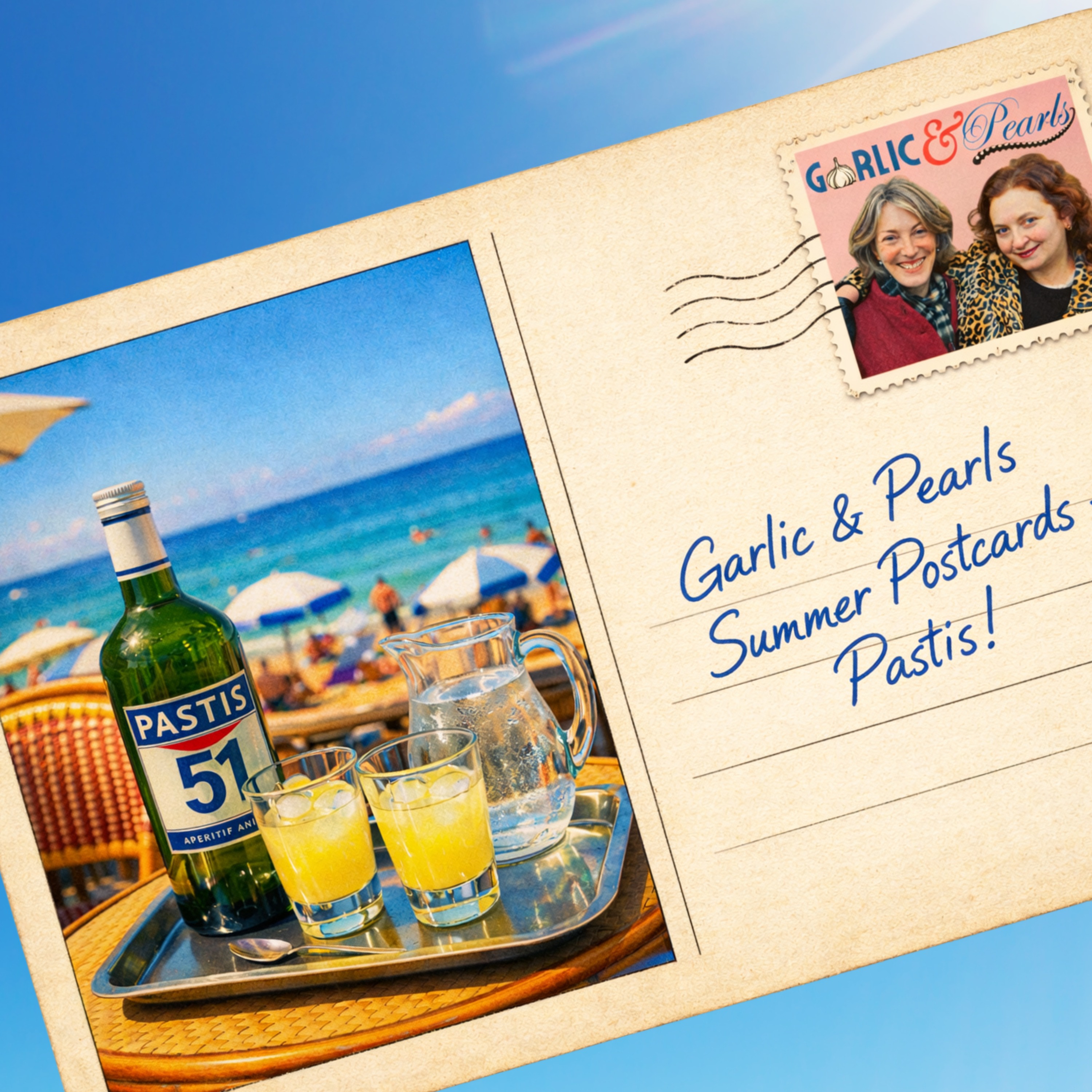
    Summer Postcards: Pastis

    In the wake of the banning of absinthe in France in 1915, a new apéritif was born, redolent with aniseed and liquorice, a taste at once medicinal and full of the joie de vivre we associate with the South of France. But what does 'pastis' mean? Who invented it? In what way did it have political implications? And why is it so central to French apéritif culture? Hosted on Acast. See acast.com/privacy for more information.
  • S1 · E108
    July 10 · 56 min

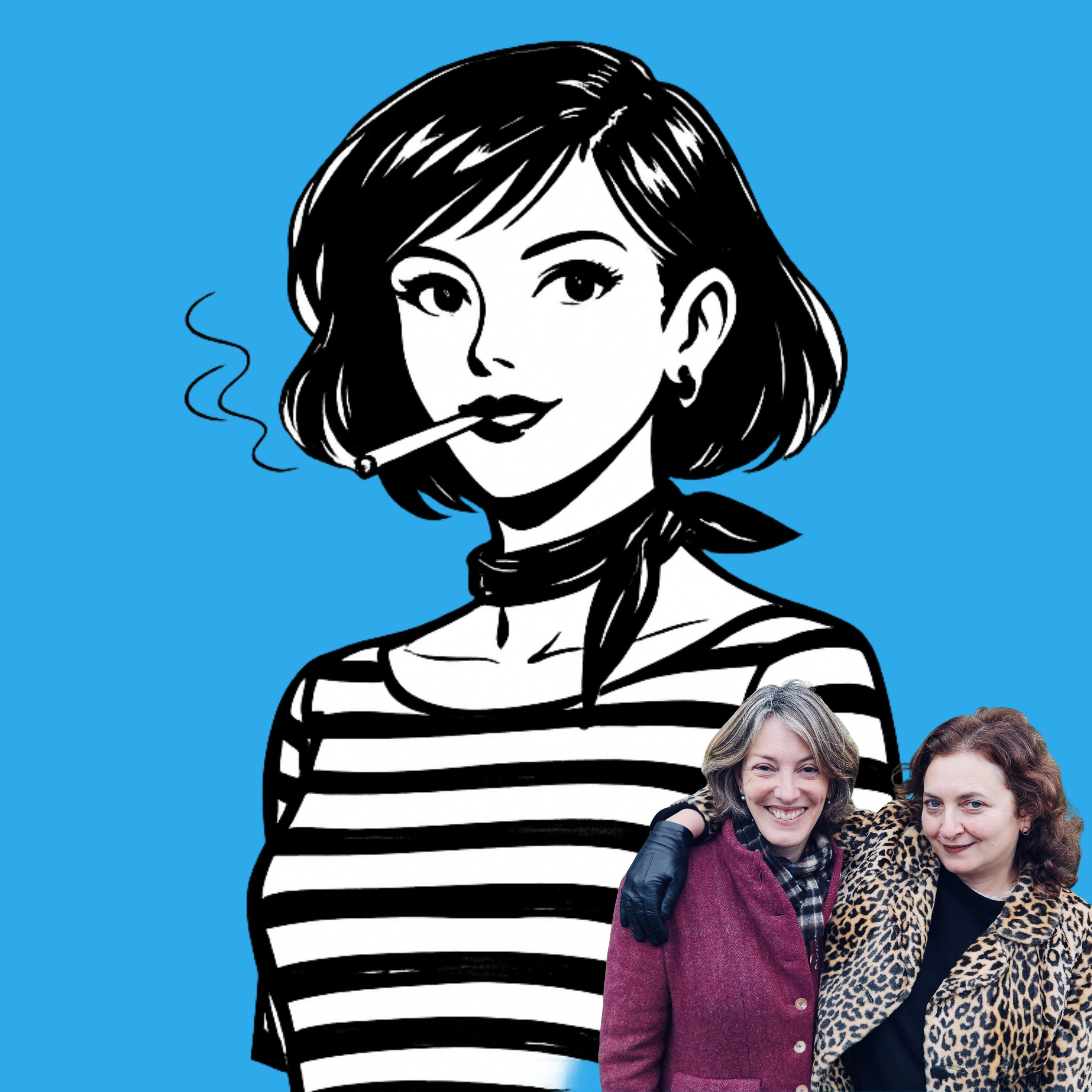
    Stripy Tops: From Devil's Cloth to Top French Icon

    Muriel tells the story of the stripy Breton top and wonders how a pattern – stripes – once considered sacrilegious and satanic gradually became the epitome of French elegance. We explore the evolving cultural history of a powerful symbol, the role of seaside holidays, of sailor suits as the preferred outfits of smart children, and the formalisation of the uniforms of the French Navy. Coco Chanel, Pablo Picasso, Jean Cocteau, Jean-Paul Gaultier and a lot of zebras put in an appearance. Are stripy tops a means of clothing oneself in maritime courage, freedom and adventure? Hosted on Acast. See acast.com/privacy for more information.
  • S1 · E107
    July 3 · 1 hr

    Pub Quizzes: The Nation's Favourite 'Brit of Fun'!

    Biros at the ready as Suzanne takes Muriel on a tour of a very British obsession: the pub quiz. Did it begin on a mythical night in Yorkshire in 1946? Is it one of the primary ways in which the British relate to each other socially? And if so, why? Can the Zoom quiz be credited for keeping the nation together during Covid? Are the best pub quizzes, Suzanne asks, ultimately where the British sense of terroir is located? Warning: this episode contains a veritable avalanche of punning. What's your team name, by the way? The Spanish Inquizzition? I Am Smartacus? Or simply: Quizzy McQuizface? Hosted on Acast. See acast.com/privacy for more information.
  • S1 · E106
    June 26 · 1 hr

    The Institut Français du Royaume-Uni: Britain's Official Portal into French Culture!

    With French historian Charlotte Faucher as her guide, Muriel explores the madly ornamental pink-brick Art Deco wonder that is the French Cultural Institute in South Kensington. Though the building dates from 1939, the idea of setting up a French Institute in Britain as a gateway to a better understanding between our two nations arose in 1910, the brainchild of Marie d'Orliac, an enigmatic figure who was also very good at reinventing herself. Nowadays South Kensington is a hub of French soft power, but how did it all begin, and what was the impact of the two World Wars on the project, especially the arrival in 1940 of an obscure officer called Charles de Gaulle and his 'certain idea of France'? Join us for a fascinating peek into a beguiling engine of soft power and the people that gave it meaning! Hosted on Acast. See acast.com/privacy for more information.
  • S1 · E105
    June 19 · 52 min

    The Letter J: The Mind-Blowing Creation Story of a British Sound

    This episode, full of suspense and mystery, is brought to you by the letter J! In the English language, the letter and its distinctive sound are deployed in their glory, whereas the French soften the letter J (as in je or bijou). The letter's story, which comes to full expression in 1629, is bound with that of the printing press. Who invented the letter J? Suzanne retraces the evolution of this exciting, propulsive letter – and how it acquired its shape – by way of the monumental King James Bible undertaking and the cast of dedicated medieval Cambridge scholars who carried it out. It is a story of the quest for legibility, clarity, directness and transparency – a very British story that would, Suzanne thinks, make a wonderful film. But who should play the letter J, the mischievous letter trying to make its mark on the page? Hosted on Acast. See acast.com/privacy for more information.
  • S1 · E104
    June 12 · 59 min

    The Great Paris Flood of 1910: The City of Light vs Nature!

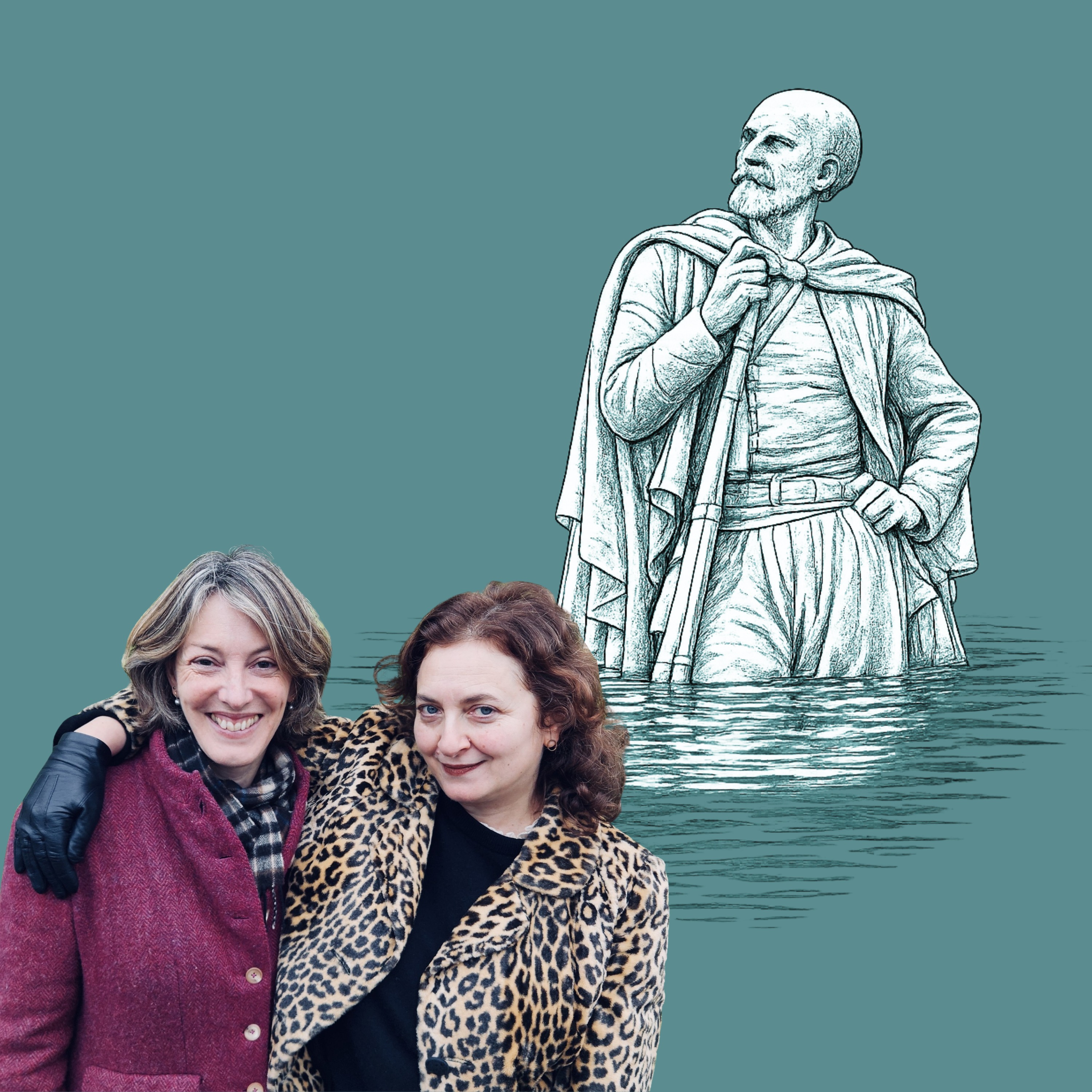
    In 1910, Paris was an ultra-modern electrified metropolis at the height of its confidence, insouciance and triumphant glamour. Then came the winter rains, and the Seine began inexorably to rise, causing chaos and devastation. Parisians living near the river soon found themselves getting about the streets in rowing boats and on improvised wooden walkways. The man of the moment was the then prefect of Paris, the gallant and indefatigable Louis Lépine, who patrolled the city in a frock coat and top hat , his smart trousers tucked into wellies, and seemed to be everywhere at once. Muriel tells an apocalyptic story of resilience and survival, and of the III Republic being put to the test. Hosted on Acast. See acast.com/privacy for more information.
  • S1 · E103
    June 5 · 52 min

    Bell Ringing: Unique Performing Art and England's 'Loud Noise to the Glory of God'!

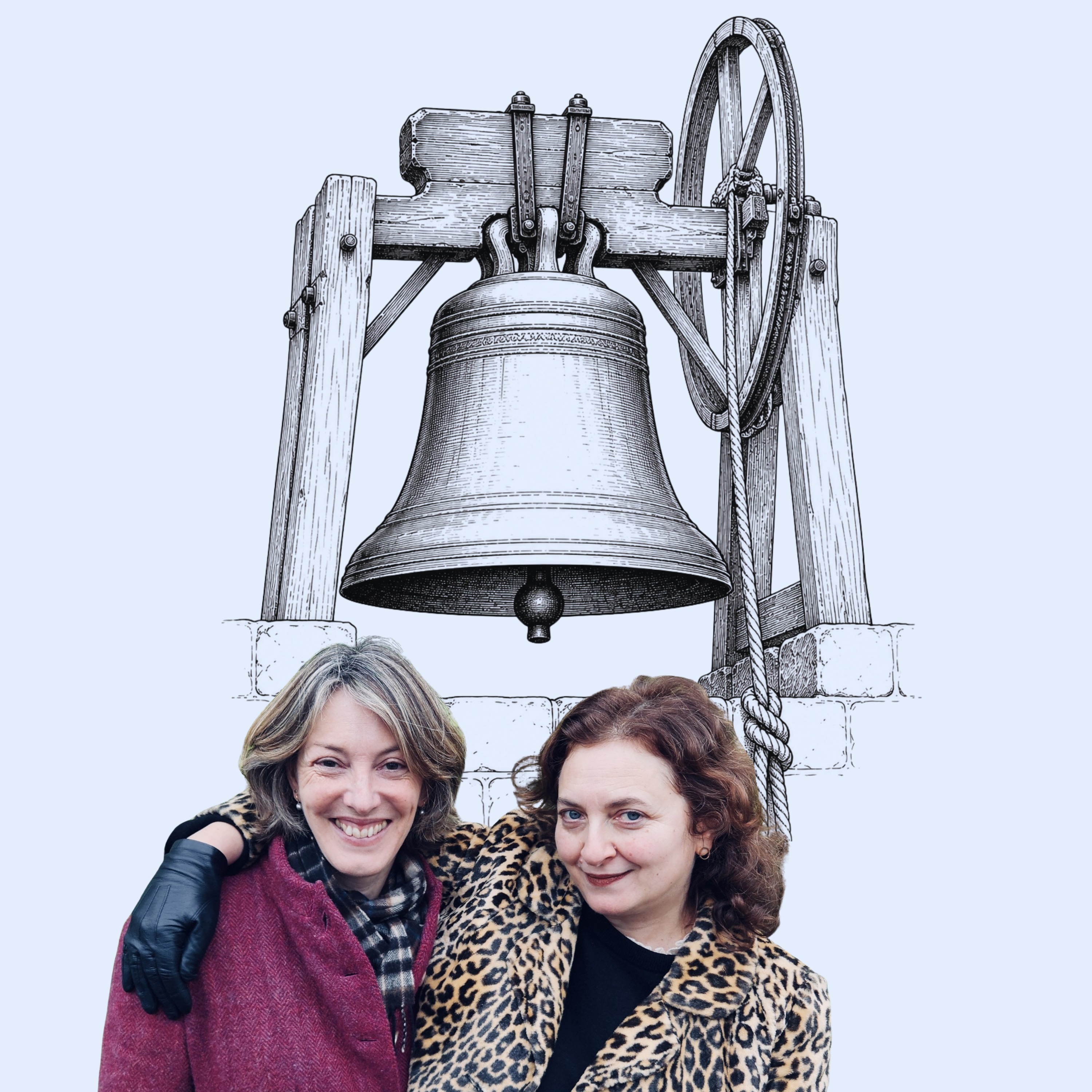
    Starting with the glorious 1934 novel The Nine Tailors by queen of crime Dorothy L. Sayers, set in the mystical, liminal landscape of the Fens and in the haunting world of ancient bell ringing, Suzanne explores the English art of campanology. Ringing in rounds requires intense mental and physical discipline – in the novel, the intrepid Lord Peter Wimsey rings bells for nine hours solid – and this communal activity already bound villages together in Tudor times. How did England evolve a form of music – the voice of a village – that is written as a sequence of numbers? Suzanne patiently walks Muriel through the mechanics of belfries and the mind-boggling mathematics of change ringing, strike intervals and vertiginous extents. Hosted on Acast. See acast.com/privacy for more information.
  • S1 · E102
    May 29 · 48 min

    Debora Robertson: What We Get Wrong About France

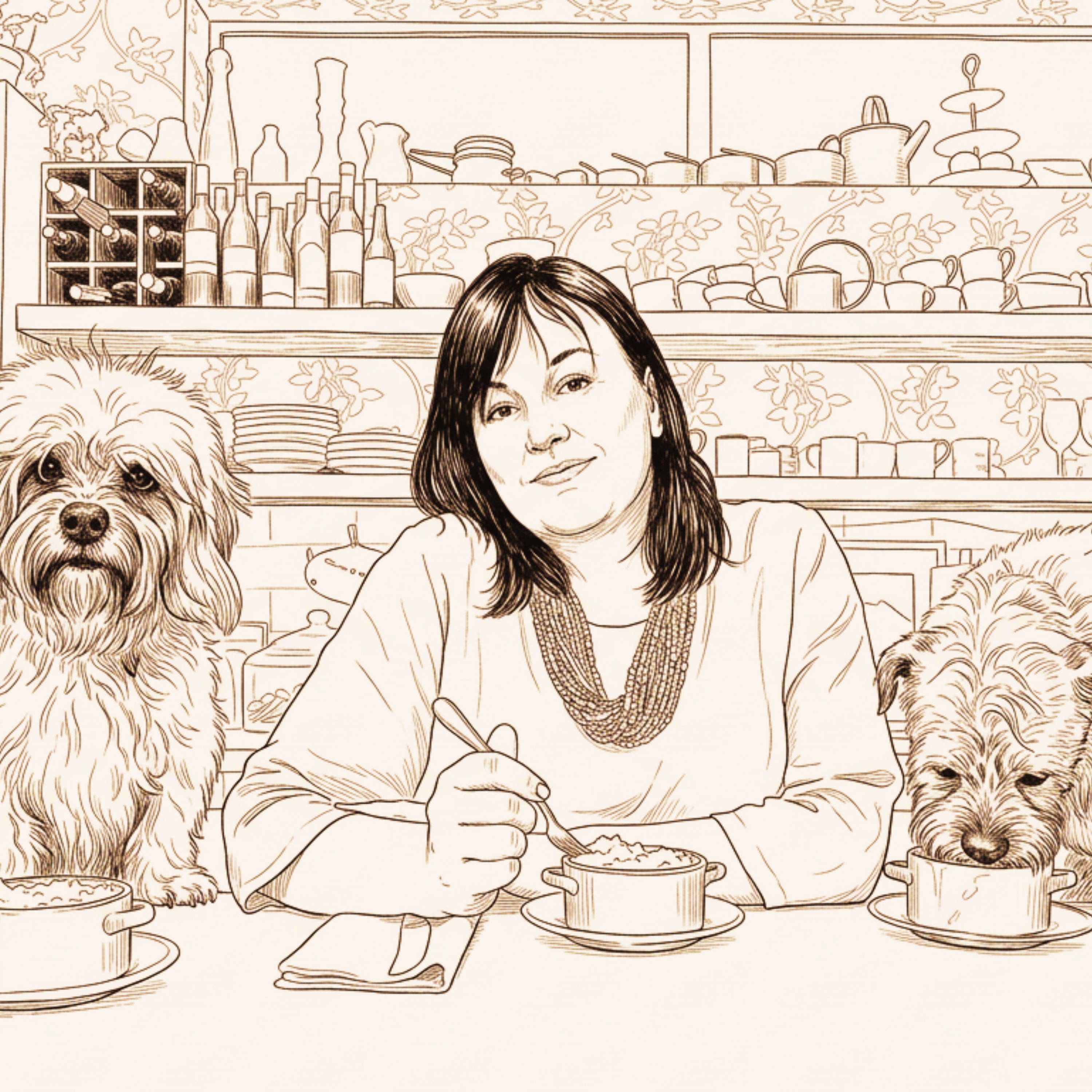
    Suzanne and Muriel welcome as a special guest the food writer and journalist Debora Robertson. a perceptive observer of French village life in the South-West – and the French psyche – in her Substack, Lickedspoon. She describes what it's like to be an exotic Brit in the French countryside and shares on-the-ground anecdotes about French behaviour. We find out which is more important, croissants or yoghurts? Is the baguette still sacred? Is the French administration really the embodiment of evil? Is it possible for the French to enjoy British food? What are the byzantine rules of kissing people hello? Are bidets a Good Thing or a Bad Thing? Are the French rude? What is normal for France and what do you have to do to fit in? And much more! Hosted on Acast. See acast.com/privacy for more information.
  • S1 · E101
    May 22 · 53 min

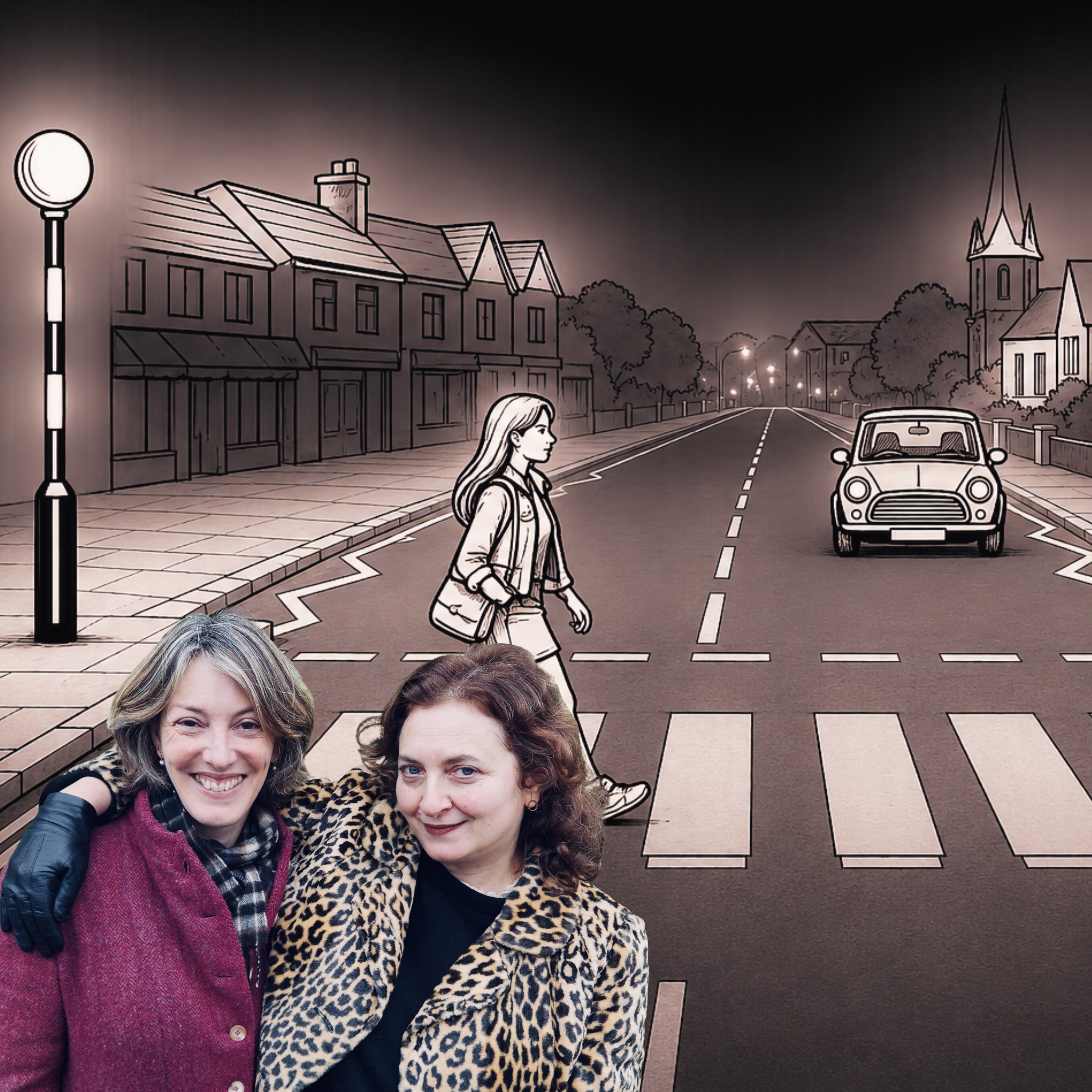
    Zebra Crossings: Freedom, Safety and British Science in Black and White!

    How, wonders Suzanne, did Britain come to gift the Big Z to the entire world? And how did Britain become a place where pedestrians can expect, in most cases, to find a crossing in the right place? The presence of zebra crossings is the fruit of a long evolution involving bitter parliamentary debates and the tension between limiting speed and protecting an Englishman's freedom of the highway. We meet the transformative figures of Leslie Hore-Belisha, inventor of the driving test and the flashing Belisha beacon, and Dr George Charlesworth, – aka 'Dr Zebra' – whose studies in contrast perception led to Britain leading the way in road safety worldwide: 'Listener, if you seek his monument, look around you.' Hosted on Acast. See acast.com/privacy for more information.
  • S1 · E100
    May 15 · 57 min

    The 100th Episode: Our Peak-Britain and Peak-France Chart-Toppers!

    Muriel and Suzanne raise a shaken, not stirred pickled-onion-and-Orangina cocktail to toast a vintage episode of the podcast. Now 100 hours into exploring Britishness and Frenchness, they each select their 5 favourite episodes presented by the other and reflect on what they have discovered along the way. An overflowing cornucopia of garlic, pearls, revelations, surprises and cultural aperçus, this landmark episode throws some light on the results of G&P's inquiries and highlights many gems in the podcast's catalogue. Did your favourite make the cut? Hosted on Acast. See acast.com/privacy for more information.
  • S1 · E99
    May 8 · 52 min

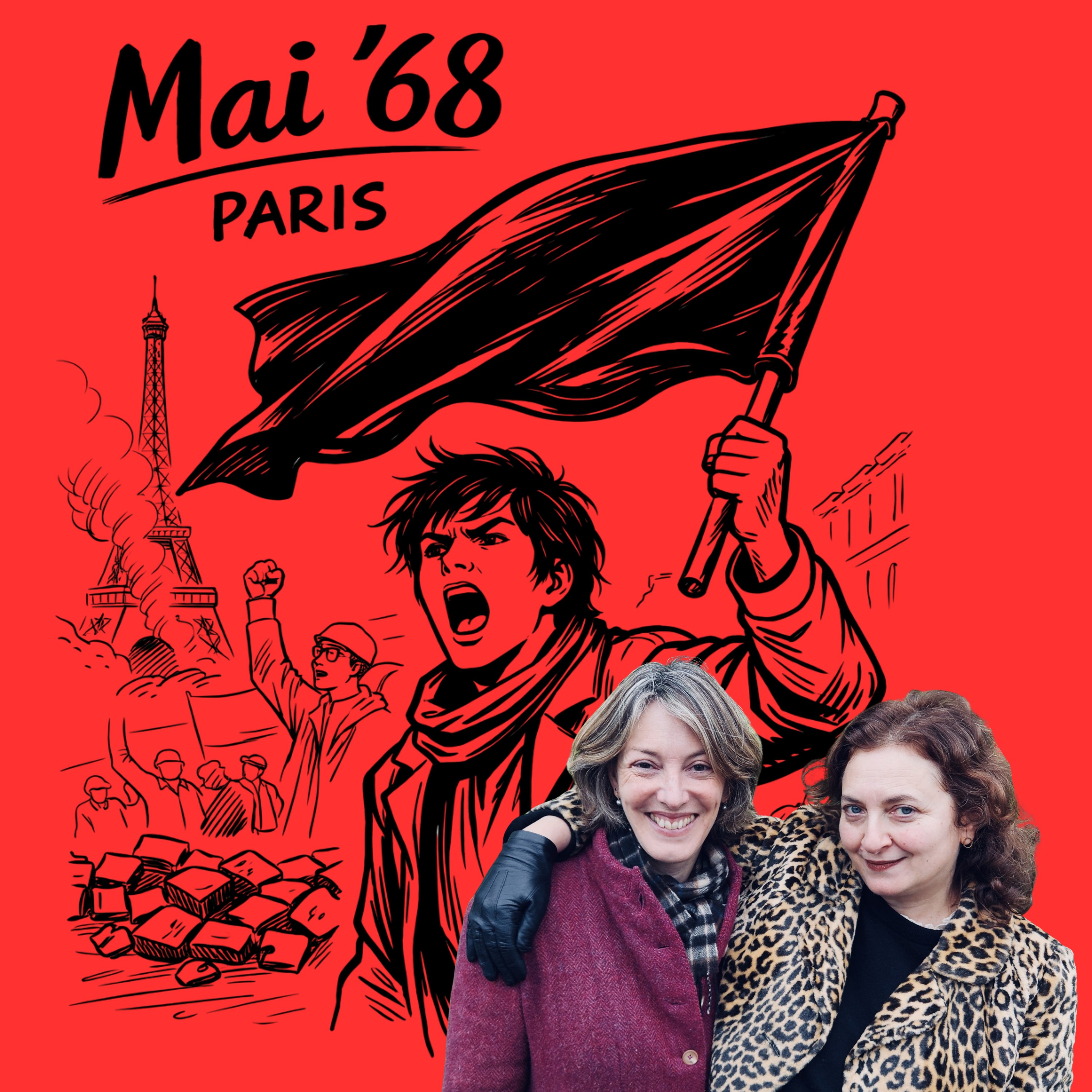
    May 68: How and Why France Dreamed Up Another Revolution

    Muriel wonders why the May 68 uprisings happened so expansively and explosively in the France of De Gaulle and not in Howard Wilson's Britain. She takes Suzanne back to a time of flying cobblestones and bourgeois Maoist students on the barricades. What triggered the events, what fanned the fire? How much of a revolution was May 68, really? What political and social fracture has it left in French society? And what is its legacy in terms of imagery and myth? Glorious utopia of social break-down? Hosted on Acast. See acast.com/privacy for more information.
  • S1 · E98
    May 1 · 54 min

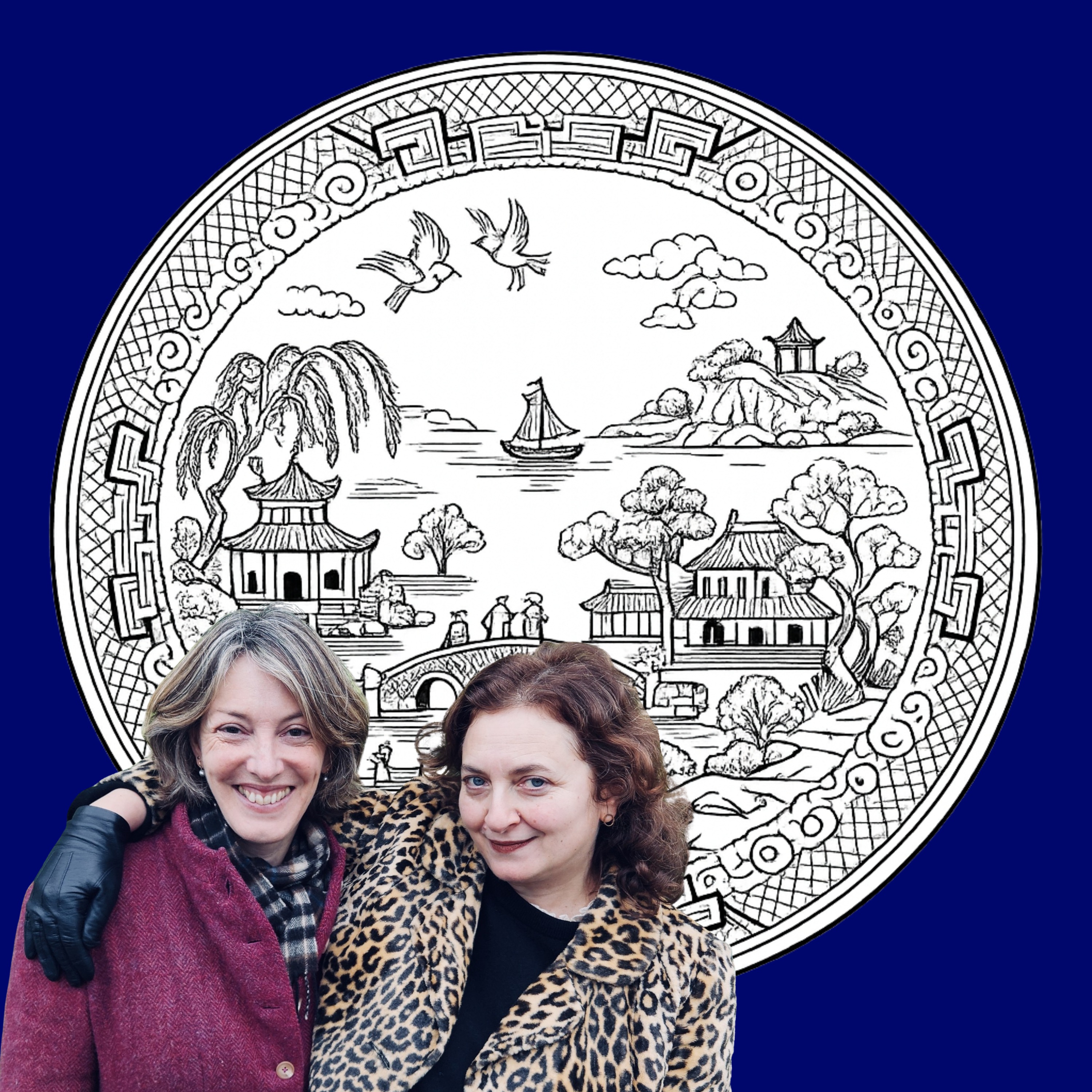
    The Blue Willow Pattern: A Tale of Romance, Bone and Clay

    Suzanne takes Muriel on a journey to a faraway land, travelling into the hidden depths of a dinner plate. Its famous pattern – trees, a pagoda, a bridge, a boat, a fence – tells a version of Romeo and Juliet's story set in Imperial China. The plate was first made in England in the 18th century, but the story and its memorable characters – an eminent mandarin, his beautiful daughter, an ardent young man, a resourceful maid – were retrofitted to the plate as part of a story of cross-cultural admiration, imitation and adaptation that unfolded in Staffordshire in the 1780s. But how did Josiah Spode rewrite the pottery rule book? And how has the allure of Blue Willow lasted to this day? Hosted on Acast. See acast.com/privacy for more information.

  • S1 · E97
    April 24 · 1 hr 1 min

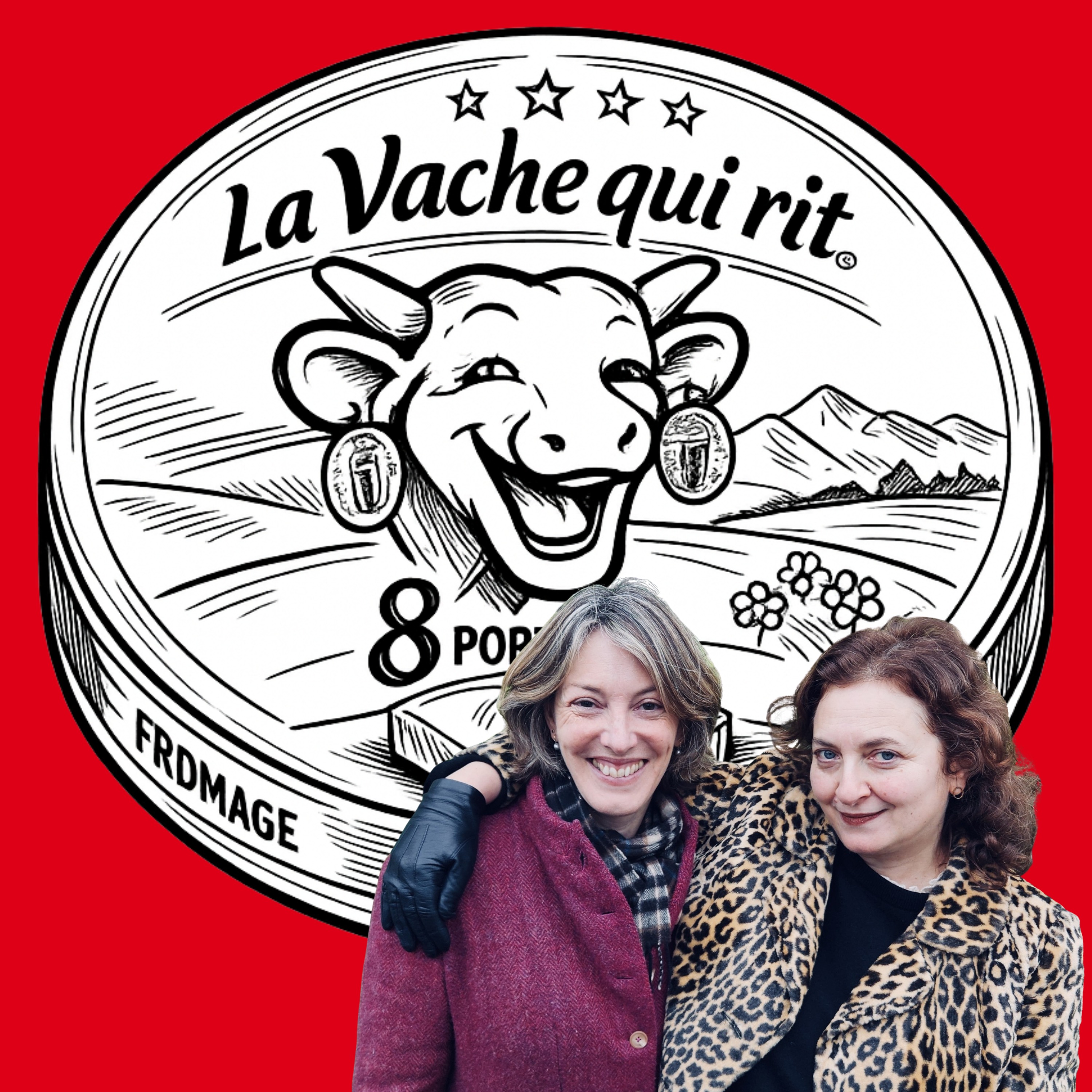
    The Laughing Cow: The Quintessential French Cheese

    In France, a country with a multiplicity of cheeses, only one achieves national unity: the humble Vache qui rit – or Laughing Cow. But what are the origins of this product? Invented in the wake of the Great War as a trailblazing 'fromage moderne', it shares a terroir with the more prestigious Comté, which is also one of its ingredients. Paradoxically, Muriel suggests, this processed melted cheese – part Proustian madeleine and part gateway to gastronomy – is an expression of the French passion for le fromage. And Suzanne also receives something she didn't know she needed: a moo box! Hosted on Acast. See acast.com/privacy for more information.

Showing 1–20 of 20 episodes