Skip to content
Artwork for Fun Facts Daily
EducationHistorySociety & Culture

Fun Facts Daily

Kyle Wood

Start your day smarter with Fun Facts Daily. Every episode explores a different topic giving you a quick and easy way to enjoy learning something new every weekday! Fun Facts Daily cuts through the noise of the world to deliver positive, uplifting, and fascinating trivia about art, biographies, geography, history, pop culture, science and anything else that might pique your curiosity. Get your daily dose of knowledge with a word of the day, five fun facts to blow your mind as well as practical tips and tricks that you can actually use. Every episode is safe for work (SFW) and appropriate for curious listeners of all ages.

Play
  • 39 episodes
  • daily
  • Avg 14 min
  • English
Counted on this page — what you have heard stays on this device, so it is not something the list can be paged by.
  • August 20 · 15 min

    Fun Facts About Your Auditory System

    The auditory system converts sound waves into electrical impulses for neural processing. Sound capture begins with the outer ear, where the cartilage folds of the pinna filter frequencies to provide spectral cues for sound localization, while binaural processing analyzes timing differences across both ears to isolate specific voices amidst background noise. These acoustic waves travel through the ear canal to vibrate the tympanic membrane which then transfers the force to the middle ear’s ossicles: the malleus, incus, and stapes. By concentrating sound pressure from the large surface area of the eardrum to the tiny stapes footplate, these bones amplify pressure roughly twentyfold to overcome the acoustic impedance of inner ear fluid. Inside the cochlea, roughly 15,000 to 20,000 mechanosensory hair cells along the organ of Corti are displaced to generate electrical signals. This structure relies on tonotopic organization, mapping high frequencies at the stiff base and low frequencies at the flexible apex before routing signals up the auditory nerve. Beyond hearing, the inner ear also houses the vestibular system to regulate spatial orientation and physical balance. Because the sensory apparatus remains fully active 24/7, the brain's thalamus acts as a sensory gatekeeper during sleep, filtering non-threatening acoustic input while allowing critical alarms through to the cerebral cortex. To prevent noise-induced hearing loss and irreversible damage to non-regenerative stereocilia, audiology guidelines recommend limiting headphone volumes to 60% of maximum output for no more than 60 minutes at a time, alongside utilizing flat-response musician earplugs in loud environments. ⁠Listen Ad-Free on Patreon. ⁠ For just $3 per month, you can get ad-free versions of Fun Facts Daily, Who ARTed and Art Smart. Head over to ⁠https://www.patreon.com/cw/FunFactsDailyPod⁠ if you are interested. Want to learn more? Head over to my website www.funfactsdailypod.com and be sure to listen to my other podcasts Who ARTed: Weekly Art History for All Ages or Art Smart. For family fun, check out my son's podcast Rainbow Puppy Science Lab The image used in the episode cover art came from Adobe's stock photos. Fun Facts Daily is an Airwave Media Podcast. If you are interested in advertising on this or any other Airwave Media show, email: advertising@airwavemedia.com Learn more about your ad choices. Visit megaphone.fm/adchoices
  • August 19 · 12 min

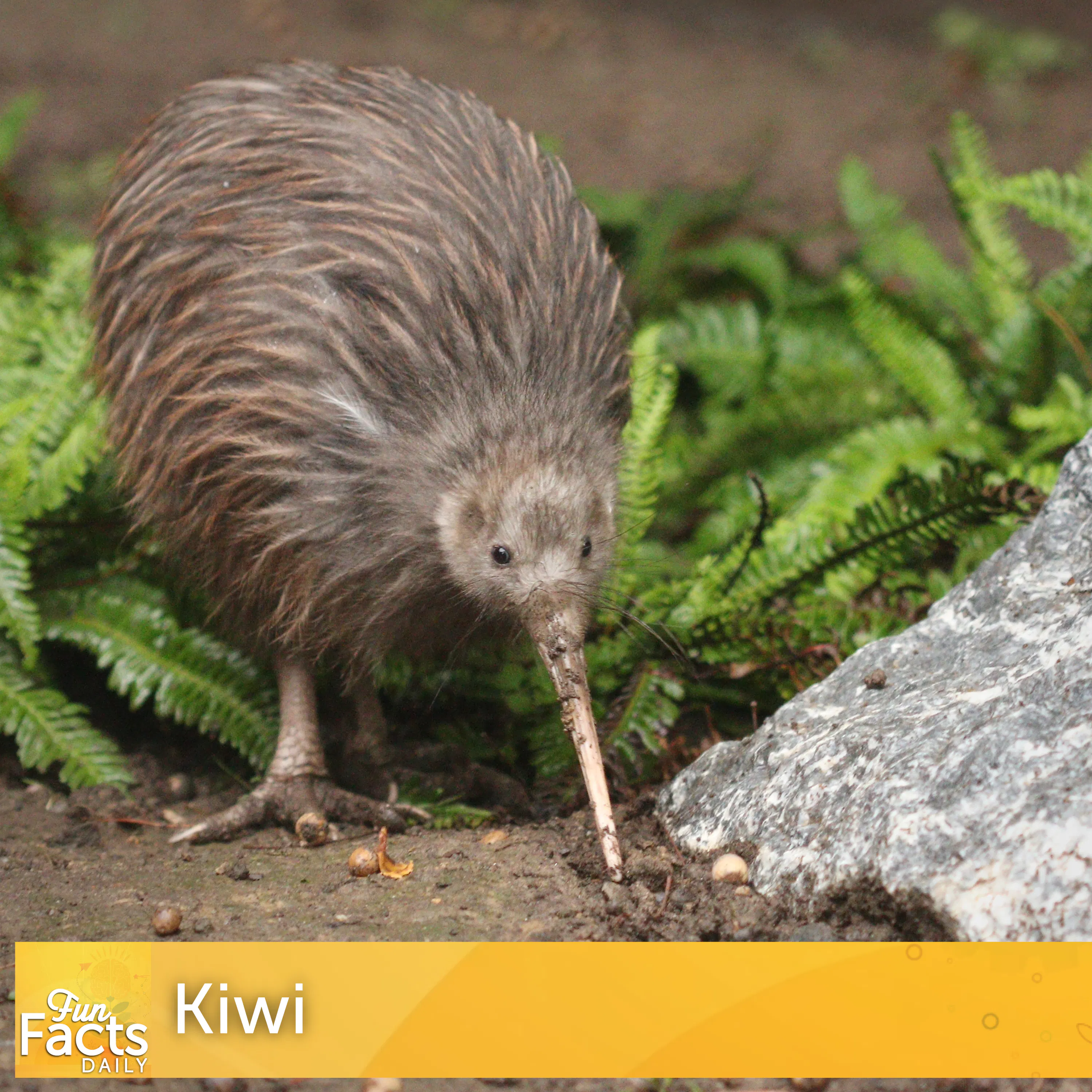
    Fun Facts About Kiwi (Birds)

    The kiwi is a unique, flightless ratite native to New Zealand, renowned for biological traits that resemble mammals more than typical birds. Lacking the sternal keel required for flight muscles, kiwis have evolved dense, marrow-filled bones, hair-like shaggy plumage, and whisker-like rictal bristles. They are the only birds with nostrils situated at the tip of their beaks, paired with highly developed olfactory bulbs and sensitive sensory pits. This specialized anatomy enables them to sniff out and detect vibrations from underground invertebrates in total darkness, making them exceptionally adapted nocturnal foragers. Beyond their physical adaptations, kiwis exhibit distinct reproductive and evolutionary characteristics. While long assumed to be closely related to the extinct New Zealand moa, DNA analysis reveals their closest relative is actually Madagascar's extinct elephant bird. Kiwis often form monogamous pairs that can last for decades, sharing territory and relying on loud nocturnal calls to communicate. Females produce one of the largest eggs relative to body size in the animal kingdom, weighing up to 20% of the mother's body weight, which allows chicks to hatch fully feathered and capable of foraging independently within days. Related episode: Fun Facts About Kiwifruit ⁠Listen Ad-Free on Patreon. ⁠ For just $3 per month, you can get ad-free versions of Fun Facts Daily, Who ARTed and Art Smart. Head over to ⁠https://www.patreon.com/cw/FunFactsDailyPod⁠ if you are interested. Want to learn more? Head over to my website www.funfactsdailypod.com and be sure to listen to my other podcasts Who ARTed: Weekly Art History for All Ages or Art Smart. For family fun, check out my son's podcast Rainbow Puppy Science Lab The image used in the episode cover art came from Adobe's stock photos. Fun Facts Daily is an Airwave Media Podcast. If you are interested in advertising on this or any other Airwave Media show, email: advertising@airwavemedia.com Learn more about your ad choices. Visit megaphone.fm/adchoices

  • August 18 · 13 min

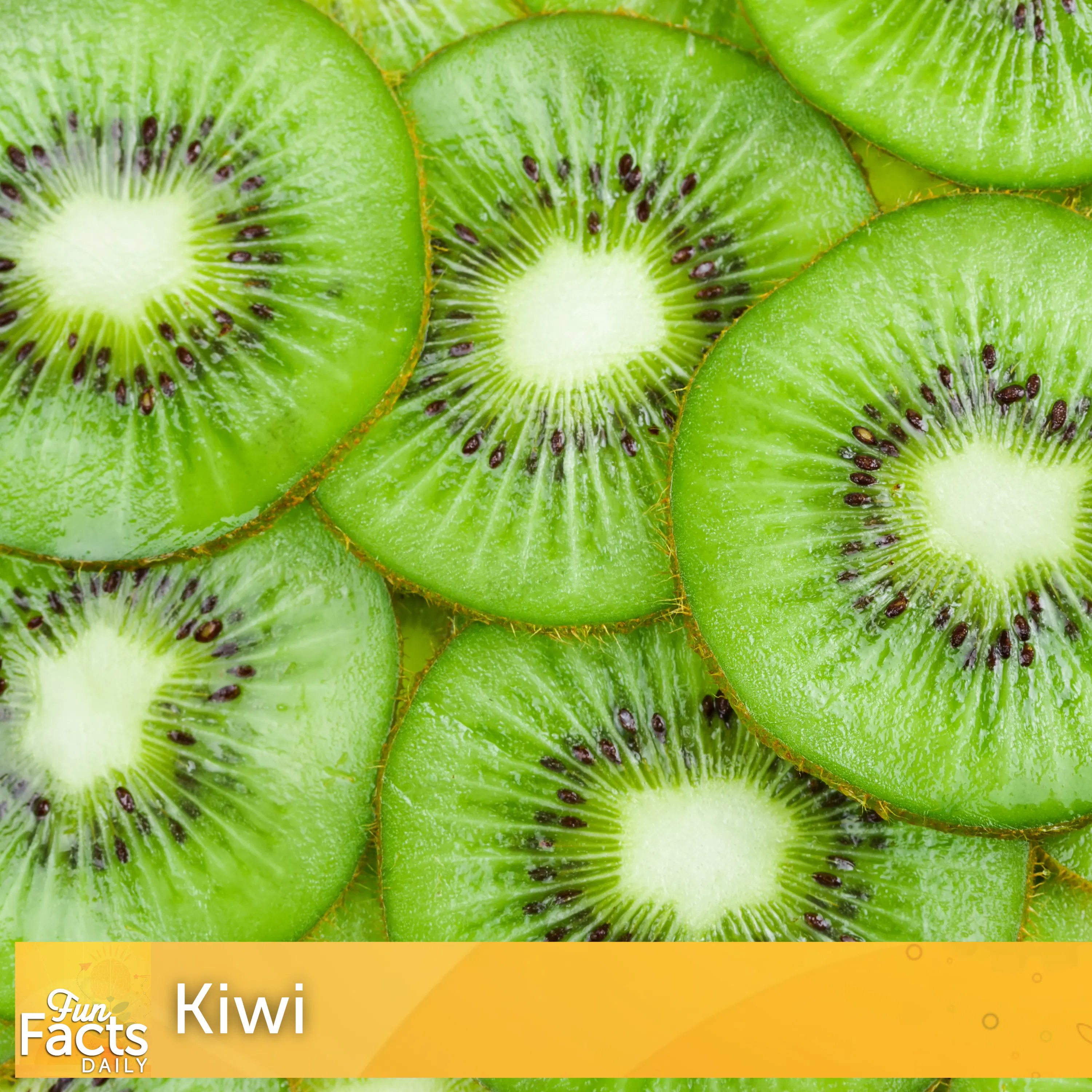
    Fun Facts About Kiwifruit

    Kiwifruit is a nutrient-dense botanical berry that grows on large, woody perennial vines belonging to the genus Actinidia. Because kiwi plants are dioecious, meaning individual vines produce exclusively male or female flowers, growers must cultivate both to enable pollination. The fruit is recognized for its high nutritional value; gram for gram, kiwifruit contains more vitamin C than an orange and provides significant amounts of dietary fiber, potassium, vitamin K, and seed-concentrated vitamin E. Its low pesticide residues frequently earn it a spot on the "Clean Fifteen" produce list. Beyond the standard fuzzy green variety, cultivated kiwifruit spans golden varieties (Actinidia chinensis), antioxidant-rich red cultivars, and bite-sized, smooth-skinned kiwi berries. As a climacteric fruit, kiwi continues to ripen after harvest in response to ethylene gas, making it easy to ripen at home alongside apples or bananas. In the kitchen, fresh kiwi contains the potent enzyme actinidin, a natural protease capable of breaking down connective tissue and muscle fibers to tenderize meat. However, this same enzyme prevents gelatin from setting and causes dairy proteins to curdle unless the fruit is cooked first. Although widely associated with New Zealand, kiwifruit originated in China’s Yangtze River Valley, where it was known as yang tao. Seeds introduced to New Zealand in 1904 led to commercial cultivation under the name "Chinese gooseberry," before being rebranded as "kiwifruit" in 1959 after New Zealand's iconic flightless bird. ⁠Listen Ad-Free on Patreon. ⁠ For just $3 per month, you can get ad-free versions of Fun Facts Daily, Who ARTed and Art Smart. Head over to ⁠https://www.patreon.com/cw/FunFactsDailyPod⁠ if you are interested. Want to learn more? Head over to my website www.funfactsdailypod.com and be sure to listen to my other podcasts Who ARTed: Weekly Art History for All Ages or Art Smart. For family fun, check out my son's podcast Rainbow Puppy Science Lab The image used in the episode cover art came from Adobe's stock photos. Fun Facts Daily is an Airwave Media Podcast. If you are interested in advertising on this or any other Airwave Media show, email: advertising@airwavemedia.com Learn more about your ad choices. Visit megaphone.fm/adchoices

  • August 17 · 13 min

    Fun Facts About the Magna Carta

    The Magna Carta, sealed in 1215, remains one of the most significant legal documents in history, establishing the foundational principle that everyone, including the monarch, is subject to the law. Originating from a rebellion of English barons against King John, this 13th-century agreement fundamentally shifted the balance of power. The term "charter" itself refers to a formal grant of rights, a fitting name for a document that sought to curb royal overreach. Although initially annulled by Pope Innocent III merely ten weeks after its sealing, the Magna Carta was later revived, securing its enduring legacy in global legal systems. Today, the influence of the Magna Carta extends far beyond medieval England, heavily shaping modern legal frameworks such as the United States Constitution and the concept of due process. The original 1215 document was meticulously written on sheepskin parchment using iron gall ink, authenticated not by a handwritten signature, but with King John's beeswax Great Seal. While it originally contained 63 diverse clauses, including hyper-specific mandates like the removal of fish weirs from the Thames River, only three clauses remain active in modern English law. Four original copies survive today, preserving a tangible link to a pivotal shift in governance and human rights. ⁠Listen Ad-Free on Patreon. ⁠ For just $3 per month, you can get ad-free versions of Fun Facts Daily, Who ARTed and Art Smart. Head over to ⁠https://www.patreon.com/cw/FunFactsDailyPod⁠ if you are interested. Want to learn more? Head over to my website www.funfactsdailypod.com and be sure to listen to my other podcasts Who ARTed: Weekly Art History for All Ages or Art Smart. For family fun, check out my son's podcast Rainbow Puppy Science Lab Fun Facts Daily is an Airwave Media Podcast. If you are interested in advertising on this or any other Airwave Media show, email: advertising@airwavemedia.com Learn more about your ad choices. Visit megaphone.fm/adchoices

  • August 14 · 16 min

    Fun Facts About Chalk

    Natural chalk is composed of coccoliths, microscopic limestone plates formed by single-celled marine organisms called coccolithophores. Millions of years ago, these accumulated calcium carbonate shells sank to the ocean floor, forming dense layers that eventually surfaced as prominent geological features such as the White Cliffs of Dover. This rock layer defines the Cretaceous period, derived from creta, the Latin word for chalk. Beyond its geological presence, chalk plays an important role in modern applications; agricultural liming utilizes pulverized chalk to neutralize acidic soils and optimize plant nutrient absorption, while specialty wax formulas are crafted into tailor's chalk that temporarily marks textiles before evaporating under a hot iron. Throughout art history, chalk has served as a foundational medium for major techniques and artists. Renaissance masters like Leonardo da Vinci popularized the aux trois crayons technique, combining black shale, white calcium carbonate, and red sanguine earth pigments on toned paper to render realistic skin tones. Later, impressionist painter Edgar Degas developed specialized fixative methods using casein, alcohol, and steam to bind fragile chalk pastel layers directly to paper without dulling their color. Today, writing chalk is rarely extracted straight from the earth; instead, blackboard sticks are manufactured either from gypsum (calcium sulfate) or purified, re-bound calcium carbonate engineered to minimize dust and increase durability. Looking for more fun facts to share with your class? Check out my Spotify playlist, Fun Facts for School ⁠Listen Ad-Free on Patreon. ⁠ For just $3 per month, you can get ad-free versions of Fun Facts Daily, Who ARTed and Art Smart. Head over to ⁠https://www.patreon.com/cw/FunFactsDailyPod⁠ if you are interested. Want to learn more? Head over to my website www.funfactsdailypod.com and be sure to listen to my other podcasts Who ARTed: Weekly Art History for All Ages or Art Smart. For family fun, check out my son's podcast Rainbow Puppy Science Lab The image used in the episode cover art came from Adobe's stock photos. Fun Facts Daily is an Airwave Media Podcast. If you are interested in advertising on this or any other Airwave Media show, email: advertising@airwavemedia.com Learn more about your ad choices. Visit megaphone.fm/adchoices

  • August 13 · 14 min

    Fun Facts About Walmart

    Walmart started in 1950 as a single small variety store in Arkansas and has grown into an incredibly large global retail company. Today the business generates well over $600 billion in revenue each year. To put that in perspective, if the company were its own country, it would have an economy larger than developed nations like Sweden and Belgium. The company employs over two million people worldwide to support this massive operation. Because of this enormous scale, Walmart focuses heavily on internal career growth. Both the current global chief executive officer and the head of United States operations began their careers working hourly jobs inside the stores. To keep shelves stocked with incredibly popular items like bananas, which remain the top selling product worldwide, Walmart relies on highly advanced logistics. In the late 1980s, the company invested $24 million to build the largest private satellite network in the United States so they could track inventory at every location in real time. They also run a permanent emergency command center where meteorologists and logistics experts work around the clock. This dedicated team tracks severe weather and routes emergency supplies to high risk areas before a disaster strikes, a strategy that earned national praise during the response to Hurricane Katrina. ⁠Listen Ad-Free on Patreon. ⁠ For just $3 per month, you can get ad-free versions of Fun Facts Daily, Who ARTed and Art Smart. Head over to ⁠https://www.patreon.com/cw/FunFactsDailyPod⁠ if you are interested. Want to learn more? Head over to my website www.funfactsdailypod.com and be sure to listen to my other podcasts Who ARTed: Weekly Art History for All Ages or Art Smart. For family fun, check out my son's podcast Rainbow Puppy Science Lab The image used in the episode cover art came from Adobe's stock photos. Fun Facts Daily is an Airwave Media Podcast. If you are interested in advertising on this or any other Airwave Media show, email: advertising@airwavemedia.com Learn more about your ad choices. Visit megaphone.fm/adchoices

  • August 12 · 13 min

    Fun Facts About School Lunches

    School lunch programs around the world have distinct origins, historical motivations, and cultural structures. Early school feeding initiatives began in Munich, Germany, in 1790, when Count Rumford established a soup kitchen serving a nutrient-dense mixture of peas, barley, and potatoes to impoverished children and adults. Over the following century, similar initiatives spread across Europe, supported by figures like Victor Hugo in Guernsey. In the United States, the federal school lunch model was established through the National School Lunch Act of 1946 under President Harry S. Truman. Spurred by World War II military recruit rejections caused by childhood malnutrition, the program was designed to safeguard youth health while simultaneously absorbing surplus agricultural commodities from American farmers. Modern cafeteria operations and nutritional policies continue to reflect distinct cultural values and historical developments. The word "cafeteria" itself originated from American Spanish, initially describing a coffee house in the mid-19th century before evolving in the 1890s to represent self-service dining spaces engineered for rapid service. Today, pizza stands as the most popular school lunch item in the United States, utilizing specialized rectangular sheet-pan designs to optimize oven capacity and ensure uniform portion control. Internationally, approaches vary widely: Japan’s Kyushoku system integrates meal service into the educational curriculum to teach teamwork and responsibility, while French school lunches prioritize sensory education with structured multi-course meals. ⁠Listen Ad-Free on Patreon. ⁠ For just $3 per month, you can get ad-free versions of Fun Facts Daily, Who ARTed and Art Smart. Head over to ⁠https://www.patreon.com/cw/FunFactsDailyPod⁠ if you are interested. Want to learn more? Head over to my website www.funfactsdailypod.com and be sure to listen to my other podcasts Who ARTed: Weekly Art History for All Ages or Art Smart. For family fun, check out my son's podcast Rainbow Puppy Science Lab The image used in the episode cover art came from Adobe's stock photos. Fun Facts Daily is an Airwave Media Podcast. If you are interested in advertising on this or any other Airwave Media show, email: advertising@airwavemedia.com Learn more about your ad choices. Visit megaphone.fm/adchoices
  • August 11 · 13 min

    Fun Facts About Ancient Schools

    Educational systems throughout ancient history varied significantly across regions while laying early foundations for structured learning. In ancient Mesopotamia around 3000 BCE, the Sumerians established tablet houses to train scribes in cuneiform writing using reed styluses on wet clay tablets. In ancient Greece around 387 BCE, Plato founded his Academy in an olive grove outside Athens—named after the legendary hero Academos—to teach philosophy, astronomy, and mathematics. Meanwhile, ancient Sparta operated a state-mandated military education program called the Agoge, which trained young boys in survival skills and weapon tactics while providing girls with a state-sponsored education focused on physical fitness and gymnastics. In ancient China, Confucius pioneered private education during the 6th century BCE by opening a school accessible to students regardless of social class, teaching ethics, history, and poetry through questioning and critical thinking. Roman students utilized reusable wooden tablets covered in beeswax and written on with a dual-ended stylus for daily lessons, and they enjoyed a summer break from July to October due to the intense summer heat. Higher education saw early advancement in 5th-century CE India with Nalanda University, a massive residential learning center established by the Gupta Empire that housed thousands of scholars and offered free tuition, room, and board to students who passed a rigorous oral entrance examination. ⁠Listen Ad-Free on Patreon. ⁠ For just $3 per month, you can get ad-free versions of Fun Facts Daily, Who ARTed and Art Smart. Head over to ⁠https://www.patreon.com/cw/FunFactsDailyPod⁠ if you are interested. Want to learn more? Head over to my website www.funfactsdailypod.com and be sure to listen to my other podcasts Who ARTed: Weekly Art History for All Ages or Art Smart. For family fun, check out my son's podcast Rainbow Puppy Science Lab The image used in the episode cover art came from Adobe's stock photos. Fun Facts Daily is an Airwave Media Podcast. If you are interested in advertising on this or any other Airwave Media show, email: advertising@airwavemedia.com Learn more about your ad choices. Visit megaphone.fm/adchoices
  • August 10 · 15 min

    Fun Facts About Erasers

    Before the widespread availability of commercial rubber erasers, artists, writers, and engineers commonly used pieces of rolled, crustless white bread to lift graphite marks from paper. The discovery of rubber’s erasing capabilities in 1770 by Joseph Priestley and Edward Nairne transformed writing tools, leading to the creation of the first commercial rubber erasers. Later advancements included Charles Goodyear’s development of vulcanization in 1839, a chemical process using sulfur and intense heat to stabilize rubber so it would not melt or become brittle under temperature changes. Over time, manufacturing evolved from natural tree rubber to synthetic materials such as vinyl, which offer greater longevity, flexibility, and smoother mark removal without tearing delicate paper fibers. Modern erasers remove writing through mechanical friction and adhesion rather than destruction. As an eraser rubs against paper, friction generates mild heat, softening the material and causing graphite or pigment particles to adhere to the eraser rather than the paper fibers. Beyond standard graphite, this adhesion mechanism allows erasers to lift charcoal, chalk, pastels, and crayons, as well as serve household functions like cleaning dirt from suede or lifting sticky adhesive residue from solid surfaces. Modern thermo-sensitive ink technology, such as that used in erasable pens, operates through heat-induced chemical reactions: rubbing the paper generates enough friction heat to render the special ink clear, though extreme cold can reverse the process and cause the writing to reappear. Related episode: Fun Facts About Pencils ⁠Listen Ad-Free on Patreon. ⁠ For just $3 per month, you can get ad-free versions of Fun Facts Daily, Who ARTed and Art Smart. Head over to ⁠https://www.patreon.com/cw/FunFactsDailyPod⁠ if you are interested. Want to learn more? Head over to my website www.funfactsdailypod.com and be sure to listen to my other podcasts Who ARTed: Weekly Art History for All Ages or Art Smart. For family fun, check out my son's podcast Rainbow Puppy Science Lab The image used in the episode cover art came from Adobe's stock photos. Fun Facts Daily is an Airwave Media Podcast. If you are interested in advertising on this or any other Airwave Media show, email: advertising@airwavemedia.com Learn more about your ad choices. Visit megaphone.fm/adchoices
  • August 7 · 14 min

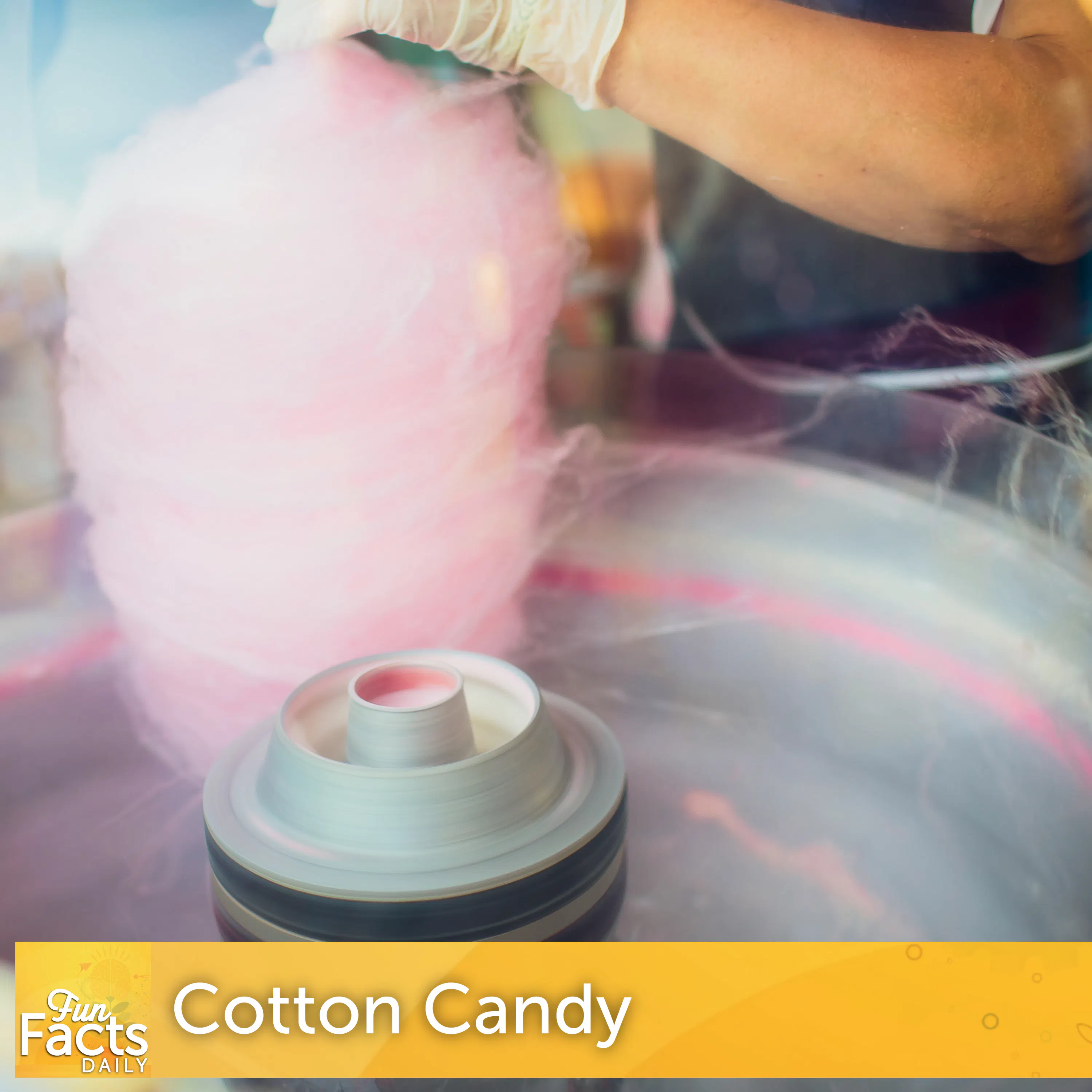
    Fun Facts About Cotton Candy

    On the first Friday of every month, I have a Family Fun Friday with my kids co-hosting. For this episode, they chose cotton candy. Cotton candy, originally introduced to the public as fairy floss, is a sugary confection manufactured through a precise scientific process. The production relies on centrifugal force, an outward pressure that pushes liquefied sugar through tiny holes in a spinning head heated to roughly 300 degrees Fahrenheit. As the liquid sugar is exposed to cooler outside air, it instantly solidifies into microscopic, thread-like strands. These delicate threads form a light, voluminous web that contains surprisingly little actual sugar, with a standard serving utilizing only about one ounce of the ingredient. The electric machine required to produce this treat was co-invented by a dentist, Dr. William Morrison, and confectioner John C. Wharton. Their device gained immense popularity during the 1904 St. Louis World's Fair, where the duo sold over 68,000 wooden boxes of the spun sugar to fairgoers. The centrifugal process used to manufacture cotton candy has expanded far beyond culinary applications to inspire advanced industrial and medical technologies. Utilizing the same fluid dynamic principles, industrial engineers spin specialized polymers to manufacture high-tech soundproofing materials, advanced thermal insulation, and water filters. In the medical field, this rotary spinning technique allows researchers to produce synthetic tissue scaffolds that aid in human skin cell regeneration over severe wounds. Furthermore, scientists have repurposed commercial cotton candy machines to construct artificial capillary networks; by pouring liquid polymers over a spun sugar matrix and dissolving the sugar in warm water, they leave behind microscopic, interconnected channels for artificial blood flow. Today, this globally recognized process and the resulting treat are known by many names worldwide, including "spookasem" in South Africa, "barbe a papa" in France, and "mali tis grias" in Greece. ⁠Listen Ad-Free on Patreon. ⁠ For just $3 per month, you can get ad-free versions of Fun Facts Daily, Who ARTed and Art Smart. Head over to ⁠https://www.patreon.com/cw/FunFactsDailyPod⁠ if you are interested. Want to learn more? Head over to my website www.funfactsdailypod.com and be sure to listen to my other podcasts Who ARTed: Weekly Art History for All Ages or Art Smart. For family fun, check out my son's podcast Rainbow Puppy Science Lab The image used in the episode cover art came from Adobe's stock photos. Fun Facts Daily is an Airwave Media Podcast. If you are interested in advertising on this or any other Airwave Media show, email: advertising@airwavemedia.com Learn more about your ad choices. Visit megaphone.fm/adchoices

  • August 6 · 14 min

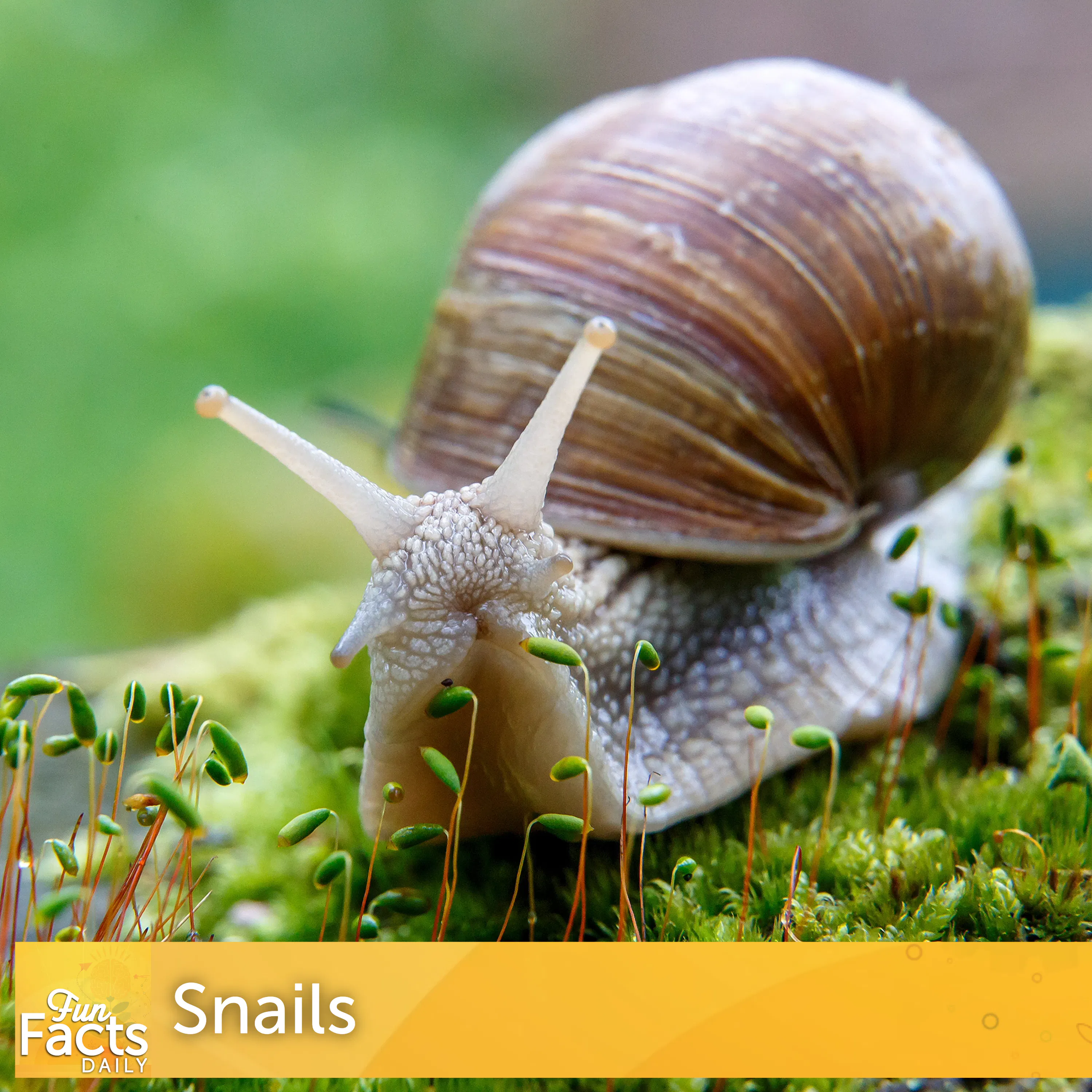
    Fun Facts About Snails

    Snails are gastropods, a highly diverse class of mollusks equipped with incredible biological adaptations. Their defining anatomical feature is the radula, a flexible, ribbon-like tongue covered in thousands of continuously regenerating microscopic chitin teeth. In some aquatic species, such as limpets, these teeth are composed of a mineral-protein composite recognized as the strongest biological material on Earth. To navigate their environments, snails secrete a complex, non-Newtonian mucus that functions simultaneously as a powerful adhesive and a frictionless lubricant. This specialized slime allows them to scale vertical surfaces or glide unharmed over remarkably sharp edges without injury. Beyond their unique movement and feeding mechanisms, snails exhibit fascinating growth patterns and survival strategies. Their shells expand in a precise logarithmic spiral, with the vast majority coiling in a right-handed, or dextral, direction. In tropical marine ecosystems, the predatory cone snail utilizes a highly specialized, venom-injecting harpoon tooth to instantly paralyze prey, producing complex neurotoxins that scientists have successfully adapted into potent human painkillers. On land, these creatures rely primarily on highly developed olfactory organs located on their lower tentacles to navigate and find mates, while their ability to enter a state of estivation allows them to survive extreme droughts by suspending their metabolism and sleeping for up to three years. ⁠Listen Ad-Free on Patreon. ⁠ For just $3 per month, you can get ad-free versions of Fun Facts Daily, Who ARTed and Art Smart. Head over to ⁠https://www.patreon.com/cw/FunFactsDailyPod⁠ if you are interested. Want to learn more? Head over to my website www.funfactsdailypod.com and be sure to listen to my other podcasts Who ARTed: Weekly Art History for All Ages or Art Smart. For family fun, check out my son's podcast Rainbow Puppy Science Lab The image used in the episode cover art came from Adobe's stock photos. Fun Facts Daily is an Airwave Media Podcast. If you are interested in advertising on this or any other Airwave Media show, email: advertising@airwavemedia.com Learn more about your ad choices. Visit megaphone.fm/adchoices

  • August 5 · 13 min

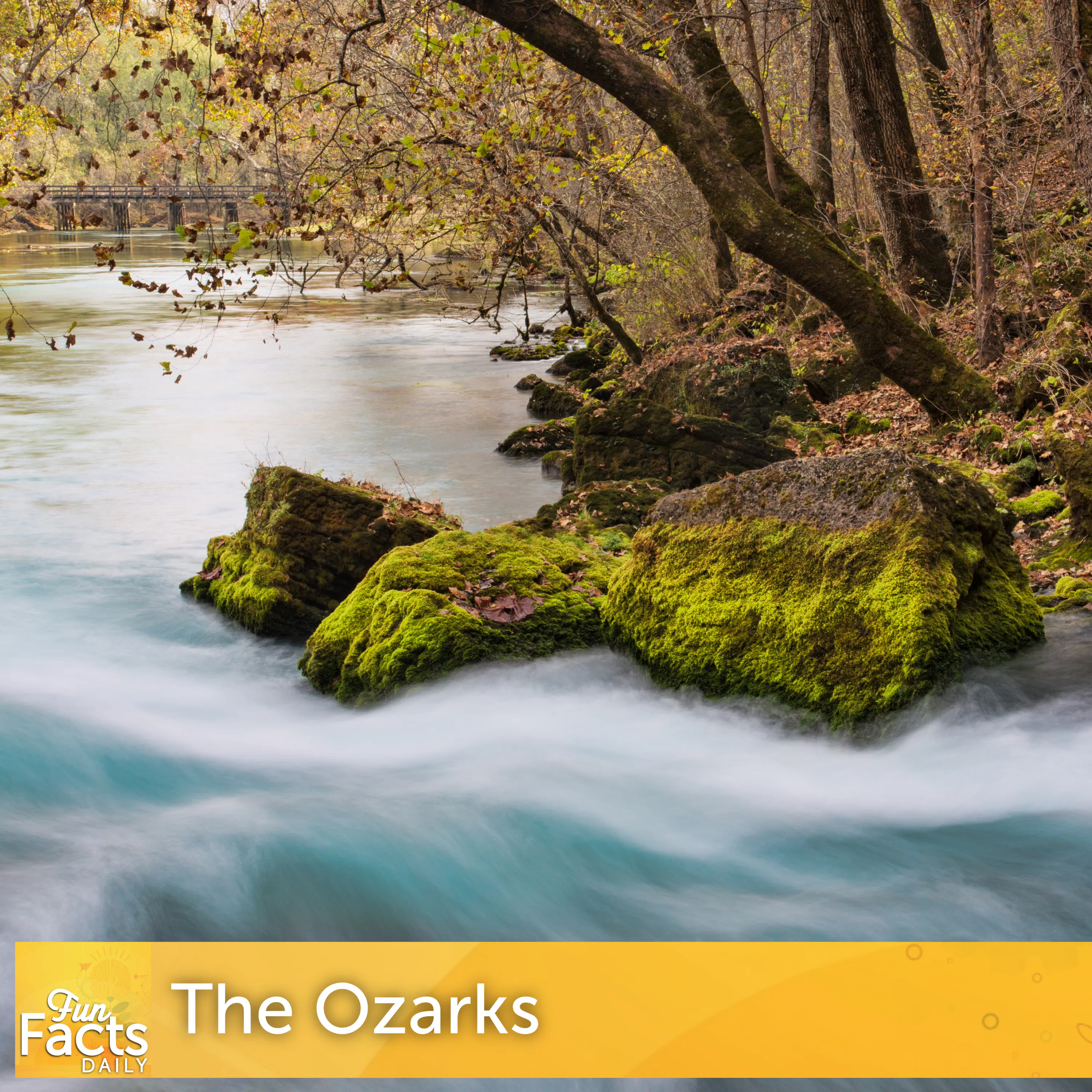
    Fun Facts About the Ozarks

    The Ozark region spans approximately 47,000 square miles across Missouri, Arkansas, Oklahoma, and Kansas, characterized by its distinct karst landscape formed by the dissolution of soluble bedrock. This soluble limestone and dolomite bedrock has created vast underground drainage networks featuring sinkholes, losing streams, and thousands of subterranean caves. Among these natural features is Big Spring near Van Buren, Missouri, which disgorges an average of 286 million gallons of fresh groundwater daily into the Current River. Geologically, the Ozarks represent a dissected plateau where millions of years of stream erosion carved deep valleys into an uplifted plain, while ancient igneous formations in the St. Francois Mountains expose granite and rhyolite rocks over 1.4 billion years old. In addition to its natural geological history, the region holds notable cultural and ecological significance. The name "Ozark" originated as a phonetic English adaptation of the 18th-century French trading post moniker Aux Arkansas. Home to more than 7,500 documented caves in Missouri alone, the region harbors specialized troglobytic and stygobytic organisms adapted exclusively to subterranean environments, as well as critical maternity roosts for endangered bat species. Human engineering permanently altered the landscape in 1931 with the completion of the Bagnell Dam on the Osage River, creating the Lake of the Ozarks. Spanning over 54,000 acres of water surface, the impoundment features more than 1,150 miles of winding shoreline, exceeding the length of the entire Pacific coastline of California. ⁠Listen Ad-Free on Patreon. ⁠ For just $3 per month, you can get ad-free versions of Fun Facts Daily, Who ARTed and Art Smart. Head over to ⁠https://www.patreon.com/cw/FunFactsDailyPod⁠ if you are interested. Want to learn more? Head over to my website www.funfactsdailypod.com and be sure to listen to my other podcasts Who ARTed: Weekly Art History for All Ages or Art Smart. For family fun, check out my son's podcast Rainbow Puppy Science Lab The image used in the episode cover art came from Adobe's stock photos. Fun Facts Daily is an Airwave Media Podcast. If you are interested in advertising on this or any other Airwave Media show, email: advertising@airwavemedia.com Learn more about your ad choices. Visit megaphone.fm/adchoices
  • August 4 · 15 min

    Fun Facts About Grote Reber

    Grote Reber was an American engineer and pioneer in radio astronomy who built the world's first parabolic radio telescope in his suburban yard in Wheaton, Illinois. After conventional astronomical observatories declined to fund his research during the Great Depression, Reber spent $1,300 of his own money to construct a 31-foot parabolic metal dish supported by wooden rafters and mounted on a custom frame. The parabolic shape allowed incoming radio waves to reflect cleanly onto a central focal point without distortion, laying the engineering groundwork for modern dish-shaped radio telescopes. To avoid electromagnetic noise caused by spark plugs from local vehicular traffic, Reber conducted his observations overnight between midnight and 6:00 a.m. while working his day job at a radio manufacturing plant in Chicago. Through systematic scans of the sky between 1938 and 1943, Reber mapped celestial radio emissions and discovered powerful, non-visible radiation sources in constellations such as Cygnus and Cassiopeia, which scientists later identified as active galaxies and supernova remnants. His measurements demonstrated that cosmic radio waves emitted stronger signals at lower frequencies than higher ones, contradicting standard physics predictions regarding thermal radiation. This discovery provided the first observational evidence of synchrotron emission, high-speed electrons spiraling around magnetic fields, occurring on a galactic scale. Later in his career, Reber relocated to Tasmania to build specialized, large-scale antenna arrays designed to study ultra-low-frequency radio waves capable of penetrating Earth’s ionosphere during periods of low solar activity. ⁠Listen Ad-Free on Patreon. ⁠ For just $3 per month, you can get ad-free versions of Fun Facts Daily, Who ARTed and Art Smart. Head over to ⁠https://www.patreon.com/cw/FunFactsDailyPod⁠ if you are interested. Want to learn more? Head over to my website www.funfactsdailypod.com and be sure to listen to my other podcasts Who ARTed: Weekly Art History for All Ages or Art Smart. For family fun, check out my son's podcast Rainbow Puppy Science Lab The image used in the episode cover art was a photograph of his original parabolic radio telescope taken in 1937. Fun Facts Daily is an Airwave Media Podcast. If you are interested in advertising on this or any other Airwave Media show, email: advertising@airwavemedia.com Learn more about your ad choices. Visit megaphone.fm/adchoices

  • August 3 · 14 min

    Fun Facts About the First Road Trip Across America

    In 1903, Dr. Horatio Nelson Jackson and mechanic Sewall K. Crocker embarked on the first cross-country automobile journey across the United States. Spurred by a fifty-dollar wager, Jackson purchased a used 1903 Winton touring car to prove that personal vehicles were capable of long-distance travel. The transcontinental route spanned over five thousand miles across unpaved terrain, dried riverbeds, and elevated railroad trestles. Along the way in Idaho, the pair adopted a pit bull terrier named Bud, who famously wore custom driving goggles to protect his eyes from road dust during the trip. The 63-day journey required extensive resourcefulness, as modern gas stations and auto parts stores did not yet exist. The team spent 19 days stranded while waiting for replacement parts to arrive via railroad, and they relied on improvised fixes, such as wrapping heavy rope around wooden wheel rims for traction. Despite competing expeditions launched by rival automakers during their journey, Jackson, Crocker, and Bud reached New York City on July 26, 1903, demonstrating the feasibility of long-distance automobile travel and inspiring early movement toward paved national highway systems. ⁠Listen Ad-Free on Patreon. ⁠ For just $3 per month, you can get ad-free versions of Fun Facts Daily, Who ARTed and Art Smart. Head over to ⁠https://www.patreon.com/cw/FunFactsDailyPod⁠ if you are interested. Want to learn more? Head over to my website www.funfactsdailypod.com and be sure to listen to my other podcasts Who ARTed: Weekly Art History for All Ages or Art Smart. For family fun, check out my son's podcast Rainbow Puppy Science Lab The image used in the episode cover art is a public domain photograph from their 1903 trip. Fun Facts Daily is an Airwave Media Podcast. If you are interested in advertising on this or any other Airwave Media show, email: advertising@airwavemedia.com Learn more about your ad choices. Visit megaphone.fm/adchoices
  • July 31 · 13 min

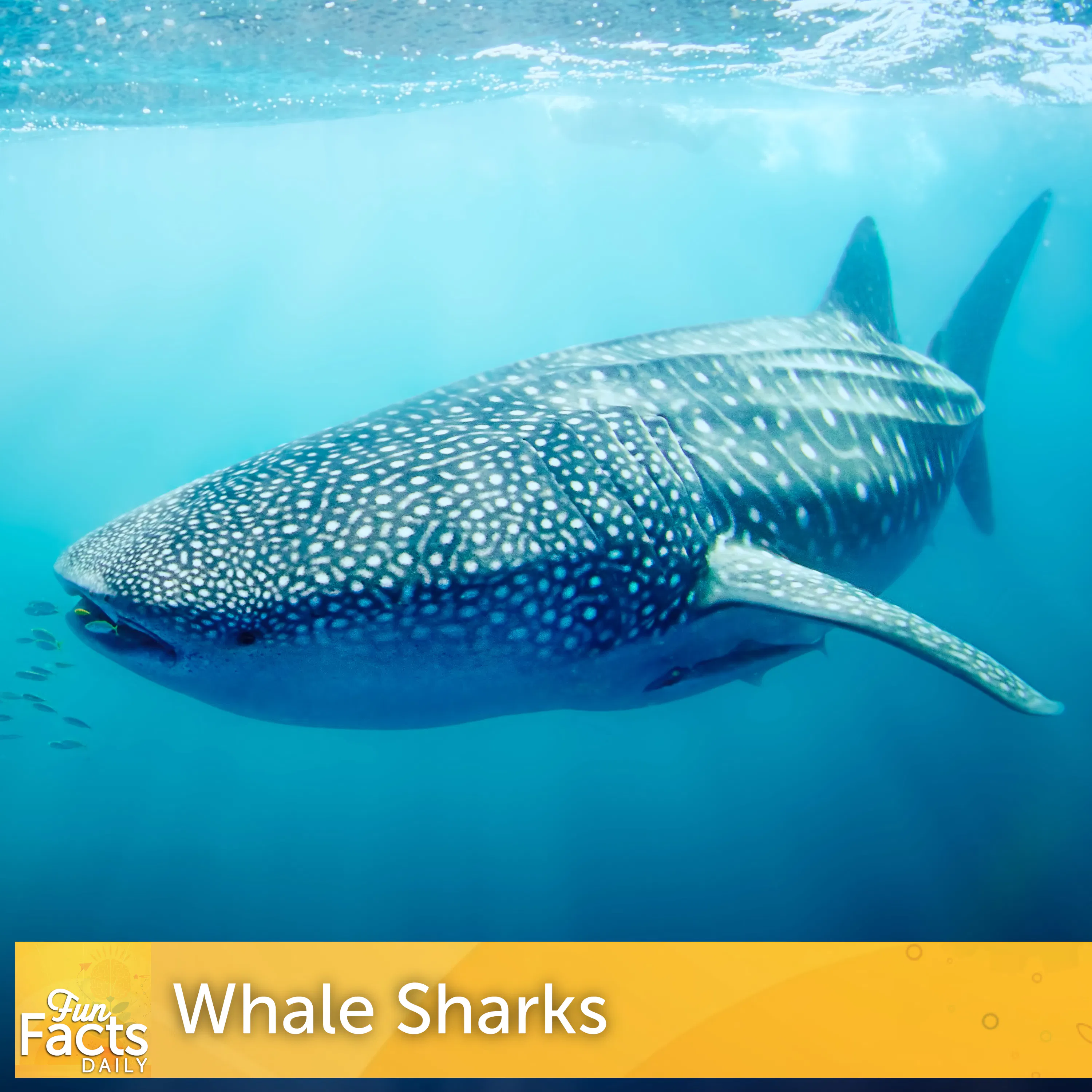
    Fun Facts About Whale Sharks

    The whale shark (Rhincodon typus) is the world’s largest living fish species, with individuals recorded reaching lengths up to 61.7 feet or 18.8 meters. Despite their massive physical presence, these cartilaginous fish are filter feeders that consume microscopic plankton, krill, fish eggs, and small squid by processing tens of thousands of gallons of seawater per hour using specialized gill rakers. Researchers utilize a modified star-mapping algorithm originally developed for the Hubble Space Telescope to catalog and track individual whale sharks across ocean basins based on the distinct white spot and stripe patterns surrounding their gills. Evolutionary adaptations provide whale sharks with specialized defensive capabilities and reproductive traits. Their dorsal skin measures up to four inches thick and is reinforced by dense collagen fibers and placoid scales to protect against predators and optimize hydrodynamics. Furthermore, whale sharks possess thousands of tiny, tooth-like dermal denticles surrounding their irises and can retract their eyeballs into their sockets for protection in place of eyelids. As ovoviviparous reproducers, females can carry up to 300 embryos simultaneously at various developmental stages, yielding independent pups that face high initial mortality rates. Because these filter feeders inadvertently ingest microplastics in polluted environments, eliminating single-use plastics helps protect ocean food webs. ⁠⁠Listen Ad-Free on Patreon. ⁠⁠ For just $3 per month, you can get ad-free versions of Fun Facts Daily, Who ARTed and Art Smart. Head over to⁠ ⁠https://www.patreon.com/cw/FunFactsDailyPod⁠⁠ if you are interested. Want to learn more? Head over to my website⁠ www.funfactsdailypod.com⁠ and be sure to listen to my other podcasts⁠ Who ARTed: Weekly Art History for All Ages⁠ or⁠ Art Smart⁠. For family fun, check out my son's podcast⁠ Rainbow Puppy Science Lab⁠ The image used in the episode cover art came from Adobe's stock photos. Fun Facts Daily is an Airwave Media Podcast. If you are interested in advertising on this or any other Airwave Media show, email: ⁠advertising@airwavemedia.com⁠ Learn more about your ad choices. Visit megaphone.fm/adchoices

  • July 30 · 14 min

    Fun Facts About Hammerhead Sharks

    Hammerhead sharks, which first appeared roughly 20 million years ago during the Miocene epoch, are among the most distinct and highly adapted marine predators in the ocean. Characterized by their unique flattened head structure known as a cephalofoil, these sharks have exceptional maneuverability and a 360-degree field of vision. The cephalofoil also houses advanced electrosensory organs that allow them to sweep the ocean floor to detect concealed prey. The hammerhead family consists of ten diverse species, ranging from the massive great hammerhead to the smaller, spade-headed bonnethead, all thriving in warm coastal waters worldwide. Beyond their striking anatomy, hammerhead species exhibit extraordinary biological behaviors that continue to fascinate marine biologists. The bonnethead shark is recognized as the first known omnivorous shark species, utilizing specialized digestive enzymes to extract nutrients from seagrass. This species has also demonstrated parthenogenesis, a rare form of asexual reproduction enabling females to produce viable offspring without a mate. Additionally, scalloped hammerheads display complex social dynamics, forming massive protective schools around underwater seamounts during the day, while their pups naturally increase melanin production in shallow nurseries to tan and guard against ultraviolet solar radiation. ⁠Listen Ad-Free on Patreon. ⁠ For just $3 per month, you can get ad-free versions of Fun Facts Daily, Who ARTed and Art Smart. Head over to ⁠https://www.patreon.com/cw/FunFactsDailyPod⁠ if you are interested. Want to learn more? Head over to my website www.funfactsdailypod.com and be sure to listen to my other podcasts Who ARTed: Weekly Art History for All Ages or Art Smart. For family fun, check out my son's podcast Rainbow Puppy Science Lab The image used in the episode cover art came from Adobe's stock photos. Fun Facts Daily is an Airwave Media Podcast. If you are interested in advertising on this or any other Airwave Media show, email: advertising@airwavemedia.com Learn more about your ad choices. Visit megaphone.fm/adchoices
  • July 29 · 12 min

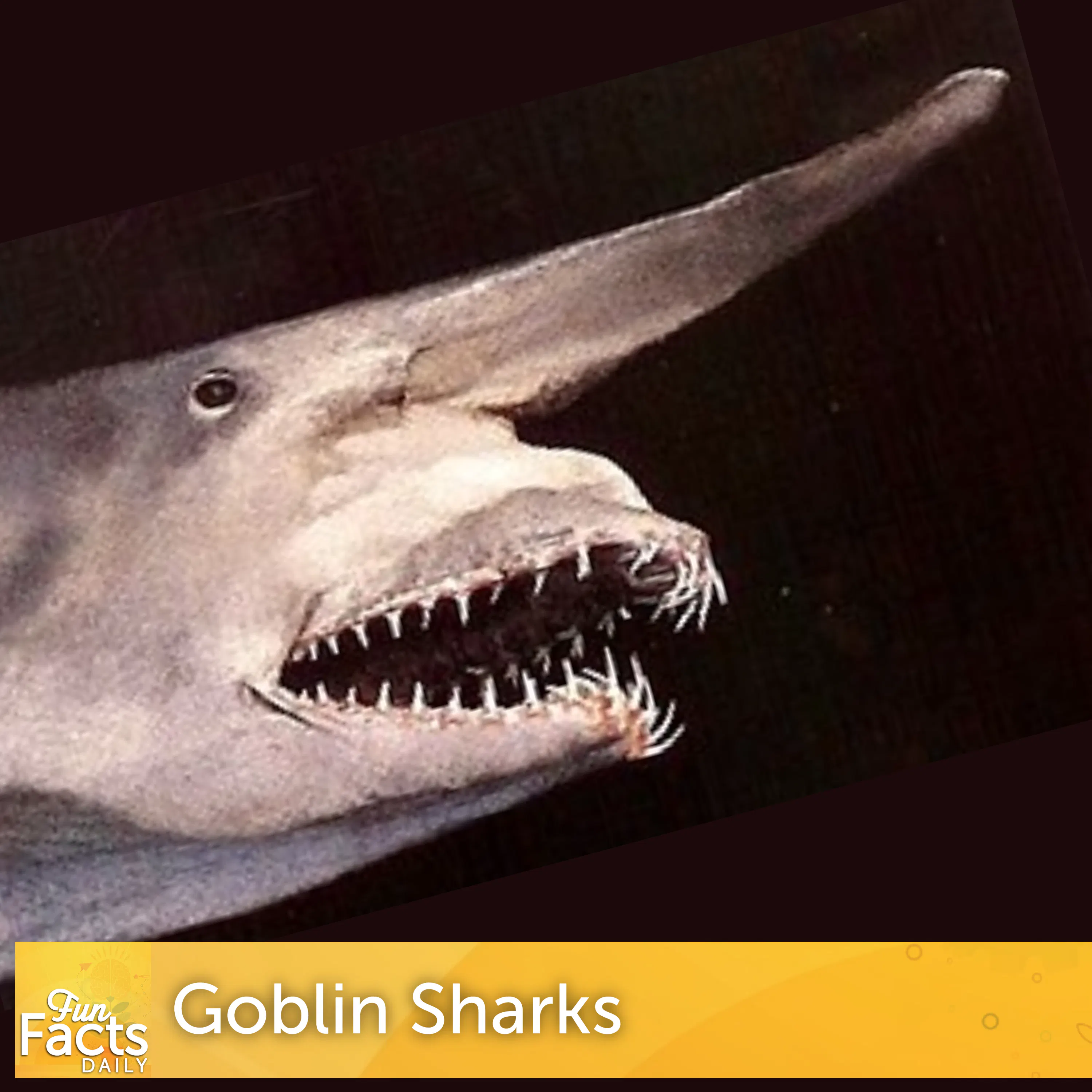
    Fun Facts About Goblin Sharks

    The goblin shark (Mitsukurina owstoni) is a rare, deep-sea predator renowned for its distinct prehistoric features and specialized hunting adaptations. Inhabiting the mesopelagic and bathypelagic zones, often referred to as the ocean's twilight and midnight zones, this species thrives at depths between 200 and 4,000 meters where sunlight is virtually non-existent. Lacking skin pigmentation, its translucent hide reveals underlying blood vessels, giving the shark a distinctive pinkish appearance that provides effective camouflage in low-light waters. As the sole surviving member of the family Mitsukurinidae, a lineage dating back 125 million years to the Early Cretaceous period, the goblin shark is widely recognized as a living fossil due to its remarkably stable evolutionary history. To survive in extreme ocean depths, the goblin shark possesses extraordinary physiological traits, including a massive liver packed with low-density squalene that accounts for roughly a quarter of its total body mass. This high lipid content offers neutral buoyancy, allowing the shark to hover effortlessly despite having weak swimming muscles. For hunting, the shark relies on a long snout embedded with electroreceptive pores called ampullae of Lorenzini, which detect faint electrical signals produced by prey in complete darkness. When targeting food, the goblin shark utilizes a unique dynamic known as slingshot feeding, rapidly extending its elastic-bound jaws forward at speeds up to three meters per second to capture fast-moving prey before retracting them into its mouth. Check out video feeds from the deep sea: Nautiluslive.org NOAA Ocean Explorer ⁠Listen Ad-Free on Patreon. ⁠ For just $3 per month, you can get ad-free versions of Fun Facts Daily, Who ARTed and Art Smart. Head over to ⁠https://www.patreon.com/cw/FunFactsDailyPod⁠ if you are interested. Want to learn more? Head over to my website www.funfactsdailypod.com and be sure to listen to my other podcasts Who ARTed: Weekly Art History for All Ages or Art Smart. For family fun, check out my son's podcast Rainbow Puppy Science Lab Fun Facts Daily is an Airwave Media Podcast. If you are interested in advertising on this or any other Airwave Media show, email: advertising@airwavemedia.com Learn more about your ad choices. Visit megaphone.fm/adchoices
  • July 28 · 12 min

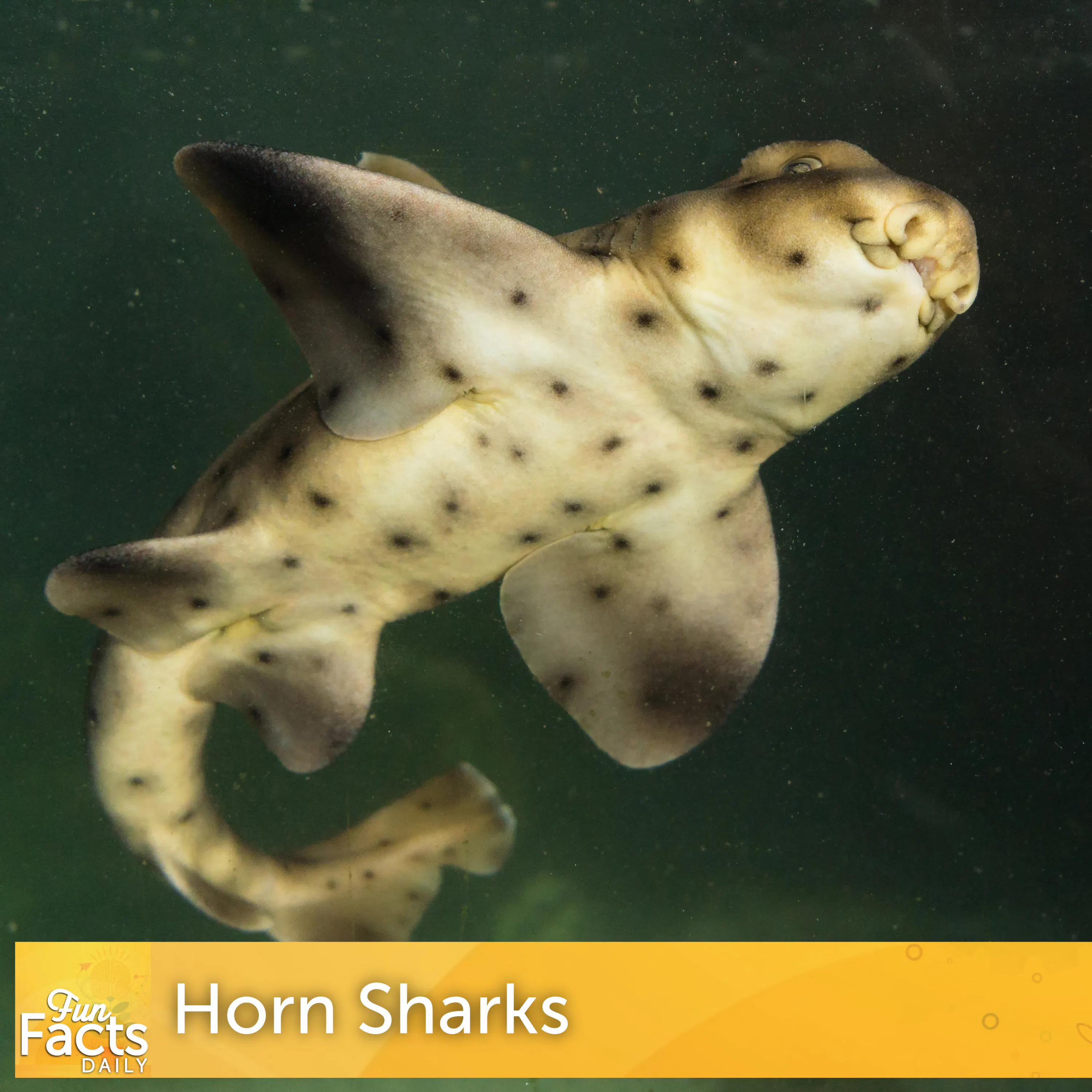
    Fun Facts About Horn Sharks

    The horn shark (Heterodontus francisci) is a unique, bottom-dwelling species native to the shallow coastal waters and kelp forests along the western coast of North America. Known for its distinct anatomy, the species derives its scientific name from its heterodont dentition, featuring sharp, pointed front teeth designed for gripping prey and flat, broad back teeth engineered for crushing hard shells. Unlike most sharks that rely on continuous swimming to force water over their gills, the horn shark utilizes buccal pumping to actively pass water through its gill slits while remaining entirely motionless. This low-energy adaptation allows the shark to rest in rocky crevices during daylight hours, conserving vital energy for its active nocturnal life. Operating as a specialized predator at night, the horn shark navigates its habitat using an acute sense of smell to hunt invertebrates such as sea urchins, crabs, and shrimp. Regular consumption of purple sea urchins can even cause the purple pigment to accumulate in the shark's body, permanently staining its teeth and dorsal spines. Highly localized and creatures of habit in nature, individual horn sharks demonstrate impressive spatial memory, consistently returning to the exact same resting crevices day after day within an area under 10,000 square feet. Female horn sharks exhibit a unique reproductive behavior by laying corkscrew-shaped egg cases, which they pick up in their jaws and wedge into rocky cracks to lock the developing embryos safely in place against ocean currents and predators. Want to learn about other amazing animals? Check out my Spotify playlist, Fun Facts About Animals ⁠Listen Ad-Free on Patreon. ⁠ For just $3 per month, you can get ad-free versions of Fun Facts Daily, Who ARTed and Art Smart. Head over to ⁠https://www.patreon.com/cw/FunFactsDailyPod⁠ if you are interested. Want to learn more? Head over to my website www.funfactsdailypod.com and be sure to listen to my other podcasts Who ARTed: Weekly Art History for All Ages or Art Smart. For family fun, check out my son's podcast Rainbow Puppy Science Lab The image used in the episode cover art came from Adobe's stock photos. Fun Facts Daily is an Airwave Media Podcast. If you are interested in advertising on this or any other Airwave Media show, email: advertising@airwavemedia.com Learn more about your ad choices. Visit megaphone.fm/adchoices

  • July 27 · 13 min

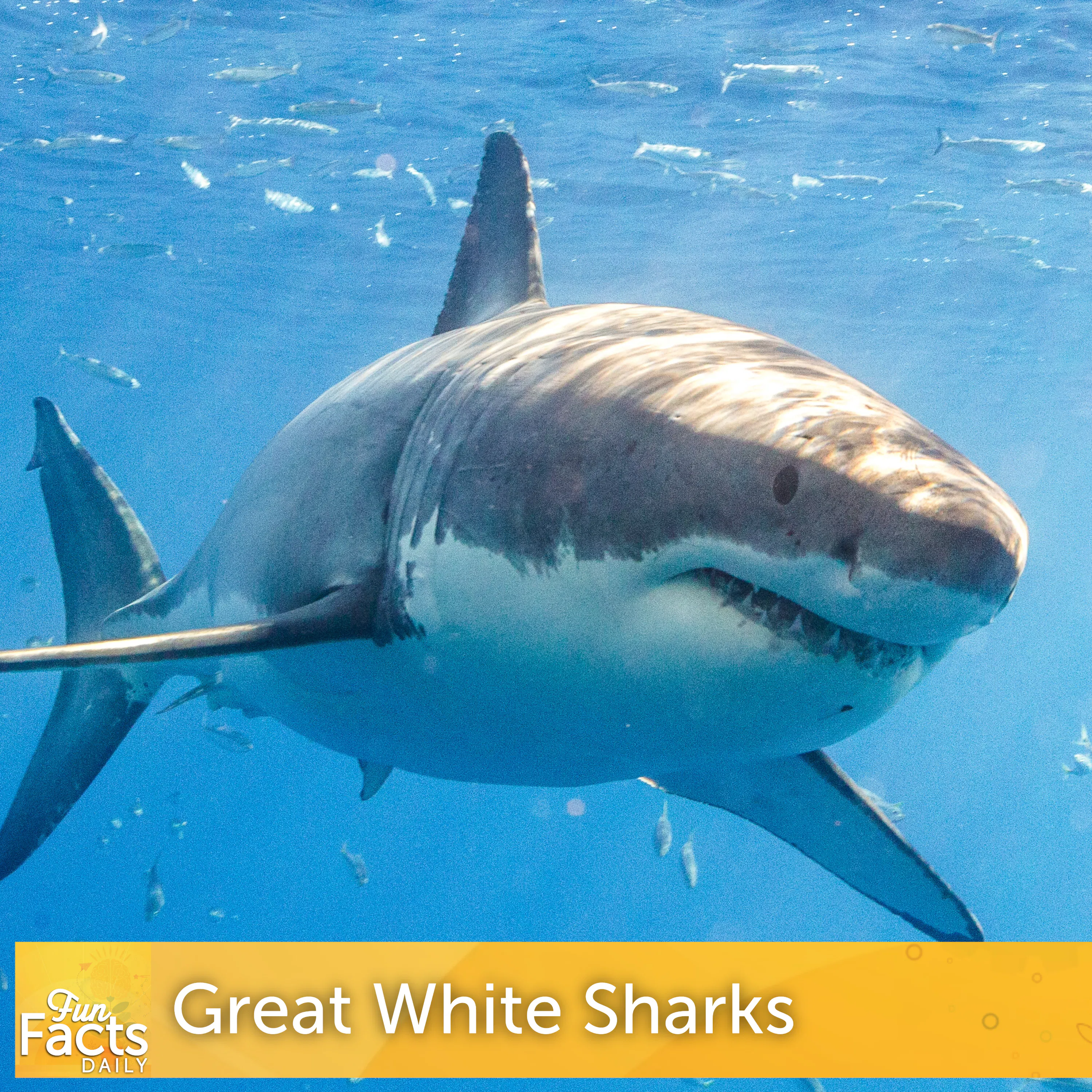
    Fun Facts About Great White Sharks

    Great white sharks (Carcharodon carcharias) possess unique physiological traits and sensory adaptations that make them sophisticated ocean predators. Unlike most cold-blooded fish, great whites maintain an internal body temperature warmer than the surrounding sea water through a specialized network of blood vessels known as the rete mirabile. Their distinct coloration utilizes countershading, a dark dorsal side paired with a white underside, to camouflage them against both the dark ocean floor and bright surface waters. Equipped with a continuous supply of self-replacing serrated teeth and specialized electroreceptors called the ampullae of Lorenzini, these marine animals can detect minute electrical fields and navigate using Earth's magnetic orientation. Despite popular media portrayals of great white sharks as indiscriminate killers, human encounters resulting in bites are rare and typically represent exploratory investigative bites rather than predatory attacks. In natural ecosystems, apex marine predators like killer whales (Orcinus orca) target great whites, often inducing a state of tonic immobility to overpower them. Evolutionary biology further reveals that modern great white sharks descended from ancient broad-toothed mako sharks rather than the massive prehistoric megalodon (Otodus megalodon), placing them in distinct evolutionary lineages. Want to learn about other amazing animals? Check out my Spotify playlist, Fun Facts About Animals ⁠Listen Ad-Free on Patreon. ⁠ For just $3 per month, you can get ad-free versions of Fun Facts Daily, Who ARTed and Art Smart. Head over to ⁠https://www.patreon.com/cw/FunFactsDailyPod⁠ if you are interested. Want to learn more? Head over to my website www.funfactsdailypod.com and be sure to listen to my other podcasts Who ARTed: Weekly Art History for All Ages or Art Smart. For family fun, check out my son's podcast Rainbow Puppy Science Lab The image used in the episode cover art came from Adobe's stock photos. Fun Facts Daily is an Airwave Media Podcast. If you are interested in advertising on this or any other Airwave Media show, email: advertising@airwavemedia.com Learn more about your ad choices. Visit megaphone.fm/adchoices

Showing 21–39 of 39 episodes