Skip to content
Artwork for Fugitive Chefs
ArtsFood

Fugitive Chefs

Furqan Meerza

I’m Furqan Meerza, a chef who worked in some of the world’s top kitchens, including Mugaritz and Noma.

Like a lot of chefs, I hit burnout. And I realized I needed a different way to stay connected to food; one that didn’t cost me my health or identity.

Fugitive Chefs is a podcast for chefs and food creatives who still love this craft, but need change.

Each episode features honest conversations with those who’ve stepped away from the traditional kitchen and into something new, from fermentation and R&D to storytelling, drinks, food culture, and more.

Play
  • 21 episodes
  • weekly
  • Avg 38 min
  • English
Counted on this page — what you have heard stays on this device, so it is not something the list can be paged by.
  • Yesterday · 29 min

    What Is Restaurant R&D? Inside a Test Kitchen

    🎙️ Most people think a restaurant R&D kitchen is where new dishes get invented. What I saw looked closer to a library than a laboratory. In this solo episode I break down what restaurant R&D actually is, based on four years in fine dining at Mugaritz and Noma, then three and a half years doing R&D at Basque Culinary Center, and now as Senior Innovation Chef at Kraft Heinz. This is the on-ramp to next week's episode on De Nieuwe Winkel, the two-Michelin-star restaurant in Nijmegen that turned its R&D into a separate business. In this episode we discuss: 🔹 What an R&D kitchen or test kitchen actually does on a normal Tuesday 🔹 Why R&D teams are physically separated from the service kitchen, and why that separation is structural rather than cosmetic 🔹 The seasonal pipeline problem: creating in January for an ingredient that only arrives in August 🔹 Why restaurants deliberately hold back portions they could have sold 🔹 Why the method, not the dish, is the actual asset a restaurant owns 🔹 Why some failures are deliberately left undocumented 🔹 Who actually gets hired into these rooms, and why food science degrees are not the entry point 🔹 What changes when a method leaves the restaurant and enters industry 🔹 Gold standard: what it means and why it matters Mentioned in this episode: 📌 What Is a Corporate Chef? Breaking Down the Real Roles Inside Food Companies → [link] 📌 Jozef Youssef, Kitchen Theory, on the science of flavour and gastrophysics → [link] 📌 S1E14 John Regefalk, Basque Culinary Center → [link] 📌 Beyond the Pass, "The Recipe Was Never the Capability" → beyondthepass.substack.com 🎧 Fugitive Chefs explores what happens when chefs step outside the traditional kitchen path. 🌐 Website: ⁠www.fugitivechefs.com⁠ 📸 Furqan's Instagram: https://www.instagram.com/furqanmeerza/ ⁠🎧 Podcast Instagram: ⁠https://www.instagram.com/fugitivechefspodcast/ 🎵 Spotify: ⁠https://spoti.fi/3F6j25A⁠ 🍏 Apple Podcasts: ⁠https://apple.co/43vBtbT⁠ ▶️ YouTube: ⁠https://www.youtube.com/@fugitivechefs

  • August 25 · 52 min

    From Kitchen to Corporate Innovation, Coaching, and AI | Tiffany Poe

    Most chefs measure a career in kitchens. Tiffany Poe has measured hers in classrooms, boardrooms, and now, AI chats at 2am. In this episode of Fugitive Chefs, Furqan sits down with chef, educator, coach, and AI trainer Tiffany Poe to trace a 25-year career that moved through restaurants, culinary education, corporate food, professional coaching, and artificial intelligence — including the year she lost her job, and how she rebuilt from there. In this episode we discuss: Tiffany's "Forrest Gump career" and why none of it was planned Getting unexpectedly "kidnapped" into a culinary education career What's broken about how culinary education is priced and structured — and what's actually changing Why competency-based, micro-credentialed learning is replacing the four-year degree model Losing her corporate chef role during COVID, and how that became a coaching career Letting go of the "hats" she'd built her identity around Why she calls herself a "possibilitarian" — and the story behind it The biggest misconceptions chefs have about AI, and why she calls it "the most consequential tool" the profession has ever had Her advice for any chef with something going on their back burner Learn more about Tiffany's work: 🔗 Website: https://tiffanypoe.com/ 🎧 Fugitive Chefs explores what happens when chefs step outside the traditional kitchen path. 🌐 Website: www.fugitivechefs.com 📸 Furqan's Instagram: https://bit.ly/4dtiyTv 🎧 Podcast Instagram: https://bit.ly/43ndATO 🎵 Spotify: https://spoti.fi/3F6j25A 🍏 Apple Podcasts: https://apple.co/43vBtbT ▶️ YouTube: https://www.youtube.com/@fugitivechefs
  • August 18 · 27 min

    How Missing Culinary School Actually Put Me Ahead

    I had an admission letter to culinary school in my hand. I never used it. Some of you told me this podcast is starting to feel like an advertisement for culinary school. It's not — and I want to correct that directly instead of letting it sit. This solo episode is my honest answer: the specific things that became possible for me because of the door I actually had in front of me, not because skipping culinary school is better than going. Join the Fugitive Chefs Circle - a community for people building better careers, organisations, and ideas in food: 🌐 https://fugitivechefs.kit.com/297093b0dc In this episode, I explore: Why I never used my culinary school admission letters — and what a one-bedroom apartment in Bombay had to do with it The real financial gap between hotel management and culinary school in India, and why IHM Mumbai wasn't a backup plan What I didn't know walking into European kitchens for the first time — and the hazelnut praline moment that exposed it Why nobody at Mugaritz, Noma, or Kraft Heinz ever asked me how many degrees I had The two years I spent undocumented in Spain, and why I don't recommend anyone copy that path Why the real problem isn't culinary school — it's that there's no map connecting kitchens to the rest of the food system What I'd actually tell 19-year-old me, and what I think about the Michael Bakker and Adrian Woodhouse episodes 🎧 Fugitive Chefs explores how culinary expertise creates value across the modern food system. 📸 Furqan's Instagram: https://bit.ly/4dtiyTv 🎧 Podcast Instagram: https://bit.ly/43ndATO 🎵 Spotify: https://spoti.fi/3F6j25A 🍏 Apple Podcasts: https://apple.co/43vBtbT ▶️ YouTube: https://www.youtube.com/@fugitivechefs
  • August 11 · 48 min

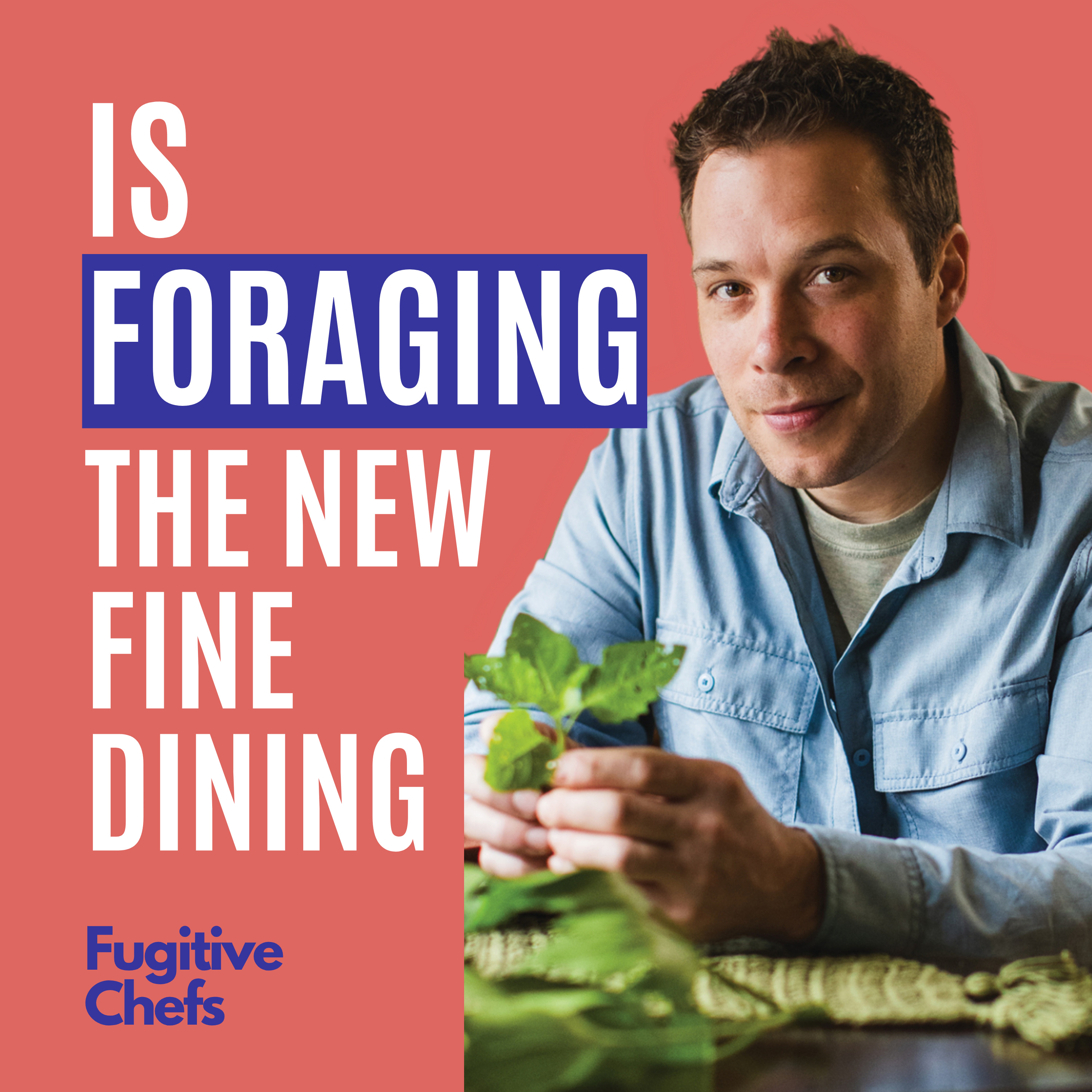
    The Forager Chef: Alan Bergo on Restaurant Burnout, Reinvention & the Power of Following Curiosity

    Every restaurant Alan Bergo ever worked at closed. In this episode of Fugitive Chefs, Alan — known online as the Forager Chef — shares how walking away from restaurant kitchens didn't mean walking away from food. It led him to become one of the world's most respected voices on wild ingredients, foraging, and building a business entirely on his own terms. In this conversation we discuss: Growing up grounded with a cookbook, and landing his first industry job at McDonald's Taking a $2-an-hour pay cut to learn under Heartland's menu that changed every single day Spotting a mushroom he'd just put on the menu while playing disc golf — and realizing he could forage it himself Why he built his own website instead of relying on social media ("a website is a house, social media is a rental") Getting "forced" out of restaurants after back-to-back closures, and monetizing his site overnight to survive Pitching a Minneapolis restaurant a $500-a-week exclusive foraging retainer — and where that idea eventually led Mentoring chefs who want to leave restaurants, including the visioning exercise that changed his own path Why he now sees himself as more of a teacher than a chef Learn more about Alan's work: 🌐 Forager Chef website: https://foragerchef.com/ 📸 Instagram: https://www.instagram.com/foragerchef/ 🎧 Fugitive Chefs explores what happens when chefs step outside the traditional kitchen path. 🌐 Website: www.fugitivechefs.com 📸 Furqan's Instagram: https://www.instagram.com/furqanmeerza/ 🎧 Podcast Instagram: https://www.instagram.com/fugitivechefspodcast/ 🎵 Spotify: https://open.spotify.com/show/57kmFAUgp6DhgnguexFuDs 🍏 Apple Podcasts: https://podcasts.apple.com/us/podcast/fugitive-chefs/id1676930088 ▶️ YouTube: https://www.youtube.com/@fugitivechefs

  • August 4 · 1 hr

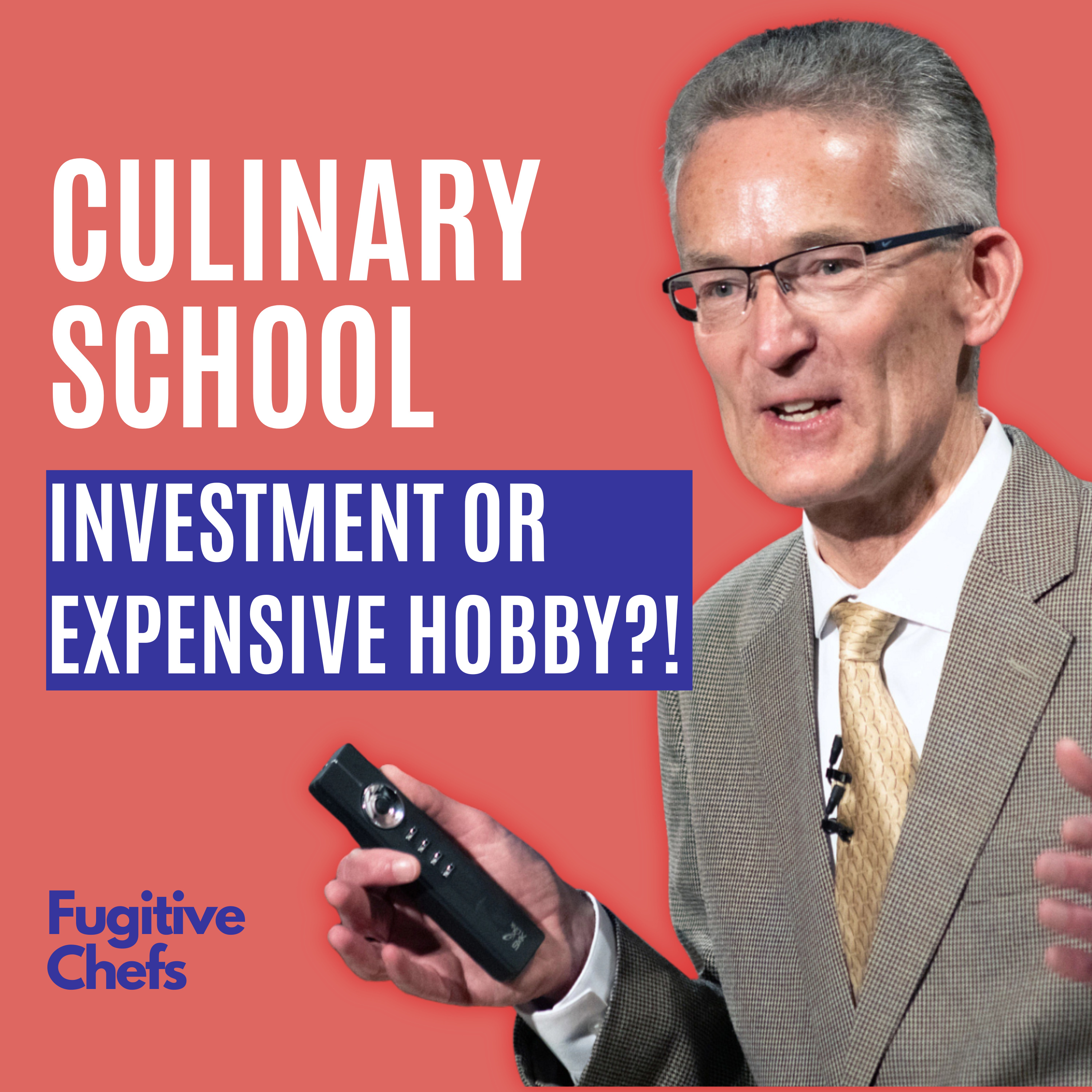
    Why the CIA President Says "It Depends" on Culinary School | Michiel Bakker

    Should you go to culinary school? The most honest answer we got all year: "It depends." In this episode of Fugitive Chefs, I sit down with Michiel Bakker, the sixth president of the Culinary Institute of America, to talk about the future of culinary education — and what culinary expertise looks like in 2035. Before leading the world's most influential culinary college, Michiel spent 12 years at Google building their Food at Work program, and 17 years before that in global hotel operations with Starwood. His path into food education wasn't a straight line, and that's exactly why this conversation matters: he's spent his career at the intersection of hospitality, technology, and now higher education. In this episode, we explore: Why "it depends" might be the most honest answer to "should I go to culinary school?" Michiel's Vision 2035 — and what he hopes the food industry looks like a decade from now Why AI could kill creativity for chefs, or free them to be more creative than ever The industry's shared responsibility around diet-related disease Why stackable credentials and short-form courses may replace the traditional 4-year degree What CIA looks for in educators — practitioners vs. traditional academics The transferable skills chefs don't realize they already have Why Michiel believes the future workforce will be human, AI agent, and robot — all at once Join the Fugitive Chefs Circle - a community for people building better careers, organisations, and ideas in food: 🌐 https://fugitivechefs.kit.com/297093b0dc 🎧 Fugitive Chefs explores how culinary expertise creates value across the modern food system. 🌐 Website: www.fugitivechefs.com 📸 Furqan's Instagram: https://bit.ly/4dtiyTv 🎧 Podcast Instagram: https://bit.ly/43ndATO 🎵 Spotify: https://spoti.fi/3F6j25A 🍏 Apple Podcasts: https://apple.co/43vBtbT ▶️ YouTube: https://www.youtube.com/@fugitivechefs
  • July 28 · 52 min

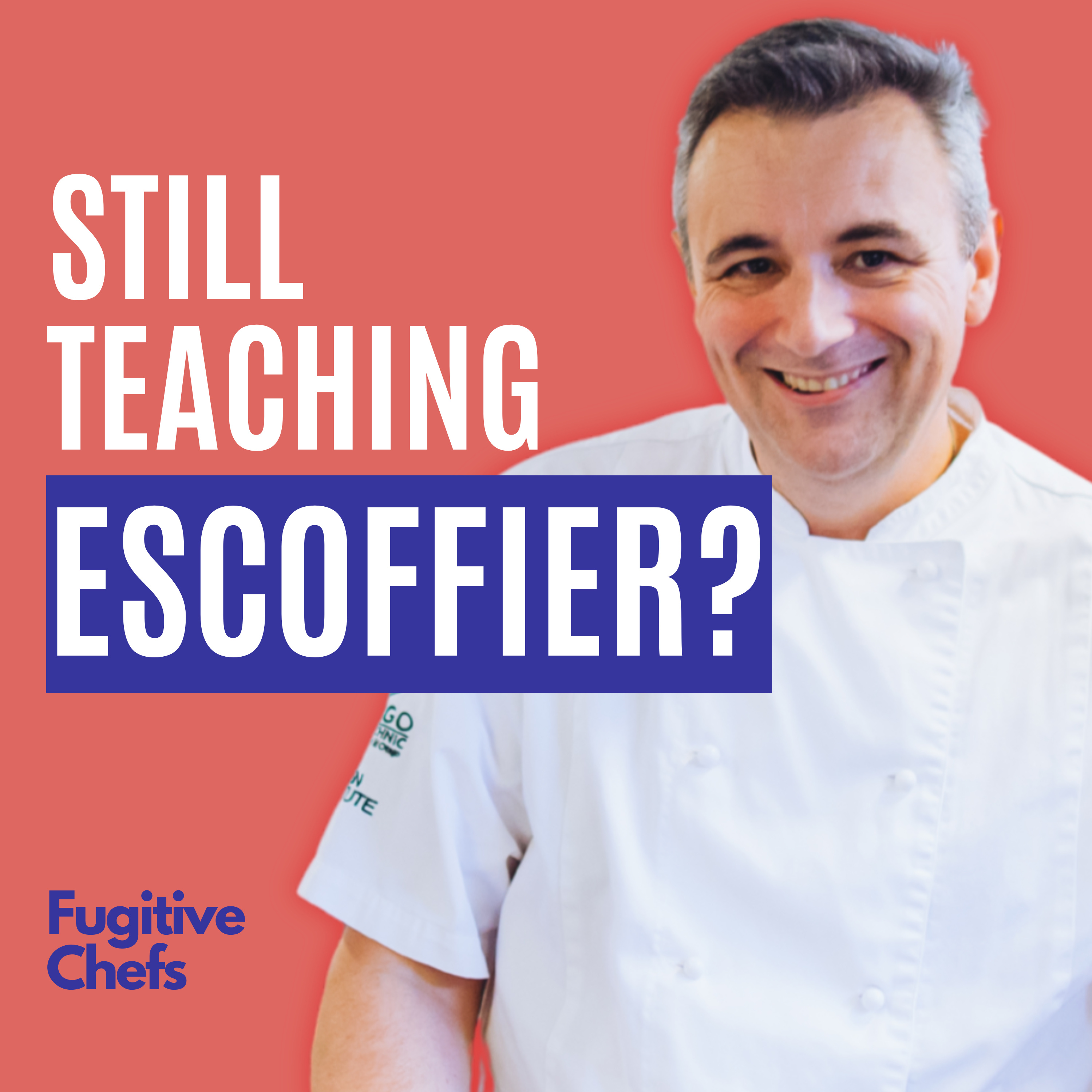
    Are We Training Chefs for the Wrong Careers? | Adrian Woodhouse

    Culinary school taught you bechamel. It didn't teach you how to prove you're capable of anything else. In this episode of Fugitive Chefs, I sit down with Adrian Woodhouse, head of school at Otago Polytechnic in New Zealand, to talk about why culinary education is still built around a narrow, traditional idea of what a chef becomes and why that no longer matches the industry. Adrian has spent years helping experienced chefs prove their capabilities without another degree, decolonizing a curriculum still rooted in French tradition, and rethinking what "industry readiness" actually means for graduates entering a food system that now includes R&D, food styling, social media, AI, and far more than restaurants. In this conversation we discuss: Why so many chefs default to more degrees and credentials before feeling legitimate outside kitchens The imposter syndrome chefs carry when they step outside traditional kitchen paths What "fair work" is, and why it shuts down growth in professional kitchens Why some of the best chefs never stop thinking of themselves as apprentices How culinary curriculums are (slowly) being rebuilt around real industry needs What capabilities kitchens develop exceptionally well — and what they fail to develop at all The future of culinary careers: food styling, product development, AI, and beyond Learn more about Adrian's work: 🔗 LinkedIn: https://www.linkedin.com/in/adrian-woodhouse-89267636/ 🎧 Fugitive Chefs explores how culinary expertise creates value across the modern food system. 📸 Furqan's Instagram: https://bit.ly/4dtiyTv 🎧 Podcast Instagram: https://bit.ly/43ndATO 🎵 Spotify: https://spoti.fi/3F6j25A 🍏 Apple Podcasts: https://apple.co/43vBtbT ▶️ YouTube: https://www.youtube.com/@fugitivechefs
  • July 21 · 15 min

    Why the Fugitive Chefs Podcast Is Changing

    Fugitive Chefs started with a simple question: what can chefs become beyond restaurants? A year later, that question feels too small. In this solo episode, Furqan shares why Fugitive Chefs is evolving from a podcast about alternative careers for chefs into a broader exploration of how culinary expertise can create value across the modern food system. Join the Fugitive Chefs Circle - a community for people building better careers, organisations, and ideas in food: 🌐 https://fugitivechefs.kit.com/297093b0dc After a short pause in publishing, this is an honest look at what it takes to build a sustainable platform alongside a full-time job—and why the future of Fugitive Chefs will include more than career-transition stories. In this episode, we explore: • Why culinary expertise matters far beyond the restaurant • Why the podcast is expanding to include educators, researchers, founders, hiring leaders, and innovation teams • What restaurants, food companies, and culinary institutions can learn from each other • Why better careers for chefs require better systems around them • What is coming next for Fugitive Chefs 🎧 Fugitive Chefs explores how culinary expertise creates value across the modern food system. 📸 Furqan’s Instagram: https://bit.ly/4dtiyTv 🎧 Podcast Instagram: https://bit.ly/43ndATO 🎵 Spotify: https://spoti.fi/3F6j25A 🍏 Apple Podcasts: https://apple.co/43vBtbT ▶️ YouTube: https://www.youtube.com/@fugitivechefs
  • June 30 · 41 min

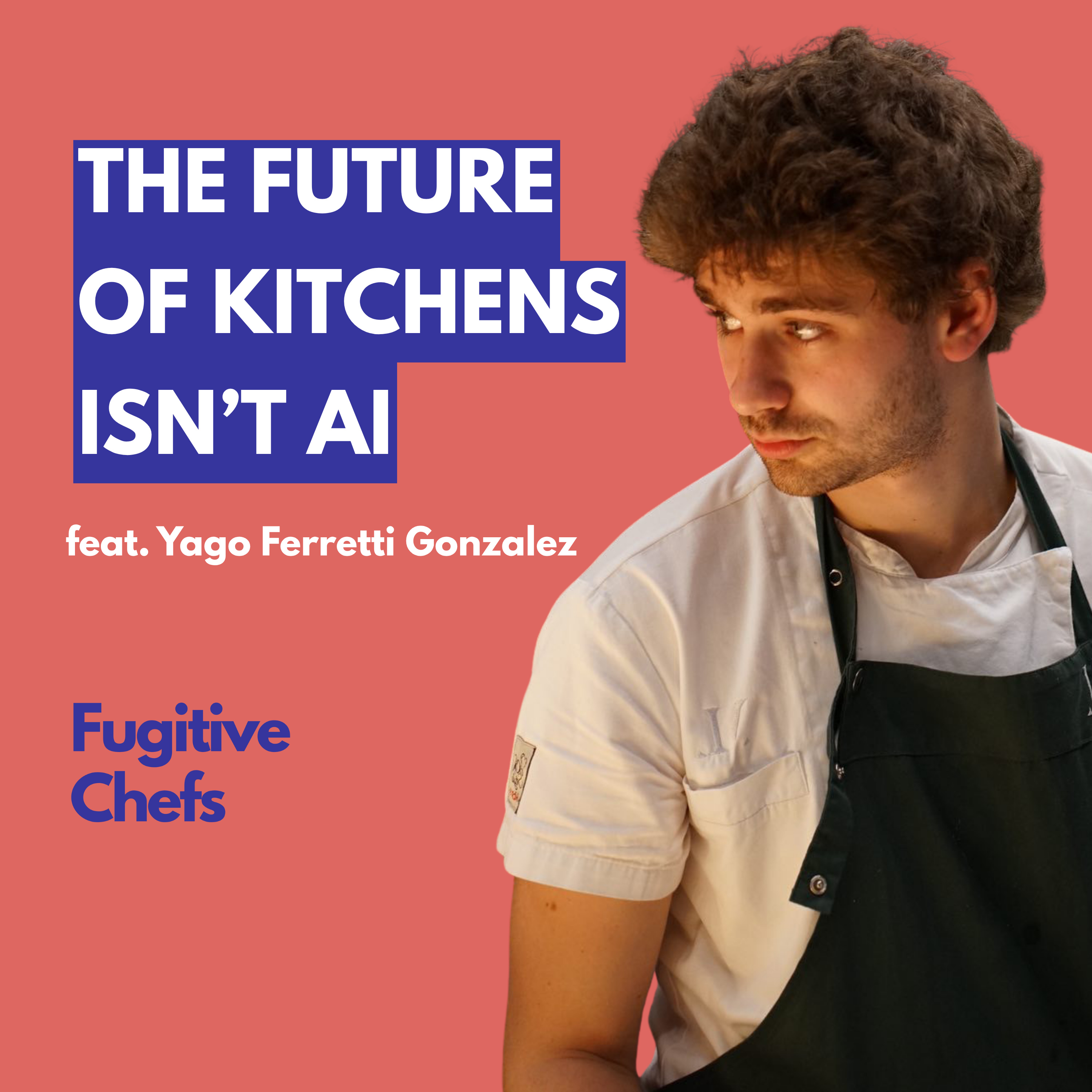
    The Future of Kitchens Isn’t AI. It’s Better Systems | Yago Ferretti Gonzalez

    Restaurants don’t have a chef problem. They have a systems problem. In this episode of Fugitive Chefs, I sit down with entrepreneur and former chef Yago Ferretti Gonzalez, founder of FoodWeb, to explore what happens when chefs stop accepting broken systems and start building better ones. After working in professional kitchens, Yago realised that many of the pressures chefs face aren’t inevitable. They’re the result of outdated systems, poor communication, and inefficient operations. Instead of opening another restaurant, he decided to build technology designed specifically for chefs. In this conversation we discuss: • Why some of the world’s best chefs are still underpaid • Why leadership matters more than technology • How AI could transform restaurant operations • Why chefs should spend less time managing chaos and more time creating • Building a food technology startup through Lanzadera • The future role of chefs in an AI-powered industry Whether you’re a chef, restaurant owner, food entrepreneur, or simply curious about where hospitality is heading, this episode offers a different perspective on what the next generation of kitchens could look like. Learn more about Yago’s work and resources: 🔗LinkedIn : https://www.linkedin.com/in/yago-ferretti-gonzalez-277743325/ 🌐FoodWeb : https://foodweb.ai/ 🎧 Fugitive Chefs explores what happens when chefs step outside the traditional kitchen path. 🌐 Website: www.fugitivechefs.com 📸 Furqan’s Instagram: https://bit.ly/4dtiyTv 🎧 Podcast Instagram: https://bit.ly/43ndATO 🎵 Spotify: https://spoti.fi/3F6j25A 🍏 Apple Podcasts: https://apple.co/43vBtbT ▶️ YouTube: https://www.youtube.com/@fugitivechefs
  • June 23 · 55 min

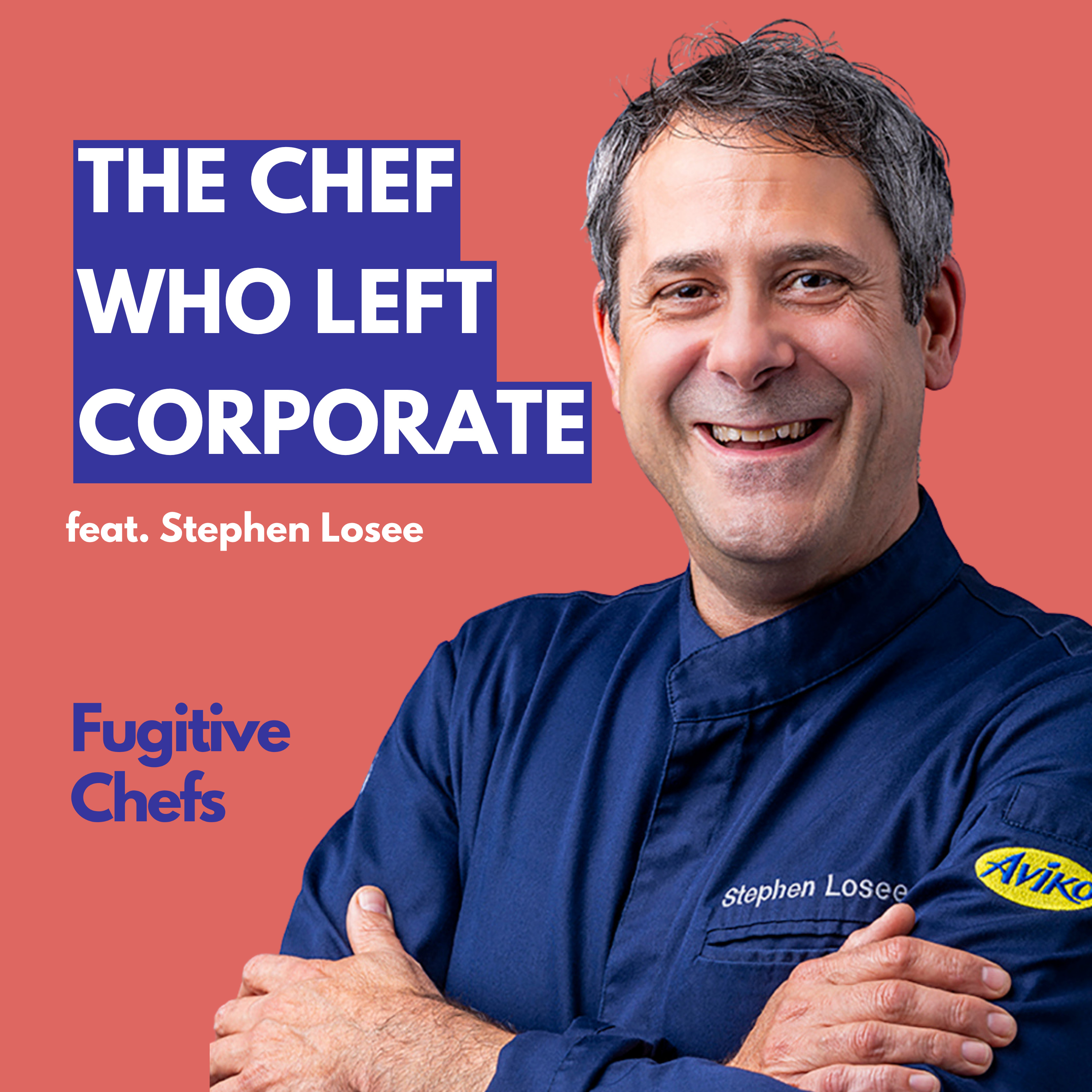
    The Chef Who Reinvented Himself Again and Again | Stephen Losee

    Most chefs spend years trying to leave the kitchen. Stefan Loose did. After building a career that took him from a dishwasher in a small Greek restaurant to leadership roles across hotels, schools, healthcare, universities, and global food companies, he reached what many chefs would consider the destination: a corporate innovation role shaping food concepts at scale. Then he walked away from it. In this episode of Fugitive Chefs, Stefan shares a career that spans nearly every corner of the food industry. From serving thousands of meals a day in elite boarding schools and Ivy League universities to developing products for one of the world’s largest potato companies, his story challenges what it means to be a chef in the modern food system. We discuss: • Starting as a dishwasher and joining the U.S. Army before culinary school • Moving to London with a one-way ticket • Building a career through hotels, banqueting, and leadership roles • Running culinary operations serving thousands of meals every day • What chefs can learn from healthcare, education, and contract catering • The transition from kitchens into corporate food innovation • Why soft skills become critical outside the kitchen • The mistake many chefs make when leaving kitchens • Why Stefan returned to a chef role after reaching corporate leadership • Staying relevant as the industry evolves • How success in the food industry is changing • Mental health, work-life balance, and the future of chef careers • Practical advice for chefs considering alternative career paths This conversation isn’t just about leaving restaurants. It’s about redefining what being a chef can mean. 🎧 Fugitive Chefs explores what happens when chefs step outside the traditional kitchen path. 🌐 Website: www.fugitivechefs.com 📸 Furqan's Instagram: https://bit.ly/4dtiyTv 🎧 Podcast Instagram: https://bit.ly/43ndATO 🎵 Spotify: https://spoti.fi/3F6j25A 🍏 Apple Podcasts: https://apple.co/43vBtbT ▶️ YouTube: / @fugitivechefs

  • June 16 · 47 min

    The Chef Who Turned Food Tours Into a Global Business | Karl Wilder

    Most chefs spend years trying to move up. A better restaurant. A bigger title. A more prestigious kitchen. But what if the biggest opportunities aren’t above you? What if they’re somewhere you weren’t even looking? Karl Wilder never planned to build a food tourism company. He didn’t plan to spend years cooking across Italy after a translation mistake landed him in a kitchen. He didn’t plan to raise $1.4 million to buy a country club. And he certainly didn’t plan to help chefs around the world build businesses outside traditional restaurant careers. Yet that’s exactly where he ended up. In this episode of Fugitive Chefs, Karl shares a career that moved from kitchens to entrepreneurship, hospitality, food journalism, consulting, tourism, and back again, while never really leaving food behind. We explore : • How a simple misunderstanding in Italy changed the course of his career • Why some of the most valuable chef skills have nothing to do with cooking • What Karl learned from running restaurants and hospitality businesses • How food tourism became his next chapter • Why chef-led experiences are growing around the world • The difference between expertise and credentials • What Karl actually looks for when evaluating chefs • Why communication is often a chef’s most underrated skill • How chefs can create opportunities before leaving their day job • The problem with following the “standard” chef career path • Why many chefs struggle to imagine careers beyond kitchens • What happens when you start looking sideways instead of upwards One line from Karl stuck with me: “When you’re on a treadmill, you only see what’s in front of you. You can’t see what’s to the side.” This conversation is about looking to the side. 🌐 The Chef Tours https://thecheftours.com 🎧 Fugitive Chefs explores what happens when chefs step outside the traditional kitchen path. 🌐 Website: www.fugitivechefs.com 📸 Furqan’s Instagram: https://bit.ly/4dtiyTv 🎧 Podcast Instagram: https://bit.ly/43ndATO 🎵 Spotify: https://spoti.fi/3F6j25A 🍏 Apple Podcasts: https://apple.co/43vBtbT ▶️ YouTube: https://www.youtube.com/@fugitivechefs
  • June 9 · 50 min

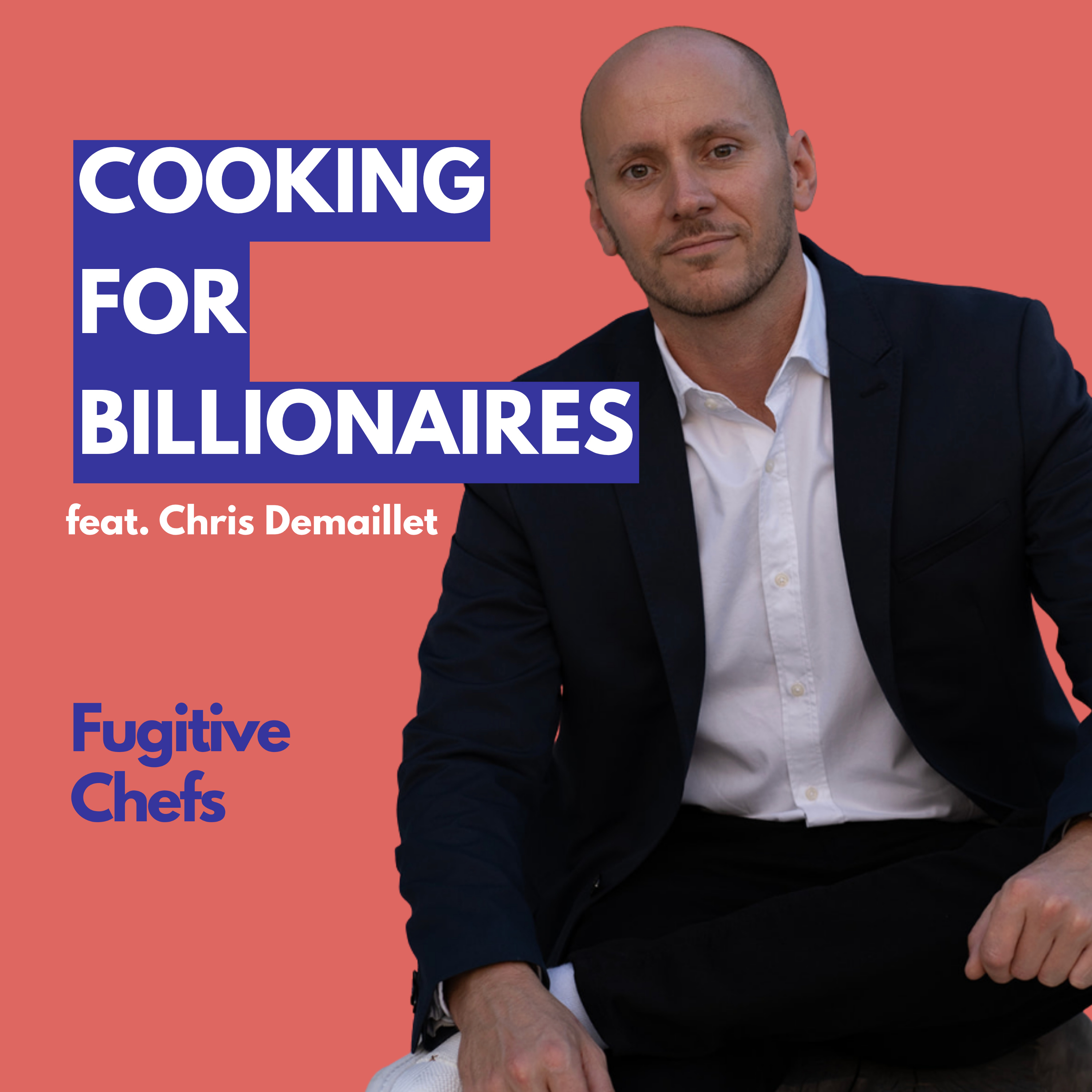
    From Michelin Kitchens to Billionaires: The World of Private Chefs | Chris Demaillet

    What if one of the most attractive chef careers isn’t in restaurants at all? In this episode of Fugitive Chefs, I speak with Chris Demaillet, founder of Montclair Chef Agency and former Michelin-star, yacht, and private chef. Chris shares his journey from a 3 Michelin Star kitchen to working on superyachts and eventually cooking for ultra-high-net-worth families around the world. Along the way we explore an industry most chefs rarely get exposed to: Private chefs. We discuss: • How Chris went from a 3 Michelin Star restaurant to a superyacht • Why the salary was nearly triple what he earned in restaurants • The reality of cooking for billionaires and high-profile families • The difference between yacht chefs and private chefs • What chefs underestimate about this career path • The communication skills most chefs never develop• How private chefs get hired • Common mistakes chefs make during trials• Why personality matters as much as cooking ability • How Chris built Montclair Chef Agency • The size of the private chef industry today • Practical advice for chefs wanting to enter the fieldIf you've ever wondered what exists beyond restaurants, this episode offers a rare look inside one of the least visible career paths in the food world. 📖 Resources mentioned: The Private Chef Guide https://www.amazon.com/dp/B0GQQCD8KN 🌐 Montclair Chef Agency https://montclairchef.com 🎧 Fugitive Chefs explores what happens when chefs step outside the traditional kitchen path. 🌐 Website: www.fugitivechefs.com 📸 Furqan's Instagram: https://bit.ly/4dtiyTv🎧 Podcast Instagram: https://bit.ly/43ndATO 🎵 Spotify: https://spoti.fi/3F6j25A 🍏 Apple Podcasts: https://apple.co/43vBtbT ▶️ YouTube: https://www.youtube.com/@fugitivechefs
  • June 2 · 15 min

    Why So Many Chefs Start Doubting Themselves After Leaving Restaurants

    Many chefs think the hardest part of leaving restaurants is getting into the food industry. I increasingly think the harder challenge begins after they arrive. In this solo episode of Fugitive Chefs, I explore why so many experienced chefs start doubting themselves after moving into food companies, innovation teams, R&D departments, consultancies, startups, and corporate environments. Inspired by a recent article I published called The Internship Trap, this conversation looks beyond internships and asks a deeper question: What happens when a chef enters an environment where their competence is no longer immediately visible? We discuss: • Why kitchens and companies measure competence differently • The psychological impact of losing familiar feedback loops • What I call a “collapse of professional framing” • Why internships aren't always the real issue • How organizations struggle to recognize culinary capability • Why chefs often mistake invisibility for inadequacy • The difference between capability and recognition • What the future of culinary careers might require from both chefs and organizations This episode isn't about getting out of restaurants. It's about understanding what happens after you do. 📖 Read the original article: https://beyondthepass.substack.com/p/the-internship-trap 🎧 Fugitive Chefs is your window into how culinary work and chef identity are evolving beyond traditional kitchens. 🌐 Website: www.fugitivechefs.com 📸 Furqan’s Instagram: https://bit.ly/4dtiyTv 🎧 Podcast Instagram: https://bit.ly/43ndATO 🎵 Spotify: https://spoti.fi/3F6j25A 🍏 Apple Podcasts: https://apple.co/43vBtbT ▶️ YouTube: https://www.youtube.com/@fugitivechef

  • May 26 · 51 min

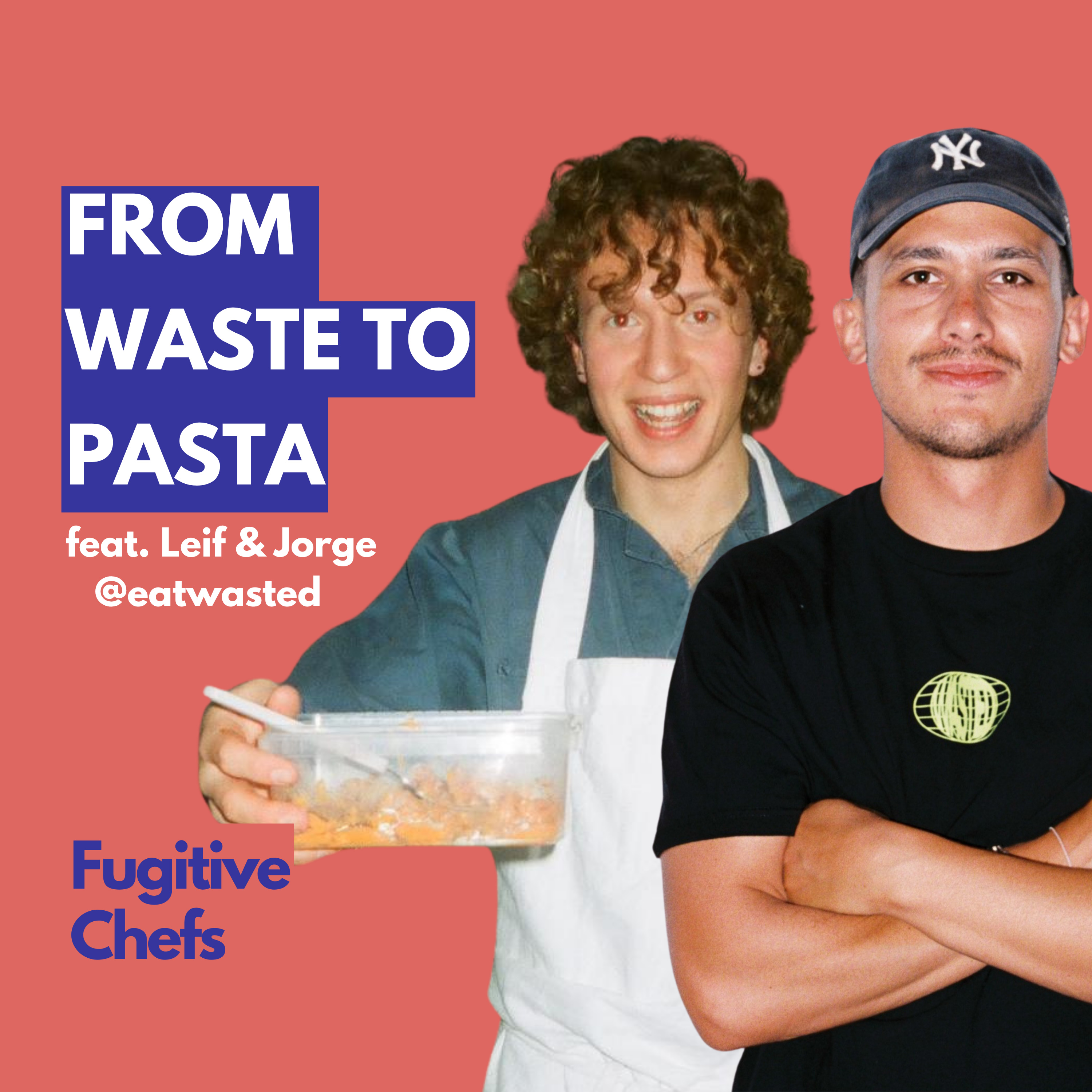
    The Startup Turning Bread Waste Into Pasta | Eat Wasted

    Most chefs are trained to think in dishes. But what happens when culinary thinking becomes a product, a company, and eventually an entire system? In this episode of Fugitive Chefs, I speak with Leif Friedmann and Jorge Aguilar from Eat Wasted — a startup turning surplus bread into pasta. What began as frustration around food waste inside restaurant kitchens slowly evolved into a broader conversation around entrepreneurship, product development, branding, manufacturing, and how chefs create value outside traditional restaurant systems. We talk about: • Why food waste pushed Leif beyond restaurants • The transition from chef to startup founder • Building a scalable food product • Sustainability vs desirability in branding • Why chefs underestimate their transferable skills • The tension between craftsmanship and scale • How culinary thinking translates into startups • What modern food entrepreneurship actually looks like This conversation is not really about pasta. It’s about what happens when chefs stop thinking only like cooks and start thinking like builders. 👤 Connect with Eat Wasted: Website:https://www.eatwasted.com/ Instagram: https://www.instagram.com/eatwasted/ 🎧 Fugitive Chefs is your window into how culinary work and chef identity are evolving beyond traditional kitchens. New episodes every Tuesday. 👉 Follow, rate us on Spotify, subscribe & comment on YouTube, and share with someone questioning what a culinary career can become. 🌐 Website: www.fugitivechefs.com 📸 Furqan’s Instagram:https://bit.ly/4dtiyTv 🎧 Podcast Instagram: https://bit.ly/43ndATO 🍏 Apple Podcasts: https://apple.co/43vBtbT ▶️ YouTube: https://www.youtube.com/@fugitivechef

    • Transcript
  • May 19 · 48 min

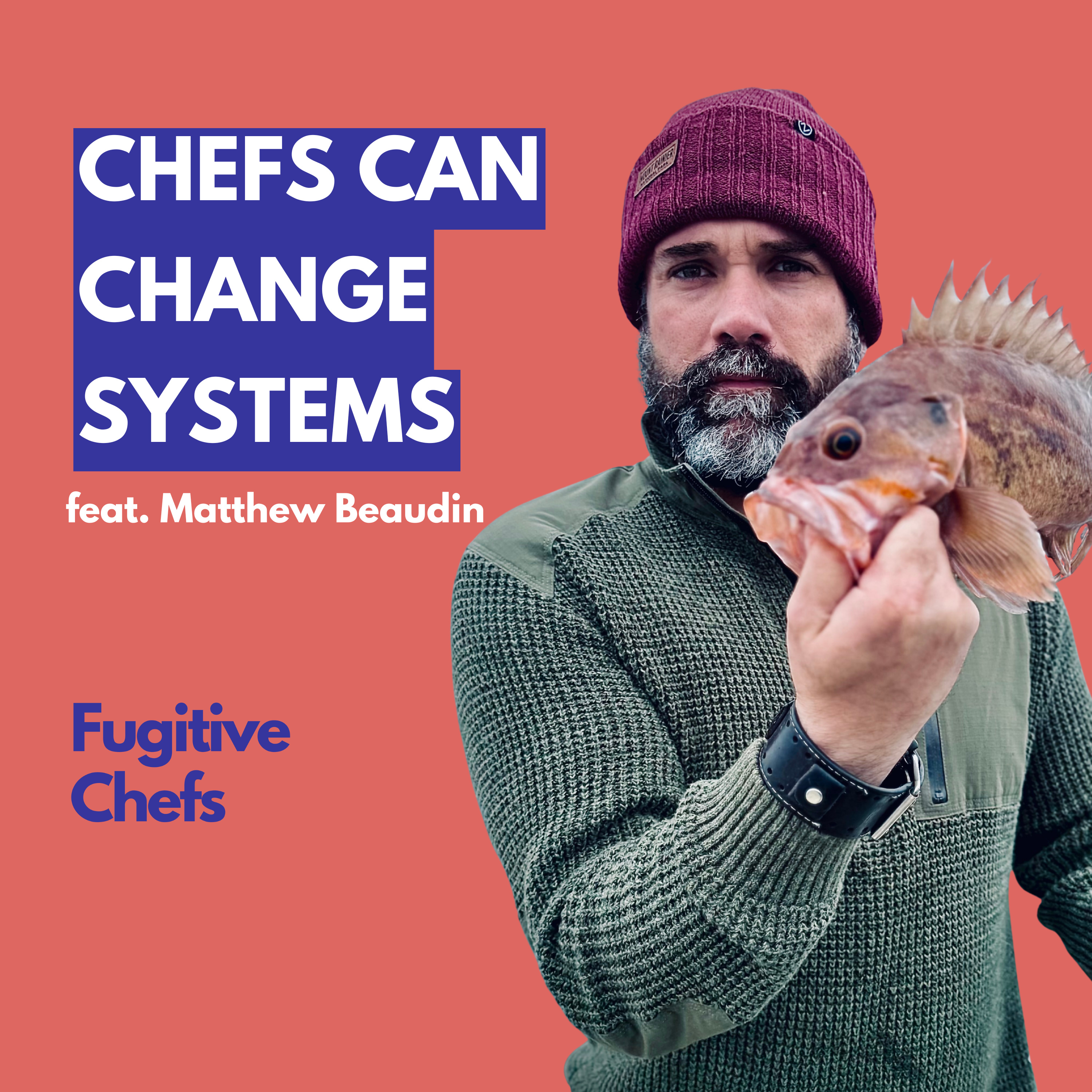
    From Fine Dining to Food Systems — How Chefs Can Influence the World | Matthew Beaudin

    Most chefs think their impact stops at the plate. But what happens when a chef starts influencing systems, supply chains, and how thousands of people are fed every day? In this episode of Fugitive Chefs, I speak with Chef Matthew Beaudin — a chef whose career has moved far beyond the traditional kitchen. From leading culinary initiatives at the Monterey Bay Aquarium to working across education, sustainability, and global food systems, Mathieu’s work shows what happens when a chef stops thinking in dishes and starts thinking in impact. We talk about: Why chasing fine dining success didn’t feel enough The moment that changed his perspective on sustainability (in Rwanda) Why chefs underestimate (and sometimes overestimate) their influence How food connects to systems, culture, and global inequality Why storytelling matters more than ever in food What young chefs should focus on early in their careers And how to start building a path beyond restaurants This conversation isn’t about leaving kitchens. It’s about expanding what being a chef can mean. 👤 Connect with Matthew: LinkedIn: https://www.linkedin.com/in/matthew-beaudin-83424b14/ 🎧 Fugitive Chefs is your window into alternative culinary careers and bold food innovation. New episodes every Tuesday.👉 Follow, rate us on Spotify, subscribe & comment on YouTube, and share with someone who’s questioning their place in the kitchen. 🌐 Website: www.fugitivechefs.com 📸 Furqan’s Instagram: https://bit.ly/4dtiyTv 🎧 Podcast Instagram: https://bit.ly/43ndATO 🎵 Spotify: https://spoti.fi/3F6j25A 🍏 Apple Podcasts: https://apple.co/43vBtbT ▶️ YouTube: / @fugitivechefs Chapters 00:00 – Why chefs think too small 01:00 – What Matthew does today 03:30 – Starting in kitchens (ego → meaning) 07:45 – The Rwanda moment that changed everything 13:00 – Why chefs don’t see their real impact 17:30 – Breaking out of the “chef box” 22:00 – Why this generation can actually change food systems 24:30 – Sustainability is not one definition 28:00 – Role of education (CIA, new generation) 32:30 – The responsibility of chefs 38:00 – Why most chefs avoid the hard truths 40:30 – Advice for young chefs 43:00 – Why chasing awards is empty 45:30 – How to actually start a different path

    • Transcript
  • May 12 · 7 min

    Why Kitchen Work Feels So Exhausting (It’s Not What You Think)

    Why do kitchens feel chaotic in ways that go beyond long hours or physical pressure? In this solo episode, Furqan explores how many of the frustrations chefs experience daily are not just caused by intensity, but by badly designed systems. From unclear prep lists to inconsistent recipes and constant last-minute fixes, this episode looks at how confusion often gets mistaken for pressure inside professional kitchens. A reflective conversation about restaurant culture, systems, burnout, and why many chefs blame themselves for environments that were never designed properly in the first place. 🎧 Fugitive Chefs is your window into alternative culinary careers and bold food innovation. New episodes every Tuesday.👉 Follow, rate us on Spotify, subscribe & comment on YouTube, and share with someone who’s questioning their place in the kitchen. 🌐 Website: www.fugitivechefs.com 📸 Furqan’s Instagram: https://bit.ly/4dtiyTv 🎧 Podcast Instagram: https://bit.ly/43ndATO 🎵 Spotify: https://spoti.fi/3F6j25A 🍏 Apple Podcasts: https://apple.co/43vBtbT ▶️ YouTube: / @fugitivechefs

    • Transcript
  • May 5 · 35 min

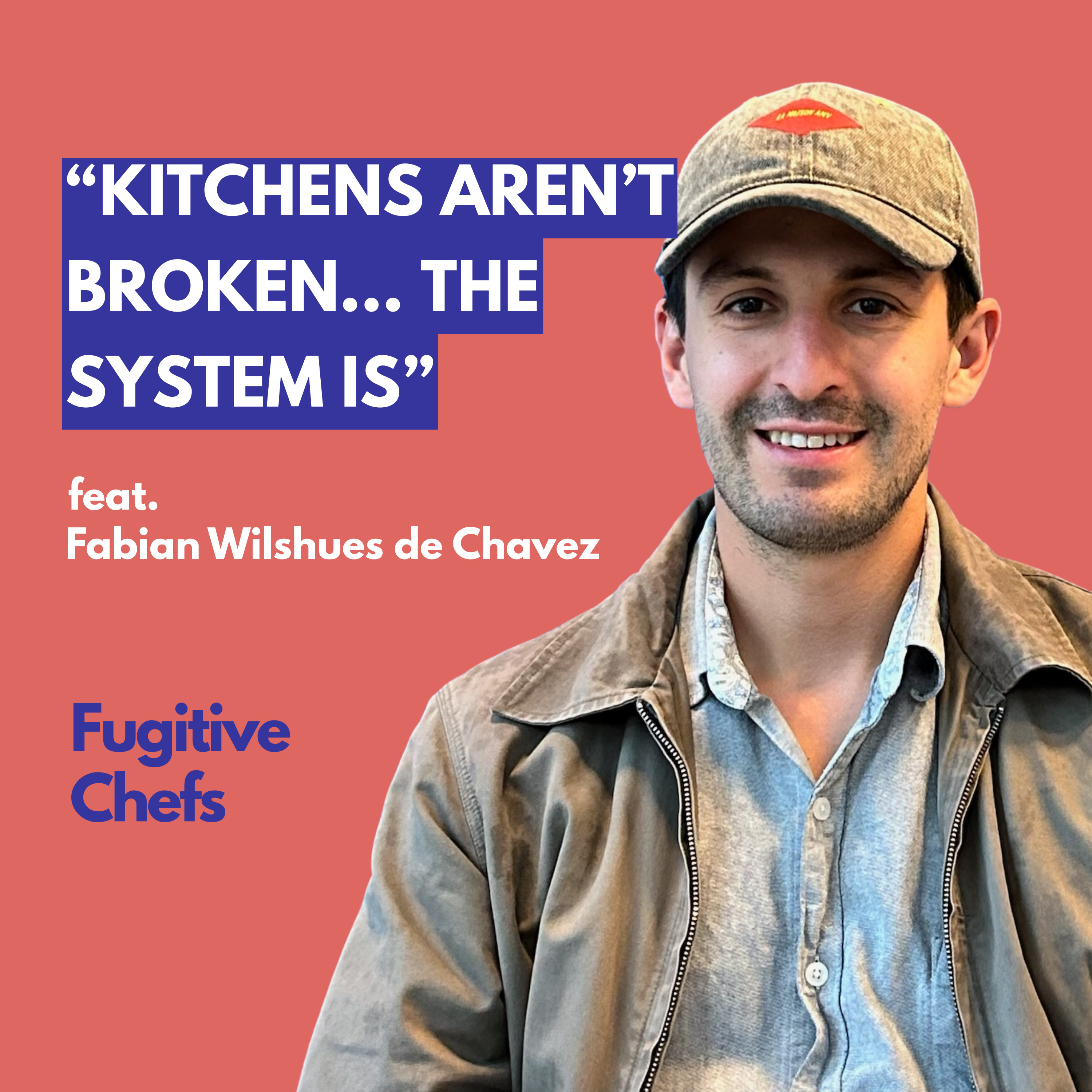
    Kitchens Aren’t Just Stressful. They’re Poorly Designed Systems.

    Most chefs think kitchens are hard because of the pressure. Long hours. Fast pace. Physical work. But what if the real problem isn’t the work, it’s the system behind it? In this episode, I speak with Fabian Wilshues de Chavez, who moved from kitchens into building a startup focused on improving kitchen operations. We talk about: Why kitchen work feels harder than it should The hidden role of bad systems in daily stress Why technology struggles to enter kitchens What’s actually broken behind the scenes And what the future of kitchens could look like This is not just about leaving kitchens. It’s about understanding them better. 👤 Connect with Fabian: LinkedIn: https://www.linkedin.com/in/fabian-wilshues-de-chavez-8072aa146/ Remi : https://www.thisisremi.com/ 🎧 Fugitive Chefs is your window into alternative culinary careers and bold food innovation. New episodes every Tuesday.👉 Follow, rate us on Spotify, subscribe & comment on YouTube, and share with someone who’s questioning their place in the kitchen. 🌐 Website: www.fugitivechefs.com 📸 Furqan’s Instagram: https://bit.ly/4dtiyTv 🎧 Podcast Instagram: https://bit.ly/43ndATO 🎵 Spotify: https://spoti.fi/3F6j25A 🍏 Apple Podcasts: https://apple.co/43vBtbT ▶️ YouTube: / @fugitivechefs Chapters : 00:00 — Kitchens aren’t just stressful 01:07 — Fabian’s path from kitchens to startups 03:00 — Why most BCC students don’t become chefs 05:00 — The moment everything clicked 07:00 — What’s actually broken in kitchens 09:30 — What Remy is (simple explanation) 12:00 — Stress vs bad systems 14:30 — Why tech alone won’t fix kitchens 16:00 — The reality of building a startup 18:30 — Why no one is solving this problem 20:00 — Why kitchens resist change 23:00 — How to introduce new tools in kitchens 25:30 — The future of kitchens (2 directions) 29:00 — Sustainable careers in kitchens 32:00 — What to do when something feels off kitchen systems, chef stress, restaurant operations, kitchen workflow, chef burnout, hospitality innovation, food tech, restaurant management tools, kitchen efficiency, fugitive chefs

    • Transcript
  • April 28 · 12 min

    There Is No One Way to Be a Chef

    Most chefs think there’s only one path. Culinary school → restaurant → head chef → maybe your own place. But what if that story is incomplete? In this solo episode, I break down something I wish I understood much earlier: There is no single way to be a chef. From R&D and food innovation to private dining, education, and building businesses — some of the most impactful chefs today don’t work in restaurants at all. This episode is about: Why most chefs feel stuck even in “good” kitchens How lack of exposure limits your career decisions The different paths that actually exist in the industry How to start exploring without quitting everything If you’ve ever questioned your path in food, this one is for you. Keywords : chef careers, life after kitchen, culinary careers, chef burnout, food industry jobs, R&D chef, private chef, food entrepreneurship, alternative chef careers, fugitive chefs

    • Transcript
  • April 21 · 1 hr

    From Chef to Food Systems: Why Kitchens Need to Think Beyond the Plate

    Most chefs think impact happens on the plate. In this episode, Andrea Zick shares why the real impact starts before it. From working in professional kitchens to leading sustainability research and coaching chefs, Andrea explains how menus, systems, and education shape the future of food. If you’ve ever wondered what exists beyond the kitchen — this one’s for you. Join the community: 🌐 Website: ⁠www.fugitivechefs.com⁠ 📸 Furqan’s Instagram: ⁠https://bit.ly/4dtiyTv⁠ 🎧 Podcast Instagram: ⁠https://bit.ly/43ndATO⁠ 🎵 Spotify: ⁠https://spoti.fi/3F6j25A⁠ 🍏 Apple Podcasts: ⁠https://apple.co/43vBtbT⁠ ▶️ YouTube: ⁠https://www.youtube.com/@fugitivechefs⁠

    • Transcript
  • April 14 · 13 min

    No One Tells Chefs What Comes After Burnout

    Most chefs don’t leave because they hate cooking. They leave because something stops making sense. In this solo episode, I talk about what no one explains — what actually happens after burnout. The quiet moment where you start questioning everything. If you’ve ever felt stuck in a kitchen that looks right from the outside… this episode is for you. 🎙️ Topics: • Why burnout isn’t the real problem • The identity crisis of being a chef • What options exist beyond restaurants • How to start figuring out what’s next Join the community: 🌐 Website: ⁠www.fugitivechefs.com⁠ 📸 Furqan’s Instagram: ⁠https://bit.ly/4dtiyTv⁠ 🎧 Podcast Instagram: ⁠https://bit.ly/43ndATO⁠ 🎵 Spotify: ⁠https://spoti.fi/3F6j25A⁠ 🍏 Apple Podcasts: ⁠https://apple.co/43vBtbT⁠ ▶️ YouTube: ⁠https://www.youtube.com/@fugitivechefs⁠

    • Transcript
  • April 7 · 39 min

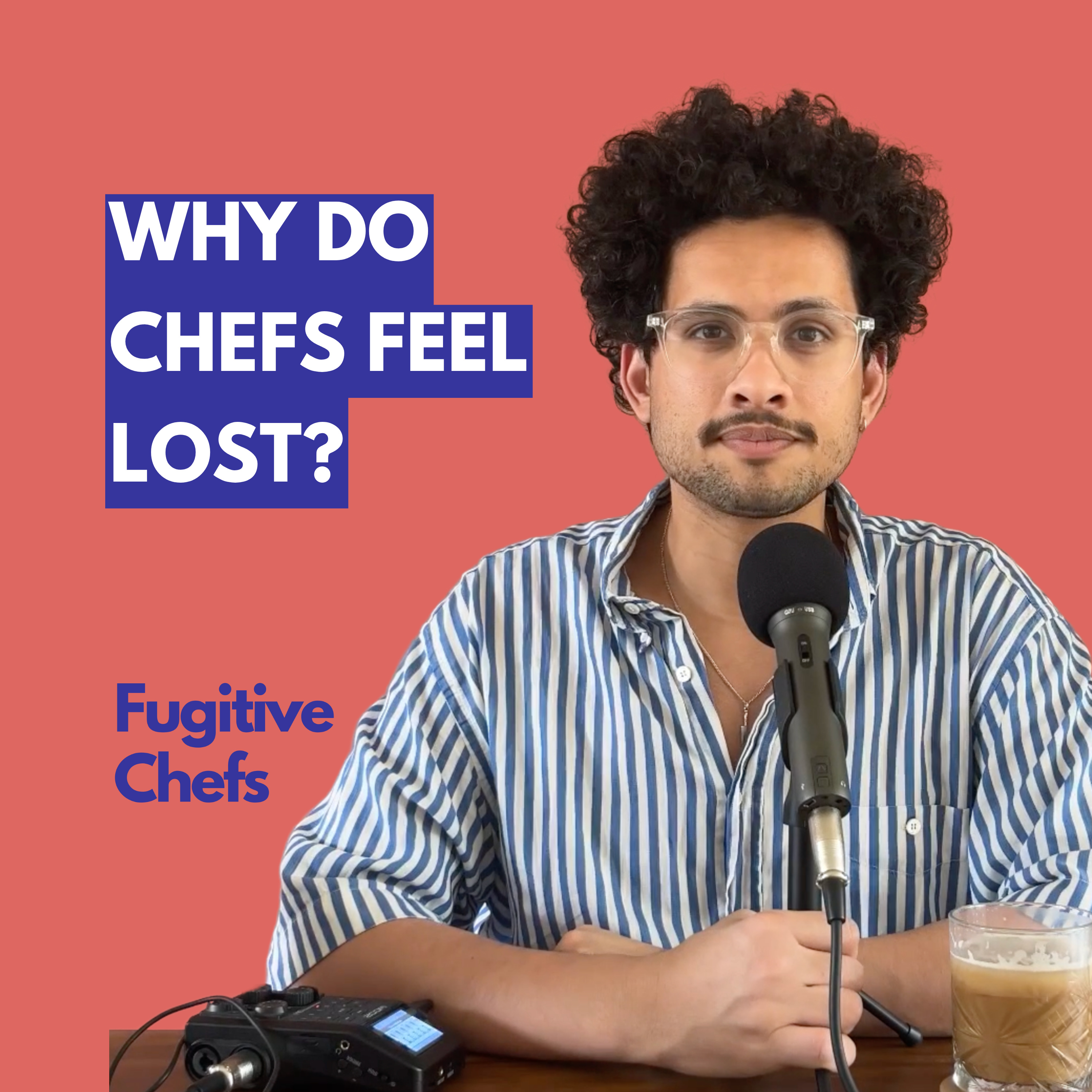
    Chefs Without Restaurants: Building a Career Beyond the Kitchen | Chris Spear

    Chris Spear has spent over 20 years building a career outside traditional restaurant kitchens — from hospitals to catering to running a personal chef business. He’s also the host of Chefs Without Restaurants, a podcast and community that explores exactly what its name suggests. In this conversation, we talk about: • Why culinary school still shows only one path • What “freedom” actually looks like outside restaurants • The reality of running a one-person food business • Identity, status, and what it means to be a “real chef” • How to start without going all in This isn’t theory. It’s someone who’s done it for years. If you’ve ever felt stuck in kitchens, this one’s for you. 🎧 Fugitive Chefs is your window into alternative culinary careers and bold food innovation. New episodes every Tuesday. 👉 Follow, rate us on Spotify, subscribe & comment on YouTube, and share with someone who’s questioning their place in the kitchen. 🌐 Website: www.fugitivechefs.com 📸 Furqan’s Instagram: https://bit.ly/4dtiyTv 🎧 Podcast Instagram: https://bit.ly/43ndATO 🎵 Spotify: https://spoti.fi/3F6j25A 🍏 Apple Podcasts: https://apple.co/43vBtbT ▶️ YouTube: https://www.youtube.com/@fugitivechefs
    • Transcript
Showing 1–20 of 21 episodes