Skip to content
Artwork for Foreign Policy Live
NewsNews CommentaryPolitics

Foreign Policy Live

Foreign Policy

Each week, Foreign Policy Live will feature a substantive conversation on world affairs. Host and FP editor in chief Ravi Agrawal will be joined by leading foreign-policy thinkers and practitioners to analyze a key issue in global politics, from the U.S.-China relationship to conflict and diplomacy. FP Live is your weekly fix for smart thinking about the world.


Foreign Policy magazine subscribers can watch these interviews live and submit questions and suggestions by going to https://foreignpolicy.com/live/.

Play
  • 33 episodes
  • weekly
  • Avg 39 min
  • English
Counted on this page — what you have heard stays on this device, so it is not something the list can be paged by.
  • Thursday · 44 min

    Can America Stay Ahead of China on AI?

    It is well known that at least part of Washington’s reluctance to regulate artificial intelligence comes from wanting to make sure the United States stays ahead of China. But what exactly are the two countries racing for? Matt Sheehan, a co-director of the China AI Initiative at the Carnegie Endowment for International Peace, joins FP’s Ravi Agrawal to explain the countries’ very different definitions of winning and why U.S. models are only months ahead of their Chinese competitors. Plus, after Brazil’s first round of elections, Ravi shares his read on Latin America’s rightward swing. Adam Goldsmith: Brazil’s Election Won’t Fix Its Biggest Problems Van Jackson: Trump’s ‘Greater North America’ Is Fascist Geopolitics New York Times: Jack Nicas: A Bolsonaro Win Would Nearly Complete Trump’s Latin America Map Agathe Demarais: China’s AI Rollout Has No Off Switch Robert A. Manning and Giulia Neaher: China’s Success Is Forcing a U.S. AI Rethink Fareed Zakaria: America Can Regulate AI—and Still Win the AI Race Suzanne Nossel: Don’t Let China Stack the Deck Learn more about your ad choices. Visit megaphone.fm/adchoices

  • October 2 · 29 min

    Can Development Work in Wartime?

    How can you tackle poverty and create infrastructure amid an active conflict? Alexander De Croo is the head of the U.N. Development Program, and he joins FP’s Ravi Agrawal to make the case for spending development dollars on building long-term resilience. He’s exploring solutions to opium poppies in Afghanistan, electric grids in Ukraine, and sanitation in Gaza, even as major donors such as the United States pull back. Plus, Ravi shares his read on the war rapidly escalating in Ethiopia. Nosmot Gbadamosi: Ethiopia’s Return to War Threatens to Engulf the Horn of Africa World’s Toughest Job: The Triage Game: Own, Delegate, or Drop Adam Tooze: The End of Development David Miliband: It’s Time to Update the U.N. Sustainable Development Goals Learn more about your ad choices. Visit megaphone.fm/adchoices
  • September 30 · 41 min

    The Case for Trump’s Global Strategy

    U.S. Ambassador to the United Nations Mike Waltz has become one of the Trump administration’s most visible spokespeople, publicly explaining and defending its policies on everything from Iran to Venezuela and Sudan. But how has Washington’s global role changed as the White House pulls back from multilateral institutions? How does the administration make the case for an unpopular war in Iran? Waltz sits down with FP Live to talk through the White House’s foreign-policy strategy. Michael Waltz and Massad Boulous: Peace in Sudan Can Only Flower After a Weapons Embargo Abdalfatah Alburhan: How to Bring Peace to Sudan New York Times: David E. Sanger, Tyler Pager, Katie Rogers, and Zolan Kanno-Youngs: Trump Lays Out a Vision of Power Restrained Only by ‘My Own Morality’ Learn more about your ad choices. Visit megaphone.fm/adchoices

  • September 25 · 32 min

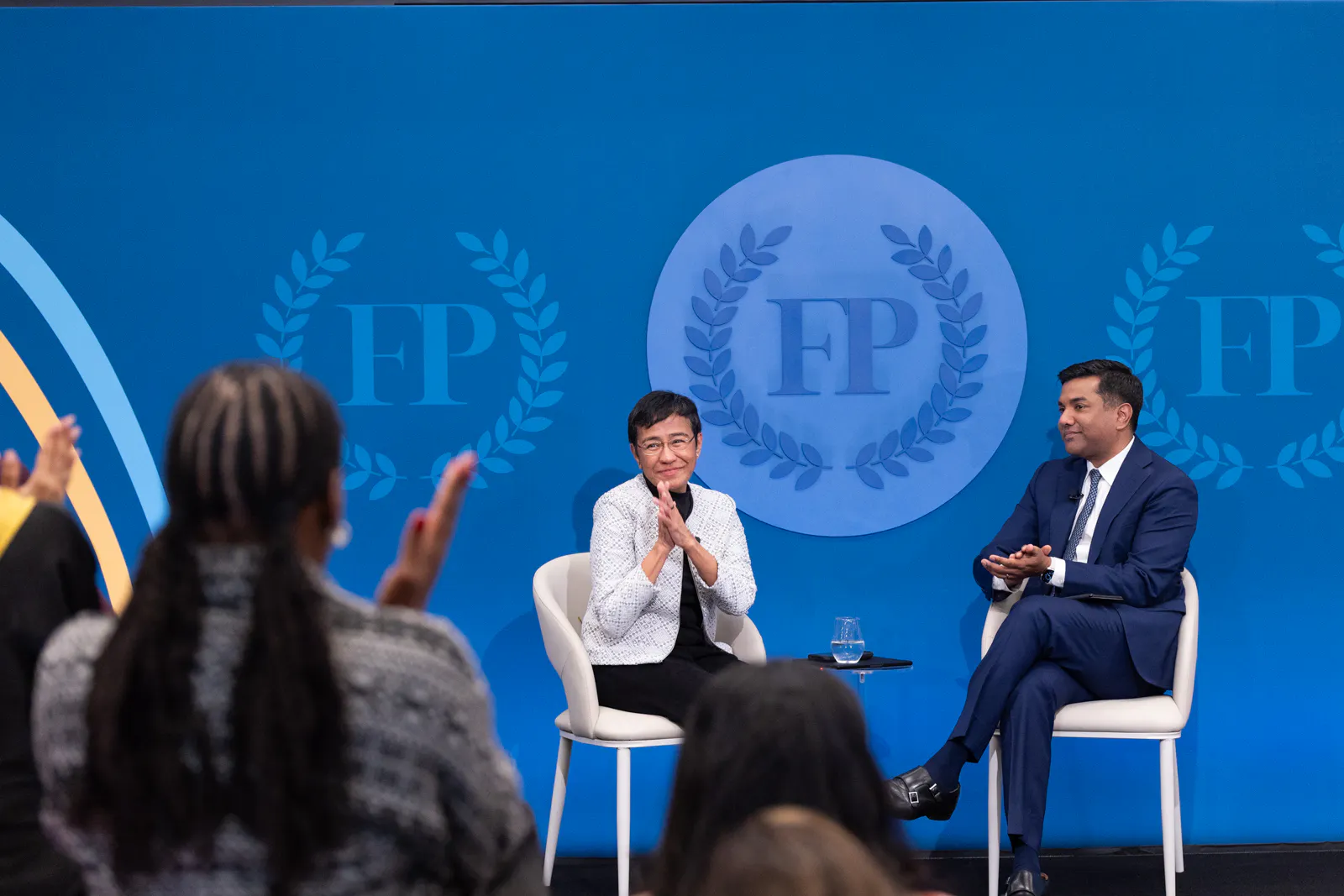
    Maria Ressa on Fighting Back Against Big Tech

    Maria Ressa is one of the most inspiring journalists of our age, a media leader whose bravery against authoritarianism earned her the Nobel Peace Prize in 2021. Now, she’s focusing her energy on artificial intelligence and Big Tech and how ordinary citizens can reclaim their attention, their time, and their democracies. She’s also a co-chair of the United Nations Independent International Scientific Panel on AI. Ressa joined Ravi Agrawal on the sidelines of the U.N. General Assembly this week at FP’s Tech and AI Forum. Plus, Ravi shares his read on what gave him chills, and what gave him hope, this UNGA week. Rockefeller Foundation: New Global Poll: Amid Growing Pessimism, Security Tops Priorities for International Cooperation Preliminary Report of the U.N. Independent International Scientific Panel on AI U.N. Independent International Scientific Panel on AI: Thematic Brief on AI Agents, Misalignment, and the Risk of Losing Human Control Adam Elkus: Are AI and Democracy Compatible? Cameron Abadi and Adam Tooze: Can AI Be Regulated? Sarosh Nagar and David Eaves: The World Needs to Know When AI Goes Wrong Learn more about your ad choices. Visit megaphone.fm/adchoices

  • September 23 · 26 min

    How to Create a Billion Jobs

    Ajay Banga has a simple north star as he runs the World Bank: jobs, jobs, jobs. And for good reason. The World Bank estimates that developing countries are on track to create only a third of the approximately 1.2 billion jobs they will need to keep up with demand. How can countries and companies bridge this gap? Banga sat down with FP’s Ravi Agrawal to detail how the bank is mobilizing private capital and working with governments to create sustainable jobs. Mariana Mazzucato: How to Write Better Rules for Global Finance David Miliband: It’s Time for the World Bank to Break With Tradition Learn more about your ad choices. Visit megaphone.fm/adchoices

  • September 16 · 35 min

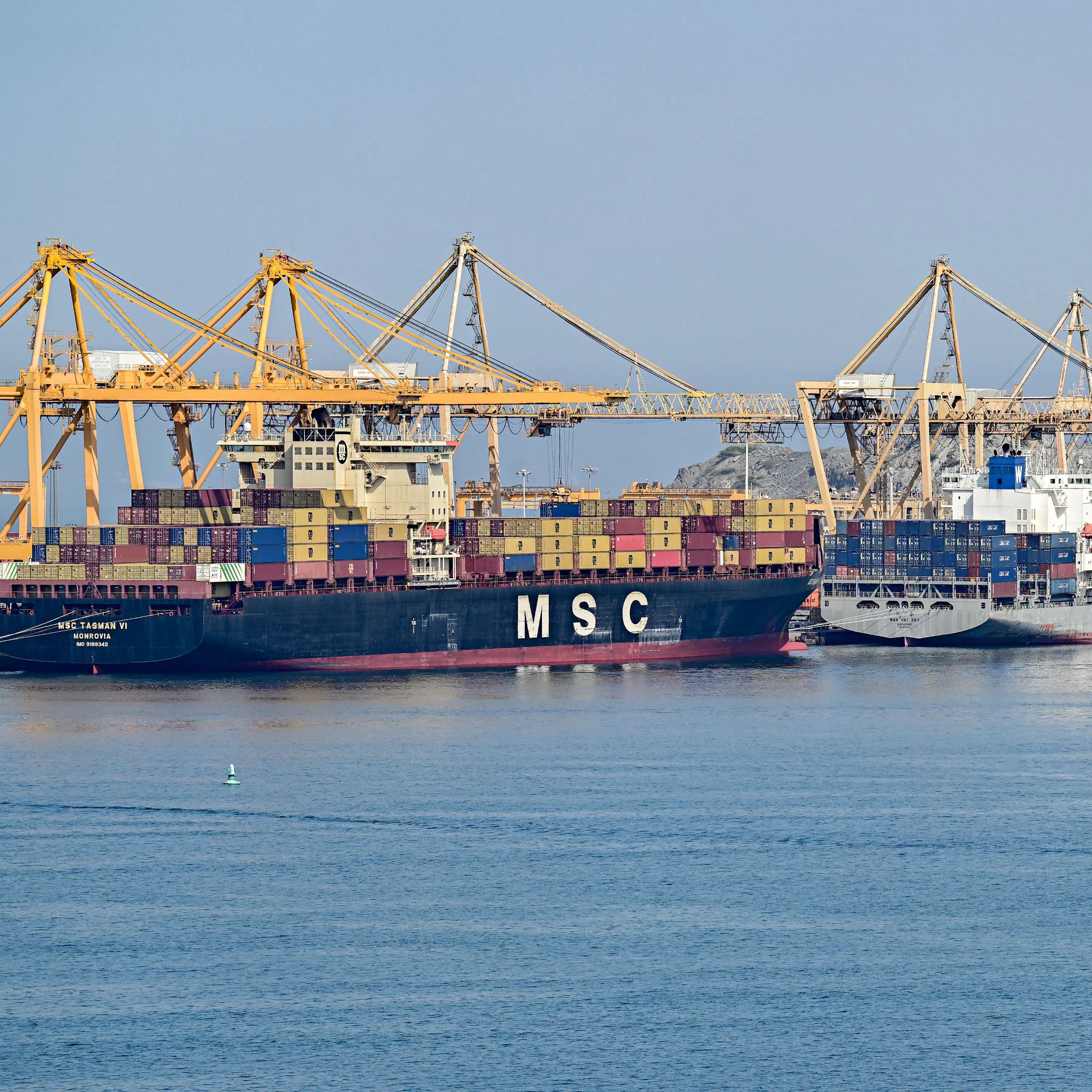
    ‘Ask Me Anything,’ and Why Ravi’s Kyiv Visit Left Him So Worried

    It’s time for another ask-me-anything edition of FP Live. After a trip to Kyiv, FP editor in chief Ravi Agrawal explained why new developments in drone technology have him worried about conflicts around the world. Plus, he takes on the energy market, why both the United States and Iran have overreached in their ongoing conflict, and how Chinese President Xi Jinping sees the world. Ravi Agrawal: Why My Kyiv Visit Worried Me So Much Ravi Agrawal: Trump Has Peaked Ravi Agrawal: Iran Could Be Trump’s Greatest Failure Learn more about your ad choices. Visit megaphone.fm/adchoices
  • September 11 · 13 min

    Has Trump Peaked?

    In this bonus episode, host Ravi Agrawal presents his recent essay arguing that U.S. President Donald Trump has peaked. While Trump still has two years left in office and immense potential for global disruption, Ravi makes the case that his coercive powers are in clear decline, as seen through a depleted military and an array of global moves to de-risk from the White House. As companies and countries realize this shift, they will change how they act toward the United States and how they think about a future world order. Ravi Agrawal: Trump Has Peaked Hal Brands: How to Survive in a World Without Rules Charles A. Kupchan: The World’s Only Real Hope of Maintaining Order Mariana Mazzucato: How to Write Better Rules for Global Finance Michael Beckley: A New Engine of Development Learn more about your ad choices. Visit megaphone.fm/adchoices

  • September 9 · 33 min

    The Industry That Explains the World

    Behind every major decision, whether by a family buying a home or a shipping company deciding to transit the Strait of Hormuz, lies the judgment of the insurance markets. How do insurers evaluate risk, and what can we learn from how they attach a premium to conflict or natural disasters? John Doyle, the president and CEO of Marsh, a conglomerate that includes the world’s largest insurance broker, joins the show to discuss how he evaluates geopolitical risk—and how companies and countries should protect themselves from disruption. Ravi Agrawal: Trump Has Peaked Hal Brands: How to Survive in a World Without Rules Charles A. Kupchan: The World’s Only Real Hope of Maintaining Order Mariana Mazzucato: How to Write Better Rules for Global Finance Michael Beckley: A New Engine of Development Elisabeth Braw: Can Ships in the Gulf Take Trump at His Word? Learn more about your ad choices. Visit megaphone.fm/adchoices

  • September 2 · 44 min

    The Only Way to Save Global Order?

    The global order may be broken, but international relations scholar Charles A. Kupchan has a plan to remake it. In a forthcoming Foreign Policy essay, he argues that because power is becoming more diffuse, regional groupings such as the European Union and Association of Southeast Asian Nations will become more essential. But to really manage global governance, he proposes the creation of a high-level brain trust that would sit above a currently paralyzed United Nations and resolve disputes between world powers. Kupchan joins FP Live to discuss how to put his provocative plan into action. Plus, Ravi shares his read on how China and the United States are presenting two different visions of leadership at this week’s G-20 and Shanghai Cooperation Organization conferences. Alexandra Sharp: Moscow’s Moment of Global Summitry Comfort Ero and Richard Gowan: Peacemaking Is Power Politics Again Bruno Maçães: What Comes After Global Order Nick Danforth: Who Killed the Liberal International Order? Learn more about your ad choices. Visit megaphone.fm/adchoices

  • August 28 · 41 min

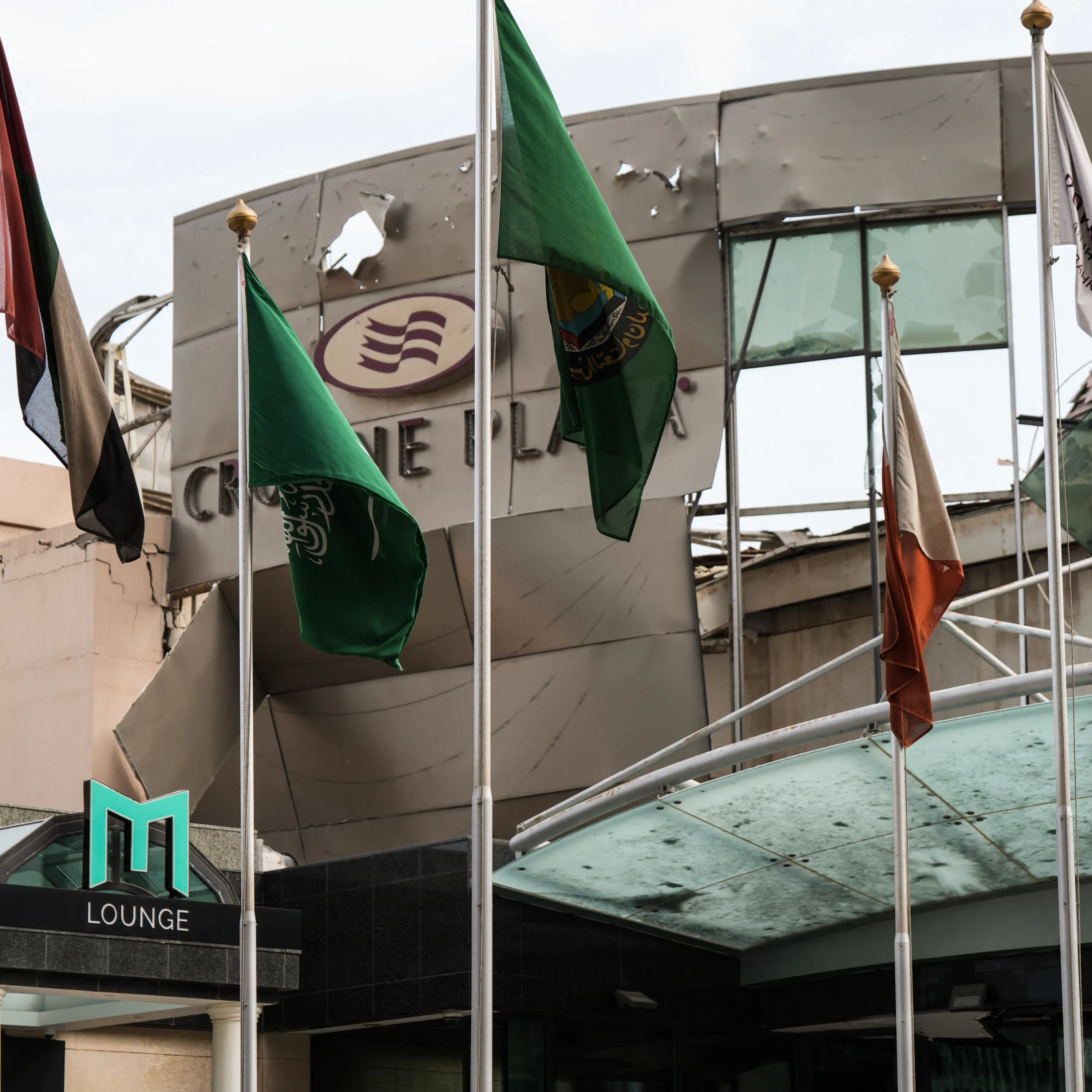
    Why America Is Running Out of Munitions

    The United States is burning through some of its most advanced munitions in its war with Iran this year. By some accounts, inventories of high-end Patriot and THAAD interceptors may be depleted by as much as 80 percent. Replacing them could take years, even as military planners worry about needs in Europe and the Indo-Pacific. Tom Karako, director of the Center for Strategic and International Studies’ Missile Defense Project, has tracked just how deep the shortfall runs and what it would take to fix it. He joins FP Live to assess the state of U.S. stockpiles and what it means about the future of American preparedness. John Haltiwanger and Rishi Iyengar: The Iran War Has Left the U.S. Dangerously Exposed Sam Skove: U.S. War in Iran Leaves Ukraine’s Air Defense in Limbo Robert Almelor Delfeld: The U.S. Munitions Deficit Is a Political Problem Franz-Stefan Gady: Europe’s Dangerous Hesitation on Its Own Air Defense Learn more about your ad choices. Visit megaphone.fm/adchoices
  • August 21 · 42 min

    Why Your Political Anger Feels Futile

    Political outrage is a constant part of modern life, from social media to surges of global protests. But what actually changes? Why do so many structural issues seem deeply entrenched despite high levels of voter turnout? Anton Jäger has a term for this mismatch: hyperpolitics. He joins FP Live to explain the paradox of politicization without institutionalization, why right-wing parties maneuver this era more successfully, and whether the Democratic Socialists of America party is a sign of a new political order. Plus, Ravi shares his read on why the United States canceled its joint military exercises with South Korea. Alexandra Sharp: Is Trump Choosing North Korea Over South Korea? Derek Grossman: Colby’s ‘Flexible Realism’ Won’t Work in the Indo-Pacific Anton Jäger: The End of Political Parties Steven A. Cook: Outrage Culture Is Ruining Foreign Policy Learn more about your ad choices. Visit megaphone.fm/adchoices

  • August 12 · 40 min

    The Gulf’s Postwar Playbook

    Gulf countries like Qatar, Saudi Arabia, and the United Arab Emirates have created entire cities and world-class airlines off the back of energy riches and U.S. security. The Iran war has upended the calculations of the Gulf monarchs. How are they rethinking their strategies? Allison Minor worked on Gulf policy in the Biden administration and joins FP Live to share her analysis. Plus, Ravi shares his read on what the recent migrant crisis in Ceuta means for the future of immigration policy. Allison Minor and April Longley Alley: A Saudi-Emirati Thaw Can Help Contain Iran Saeid Jafari: The Regional Order Iran Wanted Is Taking Shape Without It Steven A. Cook: Economic Integration in the Middle East Is a False God Rob Geist Pinfold: Discord in the Gulf Learn more about your ad choices. Visit megaphone.fm/adchoices

  • August 5 · 45 min

    Why Everyone Is Talking About Chokepoints

    The Strait of Hormuz may be the chokepoint of the moment, but it’s actually not even the one that’s most concerning to Eddie Fishman, the author of Chokepoints: American Power in the Age of Economic Warfare. He explains why U.S. dollar dominance, Chinese critical mineral control, and the semiconductor supply chain are more potent in terms of how much they can impact geopolitics—and how countries and companies might weaponize them. Plus, why is China following such a radically different artificial intelligence strategy than the United States? Ravi shares his read. Graham Allison: America’s Cosmic Bet on AI Rishi Iyengar: China Is AI-Maxxing Agathe Demarais: How China Is Winning the Global AI Race Keith Johnson: America’s Economic Warfare Is Sowing Its Own Demise Bob Davis: Does the United States Have the Weapons for Trade War? Maximilian Hess: Trump Has Weakened America’s Sanctions Weapon Learn more about your ad choices. Visit megaphone.fm/adchoices

  • July 30 · 43 min

    Why the Energy Crisis Isn’t Worse—Yet

    The ongoing war in Iran has been called the biggest energy crisis in history. How is it changing the plans of countries and companies? Which changes will be permanent? Ravi turns to Daniel Yergin, the world’s foremost expert of the oil industry and its history. Yergin is the vice chairman of S&P Global and the author of The Prize, The Quest and, most recently, The New Map: Energy, Climate, and the Clash of Nations. Plus, Ravi shares his read on the expanding conflict in the Middle East. Philip H. Gordon: There’s Only One Way Out of Trump’s Reckless War Allison Minor and Nate Swanson: How to End the Iran War Fatih Birol: The Global Energy Map Is Being Redrawn in Real Time Michael Hirsh: How the Iran War Reshaped the Global Landscape of Power John V. Bowlus: Escaping the Hormuz Trap Ali Ahmadi: The Oil Market Is Much More Vulnerable Than Trump Believes Learn more about your ad choices. Visit megaphone.fm/adchoices

  • July 21 · 45 min

    The Iran Expert Trump Fired

    Iran and the United States are locked in a familiar pattern. Conflict has resumed, both sides seem caught in an escalation trap, and oil prices are rising. What would it take for Tehran and Washington to both save face and step back? Ravi Agrawal turns to career diplomat and Iran expert Nate Swanson, who was fired by the Trump administration last year. Plus, Ravi shares his read on India’s youth protests and the so-called “Cockroach Janata Party.” Sumit Ganguly: India’s Cockroach Movement Gains Momentum Ellie Geranmayeh: How the United States and Iran Can Solve Hormuz Dennis Ross: How to Isolate Tehran David Ignatius: Trump Pushed the Reset Button. This is ‘Iran Fiasco 2.0.’ Keith Johnson: Energy Markets’ False Dawn May Be Over Rob Geist Pinfold and Dania Thafer: The Gulf States That Iran Thinks It Can Attack Learn more about your ad choices. Visit megaphone.fm/adchoices

  • July 15 · 46 min

    Is the Trans-Atlantic Relationship Over? A Debate.

    Is the trans-Atlantic relationship over? Nathalie Tocci argues that it cannot be rebuilt as it was: The liberal order that birthed trans-Atlanticism is gone, and a fundamental breach of trust has occurred. Alexandra de Hoop Scheffer sees it differently: Trans-Atlanticism was never based only on values but also on security, economic, and technological interests. The relationship has now entered a period of geopolitical maturity, where the two sides will pick and choose areas of cooperation. The two European experts debate their takes. Plus, Ravi shares his read on how renewed conflict in Iran hurts energy prices. Alexandra Sharp: U.S.-Iran Talks May Continue, but the Cease-Fire Is Over Rebecca F. Elliott and Lisa Friedman in the New York Times: China’s Next Move May Decide Whether Oil Prices Soar Nathalie Tocci: The End of Trans-Atlanticism Alexandra de Hoop Scheffer: Trans-Atlanticism Isn’t Dead—It’s Being Renegotiated Luke McGee: Washington Shouldn’t Fear NATO Expansion Dimitar Bechev: Contain, Consolidate, and Co-Opt Learn more about your ad choices. Visit megaphone.fm/adchoices

  • July 10 · 39 min

    Can Ukraine Win in Russia?

    Ukraine has a new strategy in its full-scale war with Russia: using drones to attack deep into Russian territory and bring the war home to the Russian people for the first time. Has this put Moscow on the backfoot? What will it mean for the chances of a deal? Dmytro Kuleba, a former Ukrainian foreign minister and senior fellow at Harvard University’s Belfer Center, joins FP Live for a frank and realistic assessment. Plus, Ravi shares his read on the NATO summit in Ankara. Charles Dainoff, Geoffrey Fain Williams, and Robert Farley: Is Ukraine’s Decentralized Drone Innovation a Blip or a Revolution? John Kennedy and Jacob Parakilas: Putin May Escalate, but Ukraine Is Winning Christian Caryl: Ukraine Finally Has a Theory of Victory. Will It Work? Paul Hockenos: The Strategy Behind the Battle for Crimea Learn more about your ad choices. Visit megaphone.fm/adchoices

  • July 1 · 40 min

    Is Trump Really Planning to Invade Cuba?

    After the United States ousted Venezuela’s Nicolás Maduro in January and then took out Iran’s senior leadership in the following months, U.S. President Donald Trump set his sights on Cuba, claiming that he would have the “honor of taking” the island. Michael Bustamante, a leading historian of Cuban-American relations, joins FP Live to assess the White House’s strategy and Havana’s options. Plus, Ravi shares his read on the diverse United States seen by World Cup tourists. Oliver Stuenkel: Washington’s Cuba Policy Is Self-Sabotage Howard W. French: Trump Is Playing With Fire in Cuba William M. LeoGrande and Peter Kornbluh: Is the United States on the Verge of Military Intervention in Cuba? Katrin Hansing: Blackouts, Food Shortages, and Water Scarcity Learn more about your ad choices. Visit megaphone.fm/adchoices
  • June 26 · 44 min

    The Geopolitics of SpaceX and Elon Musk

    SpaceX’s initial public offering broke records as the largest ever and one that (briefly) made Elon Musk the first trillionaire. But just how much power should one person or one company have in space? Quinn Slobodian, a co-author of Muskism: A Guide for the Perplexed, joins FP Live to argue that Musk’s network of integrated companies—from X to Starlink—amplifies not only his economic power but his worldview. Quinn Slobodian and Ben Tarnoff: Elon Musk’s Self-Contradictory Military Policy C. Raja Mohan: Elon Musk and the Rise of Space Capitalism Adam Tooze: Elon Musk’s First Principles Learn more about your ad choices. Visit megaphone.fm/adchoices

  • June 24 · 39 min

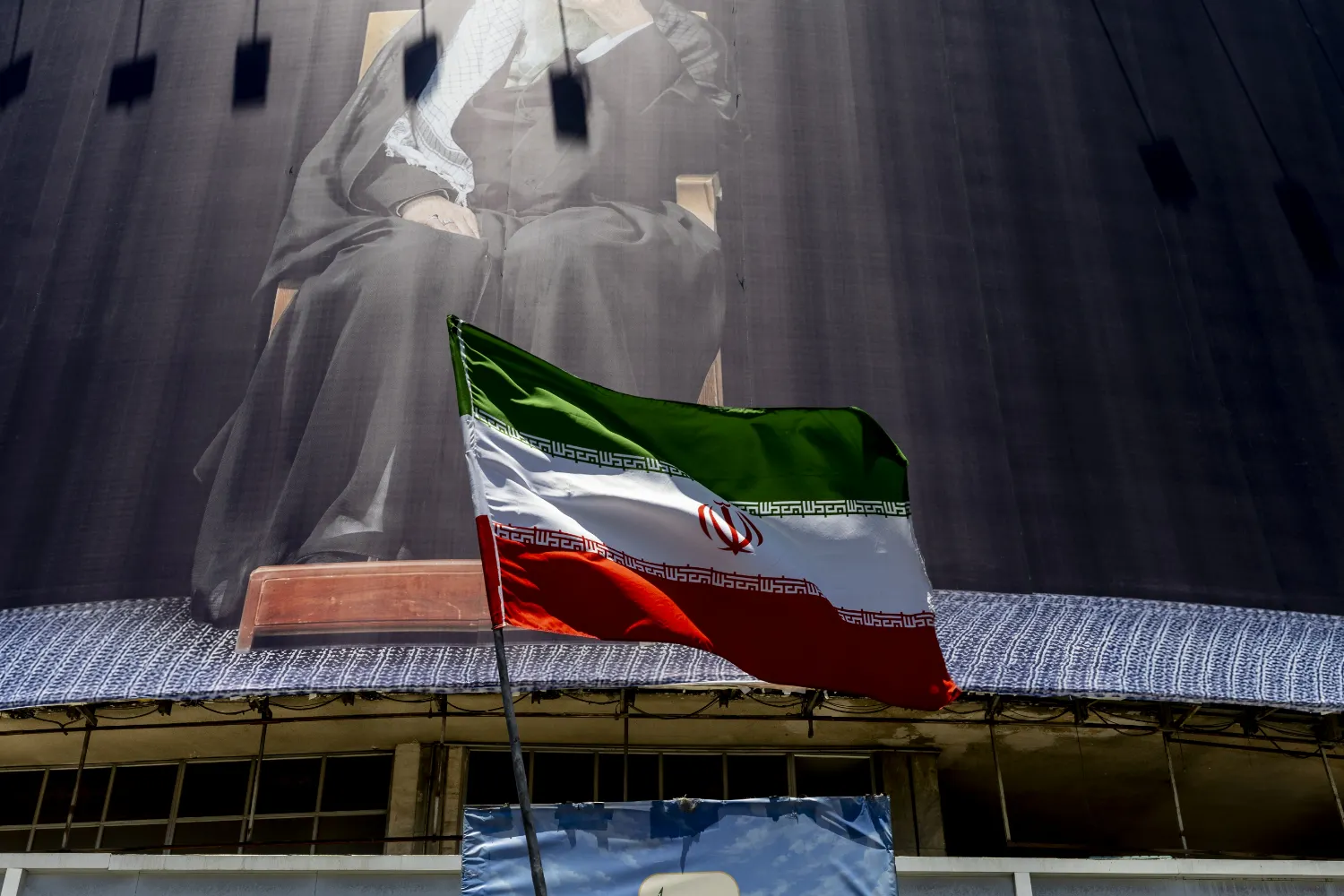
    Deciphering the U.S.-Iran Deal

    The United States and Iran have struck a memorandum of understanding to end the war that began in February. Will the deal last? And what does it mean for the United States, the Middle East, and the world? Ali Vaez has long been involved in unofficial dialogues with Iran and the United States, and he joins FP Live to analyze the deal. Plus, Ravi shares his read on why the cease-fire deal, despite its flaws, will hold. FP Staff: U.S.-Iran Memorandum of Understanding: Full Text Duncan B. Hollis: Is the MOU a Treaty or Not? And Why Should We Care? Matthew Kroenig: The U.S. Won the War With Iran Paul Musgrave: Iran Is a Bigger Defeat Than Vietnam Will Todman: Everyone Lost the War With Iran Daniel Byman: How the Iran Deal Sets the Stage for More Conflict Nik Kowsar and Alireza Nader: Ordinary Iranians Won’t See a Dime of Trump’s Money Learn more about your ad choices. Visit megaphone.fm/adchoices

Showing 1–20 of 33 episodes