Skip to content
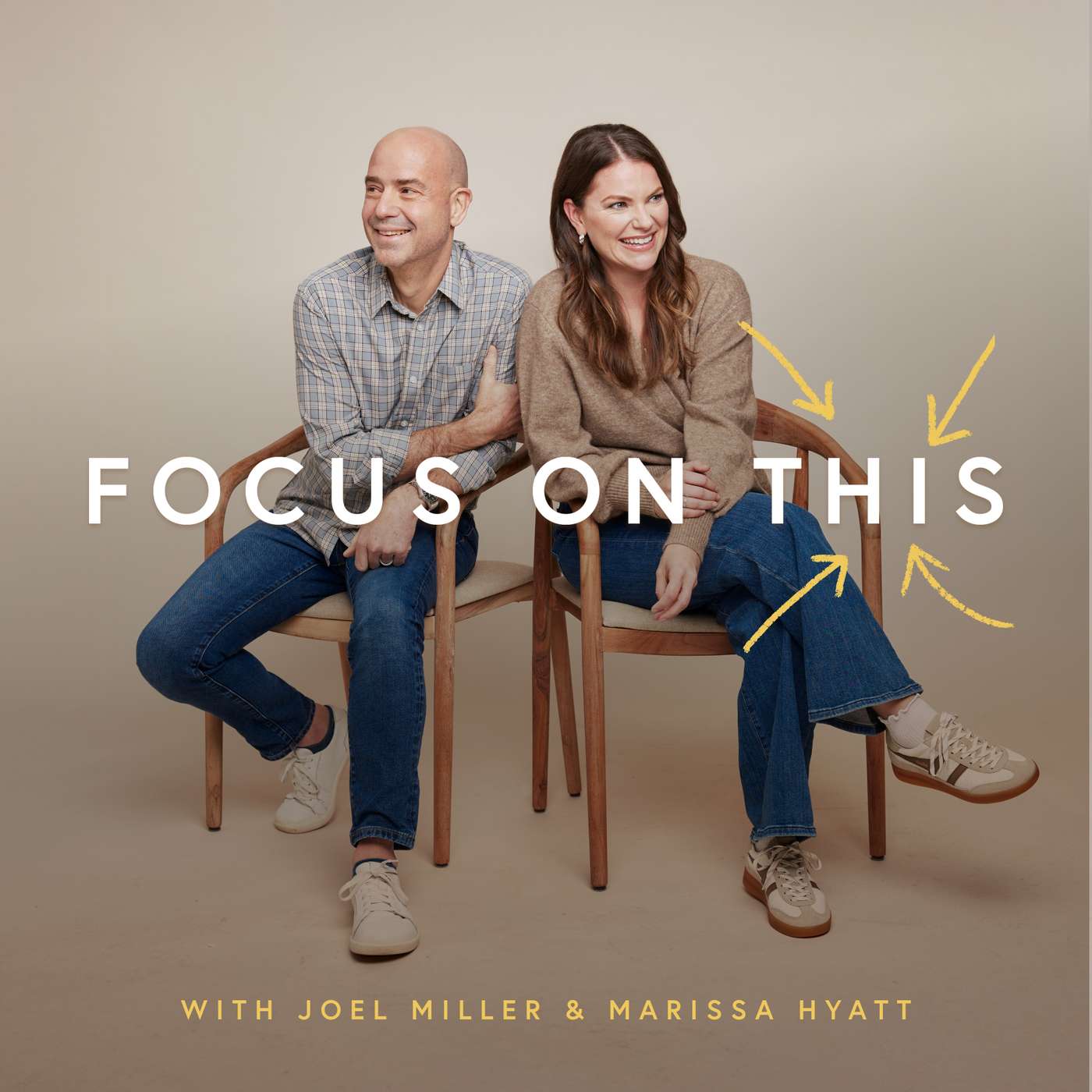
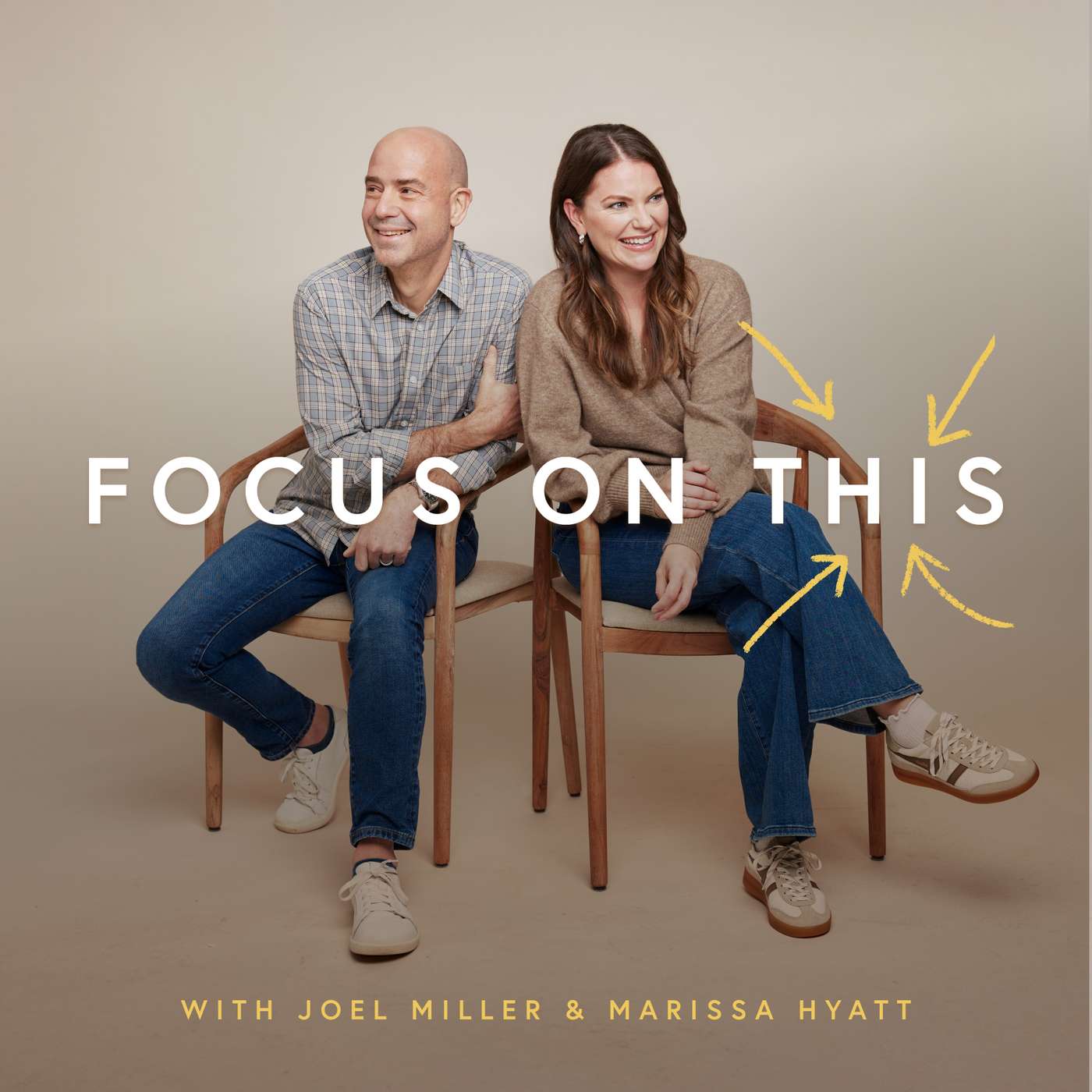
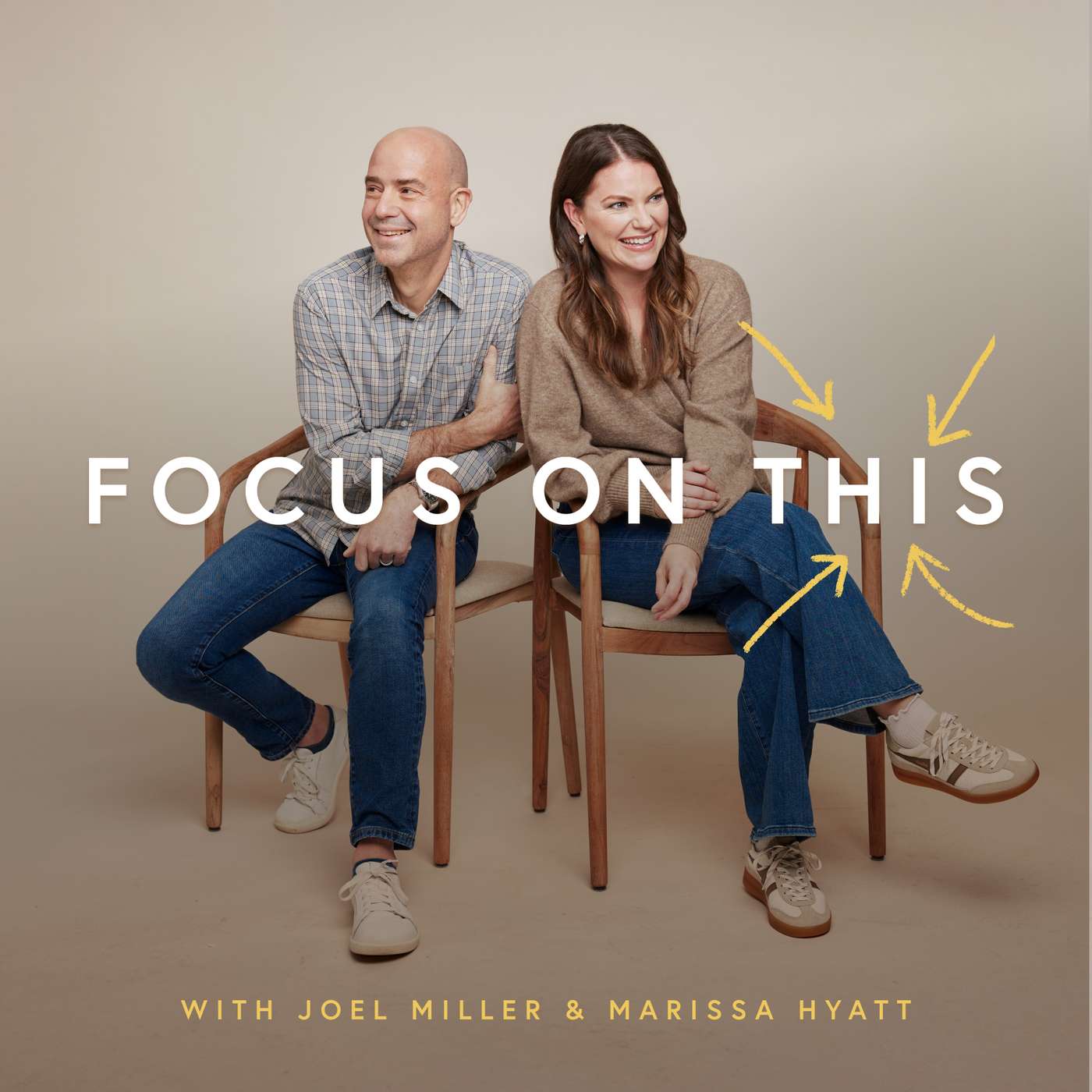
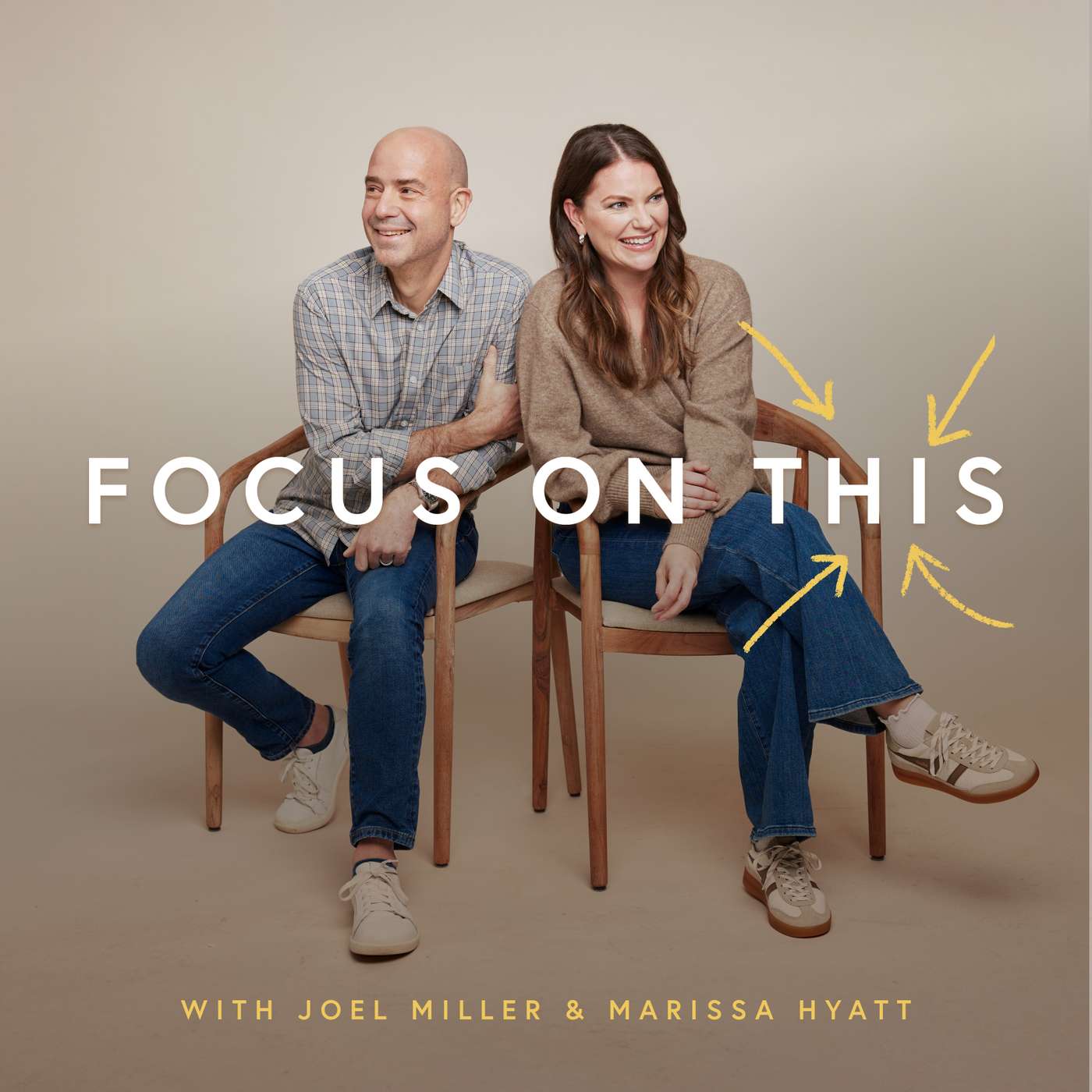
Artwork for Focus on This
BusinessEducation

Focus on This

Full Focus

Start loving Mondays! Join Marissa & Joel each week for practical strategies, weekly rhythms, and honest insights to help you slow down, show up, and live intentionally. Based on the proven Full Focus methods used in the Full Focus Planner™, each episode offers habits, mindset shifts, and real support so you can quiet the noise, follow through, and build a life that feels good to live. Ready to focus on what really matters?

Play
  • 20 episodes
  • weekly
  • Avg 27 min
  • English
  • #303
    Monday · 38 min

    Introducing Your WorkStyle: Why the Same Advice Keeps Not Working

    You’ve tried the system, the reset, the earlier alarm, the batched tasks, the protected mornings—and somehow you keep landing in the same place. In this episode, Joel and Marissa return from hiatus to introduce the WorkStyle Assessment and explain why one-size-fits-all productivity advice keeps failing you. The truth underneath it: the challenges are universal, but you are particular, and the way you work is different from the person next to you. When you understand your own default mode, you can play to its strengths (and stop tripping over its traps). Key Takeaways The Challenges Are Universal. Everyone faces the same handful of realities: overload (too much to do), overwhelm (too much to handle emotionally), real human constraints, and a need for rest and clarity. Our individual experiences are all shaped by these universal challenges. But You Are Particular. How you got here and where you go next depend on who you are. We differ in what motivates us, where we get stuck, how we feel about rest, how we respond to help, and how we relate to uncertainty—so the productivity method that works for someone else may not work for you. Meet the Five WorkStyles. Each WorkStyle has a strength that makes them exceptional and, pushed too far, leads to their exhaustion: the Giver (generosity), the Achiever (drive), the Juggler (capability), the Optimizer (high standards), and the Improviser (curiosity). This is a default you return to under pressure—not your identity. Your Secondary Style Changes the Picture. The assessment gives you a primary and a secondary style, and the second one reshapes how the first shows up. Two jugglers can look completely different depending on what backs them up—which is what keeps you uniquely you. Do It With Your Team. Self-awareness is only half the payoff; the other half is empathy. When a whole team knows one another’s styles, you build trust, collaborate better, and can name the friction—because you’re guaranteed to work alongside every one of these styles. Resources Take the Assessment: fullfocus.co/ws This episode was produced by Sarah Vorhees Wendel of VW Sound

    • Transcript
  • #302
    August 24 · 2 min

    We're Back!

    This episode was produced by Sarah Vorhees Wendel of VW Sound

    • Transcript
  • #301
    May 25 · 21 min

    What's Ahead This Summer

    Watch on YouTube at: https://youtu.be/OYJgPIaC48E This episode was produced by Sarah Vorhees Wendel of VW Sound

    • Transcript
  • #300
    May 18 · 39 min

    What to Do When Life Hits the Fan?

    Everyone has a plan until life punches them in the face. In this episode, Joel and Hannah tackle what to do when chaos strikes—a family crisis, a health scare, an unexpected bill, a work emergency—and how to stay productive, grounded, and sane while you're in the thick of it. The answer isn't pushing harder. It's doing less, on purpose, and protecting what keeps you human until you come out the other side. Key Takeaways Strategically Lower the Bar. When a crisis hits, scaling back your expectations is one of the smartest plays you can make. A Daily Big One executed faithfully beats an abandoned planner every time. Consistency at a lower level preserves momentum. Protect Your Rituals. The small, predictable rhythms of your day—morning coffee, an after-work walk, a bath before bed—are more important during chaos, not less. They cue your nervous system that you're safe, help you downshift, and keep you feeling like yourself. Reduce Decision Load. Decisions cost you something, even small ones. In a hard season, eliminate choices wherever you can (meals, outfits, routines) so you can protect your best thinking for the decisions that actually matter. Ask for Help. It feels counterintuitive, especially when you're most stressed, but people want to help. Feeling supported doesn't just feel better—it makes the problem itself feel more manageable, even when nothing about the problem has changed. Ask the Essential Question. "What's the most important thing I can do right now?" works in productivity, and it works in crisis management. It separates what's truly essential from what can wait, be rescheduled, or dropped entirely. This episode was produced by Sarah Vorhees Wendel of VW Sound

    • Transcript
  • #299
    May 4 · 30 min

    The Question That Cuts Through Everything

    Most of us are working hard, but not always on the right things. In this episode, Joel and Hannah dig into the one question that cuts through overwhelm, busyness, and the pressure to do it all: What's most important right now? Simple to ask, harder to live—but the rewards on the other side are clarity, purpose, and a life that actually feels like yours. Key Takeaways Demands Will Always Outpace Your Capacity. No amount of optimization will give you more than 168 hours in a week. The goal isn't to fit it all in, but to decide what belongs. That shift, from doing more to deciding better, is where real productivity begins. Priority No. 1: Escape “Downhill Work.” Answering email, clearing notifications, filling out reports—none of it is bad, but it's easy to fill an entire day with tasks that don't require your best thinking and don't move anything meaningful forward. Recognizing the difference is half the battle. It’s a Two-Part Question (Both Parts Matter). What's most important identifies high-leverage, values-aligned work. Right now grounds it in the actual constraints of the real time, energy, and attention you have today—not some ideal non-reality. Know Your Yes Before You Say No. Saying no gets easier when you're clear on what you're protecting. When you know what you're committed to, the asks that compete with your priorities become much easier to renegotiate. Make It a Habit, Not Just a Question. The goal is to internalize this question until it becomes a filter: an automatic reflex that runs before you dive into your task list each morning. Tools like the Weekly and Daily Big Three exist to make that reflex concrete and repeatable. Watch on YouTube at: https://youtu.be/68IkYuC9gJw This episode was produced by Sarah Vorhees Wendel of VW Sound

    • Transcript
  • #298
    April 27 · 24 min

    The Human Superpower That's Making Life Harder

    We’re wired to read other people's minds, or at least to think we can. And most of the time, we don't even realize we're doing it. In this episode, Joel and Hannah unpack the fascinating neuroscience behind mind reading, why it's both essential and deeply flawed, and what it actually costs us when we let our assumptions run the show. The good news: the solve is simpler than you think. Key Takeaways Mirror Neurons Are Almost Magic. In the 1990s, scientists discovered neurons that fire both when we perform an action and when we watch someone else perform it. These mirror neurons are the biological foundation of empathy. They’re also part of why we create stories about what other people are feeling and thinking. We Try to Read Other People’s Minds. Maybe you’re assuming everything is equally urgent (it’s not). Maybe you decide you’re in trouble (you’re not). Maybe you think others disapprove of your work (they don’t). These faulty stories burn emotional energy unnecessarily. We Expect Others to Read Our Minds. Not intentionally, of course. But the Curse of Knowledge can cause us to forget that other people don’t know what we know. The result? We leave other people guessing about important information, and the likeliness of miscommunication and relational tension skyrockets. Slow Down and Check the Story. Before acting on what you think someone means, ask. A little curiosity can create clarity that prevents stress, second-guessing, and conflict. Asking can sometimes take humility, but it beats the alternative. Make the Invisible Visible. Make your thinking obvious. “Show your work” and share your experience. Tools like the Vision Caster and the How to Work with Me Worksheet exist precisely to externalize the things we'd otherwise leave to mind reading. The more you make your thoughts and feelings explicit, the less you leave to chance. Resources How to Work with Me Worksheet (Free) Watch on YouTube at: https://youtu.be/6plem4A1qE4 This episode was produced by Sarah Vorhees Wendel of VW Sound

    • Transcript
  • #297
    April 20 · 40 min

    Procrastination: The Dungeons & Dragons Edition

    Procrastination has a reputation problem. We treat it like a character flaw, but what if some procrastination is actually the smartest move you can make? In this episode, Joel and Hannah borrow a framework from Dungeons & Dragons to map out four distinct types of procrastination. Once you know the difference, you can start being strategic about not just what you do, but when. Key Takeaways Lawful Good: Strategic Delay Is a Productivity Tool. Proactively putting something off—like waiting to give feedback until the timing is right or deferring a goal until you have bandwidth—is actually a form of good planning. This productivity strategy is wildly underused and incredibly simple. Lawful Evil: Just Because You Can Doesn't Mean You Should. This form of procrastination creates real harm for others, even if it’s technically in bounds. We’ve all done it: punting a meeting when everyone else is ready, sitting on a decision that affects your team, or RSVPing "maybe" when you know it's a no. You might not be footing the bill, but someone else is. Chaotic Good: Save Room for the Magic. Some people do their absolute best thinking on the edge of a deadline. That last-minute brilliance is real, but it causes ripples. The move isn't to eliminate it; it's to build in runway, communicate proactively, and keep it to a mindful minimum so the magic doesn't become a mess. Chaotic Evil: The Kind That Costs You. Some procrastination is reactive, avoidant, and genuinely harmful to others and to your future self. It includes: sitting on resentment until it explodes, ignoring the check-engine light on your body, not responding to a message until the relationship just quietly fades. This one deserves to be taken more seriously than most people take it. It's Not Just What You Do, But When. Getting strategic about timing, not just tasks, is what sets you up for a different kind of success. The Full Focus Planner's monthly calendar is a practical starting point for sequencing decisions and creating the margin you need to do your best work. Watch on YouTube at: https://youtu.be/yKvGXP4jioc This episode was produced by Sarah Vorhees Wendel of VW Sound

    • Transcript
  • April 6 · 2 min

    Gremlins!

    Announcement for April 6th & April 13th episodes

Showing 1–20 of 20 episodes