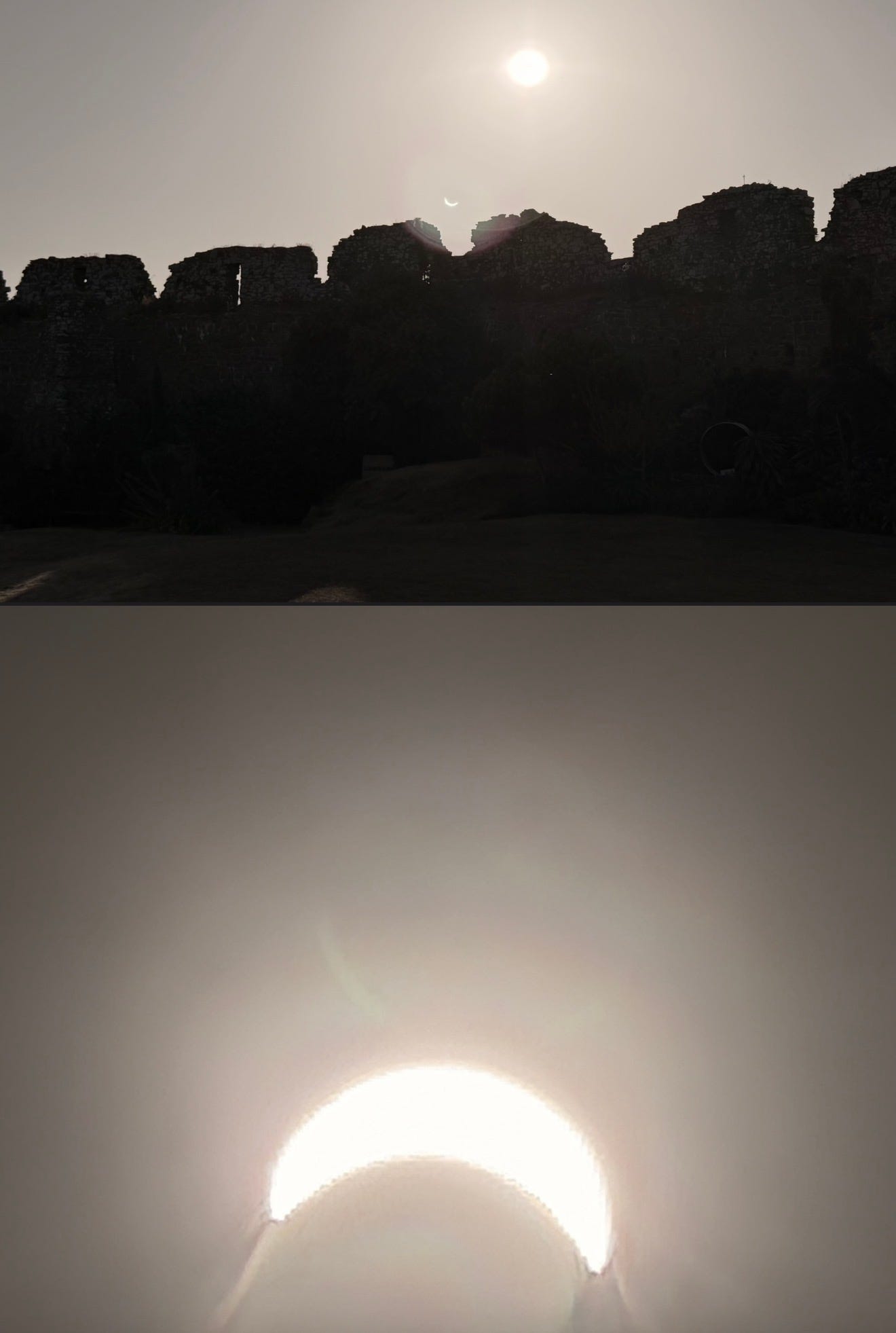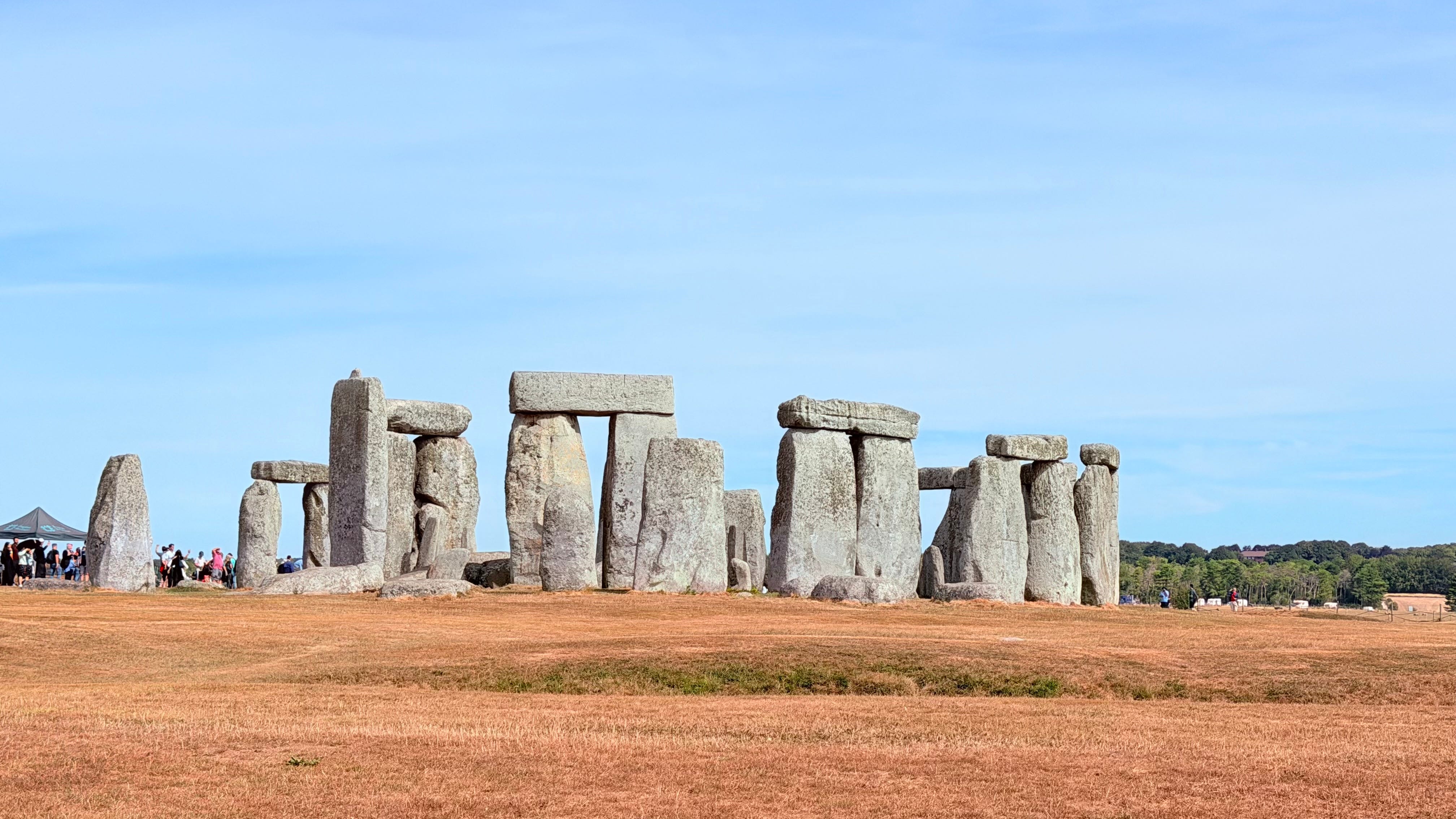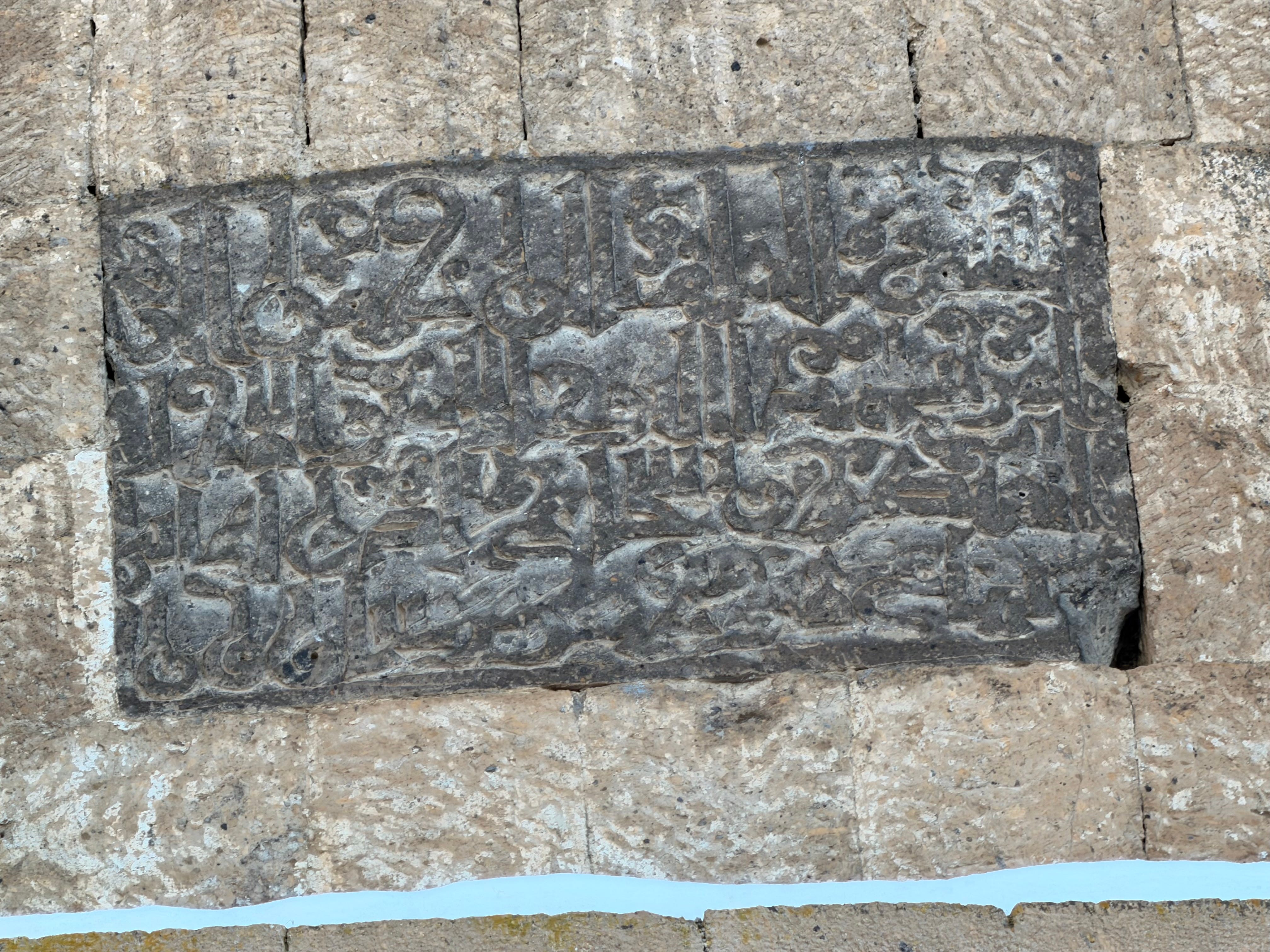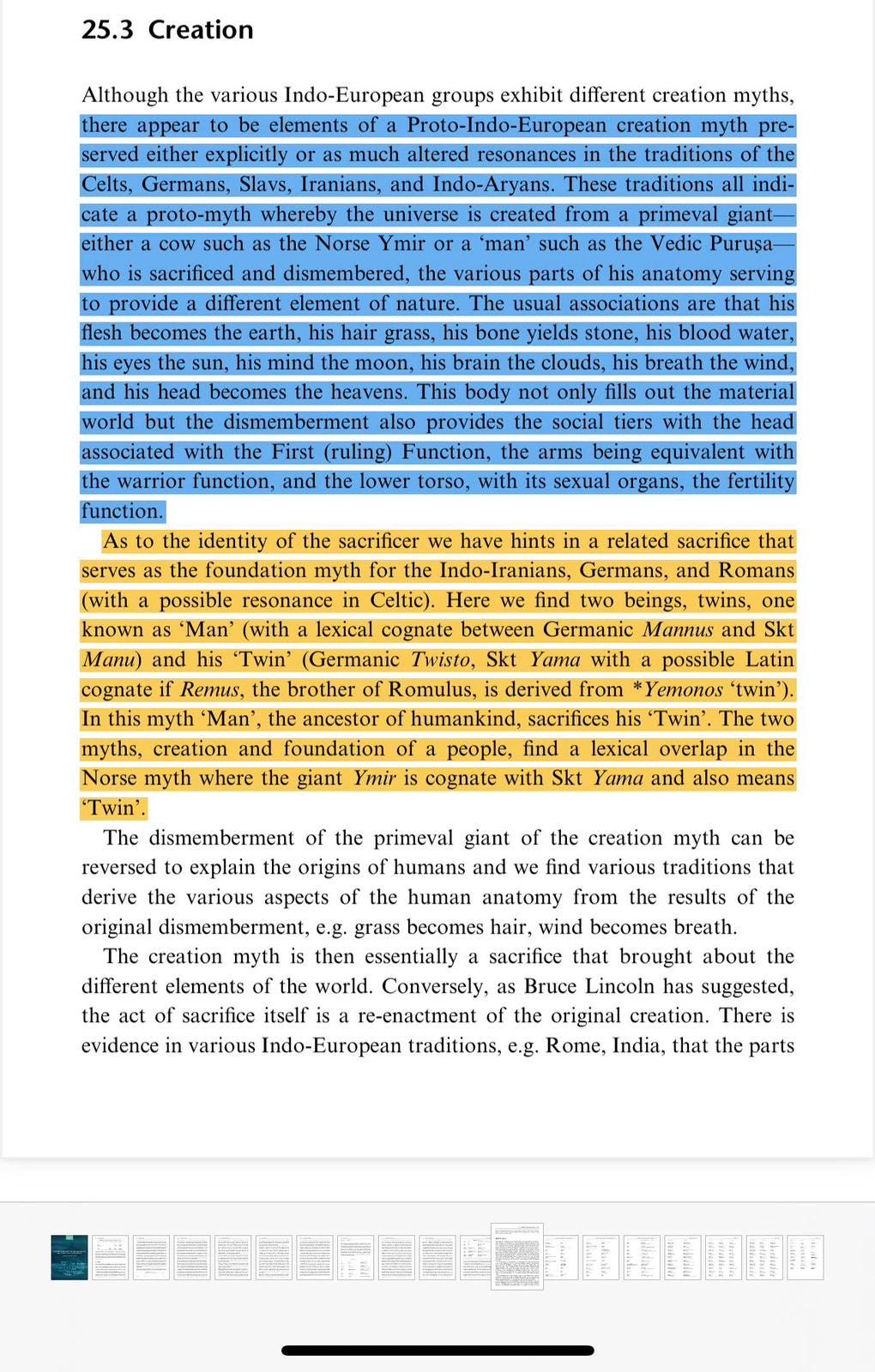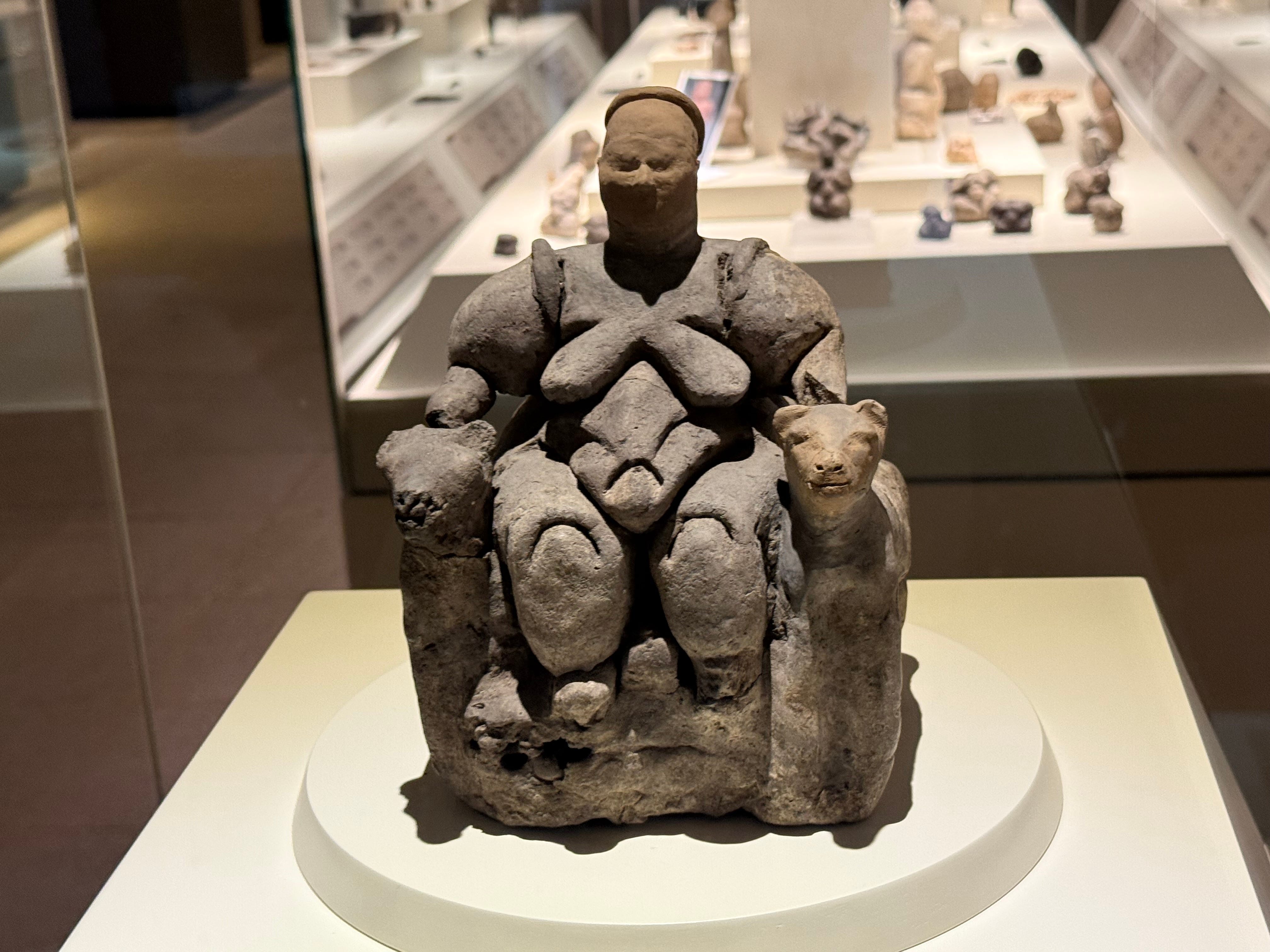
Podcast | The Crossroads
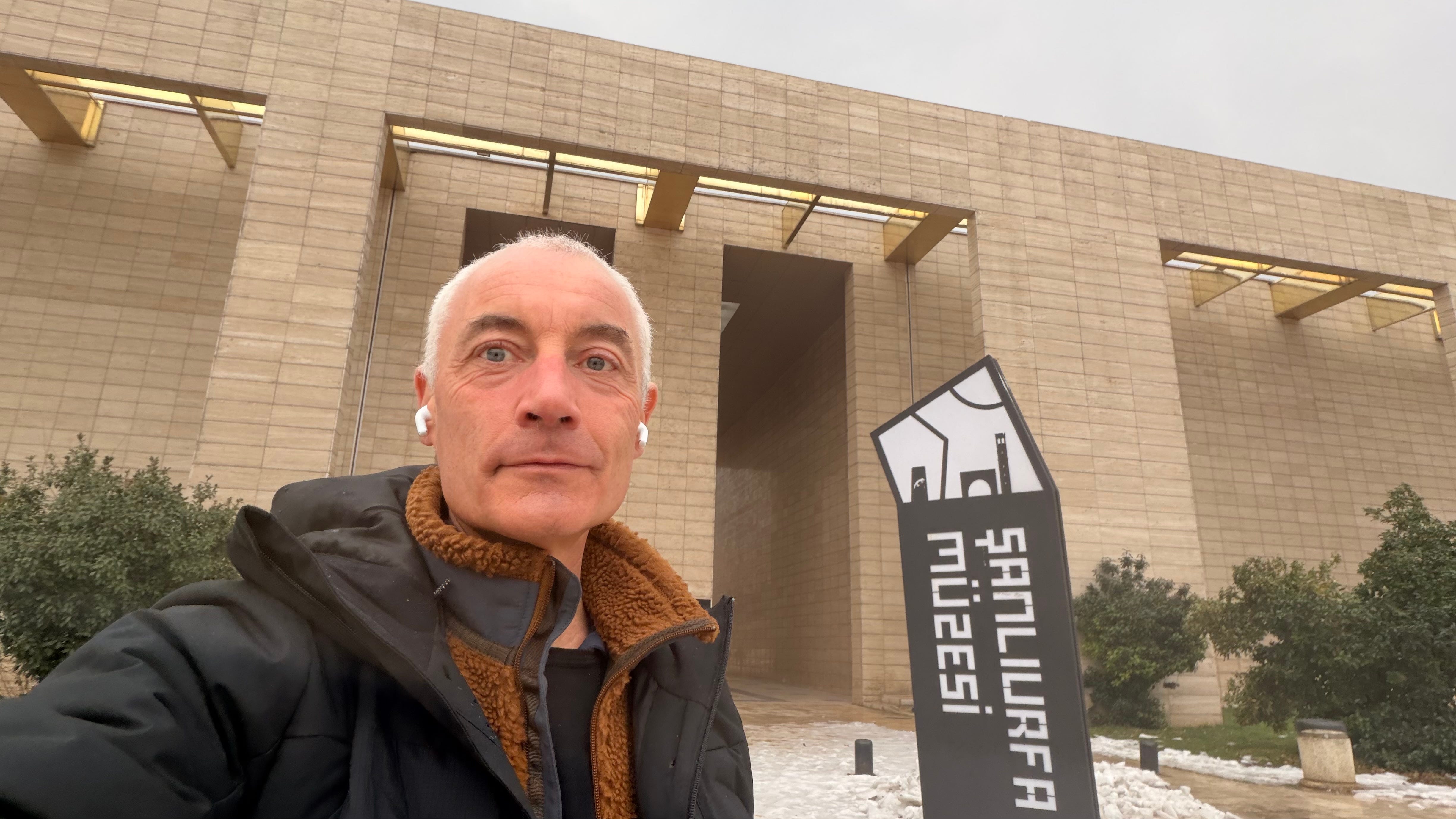
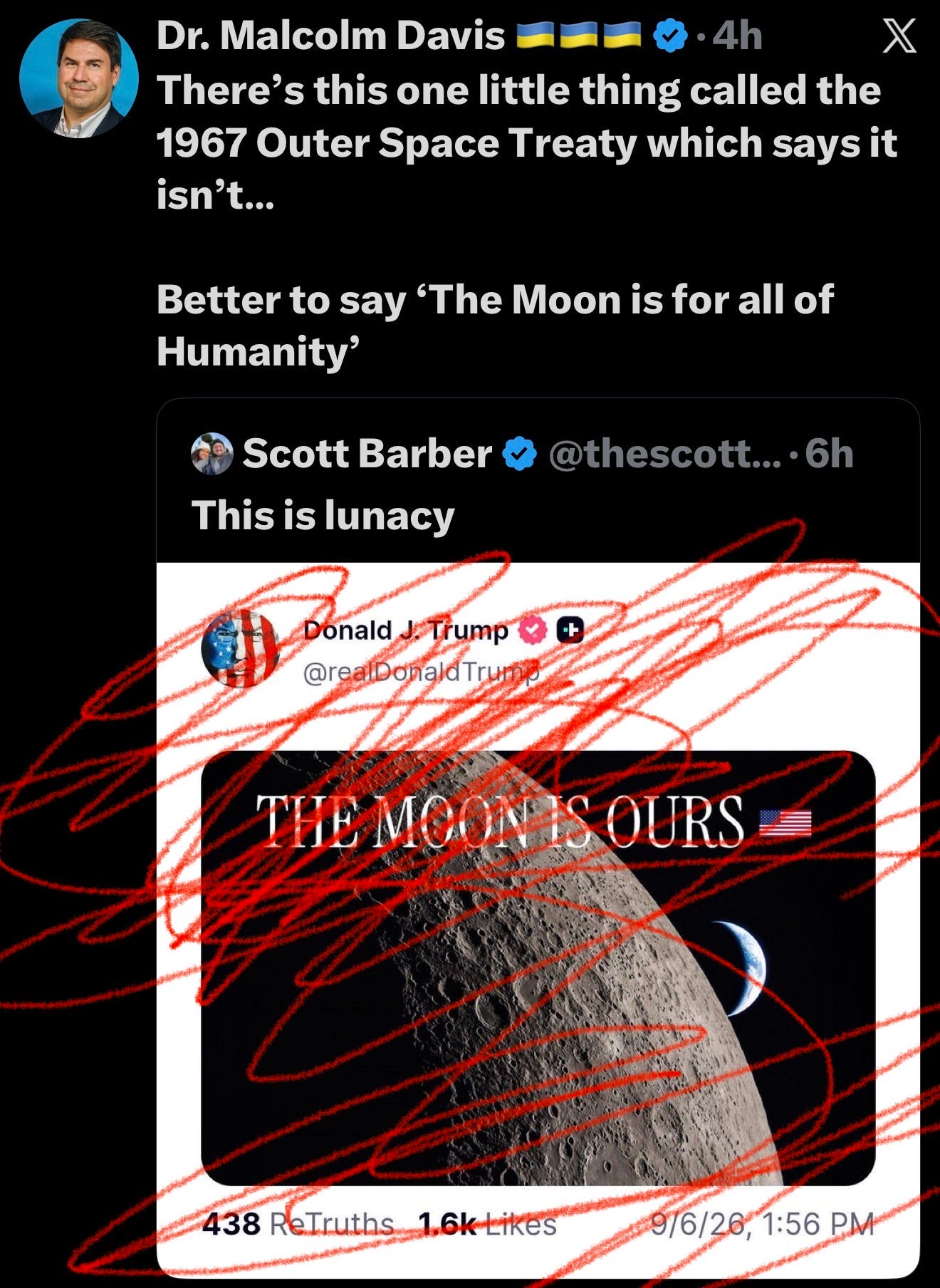
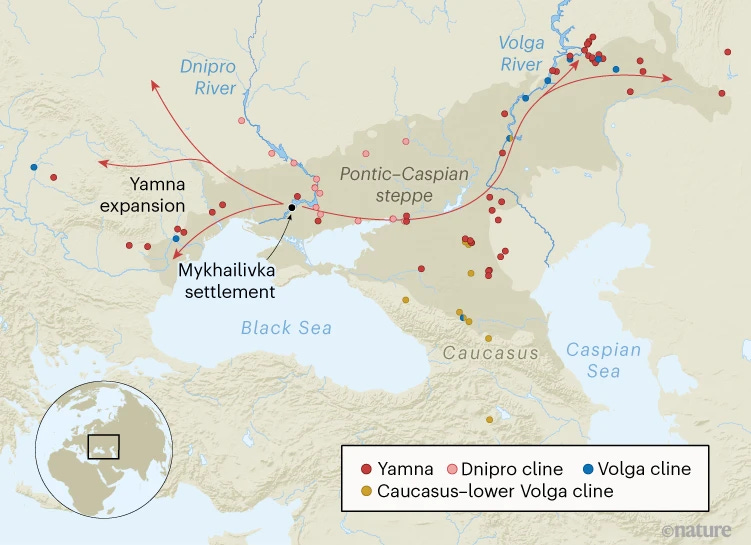
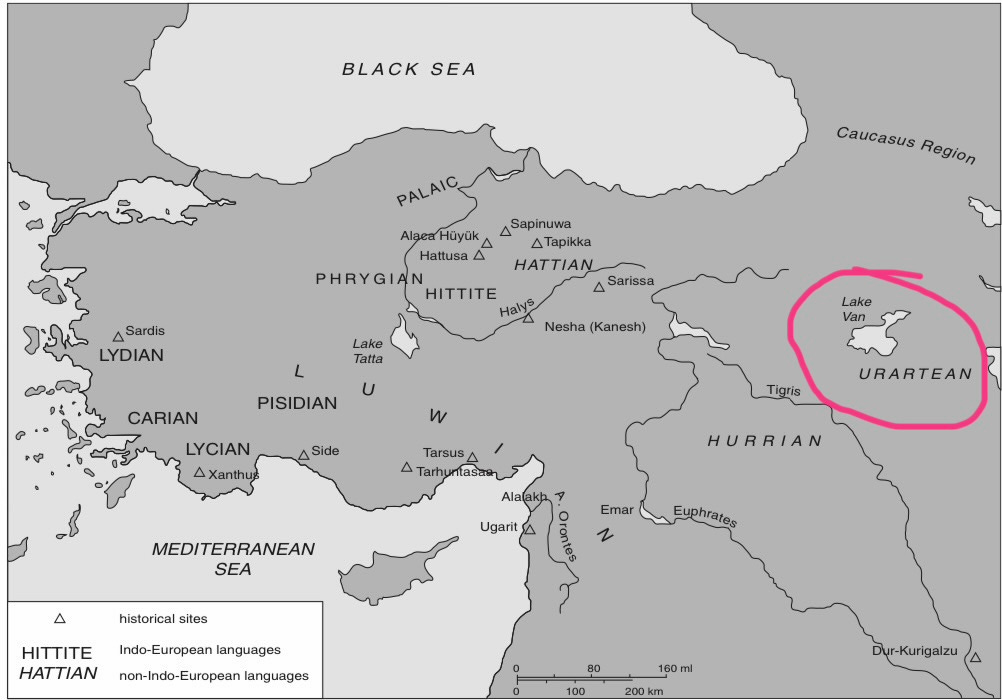
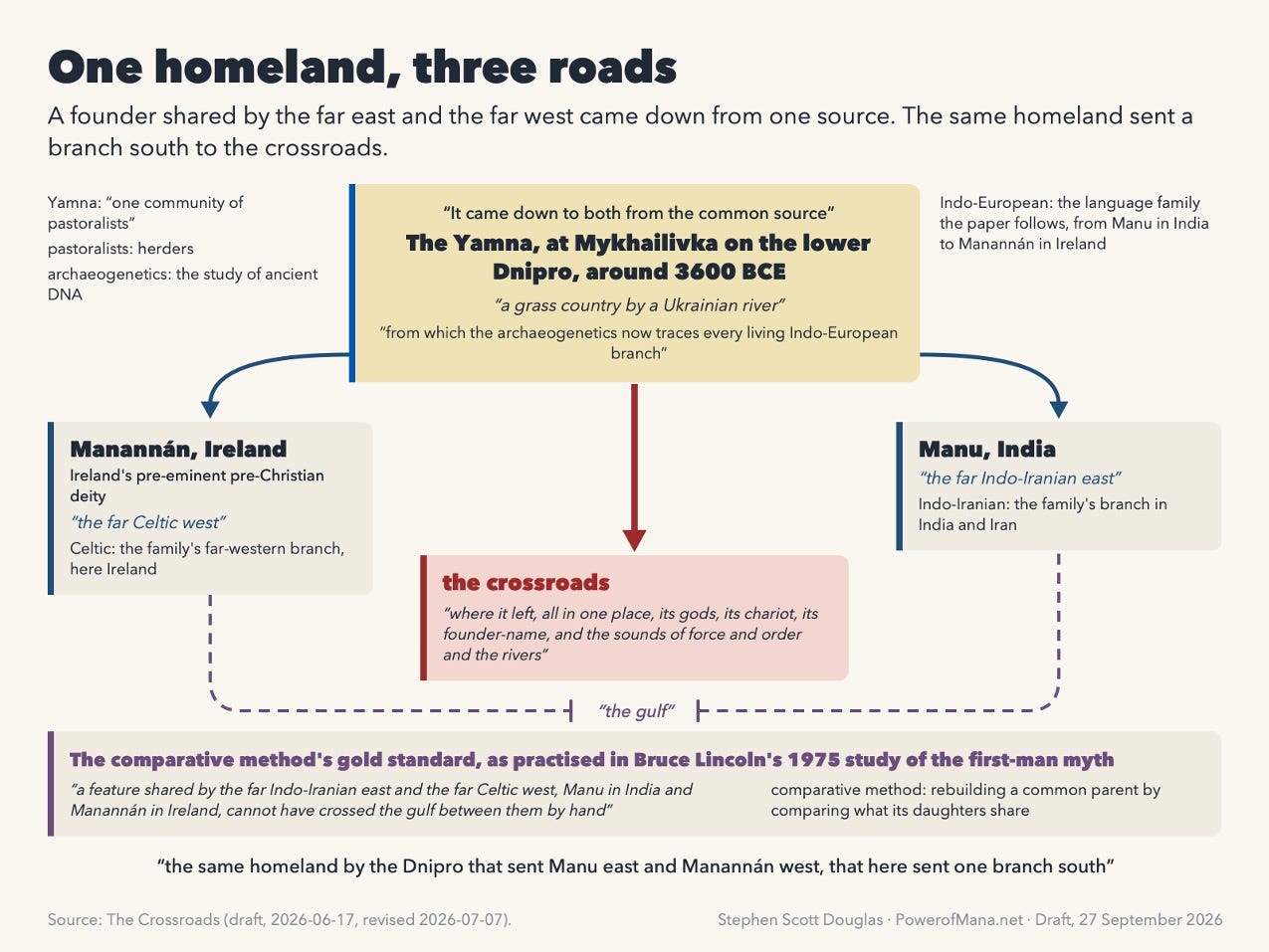
The first of the Atlas journeys I introduced you to the Atlas series of Finding Manuland in five podcasts, published over the last while. This is the very first of the Atlas journeys proper. I saved one of the best for it. Radiating out of this one is a series of pathways through the Anatolian side of Manuland. We will use them to show the method, the linguistics and the organising focus for the journeys still to come. Someone posted on Substack today that their mind was being blown by this series. That is a wonderful thing to hear. My own mind is, frankly, blown by it too. Today I also gained beta access to one of the first world models open to early adopters. I saw a month or two ago that it would come out in beta, and that people were invited to send in their use cases. I made mine about Finding Manuland and the Atlas papers. A world model is a neural network that builds spatial images and camera-controlled video, up to a minute long, from photographs, films or drawings. The very first proper vision network depended on ImageNet. The creator of ImageNet is the person behind this new world model, made by World Labs. I am very excited about it. Over the weekend I will play with it. The first thing I will try is a journey around Mykhailivka, the village on the Dnipro from which all living Indo-European languages set out. I have the archaeologists’ drawings of the excavations there, and I will test World Labs on them. There are conditions attached to the beta, so I will have to be careful about what I post. But we will see what I can do. So stay tuned. Where the crossroads is So, the crossroads. Bring your mind to the modern state of Türkiye. Many of you will have been there on holiday, probably on the westernmost coast, near Smyrna, or Kaş. I spent two wonderful weeks camping down in Cilicia, opposite Cyprus. That is not where we are going. We are going east. You may not have a mental model of this part of the world. I certainly did not, before I began all of this work a few years ago. So if you have a chance, now or later, open Google Maps or Apple Maps, or an atlas if you have one in your library. Look at Türkiye and go east. You will find Lake Van. It is always big on the map, on any depiction of Anatolia from ancient times onwards, because it is a huge saltwater lake. Just below it is the place I am calling the crossroads. Each episode of Finding Manuland has three parts. There is the M-N- sound. There is the linguistics. And there is the journey, the itinerary. Calling these episodes an Atlas does not mean giving up any of the three. The roads that cross The Ukrainian Yamna steppe inheritance did not only run east, to India or to Tajikistan. Picture a wheel with spokes radiating out of it. At the great crossroads of the ancient world, just south of Lake Van, the Indo-European family’s deepest sounds crossed too. This is where a treaty swore the Vedic gods centuries before the Rigveda. The Rigveda is the oldest surviving holy book in Indo-European culture. Modern scholars believe its poems, songs and prayers were settled into their form around 1200 BCE. Centuries before that, we have this treaty, sworn under the moon-god of Harran. I visited Harran last January. I had to hurry through it, unfortunately. It was late in the day, and I had been in the Tektek Mountains looking for another ancient shrine to the moon-god. We will return to Harran, on the podcast and on the ground. This is also where a monarch named Menua built his realm, at Ararat. Its own people called it Biainili. It was based at the modern city of Van. You may remember the video I filmed there last January, on an amazing blue-sky, snowy day. I was the first to go up to Van Castle that morning. In biblical times the Biainili people were known as Urartians. Menua, with the M-N- in his name, was the son of one of its founders and a founding figure himself. Just south of Van is Menua’s Canal, still called by his name today. That is where the crossroads begins, the roundabout this episode is about. And all of these things are caught together on one clay tablet, before the East had written any of them. By the East I mean Iran, and India. In earlier episodes I followed the road east to India and Iran. We will travel that road again. This road turns south-west, to the place where all the roads cross. It is the upland where Anatolia, Mesopotamia, the steppe and Iran all meet. It is the country of Van and Mardin, of Urfa, the modern city of Şanlıurfa, glorious Urfa, and of Harran. I have stood in all of those places. And that area holds something that ought to be on the first page of every history of the West, and somehow never is. Selling the inheritance down the river This week the US Secretary of State made a video, and an appalling speech, in front of the Acropolis. He was trying to tie his undergraduate course on Western civilisation to the beginning of Greece. Those of us who have listened to Finding Manuland know that what we now call Western civilisation began in ancient Ukraine. Marco Rubio and his administration are trying desperately to sell Ukraine down the river. In doing so they are selling the very inheritance they claim to promote. The Nazis did something similar. They went in search of the homeland of the Indo-Europeans, and assumed it was up in Norway, in the Nordic countries. All the while they occupied the very ground around the modern city of Dnipro, the Dnipro River and Zaporizhzhia, which the Russians are relentlessly bombing now. Rubio and his MAGA adherents are promoting the surrender of Ukraine under this peace troll, which they have inherited from their communist and Russian hypnotisers. They could have befriended Ukraine. They could have helped Ukraine drive the Russians out of all of its territory, as will inevitably happen. Instead they are trying to troll Ukraine into defeat. They are not only losing their own country. They are losing the very germ of the civilisation they claim to promote. And in Finding Manuland we know that germ has a place on the map. Two roads to the crossroads The Yamna made a journey to Anatolia around 3600 BCE. It was matched by the journey of the Yamna’s brother and sister culture, which established the first Indo-European languages there. I have said this before, and I will say it again because it matters so much. The first attested Indo-European language is Anatolian, Hittite. You may remember my visits to Kültepe, near the modern city of Kayseri, where the earliest Indo-European writing was found. I have also brought you my discovery in the Museum of Anatolian Civilisations in Ankara. It is among the first Indo-European writing anywhere: a contract in which Tarmana bought a slave, set down in cuneiform on clay. It shows that the M-N- sound, Mana, the sound of energy and charge, is immanent even in the earliest Indo-European writing. So the M-N- sound was not only present among the Yamna in eastern Ukraine. Tarmana’s ancestors had come by another road, through the Areni-1 cave in Armenia, from the upper Volga and the Volga bend. These are parallel tracks. All living Indo-European languages come from the Yamna at Mykhailivka. The dead Indo-European languages, attested first, came by the other road. They include Anatolian, and we have the Hittite libraries of Boğazköy. I visited there in late September and October 2023, an amazing visit. So the journey to the crossroads has two starting points, as far as modern archaeogenetics can tell. One is by the Dnipro, where I spent four years as a diplomat, from 2018 to 2022, and where the Finding Manuland story began. The other road comes from the lower Volga bend. It crosses lands where everyone spoke Ukrainian until the Ruschists murdered, genocided and destroyed their culture, and occupied them. Ukraine is relentlessly striking those lands today. Today it hit the loading bay of the Novoshakhtinsk oil refinery, in Rostov. Everyone there spoke Ukrainian until very, very recently. From that area came the dead Indo-European languages known together as Anatolian. So here is the first meaning of the crossroads in this episode. The Anatolians arrived in this area through the Areni-1 cave. The first of them would have come not long after 4000 BCE. Six thousand years in the mind Every episode of Finding Manuland tries to plant a new spatial model of the Indo-European world, from Ireland to India. It also tries to plant a model of time, as I have been doing in my own mind. That model runs from around 4000 BCE to today. Six thousand years. Most of us had another model installed while growing up, as I did in Western Europe. Ancient Egypt flows into Judaism, into Christianity, into Greece and Rome, and somehow this flows into our own culture and language. That was the model available three centuries ago. It came before archaeogenetics, before the amazing archaeology of recent times, before modern linguistics. In Finding Manuland I fuse those disciplines together: history, archaeology, genetics and linguistics. Some of you will remember the episode where I celebrated Timothy Snyder’s move. The brilliant former Yale historian’s lectures on Ukraine used to begin with the Greek colonies on the Black Sea coast. Then, at a moment I marked in a couple of Finding Manuland posts, someone clearly got to him. They explained what I explain to you in these podcasts. All living Indo-European languages, Greek included, come from the Yamna, on the lands we now call Ukraine. Ancient Ukraine, as I call it for short. So Timothy Snyder began to move his model of Ukraine’s history back a thousand years before the Greek colonists reached its coast, around 1000 BCE. They had come to the land of their ancestors without knowing it. When Apollo travels to the Azov Sea coast on two swans, those who told and wrote the story did not know it. Homer and Pindar, on the west coast of Anatolia and beyond, did not know that their genes and their culture came from there. Their language was an evolution of the language spoken by the Yamna in Mykhailivka. That is the village I will have the World Labs model picture for us. So we can watch, in real time, even an amazing historian like Timothy Snyder stretching his mental models of time and place. I was trained first as a historian, before I became a lawyer, a diplomat and a cultural archaeologist. For a historian, it is all about sources, about texts. Where we have no texts, before the first Greek colonists on the coast of Ukraine, we now have archaeogenetics. This week the Ruschists are removing the stelae in Greek that mark the Greek heritage of Mariupol, which they are temporarily occupying. There are many Greek villages and towns along that coast. The Ruschists have destroyed them and forced out those who identified as Greek. Some may descend from the first colonies, though most were settled in more modern times. Timothy Snyder is not only widening his model of Ukraine, which he has spent his life studying. He is widening his model of history itself, a discipline founded in the nineteenth century, before archaeogenetics and before modern archaeology. A highly disciplined orthodox historian is supposed to set aside genetic or linguistic evidence that complements or contradicts the texts. But you cannot set it aside if you are trying to get to the truth, as he is. So even his idea of what history is grows. That is a small version of what has happened to me, and of what I am trying to help happen in your mind. We widen our mental models of space. So here we are at the crossroads, just south of Lake Van, by Menua’s Canal. You can look it up and find pictures of it. We also stretch our sense of time back six thousand years, then fill in the stretches between then and now. That gives us a different temporal structure from the conventional one of Egypt, Greece, Rome, Judaism and Christianity, which the linguistic and other evidence now contradicts. Mardin by night So this is the upland where Anatolia, Mesopotamia and the steppe meet. Two roads came from the steppe. One brought the ancestors of every living Indo-European language. The other, through the Areni-1 cave in Armenia, brought the ancestors of the now-dead Anatolian languages. And Iran meets them too, south of the saltwater Lake Van. It is the country of Van and Mardin. Mardin is the most amazing place. You see it from a distance, lights above an escarpment, a sort of small mountain. I was heading to Mardin knowing nothing about it. I went because of the name. It has the D-N- in it and the M-N- in it, and I thought, that sounds interesting, let me check it out. As night fell I was driving towards it, after quite a journey. I came through what would have been named Kurdistan, had the Kurds attained statehood. I crossed mountain ranges in the snow. Google Maps kept sending me down roads too full of snow, so I had to take other turns. I was never sure I would get there. Eventually I found my way up the mountains and down again. Then I saw the first road sign for Mardin, about thirty kilometres away. I am going to make it tonight, I thought. I am going to make it by nightfall. In the distance I saw a small mountain with lights on it. There was no archetype in my mind for anything like it. At first I thought it might be a statue lit up in the distance, a cross or an Islamic monument. Gradually it resolved itself. It was big. There were lights all the way across the top of it. I will put up a picture so you can see what I mean. Oh my gosh, I thought, this is where I am going. How amazing. And then I got there. If you ever have the chance to go to Mardin, please do. You must. If you ever have the chance to visit the crossroads I am describing today, you must. It is amazing. That is the third element of each Finding Manuland episode. I am trying to whet your appetite to visit these places. Urfa, Abraham and Harran Then there is Urfa, Şanlıurfa, glorious Urfa. The historical Abraham of biblical fame, a founder of the Abrahamic religions, is believed to have been born there around 2000 BCE. That gives you something to hang the new mental model on. 2000 BCE is two thousand years after the first Indo-Europeans set out and eventually reached Anatolia to found the Anatolian languages. It is also around two thousand years after the Yamna community at Mykhailivka began to cook up what would become all the living Indo-European languages. It took another thousand years for the stories of Abraham’s time to cook into the ethnogenesis of the Jewish community, which grew out of the Semitic-speaking community Abraham belonged to. Around 1000 BCE we have the historical King David and the historical King Solomon. The stories of Abraham in the Old Testament began to be written down in the first millennium before the common era. That is the richness of a city like Urfa. Some say Abraham came from Ur, which I have written about in the context of Enheduanna, the first named author in human culture. Others say Urfa. I have filmed there too. And then Harran. Into the historical era, the community there worshipped the moon-god. My hypothesis is that the M-N- sound comes from the word the Yamna at Mykhailivka, in Kherson Oblast, used for the moon. I call it the moon-based metaphorical semantic signalling system. So in a series about the M-N- sound you might forgive me for being very keen to visit Harran. I was just too tired that day. I will return. So use those four places as your rough idea of the crossroads. Van, just below the lake. Mardin. Urfa. Harran. Iraq is just over the border from Mardin. You wake up there on your first morning, look out from the top of the escarpment, and see Iraq in the distance and the whole flat land of Mesopotamia. Move westwards to Urfa and Harran, and Syria is over the border. This was northern Mesopotamia in ancient times. Today it is part of the modern state of Türkiye. One community from India to Ireland This whole area ought to be on the first page of every history of the West. Somehow it never is. One of my long-term goals with Finding Manuland is to change more than my own mental model of time and place. More than yours, too. I want to change it across our whole culture, from India to Ireland, and to introduce the idea of Manuland as one community. That includes Turkic-speaking people, though it is mainly the Indo-European-speaking peoples. And we can unite behind that idea. That is my ambition, for this podcast and for the whole project. So: the gods of the Veda, written down in a treaty in the fourteenth century BCE. Not in India, but here at the crossroads, four hundred years before there was a Veda to write them in. The Rigveda was settled into songs and only written down long after this treaty. The treaty has been known for a century, and I will lean on it hard here. But the crossroads holds more than the names of the gods. It is where the roads of the whole Indo-European family cross. The Anatolian road crosses here, and so does the road of the part of the family we all belong to. If you can understand these words in any Indo-European language today, you are an emanation of the Yamna at Mykhailivka, on the Dnipro. Most of us between Ireland and India are, genetically, to one extent or another. All of us are, culturally. If you speak the lingo, your words and the way you think come from there, even in your second, third or fourth language. Maybe you speak many Indo-European languages. Then your brain is really pickled in what the Yamna of Mykhailivka became. The Rigveda is still kept today by the Brahmin priests, in the Brahmanas, and arranged in Mandalas, which are books, or worlds. Monde. The M-N- is there in Brahman, in Mandala and in monde. So this is the first of the Atlas journeys after the five introductions. At the crossroads the deepest sounds cross. There is the founder-sound, the M-N-, the sound of force, Mana, energy, charge. There is the sound of order: right and writ, and its reversal, T-R-, the trickery of the druj, the lie. There is the sound of the homeland’s rivers, the D-N-. The Donets, where I worked for three years from 2015 to 2018, in Stanytsia Luhanska. The Dnipro, where I worked for the following four years as a diplomat, from 2018 to 2022. The Don, the Donets, the Dnipro, the Dnister and the Danube are all D-N- rivers in the homeland. That is one of the reasons Mardin caught my eye. And the moon is under all of them. The M-N- sound under all of them, caught together in one place, the crossroads. At its centre is one document. If you want to see the Finding Manuland system whole, before India or Greece or Rome had written a word of it, the crossroads is where to look. The sound, and where it comes from The thing Finding Manuland follows is a small recurring sound. M, a vowel, N. It sits under the names of the founder-figures across the Indo-European family. India’s founder is Manu, the first human and lawgiver. The Germani have Mannus, M-A-N-N-U-S. You may remember my podcast series Which came first, Manu or Mannus. Feel free to go back to it, to read it or to listen if you prefer. Iran has Aryaman. Crete has Minos. Wales has Manawydan. Ireland has the pre-eminent deity of pre-Christian Ireland, a sea-god to some and sovereign of the Otherworld, son of Lir: Manannán. And it has Érimón, the first high king of all Ireland after the fall of the Tuatha Dé Danann and the death of his brother Donn. Donn and Danann. The D-N- again, as in the Don, the Donets, the Dnipro, the Dnister and the Danube. At the very crossroads this episode is about stands the Urartian king Menua. In a seventh branch the sound runs reversed. At Rome it is N-M-, Numa. The mythological founder of the Latin, Italic branch is Numitor, grandfather of Romulus and Remus. Numa succeeded Romulus as the lawgiver. So, Numa, N-M-. In Ireland there is Nemed too, in the mythological record. He came from Scythia, long before the Tuatha Dé Danann and before Donn, one of the sons of Míl, the third wave to take the island. In that record every one of these waves comes from Scythia, an ancient name for Ukraine. Donn, as I often mention, is the grandson of the son of Scythia. So, long before any of the evidence I speak about, the archaeogenetics and the linguistics that helped convince me, the monks who wrote down Ireland’s mythological record knew this. They set it down in the Book of Invasions, kept in the Book of Ballymote. It was kept, too, in the Book of Druim Snechta, which is lost. Apparently the last copy was swapped for a copy of Isidore of Seville’s Etymologies. We have billions of copies of that. It was the Wikipedia of its time. The Irish monks who made the swap made a real mistake. But I suppose they needed their Wikipedia. So we have the M-N- in the founder names of six of the eight living branches, and its reversal, N-M-, in a seventh. A single match would be a coincidence. Six branches carrying the same founder-sound is inheritance, not chance. Later we will come to how I was able to test this, and to show that it is far beyond chance. So the system is old. It is not borrowed late. The proof is the comparative method’s own gold standard, practised at full strength by a friend of this podcast, Bruce Lincoln, whom I talk about a lot. In his 1975 study of the first-man myth, a feature is shared by the far Indo-Iranian east, which lies very close to the crossroads, and the far Celtic west. Manu in India and Manannán in Ireland cannot have crossed the gulf between them by hand. It came down to both from the common source. That is one community of pastoralists, the Yamna, at Mykhailivka on the lower Dnipro, around 3600 BCE. The archaeogenetics now traces every living Indo-European branch to them. Why that sound So why the M-N- sound under the founders’ names, passed down to us through so many mythological traditions from Ireland to India? My hypothesis, throughout Finding Manuland, is the moon. It has the status of a hypothesis. Modern linguists have reconstructed around a thousand words used by the Yamna, working backwards from all the living and dead Indo-European languages. The settled view among Indo-European linguists is that the Yamna’s word for the moon, the Proto-Indo-European word, was mḗh₁n̥ōt. It has two parts, meh₁-, measure, and a suffix. The moon was named for its work as a measurer. The moon is a dark body that holds light and gives it back. It is the one thing in the night sky in which the invisible becomes visible, as your mind becomes visible in your body. That made it the figure for what tells a mind from a body, a living thing from a stone. Suppose you were one of the Yamna, wanting to say: this is a stone, but this is a living being, another human. You might use the metaphor of the moon, of light shining through it, as through a vessel. It is the first body anyone watched die and return, month after month. Month, of course. So the lit-through, the measuring and the minding words gather the M-N- sound. That is my hypothesis. The linguist Allan Bomhard sets out the family of the men- root, to think. It surfaces as Sanskrit manas, Greek menos, Old High German minna, love, and Old Norse munr. That pattern is what I call a cryptotype. The word is Benjamin Lee Whorf’s, for a category a language carries without marking it on the surface. Flicker, flutter, glimmer and glow feel like one family of light-play, though no grammar files them as such. Manu and Menua ride the M-N- founder field by that covert kind of membership. Here is the thing to carry through the rest of this podcast. The M-N- is not the only such sound family our languages keep. Others shadow it. There is a sound for force, a sound for order, a sound for the great rivers. Each is a cryptotype in its own right, and each usually surfaces alone, in different words, in different centuries. What makes the crossroads extraordinary is that here they surface together. Mens rea Take a word this podcast has been circling without naming. Mens, M-E-N-S, the mind. And behind a deed, the mens rea. I studied criminal law at Trinity Hall, Cambridge. Its device, from its foundation in 1350, is the moon, a crescent. For there to be criminal liability for an act, there must be the mens rea, the intention. There is the actus reus, the act itself. But there must also be an intention, a Mana, an energy in it, which is projected back onto the person being judged liable or guilty. So mens rea carries the M-N-. It is a Latin formula, now English, and it means the guilty mind. A court must find it before it can convict. It is used countless times a day, in common law systems like English or American law. What a law needs is not a measurement of the act but the charge inside it. It is the intention that animated the hand that supposedly committed the crime. Animated, with the N-M-, the reversal of M-N-, inside it. Mana is exactly that charge. In the Power of Mana it is the energy in us, “the well from which all our intentions / motivations / attitudes / Mens Rea flows.” That is what the M-N- sound keeps carrying, wherever it surfaces under these founders’ names. Mana is the subtle energy in Buddhism and in Indo-European religion. It is also the subtle energy in words: their meaning. The M-N- is the subtle energy that turns mere matter into mind. It is the thing that tells a person lit from within from a stone. The moon is only the means of picturing this metaphor, and it carries the M-N- too. Light shines through the moon the way that charge, that energy, that Mana, shines through a thing, an object or a human. The way a meaning shines through the word that holds it. Around the crossroads, where the Hittites also reigned, people gave a divine energy to almost every living and non-living thing around them. The Romans did the same in early, archaic Roman religion. This idea of Mana, of energy in things, was deified. It animated the minds of Indo-Europeans on both strands. The Hittites came on the Anatolian strand, through the Areni-1 cave in Armenia, with the M-N- in it too. The Romans came from the Italic branch. As far as expert linguists can tell today, the Italic, Celtic and Germanic branches came out of a long meeting, over hundreds of years or more, between the Yamna and the Usatove people. That happened in a place we will visit again: Chornomorsk. A leap in linguistics from Chornomorsk Chornomorsk is south-east of Odesa. I usually say east, but I have looked at a map, and it is really south-east. It is a big port, and the Russians are bombing it relentlessly at the moment, so nothing is moving from there. Boris Cherny, the creator of Claude Code, was born in Chornomorsk. His name probably comes from it, though he is now thoroughly American. I think he left when he was around four years old. Claude Code is yet another world-changing technology that many listeners may never have heard of. It lets anyone give a computer commands in natural English. So anything a computer controls can now be controlled through ordinary spoken English. A massive leap in linguistics, from the same place. So, measure is the moon’s quieter job, as a keeper of the calendar. It keeps the moon-word provable. We know that mḗh₁n̥ōt comes from the Yamna community, as the word for the moon. I started from noticing the M-N- sound in so many founder names and words. Then I tried to work out what was going on. There is a certain energy, a certain Mana, common to moon, measure, mind, human, carmen and a heap of other words. What could be behind it? My hypothesis is that they can all be read as emanations, and there is the M-N- again, of the moon-based metaphorical semantic signalling system. I was looking through those thousand Proto-Indo-European words. When I saw the moon, mḗh₁n̥ōt, among them, I thought: wow. Maybe this is not just an interesting phenomenon. Maybe the ubiquity of the M-N- sound, in the founders’ names and in almost every sentence we speak, comes from this foundational moon-based system. As far as I know, I am the first researcher to look for an answer to the question of the M-N- sound’s ubiquity. And I am the first to propose that it comes from mḗh₁n̥ōt and the moon-based semantic signalling system. You do not have to accept any of this as true. Put brackets around it and use it as an organising focus. Maybe all you will get from these podcasts is a way to pass the time while you cut the grass or walk the dog, or distract yourself from some pain in your life. Or maybe you will take it as the inspiration for a journey to Mardin. Spend a week there. It may change your life, as it changed mine, as so many places have that I found by searching for the patterns beneath the M-N- sound. The noise and the tune The sound itself is only so much noise. It is bound to come round again and again, in any language, by accident. What no accident accounts for is that the meaning follows the noise. So I talk about sound-meaning bundles. I am not talking about the sound M-N- by itself. I am talking about the bundle. The M-N- in mḗh₁n̥ōt carries a meaning, and you hear it in meaning itself. A signifier tells you that one word has a meaning you can express in other words, so the two are connected. The light of one word’s meaning shines through another word, and we say: X means this. That is the sound-meaning bundle travelling across time and space, from the Yamna at Mykhailivka over six thousand years into my mind, and through mine into yours, as I talk to you on Finding Manuland. And there it is, immanent in almost every sentence we speak. It arrives over and over in this sense of light, or Mana, or energy, shining through particular words. It is the charge that turns matter into mind. That steadiness, over six thousand years, is the thing to explain. And it is the evidence. In Part Two we go into the crossroads itself: the Mitanni treaty, the gods sworn in it before the Veda, the moon-god of Harran, and Menua at Ararat. Get full access to Power of Mana at www.powerofmana.net/subscribe