Skip to content
Artwork for Faith & Finance
BusinessInvestingReligion & SpiritualityChristianityEducationHow To

Faith & Finance

FaithFi

Faith & Finance is a daily radio ministry of FaithFi, hosted by Rob West, CEO of Kingdom Advisors. At FaithFi, we help you integrate your faith and financial decisions for the glory of God. Our vision is that every Christian would see God as their ultimate treasure. Join Rob and expert guests as they give biblical wisdom for your financial journey and provide practical answers to your pressing financial questions. From budgeting and debt management to investing and stewardship, Faith & Finance equips listeners with insights to handle money wisely and live generously for God's Kingdom. Listen now or ask your question live by calling 800-525-7000 each weekday from 10-11 a.m. ET on American Family Radio and 4-5 p.m. ET on Moody Radio. You can learn more at FaithFi.com.

Play
  • 26 episodes
  • daily
  • Avg 24 min
  • English
Counted on this page — what you have heard stays on this device, so it is not something the list can be paged by.
  • #1027
    Yesterday · 24 min

    The Significance Pyramid with Scott Highmark

    What if financial success isn’t the destination, but simply the foundation for something greater? We spend a great deal of time thinking about how to earn, save, invest, and manage money wisely. Those things matter. Faithful stewardship requires care and wisdom with what God has entrusted to us. But what happens when you’ve done many of those things well and still find yourself wondering, Is there something more? Scott Highmark, President and Co-Founder of Mosaic Wealth, a Certified Kingdom A

  • #1026
    Thursday · 24 min

    Just-the-Basics Indexing with Mark Biller

    Investing can feel overwhelming. With countless funds, strategies, market forecasts, and opinions competing for attention, it’s easy to assume that successful investing requires constant analysis and a complicated portfolio. But it doesn’t have to. For decades, Sound Mind Investing has offered an indexing strategy called Just-the-Basics, designed around simplicity, diversification, and minimal maintenance. According to Mark Biller, Executive Editor and Senior Portfolio Manager at Sound Mind In

  • #1025
    Wednesday · 24 min

    What the Early Church Can Teach Us About Generosity with Dr. Darrell Bock

    “There was not a needy person among them.” That remarkable statement in Acts 4:34 describes the early church's generosity. The first Christians freely shared what God had entrusted to them so their community's needs were met. Their example can sound almost foreign in a culture that prizes independence and personal ownership. But according to Dr. Darrell Bock, Senior Research Professor of New Testament Studies at Dallas Theological Seminary (DTS), the generosity we see in Acts reflects somethin

  • #1024
    Tuesday · 24 min

    Finding Hope After Financial Loss

    Financial loss can happen slowly or all at once. A business closes. A home is lost. An investment collapses. A scam wipes out savings built over decades. And when money disappears, the loss can reach far beyond the balance sheet. It can affect our sense of security, our plans for the future, and even the way we understand God’s provision. Scripture does not minimize those losses. It gives us permission to grieve them. But it also reminds us that while we can lose wealth, we cannot lose our tru

  • #1023
    Monday · 24 min

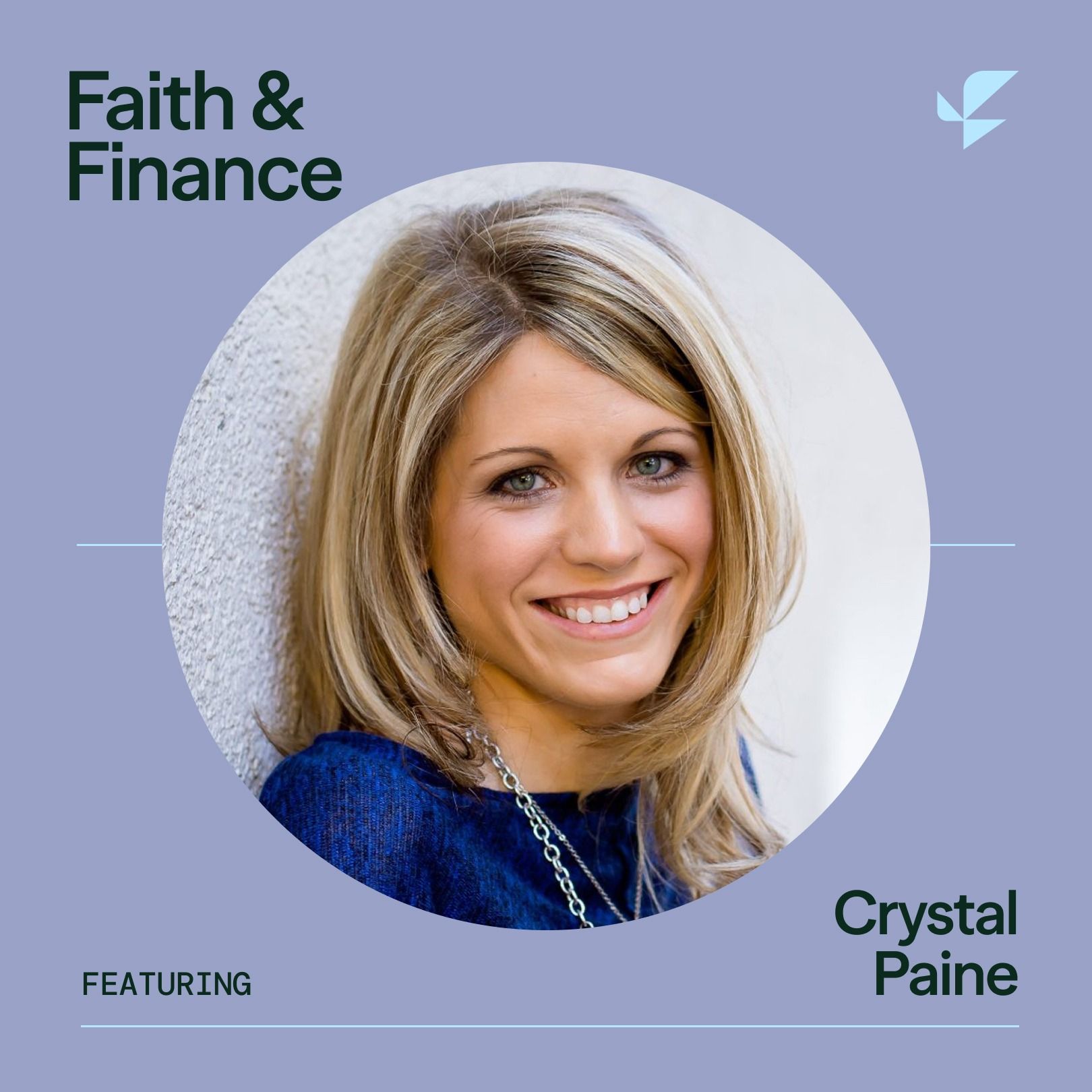
    Building Healthy Money Habits While Raising Kids with Crystal Paine

    Money stress rarely stays confined to a spreadsheet. It can shape a home's atmosphere, affect a marriage, and influence how children think about money long after they’ve grown up. That’s one reason Crystal Paine, creator of MoneySavingMom.com and author of The Seven Habits of Financially Healthy Women, believes financial health is about far more than simply earning more or getting all the numbers right. In fact, when Crystal surveyed 4,000 women about their relationship with money, one theme s

  • #1022
    September 11 · 24 min

    Phoebe: The Gospel Patron Behind Paul with John Rinehart

    Women have played a vital role in advancing the gospel from the very beginning. In Romans 16, the Apostle Paul introduces us to Phoebe—a trusted partner whose generosity, influence, and service helped further his ministry. Her story offers a compelling picture of what it means to use the resources God has entrusted to us to advance the gospel. John Rinehart, founder and CEO of Gospel Patrons, has spent years studying and telling the stories of men and women who have supported gospel ministry t

  • #1021
    September 10 · 24 min

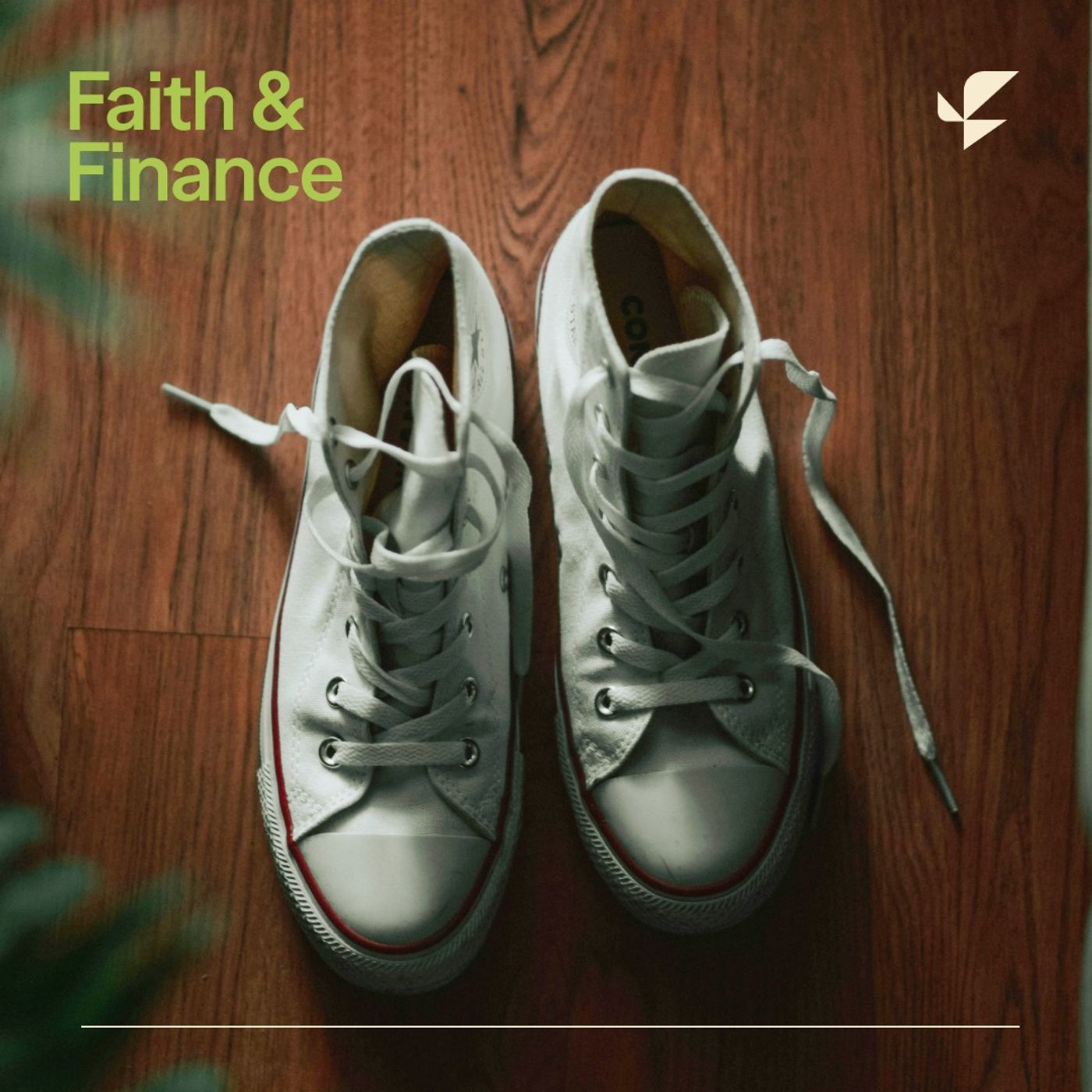
    Back to School Starts with a Pair of Shoes with Shawn Spurrier

    For millions of vulnerable children around the world, a pair of shoes can mean far more than having something new to wear. It can mean the difference between going to school and staying home, between greater protection from disease and continued exposure, and even between feeling forgotten and knowing someone cares. That’s why FaithFi is partnering with Buckner Shoes for Orphan Souls throughout September, a ministry of Buckner International, to help provide new shoes and socks to children in ne

  • #1020
    September 9 · 24 min

    Making Financial Progress When Money Is Tight with Brian Holtz

    When money is tight, the financial goals you want to pursue can feel frustratingly out of reach. You may want to give more generously, build your savings, or pay down debt, but there simply doesn’t seem to be enough margin to do everything. The good news is that financial progress doesn’t always begin with a giant leap. Sometimes, faithfulness looks like taking one small step at a time. Brian Holtz, CEO of Compass Financial Ministry, says that whether financial pressure comes from past choices

  • #1019
    September 8 · 24 min

    Investing with Biblical Convictions with Brian Mumbert

    What if the companies in your portfolio are working against the values you’re trying to live by? For Christians, investing is about more than pursuing financial returns. Like every other financial decision, investing can be viewed through the lens of stewardship—asking not only, “How is my money growing?” but also, “What is my money supporting?” Faith-based investing seeks to bring those questions together. Brian Mumbert, president of Timothy Plan, joined the show today to explain how faith-b

  • #1018
    September 7 · 24 min

    A Wise Heart in Every Financial Season

    In the first century B.C., Roman historian Sallust observed, “Prosperity tries the souls, even of the wise.” Most of us would probably choose financial prosperity over adversity. Yet both seasons bring their own spiritual challenges. When things are going well financially, it can be tempting to take credit for our success. Pride, greed, and self-reliance can quietly take root. Financial hardship brings different temptations—self-pity, bitterness, envy, or fear. Scripture offers a better way.

  • #1017
    September 4 · 24 min

    Money Issues Are Heart Issues

    Money has a way of reaching places in our lives that few other things do. It touches our fears, desires, relationships, priorities, and sense of security. That may be why Jesus spoke so often about money and possessions. In Matthew 6:21, He says, “For where your treasure is, there your heart will be also.” Jesus understood something we often miss: money issues are often heart issues. Our financial choices can reveal what we trust, what we desire, and ultimately what we treasure.

  • #1016
    September 3 · 24 min

    How Christian Banking Supports the Body of Christ with Aaron Caid

    Where you bank may seem like a purely practical decision. We often compare interest rates, fees, convenience, and technology—and those things matter. But for Christians, banking can also be viewed through the larger lens of stewardship. Every financial decision gives us an opportunity to consider how faithfully we are managing the resources God has entrusted to us. Aaron Caid, Chief Marketing Officer at AdelFi Christian Banking, joined the show today to discuss financial discipleship, the role

  • #1015
    September 2 · 24 min

    Medicare Made Simple with Eddie Holland

    Medicare may be one of the most important—and confusing—financial decisions you make in retirement. Between enrollment deadlines, late penalties, Medicare Advantage, Medigap, prescription coverage, and income-based premiums, there are plenty of decisions to navigate. And because some choices can have long-term financial consequences, understanding the basics before you enroll is an important part of wise stewardship. Eddie Holland, Senior Private Wealth Advisor and Partner at Blue Trust, as we

  • #1014
    September 1 · 24 min

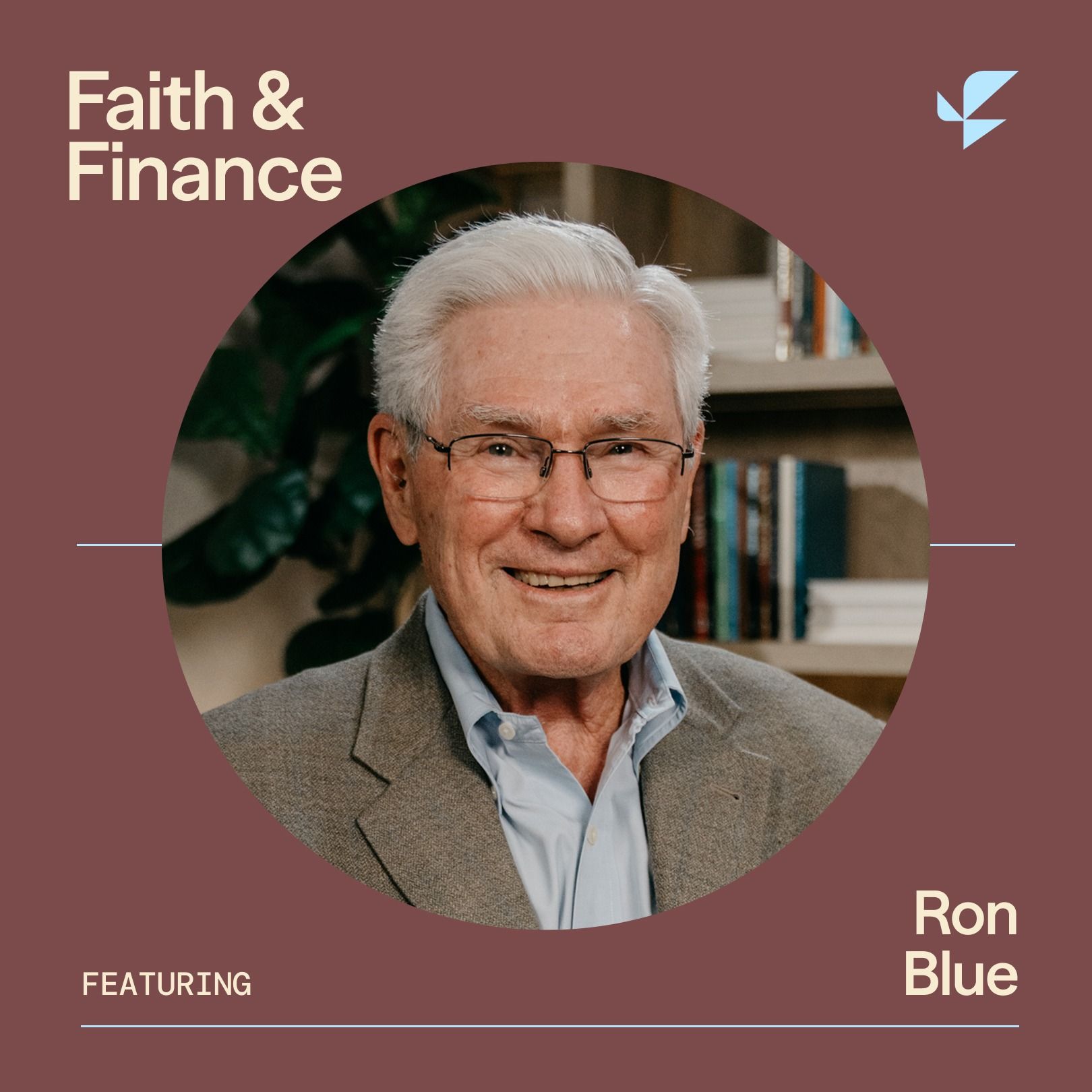
    The Uniqueness Principle: Rethinking Inheritance with Ron Blue

    Puritan poet Anne Bradstreet once wrote, “Wisdom without an inheritance is better than an inheritance without wisdom.” Every parent hopes the resources they leave behind will bless their children. But a financial inheritance can have very different effects depending on the person receiving it. That is why wise wealth transfer requires more than simply deciding how much to leave—it requires careful thought, prayer, and an understanding of each child’s unique circumstances. Ron Blue, co-founder of Kingdom Advisors and longtime teacher on biblical stewardship, calls this the uniqueness principle. Equal Love Doesn’t Always Require Equal Treatment Studies show that many parents divide their estates equally among their children. There is certainly nothing wrong with that approach, but Ron encourages parents not to make equality the automatic default. As he explains, God loves each of His children equally, but He often treats them uniquely. The same can be true within a family. Children may grow up in the same home and sit around the same dinner table, yet adulthood can take them in very different directions. They may marry differently, parent differently, pursue different careers, experience job losses, accumulate different levels of wealth, or develop very different approaches to money. Those differences can matter when determining how an inheritance should be passed down. The question is not simply, “How can I divide everything evenly?” A better question may be, “How can I steward these resources in a way that truly benefits each child?” Three Questions to Ask Before Leaving an Inheritance When Ron and his wife, Judy, began thinking seriously about their own estate plan, they used three questions to evaluate what an inheritance might mean for each of their five children. 1. What is the worst thing that could happen? Imagine giving a particular amount of money to a particular child. How could that money negatively affect his or her life? For one child, the concern may be minimal. The money might simply be given away. For another, however, a large inheritance could create tension within a marriage, reinforce unhealthy financial habits, reduce motivation to work, or create other unintended consequences. 2. How serious would that outcome be? Not every negative possibility carries the same weight. Some may be inconvenient but manageable. Others could damage relationships, character, or financial stability. Parents should carefully consider the seriousness of each potential consequence. 3. How likely is it to happen? Finally, consider probability. A possible problem is different from a probable one. Together, these questions provide a framework for thinking beyond percentages and dollar amounts to the actual impact an inheritance could have. Your Estate Plan Should Change as Life Changes Another important part of the uniqueness principle is recognizing that circumstances rarely remain the same. When Ron and Judy first began asking these questions decades ago, their children were at very different stages of life than they are today. Careers changed. Marriages developed. Families grew. Financial circumstances shifted. As a result, Ron says the answers they would give today are very different from the answers they would have given 25 years ago. That is an important reminder: An estate plan should not necessarily be a one-time decision. As circumstances change, parents may need to revisit both their assumptions and their plans. Don’t Pass Wealth Without Passing Wisdom Underlying Ron’s approach is one of his most important principles: Don’t pass wealth unless you pass wisdom. Wealth does not automatically produce wisdom. In fact, money can magnify whatever attitudes and habits already exist. Wisdom, however, can help someone steward wealth faithfully—and even create additional resources through diligence, generosity, patience, and wise decision-making. That means preparing the next generation involves far more than preparing legal documents. Parents can begin transferring wisdom long before they transfer wealth by talking openly about stewardship, generosity, work, contentment, financial decision-making, and God’s ownership of everything. The greatest inheritance may not be the money children eventually receive, but the biblical principles they learned while their parents were still living. Faithfulness Matters More Than Fairness The uniqueness principle does not mean every estate should be divided differently. After thoughtful consideration, parents may still conclude that an equal distribution is the wisest choice. The point is not that equal is wrong or unequal is better. The point is to avoid allowing cultural expectations, guilt, fear of conflict, or simple habit to make the decision for you. Instead, approach wealth transfer prayerfully and deliberately. Ask what each child’s circumstances are. Consider what opportunities or challenges an inheritance might create. Think carefully about the consequences. Revisit those decisions as life changes. Ultimately, wealth transfer is an act of stewardship. The resources we leave behind still belong to God, and our responsibility is to manage them according to His wisdom rather than merely following human expectations. Before asking, “How can I make everything equal?” consider asking a deeper question: “What would faithfulness look like for each person God has entrusted to my care?” On Today’s Program, Rob Answers Listener Questions: I’m 60, own two rental properties outright, rent an apartment in Chicago for $2,100 a month, and have about $1.4 million in savings and investments. My rental income is seasonal, but I haven’t had to draw from my portfolio yet. Is continuing to rent in Chicago financially reasonable, and is $1.4 million likely enough to support me long term? My wife and I are buying a new home and have about 60% of the purchase price in cash. We need the remaining 40% for only 60 to 90 days until our current paid-off home sells. Would a HELOC, bridge loan, or another short-term financing option make the most sense? Our 22-year-old daughter lives at home and has very few expenses or responsibilities. Would it be biblical and wise to start charging her rent, and how should we determine a fair amount? Resources Mentioned: Faithful Steward: FaithFi’s Quarterly Magazine (Become a FaithFi Partner) FaithFi Field Guide: How Much Money is Enough? Our Ultimate Treasure: A 21-Day Journey to Faithful Stewardship by Rob West Wisdom Over Wealth: 12 Lessons from Ecclesiastes on Money Look At The Sparrows: A 21-Day Devotional on Financial Fear and Anxiety Rich Toward God: A Study on the Parable of the Rich Fool Find a Certified Kingdom Advisor® (CKA) FaithFi App Remember, you can call in to ask your questions every weekday at (800) 525-7000. Faith & Finance is also available on Moody Radio Network and American Family Radio. You can also visit FaithFi.com to connect with our online community and partner with us as we help more people live as faithful stewards of God’s resources. Hosted by Simplecast, an AdsWizz company. See pcm.adswizz.com for information about our collection and use of personal data for advertising.

  • #1013
    August 31 · 24 min

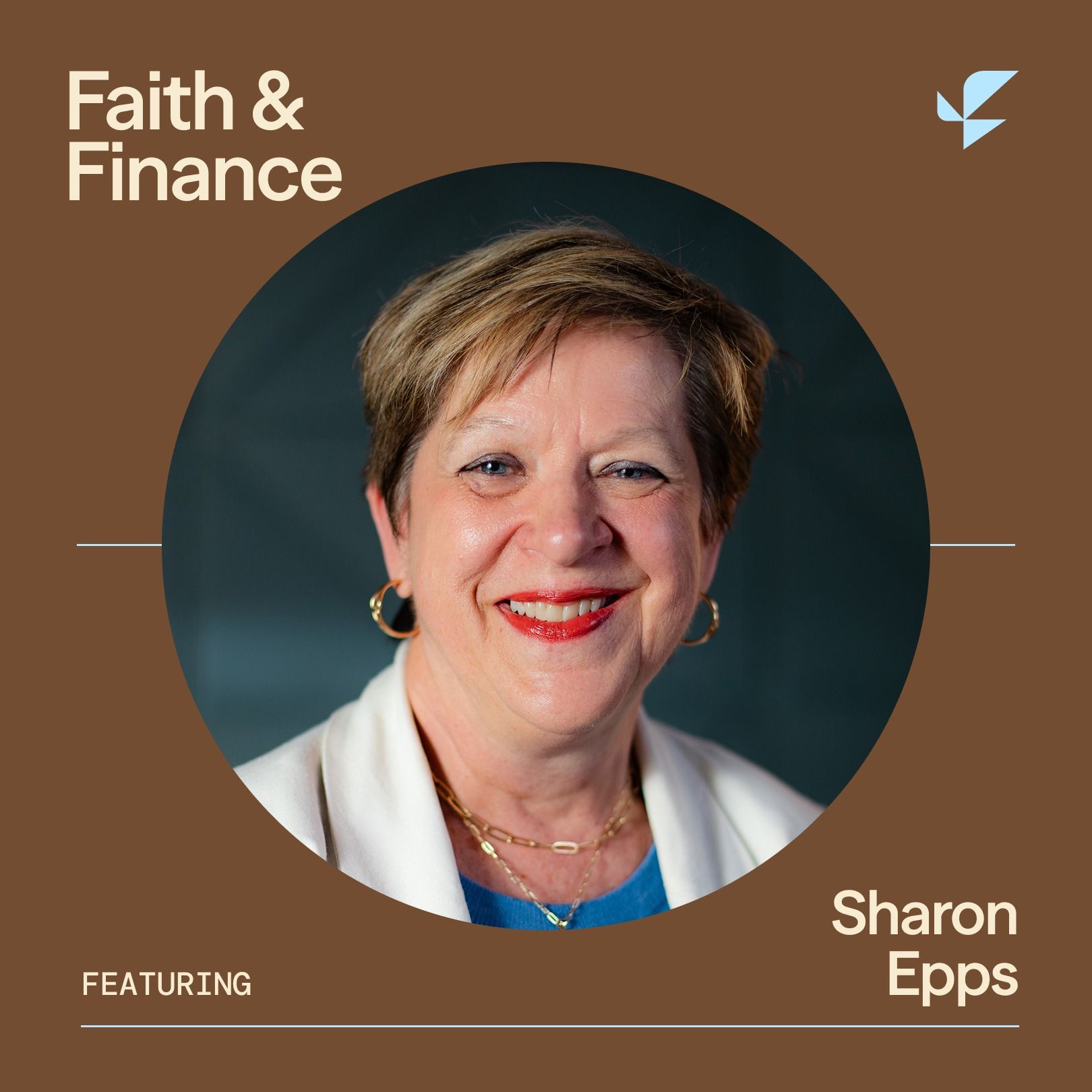
    Women Stewarding Wealth: A Historic Opportunity with Sharon Epps

    An estimated $124 trillion is expected to pass from Baby Boomers to their heirs by 2048, marking one of the largest transfers of wealth in history. And women are expected to play a particularly significant role. Sharon Epps, President of Kingdom Advisors, joined the show today to discuss this historic shift and the opportunity it presents for women to approach wealth with wisdom, preparation, and biblical faithfulness.

  • #1012
    August 28 · 24 min

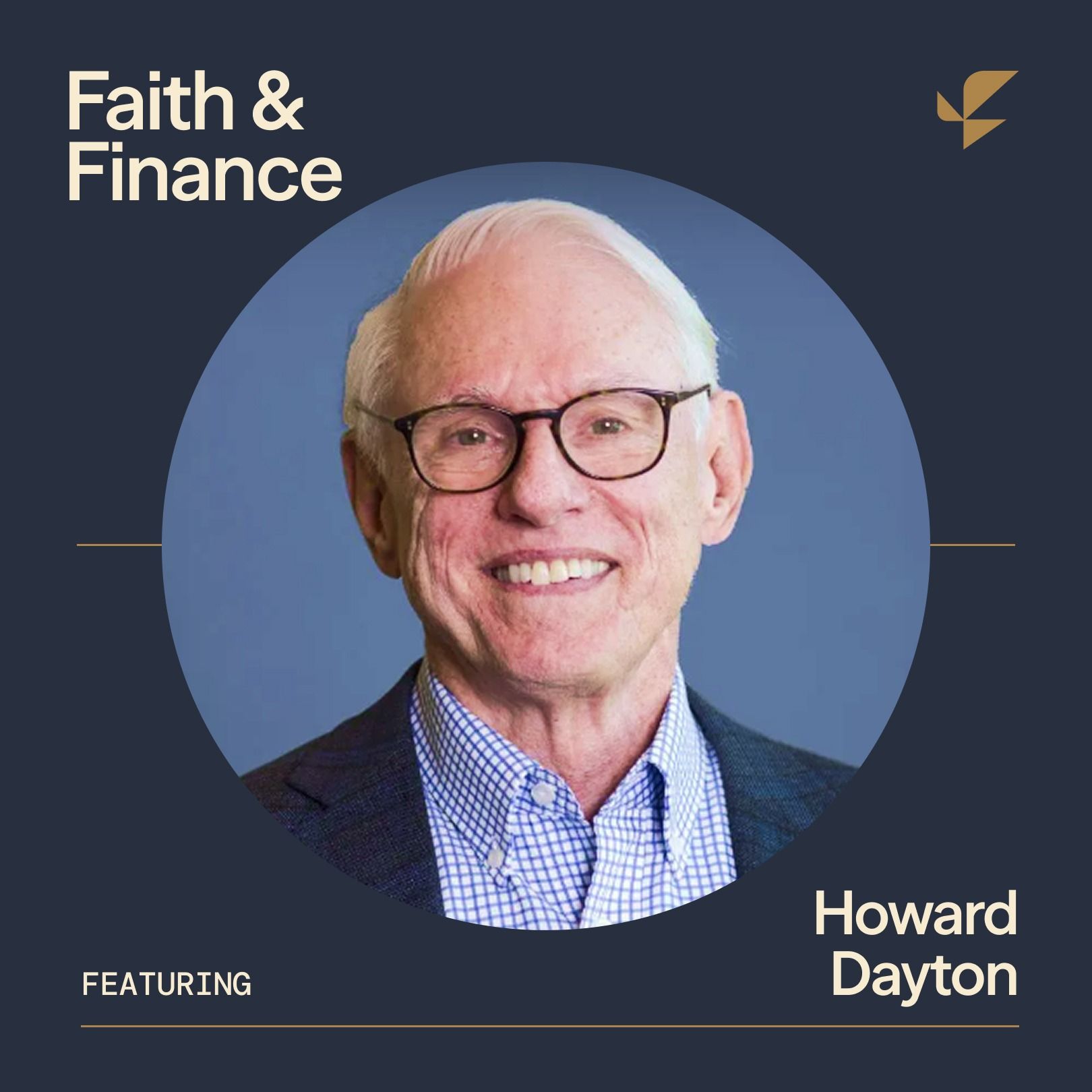
    Earning Money God’s Way with Howard Dayton

    Money is never just about money, and work is never just about a paycheck. Scripture teaches that God owns everything, gives us the ability to earn, and calls us to work with integrity because ultimately, we serve Christ. Howard Dayton, Founder of Compass Financial Ministry and author of Business God’s Way, says those truths should shape not only how Christians manage money, but how we earn it in the first place.

  • #1011
    August 27 · 24 min

    How PreBorn! Helps Women Choose Life with Dan Steiner

    Sometimes one glimpse can change everything. For a woman facing an unexpected pregnancy, fear and uncertainty can make it difficult to know what comes next. But seeing her baby through an ultrasound can bring a moment of clarity—and open the door to compassionate care, practical support, and hope. Dan Steiner, Founder and President of PreBorn!, joined the show today to explain how the ministry partners with pregnancy clinics across the country to reach women facing unexpected pregnancies. PreB

  • #1010
    August 26 · 24 min

    What Sets A Certified Kingdom Advisor (CKA®) Apart? with Sharon Epps

    What if the greatest benefit of financial advice isn’t simply what happens to your portfolio, but knowing your financial decisions reflect what matters most? New research from Kingdom Advisors and Pinkston Group suggests that when financial counsel aligns with a person’s faith and values, the benefits can extend well beyond investment performance. Clients report deeper trust, reduced financial anxiety, and a broader definition of financial success. Sharon Epps, President of Kingdom Advisors, j

  • #1009
    August 25 · 24 min

    Reverse Mortgages: Separating Fact From Fear with Harlan Accola

    Reverse mortgages have carried a negative reputation for years, especially among Christians who are cautious about debt. But as with any financial tool, faithful stewardship calls us to understand how it works before deciding whether it belongs in a financial plan. Harlan Accola leads the reverse mortgage team at Movement Mortgage, a FaithFi underwriter. He joined the show today to explain why reverse mortgages remain controversial, how today’s Home Equity Conversion Mortgage (HECM) differs fro

  • #1008
    August 24 · 24 min

    Building Your Financial House on God’s Word with John Cortines

    Jesus ends the Sermon on the Mount with a familiar picture: two men building two houses. One builds on rock. The other builds on sand. When the storms come, only one house remains standing. The difference isn’t the weather. Both houses face the storm. The difference is the foundation. That picture from Matthew 7 offers a helpful way to think about our financial lives. Job losses, medical expenses, market declines, and unexpected bills eventually test every household. The question is whether ou

Showing 1–20 of 26 episodes