Skip to content
Artwork for FACTS

FACTS

Stephen Boyce

FACTS is a podcast that was started by Dr. Stephen Boyce from Greenville, South Carolina. The primary focus of this program is to cover historical content about the early church Fathers, the Apocryphal accounts, the canon, textual criticism, and the scripture itself. Most episodes are co-hosted by Pat May, among other special guests who are invited on the program.

For those who would like to donate to our podcast, here is the link. All donations are tax deductible. Thank you for your all of your support. Grace and Peace https://give.tithe.ly/?formId=6381a2ee-b82f-42a7-809e-6b733cec05a7

Play
  • 20 episodes
  • weekly
  • Avg 1 hr 8 min
  • English
  • Saturday · 1 hr 50 min

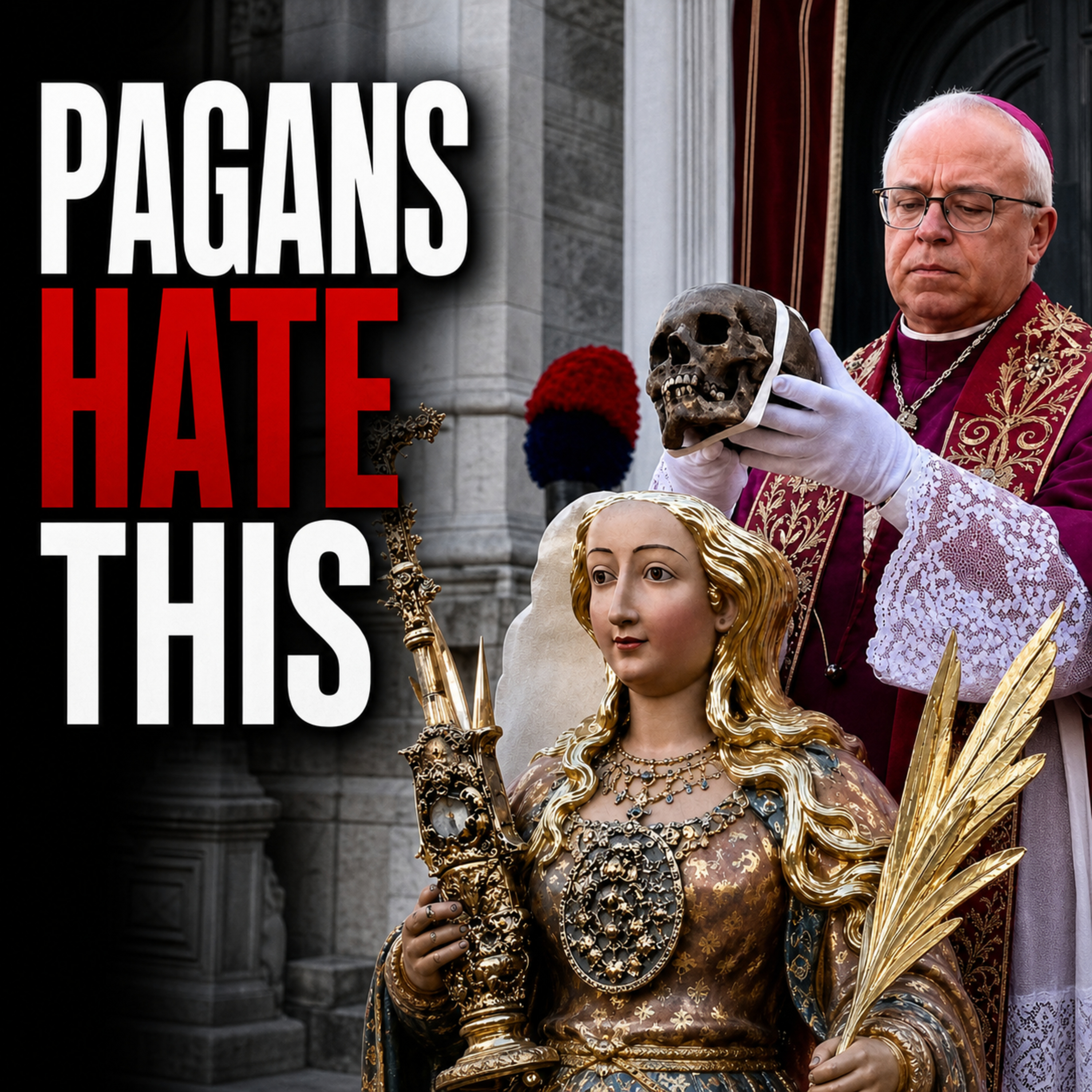
    Why Do Christians Kiss Relics?

    In this episode of FACTS, Stephen Boyce and Pat May explore the biblical and historical roots of relic veneration in Christianity, while responding to a video by pastor Josh @LakepointeChurch . Did Christians borrow the practice from paganism, or does the idea already exist within the biblical world? We look at Joseph’s bones, Elisha’s relics, Peter’s shadow, Paul’s handkerchiefs, and the early Christian treatment of the martyrs.We also examine some of the earliest Christian evidence, including the Martyrdom of Polycarp, Gregory of Nyssa, Ambrose, Jerome, and Augustine, alongside pagan critics like Julian the Apostate and Eunapius, who openly mocked Christians for honoring the bones and tombs of the martyrs.The episode asks a simple question: if relic veneration was merely a pagan corruption of Christianity, why were pagans themselves attacking Christians for doing it?https://www.academia.edu/172562474/Jerome_and_Canonical_Authority

  • August 22 · 1 hr 16 min

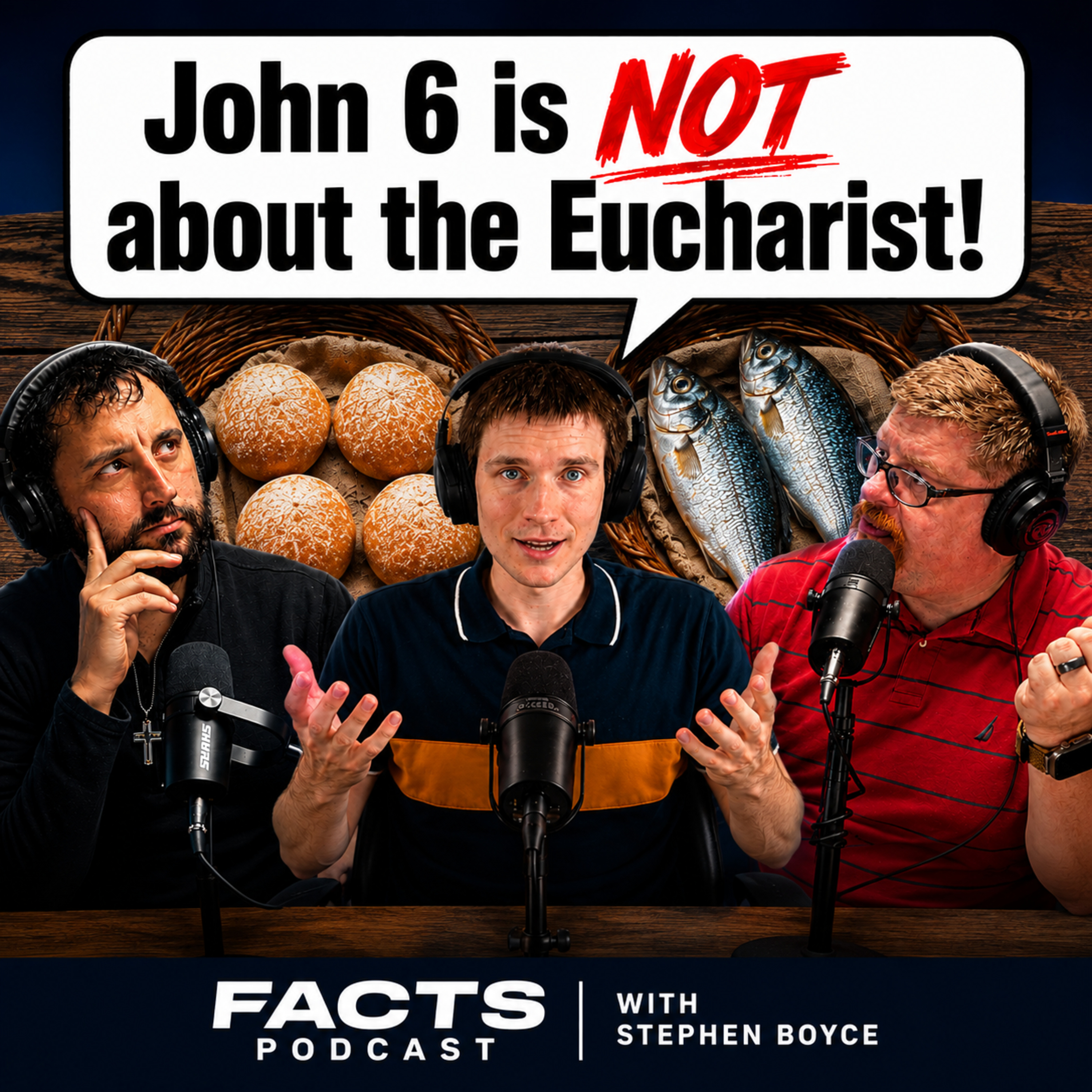
    “John 6 Is NOT About the Eucharist!” — A Response to NeedGod.net

    In this episode of FACTS, we respond to Ryan from NeedGod.net and his claims concerning John 6 and the Eucharist.Is Jesus simply using figurative language when He says, “My flesh is true food, and my blood is true drink”? Or does John 6 actually point us toward the sacramental and Eucharistic understanding held by the early Church?We walk through the text of John 6 in context, examine Ryan’s interpretation, and compare it with the testimony of the earliest Christians and Church Fathers. Did the Christians closest to the apostolic age understand Christ’s words as merely symbolic—or as a reference to truly receiving His flesh and blood in the Eucharist?Topics include:John 6 and the Bread of Life discourse“Eating” Christ by faith vs. Eucharistic interpretationJohn 6:51–58Why the disciples reacted so strongly to Jesus’ wordsWhether Jesus corrected a supposed misunderstandingThe connection between John 6 and the Last SupperHow the early Church interpreted John 6The testimony of the Church Fathers on the EucharistOriginal video :https://www.youtube.com/watch?v=Gl0626KgbBsIf you enjoy serious conversations about Scripture, Church history, and the early Christian faith, make sure to like, subscribe, and share.#John6 #Eucharist #Catholic #NeedGod #ChurchFathers #EarlyChurch #RealPresence #Christianity

  • August 15 · 49 min

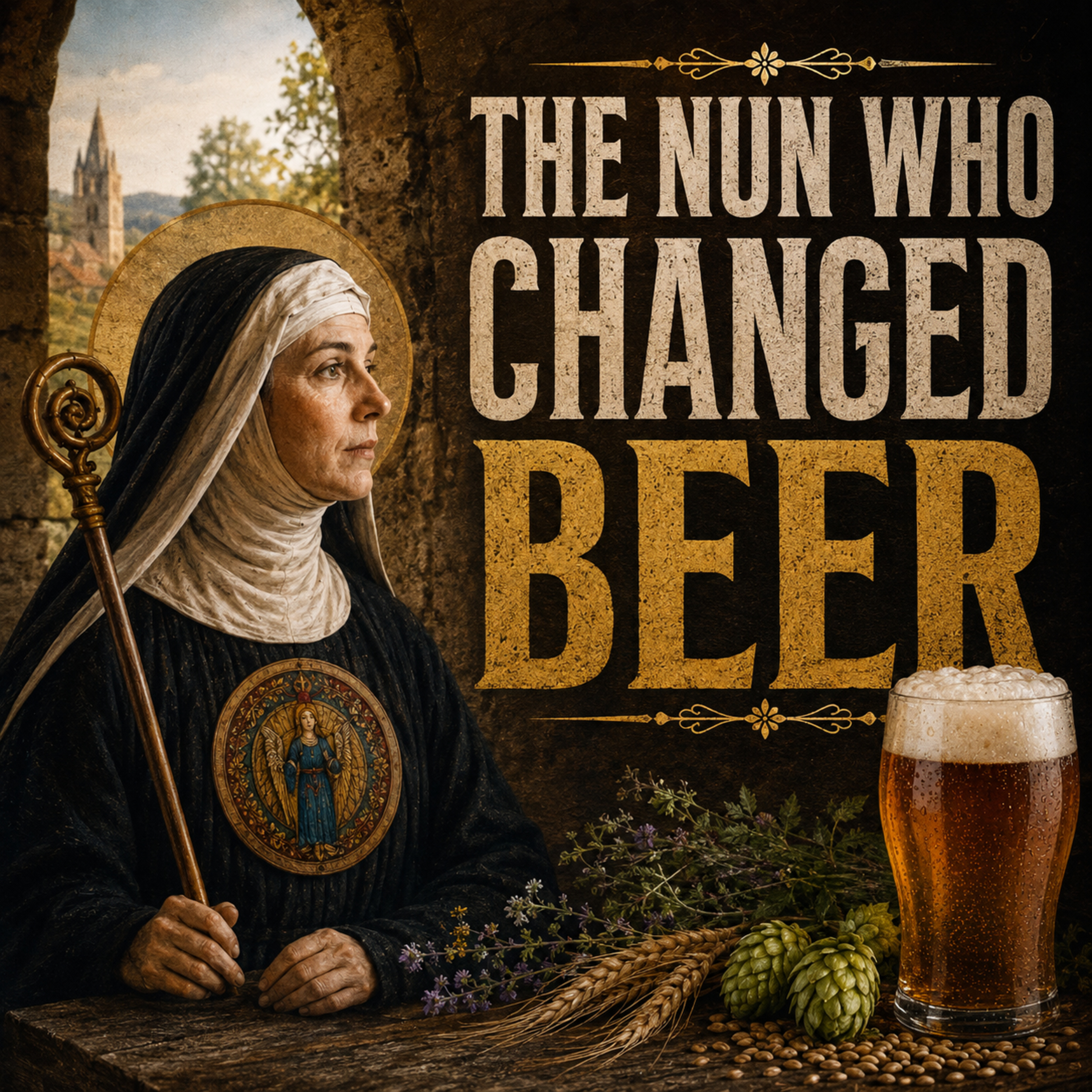
    The Nun Who Changed Beer: St. Hildegard of Bingen

    St. Hildegard of Bingen was one of the most remarkable women of the Middle Ages—a Benedictine abbess, mystic, theologian, composer, writer, and student of the natural world. But she also has an unexpected connection to something many people still enjoy today: beer. In this episode of FACTS, we explore the life of St. Hildegard, from her childhood visions and monastic formation to her rise as one of the most influential religious voices of the twelfth century. We’ll look at her writings, her relationship with figures such as St. Bernard of Clairvaux and Pope Eugene III, her work in medicine and natural science, her music, and the remarkable influence she exercised over bishops, popes, and political leaders. We’ll also examine the story behind “The Nun Who Changed Beer.” Hildegard did not invent beer or hops, but in her Physica she recorded one of the most famous medieval observations concerning hops and their ability to keep beverages from spoiling. At a time when monasteries were important centers of agriculture, medicine, hospitality, and brewing, Hildegard’s writings give us a fascinating glimpse into the development of medieval beer. So how much did St. Hildegard actually change brewing? Why is she so closely associated with beer today? And how did a twelfth-century Benedictine nun eventually become a Doctor of the Church? If you'd like to donate to our ministry or be a monthly partner that receives newsletters and one on one discussions with Dr. Stephen Boyce, here's a link: https://give.tithe.ly/?formId=6381a2ee-b82f-42a7-809e-6b733cec05a7

  • August 8 · 57 min

    Wes Huff Is Wrong About the “Catholic Bible”

    Did Cardinal Francisco Ximenes actually reject the Deuterocanonical books as Scripture?In this episode of FACTS, Stephen Boyce responds to recent claims by Wes Huff concerning Ximenes, the Complutensian Polyglot, and the biblical canon before the Council of Trent.We examine Ximenes’ famous phrase libri extra canonem (“books outside the canon”), his statement that these books were nevertheless “received by the Church,” his dependence on St. Jerome, and the broader canonical witness of Rome, Hippo, Carthage, Pope Innocent I, Florence, and Trent.Did Trent create a new Catholic canon—or formally define one the Church had long received?#Catholic #Bible #Apocrypha #Deuterocanon #CouncilOfTrent #WesHuff #CardinalXimenes🎁 Support our ministry: If you'd like to donate to our ministry or be a monthly partner that receives newsletters and one on one discussions with Dr. Boyce, here's a link: https://give.tithe.ly/?formId=6381a2ee-b82f-42a7-809e-6b733cec05a7Link to Wes's initial video: https://www.instagram.com/reels/DbEZLjby7Jr/CHAPTERS0:00 Introduction1:43 Wes Huff’s Argument4:31 What Wes Gets Right6:37 What Cardinal Ximénez Actually Said14:14 The Complutensian Polyglot22:06 Who Was Cardinal Ximénez?25:41 Ximénez and St. Jerome35:39 Does This Prove Wes’s Point?37:18 Did Trent Invent the Catholic Canon?40:10 Rome, Hippo, and Carthage42:43 Pope Innocent I45:39 The Council of Florence48:11 What Actually Happened at Trent?53:36 The Final Question55:23 Conclusion

  • August 2 · 48 min

    The Papacy in the First Two Centuries

    For many Christians, the papacy is one of the greatest points of disagreement between Catholics, Orthodox, and Protestants. But what did the earliest Christians actually believe? Tonight we’ll examine the evidence from the first two centuries of Christianity—before Nicaea, before Constantine, and long before the medieval papacy. We’ll look at the writings of Clement of Rome, Ignatius of Antioch, Hegesippus, Irenaeus, and the Muratorian Fragment to ask a simple historical question: What role did the Church of Rome and its bishop play in the earliest generations of Christianity? We’ll discuss: The authority of Clement’s letter to Corinth Why Ignatius says Rome “presides” Hegesippus’ investigation into apostolic succession Irenaeus’ famous statement that every church should agree with Rome Whether these sources support, challenge, or complicate modern claims about the papacy Whether you’re Catholic, Orthodox, Protestant, or simply interested in Church history, this livestream is designed to engage the primary sources directly. If you'd like to donate to our ministry or be a monthly partner that receives newsletters and one on one discussions with Dr. Stephen Boyce, here's a link: https://give.tithe.ly/?formId=6381a2ee-b82f-42a7-809e-6b733cec05a7

  • July 25 · 1 hr 16 min

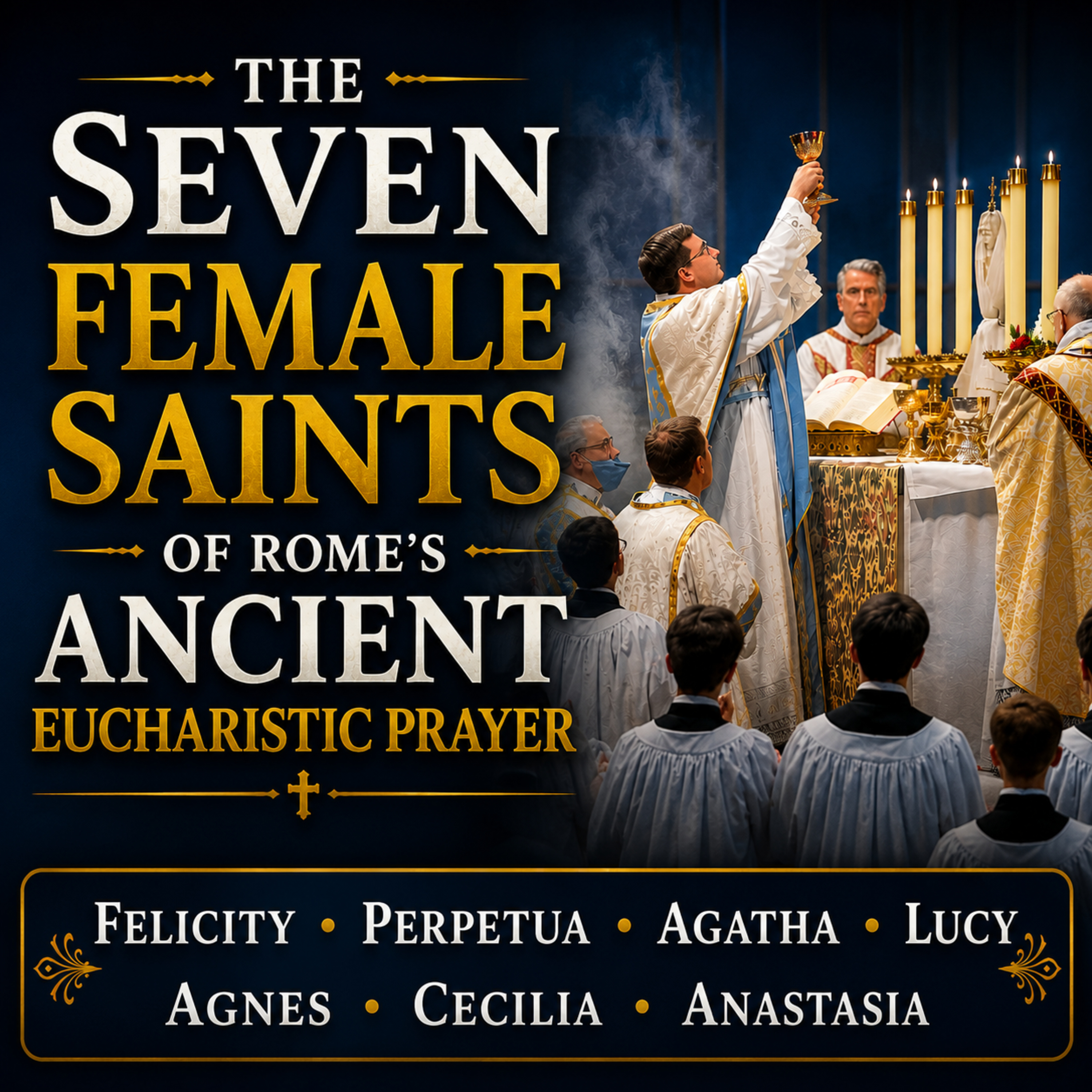
    The Seven Female Saints of Rome’s Ancient Eucharistic Prayer

    Why does the Roman Canon—the Roman Church’s ancient Eucharistic prayer—preserve the names of seven women? In this episode, Stephen and Pat continue their exploration of the female saints of the Roman Canon by turning their attention to Agatha, Lucy, Agnes, Cecilia, and Anastasia. Together, they examine what history tells us about these remarkable martyrs, distinguish early historical evidence from later tradition, and explore why the Church has commemorated these women in her liturgy for well over sixteen centuries. Their stories of courage, fidelity, and sacrifice continue to inspire Christians today and offer a fascinating window into the faith of the early Church. Whether you’re Catholic, Orthodox, Protestant, or simply interested in Christian history, this episode provides a deeper appreciation for the women whose names have been preserved in one of Christianity’s oldest Eucharistic prayers. If you'd like to donate to our ministry or be a monthly partner that receives newsletters and one on one discussions with Dr. Stephen Boyce, here's a link: https://give.tithe.ly/?formId=6381a2ee-b82f-42a7-809e-6b733cec05a7

  • July 18 · 1 hr 11 min

    Perpetua and Felicity: The Prison Diary of Two Female Martyrs

    What would you do if following Christ meant losing everything?In AD 203, two women from completely different backgrounds stood side by side in the Roman city of Carthage. Perpetua was a young noblewoman and new mother. Felicity was an enslaved woman who was eight months pregnant. Arrested for their Christian faith, they refused to deny Christ, even when faced with imprisonment, separation from their families, and ultimately death in the arena.In this episode of FACTS with Stephen Boyce and Pat May, we explore one of the earliest and most remarkable documents in Christian history—the Passion of Perpetua and Felicity. Part prison diary, part eyewitness account, this ancient text gives us a rare glimpse into the lives, faith, and courage of two women whose witness has inspired Christians for nearly eighteen centuries.We’ll examine the historical setting of Roman North Africa, the persecution under Emperor Septimius Severus, Perpetua’s emotional encounters with her father, Felicity’s childbirth in prison, the visions recorded in the diary, their trial before the governor, and the powerful legacy they left behind. We’ll also discuss what their story reveals about the early Church, martyrdom, prayer for the dead, baptism, and why their names are still spoken in the Roman Canon of the Mass today.Their story is more than history—it’s a testimony to unwavering faith in the face of impossible odds.If you enjoyed this episode, be sure to like, subscribe, and share it with someone interested in Church history and the early Christian faith. If you'd like to donate to our ministry or be a monthly partner that receives newsletters and one on one discussions with Dr. Stephen Boyce, here's a link: https://give.tithe.ly/?formId=6381a2ee-b82f-42a7-809e-6b733cec05a7#ChurchHistory #Perpetua #Felicity #ChristianMartyrs #EarlyChurch #Catholic #ChristianHistory #Patristics #AncientChristianity #FACTSPodcastLink to their story: https://www.newadvent.org/fathers/0324.htm?utm

  • July 11 · 1 hr 1 min

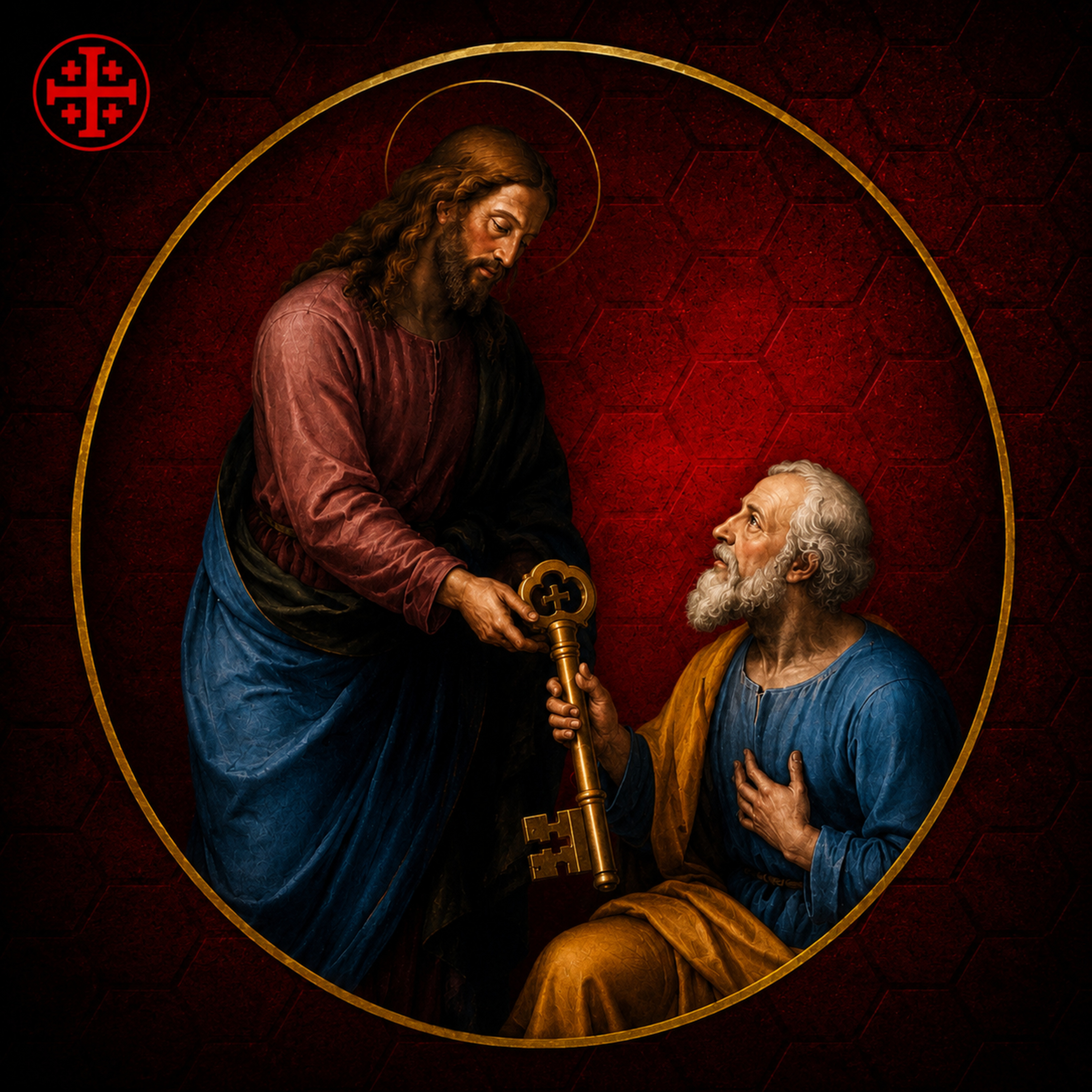
    The Chair of St. Peter: From Moses’ Seat to Rome

    For nearly 2,000 years, Christians have spoken of the Chair of St. Peter, but what exactly is it? Is it simply an ornate chair housed in St. Peter’s Basilica, or does it represent something far more significant? In this episode of FACTS with Stephen Boyce, we trace the biblical and historical origins of one of Christianity’s most misunderstood symbols of authority.Beginning with Moses’ Seat in Matthew 23, we’ll explore how Scripture presents the idea of a continuing teaching office before examining Isaiah 22, the Davidic steward, and Christ’s gift of the Keys to Peter in Matthew 16. From there, we’ll follow the evidence into the earliest centuries of the Church, examining the testimony of the Muratorian Fragment, Tertullian, Cyprian, Damasus, Augustine, and Leo the Great to see how the earliest Christians understood the Chair of Peter.We’ll also discuss why the phrase ex cathedra literally means “from the chair,” what Catholics actually mean by papal infallibility, and how this doctrine is rooted in the biblical concept of a continuing office rather than the personal holiness of any individual pope. Whether you’re Catholic, Orthodox, Protestant, or simply interested in Church history, this episode offers a historically grounded look at the evidence behind one of the most important doctrines in Christianity.If you enjoyed this episode, please like, subscribe, and share it with someone who loves studying Scripture and Church history. Your support helps us continue producing historically grounded content that strengthens Christians in their faith.If you'd like to donate to our ministry or be a monthly partner that receives newsletters and one on one discussions with Dr. Stephen Boyce, here's a link: https://give.tithe.ly/?formId=6381a2ee-b82f-42a7-809e-6b733cec05a7#ChairOfStPeter #SaintPeter #Papacy #Catholic #CatholicChurch #ChurchHistory #BibleStudy #Matthew16 #Matthew23 #Isaiah22 #ExCathedra #ApostolicSuccession #ChurchFathers #EarlyChurch #ChristianHistory #Christianity #BiblicalTheology #FACTSPodcast #StephenBoyce

  • July 3 · 1 hr

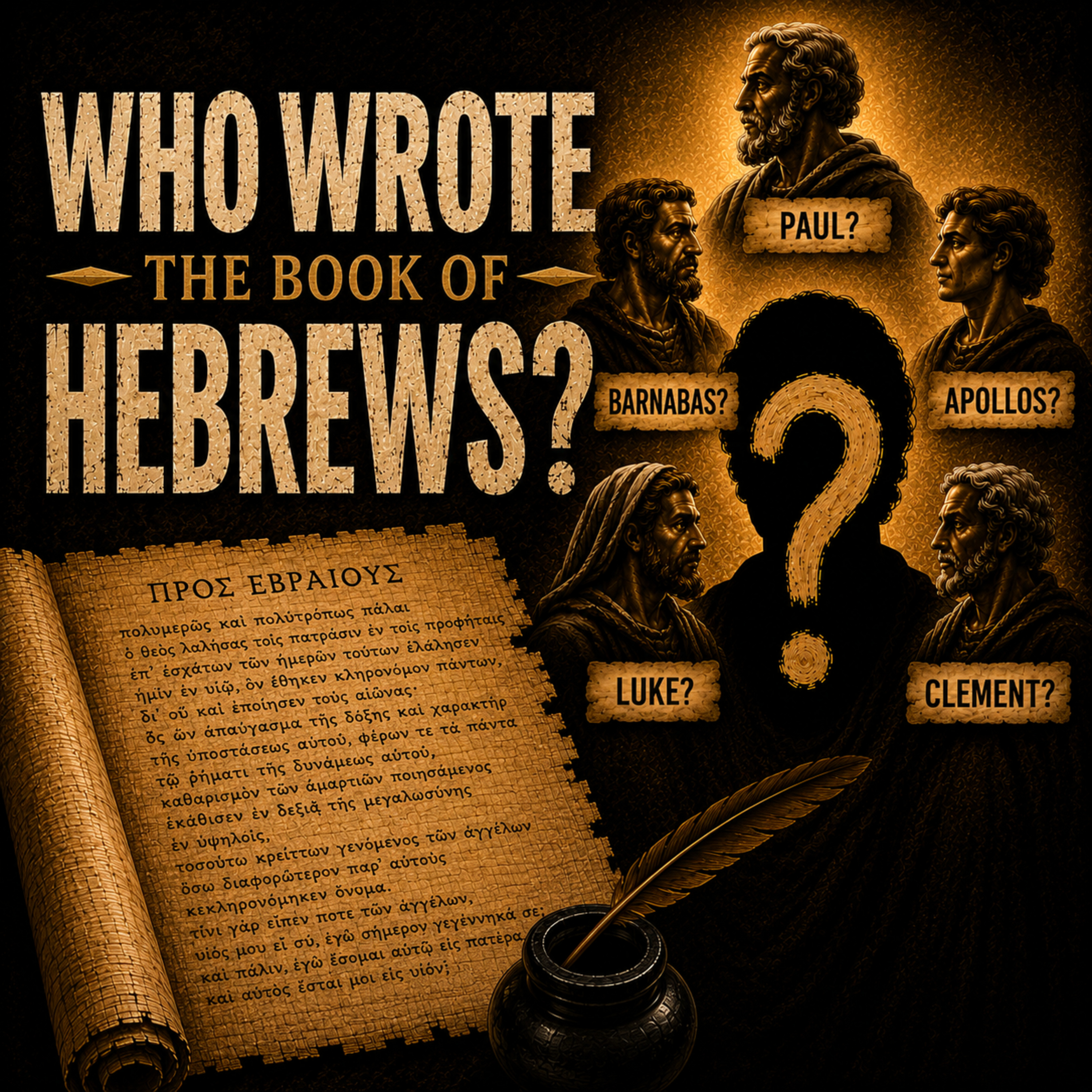
    Who Wrote the Book of Hebrews?

    Who wrote the Book of Hebrews? Few books in the New Testament have generated more discussion than Hebrews. Unlike Paul’s letters, the author never identifies himself, leaving Christians for centuries to debate its origin.In this episode, we examine the earliest historical testimony from the Church, the internal evidence of the letter itself, and the leading candidates—including Paul, Luke, Clement of Rome, Barnabas, and others. We’ll look at what Clement of Alexandria, Origen, and Jerome had to say, while comparing those traditions with the text of Hebrews itself.We’ll also explore:* Why Hebrews is considered Scripture despite its anonymous authorship.* The evidence for its audience and historical setting.* Whether it was written before or after the destruction of the Temple in AD 70.* The central message of Hebrews: Jesus is greater—greater than the angels, Moses, the Levitical priesthood, the sacrificial system, and the old covenant.Whether you’re new to Hebrews or have studied it for years, this episode will help you understand why this remarkable book has remained one of the Church’s most treasured writings despite the mystery surrounding its human author.If you enjoyed this episode, be sure to like, subscribe, and share it with someone interested in biblical history, the early Church, and the New Testament.If you'd like to donate to our ministry or be a monthly partner that receives newsletters and one on one discussions with Dr. Stephen Boyce, here's a link: https://give.tithe.ly/?formId=6381a2ee-b82f-42a7-809e-6b733cec05a7#Hebrews #BibleStudy #ChurchHistory #NewTestament #BiblicalStudies #EarlyChurch #Christianity #Paul #Apologetics #theFACTSPodcast

  • June 27 · 1 hr 7 min

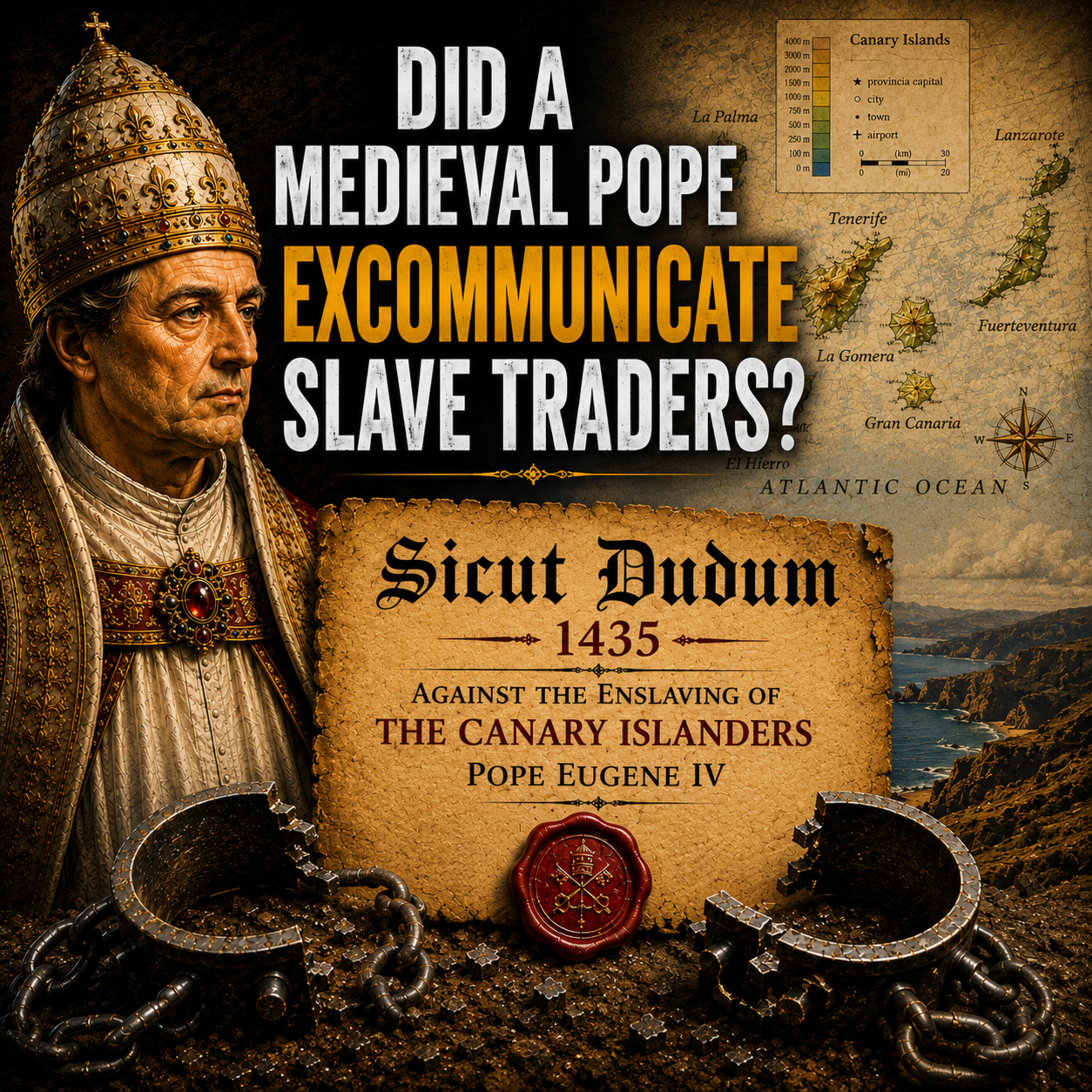
    Did a Medieval Pope Excommunicate Slave Traders?

    For centuries, critics have claimed that the Catholic Church either supported slavery or remained silent in the face of it. But what does the historical evidence actually say?In this episode, we examine Sicut Dudum, the 1435 papal bull of Pope Eugene IV, issued nearly sixty years before Columbus reached the Americas. In response to the enslavement of the inhabitants of the Canary Islands, Eugene IV ordered that those unjustly enslaved be restored to their freedom and threatened those who refused with excommunication.We’ll examine:* The historical context of the conquest of the Canary Islands.* What Sicut Dudum actually says.* Whether Pope Eugene IV truly excommunicated slave traders.* How this document fits into the broader history of Catholic teaching on slavery.* Common misconceptions about the Church’s historical position.Rather than relying on modern talking points, we’ll read the primary source itself and place it within its proper historical context.Primary Source:https://www.papalencyclicals.net/eugene04/eugene04sicut.htmIf you enjoy historically grounded discussions on Church history, theology, and primary sources, be sure to subscribe.If you'd like to donate to our ministry or be a monthly partner that receives newsletters and one on one discussions with Dr. Stephen Boyce, here's a link: https://give.tithe.ly/?formId=6381a2ee-b82f-42a7-809e-6b733cec05a7#Catholic #ChurchHistory #Slavery #PopeEugeneIV #SicutDudum #History #CatholicAnswers #Apologetics #MedievalHistory #FACTSPodcast

  • June 20 · 1 hr 3 min

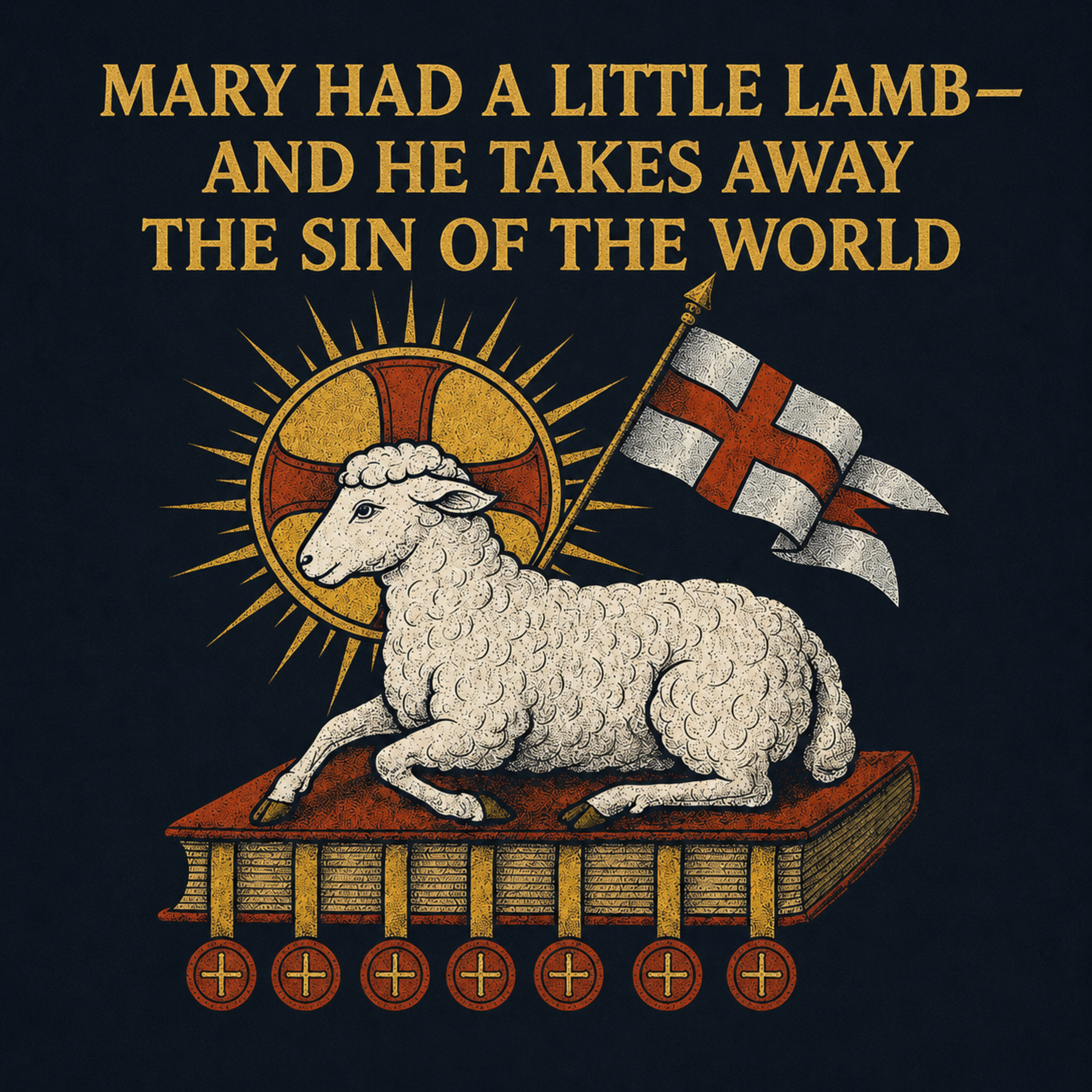
    Mary Had a Little Lamb—And He Takes Away the Sin of the World

    Why does Scripture call Jesus the Lamb of God? Was it merely a metaphor, or is it the key that unlocks the entire story of redemption? In this episode, we trace the biblical theology of the Lamb from Genesis to Revelation. Beginning with the first sacrifices after the Fall, we follow the thread through Abel, Noah, Abraham, the Passover, the Tabernacle, the Temple, and the prophets, showing that biblical worship has always been sacrificial at its core. We then examine John the Baptist’s declaration: “Behold, the Lamb of God who takes away the sin of the world!” Why did he identify Jesus this way? How does Christ fulfill the Passover? Why does John’s Gospel carefully structure the Passion around the slaughter of the Passover lambs? And what does Revelation’s vision of the Lamb standing as though slain reveal about worship in heaven? Along the way, we’ll explore the testimony of the Church Fathers, including Melito of Sardis, Irenaeus, Cyprian, Chrysostom, and Leo the Great, who all saw Christ as the fulfillment of every sacrificial type in Scripture. Most importantly, we’ll consider what Revelation 5 reveals about the heavenly liturgy and how the worship of heaven centers forever upon the Lamb who was slain and now reigns. The Lamb is not merely part of the Christian story—He is its center. From Cain and Abel to the heavenly throne room, Scripture points to one reality: The Lamb who was slain now stands forever, receiving the worship of all creation. If you'd like to donate to our ministry or be a monthly partner that receives newsletters and one on one discussions with Dr. Stephen Boyce, here's a link: https://give.tithe.ly/?formId=6381a2ee-b82f-42a7-809e-6b733cec05a7 #AgnusDei #LambOfGod #Catholic #Eucharist #Mass #BookOfRevelation #Passover #JesusChrist #ChurchFathers #BiblicalTheology #Christianity #CatholicPodcast #FACTSwithStephenBoyce #JohnTheBaptist #Revelation5 #HeavenlyLiturgy #Sacrifice #Worship #BibleStudy #CatholicFaith

  • June 14 · 1 hr 12 min

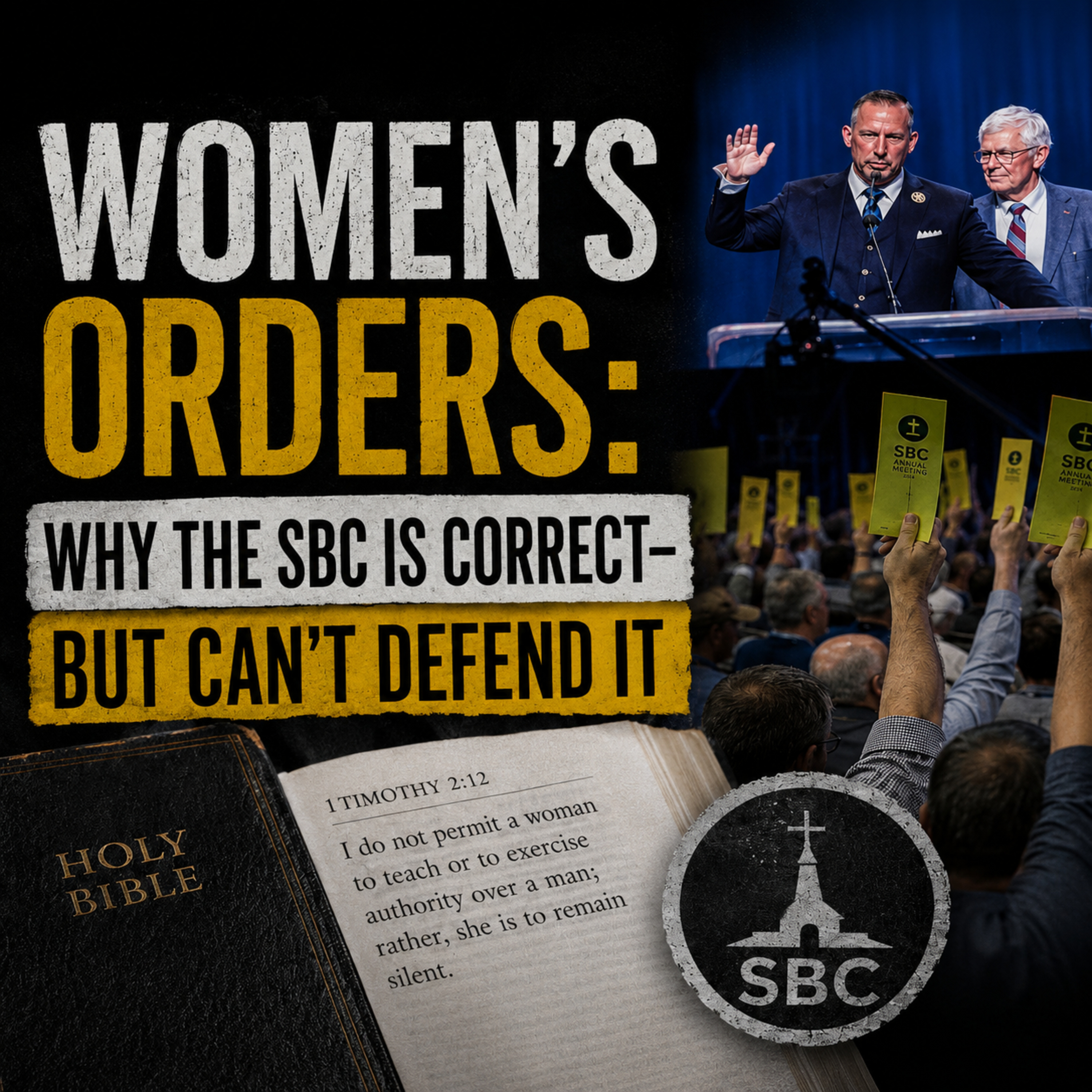
    Women’s Orders: Why the SBC is Correct—But Can’t Defend It

    The Southern Baptist Convention recently voted to move forward with a constitutional amendment formally prohibiting women from serving as pastors. In this episode, I examine the SBC’s decision, the reaction it sparked, and why I believe they arrived at the correct conclusion—but for the wrong reasons. Using the SBC article and Pope St. John Paul II’s Ordinatio Sacerdotalis as a point of comparison, I explore a much deeper question: What is the nature of the ministerial office in the Church, and who has the authority to define it? The problem with the SBC’s position is not necessarily its conclusion regarding women’s ordination. The problem is that within a Baptist framework, the debate ultimately becomes an issue of biblical interpretation. If Scripture alone is the final authority, and individual churches or denominations possess the authority to interpret it differently, then the argument over women’s ordination becomes difficult to settle in any lasting way. Historically, the Church’s rejection of women’s ordination was not based solely on isolated proof texts. It was rooted in a sacramental understanding of the priesthood, apostolic succession, ecclesiastical authority, and a consistent tradition maintained throughout Christian history in both East and West. The early Church Fathers, the historic episcopate, and the universal practice of Christianity all provide a much broader framework than a simple appeal to competing interpretations of Scripture. In this episode, we’ll examine the SBC vote, the theological assumptions behind it, what Ordinatio Sacerdotalis actually argues, and why the larger issue is not women’s ordination itself—but the authority of the Church to define and preserve the offices Christ established. If you'd like to donate to our ministry or be a monthly partner that receives newsletters and one on one discussions with Dr. Stephen Boyce, here's a link: https://give.tithe.ly/?formId=6381a2ee-b82f-42a7-809e-6b733cec05a7 #SouthernBaptistConvention #WomensOrdination #WomenPastors #OrdinatioSacerdotalis #CatholicChurch #ChurchHistory #ChurchFathers #ApostolicSuccession #Ecclesiology #FACTSPodcast

  • June 6 · 1 hr 1 min

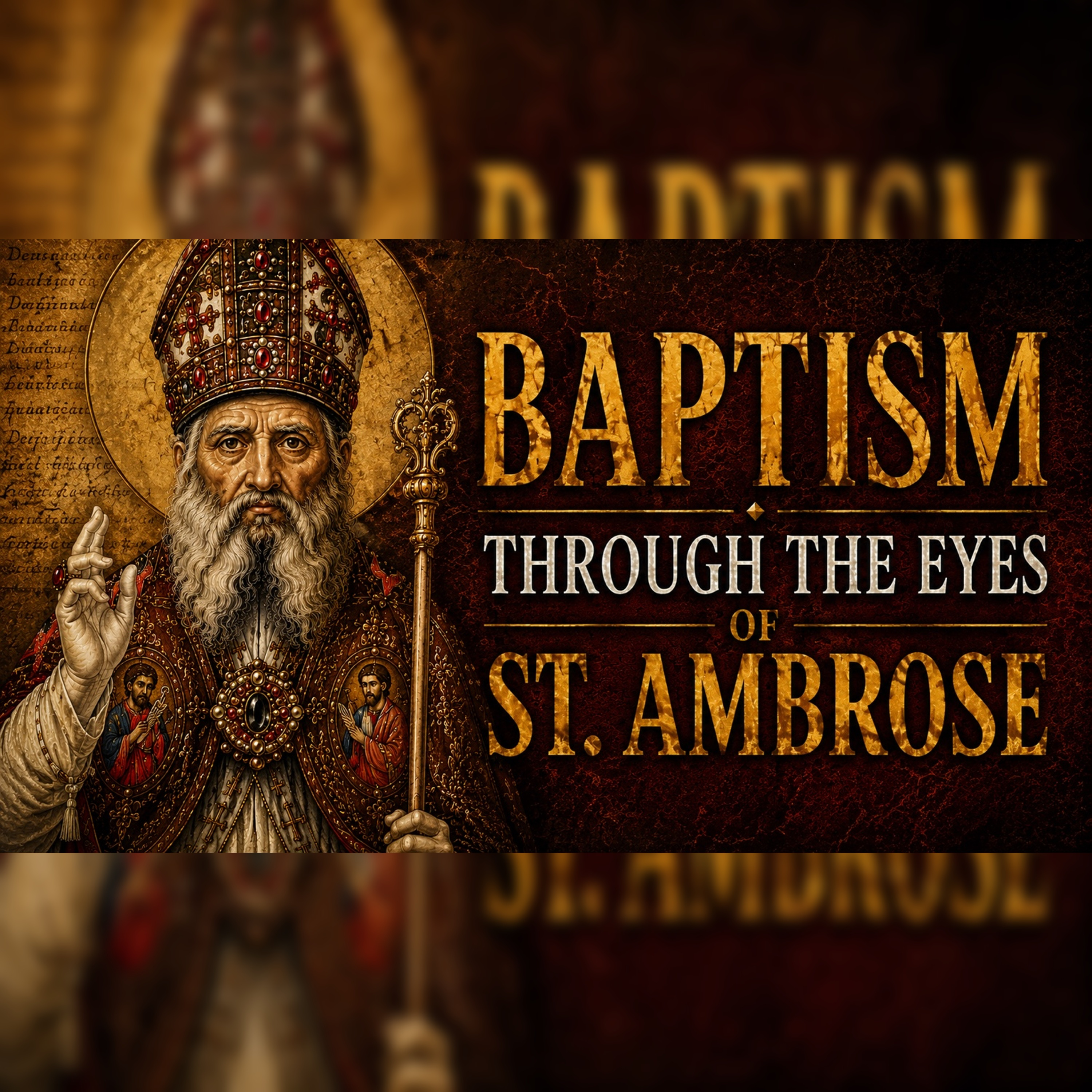
    Baptism Through the Eyes of St. Ambrose

    In this episode of FACTS, we step into the fourth century and examine one of the most important witnesses to early Christian baptism: St. Ambrose of Milan. Drawing directly from Chapters 2–4 of On the Mysteries, Ambrose takes us inside the baptismal rites of the ancient Church and explains what newly baptized Christians experienced as they entered the waters of regeneration. Far from viewing baptism as a mere symbol, Ambrose presents it as a sacrament through which God truly acts—washing away sins, imparting new life, and incorporating believers into Christ. In this study, Stephen Boyce and Pat May explore: • Why Ambrose compares baptism to the crossing of the Red Sea • The significance of renouncing Satan before entering the waters • How Ambrose interprets Old Testament events as foreshadowing Christian baptism • The connection between baptism, forgiveness of sins, and spiritual rebirth • Why Ambrose believed baptism accomplished something real, not merely symbolic • What his testimony reveals about the faith and practice of the fourth-century Church Whether you are Catholic, Orthodox, Protestant, or simply interested in the history of Christianity, Ambrose’s words provide a remarkable window into how the early Church understood the sacrament of baptism. If you'd like to donate to our ministry or be a monthly partner that receives newsletters and one on one discussions with Dr. Stephen Boyce, here's a link: https://give.tithe.ly/?formId=6381a2ee-b82f-42a7-809e-6b733cec05a7 Here is a link to the Mysteries:https://ccel.org/ccel/schaff/npnf210/npnf210.iv.v.iii.html #StAmbrose #Baptism #ChurchFathers #EarlyChurch #Catholic #Orthodox #ChristianHistory #Patristics #AncientChristianity #FACTSPodcast

  • May 30 · 1 hr 13 min

    How Protestants Misread Paul's Doctrine of the Church

    Paul’s doctrine of the Church was never built on modern religious individualism. In this episode, we examine how many Protestants misunderstand Paul’s ecclesiology by reducing the Church to a voluntary gathering of believers rather than the visible, apostolic, and sacramental Body of Christ. Drawing from key Pauline texts such as 1 Corinthians 12, Ephesians 1–2, and 1 Timothy 3:15, we explore Paul’s repeated “in Christ” language and why it points to incorporation into a corporate reality rather than merely a private relationship with Jesus. We also examine the apostolic foundation of the Church, the meaning of the Body of Christ, and why Paul’s theology cannot be reduced to “just me and my Bible” Christianity. In this episode, Stephen Boyce and Pat May challenge modern assumptions about the Church and asks an important question: does the ecclesiology taught by Paul actually resemble modern Protestant individualism? If you'd like to donate to our ministry or be a monthly partner that receives newsletters and one on one discussions with Dr. Stephen Boyce, here's a link: https://give.tithe.ly/?formId=6381a2ee-b82f-42a7-809e-6b733cec05a7 #Paul #ChurchHistory #Christianity #Bible #Catholic #Protestant #Ecclesiology #EarlyChurch #Theology #FACTSPodcast

    • Transcript
  • May 23 · 1 hr 21 min

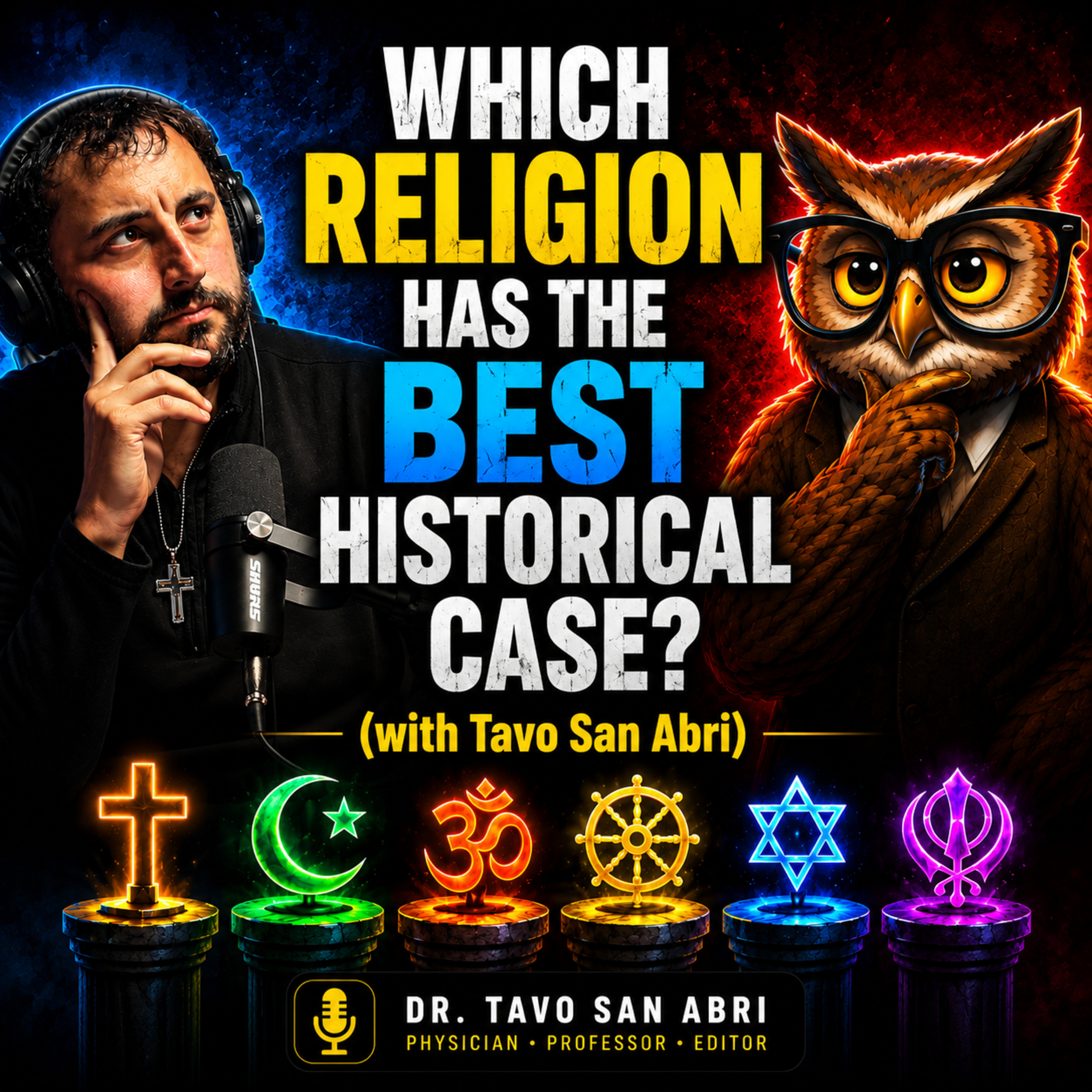
    Which Religion Has the Best Historical Case?

    Join us for a fascinating discussion with Dr. Tavo San Abri as we explore one of the biggest questions in theology, philosophy, and history: Which religion has the best historical case? In this episode, we walk through Tavo’s Comparative Theological Framework (CTF), a massive evidential approach that compares major world religions across categories such as attestation lags, witness density, archaeological verification, codicological speed, hostile source testimony, intellectual legacy, and cross-traditional recognition. Rather than arguing from emotion or personal background, the framework asks what a rational and culturally neutral observer would conclude when weighing the historical evidence comparatively. We discuss why Christianity stands apart in areas such as early creedal development, archaeological grounding, hostile attestation, enemy conversions, and the rapid spread of the early Christian movement. We also examine how the standards used to dismiss Christianity would often undermine accepted ancient history itself. Whether you agree or disagree, this conversation challenges listeners to think carefully about evidence, historical methodology, and the origins of religious belief. Follow Dr. Tavo San Abri: https://www.instagram.com/tavosanabri https://www.youtube.com/@tavosanabri Discord: @tavosanabri https://www.facebook.com/tavosanabri Here's a link to the slide deck on slideshare.net: https://www.slideshare.net/slideshow/the-comparative-theological-framework-ctf-argument-evaluating-christianity-s-evidential-strength-across-religions/287715449 #Christianity #Apologetics #History #Jesus #Religion #Debate #Theology #HistoricalEvidence #CTF #TavoSanAbri

    • Transcript
  • May 17 · 1 hr 8 min

    How Protestants Misunderstand Paul

    We are launching a brand new series on how Protestants misunderstand Paul. In this first episode, we cover Romans 1–3 and one of the most misunderstood phrases in Pauline theology: “works of the law.” Many modern Christians read Paul as though he were condemning all forms of obedience, good works, or cooperation with grace, but is that actually what Paul meant in his first-century Jewish context?In this episode, we examine Romans 1–3 in context, the meaning of “works of the law” (ἔργα νόμου), the Dead Sea Scroll document 4QMMT, covenant identity and Torah observance, boasting and justification, and the relationship between Jew and Gentile in Romans. We also look at how the early Church Fathers interpreted Paul, including Irenaeus and John Chrysostom. Was Paul opposing obedience itself, or was he opposing boasting in the Law apart from Christ? This episode challenges many modern assumptions about justification, grace, faith, and the Law.If you'd like to donate to our ministry or be a monthly partner that receives newsletters and one on one discussions with Dr. Stephen Boyce, here's a link: https://give.tithe.ly/?formId=6381a2ee-b82f-42a7-809e-6b733cec05a7#Romans #Paul #BibleStudy #ChurchHistory #Catholic #Protestant #DeadSeaScrolls #Justification #FACTSPodcast

    • Transcript
  • May 14 · 1 hr 17 min

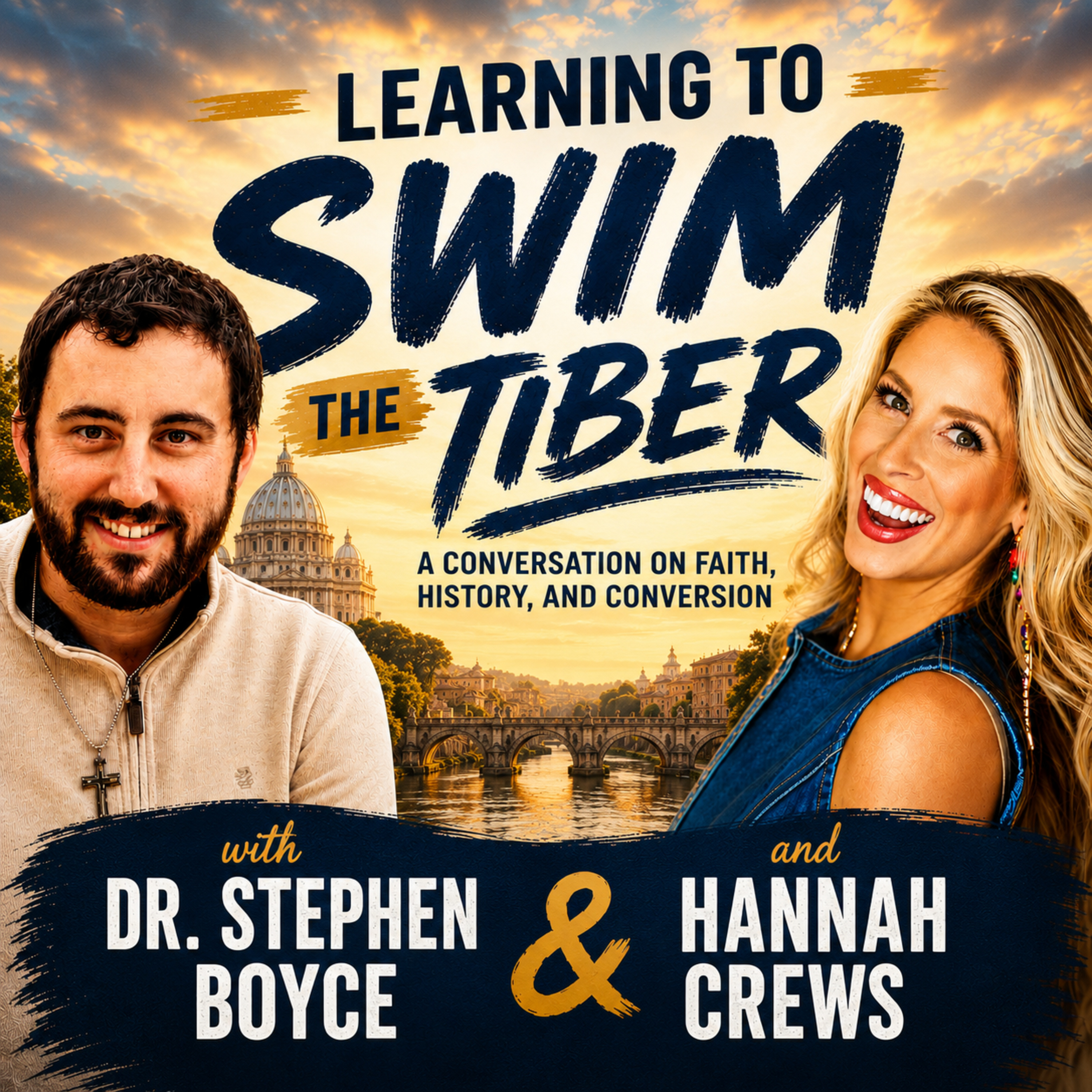
    Learning to Swim the Tiber

    Tonight on the FACTS Podcast, Dr. Stephen Boyce sits down with author and podcast host Hannah Crews for a conversation on faith, history, conversion, and what it means to begin “learning to swim the Tiber.” From wrestling with Protestant assumptions to discovering the depth of the early Church, this discussion dives into the personal and theological questions that often reshape a person’s understanding of Christianity. Hannah Crews is an author, social media personality, and the host of The Lighten Up Podcast. As a former journalist and a lover of Jesus Christ, she has spent the last eight months researching early Church history. That journey has led her to a deep interest in and reverence for the Catholic Church. She now creates content focused on addressing Protestant misconceptions and interviews converts to Catholicism on her podcast. Here's how to follow Hannah: https://m.youtube.com/@hannahcrewsblog?ra=m https://www.amazon.com/shop/hannahcrews.blog/list/2PB2I38GARM1E?ref_=aipsflist If you'd like to donate to our ministry or be a monthly partner that receives newsletters and one on one discussions with Dr. Stephen Boyce, here's a link: https://give.tithe.ly/?formId=6381a2ee-b82f-42a7-809e-6b733cec05a7 #Catholic #ConversionStory #ChurchHistory #FACTSPodcast #HannahCrews #StephenBoyce #Catholicism #Protestant #EarlyChurch #SwimTheTiber Music in the intro: https://youtu.be/N3c8JAK1u2A?si=wcPiycnAnczeexrT

    • Transcript
  • May 9 · 55 min

    Was the Pope Hidden in Ignatius’ Letter to Rome?

    Did Ignatius of Antioch believe there was a bishop in Rome? One of the most common arguments against early Roman primacy is that Ignatius never explicitly mentions a bishop in his Letter to the Romans while repeatedly emphasizing bishops everywhere else. But is the argument really that simple? In this episode, Stephen Boyce examines the historical context surrounding Ignatius’ journey to Rome under arrest during the reign of Trajan, the unique language Ignatius uses for the Roman Church, and whether the silence surrounding the bishop of Rome may actually reflect the dangerous political realities facing Christians in the imperial capital. We will also examine: • Ignatius’ famous “presiding” language • The significance of Peter and Paul in Romans 4 • Whether Rome already possessed a recognized authority distinct from other churches • The possible identity of the bishop of Rome during Ignatius’ imprisonment • Why Ignatius treats the Roman Church differently from every other church in his corpus • Whether the “no bishop mentioned” argument creates more problems than it solves Was the pope hidden in Ignatius’ Letter to Rome? Or does the letter actually undermine later claims about Roman primacy? Join us as we walk carefully through the historical, textual, and theological evidence surrounding one of the most debated letters in early Christianity. If you'd like to donate to our ministry or be a monthly partner that receives newsletters and one on one discussions with Dr. Stephen Boyce, here's a link: https://give.tithe.ly/?formId=6381a2ee-b82f-42a7-809e-6b733cec05a7 My paper on Ignatius: https://www.academia.edu/129081682/The_Quest_for_Ignatius_of_Antioch_Untangling_History_and_Tradition #IgnatiusOfAntioch #ChurchHistory #JamesWhite #JoeHeschmeyer #Papacy #EarlyChurch #ChristianHistory #Catholic #Orthodox #Patristics #Episcopacy #Rome

    • Transcript
  • May 2 · 1 hr 10 min

    The Making of the Rosary

    What is the Rosary—and where did it actually come from? In this episode of FACTS, Stephen Boyce and Pat May break down the real history behind one of the most misunderstood devotions in Christianity. Was the Rosary invented in the Middle Ages? Did Saint Dominic really receive it in a vision? And how do the The Gospel According to Luke, early monastic prayer, and centuries of Christian tradition all come together to form what we know today? We walk through the development step-by-step—from the Desert Fathers and repetitive prayer, to the formation of the Hail Mary, to the rise of the mysteries, and the global spread of the Rosary through figures like Pope Pius V and Saint Louis de Montfort. This isn’t surface-level history. This is the making of the Rosary. If you'd like to donate to our ministry or be a monthly partner that receives newsletters and one on one discussions with Dr. Stephen Boyce, here's a link: https://give.tithe.ly/?formId=6381a2ee-b82f-42a7-809e-6b733cec05a7 #Rosary #ChurchHistory #Catholic #FACTSPodcast #StephenBoyce #PatMay
    • Transcript
  • April 25 · 1 hr 13 min

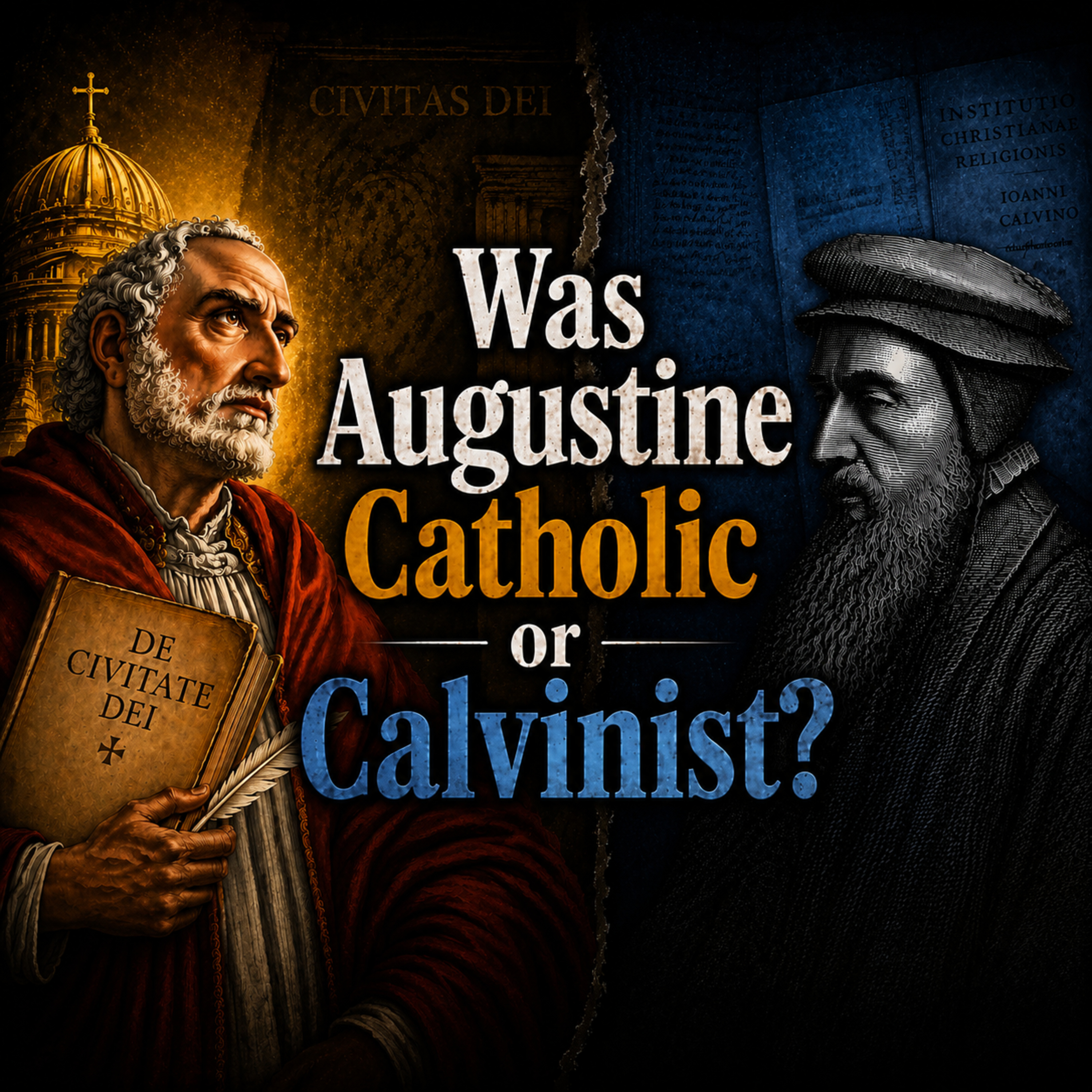
    Was Augustine Catholic or Calvinist?

    Did John Calvin faithfully follow Augustine of Hippo, or did he selectively use him for Reformation purposes? In this episode of FACTS, we examine the real historical relationship between Calvin and Augustine on grace, justification, the Church, apostolic succession, the Eucharist, prayer for the dead, and purgatory. Many claim Augustine was basically Protestant before the Reformation. But is that anachronistic? The better question may be whether Calvin was truly a good Augustinian. We walk through direct quotations, historical context, and where Calvin aligns with Augustine—and where he sharply departs. Topics include: Augustine on grace and free will Calvin on predestination and human inability Justification: made righteous or counted righteous Authority of the Catholic Church The Eucharist and sacramental realism Prayer for the dead Purgatorial purification Was Augustine closer to Catholicism or Calvinism? If you'd like to donate to our ministry or be a monthly partner that receives newsletters and one on one discussions with Dr. Stephen Boyce, here's a link: https://give.tithe.ly/?formId=6381a2ee-b82f-42a7-809e-6b733cec05a7 #Augustine #JohnCalvin #Reformation #ChurchHistory #Catholic #Protestant #Calvinism #Theology #Eucharist #Purgatory #EarlyChurch #FACTSPodcast

    • Transcript
Showing 1–20 of 20 episodes