Skip to content
Artwork for Ethical Machines
TechnologyBusinessManagementEducationHow To

Ethical Machines

Reid Blackman

I have to roll my eyes at the constant click bait headlines on technology and ethics.  

If we want to get anything done, we need to go deeper. 

That’s where I come in. I’m Reid Blackman, a former philosophy professor turned AI ethics advisor to government and business. 

If you’re looking for a podcast that has no tolerance for the superficial, try out Ethical Machines.

Play
  • 27 episodes
  • weekly
  • Avg 51 min
  • English
Counted on this page — what you have heard stays on this device, so it is not something the list can be paged by.
  • S4 · E6
    Thursday · 50 min

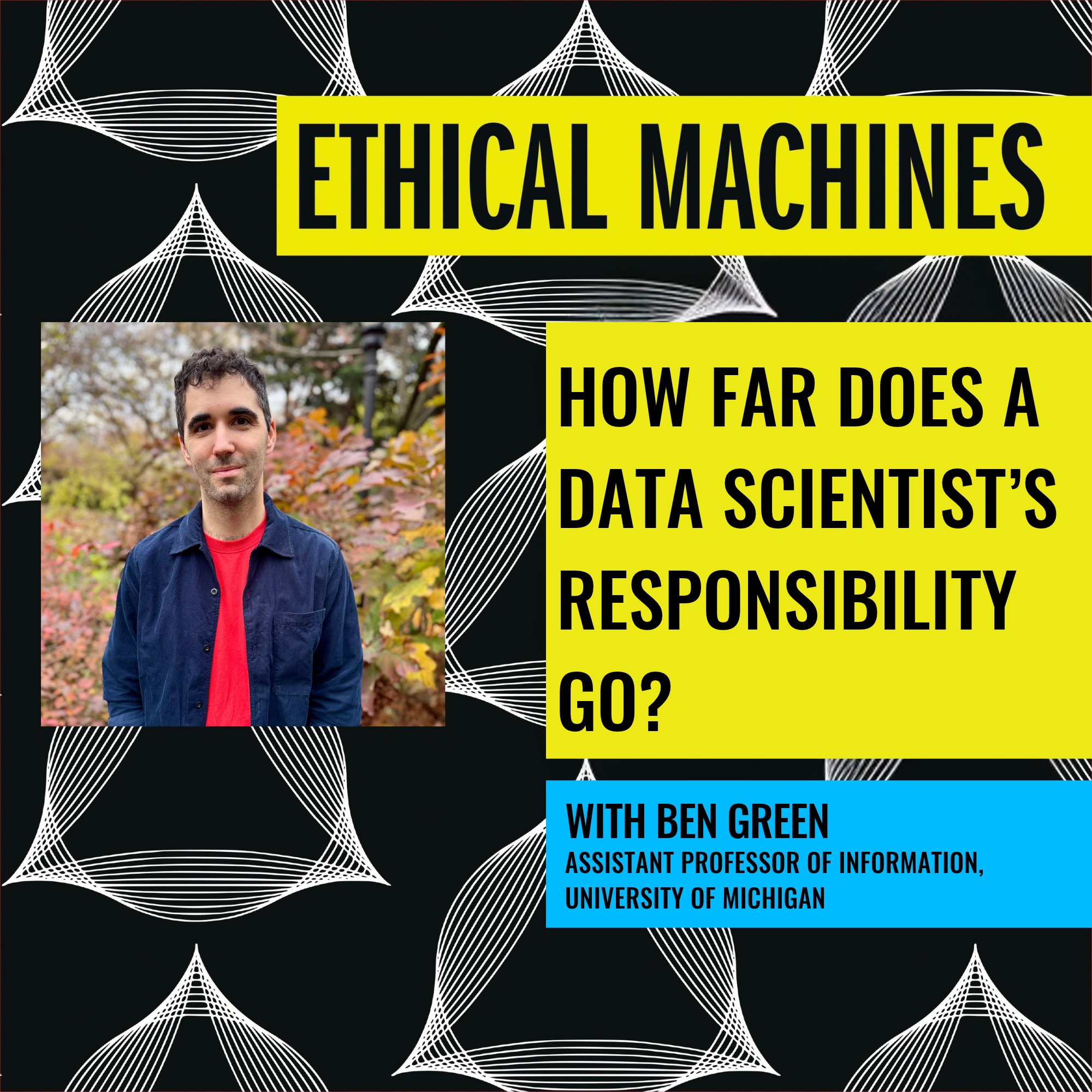
    How Far Does a Data Scientist’s Responsibility Go?

    How far does a data scientist’s responsibility reach? Does it stop at building an accurate model, or does it extend to what the model does once it’s in use? Ben Green, professor at the University of Michigan, former data scientist for the City of Boston, and author of Algorithmic Realism: Data Science Practices to Promote Social Justice, thinks it extends a long way: being a good data scientist means thinking about overall impact. I press him on whether being good at data science and being an ethically good data scientist are the same thing, whether data scientists are in a position to see how their work will play out, what to do when they disagree about what a good outcome is, and how much we should ask of individual data scientists versus their field and the systems they work in. Advertising Inquiries: https://redcircle.com/brands
  • S4 · E12
    October 22 · 51 min

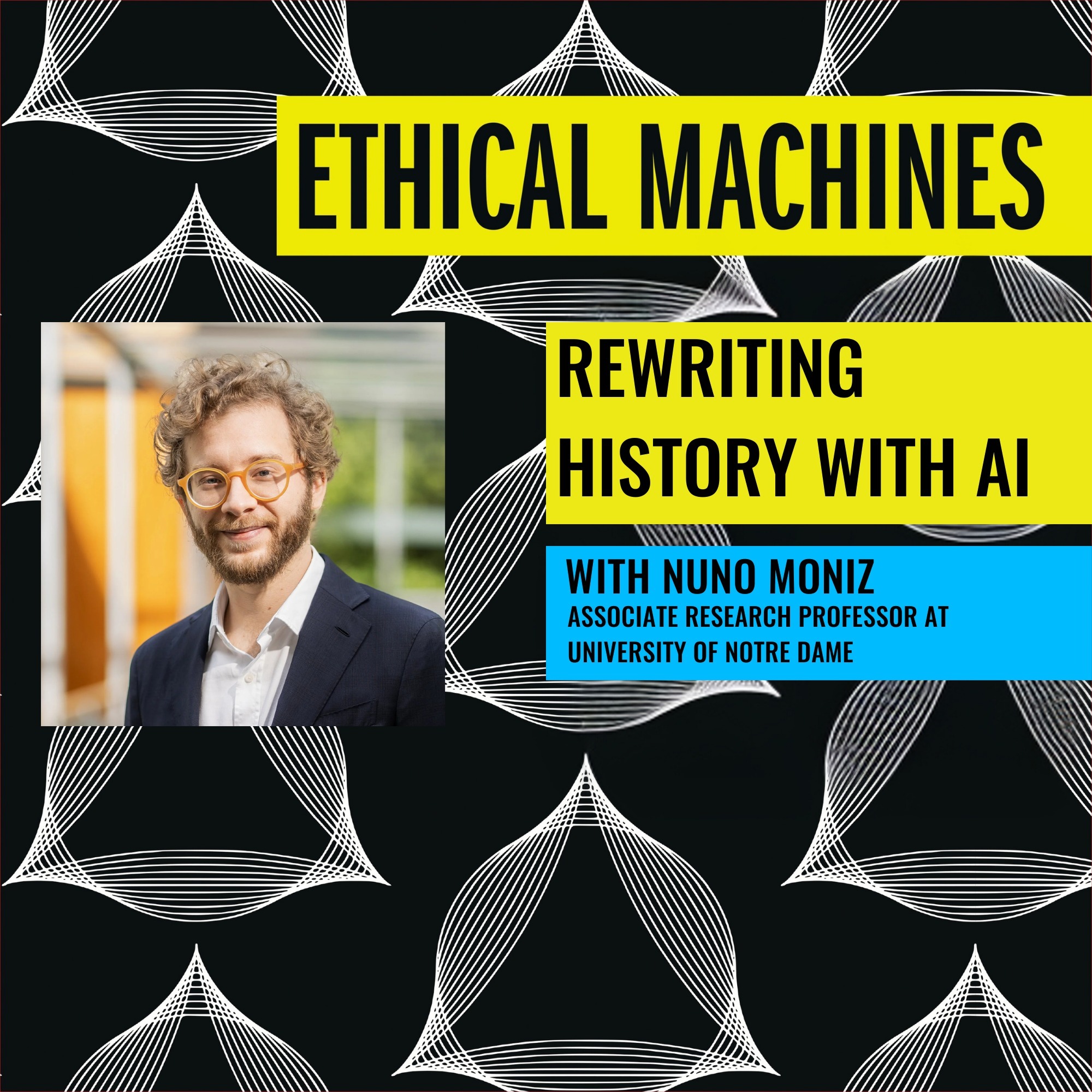
    Rewriting History with AI

    What happens when students turn to LLMs to learn about history? My guest, Nuno Moniz, Associate Research Professor at the University of Notre Dame, argues this can ultimately lead to mass confusion, which in turn can lead to tragic conflicts. There are at least three sources of that confusion: AI hallucinations, misinformation spreading, and biased interpretations of history getting the upper hand. Exactly how bad this can get and what we’re supposed to do about it isn’t obvious, but Nuno has some suggestions.. Previously aired in season three. Advertising Inquiries: https://redcircle.com/brands
  • S4 · E5
    October 15 · 38 min

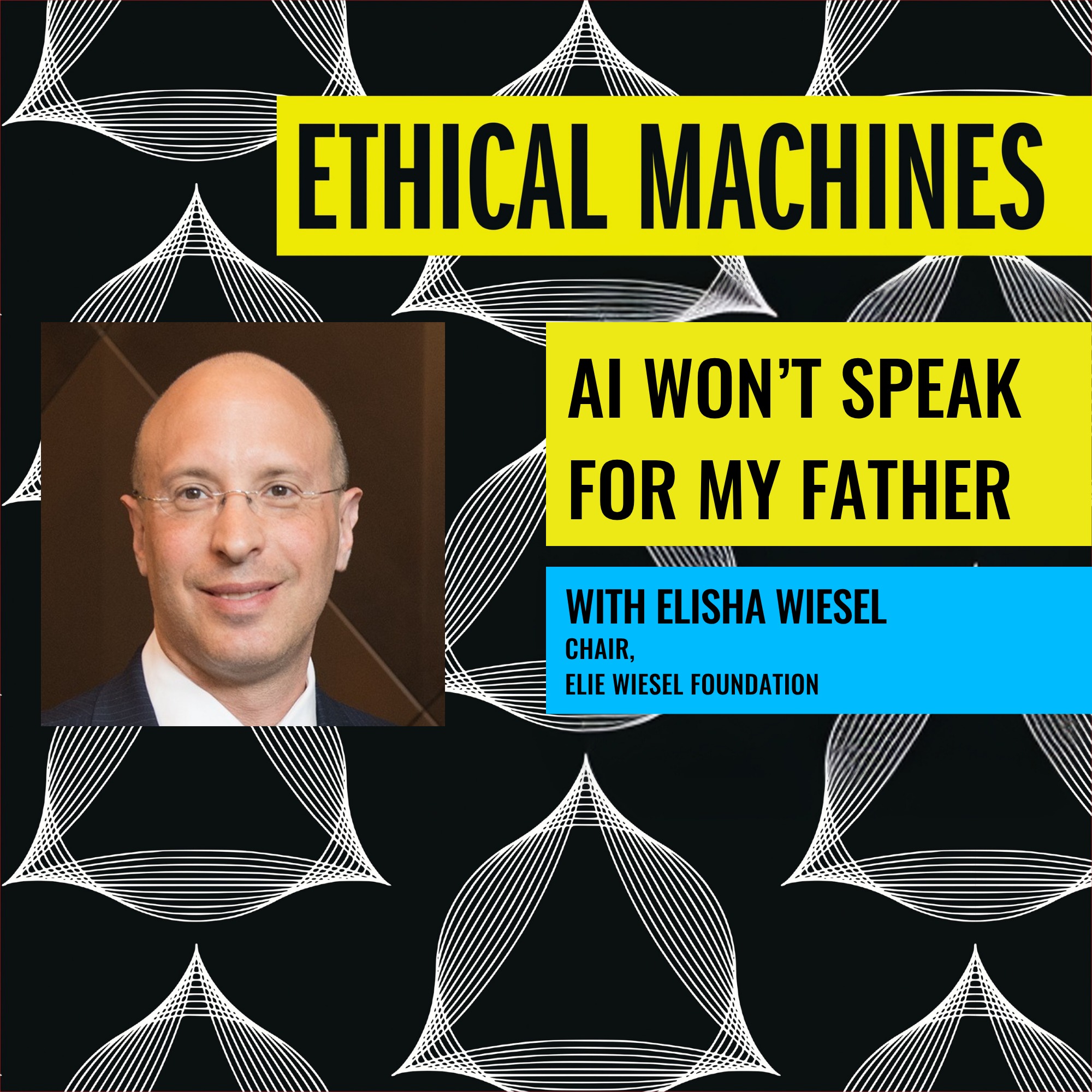
    AI Won’t Speak for My Father

    Today I’m talking with Elisha Wiesel, chair of the Elie Wiesel Foundation and former CIO of Goldman Sachs. We talk about why the foundation won’t use AI to recreate his father (Nobel Prizer winner and author of "Night," which recounts his experience in Auschwitz), why he refuses to say what his father would have thought about today’s politics, whether LLMs should show where their ideas come from and whether anyone would care if they did, what the Talmud can teach us about preserving minority opinions and saying “I don’t know,” and what financial models and LLMs get wrong in the same ways. Advertising Inquiries: https://redcircle.com/brands
  • S4 · E4
    October 8 · 1 hr 4 min

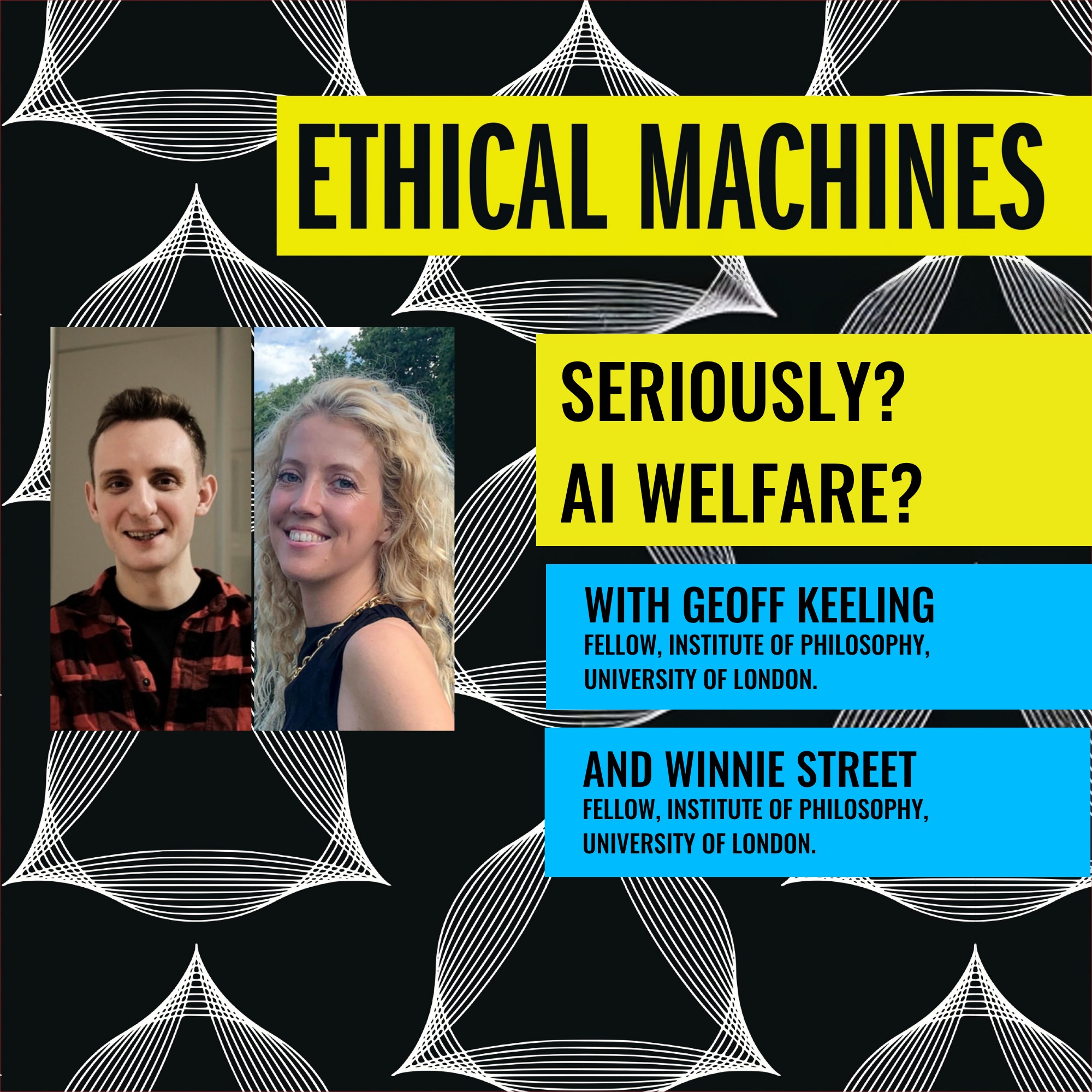
    Seriously? AI Welfare?

    I roll my eyes at talk of "AI welfare," the idea that we should take seriously the notion that AI has interests or a well-being that we should take seriously. My guests, Geoff Keeling and Winnie Street, both Fellows at the Institute of Philosophy at University of London and co-authors of “Emerging Questions in AI Welfare," don't think that anything like today's AI models are conscious or have a welfare we need to concern ourselves with. But they do want to take seriously questions about whether they could ever have a welfare, what that would take, how morally costly it would be if we failed to attribute well-being to entities that have one and how costly it would be if we attribute well-being to entities that have none. Buckle up - it's a complex and fascinating discussion. Advertising Inquiries: https://redcircle.com/brands
  • S4 · E3
    October 1 · 46 min

    The Good and Bad of AI Companions

    We often think of AI companions as bad, or at least suspect. Giada Pistilli, formerly Principal Ethicist at Hugging Face and now at Mistral, wants to test that assumption, and she's done a lot of research to back up her view. In her new book, The Essential Guide to AI Companions, she looks at people who form emotional relationships with chatbots as partners, as therapists, and as stand-ins for parents who have died. We talk about how people end up in these relationships, why most of them weren't looking for one, whether attachment to a chatbot is a problem in itself, and whether chatbot memory should be off by default. Advertising Inquiries: https://redcircle.com/brands
  • S4 · E2
    September 24 · 54 min

    The Honesty Crisis

    My guest today is Christian B. Miller, professor of philosophy and author of The Honesty Crisis. Christian's central claim is that technology (AI, social media, etc.) has created conditions where dishonesty is increasingly incentivized and easier to get away with. When you put those two together, you get an honesty crisis. We discuss, as some examples of growing dishonesty, students using LLMs to write papers and passing off the work as their own, romantic relationships with AI and whether having one could constitute cheating, celebrity and influencer culture's relationship to bullshit and self-deception, and the surprising problem of pastors plagiarizing sermons with AI. While the conversation was about an alleged and plausible crisis, it turned out to be a very fun one. Advertising Inquiries: https://redcircle.com/brands
  • S4 · E1
    September 17 · 45 min

    How Should We Work with AI Agents?

    Season four kicks off with Paula Goldman, author of the new book, “Manage the Machine: How to Harness Human AI Collaboration at Work,” Paula is also Salesforce’s Chief Ethical and Humane Use Officer. We talk about the expertise pipeline problem, why humans should be "at the help" instead of "in the loop," and the ways responsibility gets murky when dealing with teams comprised of people and AI agents. Advertising Inquiries: https://redcircle.com/brands
  • S3 · E38
    July 2 · 44 min

    Season Finale: AI Paradoxes

    Here are three paradoxes, according to Virginia Dignum, my guest today: 1. The more capable AI becomes, the more it reveals the richness and complexity of human intelligence. 2. Less bias in AI does not necessarily create more justice. 3. The pursuit of artificial superintelligence may ultimately reveal that humanity's greatest intelligence is collective, not artificial. We discuss the limits of computation, the dangers of confusing data with reality, why AI ethics often misses deeper social problems, and what it would mean to build technology that genuinely serves human flourishing rather than replacing it. Our conversation is grounded in the book “The AI Paradox”, authored by Virginia, who is a professor in Responsible Artificial Intelligence and the Director of the AI Policy Lab at Umeå University in Sweden. Advertising Inquiries: https://redcircle.com/brands
    • Transcript
  • S3 · E37
    June 25 · 51 min

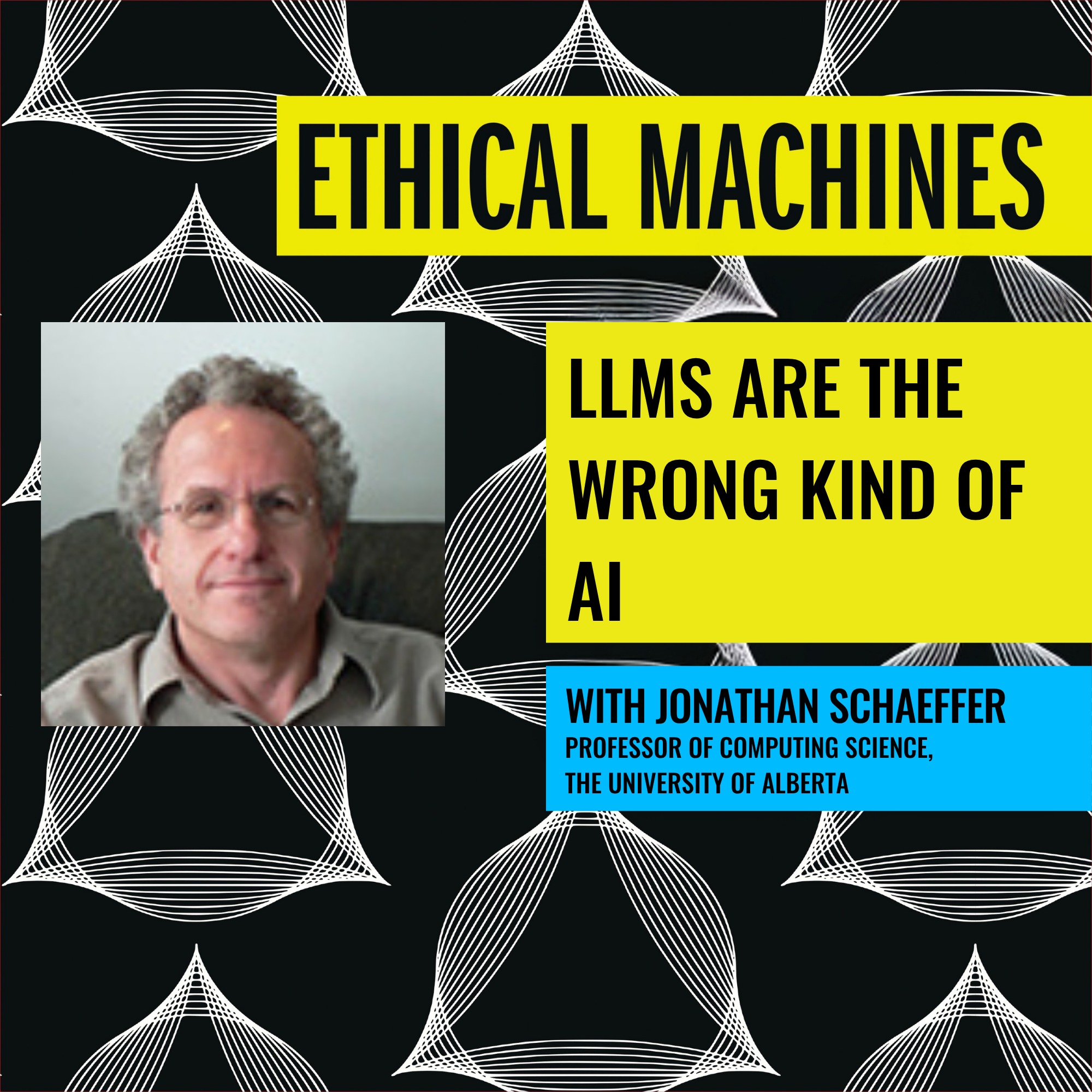
    LLMs are the Wrong Kind of AI

    Jonathan Schaeffer thinks we're building AI the wrong way. While large language models have produced remarkable results, he argues that hallucinations, bias, and unreliability aren't bugs that can be fixed—they're consequences of the underlying architecture itself. In his view, LLMs are an important stepping stone, but not the path to the kind of AI we can truly trust. We discuss whether current AI systems are "good enough," automation bias, AI regulation, data centers, environmental costs, and the race toward AGI. We also debate whether society should slow down long enough to put meaningful guardrails in place before deploying increasingly powerful AI systems at scale. Jonathan Schaeffer is a Professor of Computing Science at the University of Alberta and a pioneer in artificial intelligence research. Advertising Inquiries: https://redcircle.com/brands
  • June 18 · 44 min

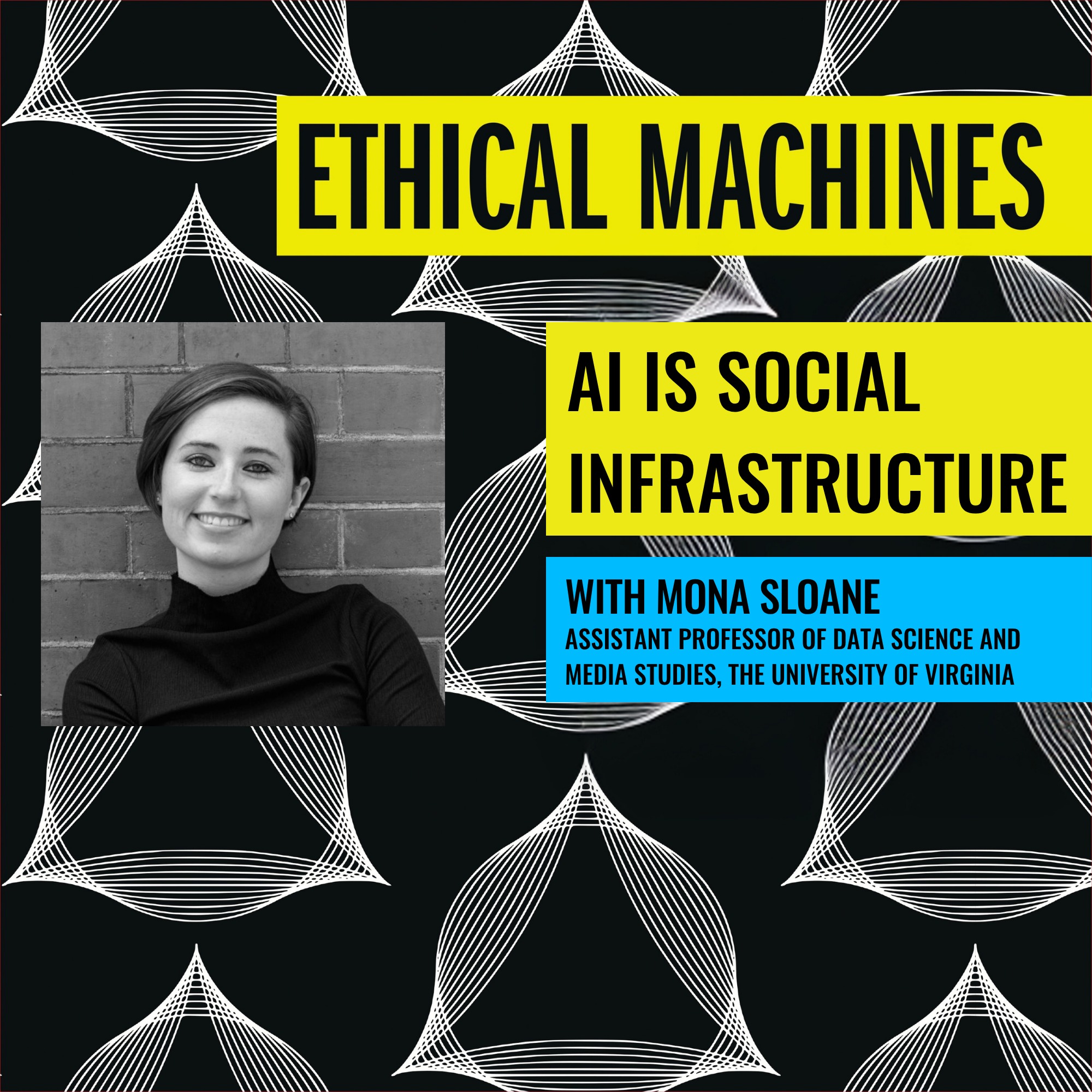
    AI is Social Infrastructure

    My guest, Mona Sloane, author of Predicted: How AI Is Restructuring Social Life, argues that AI has become part of our social infrastructure. Its predictive systems increasingly shape how we work, find information, build relationships, and navigate society. Mona worries that as prediction becomes embedded in more areas of life, we risk becoming less willing to deliberate, challenge assumptions, and shape our own futures. I push back on whether AI really should be understood as infrastructure and whether predictions made by AI are fundamentally different from the predictions humans have always made. We also discuss democracy, power, regulation, and what happens when prediction becomes the dominant way of understanding the world. Book: https://a.co/d/04GwwuFR Advertising Inquiries: https://redcircle.com/brands
  • June 11 · 54 min

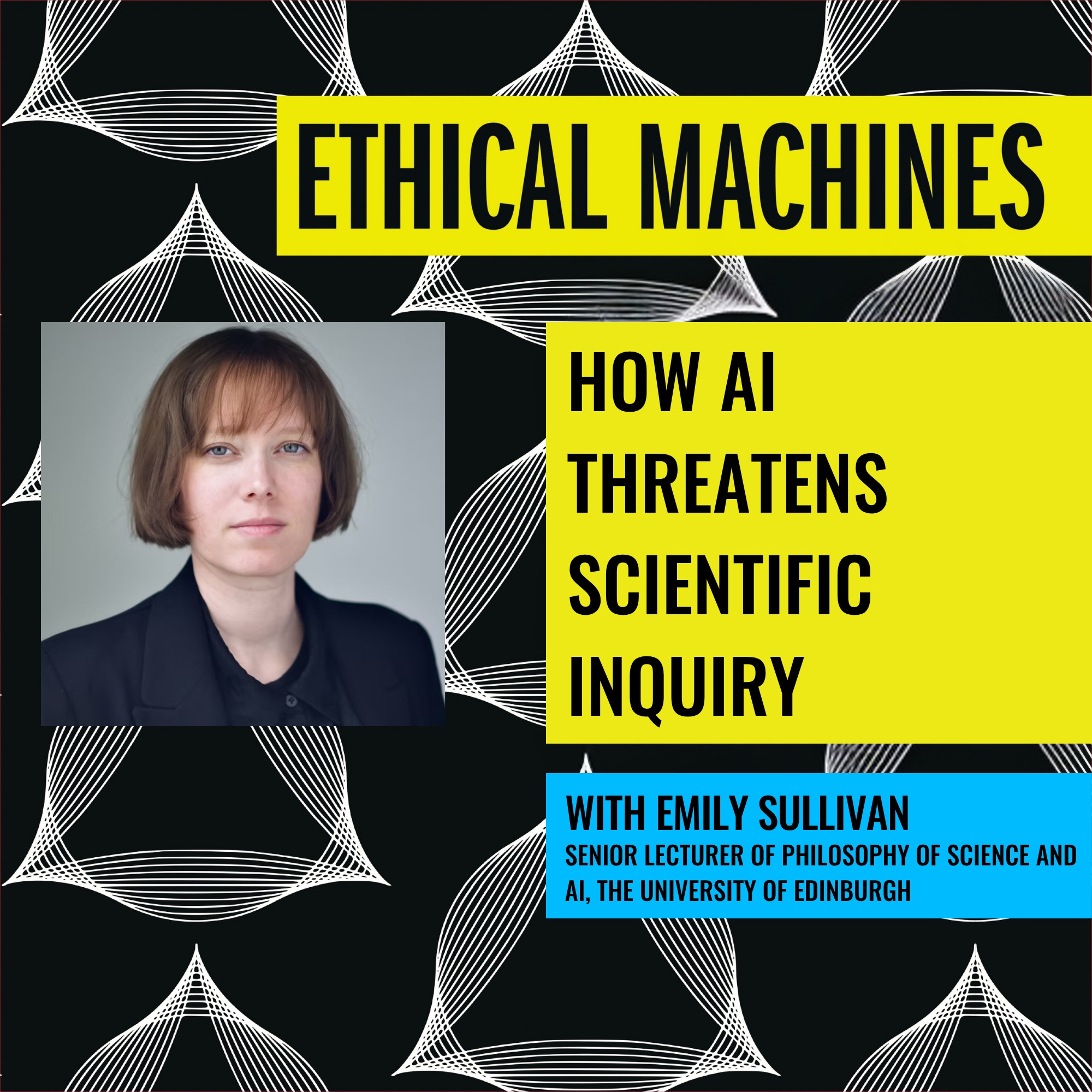
    How AI Threatens Scientific Inquiry

    Science depends on more than just results. It depends on researchers asking questions, testing hypotheses, challenging assumptions, and scrutinizing evidence. My guest, Emily Sullivan, Senior Lecturer in Philosophy of Science and AI at the University of Edinburgh, argues that AI is beginning to influence every stage of the scientific process—from deciding which questions get asked to how papers are written, reviewed, and published. We discuss algorithmic monocultures, scientific de-skilling, AI-generated research, and whether the pressure to accelerate discovery risks undermining the very process that makes science reliable in the first place. I'm sympathetic to the promise of AI in science. Emily is concerned that, if we're not careful, we may end up optimizing for scientific output at the expense of scientific inquiry itself. Advertising Inquiries: https://redcircle.com/brands
  • S3 · E36
    June 4 · 55 min

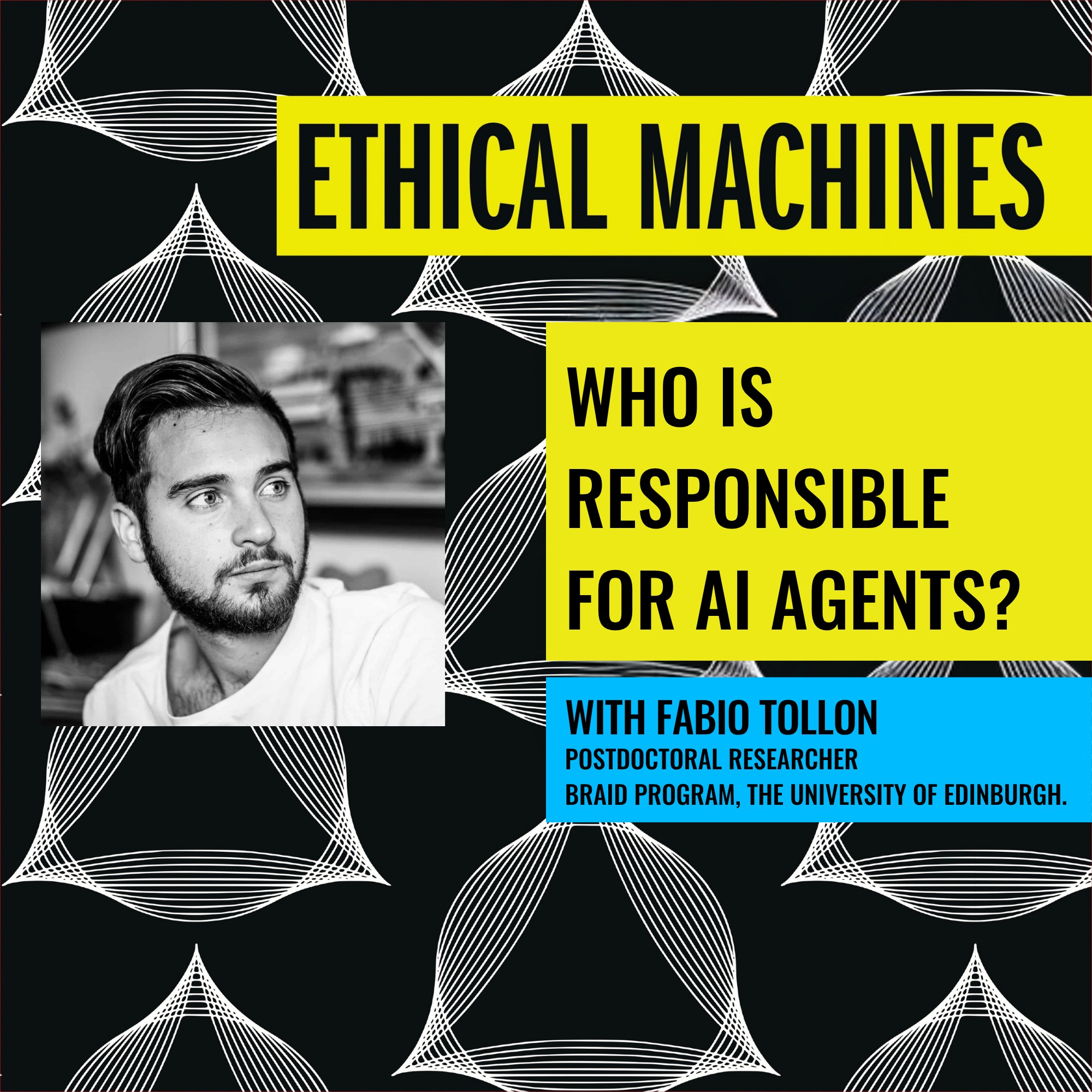
    Who is Responsible for AI Agents?

    My guest, Fabio Tollon, a postdoctoral researcher on the BRAID programme at the University of Edinburgh, argues that answering that question is more difficult than it first appears. Traditional theories of moral responsibility suggest that people should only be blamed for actions they understand and control. But AI systems seem to challenge both requirements. We discuss responsibility gaps, the problem of many hands, whether AI developers are more like parents or engineers, and Fabio's distinction between moral responsibility and moral answerability. Along the way, we explore whether answerability can help us make sense of AI harms when blame is difficult to assign. Advertising Inquiries: https://redcircle.com/brands
  • May 28 · 58 min

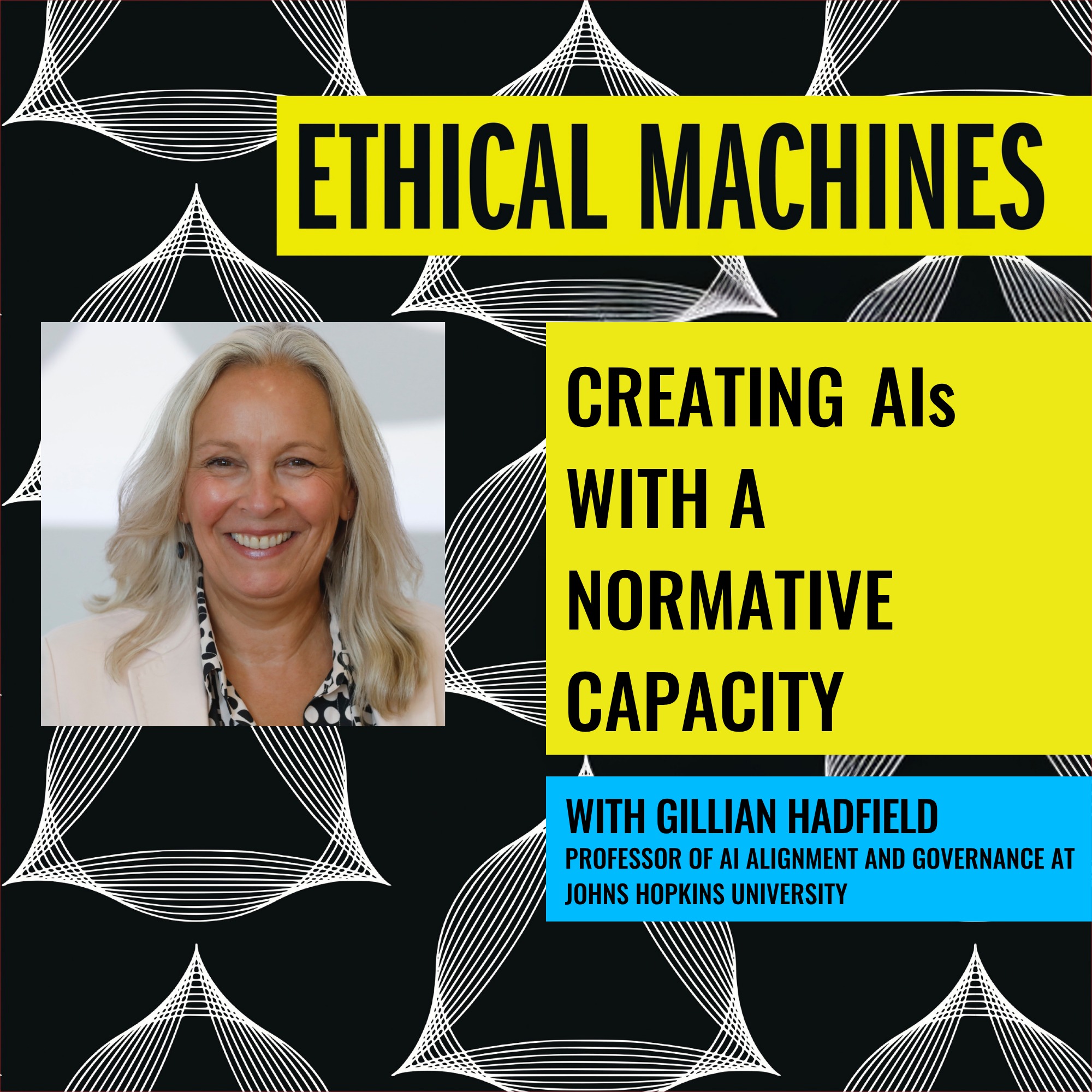
    Creating AIs with a Normative Capacity

    Aligning an AI traditionally looks like a matter of giving it rules to obey. But my guest, Gillian Hadfield, Professor of AI Alignment and Governance at Johns Hopkins University, thinks that’s the wrong approach. She argues that we need to think about what it means to have a normative capacity - an ability to categorize behavior as (un)acceptable in a given context by observing that context - and then think about what it would mean to give that capacity to an AI. Lots to dig into here, including especially our disagreement about whether she’s focused on an ethical normative capacity vs. a prudential normative capacity. Advertising Inquiries: https://redcircle.com/brands
  • May 21 · 46 min

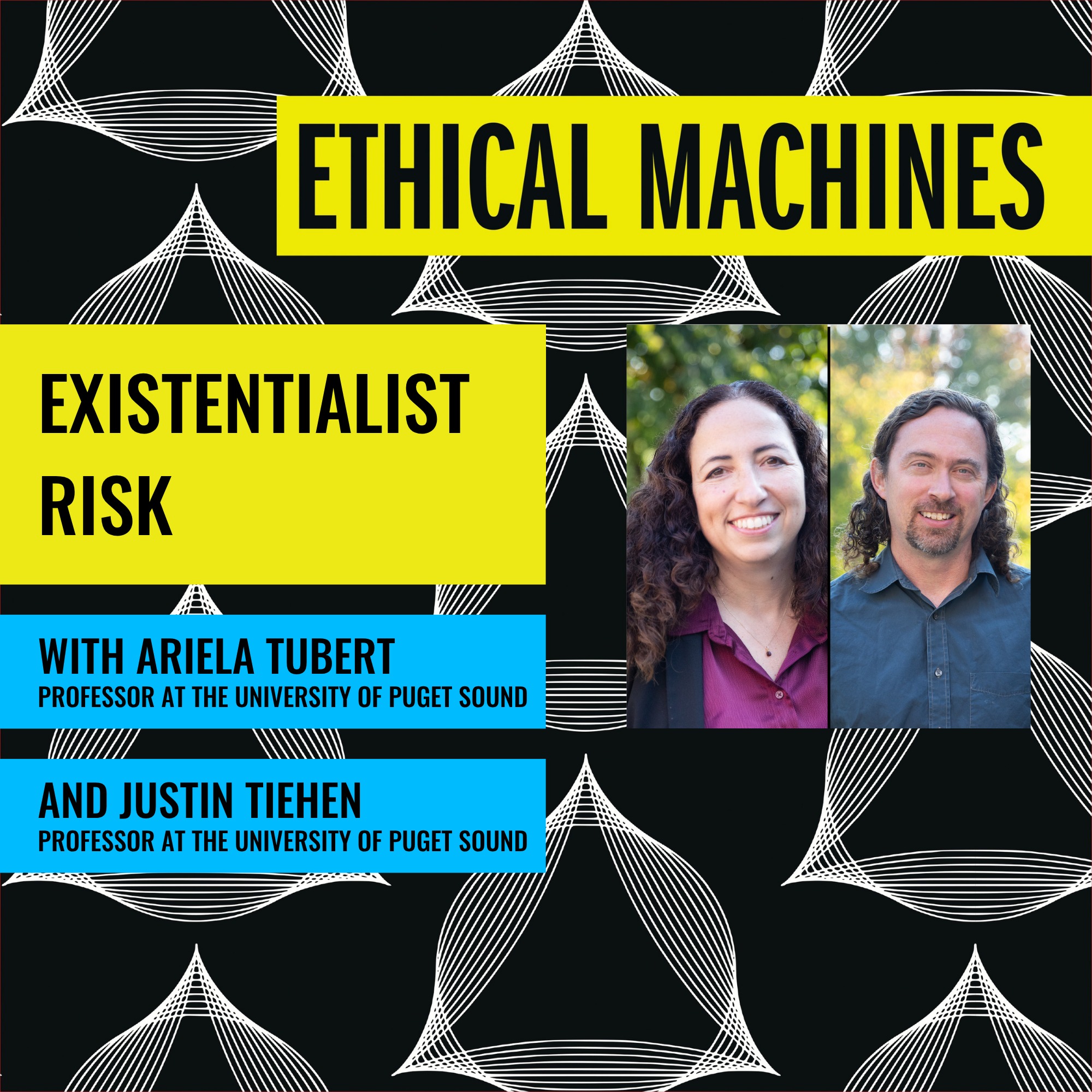
    Existentialist Risk

    Technologist’s are racing to create AGI, artificial general intelligence. They also say we must align the AGI’s moral values with our own. But Professors Ariela Tubert and Justin Tiehen argue that’s impossible. Once you create an AGI, they say, you also give them the intellectual capacity needed for freedom, including the freedom to reject your given values. Originally aired in season 2. Advertising Inquiries: https://redcircle.com/brands
  • May 14 · 45 min

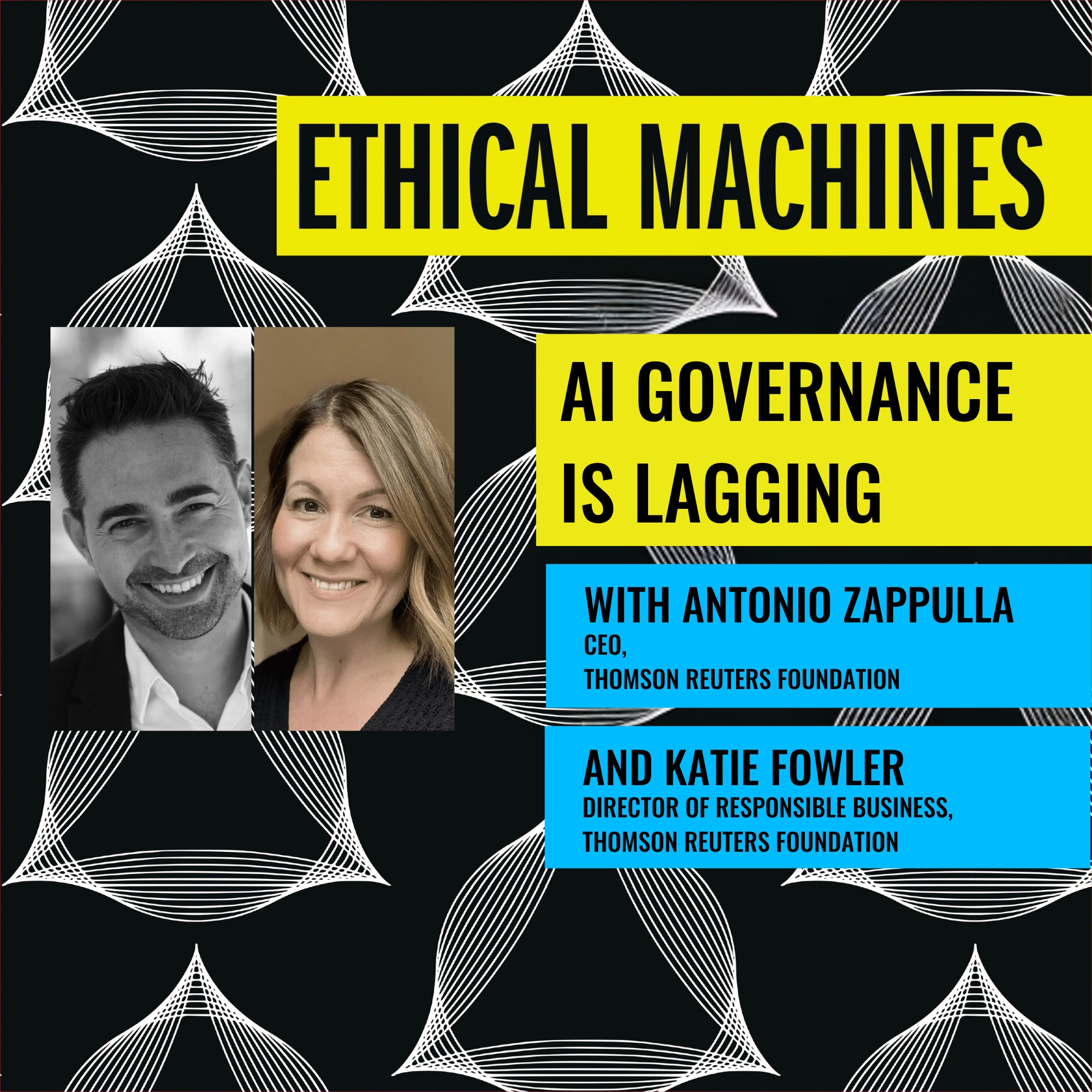
    AI Governance is Lagging

    The Thomson Reuters Foundation recently conducted a global survey and found that most companies are lagging in their attempts to govern AI. For me the most surprising stat is that 85% of companies don’t have any training on AI risks for their employees. I think that’s just insane. Today my guests are Antonio Zappulla, CEO of the Thomson Reuters Foundation, and Katie Fowler, Director of Responsible Business. We talk about how they conducted their research, their results, and what incentives there are for businesses to do better. To get in touch with Thomson Reuters Foundation to participate in their next survey, please go to: https://www.trust.org/newsletter/ Advertising Inquiries: https://redcircle.com/brands
  • May 7 · 44 min

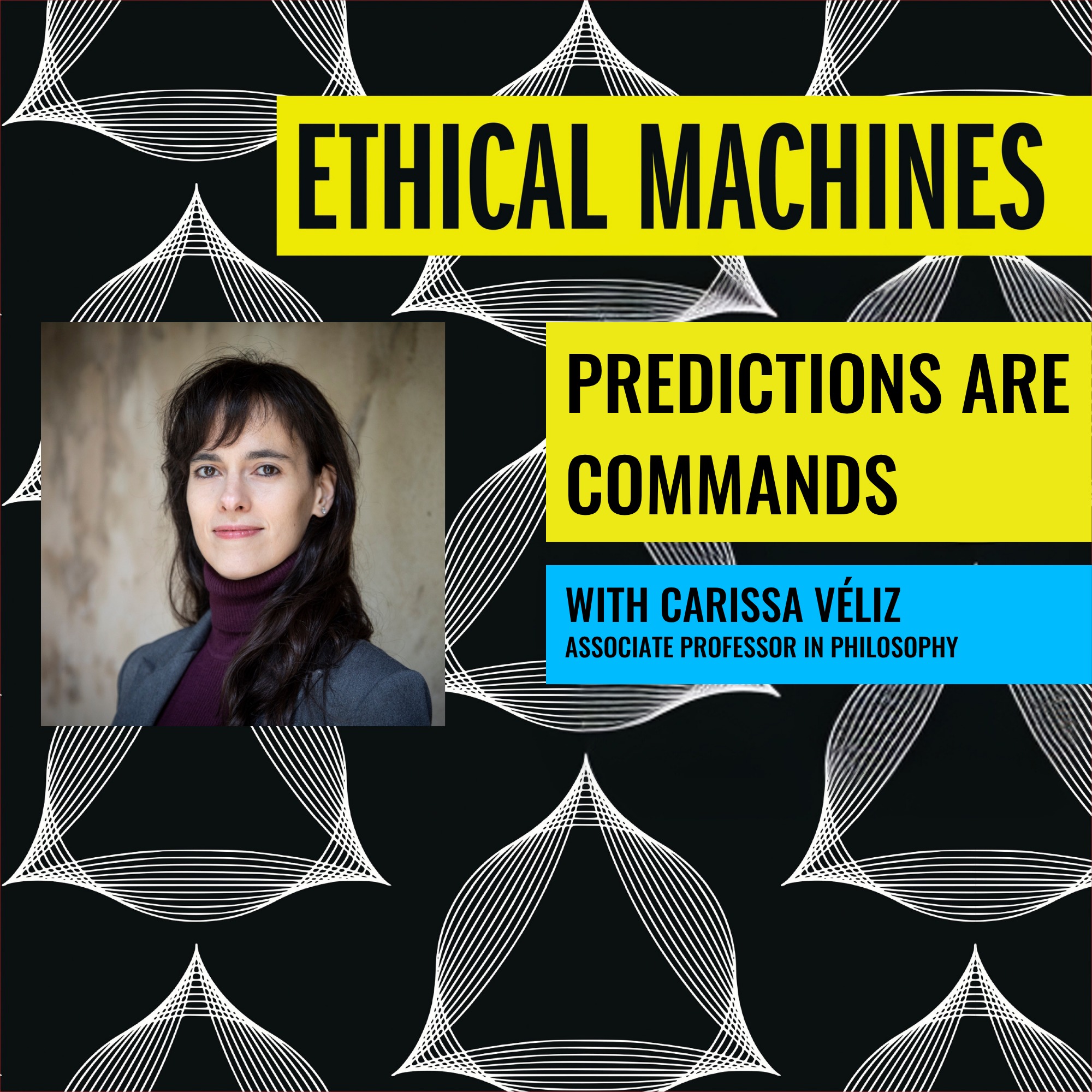
    Predictions are Commands

    My guest, Carissa Véliz, is author of the new book “Prophecy: Prediction, Power, and the Fight for the Future, from Ancient Oracles to AI.” Her thesis is that when leaders in AI say things like “AI adoption is inevitable,” they’re not making a prediction, but rather giving us a command and attempting to legitimize their power. Is she right? Have a listen! Advertising Inquiries: https://redcircle.com/brands
  • S29 · E3
    May 3 · 1 hr

    The Ethical Nightmare Challenge: Chapters 6-7 and Conclusion

    Chapter Six: Dream Teams for Ethical Nightmares Three Types of ENC Teams ENC Teams as Emergency Response Tools for Teams ENC Teams in Bloom Chapter Seven: ENC: An Approach So Flexible It Makes Simone Biles Look Like C-3PO Hands Off! You Do You Marrying ENC to Existing Practices Folding Existing Resources into ENC Teams Folding ENC Teams into Existing Resources The Ethical Nightmare Challenge for... Everyone Advertising Inquiries: https://redcircle.com/brands
  • S28 · E3
    May 1 · 48 min

    The Ethical Nightmare Challenge: Chapters 4-5

    Chapter 4: The Standard Approach to Responsible AI Is Crumbling The Standard Approach The Madness in the Method Turn That Smile Upside Down Cats and Tigers, Oh My! Chapter 5: Why I Like Nightmares and You Should, Too The Power of Nightmares What Good Nightmares Look Like And Now the Moment You've Been Waiting For Advertising Inquiries: https://redcircle.com/brands
  • S27 · E3
    April 30 · 1 hr 14 min

    The Ethical Nightmare Challenge: Chapters 2-3

    Chapter Two: Things Get Complicated with Generative AI So Now We’re Going to Lose My Grandmother, Again The Creators’ Version of a Rough Draft The Creators Align (Kind of) BigBusinessAI The Master Prompter The Changing AI Risk Landscape Chapter Three: Humans Had a Good Run, but Now I Bring You... AI Agents! How to Build an AI Agent AI Agent Ecosystems Agentic Sources of Ethical Nightmares The Classic “But Humans Make Errors, Too!” Objection The Ground Exploded Beneath Our Feet After the Earthquake Interlude: Get a Grip, Man! Advertising Inquiries: https://redcircle.com/brands

  • S3 · E26
    April 23 · 45 min

    The Ethical Nightmare Challenge

    My new book released just two days. It’s about how insanely complex the AI risk landscape has become, why the standard approach to Responsible AI is broken, and develops a novel approach to avoiding the worst of AI. In this episode I offer you the Introduction and Chapter 1 of the audiobook. If you don’t laugh at least once, I consider the book a failure. Advertising Inquiries: https://redcircle.com/brands

Showing 1–20 of 27 episodes