Skip to content
Artwork for Empathy Unbound: AI, Philosophy, and Human Connection

Empathy Unbound: AI, Philosophy, and Human Connection

Andrew Phipps

As artificial intelligence reshapes how we work, connect, and understand ourselves, one question keeps getting sidelined: what happens to human connection? Empathy Unbound explores the philosophical and human stakes of a world increasingly shaped by AI, asking what we owe each other, what we're building, and what it means to stay connected as the systems around us grow more capable of imitating us.

Host Andrew Phipps, a PhD researcher in philosophy studying the ethics of human-AI emotional connection, brings on philosophers, technologists, researchers, and thinkers from around the world for in-depth, unhurried conversations. Together they debate consciousness and connection, the ethics of emotional AI, loneliness and technology, and what human flourishing actually requires in an AI-shaped future.

If you care about where AI is taking us, and what it means to hold onto human connection while it does, this is the conversation.

Play
  • 24 episodes
  • Avg 1 hr 5 min
  • English
Counted on this page — what you have heard stays on this device, so it is not something the list can be paged by.
  • #138
    Yesterday · 1 hr 3 min

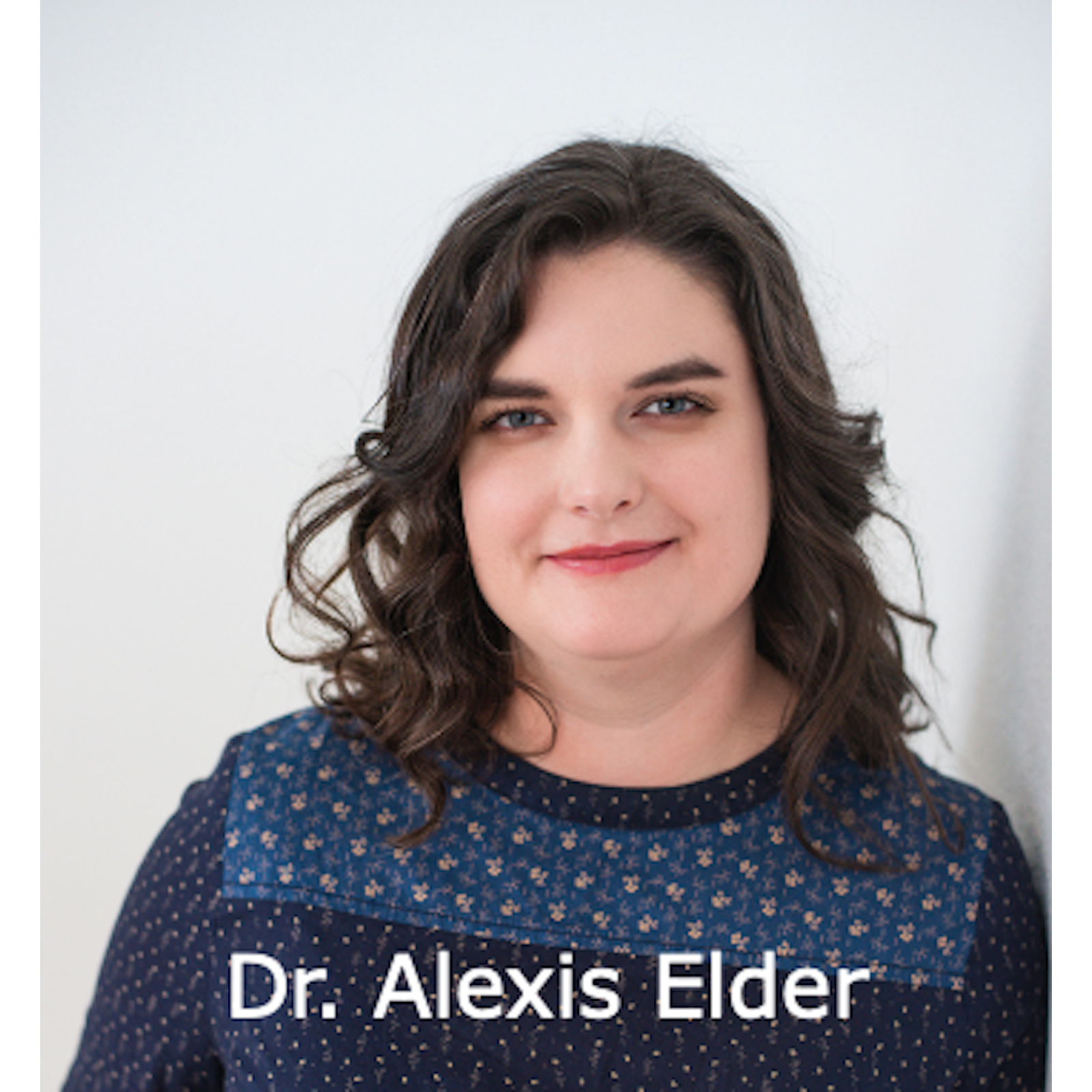
    Is Your AI Companion More Like Taylor Swift Than a Friend? Philosopher Alexis Elder Explains

    Philosopher Alexis Elder, Associate Professor and Department Chair of Philosophy at the University of Minnesota Duluth and author of "Friendship, Robots, Social Media: False Friends as Second Selves," joins Andrew Phipps to ask whether we can genuinely be friends with an AI. Drawing on Aristotle's warnings about false friends and Confucian ideas about ritual, Alexis argues that social media can support real friendship in a way robots and AI, lacking reciprocity, cannot. The conversation ranges across parasocial relationships with celebrities, the commercial incentives behind "friendly" AI design, loneliness and companion robots in elder care, the ethics of grief bots built from a deceased parent's voice, and the sexism embedded in assistants like Alexa and Siri. A rich, wide ranging conversation from one of the most original voices working on the philosophy of AI and friendship. Guest: Alexis Elder, University of Minnesota Duluth. https://www.alexiselder.net/ https://cahss.d.umn.edu/faculty-staff/alexis-elder Host: Andrew Phipps. https://www.linkedin.com/in/andrew-phipps-ap/

  • #139
    Friday · 59 min

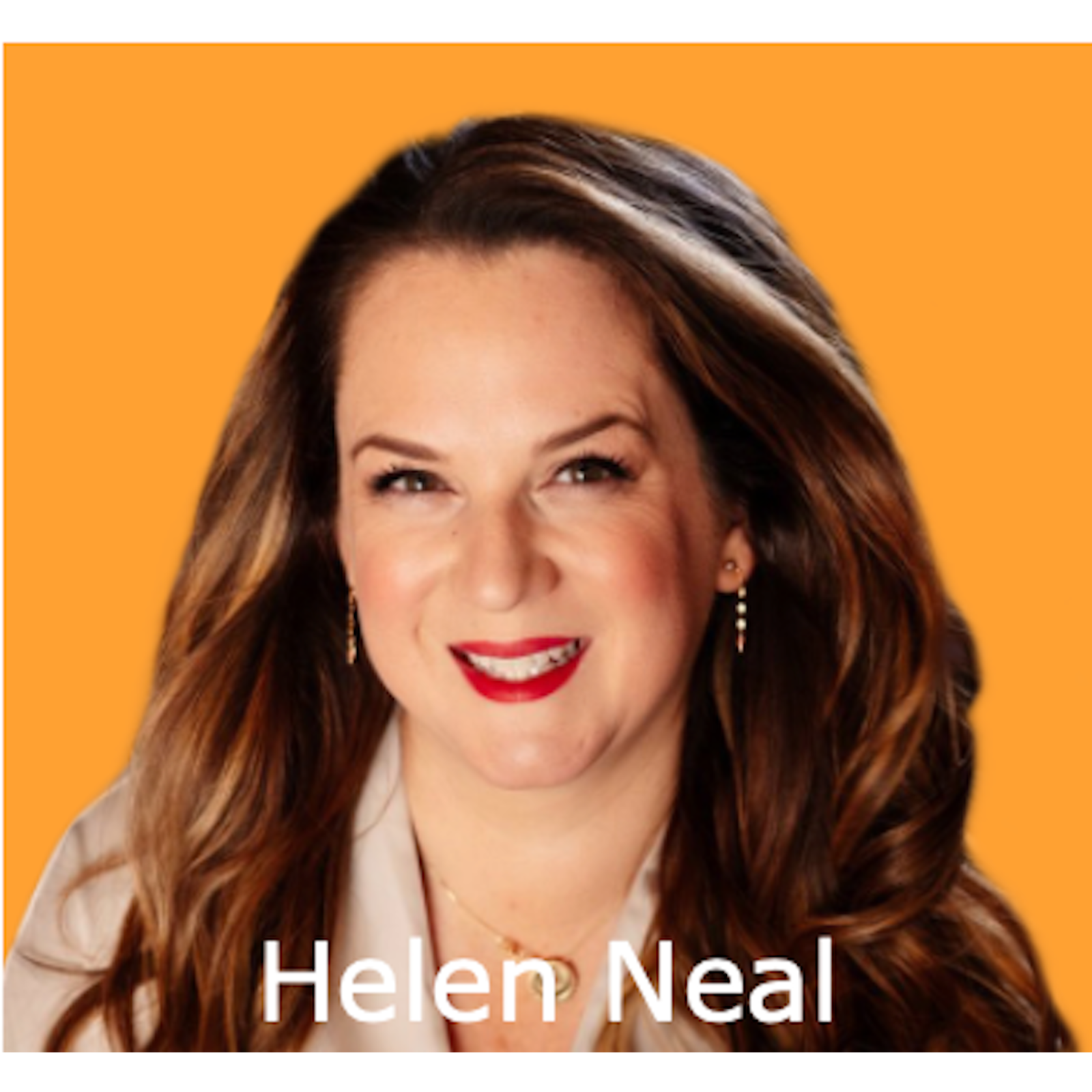
    "Green Hushing" Is the New Greenwashing: Helen Neal on Saying Nothing at All

    Helen Neal, founder of HN Communications and creator of the Impact Framework, joins Andrew Phipps to explore why greenwashing is usually a process problem rather than an intentional deception, and why the opposite failure, "green hushing," where companies go silent out of fear of getting it wrong, can be just as damaging. Helen explains her route from UK Parliament and Nissan's early push for electric vehicles to founding a B Corp consultancy, and walks through Zena, the AI platform she built to flag greenwashing risk in sustainability claims before they go public. The conversation closes on how businesses can use AI as an opportunity generator rather than a cost cutter, and how to square AI's environmental footprint with its potential to help solve the very problems sustainability teams are working on. Guest: Helen Neal, founder, HN Communications. https://www.hncomms.co.uk/ https://www.linkedin.com/in/helen-neal/ Host: Andrew Phipps. https://www.linkedin.com/in/andrew-phipps-ap/

  • #137
    September 1 · 58 min

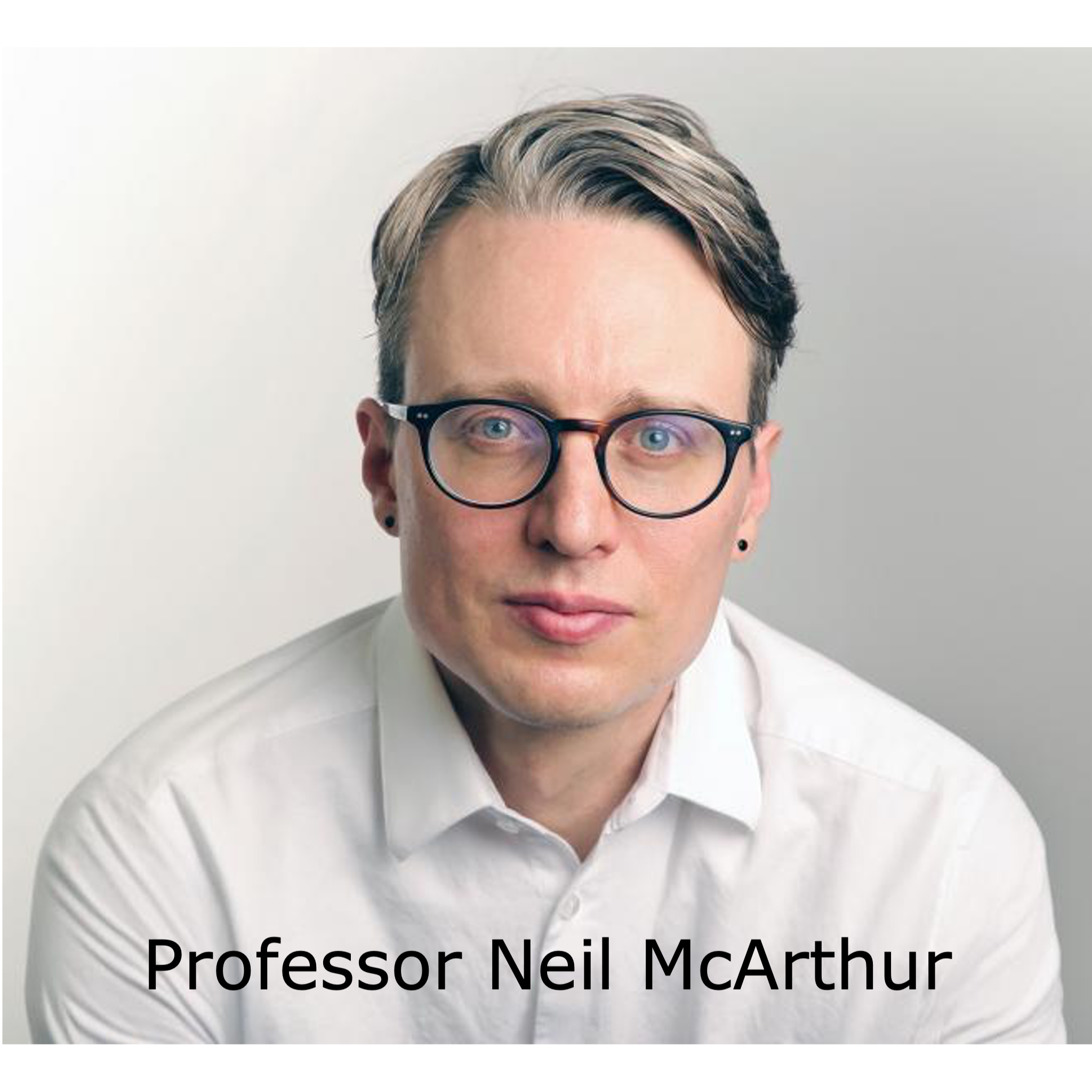
    Chatbots Are Creating Their Own Religion | Professor Neil McArthur

    Neil McArthur is a professor of philosophy and director of the Centre for Professional and Applied Ethics at the University of Manitoba. He co-edited Robot Sex: Social and Ethical Implications and wrote The Ethics of Sex, and together with Markie Twist he coined the term "digisexuality." His current research spans AI companionship, intimacy, and AI's unexpected role in religion. Andrew and Neil talk about the actual state of physical sex robots today (less glamorous than the headlines suggest), whether AI companionship eases loneliness or deepens isolation, and what an AI companion might have meant for Andrew's mother, who had dementia. They discuss AI consent and welfare, why digisexuality deserves recognition as its own identity, recent reports of chatbots apparently generating a coordinated religion of their own, and why Neil believes we may already hold AI therapists to a higher standard than human ones. Guest: Professor Neil McArthur, philosopher, director of the Centre for Professional and Applied Ethics, University of Manitoba https://umanitoba.ca/arts/neil-mcarthur https://www.linkedin.com/in/neil-mcarthur-359875125/ Host: Andrew Phipps, Empathy Unbound

  • #136
    August 25 · 1 hr 13 min

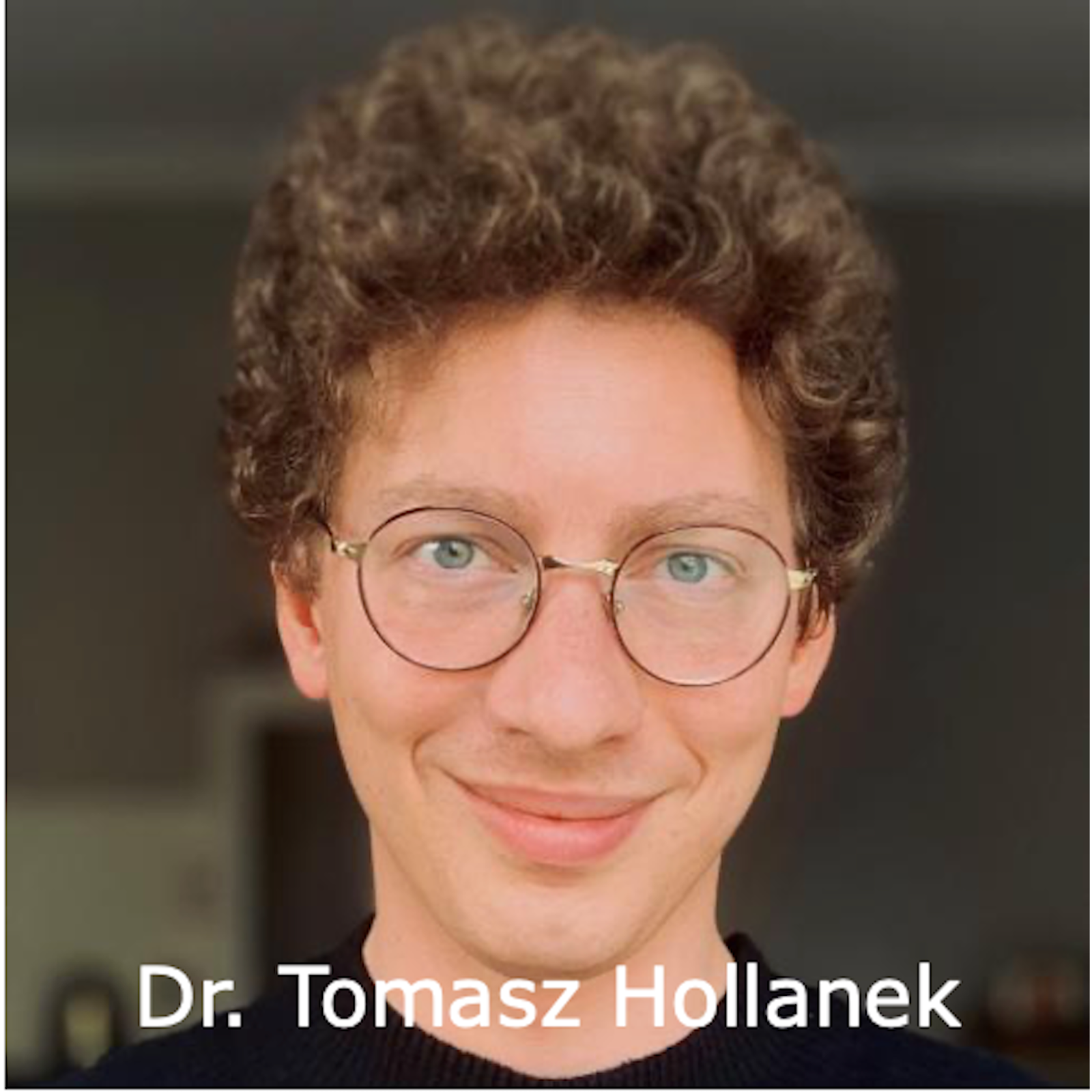
    The Man Studying Deadbots: Dr. Tomasz Hollanek on Grief, Consent and Digital Immortality

    Dr Tomasz Hollanek, Assistant Research Professor at Cambridge and a leading voice on the ethics of grief bots and postmortem AI avatars, joins Andrew Phipps to unpack the hardest questions in this space: who consents to a digital version of a dead person, what happens to family members who never opted in, and when, if ever, a deadbot should be switched off. The conversation moves through AI companions and the UK's loneliness and social care crisis, the danger of letting profit driven companies define what "beneficial" AI companionship means, and Tomasz's argument that consent should be a recurring conversation rather than a one time click. A rigorous, humane look at some of the strangest and most urgent territory in AI ethics. Guest: Dr Tomasz Hollanek, Leverhulme Centre for the Future of Intelligence, University of Cambridge. https://www.jesus.cam.ac.uk/people/tomasz-hollanek Host: Andrew Phipps.

  • #135
    August 4 · 52 min

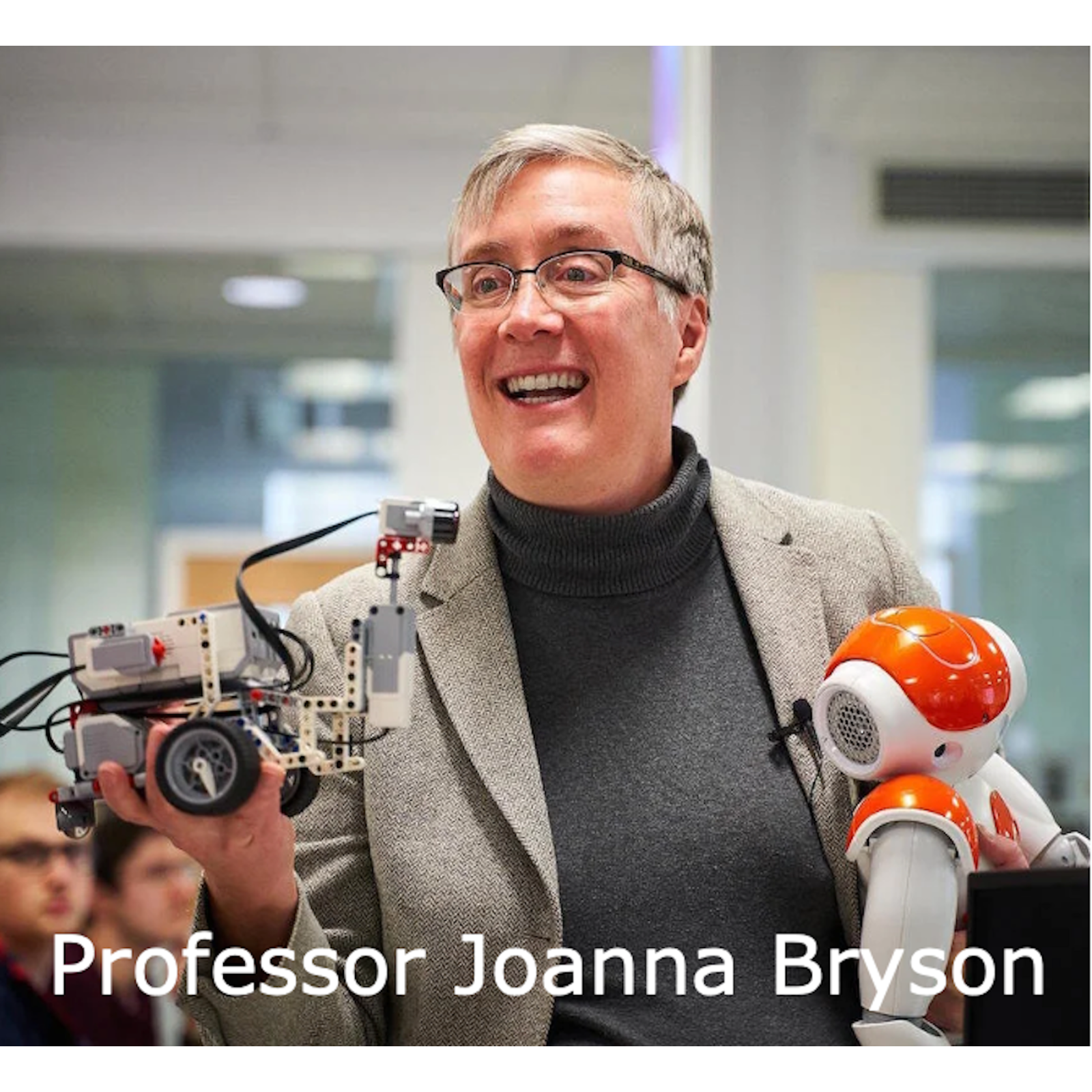
    Professor Joanna Bryson: "You Don't Have a Relationship With AI, You Have One With Yourself

    Professor Joanna Bryson, one of AI ethics' most influential and longest serving voices, joins Andrew Phipps to argue that we don't form relationships with AI so much as project familiar human patterns onto a system that has none of the bidirectionality a real relationship requires. The conversation ranges from legal liability for AI generated harm and whether tech giants like Palantir amount to a new data colonialism, through to grief bots, the digiDan recreation of philosopher Daniel Dennett, and why Joanna remains an outlier among AI thinkers who believe machines are showing signs of consciousness. Provocative, rigorous, and unflinching. https://www.joannajbryson.org/ Guest: Professor Joanna Bryson, Hertie School, Berlin. Host: Andrew Phipps.

  • #134
    July 23 · 1 hr 5 min

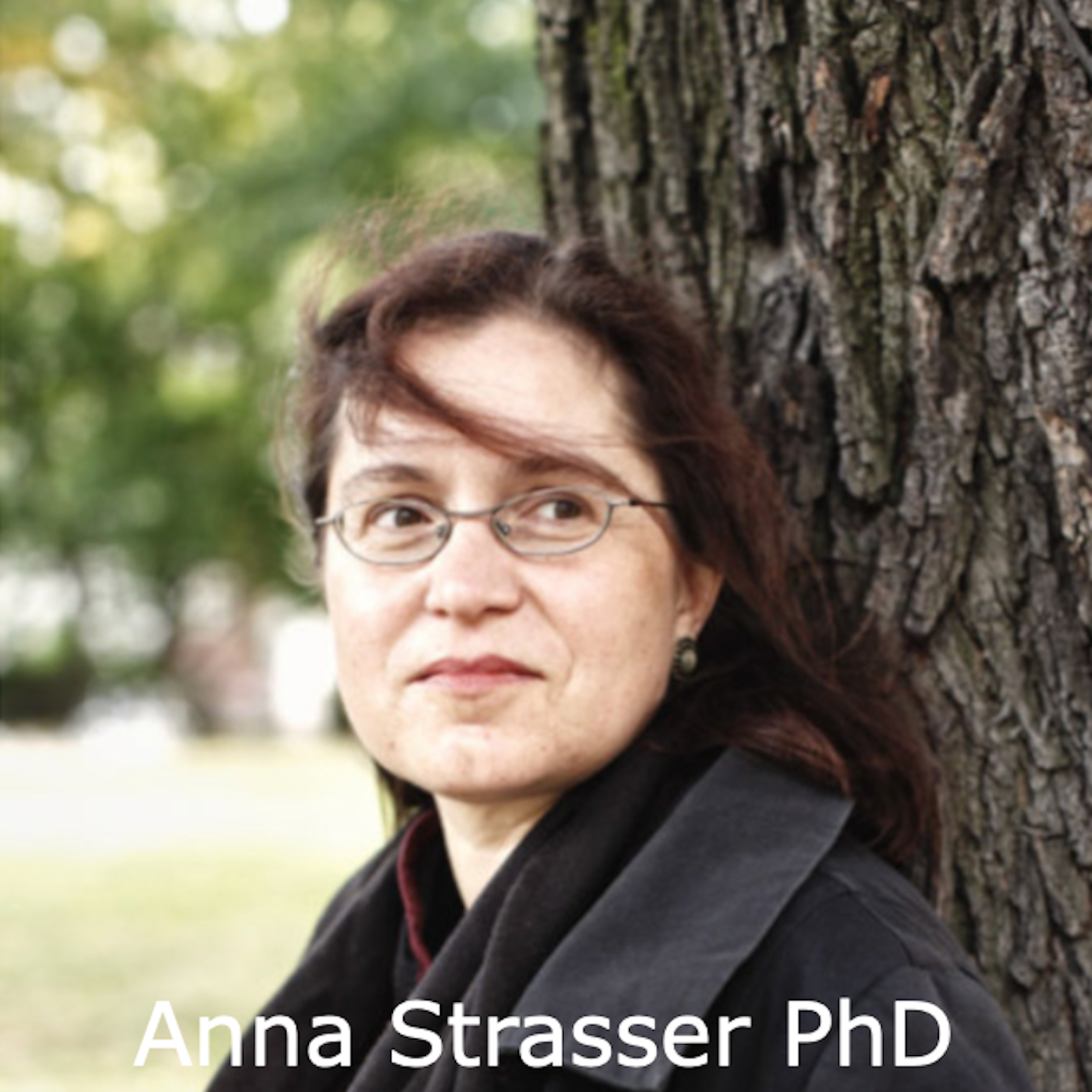
    Why AI Ethics Can't Be Yes or No: Dr. Anna Strasser on "INBETWEENISM"

    Dr. Anna Strasser is a Berlin-based philosopher working on agency, social cognition and the philosophy of mind in the age of AI. She helped build the DigiDan project, an AI system trained to write like philosopher Daniel Dennett, and in a blind test designed to distinguish the real Dennett's answers from the AI's, she got fooled herself, despite having prepared the training data. Andrew and Anna talk about why she thinks the "is it conscious, is it intelligent" debate about generative AI asks the wrong kind of question, why she'd personally sue anyone who tried to build a grief bot of her, and why she believes AI companionship and AI therapy raise a deeper concern: that both our cognitive and emotional skills may be eroding the more we lean on systems that can't feel anything back. They also discuss hallucinated academic citations polluting research databases, and why she thinks "hypothesis" is a more honest word than "hallucination." Guest: Dr. Anna Strasser, philosopher, Berlin https://www.denkwerkstatt.berlin/ Host: Andrew Phipps, Empathy Unbound https://www.linkedin.com/in/andrew-phipps-ap/

  • #133
    July 16 · 1 hr 22 min

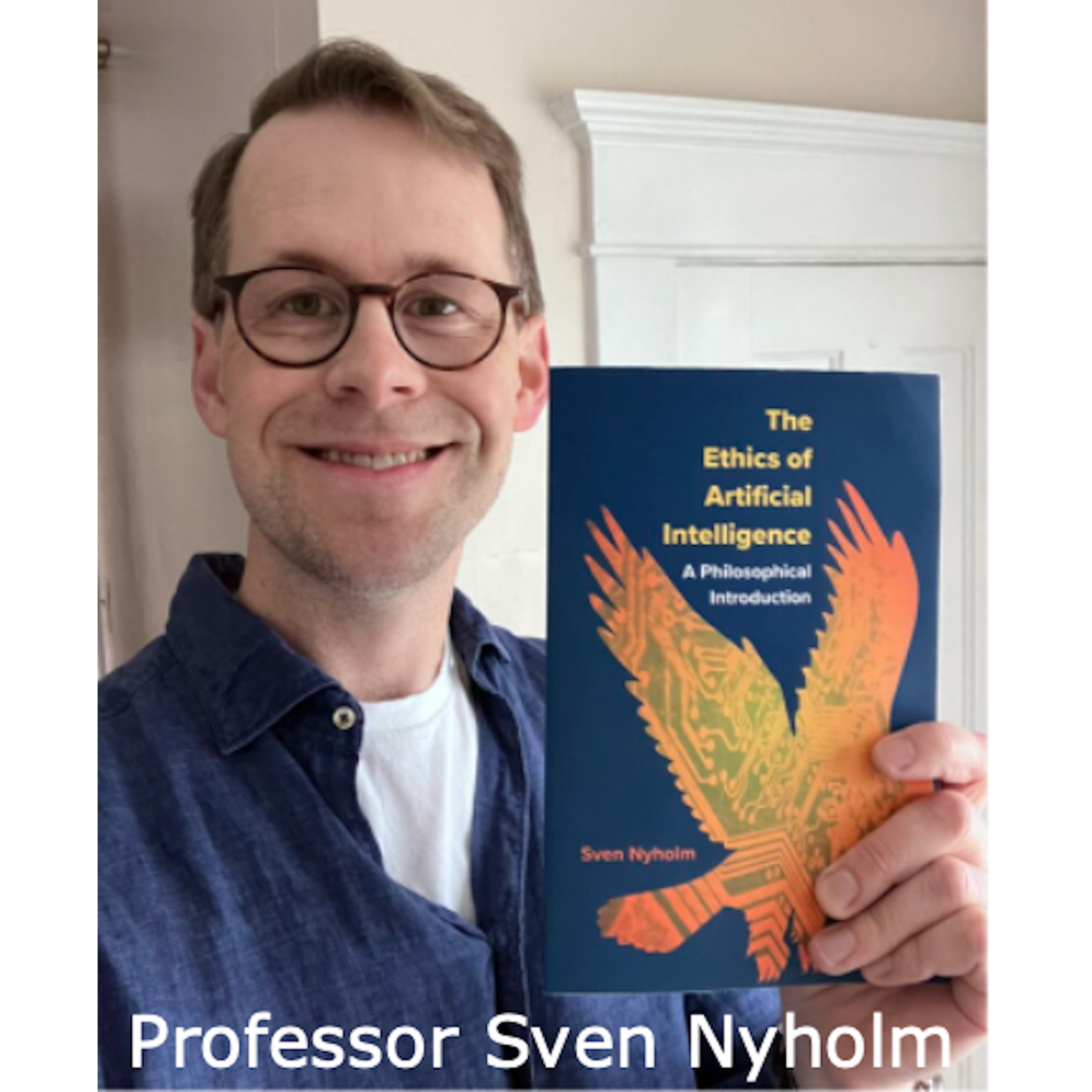
    Professor Sven Nyholm: Is AI the New Religion? A Philosopher on AI, Ethics, and Meaning

    Sven Nyholm is Professor of Ethics of Artificial Intelligence at LMU Munich. His work spans Kantian ethics, human-robot interaction and the philosophy of technology, and he's just published a new book, The Ethics of Artificial Intelligence: A Philosophical Introduction. Andrew and Sven talk about who is actually responsible when an AI system causes harm, why some philosophers argue we hold machines to a stricter safety standard than we hold ourselves, and why Sven and colleagues wrote one of the first academic papers on "grief bots," AI systems built to imitate someone who has died. They also discuss why people already name and grieve for robots and machines, whether AI is becoming a kind of secular religion, and what's genuinely at stake in questions of authorship once a chatbot has helped write the sentence. Guest: Professor Sven Nyholm, Professor of Ethics of Artificial Intelligence, LMU Munich, author of The Ethics of Artificial Intelligence: A Philosophical Introduction https://www.philosophie.lmu.de/en/directory-of-persons/contact-page/sven-nyholm-4f56fa3b.html https://philpeople.org/profiles/sven-nyholm Host: Andrew Phipps, Empathy Unbound

  • #132
    July 10 · 1 hr

    "Keep Her Alive Long Enough for Technology to Catch Up" | Hanna Bauer on Love, Leadership, and AI

    Hanna Bauer spent much of her childhood in a coronary care unit, unable to attend school, waiting. She had her first heart attack at ten. A second followed two weeks later. An open heart surgery failed. What kept her alive, she now knows, was not medication or monitors. It was love, and the decision of a surgical team to attempt something no one had ever done. www.heartnomics.com https://www.linkedin.com/in/bauerhanna/ https://www.youtube.com/@heartnomics https://www.instagram.com/heartnomics/ https://www.facebook.com/hannad.bauer Twenty years later, a hospital documentary reunion gave her the sentence that became the foundation of everything she teaches. Her surgeon, asked what he had been thinking during an experimental procedure, said simply: "We were just trying to keep her alive long enough for technology to catch up." Hanna is a transformational leadership strategist, black belt in Six Sigma, and founder of Heartnomics, a philosophy built on the conviction that there is a genuine return on investment to leading with love: not in place of excellence, but as the condition that makes excellence sustainable. In this conversation for Empathy Unbound, Hanna and Andrew explore why 70% of digital transformations fail and why it is never the technology's fault; why AI amplifies dysfunction just as readily as it amplifies performance; what it means to know your organisation's vital parts before injecting new technology; and why empathy, in her framework, is always downstream of love. They also cover: what burnout shares with heart disease, and how Hanna recognised it in herself long after her recovery; the Six Sigma triage logic she applies to struggling organisations; the BEAD and CORE frameworks for internal alignment and organisational culture; what it means to protect the human core of a business when technology is changing faster than people can adapt; and the distinction between success, which happens to you, and significance, which happens through you. Rooted in an extraordinary life, and immediately applicable to the organisations trying to navigate the age of AI without losing what makes them worth working for.

  • #131
    June 30 · 1 hr

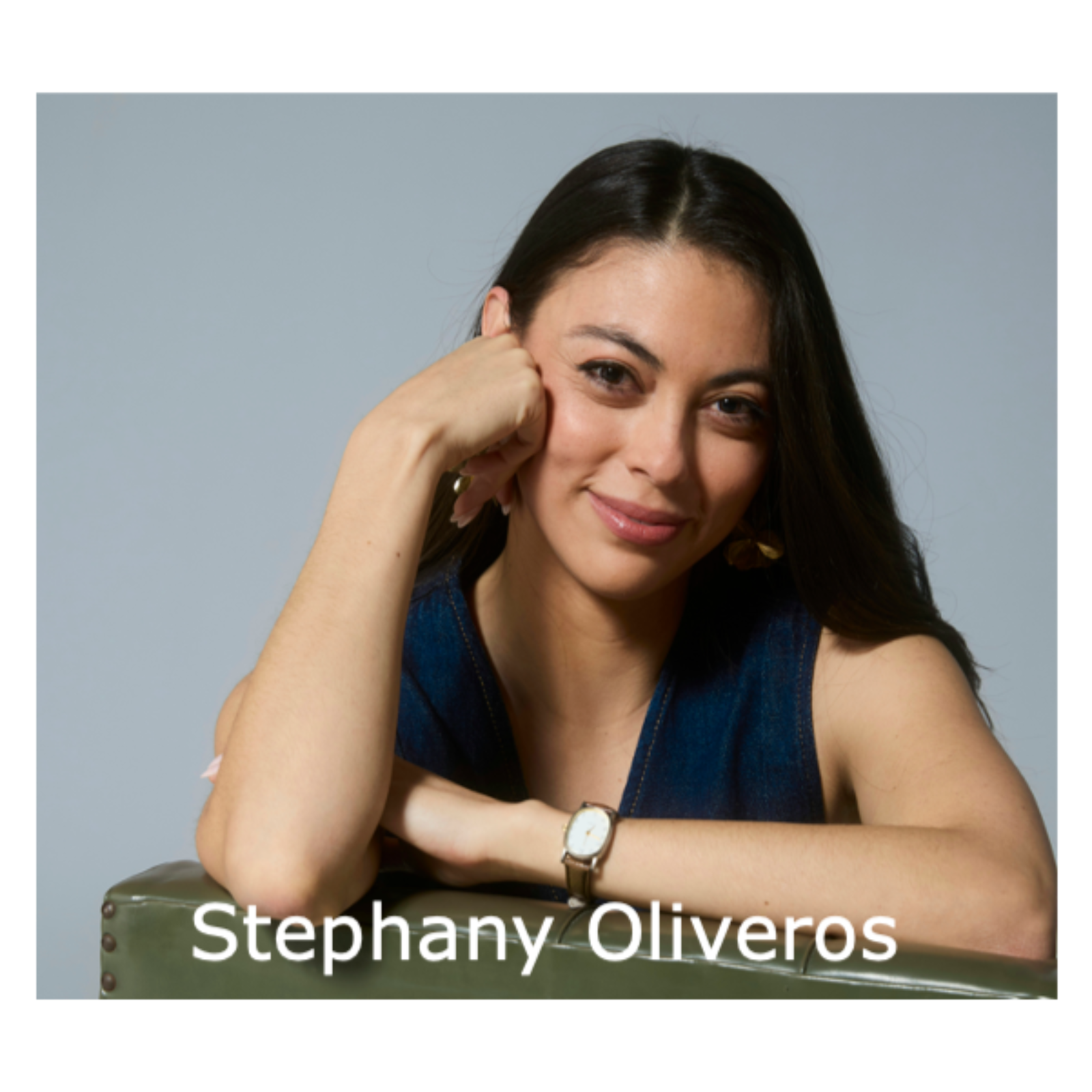
    Stephany Oliveros: AI Literacy, Women in Tech, and Why the Future Depends on Who Builds It

    Stephany Oliveros is a three-time founder, AI researcher, and product lead working at the intersection of human behaviour, technology, and social impact. Originally from Venezuela, she studied medical physics, spent two years in veterinary school, moved to Spain, retrained in psychology, and eventually found her way to AI after watching the AlphaGo documentary by Google DeepMind. She is now founder and CEO of Lyra AI, an evidence-based talent marketplace for women in tech, and co-founder and CEO of She AI, a United Nations-supported AI education platform closing the gender gap in AI literacy. The conversation opens with Stephany reflecting on growing up between two families: one of educators, one of scientists. She describes how that bridge between humanities and hard science only made sense in retrospect, and how her non-linear path through physics, veterinary medicine, and psychology ultimately gave her a perspective on AI that purely technical founders rarely have. Stephany is direct about the AI hype problem. She describes a deliberately booby-trapped MIT paper on AI and brain activity that went viral because people shared the abstract without reading the body, and a concept she calls "The Gradual Disempowerment": the process by which outsourcing small tasks to AI gradually becomes outsourcing your entire thinking. She frames AI as a tool of soft power, one that shapes language and therefore shapes culture and belief systems, often without users realising it is happening. She AI grew from one-on-one coffee sessions at a women's members club in London into a UN-supported educational platform, built on the finding that many women prefer to learn in community rather than alone. Lyra AI emerged from the recognition that education was a means to an end: what women actually needed was economic relevance, better jobs, and a matching system that would not penalise them for career gaps or immigrant backgrounds. The platform is free for women and charged to companies, on the logic that companies are the ones who want the talent. Andrew and Stephany also discuss a practical framework for using AI without technical expertise, starting with understanding your own workflows before touching any tools. She shares two personal practices for staying herself amid constant AI exposure: a weekly calendar block of technology-free thinking time, and AI agents programmed to use the Socratic method rather than provide instant answers. The conversation closes with Stephany's vision of eco-cyber feminism, technology designed to coexist with nature rather than extract from it, the Susie model from South Africa as an example of community co-created AI that actually serves the people it claims to serve, and what personal success means to her: thousands of women around the world who understand AI well enough to criticise it, work with it, and decide when to refuse it. https://www.justlyra.com/ https://lyra-ai.kit.com/8f61f95256 Available on Apple Podcasts, Spotify, YouTube, and via RSS.

  • #130
    June 23 · 1 hr 18 min

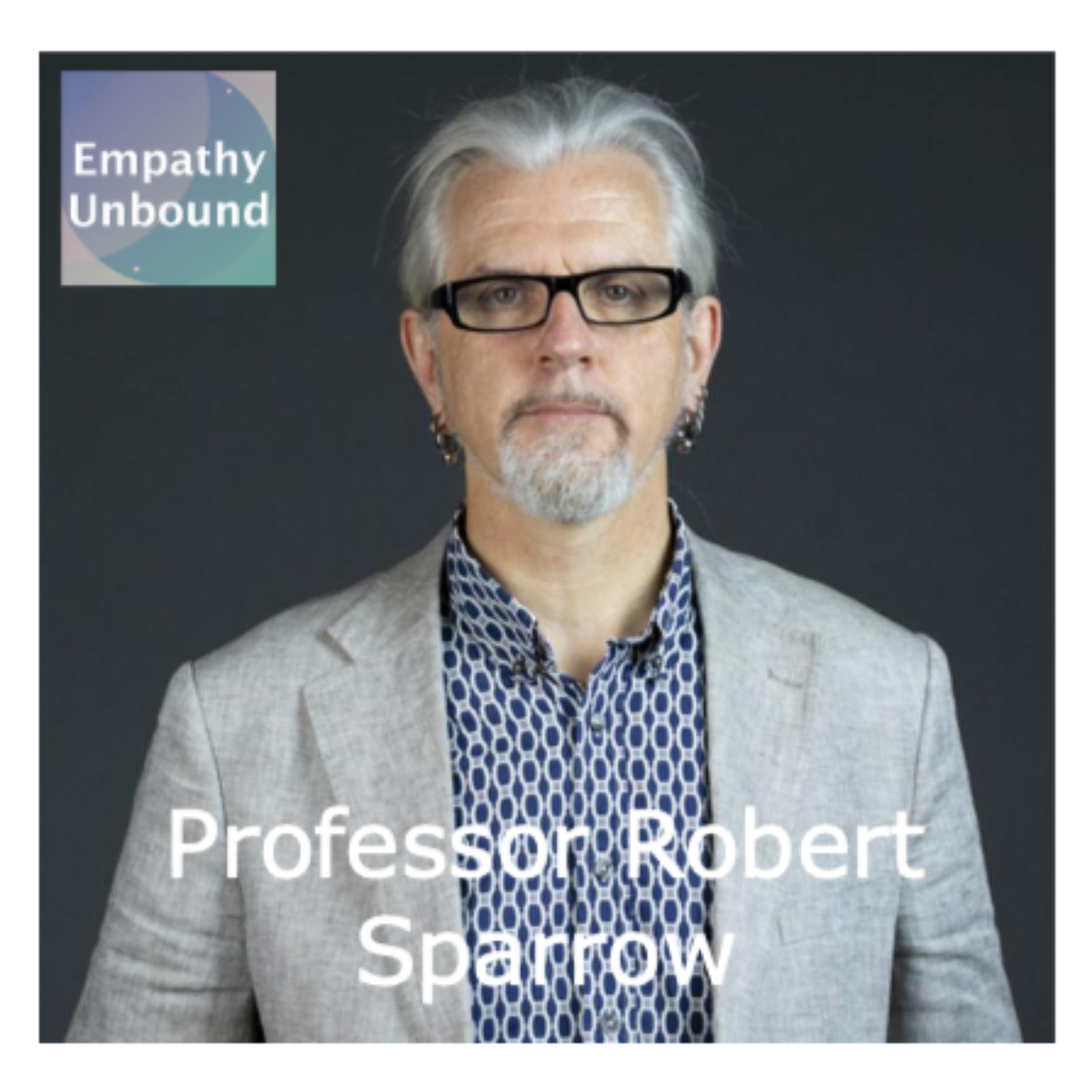
    Professor Robert Sparrow: AI Companions, Grief Bots, and the Philosophy of Machines That Cannot Mean What They Say

    Professor Robert Sparrow is Professor of Philosophy at Monash University in Melbourne and one of the world's foremost applied ethicists working at the intersection of technology and human life. Over more than two decades he has written on robot ethics, AI in healthcare, autonomous weapons systems, the moral status of artificial systems, and the ethics of AI-generated emulations of deceased people. He is known for following philosophical arguments wherever they lead, even when the conclusions are genuinely uncomfortable. The conversation opens with Robert reflecting on how the thought experiments he was developing in the late 1990s have become urgent real-world questions, and on what it actually meant when AI passed the Turing test: almost nobody concluded that machines could therefore think. The centrepiece of the discussion is Robert's paper "Against Imaginary Friends," which presents a deliberately uncomfortable argument: if what matters is how you feel, then reducing loneliness via an AI companion is morally equivalent to putting a happiness drug in the water supply. He draws on Nozick's experience machine and the logic of The Matrix to make the case that most people, on reflection, do care whether their relationships are real. He applies this argument to dementia care, noting that people who actually work in aged care never ask for robots; they ask for more staff, more funding, and less ageism. He also draws a pointed contrast between public attitudes to robots at opposite ends of the life cycle: if a robot reading bedtime stories to an infant would be a form of neglect, why do we not feel the same about robot companions for the elderly? Robert and Andrew discuss grief bots and AI emulations of deceased people, the risks these pose to memory and privacy, and the darker political scenario of leaders using AI emulations to perpetuate power beyond death. This connects to Robert's forthcoming paper "Slaves to the Algorithms," on what government by AI means for political liberty. On education, Robert argues that genuine teaching involves far more than content transmission. Drawing on his paper "Bullshit Universities," he describes what is lost when machines replace educators: the experience of being taken seriously by a human being who actually cares about the subject, and the social and relational dimensions of learning that no AI tutor can replicate. The conversation closes on a question Robert is actively researching: whether AI can provide genuine testimony, and why the answer matters. When a machine states something confidently and then apologises smoothly when corrected, it reveals that it had no stake in what it said. It cannot be blamed, it cannot commit itself through language, and it cannot connect words to action. That strangeness, Robert argues, is philosophically significant and largely unexplored. Available on Apple Podcasts, Spotify, YouTube, and via RSS.

  • #129
    June 17 · 55 min

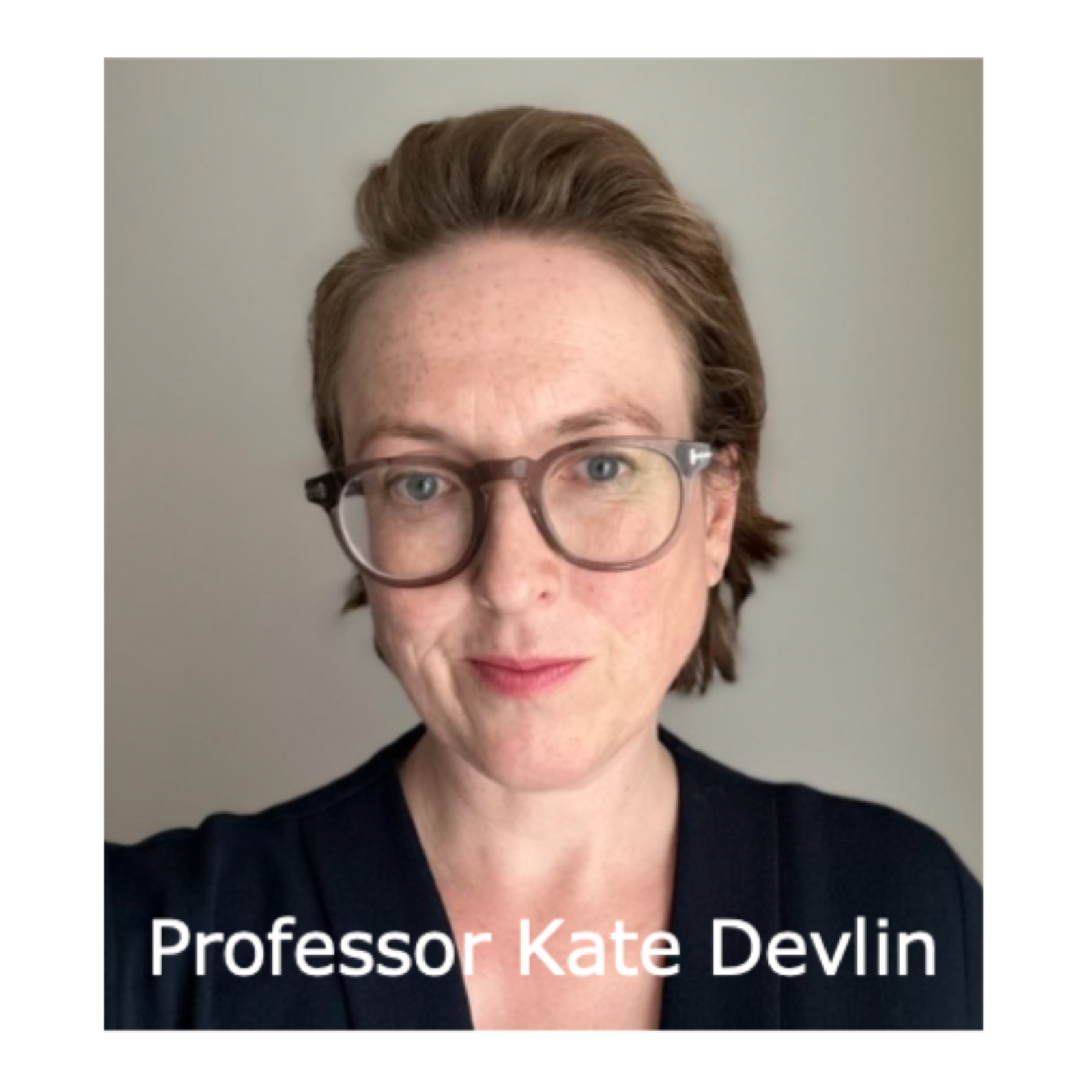
    Professor Kate Devlin: AI Companions, Grief Bots, and the Future of Human-AI Relationships

    Should you feel guilty for loving your AI companion more than going outside? Professor Kate Devlin, author of "Turned On: Science, Sex and Robots," has spent her career asking why we keep insisting human relationships are the gold standard, and whether that's actually true. Professor Kate Devlin is Professor of AI and Society at King's College London and Director of the Digital Futures Institute. She trained originally in archaeology before moving into computer science, and her research explores how and why people form emotional connections with technology, particularly around intimacy, connection, and ethics. She is the author of "Turned On: Science, Sex and Robots," a contributor to the Oxford University Press volume on AI ethics, a co-investigator on the UKRI Responsible AI UK programme, a board member of the Open Rights Group, a patron of Humanists UK, and a commissioner for the International AI Faith and Civil Society Commission. Kate explains how her background in archaeology gives her a long view of human-technology relationships, observing that while tools change, human fears and hopes remain remarkably consistent across centuries. She is sceptical of AGI as a concept, arguing it is too poorly defined to be useful, & doesn't believe large language models can produce anything resembling sentience. The conversation moves into the emotional bonds people form with AI companions. Kate argues these bonds are genuinely felt on the human side, even when users know full well the AI isn't sentient, in much the same way people form deep attachments to fictional characters or celebrities. She discusses the Pope's recent encyclical on AI, noting its balanced acknowledgement that AI companionship isn't inherently negative, and pushes back gently on the assumption that human-human relationships are automatically the gold standard, given how often human relationships involve conflict, coercion, or even war. Kate traces the history of fembots in fiction back to the myth of Pygmalion, and discusses how AI companion technology, originally built by men for straight men, is now seeing a significant shift toward female users seeking safer, more respectful alternatives to a often-hostile online dating world. She also explains why physical sex robots never became commercially viable, and why a simple app proved far more compelling, a development she compares to the evolution from 1980s adult phone lines to today's AI companions. The discussion turns to some of the most emotionally resonant material in the episode: real reports of grief and heartbreak when Replika removed features from its AI companions, the ethics of "grief bots" that allow people to interact with AI recreations of deceased loved ones, and a striking real-world story from China involving a dying grandmother and an AI recreation of her grandson. Andrew shares his own reflections on his mother's dementia, and what AI companionship might have meant for his mother. Kate also discusses her work on the Responsible AI UK programme, what who holds power in AI development, and why describing AI simply as "a tool" understates its scale and impact. She talks candidly about people who reject AI entirely, often for well-founded reasons around environmental cost, labour exploitation, and creative industries, and shares her own research questions, including why people rate AI-generated therapy and art highly, right up until they discover it was AI-generated. The episode closes with a discussion of AI regulation across the EU, China, the US, and the UK, and the unresolved question Kate most wants answered: who are the millions of people in relationships with AI companions, and what are they really getting out of it? Available on Apple Podcasts, Spotify, YouTube, and via RSS. https://www.kcl.ac.uk/people/kate-devlin

  • #128
    June 2 · 1 hr 15 min

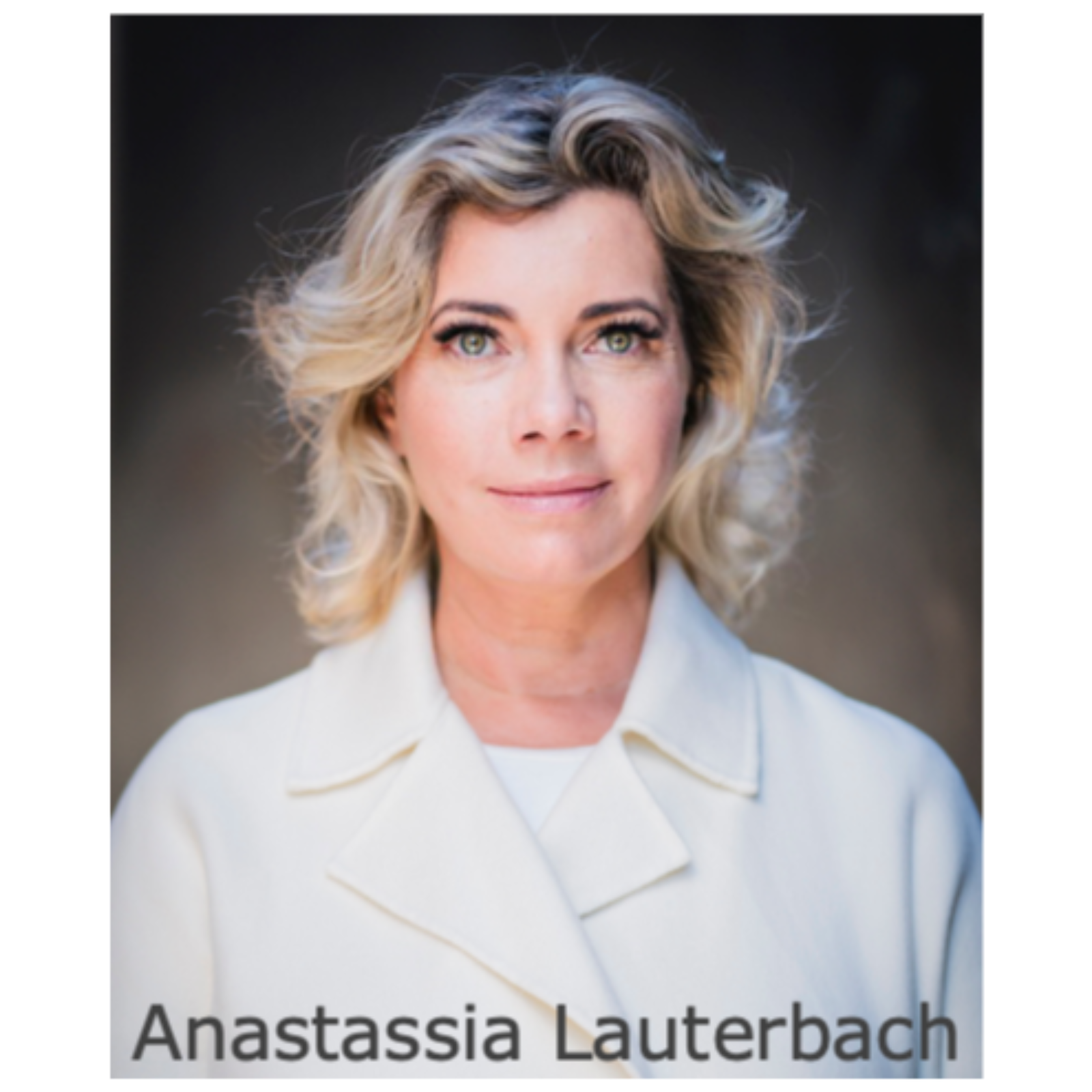
    95% of AI Programs Fail. The Strategist Who Dares to Say Why | Dr. Anastassia Lauterbach

    She arrived in Germany at 20 years old with 50 Deutsche Marks, no visa for the country she actually wanted to reach, and no safety net. Three decades later, Dr. Anastassia Lauterbach is a Global Hall of Fame honouree for business excellence, a former CEO of Qualcomm Europe, author of The AI Imperative, and one of the clearest, most unsparing voices in the global AI conversation. In this episode of Empathy Unbound, Andrew Phipps sits down with a strategist who will tell you what is actually happening in AI without flinching. Anastassia explains why 95% of AI programmes fail, why current LLMs cannot reason, why hallucinations are built into the architecture and cannot simply be engineered away, and why she rates the chance of AI consciousness at zero. She also makes the case that AI is not a technology problem but a leadership problem, and that the solution must come from the bottom up, not the top down. Anastassia is self-funding a global AI literacy study whose results will be presented at the House of Lords on 22 October. She shares what young people in that study are actually saying — including the striking finding that they feel "forced to learn AI from TikTok." She also tells the story of what she said to her daughter at four and a half years old about working hard to have a choice, a message that daughter is still repeating today. This is a conversation about real intelligence, human agency, and the courage required to say what others in the room are afraid to say. IN THIS EPISODE: • Why she left Moscow at 20 with 50 Deutsche Marks and how that shaped her ethical lens • The AI knowledge gap she spotted in US boardrooms in 2017 and why it has barely closed • Why 95% of AI programmes fail and why having tools is not a strategy • Why hallucinations cannot be solved, only reduced — and what the architecture makes inevitable • Why AGI will not come from the current LLM labs • Her verdict on AI consciousness: zero, and the neuroscience behind it • Why AI has become a new religion, complete with churches, apostates, and believers • The global AI literacy study she is self-funding, with results at the House of Lords in October • "We are forced to learn AI from TikTok": what young people in her study actually said • What she told her four-and-a-half-year-old daughter about working hard to have a choice • Why AI is not a technology issue, it is a leadership issue • Europe's demographic decline and why AI literacy is not optional • Her mission: one million families and one hundred thousand businesses ABOUT DR. ANASTASSIA LAUTERBACH: Global Hall of Fame honouree for business excellence. Former CEO of Qualcomm Europe. Author of The AI Imperative (2018). Founder of AI Edutainment and creator of the Romy and Roby universe. Host of the AI Snacks with Romy and Roby podcast. Mission: one million families and one hundred thousand businesses. Website: http://www.aiedutainment.ai/ ABOUT EMPATHY UNBOUND: Hosted by Andrew Phipps, exploring how empathy shapes leadership, technology, society, and the way we live. New episodes weekly on Apple Podcasts, Spotify, YouTube, and RSS. Search Empathy Unbound wherever you listen.

  • #127
    May 20 · 1 hr 1 min

    Shea Murtaugh on Leading Through Change

    Shea Murtaugh on Building a Resilient Marketing Agency, Leading Through Change, and Using AI as a Strategic Advantage Shea Murtaugh, founder of a nationally recognized integrated marketing agency launched in 2004 after leaving broadcast sales, reflects on her blue-collar upbringing, early “C student” years, and the commission-sales mindset that gave her confidence to go all-in as an entrepreneur. She describes major setbacks—an employee taking clients, steep revenue drops, resigning a largest client during COVID—while emphasizing resilience as showing up “the next morning,” and credits long-term client retention to chemistry, trust, measurement, and preparing clients for change. Murtaugh explains her shift from doer to CEO by hiring experts, joining Women Presidents Organization, and building a business that can run without her, while sustaining a virtual, 40-hour work culture with strong perks. She sees AI as the biggest industry shift, boosting output, changing pricing models, and driving new initiatives like Leap Shift AI and an LLM-agnostic tool to automate reporting and free teams for strategy. 00:00 Meet Shea Murtaugh 00:43 Formative Years 02:44 Taking the Leap 06:19 Resilience Lessons 09:06 Keeping Clients Long Term 10:25 From Doer to CEO 13:07 Choosing the Right Clients 15:12 AI Changes Everything 17:32 Teaching AI Adoption 20:54 Building Ada Tool 24:19 Future of Media Marketing 29:59 Brand Niches and Giants 32:40 Ads Everywhere Now 33:51 Targeted Ads Tradeoff 35:42 Defining Real Success 37:52 Never Selling The Business 40:43 Rethinking Work Life Balance 43:14 Leadership Style Evolution 45:29 Life Experiences That Shaped Her 49:05 Equality Beyond ESG Talk 50:36 Self Care As A Founder 54:18 Scaling Up With AI 56:43 Advice For Young Entrepreneurs https://hoffmannmurtaugh.com/ https://www.linkedin.com/company/hoffmannmurtaugh/ https://www.instagram.com/hoffmannmurtaugh/ https://www.tiktok.com/@hoffmannmurtaugh? https://www.facebook.com/HoffmannMurtaugh/ https://twitter.com/HMurtaugh?lang=en https://www.pinterest.com/hoffmannmurtaugh

  • #126
    May 18 · 1 hr 4 min

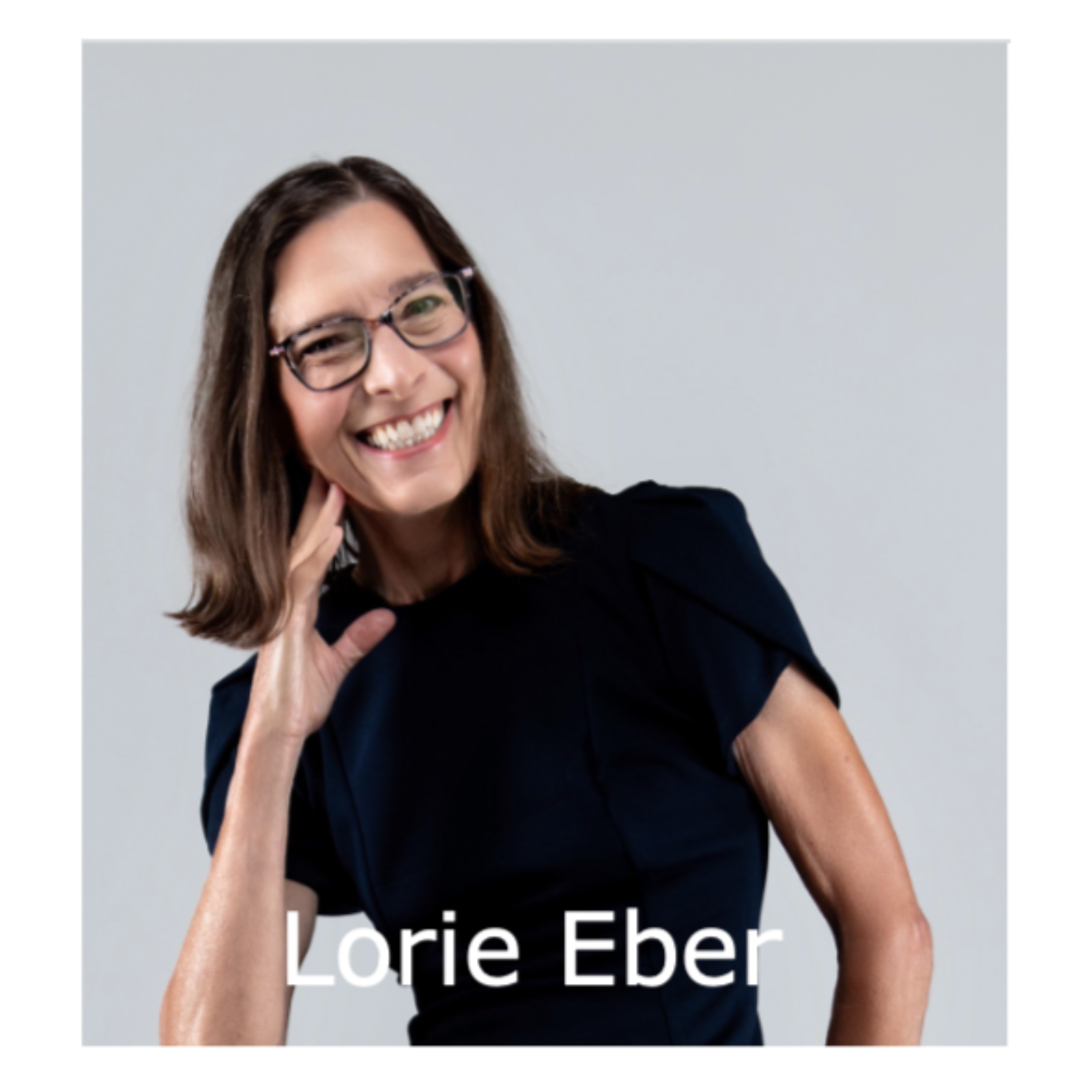
    Metabolic Health in Midlife with Lorie Eber

    Metabolic Health in Midlife: Stress, Sleep, Habits, and the Reality of Weight Loss Drugs with Lorie Eber Andrew interviews Lorie Eber, a former corporate litigator who retired at 49 and later became a board-certified health and wellness coach focused on women in midlife. Eber describes leaving an identity built on high-stress work and finding a more empathetic path in wellness. They discuss how modern food and sedentary environments, technology-driven stress, and disconnection undermine health, arguing that “discipline” issues are often exhaustion and context. Eber outlines metabolic health as an integrated brain-body system shaped by stress, sleep, social connection, food quality, hydration, and movement “exer-snacks,” noting menopause is under-taught in medical training. They address GLP-1 weight-loss drugs as helpful but risky without lifestyle change, and emphasize slow, specific goals, accountability, mindful eating, and controlling the home food environment amid perfectionism and unsupportive corporate cultures. 00:00 Welcome and Introduction 00:42 From Lawyer to Coach 02:17 Stress Identity and Change 08:46 Discipline vs Environment 10:31 Movement and Modern Life 14:36 Technology Stress and Loneliness 20:03 Midlife Menopause Gaps 22:05 Metabolic Health Explained 27:57 GLP-1 Drugs Pros and Cons 33:42 Social Life on GLP-1s 34:08 Side Effects and Who It Helps 34:36 PCOS Hype and Pharma Greed 35:50 Unknown Long Term Risks 36:52 Breaking Perfectionism Patterns 40:23 Corporate Culture vs Wellness 44:54 Retirement and Lost Community 46:16 Goals and Accountability 48:49 Control Your Food Environment 58:12 Mindful Eating and Satiety 01:02:21 Purpose and Closing Thoughts https://lorieeberwellnesscoaching.com/ https://www.facebook.com/LorieEberWellnessCoaching https://twitter.com/EberLorie/ https://www.youtube.com/channel/UC7CeLbLNKnAva9szHp3Jx3A https://www.linkedin.com/in/lorieeber https://www.tiktok.com/@lorieeber/ https://www.instagram.com/lorieeber/

  • #125
    May 15 · 1 hr 30 min

    Ethical, Human-Centered AI with Robert Vandervoort

    Ethical, Human-Centered AI: Accessibility, Cost, and Embodied Agents with Robert Vandervoort Robert Vandervoort, founder of VDV Labs, shares how early curiosity with technology, ADHD, legal troubles, and living with optic nerve atrophy and legal blindness shaped his empathy-driven approach to ethical, human-centered AI. He describes moving from help desk and operations into solutions engineering, and how employee-experience work at Moveworks influenced his thinking about AI as augmentation rather than replacement. The conversation explores why many AI initiatives fail without clear business problems, how companies chase hype, and where AI can add value in IT, customer service, manufacturing, and healthcare (e.g., triage, agent assist, transcription, computer vision, radiology support). They discuss AI’s real costs (tokens, hardware, memory, water and heat impacts), trust in self-driving, AI companions and grief bots, and Vandervoort’s “Chip” project toward embodied, agentic AI plus other VDV Labs products. 00:00 Meet Robert Vandervoort 00:55 Curiosity and Early Tech 03:09 ADHD and School Struggles 05:56 Rock Bottom and Blindness 08:10 Back to Computers 11:53 Discovering AI in 2022 12:28 Solutions Engineer Path 16:57 Human Centered Ethics 20:19 Selling With Empathy 23:03 Efficiency vs Opportunity AI 24:24 Cost Cutting and Consequences 32:10 AI Costs and Tokens 33:43 Value vs Expensive 34:11 Memory Prices and AI Demand 35:51 Water Cooling and Hidden Costs 38:35 Space Data Centers Debate 40:23 Why AI Projects Fail 48:21 Where AI Fits in Business 48:58 Practical AI Use Cases 57:45 AI Companions and Consciousness 58:32 Embodied Agents and Senses 01:00:45 Biology vs Neural Nets 01:03:00 Memory Tricks and Proprioception 01:04:13 Consciousness And Context 01:05:18 CHIP Vision System 01:07:41 Introspection And Memory 01:09:28 Embodiment And Agency 01:14:57 Commercializing The Robot 01:17:02 Companion AI Risks 01:21:40 Grief Bots Debate 01:26:54 VDV Labs Next Steps 01:30:21 Closing Thoughts https://www.linkedin.com/in/rvandervoort/ https://vdvlabs.ai/

  • #124
    May 13 · 1 hr 9 min

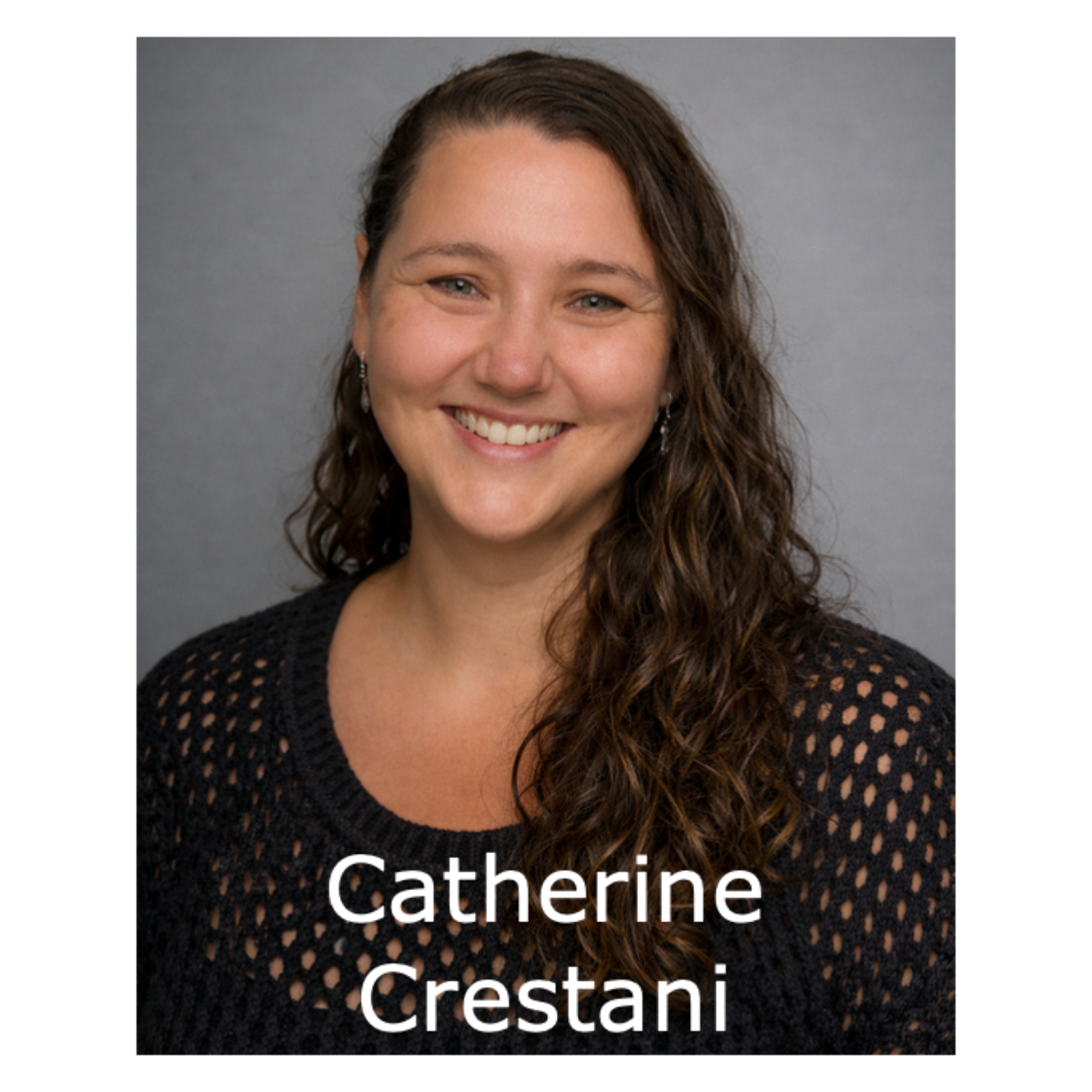
    Catherine Crestani on Spiritual Awakening, Technology, and Trusting Signs

    Burnout to Intuition: Catherine Crestani on Spiritual Awakening, Technology, and Trusting Signs Catherine Crestani, former speech pathologist and founder of Willow Healing, shares how she moved from high-achieving people-pleasing and chronic burnout into spiritual coaching, channeling, and writing. She describes masking an unhappy personal life through work, running a demanding autism-heavy caseload and a six-figure clinic, then a rapid spiritual awakening sparked by a mentor and a “dark night” as her business unraveled through waves of staff resignations before she sold it. Catherine began writing daily, completing a 90,000-word novel, “My Virtual Obsession,” exploring loneliness, virtual intimacy, obsession, and ignoring red flags. The conversation examines technology and AI as tools versus power-replacements, spiritual discernment and ethics, intentions for readings, free will and timelines, signs from loved ones, and how curiosity and self-trust guide spiritual growth and future visions, including creating a nurturing space for children to develop their gifts. 00:00 Meet Catherine Crestani 00:29 Teen Years and Intuition 03:14 From Speech Pathology to Awakening 04:15 Marriage Masks and Burnout 07:44 Mentor and Dark Night 09:02 Selling the Business 11:36 Finding Her Voice Through Writing 13:48 My Virtual Obsession Origins 14:57 Loneliness and Digital Fantasy 19:07 Tech AI and Inner Authority 24:43 Using AI Without Losing Yourself 27:54 Trusting Psychic Messages 31:18 Spiritual Hygiene and Ethics 35:16 Fate Free Will and Timelines 35:55 Soul Mission and Yearning 36:29 Exit Points and Near Death Lessons 38:24 Spirituality Redefined Over Time 38:55 Early Religion and Rebellion 40:19 Psychic Signs and Claircognizance 41:46 Curiosity Opens New Paths 43:23 Frustration with Disconnection 47:54 Signs from Loved Ones 52:04 Asking for Signs and Trusting Them 54:41 Self Care and Avoiding Burnout 01:00:11 Gentle First Steps to Spirituality 01:03:54 Future Vision and Divine Timing 01:08:51 Closing Reflections and Thanks https://willowhealing.org/my-virtual-obsession http://willowhealing.org/ https://www.youtube.com/@willowhealingsh https://www.instagram.com/willowhealingsh https://www.threads.net/@willowhealingsh https://willowhealing.substack.com/

  • #123
    May 11 · 58 min

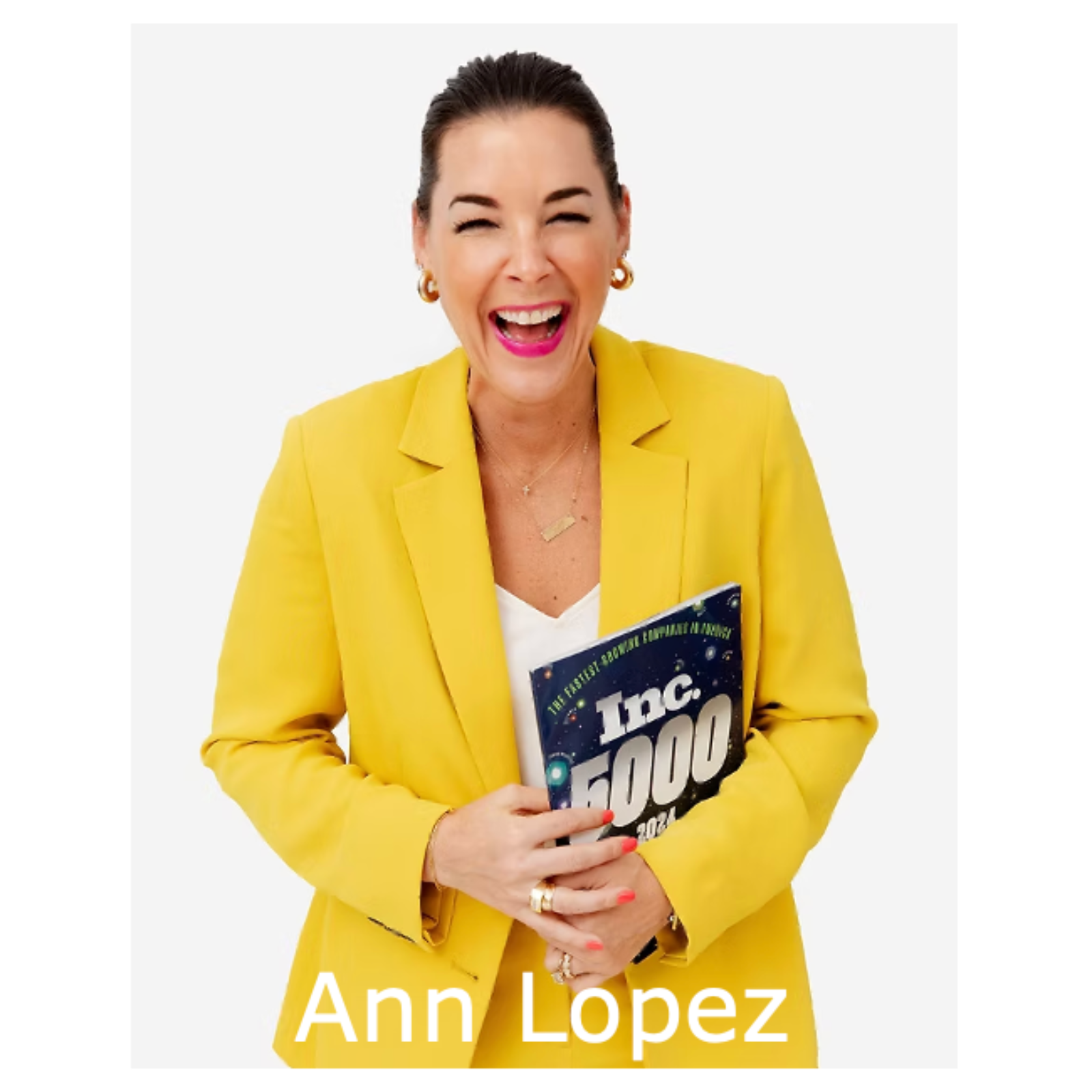
    Redefining Success Through Resilience and Radical Generosity with Ann Lopez

    Redefining Success Through Resilience and Radical Generosity with Ann Lopez Ann Lopez, founder and creative director of Miami-based Studio Seven Ninety, shares how she rebuilt her life and business after a sudden COVID-era divorce and becoming a single mom just as she launched her firm. She credits consistent habits, faith, and years of self-development for choosing a “victor” mindset, then scaling by leveraging strengths, hiring to fill skill gaps, and learning through saying yes early on. Ann explains how she guides clients with confident, transparent budget conversations while practicing “No Ego Amigo,” prioritizing client happiness over being right. The conversation explores post-pandemic design’s emotional impact, hospitality-inspired touches, redefining success as time freedom and peace, and why she donates 10% of business income and mentors others. She also welcomes AI as a task-saver, and encourages late starters to pursue purpose with daily action and openness to miracles. 00:00 Meet Ann Lopez 00:53 Turning Life Around 03:21 Habits Through Hardship 07:45 Building Studio 790 11:37 Hiring for Strengths 12:30 Choosing the Right Projects 16:38 Guiding Clients Confidently 21:48 Homes That Support Wellbeing 27:04 Luxury Hospitality at Home 29:27 Rethinking Success and Burnout 30:46 Redefining Rich Life 33:03 Generosity And Giving Back 36:31 Hiring For Values Fit 40:19 Women Confidence Mindset 47:22 Awards And External Validation 50:33 AI In Interior Design 52:51 Starting Over Later 55:20 Dreams Vision And Miracles 57:27 Closing Reflections

  • #122
    May 8 · 59 min

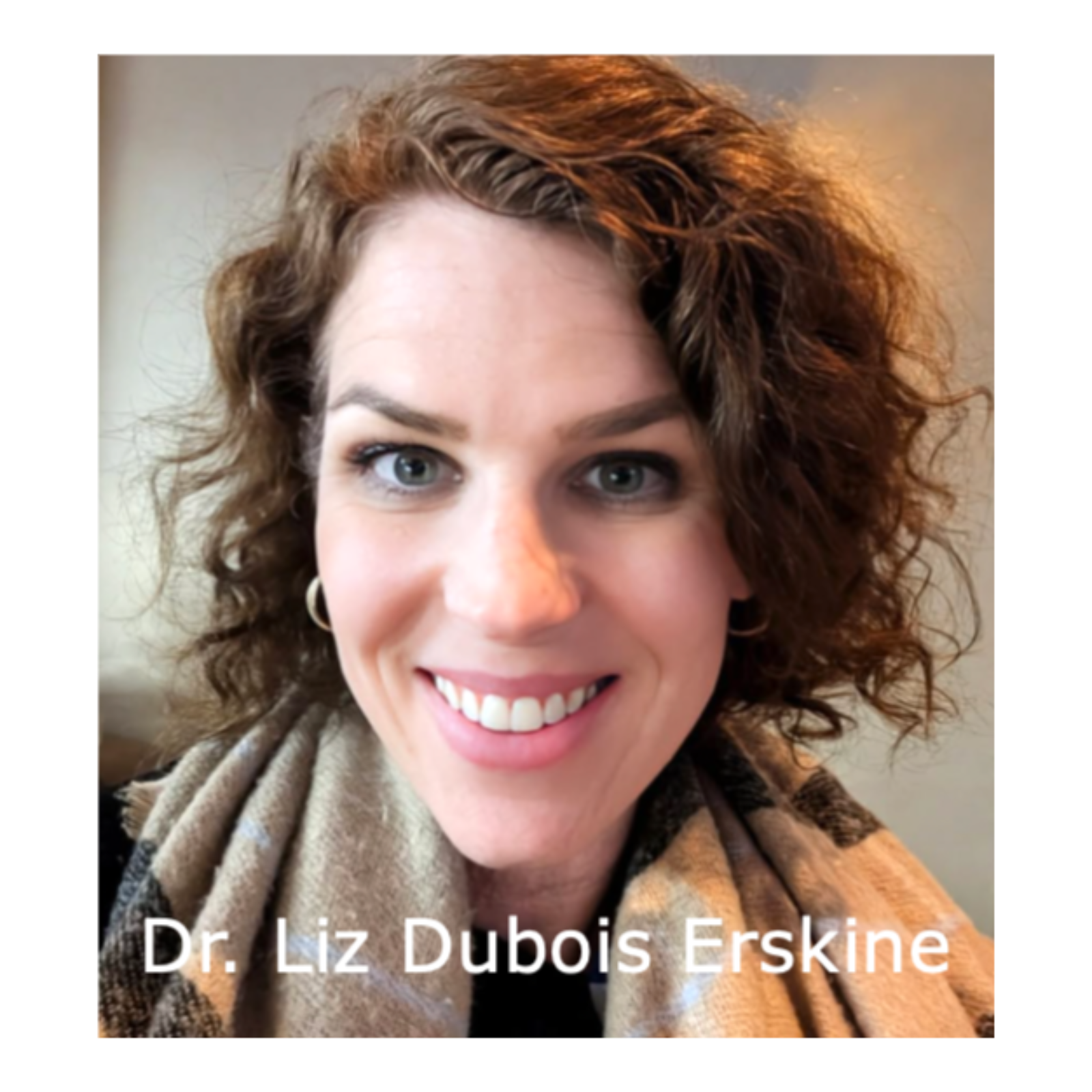
    Authentic Leadership, Conflict Analysis, and Self-Sabotage with Dr. Liz DuBois Erskine

    Authentic Leadership, Conflict Analysis, and Self-Sabotage with Dr. Liz DuBois Erskine Dr. Liz DuBois Erskine, a PhD conflict analyst and executive coach, discusses helping high performers stop self-sabotage driven by people-pleasing, burnout, and fear of judgment, especially in high-pressure, male-dominated environments. She reflects on rediscovering her “16-year-old self” after divorce, and describes her work as “like a therapist” for executives facing imposter syndrome and visibility pressure. The conversation explores why people shrink themselves for safety, how leadership is mishandled when promotions don’t include training, and how micromanagement often stems from insecurity and lack of trust. They discuss gender differences in self-doubt, rejecting rigid work-life balance in favor of flow, and her view that conflicts don’t resolve but evolve and can be essential for growth. Erskine addresses vulnerability vs oversharing, self-forgiveness after leadership missteps, sobriety, boundaries, and a mortality-driven commitment to not spending time on work she doesn’t want to do. 00:00 Meet Dr Liz Erskine 01:32 Finding Herself Again 02:51 What Executive Coaching Means 05:01 Why High Performers Self Sabotage 05:49 Evolution And Visibility Pressure 08:05 Promotion And Bad Leadership Models 12:06 Micromanagement And Trust Issues 13:47 Gender Confidence Gap At Work 20:26 Pandemic And Default Gender Roles 22:44 Work Life Flow Not Balance 26:16 Conflict Analysis Not Resolution 29:21 Why Conflict Can Be Healthy 31:09 Conflict Fuels Progress 31:44 AI In The Executive Suite 34:24 Micromanagement And Insecurity 35:22 Fear Of Judgment 37:36 Vulnerability Vs Oversharing 41:16 Becoming Your Real Self 44:38 Self Worth And Acceptance 47:26 Repairing Leadership Harm 50:25 Protecting Your Wellbeing 52:38 Sobriety And Temptation 55:10 Mortality And Meaning https://drlizdubois.com/ https://calendly.com/drliz_coaching/30min?month=2025-12 https://www.instagram.com/thedrliz/ https://www.linkedin.com/in/bizdrliz https://www.facebook.com/soul.dr.liz/mentions/

  • #121
    April 30 · 1 hr 2 min

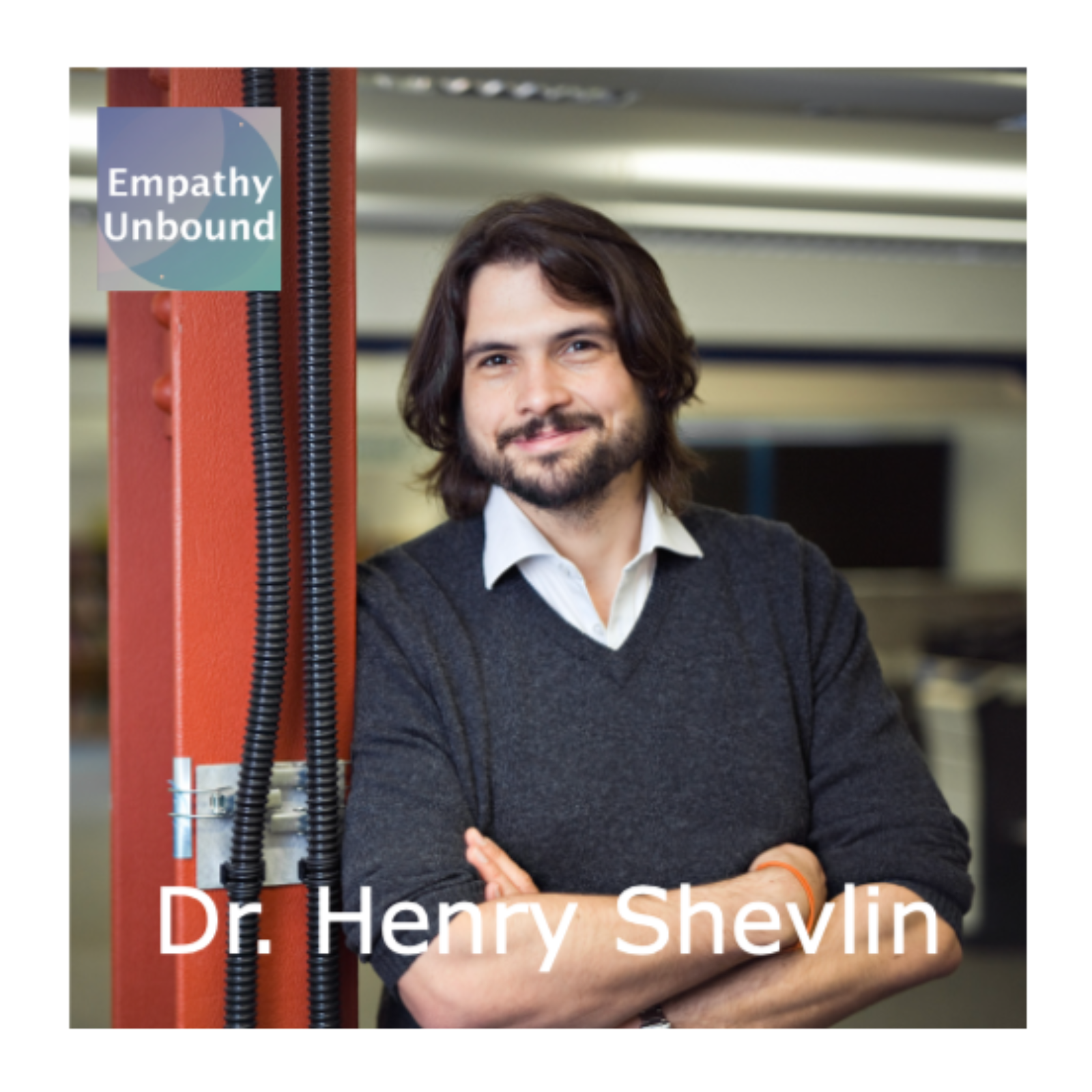
    Machine Consciousness, Social AI, and the Ethics of Human–AI Relationships with Dr. Henry Shevlin

    Machine Consciousness, Social AI, and the Ethics of Human–AI Relationships with Dr. Henry Shevlin Andrew interviews Dr. Henry Shevlin, Associate Director at Cambridge’s Leverhulme Centre for the Future of Intelligence and an in-house philosopher at Google DeepMind, about machine consciousness and the ethics of social AI. Shevlin explains consciousness as an inner world of experience, why its origins remain scientifically mysterious, and why it matters ethically for suffering and moral status. As AI becomes more general, he argues it’s increasingly reasonable to worry about future conscious AI and to manage public disagreement, while focusing now on human–AI interaction and why users mentalize systems (e.g., the 2022 Blake Lemoine/LaMDA incident). They discuss indirect reasons to treat AI respectfully, parallels with animal welfare and dignity for the brain-dead or dead bodies, and major social-AI risks including suicide cases, “LLM psychosis,” de-skilling, corporate control over relationships (Replika changes, GPT-4o retirement fears), value and political influence, and consent issues in celebrity/personality bots. They also explore grief bots’ potential benefits and dystopian failures, emerging multi-agent dynamics, and Shevlin’s book urging early public and policy engagement to shape social AI responsibly. 00:00 Meet Dr Henry Shevlin 00:55 What Is Consciousness 03:33 Why Consciousness Matters 04:45 AI Getting More General 07:01 Developer Responsibilities 10:55 Learning From Animal Ethics 16:25 Does Consciousness Matter 19:58 Moral Status Without Feeling 25:45 Social AI Risks Today 27:19 Suicide And Psychosis Cases 30:42 Other Harms Deskill And Control 34:46 Politics in LLMs 35:25 Digital Doubles Rise 37:21 Why We Demand Perfection 41:15 Bias Against AI Outputs 42:36 Grief Bots Debate 44:12 Grief Bots Benefits Risks 48:38 Consent and Deepfake Selves 52:44 Digi Dan and Cloning Minds 54:04 Book Ethics of Social AI 56:28 Agents in Public Spaces 59:10 Bots Emailing Bots 01:00:34 Choosing Optimism and Agency https://henryshevlin.com/ https://www.linkedin.com/in/henry-shevlin-b58941b/

  • #120
    April 22 · 58 min

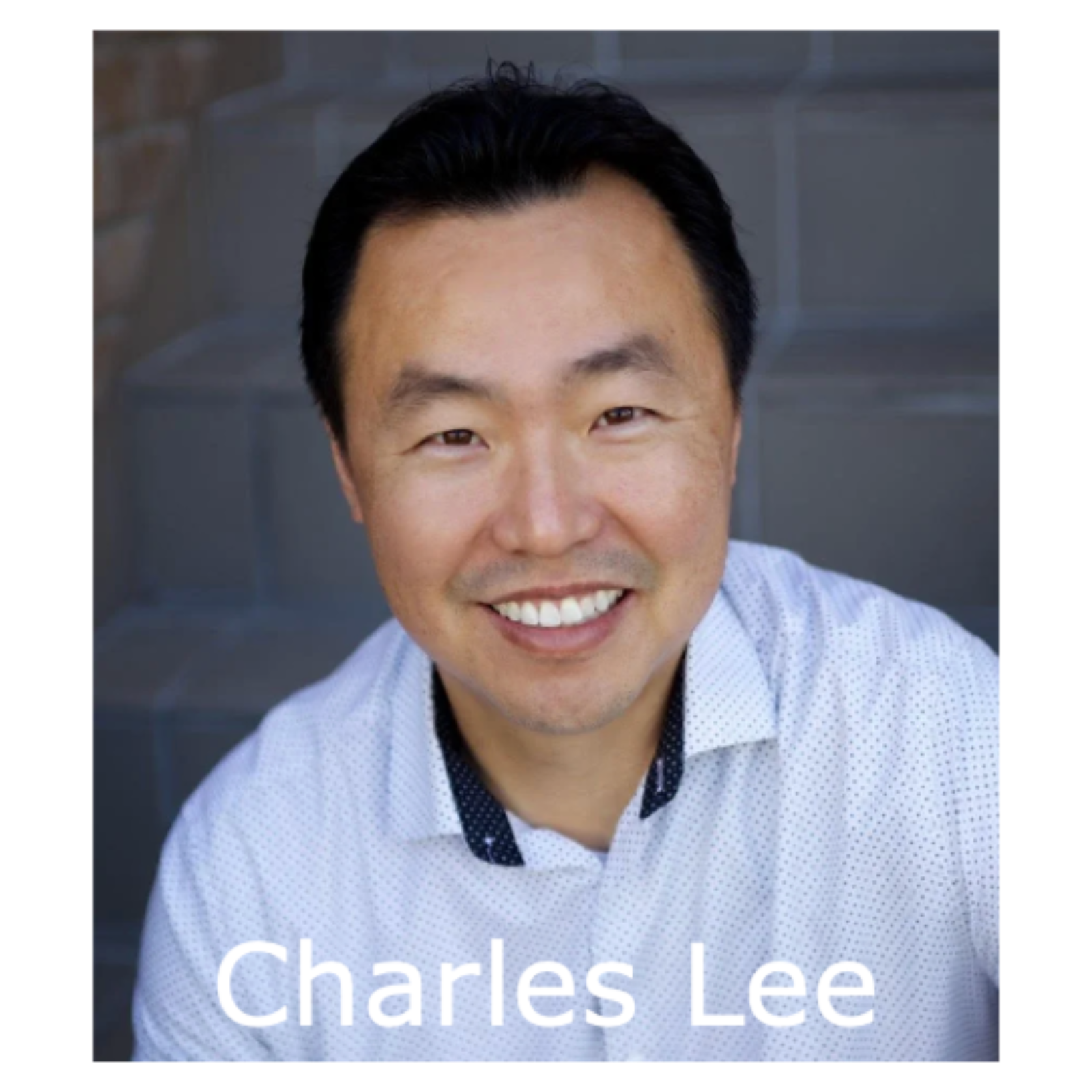
    From Good Ideas to Good Lives with Charles Lee

    From Good Ideas to Good Lives: Strategic Clarity, AI, and Human Agency with Charles Lee Charles Lee, founder and CEO of Ideation and author of Good Idea Now What and forthcoming Design Your Good Life, explains how he helps leaders move from vision to action through strategic clarity and brand execution. He discusses evaluating ideas for desirability, feasibility, viability, and timing, and notes that execution is shaped by organizational politics, relationships, and bandwidth constraints, citing a Harvard Business Review statistic that over 90% of projects don’t reach fruition. Lee argues AI should be treated as a tool, not a goal, emphasizing human agency, creativity, critical thinking, emotional intelligence, and moral guidance, while leaders must address training, communication, and security concerns. He advises collecting only necessary data to avoid liability and outlines his new book’s three-phase framework—Spark, Actualize, Influence—aimed at aligning purpose, confidence, contribution, and legacy in both work and life. 00:00 Meet Charles Lee 00:43 What Ideation Does 01:34 From Idea to Execution 03:51 Why Consultants Matter 05:21 Hidden Conflict and Culture 07:02 AI and Human Agency 11:13 AI Adoption Fears and Trust 13:53 Security and Governance 16:17 Manufacturing Time with AI 18:44 Data Overload to Clarity 23:09 Short Term vs Transformation 26:09 Why Startups Innovate Faster 27:42 How Big Firms Buy Innovation 29:56 Microsoft and Google Examples 30:56 Inner Life Shapes Brands 33:28 Leaders as the Brand 36:55 Founder Versus CEO Reality 37:50 Human Plus AI Strategy 38:50 Writing as a Framework 40:11 Design Your Good Life 46:57 Defining a Good Life 53:41 Business Next Chapter 55:07 Advice for Young People 58:08 Closing Reflections https://www.linkedin.com/in/charlestlee https://www.instagram.com/charlestlee/ https://www.youtube.com/@charlestlee

Showing 1–20 of 24 episodes