Skip to content
Artwork for Education Upgrade with Jake Schulke
EducationExplicit

Education Upgrade with Jake Schulke

Jake Schulke

Education Upgrade is a podcast exploring education, human development, purpose, and the systems that shape our lives. Through conversations, interviews, and essays, host Jake Schulke examines learning, personal growth, culture, and the ideas that influence how we think and live.

The views expressed on this podcast are my own and do not represent those of any employer or affiliated organization.

Play
  • 20 episodes
  • weekly
  • Avg 52 min
  • English
  • September 8 · 9 min

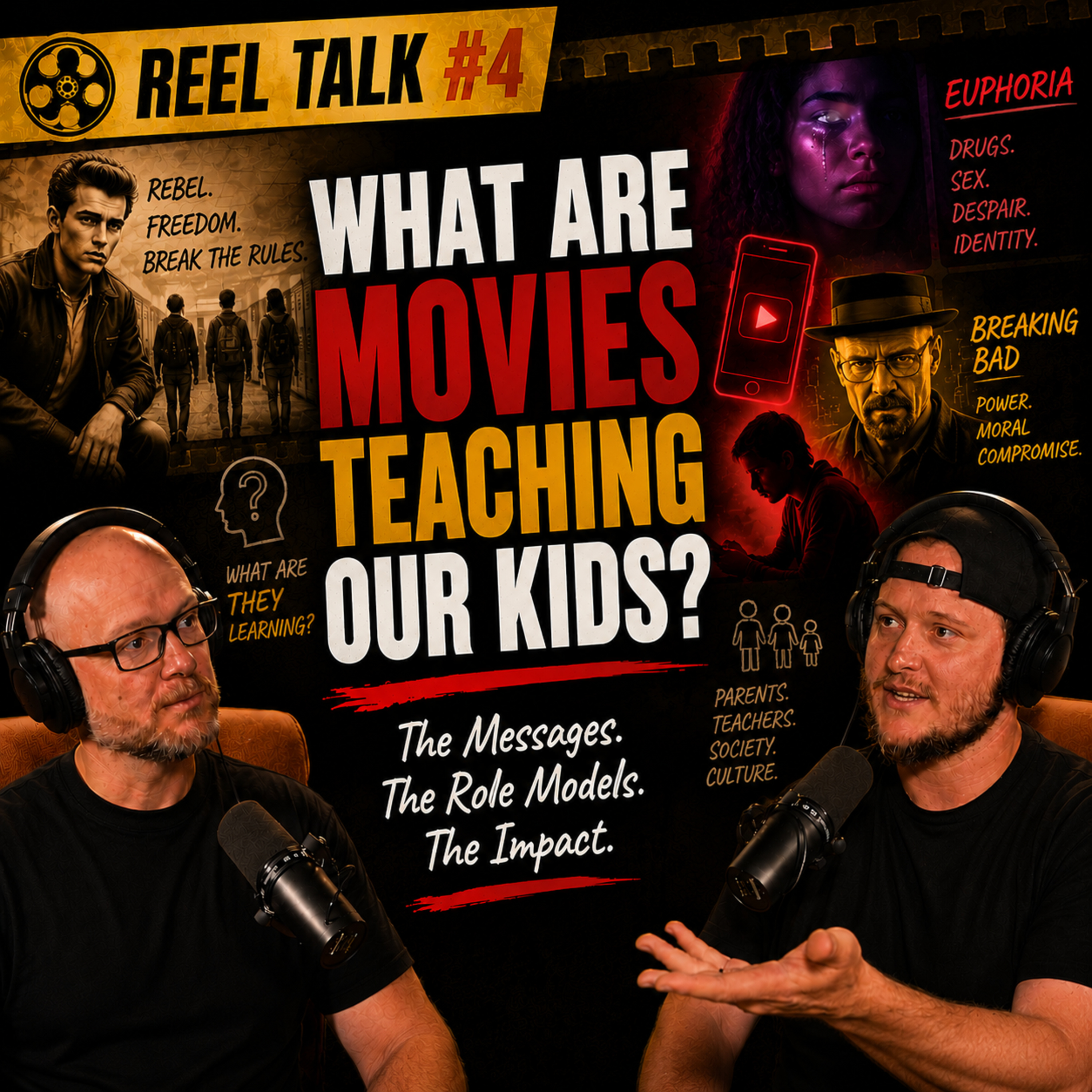
    Reel Talk #4: What are movies teaching our kids?

    What are movies and television teaching young people? In this episode of Reel Talk, Jake Schulke and Brett Barker discuss how films and television influence the development of values, ethics, and role models during adolescence. Beginning with the enduring appeal of the rebel archetype and ending with a discussion of modern shows like Euphoria and Breaking Bad, they explore whether entertainment simply mirrors society or actively shapes the beliefs and behaviors of its audience. Along the way, they consider the influence of storytelling on identity, morality, and the choices young people make as they grow up. This conversation invites educators, parents, and film enthusiasts alike to think more deeply about the cultural messages embedded in the stories we consume—and the values they pass on to the next generation.

  • September 1 · 6 min

    What happens when schools trust teachers?

    What happens when schools trust teachers? In this featured segment, Jake Schulke and Brett Barker discuss why trust may be one of the most important ingredients of effective school leadership. Drawing on lessons from education and Jocko Willink's Leadership Strategy and Tactics, they explore how empowering professionals, rather than micromanaging them, builds stronger schools and better outcomes. This featured segment is part of Education Upgrade, a podcast exploring the systems, ideas, and research shaping the future of education through deeper conversations.

  • August 25 · 21 min

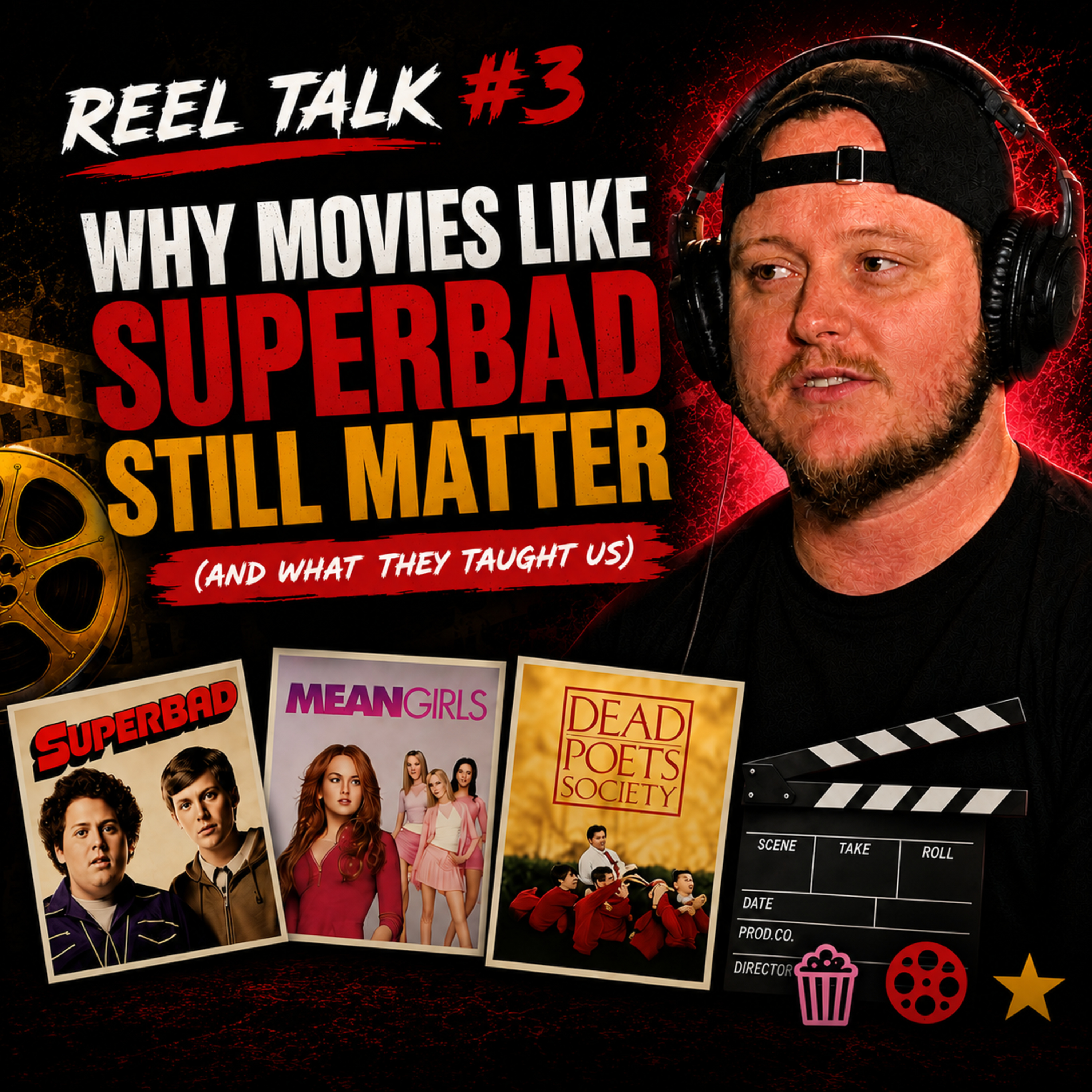
    Reel Talk #3: Why Movies Like Superbad Still Matter

    Why do certain movies become part of who we are? In this episode of Reel Talk, Jake Schulke and Brett Barker discuss why films like Superbad, Mean Girls, Dead Poets Society, and other coming-of-age classics continue to resonate across generations. Together they explore how memorable stories shape our understanding of identity, friendship, authority, purpose, and growing up. Rather than simply reviewing movies, they examine why certain films become cultural landmarks and what they reveal about adolescence, education, and the values of the societies that created them.

  • August 18 · 12 min

    Why do we learn to write?

    Why do we learn to write? Most people would answer, "So we can communicate." But this conversation explores a much deeper idea: we learn to write so we can learn to think. Inspired by a lecture from Dr. Jordan B. Peterson, Jake Schulke and Brett Barker discuss the relationship between writing, reasoning, mathematics, and critical thinking, and why writing instruction may be one of the most important parts of a student's education. This featured segment is part of Education Upgrade, a podcast exploring the systems, ideas, and research shaping the future of education through deeper conversations.

  • S1 · E12
    August 16 · 1 hr 41 min

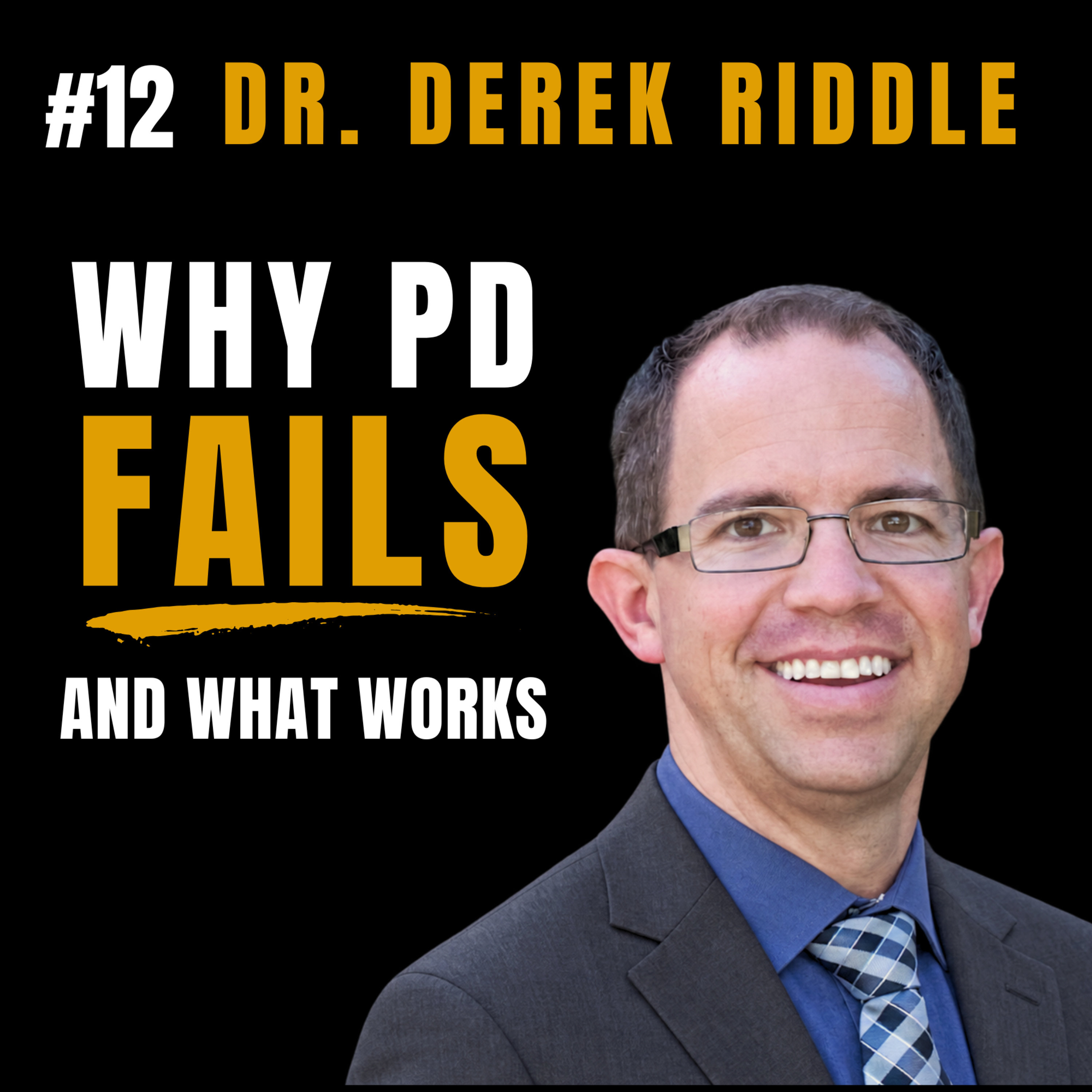
    #12: Why Teacher Professional Development Fails, and What Works Instead | Dr. Derek Riddle

    What makes teacher professional development actually effective—and why does so much mandatory PD fail to meet teachers’ needs? In this episode of Education Upgrade, Jake Schulke talks with educator and researcher Dr. Derek Riddle about teacher professional development, professional learning, and his research on self-directed professional development. They explore why even well-designed PD can fail when it overlooks one critical variable: the teacher—and what professional learning can look like when educators have greater ownership of their own growth. In this episode: • What research says about effective teacher professional development• Why traditional professional learning can fail• Self-directed professional development• Teacher autonomy and ownership of professional learning• Reflection, goal setting, and applying new learning• Barriers to continued professional growth• Differentiated professional development• The role of school and district leadership• Building a culture of lifelong learning for educators Chapters 0:00 Introduction2:52 Why Teacher Professional Development?8:06 What Makes Professional Learning Effective?13:07 When Professional Development Works16:13 When Professional Development Fails21:40 The Missing Ingredient: The Teacher31:17 Taking Ownership of Professional Learning32:29 Self-Directed Professional Development56:04 A Model for Self-Directed Professional Learning1:04:49 Applying Learning and Overcoming Barriers1:07:14 Rethinking Professional Development Systemically Education Upgrade explores the ideas, research, and experiences that can help us ask better questions about teaching, learning, and the systems surrounding them. Deeper conversations, better education.

  • August 11 · 15 min

    Reel Talk #2: The Evolution of Teen Films

    What can teen movies teach us about the generations that created them? In this episode of Reel Talk, Jake Schulke and Brett Barker trace the evolution of teen films from the 1950s to today, exploring how each era's movies reflected changing cultural values and ideas about adolescence. From Grease and The Breakfast Club to Mean Girls and Superbad, they discuss why certain films became defining stories for their generation, how portrayals of teenagers have changed over time, and what these movies reveal about society itself. This conversation is less about nostalgia and more about understanding how popular culture shapes—and reflects—the way we think about growing up.

  • August 4 · 13 min

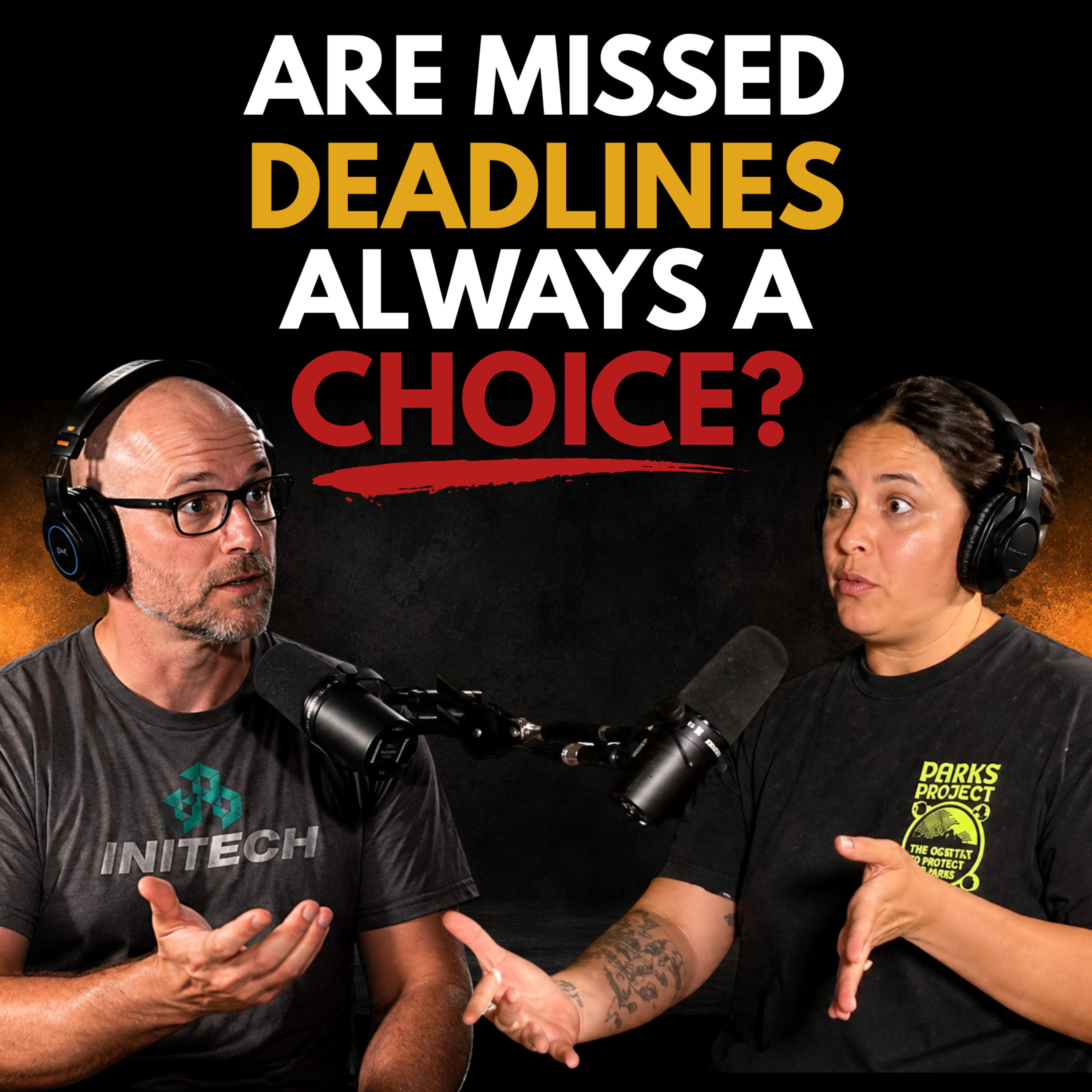
    Are missed deadlines always a choice?

    Are missed deadlines always a choice? When students miss deadlines, is it always because they made a poor choice—or is the reality much more complicated? In this episode of Education Upgrade, Jake Schulke and Morgan Torres-Unger-Castleberry examine the purpose of deadlines in education, how they compare to deadlines in the professional world, and whether academic grades should measure learning, responsibility, or compliance. The conversation explores why many students have far less control over their schedules than adults and what that means for grading practices, accountability, and student success. Topics discussed include: late work policies grading for equity grading reform standards-based grading mastery learning homework academic accountability executive functioning student autonomy intrinsic vs. extrinsic motivation classroom assessment continuation schools educational psychology teacher decision-making preparing students for the real world consequences vs. punishment educational philosophy Whether you're a teacher, administrator, parent, education student, or simply interested in improving schools, this discussion challenges some of the most common assumptions about deadlines, responsibility, and learning. Education Upgrade is a podcast exploring evidence-based ideas about teaching, learning, grading, psychology, school reform, and the future of education through conversations with teachers, researchers, and education professionals. #Education #Teaching #Teachers #EducationUpgrade #Grading #StandardsBasedGrading #MasteryLearning #Assessment #Homework #LateWork #TeacherPodcast #EducationReform #EducationalLeadership #School

  • July 28 · 12 min

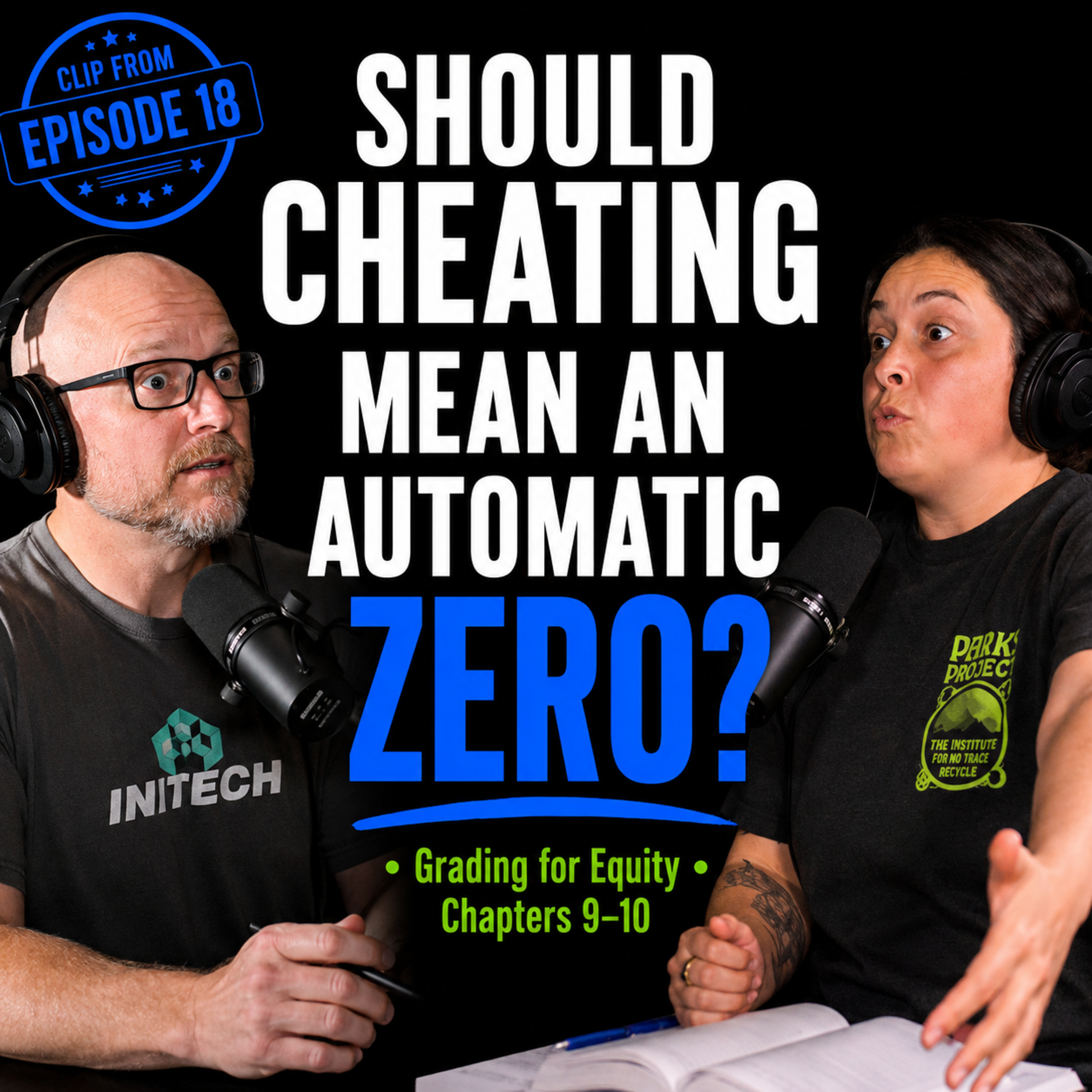
    Should cheating mean an automatic zero?

    Should cheating mean an automatic zero? When a student cheats, should the consequence always be a zero—or should a grade continue to measure what the student actually knows? In this Essential Question, Jake Schulke and Morgan Torres-Unger-Castleberry explore academic integrity, cheating, and grading through the lens of Grading for Equity by Joe Feldman. They discuss whether cheating should be treated as a disciplinary issue, an assessment issue, or both, and examine how teachers can uphold academic honesty while ensuring grades remain an accurate measure of student learning. Topics include: Academic integrity and cheating Whether cheating should result in an automatic zero Punishment vs. measuring learning Mastery-based grading Retakes and reassessments Formative and summative assessment Grading for Equity (Chapters 9–10) This clip is part of Episode 18 of Education Upgrade, a discussion of Grading for Equity by Joe Feldman and how grading practices influence learning, motivation, and student success. 📚 Book Discussed: Grading for Equity by Joe Feldman (Chapters 9–10) 🎙️ Watch the full Episode 18 for the complete conversation on grading, assessment, educational equity, and mastery learning. #Education #Teaching #EducationReform #GradingForEquity #AcademicIntegrity #Assessment #Teachers #EdChat #MasteryLearning #EducationUpgrade

  • S2 · E19
    July 25 · 2 hr 32 min

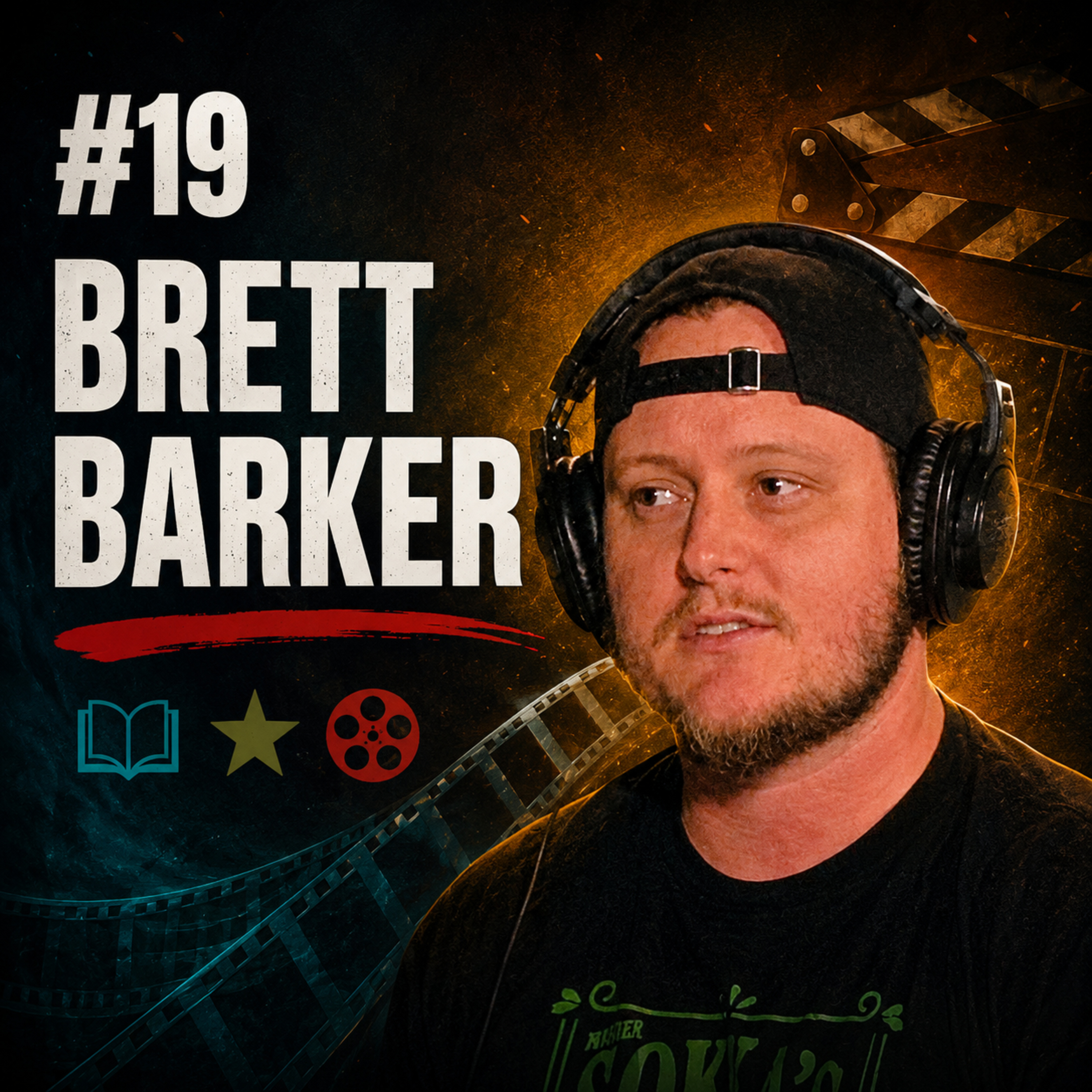
    #19: Teaching, Leadership, and the Movies That Shaped Us - with Brett Barker

    What makes a teacher truly effective? In this conversation, Jake Schulke sits down with educator and Navy veteran Brett Barker to explore classroom leadership, student relationships, and what movies can teach us about education, adolescence, and growing up. Drawing from experiences in the military, continuation high schools, and middle school classrooms, Brett and Jake discuss why relationships matter more than authority, how healthy boundaries create better learning environments, and why the best educators never stop learning from their students. The conversation eventually turns to storytelling and film, exploring how movies like Mean Girls, Dead Poets Society, and Dangerous Minds continue to shape the way we think about teachers, teenagers, and the human experience. Questions explored • What makes students respect a teacher? • Can military leadership improve classroom management? • Why do relationships matter more than authority? • How do continuation high schools differ from traditional schools? • What can teachers learn from their students? • Why do movies resonate so strongly during adolescence? • What does Dead Poets Society teach us about education and purpose? • How do stories shape our beliefs about teachers and schools? Topics covered • Classroom management • Educational leadership • Continuation high schools • Teacher-student relationships • Military leadership • Adolescent psychology • Student motivation • Film and education • Mean Girls • Dead Poets Society 💬 We'd love to hear from you. Which teacher had the greatest impact on your life? And what movie best captures adolescence? Share your thoughts in the comments or connect with us using the link below. 🎙 Education Upgrade explores education, psychology, leadership, and learning through conversations with teachers, researchers, and educational leaders. New full episodes, Reel Talk, educational clips, and Essential Questions are released regularly. Connect with Education Upgrade: https://linktr.ee/educationupgrade Chapters 0:00 Introduction & Brett's Journey into Education 9:42 What Continuation High School Taught Us About Students 24:30 The Teachers We'll Never Forget 42:43 Are Schools Teaching the Right Things? 1:03:25 What's Holding Public Education Back? 1:17:26 What Can Teachers Learn from the Military? 1:29:20 Why Literature Still Matters 1:34:32 Reel Talk: The Movies That Shaped Our Generation 1:53:24 Dead Poets Society and the Purpose of Education 2:02:03 The Evolution of Teen Films 2:19:06 Do Movies Shape Culture—or Reflect It?

  • July 21 · 12 min

    What should grades actually measure?

    What should grades actually measure? Should a student's grade reflect what they know—or how well they comply with deadlines, homework, participation, and extra credit? In this Essential Question, Jake Schulke and Morgan Torres-Unger-Castleberry explore one of the most fundamental questions in education: What is a grade actually supposed to measure? The discussion examines mastery-based grading, formative versus summative assessment, behavior-based grading, extra credit, homework, classroom compliance, and why so many grading systems unintentionally reward behavior instead of learning. They also discuss why students often ask, "How can I get my grade up?" instead of "How can I understand this better?" and what that reveals about the way we've designed school. Topics include: What grades should actually measure Mastery vs. compliance Homework, deadlines, and participation points Why extra credit often undermines equity Formative and summative assessment Student motivation and grading Standards-based and mastery-based grading Grading for Equity (Chapters 9–10) This clip is part of Episode 18 of Education Upgrade, a discussion of Grading for Equity by Joe Feldman and how grading practices influence learning, motivation, and student success. 📚 Book Discussed: Grading for Equity by Joe Feldman (Chapters 9–10) 🎙️ Watch the full Episode 18 for the complete conversation on grading, assessment, educational equity, and mastery learning. #Education #Teaching #EducationReform #GradingForEquity #MasteryLearning #Assessment #Teachers #EdChat #StandardsBasedGrading #EducationUpgrade

  • July 14 · 13 min

    Should deadlines affect grades?

    Many grading systems treat meeting deadlines as part of academic achievement... but should they? In this discussion from Education Upgrade, Jake Schulke and Morgan Torres-Unger-Castleberry explore the purpose of deadlines, homework, late work, and grading through the lens of Grading for Equity. They compare school expectations with the real world and ask whether grades should measure learning or compliance. Watch the full Episode 18 for the complete conversation. #EducationUpgrade #GradingForEquity #Assessment #Education #Teachers

  • July 7 · 14 min

    Are third grade skill gaps lasting a lifetime?

    This video is a focused clip from Education Upgrade Episode 17. Why do some students believe they're "just bad at math" or "just not good writers"? Jake and Morgan explore the idea that many long-term academic struggles begin with missed foundational skills in elementary school. From multiplication and division to paragraph writing and essay structure, they discuss why third grade may be one of the most important years in a student's education—and why moving students forward without mastering those fundamentals can create learning gaps that persist for years. For the full conversation and additional context, watch or listen to Education Upgrade Episode 17.

  • June 30 · 10 min

    Is peace more important than happiness?

    This is a clip from Education Upgrade Episode 17. Jake and Morgan explore why many people spend years chasing happiness, only to discover that peace may be the better goal. They reflect on growing up, finding purpose, and what truly matters. For the full conversation, watch or listen to Education Upgrade Episode 17. #EducationUpgrade #EssentialQuestion #PersonalGrowth #Happiness #Peace

  • S2 · E18
    June 29 · 2 hr 15 min

    #18: What Should Grades Actually Measure? - with Morgan Torres-Unger-Castleberry

    In this episode of Education Upgrade, Jake Schulke and Morgan Torres-Unger-Castleberry continue their Grading for Equity book study with an in-depth discussion of Chapters 9 and 10, the core of Joe Feldman's framework for equitable grading. The conversation examines fundamental assumptions about grading, including what grades are intended to measure, the role of homework and deadlines, mastery learning, reassessment, cheating, classroom authority, assessment design, and the use of AI to develop high-quality rubrics. Throughout the discussion, they explore practical strategies for designing grading systems that more accurately measure learning while encouraging teachers to critically evaluate and refine their own grading practices. CHAPTERS 00:00 Introduction & Returning to Grading for Equity 02:00 Why Chapters 9 & 10 Matter Most 08:24 Study Strategies: How to Read Educational Books 13:05 Deadlines, Homework, and What Grades Should Measure 27:00 From Percentages to Mastery-Based Grading 39:30 What Should Grades Actually Measure? 53:55 Creativity, Assessment Design & AI-Generated Rubrics 1:01:30 The Illusion of Control in Education 1:13:30 Cheating, Motivation & Student Behavior 1:30:20 Building an Ethical Grading System 1:46:35 Reengineering Your Grading Philosophy 1:52:00 Final Reflections & Looking Ahead #EducationUpgrade #GradingForEquity #Education #Teachers #Assessment #MasteryLearning #StandardsBasedGrading #EducationalLeadership #Teaching #Cheating #Learning #EdChat #AIInEducation

  • June 24 · 9 min

    What is a teacher's most important job?

    This clip is an excerpt from Education Upgrade Episode 17. In this conversation, Jake and Morgan explore a deceptively simple question: What is a teacher's most important job? Drawing on experiences in traditional and continuation high schools, they discuss relationships, mentorship, student engagement, and why helping students feel seen may matter as much as the curriculum itself. For the full conversation and additional context, watch or listen to Episode 17. #Education #Teaching #EducationUpgrade #AlternativeEducation #StudentSuccess #Mentorship #Teachers #Learning #SchoolCulture #EssentialQuestions

  • June 23 · 18 min

    Reel Talk #1: Mean Girls, Belonging, and Growing Up

    This Reel Talk episode is an edited segment from Education Upgrade Podcast Episode 17 featuring Morgan Torres-Unger-Castleberry. In this conversation, Jake and Morgan discuss Mean Girls and explore a larger question: What role did movies once play in adolescent development? Drawing on themes from the Education Upgrade essay Reel Talk: The Role of Teen Movies in Adolescent Development, they examine why films like Mean Girls, The Breakfast Club, and Dazed and Confused resonated so deeply with generations of young people. The conversation explores belonging, identity, social dynamics, and the universal challenges of growing up. Related essay: https://educationupgrade.substack.com/p/reel-talk For the full conversation, including discussions on education, mentorship, learning gaps, and student development, watch or listen to Education Upgrade Podcast Episode 17. Topics include: • Mean Girls and adolescent development • Why teen movies mattered • Belonging and social identity • Shared cultural experiences • The lessons movies teach about growing up • Why these stories continue to resonate today

  • S1 · E11
    Sep 21, 2025 · 2 hr 30 min

    #11: Policing in schools - with Dr. Sebastián Sclofsky

    Police in schools: safety measure or deeper problem? In this episode, I talk with Dr. Sebastián Sclofsky about random drug searches, school resource officers, and why some policies and practices might do more harm than good. We discuss: -Why random searches are often ineffective and what the data really shows -How carceral logic-surveillance, discipline, and punishment-undermines student trust -The unintended consequences of “zero tolerance” policies and the school-to-prison pipeline -What safer, more transformative approaches to education might look like -The bigger picture: capitalism, state violence, and the myths behind the “war on drugs” If you’re an educator, parent, or anyone concerned about the future of schools, this episode will challenge the way you think about safety, authority, and trust in education. More on Dr. Sclofsky: https://www.sebasclofsky.com email: jsclofsky@csustan.edu Chapters 0:00 - Introduction & disclaimers 1:10 - Meeting Dr. Sebastian Sclofsky (and how this episode started) 4:30 - The classroom dog search incident 10:05 - Random searches, effectiveness, and false positives 15:45 - The carceral logic in schools: surveillance, control, and punishment 22:20 - Educational trust vs. policing authority 30:15 - Zero tolerance policies and their consequences 36:40 - The role of teachers, administrators, and counselors 44:10 - Why schools resemble prisons: “cells and bells” design 52:30 - Safe environments vs. punitive discipline 1:00:15 - Parents’ perspectives and the illusion of safety 1:08:40 - War on drugs, individual choice, and systemic issues 1:20:55 - Social trust, democracy, and the role of police 1:30:25 - The school-to-prison pipeline explained 1:39:10 - Can police be agents of social justice? 1:47:00 - Public policy, economics, and community engagement 1:55:45 - Closing thoughts: What schools and society should reconsider
  • S1 · E10
    May 31, 2024 · 1 hr 18 min

    #10: Uncovering the flaws of traditional grading: A deep dive into Ch 4 of "Grading for Equity"

    In this episode, Jake and Morgan dive into Chapter 4, "Traditional Grading Hides Information, Invites Biases, and Provides Misleading Information," from Joe Feldman's transformative book "Grading for Equity." They explore Feldman's critique of traditional grading practices, discussing how methods like averaging grades and incorporating behavioral factors distort true measures of learning and disadvantage marginalized students. The conversation delves into the impact on student motivation, the perpetuation of inequities, and the importance of separating academic performance from behavior. Highlighting Feldman's advocacy for standards-based grading and formative assessments, Jake and Morgan share personal anecdotes and practical tips for implementing more equitable grading practices in classrooms, aiming to create a fairer and more effective educational system.As an Amazon Associate, I earn from qualifying purchases using the links which follow. Using these links to purchase recommended books is a way to help support this podcast.Recommended Reading:Grading for Equity by Joe Feldman:Paperback: https://amzn.to/3CmMi2JAudiobook: https://amzn.to/3J7F9HlUNgrading by Susan BlumPaperback: https://amzn.to/3P5z0ztAudiobook: https://amzn.to/43yTxkjThe Self-Driven Child by by William Stixrud and Ned JohnsonPaperback: https://amzn.to/42z2nx7Audiobook: https://amzn.to/3CnmxiYWhat We Know About Grading: What Works, What Doesn't, and What's Next by Thomas R. Guskey & Susan M. BrookhartPaperback: https://amzn.to/3EoSgkLCHAPTERS:00:00 Opening00:20 Introduction & recap with takeaways12:26 Mechanisms of inaccuracy18:00 Behavioral data, bias, & human psychology33:00 Analyzing your gradebook: Feel good about noticing37:50 Psychological effects of gradebooks48:59 Grade hacks55:10 Mathematical soundness of the grade1:00:01 Questions to consider1:15:12 Closing

  • S1 · E9
    Dec 29, 2023 · 2 hr 21 min

    #9: How grading can enhance trust between students and teachers, or undermine it - with Morgan Torres-Unger

    Grading for Equity Book Study #4 Jake and Morgan discuss Chapter 3: "How Traditional Grading Stifles Risk-Taking and Supports the Commodity of Grades" from the book Grading for Equity by Joe Feldman, a book that is helping schools and teachers upgrade the way that we assess and measure student learning. In our study of this chapter we discuss above all, the role of risk-taking and trust in teaching and learning, and we go into detail about how using grades as an artificial extrinsic incentive undermines the relationship of trust between student and teacher and thus undermines the process of learning. Any teachers who seek to understand the various impacts of grading practices should benefit from hearing and considering the ideas discussed, and likewise from reading the book and integrating the ideas into their practice. You can buy this book and others with the links below. As an Amazon Associate, I earn from qualifying purchases using the links which follow. Using these links to purchase recommended books is a way to help support this podcast. Recommended Reading: Grading for Equity by Joe Feldman: Paperback: https://amzn.to/3CmMi2J Audiobook: https://amzn.to/3J7F9Hl UNgrading by Susan Blum Paperback: https://amzn.to/3P5z0zt Audiobook: https://amzn.to/43yTxkj The Self-Driven Child by by William Stixrud and Ned Johnson Paperback: https://amzn.to/42z2nx7 Audiobook: https://amzn.to/3CnmxiY What We Know About Grading: What Works, What Doesn't, and What's Next by Thomas R. Guskey & Susan M. Brookhart Paperback: https://amzn.to/3EoSgkL CHAPTERS: 00:00 - Disclaimer 00:22 - Opening quote on trust & risk taking 01:40 - I broke into Morgan’s car. 05:17 - Checking in about work, grading, and communication 14:27 - Changing grading practices with a team 16:41 - Grading for Equity Chapter 3 Introduction 19:10 - Risk taking and safe failure 20:37 - Points can undermine trust. 23:29 - What is this book study for? 26:31 - The way you grade affects everything. 33:14 - The pace of learning 39:06 - Wait, why are we doing a book study? 41:56 - Sending mixed messages to students 54:49 - Students as allies vs. adversaries 1:02:59 - Kill your ego or undermine trust 1:09:32 - Be the best substitute teacher you can be 1:15:59 - The element of trust 1:22:32 - Human connection, empathy, and critical thinking 1:27:33 - Intrinsic motivation, extrinsic rewards, and behavioral science 1:33:53 - Discussion on engagement 1:50:38 - Incentive systems 2:01:14 - Effects of points on self concept and anxiety 2:04:21 - Shares & celebrations, provoking thought 2:14:45 - Closing

    • Transcript
Showing 1–20 of 20 episodes