Skip to content
Artwork for Ecommerce On Tap
BusinessEntrepreneurship

Ecommerce On Tap

Aaron Alpeter

Ecommerce on Tap is a world where Supply Chain meets storytelling. Join Aaron Alpeter each week as they offer insights into the backend of successful businesses. Brought to you by Sourcify and Izba Consulting!

Play
  • 20 episodes
  • fortnightly
  • Avg 48 min
  • English
  • S8 · E8
    August 18 · 1 hr 11 min

    Dr Martens: Durability Isn't an Engineering Problem, it's a Business Model Problem.

    Dr. Martens built a boot designed to outlive its owner. So why did a company built on permanence need you to buy five more pairs? This week we trace the 1460 from a broken foot in postwar Munich to a £3.7B IPO — and the identity crisis in between. This season on Ecommerce on Tap, we've been going deep on footwear — Birkenstock, Rothy's, New Balance, and now one of the most recognizable boots in the world: Dr. Martens. Aaron is joined by returning co-host Daniel Barkin (Supply Chain Lead at The Flex Company, formerly Groundwork Coffee) to unpack how a 1945 German medical shoe prototype became a British punk icon, a private-equity growth story, and — more recently — a public company trading well below its IPO price. Along the way, they get into: Why the "shoes don't last like they used to" complaint is more complicated than it sounds How a durable, repairable product can actually work against a company's growth The real origin story: Klaus Martens, a broken foot, and an air-cushioned sole How the Griggs family turned a German component into a distinctly British product Why Dr. Martens became a walking billboard for skinhead, punk, goth, and queer subcultures — and why that flexibility was the business advantage The 2003 near-bankruptcy and the move of manufacturing out of Britain What "Made in England" actually means for a boot now made mostly in Vietnam and Laos Solovair vs. Dr. Martens: who gets to claim authenticity when the trademark and the factory split up Permira's 2013 buyout, the 2021 IPO, and what investors were really paying for The Portland-to-LA distribution failure that helped unravel the growth story The new CEO's "consumer-first" pivot, and whether repair programs can rebuild trust in the brand Who might actually buy Dr. Martens if it goes up for sale: VF Corp, Deckers, Wolverine Worldwide, or Authentic Brands Group If you've ever wondered why your favorite pair of shoes doesn't last the way your parents' did — or why "durable" and "growing" can be in tension for a brand — this one's for you.

    • Transcript
    • Chapters
  • S8 · E7
    August 4 · 1 hr 11 min

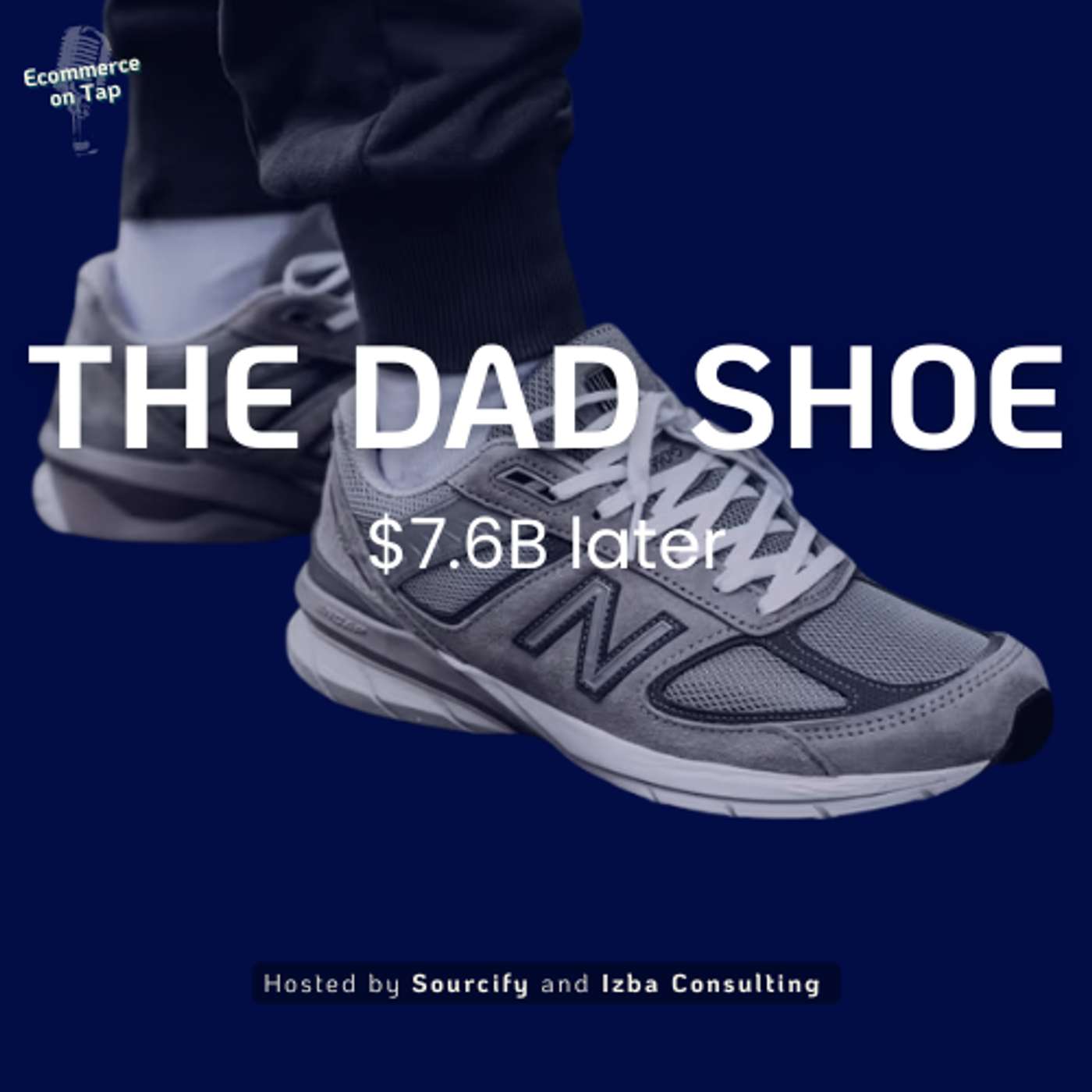
    New Balance: The Dad Shoe That Waited for the World to Catch Up

    New Balance spent most of its 120-year history as a punchline: the gray suede sneaker your dad wore with white crew socks and a phone holster. On this episode of Ecommerce on Tap, Aaron Alpeter is joined by cohost Becca Oden, VP of Supply Chain for a portfolio of women's health brands and former operator at Uqora, to reverse-engineer how New Balance went from a 1906 arch-support company to a $7.6B privately-held athletic brand courting a $25B valuation. They trace the company through founder William Riley's chicken-foot origin story, its unusual width-based manufacturing complexity, its domestic factories in Maine and Massachusetts, the 2016 TPP controversy, and the collaboration strategy (JJJJound, Aime Leon Dore, Joe Fresh Goods) that turned an "uncool" archive into a cultural platform. The takeaway for founders: unfashionable is not the same as undifferentiated, and the capabilities that look like inefficiencies on a spreadsheet are sometimes the entire moat. In this episode: Why New Balance spent 50 years as an arch-support company before it became a sneaker brand The real cost (and real value) of keeping factories in the US when nearly the whole industry moved to Asia How the 990 became four completely different products to four completely different audiences at once Why New Balance's 2016 TPP comments triggered a backlash it never intended How the JJJJound and Aime Leon Dore collaborations turned an archive nobody wanted into the 550's comeback Who could realistically acquire New Balance, and why LVMH, Adidas, and Nike each come with a different problem Guest: Becca Oden — VP of Supply Chain, women's health brands

    • Transcript
    • Chapters
  • S8 · E6
    July 21 · 54 min

    The Shoe Company That Almost Died Three Weeks Before Chinese New Year

    Two years ago we recorded an episode on On Running. This week we're re-airing it, and it holds up better than I expected. When we recorded it in 2024, On had just crossed two billion in revenue and was making big promises about margins and innovation. Since then they passed three billion, hit the margins they were targeting, and their LightSpray technology can now build a shoe in about three minutes. But the part of the story I keep coming back to isn't the growth. It's 2011. Three weeks before Chinese New Year, their factory went bankrupt with 30,000 pairs of unfinished shoes locked inside. Their R&D lead had been on the production floor days earlier and saw nothing wrong. They got the product out, paid another factory triple wages to assemble everything, air freighted it, and wiped out most of their profit for the year. The company almost died in its second season. The lesson they internalized is one most brands still skip: you have to understand your factory's balance sheet. Your supplier is a business too, with cash flow pressure, raw material bets, and payroll of their own. A factory can look busy right up until the day the doors are chained.

    • Transcript
  • S8 · E5
    July 7 · 59 min

    Veja: The Sneaker Brand That Spent Its Marketing Budget on the Supply Chain

    Veja is usually filed under "sustainable sneaker brand." That label is true and far too small. In this footwear-season episode of Ecommerce on Tap, Aaron Alpeter sits down with Divya Demato of GoodOps to break down how Veja built a brand by inverting the P&L, spending on the supply chain instead of advertising. We get into the five models of sustainability in footwear, why Veja bet everything on transparency, how it sources cotton and wild Amazonian rubber directly from producers, why it manufactures in Brazil, and the hard question of whether a brand this operationally specific can ever really be sold. If you build physical products, this one is about where brand trust actually comes from, and why your operations might belong front and center instead of backstage.

    • Transcript
    • Chapters
  • S8 · E4
    June 23 · 42 min

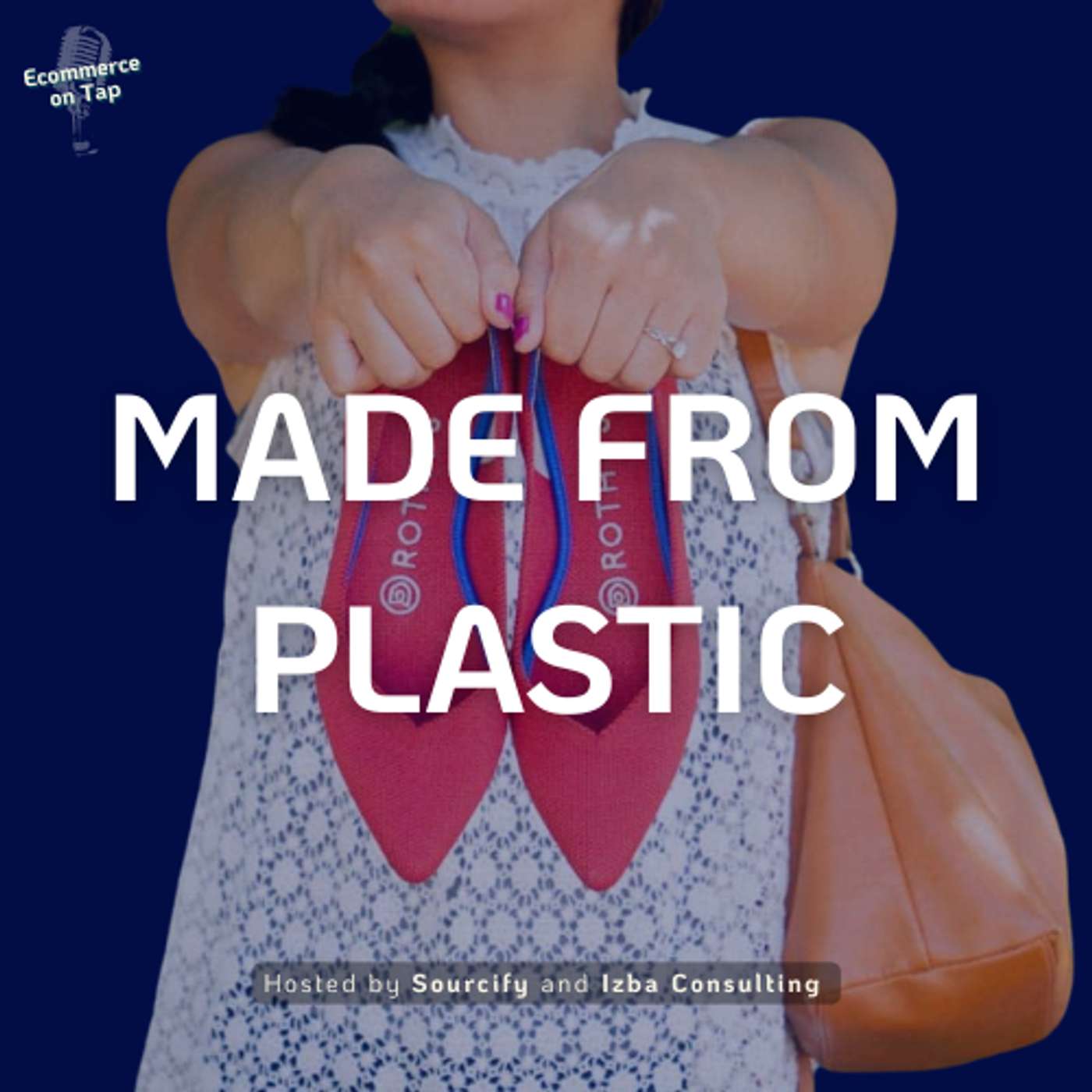
    Why Rothy's Built the Factory Before They Built the Shoe

    Rothy's is known for sustainable shoes made from recycled plastic bottles. But that's not actually what they built. In this episode, Aaron and co-host Barb Almeida (Superbloom Insights) break down the real story behind Rothy's — a programmable knitting system that two outsiders spent four years and $2 million developing before they ever sold a single pair of shoes. They cover why footwear is one of the most waste-intensive consumer categories, how Rothy's designed waste out of the manufacturing process before they designed the product, why Nike never sued them despite using similar technology, and what Alpargatas was actually buying when they put $475M into a 49.9% stake in 2021. If you're building a physical product brand — or thinking about what makes a manufacturing-led business defensible — this one is worth your attention. Topics covered: Why footwear has more manufacturing waste than almost any other consumer category How Rothy's programmable knitting system works The four-year, $2M development period before launch The 2012 DTC playbook — and why Rothy's did the opposite Rothy's vs. Nike Flyknit: same technology, completely different objective Goldman Sachs and Alpargatas: what they were actually buying What founders can take from a brand that built the system before the product The Shopify origin story (tidbits segment) Tariff refund update: $20B paid out so far Ecommerce on Tap goes deep on the operational and commercial story behind specific consumer brands and categories. Each season covers one industry. This season: footwear.

    • Transcript
    • Chapters
  • S8 · E3
    June 9 · 46 min

    How Birkenstock Built a $1.6 Billion Footwear Empire

    Birkenstock is one of the most recognizable footwear brands in the world. But what most people don't realize is that the company spent over 200 years building the system that made its success possible. In this episode of Ecommerce On Tap, Aaron Alpeter is joined by Niket Shah of Acceler8 Labs to explore the history, supply chain, biomechanics, manufacturing strategy, and growth story behind Birkenstock. They discuss: • How a German shoemaking family evolved into a global brand • Why foot biomechanics became the foundation of the company • The role cork plays in Birkenstock's product moat • How Birkenstock entered the U.S. through wellness channels instead of traditional retail • Why vertical integration still matters in footwear manufacturing • The private equity and IPO decisions that transformed the business • Lessons founders can apply to their own brands Birkenstock's story isn't really about sandals. It's about building a system that competitors struggle to replicate. #EcommerceOnTap #Birkenstock #Footwear #Manufacturing #SupplyChain #BrandStrategy #Ecommerce

    • Transcript
    • Chapters
  • S8 · E2
    May 26 · 46 min

    How Hoka Built a Billion-Dollar Shoe Brand

    Why did a strange-looking running shoe with giant foam soles become a billion-dollar brand? This week on Ecommerce on Tap, Aaron Alpeter and Mark Riskowitz break down the story of Hoka—from its origins in the French Alps to becoming one of the fastest-growing footwear brands in the world. We cover: • Why Hoka ignored industry trends • The biomechanics behind running shoes • Manufacturing challenges most consumers never see • Why founders sometimes need to leave incumbents • How Deckers scaled Hoka into a powerhouse

    • Transcript
    • Chapters
  • S8 · E1
    May 12 · 55 min

    Why Footwear Is Secretly One of the Hardest Industries in Consumer

    In this kickoff episode of the new Ecommerce on Tap footwear season, Aaron Alpeter sits down with footwear founder Daniella to unpack the hidden complexity behind one of the world’s most misunderstood industries. What looks like a simple branding category on the surface is actually a deeply technical, globally fragmented, operationally unforgiving system underneath. They cover: Why footwear behaves like a systems business The hidden mechanics inside every shoe Why returns are so destructive in footwear How military history shaped modern footwear manufacturing Why Vietnam, China, Italy, Portugal, Mexico, and Brazil all play different roles in the supply chain The role of lasts, midsoles, outsoles, and wear testing Why scaling a footwear brand is far harder than most founders expect The inventory forecasting nightmare behind sizing curves Why consumers evaluate shoes emotionally while brands survive operationally If you’ve ever underestimated how complicated footwear is, this episode will completely change how you think about the category.

    • Transcript
    • Chapters
  • April 28 · 44 min

    Why Unilever Bought Grüns for $1.2B

    Grüns didn’t just build a supplement brand — they redefined how people consume greens. In less than 3 years, they went from launch to a $1.2 billion acquisition by Unilever — one of the most aggressive buyers in health & wellness. In this episode of Ecommerce on Tap, we break down: Why gummies beat powders The manufacturing breakthroughs that made Grüns possible How they scaled to millions of units per day And why Unilever had to buy them If you’re building a CPG brand, this is a masterclass in: Product-market fit Supply chain innovation Exit strategy

    • Transcript
    • Chapters
  • S7 · E8
    April 14 · 42 min

    The Future of Fragrance: From Luxury to Daily Ritual

    Fragrance is no longer just a luxury — it’s becoming a daily ritual. In this episode of Ecommerce on Tap, Aaron Alpeter sits down with 5 SENS founder Divya Gugnani to break down the massive shift happening in the fragrance industry. They cover: Why fragrance is the fastest-growing beauty category The rise of “fragrance wardrobes” vs signature scents What most founders get wrong about clean beauty How to build a brand that actually has repeat purchase The real playbook behind building a business worth buying If you're building in beauty, DTC, or consumer brands — this is a must-watch.

    • Transcript
    • Chapters
  • S7 · E7
    March 31 · 40 min

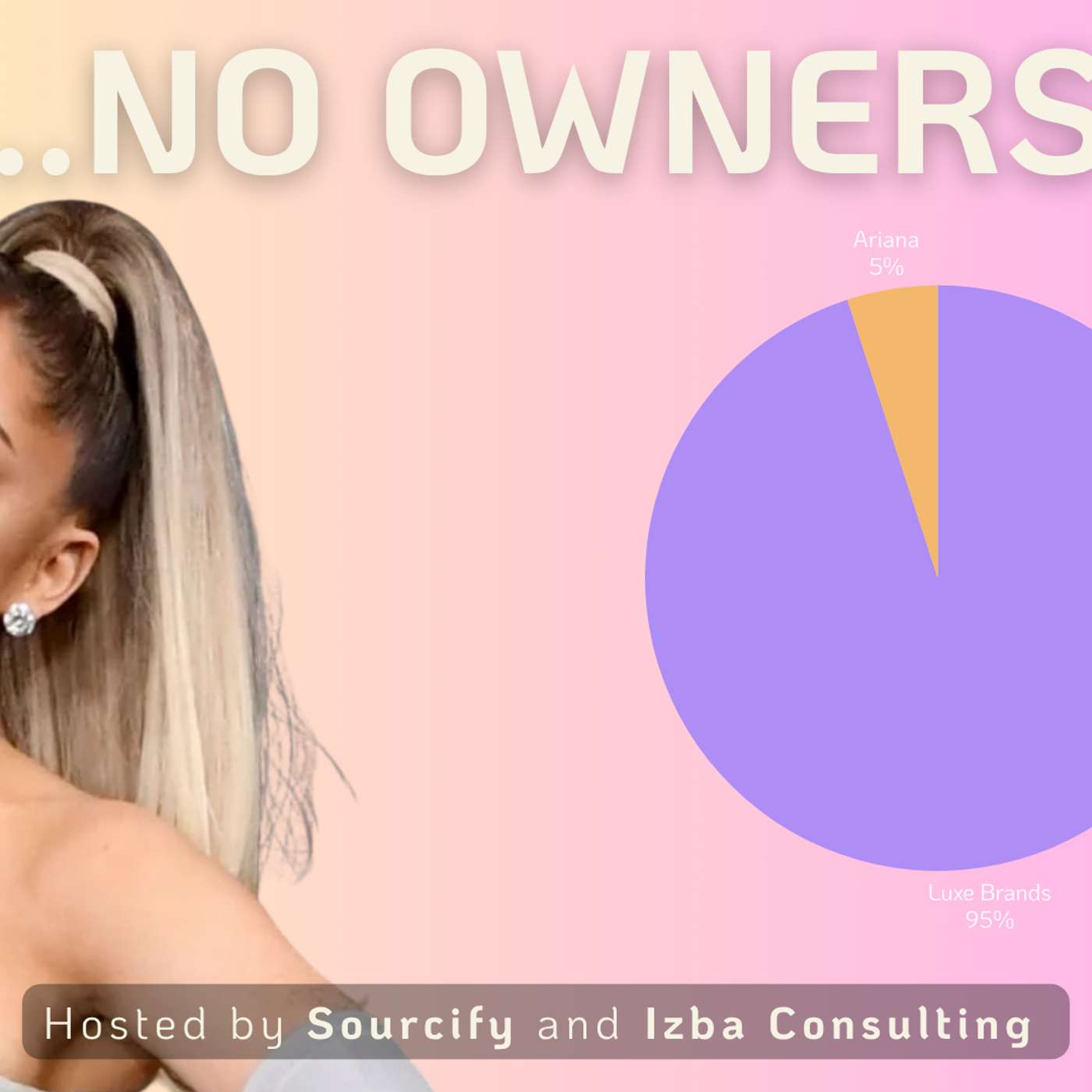
    How Ari by Ariana Grande Made $1B — No Ownership

    $1B in sales… and Ari by Ariana Grande barely owns it. • Why Ari by Ariana Grande scaled to $1B through licensing instead of ownership • How “Cloud” became a hero SKU by riding luxury fragrance dupe demand • The real unit economics behind a $70 perfume bottle • How Sephora and Ulta distribution turned it into a global brand Aaron Alpeter is a supply chain operator who has worked with 200+ brands. He breaks down how Ari by Ariana Grande built their supply chain to support billion-dollar retail scale.

    • Transcript
    • Chapters
  • S7 · E6
    March 17 · 41 min

    How Byredo Built a $200M Luxury Brand Without Heritage

    Luxury brands used to take centuries to build. But Byredo did it in less than 20 years. In this episode of Ecommerce on Tap, we break down how Byredo went from a niche fragrance startup in Stockholm to one of the most respected luxury brands in the world — eventually selling a majority stake to Puig. We cover: • How a former basketball player founded Byredo • Why luxury brands succeed through culture, not price • The four engines of modern luxury brands • How distribution shapes brand perception • Why Burberry nearly destroyed its luxury status • Why fragrance is the perfect entry product for luxury brands • What Puig really bought when acquiring Byredo If you’re building a brand, this episode explains the modern luxury playbook. Register for the liberation day, one year later webinar here: https://addcal.io/e/s96v42dzhrod

    • Transcript
    • Chapters
  • S7 · E5
    March 3 · 42 min

    From Huda Beauty to Kayali: The $100M Fragrance Spinout

    Prestige fragrance is one of the most structurally gated industries in consumer beauty. Four compounding houses control formulation. Retailers decide survival based on velocity per door. Most brands never break through. So how did Kayali — an influencer-born, Middle Eastern-positioned fragrance brand — scale globally through Sephora? In this episode of eCommerce on Tap, Aaron Alpeter and Nathan Resnick break down: • Why Middle Eastern fragrance historically struggled in North America • How Huda Beauty built the infrastructure first • Why Vanilla 28 became the hero SKU • The impact of TikTok and COVID on fragrance growth • Why Kayali spun out as an independent company • Who could eventually acquire Kayali (Puig? Estée Lauder? LVMH?) This episode explores cultural translation, retail strategy, portfolio logic, and the economics of prestige fragrance. If you’re building in beauty, CPG, or consumer — this is a masterclass in strategic positioning.

    • Transcript
    • Chapters
  • S7 · E4
    February 17 · 48 min

    The Le Labo Playbook: How a $60M Fragrance Brand Redefined Beauty Acquisitions

    Le Labo didn’t scale the way fragrance brands were supposed to — and that’s exactly why it worked. In this episode of Ecommerce On Tap, we break down how Le Labo rejected celebrity launches, mass distribution, and growth theater to build one of the most culturally defensible brands in modern beauty — and why its acquisition by Estée Lauder permanently changed how acquirers think about fragrance. We cover: Why “restraint” became Le Labo’s unfair advantage How in-store compounding and ritual created real brand moats What this deal taught acquirers about authenticity, taste, and long-term value If you care about brand, supply chain, or acquisition strategy, this episode is a masterclass. 🎙 Ecommerce On Tap is brought to you by Izba and Sourcify.

    • Transcript
    • Chapters
  • S7 · E3
    February 3 · 42 min

    Why “Signature Scents” Are Fading and What DedCool Got Right

    Fragrance didn’t fail because people wanted fewer options. It failed because it forced certainty in a world that isn’t. In this episode of Ecommerce on Tap, Nathan Resnick and Aaron Alpeter break down how DedCool quietly rebuilt fragrance by questioning its most basic assumptions: gendered scents, signature bottles, and permanence. We explore: Why smell is learned, not universal How fragrance became a social signal (not just a product) Why layering reduces risk instead of creating confusion How DedCool grew from a solo founder with an Instagram page into a $25–30M scent platform What founders can learn from staying founder-led longer than feels comfortable This is a deep dive into brand behavior, not trend-chasing, and a blueprint for founders building categories the rightway. 🎧 Subscribe for weekly breakdowns of iconic DTC brands 🧠 Brought to you by Sourcify & Izba

    • Transcript
  • S7 · E2
    January 20 · 41 min

    How Phlur Rebuilt Fragrance for the TikTok Era (And What Every Brand Can Learn)

    Fragrance didn’t suddenly work online—it needed a new translator. For decades, fragrance was built around authority, aspiration, and department store counters. Then Phlur quietly broke the rules. In this episode of Ecommerce on Tap, we break down: Why fragrance failed early DTC How Phlur’s founders built a credible but plateaued clean fragrance brand Why selling “clean” wasn’t enough to scale How TikTok changed fragrance discovery The strategic reboot behind Phlur’s breakout product Missing Person Why Phlur’s supply chain, manufacturing strategy, and channel mix look nothing like legacy fragrance brands What Phlur teaches operators about category reinvention, hero SKUs, and scaling without dilution This isn’t a hype story. It’s an operator case study on how culture, systems, and storytelling intersect to unlock growth. 🎧 Listen if you’re a founder, operator, investor, or brand leader navigating: DTC vs retail tradeoffs Rising CACs Category saturation Cultural relevance vs operational discipline

  • S7 · E1
    January 6 · 32 min

    Everything You Need to Know About Launching and Scaling a Modern Fragrance Brand

    Welcome to ECommerce On Tap, where Aaron and Nathan dive deep into the inner workings of the world’s most dynamic consumer categories. This season, they’re unraveling the mysteries of fragrance—from the basics of what constitutes a scent, to the rich history that took fragrance from ancient rituals to global luxury status. Whether you’re curious about the science behind a great perfume, the complexities of launching a fragrance brand, or the trends shaping the $50+ billion global market, this episode sets the stage for it all. Join our hosts as they cover how fragrances are made, who holds the power in the supply chain, the role of storytelling, and the regulations that shape what ends up in the bottle. With personal stories, industry insights, and a look at the cultural icons that changed everything—like Chanel No. 5—this is the essential introduction to a season filled with brand spotlights, founder journeys, and actionable takeaways for ecommerce entrepreneurs. So whether you’re a fragrance fanatic, a brand builder, or simply intrigued by what makes this industry so unique, tune in—ECommerce On Tap is about to make the world of scent come alive. Don’t forget to subscribe and stay with us for the full fragrance deep dive!

  • S6 · E7
    Dec 16, 2025 · 48 min

    What It Takes to Launch and Scale a Supplement Brand with James Klein

    This week, host Aaron sits down with James Klein, a true veteran of the supplement industry who’s been shaping the space for over 25 years. From the early days of garage operations and bodybuilder-backed brands, to today's landscape dominated by eCommerce giants and stringent compliance requirements, James Klein shares a candid insider perspective on how regulation, technology, and consumer trust have transformed the supplement market. In this episode, you’ll learn how the birth of eCommerce upended traditional retail, why compliance is now as much about payment processors as government agencies, and what pitfalls and opportunities await founders entering the crowded supplement arena. James Klein breaks down the process of launching a brand from scratch, sheds light on marketing claims that drive him crazy, and offers real talk on what science actually matters for consumers. Whether you’re a seasoned operator or just supplement-curious, this episode is packed with hard-won insights, industry trends, and practical advice for building a standout brand in 2025 and beyond.

  • S6 · E6
    Dec 9, 2025 · 52 min

    Biotech or Supplement Brand? The Strategic Playbook Behind Seed Health’s Massive Growth

    In this episode, Aaron and Nathan dive deep into the fascinating world of supplements, spotlighting a true disruptor in the probiotic space: Seed. Known for its research-driven approach, Seed has transformed a crowded wellness category by prioritizing science over hype, building its brand on education and clinical validation rather than marketing gimmicks.

  • S6 · E5
    Nov 25, 2025 · 48 min

    How Chad Janis Built Grüns Into a $100M Supplement Brand

    In this episode, hosts Nathan and Aaron dive deep into the rise of Grüns—the supplement brand shaking up the greens category with their innovative gummy format. You'll hear how founder Chad Janis blended his experience in venture capital with cutting-edge supply chain know-how to transform a simple insight (everyone prefers gummies over powders or pills) into a $100 million powerhouse in record time. From the evolution of gummy manufacturing and the hurdles of bringing a high-active, low-sugar supplement to market, to the challenges of rapid retail expansion and fierce industry competition, this episode is packed with lessons for aspiring founders and product innovators. Plus, you’ll get some fun background on the German roots of the brand’s name, the cultural evolution of gummies, and predictions for what’s next in the supplement world. Get ready for candid insights, actionable takeaways, and a fresh perspective on what it takes to build—and disrupt—an industry.

Showing 1–20 of 20 episodes