Skip to content
Artwork for Drug Discovery AI Talk
Drug Discovery AI Talk · May 8 · 21 min

#56. Ethics in AI for Drug Discovery

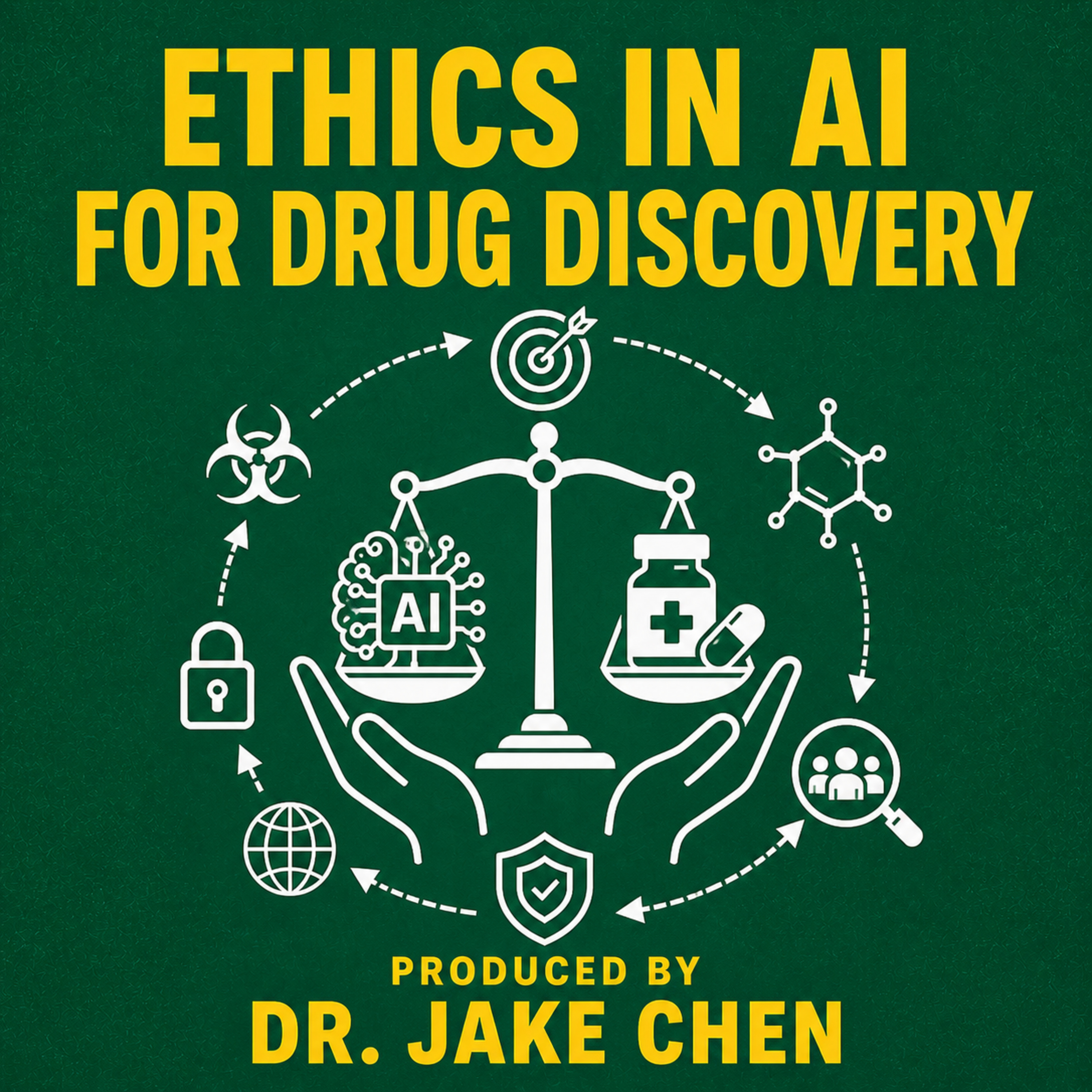
In this episode, we explore the unique ethical landscape of AI-driven drug discovery, which extends beyond traditional data privacy to encompass the entire pharmaceutical lifecycle. Key challenges include algorithmic bias in genomic data, the opacity of "black-box" models, and the significant biosecurity risks posed by generative tools capable of designing harmful toxins. To address these concerns, global frameworks from organizations such as the WHO, FDA, and EMA emphasize human-centered design, risk-based validation, and prioritizing public health benefits over purely commercial gains. Unlike previous electronic health record ethics that focused on data use, this field necessitates a lifecycle governance approach that monitors scientific decisions from initial target selection through post-market surveillance. Ultimately, the sources advocate for ethical steering mechanisms, such as screening projects for social value and equity, to ensure AI innovations reduce global health disparities rather than widening them. Produced by Dr. Jake Chen.


0:00-21:14

transcript

No transcript — this publisher did not publish one.

show notes

In this episode, we explore the unique ethical landscape of AI-driven drug discovery, which extends beyond traditional data privacy to encompass the entire pharmaceutical lifecycle. Key challenges include algorithmic bias in genomic data, the opacity of "black-box" models, and the significant biosecurity risks posed by generative tools capable of designing harmful toxins. To address these concerns, global frameworks from organizations such as the WHO, FDA, and EMA emphasize human-centered design, risk-based validation, and prioritizing public health benefits over purely commercial gains. Unlike previous electronic health record ethics that focused on data use, this field necessitates a lifecycle governance approach that monitors scientific decisions from initial target selection through post-market surveillance. Ultimately, the sources advocate for ethical steering mechanisms, such as screening projects for social value and equity, to ensure AI innovations reduce global health disparities rather than widening them. Produced by Dr. Jake Chen.

more episodes

All episodes