Artwork for Drug Discovery AI Talk
News

Drug Discovery AI Talk

Dr. Jake Chen

Late-breaking advances in AI-enabled drug discovery, including news, research progress, market trends, and interviews

  • 20 episodes
  • Updated Friday

Episodes20

  • Friday · 22 min

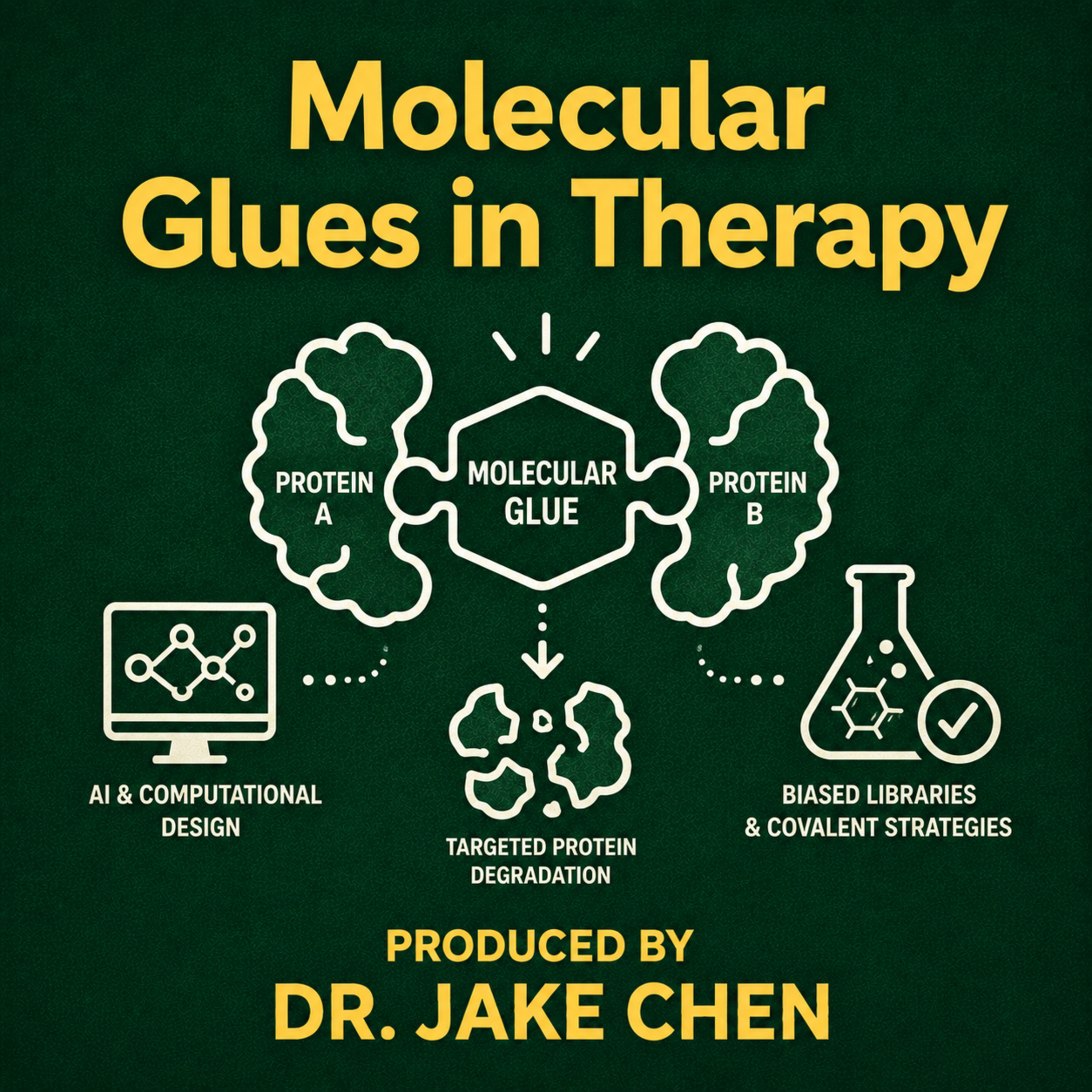
    #68. Molecular Glues in Therapy

    In this episode, we explore the rapid evolution of molecular glues, a breakthrough in targeted protein degradation that stabilizes protein interactions to treat previously incurable diseases. Historically discovered by chance, this field is moving toward a systematic design approach by integrating artificial intelligence, functional genomics, and biased chemical libraries. Current research emphasizes using machine learning to predict complex protein interfaces and utilizing covalent bonding to improve drug potency. Furthermore, a strategic partnership between Protina and Onconic Therapeutics highlights the commercial push to apply these AI-driven platforms to develop next-generation cancer therapies. Collectively, the texts illustrate how the fusion of computational modeling and synthetic biology is transforming "serendipitous" discoveries into a programmable era of pharmacology. Produced by Dr. Jake Chen.
  • July 24 · 20 min

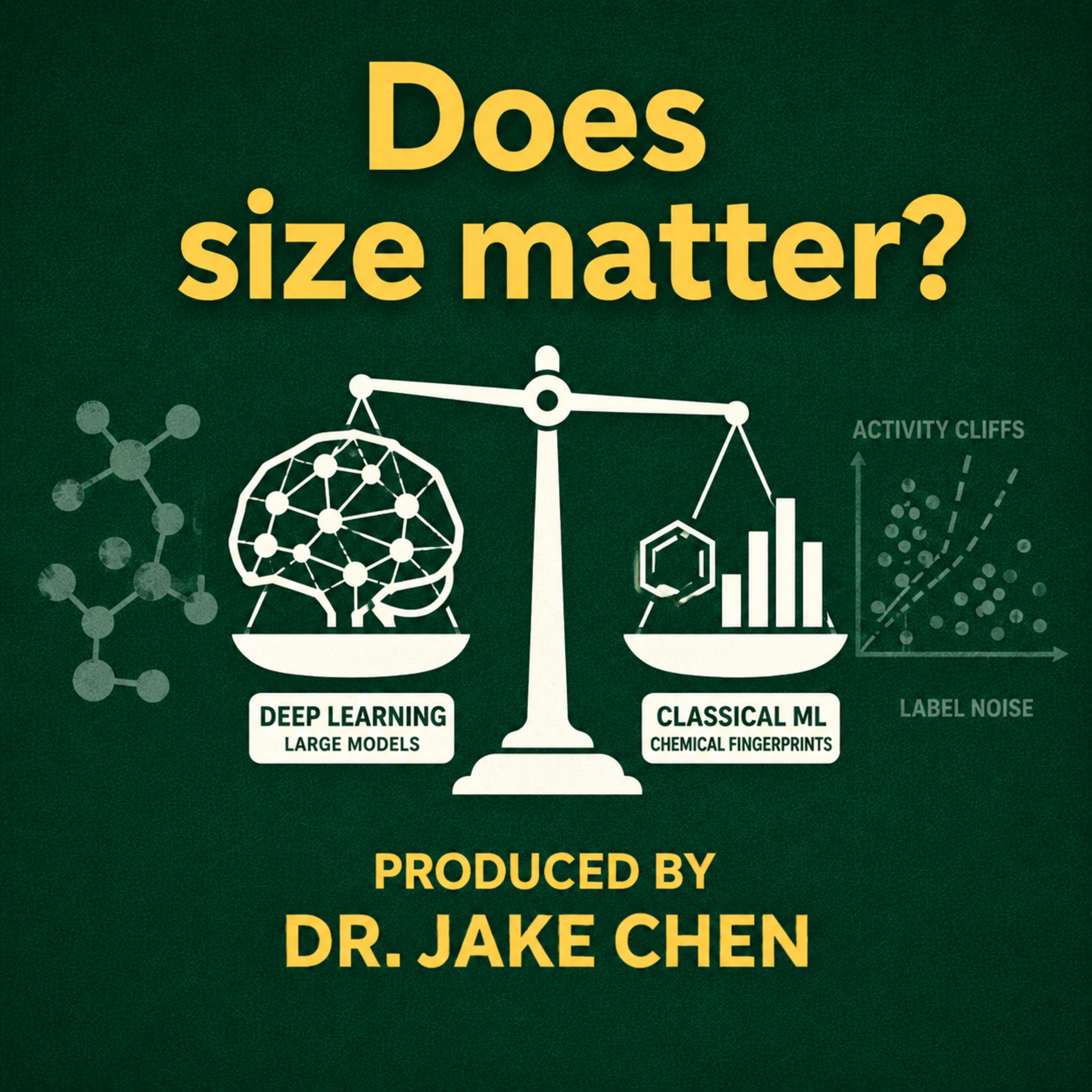
    #67. Does Size Matter?

    In this episode, we examine whether increasing the size and depth of neural networks truly enhances molecular property prediction compared to traditional machine learning. A recent study reveals that classical models using chemical fingerprints often outperform or match deep learning architectures, particularly when dealing with limited datasets or local structural variations. While foundation models and graph neural networks show promise when there is a significant difference between training and testing data, they are frequently hindered by activity cliffs and label noise. Ultimately, the evidence suggests that model scale is not a guaranteed predictor of success, and sophisticated models should always be measured against strong classical baselines. Therefore, practitioners are advised to select the simplest effective model that aligns with their specific chemical data and deployment goals. Produced by Dr. Jake Chen.
  • July 17 · 26 min

    #66. Quantitative Systems Pharmacology

    In this episode, we explore the evolving role of Quantitative Systems Pharmacology (QSP) in drug development, particularly as a mechanistic alternative to traditional animal testing. It details how mathematical modeling can integrate human-relevant data and biological pathways to better predict drug safety and efficacy before clinical trials. The sources highlight recent 2026 FDA draft guidances that establish a regulatory framework for using these models to select initial human doses. While the text acknowledges that QSP is not yet a total replacement for animal studies, it proposes a staged roadmap for its integration. This strategy emphasizes combining computational models with New Approach Methodologies (NAMs), such as organoids, to improve translatability. Ultimately, the documentation serves as a guide for achieving regulatory-grade validation and shifting toward more ethical, human-centric pharmacology. Produced by Dr. Jake Chen.
  • July 10 · 20 min

    #65. Orbiting around Big Pharma

    In this episode, we explore Lilly TuneLab as a major signal of where AI drug discovery may be heading: toward powerful platform ecosystems that combine proprietary pharmaceutical data, advanced predictive models, federated learning, and large-scale compute. On the positive side, platforms like TuneLab could help biotech companies derisk drug assets earlier, improve safety and pharmacokinetic predictions, reduce wasted experiments, and give smaller teams access to capabilities once reserved for Big Pharma. At the same time, this new model raises important questions about scientific independence, hidden bias, IP protection, and whether corporate AI platforms could become soft gatekeepers for what counts as a promising drug candidate. The best path forward is not to reject these platforms, but to use them wisely: as acceleration and second-opinion tools, complemented by open benchmarks, independent validation, human-relevant disease models, transparent governance, and mechanism-aware scientific judgment. Produced by Dr. Jake Chen.
  • July 3 · 20 min

    #64. Foundation Models

    In this episode, we explore the surge of foundation models (FMs) within pharmaceutical research, noting that over 200 such models were published by early 2025. Unlike traditional task-specific AI, these versatile algorithms are pre-trained on massive datasets to identify broad biological patterns before being refined for specialized functions. We detail how FMs are currently applied to transcriptomics, protein structures, and pathology imaging to enhance the speed and efficiency of drug discovery. Despite hurdles like data scarcity and technical "hallucinations," the source envisions a future where automated workflows use these models to identify drug targets and design molecules. This transition suggests a shift toward a "lab-in-the-loop" paradigm, where AI predictions and experimental results continuously optimize one another. Ultimately, the text argues that FMs possess transformative potential to modernize the historically slow and expensive process of creating new medicines. Produced by Dr. Jake Chen.
  • June 26 · 21 min

    #63. The Era of NAMs

    This podcast explores the transformative shift toward New Approach Methodologies (NAMs), which utilize human-relevant experimental and computational systems to modernize drug discovery and biomedical research. Major federal initiatives from the NIH and FDA are establishing a robust infrastructure for these technologies, moving them from peripheral alternatives to central organizing principles in regulatory science. The sources highlight how AI-driven integration of in vitro assays, such as organoids and tissue chips, with in silico modeling can significantly enhance the accuracy of safety and efficacy predictions. A featured case study on liver injury demonstrates that combining deep learning with human cell data provides more reliable results than traditional animal testing. Ultimately, the transition focuses on creating evidence-based ecosystems in which the choice of model is determined by its scientific fitness for a specific context of use. Growing policy alignment and FAIR data standards are currently paving the way for a faster, more ethical, and clinically predictive translational corridor. Produced by Dr. Jake Chen.
  • June 19 · 18 min

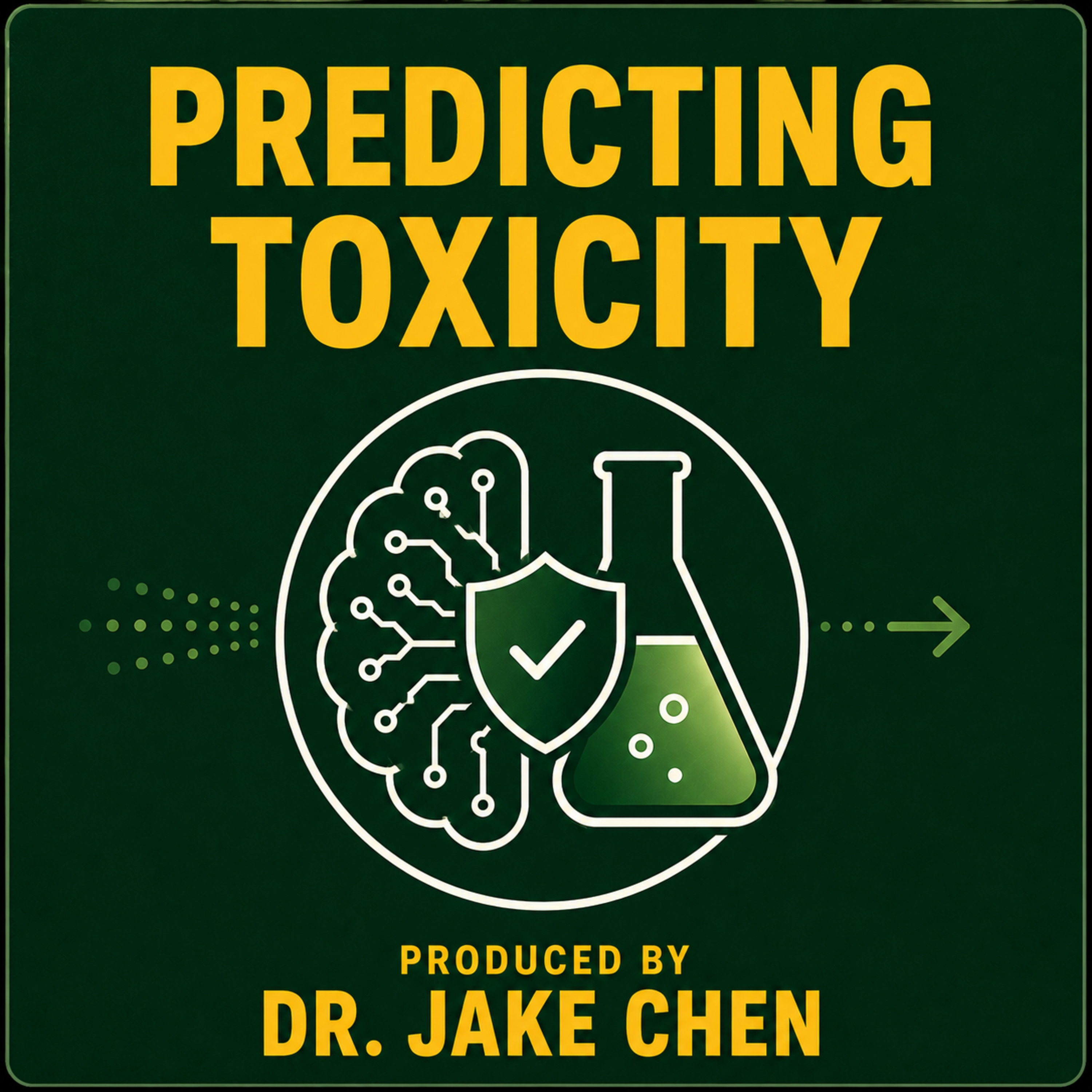
    #62. Predicting Toxicity

    In this episode, we investigate the significant evolution of AI-driven toxicity prediction, detailing how the field has shifted from simple statistical models to sophisticated deep learning and multimodal systems. It highlights a variety of computational tools, distinguishing between modern machine learning platforms like ProTox 3.0 and established regulatory-facing frameworks such as the OECD QSAR Toolbox. We emphasize that while these technologies accelerate drug discovery and chemical safety assessments, their reliability varies greatly depending on the specific biological endpoint and data quality. Furthermore, we advocate for a rigorous validation workflow that combines structural analysis with biological response data and expert human judgment. Ultimately, we explore the field's future, noting the emerging role of large language models and the ongoing challenge of translating in silico results into human-relevant safety outcomes. Produced by Dr. Jake Chen.
  • June 12 · 21 min

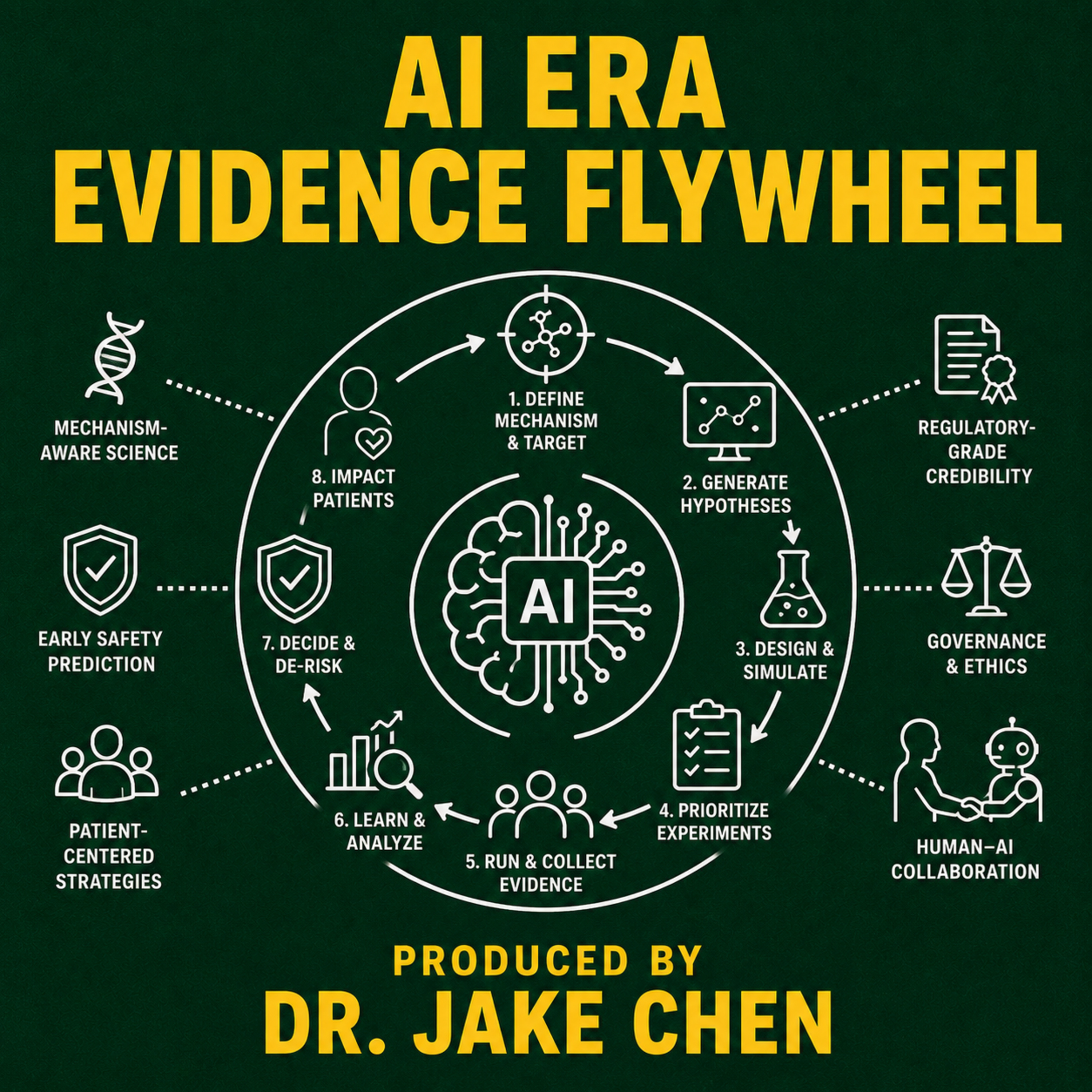
    #61. AI Era Evidence Flywheel

    In this episode, Dr. Jake Chen provides his narrative review and advocates for a fundamental shift in pharmaceutical research, moving away from inefficient trial-and-error toward an AI-augmented scientific discipline. The text outlines 12 core principles to transform drug discovery into a mechanism-aware system that prioritizes causal target biology, early safety prediction, and patient-centered strategies. Instead of using artificial intelligence simply to increase speed, Chen argues that these tools should reduce uncertainty and help researchers respect the fundamental laws of biology and chemistry. The source provides a comprehensive operational framework, including a decision-centric "evidence flywheel" and specific governance checklists for ensuring regulatory-grade credibility. Ultimately, the author suggests that the industry's future depends on human-AI collaboration, in which technology enhances rather than replaces rigorous scientific judgment. Produced by Dr. Jake Chen.

  • June 6 · 21 min

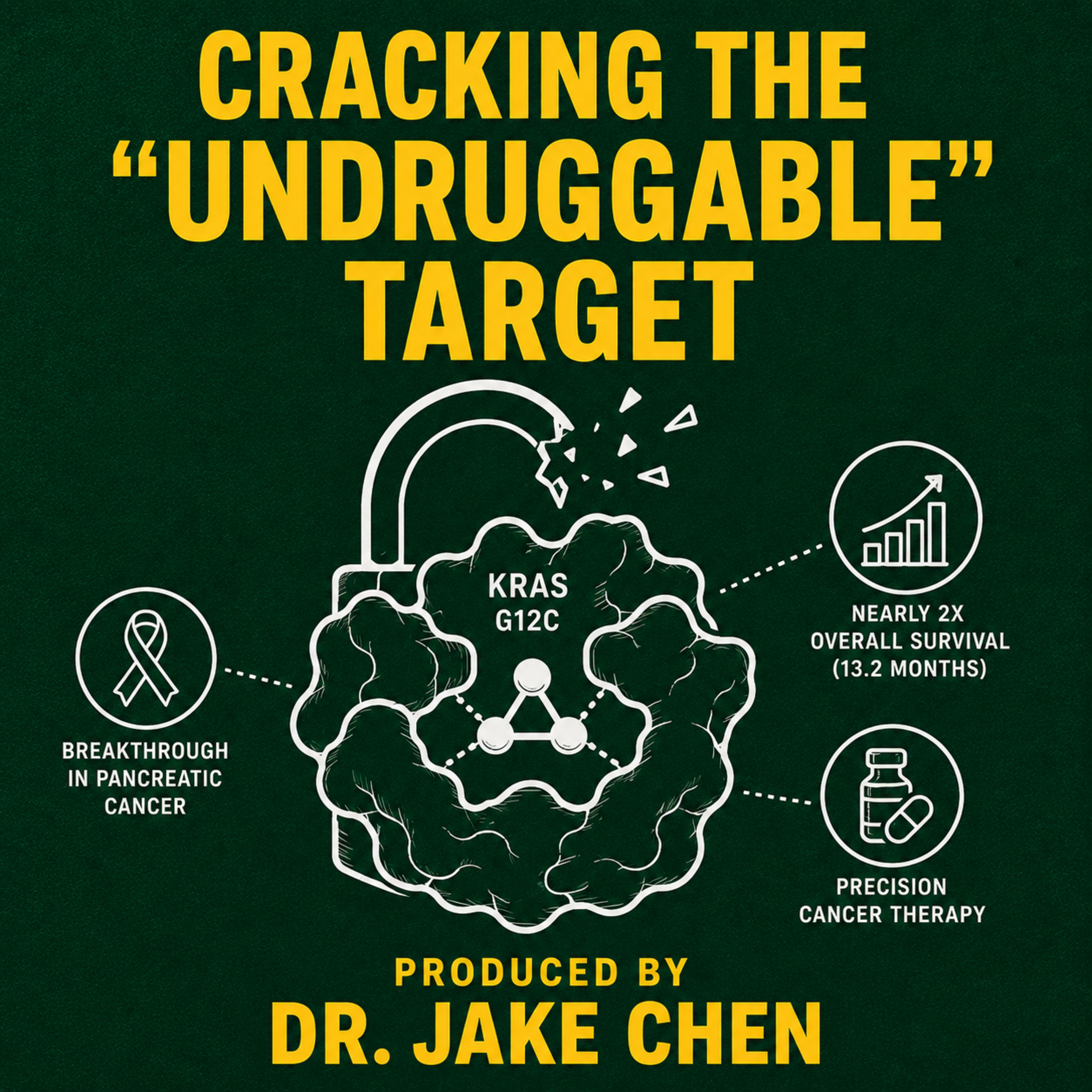
    #60. Cracking the "Undruggable" Target

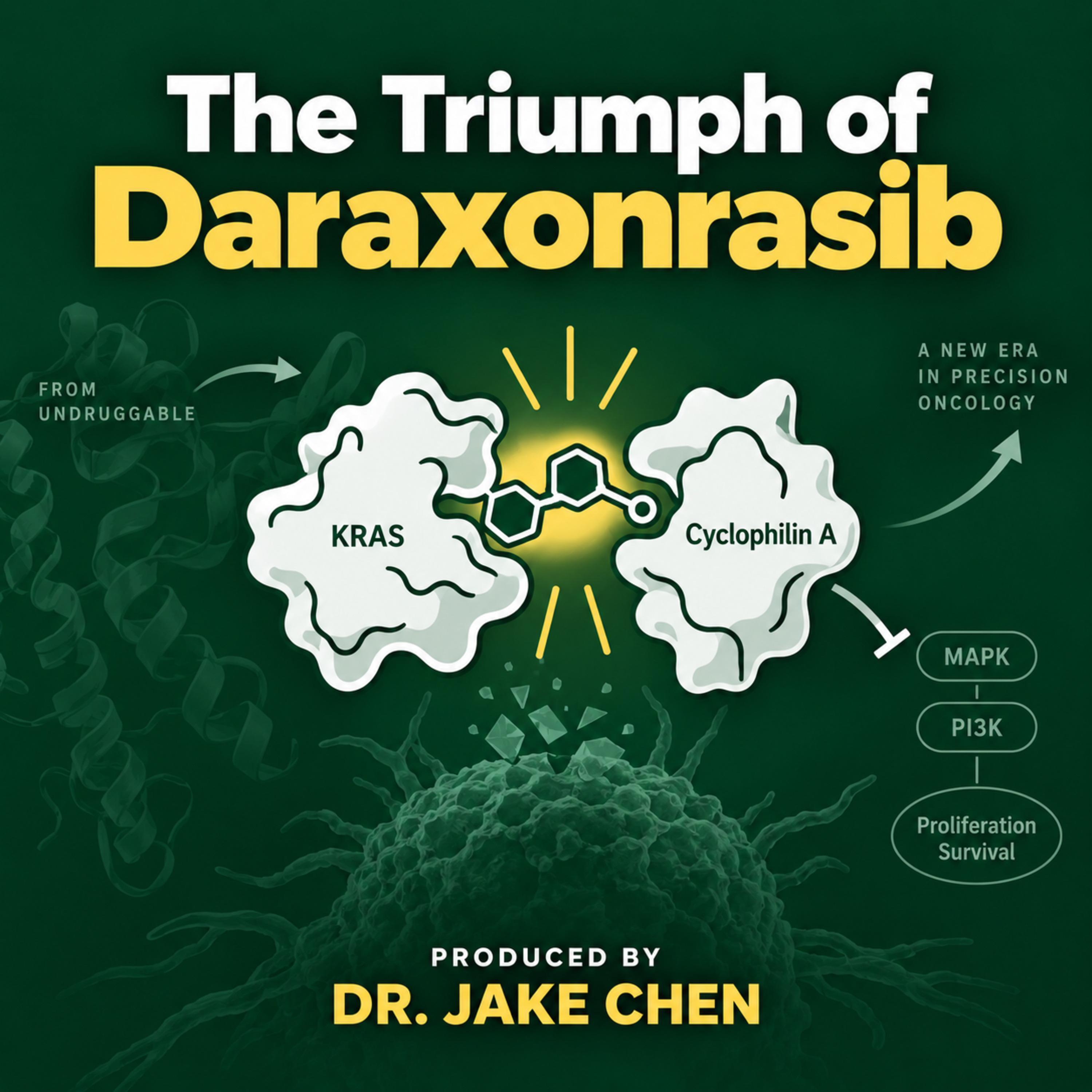
    Welcome to today's episode, where we dive into a monumental breakthrough in oncology, i.e., cracking the "undruggable" KRAS mutation. For decades, pancreatic cancer has been notoriously lethal, with few treatment options. Enter daraxonrasib (RMC-6236), a revolutionary "molecular glue" that targets the active "ON" state of mutated RAS proteins. In the recent Phase 3 RASolute 302 trial, this targeted therapy nearly doubled overall survival for metastatic pancreatic cancer patients compared to standard chemotherapy, extending it to 13.2 months. Join us as we explore the structural biology behind this tri-complex inhibitor, its unique resistance profile, and the future of precision cancer therapy. Produced by Dr. Jake Chen.
  • May 29 · 18 min

    #59. Drug Discovery AI Teammates

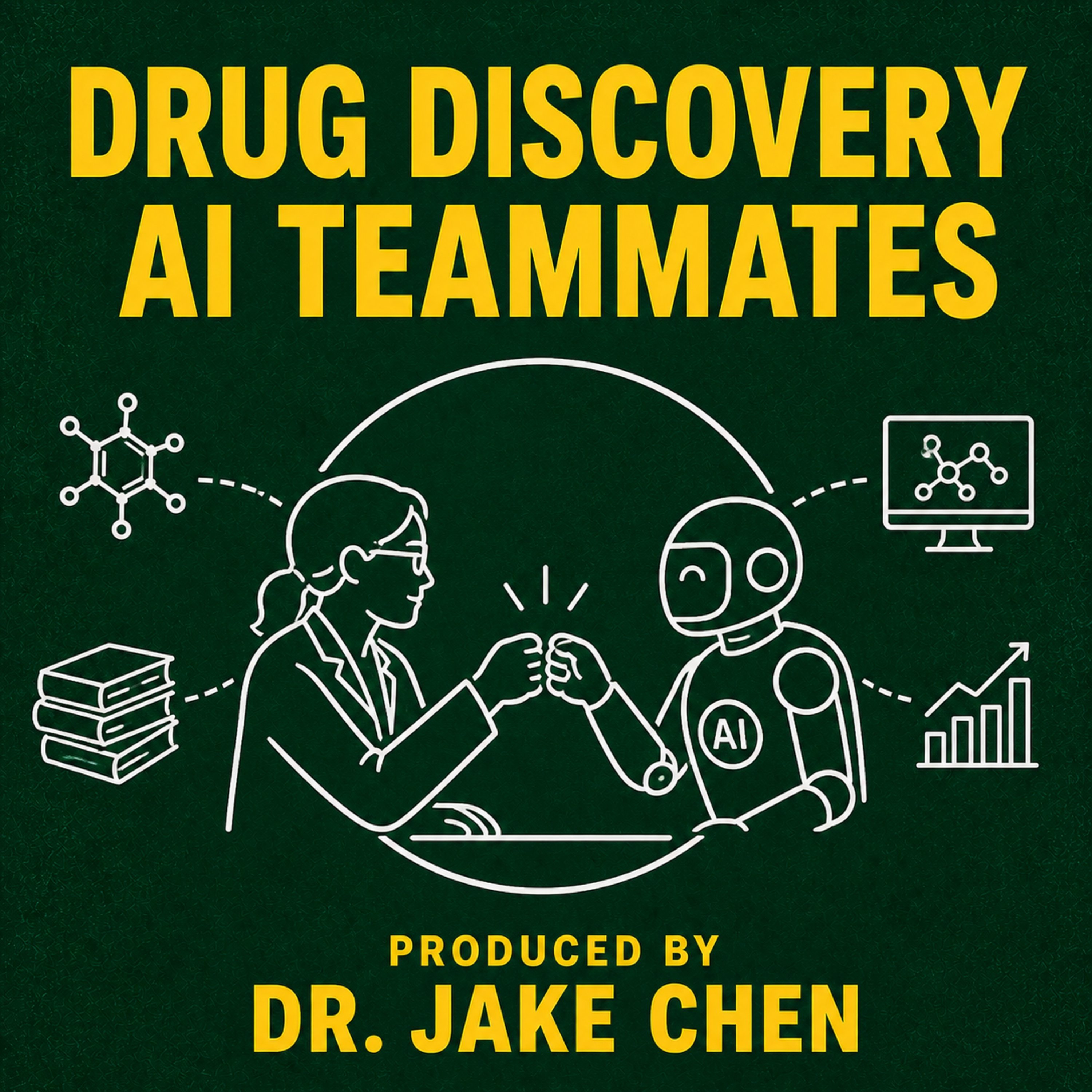
    AI isn't replacing scientists in the lab — it's joining the team. This episode unpacks "capability complementarity," the framework where human creativity and contextual judgment fuse with AI's speed and scale to crack problems neither could solve alone. We explore multi-agent systems delegating molecule design, literature review, and analysis; why the "black-box" problem makes human-in-the-loop oversight non-negotiable in regulated pharma; and how the 2026 FDA-EMA joint guidance now scrutinizes the safety of human-AI interactions themselves. From NIH's $130M Bridge2AI consortium pioneering "dynamic teaming" to the cultural shift toward co-creative partnership, we examine why the future of therapeutic discovery depends less on smarter algorithms and more on better teamwork. Produced by Dr. Jake Chen.

  • May 22 · 14 min

    #58. Do We Need Mavericks?

    In this episode, we explore the evolution of leadership within the field of AI-driven drug discovery, identifying key figures who are reshaping how medicines are developed. It categorizes these "mavericks" into distinct archetypes, ranging from industrialized data factory builders like Chris Gibson to biological systems reformers like Aviv Regev. The analysis highlights that while generative AI has mastered molecular design, the greater challenge remains overcoming biological uncertainty and clinical failure. By comparing private disruptors with academic platform builders, the text argues that the industry's success depends on creating integrated learning systems rather than relying on lone geniuses. Ultimately, the source suggests that the most impactful leaders will be those who successfully bridge the gap between computational models and reproducible clinical benefits. Produced by Dr. Jake Chen.

  • May 15 · 23 min

    #57. Do You Turst your AI?

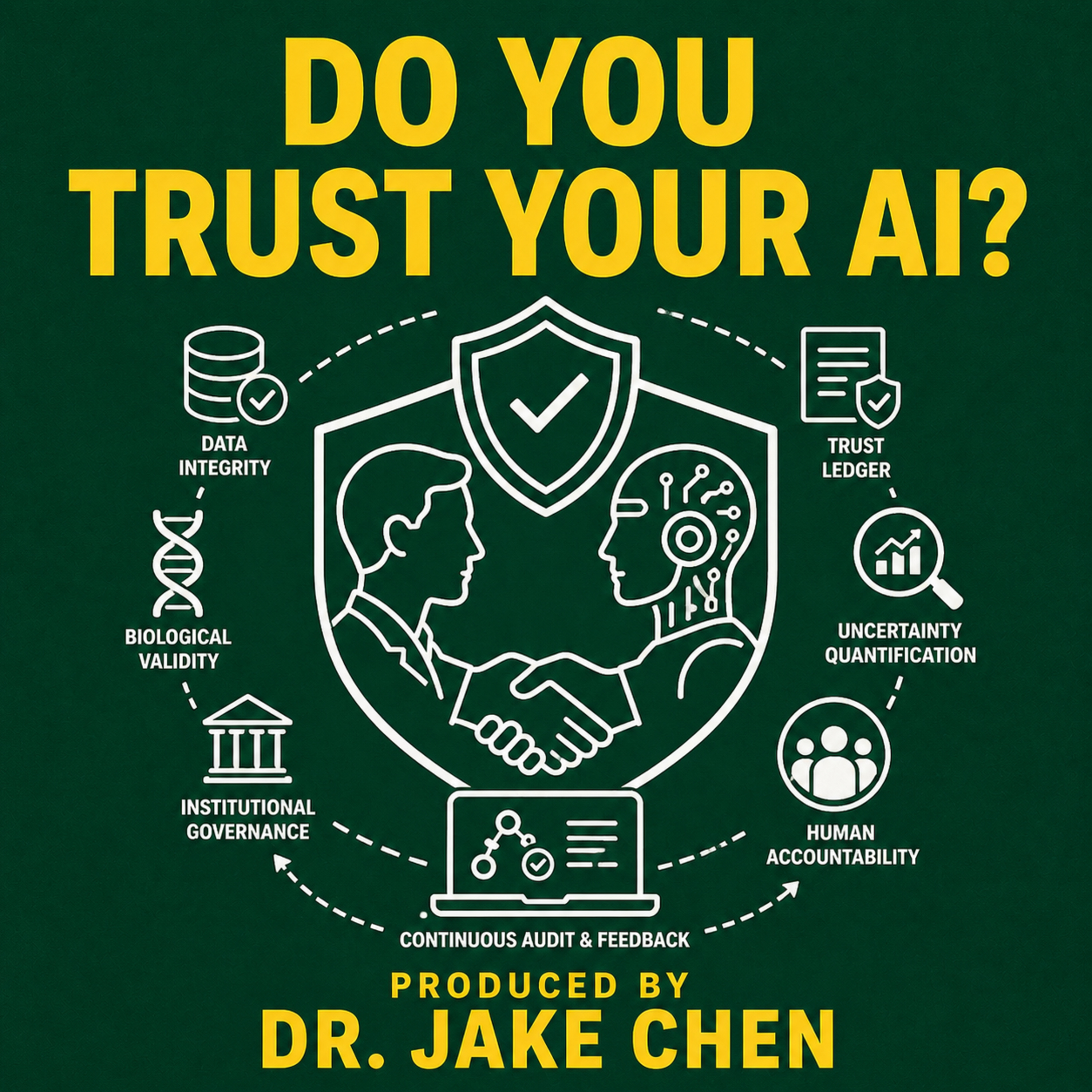
    These sources present a framework for transitioning from vague notions of "trusting" artificial intelligence in drug discovery toward a more rigorous system of calibrated reliance. Both documents emphasize that AI reliability must be evaluated within a specific context of use, requiring a transition from retrospective performance claims to prospective, leakage-resistant validation. To manage the high risks of pharmaceutical research, the authors propose a six-layer trust stack that addresses data integrity, biological validity, and institutional governance. A central technical recommendation is the implementation of a Trust Ledger, a machine-readable record that logs every prediction's provenance, uncertainty, and experimental feedback. The papers also advocate a human-governed, AI-executed model in which autonomous agents perform continuous auditing while human experts maintain final accountability. Ultimately, the text argues that the future of therapeutics depends on treating AI outputs as auditable hypotheses rather than definitive discoveries. Produced by Dr. Jake Chen.

  • May 8 · 21 min

    #56. Ethics in AI for Drug Discovery

    In this episode, we explore the unique ethical landscape of AI-driven drug discovery, which extends beyond traditional data privacy to encompass the entire pharmaceutical lifecycle. Key challenges include algorithmic bias in genomic data, the opacity of "black-box" models, and the significant biosecurity risks posed by generative tools capable of designing harmful toxins. To address these concerns, global frameworks from organizations such as the WHO, FDA, and EMA emphasize human-centered design, risk-based validation, and prioritizing public health benefits over purely commercial gains. Unlike previous electronic health record ethics that focused on data use, this field necessitates a lifecycle governance approach that monitors scientific decisions from initial target selection through post-market surveillance. Ultimately, the sources advocate for ethical steering mechanisms, such as screening projects for social value and equity, to ensure AI innovations reduce global health disparities rather than widening them. Produced by Dr. Jake Chen.

  • May 2 · 20 min

    #55. AI for Drug Patents

    In this episode, we explore the evolving landscape of AI-driven pharmaceutical intellectual property, emphasizing that, for patent offices, artificial intelligence is viewed as a computational tool rather than an inventor. Effective legal strategies require a layered portfolio that protects not only the AI platform but also the specific therapeutic molecules, medical uses, and biomarkers discovered through these workflows. Success stories like Insilico Medicine’s rentosertib demonstrate that high-value patents must move beyond in silico predictions to include experimental validation, such as synthesis procedures and animal model data. Developers are cautioned to maintain rigorous human inventorship records to ensure that individuals, not algorithms, are credited with the creative conception of new drugs. Furthermore, the documents highlight a strategic tension between patenting repeatable workflows and maintaining proprietary training data or model weights as trade secrets. Ultimately, a robust defense against competitors relies on combining traditional drug patent substance with clear evidence of the technical improvements enabled by AI integration. Produced by Dr. Jake Chen.

  • April 17 · 21 min

    #54. Companion Diagnostic Biomarkers

    In this episode, we outline the critical role of biomarkers and companion diagnostics (CDx) in advancing personalized medicine and streamlining drug discovery. It details how germline genetic variations help prevent adverse reactions, while somatic mutations and multi-gene expression panels allow for precise targeting of therapies, particularly within oncology. The episode emphasizes that while thousands of candidate markers exist, only those deemed essential for the safe and effective use of a specific drug achieve regulatory status as a companion diagnostic. By integrating multi-omics technologies—including proteomics and metabolomics—and AI, researchers can create more comprehensive profiles of disease biology. Ultimately, the co-development of drugs and their diagnostic counterparts is shown to increase clinical trial success rates, reduce patient toxicity, and accelerate the delivery of tailored treatments to the market. Produced by Dr. Jake Chen.

  • April 10 · 22 min

    #53. The Math of AI Drug Discovery

    Is AI drug discovery finally becoming investable, not just imaginable? In this episode, we unpack the blockbuster alliance between Insilico Medicine and Eli Lilly, including the eye-catching $115 million upfront payment and the broader $2.75 billion deal that is pushing investors to rethink how AI creates value in biopharma. We break down the financial logic behind the story, from the clinical “Valley of Death” to risk-adjusted net present value, and explore why business model matters as much as scientific promise. Along the way, we examine Insilico’s hybrid strategy of both enabling discovery for partners and advancing its own pipeline, a model that blends software, biotech, and pharma economics. The result is a bigger question: in one of the world’s highest-failure industries, what does it take for an AI company to earn real credibility? This episode explores how the boundaries between tech and pharma are starting to shift, and what that could mean for the future of medicine. Produced by Dr. Jake Chen.

  • April 3 · 19 min

    #52. Benchmarking AI for Drug Discovery

    In this episode, we examine the transformative role of artificial intelligence in modern drug discovery and clinical trials, highlighting its potential to significantly shorten research timelines and reduce development costs. While one report emphasizes the ethical challenges posed by algorithmic bias, data privacy, and the "black box" nature of machine learning, another introduces standardized benchmarking platforms such as MOSES to evaluate the performance of diverse generative models. The collection further details how organizations can measure the return on investment by looking beyond simple efficiency to track scientific outcomes such as hit rate enrichment and chemical novelty. Together, these texts provide a comprehensive overview of the regulatory frameworks, technical architectures, and strategic metrics required to implement AI responsibly within the pharmaceutical industry. Case studies of companies like Exscientia and Insilico Medicine illustrate the practical success of these technologies in advancing novel candidates into human trials at unprecedented speed. This interdisciplinary perspective underscores that the future of medicine relies on balancing rapid innovation with rigorous ethical oversight and transparent data practices. Produced by Dr. Jake Chen.

  • March 13 · 23 min

    #51. OpenClaw for BioPharma

    In this episode, we explore OpenClaw, an open-source AI agent platform designed to function as an operational layer rather than a traditional chatbot within the biopharmaceutical industry. Instead of focusing on autonomous scientific discovery, the system excels at automating repetitive administrative tasks, such as organizing research literature, drafting technical reports, and managing complex workflows. The sources emphasize that while the platform's self-hosted, local-first architecture appeals to security-conscious research teams, it remains a human-supervised assistant rather than a replacement for expert judgment. Despite its potential to significantly reduce administrative drag, users are cautioned regarding security vulnerabilities and the necessity of rigorous internal governance. Ultimately, OpenClaw is presented as a "quiet workhorse" that saves scientists time by handling the dense logistical work involved in modern drug development. Produced by Dr. Jake Chen.

  • March 6 · 18 min

    #50. Atomic Level Drug Design

    In this episode, we discuss the 2026 AI-driven revolution in biotechnology, highlighting IsoDDE as a breakthrough tool for atomic-level drug design and protein interaction. This engine surpasses previous models, such as AlphaFold 3, by identifying "cryptic pockets" and mastering induced-fit molecular binding. Complementary research introduces DNA methylation instability (DMI) as a vital metric for tracking biological entropy and software glitches that lead to aging and disease. Meanwhile, the biotech sector is experiencing a massive investment boom, with high-profile IPOs and startups leveraging generative AI to accelerate clinical trials. Technical discussions also showcase new bioinformatics plugins and AlphaGenome, a model designed to solve complex RNA splicing problems. Collectively, these developments represent a shift toward precision debugging of human biology to combat the fundamental causes of decay. Produced by Dr. Jake Chen.

  • February 28 · 20 min

    #49. From Prompts to Drugs

    This episode examines a bold proposal for "pharmaceutical superintelligence": a fully autonomous, AI-driven pipeline that handles everything from target identification to clinical trial planning using a single plain-language prompt. While this system could eliminate human bottlenecks and accelerate drug development, we also explore a sharp scientific critique of this vision. Critics warn that treating biology like a controllable engineering problem risks a dangerous "loss of exploration power." Because automated systems naturally favor high-confidence, efficient paths, they may prematurely prune away the unconventional or low-probability hypotheses that drive true scientific discovery. We debate the dangers of optimizing for the wrong biological proxies and discuss the necessary guardrails before AI can reliably navigate the physical complexities of human disease. Produced by Dr. Jake Chen.