Artwork for Drowned in Sound
Music

Drowned in Sound

Drowned in Sound

Music is upstream from politics. Drowned in Sound investigates how the music industry shapes society and how fans, artists, and workers can organise for systemic change. Hosted by Sean Adams, we decode streaming economics, sustainable touring, climate and tech, workers’ rights, and collective solutions with musicians, researchers, and changemakers.

  • 92 episodes
  • Updated Yesterday

Episodes92

  • February 10 · 55 min

    GIRLI on Fighting Back: Activism, Safeguarding & Turning Rage Into a Rallying Cry

    GIRLI joins the Drowned in Sound Podcast to discuss her powerful new single 'Slap on the Wrist, which is a collaboration with recent podcast guest Eliza Hatch of Cheer Up Luv, built on real anonymous survivor testimonies filmed in real locations. We also discuss the new Youth Music report "Just The Way It Is?" exposing the scale of unsafe conditions, unfair pay, and discrimination facing young people in the music industry. The stats are stark: 72% of young music industry workers have felt unsafe. 90% have been paid unfairly. 75% have considered giving up entirely. GIRLI speaks with total honesty about being signed to a major label as a teenager, being sent to LA alone at 18 with no safeguarding, and being dropped by phone call at 21 with zero support. She talks about why the music industry still hasn't had its Me Too moment and what she'd do with £500 million to fix it, as well as why the silence of the biggest artists is the loudest statement of all. ⚠️ Content note: This episode contains discussion of sexual harassment, assault, and industry exploitation. Links: 🎵 GIRLI — "Slap on the Wrist" https://girli.bfan.link/sotw 📄 Youth Music — "Just the Way It Is?" report https://www.youthmusic.org.uk/community/resource-hub/just-way-it-report 📄 Youth Music — Resources to promote safety and rights in music https://www.youthmusic.org.uk/resources/community/resource-hub/resources-promote-safety-and-rights-music-industries 📞 Rape Crisis England & Wales — 24/7 Support Line: 0808 500 2222 https://rapecrisis.org.uk 📞 WeAreMusic have compiled various campaigns and resources to help if you're dealing with harassment or abuse https://wearemusic.info/ 💛 Cheer Up Luv https://www.cheerupluv.com ✊ Right to Be (GIRLI donated pre-save proceeds) https://righttobe.org 📰 DiS — "Why We Need to Talk About Speaking Out" (Nina Creswell feature) https://www.drownedinsound.org/why-we-need-to-talk-about-speaking-out/ 🎧 DiS Podcast — Eliza Hatch / Cheer Up Luv episode https://www.drownedinsound.org/misogyny-in-music-the-numbers/ 🏛️ CIISA — Creative Industries Independent Standards Authority https://ciisa.org.uk 🎤 Musicians' Union https://themu.org 🎤 Featured Artists Coalition https://www.featuredartistscoalition.com 💚 Help Musicians / Music Minds Matter https://www.helpmusicians.org.uk 🎵 "Believe Women" companion playlist + Qobuz free trial https://www.drownedinsound.org/playlists 📰 Subscribe to the DiS Newsletter https://www.drownedinsound.org/newsletter Credits: Hosted, engineered, edited, researched, and produced by Sean Adams Recorded at The Shure Experience Centre, London Guest: GIRLI (Milly Toomey) accompanied by Heather Swaine (Youth Music) The Drowned in Sound Podcast is presented in partnership with Qobuz — the ethical music streaming platform for music enthusiasts. Start your free trial at drownedinsound.org/playlists For 25 years our publication and podcast has recommended music. We now also spark conversations and create resources to help music fans discover their collective power. Mentioned in this episode: Cheer Up Luv / Eliza Hatch · Youth Music · Musicians' Union · Music Guardians · Rape Crisis England & Wales · CIISA (Creative Industries Independent Standards Authority) · Featured Artists Coalition · Help Musicians / Music Minds Matter · Kate Nash · Gazelle Twin · Sinéad O'Connor · MIA · Amy Winehouse · Lily Allen · Laura Mary Carter (Blood Red Shoes) · The Anchoress / 2% in Rising · Nina Creswell / Good Law Project · Patsy Stevenson · Raye · Right to Be
  • February 3 · 1 hr 1 min

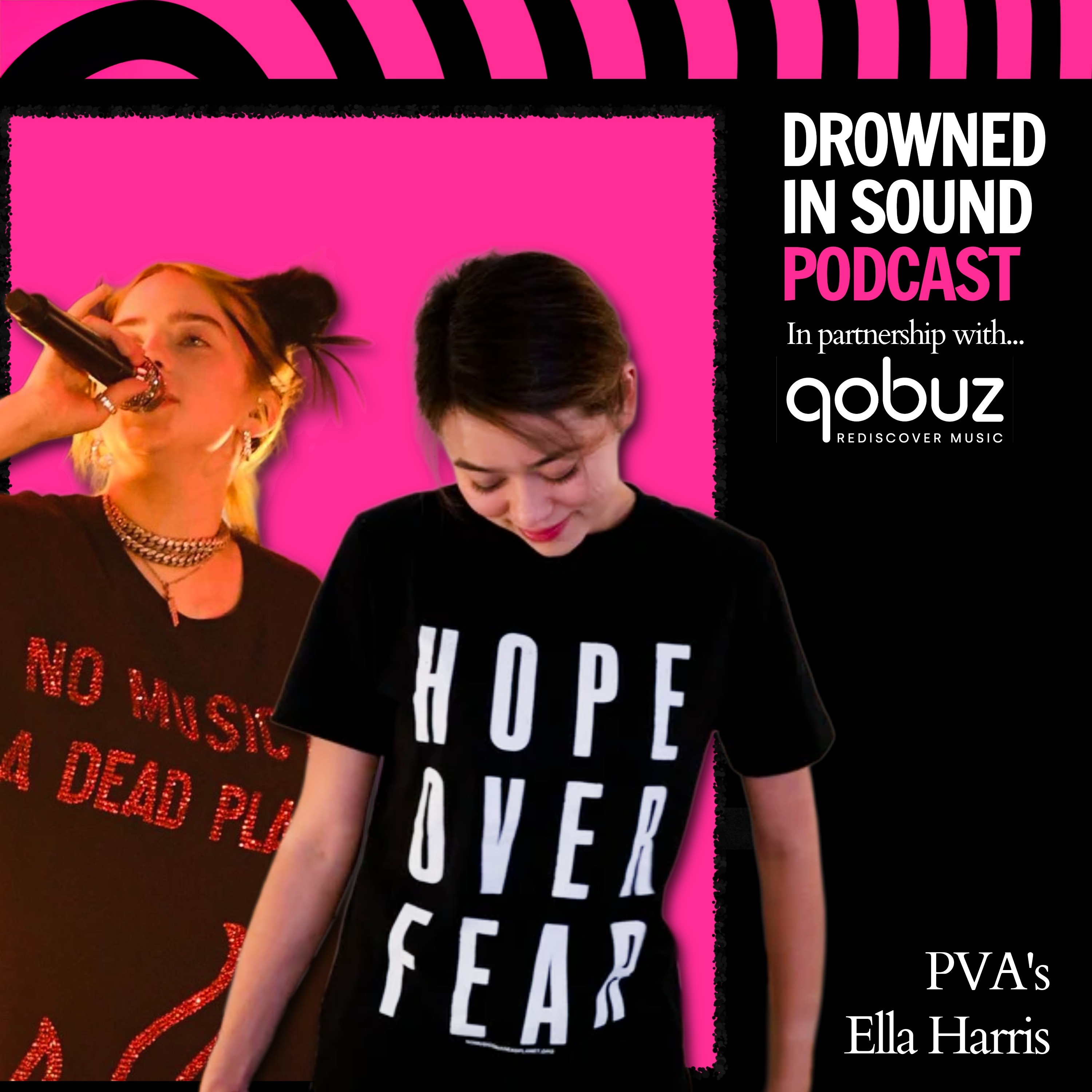
    Why Hope Over Fear Trumps No Music On A Dead Planet: DiS meets PVA’s Ella Harris

    "My brothers are 20 and they're always like 'we are so cooked.' And I'm just like no we're not. There's hope but you just gotta believe, you gotta believe in something." That quote accidentally captures Music Declares Emergency's strategic shift from awareness to action. After five years of "No Music On A Dead Planet" the Hope Over Fear campaign is building action hubs in grassroots venues - real physical spaces where fans, artists, and local communities organize around the climate crisis. In this episode, PVA front-person and MDE Campaigns Manager Ella Harris explains how the campaign works, why music fandom is inherently empathetic practice that translates to organizing power, and how she balances making escapist art (PVA's intimate new album No More Like This) with building climate infrastructure. The conversation tackles touring economics (trains cost £150, flights are just £30), why even festival headliners need day jobs, artists' fear of speaking out, and what £500 million in carbon offset funds could actually fix if redirected toward infrastructure. This is about hope over fear. Real-life organizing over digital despair. Infrastructure over individual guilt. This podcast is brought to you in partnership with Qobuz, the ethical music streaming platform. Visit drownedinsound.org/playlists to discover new music in Hi-Res lossless quality and start your 30-day free trial at qobuz.com/dis. Edited by: Josh Craggs at Dubble Audio Chapters 00:00 – Introduction: No music on a dead planet 02:10 – Wearing multiple hats: PVA and Music Declares Emergency 05:00 – Music fandom as an empathetic practice 07:30 – From merch to movement 10:45 – Action hubs and the future of grassroots venues 15:30 – Touring economics, energy costs, and structural limits 19:00 – Artists, activism, and the fear of speaking out 24:30 – Nature, creativity, and why hope needs infrastructure 31:00 – What £500 million could fix in the music ecosystem 35:00 – AI, empathy, and what human music still does best 38:30 – Outro: Depth, not breadth Continue the Conversation: Head to the Drowned in Sound community to chat about the topics in this episode. Subscribe: Get weekly essays, interviews, and insights from the Drowned in Sound newsletter - exploring music, culture, and resistance. Links & Resources: Music Declares Emergency - Learn more about the No Music On A Dead Planet movement, the Hope Over Fear campaign, and how artists, industry, and fans can get involved. Music Venue Trust - Support and protect the UK’s grassroots venues The Green Rider - Ideas for ‘green’ clauses for inclusion as part of your tech or hospitality riders. Hope Over Fear Campaign - The campaign funding real-world action hubs in grassroots venues, focused on collective climate action and community organising. No Music On A Dead Planet - The global artist-led movement connecting music, fandom, and climate justice. About the host: Sean Adams is the founder of Drowned in Sound, an independent music publication championing underground and independent artists since 2000. DiS explores how music fans discover their collective power through journalism, podcasts, and community organizing. Related episodes: - Tori Tsui: "How Music Fans Became Climate Activists" (Brian Eno, Billie Eilish, Fossil Fuel Treaty) - Giles Bidder: "Why Festival Headliners Still Need Part-Time Jobs" (101 Part Time Jobs, touring economics) - EarthSonic Live: Music, ecology, and collective action from Manchester Museum About Ella Harris: Ella Harris is the front-person and vocalist of London post-punk/electronic trio PVA, whose second album 'No More Like This' (produced by Kwake Bass) explores desire, devotion, and emotional indentation through trip-hop-influenced soundscapes. As Campaigns Manager for Music Declares Emergency, she leads the Hope Over Fear campaign, establishing action hubs in grassroots venues across the UK and Ireland. Previously, she founded Group Therapy Collective during lockdown, releasing two compilations featuring Yard Act, Mandy Indiana, and others to raise funds for Help Musicians, Black Minds Matter, and Music Venue Trust. Guest links: - PVA on Bandcamp: https://pvaareok.bandcamp.com - PVA on Instagram: @pva_are_ok - Ella Harris on Instagram: @lime.zoda

  • January 27 · 41 min

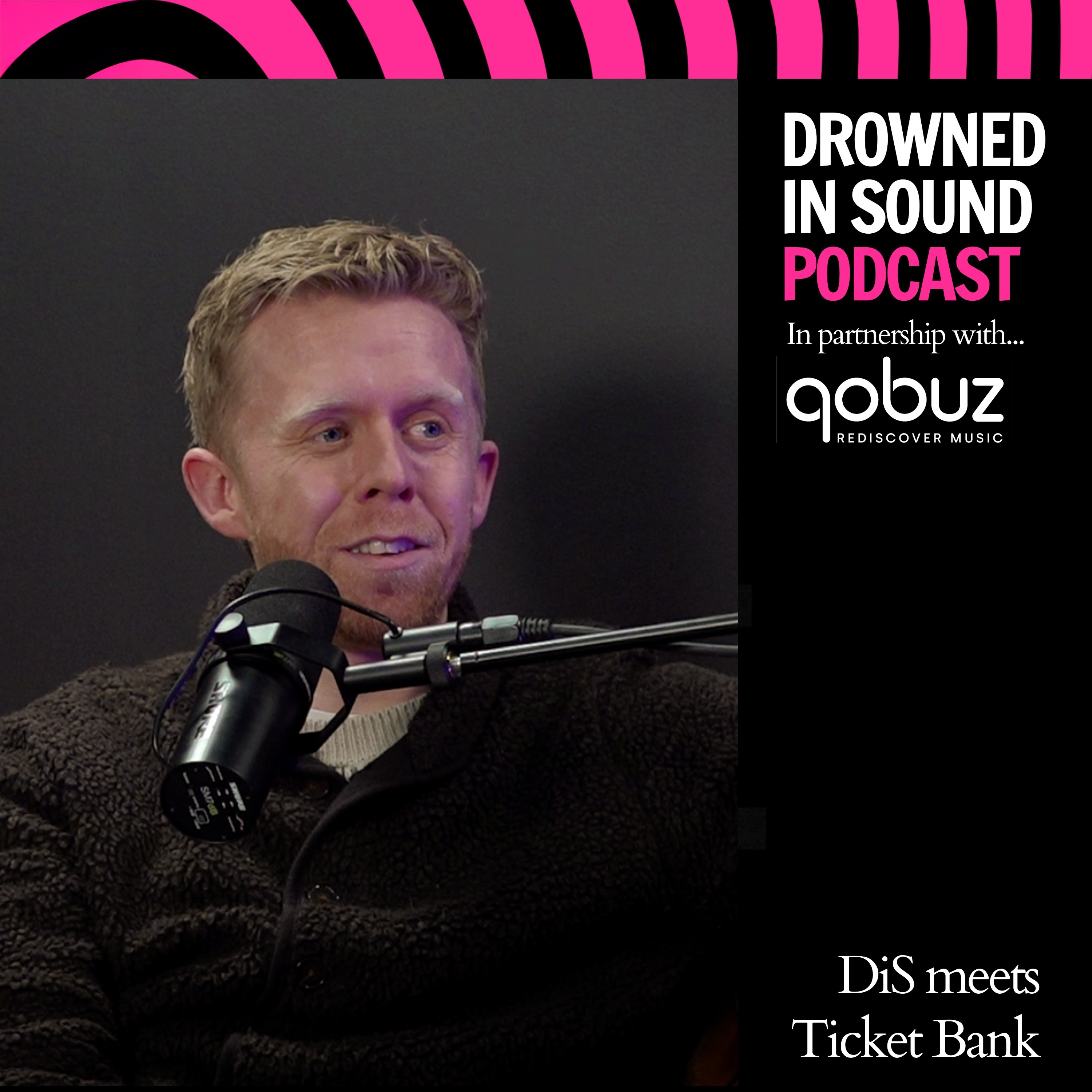
    Over A Million Free Tickets: Discover The Ticket Bank's Mission

    Many who otherwise couldn't afford a £40 show, let alone a £300 festival ticket, have accessed gigs because of a new initiative called The Ticket Bank. In this episode, DiS founder Sean Adams meets Jack from Tickets for Good and The Ticket Bank to understand how they're redistributing access to live music. From seeing empty seats at the O2 to a partnership with Barnardo's, followed by offering tickets to NHS workers, teachers, and carers, Jack explains how the infrastructure works, who it serves, and why more artists and venues need to get involved. The conversation covers touring economics, dynamic pricing myths, and the uncomfortable reality that an industry generating billions still prices out the people who need culture most. If you're singing about inequality, why would you only perform for those who can afford it? It’s an inspiring chat about who builds community, how change happens, and who the next generation of artists might not be without projects like this. This podcast is brought to you in partnership with Qobuz, the ethical music streaming platform. Visit drownedinsound.org/playlists to discover new music in Hi-Res lossless quality and start your 30-day free trial at qobuz.com/dis. This week's companion playlist features calm, ambient music from the community's picks of the best post-classical, drone, and ambient records. Two hours of peaceful listening to help you through the fog. Edited by: Josh Craggs at Dubble Audio Get Involved For artists, promoters, managers, venues: Contact Jack directly to discuss partnerships Email: jack@theticketbank.org For eligible audiences: Register via Tickets for Good or the Ticket Bank. New events added daily around 9am. Tickets for Good: https://ticketsforgood.co.uk Ticket Bank: https://theticketbank.org For everyone else: Share this episode with musicians, venues, and local promoters Tag artists in the comments and ask if they've heard of the Ticket Bank Send to your MP or local council about arts access If you know someone who might qualify, subtly share the links Continue the Conversation Join the Drowned in Sound community to discuss this episode http://community.drownedinsound.com Subscribe to the Drowned in Sound newsletter for weekly essays, interviews, and insights exploring music, culture, and collective power. http://drownedinsound.org Links & Resources Tickets for Good: https://ticketsforgood.co.uk Ticket Bank: https://theticketbank.org Music Venue Trust: https://www.musicvenuetrust.com Chapters 00:00 - Introduction: Why access to live music matters 01:20 - Empty seats at the O2: The origins of Tickets for Good 05:10 - Cost-of-living tickets and breaking industry stigma 07:00 - From Tickets for Good to the Ticket Bank 12:00 - How eligibility and verification work 16:00 - Touring economics and the dynamic pricing myth 18:15 - How artists, promoters, and managers can help 22:15 - Mental health, social prescribing, and cultural value 24:45 - What £500 million could fix 27:15 - Grassroots venues and inspiring the next generation 31:00 - How to register, donate tickets, or get involved 33:30 - Outro: Your mission

  • January 20 · 51 min

    From 500 Podcasts to Radio 1: DiS meets 101 Part Time Jobs (Part 2)

    Picking up where Part 1 left off, DiS returns to its conversation with Giles Bidder. Not to talk about how musicians survive, but about how stories travel, how listeners connect and what it really takes to build a music podcast in 2026. In this second instalment, Sean Adams turns the lens on the medium itself (yes, we’ve gone meta). Drawing on nearly 600 episodes of 101 Part Time Jobs, Giles reflects on the craft of interviewing, the ethics of editing, and why the best conversations often need space to breathe. This is less about hustle and more about care: how to hold people well, how to listen properly, and how to build trust over time. The conversation ranges from standout episodes and “slow-burn” storytelling to what it feels like to make work that actually helps people navigate their lives. Giles speaks openly about bad bosses, fear-based workplaces, and the quiet anger that fuels his show (as well as the small, human moments that make it worthwhile). A love for radio runs through this episode: Giles describes producing Shaun Keaveny’s Community Garden Radio as a lesson in warmth, humour, and emotional intelligence on air. From there, the pair broaden out into why podcasts have become such a powerful space for connection, especially for people stuck in boring jobs, long commutes, or lonely routines. Visit https://drownedinsound.org/playlists/ to discover new music in rich Hi-Res lossless quality and start your 30-day free trial of Qobuz at https://qobuz.com/dis. Edited by: Josh Craggs at Dubble Audio Chapters 00:00 - Intro 01:30 - Standout episodes and “slow-burn” editing 03:20 - When to cut vs when to let a story breathe 05:10 - What makes a “good” episode in hindsight 07:00 - Work gaffs, embarrassment, and shared vulnerability 12:00 - Bad bosses, anger, and fear-based workplaces 14:00 - Why people are quietly quitting 18:00 - Why podcasts work on boring journeys 21:00 - Community Garden Radio and the art of warmth 22:30 - What great broadcasting feels like 24:00 - Power, responsibility, and attention 25:30 - Why trust matters more than reach 27:00 - Outro Continue the Conversation: Head to the Drowned in Sound community to chat about the topics in this episode. Subscribe: Get weekly essays, interviews, and insights from the Drowned in Sound newsletter - exploring music, culture, and resistance. From scout-hut gigs to the economics of touring, DiS sits down with Giles Bidder - host of 101 Part Time Jobs for an unsentimental look at how creative lives are actually sustained today. In this first instalment, Sean Adams talks to one of the UK’s most quietly compelling broadcasters about the hidden labour behind music culture. Over nearly 600 episodes, Bidder has built one of the most humane music podcasts around, asking artists, writers, and comedians not about their success but about the jobs they’ve done to survive. Giles explains how 101 Part Time Jobs emerged as both portfolio and refuge: a way to make sense of a patchwork career, rediscover belonging, and document how people navigate a system that rarely works in their favour. Along the way, the conversation takes in touring economics, merch, sync, class, and why even bands who play the Roundhouse still need “normal jobs. What emerges is a stark but generous thesis: music is socially priceless and economically precarious. Until that gap closes, culture will continue to run on grit, goodwill, and vast amounts of invisible labour. Visit https://drownedinsound.org/playlists/ to discover new music in rich Hi-Res lossless quality and start your 30-day free trial of Qobuz at https://qobuz.com/dis. Chapters 00:00 - Intro 01:26 - Sitting in the “other chair”: Giles as guest, not host 04:05 - Ska/punk origins, micro-prejudices, and how scenes teach you 07:45 - Why 101 Part Time Jobs began: Universal Credit, lockdown, stability 08:55 - Human curation and introducing unknown artists 11:25 - The myth of “making it”: Roundhouse bands with day jobs 13:55 - Why meaningful art can still leave artists broke 16:10 - Music is priceless but paid in grains of pennies 18:20 - Gilla Band, Lambrini Girls, and invisible cultural impact 19:25 - Class, rent, and the radical idea of simply covering your life 20:15 - Why customer-facing jobs matter (merch, coffee shops, respect) 23:55 - Hard work, timing, and opportunity 25:20 - Standout episodes and the “slow-burn” edit 29:10 - Bad bosses, anger, and fear-based workplaces 31:55 - Power, responsibility, and attention in podcasting 44:07 - The importance of having your own project and taking the time 46:55 - Outro Continue the Conversation: Head to the Drowned in Sound community to chat about the topics in this episode. Subscribe: Get weekly essays, interviews, and insights from the Drowned in Sound newsletter - exploring music, culture, and resistance. Links & Resources: 101 Part Time Jobs (Giles Bidder) Community Garden Radio (Shaun Keaveny) Music Venue Trust - protecting grassroots venues Gilla Band Lambrini Girls Soho Radio Reading Festival

  • January 20 · 35 min

    Why Some Festival Headliners Still Need Part-Time Jobs (Part 1)

    From scout-hut gigs to the economics of touring, DiS sits down with Giles Bidder - host of 101 Part Time Jobs for an unsentimental look at how creative lives are actually sustained today. In this first instalment, Sean Adams talks to one of the UK’s most quietly compelling broadcasters about the hidden labour behind music culture. Over nearly 600 episodes, Bidder has built one of the most humane music podcasts around, asking artists, writers, and comedians not about their success but about the jobs they’ve done to survive. Giles explains how 101 Part Time Jobs emerged as both portfolio and refuge: a way to make sense of a patchwork career, rediscover belonging, and document how people navigate a system that rarely works in their favour. Along the way, the conversation takes in touring economics, merch, sync, class, and why even bands who play the Roundhouse still need “normal jobs.” What emerges is a stark but generous thesis: music is socially priceless and economically precarious. Until that gap closes, culture will continue to run on grit, goodwill, and vast amounts of invisible labour. Visit https://drownedinsound.org/playlists/ to discover new music in rich Hi-Res lossless quality and start your 30-day free trial of Qobuz at https://qobuz.com/dis. Edited by: Josh Craggs at Dubble Audio Chapters 00:00 - Intro 01:26 - Sitting in the “other chair”: Giles as guest, not host 04:05 - Ska/punk origins, micro-prejudices, and how scenes teach you 07:45 - Why 101 Part Time Jobs began: Universal Credit, lockdown, stability 08:55 - Human curation and introducing unknown artists 11:25 - The myth of “making it”: Roundhouse bands with day jobs 13:55 - Why meaningful art can still leave artists broke 16:10 - Music is priceless but paid in grains of pennies 18:20 - Gilla Band, Lambrini Girls, and invisible cultural impact 19:25 - Class, rent, and the radical idea of simply covering your life 20:15 - Why customer-facing jobs matter (merch, coffee shops, respect) 23:55 - Hard work, timing, and opportunity 25:20 - Standout episodes and the “slow-burn” edit 29:10 - Bad bosses, anger, and fear-based workplaces 31:55 - Power, responsibility, and attention in podcasting Continue the Conversation: Head to the Drowned in Sound community to chat about the topics in this episode. Subscribe: Get weekly essays, interviews, and insights from the Drowned in Sound newsletter - exploring music, culture, and resistance. Links & Resources 101 Part Time Jobs (Giles Bidder) Community Garden Radio (Shaun Keaveny) Music Venue Trust - protecting grassroots venues Gilla Band Lambrini Girls Soho Radio Reading Festival

  • January 13 · 53 min

    Kelly Lee Owens: Record Shops, Raves, and Rebuilding Music From the Ground Up

    Fresh from touring stadiums with Depeche Mode, DiS meets electronic music pioneer to discuss her past, the present, and the future of music. This is part of Drowned in Sound’s 25th anniversary series in which Sean Adams continues the anniversary series by sits down with some of our favourite acts of the past quarter century. Kelly Lee Owens is very much one of those artists, who has featured in DiS year end lists and awards and playlists since releasing her debut EP. The episode starts on the education that comes from working in record shops and becomes a wide-ranging conversation about how music communities form, fracture, and sometimes regenerate. Moving across North Wales to London basements, from pressing white labels by hand to playing for 75,000 people with Depeche Mode, Kelly Lee Owens traces a path through all corners of music: the shops, venues, teachers, collectives, community centres, and accidental mentors that shaped her, her music, and her career. Sean and Kelly chat about their working class roots, the discipline of DJing as storytelling, and the economics of grassroots music. Kelly Lee Owens reflects on why she now deliberately plays shows in places artists rarely go, why she sees music as a form of healing as much as entertainment and why community matters more than scale. If there’s a thread running through it all…it’s this: music isn’t a product or a pipeline. It’s a relationship. And like any relationship, it needs time, space, and care to survive. Visit https://drownedinsound.org/playlists/ to discover new music in rich Hi-Res lossless quality and start your 30-day free trial of Qobuz at https://qobuz.com/dis. Edited by: Josh Craggs at Dubble Audio Chapters 00:00 - Introduction 02:00 - Record shops as education and community 05:05 - Obsession, discovery, and how taste is formed 10:00 - The early 2010s shift: risk, hedonism, and electronic culture 13:05 - DIY culture, SoundCloud, and pressing your own records 15:00 - Human curation vs automation and playlists 22:10 - Playing huge rooms: Depeche Mode, confidence, and scale 26:05 - Returning to small places: community shows and access 29:00 - Grassroots collapse, class, and structural inequality 32:10 - What £500 million could fix in music culture 42:05 - Music as healing, frequency, and emotional space 48:25 - The future: rebuilding value, community, and care 50:15 - Outro Continue the Conversation: Head to the Drowned in Sound community to chat about the topics in this episode. Subscribe: Get weekly essays, interviews, and insights from the Drowned in Sound newsletter - exploring music, culture, and resistance. Links & Resources: Music Venue Trust — protecting grassroots venues https://www.musicvenuetrust.com David Byrne — How Music Works https://davidbyrne.com/books/how-music-works Fabric London — venue history and cultural importance https://www.fabriclondon.com Piccadilly Records (Manchester) https://www.piccadillyrecords.com Pure Groove Records (London) https://puregroove.co.uk Kelly Lee Owens https://kellyleeowens.com Stop Making Sense — Talking Heads https://www.talkingheadsofficial.com Cocteau Twins https://cocteautwins.com The Knife — Silent Shout https://theknife.net Warehouse Project (Manchester) https://www.thewarehouseproject.com Neuadd Ogwen / Bethesda community venue https://neuaddogwen.com

  • January 6 · 45 min

    Our 2026 predictions: New Acts, Big comebacks, Gig ticket laws, and more

    So what will 2026 sound like? In this episode, Drowned in Sound founder Sean Adams and journalist Emma Wilkes look into their crystal balls (and the release schedules). Tips on which artists should break through and the corporate barriers they’ll need to navigate. Beyond tipping season, we explore the strange absence of shared musical moments, the growing anxiety around AI-generated music, the slow unravelling of trust in big tech platforms, and whether changes to ticketing, touring, and grassroots funding might start to rebalance power (and money) back towards scenes. There are also predictions - some cautious, some hopeful, some deliberately ridiculous. This episode tries to map the forces underneath the surface…the things that will shape what we hear, how we find it, and what it means to care about music in the first place. The Drowned in Sound podcast is presented in partnership with Qobuz, the pioneering high-quality music streaming and download platform for music enthusiasts and audiophiles. Each week we curate playlists on Qobuz, featuring our favourite records, artists, and the themes we explore on the show. Visit https://drownedinsound.org/playlists/ to discover new music in rich Hi-Res lossless quality and start your 30-day free trial of Qobuz at https://qobuz.com/dis. Edited by: Josh Craggs at Dubble Audio Chapters 00:00 - Introduction: What will music be like in 2026? 02:30 - New bands, tipping season, and who breaks through next 06:50 - Scenes, genres, and the collapse of old categories 12:00 - Cities as culture: Leeds, Liverpool, Brighton, Beirut 16:40 - Resilience, mental health, and sustaining music ecosystems 20:40 - Grassroots levies, touring economics, and venue survival 26:00 - Ticketing, regulation, and the slow response to abuse 28:20 - AI, platforms, and the erosion of trust 30:30 - Predictions: returns, collaborations, and surprise records 35:20 - Tech futures, headphones, and augmented concerts 38:50 - Hope, uncertainty, and what comes next Continue the Conversation: Head to the Drowned in Sound community to chat about the topics in this episode. Subscribe: Get weekly essays, interviews, and insights from the Drowned in Sound newsletter - exploring music, culture, and resistance. Links & Resources: FanFair Alliance - ticketing transparency and anti-touting campaigning Music Venue Trust - grassroots venue support and levy campaigning UK Government - ticket resale reform & consultation Action Fraud - advice on ticket scams and resale fraud Subvert - artist / label-owned music platform Bandcamp - direct-to-fan model and editorial writing The Jump - Shirley Manson's podcast Vespertine - Björk's podcast

  • January 1 · 1 hr 7 min

    Flying Rivers, Slipknot Swifts & Musical Frogs: Take This Podcast For A Walk In Nature

    Season 5, Episode 1: What if swifts sound like Slipknot? What are flying rivers? And how do you give water a voice? This New Year special takes you backstage at EarthSonic Live, where over 3,000 people gathered at Manchester Museum to explore how music and nature sounds can help us reconnect with the planet and drive real climate action. Recorded across a single extraordinary day in November 2025, this episode captures conversations with conservationists protecting endangered species, climate activists working with Brian Eno and Billie Eilish, and Brazilian artists who travelled from Belém where the performed at COP30. From sampling frogs in the museum's Vivarium with Japanese composer Hinako Omori to learning about the UK's temperate rainforests (yes, really!), EarthSonic Live had it all. In the first episode of 2026, you'll hear from RSPB conservationists Annabel Rushton and Roshni Parmar-Hill about why swifts are disappearing and what red squirrels tell us about biodiversity loss. Climate activist Tori Tsui shares how music became central to her campaigning. Hannah Overton from Warp Records explains more about the event. And we meet four members of FLOW, female artists from three continents to reflect on their journey to Belém for COP30, where they turned droughts, floods, and flying rivers into hip-hop, spoken word, and song. The Drowned in Sound podcast is presented in partnership with Qobuz, the pioneering high-quality music streaming and download platform for music enthusiasts and audiophiles. Each week we curate playlists on Qobuz, featuring our favourite records, artists, and the themes we explore on the show. Visit drownedinsound.org/playlists to discover new music in rich Hi-Res lossless quality and start your 30-day free trial of Qobuz at qobuz.com/dis. Continue the Conversation: Join the discussion on the Drowned in Sound forums and share your thoughts on music, nature, and climate action. Subscribe: Get the Drowned in Sound newsletter for weekly insights into music, culture, and building a fairer industry. Links & Resources: Tori Tsui - Climate activist and author of "It's Not Just You: How to Navigate Eco-Anxiety and the Climate Crisis" EarthSonic Live - Event details and future dates Takkuuk - Inside Bicep's Arctic Masterpiece (DiS article) Full Tori Tsui Interview - Climate justice and music with Brian Eno & Billie Eilish RSPB - Conservation and volunteering opportunities Wildhoarse Water - RSPB nature reserve in the Lake District with UK temperate rainforest In Place of War - Arts organization for social change Manchester Museum Vivarium - Home to the frogs sampled during workshops Sohini Alam - British-Bangladeshi composer and vocalist Keila - Brazilian singer from Gang do Eletro, FLOW artist Bebé Salvego - Brazilian jazz vocalist, FLOW artist Jaloo - Brazilian gender-fluid artist and producer, FLOW artist Hinako Omori - Japanese artist and composer Wellcome Trust - Event partner Arts Council England - Event partner Ableton - Event partner and workshop provider About the Host: Sean Adams is the founder of Drowned in Sound, an independent music publication championing underground and independent artists since 2000. Through the DiS podcast, newsletter, and community, Sean explores how to build a fairer, more sustainable music industry while supporting the artists and fans who make it meaningful. This episode was completely self-produced by Sean Adams, recorded on location at Manchester Museum. Thanks to Shure for providing the mics to record this special episode.

  • Dec 27, 2025 · 1 hr 10 min

    Can music still cut through in 2026? DiS meets a leading researcher

    What does it actually mean to be a musician in an economy built for creators and why does it feel like the workload keeps growing while the rewards shrink? In this episode of the Drowned in Sound Podcast, Sean Adams is joined by Hanna Kahlert from MIDiA Research, whose work sits at the intersection of music, platforms, and the wider creator economy. Drawing on recent research into artists’ working lives, they explore why musicians increasingly face the same pressures as YouTubers and streamers without a lot of the same tools, protections, or paths to sustainability. They talk about the time sink of constant content creation, the distortion of success metrics, and how discovery has become both easier and more exhausting than ever. This includes: “lean back” listening, “lean through” fandom whilst the conversation reframes what engagement really looks like and why likes, views, and viral moments so often fail to translate into income or longevity. As streaming platforms push endless discovery and passive consumption, the duo ask hard questions about value, ownership, and what gets lost when music is treated as content and not an integral part of culture. The Drowned in Sound podcast is presented in partnership with Qobuz, the pioneering high-quality music streaming and download platform for music enthusiasts and audiophiles. Each week we curate playlists on Qobuz, featuring our favourite records, artists, and the themes we explore on the show. Visit https://drownedinsound.org/playlists/ to discover new music in rich Hi-Res lossless quality and start your 30-day free trial of Qobuz at https://qobuz.com/dis. Edited by: Josh Craggs at Dubble Audio Chapters 00:00 - Why musicians are being reframed as “creators” 05:20 - The problem with monetisation, takedowns, and copyright 12:10 - Lean back, lean in, and what “lean through” really means 20:00 - Discovery, algorithms, and the illusion of reach 28:00 - Are superfans real - and what actually makes a fan? 36:10 - Scenes, culture, and what’s been lost in platformisation 44:30 - AI, ownership, and the coming copyright reckoning 52:30 - The “dark forest” internet and the return of small spaces 59:30 - What the next 25 years of music might look like Continue the Conversation: Head to the Drowned in Sound community to chat about the topics in this episode. Subscribe: Get weekly essays, interviews, and insights from the Drowned in Sound newsletter - exploring music, culture, and resistance. Links & Resources: Cross Platform Success Using Social Platforms to Build Audience and Fandom MIDiA Research Hanna Kahlert – MIDiA Research Spotify Loud & Clear Report Music Publishers Begin Spotify Podcast Takedowns (Variety)

  • Dec 20, 2025 · 49 min

    Spotify Boycotts, Solidarity, and Jet2 Rage: Our Top 3 Moments of 2025

    What were the big music news stories of the year? In part 1 we charted the pressures building across music’s foundations and now Part 2 turns to the systems that decide who gets paid, who gets heard, and who gets left behind. Drowned in Sound’s founder Sean Adams and music journalist Emma Wilkes count down stories #3, #2 and #1 - from the strange feeling that there wasn’t really a song of the summer at all, to solidarity protest movements filled with eloquent musicians, and the growing wave of artists turning their backs on Spotify. They examine how streaming payouts continue to shrink for artists, even as platforms post record profits public conversations around alternatives, and ethics (war tech?! ICE ads?! Joe Rogan?!) turned into artist boycotts. The biggest music stories share one consistent theme: who holds the power, and who gets to challenge it? The Drowned in Sound podcast is presented in partnership with Qobuz, the pioneering high-quality music streaming and download platform for music enthusiasts and audiophiles. Each week we curate playlists on Qobuz, featuring our favourite records, artists, and the themes we explore on the show. Visit https://drownedinsound.org/playlists/ to discover new music in rich Hi-Res lossless quality and start your 30-day free trial of Qobuz at https://qobuz.com/dis. Edited by: Josh Craggs at Dubble Audio Chapters 00:00 - Introduction 02:00 - Story #3: Was there a ‘song of the summer? 01:10 - Rage, memes, and culture reflecting the moment 03:42 - Sofia Isella and the power of feminine rage 06:20 - Nova Twins, activism, and grassroots credibility 08:32 - Mannequin Pussy and what rock should stand for 09:29 - Story #2 begins: protest movements in music 11:02 - Boycotts, divestment, and corporate accountability 13:02 - Solidarity, Ireland, Palestine, and shared histories 16:12 - Culture as a battleground 29:26 - Story #1 begins: the Spotify exodus 32:13 - Streaming power, ethics, and alternatives 36:16 - Hope, resistance, and building something better 42:22 - Outro Continue the Conversation: Head to the Drowned in Sound community to chat about the topics in this episode. Subscribe: Get weekly essays, interviews, and insights from the Drowned in Sound newsletter - exploring music, culture, and resistance. Links & Resources: Switched On Pop - Why the Song of the Summer Is Disappearing No Music for Genocide – Artist Boycott Campaign NME – Paramore & Hayley Williams Join No Music for Genocide Resident Advisor Podcast – Sama’ Abdulhadi Together for Palestine – Yara Eid Concert Spotify Loud & Clear Report Music Publishers Begin Spotify Podcast Takedowns (Variety) Spotify Payola Lawsuit Explained (Music Business Worldwide) Cut Off the Spigot – Streaming Economics Campaign Mozilla Foundation – The Post-Naive Internet Era

  • Dec 15, 2025 · 37 min

    The Stories of 2025 - Part 1: Megagigs, Grassroots, and AI slop

    What were the biggest stories in music this year? No, not the releases or the hype cycles but the forces reshaping how music is made, played, toured, and valued. In Part 1 of Drowned in Sound’s Stories of the Year, Sean Adams and Emma Wilkes count down stories #5 and #4, starting with a contradiction that defined 2025: record-breaking mega-gigs and billion-pound industry headlines on one side, and a grassroots ecosystem under existential pressure on the other. They talk through the “mega gig” (stadium shows, park festivals, corporate-backed cultural events) and also ask what their success is hiding. Taylor Swift-level touring power continues to drive economic growth but artists at every other level are cancelling tours. What is the purpose of growth if the foundations are cracking? From there, the conversation turns to AI. A now present-day force that is reshaping music. This is the year artificial intelligence stopped being theoretical and started demanding political, legal, and cultural responses. Stay tuned for Part 2 of the countdown. The Drowned in Sound podcast is presented in partnership with Qobuz, the pioneering high-quality music streaming and download platform for music enthusiasts and audiophiles. Each week we curate playlists on Qobuz, featuring our favourite records, artists, and the themes we explore on the show. Visit https://drownedinsound.org/playlists/ to discover new music in rich Hi-Res lossless quality and start your 30-day free trial of Qobuz at https://qobuz.com/dis. Edited by: Josh Craggs at Dubble Audio Chapters 00:00 - Introduction 01:15 - Story #5 begins: mega gigs vs grassroots 02:10 - What defines a “mega gig” now? 04:11 - £8bn industry headlines vs lived reality 06:26 - Taylor Swift, scale, and monopoly economics 07:18 - Employment figures and the invisible labour of music 08:43 - Grassroots venues as cultural homes 09:32 - Inequality, wealth concentration, and responsibility 13:22 - How the industry decides who gets tipped 16:01 - Why discovery systems feel broken 19:30 - Story #4 begins: artificial intelligence enters music 23:19 - Consent, transparency, and “human-made” music 28:30 - Power, control, and social isolation 35:30 - Outro Continue the Conversation: Head to the Drowned in Sound community to chat about the topics in this episode. Subscribe: Get weekly essays, interviews, and insights from the Drowned in Sound newsletter - exploring music, culture, and resistance. Links & Resources: UK Music – This Is Music Report (Industry Growth Context) Competition & Markets Authority – Secondary Ticketing Investigations BBC – Ticket Scams and Secondary Resale Issues Fan-Led Review of Music – UK Parliament Music Fans Voice – Fan Campaigning for Fair Ticketing Independent Venue Community Music Venue Trust Youth Music – Rescue the Roots Campaign AI-Generated Music Appearing on Artist Profiles Oneohtrix Point Never is searching for soul in the slop (Dazed) UK Music on AI Training Data and Copyright

  • Dec 8, 2025 · 50 min

    Albums of the Year: Emma Wilkes & Sean Adams Pick Their Standouts

    It’s that time again: lists, arguments, consensus (or lack of it). So.. how do we choose an ultimate “Album of the Year’? In this episode, Emma Wilkes joins Sean Adams to talk through their favourite albums of 2025. No this is not the definitive list, not the ‘right’ list, just the stuff that has stuck, been obsessed over, demanded repeat listens, or just briefly rearranged their internal wiring. They also talk openly about the collapse of monoculture, the impossibility of ‘keeping up’, and why criticism still matters amongst the fractured scenes, algorithmic bubbles, and overwhelming volume of new music to choose from. This is not so much a ranked list and more as two very online music obsessives trying to map a year that refuses to be summarised. The Drowned in Sound podcast is presented in partnership with Qobuz, the pioneering high-quality music streaming and download platform for music enthusiasts and audiophiles. Each week we curate playlists on Qobuz, featuring our favourite records, artists, and the themes we explore on the show. Visit https://drownedinsound.org/playlists/ to discover new music in rich Hi-Res lossless quality and start your 30-day free trial of Qobuz at https://qobuz.com/dis. Edited by: Josh Craggs at Dubble Audio Chapters 00:00 – Hayley Williams and the case for a bold AOTY 01:00 – Emma’s pick: The Callous Daoboys and joyful heaviness 04:00 – Grassroots venues, noise scenes, and Atlanta’s rise 06:30 – Introducing Emma Wilkes: rock, metal & Kerrang! 09:00 – Why heavy music needs catharsis, humour, and chaos 12:00 – Hardcore’s new era and the crossover wave 14:00 – The collapse of monoculture in 2025 16:00 – Discovery fatigue and the algorithm problem 18:30 – Model/Actriz, grief albums, and theatrical noise 22:00 – Heartworms and the art of gothic storytelling 24:00 – Ska, cowbells, and unexpected nostalgia 27:00 – Honourable mentions: Lambrini Girls, Wolf Alice, Nova Twins 30:00 – Hayley Williams’ political arc and southern identity 32:00 – Easter eggs, vocal shifts, and how fans decode albums 34:00 – Allyship, perspective, and storytelling in pop 35:00 – Production notes: Efterklang, Daniel James & sonic detail 37:00 – Why music criticism still matters 39:00 – Emma’s Top 10: heavy, emotional, ambitious 42:00 – Sean’s curveballs: Postcards, DARKSIDE & more 45:00 – So… who really made Album of the Year? Albums mentioned: Hayley Williams - Ego Death at a Bachelorette Party The Callous Daoboys - I Don't Want to See You in Heaven Backxwash - Only Dust Remains Kathryn Joseph - We Were Made Prey FKA twigs - Eusexua Afterglow Ethel Cain - Perverts Model/Actriz - Pirouette Alan Sparhawk - With Trampled by Turtles Heartworms - Glutton for Punishment Die Spitz ‧ Something to Consume Little Simz - Lotus Lily Allen - West End Girl The Mynabirds - It's Okay To Go Back If You Keep Moving Forward Wolf Alice - The Clearing Turnstile - Never Enough Addison Rae - Addison Sharon Van Etten - Sharon Van Etten & The Attachment Theory Marissa Nadler - New Radiations Nova Twins - Parasites & Butterflies Anna von Hausswolff - Iconoclasts Sudan Archives - The BPM Horsegirl - Phonetics On and On JADE - THAT'S SHOWBIZ BABY! Dave - The Boy Who Played the Harp Garbage - Let All That We Imagine Be the Light Scowl - Are We All Angels Postcards - Ripe DARKSIDE - Nothing Jools - Violent Delights Witch Fever - Fevereaten Deafheaven - Lonely People with Power Lambrini Girls - Who Let The Dogs Out Sprints - All That Is Over Pinkshift - Earthkeeper Creeper - Sanguivore II: Mistress of Death Melody’s Echo Chamber - Unclouded HEALTH - CONFLICT DLC Continue the Conversation: Head to the Drowned in Sound community to chat about the topics in this episode. Subscribe: Get weekly essays, interviews, and insights from the Drowned in Sound newsletter - exploring music, culture, and resistance.

  • Nov 27, 2025 · 52 min

    How Music Fans Can Save The Planet - Tori Tsui on Billie Eilish, Brian Eno & Fossil Fuel Treaty

    82% of music fans want to stop climate breakdown but only 3% know what to do. Climate activist Tori Tsui reveals how Billie Eilish, Brian Eno, and Massive Attack are building the infrastructure to turn that care into action. Recorded backstage at EarthSonic Live in Manchester, this conversation bridges the gap between wanting to help the planet and knowing how. Drowned in Sound founder Sean Adams meets Tori Tsui, the climate justice activist, author of "It's Not Just You," and senior advisor to the Fossil Fuel Non-Proliferation Treaty. Tori works with Brian Eno's EarthPercent and Billie Eilish's Overheated climate conferences. IN THIS EPISODE: • How Tori got Manchester Mayor Andy Burnham to sign the Fossil Fuel Treaty before introducing Massive Attack • What streaming platforms are hiding about their energy use • Why 94% of some carbon credits are phantom scams with no climate benefit • How green touring saves artists money • The Chris Martin/Coldplay connection • What music fans can actually do (beyond guilt) Organizations mentioned include: • Fossil Fuel Treaty: https://fossilfueltreaty.org • EarthPercent (Brian Eno): https://earthpercent.org • Billie's Overheated: https://www.imoverheated.com • Green touring: https://www.soliphilia.co.uk/ Read Tori's book "It's Not Just You" https://www.toritsui.com/ Follow Tori: Instagram @tori_tsui_ ABOUT DROWNED IN SOUND: Independent music journalism exploring how music catalyzes systemic change. Newsletter: https://drownedinsound.org Recorded at EarthSonic Live, Manchester Museum, November 2024. #ClimateChange #MusicIndustry #BillieEilish #BrianEno #MassiveAttack #ClimateActivism #Podcast

  • Nov 19, 2025 · 55 min

    UK Caps Ticket Resale at Face Value: What Took So Long?

    The UK Government have announced a landmark decision: ticket resale above face value is to be made illegal, backed by strict limits on service fees and new enforcement powers. After decades of music fans being fleeced by industrial-scale touting, could this be the turning point? In this special episode, the FanFair Alliance’s Adam Webb (a central figure in the long-running campaign against exploitative secondary ticketing) joins Sean Adams to unpack the announcement, its implications, and what it means for fans, artists, venues, and the future of the live industry. Webb lays out how the crisis unfolded, with resale platforms enabling huge mark-ups that now cost fans an estimated £112 million a year. They trace the steady pressure that’s been building for years: Trading Standards investigations, CMA interventions, tabloid exposés, Ed Sheeran’s court cases, and sustained evidence-gathering by managers, artists, unions, and campaigners. Together, Adam and Sean explore the possibilities opened up by this week’s announcement and ask the simple question: what happens when fairness is restored? And will these reforms be delivered quickly enough to stop another cycle of exploitation? Edited by: Josh Craggs at Dubble Audio Chapters: 00:00 – The scale of the problem: how industrialised touting took hold 05:10 – Viagogo, StubHub, and the ecosystem that lets abuse thrive 10:45 – The £112 million question: super-touts, bots, and business models 16:20 – Ed Sheeran, prosecutions, and the moment artists pushed back 22:40 – Why enforcement has failed — and what must change 29:15 – Politics, lobbying, and the slow road to reform 36:00 – Fans, consent, and the ethics of the live economy 41:30 – What a fair ticketing future could look like Continue the Conversation: Head to the Drowned in Sound community to chat about the topics in this episode. Subscribe: Get weekly essays, interviews, and insights from the Drowned in Sound newsletter - exploring music, culture, and resistance. Links & Resources Fan-Led Review of Music: Parliamentary Inquiry into Ticketing Reform https://committees.parliament.uk/work/9161/fanled-review-of-music/ Music Fans Voice: Campaigning for Fair Ticketing and Fan Rights https://musicfansvoice.uk/ Which? – Stop Fleecing Fans: Ending Rip-Off Ticket Resale https://www.which.co.uk/campaigns/stop-fleecing-fans Robert Smith: 7,000 Cure Tickets Cancelled on Secondary Sites https://accessaa.co.uk/robert-smith-says-7000-the-cure-tickets-have-been-cancelled-on-secondary-resale-websites/ FanFair Alliance: Guide to Buying Tickets Safely https://fanfairalliance.org/resources/ CMA Investigation: Enforcement Action on Secondary Ticketing https://www.gov.uk/cma-cases/secondary-ticketing STAR: The UK’s Ticketing Standards and Consumer Protection Body https://www.star.org.uk/ Ed Sheeran’s Legal Battle Against Ticket Touts (BBC) https://www.bbc.co.uk/news/entertainment-arts-47620979 Your Consumer Protection Rights (Gov.uk) https://www.gov.uk/consumer-protection-rights Adam Webb – Updates and Advocacy on Ticketing Reform https://twitter.com/webboideas

  • Nov 12, 2025 · 57 min

    What crisis?! UK Music’s CEO on our £8 billion industry

    How can the UK music industry be both in crisis and booming? In 2024, the sector was worth a record £8 billion to the UK economy but at the same time, grassroots venues are closing, artists are struggling to tour, and AI threatens to steal musicians’ work for the profit of broligarchs. In this week’s episode, Sean Adams speaks with Tom Kiehl, CEO of UK Music, about the findings in the organisation’s brand new annual report This Is Music 2025. Together they unpack the contradictions of a sector growing on paper but straining at its foundations from slowing post-pandemic growth and the fight for fair AI regulation, to the obstacles making it harder for new artists breaking through. With reflections on Brexit’s lasting damage, AI’s issues with consent, and a new £1 grassroots levy, it’s a revealing look at an industry at a crossroads. Edited by: Josh Craggs at Dubble Audio Chapters 00:00 – The £8 Billion Paradox: Growth vs Crisis 03:30 – Who UK Music Represents and What It Does 07:30 – File-Sharing to AI: The Evolution of Rights Battles 13:30 – “Pro-Innovation” or Anti-Artist? AI and Copyright in 2025 18:30 – Levies, Inequality, and the Grassroots Squeeze 24:30 – Breaking Artists in a Post-Pandemic Landscape 29:30 – Rehearsal Spaces, Mentorship, and Missing Infrastructure 35:30 – Why Britain Needs a Music Export Office 41:30 – Ticketing Chaos, Regulation, and the Fan Experience 47:30 – What Fans Can Do: From Campaigns to Collective Power 52:30 – The Future of British Music: Soft Power and Survival Continue the Conversation: Head to the Drowned in Sound community to chat about the topics in this episode. Subscribe: Get weekly essays, interviews, and insights from the Drowned in Sound newsletter - exploring music, culture, and resistance. Links & Resources: Read UK Music’s This Is Music 2025 Report UK Music Official Website UK Music on Instagram Drowned in Sound Newsletter

  • Nov 5, 2025 · 1 hr 4 min

    Was Indie Sleaze Even Real? Maxïmo Park’s ‘A Certain Trigger’ at 20

    How “sleazy” was Indie Sleaze, really - and was it ever a scene that Paul Smith of Maxïmo Park recognised himself in? At a time when the air was thick with lager and leather jackets, Smith was more inspired by art-school notebooks, Robert Wyatt, and the idea that pop could be poetry. In this conversation, the Maxïmo Park frontman joins Sean Adams who also lived through the era being retrospectively called “indie sleaze”, was at those early Yeah Yeah Yeahs, Franz Ferdinand, Bloc Party and Libertines shows, released records by Metric and Kaiser Chiefs, etc. In this conversation they revisit the making of Maxïmo Park’s Mercury-nominated debut and reflect on what it meant to be outsiders during Britain’s mid-2000s indie boom. Recorded for the album’s twentieth anniversary, the pair unpack the contradictions of that moment - art rock vs lad rock and sincerity vs posturing whilst tracing how those tensions still shape British guitar music today. From signing to Warp Records and headlining the NME Awards Tour alongside Arctic Monkeys, Mystery Jets and We Are Scientists, to the band’s art-school roots, working-class perspectives, and enduring faith in pop’s emotional truth, this is a deeply human glance back at the legacy of one of the era’s most literate frontmen. Edited by: Josh Craggs at Dubble Audio Chapters 00:00 – Indie Sleaze, revisionism, and the myth of 2005 01:46 – Forming an art-school band and the noise scene that shaped them 08:30 – From experimental roots to pop hooks: defining the Maxïmo Park DNA 14:30 – Signing to Warp Records and finding a home for outsiders 20:30 – The whirlwind year: Top of the Pops, the NME Tour, and the cost of success 24:30 – Art rock, class, and being mislabeled “sleazy” 31:30 – The politics of pop and the poetry of the everyday 42:30 – Romance, resistance, and the belief that pop can still mean something Continue the Conversation: Head to the Drowned in Sound community to chat about the topics in this episode. Subscribe: Sign up to the Drowned in Sound newsletter for weekly insights on music, culture, and resistance. Links & Resources Maxïmo Park Official Website ‘The Rise and Fall of Indie Sleaze’ - BBC Podcast 20th Anniversary Edition of A Certain Trigger Paul Smith & Rachel Unthank Collaborative Album

  • Nov 4, 2025 · 1 hr 3 min

    Putting the Fans First

    Live music is nothing without the fans. Generating £5.2 billion to the UK economy PA, employing over 210,000 people and building the careers of those who contribute over £4bn to the export of live music, there is no doubting the UKs reputation as the international home of live music and the birthplace of the festival industry. Every pound of this economic success comes from a fans pocket and the House of Commons Culture Media and Sport committee have decided it’s finally time to put them in the centre of decision making, with a fan led review of Live and Electronic Music. This review aims to champion the areas that work, safeguard the areas under threat and ensure that the health and growth of live music is fair and accessible to all. Recorded live at Sŵn Festival in Cardiff, Sean Adams introduces a special panel arranged as part of the Culture, Media and Sport Committee’s Fan-Led Review into Live Music and Electronic Music - a landmark inquiry bringing music lovers together to discuss ideas to protect the live music industry and ensure it works in the best interests of music fans across the country. The discussion draws fascinating parallels between football and music, two cultures built on passion, loyalty, and community, yet often structured around systems that treat fans as consumers, not stakeholders. Panellists Chair – Sam Duckworth With a recording artist career as Get Cape. Wear Cape. Fly spanning 20 years, Sam has most recently been working with Music Venue Trust to advocate for greater fan input into Music industry decision making, co-founding the Music Fans Voice survey. Lord Kevin Brennan Lord Brennan is Chair of the Fan-Led Review of Live Music, on behalf of the Culture Media and Sport Committee. The Review is bringing music lovers together to discuss ideas to protect the live and electronic music industry and ensure it works in the best interests of music fans across the country. The aim is to produce a report to the Government setting out the perspectives of fans based on survey responses, stakeholder meetings and public engagement events. Lord Brennan has held positions as a Government Minister, former Chair of the APPG on Music and was a member of the Culture, Media and Sport Committee, which produced reports on ‘The future of music festivals’ and ‘The economics of music streaming’. He is also a performing musician. Dr Lucy Bennett – Lecturer at Cardiff University’s School of Journalism, Media and Culture Lucy is a leading academic voice on music fandom and popular music culture. She co-founded the Fan Studies Network, has consulted for YouTube, and delivered analysis for the Recording Academy/Grammys. Widely published, she also provides expert commentary for the BBC, The Guardian and The Washington Post. Her teaching spans Media Fandom and Popular Music, Media & Culture, and she recently worked on the Music Fans’ Voice Survey, amplifying live music audiences. Cathy Long – CEO of Aposto Having worked with 64 football clubs at the Premier League (spearheading safety and fan experience) , The FSA and co-author of the Accessible Stadia Guide, Cathy is one of English Football’s leading fan experts and a passionate and experienced advocate for Equality and Safety within the game. Julian Jenkins Julian Jenkins is a seasoned sports executive and entrepreneur with over 25 years of experience in the global sports industry. He has held senior leadership roles across football, licensing, and commercial development, helping to grow fan engagement, brand value, and international partnerships. Julian now lead multiple ventures spanning professional women’s football, AI-driven sports analytics, and creative IP development, blending his passion for sport, community, and innovation. His work focuses on building sustainable models that connect clubs, fans, and brands in more meaningful ways. Edited by: Josh Craggs at Dubble Audio Continue the Conversation: Head to the Drowned in Sound community to chat about the topics in this episode. Subscribe: Sign up to the Drowned in Sound newsletter for weekly insights on music, culture, and resistance. Further Reading Fill in the fan-led review of Live & Electronic Music survey Music Fan’s Voice Survey The Fan Led Review of Live Music – UK Parliament CMS Committee Football Supporters’ Association

  • Oct 24, 2025 · 43 min

    How to Empower Music’s Next Generation - DiSpatch from the Youth Music Awards

    With 41% of grassroots community music spaces at risk of closure due to financial pressures, what does the future hold for young musicians trying to break through? And what role can the wider industry and everyday fans play in keeping these vital pathways alive? In this special DiSpatch episode of the Drowned in Sound podcast, Emma Wilkes heads to Troxy in London for Youth Music's annual awards ceremony, which celebrates some of the stars of tomorrow and the grassroots projects behind them. Youth Music is the UK’s largest music charity, providing funding for hundreds of grassroots music organisations and supporting over 100,000 children and young people every year up and down the UK. Their work has never felt so urgent. Through conversations with industry leaders, grassroots organisers, and emerging artists, this episode explores what equal access to music looks like, the vital importance of grassroots opportunities for young people, and what music fans can actually do to help. From major label perspectives to Cambridge's rising rap talent, we hear how the music industry can and must support the next generation. Edited by: Josh Craggs at Dubble Audio Chapters: 00:00 – Introduction: Who are Youth Music? 01:50 – Charlotte Edgeworth (Sony Music) on the industry’s role in supporting grassroots music. 05:50 – Dan Tsu (Lyrix Organix) on money vs creativity and mapping pathways for young people. 09:40 – Matt Griffiths (CEO, Youth Music) on meeting young people where they're at. 14:00 – Sister Bliss (Faithless) on giving every young person the opportunity to create. 17:50 - Dan Tsu (Lyrix Organix) on creating spaces for young people 23:50 – Sister Bliss (Faithless) on what we can do next 28:50 – What comes next? A grassroots funding crisis, and what music fans can do to help. 30:50 – JayaHadADream on Youth Music's impact on her life and career. 32:20 – Resources, Rescue the Roots, and Youth Music’s call to action. Continue the Conversation: Head to the Drowned in Sound community to chat about the topics in this episode. Subscribe: Sign up to the Drowned in Sound newsletter for weekly insights on music, culture, and resistance. Links & Resources: DiS Podcast: Matt Griffiths in conversation with Sean Adams Youth Music Official Website Youth Music’s Rescue the Roots Campaign Youth Music’s Industry Connect Programme Lyrix Organix Official Website JayaHadADream Official Website Cover photo by Jack Oliver.

  • Oct 16, 2025 · 1 hr 14 min

    Music Industry Misconduct: Why The System Still Protects Abusers

    In this episode of the Drowned in Sound podcast, Sean Adams and Emma Wilkes are joined by Sophie K and Yasmin from the podcast, ’On Wednesdays We Wear Black’. Together they unpack what accountability really looks like inside the music industry - and why it’s still lagging decades behind. From the Marilyn Manson, Chris Brown and Brand New controversies to the long-standing normalisation of abuse in classic rock (as laid bare in The Guardian’s review of Look Away), the group explores how power, money, and silence continue to shape who gets forgiven…and who doesn’t. Edited by: Josh Craggs at Dubble Audio Chapters: 00:00 – Introduction 03:10 – The State of Rock: Power, Money, and Silence 08:45 – Cancel Culture vs Accountability 13:00 – When Does “Sorry” Stop Counting? 18:25 – Justice Without a System 23:40 – The Media’s Role in Reckoning 30:10 – What the Look Away Documentary Reveals 37:20 – Generational Shifts and Moral Gray Areas 45:00 – Lazy Activism and Online Moralism 52:15 – Festivals, Representation, and Tokenism 58:00 – Closing Thoughts: Can the Industry Evolve? Continue the Conversation: Head to the Drowned in Sound community to chat about the topics in this episode. Subscribe: Sign up to the Drowned in Sound newsletter for weekly insights on music, culture, and resistance. Further Reading, Links & Mentions: On Wednesdays We Wear Black Podcast Look Away - horrifying stories of abuse at the hands of male rock stars (The Guardian) Bodies: Life and Death in Music — Ian Winwood The Persuaders - Anand Giridharadas

  • Oct 9, 2025 · 1 hr 13 min

    An ethical guide to quitting Spotify

    In part two of our Drowned in Sound podcast series on the Spotify exodus, Sean Adams sits down with Alexa Speed (founder of Cut Off The Spigot), and artist Kadhja Bonet alongside returning guest Laura Burhenn (The Mynabirds) to unpack the growing backlash against Spotify and other streaming giants. From Spotify’s billion-dollar AI investments and Daniel Ek’s controversial war drone ventures to the ethics of billionaire ownership and music’s place in post-capitalist culture, Sean and this week’s guests dive into the details and ask what happens when artists say enough is enough. We hear why Kadhja pulled her music from Spotify, how Alexa interrogates corporate influence behind streaming platforms, and what the alternatives are (including Bandcamp, Qobuz and more). We also imagine a future where creativity and community outweigh convenience, and where art is valued for its inherent social good, not algorithmic profitability. Far-fetched? Let’s find out. Edited by: Josh Craggs at Dubble Audio Chapters: 00:00 – Introduction: The Spotify Exodus 03:15 – Why Artists Are Leaving Streaming Platforms 08:45 – Daniel Ek’s Investments in AI and Defence Tech 13:20 – The Ethics of Streaming: Profit vs Planet 18:05 – Billionaires, Protest, and Power 22:40 – Kadhja Bonet: Why I Pulled My Music from Spotify 27:55 – Laura Burhenn on Journalism, Accountability & Platforms 34:10 – Alternatives: Bandcamp, Qobuz, and Ethical Listening 40:00 – The Role of Joy and Dance in Resistance 46:45 – Building a Post-Capitalist Music Culture 52:30 – What Comes After Spotify? 57:00 – Closing Reflections & Future Visions Try Qobuz (Ethical Streaming Alternative): Artists get paid 10x more than Spotify. Human-curated playlists. High-quality audio. Start your free trial via DiS (supporting independent music journalism). Continue the Conversation: Head to the Drowned in Sound community to chat about the topics in this episode. Subscribe: Sign up to the Drowned in Sound newsletter for weekly insights on music, culture, and resistance. Links & Mentions Cut Off The Spigot Kadhja Bonet on Bandcamp Kadhja Bonet on Instagram The Mynabirds Laura Burhenn on Instagram Flashes (Bluesky app) Ghost: The Social Web The Verge on Ghost 6 and the Social Web