Skip to content
Artwork for Documentaries

Documentaries

BBC

An indepth look at stories and issues from around the world. This podcast offers you the chance to access landmark series from our archive.

Play
  • 147 episodes
  • daily
  • Avg 31 min
  • English
Counted on this page — what you have heard stays on this device, so it is not something the list can be paged by.
  • S0 · E0
    Friday · 31 min

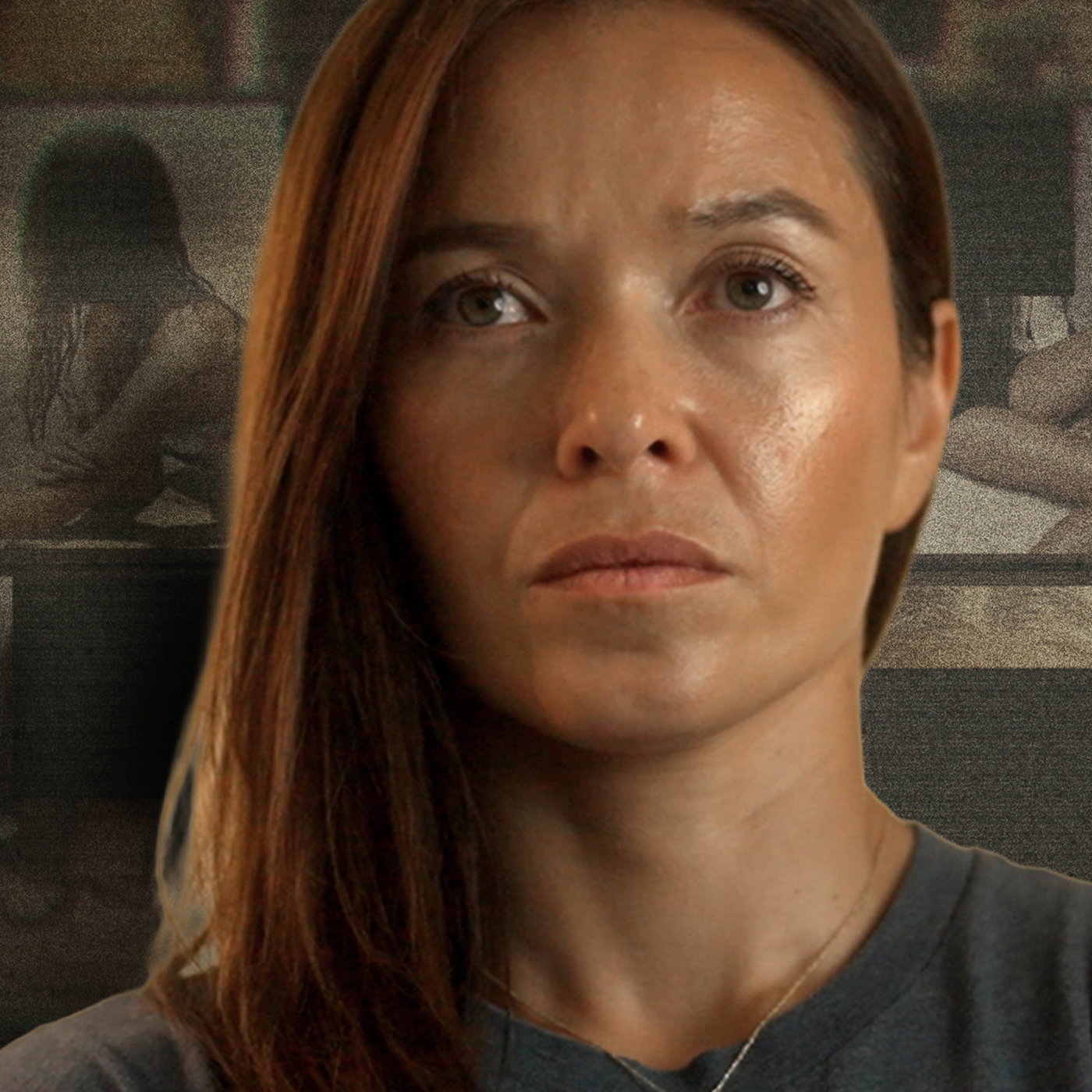
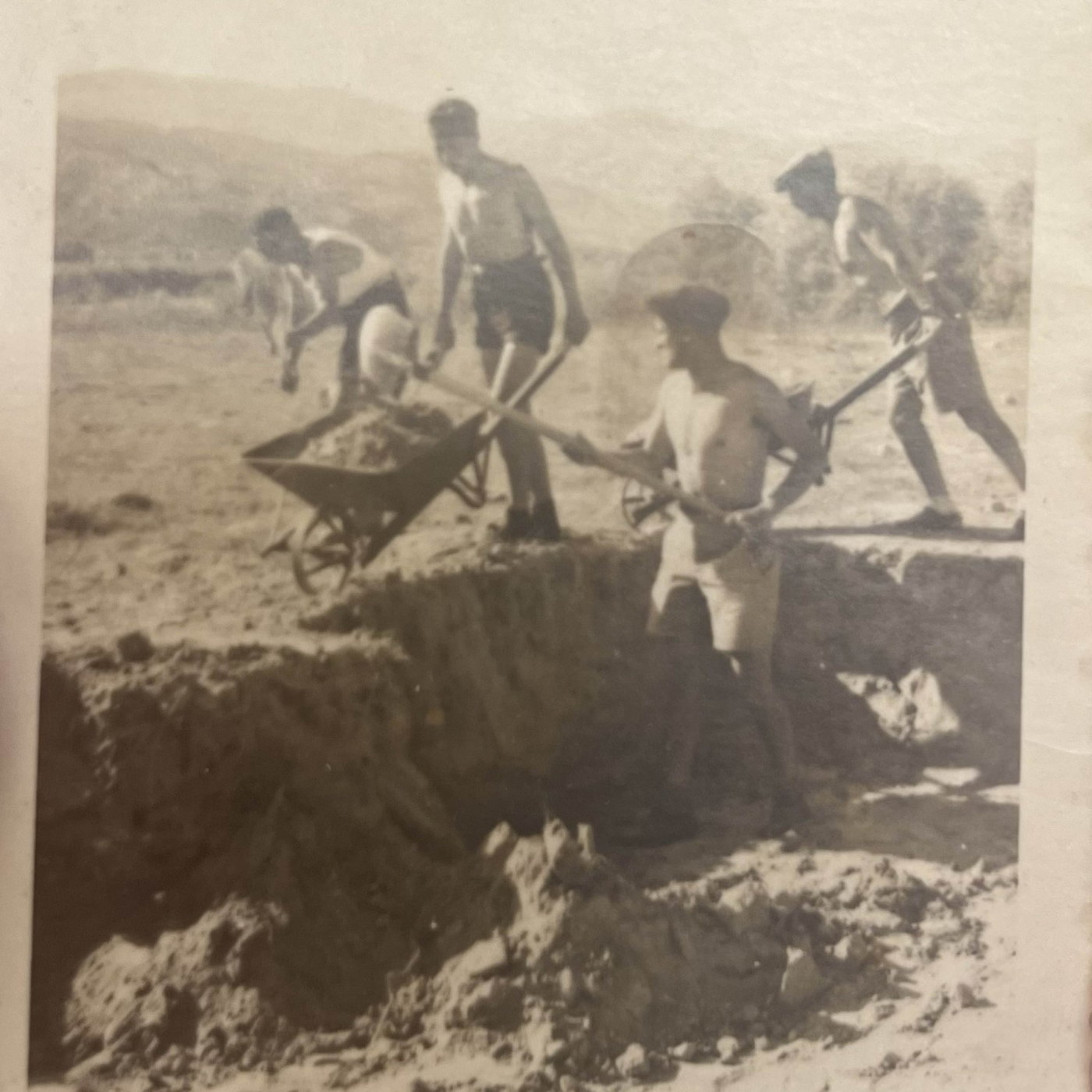
    The descendants of the Bulgarian Miracle

    It is March 1943. World War Two is reaching its peak. Across Bulgaria, Jewish people have had their rights taken away, they have been exiled from major cities and had businesses confiscated. Producer Talia Randall’s family are among them. In some towns, in the dead of night, Jewish families have been rounded up in schoolyards. They have no food, no water. They are terrified. Officials in the Nazi-aligned country are awaiting orders to send these people to Poland. Whispers travel through the crowds; they know that something terrible is happening to Jews there, but they have no idea the extent of the horrors taking place in Auschwitz and Treblinka. However, an uprising is taking place. Ordinary citizens and public figures are protesting against the persecution of Jewish people. A rumour spreads - a well-known Bishop storms a train station, threatening to lie on the rail lines to prevent the deportation.This is a story of how the people of Bulgaria prevented their Jewish neighbours from being sent to concentration camps.
  • S0 · E0
    Thursday · 54 min

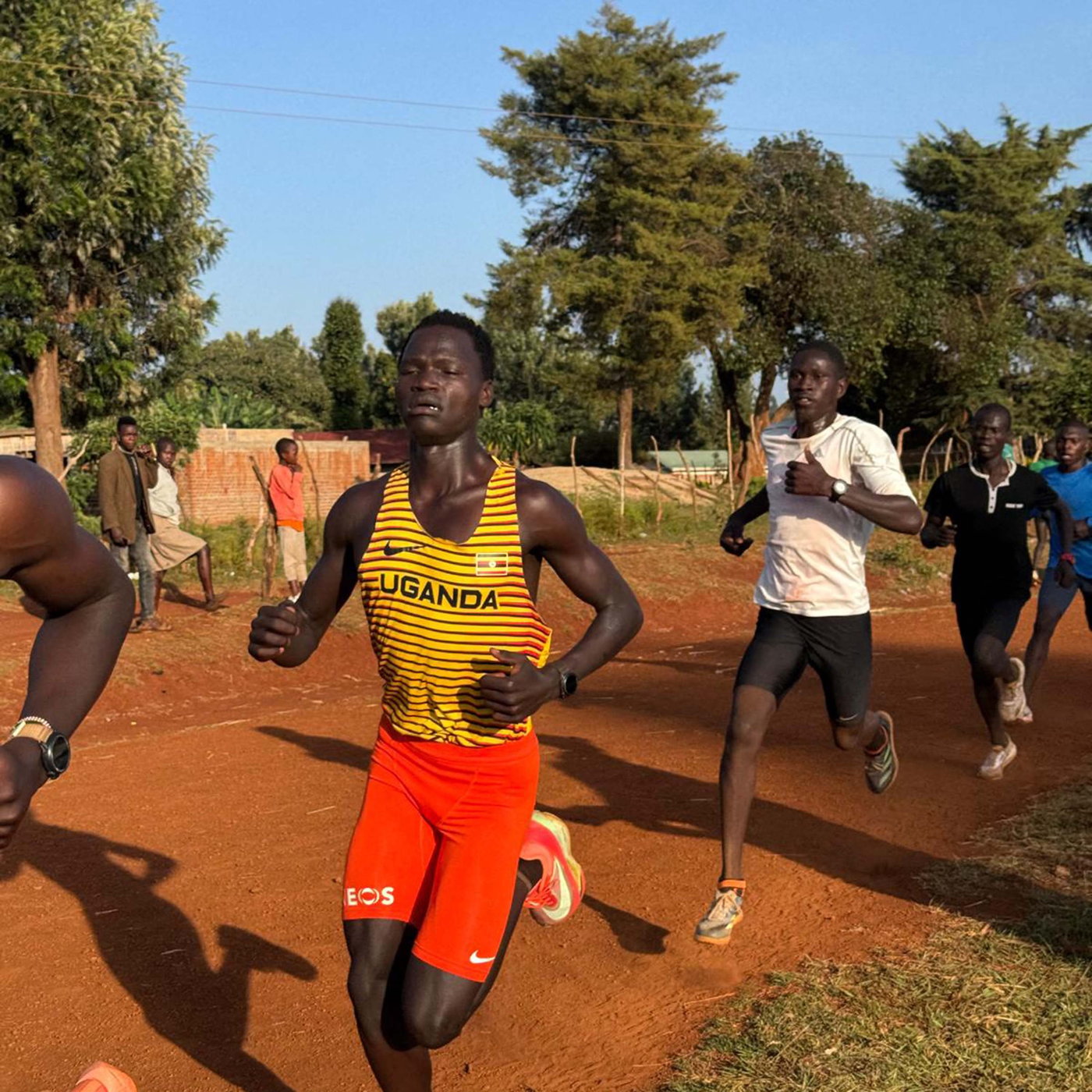
    From barefoot to blacktop

    With over 600 million regular runners worldwide, running is the most popular sport on the planet. While the phenomenon of long-distance running is a growing global obsession, in East Africa it is becoming something more: a way of life, and for some, a genuine pathway to social mobility. This BBC World Service documentary follows evolutionary biologist Prof Ben Garrod as he crosses Uganda - from the training grounds of world record holders to a remote marathon in the foothills of the Rwenzori Mountains, to find out how running is reshaping lives and communities and to ask why humans, alone among the great apes, ever learned to run at all.

  • S0 · E0
    Tuesday · 30 min

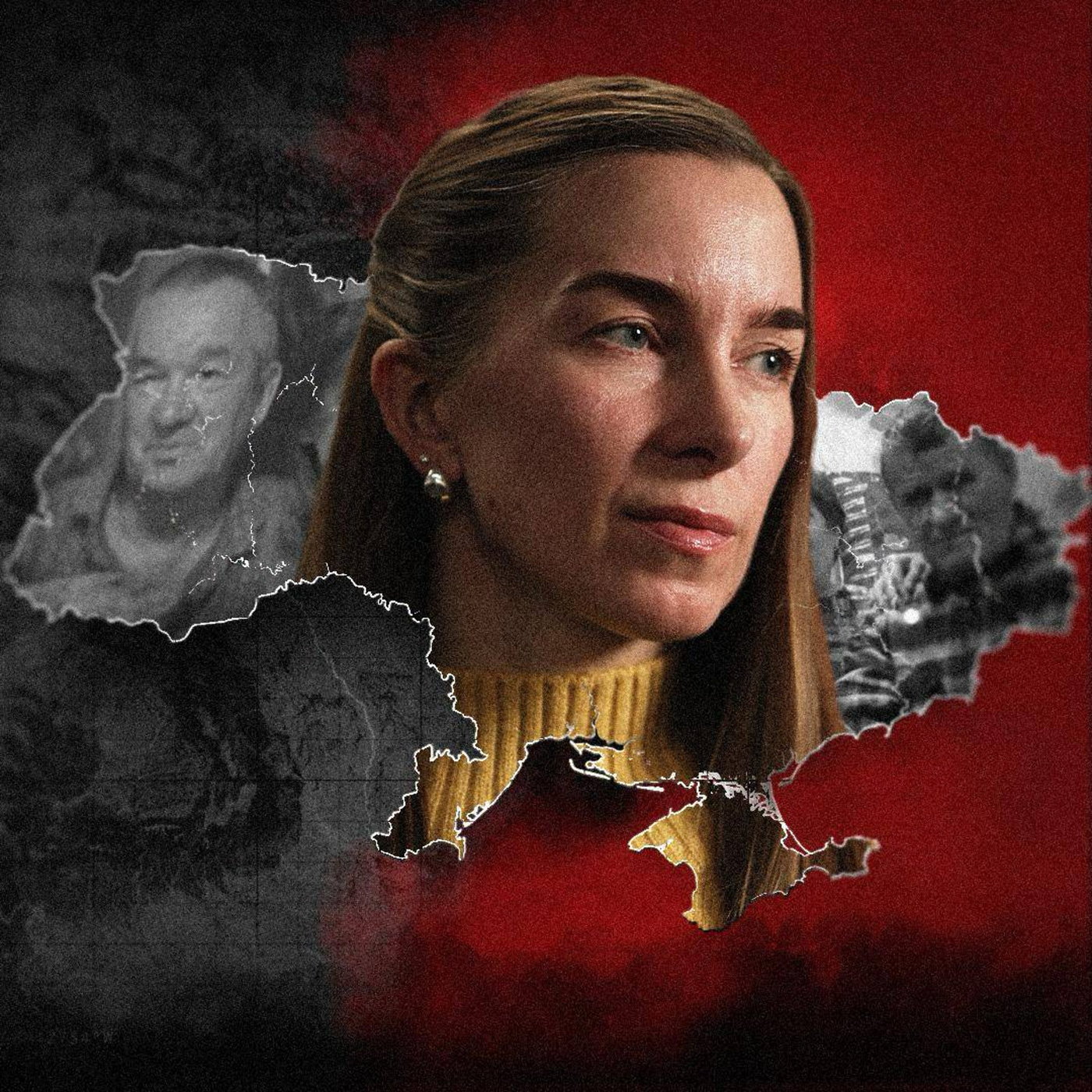
    Who killed my family?

    When Ukrainian journalist Anastasiya Gribanova's father and grandparets are killed in Dachne, eastern Ukraine, she is left with devastating questions about what happened to them. Determined to uncover the truth, Anastasiya begins a deeply personal investigation into their deaths. As she searches for answers, she also begins to rebuild the bonds that once divided her family.

  • S0 · E0
    Tuesday · 26 min

    The women challenging period myths

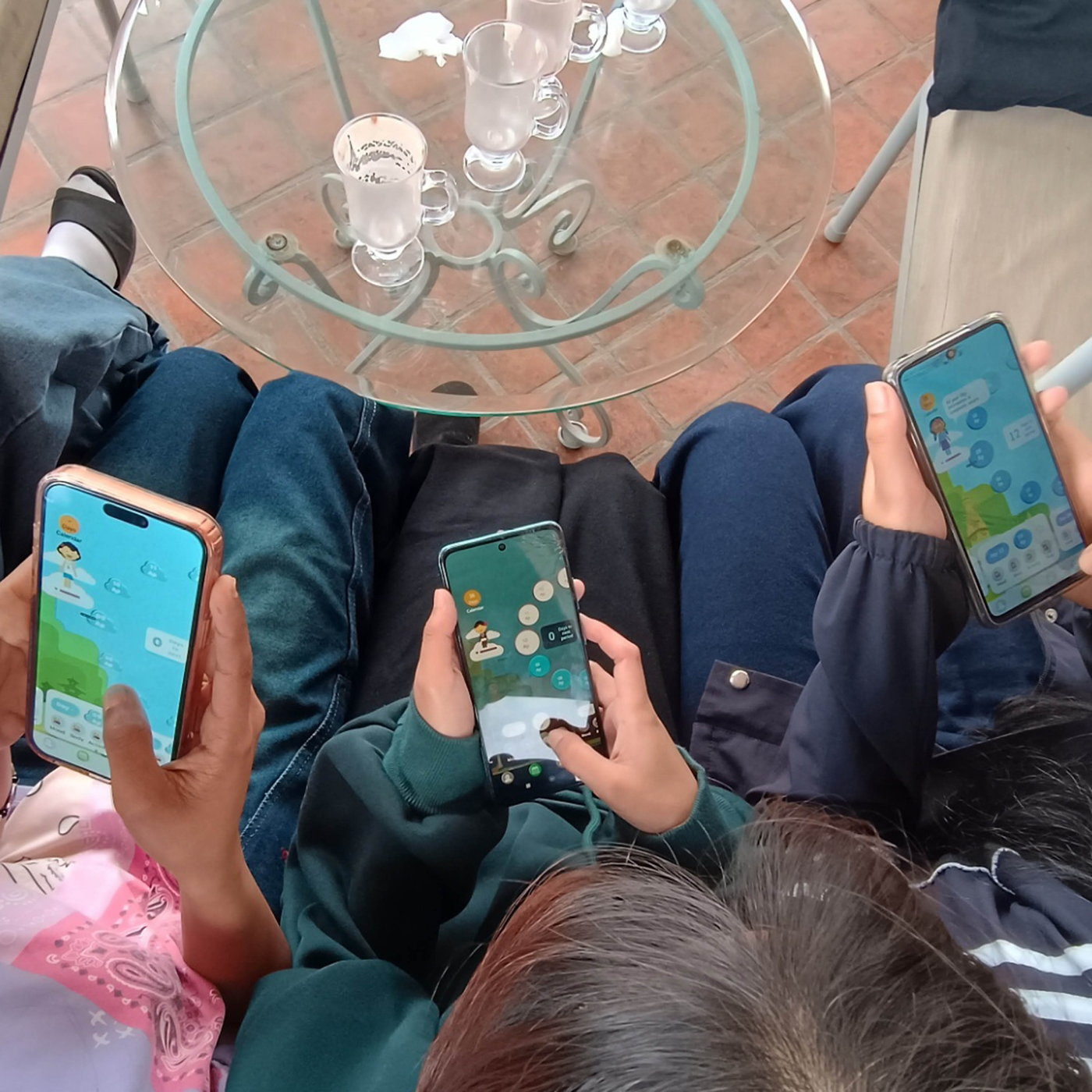
    Periods are a normal part of life, but tor many women and girls in Nepal, menstruation remains surrounded by stigma, restrictions and silence. We meet the activists, educators and young women working to change that. From a period-tracking app designed by girls to a pioneering podcast tackling menstrual health, we explore the efforts helping a new generation challenge taboos and speak openly about periods.

  • S0 · E0
    Monday · 23 min

    Can Chile turn methane into money?

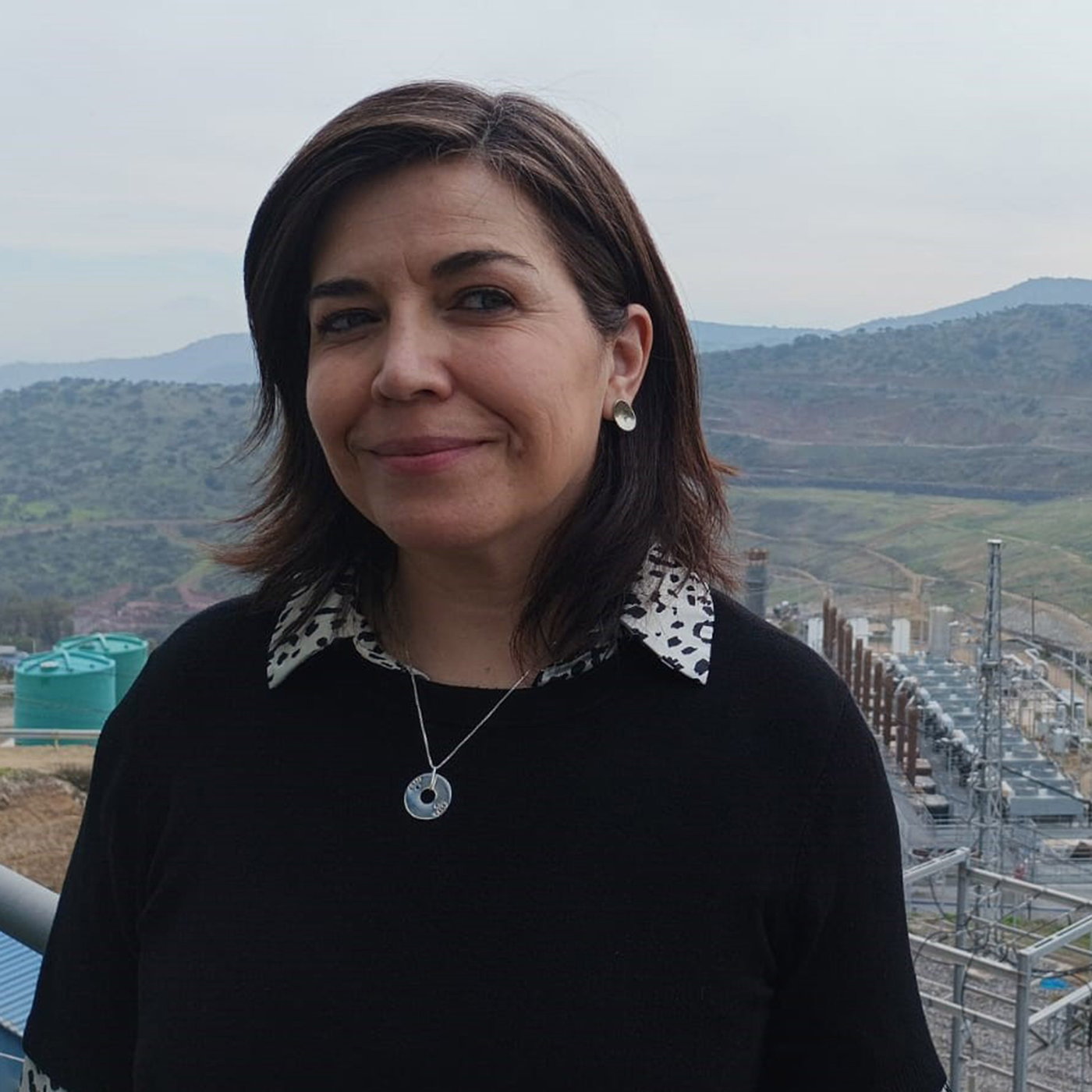
    Methane emissions from farm waste and landfill sites are being turned into fuel in Chile. Jane Chambers visits a bio-gas plant and a landfill harvesting methane from waste, examining how the sector is attracting foreign investment and generating revenue through carbon credits.

  • S0 · E0
    November 22 · 32 min

    America’s last prison rodeo

    Louisiana State Penitentiary, more commonly known as Angola Prison, is America’s biggest maximum security prison in a state that incarcerates more people than any other. That means they are there for having committed the most serious crimes, including murder. Most will never leave jail. Several days a year, some inmates are allowed to take part in the US's last prison rodeo. Whilst the inmates are primarily black, the paying audience is mostly white. Supporters of the rodeo say it’s a chance for the prisoners to interact with people from outside the prison and also potentially earn some money to send back to family or make their life more palatable. Opponents say it is exploitation - not unlike a roman gladiatorial contest, where the audience gleefully waits to see if the bulls are going to get the better of the cowboys. Anna Adams reports from Louisiana.

  • S0 · E0
    November 21 · 32 min

    The Interface: How will we know if AI becomes conscious?

    Could an AI model ever be conscious? And if it could, how would we know? The Interface hosts, Thomas Germain and Jessica Maddox, unpack the theories with philosopher Jeff Sebo, director of the Center for Mind, Ethics, and Policy at New York University. Jeff does not claim that AI is conscious, and he is clear that nobody knows. His case is that the possibility is serious enough to study properly and prepare for now, rather than scrambling after the fact, as we did with animals and the climate. Along the way, he explains what consciousness and sentience actually mean, why “it’s just software” is not the end of the argument, and why the idea makes so many people so angry. Tom and Jess push him on the big objections - shouldn’t we fix problems impacting humans first, and can we trust AI companies to answer any of this?

  • S0 · E0
    November 21 · 29 min

    My country is being lost to the sea

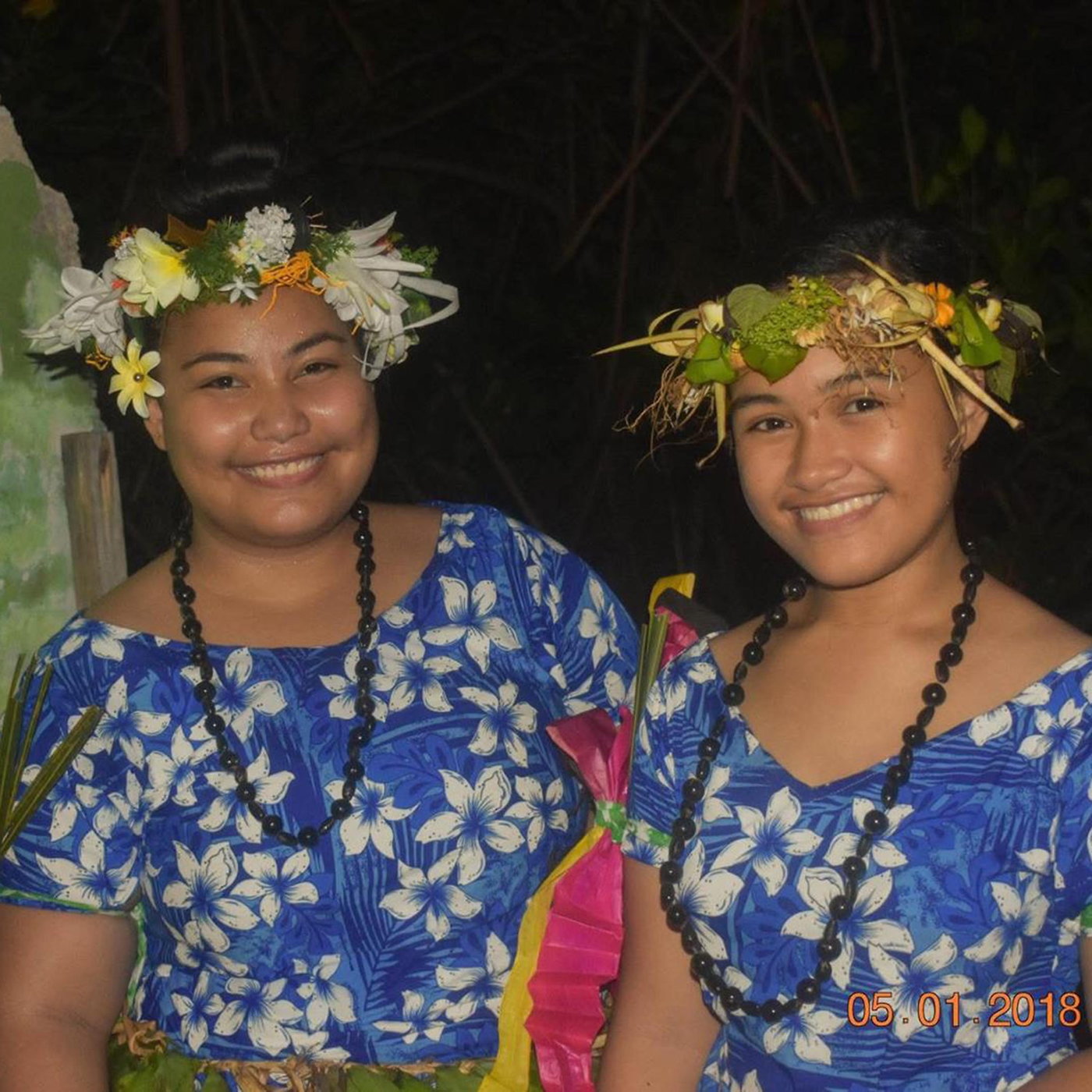
    Tuvalu looks like paradise – a cluster of islands, with white sandy beaches lined with palm trees, surrounded by the deep blue of the Pacific Ocean. But the tiny nation, which is roughly midway between Australia and Hawaii, is facing the existential threat of rising sea levels, caused by climate change. The 11,000 or so inhabitants are reckoning with a future where their country may no longer be habitable. With world leaders meeting at the UN COP31 climate talks, we bring together three young women to share their experiences of life in Tuvalu. “I want my children to understand [Tuvaluan] values, to know the language,” Moeli tells us. “To know more about Tuvalu, you have to sit down, respect the elders, no talking when elders are talking, everything like that.”

  • S0 · E0
    November 20 · 31 min

    Vodou child

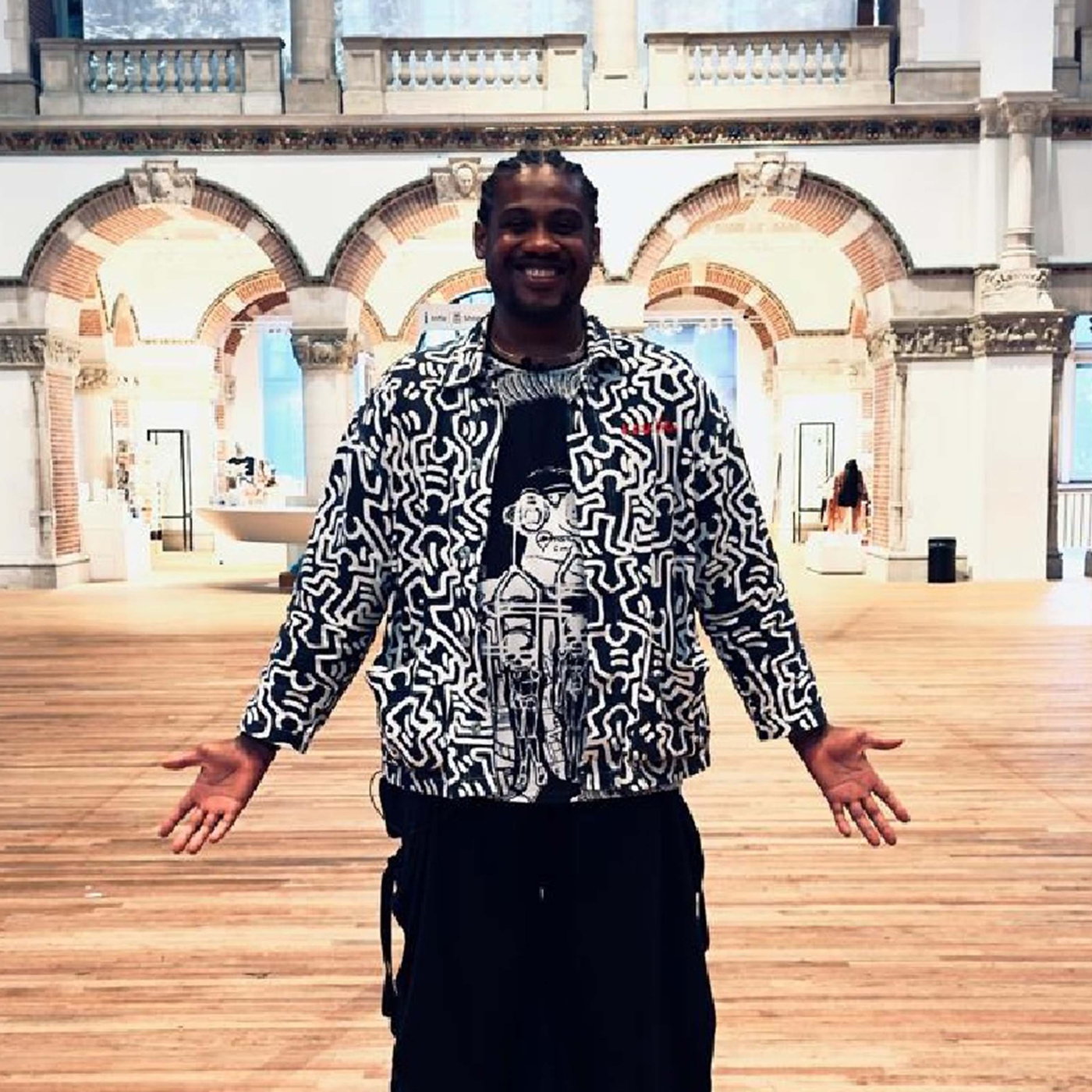
    At school in Curaçao, Fré Calmes was called a witch and shunned by classmates. Within the family, spiritual practices were surrounded by secrecy. Today, the Haitian-born artist and Vodou priest is making that faith visible through sculpture, ceremony and a video game. Eric Mugaju travels to the Netherlands to meet Fré and explore the relationship between faith, creativity and belonging.

  • S0 · E0
    November 19 · 31 min

    How Kazakhstan has become a chess powerhouse with female prodigies leading the way

    Kazakhstan is a fast-emerging powerhouse in chess, with young women players leading the way. Chess-mad journalist Zoe Strimpel hears from grassroots players as she explores how central Asia’s largest economy has built a state-led initiative to promote the game. And she asks why chess is so important in nation-building, as the former Soviet republic squeezed between Russia and China uses the game to show itself to the world. Credit: 'The Queen's Gambit': Flitcraft Ltd and Wonderful Films for Netflix

  • S0 · E0
    November 18 · 23 min

    Toilet troubleshooters

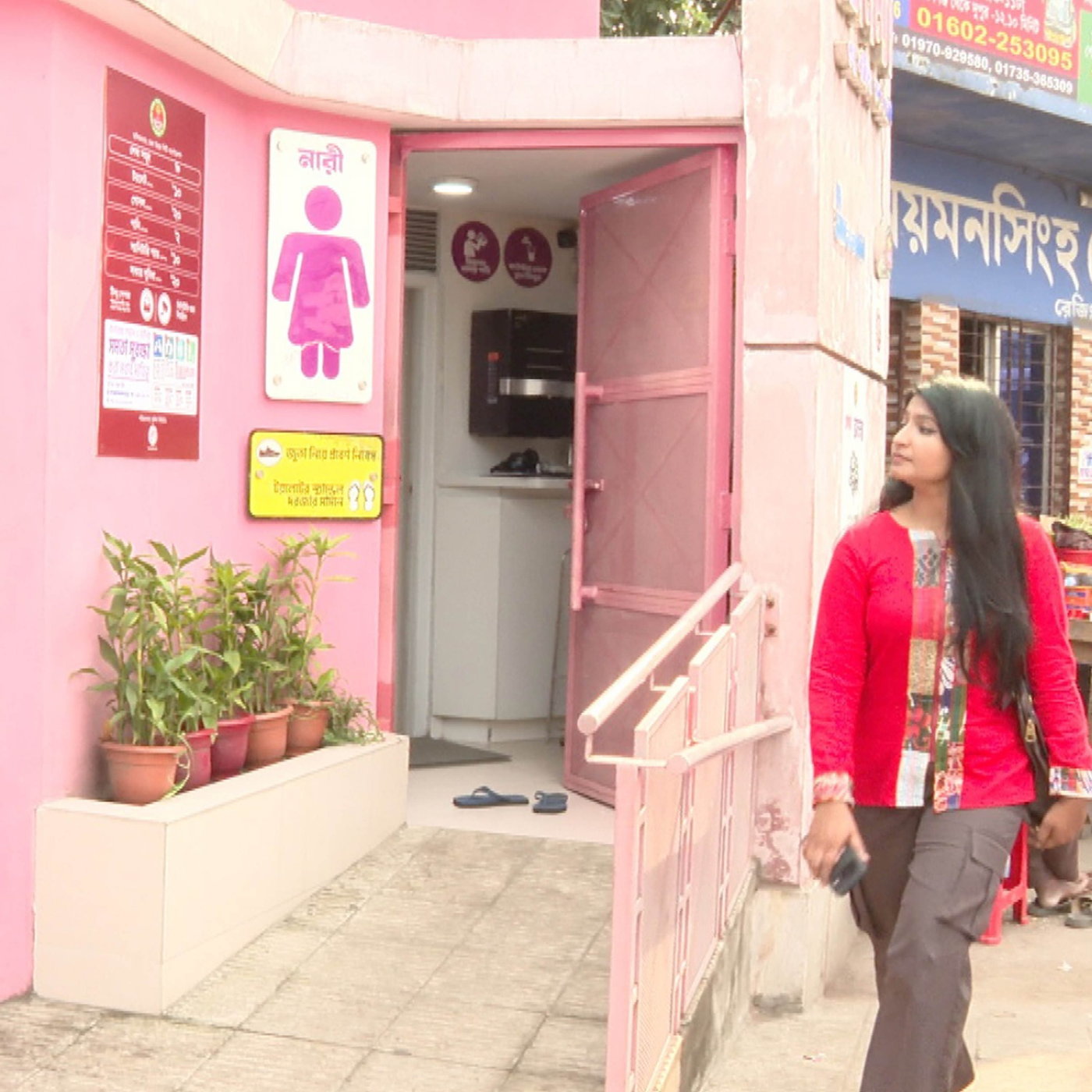
    The UN says 40% of people - that is nearly three and a half billion worldwide - do not have access to safe toilets. This has a huge impact on health, safety and dignity. We hear about a Kenyan company, Fresh Life, providing toilets without the need for sewage systems. These container based options allow families living in informal settlements a permanent toilet close to their homes, providing a much cleaner and safer option than the alternative, which is often a pit latrine. And in Bangladesh we visit the ‘pink toilet’ – a unique facility at a bus station in the capital, Dhaka, which is designed for women only. It has a baby change facility, sanitary pad vending machine and a water dispenser. We find out how it is changing the lives of women in the city.

  • S0 · E0
    November 17 · 37 min

    Libya: From bombs to boom?

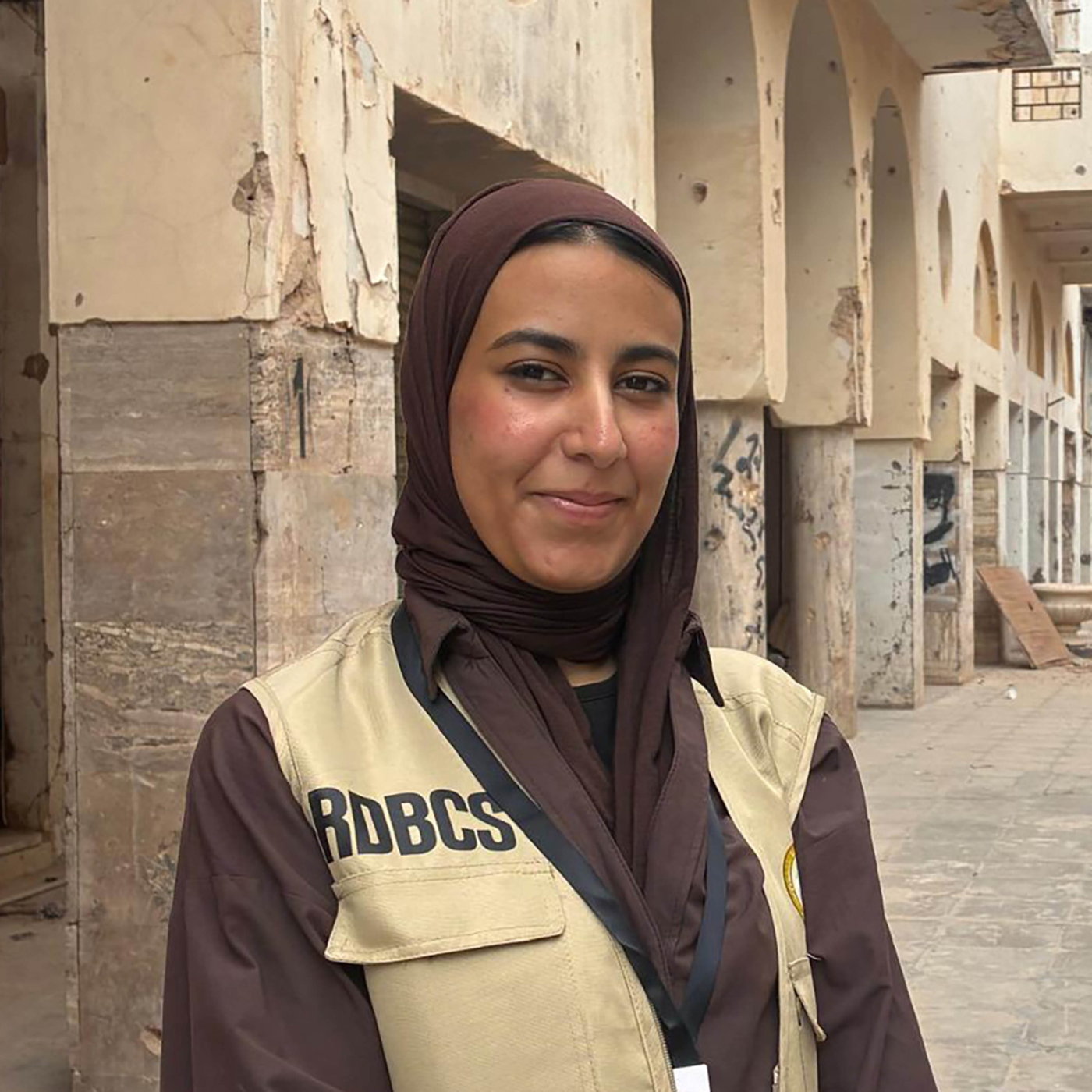
    Libya’s second city, Benghazi, sparked the 2011 revolution against dictator Colonel Gaddafi, then descended into chaos as much of it was taken over by Islamist militias. Now, under warlord Khalifa Haftar, who drove out the jihadis, Benghazi’s bouncing back. New skyscrapers are rising, an international football stadium has been refurbished; hospitals, shopping malls and huge housing complexes are being built in a multi-billion dollar construction boom. Parts of the old town with its Ottoman and Italian colonial architecture are being reconstructed. Much of the work has been commissioned by one of Field Marshal Haftar’s six sons, Belkacem, widely known simply as “the Engineer”, head of the Libya Development and Reconstruction Fund. After overseeing the rebuilding of Derna, the eastern Libyan town devastated by a flood in 2023, he has gone on to commission further construction projects across eastern and southern Libya, the area controlled by his father. BBC correspondent Tim Whewell first reported from Benghazi during the 2011 Revolution, and returned later as civil war was breaking out in Libya. Now, in a rare trip to eastern Libya by a major western broadcasting outlet, he goes back to see how people are enjoying stability – and for a rare interview with Engineer Belkacem.

  • S0 · E0
    November 16 · 32 min

    Ten years of CrowdScience

    In November 2016 the BBC World Service launched a brand new show in which listeners would send in their science questions, and a team of fearless presenters would find answers. Ten years on, CrowdScience is still going strong.  We’ve answered over five hundred questions from our listeners, spoken with thousands of scientists and covered subjects from the mundane to the profound. Our audience’s insatiable curiosity has taken us to the bottom of the ocean, to the top of volcanoes and to the edge of a hurricane. We’ve been on adventures in audio that have been surprising, fascinating and breathtaking, all to find answers to questions sent in by CrowdScience listeners. In true CrowdScience fashion, we wanted to celebrate our tenth anniversary with our listeners. We asked the audience for their CrowdScience stories, and to pick some of their favourite moments from the last decade. As a result we’re revisiting some incredible episodes, including butterflies that migrate thousands of kilometres, how to measure the weight of the internet and why cables get tangled. CrowdScience has brought you fascinating stories, intriguing experiments and thought-provoking moments, and we’ll be hearing from listeners who have found our programmes more valuable than we could have imagined. Our tenth anniversary show also gives presenter Anand Jagatia time to chat with other CrowdScience presenters about what makes CrowdScience special, including some unforgettable experiences and moments from the show. With ten years of episodes to choose from, it hasn’t been an easy task.  And with a seemingly inexhaustible supply of questions from curious listeners, we’re already looking forward to the next ten! Presenter: Anand Jagatia Producer: Christine Bennett Editor: Ben Motley

  • S0 · E0
    November 16 · 19 min

    Bringing baseball to Europe

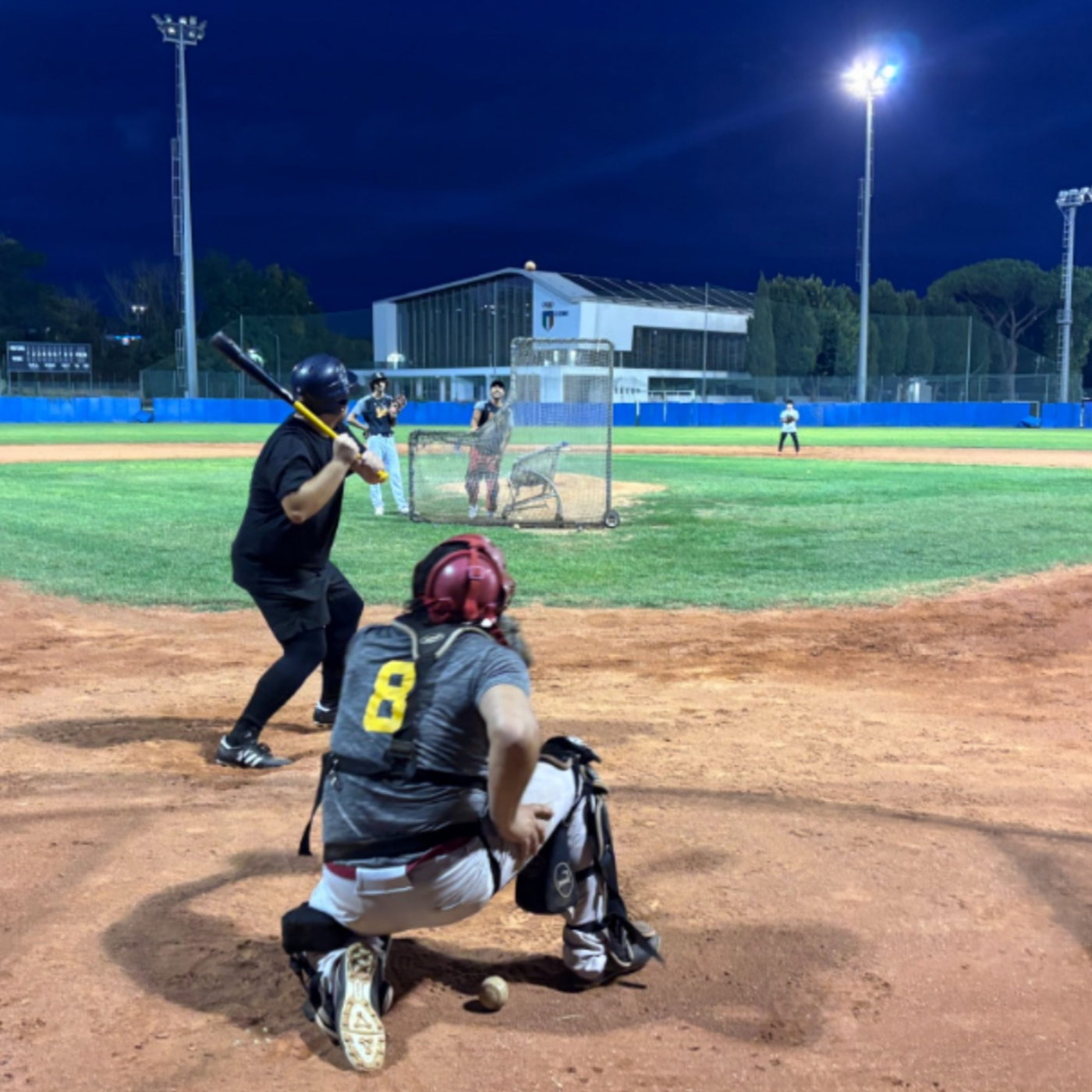
    Baseball is a multi-billion-dollar sport in the US and elsewhere, but it’s never really taken off in Europe. Can it, and if it does, what is its business potential? We travel to Italy to look at the obstacles facing this most American of sports, and talk to Italians with a passion for the game. Presented by Sean Allsop.

  • S0 · E0
    November 14 · 28 min

    Living through the Gaza floods

    An estimated 1.4 million people, around two thirds of Gaza's population, live in some form of tent or temporary structure. Last weekend’s heavy rain flooded tens of thousands of these makeshift homes, leaving some people without any shelter at all. As winter approaches, two families share their experiences of living in tents, the challenge of keeping warm and finding enough food. We also bring together three people to give us an insight into their daily lives in the territory. They include Fedaa, whose three-year-old daughter has grown up during the conflict. “I try just to draw her a world, or a universe, that is different to the one in which she lives,” Fedaa tells us.

  • S0 · E0
    November 13 · 26 min

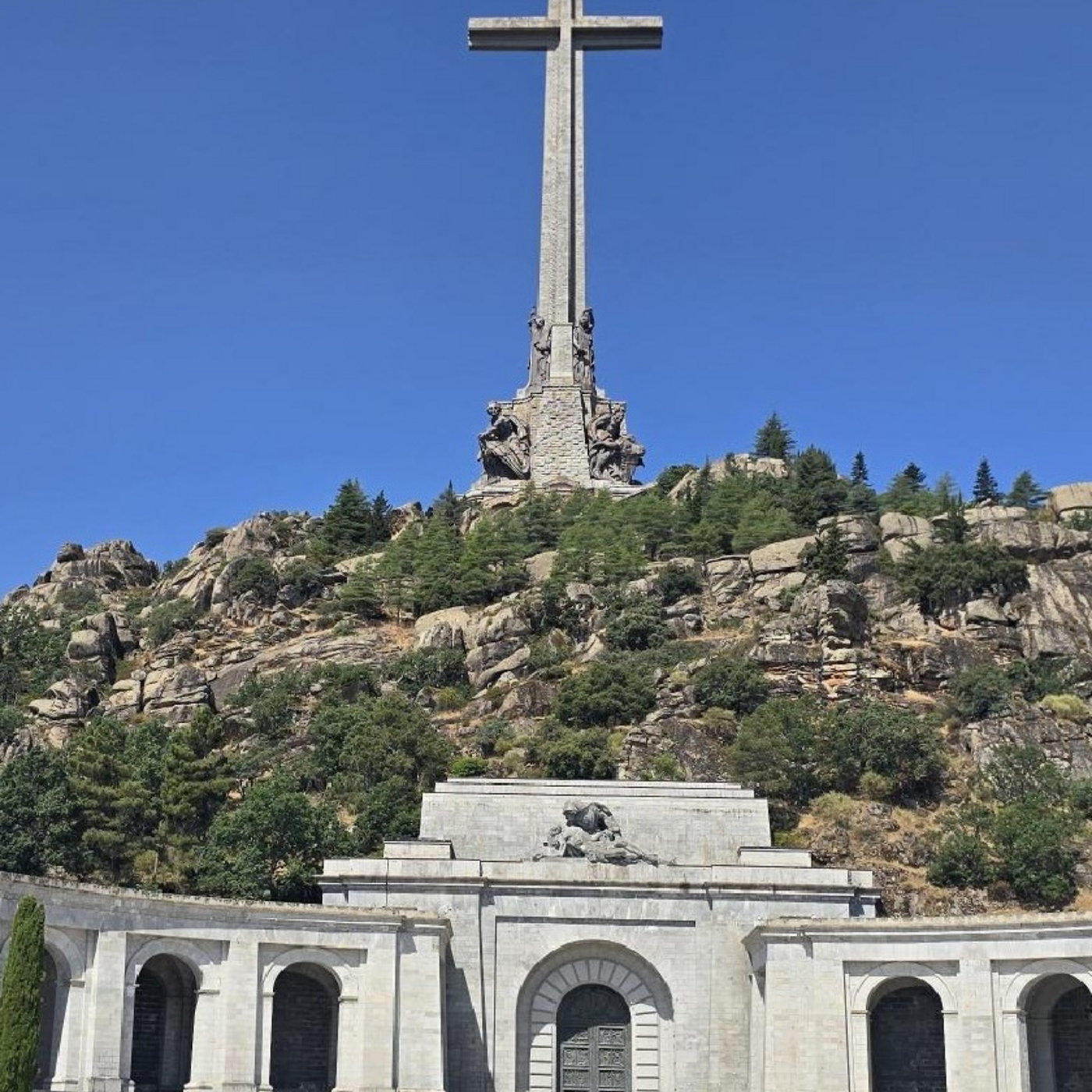
    The tomb in the mountain

    High in the mountains outside Madrid stands the Valley of Cuelgamuros (formerly know as the Valley of the Fallen), a huge memorial site commissioned by the Spanish dictator Francisco Franco in 1940, at the end of the Spanish Civil War, where tens of thousands of war dead from both sides still lie buried. At its heart is a large basilica – the second largest Catholic basilica after St. Peter’s cathedral in Rome – carved into a granite mountainside, a huge rock, topped by a 150-metre cross, the tallest in the world. Silvia Navarro’s great-uncle is buried there. He was a businessman, not a soldier, killed by nationalist forces for being a Republican sympathiser. His remains are sealed somewhere inside, behind the walls that carry fascist iconography alongside Christian symbolism. Sylvia, herself a Catholic, wants his remains located and removed from the basilica. For her, this isn’t just personal: she believes the site still glorifies the regime that killed him. She’s been campaigning for years for other families who feel the same way. William Crawley explores the site and its ongoing controversies. Presenter: William Crawley Producer: Dan Tierney Series Producer: Rajeev Gupta Editor: Chloe Walker Production Coordinator: Mica Nepomuceno [Photo description: The Valley of Cuelgamuros. Credit: Dan Tierney]

  • S0 · E0
    November 12 · 27 min

    The Global Story: Why the Nvidia scandal is bigger than one tech CEO’s affair

    China appears determined to acquire America’s most advanced computing technology – but how far might it go to get it? Nvidia CEO Jensen Huang has resigned after publicly acknowledging having an affair, amid reports raising questions about whether the woman involved had links to Chinese intelligence. Nvidia’s board said it has no reason to believe company secrets or national security have been compromised, though it’s launched an independent investigation into the matter. The revelations have also raised broader questions about China’s longstanding efforts to acquire American technology, including through espionage. On The Global Story, host Asma Khalid speaks to Randy Schriver and Mike Kuiken of the US-China Economic and Security Review Commission about the national security implications – and what the Nvidia scandal could mean for America’s approach to selling advanced chips to China. Plus, BBC economics editor Faisal Islam offers a behind-the-scenes look at Jensen Huang, the man at the centre of it all, and his extraordinary influence over the global AI race. The Global Story brings clarity to politics, business and foreign policy in a time of connection and disruption. For more episodes, just search 'The Global Story' wherever you get your BBC Podcasts.

  • S0 · E0
    November 12 · 46 min

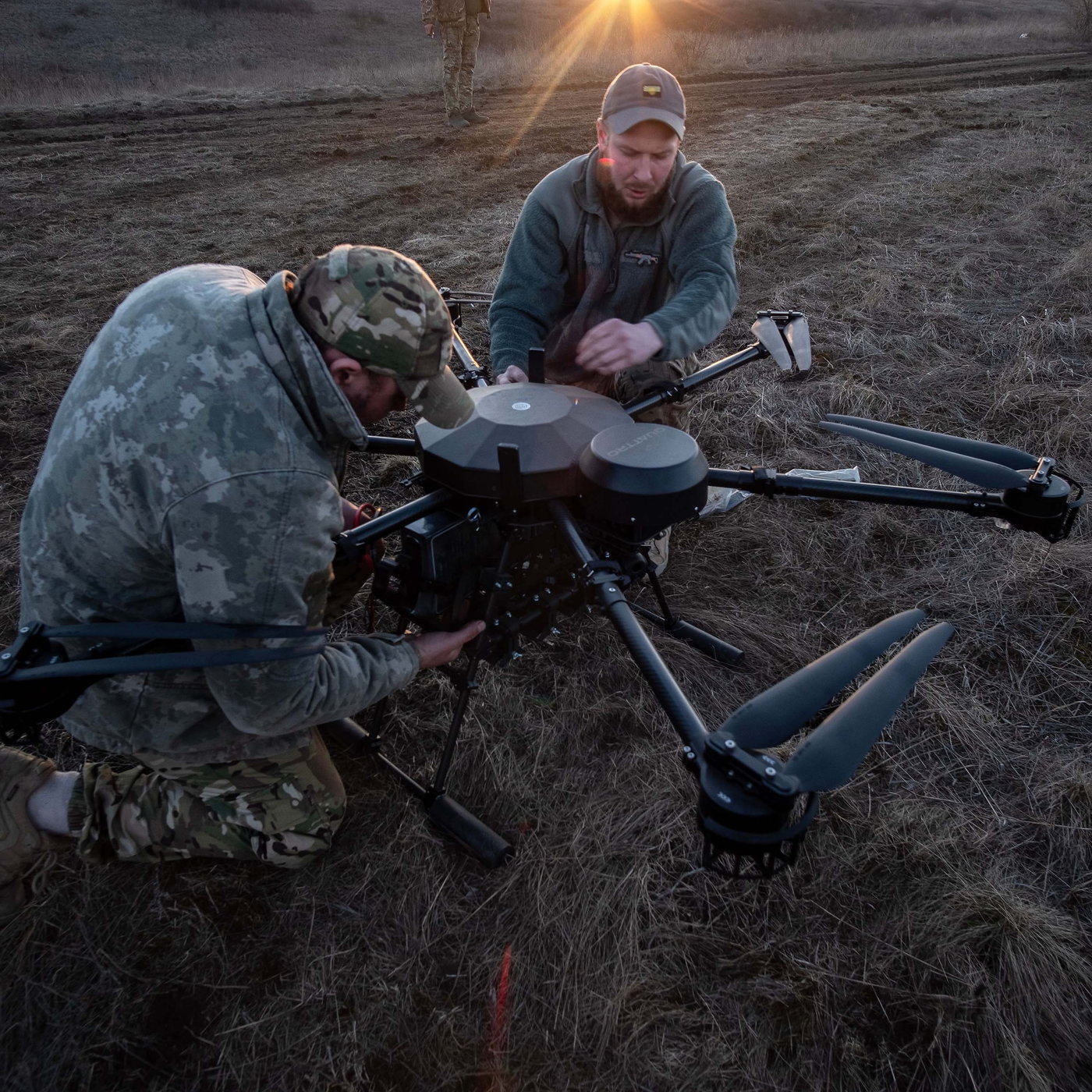
    Ukraine v Russia: The drones race

    The contest for technological supremacy, paving the way to future wars of algorithms. Across the skies of Ukraine and Russia, an arms race is unfolding in real time. Earlier this summer it seemed Ukraine had the edge when it delivered drone strikes deep inside Russian territory. But in recent months, Russia has hit back, deploying faster, jet-powered drones, and shifting the balance once again. The Global Jigsaw explores the relentless seesaw battle for technological dominance and ask what it tells us about the future of warfare. Find out more about BBC Monitoring on our website: https://monitoring.bbc.co.uk/ Contributors: Tim Bowler, Margaryta Maliukova, Daria Mosolova Producer: Kriszta Satori Presenter: Krassi Ivanova Twigg Music: Pete Cunningham

  • S0 · E0
    November 11 · 27 min

    Ten years of progress

    To celebrate 10 years of People Fixing the World, Myra Anubi sits down with three regular contributors to talk about the ways the world has changed for the better over the last decade. While rarely making the headlines, huge improvements in healthcare, sanitation and the protection of the environment have taken place since 2016. The group also make their predictions for what positive shifts the world is likely to see in the next 10 years.

  • S0 · E0
    November 9 · 26 min

    The model trap: Exposing Jeffrey Epstein’s network

    How was Jeffrey Epstein able to continue abusing young women for years after he became a convicted sex offender? BBC Eye has been speaking to survivors and analysing emails and documents in the Epstein Files to build up a picture of how a network of contacts in the modelling industry made it possible for the millionaire financier to groom and traffick victims. But will those who helped facilitate Epstein’s crimes ever face justice?

Showing 1–20 of 147 episodes