The Benefits of Sabbatical Leave: Lessons from DJ DiDonna
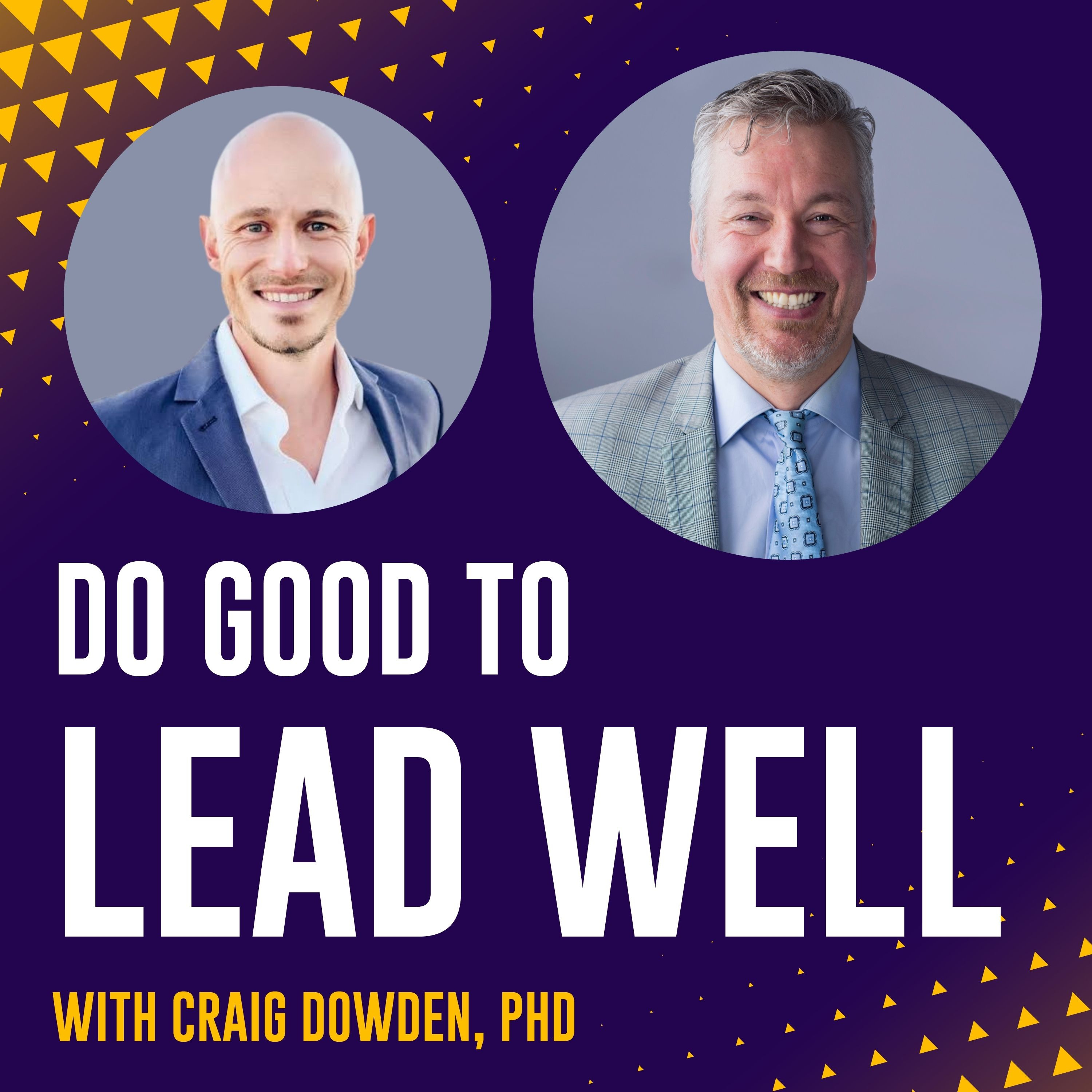
What happens when you leave your routine behind to embrace uncertainty? DJ DiDonna, Harvard Business School senior lecturer and founder of the Sabbatical Project, joins Craig Dowden to unpack the real benefits of sabbatical leave, drawn from years of research into hundreds of sabbatical-takers. DiDonna explains why extended leave delivers measurable physical healing, from resolving stress conditions like eczema and ulcers to reducing what he calls functional workaholism. The conversation also covers the confidence and creativity gains people report, the three sabbatical archetypes, and why the benefits of sabbatical leave extend to employers as well as employees. DiDonna draws on interviews with hundreds of sabbatical-takers to show that the benefits of sabbatical leave aren't reserved for the wealthy or the lucky. He argues most people can plan toward a sabbatical five years out by setting aside a percentage of income and identifying a trusted example who has already taken one. The episode also explores why founders and CEOs, despite having more flexibility, often feel trapped by the businesses they built, and how stepping away can reduce key-person risk while creating growth opportunities for junior staff. Throughout, DiDonna distinguishes the benefits of sabbatical leave from those of a simple vacation: vacations swap work tasks for leisure tasks, while sabbaticals create open space for identity change, healing, and experimentation. He closes with micro-moment strategies, like disconnecting for a long weekend, that let listeners borrow some benefits of sabbatical leave without leaving their jobs. Key Takeaways The benefits of sabbatical leave include physical healing, with sabbatical-takers reporting resolved eczema, ulcers, and trigger fingers. Sabbatical-takers frequently describe the experience as a peak life event, comparable to a wedding or the birth of a child. Three archetypes shape how people access the benefits of sabbatical leave: the achiever, the explorer, and the seeker. Confidence and creativity gains often outlast the sabbatical itself and carry into everyday work life. Employers benefit too: sabbaticals reveal key-person risk and reduce dependence on any single employee. Emotional recovery from work identity typically takes six to eight weeks before people feel like themselves again. Micro-moments, such as fully disconnected long weekends, offer some benefits of sabbatical leave without quitting a job. Planning a sabbatical five years in advance makes accessing these benefits feel achievable rather than disruptive. Chapters 00:57 Introduction and DJ DiDonna's background 05:31 Defining what a sabbatical actually is 07:55 Why extended time off matters 14:32 Reframing sabbaticals as realistic for everyone 22:20 Time vs. space: the real difference from a vacation 25:19 The emotional journey of a sabbatical 28:55 The three archetypes: achiever, explorer, seeker 34:02 Financial and logistical planning 38:45 Sabbaticals for founders and leaders 42:26 Micro-moments: everyday sabbatical practices 47:06 Closing thoughts and final advice Guest Contact Website: https://thesabbaticalproject.org Book page: https://djdidonna.com/big-time-off/ LinkedIn: https://www.linkedin.com/in/djdidonna FAQ Q. What are the main benefits of sabbatical leave? A. DiDonna's research points to physical healing, increased confidence, renewed creativity, and stronger organizational resilience. Q. How long until the mental health benefits of sabbatical leave kick in? A. Most people need six to eight weeks before feeling like themselves again, separate from their work identity. Q. Do the benefits of sabbatical leave extend to employers? A. Yes. DiDonna argues sabbaticals reduce key-person risk and reveal overly dependent business processes.