Ep. 267: When School Accommodations Aren't Enough: Why Neurodivergent Students Need Skill-Building Too
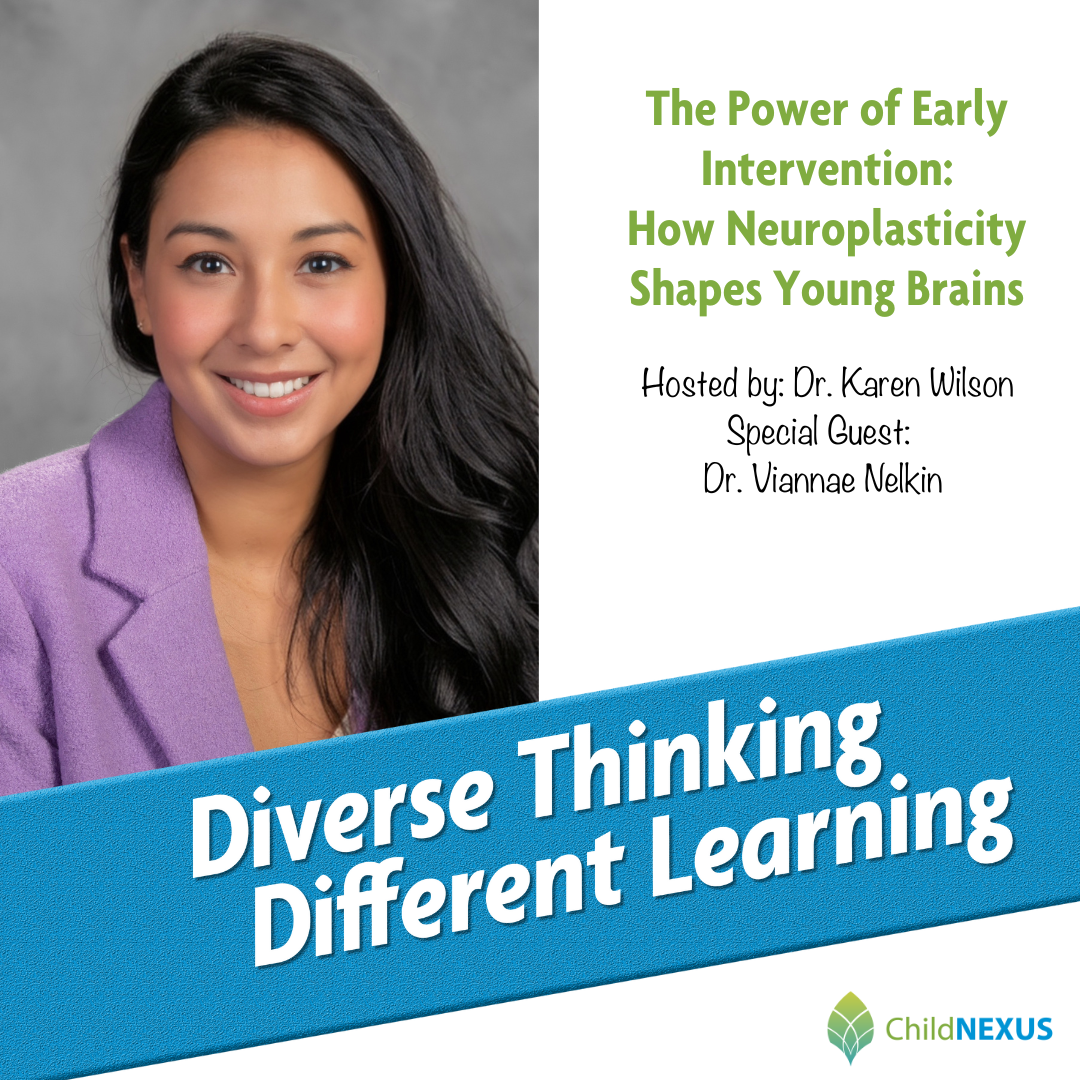
Dr. Wilson brings us another solo episode this time, opening up about how accommodations can make an enormous difference for students who learn and process information differently. Extended time, audiobooks, speech-to-text, movement breaks, preferential seating, and other means of support can truly reduce barriers and help students participate more successfully in school, but what happens when those supports improve performance but do very little to address the underlying skills a student still needs to develop? Dr. Wilson touches upon the distinction between accommodations, interventions, and modifications, focusing on what can happen when skill building is missing from a student's educational plan, and she explains why helping a child complete an assignment, produce more writing, or finish a test does not necessarily mean that the child is becoming a stronger reader, writer, or independent learner. Using examples involving dyslexia, dysgraphia, ADHD, and sensory differences, Dr. Wilson examines the problems with relying solely on accommodations and discusses several examples: audiobooks can provide access to grade-level material, but they don't teach decoding; typing and speech-to-text can make it easier to express ideas, but they don't automatically strengthen written organization or language formulation; extra time and assignment chunking can reduce pressure for students with ADHD, but they don't inherently teach planning, organization, or self-monitoring. The conversation also considers what happens as students get older. Dr. Wilson discusses the importance of pairing accommodations with evidence-based intervention and explicitly teaching skills which can gradually increase independence over time without treating support as something that should simply be removed or using skill development as an excuse to force neurodivergent students to mask. Technology adds another interesting layer to Dr. Wilson's lecture, particularly as calculators, speech-to-text, and AI can help compensate for difficulties almost instantly. Dr. Wilson asks listeners to consider an important distinction: Are we helping students perform better right now, or helping them become more capable over time? Show Notes: [0:48] - This episode covers how accommodations provide essential access but cannot replace interventions that actually build underlying skills. [3:30] - Without targeted intervention, accommodations may improve performance while still leaving the underlying difficulties without improvement. [5:54] - Hear how effective support pairs accommodations with skill building, particularly for students struggling with reading and written expression. [8:04] - Dr. Wilson points out that students with ADHD need explicit instruction in executive functioning skills and also accommodations that reduce those barriers. [11:23] - Accommodations should support growth rather than lower expectations. [14:11] - In closing, the ultimate goal is more independence, confidence, and long-term success, not just completing the next assignment. Links and Related Resources: Episode 237: Beyond Accommodations: How Neurodivergent Students Can Thrive in College with Eric Endlich, Ph.D Episode 246: Accommodations, Modifications, or Remediation? How to Know What Your Child Really Needs with Amy Cushner Episode 248: The Power of Early Intervention: How Neuroplasticity Shapes Young Brains with Dr. Viannae Nelkin Episode 261: When Helping Becomes Overhelping: Helping Neurodivergent Kids Build Independence with Dr. Tara Williams More Podcast Episodes Join Our Community: Substack