Artwork for Dig Me Out: 70s & 80s Metal
Music

Dig Me Out: 70s & 80s Metal

Beyond the hits—exploring the albums, bands, and moments that shaped the heavy 70s & 80s metal

J, Chip, and Tim dig into the heavy rock and metal that defined two decades—from Black Sabbath and Led Zeppelin’s pioneering riffs to Mötley Crüe’s sonic excess, the unsung heroes, and the stories behind it all. One album at a time. Let’s relive the magic.

www.digmeoutpodcast.com
  • 20 episodes
  • Updated July 21

Episodes20

  • July 21 · 1 hr 3 min

    Yngwie J. Malmsteen's Rising Force Turns 41: Why It Still Matters

    A nineteen year old singer, a guitarist who barely wanted him there, and a record that split guitar playing into two schools for the rest of the decade. This week our 90s specialist Jeremy Amend crosses into 80s metal for his first time, bringing us Yngwie J. Malmsteen's Rising Force, the 1984 debut that crystallized neoclassical shred into an actual genre. We dig into the mystery of the "J" in his name, Jeff Scott Soto's wild resume, why this album opened the door for Shrapnel Records and guys like Steve Vai and Joe Satriani, and whether the two vocal tracks help or hurt the record. If you love Deep Purple, early Van Halen, or neoclassical metal, this episode is for you. Highlights: 00:02: Jeremy's first 80s pick after years of 90s deep cuts 04:11: The real story behind Yngwie's name change 30:14: Is this the first neoclassical solo guitar album in rock history 35:38: What doesn't work on the record 52:15: Final ratings and poll results Subscribe to Dig Me Out at digmeoutpodcast.com | Join the community at dmounion.com Have a lost or forgotten album that deserves the spotlight? Suggest it here. This is a public episode. If you'd like to discuss this with other subscribers or get access to bonus episodes, visit www.digmeoutpodcast.com/subscribe
  • July 7 · 1 hr 15 min

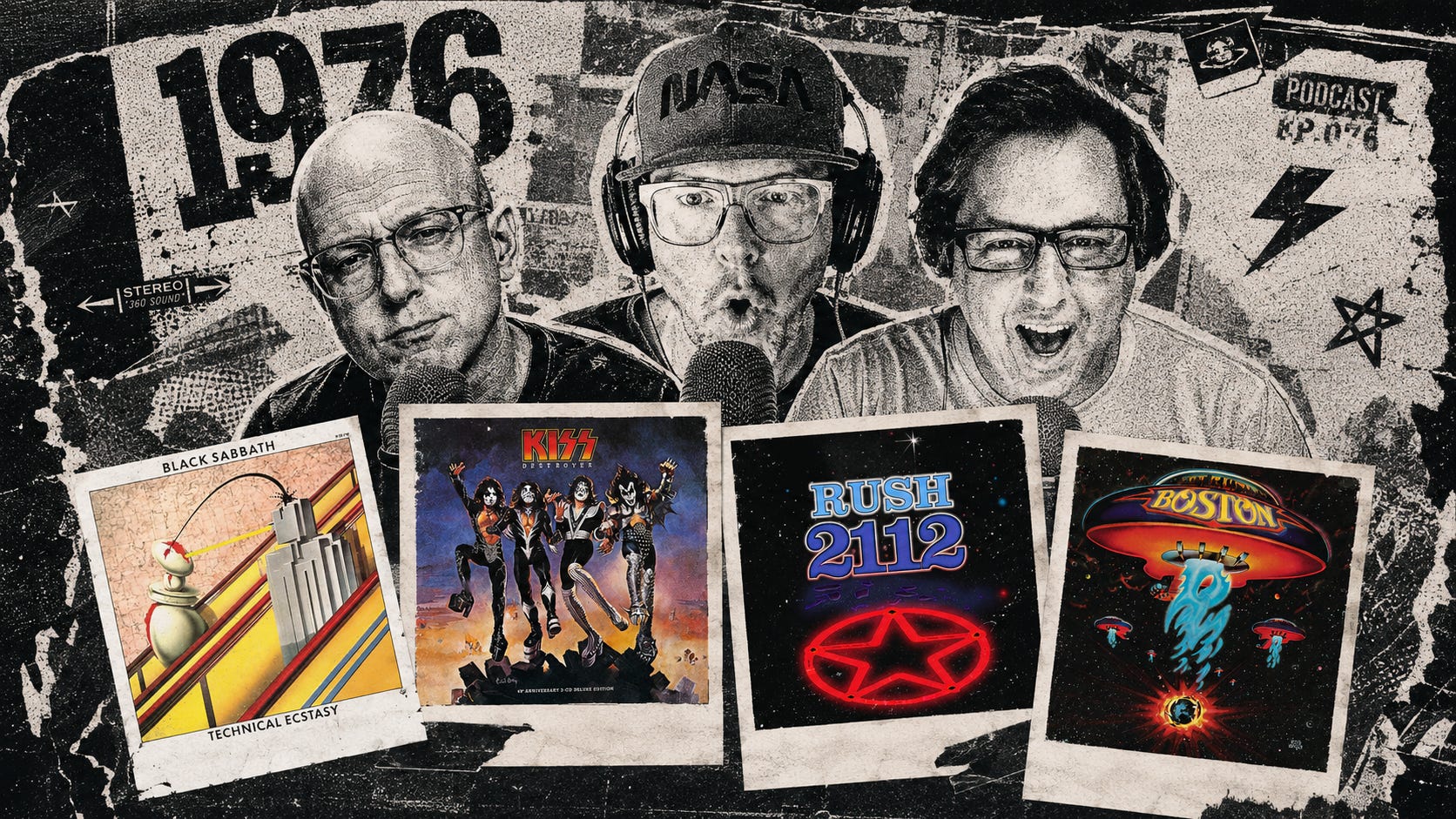
    1976: The Year Guitar Rock Split In Two

    1976 was supposed to belong to disco, soft rock, and singer‑songwriters. Yet in the shadows of “Disco Lady,” “A Fifth of Beethoven,” and “Silly Love Songs,” guitar bands were quietly rebuilding what hard rock and metal could be. Boston’s basement‑crafted debut exploded onto Epic Records, Thin Lizzy dropped Jailbreak and Johnny the Fox in the same year, and Judas Priest, Scorpions, Rainbow, and Rush started sketching out the next decade of heavy music. In this roundtable, we go deep into the albums of 1976 that still matter for 70s and 80s metal and hard rock. We talk Kiss’ double‑punch of Destroyer and Rock and Roll Over, the strange transitional energy of Zeppelin’s Presence and Sabbath’s Technical Ecstasy, and the way Ramones, Sex Pistols, and Blondie cracked open a punk and new wave future while classic rock giants were already burning out. If you love Boston, Thin Lizzy, Judas Priest, Aerosmith, or any corner where 70s hard rock collides with early punk and European deep cuts, this episode is for you. Highlights: • 02:30: Billboard’s 1976 snapshot vs the albums we care about • 12:10: The accidental birth of Johnny the Fox • 24:10: Kiss in hi‑gloss and raw form, in one year • 29:20: Gasolin’ and Solid Ground, Scandinavian heaviness in 1976Subscribe to Dig Me Out at digmeoutpodcast.com | Join the community at dmounion.com This is a public episode. If you'd like to discuss this with other subscribers or get access to bonus episodes, visit www.digmeoutpodcast.com/subscribe
  • June 30 · 1 hr 25 min

    1986: The Year Glam and Thrash Both Peaked at the Same Time

    On daytime MTV, Bon Jovi was becoming the biggest pop-rock act on the planet. Poison was setting the blueprint for everything pop culture now calls hair metal. At the same time, Metallica, Slayer, and Megadeth: were building massive and devoted audiences. These two worlds shared MTV, shared tour bills, and shared fans who were being asked to pick a side. That tension is what makes 1986 unlike any other year in metal history. The Glam Explosion That Broke Daytime MTV Here’s what happened between 1984 and 1986: metal expanded beyond just being scary. After Quiet Riot became the first hard rock band to score a number-one album in 1984, the genre broke into mainstream consciousness. Then the PMRC Senate hearings of 1985 gave the music a problem: it needed to stop being threatening. By 1986, the solution was in the videos. Make them colorful. Make them fun. Start somewhere relatable: a bedroom, a garage, a studio. Then escalate into an idealized fantasy of concert performance. Replace leather and skulls with neon and teased hair. What had been relegated to late-night Headbangers Ball slots now fit the 3 PM MTV daypart. The music and the medium found each other. Bon Jovi’s Slippery When Wet is the commercial monument to that shift. Released August 18, 1986, it rolled out singles for nearly a full year after release: “You Give Love a Bad Name” in July, “Livin’ on a Prayer” in October, “Wanted Dead or Alive” the following March, “Never Say Goodbye” in June of 1987. Each one was bigger than the last. The year before, Bon Jovi had been opening for Billy Squier. The key differentiator from their earlier work: the arrival of Desmond Child as co-writer on the two biggest singles, bringing professional hit-making infrastructure to what was already a committed band. Poison’s Look What the Cat Dragged In was doing the same thing with less money. Their starting address was Enigma Records, home to They Might Be Giants, The Cramps, Dead Milkmen, and Devo. An underground punk label, not a hair metal machine. Capitol entered the picture later, which explains why “Cry Tough” barely moved and “Talk Dirty to Me” became an MTV staple. Poison didn’t just succeed with this blueprint; they franchised it. Van Halen’s 5150 added keyboards and landed the best Sammy Hagar-era album in the process. David Lee Roth’s Eat ‘Em and Smile amplified the campy fun of his Van Halen years into a career highlight. Cinderella’s Night Songs made the sharpest glam debut of the year: darker and more concise than anything they’d produce later, before the bluesy detours took over. Jon Bon Jovi helped them record it. That’s how fast the food chain was moving in 1986. The Thrash Revolution Running in Parallel Here’s the thing about thrash in 1986: it wasn’t hidden. Headbangers Ball existed. The magazines covered it. Metallica opened for Ozzy on the Ultimate Sin arena tour. But in the daytime MTV ecosystem, thrash was not the default. If you wanted it, you had to find it Master of Puppets is eight songs long, 54 minutes, and sounded like nothing on daytime MTV or rock radio. It is heavy and precise and expansive in equal measure: a record where the title track alone runs over eight minutes and earns every second. It was Metallica’s third album, the last one with Cliff Burton, and it was recorded without a single thought given to MTV rotation or radio airplay. No videos. No singles. Just the record, and the word that spread through tape trading, zines, college radio metal shows, and the underground networks that thrash metal relied on before the internet existed. What makes 1986 extraordinary is that Metallica wasn’t alone. Slayer’s Reign in Blood came out the same year: 29 minutes of something faster and more extreme than Master of Puppets, an album that even people who don’t follow Slayer know by reputation. Megadeth’s Peace Sells... But Who’s Buying? completed what might be the single most concentrated year of output from the Big Four of thrash metal: three of the four bands releasing arguably their best records in a twelve-month span. Anthrax didn’t have an album in 1986. If they had, it would have been a clean sweep. From the German side of the Atlantic, Kreator’s Pleasure to Kill was happening simultaneously: the Teutonic thrash scene developing its own parallel lineage that would eventually be recognized as a pioneer of death and black metal. These weren’t crossover acts. They weren’t on MTV. But they were building the foundation that would outlast nearly everything in the charts. The thrash revolution of 1986 wasn’t a secret, but it was a deliberate choice. Headbangers Ball ran late. Daytime belonged to Poison and Bon Jovi. You could be into both, but at school you were expected to pick a jersey. Admitting you preferred Master of Puppets over Slippery When Wet was a statement, and not everyone in 1986 was ready to make it out loud. Legacy Bands: Update or Resist? Every established metal act in 1986 faced the same question: how much do you change? Judas Priest’s Turbo is the case study in what too much looks like. Their tenth album added synthesizer guitars and chased the MTV aesthetic in ways that have remained controversial ever since. Some decent songs are buried in there, but Turbo is the canonical example of a decade-spanning band trying on a new identity because the culture demanded it, and not quite threading the needle. Ozzy Osbourne’s The Ultimate Sin represents a different calculation. The image got teased and colorful. The videos fit the 3 PM slot. But the album had Jake E. Lee playing with a flashy intensity that gave it a musical spine the presentation didn’t undercut. Ozzy reportedly hated it. Others call it his best solo record: a bridge between his 1970s legacy and the glam-era present that actually holds together. When Metallica opened for Ozzy on the Ultimate Sin arena tour, the lineup said everything about where the genre stood. The scariest band in the underground, opening for a legacy act who’d made himself MTV-friendly. The irony runs deep. Black Sabbath’s Seventh Star was never supposed to be a Black Sabbath album. Tony Iommi assembled it as a solo project with Glenn Hughes on vocals, Eric Singer on drums, and Dave Spitz on bass. The label insisted the Sabbath name go on it. The video for “No Stranger to Love” is keyboard-driven and barely resembles Sabbath because, structurally, it isn’t. What it is, divorced from its title and backstory, is a genuinely interesting record with a remarkable cast. It has been submitted to multiple DMO polls. It has not yet won. It keeps getting submitted. Iron Maiden’s Somewhere in Time added keyboards lightly and reads today as the last album before the tinkering accelerated. Europe’s The Final Countdown produced one of the most inescapable songs of the decade and an album none of us heard past the singles. The legacy-band class of 1986 is full of acts choosing between integrity and relevance. The ones who chose wrong are instructive. The Deep Cuts That Shaped Everything (and Nobody Witnessed) Here’s the version of 1986 that doesn’t show up on year-end lists. In June of that year, a Swedish doom metal band called Candlemass released their debut album, Epicus Doomicus Metallicus, on a label called Black Dragon Records. It did not sell. It did not chart. It was not played on the radio or shown on MTV. It was, by most measurable standards, invisible. What it was doing, quietly and without witnesses, was inventing doom metal as a genre. Every band that has worked in that sonic territory for the past forty years carries a Candlemass debt, whether they know it or not. Guns N’ Roses’ Live ?!@ Like a Suicide is a different kind of deep cut: a 1986 self-released EP on GN’R’s own Uzi Suicide label, predating Appetite for Destruction by a full year. Some people had it. They read about the band in Hit Parader and Circus, bought the cassette, and wrote the band’s name on their textbook covers. Then they came home from college and the cassette was gone, lost in a couch cushion somewhere, probably worth a lot of money now. That cassette is a small but perfect metaphor for 1986: the thing you knew about first, the object you can no longer find. The Transformers: The Movie soundtrack connects 1986 to something else entirely: the year metal started showing up in animated children’s films, delivered by Stan Bush, Lion, and members of Kick Axe performing as Spectre General. For kids who saw the movie it was a first exposure to the genre. Our Picks, Three Different Arguments Every roundtable eventually comes down to someone having to choose. Poison’s Look What the Cat Dragged In. The blueprint for hair metal as a cultural phenomenon. The DIY machine that started on a punk indie label and franchised itself across the next four years. It is not the deepest record of 1986. But it is the one that most completely captures what the year felt like at 3 PM on a Tuesday when MTV was on. That counts for something. Metallica’s Master of Puppets is the credibility anchor. The last Cliff Burton record. The document of everything Metallica was before the first video and the commercial pivot. Every move they have made since gets measured against this one, and most of them come up short. The underground case, closed. Ozzy Osbourne’s The Ultimate Sin is the legacy act threading the needle correctly, or at least fascinatingly. Jake E. Lee at full power. Ozzy navigating from his 1970s origin into 1986 accessibility in a way that doesn’t fully betray either. An album Ozzy reportedly hated. A pick none of us saw coming. That’s 1986. Episode Highlights * 0:00: Intro. Why we went back to 1986: the year we were all buying cassettes and picking sides. * 1:52: The Transformers: The Movie soundtrack as a metal gateway. Stan Bush, Lion, and a very upsetting death for 11-year-olds. * 4:07: Cassette-buying memories. Where we each were, financially and musically, in 1986. * 8:08: The PMRC timeline and how hair metal broke onto daytime MTV in 1986, colorful videos replacing darker imagery. * 11:36: Judas Priest’s Turbo as the prime example of a legacy band adding keyboards and chasing the MTV moment. * 14:08: 1986 as the greatest single year in thrash metal history. Master of Puppets, Reign in Blood, and Peace Sells all released within months of each other. * 15:02: Walking into Richfield Coliseum for the last 30 seconds of Metallica opening for Ozzy, and genuinely not caring at the time. * 16:04: Listening to Master of Puppets in secret on the school bus while claiming to listen to Bon Jovi or Night Ranger. * 17:28: Why Cinderella’s Night Songs holds up: darker and tighter than later work, no big ballad epics, Jon Bon Jovi’s behind-the-scenes role. * 20:03: Bon Jovi’s rocket-ship year. The full single timeline from You Give Love a Bad Name through Never Say Goodbye, and Desmond Child’s co-writing role. * 22:49: Seeing Poison open for Quiet Riot at the Cleveland Agora reopening. Studying the Look What the Cat Dragged In album cover beforehand. Expecting at least one woman in the band. * 25:22: Poison’s DIY punk ethic and their unlikely starting home on Enigma Records alongside They Might Be Giants and The Minutemen. * 27:56: Candlemass’s Epicus Doomicus Metallicus: doom metal’s invisible ground zero, released June 1986, heard by almost nobody. * 30:07: The Guns N’ Roses Live ?!*@ Like a Suicide EP story. Buying it before anyone knew who they were, writing GN’R on textbooks, and losing the cassette after college. * 32:11: Queensryche’s Rage for Order as a musicians’ landmark, more influential among players than general audiences. * 34:43: Black Sabbath’s Seventh Star. The Tony Iommi solo album the label forced into being a Sabbath record, and the DMO poll it keeps losing. * 37:44: Vinnie Vincent Invasion: Poison taken to its extreme. Pink guitars, pop DNA at maximum volume, and a singer switcheroo from Robert Fleischman to Mark Slaughter. * 45:08: Buying King Diamond’s Fatal Portrait out of sheer fear, based only on a magazine photo with no MTV and no internet. * 52:30: AC/DC’s Who Made Who: three new songs, six repackaged tracks, Maximum Overdrive tie-in, and the question of whether it needed to be a full album. * 56:13: The connections bands bucket. Hurricane, London, M.A.R.S., White Tiger, Rough Cutt, Black ‘N Blue: albums bought for who was in them, not what was on them. * 1:03:36: Rough Cutt’s “Take a Chance” as an all-time genre standout hiding inside a mediocre album. * 1:07:29: We each name the one album that defines 1986. Three picks, no overlap. * 1:21:07: Chip’s poll plug for CJSS’s Praise the Loud. Cincinnati power metal. David T. Chastain. Still waiting for its DMO moment. * 1:24:07: Outro. Have a lost or forgotten album that deserves the spotlight? Suggest it here. This is a public episode. If you'd like to discuss this with other subscribers or get access to bonus episodes, visit www.digmeoutpodcast.com/subscribe
  • June 16 · 1 hr 4 min

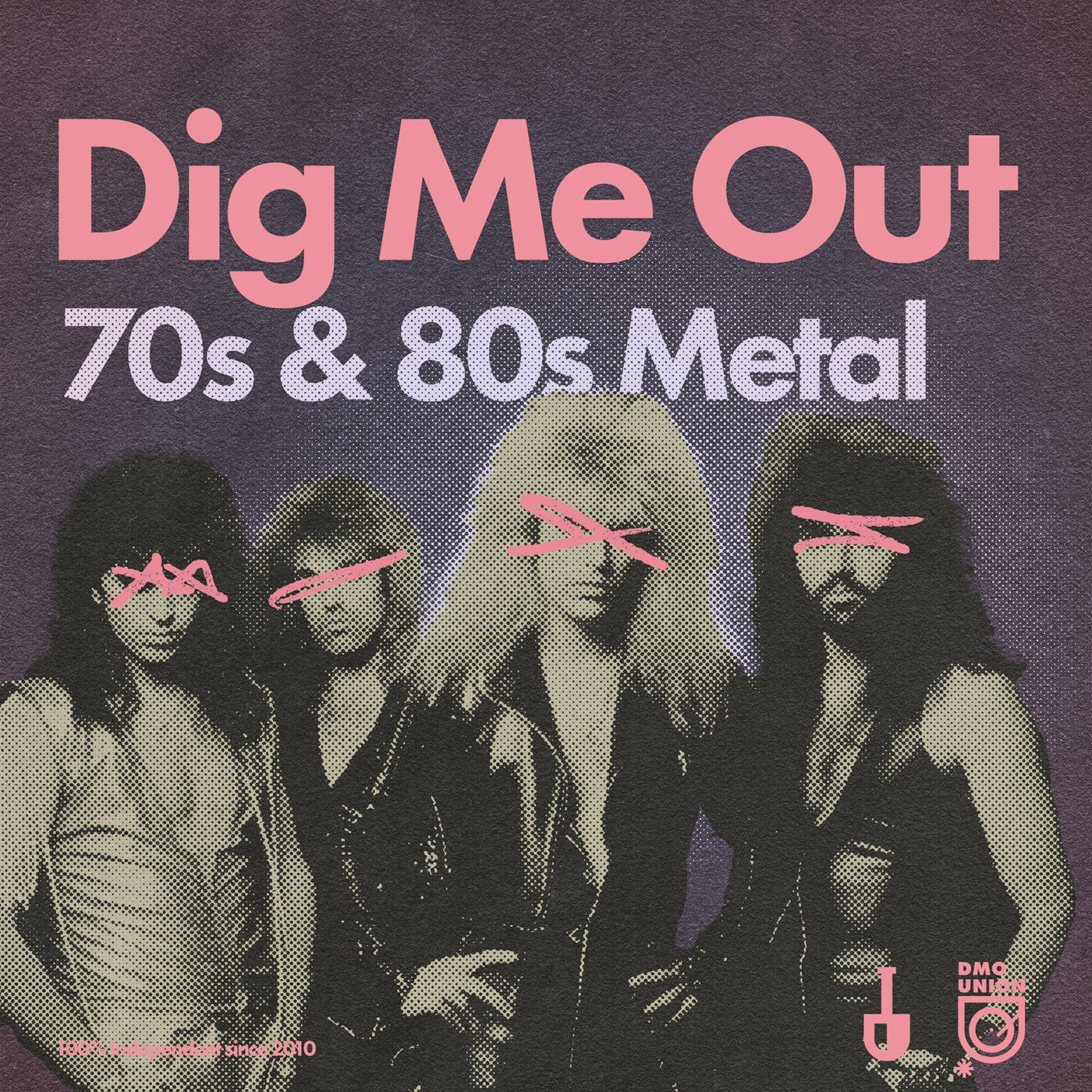
    Black Roses Original Motion Picture Soundtrack (1988): The King Kobra Album Hidden Inside a B-Movie

    In 1988, a straight-to-VHS satanic panic horror film called Black Roses went nowhere fast. The movie itself is, by any honest assessment, terrible: bright red fake blood, rubber monster suits, Vincent Pastore as a concerned father, and a teacher who kills a possessed student with a tennis racket. What the film left behind, almost accidentally, was a soundtrack worth arguing about. The musicians behind the fictional band Black Roses are King Cobra's core lineup: Marcie Free, Mick Sweda, Carmine Appice, and Chuck Wright. They show up alongside Lizzy Borden, Bang Tango (in their first commercial recording ever, predating Psycho Cafe by a year), Tempest, Hallow's Eve, and a second King Kobra lineup featuring Johnny Edwards, who later sang for Foreigner. Metal Blade Records put full-page ads in every metal magazine. The CD now sells for $50 to $300 on Discogs. Patron Keith Miller paid $100 for his. This week, Jay, Tim, and Chip work through whether this is a hidden gem, a curiosity, or something more complicated: a record that does not fit the artist album model or the showcase compilation model, and lands somewhere between the two. 🎧 Listen to the episode on DigMeOutPodcast.com Episode Highlights Intro (0:00): Poll reveal. Black Roses wins a four-way race at 30.4%, beating Venom, Death Angel, and Marry My Hope. Patron Keith Miller spent $100 on the CD to make this happen. 6:23: The movie. Jay watched it on Tubi: satanic band, small-town teacher, monster from a speaker, tennis racket murder, Vincent Pastore, an open ending where Black Roses heads to Madison Square Garden. 14:07: Is it fun-bad or just bad? Jay: "Worst movie I've ever seen." Taken completely seriously, no camp wink at the camera, zero budget. 17:45: The Keith Miller subplot. An actor named Keith Miller appears in the film's credits. Running gag: he is possessed, much older than we realize, a satanic demon. 20:07: Rock Invasion. Carmine Appice's drumming is most audible here; a conventional anthemic verse gives way to a minor-key trippy middle section nobody expected. 22:27: Two versions of King Cobra on one record. The Black Roses band is the Marcie Free/Mick Sweda/Carmine Appice lineup; "Take It Off" is King Kobra with Johnny Edwards, who later sang for Foreigner. 26:34: Paradise (We're On Our Way). Power ballad that divides the hosts: sounds like Winger or Stan Bush's "The Touch," overly positive, no edge. 30:10: Bang Tango's first commercial recording. "I'm No Stranger" predates Psycho Cafe by a year. Joe Leste's name is spelled differently in the liner notes. 32:13: Me Against the World. The best song on the record by a clear margin. Used twice in the film. Already had a video before the movie existed. 36:03: Take It Off (King Kobra). Johnny Edwards, later of Foreigner. Jay: "Could have been a Gene Simmons song." 41:40: Trick or Treat comparison. The 1986 Fastway soundtrack as a contrast: bigger budget, theatrical release, now retroactively a Fastway album. Future episode pairing suggested. 44:38: Carmine and Pink Floyd. While filming in Canada, Carmine walked into a record store and heard himself on A Momentary Lapse of Reason for the first time. Nick Mason had a hand injury; Floyd called Carmine for "Dogs of War." 47:07: Bill and Ted comparison. Black Roses falls between a cohesive all-artist album and a showcase compilation, satisfying neither. Hosts rattle off both Bill and Ted soundtracks from memory. 53:20: Dance on Fire. Jay: "I kept singing Bon Jovi's 'In and Out of Love': same cadence." Could have had a Headbangers Ball video. Outro: Verdicts delivered. Keith Miller shoutout. Subscribe to Dig Me Out at digmeoutpodcast.com Join the community at dmounion.com for polls, picks, and deeper dives. Have a lost or forgotten album that deserves the spotlight? Suggest it here. This is a public episode. If you'd like to discuss this with other subscribers or get access to bonus episodes, visit www.digmeoutpodcast.com/subscribe
  • June 2 · 58 min

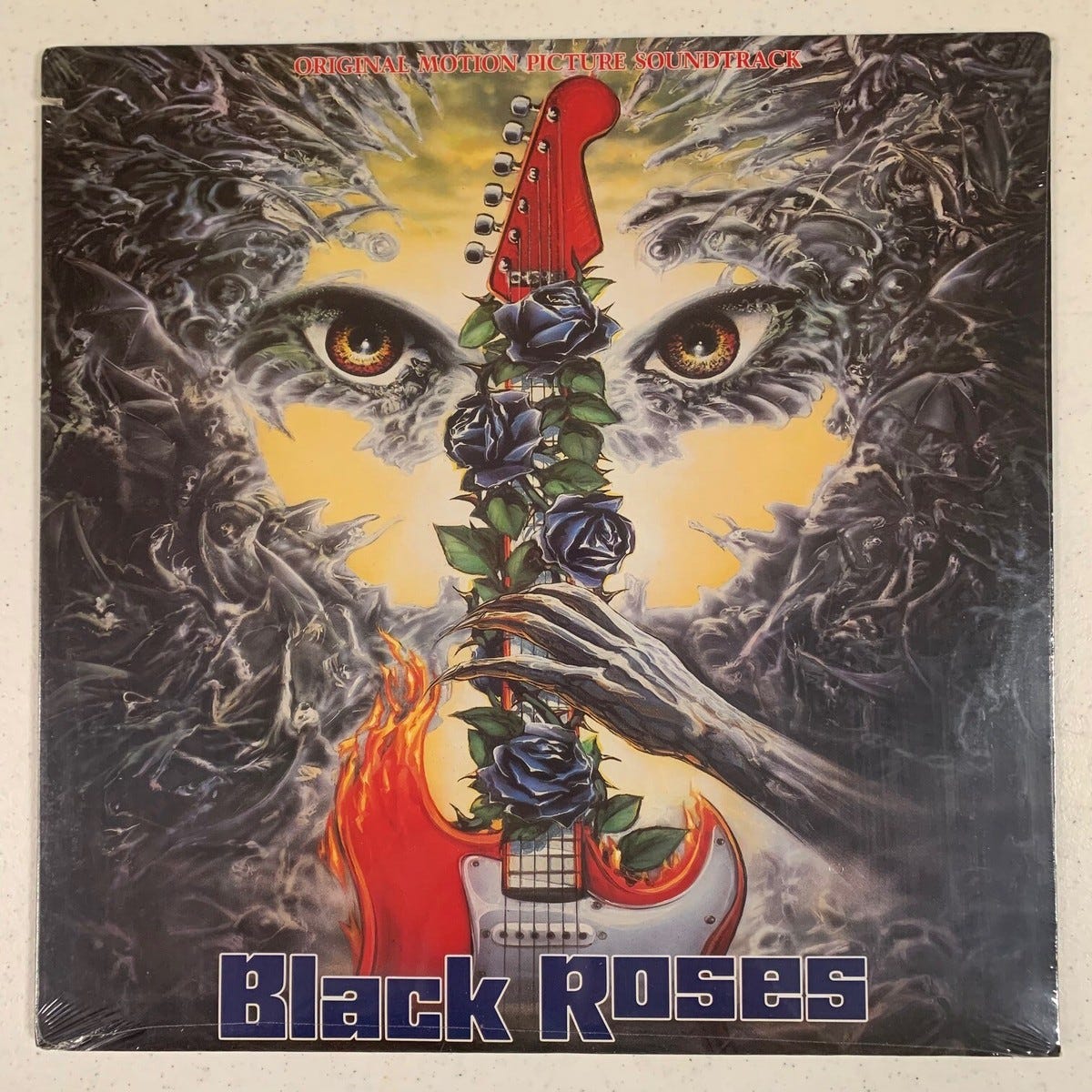
    Gang of Four’s Entertainment!: Punk, Funk, and the Politics of Rhythm

    Gang of Four’s Entertainment! is the moment post‑punk stopped being a scene and started sounding like a threat. This 1979 debut didn’t just tweak punk’s formula—it rewired it, turning guitars into percussion, bass into a funk‑driven anchor, and lyrics into a full‑frontal critique of capitalism, modern life, and what it even means to be “punk” in the first place. In this episode of Dig Me Out, Jason, Tim, and Chip dig into how Entertainment! won a razor‑thin community poll over The Damned, Lone Star, and Throbbing Gristle, then unpack why listeners still fight for this record decades later. They trace the band’s tangled history (from Jon King and Andy Gill’s art‑school origins to ever‑changing lineups), break down the album’s knife‑edge guitar work and robotic‑yet‑human rhythms, and explore how songs like “Ether,” “Damaged Goods,” “At Home He’s a Tourist,” and “Anthrax” smuggle political theory, biblical references, and literary nods into two‑to‑three‑minute agit‑funk blasts. Along the way, they connect the dots from late‑70s Leeds to 2000s dance‑punk, Red Hot Chili Peppers, Local H, and beyond—asking what it really means for a rock record to be influential, not just influential‑sounding. If you’re into post‑punk, punk, or art‑damaged guitar music that actually swings, this one’s for you. Fans of Wire, Public Image Ltd., The Clash’s more experimental side, and 2000s bands like The Rapture, Bloc Party, and Franz Ferdinand will hear exactly where their favorite angular riffs and dance‑floor grooves came from. --- Episode Highlights • 0:00 – Intro – How a community poll pitted Gang of Four against The Damned, Lone Star, and Throbbing Gristle, and why Entertainment! edged out the win • 5:12 – Setting the stage – Late‑70s Leeds, art school punks, and how Gang of Four stitched punk, funk, reggae, and dub into something new • 13:30 – “Ether” – Opening track breakdown: rhythmic knife‑edge guitars, politicized lyrics, and the groove that anchors the chaos • 20:45 – Rhythm as revolution – Why the band treats guitars and vocals like percussion, and how their subtractive choruses flip rock song structure on its head • 27:10 – “Natural’s Not In” & “Not Great Men” – Capitalism, bodies as “good business,” biblical and literary references, and the link to Manic Street Preachers‑style lyric nerdery • 34:30 – “Damaged Goods” – The band’s de facto anthem: from angular verses to that stripped‑back chorus, and how it became a template for generations of bands • 42:05 – “At Home He’s a Tourist” & “5.45” – Melodica lines, TV‑age dread, and the way the record feels both 1979 and weirdly timeless • 50:20 – “Anthrax” – Dual vocals, anti‑love‑song energy, and how the band turns noise, rant, and groove into something iconic • 58:40 – Influence and aftershocks – From Flea and Red Hot Chili Peppers to The Rapture, Bloc Party, Franz Ferdinand, Local H, and Run the Jewels sampling “Ether” • 1:06:15 – Does it still work front to back? – The guys debate the 40‑minute runtime, favorite cuts, what they’d trim, and whether Entertainment! is best as full album or curated gateway • 1:13:50 – Final verdicts – Where Entertainment! lands in the Gang of Four catalog, why it’s still required listening, and who this record is really for --- If you love digging into the stories behind post‑punk, late‑70s rock, and the records that quietly rewrote the rulebook, hit follow and subscribe so you don’t miss future episodes. Dive deeper into past shows, reviews, and polls at digmeoutpodcast.com, and if you want to help pick which albums we tackle next (and vote in the kinds of polls that put Entertainment! on the table), join the Union at dmounion.com. This is a public episode. If you'd like to discuss this with other subscribers or get access to bonus episodes, visit www.digmeoutpodcast.com/subscribe
  • May 19 · 52 min

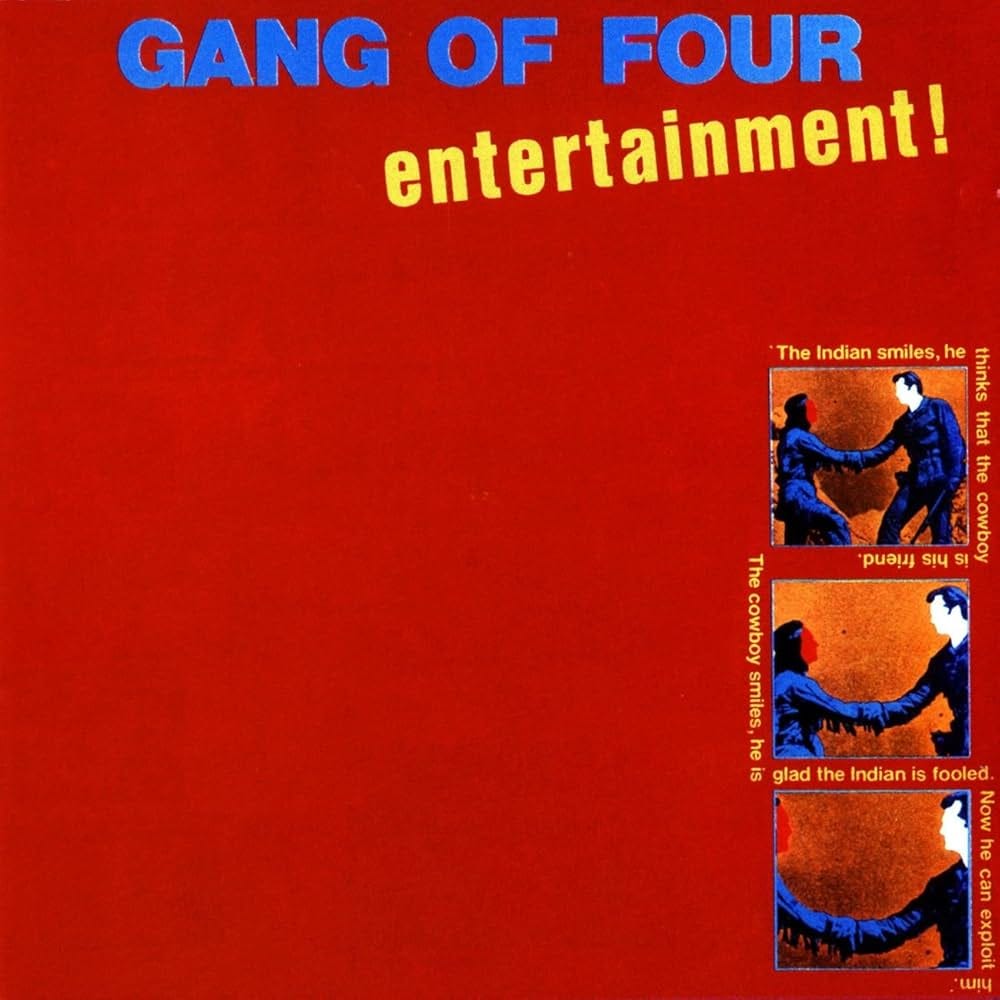
    The Hummingbirds Gave the Lemonheads Their Biggest Hit

    Returning Dig Me Out Union patron Josh Page is back from Australia with his second pick, and this one is geo-locked to his home country for most of the world. The Hummingbirdsformed in Sydney in 1986, signed to rooArt Records (the label founded by INXS manager Chris Murphy), and recorded their debut loveBUZZ in 1989 with producer Mitch Easter, the same man behind R.E.M.'s Murmur and Reckoning. The album hit ARIA #31, the single "Blush" reached #19, and they went Gold in Australia. Outside Australia, almost nobody has ever heard it. Jay, Tim, and Chip dig into the record with Josh, covering the intricate boy-girl vocal harmonies that draw comparisons to early R.E.M., The Lemonheads, Throwing Muses, and Belly; the punchy drumming that gives jangle pop some actual weight; and the Lemonheads connection most fans don't know: Robin St. Clair and Nic Dalton co-wrote "Into Your Arms" during this era, Evan Dando recorded it, and it became the biggest hit of the Lemonheads' career. Timestamps: 5:05 Band history and Mitch Easter connection | 6:09 The Lemonheads origin story | 14:19 "Alimony" | 19:17 "Get On Down" | 28:51 "House Taken Over" (and the unauthorized house remix) | 38:48 "If You Leave" | 42:08 Verdicts The hosts split 2-1, and the community voted 80% Better EP. Head to digmeoutpodcast.com to listen to the full episode and share your take. 🎧 Listen to the episode on DigMeOutPodcast.com Episode Highlights Intro: Blush: loveBUZZ opens the episode exactly how it should, no preamble, just the single. 1:11: Josh Page returns from Australia: back with his second patron pick, and this one isn't on US Apple Music. 2:37: The album title before Nirvana: loveBUZZ got its name before Nirvana broke, then the Australian industry came knocking for "the next Nirvana." 5:05: Band history: from Bug-Eyed Monsters to a Gold record: started in 1986, signed to rooArt (INXS manager's label), Mitch Easter producing, "Blush" hit ARIA #19, 40,000+ copies sold. 6:09: The Lemonheads connection: Robin St. Clair and Nic Dalton co-wrote "Into Your Arms" while he was filling in for her; the Lemonheads turned it into their biggest hit. 9:03: Into Your Arms (The Lemonheads): clip played to illustrate the co-writing story; this is a Lemonheads track, not a Hummingbirds song, written by St. Clair and Dalton. 13:08: What works: the harmonies: three to four interlocking voices, women singing low, men singing high, more complex than The Bangles and closer to the Mamas and the Papas. 14:19: Alimony: originally an EP single smuggled onto the full album; Chip and Jason both flag it as a standout. 19:17: Get on Down: aggressive rhythm and hooky drum fills give this jangle pop record some actual weight underneath. 22:52: Hollow Inside: multiple hosts call it a keeper; plays during the open what-works discussion. 28:51: House Taken Over: called a "shoegazy dirge" by Jason; Josh reveals a rooArt executive secretly remixed it as a house track for the UK market without telling the band. 33:27: Miles to Go: Chip calls it "half a song"; it builds to a cinematic crescendo and just stops; all four agree it is the wrong album closer. 38:48: If You Leave: deep, moody female vocal with a Stevie Nicks vibe; Josh and Tim agree this should have closed the album instead. 42:08: Verdicts: the hosts split 2-1; the community voted 80% Better EP; the minority position won the popular vote by a wide margin. Outro: Blush: loveBUZZ opens the episode, and it closes it the same way. Subscribe to Dig Me Out at digmeoutpodcast.com Join the community at dmounion.com for polls, picks, and deeper dives. Have a lost or forgotten album that deserves the spotlight? Suggest it here. This is a public episode. If you'd like to discuss this with other subscribers or get access to bonus episodes, visit www.digmeoutpodcast.com/subscribe
  • May 5 · 1 hr 4 min

    Stevie Wright's Hard Road Is the AC/DC Prequel Nobody Told You About

    The name Stevie Wright probably doesn't ring a bell. It should. Wright was the lead singer of The Easybeats, Australia's first international rock act and the band that gave the world "Friday on My Mind" in 1965. Then he made Hard Road. Released in 1974 and produced by Harry Vanda and George Young, the duo who would immediately go on to produce AC/DC's first six albums. Hard Road features Malcolm Young on guitar and a teenage Angus Young as the live touring band. The title track is, as patron Gavin Reid puts it, "Highway to Hell was a slower Hard Road." The blueprint was right here. And then there's "Evie," a 10-minute, three-part rock opera that hit #1 in Australia in 1974, one full year before "Bohemian Rhapsody." Gavin also argues it may have been the template for the Queen epic. Contested, but compelling. Jay and Chip walked into this episode having never heard of Stevie Wright. What happened when all three hosts sat down with the record, and how the patron community voted: that is the episode. Sonic touchstones: AC/DC, The Easybeats, Rod Stewart, Slade, Mott the Hoople, Queen. Timestamps: 0:39 Prior knowledge check | 4:17 Band history and AC/DC connection | 17:01 What works | 43:54 What doesn't | 52:01 The verdict Episode Highlights Intro: Didn't I Take You Higher, the album's Funkadelic-flavored groove sets the tone 2:19: Friday on My Mind (The Easybeats), Stevie Wright's origin story and where the story starts 17:40: Hard Road, the title track and the riff that sounds like Highway to Hell's blueprint 21:44: Evie (Let Your Hair Hang Down), ten-minute rock opera, #1 in Australia, predates Bohemian Rhapsody by a year 26:00: Dancing in the Limelight, early AC/DC energy; Chip's standout non-Evie pick 27:11: Life Gets Better, the soul-influenced side of Stevie Wright with a Marvin Gaye warmth 28:59: Didn't I Take You Higher, Funkadelic stomp with a White Lines-style groove 32:29: The Other Side, 50s rock feel, the album's most surprising left turn 40:21: Evie (I'm Losing You), the suite's emotional closer and the moment the whole record earns its ambition Outro: Hard Road, the verdict lands and the blueprint is confirmed Join the Metal Union and pick the next album at digmeoutpodcast.com. This is a public episode. If you'd like to discuss this with other subscribers or get access to bonus episodes, visit www.digmeoutpodcast.com/subscribe
  • April 21 · 53 min

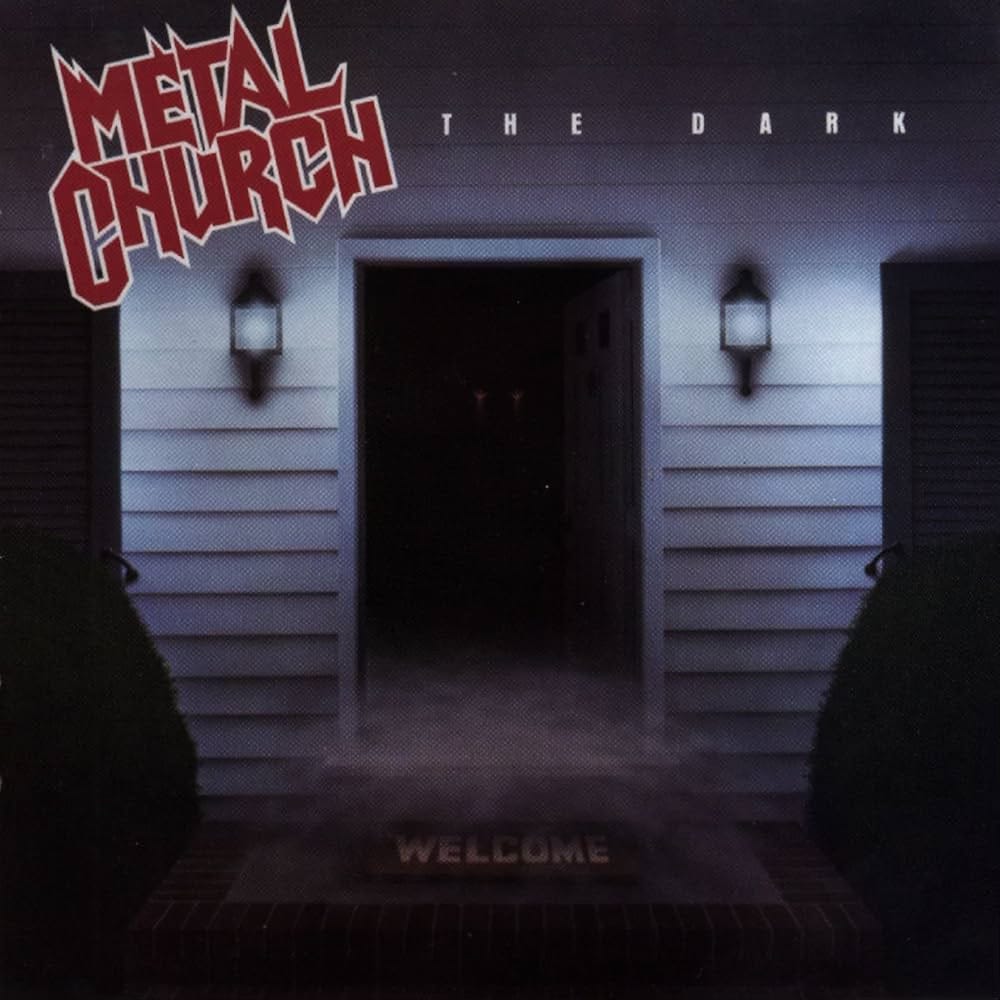
    Metal Church's The Dark: The Album That Got Buried By 1986

    You Opened for Metallica. You Got MTV Airplay. So Why Does Nobody Know Your Name? The strange disappearance of Metal Church and The Dark The Dark earned its place on the turntable the way all our episodes do: through community vote. It pulled 47% of combined Patreon and Substack poll votes, beating out Fastway, early Pantera, and Metallica to claim this week's dig. If you have an album you think deserves a closer listen, suggest it here and let the community decide. You toured with Metallica. You got MTV airplay. You peaked at #92 on the Billboard 200. So how does an album just disappear? Metal Church released The Dark in October 1986, opened for Metallica on tour, and landed Watch the Children Pray in MTV rotation. They had every ingredient for a breakthrough. And yet, most people who love 80s metal have never heard a note of this record. This week Jason, Tim, and Chip work through all eight tracks, argue about whether the second half holds up, and make the case for David Wayne as one of the most underrated vocalists in the genre. They also dig into the band's origins in the Bay Area thrash scene, their move to the Pacific Northwest, Terry Date's early engineering work, and the real (and fictional) connections to Metallica. Highlights: what makes Ton of Bricks the perfect opener (23:00), the Queensrÿche-ish shading in Watch the Children Pray (19:44), the Lars Ulrich rumor and how Vanderhoof debunked it (33:14), and the honest case that the second half sags (35:16). 🎧 Listen to the episode at DigMeOutPodcast.com Episode Highlights Intro: Scene-setting and poll results context, how The Dark beat Fastway, early Pantera, and Metallica for the community vote 0:47: Poll Results: The Dark Wins at 47%: breakdown of the combined Patreon and Substack vote and why the margin surprised the hosts 6:08: Band Background: Metal Church origins in San Francisco, relocation to Aberdeen Washington, Vanderhoof as the constant creative force, the Elektra Records signing story 12:23: What Works: The Thrash-Meets-NWOBHM Sweet Spot: Jason's overview of the album's tonal range and why the combination of aggression and melody holds up ~13:30: Method to Your Madness: the tempo shift, the quiet section, and why this track shows the band's range beyond pure speed ~15:00: Start the Fire: the chorus guitar hook and how it holds up as a melodic anchor on the record's strongest side ~19:44: Watch the Children Pray: the genuine ballad argument, the half-tempo arrangement, and the Queensrÿche-adjacent shading that makes it an outlier ~22:00: Burial at Sea: the driving cadence, the Testament comparison, and why this track closes side one with such momentum ~22:30: The Dark: the title track's haunting atmosphere and the creepy quality that justifies the album name ~23:00: Ton of Bricks: the case for this two-minute-fifty-five-second opener as the most efficient Metal Church statement on the record 29:09: Terry Date Connection: how the engineer of this record went on to shape the sound of Soundgarden's Louder Than Love, Badmotorfinger, and Pantera's Cowboys from Hell 33:14: The Lars Ulrich Rumor: Vanderhoof's 2016 debunking of the Shrapnel audition story and the real documented Metal Church/Metallica connection through John Marshall 35:16: What Doesn't Work: The Second Half Sag: Psycho, Western Alliance, the reverb-heavy drum sound, and the honest case that the album runs out of ideas before it runs out of songs 43:38: The Verdict: where all three hosts land on The Dark after working through every track and its context 49:08: Outro: Jay's Operation Rock and Roll 1991 cassette sidebar (Metal Church, Alice in Chains, Judas Priest, Motorhead, Fishbone) and the standard community CTA Subscribe & Connect Subscribe to Dig Me Out at digmeoutpodcast.com Join the community at dmounion.com for polls, picks, and deeper dives. Have a lost or forgotten album that deserves the spotlight? Suggest it here. This is a public episode. If you'd like to discuss this with other subscribers or get access to bonus episodes, visit www.digmeoutpodcast.com/subscribe
  • April 7 · 57 min

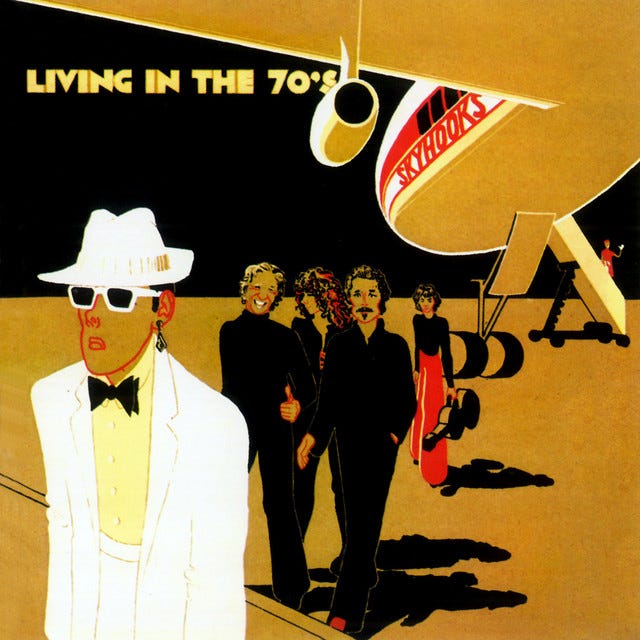
    Skyhooks’ Living in the 70s: The Most Important Australian Rock Album You’ve Never Heard

    Skyhooks – Living in the 70s (1974) | 70s Rock Deep Dive What if the most important rock album of 1974 never made it out of its home country? In Australia, Skyhooks’ debut Living in the 70s was a cultural earthquake — 16 weeks at #1, the highest-selling Australian album of its time, six songs banned from commercial radio, and a bill where AC/DC and Split Ends opened for them. Outside Australia? Complete silence for fifty years. Jason, Tim, and Chip dig into this theatrical, bass-driven, gloriously weird debut from Melbourne’s most provocative band — a record that sounds like Alice Cooper, Rocky Horror, Black Oak Arkansas, and a cosmic cowboy walked into a pub and decided to start a glam rock band. It’s not what you’d expect from 1974 Australian rock. That’s exactly the point. If you love Alice Cooper, Slade, Alex Harvey, early Cheap Trick, or any band that traded guitar heroics for theatrical swagger, this episode is for you. • 0:00 — Intro — This week on Dig Me Out: 70s and 80s rock. Four albums entered the listener poll. One won both — with a tiebreaker. Welcome to Australia. • 1:07 — How the Album Won — The poll breakdown: Detective (1977), Hurriganes’ Roadrunner (1974), Thundermug’s Thundermug Strikes (1972), and Skyhooks’ Living in the 70s (1974). It tied with Detective on the website. It tied with Thundermug on Patreon. Skyhooks won both. Community member Eric Peterson suggested it — then voted against it. Classic. • 3:10 — Australian Correspondent Gavin Weighs In — The band’s backstory, straight from someone who actually grew up with this record. Singer Shirley Strachan’s wild post-band career (children’s television, home renovation hosting, a fatal helicopter crash in 2001). Guitarist Red Simons’ 28 years gonging amateurs off stage on Hey Hey It’s Saturday. These were not conventional rock band trajectories. • 6:43 — Album History and Chart Context — October 1974, Mushroom Records, produced by Ross Wilson. 16 weeks at #1. Highest-selling Australian album of its time. “Horror Movie” hit #1 on the National Singles Chart in 1975. Listed #9 in 100 Best Australian Albums. Over 475,000 copies and counting. The numbers behind the record that North America never heard. • 11:02 — Community Comments from the Poll — Listener reactions from the Patreon and Discord, including a debate about whether Hurricanes would have been the first Finnish band covered on the show (it wouldn’t have been), and the Led Zeppelin/John Bonham drumming-on-a-secret-album conspiracy theory that surrounds the Detective record. • 13:28 — What Works: Jay’s Take — The record is nothing like what you’d expect. Bass-driven, not guitar-forward. Theatrical song-as-set-piece writing. A vocalist who sounds — on first listen — like a woman, then like Alice Cooper, then like something you genuinely can’t categorize. This album sounds like 70s AM radio in all the ways classic rock nostalgia forgets. • 20:26 — What Works: Chip’s Take — Full-face makeup, banned lyrics, and a sound that was aggressively transgressive in conservative 1974 Australia — even if it doesn’t register that way in 2026. The theatrical context matters. Watching live performances from the era makes the whole thing click. Think Alex Harvey, early Alice Cooper, pre-MTV showmanship. • 24:00 — “Living in the 70s” and “Whatever Happened to the Revolution” — The title track ages itself but holds up as a hook. Track two is a boogie-groove gut punch that sounds like Dangerous Toys discovered Black Oak Arkansas. If you played this song cold before one of the 80s metal episodes, nobody would have guessed it was from 1974 Australia. • 25:48 — “Carlton (Lygon Street Limbo)” — Hyper-local Melbourne geography meets Caribbean rhythm meets bluesy guitar. Lyrically opaque to anyone who’s never been to Carlton, but sonically one of the record’s most surprising moments. • 29:54 — The Concert Bill That Rewrites History — At the height of their commercial peak, Skyhooks headlined a show. AC/DC and Split Ends (later Crowded House) opened for them. Three completely different bands, three completely different futures — and Skyhooks had top billing. The footnote that reframes everything. • 31:56 — “Horror Movie” — The Great Disguise — It’s not about horror movies. It’s about the 6:30 news. The song that became a dancefloor hit by weaponizing social commentary — murders, fires, and violence packaged and broadcast into Australian living rooms every evening. The twist lands. The repetition getting there is a genuine debate. • 38:44 — What Doesn’t Work — All three hosts wanted more guitar grit. The record sits in a power-pop middle ground when it could have gone full glam bombast or full distorted rock. Some songs lean too hard on lyrical repetition. “Motorcycle B***h” opens a door it never fully walks through. The hooks are quirky, not cathartic — and for a certain kind of listener, that’s a dealbreaker. • 42:12 — “Smut” — The Song That Out-Smutted the 80s — Of everything covered in months of hair metal and 80s sleaze rock, this 1974 Australian track made the hosts blush harder than anything else. An ode to the adult cinema experience in graphic detail. This one got banned from radio. Correctly. • 50:52 — Final Ratings — Jay: EP (“Living in the 70s,” “Whatever Happened to the Revolution,” “Horror Movie,” “You Just Like Me Because I’m Good in Bed,” “Carlton,” “Smut”). Chip: Decent Single (“Living in the 70s,” “Whatever Happened to the Revolution,” “Carlton”). Tim: EP (“Living in the 70s,” “Whatever Happened to the Revolution,” “You Just Like Me Because I’m Good in Bed,” “Carlton,” “Motorcycle B***h”). • 54:47 — Outro and Credits — Thanks to listener Eric Peterson for the suggestion. A reminder that the Aughts are the hottest category in listener voting right now — so if you’re submitting a 2000s pick, your odds are slim. For everyone else? The 70s and 80s polls are wide open. 🎧 Full episode archive (800+ episodes): digmeoutpodcast.com ⚡ Skip the line — pick your own album: dmounion.com This is a public episode. If you'd like to discuss this with other subscribers or get access to bonus episodes, visit www.digmeoutpodcast.com/subscribe
  • March 17 · 59 min

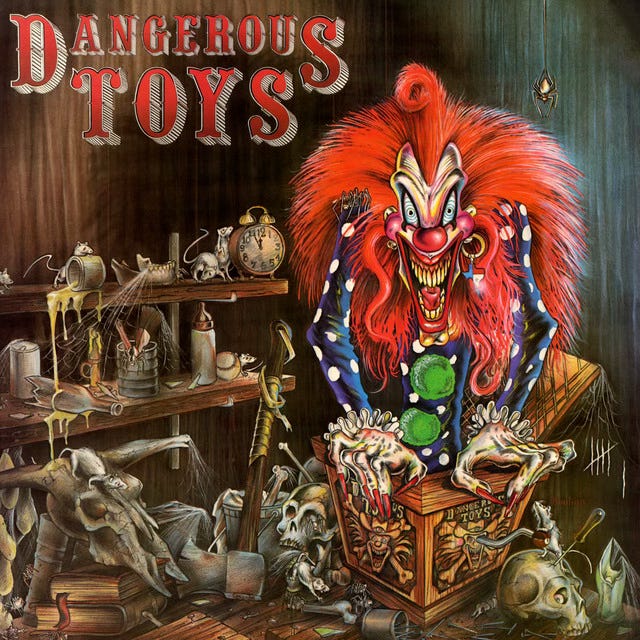
    The Secret Handshake: Why Dangerous Toys Never Became a Household Name

    Dangerous Toys (self-titled, 1989) was brought to the show by Dig Me Out community member Keith Miller, who nominated it for the December 2025 Patreon poll, and the community agreed, sending it to the top with 37% of the vote over LA Guns, Ozzy’s Diary of a Madman, and Lillian Axe. Keith clearly knew what he was doing. Want to bring YOUR favorite lost or overlooked album to the table? Suggest it for a future episode or community poll. It went Gold. It spent 36 weeks on the Billboard 200. It was all over Headbangers Ball. So why does Dangerous Toys feel like a secret handshake instead of a household name? Jason Dziak, Tim Minneci, and Chip Midnight dig into the self-titled 1989 debut from Austin, Texas sleaze metal outfit Dangerous Toys, a Columbia Records release produced by Max Norman (Ozzy, Megadeth) that sold half a million copies, then quietly disappeared when grunge rewrote the rules. The guys cover the band's Austin origin story, Jason McMaster's prog-metal background in Watchtower, the punchy thrash-adjacent production, and an honest verdict on where Side B runs out of steam. If you love Bang Tango, BulletBoys, or any hair metal record in the sweet spot between Southern boogie and melodic hard rock, this episode is for you. Episode Highlights * Intro: Album overview and the December 2025 poll reveal * 17:49: Teas’n, Pleas’n, the bluesy opener with a mid-song time signature surprise * 20:10: Scared, the unanimous fan favorite and the Alice Cooper cameo story * 21:03: Queen of the Nile, the power-pop curveball nobody expected from Austin * 26:26: Scared (revisited), playlist staple debate and 35 years of replay value * 27:25: Outlaw, Dokken comparisons and the George Lynch guitar tone * 27:29: Here Comes Trouble, the hard rocker where McMaster’s voice really lands * 28:07: Feels Like a Hammer, the Zeppelin-esque acoustic intro and the power ballad question * 29:12: Take Me Drunk, the humor and the misheard lyric that made everyone laugh * 30:27: Sport’n a Woody, lyrically juvenile but mercifully short * 35:58: Production deep dive, Max Norman’s thrash-adjacent approach and why this isn’t Appetite * 40:34: Ten Boots (Stompin’), the Side B drop-off begins * 42:27: That Dog, the consensus weak link * 46:10: The verdict, where all three hosts land on the album * Outro: Nominator shoutout to Keith Miller Join the dmounion.com to pick your favorite lost record and join us on the show. Have a lost or forgotten album that deserves the spotlight? Suggest it here. This is a public episode. If you'd like to discuss this with other subscribers or get access to bonus episodes, visit www.digmeoutpodcast.com/subscribe
  • March 3 · 56 min

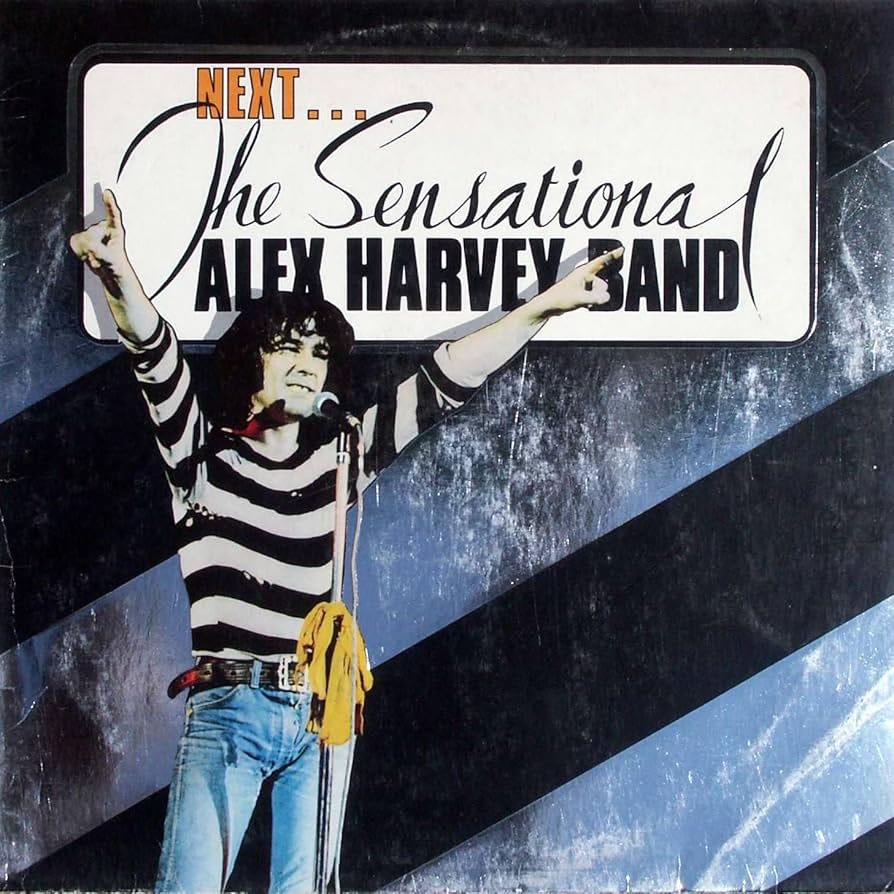
    The 1973 Album by The Sensational Alex Harvey Band That Sounds Like Rocky Horror Meets AC/DC

    A Scottish cult hero. A seven-minute pseudo-electronic epic. A song literally called “Gang Bang.” This episode dives into Next (1973) by the Sensational Alex Harvey Band, a glam-adjacent, piano-driven, theatrical rock album that turned Cleveland into a true-believer city while barely registering anywhere else. If you’ve ever wondered how a band could sound like AC/DC fronted by a cabaret singer, this one’s for you. The conversation unpacks how Next won a community poll over Santana, Mountain, and Babe Ruth, then zooms into what makes this record so strange and so compelling: Alex Harvey’s gravelly, Bon Scott–adjacent vocal sneer; Hugh McKenna’s barroom piano at the center of the mix; Zal Cleminson’s clown-faced guitar theatrics; and a tracklist that veers from swampy 70s glam rock to French-tango whorehouse drama to 50s sock-hop pastiche. The hosts dig into the band’s ties to Cleveland’s WMMS, the album’s inclusion in 1001 Albums You Must Hear Before You Die, and why “The Faith Healer” feels like a proto-electronic blueprint hiding inside a 70s hard rock record. Along the way, they wrestle with whether Next is a fully realized album or a brilliantly messy collision of pub-rock instincts and art-rock ambition. Is this bar-band filler padded with covers, or the sound of a band inventing a theatrical rock universe on the fly? If you’re into Alice Cooper (early band era), Slade, Mott the Hoople, AC/DC’s Bon Scott years, or even the weirder corners of 70s glam and proto-metal, this episode will hit that sweet spot between grit, camp, and cult. Episode Highlights: - 0:00 – Swampsnake (intro clip) – Setting the scene with the swampy, bluesy glam groove that defines the album’s tone and why this 70s poll got “weird in the best way.” - 1:40 – The 70s album poll – Santana, Mountain, Babe Ruth, and why the community rallied hard behind the Sensational Alex Harvey Band. - 7:40 – Cleveland adopts a Scottish band – WMMS, the Agora, and how Next became a regional obsession that most of America never knew existed. - 15:16 – Album backstory – Vertigo Records, Phil Wainman’s production, Tear Gas origins, and how a late-30s Alex Harvey ends up making this wild second album. - 22:02 – Glam, grit, and piano – How the Bon Scott–style vocal snarl, barrelhouse piano, and theatrical arrangements hold the chaos together. - 27:27 – First-listen confusion – From glam rock to 50s throwback to French chanson: why Next doesn’t make sense until you’ve lived in it for a few spins. - 30:05 – “Next” (track) – The Jacques Brel cover as French-tango whorehouse showpiece, Casablanca vibes, and the album’s most overtly theatrical moment. - 32:14 – “Vambo Marble Eye” – Bo Diddley groove, wah-drenched guitar nastiness, and the band’s most swaggering barroom-meets-art-rock blend. - 33:40 – “The Faith Healer” – Seven minutes of loops, Moog textures, and slow-build arrangement that feels like a prototype for later electronic and industrial music. - 34:37 – Rocky Horror energy – Why Next feels like an alternate soundtrack to a 70s midnight movie musical. - 36:42 – What doesn’t work? – The “pub-rock reflex”: “Giddy Up a Ding Dong” as sock-hop filler and the tension between bar band roots and art-rock ambition. - 40:35 – “Gang Bang” – Explicit lyrics, 70s shock value, consent, and how this track compares to hair metal’s sleazier moments. - 46:44 – Is this an album, EP, or chaos? – Final verdicts: worthy album vs. killer four-song EP, and which tracks make the cut. - 49:45 – For fans of… – Framing SAHB alongside Alice Cooper, Slade, Jake E. Lee–era party rock, and theatrical 70s glam for modern listeners. - 54:49 – How to dig deeper – Box-set rumors, the Framed/Next CD pairing, and why this is a band you probably had to see live. If you love 70s glam rock, proto-metal, theatrical rock, and cult classic albums that sit somewhere between barroom grit and art-school weirdness, this episode is for you. 👉 Listen, subscribe, and dig deeper: Explore more episodes, polls, and our full archive at digmeoutpodcast.com Join the DMO Union for bonus episodes, Discord access, and to vote on future album polls at dmounion.com This is a public episode. If you'd like to discuss this with other subscribers or get access to bonus episodes, visit www.digmeoutpodcast.com/subscribe
  • February 17 · 1 hr 7 min

    Before You Replay Master of Puppets, Hear This

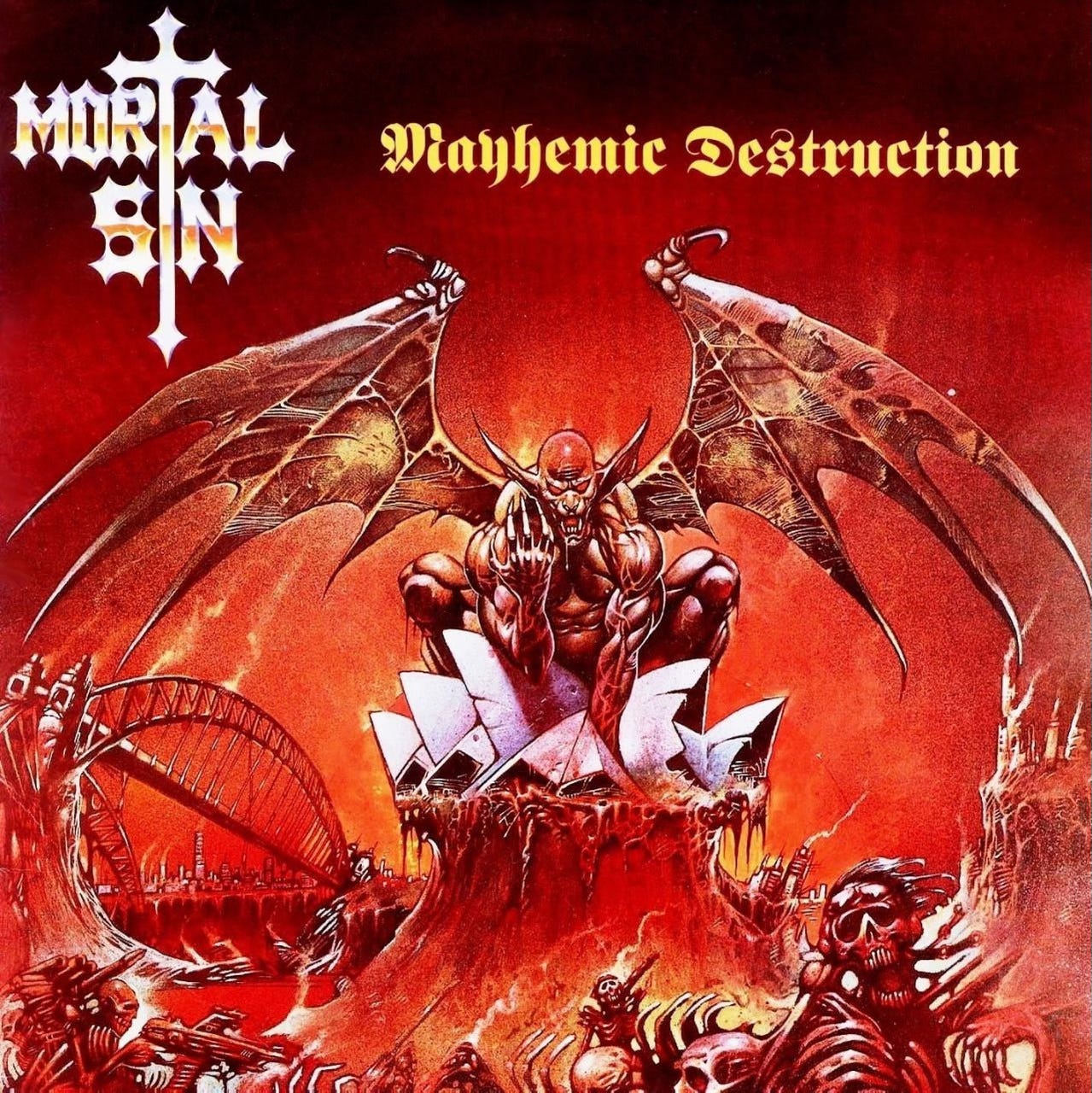
    When an Australian thrash band that never broke big in the U.S. gets compared to early Metallica, Slayer, and Maiden in the same breath, you know you’ve stumbled onto something special. This episode dives into Mortal Sin’s 1986 debut Mayhemic Destruction—a ferocious, drum‑heavy, DIY thrash record from Sydney that plays like a missing puzzle piece in 80s metal history. Across the conversation, the hosts unpack how Mortal Sin emerged out of Australia’s pub‑rock and Buffalo‑style heavy scene into a faster, more aggressive sound after drummer Wayne Campbell discovered Metallica through tape‑trading in 1984. They trace the band’s rapid rise from self‑funded studio upstarts to landing a global deal, touring with Metallica, Megadeth, and Testament, and struggling with that classic “too big for pubs, too small for arenas” problem back home. Along the way, they dig into the band’s revolving‑door lineup, eerie mystery around the original drummer’s disappearance, and the evolution of Mortal Sin’s sound across later records. Musically, the episode zeroes in on what makes Mayhemic Destruction such a compelling outlier in 80s thrash. The drums and low end dominate the mix in a way that completely inverts the American template, forcing listeners to dig for the guitars and exposing a strange, rewarding hybrid of thrash, New Wave of British Heavy Metal, power metal, Motörhead grit, and proto‑death‑metal experiments on the title track. There’s plenty of love for the riffs, time‑changes, and dark modal choices in songs like “The Curse” and “Lebanon,” but also honest criticism of the limited, Hetfield‑ish vocal approach and the odd sequencing choices that bury some of the strongest material in the back half. If you’re into 80s thrash metal, early Metallica, Slayer, Anthrax, Testament, NWOBHM, or obscure Australian metal bands that never quite got their due, this deep dive into Mortal Sin and Mayhemic Destruction is absolutely in your wheelhouse. It’s a conversation about more than one album—it’s about how geography, timing, and weird production decisions can turn a record into a cult artifact waiting to be rediscovered. Episode Highlights 0:00 – Mayhem from Sydney – Setting up Mortal Sin, Mayhemic Destruction, and why this Australian thrash debut matters in the 80s metal landscape. 5:05 – Battle jackets and logos – Gavin’s origin story with Mortal Sin via patches, Kerrang! mags, and why some bands lived as imagery long before you ever heard a note. 7:00 – Band history and lineup chaos – From Sydney origins and early rehearsals with Lino to global deals, tours with Metallica and Megadeth, and constant guitar player turnover. 12:05 – DIY Mega Metal and Hetfield’s stamp – Recording at 301 Studios, self‑releasing the album, mailing it out like a zine, and landing James Hetfield’s 1986 endorsement. 17:20 – “The Curse” – How the opening riffing, harmonics, and dissonant second‑guitar lines signal that Mortal Sin aren’t just copying Bay Area thrash. 22:30 – Drum mix from another planet – Why the massive, low‑end‑heavy drum sound flips the usual thrash hierarchy and changes how you hear the riffs and groove. 24:50 – “Lebanon” – Dark, almost Slayer‑like scales, Dokken/Mr. Scary vibes, and how this track becomes a standout for mood and melody. 25:30 – Thrash without a ballad – The near‑total absence of slow songs, the fake‑out intro of “Liar,” and what that says about the band’s commitment to speed and aggression. 30:15 – Honest strengths and weak spots – Praise for the riffs and rhythm section, plus a candid look at the limited vocals, buried mixes, and backward‑feeling sequencing. 35:25 – Album art, demons, and Sydney in ruins – The Dungeons & Dragons‑style cover, nuked‑city imagery, and why this screamed “Tipper Gore nightmare” in the 80s. 35:30 – “Mayhemic Destruction” (title track) – Proto‑death‑metal vocals and blast beats a year before Death’s Scream Bloody Gore, and why burying it as the closer was a smart move. 40:30 – Live vs. studio – What the 20th anniversary live tracks reveal about the band’s true sound compared to the unique, drum‑heavy studio mix.[ 45:00 – Final verdict – Is Mayhemic Destruction a worthy album, a decent single, or a lost cult gem in the Australian thrash canon? Love uncovering 80s metal obscurities and lost thrash gems? Hit subscribe, leave us a review, and share this episode with a fellow metal nerd who still remembers drawing band logos on grocery‑bag book covers. Dive deeper into archives, polls, and bonus content at digmeoutpodcast.com and join the Union to vote on future episodes at dmounion.com. This is a public episode. If you'd like to discuss this with other subscribers or get access to bonus episodes, visit www.digmeoutpodcast.com/subscribe
  • February 3 · 41 min

    Agitation Free: The Album Nobody Remembers (But Tangerine Dream Does)

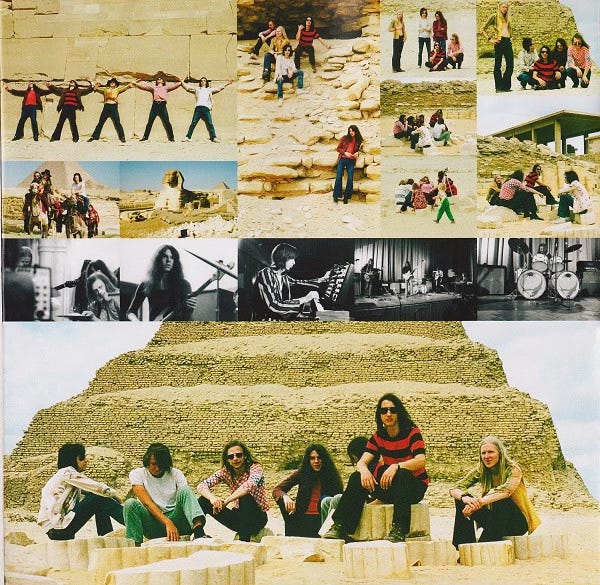
    Ever heard of a band that traveled to Egypt on a Goethe Institute tour, recorded street sounds in Cairo bazaars, then came home to Berlin and created one of the most mind-bending krautrock albums of the ’70s? This week, we’re digging into Malesch by Agitation Free—a 1972 experimental masterpiece that won our listener poll despite none of us having ever heard it before. This is pure discovery territory. In this episode, we explore how a Berlin rock band named themselves after playing a free show, lost their drummer to Tangerine Dream, then embarked on a two-week Middle Eastern tour that changed everything. Armed with field recorders and cutting-edge EMS Synthi A synthesizers, Agitation Free created an album that sounds simultaneously prehistoric and futuristic—cosmic krautrock fused with Egyptian street recordings, primal percussion, and space-age electronics. We discuss what makes Malesch so challenging yet compelling: the lack of traditional song structures, the subtle integration of Middle Eastern influences without clichés, the innovative use of early synth technology, and why this album works better as immersive background music than active listening. Is this metal? Barely. Is it original? Absolutely. Does it connect to modern bands like Blood Incantation? More than you’d think. If you love Tangerine Dream, Can, Cluster, early Pink Floyd, Grateful Dead jams, or experimental krautrock that defies easy categorization, this episode is for you. Episode Highlights 0:00 – Intro & Poll Results – How an obscure 1972 krautrock album beat out Humble Pie for our January 70s poll 4:32 – Band History – From “Agitation” to “Agitation Free” and the Tangerine Dream connection 6:10 – The Middle East Tour – Goethe Institute sponsorship, field recordings in Egypt, Lebanon, Cyprus, and Greece 9:21 – “You Play For Us Today” – Opening the album with phrases captured from a Middle East Airlines pilot 13:17 – What Works – Atmospheric mood-setting, early synth innovation, and why this sounds like nothing else from 1972 19:00 – “Pulse” – The buzzing, bee-like synthesizer showcase that’s both annoying and mesmerizing 21:10 – Krautrock Context – How German post-war youth created experimental music that influenced decades of rock 22:26 – The Blood Incantation Connection – Modern death metal’s surprising embrace of ambient krautrock 24:03 – The Jandek Tangent – Why Malesch is challenging but not that challenging 28:05 – What Doesn’t Work – Fragmented structure, lack of consistent grooves, and the “convincing metalheads this is metal” challenge 30:39 – “Malesch” – The eight-minute title track that’s the album’s most mesmerizing moment 34:01 – Final Ratings – Worthy Album vs. Decent Single debate 37:40 – Band Legacy – Still active in 2023, Christopher Franke’s Tangerine Dream career, and the Vertigo swirl label collectibility Join the Metal Union! Become a Patreon member at digmeoutpodcast.com to vote on future albums, access bonus episodes, and join our private Discord community. Visit dmounion.com to keep the metal ad-free and make the next episode happen. Explore more 70s and 80s metal deep cuts, forgotten krautrock gems, and underrated progressive rock classics. Subscribe wherever you get podcasts and follow us for weekly episodes covering everything from Humble Pie to Agitation Free—the albums you know and the ones you’ve never heard of. #AgitationFree #Malesch #Krautrock #GermanRock #1970sRock #ExperimentalRock #ProgRock #TangerineDream #VertigoRecords #DigMeOut #MetalPodcast #70sMetal #KrautrockClassics #PsychedelicRock #EMSSynthiA #MiddleEasternRock #CultClassics #ObscureAlbums This is a public episode. If you'd like to discuss this with other subscribers or get access to bonus episodes, visit www.digmeoutpodcast.com/subscribe
  • January 20 · 1 hr 10 min

    Nothing But a Good Time… or Cold War Therapy?

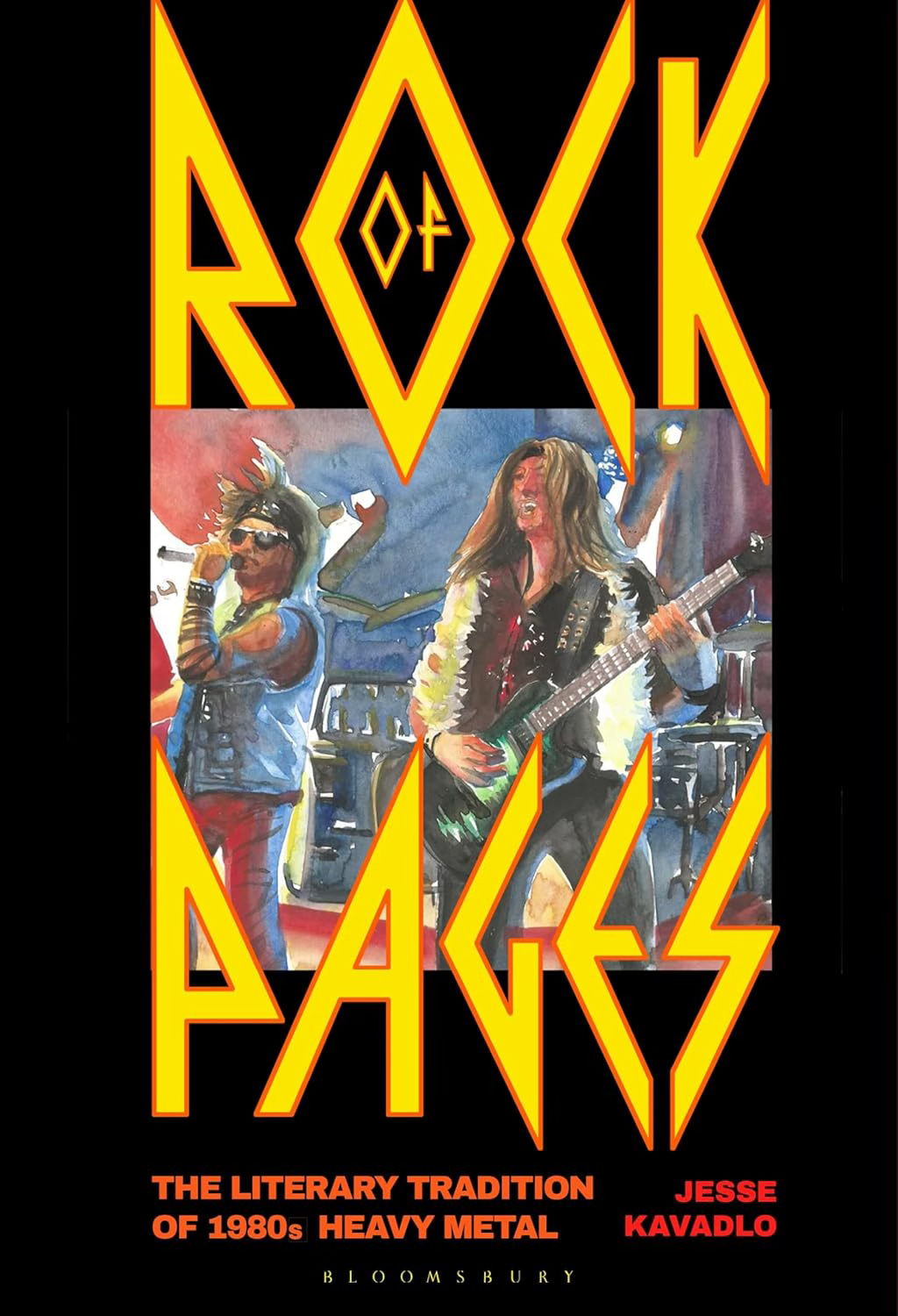
    What if the “dumb party metal” you grew up with turned out to be one of the sharpest mirrors of 1980s America? In this episode of Dig Me Out: 80s Metal, we sit down with author, professor, and 80s tribute-band guitarist Jesse Kavadlo to talk about his new book Rock of Pages: The Literary Tradition of 1980s Heavy Metal and why those songs about girls, demons, and good times were actually wrestling with nuclear fear, censorship, and what it meant to grow up under the Cold War. Jesse walks us through how 80s metal lyrics connect to classic literature, from Def Leppard reimagining Genesis and Paradise Lost to Metallica and Ozzy Osbourne grappling with existential dread, addiction, and the possibility of global annihilation. We dig into the PMRC hearings and satanic panic, the way MTV videos turned escapism into literal chains and magic portals, and how Stranger Things surprisingly nails the mix of danger and freedom that metal kids actually felt in the 80s. Along the way, we talk subculture vs. streaming-era playlists, why Dio and Iron Maiden might be the true heirs of Romantic poetry, and how heavy metal may have nudged the Cold War toward its end at the Moscow Music Peace Festival. If you care about 80s heavy metal, the MTV era, or just love thinking about how songs work under the hood, this episode is for you. Fans of Iron Maiden, Metallica, Ozzy Osbourne, Van Halen, Mötley Crüe, Poison, Bon Jovi, Dio, and even Steel Panther’s parody universe will hear this music in a new way. And if you’re into how culture and politics collide in sound—think the way punk, hip-hop, or grunge carried the anxieties of their eras—you’ll find a lot to chew on here too. Episode Highlights 0:00 – Intro / Setting the stage How Jesse went from Brooklyn club stages and opening for Danger Danger to a PhD in literature and an 80s tribute band in St. Louis, and why 80s metal still gets written off as “by and for dummies” while Dylan and Kendrick win major literary prizes. 5:12 – Are 80s metal lyrics actually literature? Cassette liner notes, goofy rhymes, and serious themes: Jesse breaks down how synecdoche, personification, metaphor, and symbolism show up in songs by Def Leppard, Metallica, and Twisted Sister. 12:45 – PMRC, Tipper Gore, and the fight over teenage imagination We revisit the 1985 PMRC hearings, Dee Snider’s testimony, and why “Under the Blade” and “Suicide Solution” say more about adult panic than teen corruption. 20:30 – Cold War metal: Bon Jovi to Nuclear Assault How videos like Bon Jovi’s “Runaway” and songs by Metallica, Ozzy, Megadeth, and Nuclear Assault carried nuclear anxiety, class conflict, and apocalyptic dread beneath all the hairspray. 28:10 – Escapism, fantasy, and why Dio matters From Dungeons & Dragons to Iron Maiden and Dio, we explore metal’s love of magic, fantasy, and portals as a deeply human response to a world that often felt unlivable. 36:40 – MTV, chains, and the magic door We unpack the visual language of 80s metal videos: breaking out of asylums and prisons, falling through mirrors, and what it meant to “escape to the concert” once metal hit the mainstream. 45:05 – Outsiders selling millions of records Why metal fans still felt like misfits even as the music dominated MTV, and how that outsider identity overlaps with the way readers and writers see themselves. 52:30 – Van Halen, class struggle, and 1984 From “Running with the Devil” and “Jump” to “Hot for Teacher,” we look at David Lee Roth’s working-class storytelling, school-as-prison imagery, and the eerie resonance of naming an album 1984 in the synth-drenched futureshock of the mid-80s. 1:01:10 – Cowboys, Road Warriors, and the end of the world How metal videos borrowed from Escape from New York, The Road Warrior, and cowboy mythology to build a visual language of lawless survival and American ruggedness. 1:09:45 – W.A.S.P., Nine Inch Nails, and moving the line What it means that W.A.S.P.’s “Animal (F*** Like a Beast)” got pulled from shelves while “Closer” became a critical darling, and how censorship lines shifted from the 80s to the 90s. 1:18:20 – White Lion, Living Colour, and the politics hiding in band names We get into White Lion’s unexpected political conscience, the uncomfortable optics of Pride, and how Living Colour wore their politics more explicitly. 1:25:40 – How to listen differently after Rock of Pages Jesse explains how he hopes readers (and listeners) revisit 80s metal: with streaming open, videos queued up, and an ear tuned to metaphor, context, and the way these songs helped kids survive their era. 1:33:50 – What’s next and where to find the book Jesse hints at possible 90s projects and shares where to find Rock of Pages through Bloomsbury, indie bookstores, and the usual suspects. If this conversation makes you want to pull your old cassettes out of the box (or at least re-open your 80s metal playlist), don’t stop here. Dive into the full archive of 70s & 80s metal episodes, history-of-the-band deep dives, and mixtapes at digmeoutpodcast.com. Join the DMO Union for bonus episodes, new release reviews, polls, and our private Discord community at dmounion.com. Subscribe, leave a review, and share this episode with the friend who still swears 80s metal was “just for fun.” Let’s prove, once and for all, that the music that raised us was doing a lot more than just partying. This is a public episode. If you'd like to discuss this with other subscribers or get access to bonus episodes, visit www.digmeoutpodcast.com/subscribe
  • January 6 · 53 min

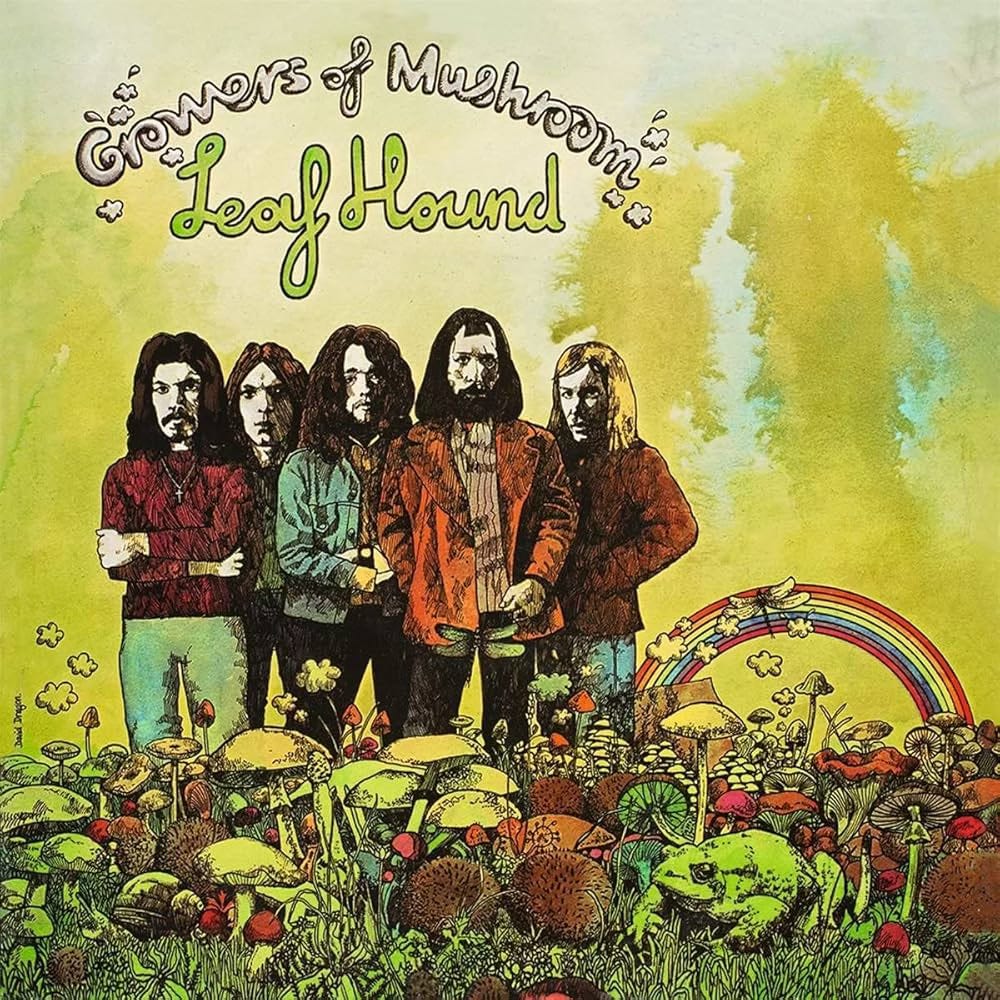
    46% of Our Community Voted for This Leafhound Album—Here’s Why They Were Right

    What if Led Zeppelin had a long-lost twin that nobody remembers? In this episode of Dig Me Out, we unearth Leafhound’s 1971 proto-metal masterpiece Growers of Mushroom—an album that had all the ingredients for greatness but somehow slipped through the cracks of rock history . With a Robert Plant-caliber vocalist, Jimmy Page-inspired guitar tones, and riffs heavy enough to rival Black Sabbath, Leafhound created one of the most compelling “what if?” stories in early 70s heavy rock . Born from the remains of Black Cat Bones—the band that spawned Free’s Paul Kossoff and Simon Kirk, plus Foghat’s Rod Price—Leafhound emerged with vocalist Peter French and a sound that captured the raw, blues-drenched fury of the era . Released on Decca Records in 1971, Growers of Mushroom represents that crucial moment when heavy rock was still finding itself, experimenting with psychedelic tangents, folk influences, and proto-metal darkness before the genre lines were drawn . In this deep dive, hosts Jason, Tim, and Chip explore why this album works so well sonically while examining its fatal flaw: great performances without truly memorable songs . We discuss the album’s massive guitar tones, the Plant-inspired vocal howls, and those adventurous moments where Leafhound breaks from the Zeppelin/Sabbath template to explore jazzy, psychedelic, and Southern rock territories . From the buzzing intensity of “Freelance Fiend” to the eight-minute odyssey of “Work My Body,” this is an album that demands attention—even if it never quite delivers the knockout punch . If you love Led Zeppelin, Black Sabbath, Mountain, Cactus, Atomic Rooster, or Deep Purple, this episode is essential listening. We’re diving deep into the Heavy 70s—that glorious era of custom vans, tinted sunglasses, and amps cranked to the point of speaker destruction . Episode Highlights 0:00 – Intro & “Freelance Fiend” Overview of Leafhound’s place in 1971 heavy rock, the band’s origins in Black Cat Bones, and why this album won our December 70s Rock poll with 46% of the vote . 2:15 – The Album Poll Results Breaking down the four albums in contention: Armageddon (1975), Leafhound’s Growers of Mushroom (1971), Bloodrock (1970), and Toad (1971), plus community reactions from our Metal Union members . 6:45 – Band History: From Black Cat Bones to Leafhound How Paul Kossoff and Simon Kirk left to form Free, Rod Price departed for Foghat, and vocalist Peter French assembled a new lineup that would record two albums before dissolving . 13:30 – What Works: The Led Zeppelin DNA Analyzing the lead singer/lead guitarist dynamic, the Plant-inspired vocal howls, the Leslie West guitar tones, and that stripped-down 70s performance-based intensity . 15:25 – “Freelance Fiend” The album’s killer opening track with its razor-sharp buzz, cowbell, and Mountain-style riffing . 18:05 – “Drown My Life in Fear” The album’s standout moment—a bass-driven, Sabbath-influenced doom track with slide guitar textures and Robert Plant-caliber vocals . 22:47 – The Zeppelin Comparisons Why this album sounds like the Creed to Led Zeppelin’s Pearl Jam—familiar DNA, different execution . 24:30 – “Work My Body” An eight-minute journey featuring jazzy blues guitars, multiple structural shifts, and an unexpected organ-driven finale that recalls Deep Purple . 29:00 – “With A Minute to Go” Breaking down the song’s direct lift of the cadence from Led Zeppelin’s “What Is and What Should Never Be” . 35:59 – What Doesn’t Work: The Missing Hooks Honest conversation about why great guitar tones and performances aren’t enough without memorable choruses and compelling songwriting . 40:15 – “Stray” & The Sabbath Influence How Leafhound shifts between Zeppelin-inspired blues rock and Black Sabbath’s minor-key doom throughout the album . 44:00 – Recording & Production Discussing those massive, fuzzy 70s guitar tones—how they achieved speaker distortion, fuzz pedals, and that buzzing quality unique to early heavy rock . 53:22 – The Aftermath: What Happened Next Peter French’s move to Atomic Rooster and Cactus, the band’s 2004 reunion, and the 2022 expanded reissue of Growers of Mushroom . 58:10 – “Growers of Mushroom” The album’s trippy, psychedelic title track that evokes the Amboy Dukes and late-60s acid rock . 1:02:00 – Final Verdict & Album Rankings Where Growers of Mushroom stands among other 70s heavy rock discoveries, and whether this album deserves cult classic status or remains a well-executed footnote . Join the Conversation Love discovering forgotten heavy rock? Subscribe to Dig Me Out and join the Metal Union at digmeoutpodcast.com to vote on future albums, access bonus episodes, and connect with our private Discord community . Keep the show ad-free and help us uncover more Heavy 70s gems by becoming a Patreon member at dmounion.com . Got a 70s deep cut we need to cover? Drop us a suggestion—we’re always hunting for the next Leafhound . This is a public episode. If you'd like to discuss this with other subscribers or get access to bonus episodes, visit www.digmeoutpodcast.com/subscribe
  • Dec 20, 2025 · 1 hr 2 min

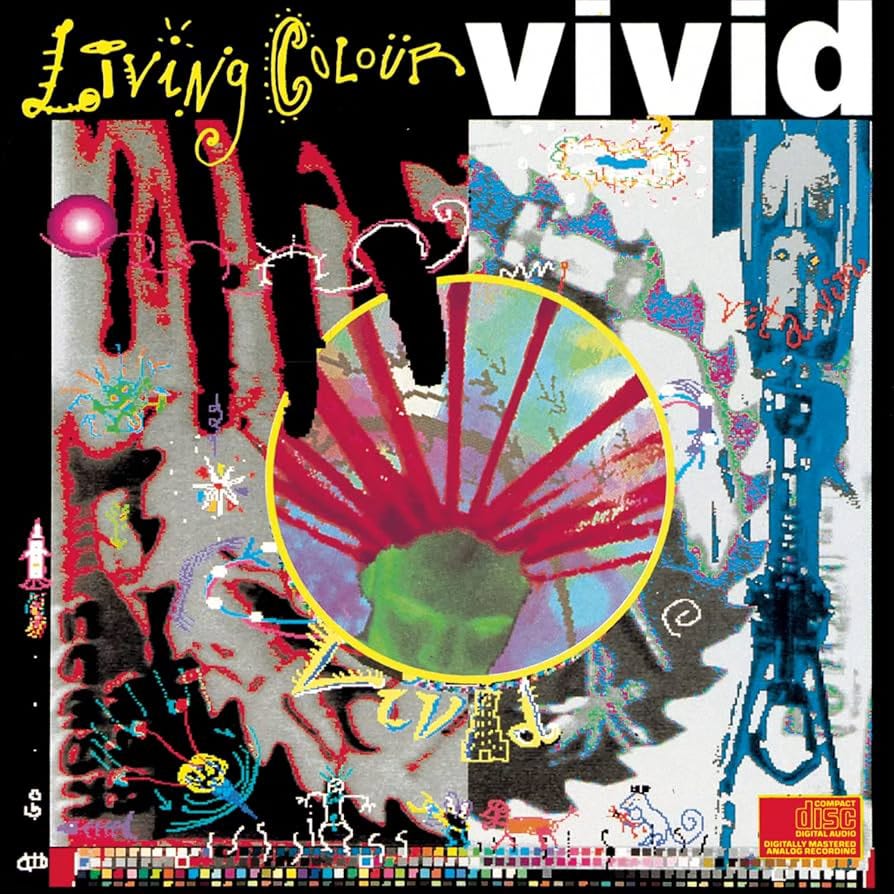
    Is Living Colour’s Vivid the Most Underrated Guitar Album of the 80s?

    Living Colour’s Vivid: When Rock Refused to Play by the Rules What happens when a jazz-trained guitar virtuoso teams up with a Broadway-bound singer, adds Mick Jagger as producer, and sets out to demolish the color lines that 1980s radio had drawn around rock music? You get Vivid, Living Colour’s 1988 debut that kicked down every door with “Cult of Personality” and then refused to play by anyone’s rules. This is an album that proved Black musicians could dominate every corner of rock, from shredding metal to funk grooves to social commentary. It reached number six on the Billboard 200, sold two million copies, and launched a Grammy-winning single that still sounds ahead of its time. If you love the genre-blending creativity of Fishbone, the fearless experimentation of Prince, or the socially conscious hard rock of Rage Against the Machine, this episode explores an essential album that changed what rock could be. Vivid isn’t just a great debut album. It’s the story of the Black Rock Coalition, Vernon Reid’s grassroots movement to challenge the segregation creeping into New York’s rock venues and radio stations. At a time when rock stations stopped playing James Brown next to the Rolling Stones, Living Colour asked: why? They answered with an album that opened for the Rolling Stones’ Steel Wheels tour, appeared on Headbangers Ball, and influenced everyone from Tom Morello to the entire alt-metal movement of the ’90s. Episode Highlights 0:00 – Intro The final community-voted album of 2025. Vivid wins with 62% of the Patreon vote. 3:30 – Personal Connections Chip shares his 1989 encounter with Living Colour at a Cleveland record store, where Corey Glover spontaneously sang a song about his date. 12:00 – Album Facts Released May 2, 1988. Produced by Ed Stasium and Mick Jagger. Features Chuck D and Flavor Flav on “Funny Vibe.” Charted globally and appears on every major “greatest metal albums” list. 21:00 – Vernon Reid’s Guitar Mastery Jay explores Reid’s creative dominance as guitarist and primary songwriter. His riff writing sounds more like the ’90s than 1988, and nearly every melodic hook is guitar-driven. 32:00 – The Black Rock Coalition Vernon Reid’s mission to fight radio segregation and get Black rock musicians back into venues and onto rock radio. 38:00 – The Beatles as Inspiration The band intentionally created a diverse, non-cohesive album that could work at any party for any crowd, from metal fans to funk lovers. 50:00 – Genre Debates: Metal or Not? Who cares? The album won metal awards and hosted Headbangers Ball, but more importantly, it used heavy riffs to expose listeners to funk, R&B, and social commentary they wouldn’t have heard otherwise. 1:03:00 – “Cult of Personality” Deep analysis of one of rock’s most iconic opening tracks and why it set an impossible standard. 1:08:00 – “I Want to Know” and “Open Letter (To a Landlord)” How the album moves from poppy hooks to six-minute epics that shift between R&B, funk, and aggressive rock. 1:22:00 – “Memories Can’t Wait” The Talking Heads cover that provides breathing room and showcases smart song selection. 1:35:00 – Production Issues The reverb-heavy ‘80s drums that sometimes work against the band’s raw creativity. 1:55:00 – Vernon Reid’s Influence Tom Morello’s clear debt to Reid’s unconventional guitar techniques and willingness to let the instrument do unexpected things. 2:07:00 – Social Commentary Living Colour sang about gentrification and displacement when most metal bands were singing about nothing heavier than Saturday night. 2:28:00 – Final Ratings The crew debates production, diversity, and nostalgic attachment. Join the Metal Union Subscribe at digmeoutpodcast.com and join the Metal Union at dmounion.com to vote on future albums, unlock bonus episodes, and join our private Discord community where real music discussions happen every day. This is a public episode. If you'd like to discuss this with other subscribers or get access to bonus episodes, visit www.digmeoutpodcast.com/subscribe
  • Dec 7, 2025 · 56 min

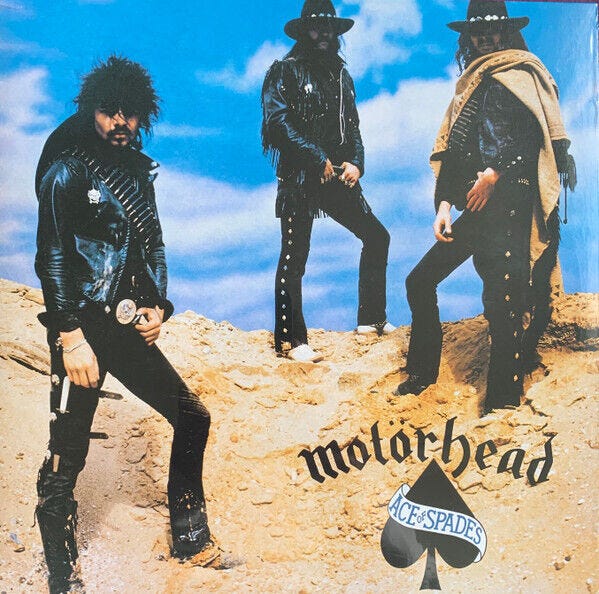
    Motörhead’s Ace of Spades: The Bar Band That Accidentally Redefined Heavy

    Motörhead - Ace of Spades: The Bar Band That Redefined Metal (Whether They Liked It Or Not) What happens when you salvage a beaten‑up classic from the graveyard? You discover why Motörhead’s Ace of Spades remains one of the most influential rock albums of all time—even if Lemmy himself refused to call it metal. Recorded in six weeks during the summer of 1980 and unleashed that October, Ace of Spades is 36 minutes of raw, boogie‑infused rock and roll cranked up to 11. On this episode of Dig Me Out: 80s Metal, hosts Jason Ziad, Tim Minneci, and Chip Midnight resurrect this second‑chance poll winner to explore why this album sounds like nothing else—and why that matters. The classic lineup of Lemmy Kilmister, “Fast” Eddie Clarke, and Phil “Philthy Animal” Taylor weren’t trying to invent metal. They were channeling Chuck Berry, ZZ Top, and Thin Lizzy through a blown amp, adding a danceable swing that inspired everyone from Metallica and Slayer to The Hellacopters and New Bomb Turks. This is the sound of a band that knew exactly what they did well and executed it with surgical precision—even when they got sick of playing “Ace of Spades” every night. If you love early Van Halen, AC/DC, the Ramones, or the New Wave of British Heavy Metal, this episode is for you. We break down how Lemmy’s voice became the second guitar, why Eddie Clarke’s playing is criminally underrated, and what it means when an album charts everywhere from Sweden to Greece but barely makes a dent in the U.S. Episode Highlights 00:00 – Intro: Why this listener‑suggested album almost didn’t happen 01:38 – The “second chance poll” rescue mission and how Testament won the first round 05:42 – Chip’s legendary three‑question interview with Lemmy (spoiler: he left to “freshen his drink”) 10:09 – Album history: recorded August–September 1980, produced by Vic Maile (Hendrix, Zeppelin, Clapton) 14:25 – Lemmy’s time in Hawkwind, The Damned, and as Jimi Hendrix’s roadie 17:29 – (We Are) The Road Crew – Why Lemmy’s tribute to roadies still makes crew members cry 18:20 – The “Ace of Spades” legend: Why Lemmy sang “eight of spades” for years and nobody noticed 19:02 – What Works: Jay breaks down the 70s swing, boogie‑rock energy, and danceable aggression 25:14 – Fast and Loose – The ZZ Top‑meets‑Motörhead shuffle that proves this is rock and roll 27:07 – How Motörhead influenced thrash, punk, and 90s action rock (Hellacopters, New Bomb Turks) 31:54 – The Chase Is Better Than the Catch – The Van Halen‑inspired riff that almost wasn’t 34:18 – Eddie Clarke’s guitar genius: Why “Fast” Eddie is the secret weapon of this album 37:58 – What Doesn’t Work: Aged lyrics, formulaic moments, and why Lemmy’s voice is an acquired taste 42:34 – Why fade‑outs are the album’s worst decision 48:53 – Final Verdicts: Worthy Album, Better EP, or Decent Single? 55:37 – Gavin Reed gets credit for suggesting this album (and arguing with Jay about whether it’s metal) Keep the Conversation Going This album came back from the dead because a listener like you suggested it. What record deserves a second chance? What forgotten classic or underrated gem should we dig out next? Join the Metal Union at digmeoutpodcast.com suggest and vote on future albums. Paid subscribers get access to bonus episodes covering 70s rock, 80s metal, and 2000s rock, plus new release reviews and our private Discord community where the debates never stop. Pick an album and join us on the podcast at dmounion.com. For Jason, Chip, and Tim—thanks for digging with us. We’ll see you next time on Dig Me Out: 80s Metal. This is a public episode. If you'd like to discuss this with other subscribers or get access to bonus episodes, visit www.digmeoutpodcast.com/subscribe
  • Nov 22, 2025 · 54 min

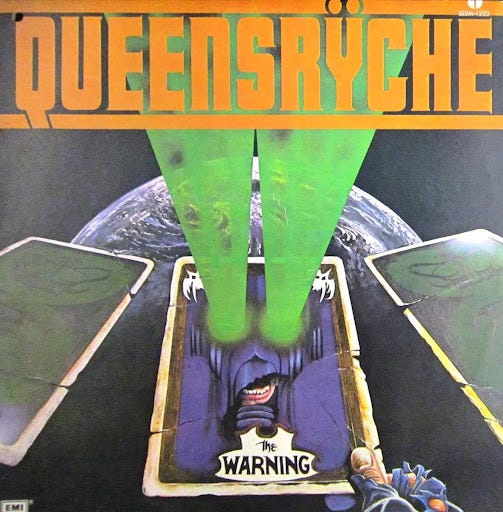
    What If Queensrÿche Only Made This One Record?

    Before Operation: Mindcrime, there was this. Queensrÿche’s 1984 debut The Warning is the album that almost didn’t happen—at least not the way the band intended. While they were touring Japan, EMI executives remixed and completely rearranged their progressive metal masterpiece without permission, burying the band’s weirdest, most ambitious material deeper in the tracklist. But even with corporate interference, The Warning stands as a pivotal moment in metal history: a Seattle band crafting something that sounded like nothing else in 1984, blending Iron Maiden gallops with Genesis-level prog complexity and Jeff Tate’s otherworldly operatic vocals. In this episode, we break down why this debut matters—not just as a stepping stone to Mindcrime and Empire, but as a document of a band discovering their identity in real time. We debate whether it’s a hidden gem or a rough draft, explore the label drama that reshaped the album’s sequence, and dive into the tracks that reveal Queensrÿche’s DNA: from the Maiden-esque power of “Deliverance” to the robotic sci-fi weirdness of “NM 156.” This is Double-A ball before the majors—you can see the talent, hear the potential, and witness five musicians isolated in Seattle creating something that would change progressive metal forever. If you love Iron Maiden, Judas Priest, Fates Warning, or Dream Theater, this episode is for you. Episode Highlights 0:00 – Intro: Poll results and how The Warning won the Metal Union vote 5:23 – Album context: Queensrÿche in 1984—Seattle isolation and the progressive metal blueprint 12:45 – “Deliverance” – The opening track that wasn’t supposed to open the album 18:32 – The EMI remix controversy: How the label rearranged the album while the band toured Japan 24:15 – “NM 156” – The weird, jazzy, robotic prog odyssey that terrified record executives 31:40 – Jeff Tate’s voice at 24: Operatic range, theatrical character work, and why he’s more than just “metal Bruce Dickinson” 38:50 – “Take Hold of the Flame” – The anthem that hints at Operation: Mindcrime 44:20 – Geography matters: Why being in Seattle (not L.A.) saved this band from breaking up 51:10 – “Road to Madness” – Epic ambition or forced prog? Debating the 10-minute closer 58:30 – The verdict: EP, worthy album, or rough draft? The hosts cast their votes 1:03:15 – What comes next: Rage for Order, Mindcrime, and the evolution into metal immortality Join the Conversation This album won because you voted for it. Now it’s your turn again—what 80s metal album should we break down next? Head to digmeoutpodcast.com to join the Metal Union, vote on future episodes, access bonus content, and join our private Discord community. Keep the show ad-free and help us dig deeper at dmounion.com. Subscribe, rate, and review wherever you listen to podcasts. Got a deep cut we need to cover? Drop your suggestions in the comments or hit us up on social media. This is a public episode. If you'd like to discuss this with other subscribers or get access to bonus episodes, visit www.digmeoutpodcast.com/subscribe
  • Nov 14, 2025 · 56 min

    Pluto (1971): From Record Bin Oddity to Cult Classic

    Ever wondered why some killer 70s rock albums slipped through history’s cracks? This week, Dig Me Out listeners unearth Pluto’s self-titled 1971 LP—an overlooked slab of psychedelic hard rock, boogie vibes, and vintage cosmic groove. Join us as we dig up the story of the London band with festival creds, a jaw-dropping album cover, and a sound that’s part Blue Öyster Cult, part proto-metal pioneers, but all obscurity. Pluto wasn’t a household name, but they were closer to the big leagues than you’d think: opening for Thin Lizzy and T. Rex, dropping a record with colored vinyl (ultra-rare for the era!), and chasing UK stardom with ace basslines and fuzzed-out guitars. In this episode, we debate the lost art of 70s rock vocals, the magic of live-in-the-room dynamics, and why some racks collect dust while others become classics. If you’re into Deep Purple, Blue Öyster Cult, early Rush, or chasing forgotten bands through dusty record bins, this is your episode. Episode Highlights 0:00 – Theme & Intro – Welcome to the 70s Rock spotlight; how Pluto edged out Trapeze, Julian’s Treatment, and Dr. Z in the October poll 7:30 – Band Origins & Album History – London roots, the Foundations connection, gigging with scene legends, and a wild album art backstory 15:20 – The Sound of the Era – Acid rock vs. proto-metal: where Pluto lands, and why categories were still blurry in ‘71 22:45 – “She’s Innocent” – Acoustic/electric interplay and why this track defines Pluto’s subtle power 27:10 – B-Side Deep Dive – From “Beauty Queen” to “Mr. Westwood”: the grooves, the jams, and the dream of finding this record for $8 33:50 – “Ragabone Joe” – The oddball campfire sing-along that splits the hosts—endearing or skippable? 39:00 – Better Album, EP, or Single? – The ultimate verdict: trimming, sequencing, and fantasy resurrections with a killer vocalist Ready to keep the needle moving? Subscribe, tell your friends, and dig even deeper with us at digmeoutpodcast.com and dmounion.com. Suggest the next lost classic for our polls, join our Discord, and fuel our record hunts across decades. Let’s keep unearthing rock’s forgotten gems—together! This is a public episode. If you'd like to discuss this with other subscribers or get access to bonus episodes, visit www.digmeoutpodcast.com/subscribe
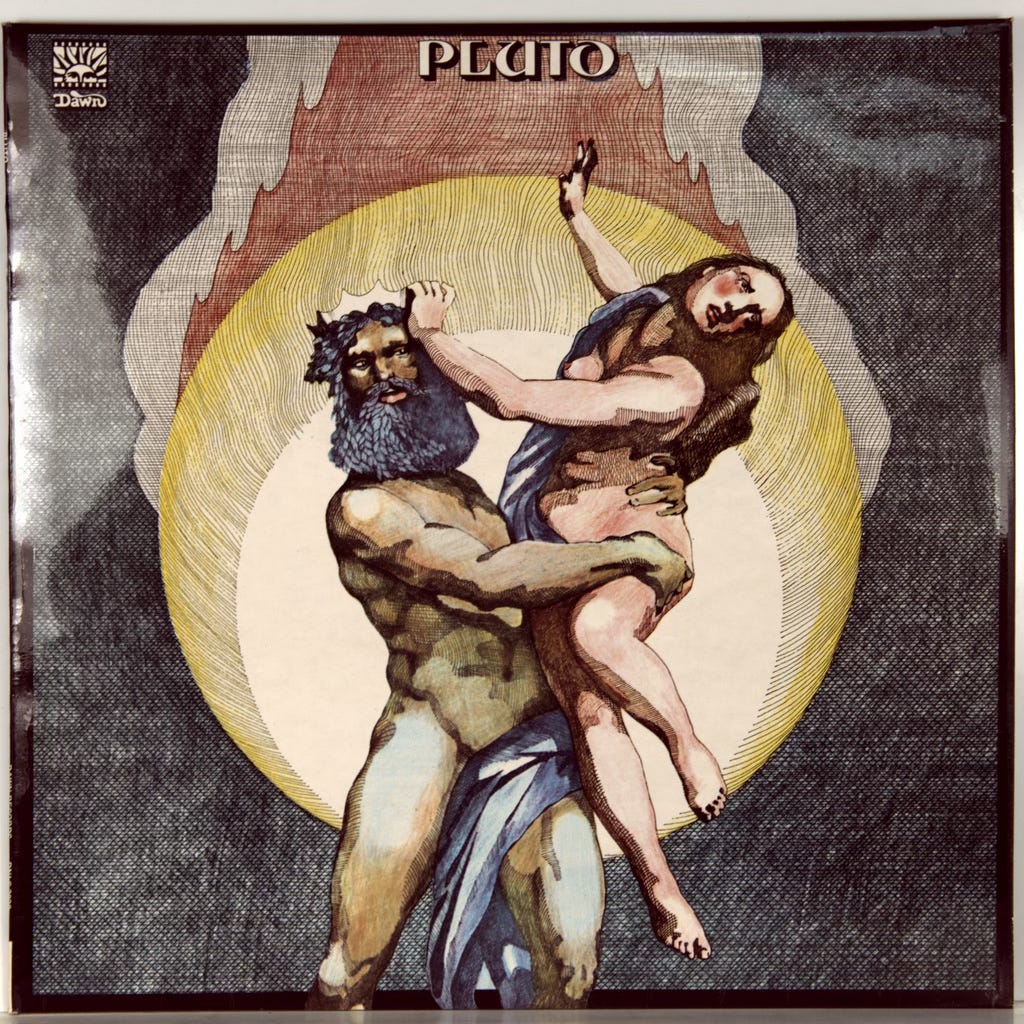
  • Oct 26, 2025 · 53 min

    What Makes Testament’s Second Album a Thrash Masterclass?

    When Testament finished touring behind their debut album The Legacy, they had zero songs written for a follow-up. The label didn’t care—they demanded another record immediately. Scrambling to fulfill their contract’s 40-minute minimum, the Bay Area thrash band wrote The New Order in the studio, added an Aerosmith cover, tossed in some classical-influenced instrumentals, and somehow delivered one of 1988’s most essential thrash metal albums. In this episode of Dig Me Out 80s Metal, hosts Jason Ziak, Tim Minneci, and Chip Midnight explore how Testament turned deadline panic into precision thrash. They break down Alex Skolnick’s astonishing guitar work (recorded when he was just 19 years old), Chuck Billy’s evolving vocal style, the power grooves that made Testament stand apart from their thrash peers, and why this album should’ve earned them a spot in the “Big Five” of thrash metal alongside Metallica, Slayer, Megadeth, and Anthrax. If you love Metallica, Anthrax, Overkill, or Bay Area thrash metal, this episode unpacks why The New Order remains a thrash clinic 37 years later. Episode Highlights: 0:00 – Introduction to 80s Metal poll results and Testament’s victory over Motörhead, Anthrax, and Blackfoot 1:03 – Band history: Testament’s origins as Legacy, their Bay Area roots, and the contract crisis that shaped The New Order 3:47 – What works: Alex Skolnick’s classical-influenced precision playing at age 19, the power grooves, and the locked-in rhythm section 8:12 – “Into the Pit” – Why Testament’s most-played live song became a thrash anthem (even though it’s not about moshing) 12:20 – “Disciples of the Watch” – Breaking down one of the album’s heaviest tracks and Skolnick’s sweeping guitar mastery 15:04 – The Aerosmith cover: How “Nobody’s Fault” became an unexpected highlight and showcased Testament’s versatility 18:29 – The instrumentals: “Hypnosis” and “The Dirge” as atmospheric breathers that elevate the album’s pacing 21:44 – “Trial by Fire” – The single that featured on MTV’s Headbangers Ball and showcased Testament’s unique arrangements 24:03 – What doesn’t work: Chuck Billy’s Metallica-influenced vocals and missed melodic opportunities 29:59 – Original vs. remastered versions: Why the remaster brings the bass and drums forward for a fuller sound 34:47 – Worthy Album ratings across the board and why this is Testament’s quintessential record 40:05 – Testament’s evolution from The New Order to their heavier modern sound on 2025’s Parabellum Subscribe to Dig Me Out for weekly deep dives into 70s rock, 80s metal, 90s alternative, and 2000s rock. Join the Metal Union at digmeoutpodcast.com to vote on future albums, access bonus episodes, and connect with fellow rock fans in our private Discord community. Keep the podcast ad-free and support the next episode at dmounion.com. This is a public episode. If you'd like to discuss this with other subscribers or get access to bonus episodes, visit www.digmeoutpodcast.com/subscribe