Skip to content
Artwork for Diagnosing Dx
ScienceLife Sciences

Diagnosing Dx

Elevra Consulting

How do we transform cutting-edge scientific discoveries into life-saving diagnostics?

On Diagnosing Dx, we explore the scientific innovation driving diagnostics forward, unpack industry challenges, and spotlight success stories. Join us as we speak with leading researchers and innovators at the forefront of Dx.

Learn to:
🔹 Navigate industry challenges
🔹 Understand emerging science
🔹 Strategise for growth
🔹 Gain future-focused insight

Essential listening for everyone involved in bringing new sciences to life in the Dx and Omics industry, Subscribe now!

Play
  • 23 episodes
  • weekly
  • Avg 41 min
  • English
Counted on this page — what you have heard stays on this device, so it is not something the list can be paged by.
  • March 24 · 42 min

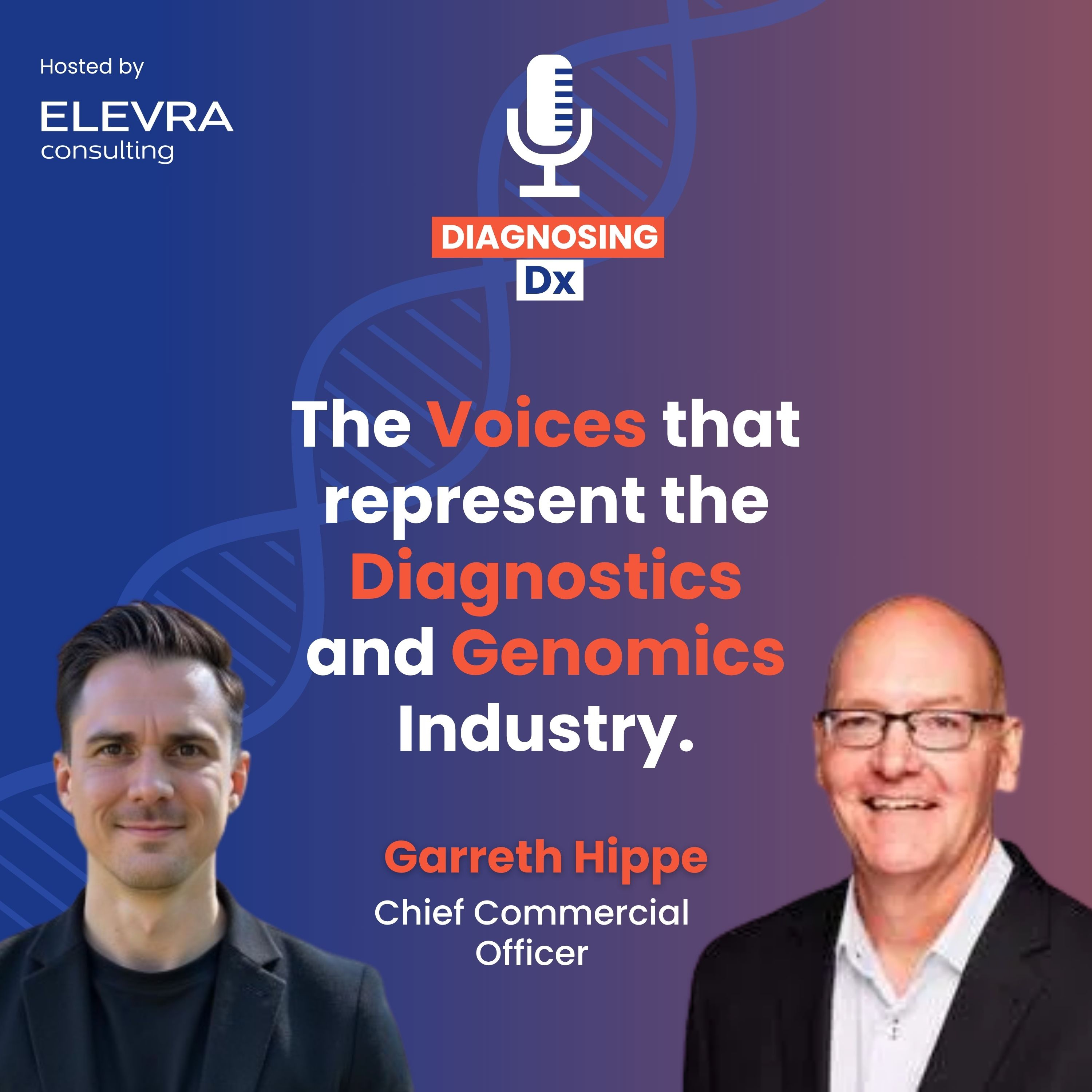
    Scaling Precision Medicine: Faster Reports, Smarter Trials, Better Care - Garreth Hippe at GenomOncology

    In this episode of Diagnosing Dx, I’m joined by ⁠Garreth Hippe⁠, Chief Commercial Officer at ⁠GenomOncology⁠, a software company helping turn complex genomic data into faster, more actionable decisions in oncology. Garreth has spent much of his career in clinical genomics, bioinformatics, and healthcare software, and in this conversation we explore how the field has evolved over the last 20 years, from far slower sequencing workflows to a point where whole genomes can now be analysed in clinically meaningful timeframes. We also unpack how GenomOncology is helping labs bring genomic reporting in-house, reduce turnaround times, ease pressure on molecular pathologists, and match patients to relevant clinical trials before those opportunities are missed. A big part of the discussion focuses on AI, not as hype, but as a real force multiplier in healthcare software. Garreth shares how it is accelerating development, improving reporting workflows, and opening up new ways to work with clinical and omics data. We also discuss why genomics is still underused in parts of oncology, where adoption is heading next, and why whole genome sequencing could play a much bigger role in the future of cancer care. Key takeaways: 🔹 How software is helping translate genomic complexity into clinical action 🔹 Why clinical trial matching remains such a critical challenge in oncology 🔹 Where AI could have the biggest impact across precision medicine 🔹 Why whole genome sequencing may define the future of cancer care Chapters: 00:00 Introduction 01:56 Garreth Hippe’s background in clinical genomics and software 03:04 What clinical genomics means: somatic vs germline testing 05:28 How software in genomics has evolved over the last 20 years 07:14 AI in healthcare and precision medicine 09:34 What GenomOncology does and where it fits in the oncology workflow 15:14 How AI is accelerating product development and lean growth 20:21 The core problems GenomOncology is solving in reporting and clinical trial matching 26:10 Company progress, product development, and commercial milestones 33:46 Adoption challenges in genomics and the future of whole genome sequencing 🔔 Subscribe to Diagnosing Dx for weekly conversations with leaders shaping the future of diagnostics and omics.
  • March 12 · 48 min

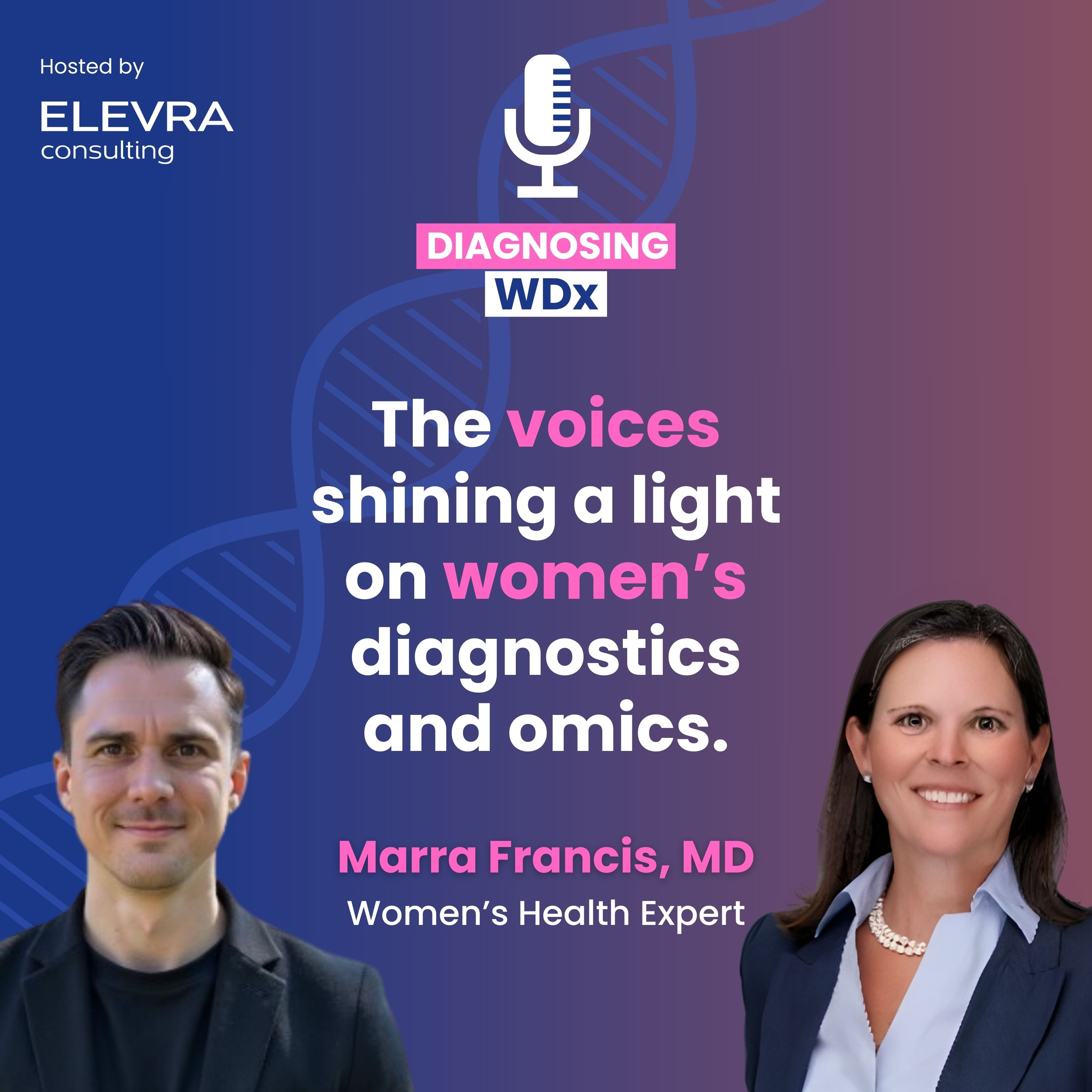
    The Women’s Health Data Gap: Why Diagnostics Are Decades Behind - Marra Francis, MD

    In this first episode of Diagnosing WDx, the new women’s health-focused sister series from Diagnosing Dx, I’m joined by Marra Francis, MD, board-certified OB-GYN, women’s health expert, and advisor to multiple early-stage diagnostics companies. Recorded in the week of International Women’s Day, this conversation explores one of the biggest blind spots in healthcare: the historic and ongoing gap in women’s diagnostics. Marra breaks down why women were excluded from clinical trials for decades, why many diagnostics and therapeutics still used today were originally studied in men, and why conditions like preeclampsia remain dangerously under-researched. We also explore the role of startups, investors, and AI in helping close the data gap and drive a new era of innovation in women’s health. If Diagnosing Dx shines a light on the diagnostics industry, Diagnosing WDx shines a light on the women it has overlooked for far too long. Key takeaways: 🔹 Why women were historically excluded from clinical research 🔹 How gaps in data still affect diagnostics and therapeutics today 🔹 Why preeclampsia and autoimmune disease expose major weaknesses in women’s health research 🔹 The investment gap holding back progress in women’s diagnostics 🔹 Where AI, startups, and new research models could help move the field forward Chapters: 00:00 Introduction 01:02 Welcome to Diagnosing WDx 01:53 Marra’s background and path into women’s health diagnostics 04:49 The real diagnostic gaps women face in clinical practice 08:05 Marra’s work across women’s health startups and innovation 11:11 Consumer health, trust, and access to testing 17:13 The history of women’s exclusion from clinical trials 20:10 Preeclampsia, autoimmune disease, and the real-world impact of the data gap 25:41 Why progress in women’s health is still not moving fast enough 29:22 Diagnostics tested in men and what that means for women today 32:59 Can AI help close the women’s health data gap? 42:10 What needs to change next in women’s diagnostics 47:47 Why Diagnosing WDx matters Guest: Marra S. Francis LinkedIn: https://www.linkedin.com/in/marrasfrancis/ Resources mentioned: 1. Women’s Health Initiative 2. MIT Catalyst Program 3. For You and Me (FYM) 4. Nobel Prize in Medicine and Physiology Diagnosing WDx is a sister series from Diagnosing Dx, hosted by Elevra Consulting, spotlighting the gaps, opportunities, and innovations shaping the future of women’s diagnostics. Learn more: https://elevraconsulting.com/ 🔔 Subscribe to Diagnosing Dx for weekly conversations with leaders shaping the future of diagnostics.

  • February 17 · 42 min

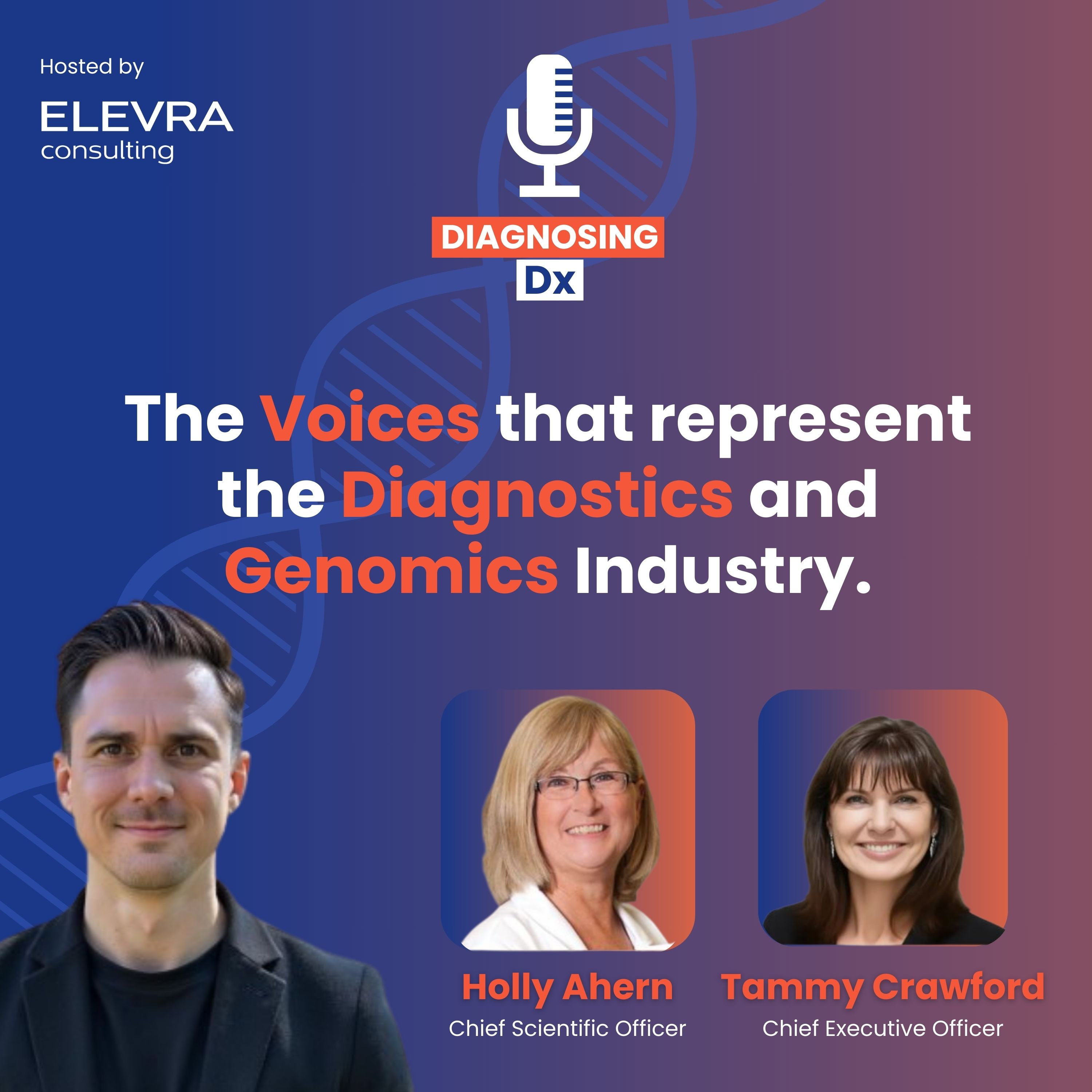
    The $4 Billion Problem in Lyme Diagnostics with Aces Diagnostics

    In this episode of Diagnosing Dx, I’m joined by ⁠Tammy Crawford⁠, Chief Executive Officer, and ⁠Holly Ahern⁠, Chief Scientific Officer at ⁠Aces Diagnostics⁠, a company building what could become the first highly accurate test across all stages of Lyme disease. We explore why early Lyme is so often missed, the myth of the bullseye rash, and the structural gaps in today’s testing pathway. Tammy and Holly explain how their personal experiences shaped Aces Diagnostics’ mission and how they’re approaching the problem with a more rigorous, data-driven framework built for real-world adoption. This conversation is a grounded look at what it takes to restore confidence in infectious disease diagnostics and why more reliable testing could transform both patient outcomes and healthcare economics. Key takeaways: 🔹 Why current Lyme diagnostics frequently miss early-stage disease 🔹 How combining multiple biomarkers improves diagnostic accuracy 🔹 The role of machine learning in interpreting complex immune signatures 🔹 Why FDA approval is essential for trust, adoption, and scale 🔔 Subscribe to Diagnosing Dx for weekly conversations with leaders shaping the future of diagnostics.

Showing 21–23 of 23 episodes