Skip to content
Artwork for David Senra

David Senra

Scicomm Media

Conversations with the greatest living founders.

Play
  • 34 episodes
  • a few times a week
  • Avg 1 hr 27 min
  • English
Counted on this page — what you have heard stays on this device, so it is not something the list can be paged by.
  • #25
    June 21 · 1 hr 35 min

    Steve Stoute, UnitedMasters

    Steve Stoute is the founder of Translation, the marketing company behind some of the most iconic brand work of the past 25 years, and UnitedMasters, the independent music distribution platform he launched in 2017. Stoute grew up in Queens in the 1980s, where hip-hop was his entire world. He worked his way into the music business, eventually managing Nas and becoming an executive at Sony and then Interscope under Jimmy Iovine. In 1999, at 29, he walked away from a $2 million salary to take a $150,000 job at the Arnell Group — trading income for education. He was there to learn the advertising business from the inside out. What he saw clearly was that Madison Avenue was using an old playbook, failing to see that artists were shaping fashion and other cultural trends. Stoute brokered Jay-Z's S. Carter shoe deal with Reebok — the first sneaker deal for a non-athlete — helped launch McDonald's "I'm Lovin' It" campaign, and came within one meeting of signing LeBron James. He watched an 18-year-old LeBron walk away from a $10 million signing bonus to bet on himself. It confirmed everything Stoute believed: the world had already changed, and the old gatekeepers just hadn't caught up yet. UnitedMasters was built on that same conviction — giving artists ownership of their masters and a direct line to their fans. Show notes: https://www.davidsenra.com/episode/steve-stoute Made possible by Ramp: ⁠https://ramp.com AppLovin: https://applovin.com/senra Deel: https://deel.com/senra HubSpot: ⁠https://hubspot.com Chapters (00:00:00) Run Towards The Unknown (00:04:43) The Men In Black Glasses Nobody Got Paid For (00:07:34) Too Scared To Buy Apple At Nine Dollars (00:15:27) Black Consumers Buy What Isn't Marketed To Them (00:19:13) Betting On The Education, Not The Equity (00:21:39) A Music Video Is Just A TV Commercial (00:24:32) The First Non-Athlete Shoe Deal (00:27:25) LeBron Walks Away From Ten Million To Bet On Himself (00:30:35) Why Are You Giving It Away (00:35:18) If Artists Knew Their Fans They Wouldn't Need A Label (00:39:57) Prince Wrote Slave On His Face (00:46:01) How Jay-Z, Master P, And Wu-Tang Beat The System (00:50:44) The Power Of Repetition (00:54:13) Independent Artists Are The New Small Businesses (00:58:56) Fame And Talent Are Now At Odds (01:04:39) Ryan Coogler's Unprecedented Sinners Deal (01:09:25) Live At The Convergence Of Culture, Technology, And Storytelling (01:11:09) You Can Get Anything Done If You Don't Take Credit (01:12:53) Signing Kobe To Out-Rap Shaq (01:15:25) How You Do Anything Is How You Do Everything (01:18:55) The Barefoot Standoff With Jay-Z (01:22:50) Getting Jay-Z To Write Still D.R.E. (01:28:08) Managing Nas, The Greatest Thing He Ever Did (01:31:00) Walking Into Queensbridge To Find Nas Learn more about your ad choices. Visit megaphone.fm/adchoices

  • #23
    June 7 · 1 hr 13 min

    Gustav Söderström, Spotify

    Gustav Söderström is the Co-Chief Executive Officer of Spotify, the world's largest streaming platform, with more than 760 million users across 180 countries.

  • #22
    May 31 · 1 hr 23 min

    Ivanka Trump on Building an Authentic Life

    Ivanka Trump grew up on construction sites and in boardrooms, learning what it takes to be a builder. At just 22 years old, she started doing real estate for a Brooklyn developer. She notched small wins with construction crews and learned the trade. Then came the launch of her own fashion brand — which reached over $800 million in annual sales — run simultaneously with the Trump Organization's real estate acquisitions. The centerpiece was the Old Post Office in Washington, D.C., a dilapidated 1890s building she personally shepherded into a thriving urban hotel. In 2016, she went to Washington, D.C. to provide support to her father in his first term as President of the United States. During the four years in Washington, D.C., she helped in doubling the child tax credit for 40 million families, standing up the first national paid family leave plan for federal employees, passing nine pieces of legislation against human trafficking, and getting the Great American Outdoors Act signed — the largest environmental legislation since Teddy Roosevelt created the national parks. When it ended, she started over, and built again. She co-founded Planet Harvest, creating a market for the 40% of American fruits and vegetables discarded each year because they don't meet cosmetic specifications. She's building Sazan, a 1,400-hectare private island in the Mediterranean with five miles of beachfront. She's investing in founders at the frontier of AI, biotech, robotics, and space. And she's working with Elad Gil to create Alexandria AI, a project that will translate the world's great public-domain literature into every major language and give it away for free. She describes herself as mission-driven now, not achievement-driven. The difference, she says, took her decades to find. Show notes: https://www.davidsenra.com/episode/ivanka-trump Made possible by Ramp: ⁠https://ramp.com⁠ AppLovin: https://axon.ai/senra Deel: https://deel.com/senra Chapters (00:00:00) Knowing What Excites You (00:02:02) The Sazan Island Project (00:07:18) Knowing Who You Are (00:13:06) Creating Stillness (00:16:30) Finding Mentors In Books (00:17:04) Avoid Competition Through Authenticity (00:21:05) Reading As An X-Ray Of The Soul (00:21:29) Phil Knight's Shoe Dog (00:24:55) Meaning Redeemed By Hardship (00:29:39) The Call To Government (00:31:16) Handing Back The Keys (00:41:42) The Reset In Miami (00:46:25) Less And Better (00:50:13) Finding The One Thread (00:55:54) Turning Waste Into An Asset (01:03:38) Democratizing The World's Great Books (01:12:07) Marry The Right Person (01:12:47) Deciding What To Build (01:16:23) No Contract Protects A Bad Partner (01:19:08) Opportunity Where Others See Nothing (01:21:34) Backing Fragile New Ideas Learn more about your ad choices. Visit megaphone.fm/adchoices

  • #21
    May 24 · 1 hr 23 min

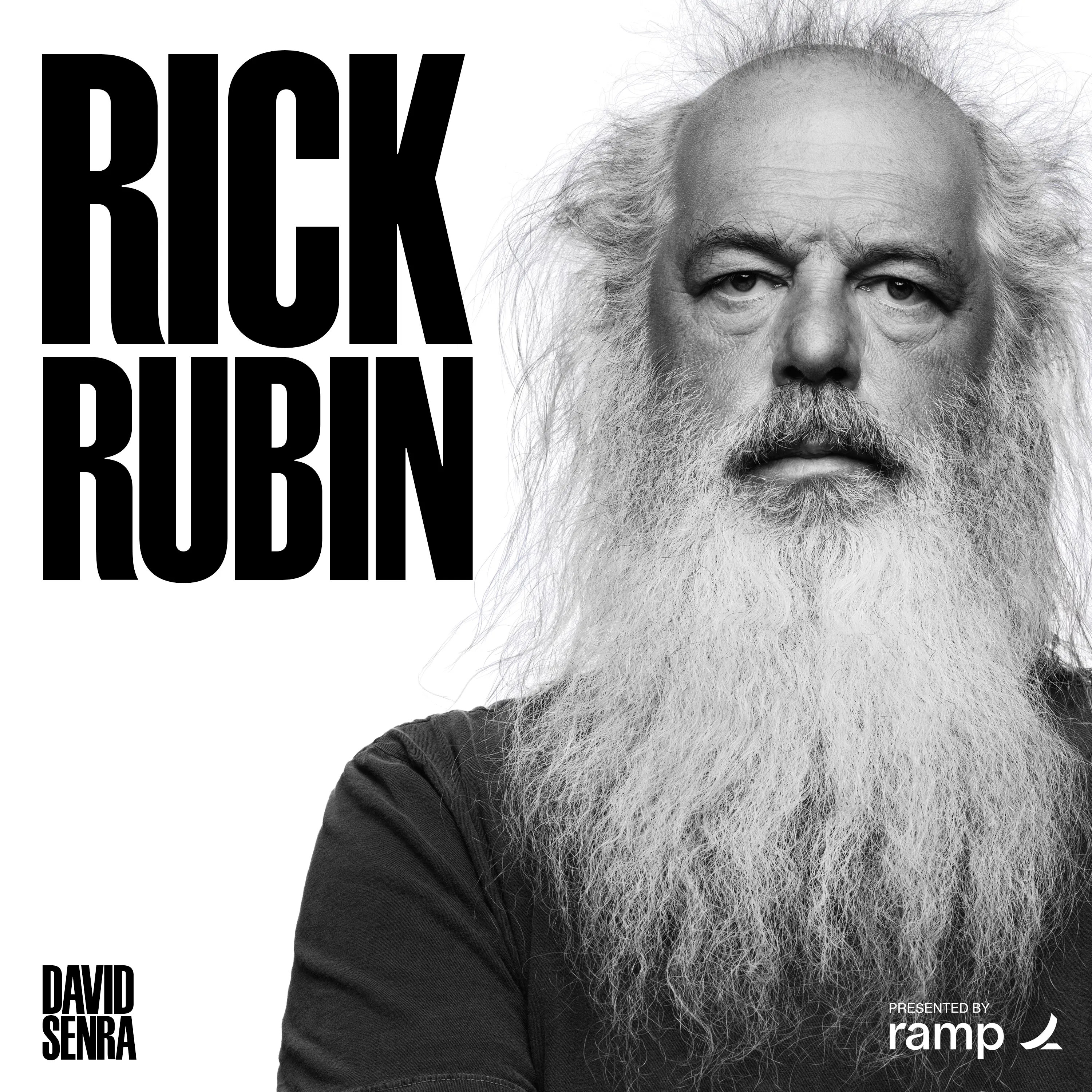
    The Simple Genius of Rick Rubin

    Rick Rubin grew up on Long Island obsessed with music — arena rock at 13, punk by high school, then hip-hop when it was still a street movement you could only hear at one club in New York City.

  • May 17 · 1 hr 39 min

    Strauss Zelnick, Take-Two Interactive

    Strauss Zelnick has spent 40 years doing the same thing: finding where new technology is about to supercharge an old business, and getting there first.

  • #19
    May 10 · 1 hr 13 min

    Dana White, UFC

    Dana White grew up watching CEOs read canned statements written by lawyers. He decided early he would never do that. When Lorenzo Fertitta and his brother bought the UFC in 2001 for $2M and handed White a small equity stake and the presidency, the company had five events a year, eight or nine fighter contracts, and no television deal. Previous owners had sold off the merchandise rights, the video library, and the video game licenses just to survive. The company nearly died. Events cost $2M to produce. Revenue covered half the spending. Four years in, Fertitta called White and told him to find a buyer. Fertitta slept on it, called back the next morning, and said: "Fuck it. Let's keep going." What saved the UFC was a reality show. White had watched The Contender and identified its fatal mistake: it edited the fights. You let the fans decide whether a fight is good or bad. Spike TV passed on The Ultimate Fighter. White came back with a new offer: the UFC would pay for everything; Spike would provide airtime. The season finale — Bonner vs. Griffin — ended with the crowd chanting for one more round. Spike executives pulled White into an alley and shook hands on a renewal written on a napkin. Because the UFC had funded the show, it owned it outright. The television deals tell the story: Spike at $35 million, Fox at $100 million, ESPN at $3 billion, Paramount at $7.7 billion. Each time, critics said the UFC had peaked. Each time, they were wrong. Show notes: https://www.davidsenra.com/episode/dana-white Made possible by Ramp: ⁠https://ramp.com⁠ Axon by AppLovin: https://axon.ai/senra Deel: https://deel.com/senra HubSpot: https://hubspot.com Chapters (00:00:00) Founders Are the Best Storytellers (00:01:04) Buying the UFC for $2M (00:02:51) Excellence Is the Capacity to Take Pain (00:07:58) One Good Night's Sleep and "Fuck It, Let's Keep Going" (00:10:53) The Ultimate Fighter: A $10M Bet-It-All Moment (00:13:12) The Napkin Deal With Spike TV (00:22:00) Leaving Spike TV and the Phil Duman Story (00:28:24) First Event Profitable: What He Does Differently Now (00:32:30) Why Dana Sits Ringside Watching a Screen (00:34:07) Building a Team That Can Read His Mind (00:45:10) "Who the Fuck Are You and What Have You Done?" (00:51:55) Selling the UFC for $4+ Billion (00:57:32) Not Cutting a Single Employee During COVID (01:03:30) Firing a Sponsor Who Told Him How to Vote (01:07:45) There Is No Plan B (01:09:00) Joe Rogan: Doing the First 12 Fights for Free (01:12:37) Loyalty Is the Most Important Thing Learn more about your ad choices. Visit megaphone.fm/adchoices
  • #18
    May 3 · 1 hr 26 min

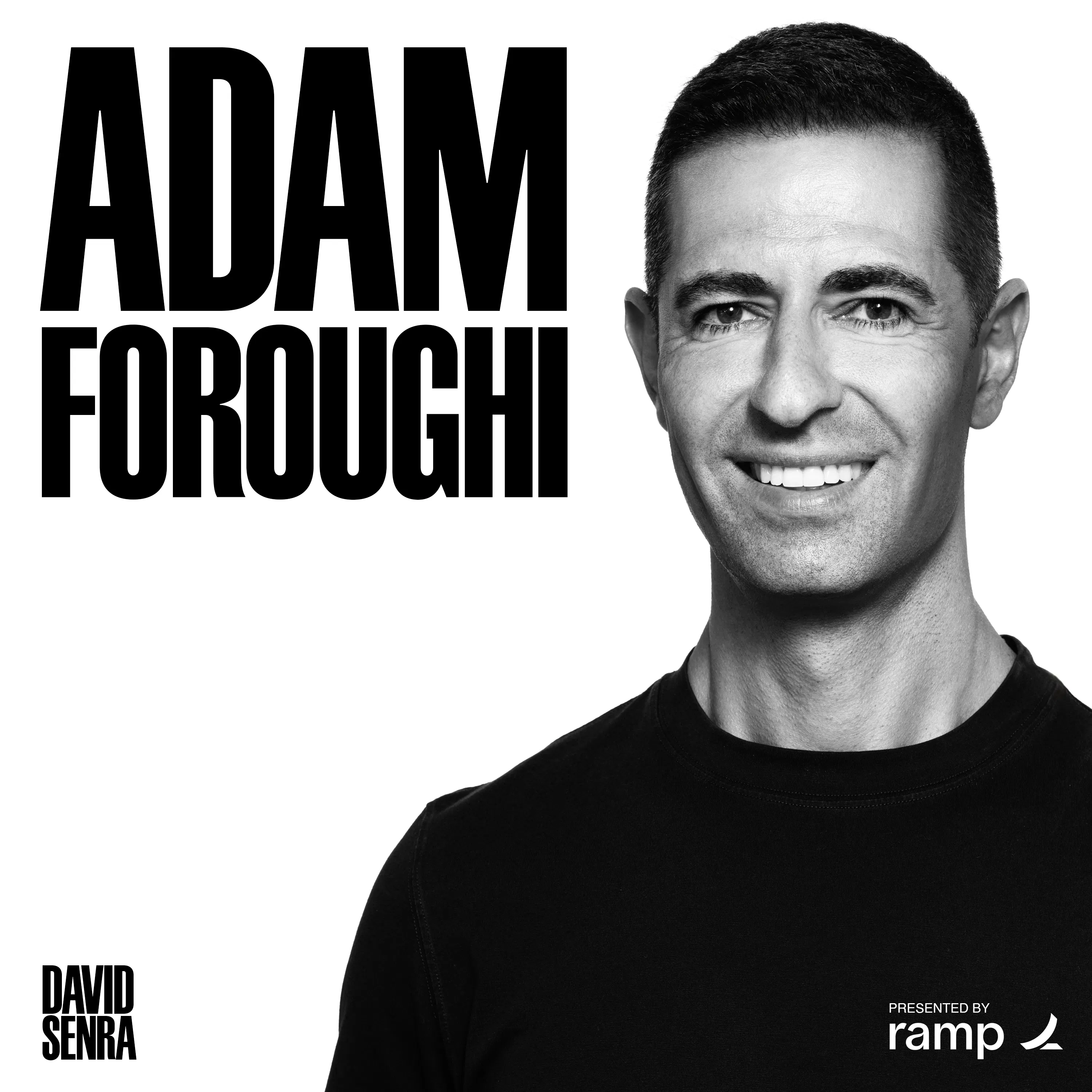
    Adam Foroughi, AppLovin

    Adam Foroughi is the co-founder and CEO of AppLovin, the AI-powered advertising platform that became one of the most impressive stock stories in recent history.

  • #16
    April 12 · 1 hr 58 min

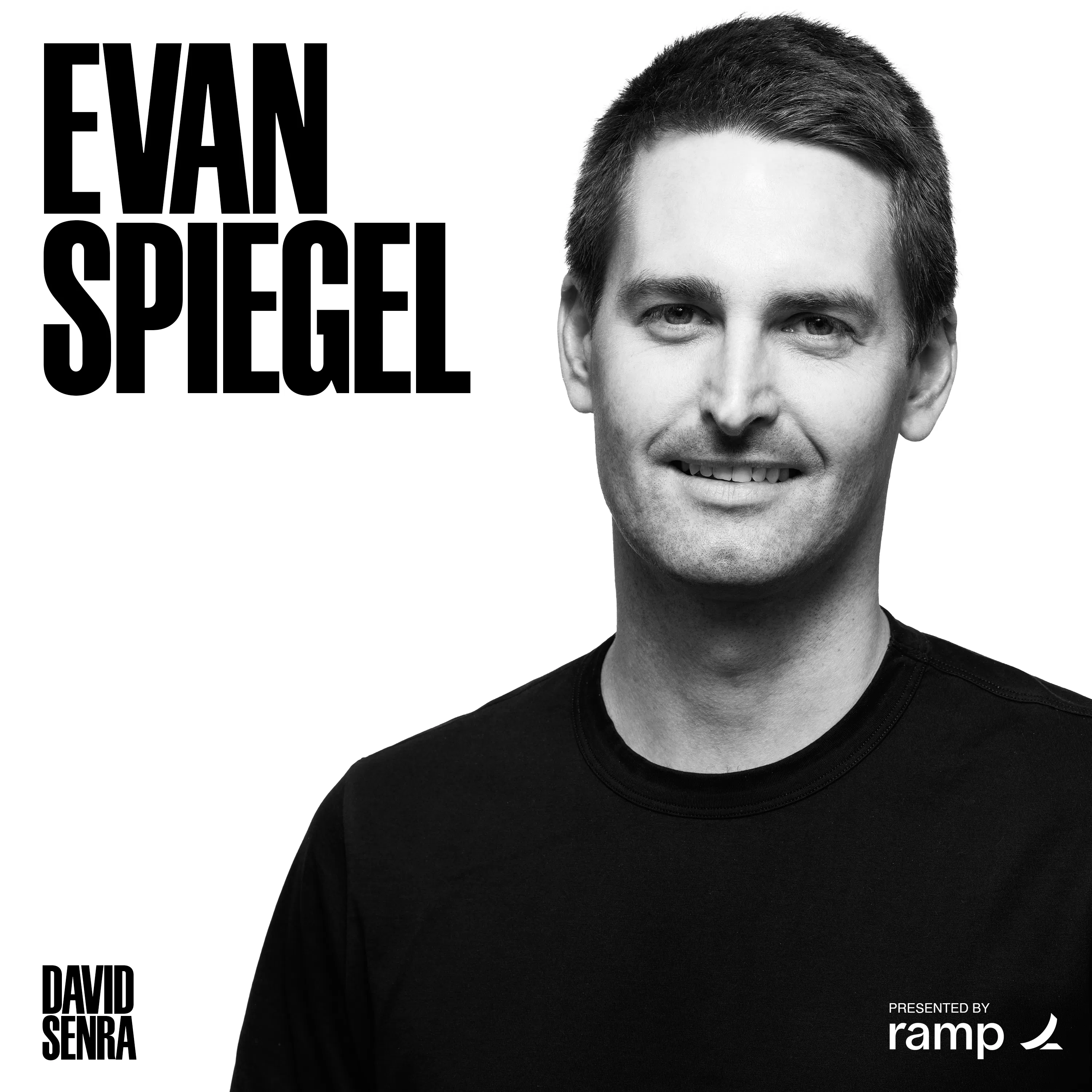
    Evan Spiegel, Snap

    Evan Spiegel is the co-founder and CEO of Snap Inc., the company behind Snapchat. At Stanford, he enrolled in the product design program. In 2011, in a class project, he and two classmates — Reggie Brown and Bobby Murphy — sketched out the idea for an app where photos disappeared. The insight was counterintuitive: in an era when everyone was obsessed with permanence and curation online, ephemerality might be the point. They built it. Spiegel dropped out before graduation to run it full time. What followed was one of the most turbulent ascents in Silicon Valley history. Facebook tried to buy Snapchat in 2013 for $3 billion in cash. Spiegel, 23 years old, said no. The decision was mocked at the time and later vindicated. Snap went public in March 2017 at a $24 billion valuation, making Spiegel — still in his mid-twenties — one of the youngest self-made billionaires in history. Spiegel has always argued that Snap is a camera company — that the camera is the starting point for how the next generation communicates, not a feature, but the interface itself. Snapchat pioneered Stories, a format that Instagram, Facebook, WhatsApp, and YouTube all copied within years. It pioneered augmented reality filters at consumer scale. It built a maps product that shows where your friends are in real time. Every one of those ideas was imitated. Now he's making his biggest bet yet. Snap's sixth-generation Spectacles are AR glasses — a genuine attempt to build the successor to the smartphone. They overlay digital information onto the real world in real time. Spiegel believes the camera on your face will eventually replace the screen in your pocket. He and his wife Miranda Kerr run the Spiegel Family Fund, focused on arts, education, and human rights. In 2022 alone, he gave $20 million to a scholarship program in Stockton and wiped out the student debt of an entire graduating class at Otis College of Art and Design. Show notes: https://www.davidsenra.com/episode/evan-spiegel Made possible by Ramp: ⁠https://ramp.com⁠ Deel: https://deel.com/senra Axon by AppLovin: https://axon.ai/senra HubSpot: https://hubspot.com Chapters (00:00:00) Edwin Land Influence (00:02:01) Art Science Upbringing (00:03:27) Computers And Connection (00:05:50) Smartphone Addiction Lens (00:09:30) Building For Humanity (00:13:15) From Internships To Snapchat (00:17:02) Snapchat vs. Social Media (00:18:38) Stories And Vertical Video (00:22:22) Uncompromising Kind Culture (00:28:34) Snap Leadership And Design (00:37:38) AI Supercharges Snap (00:41:57) No Moat In Software (00:42:31) Beating the Clone (00:43:50) Messaging Network Effects (00:44:58) Camera Out of Pocket (00:45:49) Specs Market Reality (00:48:28) AR Platform Explosion (00:52:14) Vision-Led Product Design (00:54:09) Why Not Luxottica (00:59:11) Owning the Stack (01:03:02) Snap the Middle Child (01:08:04) Crisis Without Burnout (01:10:02) Snapchat Plus Growth (01:12:54) Rebuilding the Ad Engine (01:19:03) Subscriptions Over Ads (01:21:14) Fighting Giants With AI (01:22:04) Why Hardware Stands Alone (01:25:29) Snap Lab Origins (01:25:59) New Apps Beyond Snapchat (01:28:29) Focus And Founder Drive (01:32:14) Surfacing Problems Fast (01:36:08) Flat Culture Meritocracy (01:39:36) Last Company And Giving Back (01:41:15) Turning Down Billions (01:48:51) Snapchat Funds New Computing (01:51:24) Crucible Year And Schedule (01:53:56) Stress Reframed Meditation (01:56:09) Explainer In Chief (01:57:07) Closing Learn more about your ad choices. Visit megaphone.fm/adchoices

  • #15
    March 29 · 1 hr 49 min

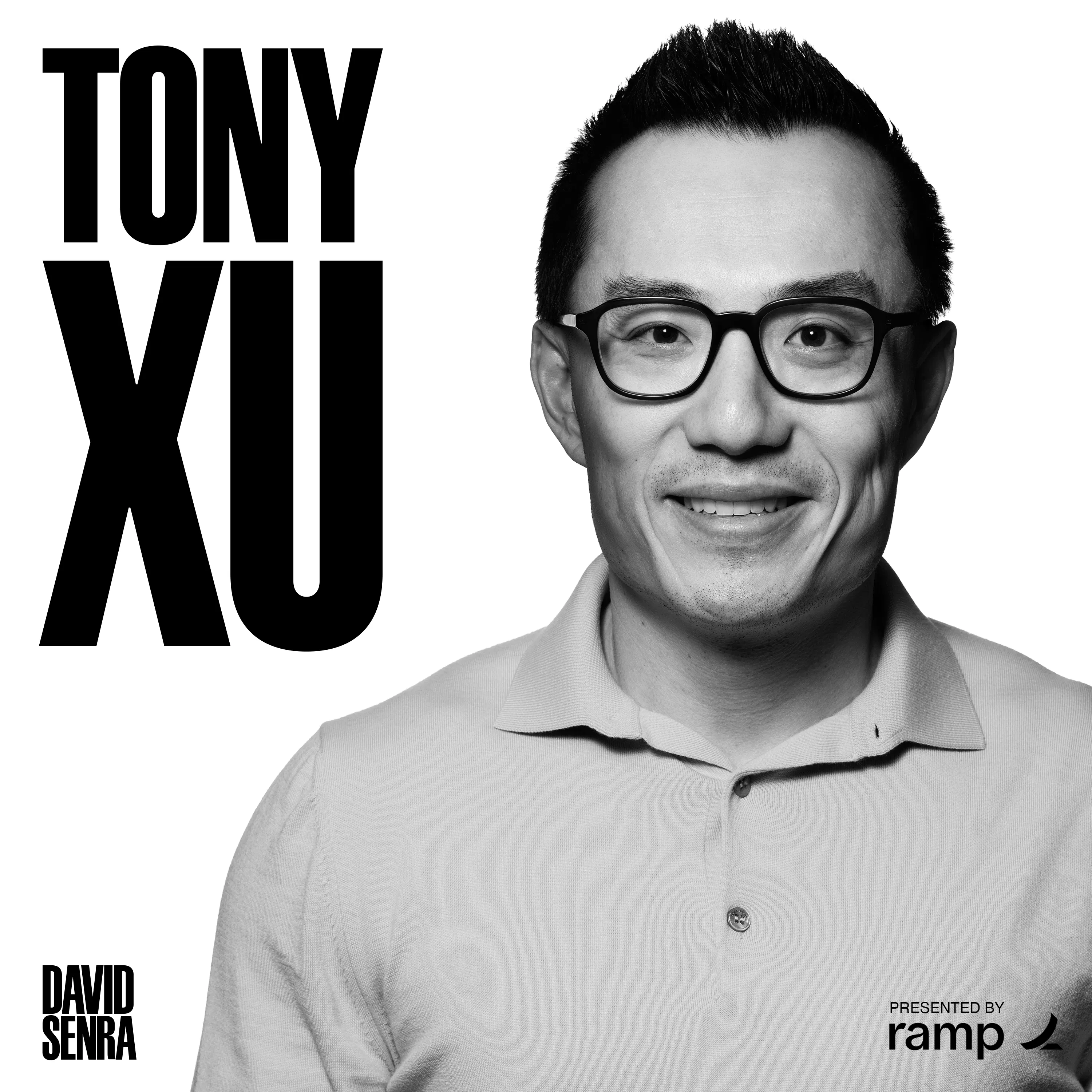
    Tony Xu, DoorDash

    Tony Xu is the co-founder and CEO of DoorDash, the largest food delivery platform in the United States. Before he was a tech executive, he was a dishwasher. Xu was born in Nanjing, China, and immigrated to the U.S. at age four with parents who arrived with $200 in the bank. His mother had been a licensed doctor in China. In America, she waited tables at a Chinese restaurant in Illinois. Xu worked beside her, washing dishes. That experience became the animating idea behind everything he built. At Stanford, he and three classmates noticed that restaurants in Palo Alto had no good way to handle delivery. They built a basic website, called restaurants, and started driving orders themselves — skipping class to fulfill them. That crude experiment became DoorDash. They went through Y Combinator in 2013 with $120,000 in seed funding and a product that barely existed. What followed was a decade of improbable dominance. DoorDash entered a market that Grubhub had largely defined, absorbed punishing losses to win share city by city, and eventually surpassed every rival in the U.S. In December 2020, the company went public on the NYSE at a $32 billion valuation, making Xu a billionaire at 36. In 2022, DoorDash acquired the Finnish delivery platform Wolt for $8.1 billion, expanding the business from four countries to more than two dozen overnight. Xu has always insisted DoorDash is a logistics company, not a food app — a platform for local commerce that starts with restaurants but doesn't end there. Show notes: https://www.davidsenra.com/episode/tony-xu Made possible by Ramp: ⁠https://ramp.com Deel: https://deel.com/senra Axon by AppLovin: https://axon.ai/senra Chapters (00:00:00) DoorDash MVP in 43 Minutes (00:01:39) How Delivery Worked in 2013 (00:03:17) Small Business Roots and Insight (00:05:48) Why Restaurants First (00:08:24) Palo Alto vs San Francisco (00:11:03) Early Customers and Unit Economics (00:15:22) YC Summer Three Questions (00:19:50) The Hidden Complexity of Delivery (00:22:02) Competing on Invisible Details (00:23:54) Chaos Data and Experiment Loops (00:30:58) Trust Reset Every Day (00:31:30) Stanford Game Meltdown and Refunds (00:34:41) Scaling Through Experiments (00:37:37) Customer North Star Metrics (00:40:10) CEO Customer Support Habit (00:42:55) Anecdotes Versus Data (00:46:52) Eternal Mission Local Economies (00:50:09) Turning Data Into Merchant Growth (00:59:12) New Products Beyond Delivery (01:01:14) Autonomous Delivery Strategy (01:05:06) Hiring Rhodes Scholar Navy SEALs (01:12:46) Driver Switch Experiment (01:13:42) Who Delivers and Why (01:15:33) Hiring for Action (01:18:07) Earned Secrets via Experiments (01:20:01) Money vs Problem Solving (01:21:18) Thousand Days of Hell (01:26:04) Staying Sane as CEO (01:30:07) Ignore the Stock Price (01:31:44) Two Operating Systems (01:35:17) Internal Venture Stage Gates (01:38:17) Learning from Founder Peers (01:42:29) Jiu Jitsu Lessons (01:44:37) AI Changes the Loop (01:47:01) Data Needs Action (01:48:24) Closing Thoughts Learn more about your ad choices. Visit megaphone.fm/adchoices

  • #14
    March 24 · 1 hr 50 min

    The Book of Elon with Eric Jorgenson

    ⁠Eric Jorgenson⁠ is an investor, author, and the CEO of Scribe Media — best known for his mission to distill the ideas of the world's most consequential thinkers into books anyone can read.

Showing 21–34 of 34 episodes